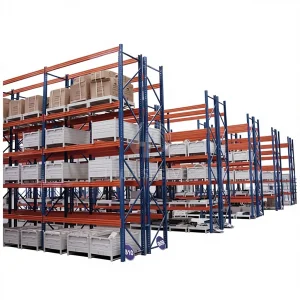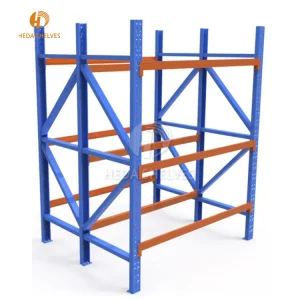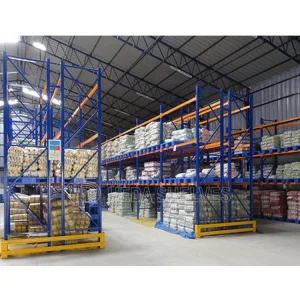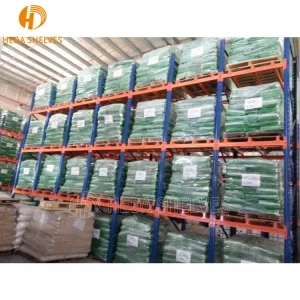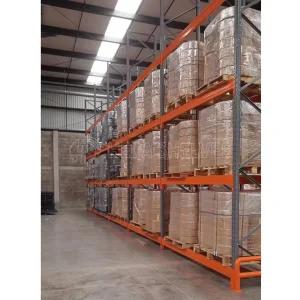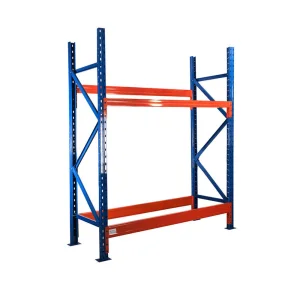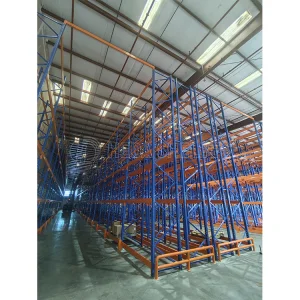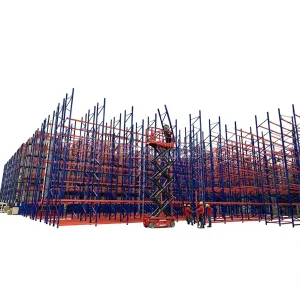
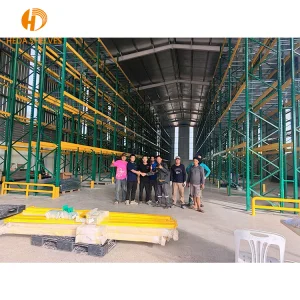
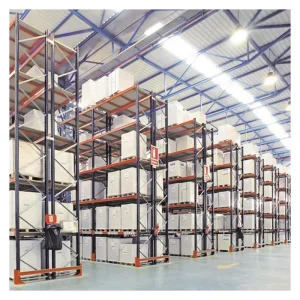
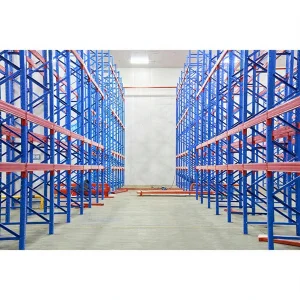
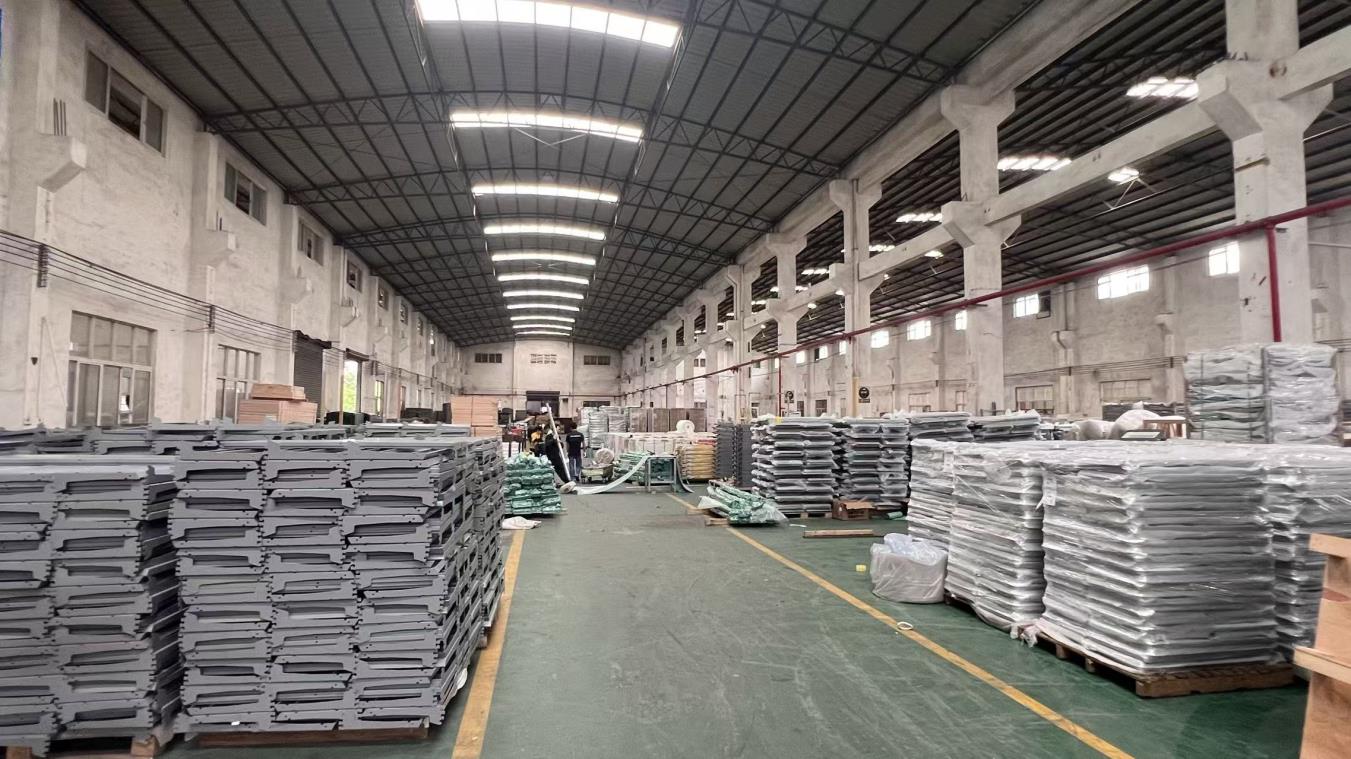
Founded in 2014, Dongguan Durack Logistics Equipment Co., Ltd. is a premier Chinese storage racking system manufacturer operating a state-of-the-art 35,000 m² facility. Backed by 12 years of core industry experience and 8 years of global export history, we generate $28 million in annual export revenue. Our production pipeline runs under a strict, documented quality assurance system using full-spectrum ultrasonic testing and dynamic load-bearing stress evaluations to assure ultimate structural safety.
Our operations cater directly to global third-party logistics (3PL) providers, cold-chain distribution centers, automated warehousing facilities, and large industrial distributors. Guided by a robust team of 65 specialized design and structural engineers, Durack offers complete OEM/ODM customization—including bespoke structural configurations, specific metal grades, and load-path optimized floor plans.
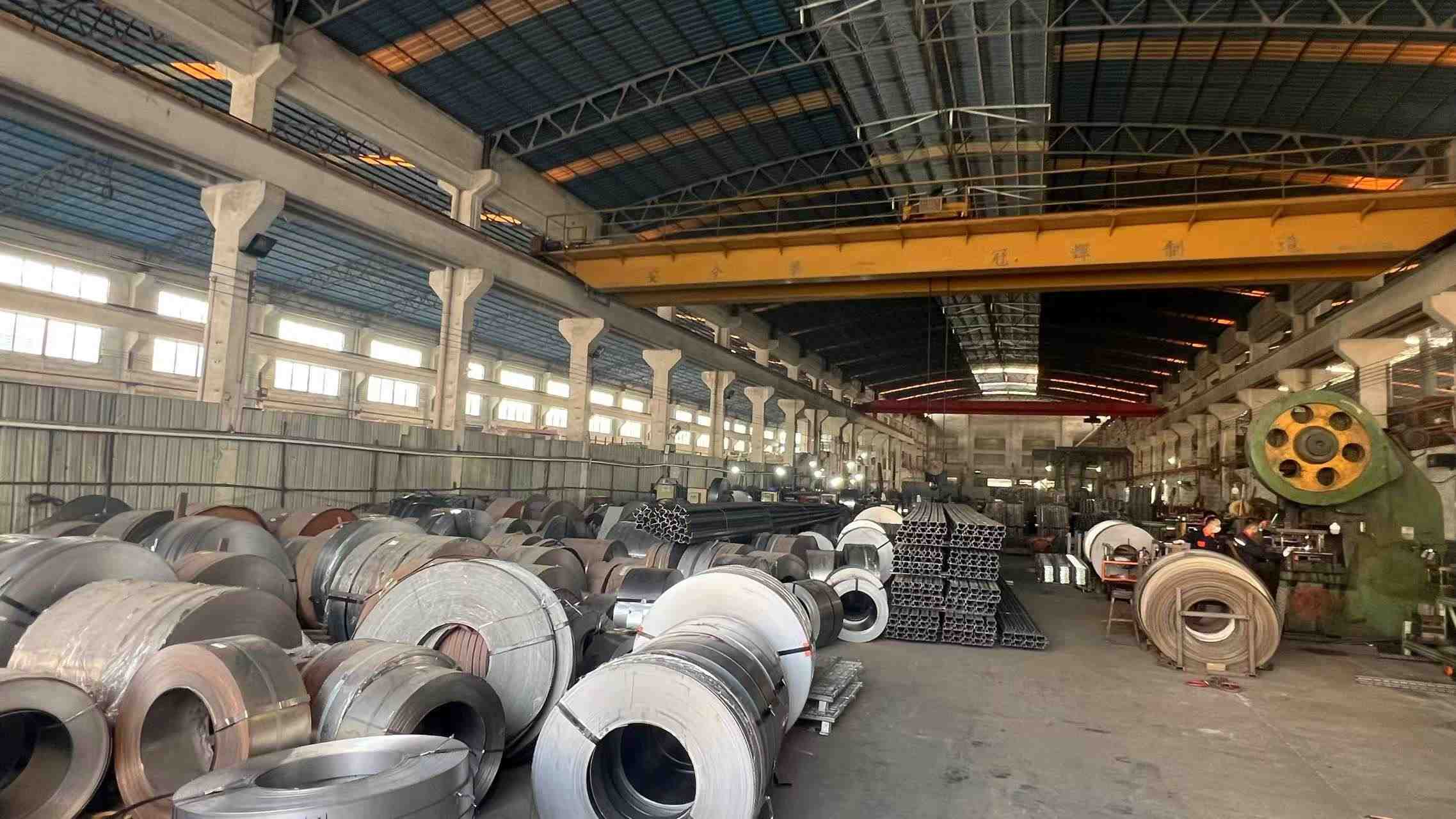
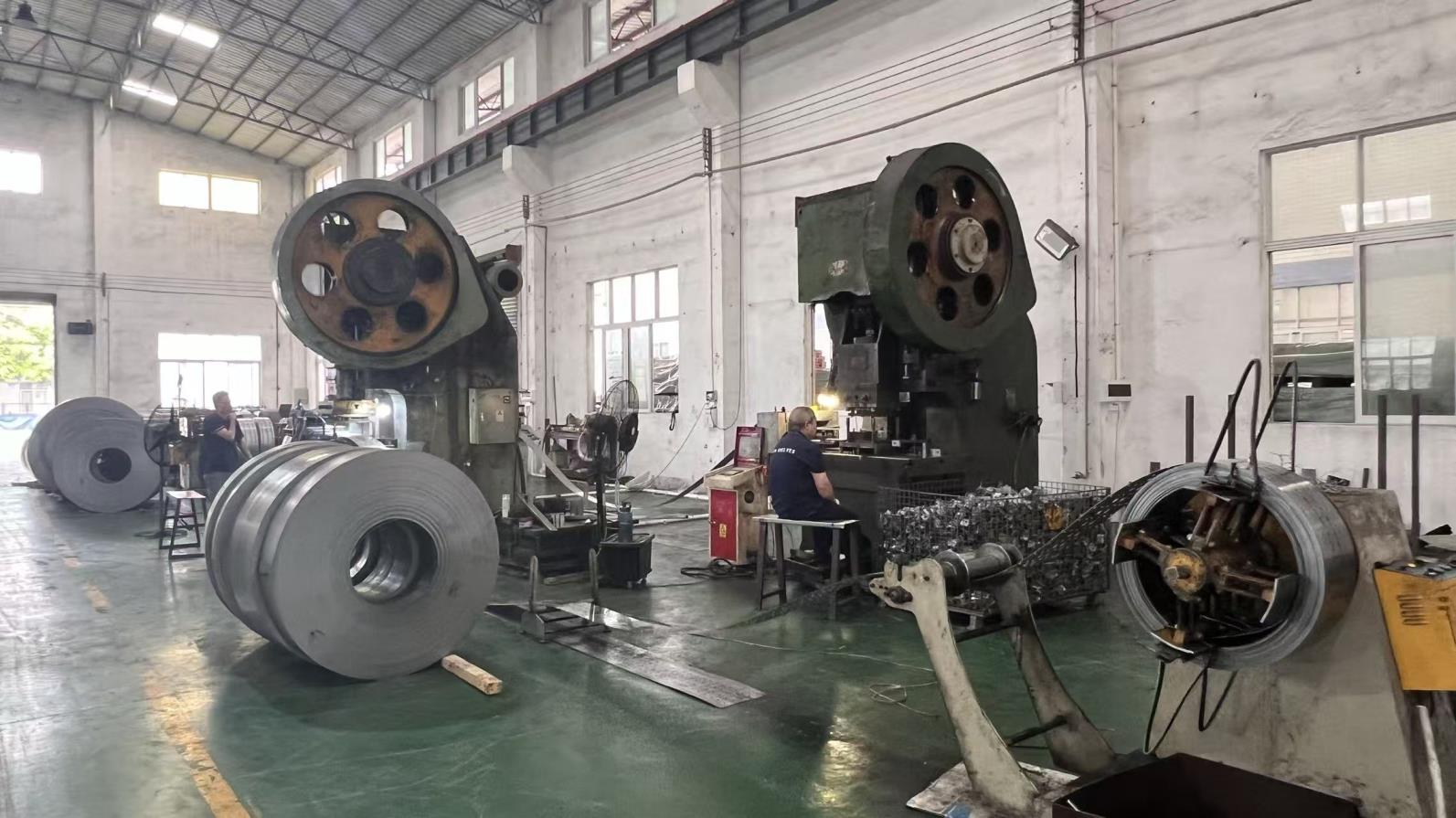
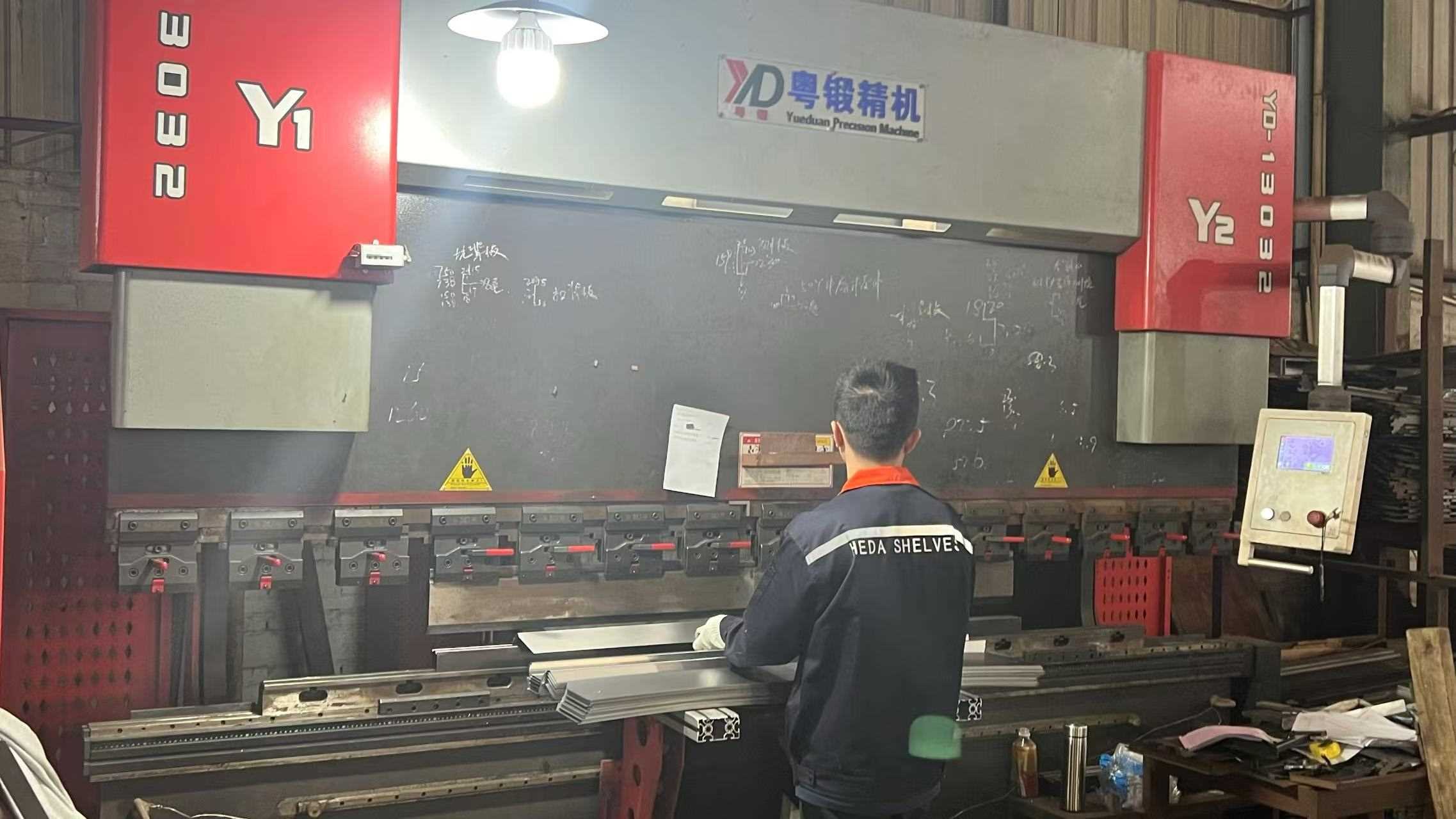
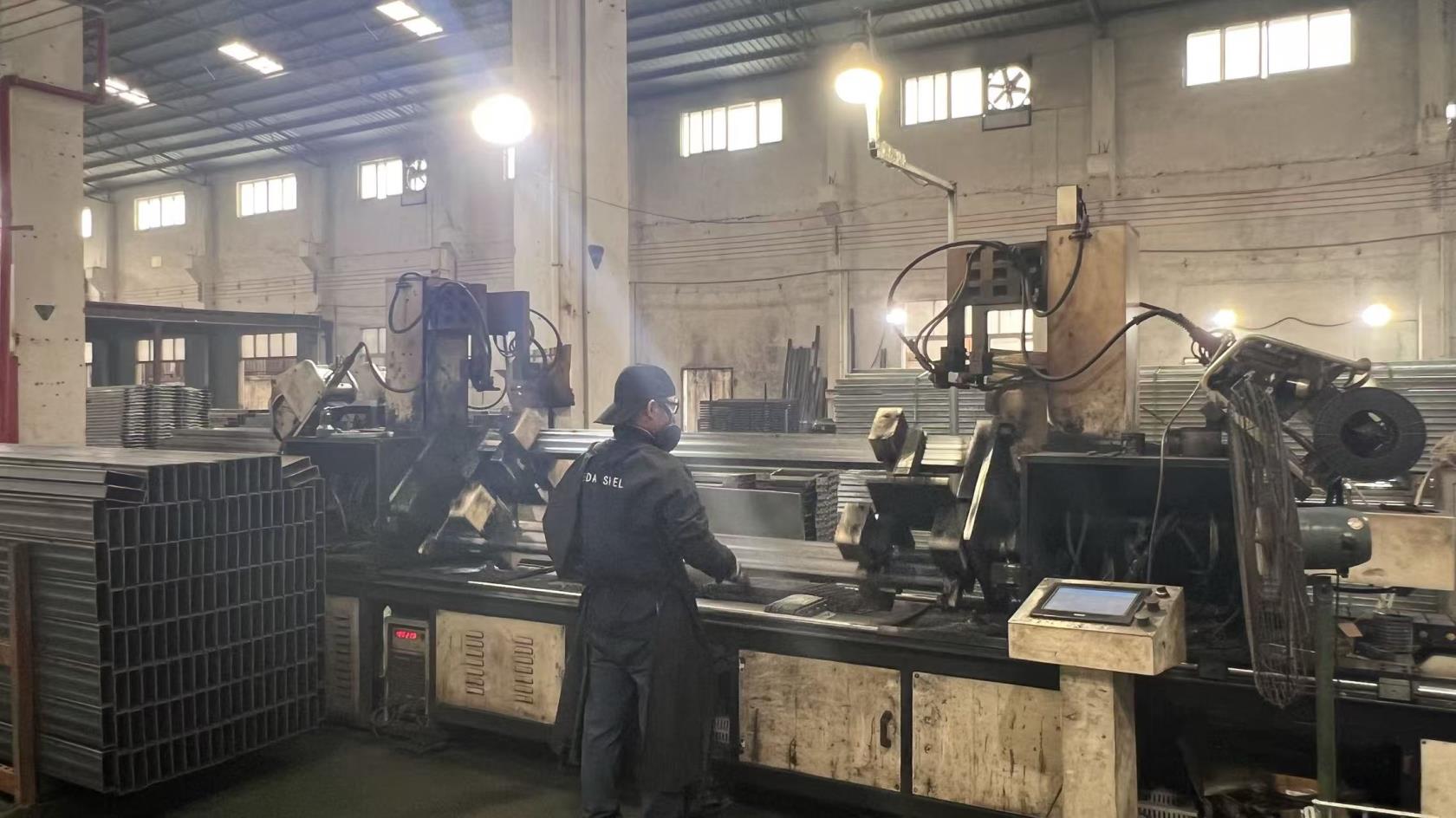
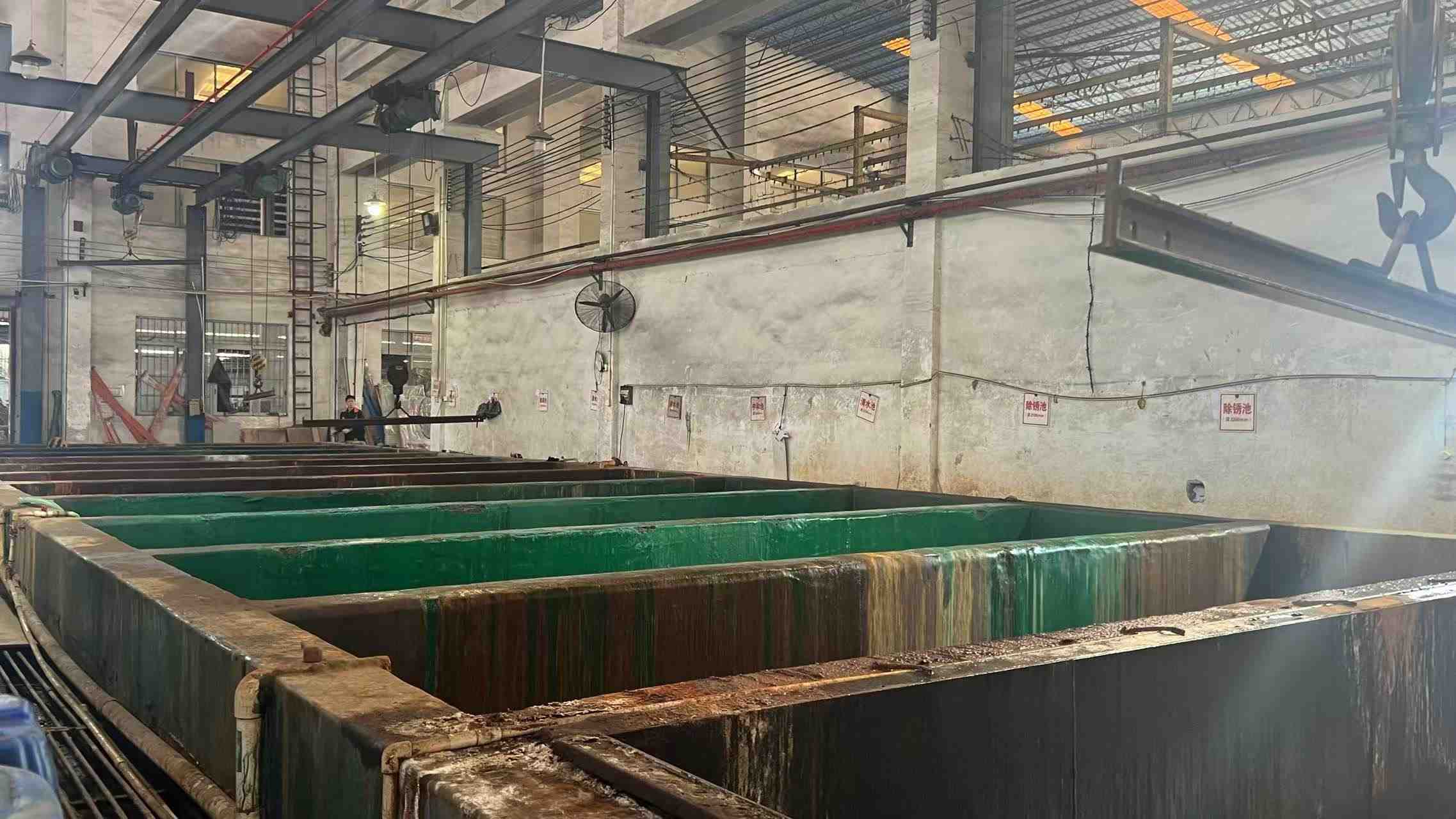
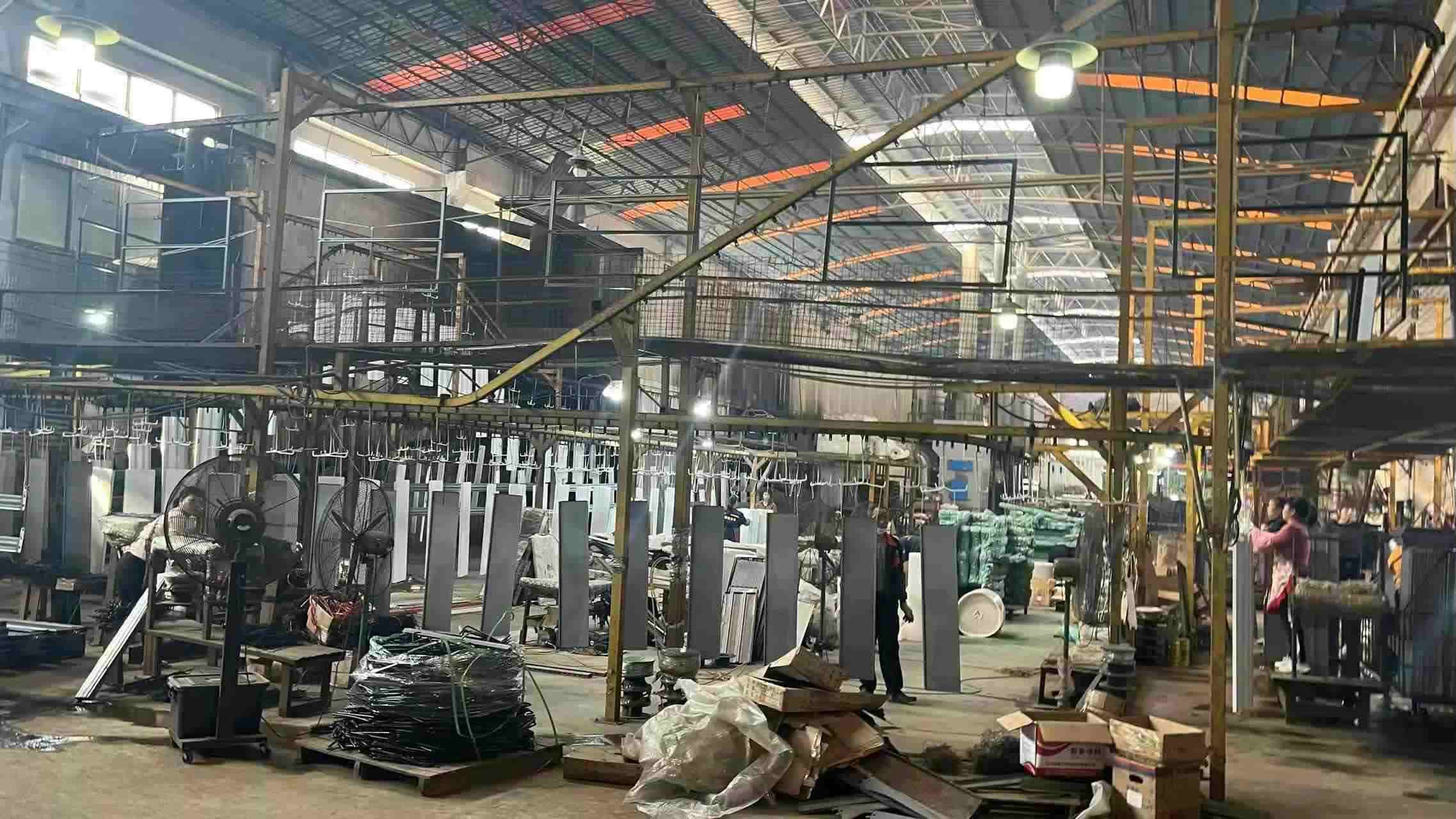
Integrating robotic automation, strict dimensional tolerances, and high-performance powder coating lines to deliver structurally sound logistics infrastructure.
A comprehensive guide to raw material selection, mechanical calculation standards, and supply chain strategies in modern industrial warehousing.
Industrial warehousing hinges on the load-bearing integrity of vertical and horizontal profiles. The two global design topologies dominating the selective rack space are the American Teardrop System and the European Metric System. While they serve similar structural purposes, their mechanical fastening mechanisms and pitch spacing are fundamentally distinct.
The Teardrop racking system represents the standard in North American logistics. It utilizes a slide-in punch hole design resembling a drop of water, which allows the beam connectors to lock into the upright frames without the requirement of bolts or proprietary accessories. This facilitates rapid beam height adjustments at 2-inch standard increments. Under seismic design categories (IBC/RMI standards), safety locks or lock pins are inserted through the connector plates to resist vertical uplift forces caused by forklift operators or localized dynamic shocks.
Conversely, the Euro Standard Pallet Racking system relies on a structural design configuration optimized for metric pallet dimensions (such as the standard EUR-1 and EUR-2 pallets). The spacing pitch typically measures 50mm or 75mm, utilizing hook-in connectors with safety pins. These uprights are cold-rolled from high-grade structural steel and subject to the European Standard EN 15512, which requires advanced structural analysis methods including the modeling of semi-rigid beam-to-column connections.
Adhering to RMI & FEM guidelines, the maximum allowable deflection of steel beams must not exceed 1/180 of the total span length under dynamic loading configurations.
Utilizing high-yield Q235B and Q355B structural steel, balancing carbon composition to maintain optimal ductility and tensile yield limits up to 355 MPa.
Electrostatic thermosetting polyester powders are cured at 200°C, providing a durable surface finish resistant to corrosion, mechanical abrasion, and environmental weathering.
Global supply chain integration highlights China as a highly competitive manufacturing base for heavy industrial racking systems. Procurement managers from North America, Europe, and Australia balance multiple key criteria: unit cost, structural safety, metal processing accuracy, lead times, and logistical efficiency. China's industrial clusters, particularly in the Pearl River Delta (where Durack Logistics is situated), offer unmatched capabilities.
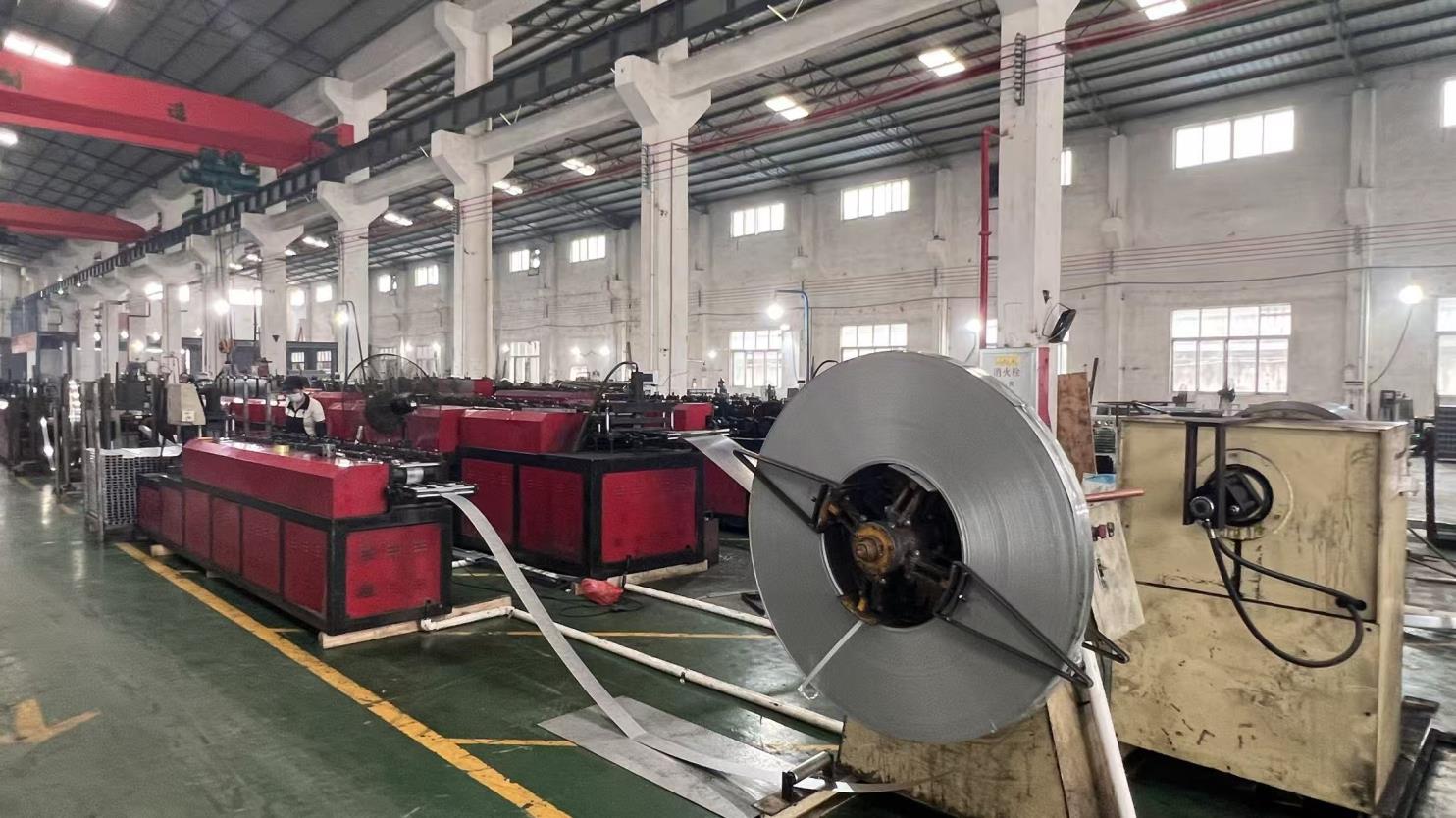
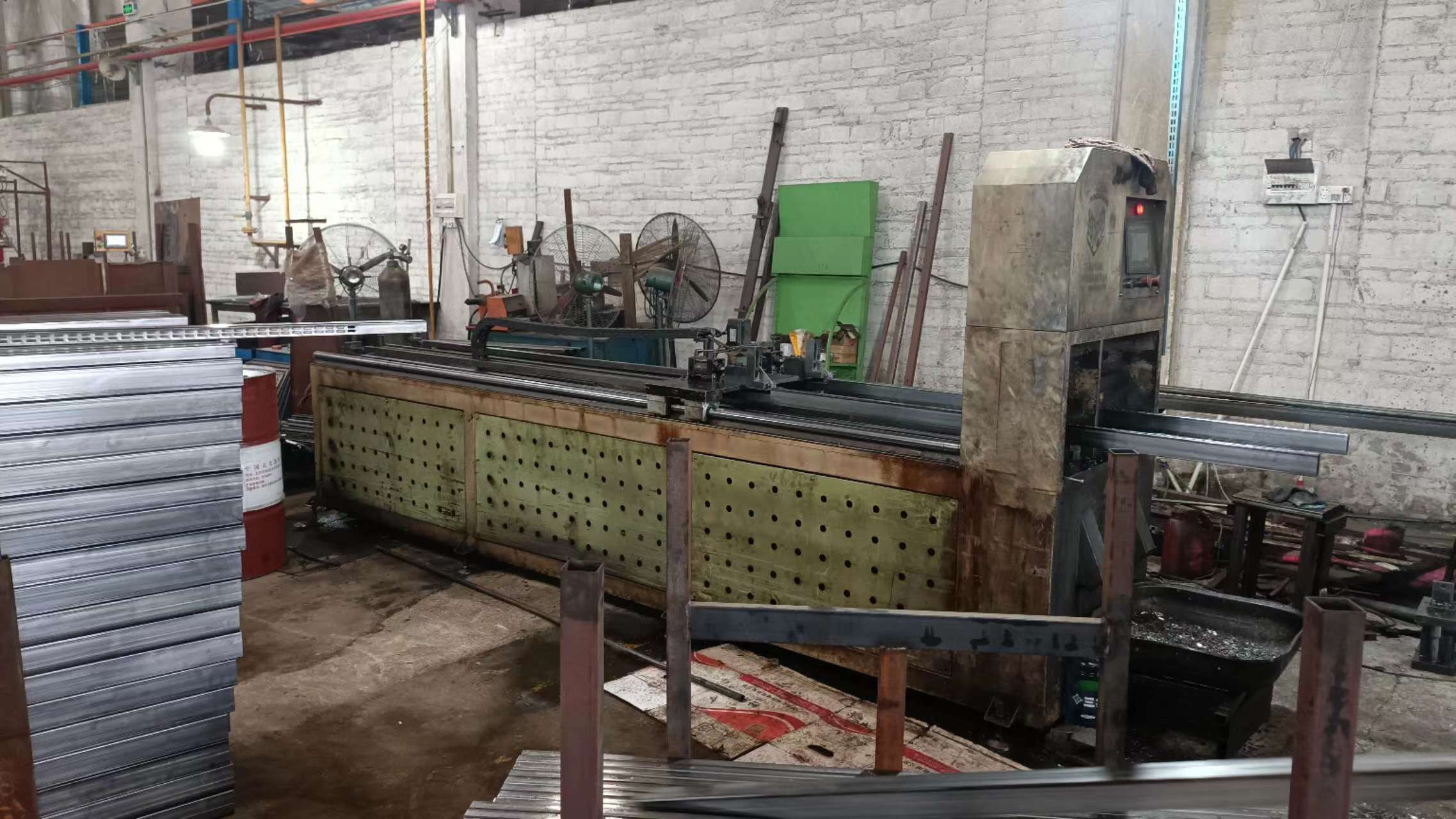
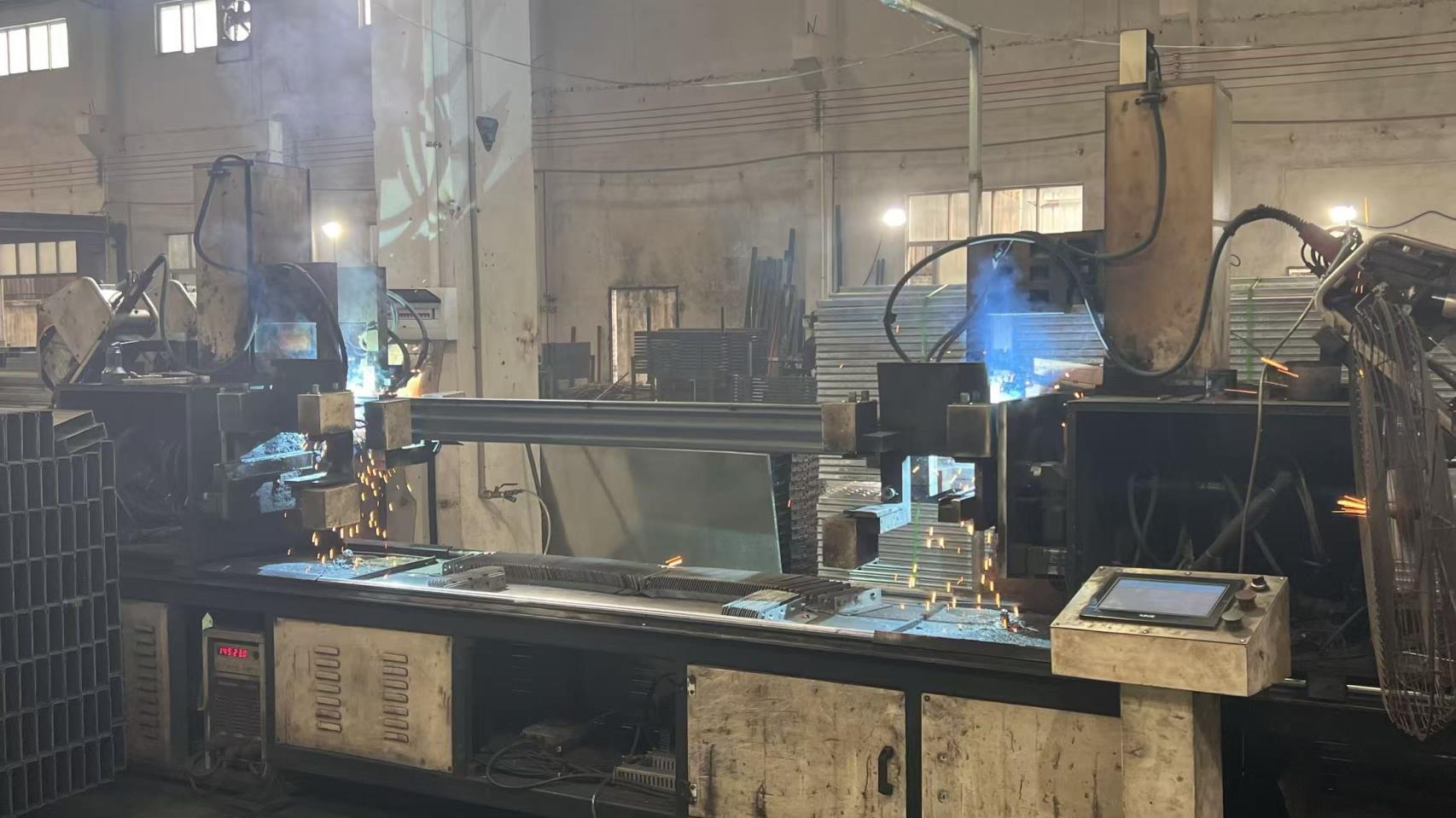
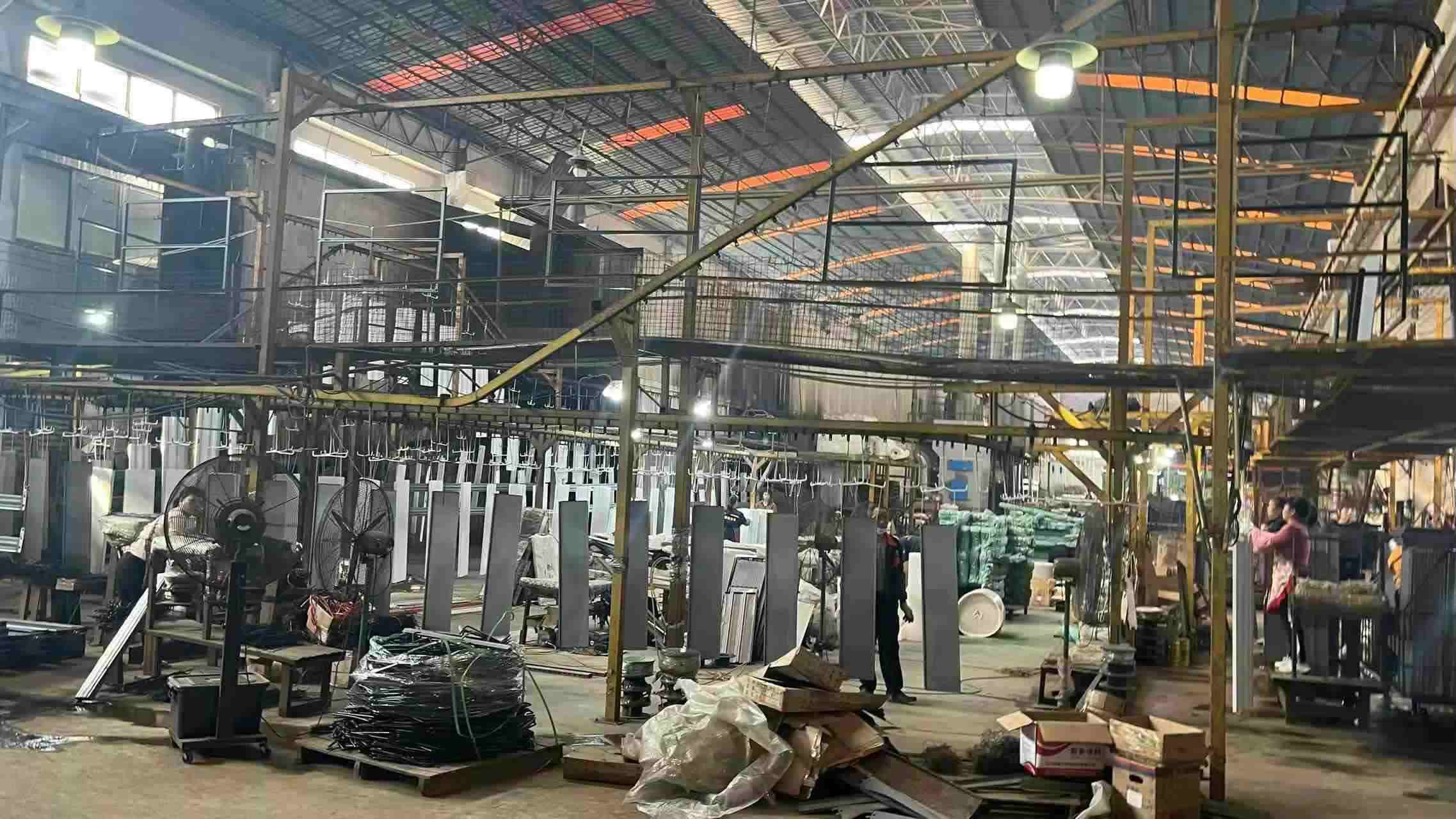
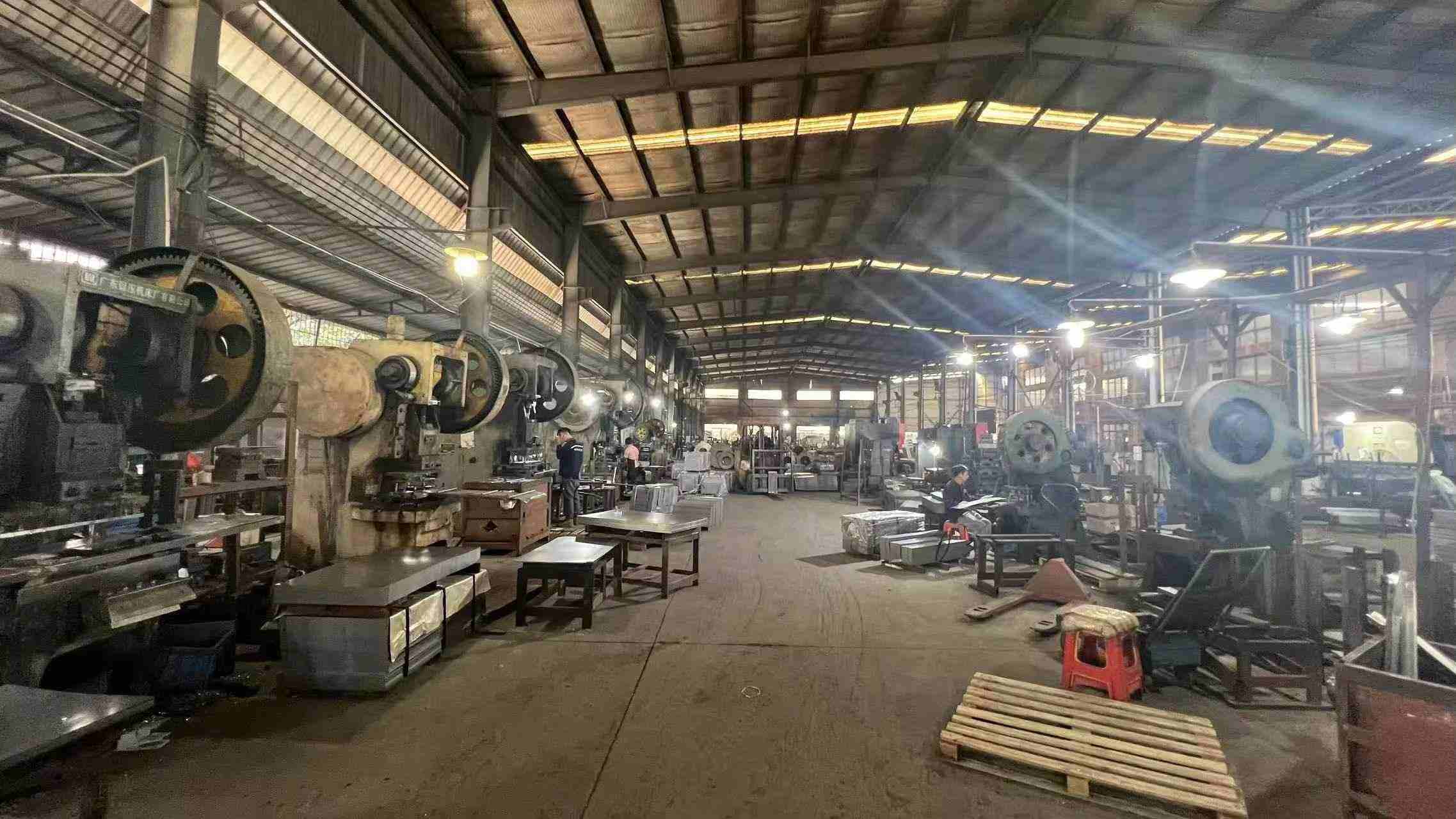
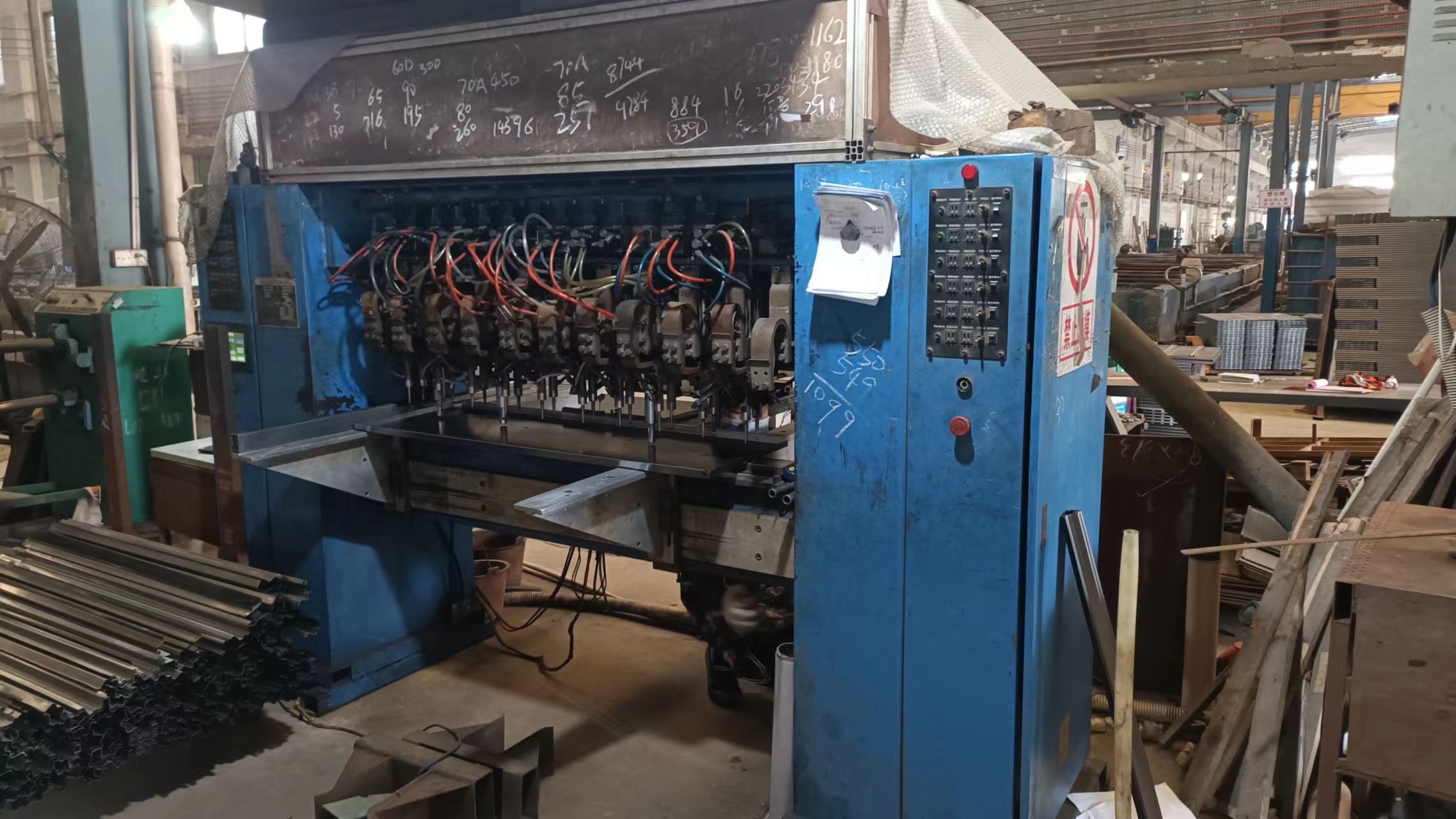
The primary operational advantage stems from local vertical integration. By purchasing steel coils directly from domestic mills such as Baosteel or Ansteel, manufacturers minimize raw material logistics costs. Additionally, the localized integration of processes—including high-speed cold-roll forming, automated punch pressing, robotic butt-welding (OTC and Yaskawa systems), and fully automatic continuous electrostatic powder coating—helps eliminate production bottlenecks.
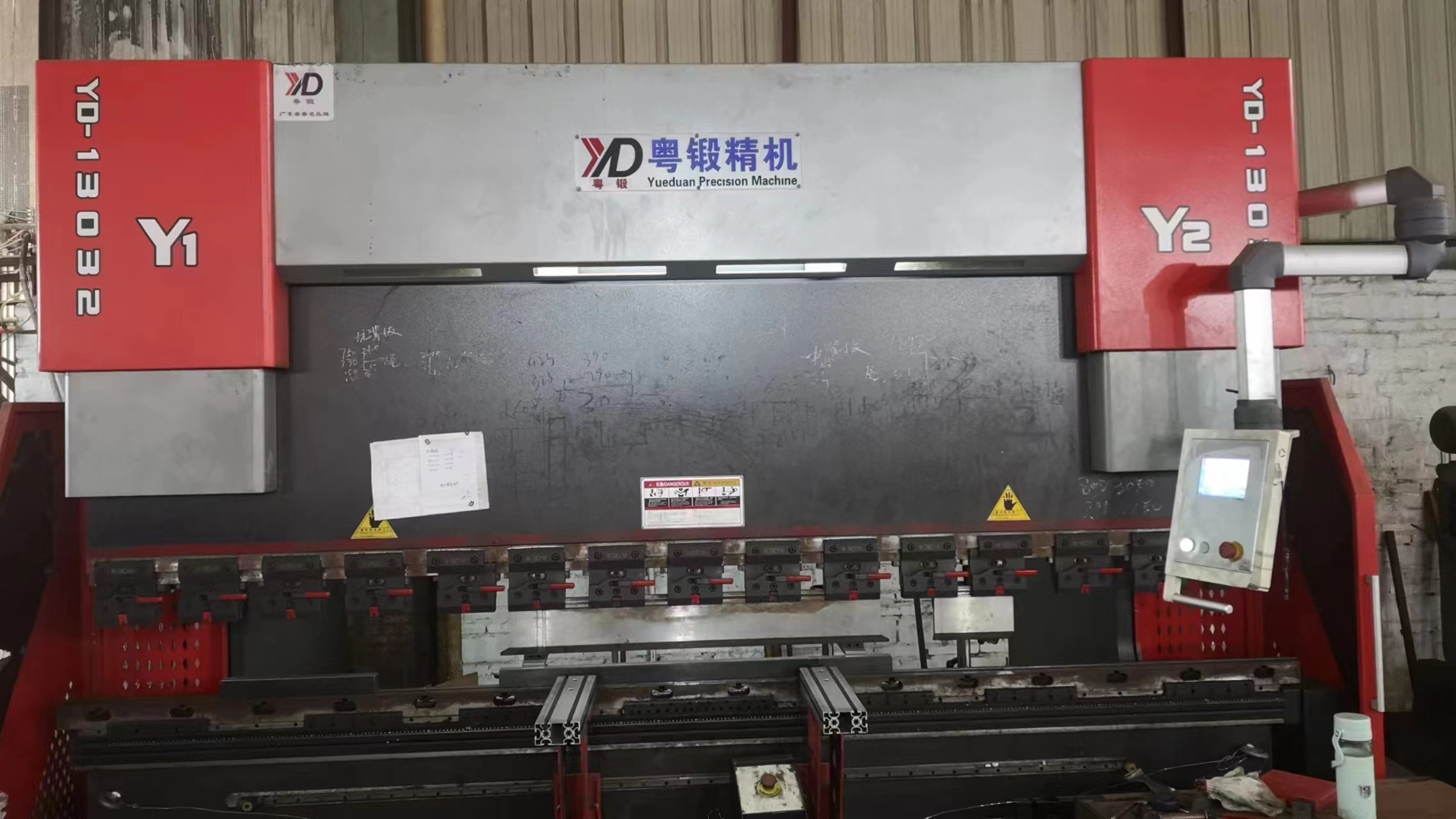
At our Dongguan facility, the implementation of quality-assured automated production results in consistent structural output. Precise, computer-controlled cold-roll forming machines shape the upright profiles to tight dimensional tolerances, preserving the structural integrity of the steel sheet. Furthermore, our 45-person Quality Control team inspects weld penetration using advanced ultrasonic testing. They also verify coating thickness to ensure long-term corrosion resistance in high-humidity or cold-chain environments.
Industrial storage solutions are not one-size-fits-all. Different logistics operations require specific loading densities, throughput speeds, and forklift integration configurations:
| Racking Configuration | Space Utilization | SKU Selectivity | Load Capacity (per Pallet) | Typical Applications |
|---|---|---|---|---|
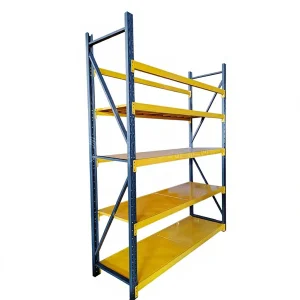
| Selective Pallet Racking | Low to Medium (~40%) | 100% (First-In, First-Out) | 500 kg - 2000 kg | 3PL, retail, distribution, general manufacturing |
| Double-Deep Racking | Medium to High (~60%) | 50% (First-In, Last-Out) | 800 kg - 1500 kg | Cold storage, food distribution, standardized high-volume SKUs |
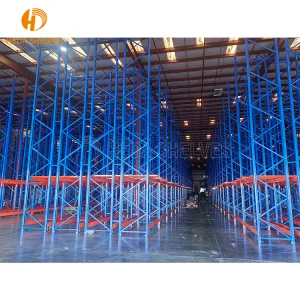
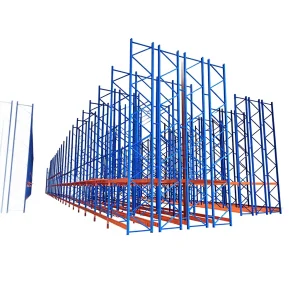
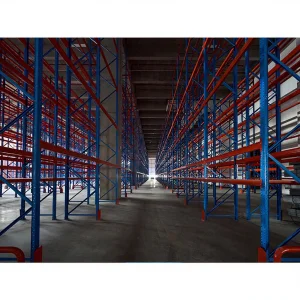
| Drive-In / Drive-Through | High (~75%) | Low (FILO / FIFO) | 500 kg - 1200 kg | Cold chain, bulk consumer goods, seasonal stockpiling |
| Push-Back / Gravity Flow | Very High (~80%) | Medium (FILO / FIFO) | 500 kg - 1500 kg | High-throughput logistics, food and beverage, raw materials |
Procuring structural steel racking from overseas requires thorough verification of design calculations and compliance with local building codes. When installing pallet racks in seismic zones, designers must perform dynamic structural calculations to verify the load-bearing frames can withstand lateral seismic forces. In the US, compliance with standard AISI S100 for cold-formed steel structural members and ANSI MH16.1 for industrial steel storage racks is mandatory. In Europe, EN 15512 and FEM 10.2.02 govern structural stability assessments.
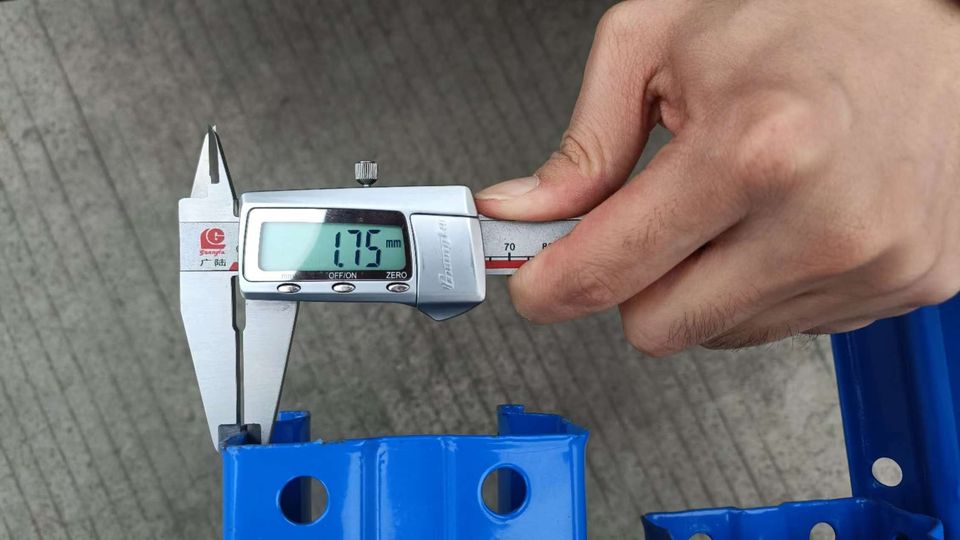
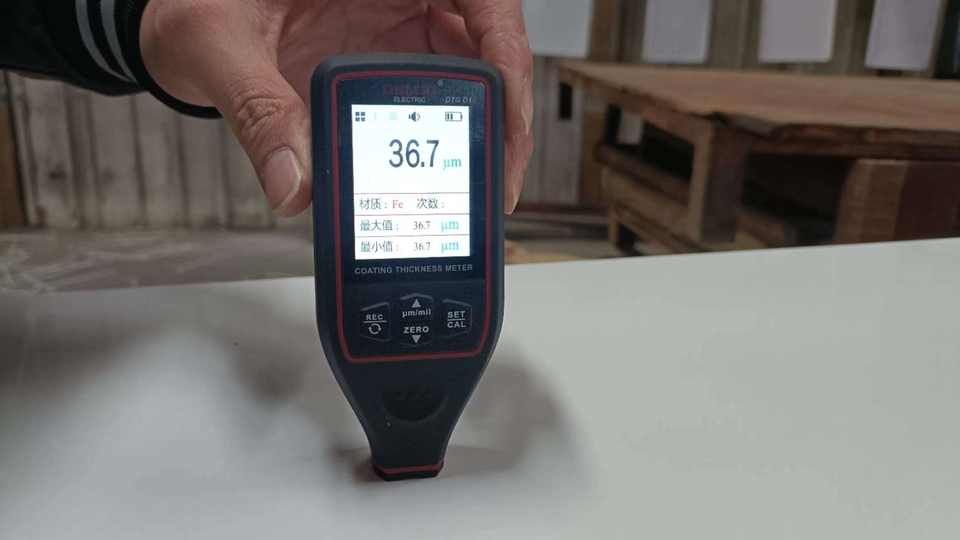
Additionally, testing the physical properties of the materials remains an important phase of structural safety verification. Standard tensile testing verifies the yield strength, tensile strength, and elongation percentage of the raw steel sheet. During the manufacturing phase, caliper measurements check the thickness of structural steel sheets to ensure the final product meets specified design criteria. Coating thickness meters are also used to verify that the protective dry-film powder coating thickness exceeds 60 microns. This ensures the steel profiles remain protected against corrosion and mechanical wear over their operational lifetime.
Expert answers to technical design, manufacturing processes, quality certifications, and delivery logistics questions.
 Durack