Explore our engineering excellence. High-performance retail fleet designs crafted to elevate the customer journey while optimizing store operational flow.
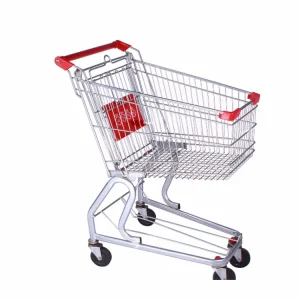
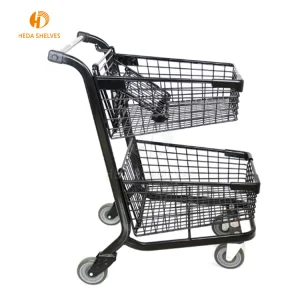
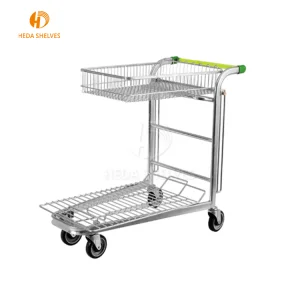
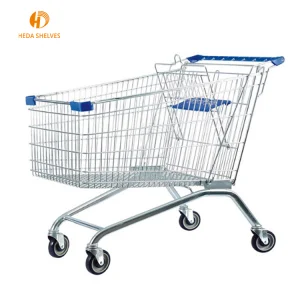
Analysing the intersection of store operations, human-centric design, and heavy-duty logistics infrastructure.
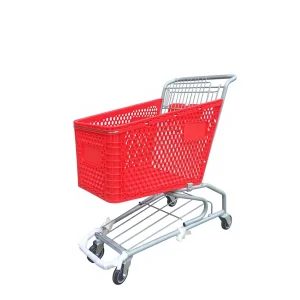
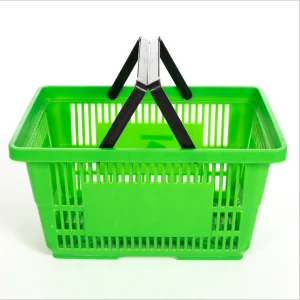
In modern high-throughput retail sectors, shopping trolleys are no longer simple mechanical structures; they are mission-critical assets that impact consumer retention, spatial efficiency, and bottom-line store profits. The global commercial landscape demands hybrid shopping equipment solutions capable of weathering intense operational loads. From hypermarket metal carts to specialized regional polymer baskets, manufacturers must align engineering metrics with long-term capital expenditure goals. This alignment requires precision engineering of the chassis, frame structure, and wheel systems to minimize friction coefficients and reduce replacement cycles.
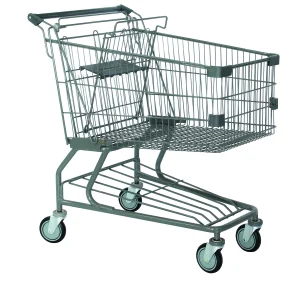
Over the last decade, retail giants have realized that fleet degradation leads directly to cart abandonment outside stores, vehicle hazard liabilities in parking spaces, and decreased average order values due to customer frustration. To solve this, our manufacturing blueprint focuses heavily on advanced structural integrity. By employing high-grade steel wire structures and impact-resistant high-density polyethylene (HDPE), we produce trolleys that guarantee thousands of operational hours under diverse environmental conditions.
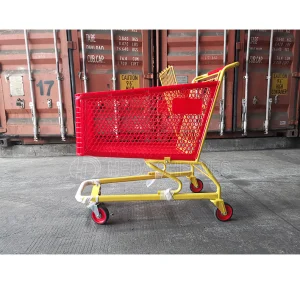
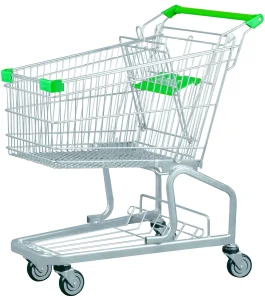
Understanding user intent in industrial purchasing reveals that B2B decision-makers face a constant dilemma: purchasing traditional steel-framed trolleys or transitioning to modern composite/plastic variants. Traditional steel structures deliver unparalleled rigidity and load capacity, but they are vulnerable to atmospheric oxidation (rust) when deployed in coastal regions or exposed outdoor parking lots. In contrast, all-plastic structures provide superior corrosion resistance, noise dampening, and lightweight maneuvers. However, they can warp under intense thermal stresses in sub-tropical zones if not correctly engineered.
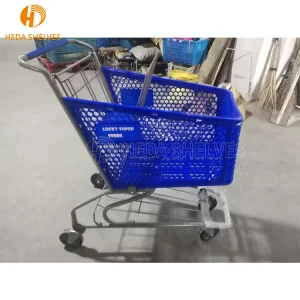
Our solutions bridge this gap through hybrid assembly mechanisms. By embedding zinc-plated steel sub-chassis structures inside robust, UV-stabilized plastic grocery baskets, we achieve the structural integrity of industrial logistics equipment combined with the weight advantage and quiet operation of modern consumer products. This strategy protects operators from structural failure risks while reducing ambient store noise by up to 15 decibels compared to purely steel-based configurations.
A Premier Industrial Manufacturing Giant Powering Worldwide Enterprise Logistics and Retail Fleets
Founded in 2014, Dongguan Durack Logistics Equipment Co., Ltd. is a premier Chinese storage racking and commercial handling system manufacturer operating a state-of-the-art 35,000 m² facility. Backed by 12 years of industry experience and 8 years of global export history, the company generates $28 million in annual export revenue. Our operations are supported by a strict quality assurance system using full-spectrum ultrasonic testing and load-bearing stress evaluations, overseen by 45 dedicated QC specialists.
Building on a strong international trading background, our core markets span North America, Europe, and Southeast Asia. We maintain a reliable supply chain network of over 850 partners, catering primarily to third-party logistics (3PL) providers, automated warehouses, and large industrial distributors. Driven by an active R&D division with 65 specialized engineers, Durack offers full OEM/ODM customization options—including bespoke beam profiles, structural steel grades, and dynamic layout designs—launching over 120 new storage and handling products last year.
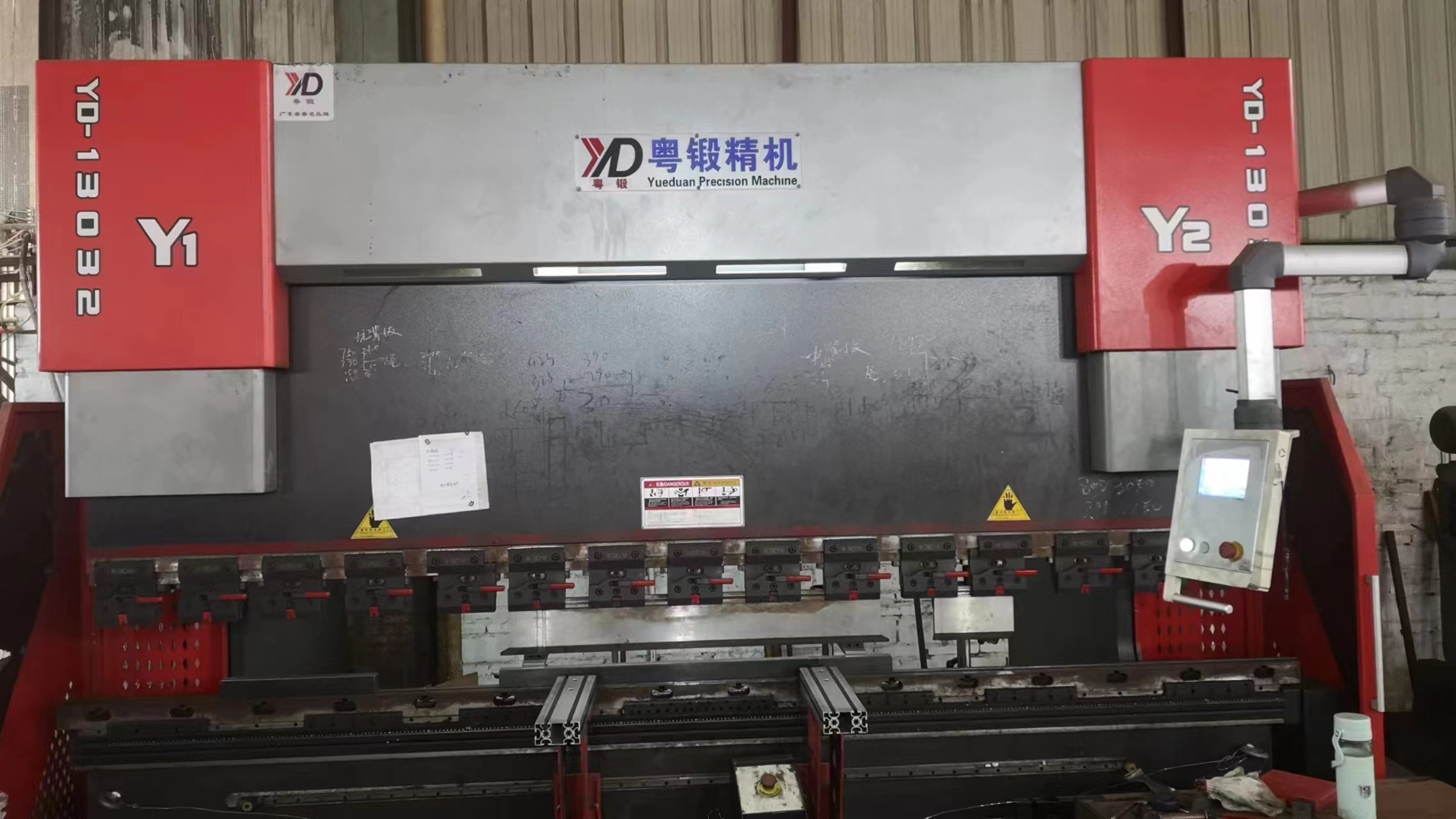
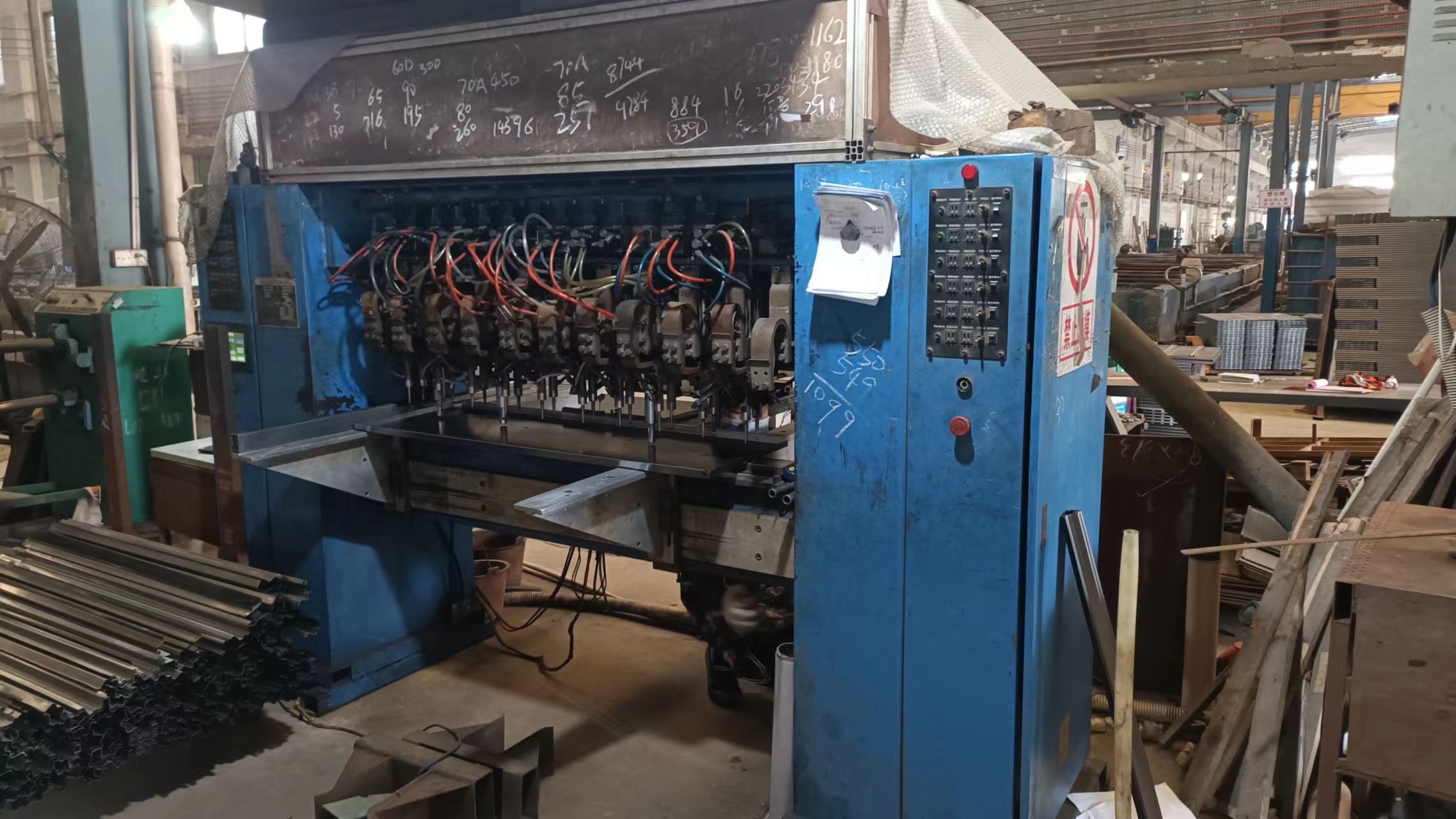
Step-by-step documentation of our heavy manufacturing cycle, demonstrating industrial control from raw steel selection to final surface treatment.
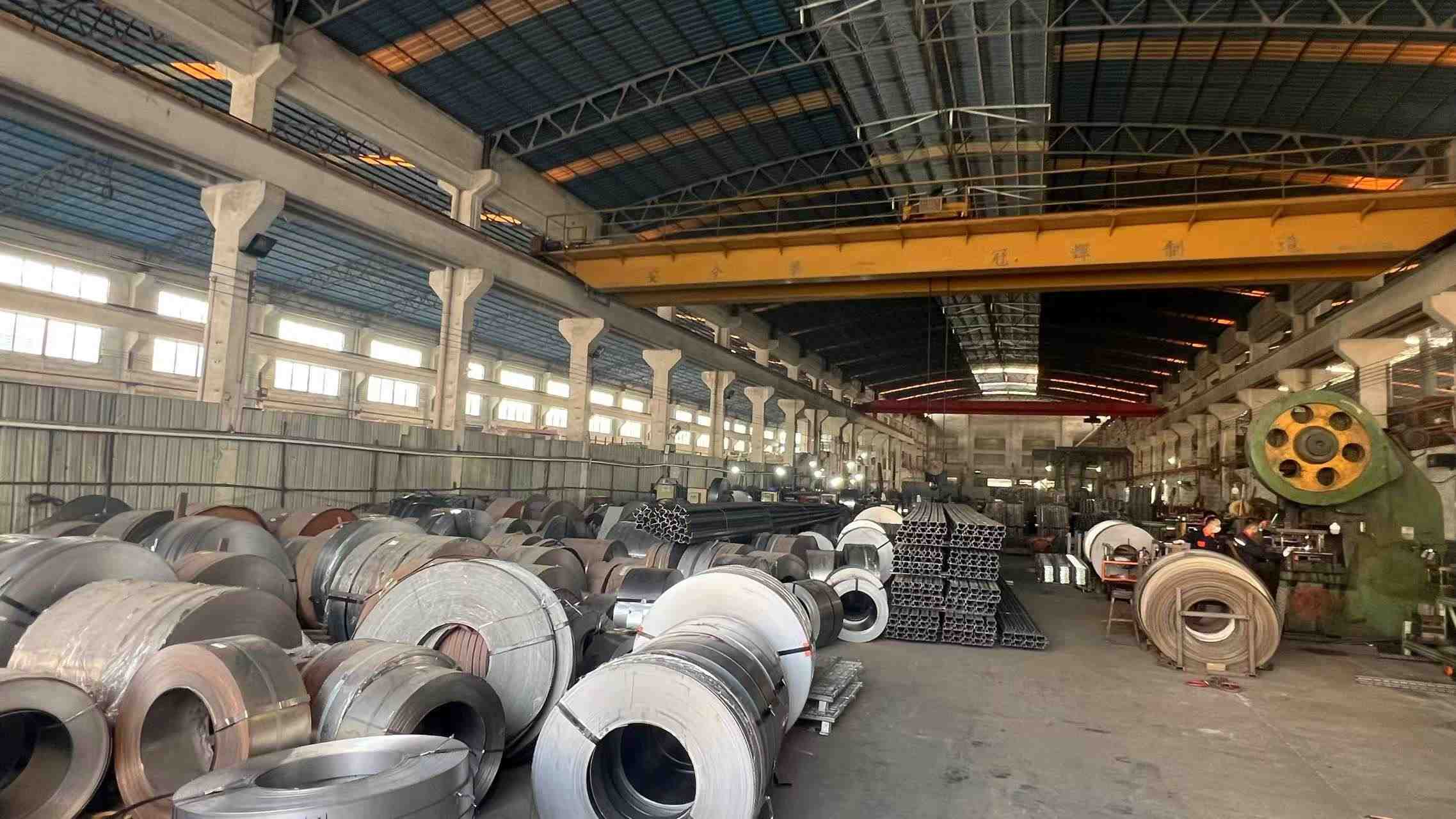
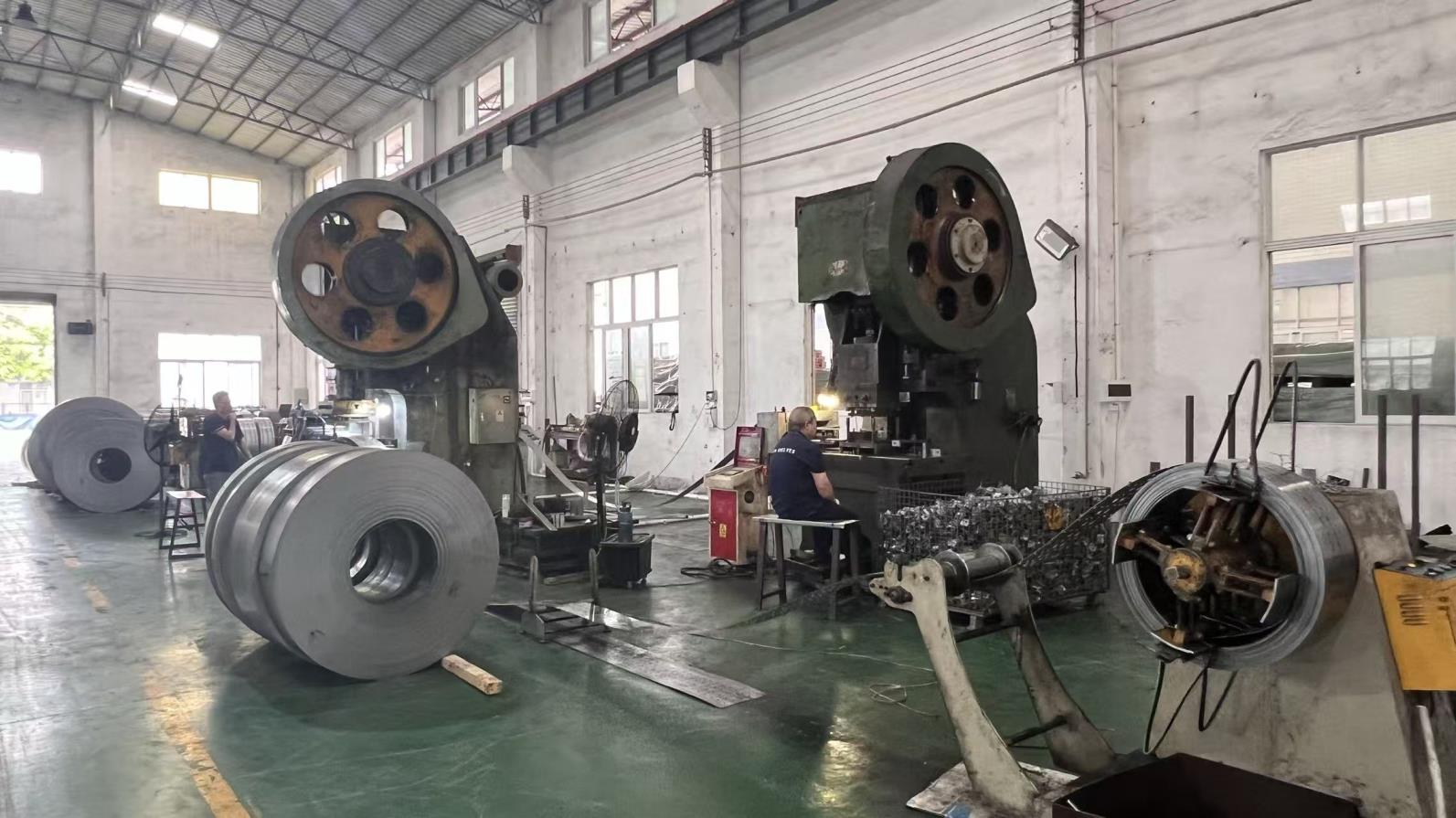
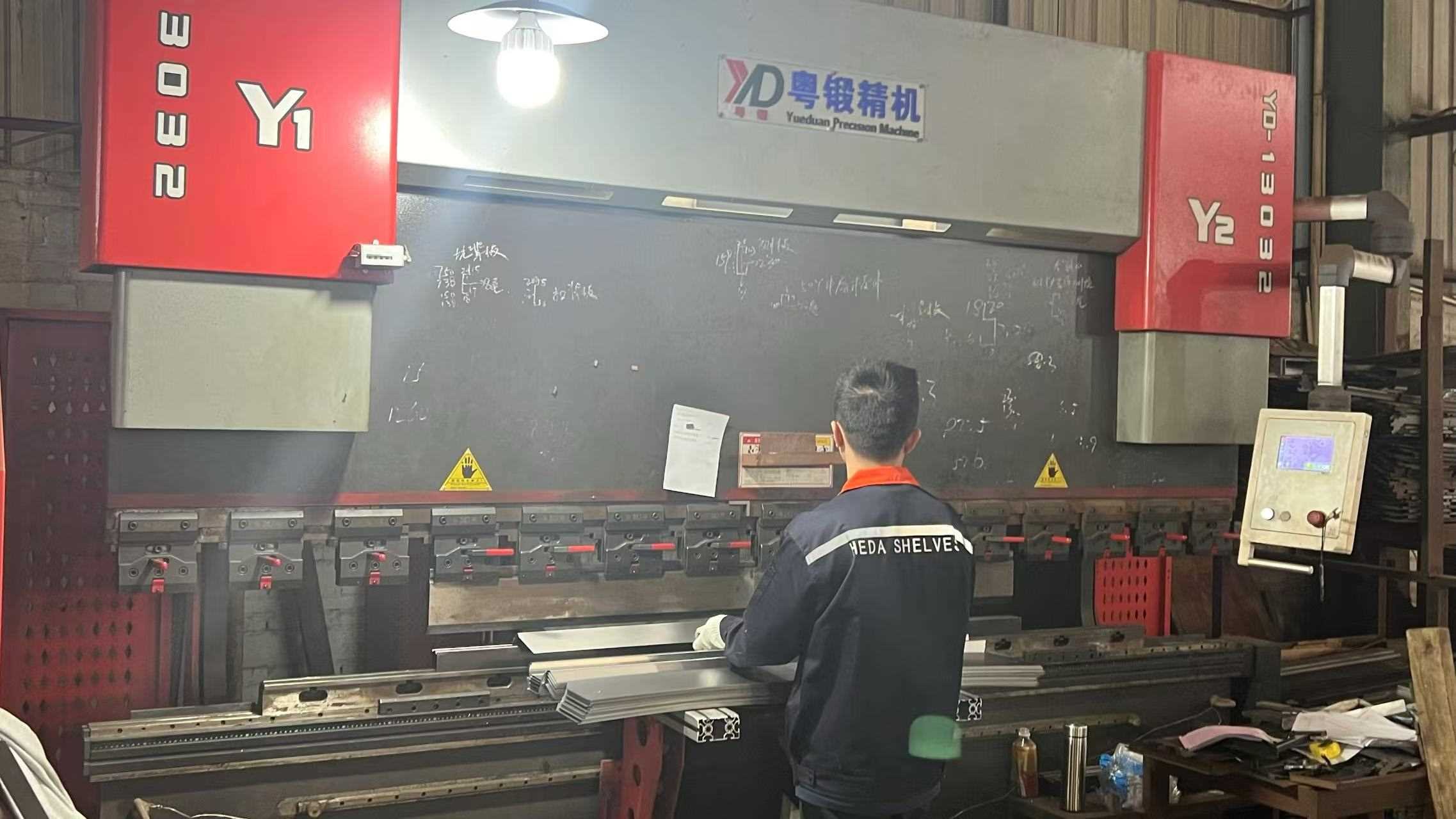
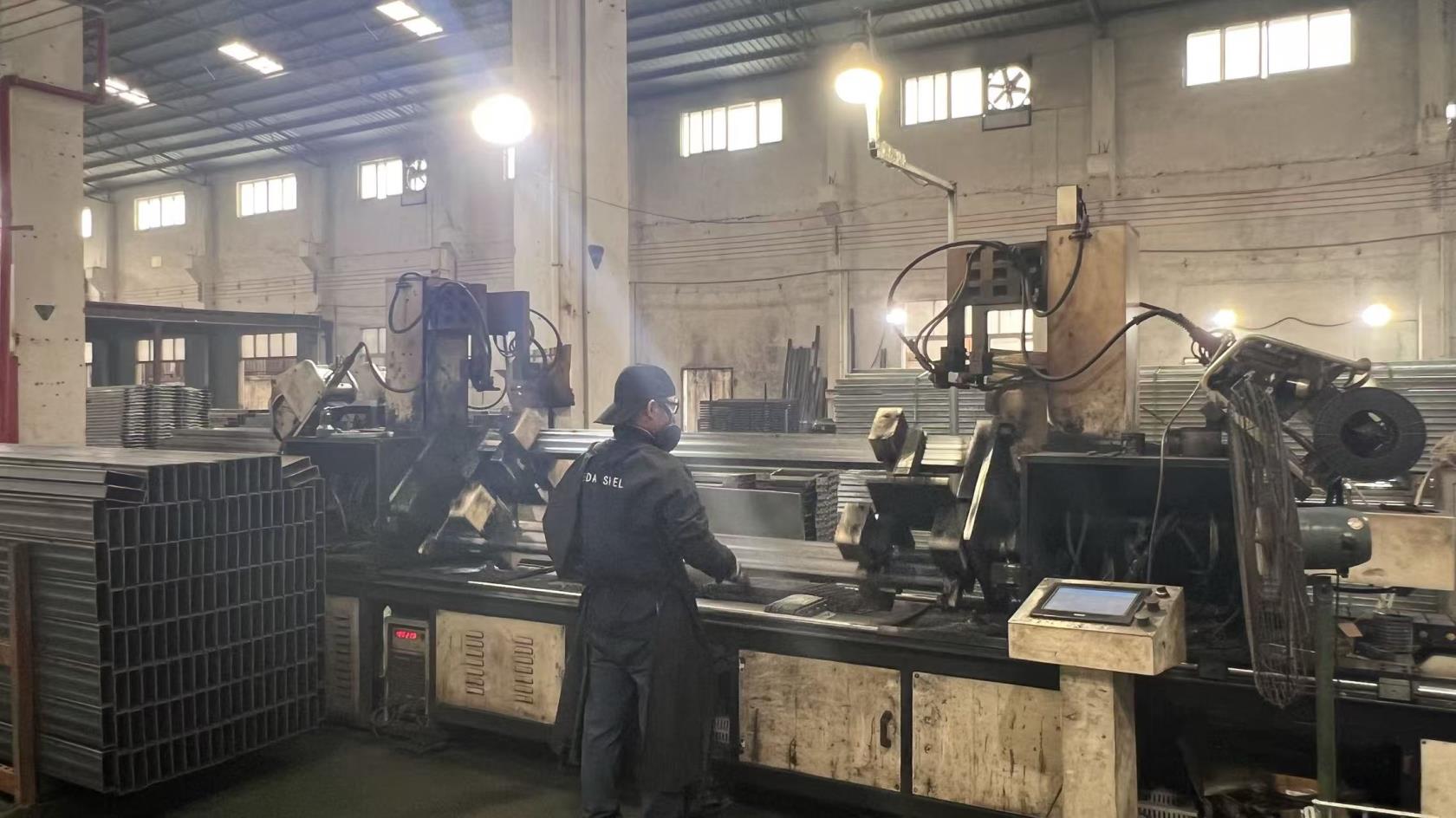
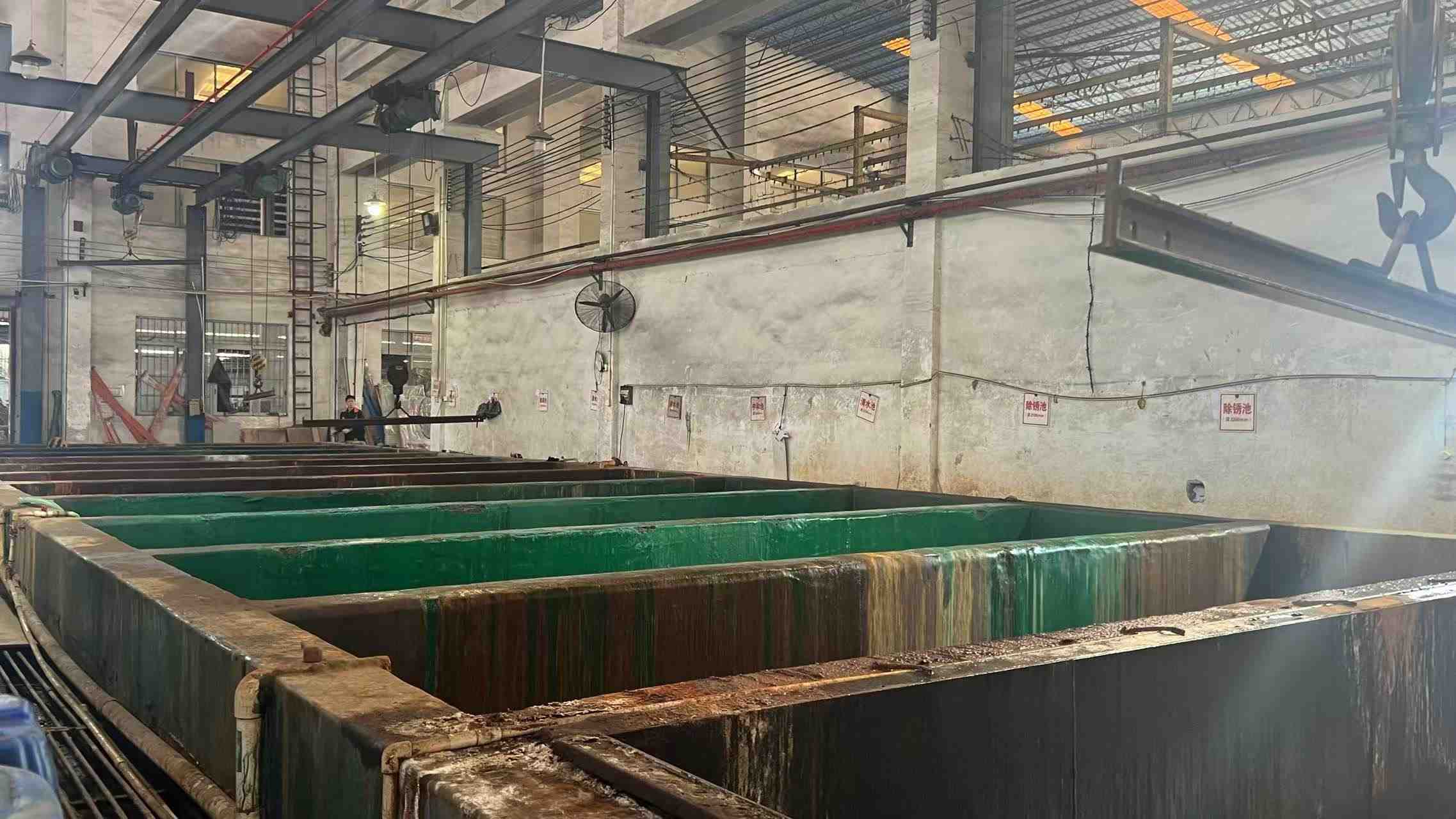
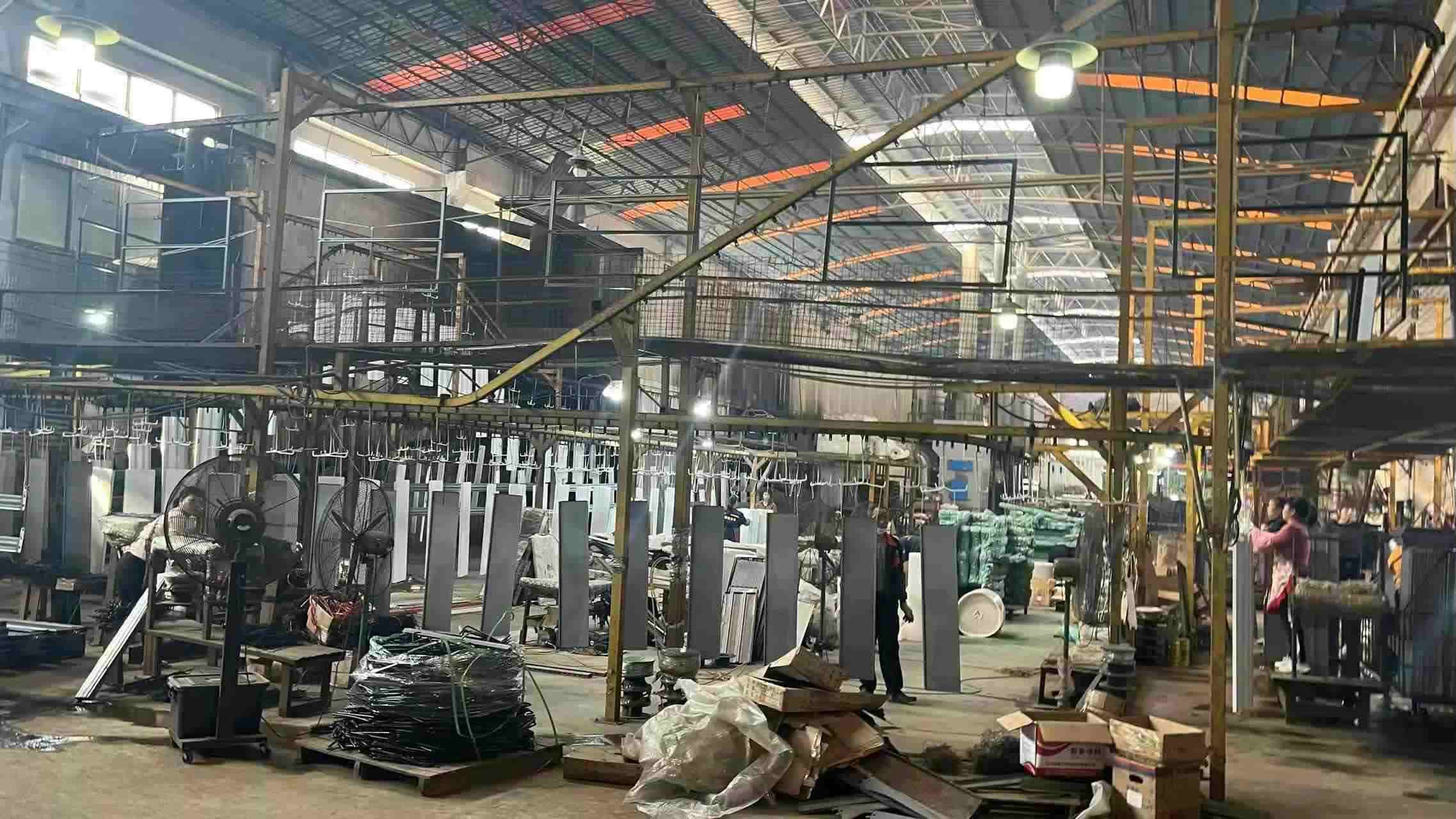
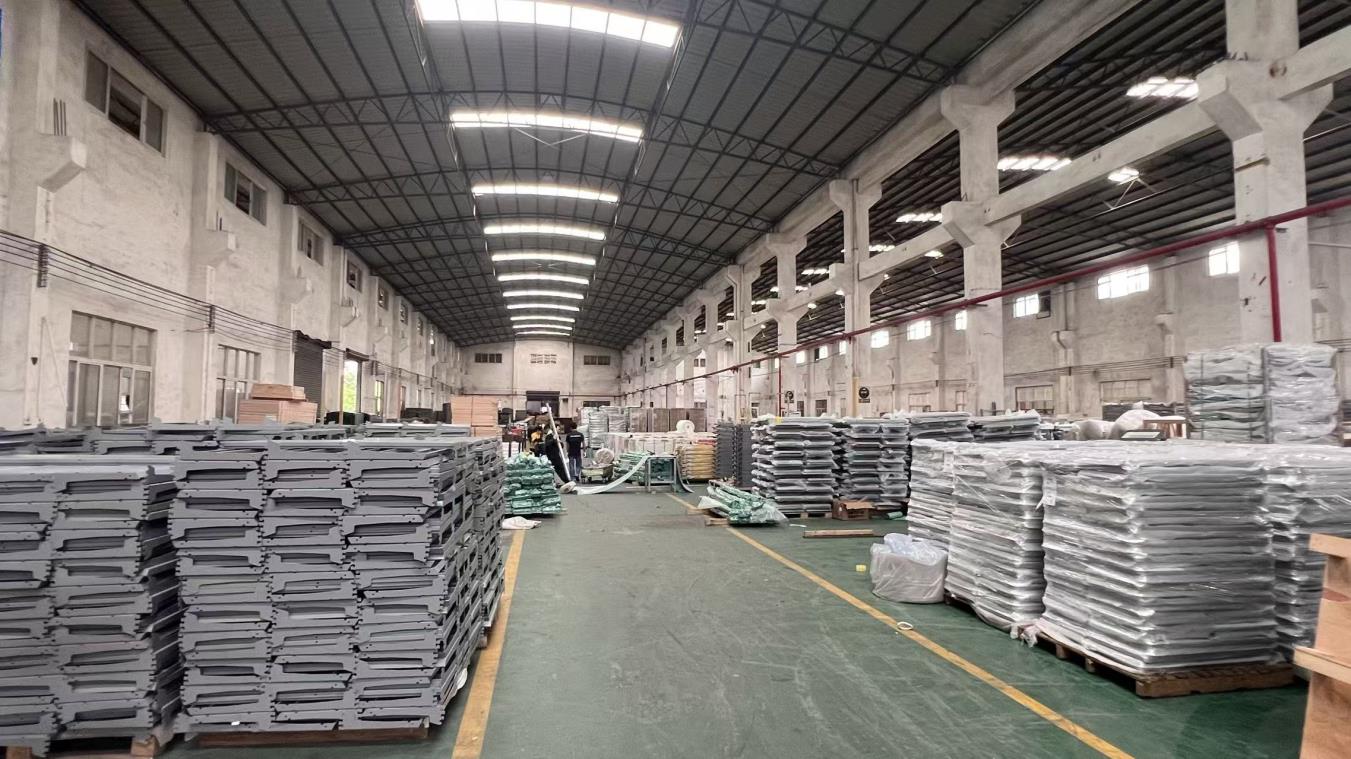
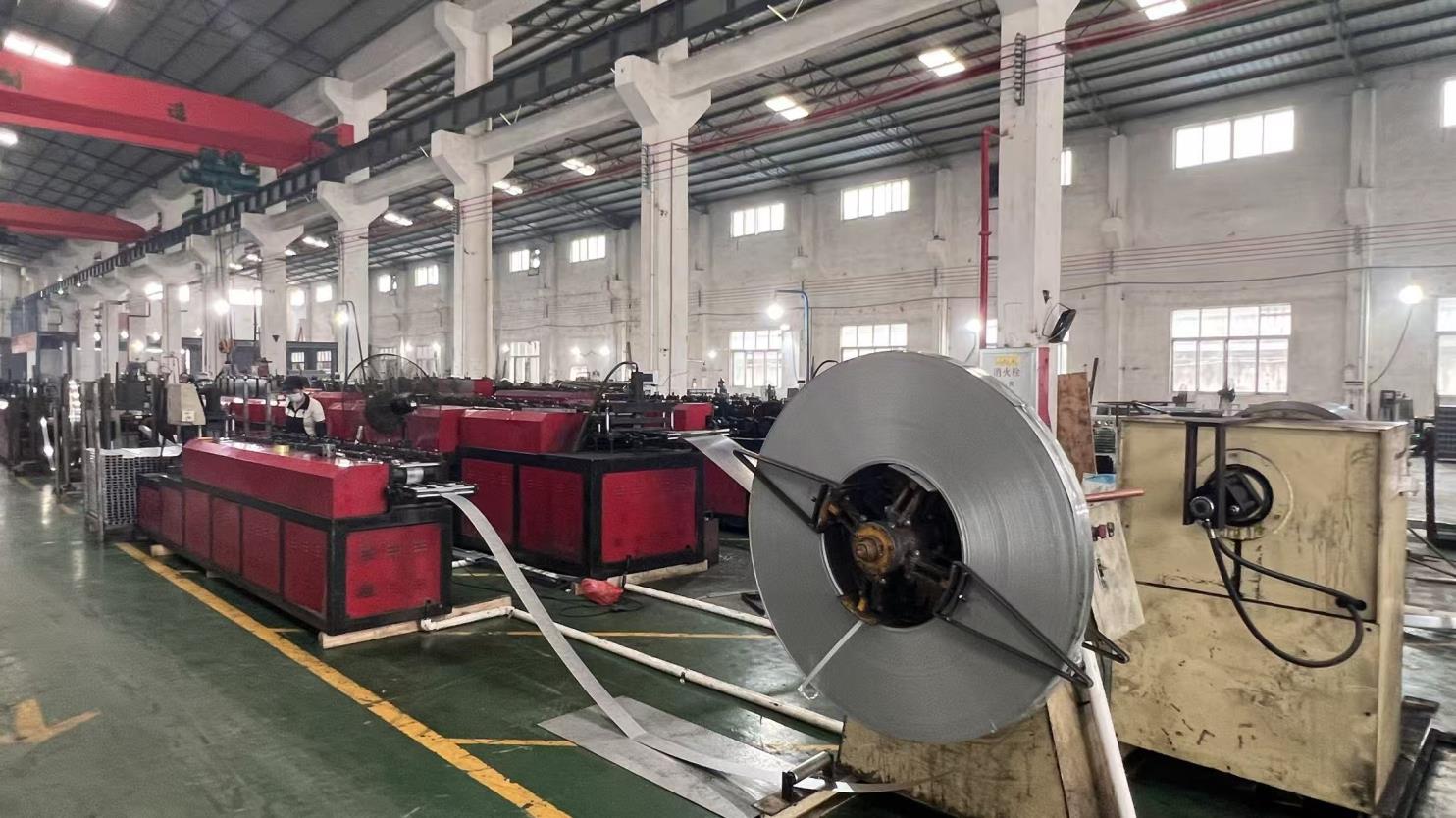
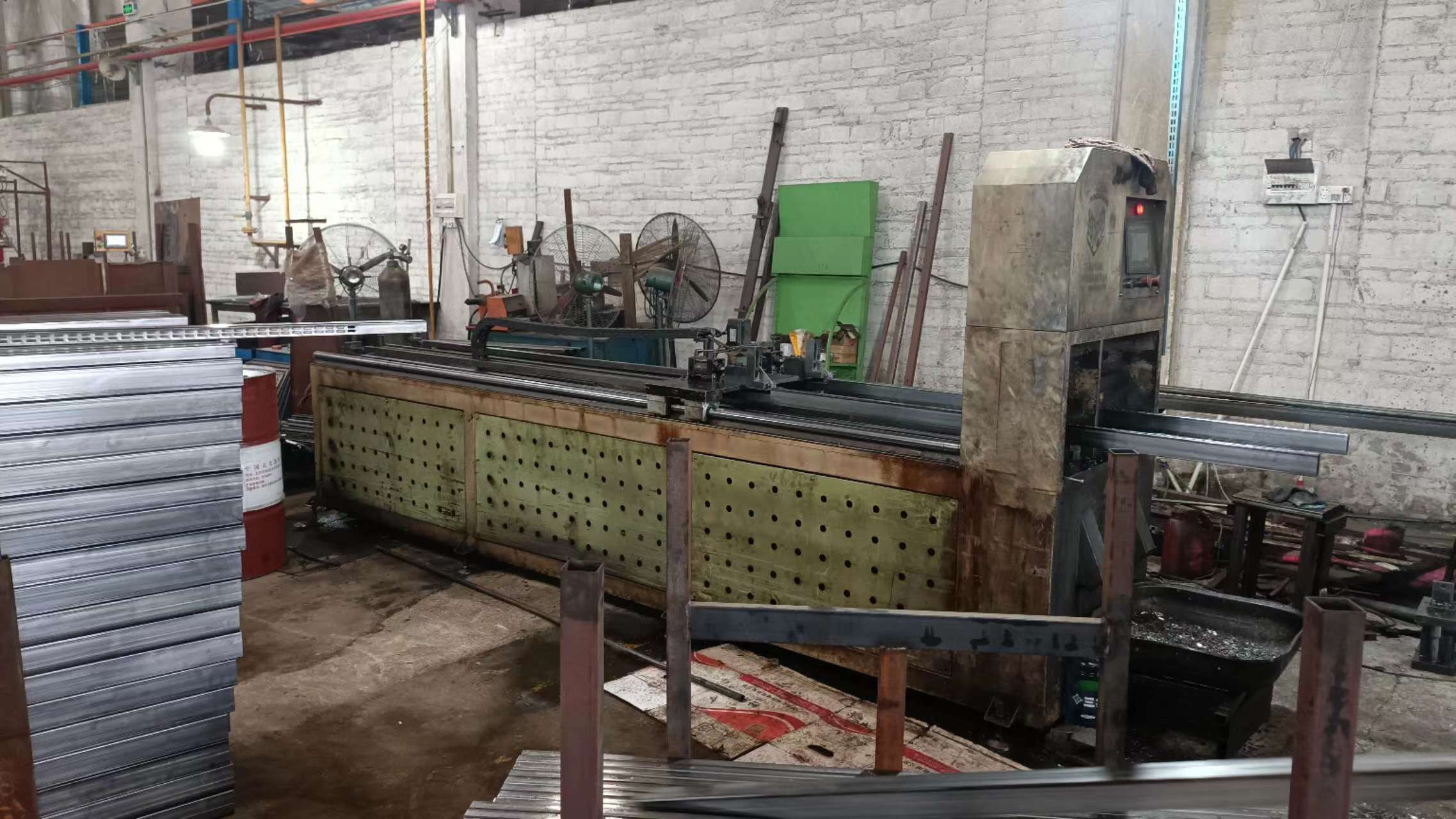
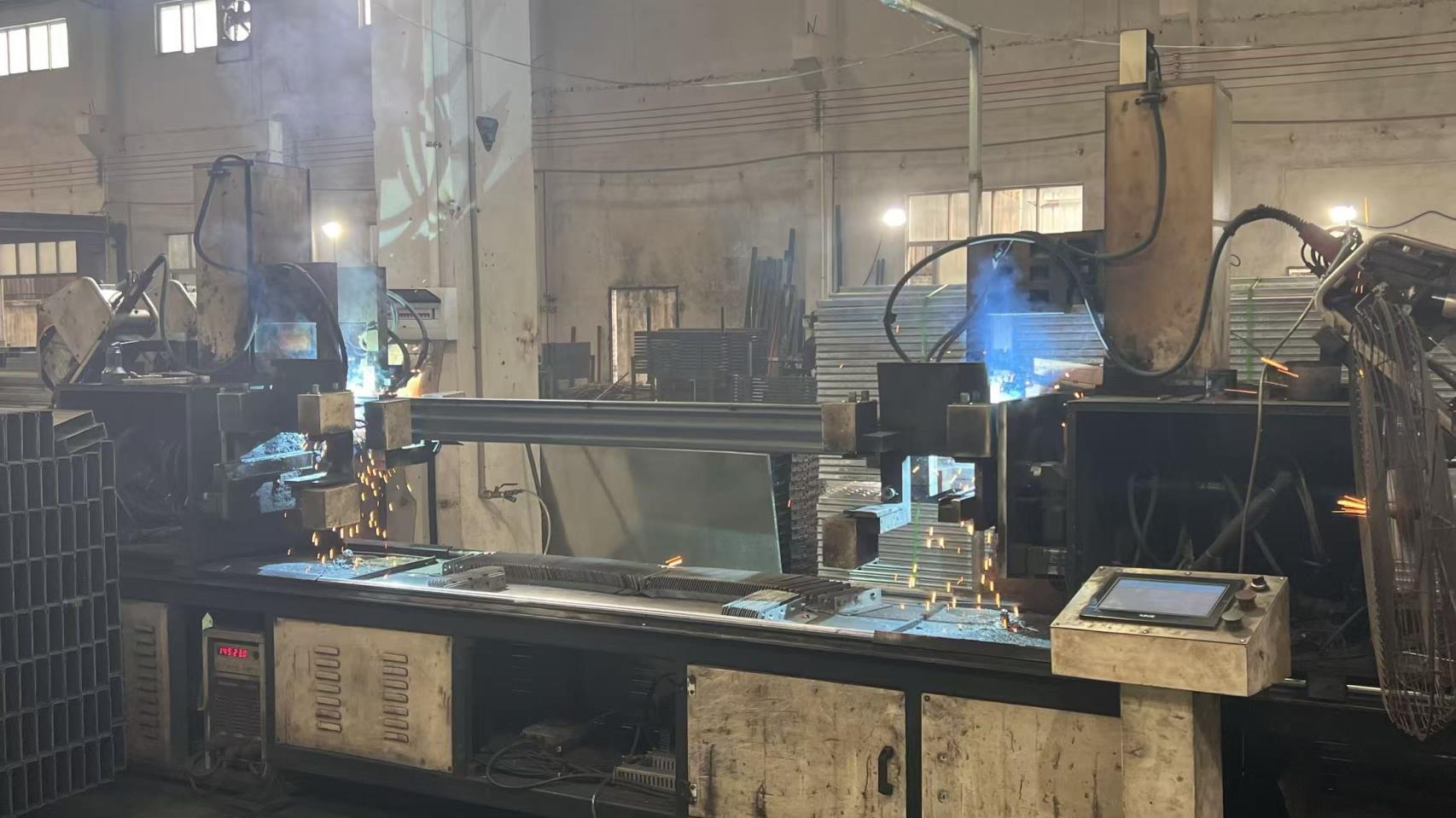
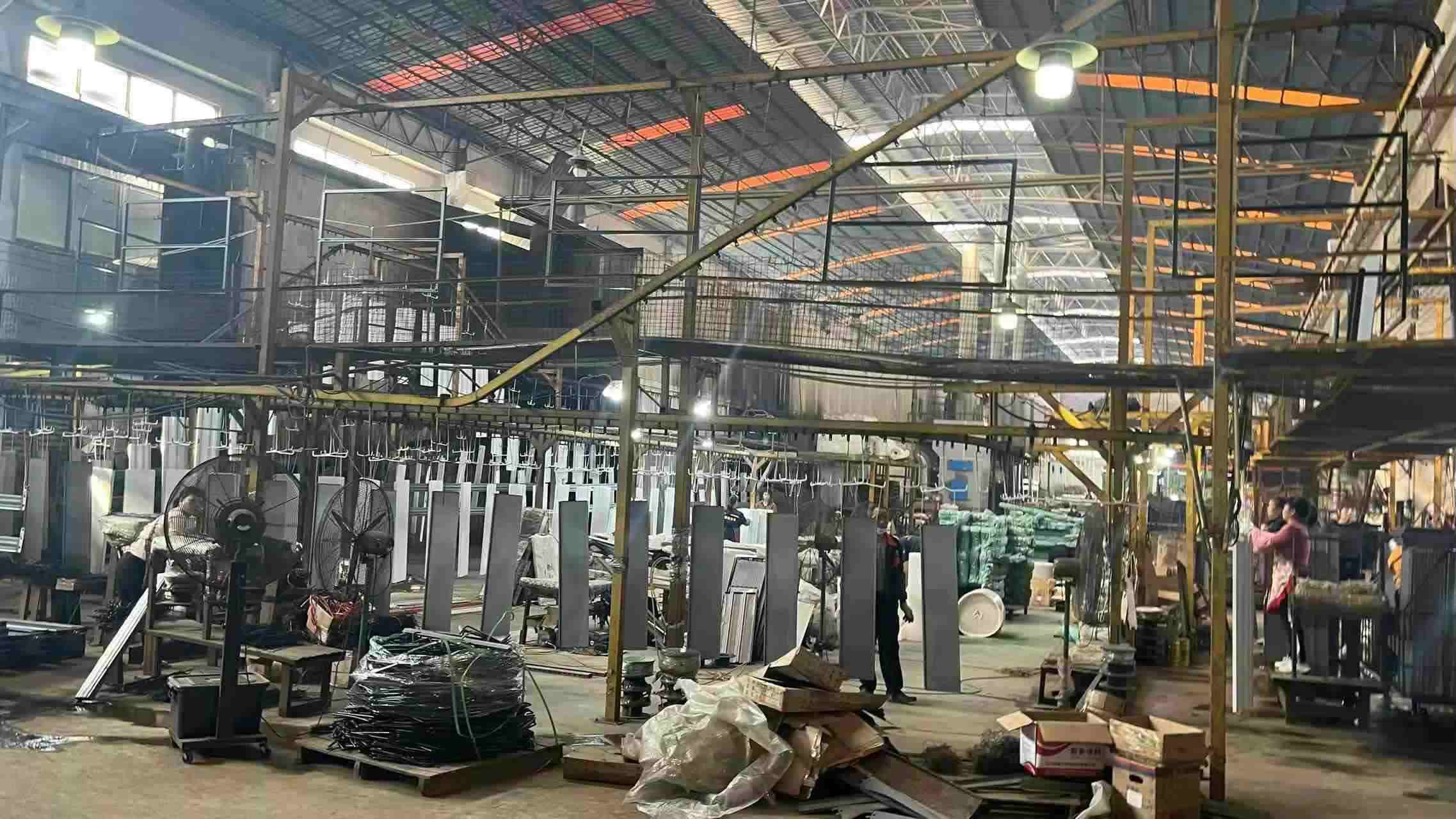
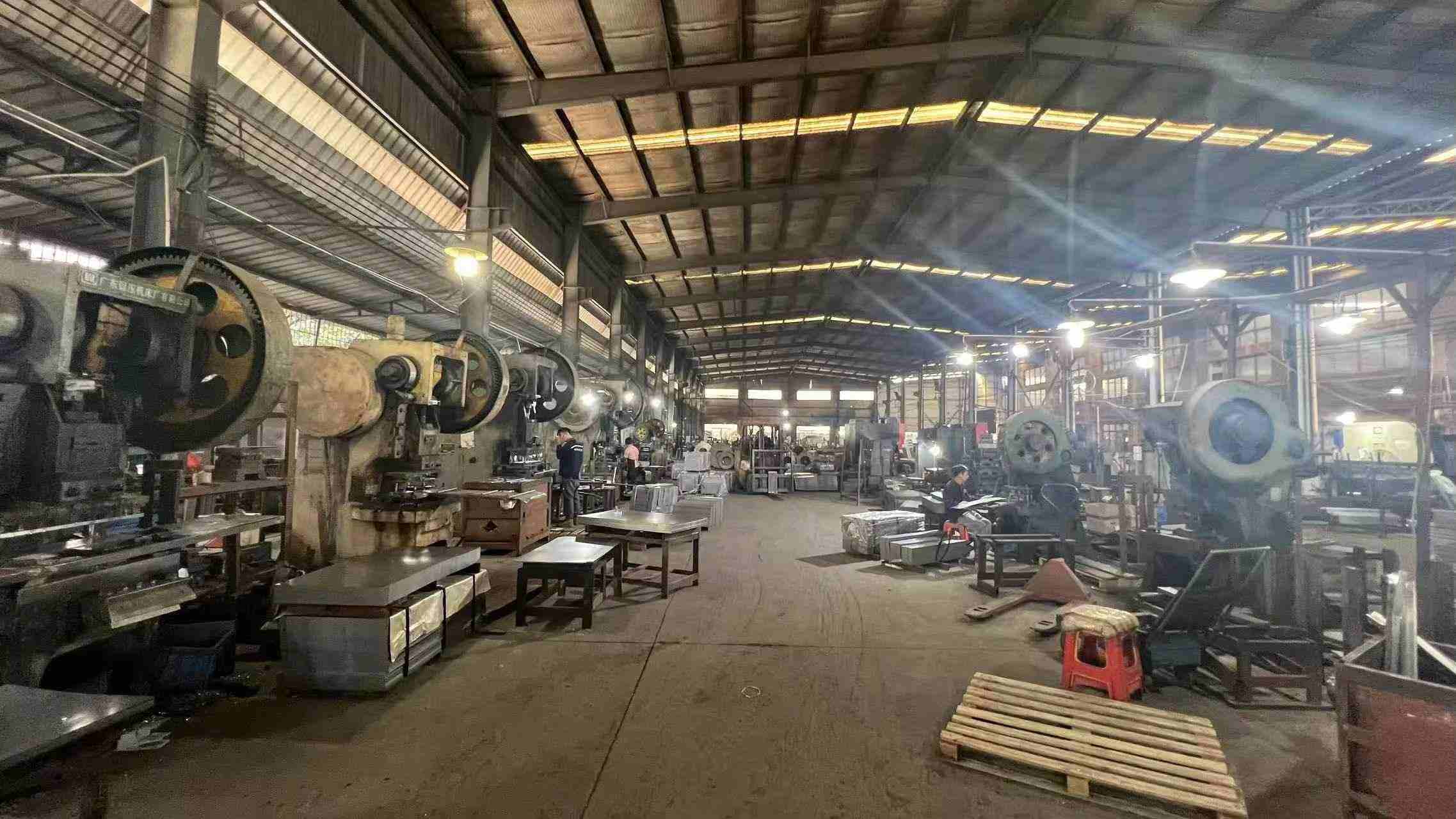
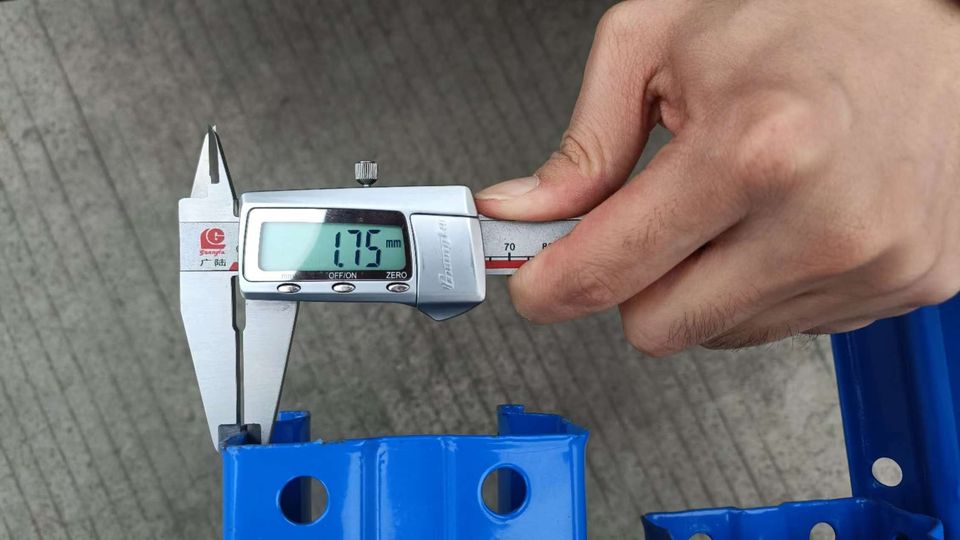
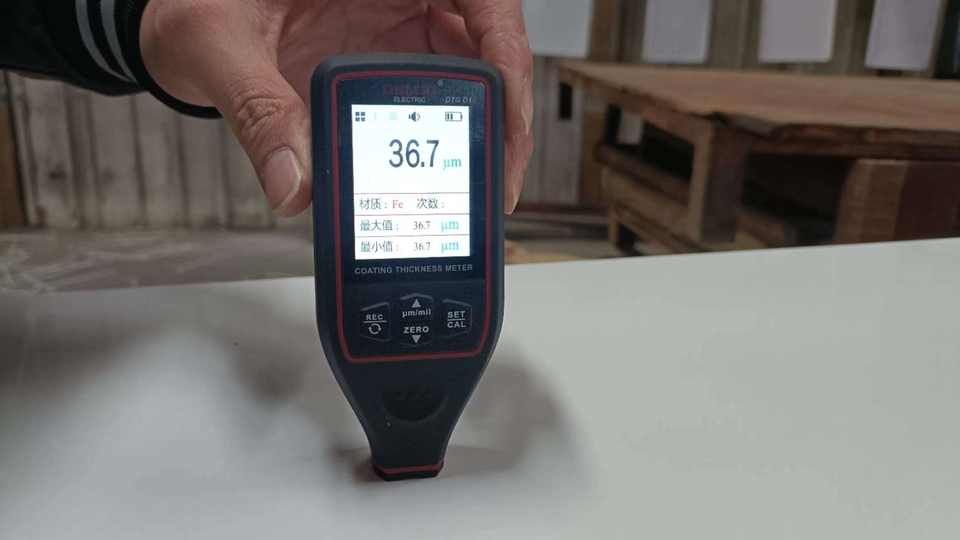
How Durack engineers verify dimensional tolerances, structural performance, and surface durability at our testing laboratories.
At Dongguan Durack Logistics Equipment Co., Ltd., quality control is not a post-manufacturing inspection step; it is integrated directly into the fabrication loop. Our metrology labs utilize digital calipers and laser measuring platforms to verify wire thickness tolerances within 0.05 mm and framework bending alignments. This precision is critical because minor misalignments in the trolley frame cause uneven distribution of load-bearing forces, accelerating wear on swivel casters and leading to early tracking drift.
Our raw structural steel undergoes continuous testing for tensile yield strength, assuring the raw Q235 carbon steel wire can handle peak dynamic loads. Every production batch of shopping trolleys undergoes rigorous testing, including a 150 kg static drop test and a 50 km continuous rolling wear test on textured surface tracks.
To resist corrosion in high-humidity regions or outdoor collection zones, we verify our finishing coats through salt spray testing under ASTM B117 standards. Our chrome-plating and electrostatic powder-coating lines are calibrated to maintain precise deposition depths, verified via magnetic and ultrasonic thickness testers. This coating prevents early micro-fissuring and keeps moisture away from structural metal, extending product lifespans beyond standard warranties.
Addressing macro-retail environmental trends, localized design criteria, and safety certifications across major economic zones.
Every commercial trolley design matches regional regulatory standards. In the EU, our structures comply with EN 1929 safety norms. For the US market, we integrate specific rear wheel caster brakes and child-seat safety harnesses matching ASTM and ADA access specifications, reducing operational liability risks.
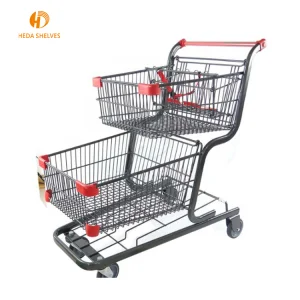
Bespoke nestable spacing designs minimize storage footprints by up to 25%. Our tight-radius swivel wheel systems minimize aisle gridlock in dense urban supermarkets, preventing store layout traffic issues and improving the checkout speed of high-density retail stores.
We configure integrated slot zones and chassis attachments for modern retail technologies. These include magnetic anti-theft parking lot boundary brakes, coin-operated lock integration, and smart GPS/RFID tag capsules to prevent trolley shrinkage and fleet replacement losses.
The evolution of retail cart design: from mechanical pushcarts to data-connected smart logistics assets.
The supermarket trolley is moving beyond a simple mechanical tool to become a node in the IoT-enabled store environment. By embedding passive RFID transponders within the thermoplastic handles or integration zones of the metal chassis, retailers can perform real-time inventory on fleet status. This helps log positions, flag abandoned units, and track cart loss. We are currently testing partnerships that integrate active Bluetooth Low Energy (BLE) beacons into the front caster brackets, allowing stores to map heat flows and optimize layout design.
Furthermore, self-checkout integrations demand smart scale verification compatibility. Our engineering division works to match structural weight variances with high precision. By maintaining a target weight tolerance of ±100 grams across a production run of 10,000 units, we ensure that modern automated checkout systems do not flag false weight alerts when consumers park their cart next to scale lanes.
As corporate carbon footprints draw increasing regulatory scrutiny, we are expanding our circular material program. Future models will use up to 45% post-consumer recycled polypropylene alongside responsibly sourced steel. By refining our energy-efficient powder coating techniques and moving toward closed-loop water filtration during chemical pickling, we aim to cut the total carbon footprint of our manufacturing process by 30% over the next five years.
Detailed engineering answers to the most common questions raised by supermarket operations managers, procurement officers, and retail distributors.
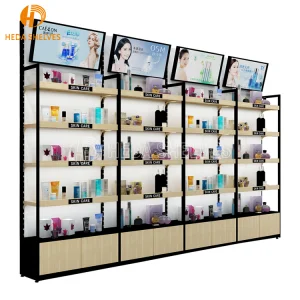
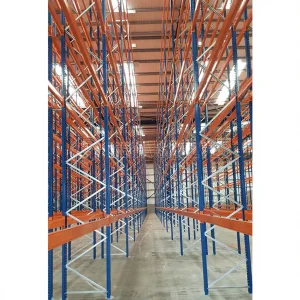
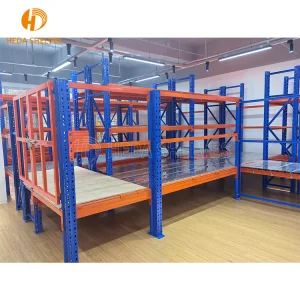
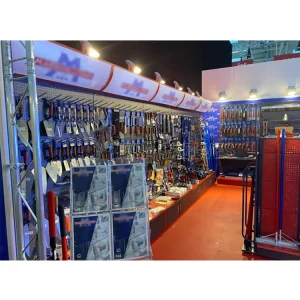
Browse our integrated heavy-duty storage racks, mezzanine floor systems, and specialized retail display shelves designed for complete store operations.
 Durack