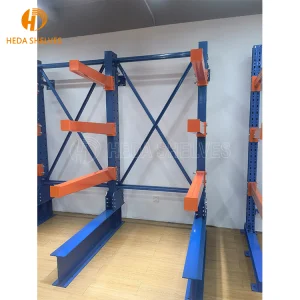
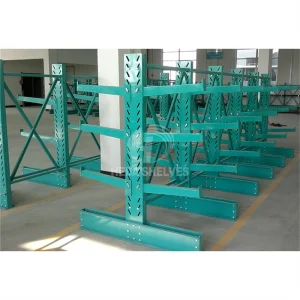
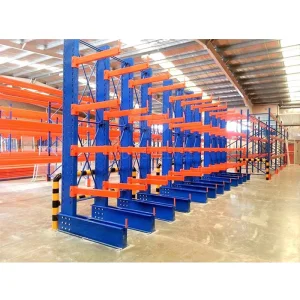
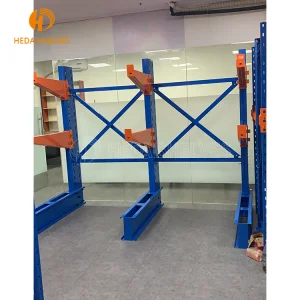
In modern industrial logistics, optimizing vertical cubic space is not merely an operational goal; it is a critical competitive advantage. Industrial facilities handling non-standardized loads—such as steel sections, plastic piping, timber packages, and industrial panels—frequently encounter spatial constraints and material retrieval inefficiencies when employing standard pallet racking. This is where engineered Cantilever Racking Systems provide structural dominance. By eliminating the front vertical columns found in traditional racking layouts, cantilever systems present an uninterrupted linear horizontal storage profile, delivering unmatched flexibility for long, heavy, and bulk inventory.
Explore our CE-certified, high-load capacities structural and roll-formed cantilever products configured for specialized industrial operations.
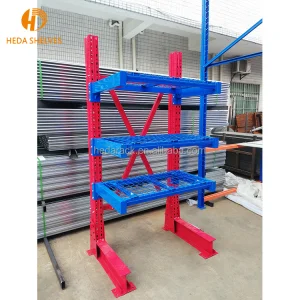
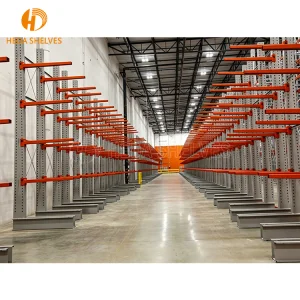
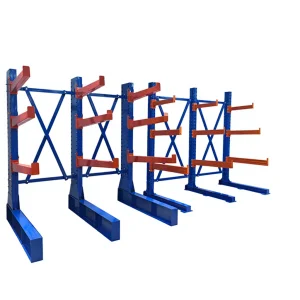
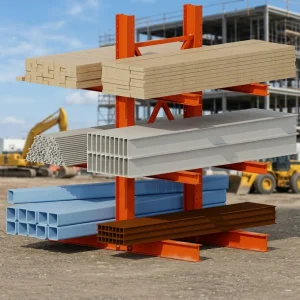
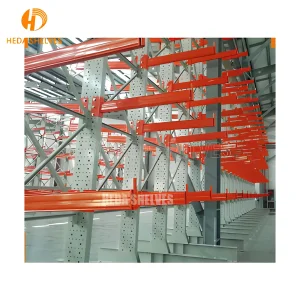
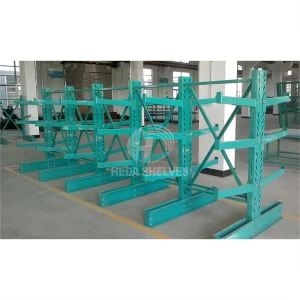
The global logistical footprint is shifting rapidly. E-commerce expansion, raw materials warehousing, and urbanization require highly condensed logistical hubs. Within this framework, cantilever racks have transcended their traditional role in lumber yards. Today, they form the backbone of modern structural material supply chains, automotive assembly depots, aluminum extrusion facilities, and heavy industrial distribution centers. The ability of a cantilever system to support substantial load limits without standard upright frame restrictions minimizes lift truck maneuvering time, decreases product damage, and maximizes vertical storage footprint. According to global material handling studies, the transition to high-density cantilever structural designs yields up to a 35% increase in operational space utilization compared to floor-stacking or standard pallet racking for oversized components.
Unlike conventional racks that distribute load stresses directly down four vertical posts, a cantilever system shifts load physics. The cantilever design relies on a vertical upright column, a heavy-duty stable base, and horizontal cantilever arms that extend outward. The arms are subject to immense bending moments (tensile stress at the upper edge and compressive stress at the lower edge). Consequently, precision structural steel grade allocation and dynamic engineering calculations are vital. Manufacturers must compute deflection limits based on target configurations, ensuring that arms do not bend past nominal tolerances (typically L/300) when loaded to maximum capacity.
| Racking Element | Primary Stress Profile | Standard Steel Grade (Chinese / Global) | Key Customization Parameter |
|---|---|---|---|
| Upright Column | Compressive & Bending Moment | Q235B / Q355B / ASTM A36 | H-Beam Height up to 12,000 mm |
| Cantilever Arm | Pure Bending & Shear | Q235B / Q355B / ASTM A572 | Tapered design, dynamic pitch adjustment |
| Horizontal Base | Tension & Ground Stabilization | Q235B / Q345B | Anchor bolt pattern, load-spreading footprints |
Validating the operational excellence, technological capacity, and rigorous quality assurance protocols of Dongguan Durack Logistics Equipment Co., Ltd.
Company Profile: Founded in 2014, Dongguan Durack Logistics Equipment Co., Ltd. is a premier Chinese storage racking system manufacturer operating a 35,000 m² facility. Backed by 12 years of industry experience and 8 years of global export history, the company generates $28 million in annual export revenue. Our operations are supported by a strict quality assurance system using full-spectrum ultrasonic testing and load-bearing stress evaluations, overseen by 45 dedicated QC specialists. Building on a strong international trading background, our core markets span North America, Europe, and Southeast Asia. We maintain a reliable supply chain network of over 850 partners, catering primarily to third-party logistics (3PL) providers, automated warehouses, and large industrial distributors. Driven by an active R&D division with 65 specialized engineers, Durack offers full OEM/ODM customization options—including bespoke beam profiles, structural steel grades, and dynamic layout designs—launching over 120 new storage products last year.
Quality and durability are forged through precise, step-by-step industrial processing. By operating fully automated high-precision rolling mills, continuous stamping presses, CNC bending lines, and robotic welding stations, Durack controls every aspect of structural integrity. Check our step-by-step manufacturing cycle below:
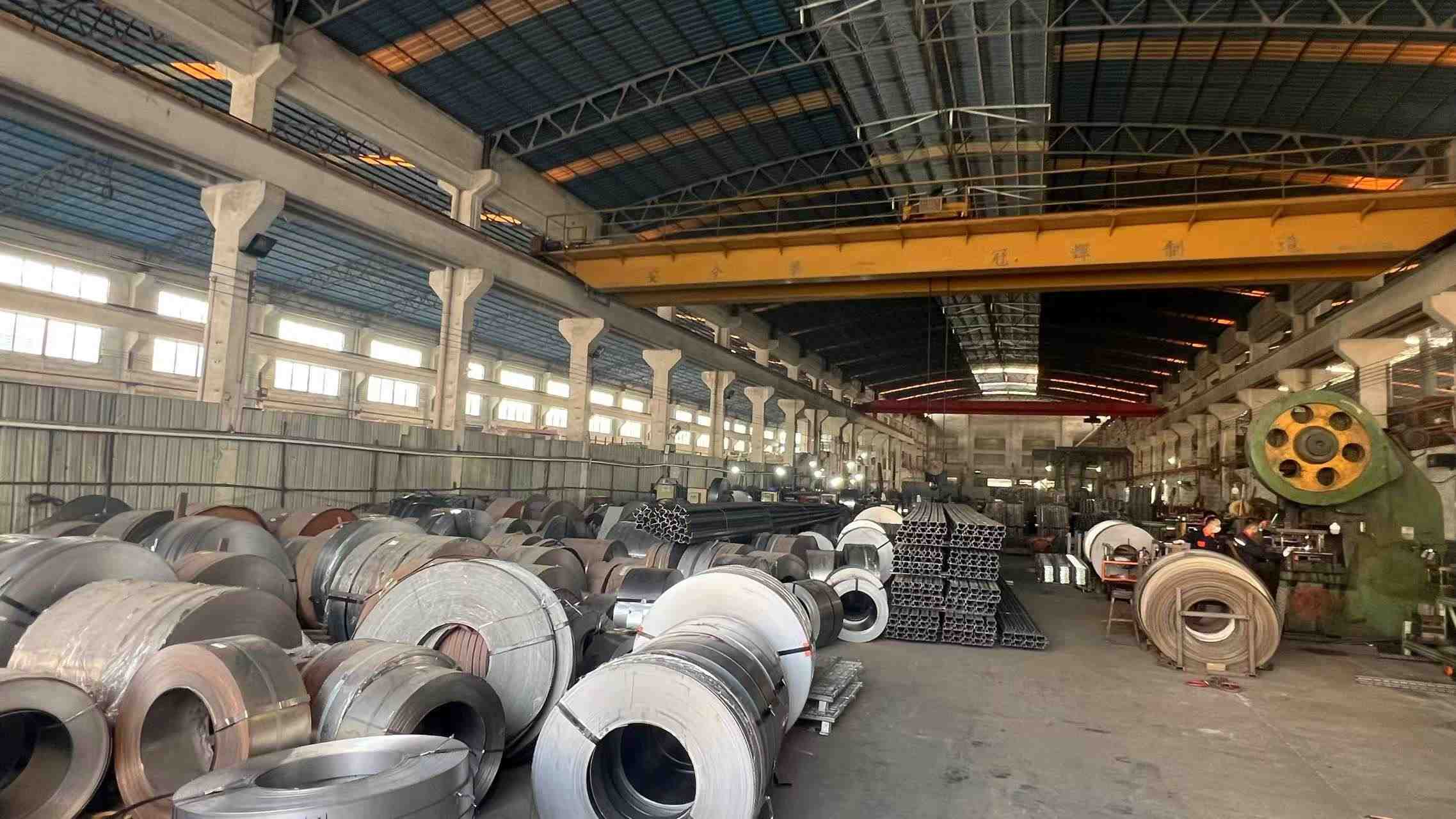
Raw Materials
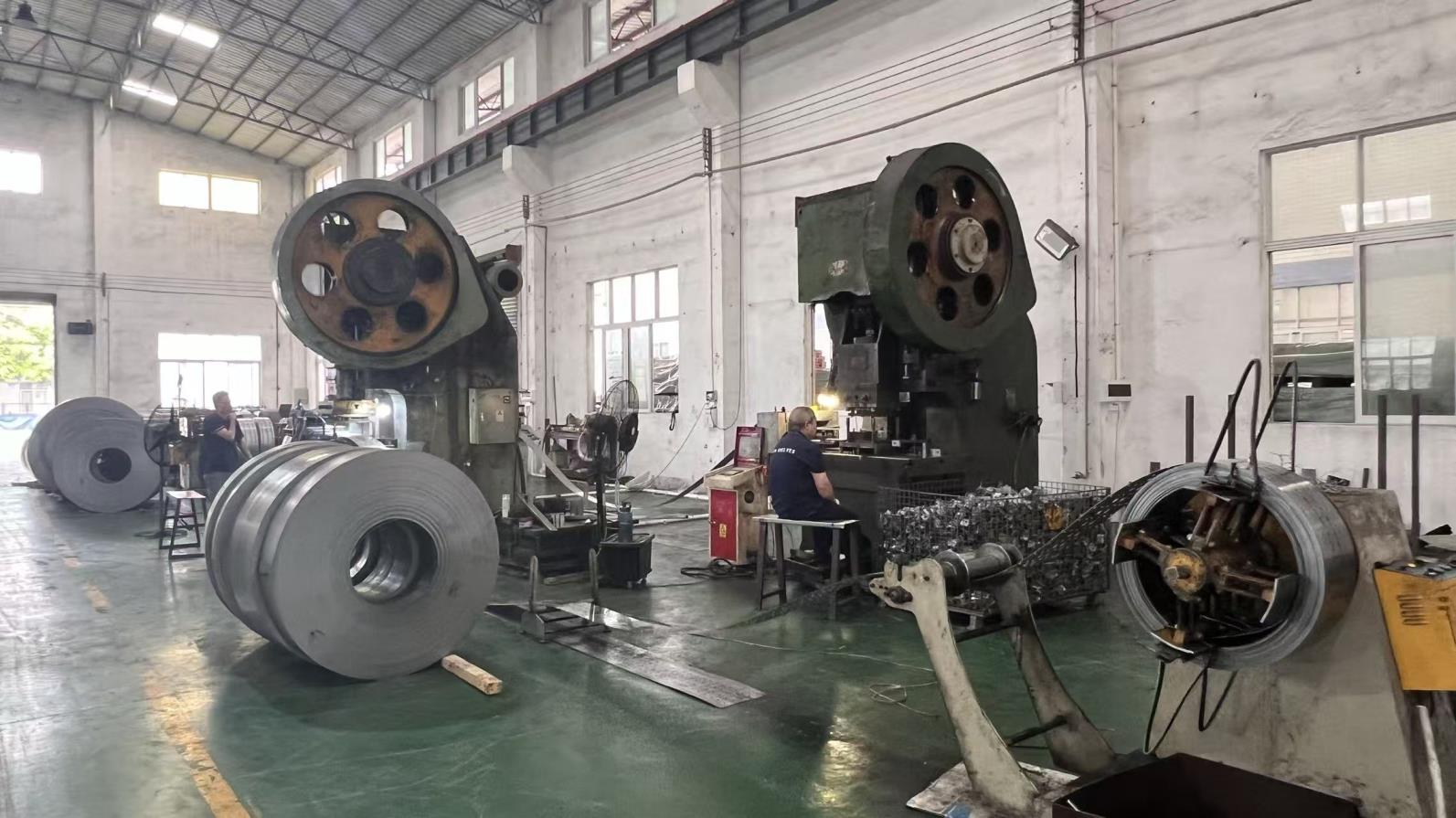
Stamping
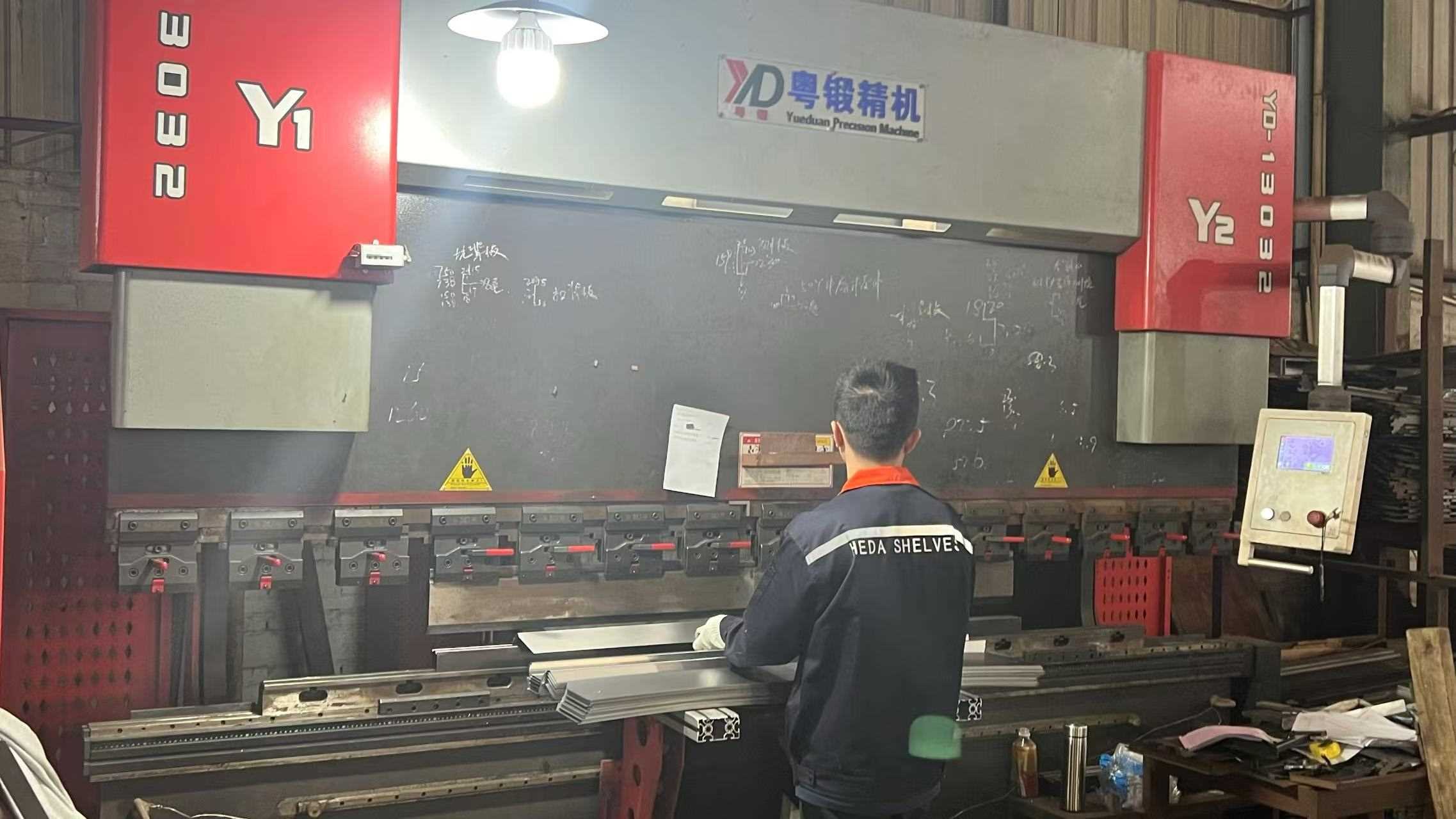
Bending
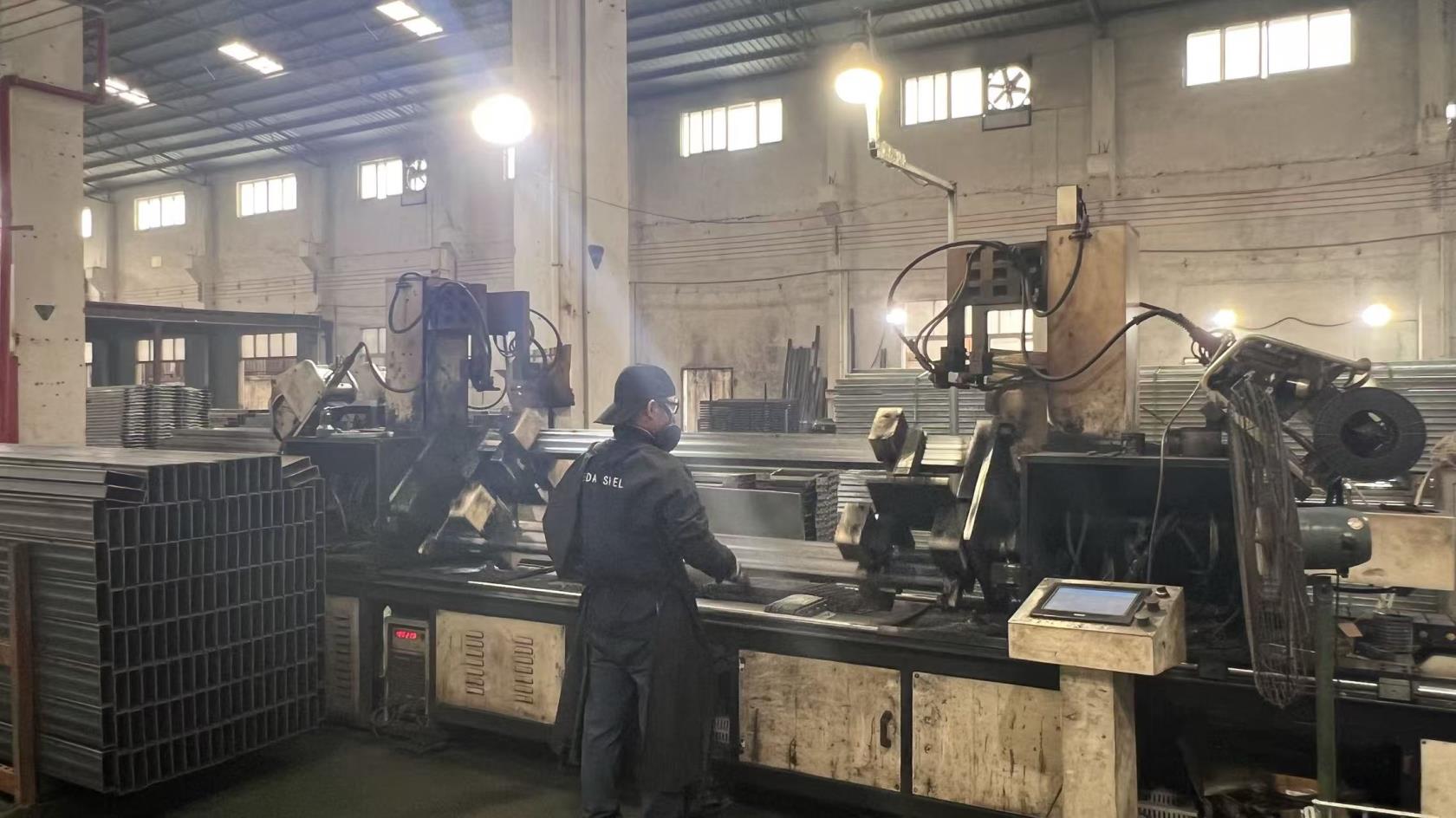
Welding
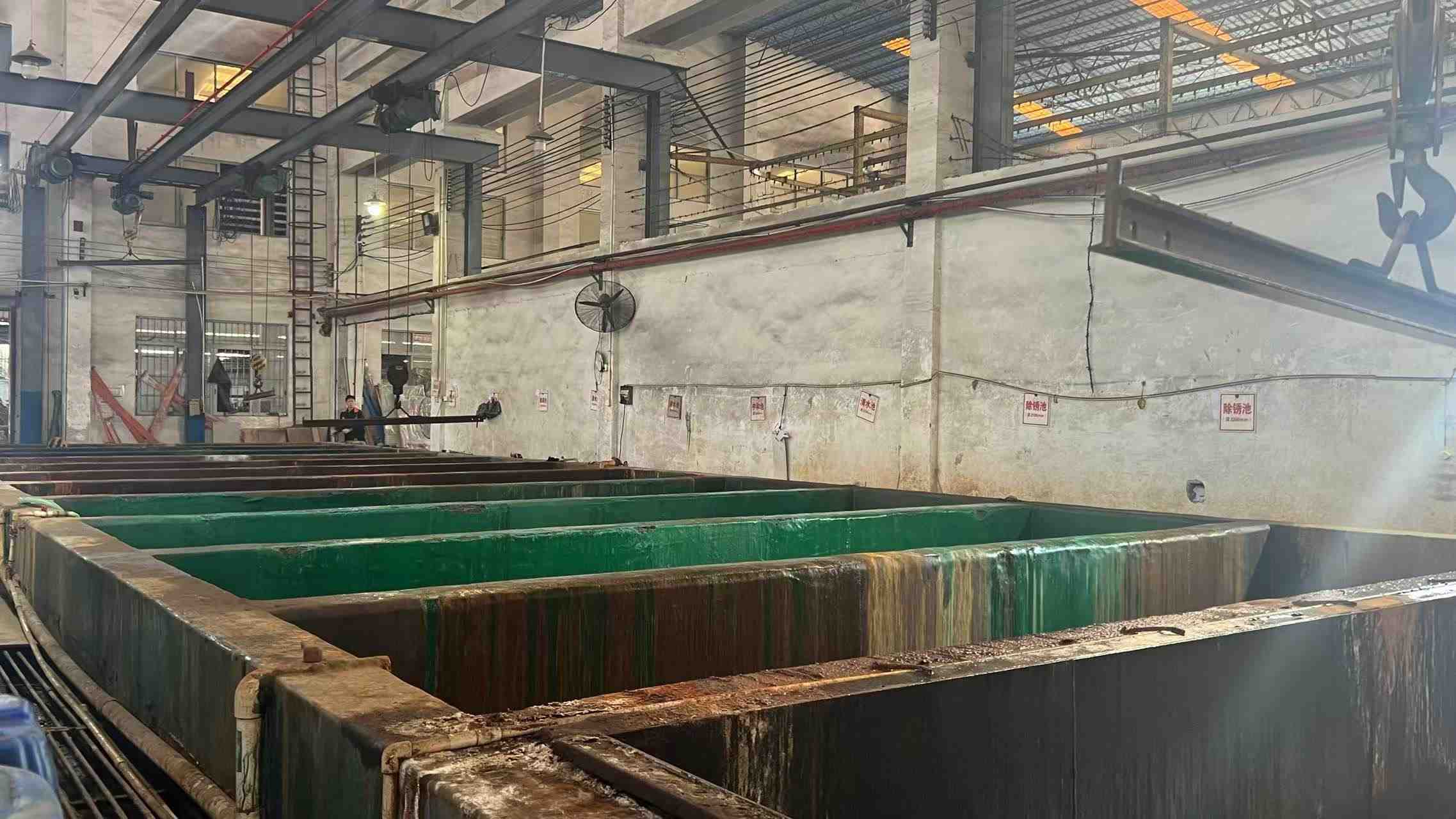
Acid-washing & Parkerising
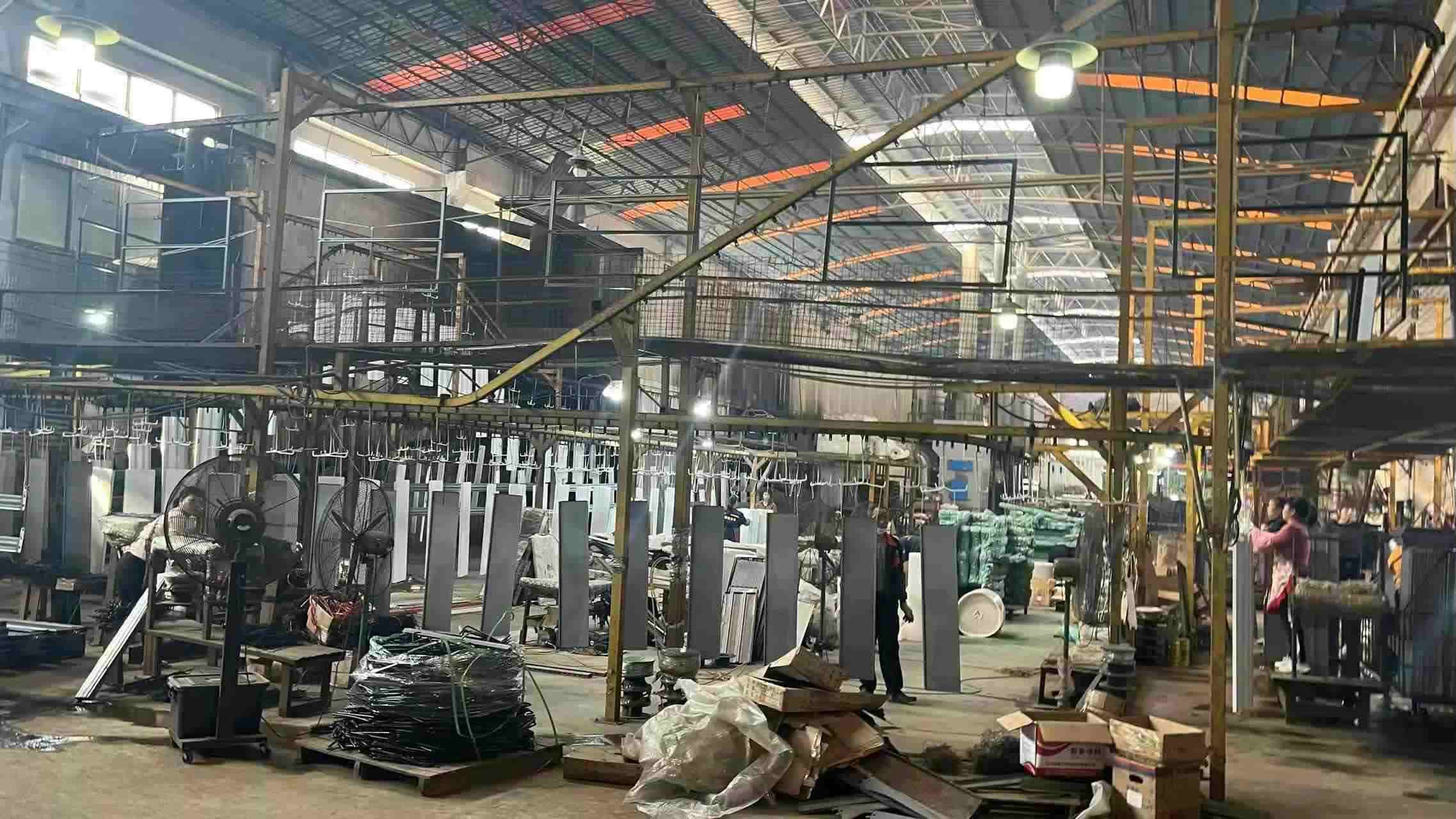
Coating
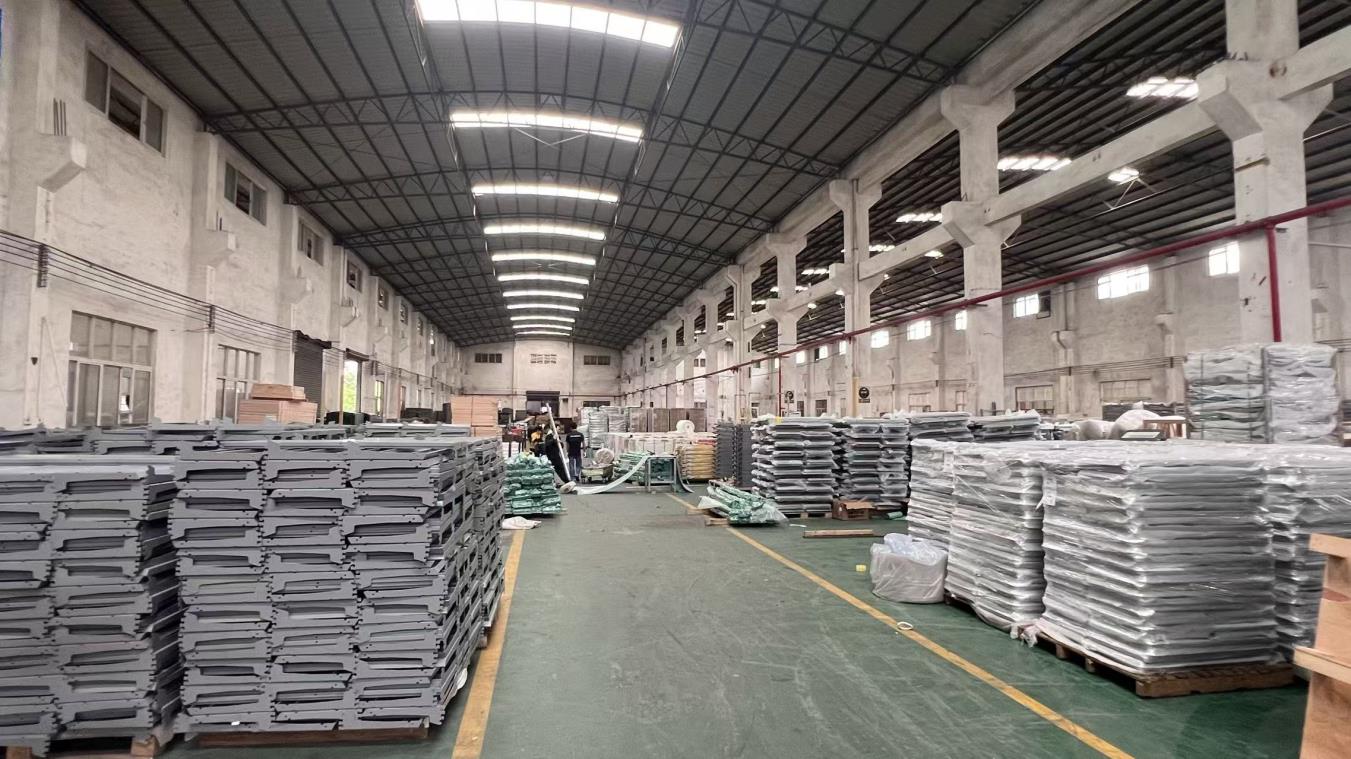
Warehouse
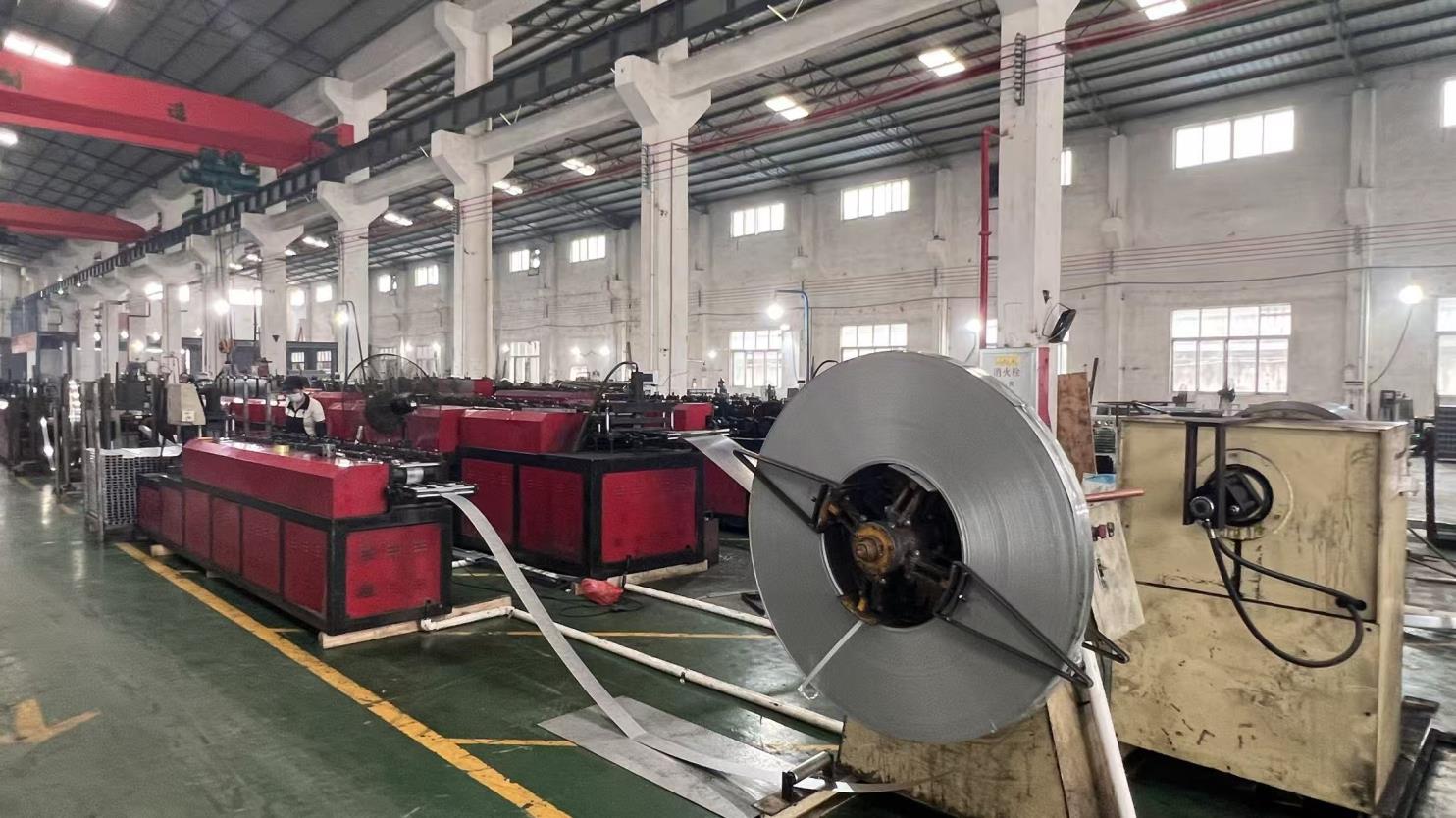
Rolling Mill
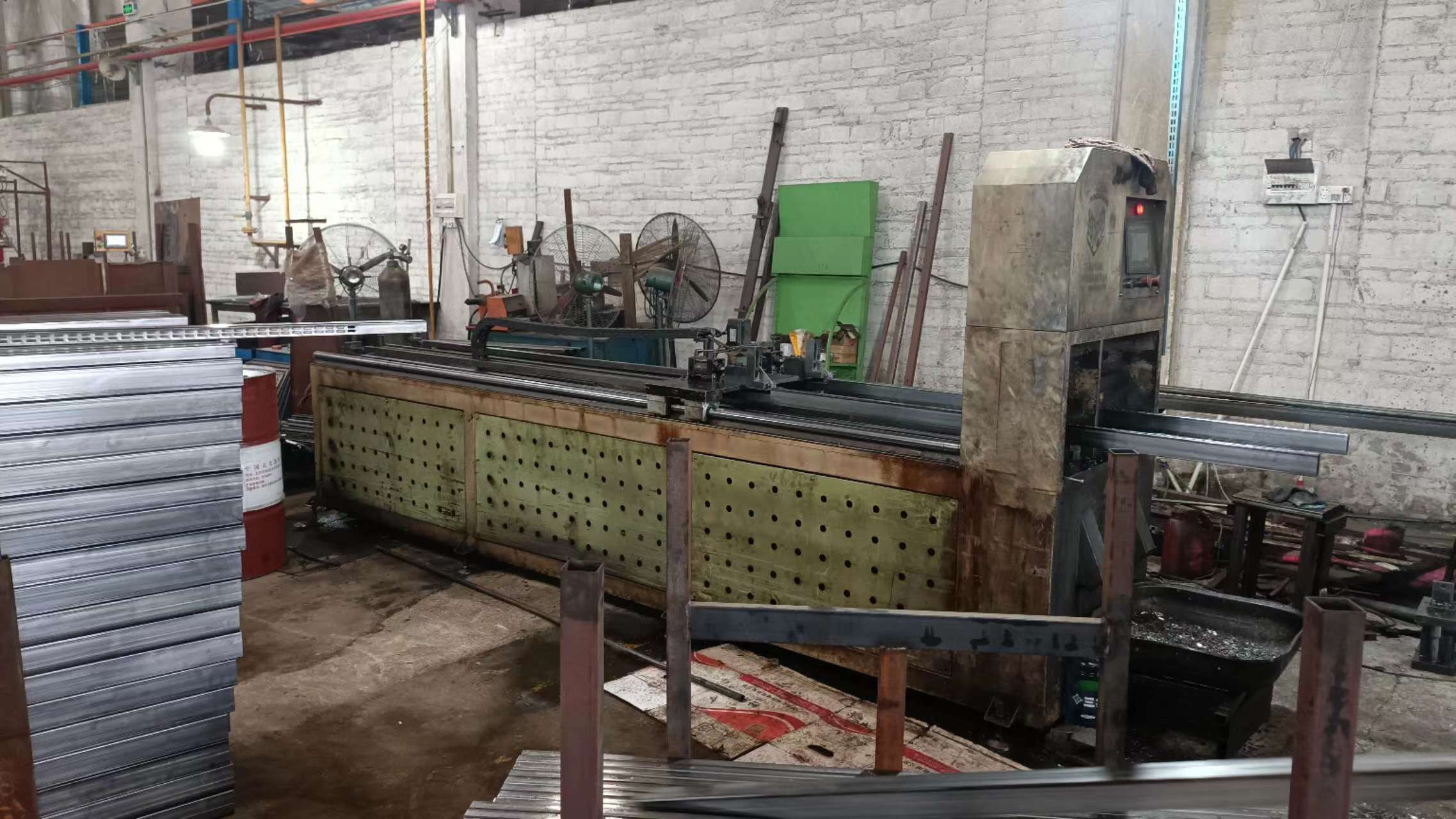
Auto Punching Machine
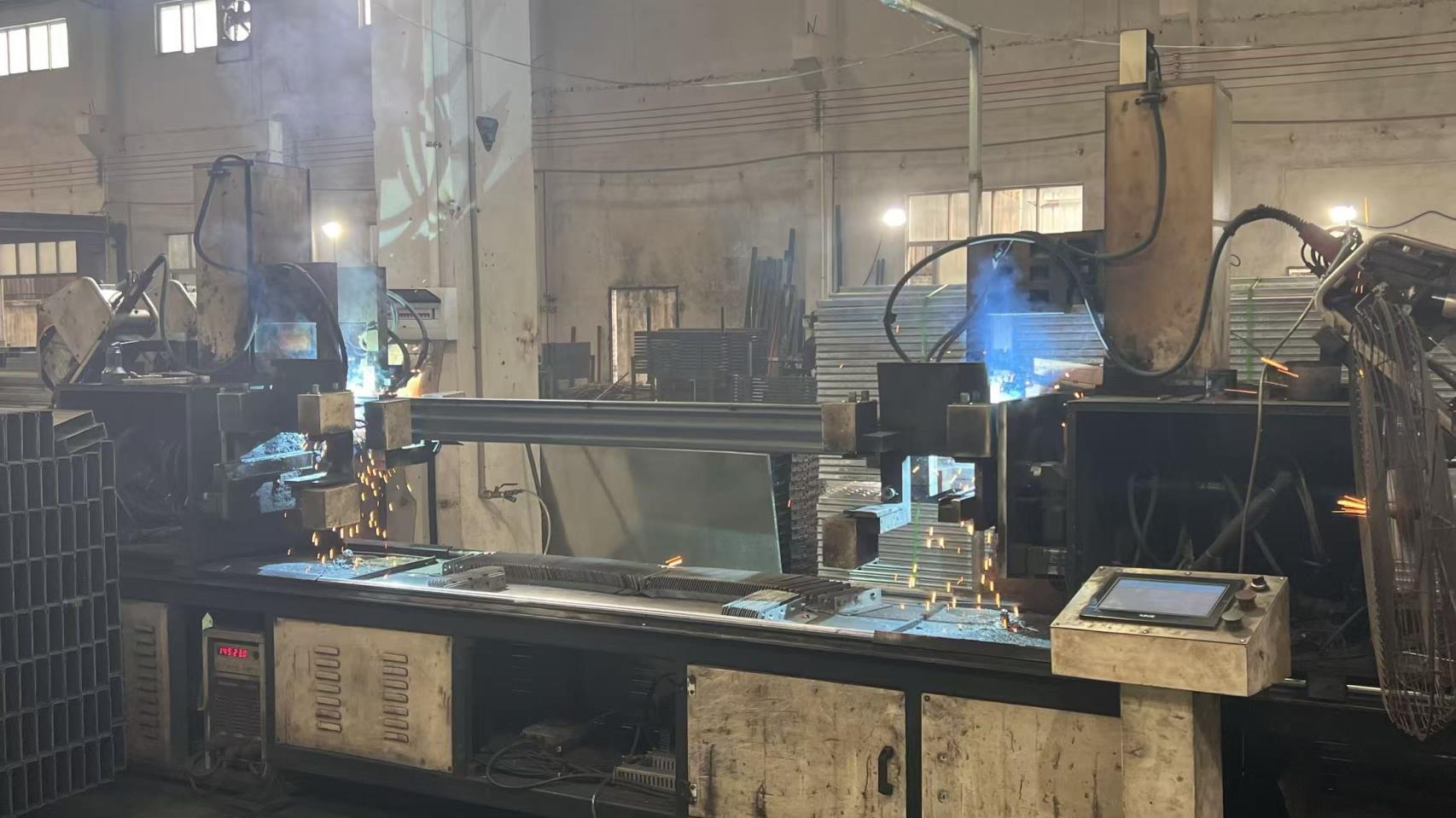
Auto Welding Machine
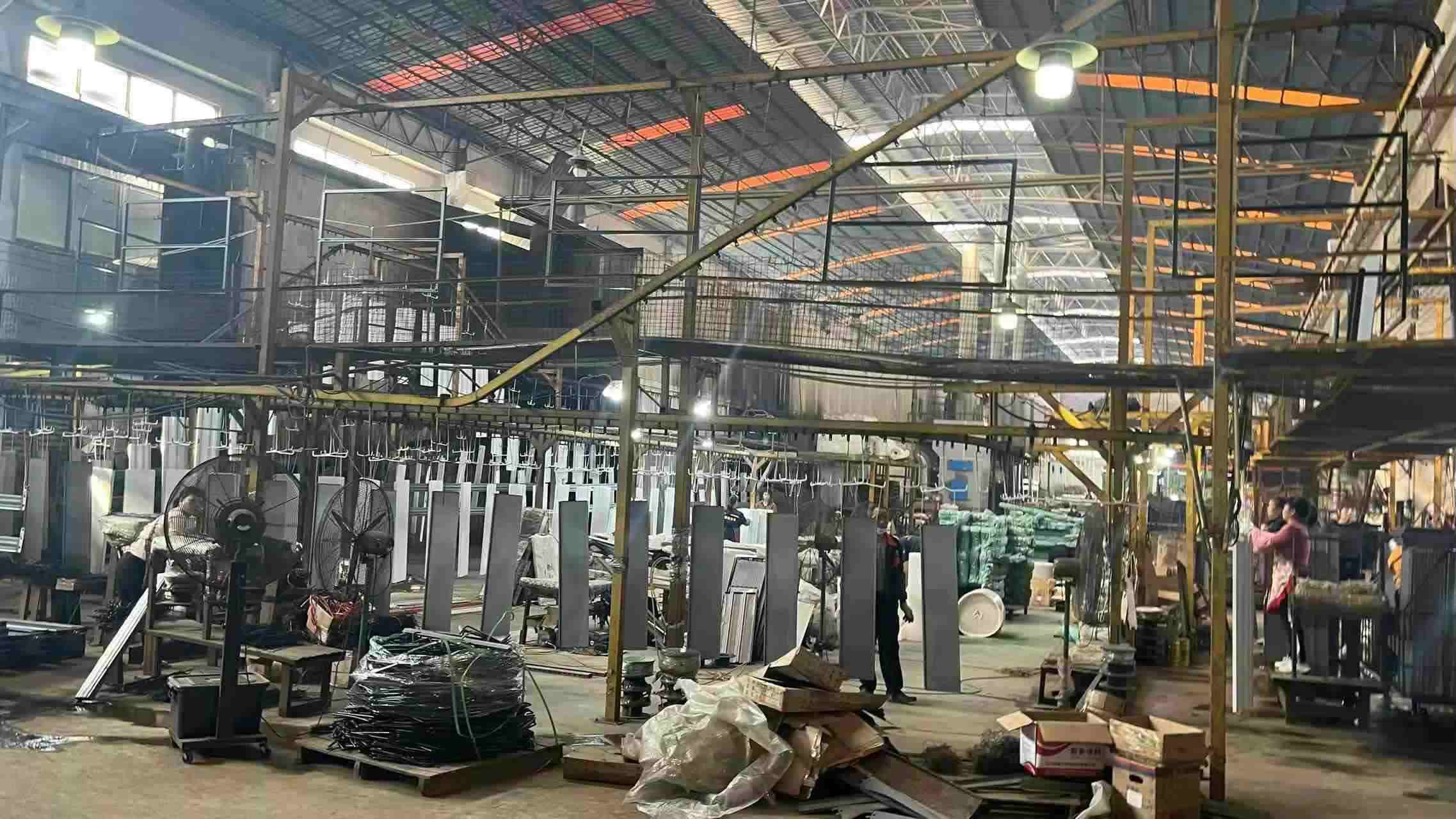
Powder Coating Line
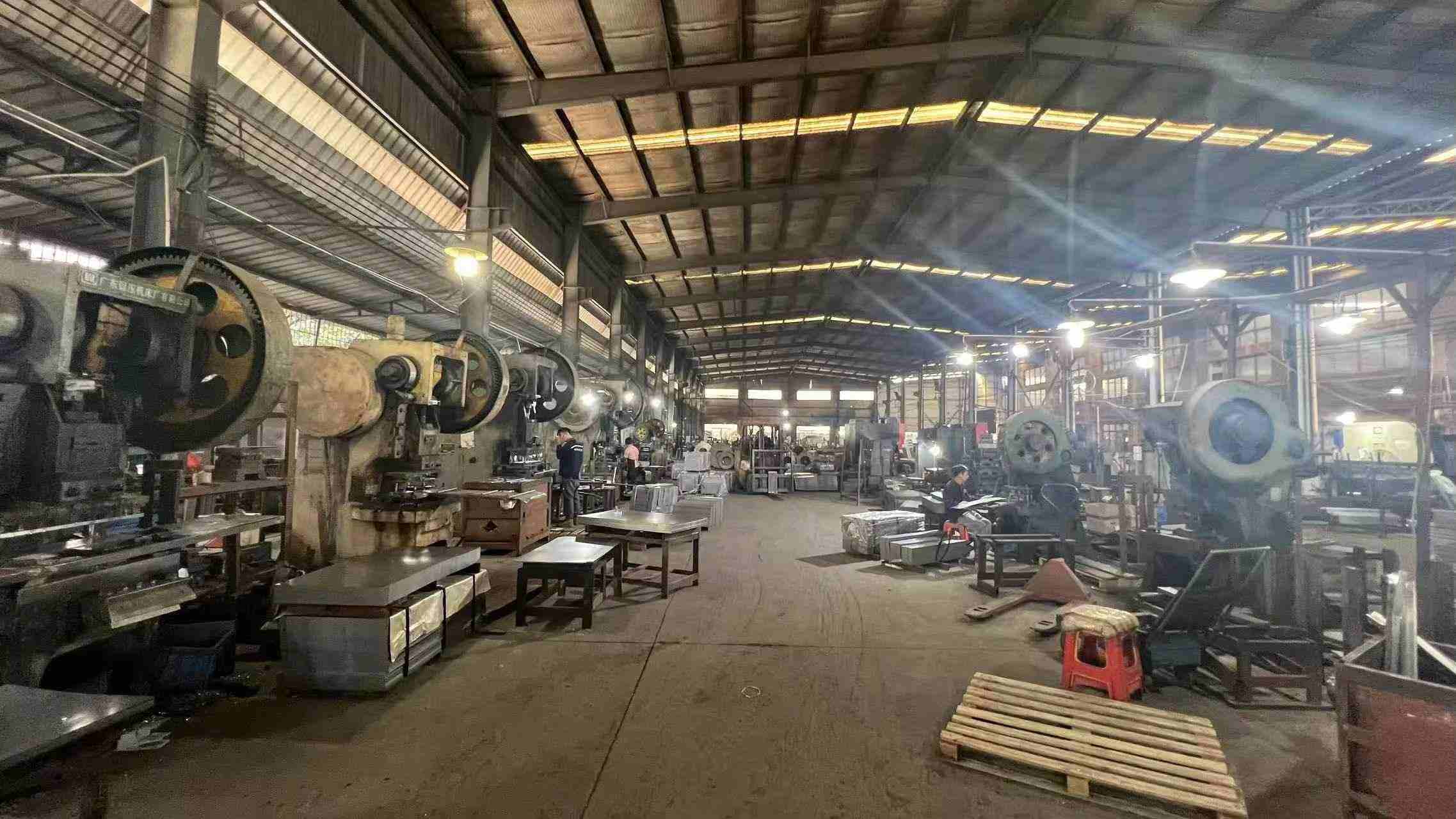
Punching Machine
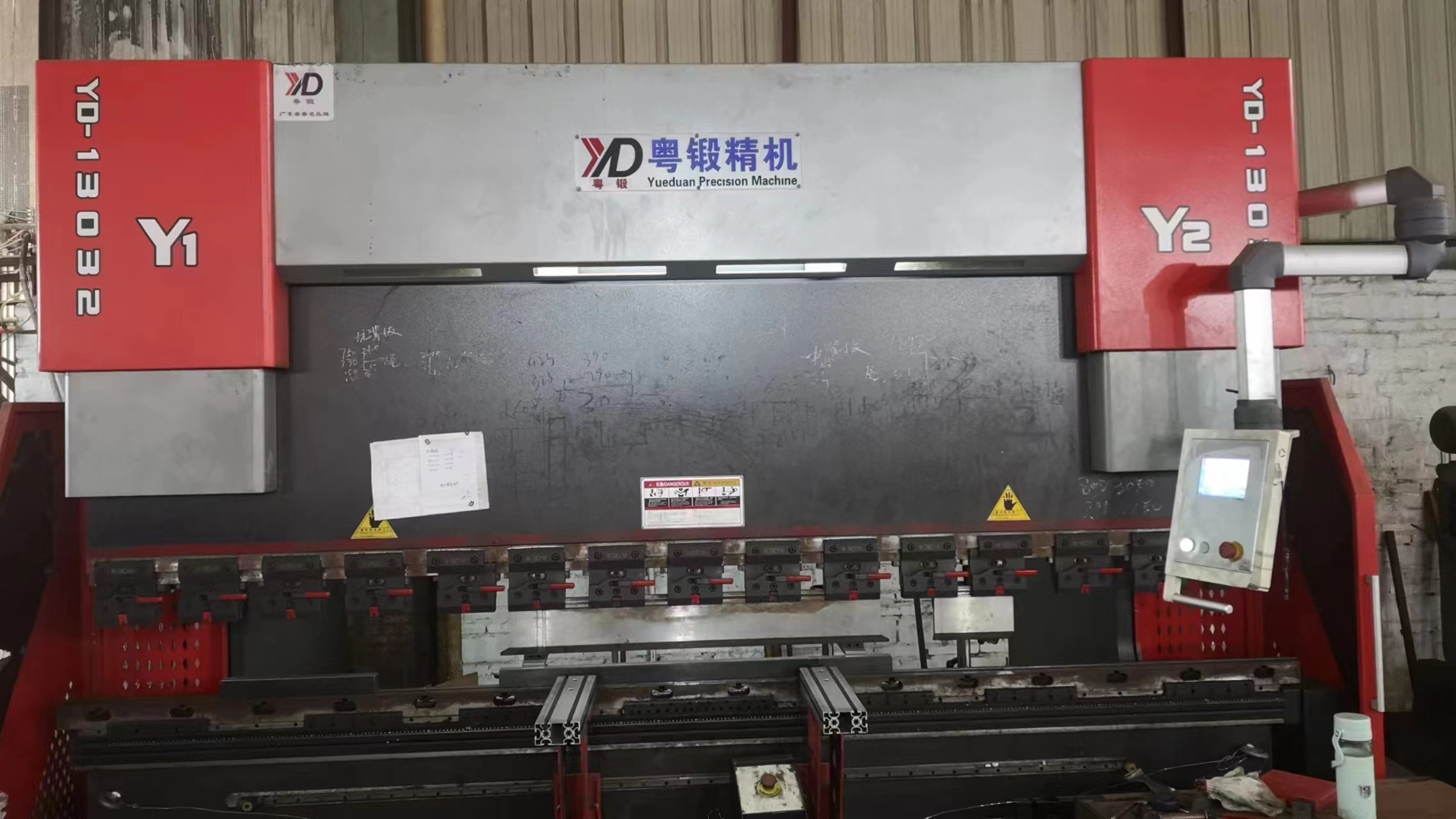
Bending Machine
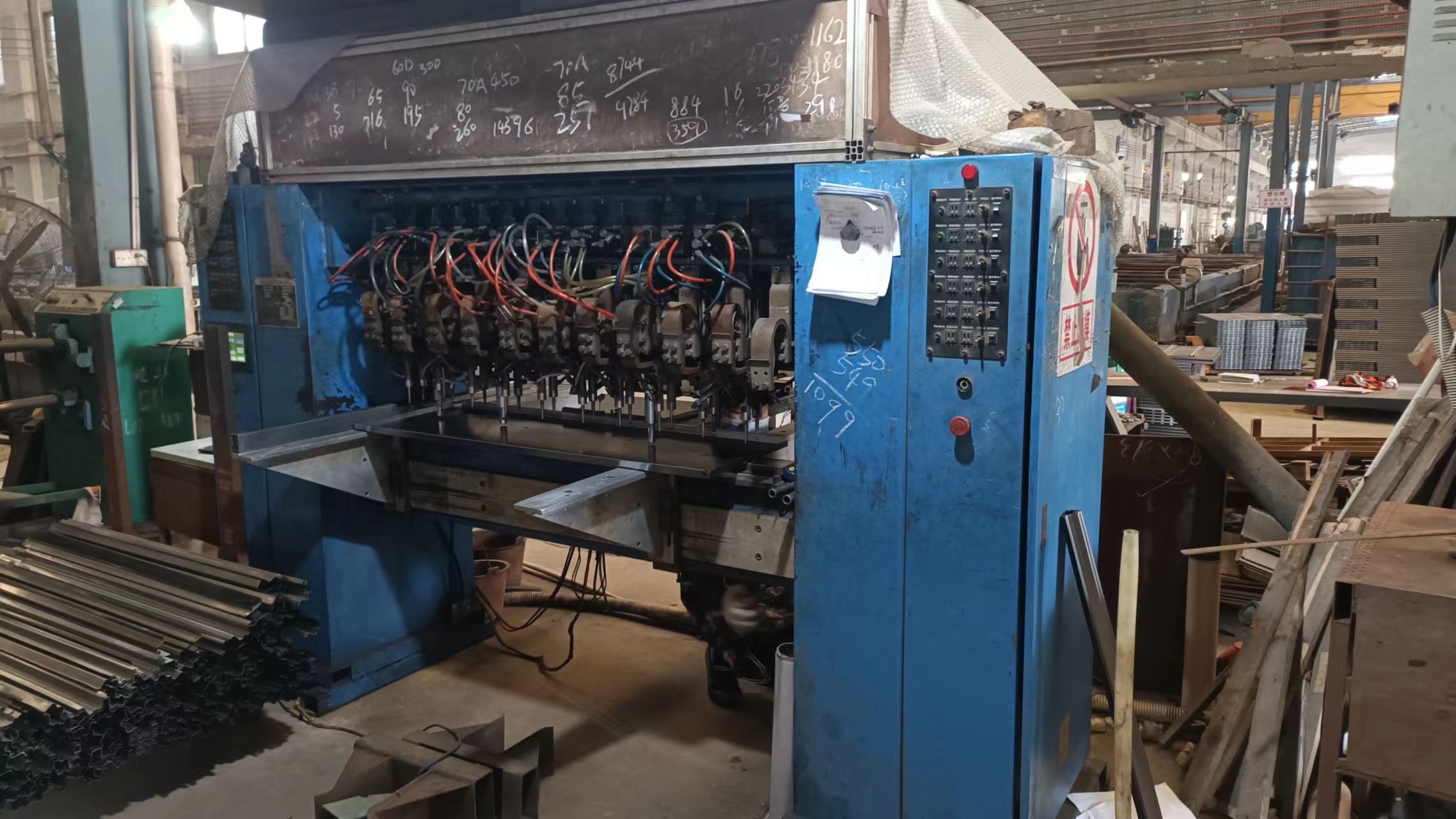
Butt Welding Machine
Reliability in heavy industrial settings is directly determined by dimensional precision and coating integrity. Minimal deviations in raw material thickness can trigger structural failure under static and dynamic loading. Under the oversight of our 45-strong Quality Control department, Durack implements testing parameters at every production checkpoint. By employing high-precision electronic calipers and electronic coating thickness gauges, our specialists verify that all components match our strict engineering specifications prior to shipping.
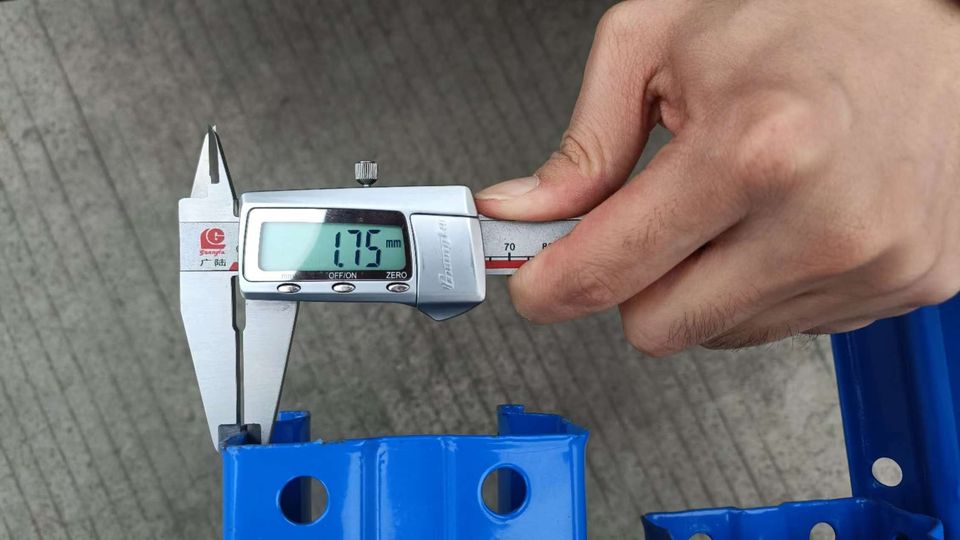
Ensures structural profile thickness, column spacing, and arm length measurements meet exact manufacturing tolerances within ±0.1mm, eliminating structural alignment issues during installation.
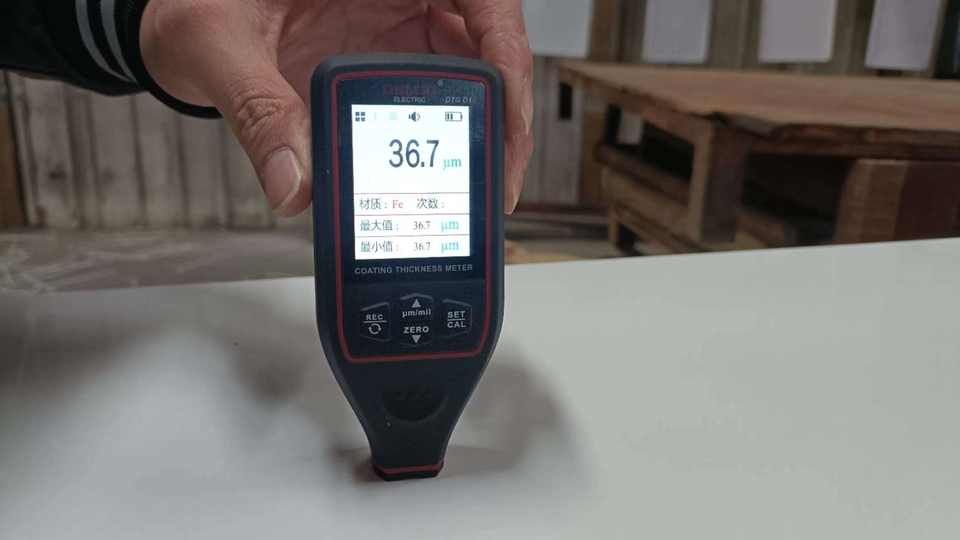
Verifies the electrostatic dry powder coat thickness meets high-durability metrics (average 80-120 microns), protecting the base metal from abrasion, chips, and industrial oxidation.
Why do leading 3PL and industrial distribution operations consistently select Chinese heavy steel fabrication over regional options? The explanation lies in supply chain aggregation. Dongguan, the manufacturing heart of Southern China, grants Durack immediate access to raw Chinese domestic steel mills, allowing us to secure top-tier steel plates and custom rolled sections with minimal logistical lag.
This localized supply chain translates into rapid development capabilities, allowing us to roll, stamp, coat, and ship bespoke systems at scale. Furthermore, China's extensive transportation infrastructure ensures streamlined container packing and rapid transit from local ports directly to North American, European, and Southeast Asian industrial zones. For global buyers, this efficient ecosystem yields a lower total cost of ownership (TCO) and shorter delivery lead times than localized manufacturers can offer.
Operational needs vary by region. Durack tailors its product catalog to address specific regulatory environments and geographic conditions:
Global procurement teams must evaluate structural integrity alongside standard purchase prices. Modern commercial buyers are looking for:
Browse our secondary selection of durable, high-capacity cantilever racks for storing steel beams, lumber, pvc piping, and heavy industrial plates.
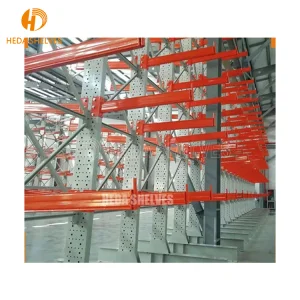
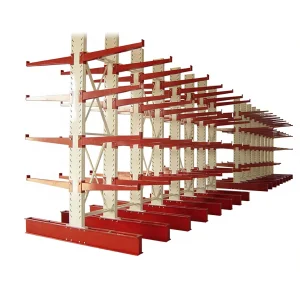
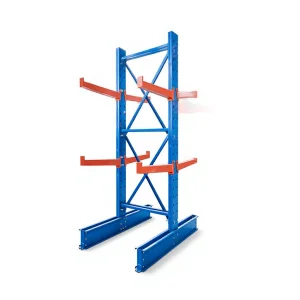
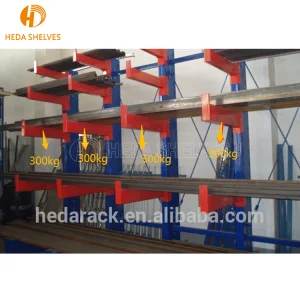
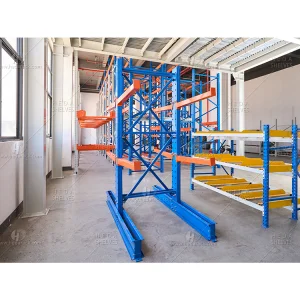
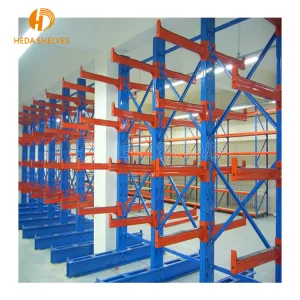
Technical answers to critical questions regarding design parameters, safety factors, and manufacturing standards for cantilever storage rack systems.
Roll-formed cantilever racks are shaped from sheet steel at room temperature, making them a cost-effective, versatile option for light to medium-duty storage. Structural steel cantilever racks are hot-rolled and fabricated from structural I-beams. This process allows them to support much larger loads and resist impact damage, making them ideal for heavy industrial environments and busy warehouses.
Load capacity calculations must consider uniformly distributed loads (UDL). For a system rated at 1,000 kg per arm, the weight must be distributed evenly across the arm's length. Placing a concentrated load at the outer tip of the arm doubles the bending stress on the upright connection, which can cause structural deformation or system failure.
For outdoor storage, hot-dip galvanization (HDG) is highly recommended. The process immerses steel components in molten zinc, creating a thick, durable alloy layer that protects against moisture, UV exposure, and mechanical wear. For dry indoor facilities, electrostatically applied powder coating provides excellent resistance to chips and scratches.
Cantilever racks rely on a rigid vertical connection, transferring load stresses directly to the concrete floor slab. Proper upright spacing prevents long materials from sagging between arms. Heavy-duty expansion anchors secure the baseplates to the concrete, preventing tipping when retrieving inventory from the upper tiers.
Backed by our team of 65 R&D engineers, we offer full design customization. This includes custom upright column heights, bespoke arm dimensions, specialized vertical pitches, structural steel grades, and custom color-matched powder coatings. We also provide full CAD drawings, BIM modeling, and load certification documentation for code compliance.
 Durack