The modern retail ecosystem has undergone structural transitions from simple merchandise holding fixtures to complex, load-bearing, modular frameworks designed to capture consumer attention while optimizing warehouse footprint and material efficiency. As search queries globally trend towards multi-functional "supermarket shelf supplier & exporters", the underlying requirement has shifted from generic metal racking to structurally certified, customizable gondola platforms capable of dynamic weight load configurations.
Modern retail environments demand high spatial adaptability. In contemporary grocery architectures, shelves are no longer isolated products; they form part of integrated inventory control, supporting extreme load variations from heavy-duty canned goods to light-weight cosmetic arrays. This has led to the adoption of high-strength structural grade steels such as Q235B and SPCC cold-rolled variants with specialized load capacities exceeding 150kg per tier.
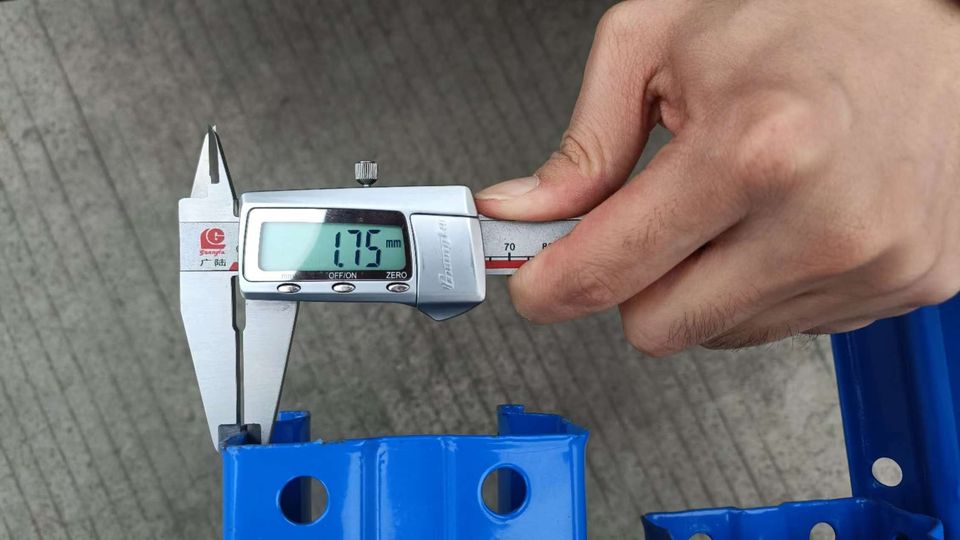
Globally, FMCG distribution and big-box membership clubs (like Costco and Sam’s Club) demand hybrid structures that combine retail shelving with overhead pallet racking (Warehouse-Gondola Integration). This integration decreases supply chain footprints by allowing direct-to-shelf stocking directly underneath massive bulk storage bays. For exporters, this requires precision engineering where steel frames are tested for torsional rigidity, bending moment capability, and structural safety parameters under seismic load guides (such as EN 15512 or RMI standards).
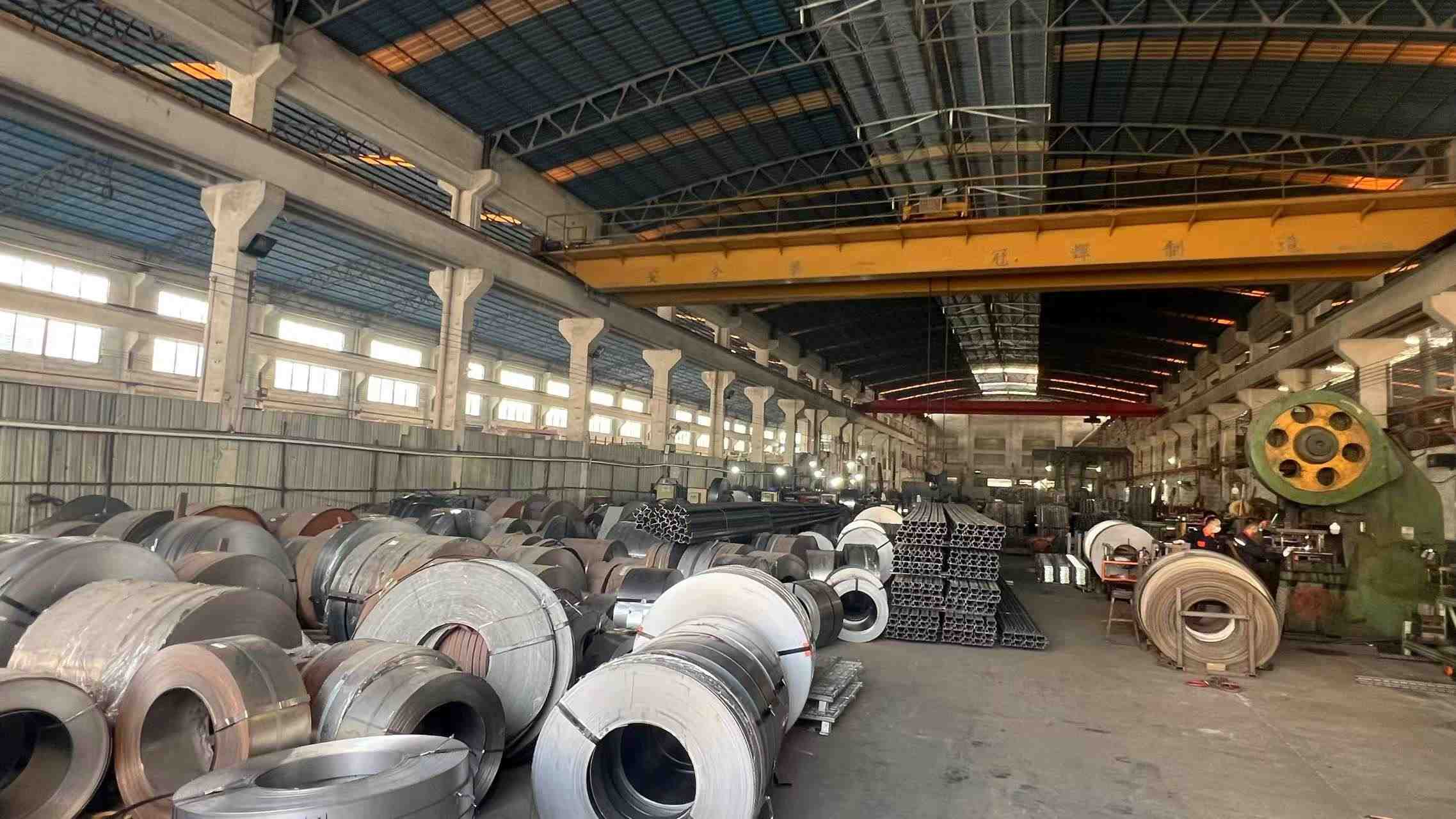
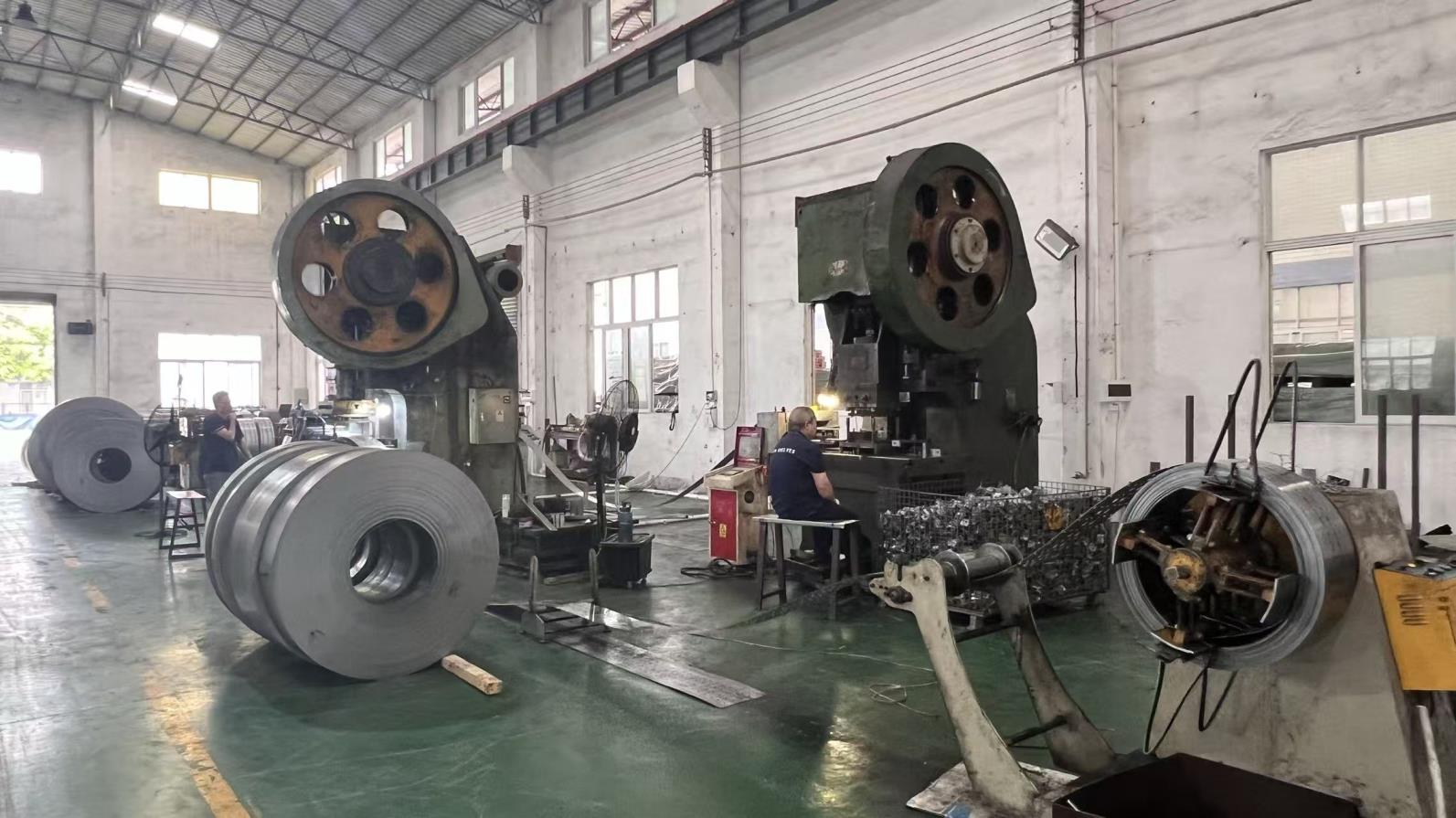
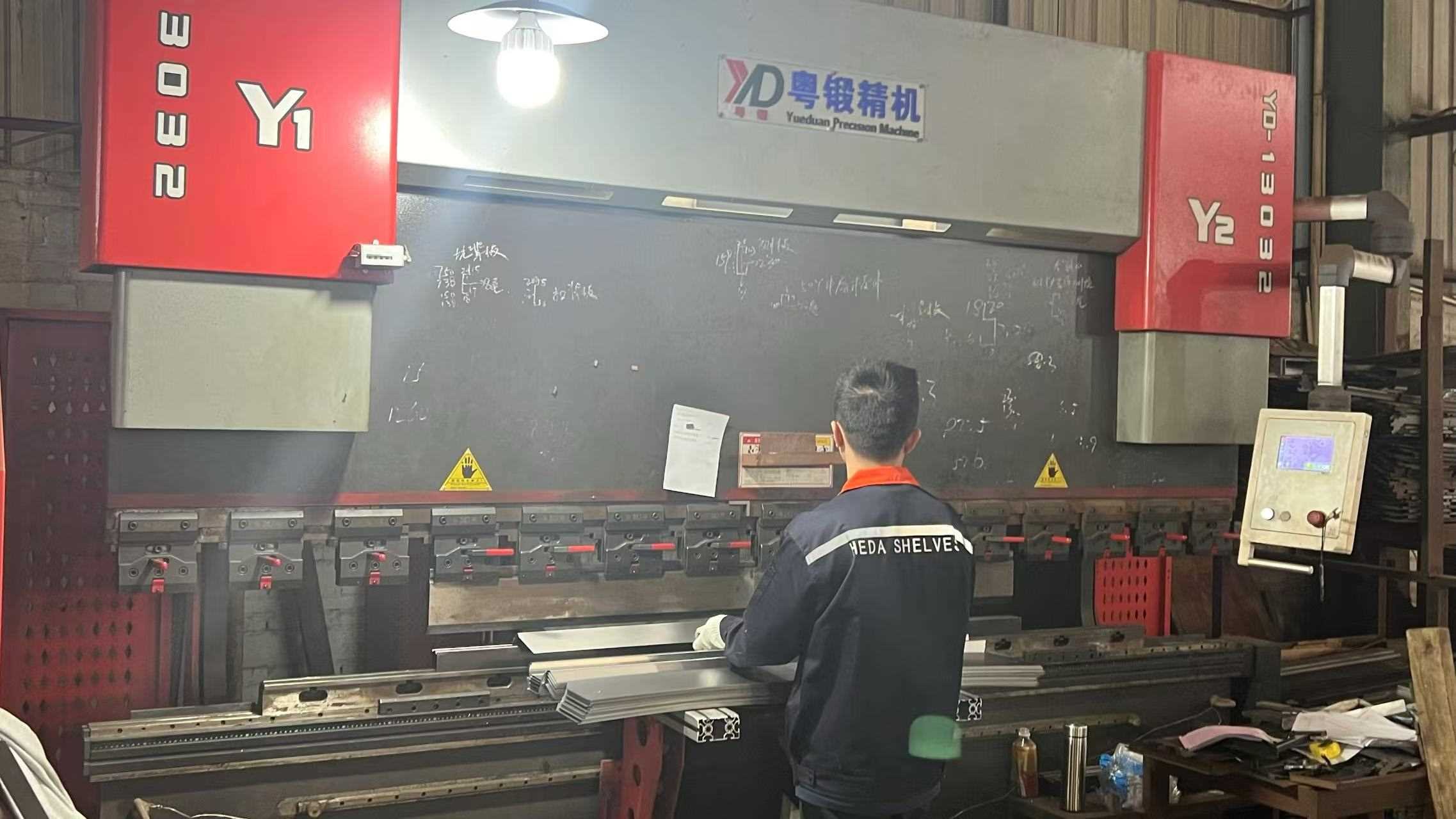
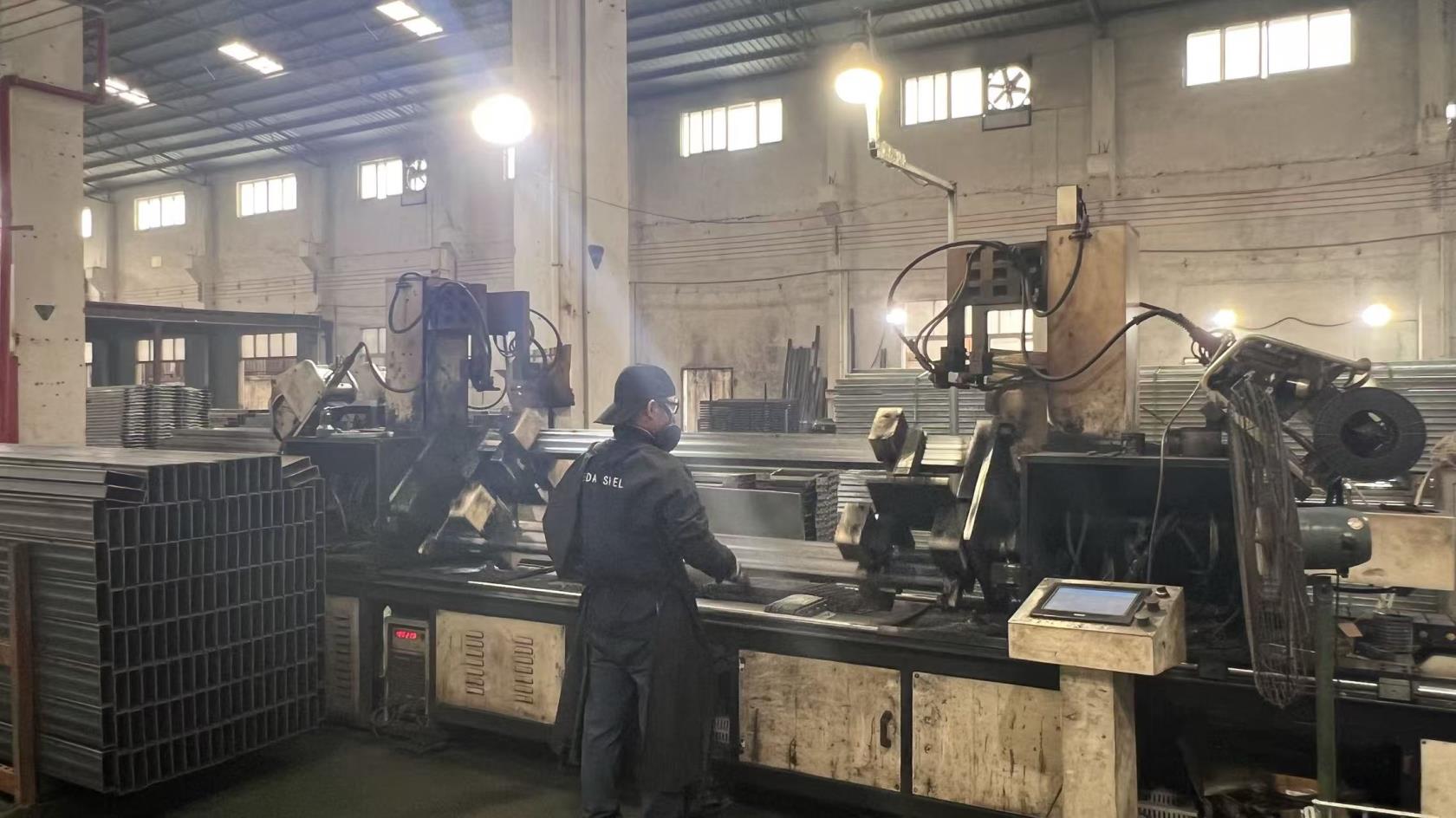
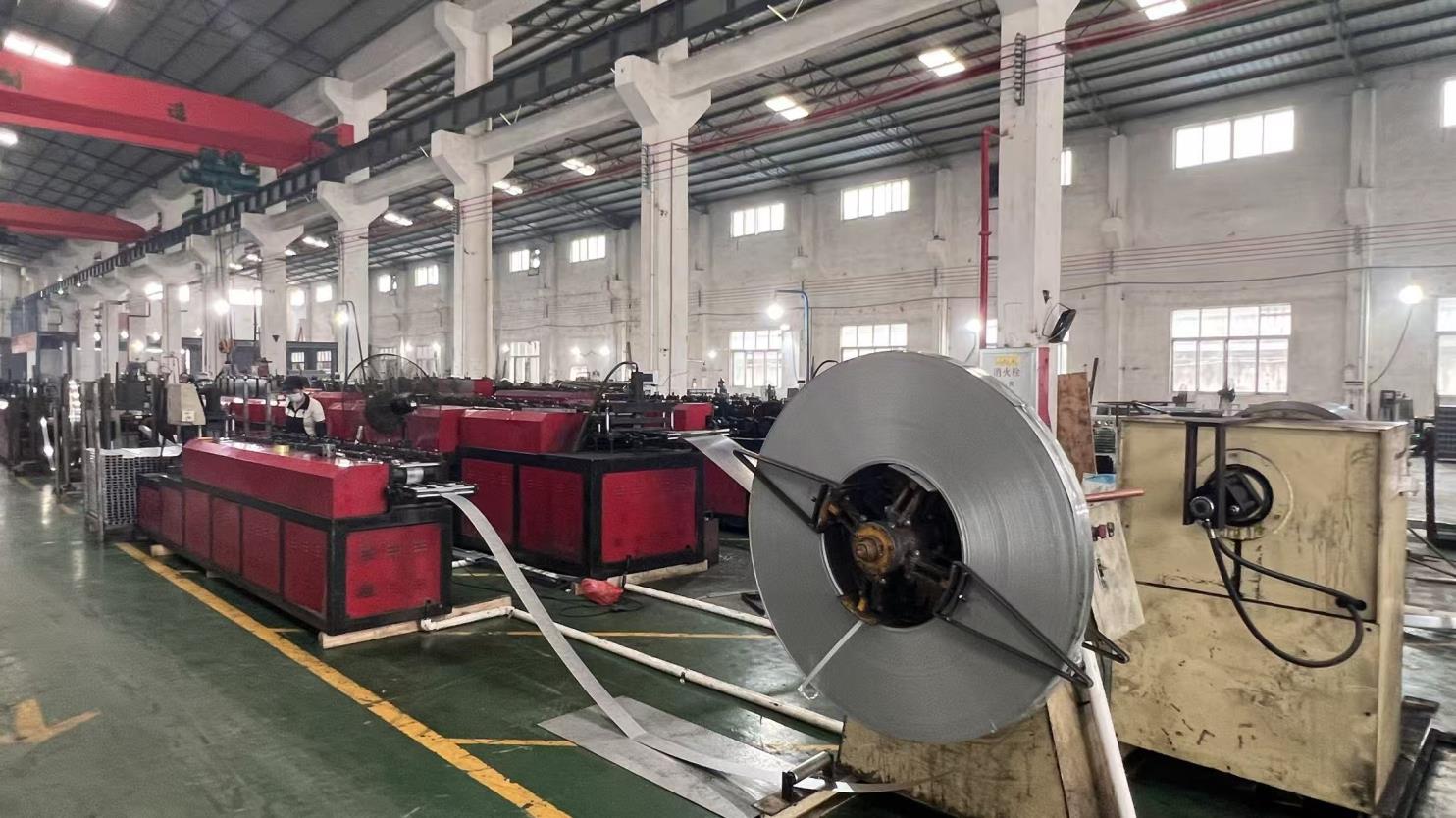
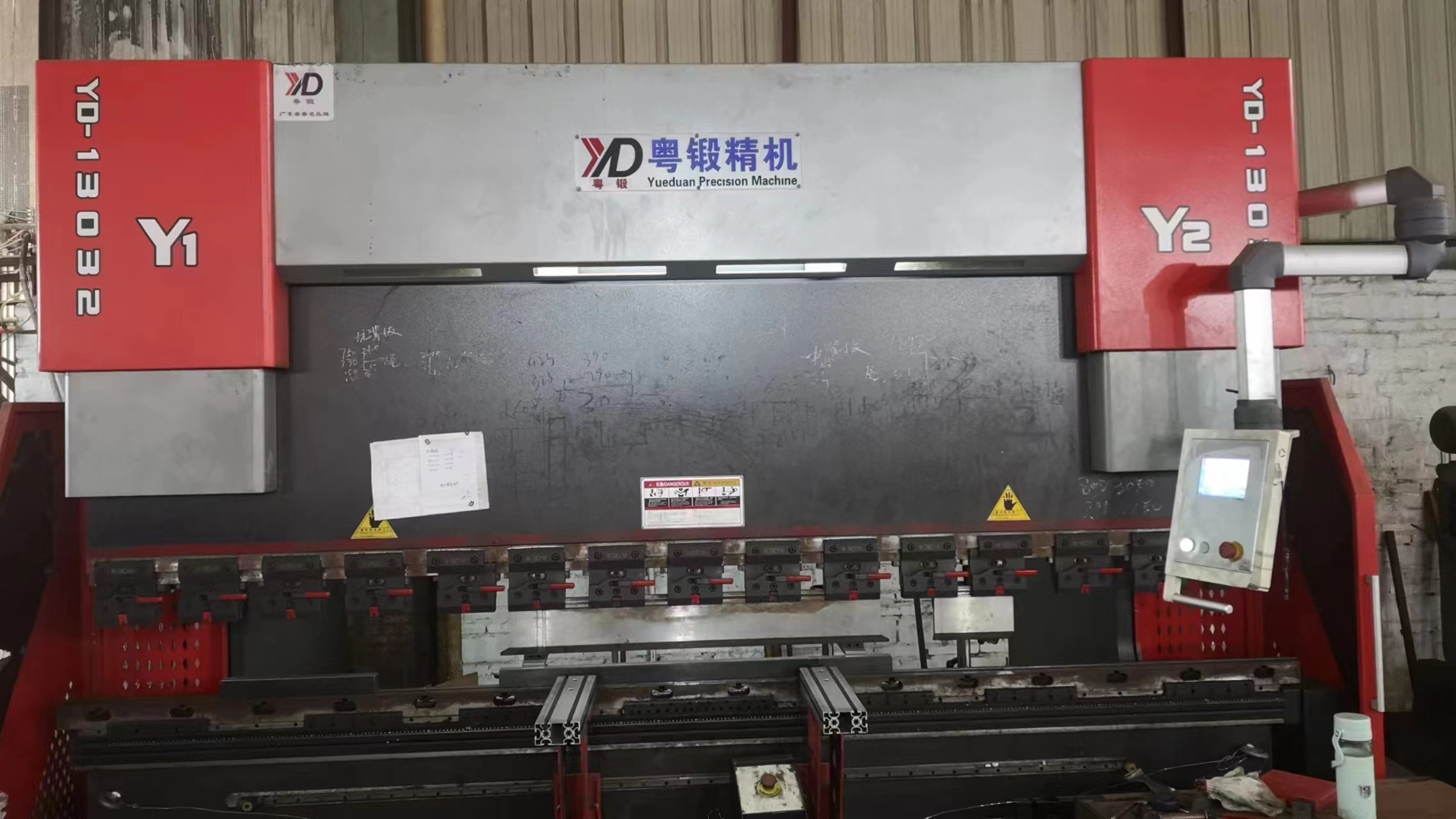
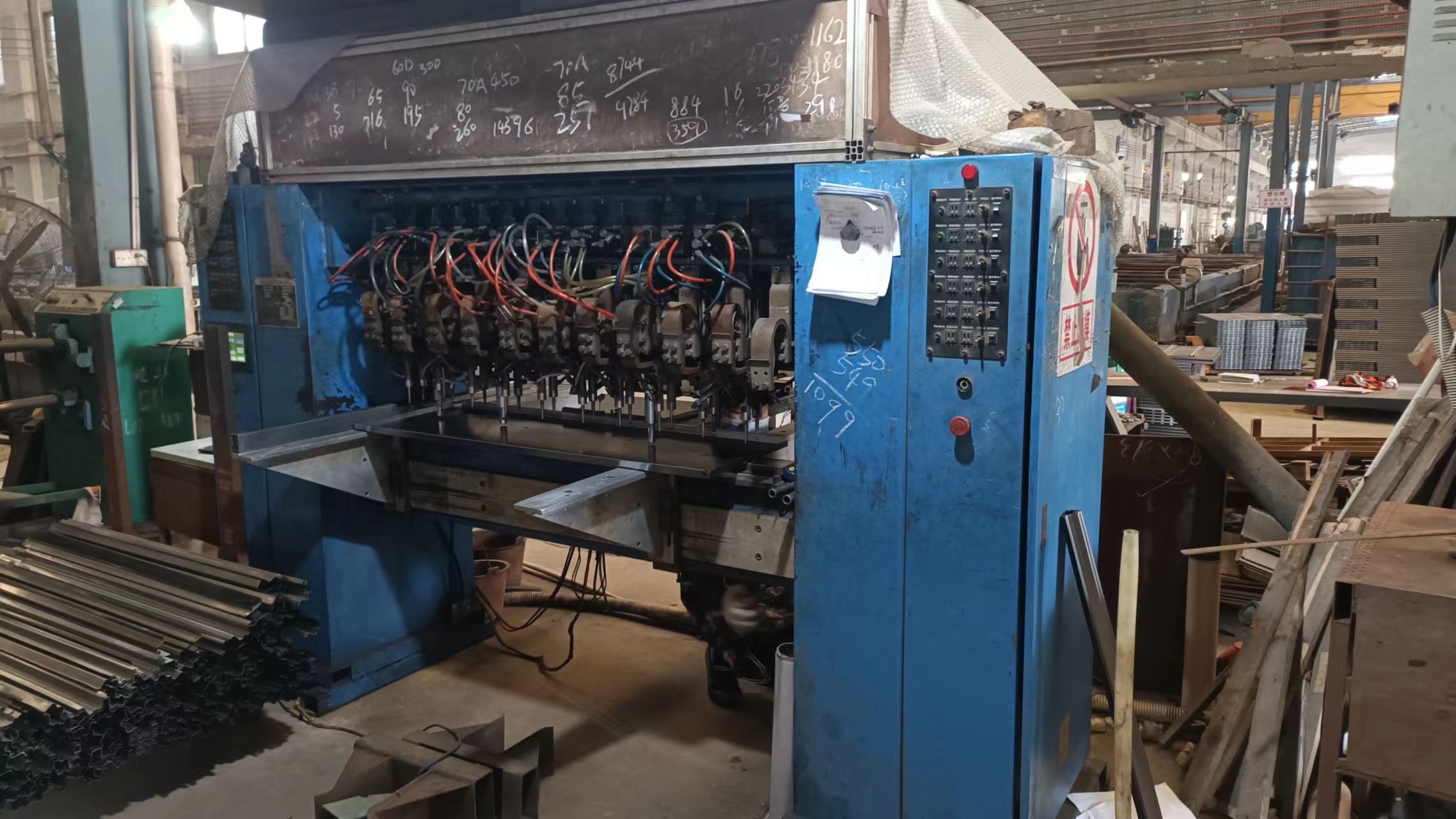
Why do global supermarkets continue to import heavy metal fixtures from East Asian logistics hubs? The answer lies in advanced manufacturing integration. Companies like Dongguan Durack Logistics Equipment Co., Ltd. represent the peak of this supply chain optimization. Combining automatic sheet metal bending lines, continuous cold-roll forming mills, and robotically welded structural frames, Chinese manufacturers maintain an unmatched cost-to-performance ratio without sacrificing reliability.
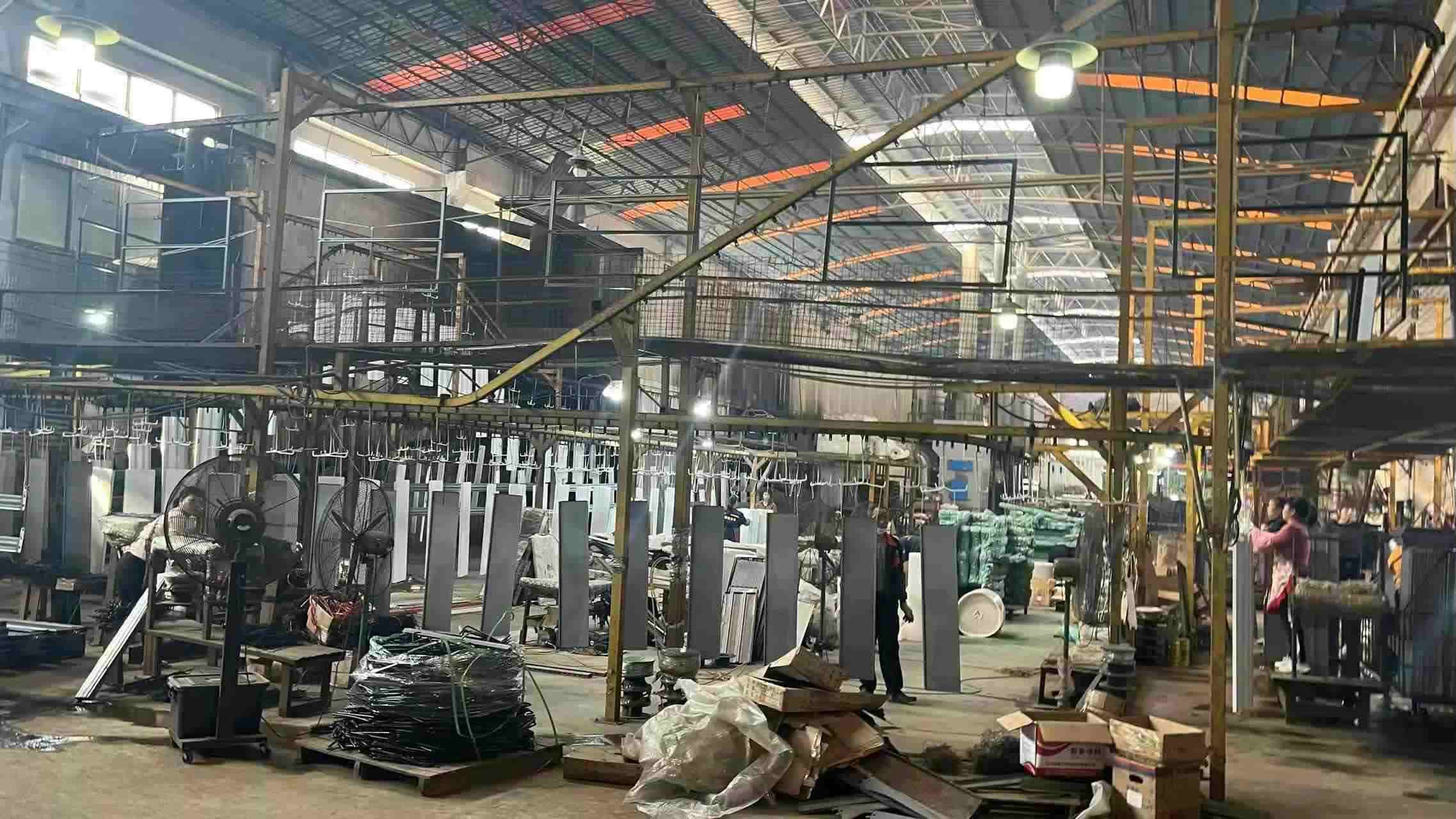
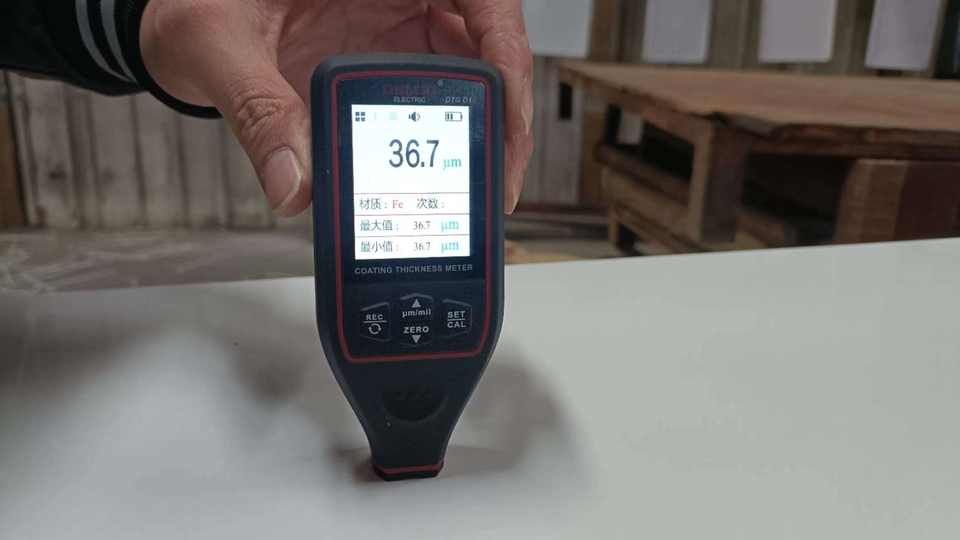
Having a manufacturing site situated close to prime steel production zones allows for rapid procurement of pristine raw materials. Furthermore, automatic powder coating lines ensure consistency in film thickness, preventing localized surface oxidation from chemical exposure (e.g., floor cleaning agents or moisture in chilled-food aisles). High-efficiency production yields faster lead times, a critical competitive criteria when retail giants plan new stores or national refits under strict schedules.
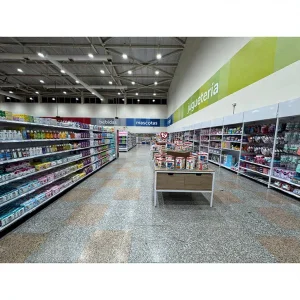
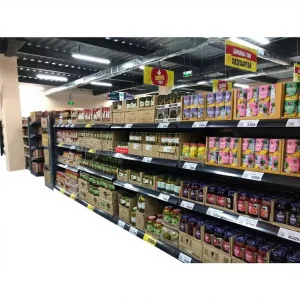
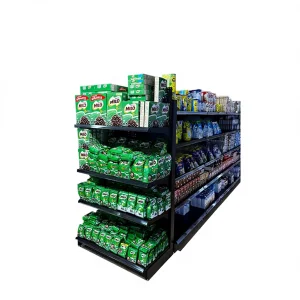
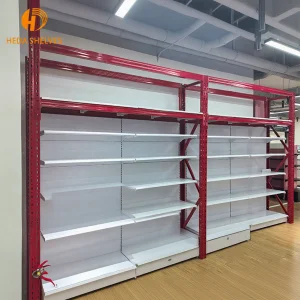
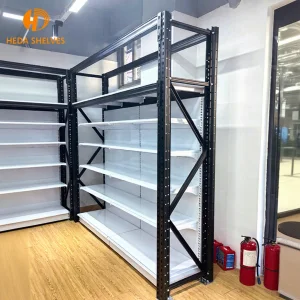
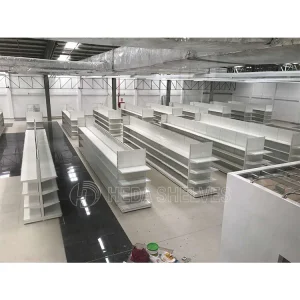
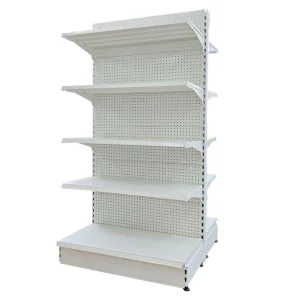
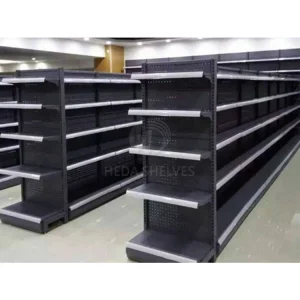
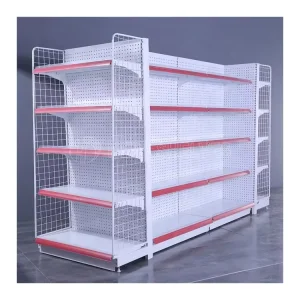
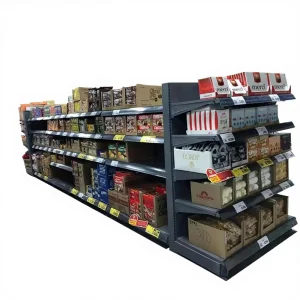
Designed for maximal vertical space usage, hypermarket shelving features heavy-duty frames with adjustable double-sided steel configurations. Frequently merged with integrated industrial racks to support structural overhead storage shelves.
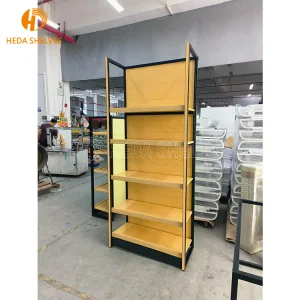
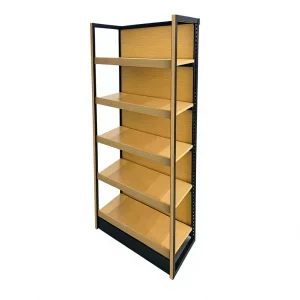
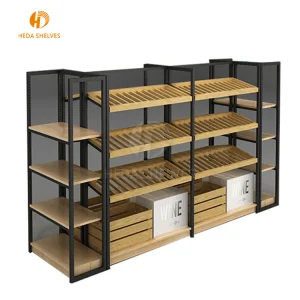
Merging wood aesthetics with metal strength. Perfect for brands like Miniso, specialty pharmacies, or health-food stores requiring warm, custom-grain panelings and lightweight, high-visibility wire-mesh shelves.
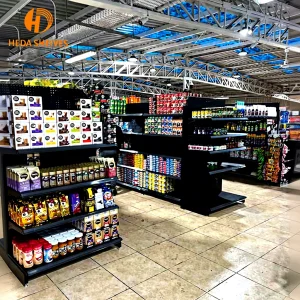
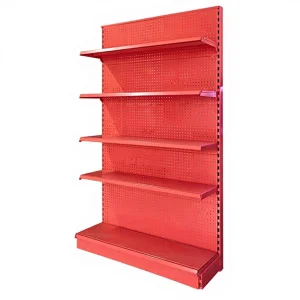
Focuses on rapid assembly, variable slatted panels (slatwall/groove boards), and targeted promotional end-cap displays. Compact footprints with modular pitches allow configurations to adapt weekly to product shifts.
A leading challenge in retail exporting is ensuring shelves fit various local layouts and building code profiles. Professional suppliers must offer high levels of personalization. As demonstrated by Durack's experienced R&D division, custom services extend beyond simple dimension adjustments to include structural modifications. Engineering teams design specific beam profiles, adapt upright column perforation spacings, and utilize varying grades of structural carbon steel to meet national safety criteria.
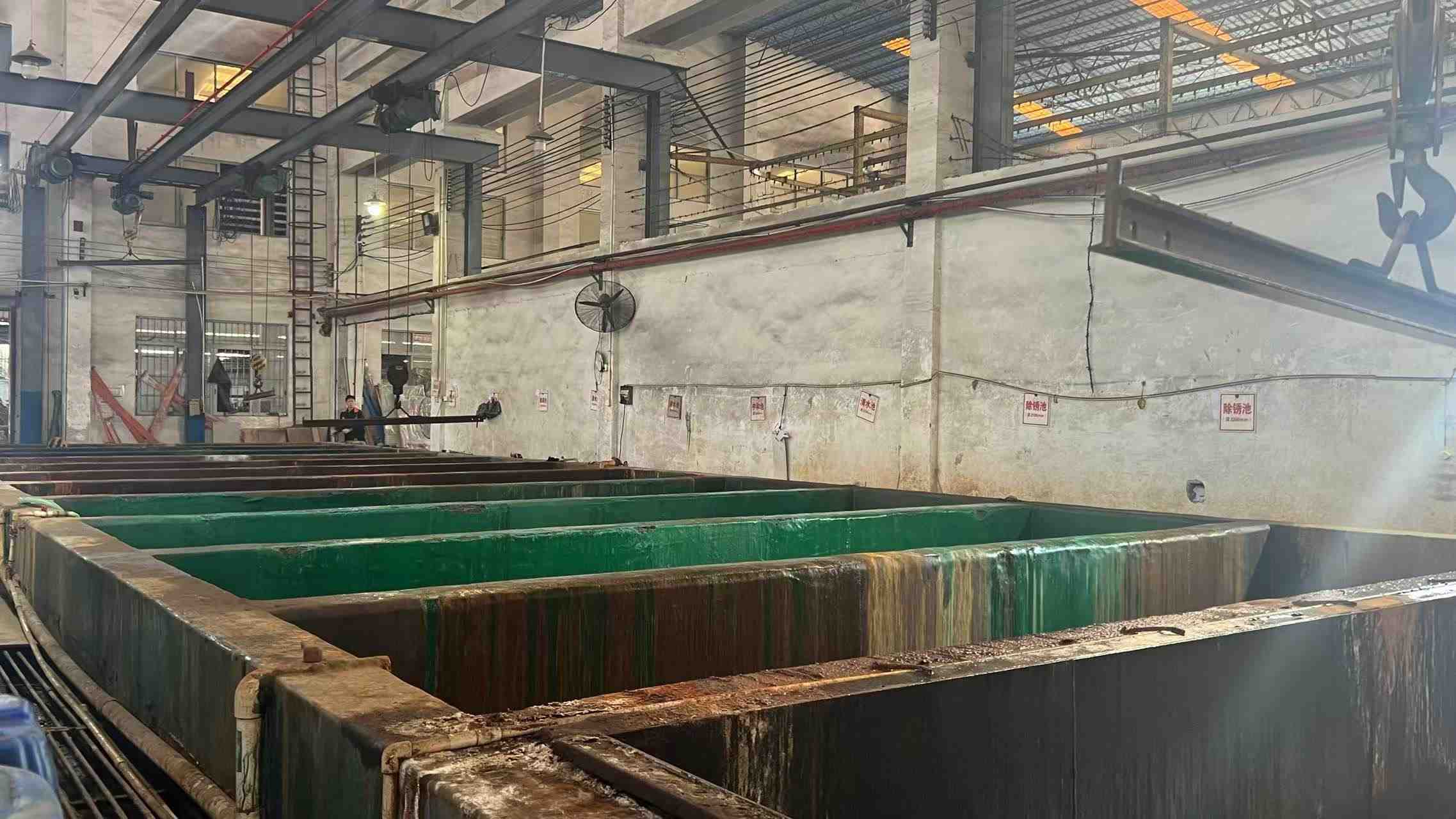
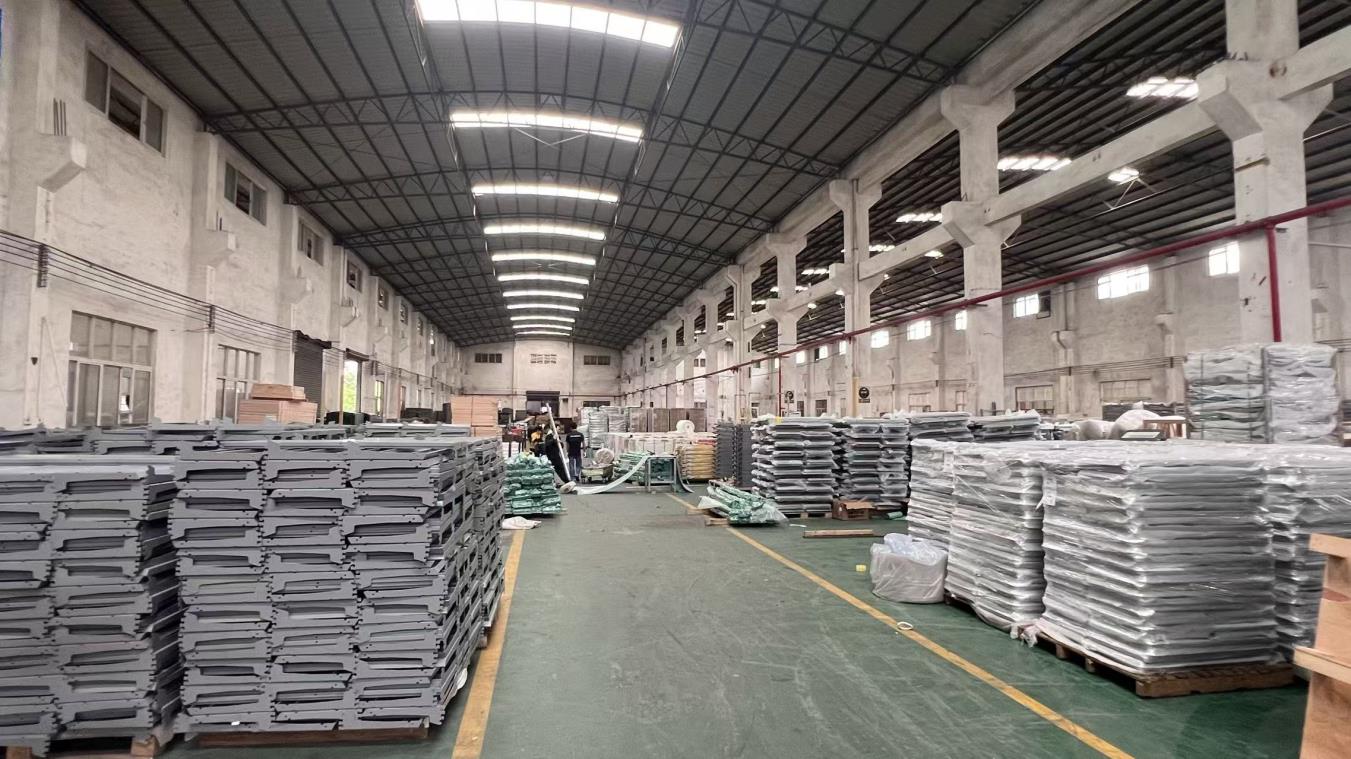
Our 35,000 m² factory operates under strict ISO 9001 and CE frameworks. We control the complete lifecycle of our retail and storage racking products, utilizing advanced automatic fabrication systems and full-spectrum testing machinery.
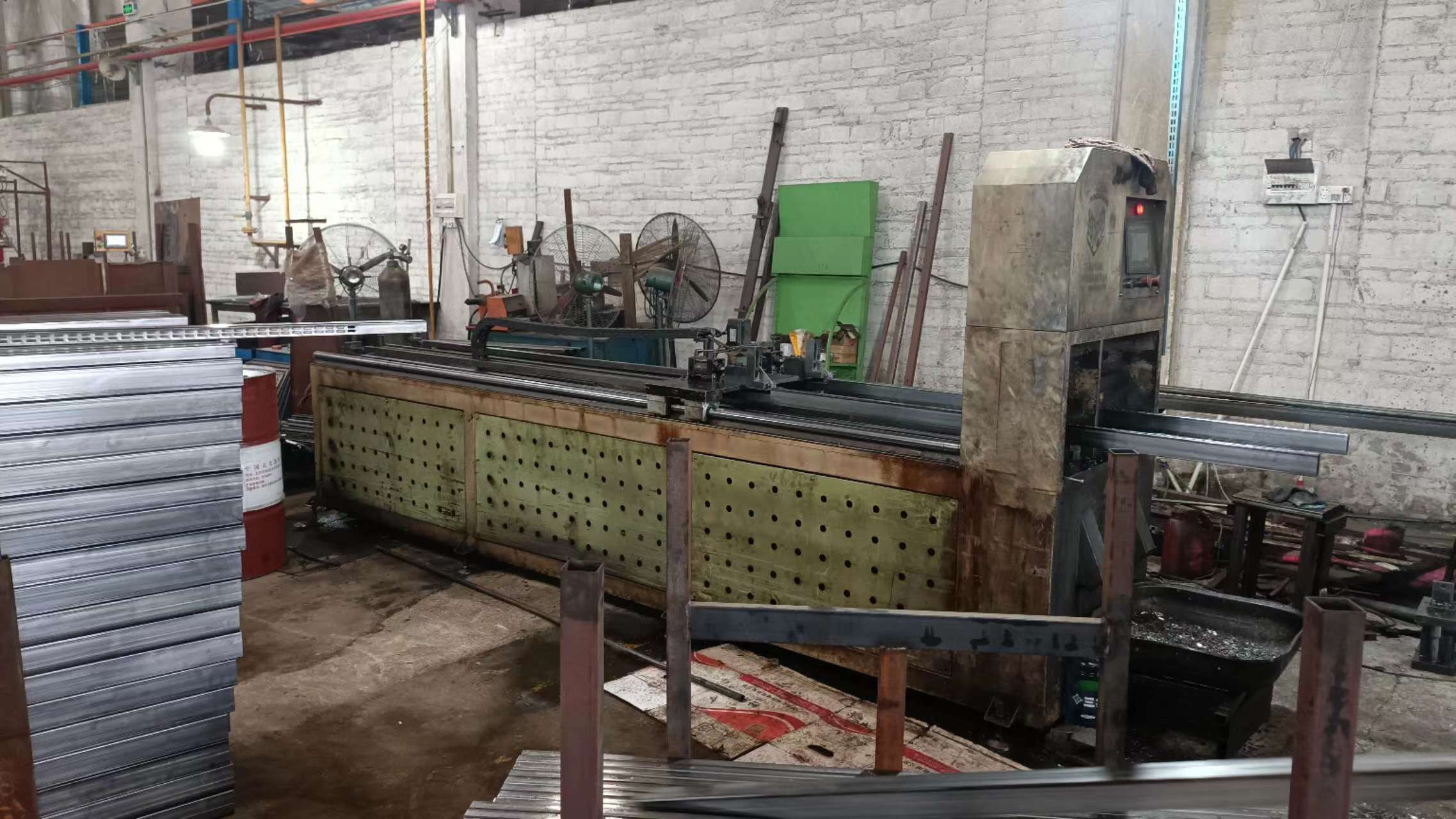
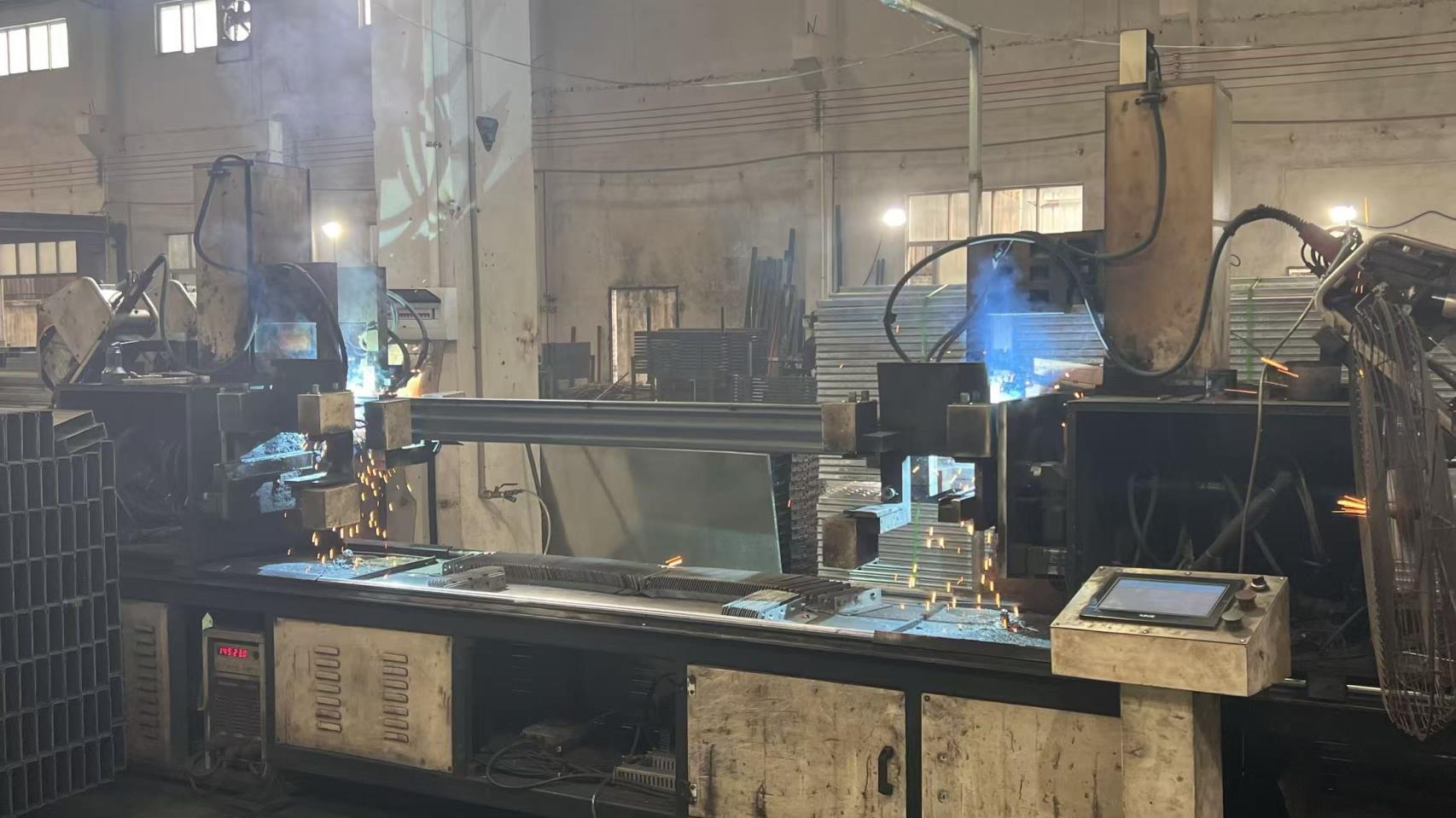
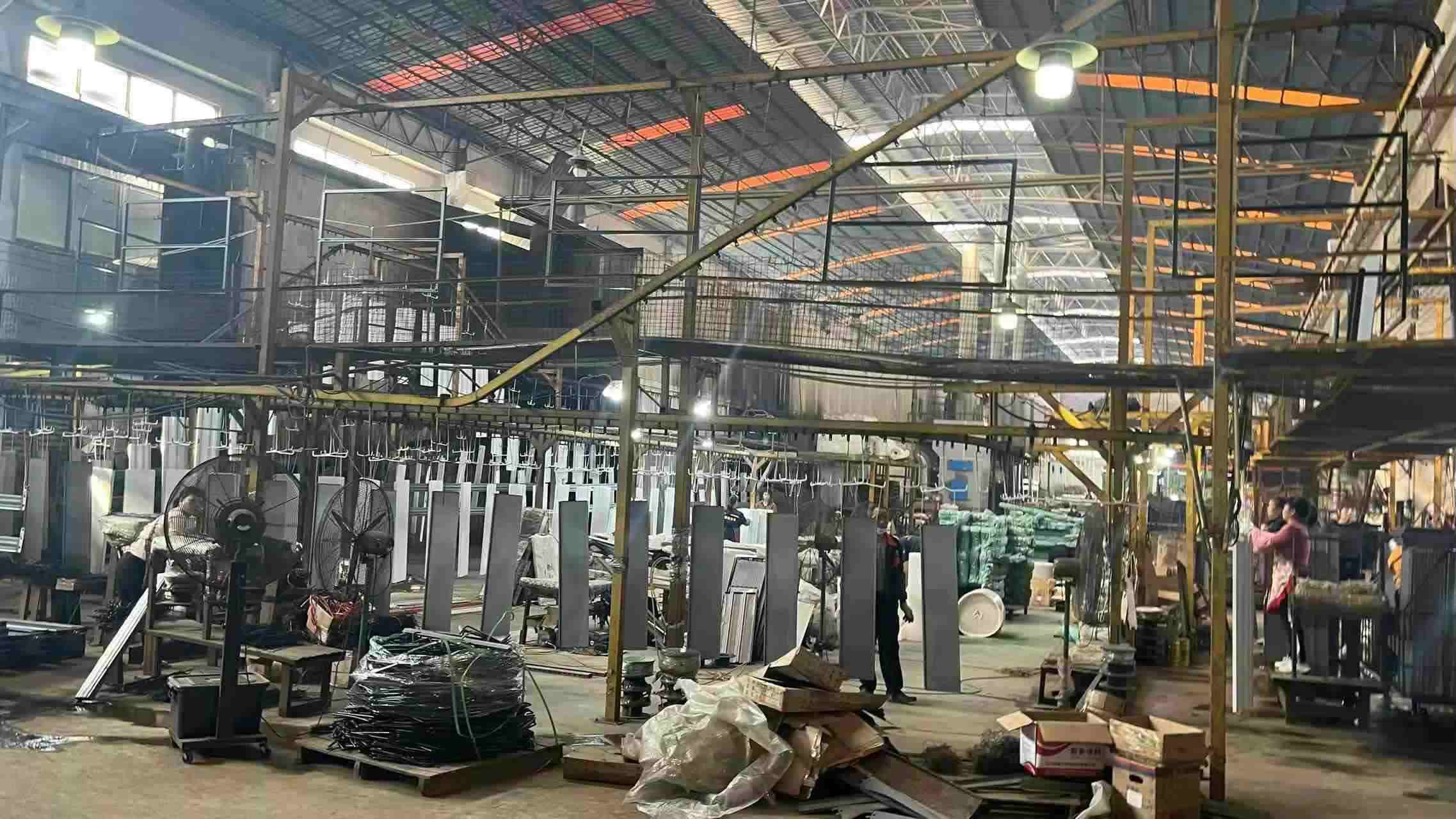
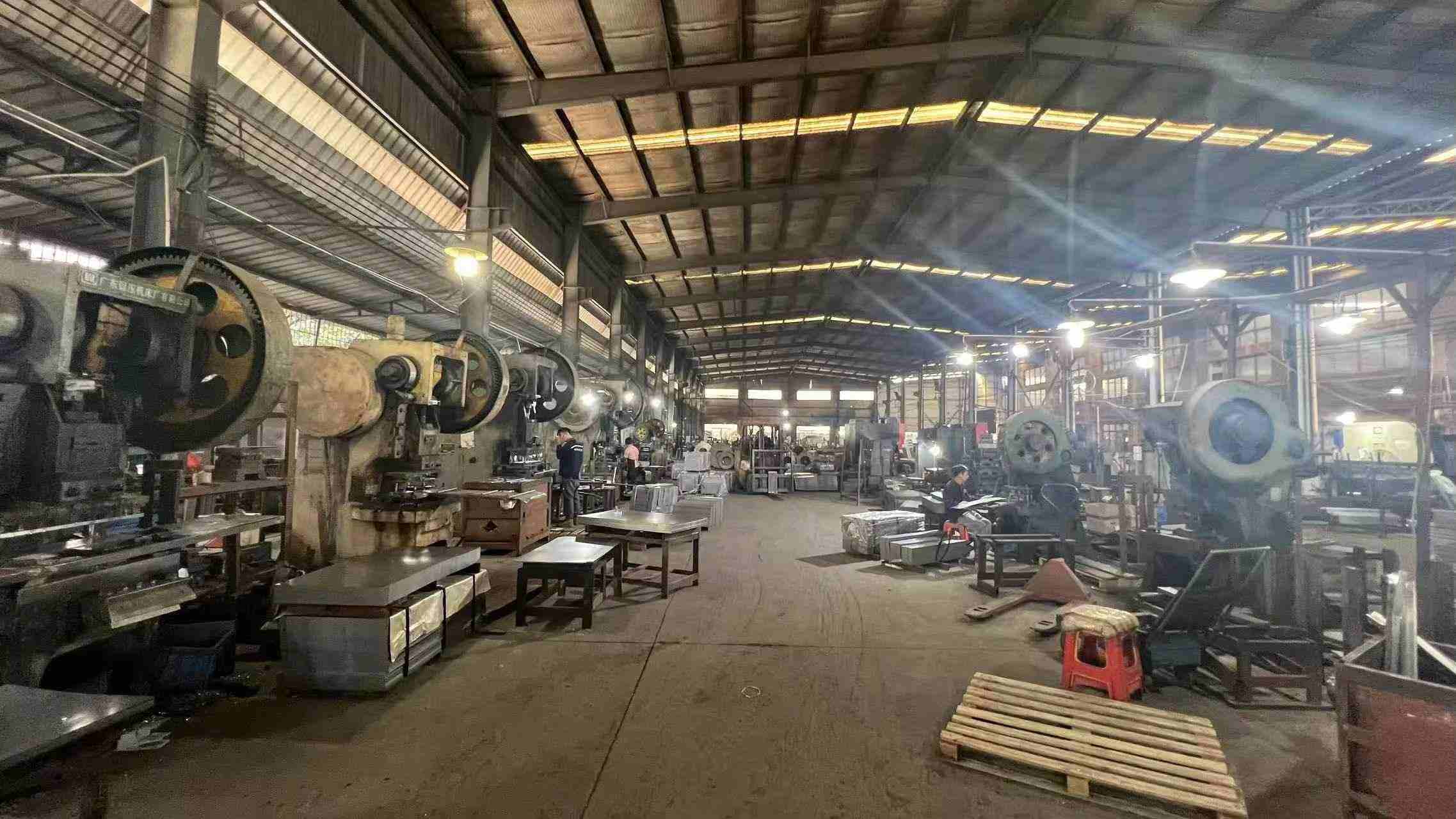
As supermarkets digitize their physical storefronts, display hardware is adapting to integrate smart tech features. The rise of Electronic Shelf Labels (ESL) requires specialized front-edge rail profiles designed for ease of installation and power integration. Additionally, suppliers are introducing smart shelves integrated with weight-sensor arrays and RFID backboards, enabling automated, real-time inventory tracking. Rather than simple, passive displays, today's retail shelves act as connected endpoints within dynamic logistics systems.
Equally critical is the global move towards sustainable retailing. International buyers expect compliance with strict ecological regulations, which covers both material sourcing and surface coating technologies. Utilizing non-toxic, lead-free powder coatings helps factories significantly minimize their environmental impact. Transitioning to green, high-durability electrostatic spray deposition (ESD) allows exporters to ship shelves that not only resist physical wear and chemical cleaners but also comply with strict global safety and environmental certifications.
 Durack