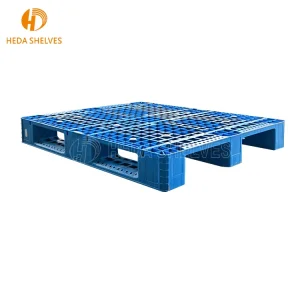
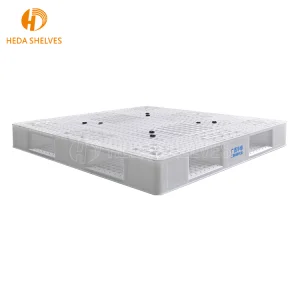
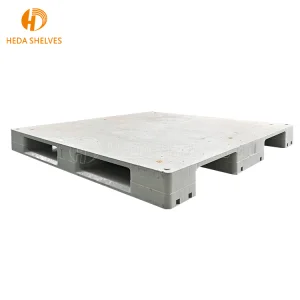
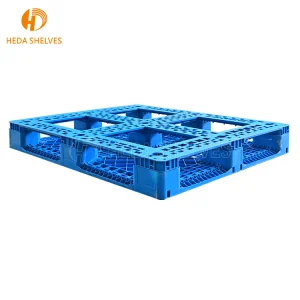
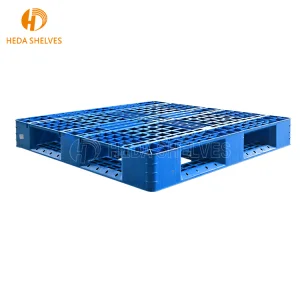
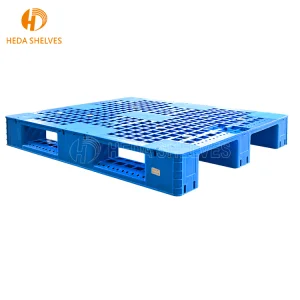
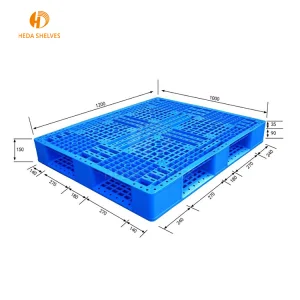
Heavy-duty engineered plastic pallets designed to maximize safety and efficiency in East African warehouse facilities.
A Whitepaper on Material Handling Standardisation and Supply Chain Resilience in East Africa.
Kenya represents the economic and logistical epicenter of the East African Community (EAC). Driven by major infrastructure undertakings such as the Standard Gauge Railway (SGR), expansion programs at the Port of Mombasa, and the development of the Northern Corridor, the nation has evolved from a regional transit point into an international logistics hub. Consequently, modern industrial warehousing projects are accelerating around key development zones including Nairobi (Tatu City, Tilisi, and the Mombasa Road Corridor), Mombasa, and Nakuru.
As warehousing developers shift from traditional Class-C facilities to Grade-A distribution hubs, material storage efficiency is under intense scrutiny. Traditional floor storage and low-density stacking methods are being replaced by high-rack configurations and automated logistics models. This shift demands standardized load-carrying units—most notably, industrial-grade plastic and steel pallets. In Kenya's typical climate conditions, which range from humid coastal environments in Mombasa to dry, high-altitude highlands in Nairobi, wooden pallets face critical challenges, including dry rot, splintering, and phytosanitary regulatory barriers. Consequently, durable plastic pallets have become a key standard for enterprises aiming to minimize operational downtime and satisfy strict local and international compliance codes.
Unlike wood, plastic pallets require no ISPM-15 heat treatment or chemical fumigation, enabling friction-free clearance at Mombasa Port and overseas custom offices.
Optimized for food-processing facilities in Thika and cold rooms in Naivasha, maintaining load profiles from -30°C to +60°C.
Manufactured to meet the rigorous structural standards enforced by the Kenya Bureau of Standards (KEBS) for physical safety and food contact applications.
Horticulture represents one of Kenya's primary foreign exchange earners. Fresh cut flowers, avocados, berries, and tea exported to European and Asian markets must satisfy strict global standards. The European Union's Food Safety Regulations require complete traceability and sanitary handling at every stage. Wooden pallets harbor moisture, bacteria, mold, and wood-boring insects, presenting a clear contamination risk.
Our food-grade plastic pallets, made from virgin High-Density Polyethylene (HDPE), address this vulnerability. Their non-porous surfaces prevent liquid absorption and bacterial colonisation, making washdowns simple and effective. This sanitation is essential for cold-storage sites in Nakuru and Eldoret, where fresh produce is pre-cooled before transit to Jomo Kenyatta International Airport (JKIA) or Mombasa.
Founded in 2014, Dongguan Durack Logistics Equipment Co., Ltd. is a premier Chinese storage racking and pallet system manufacturer operating a 35,000 m² facility. Backed by 12 years of industry experience and 8 years of global export history, the company generates $28 million in annual export revenue. Our operations are supported by a strict quality assurance system using full-spectrum ultrasonic testing and load-bearing stress evaluations, overseen by 45 dedicated QC specialists. Building on a strong international trading background, our core markets span North America, Europe, and Southeast Asia. We maintain a reliable supply chain network of over 850 partners, catering primarily to third-party logistics (3PL) providers, automated warehouses, and large industrial distributors. Driven by an active R&D division with 65 specialized engineers, Durack offers full OEM/ODM customization options—including bespoke beam profiles, structural steel grades, and dynamic layout designs—launching over 120 new storage products last year.
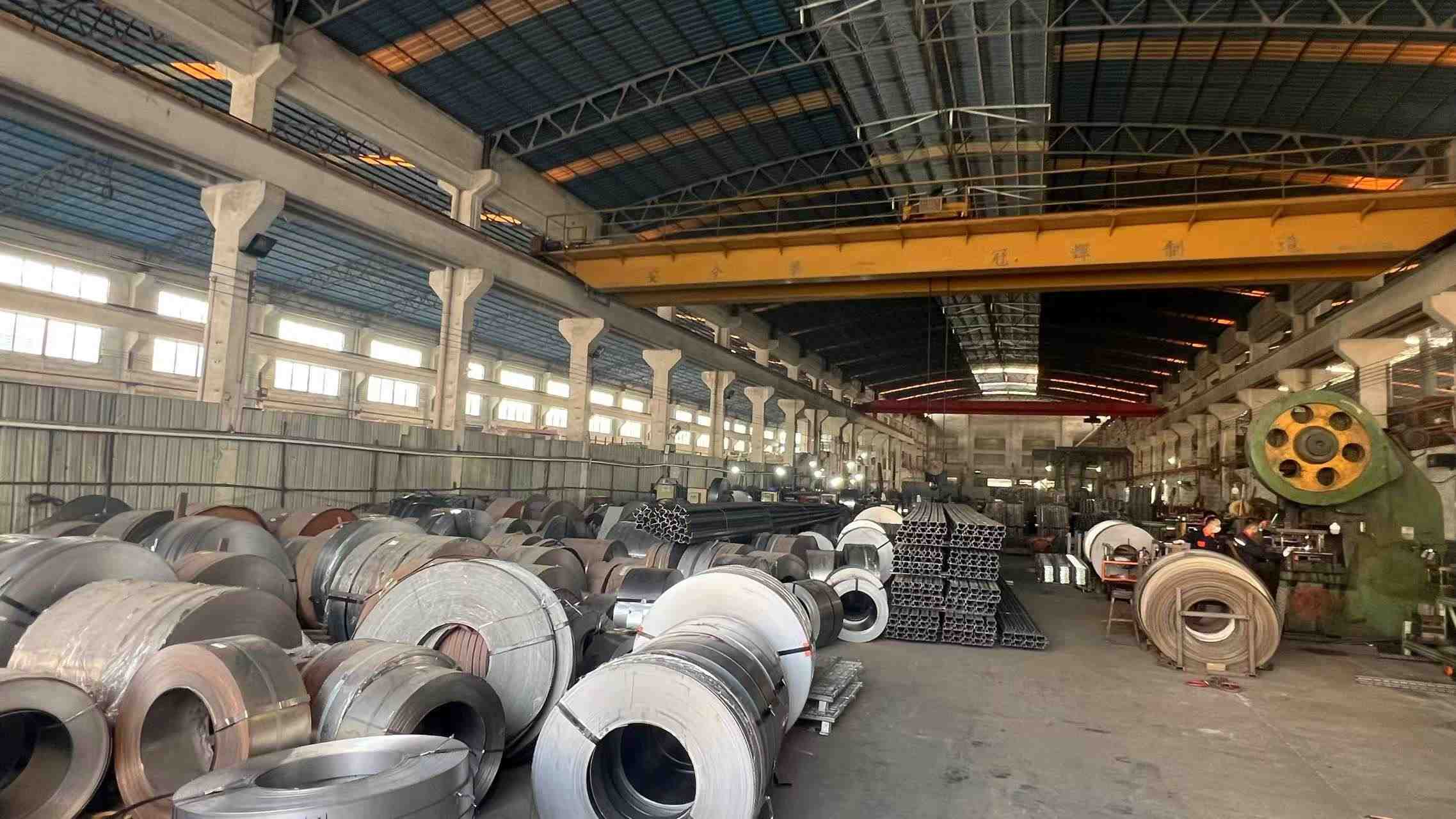
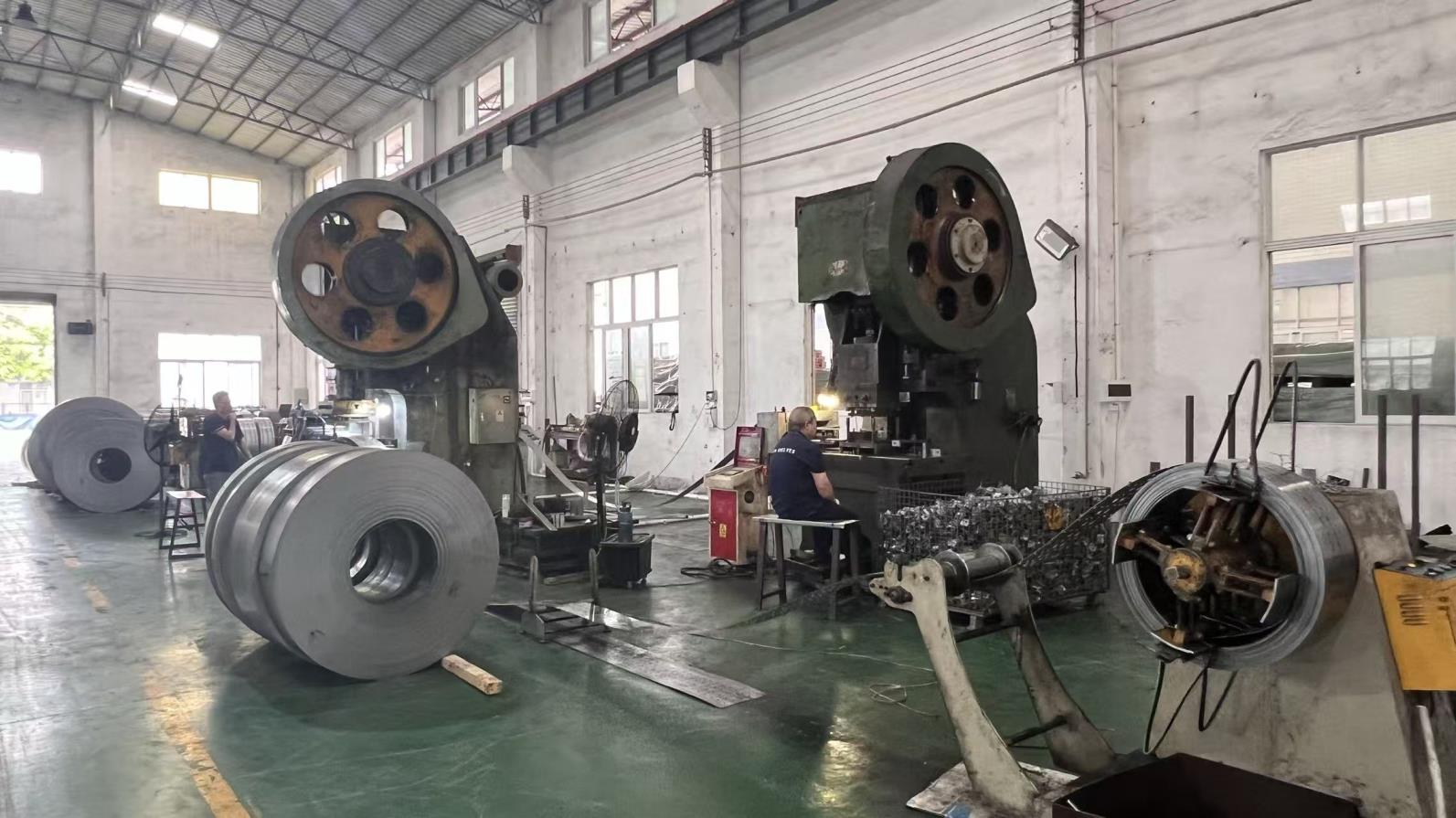
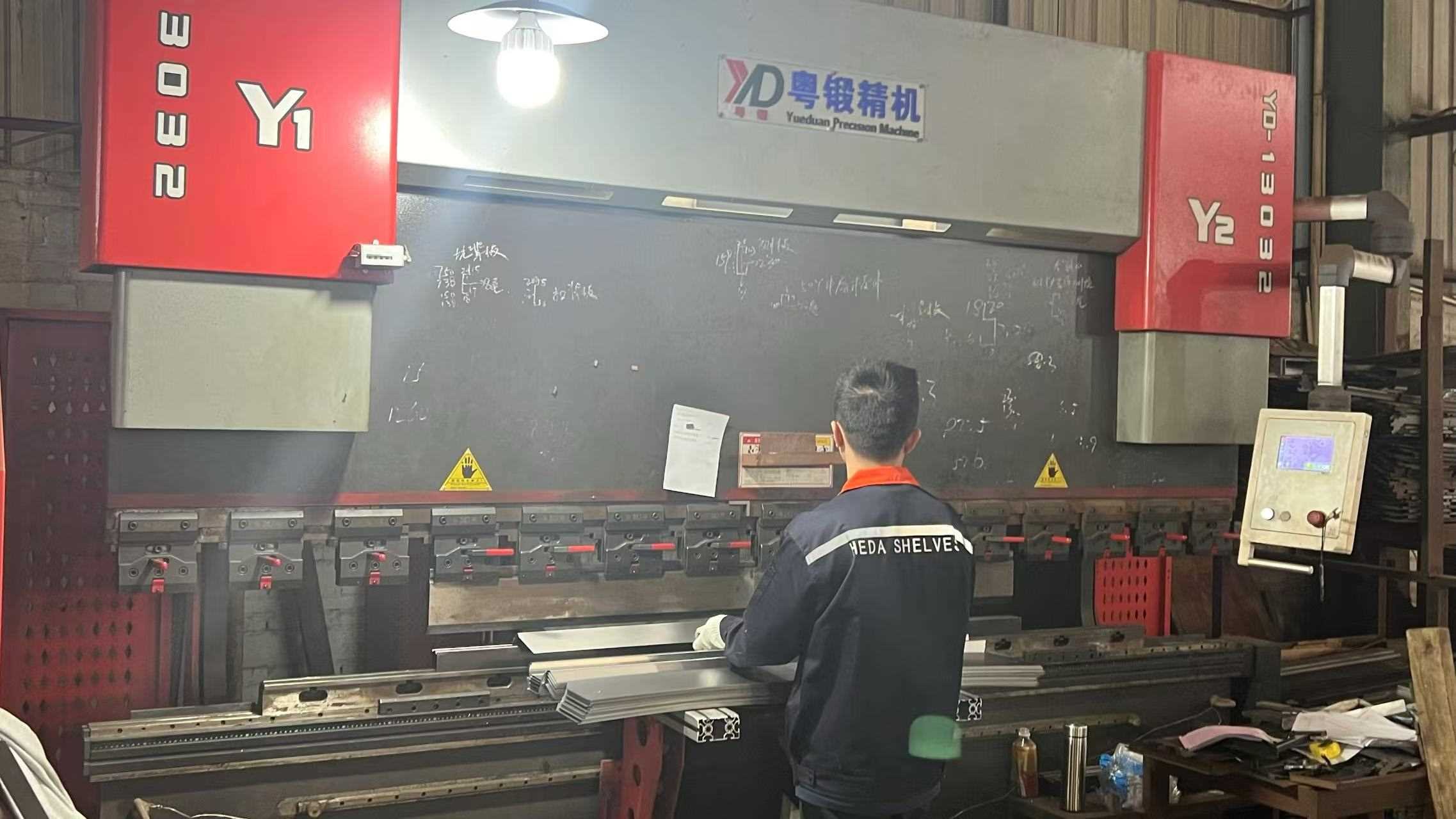
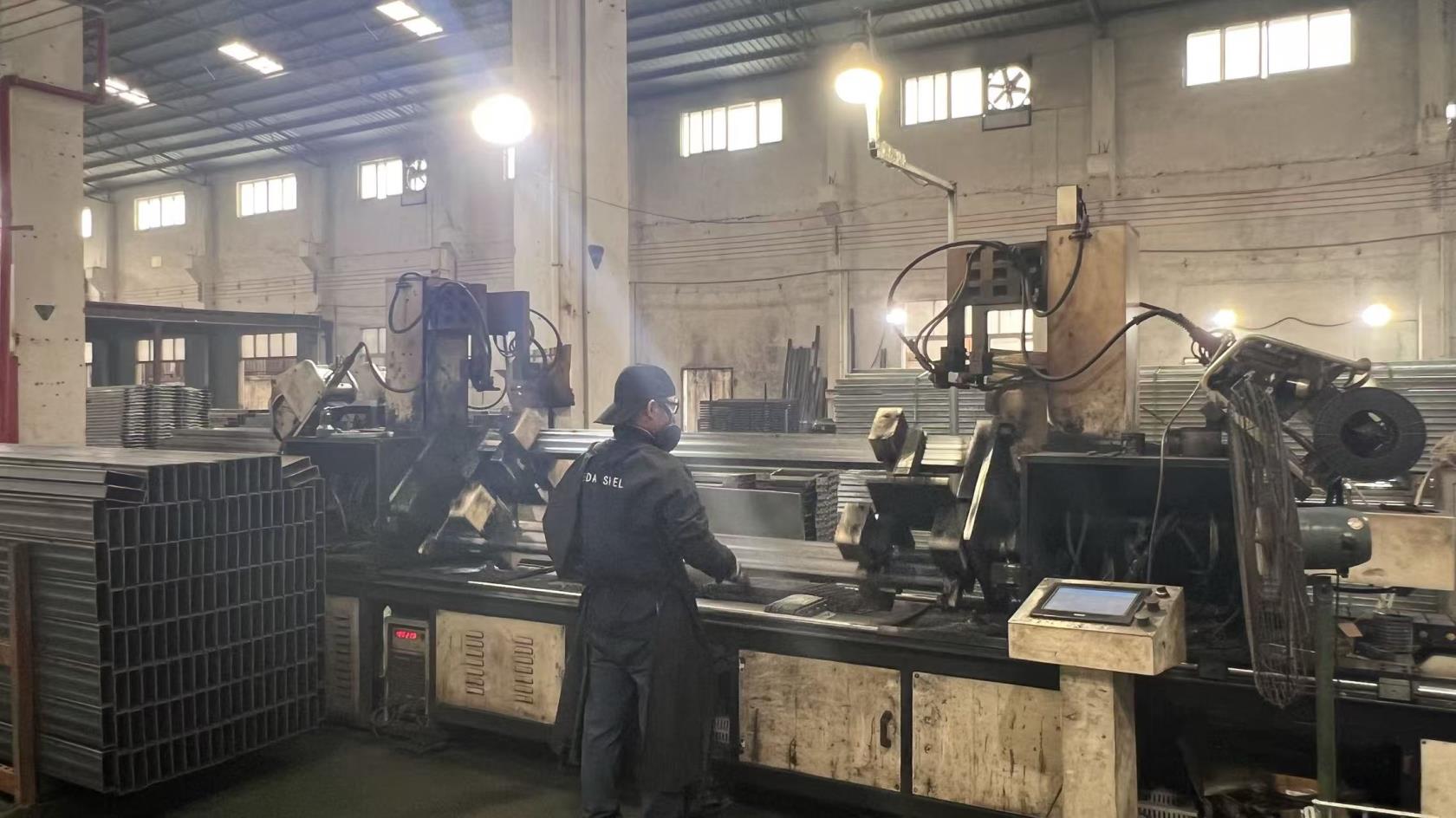
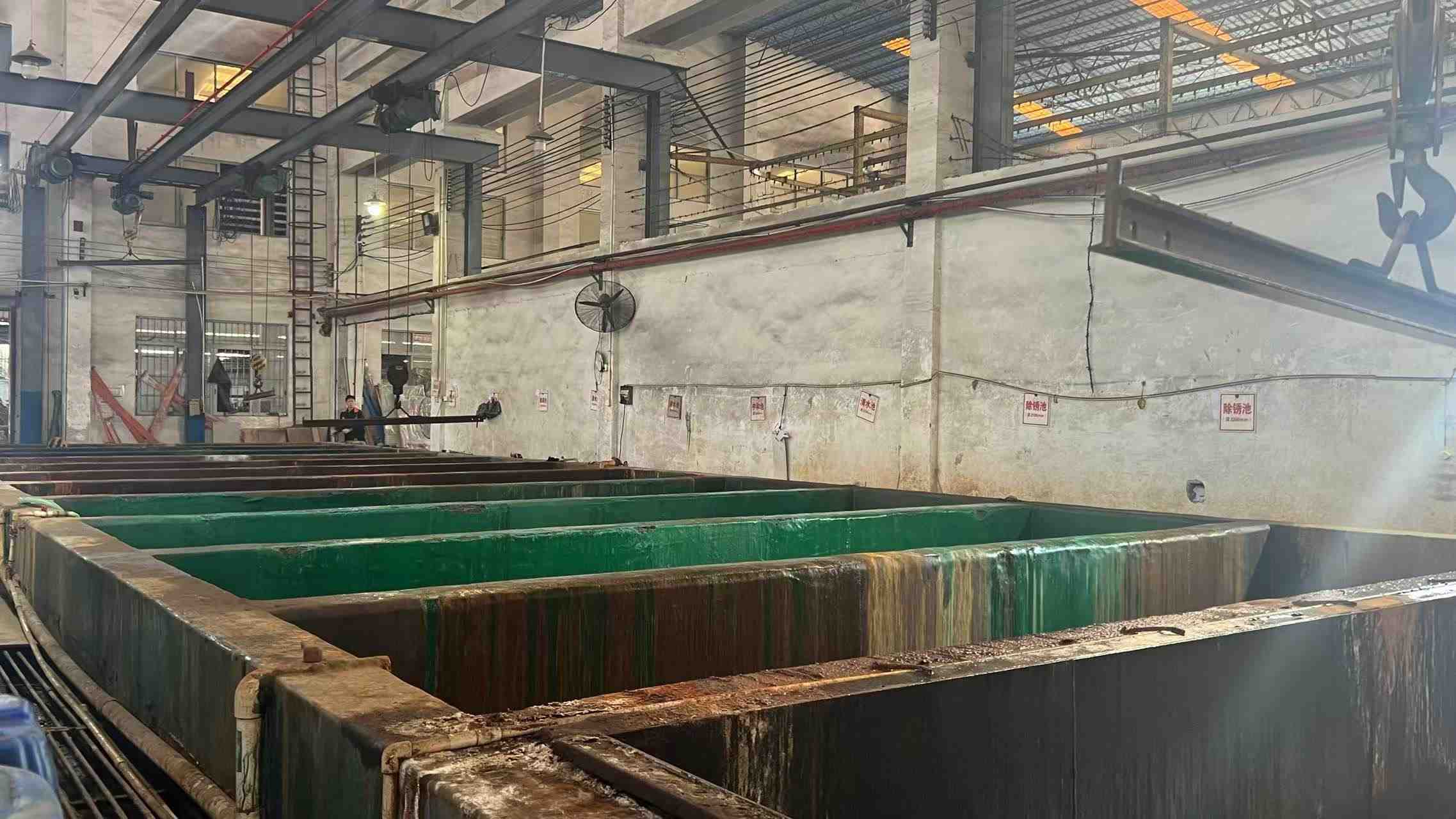
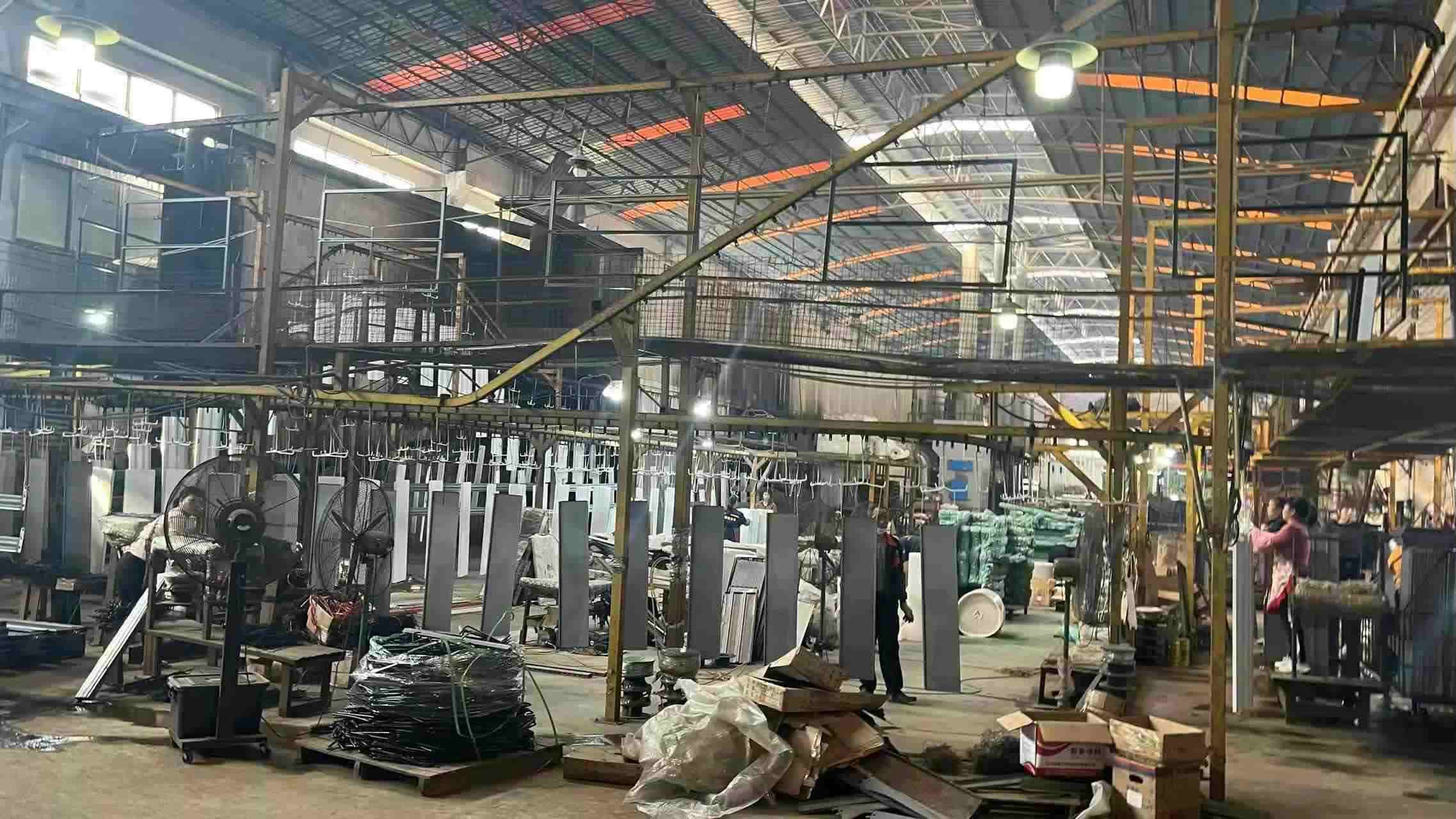
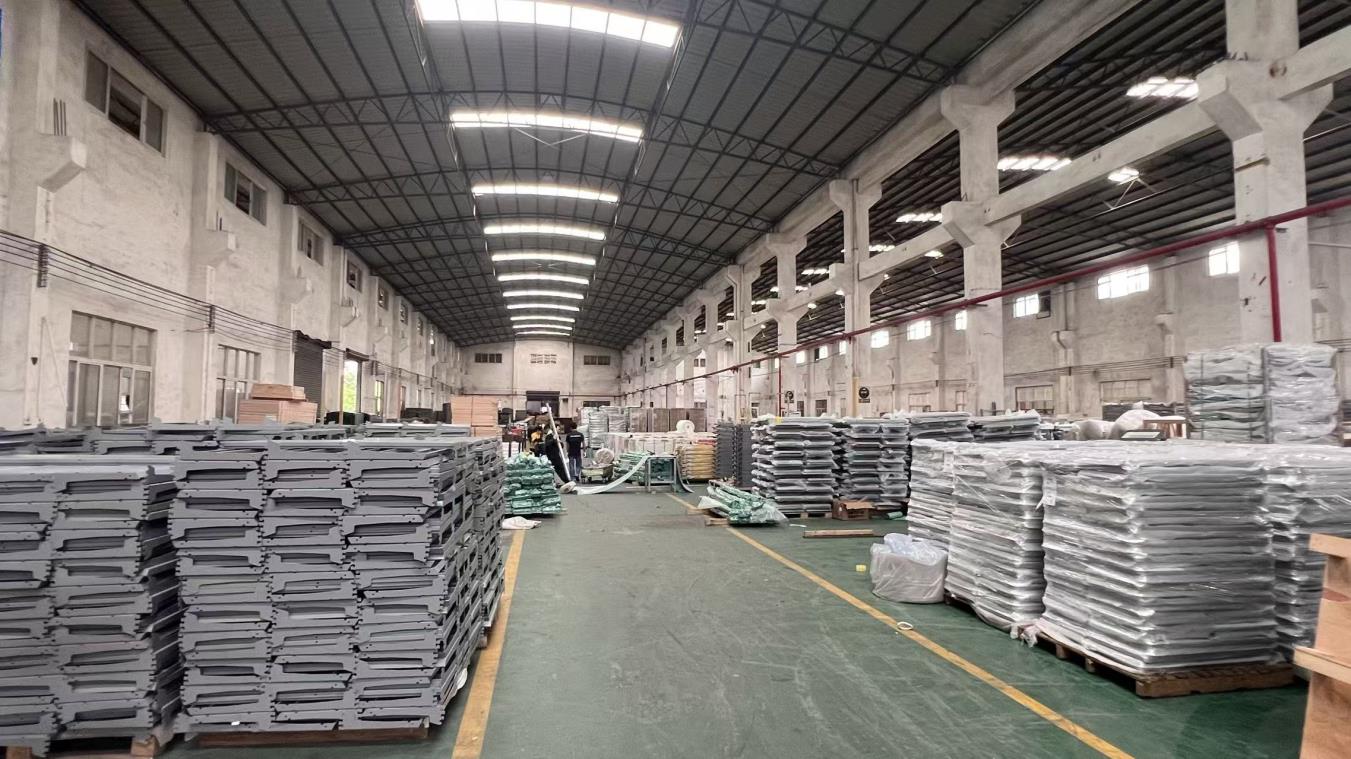
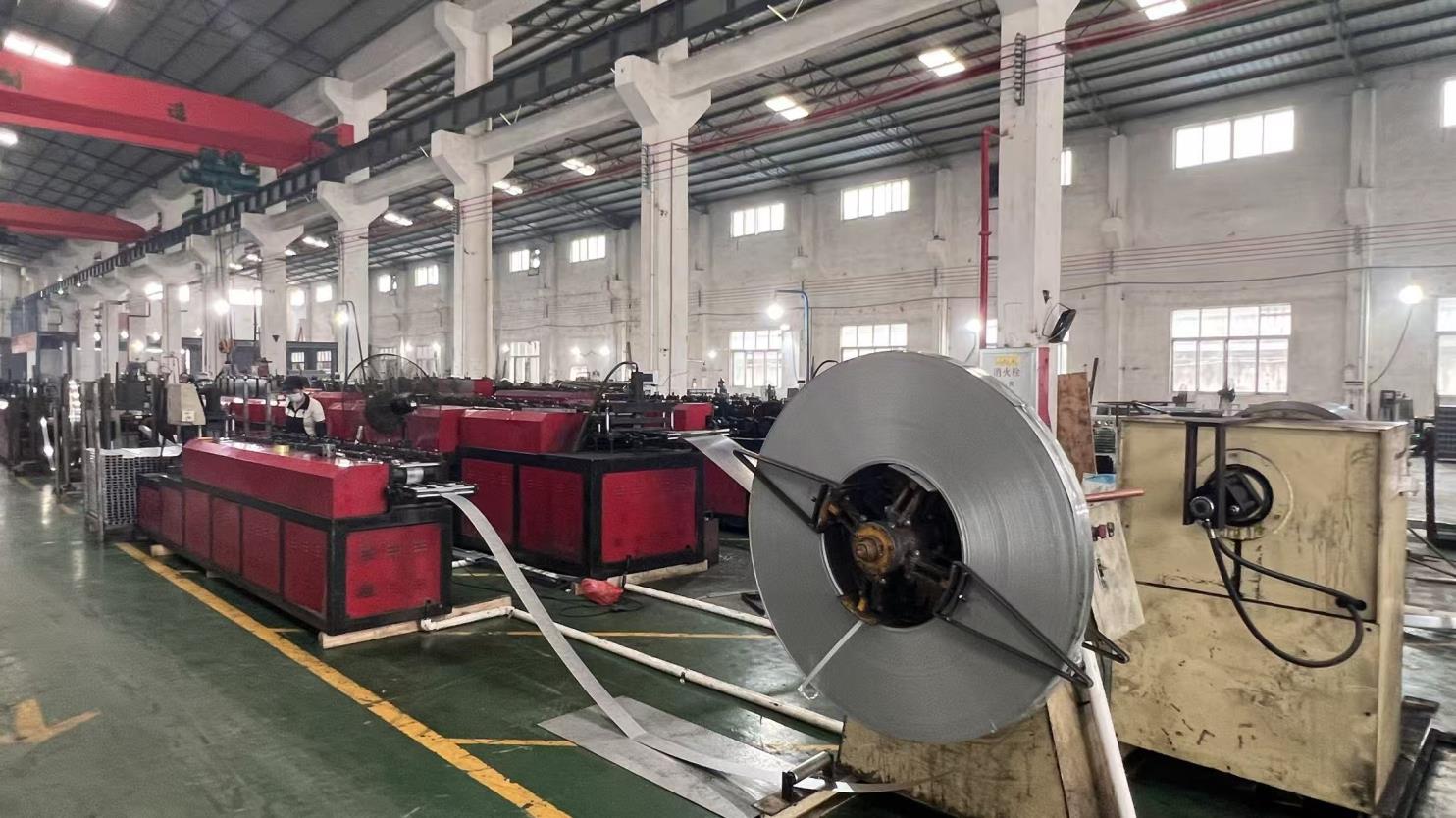
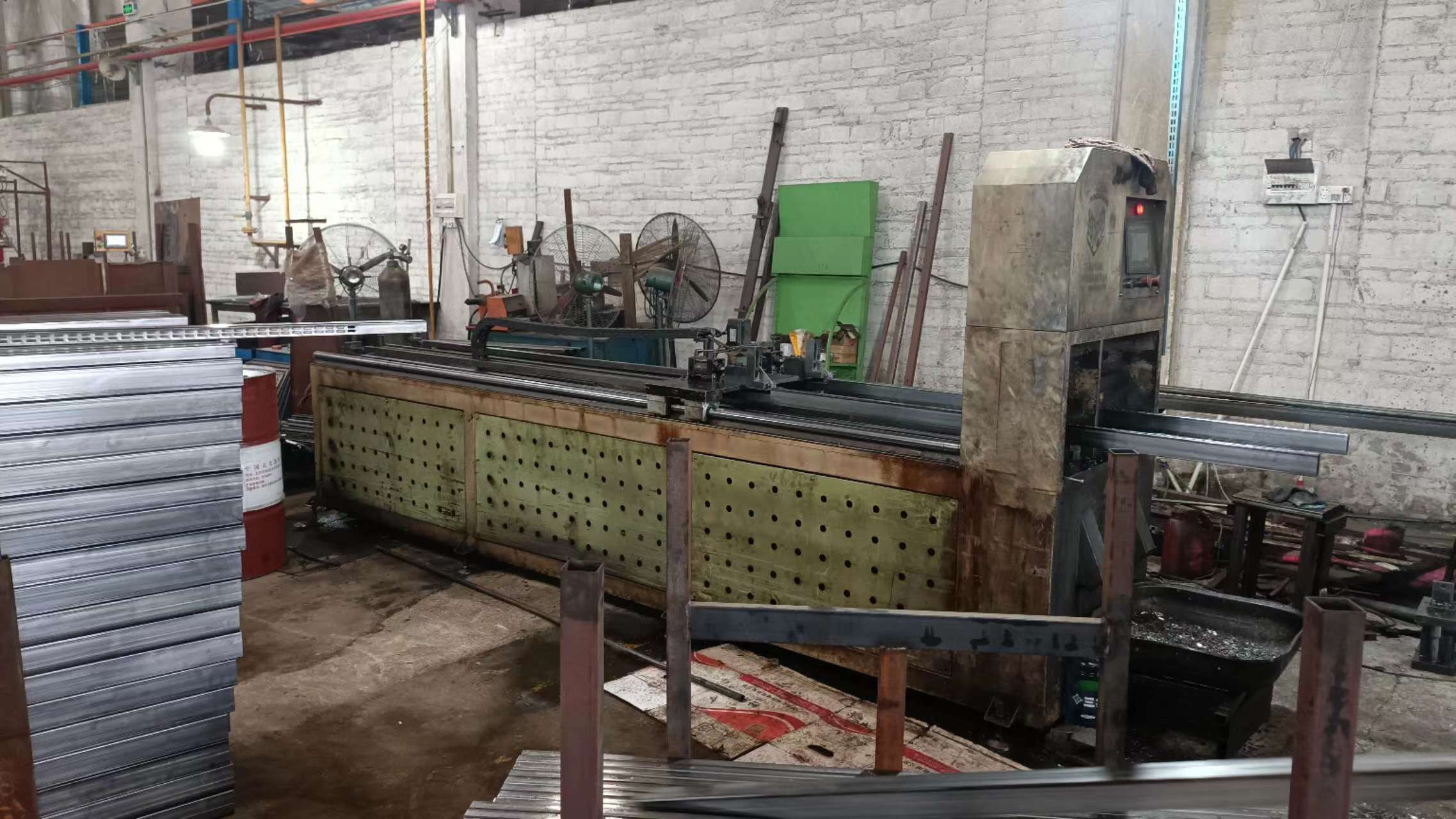
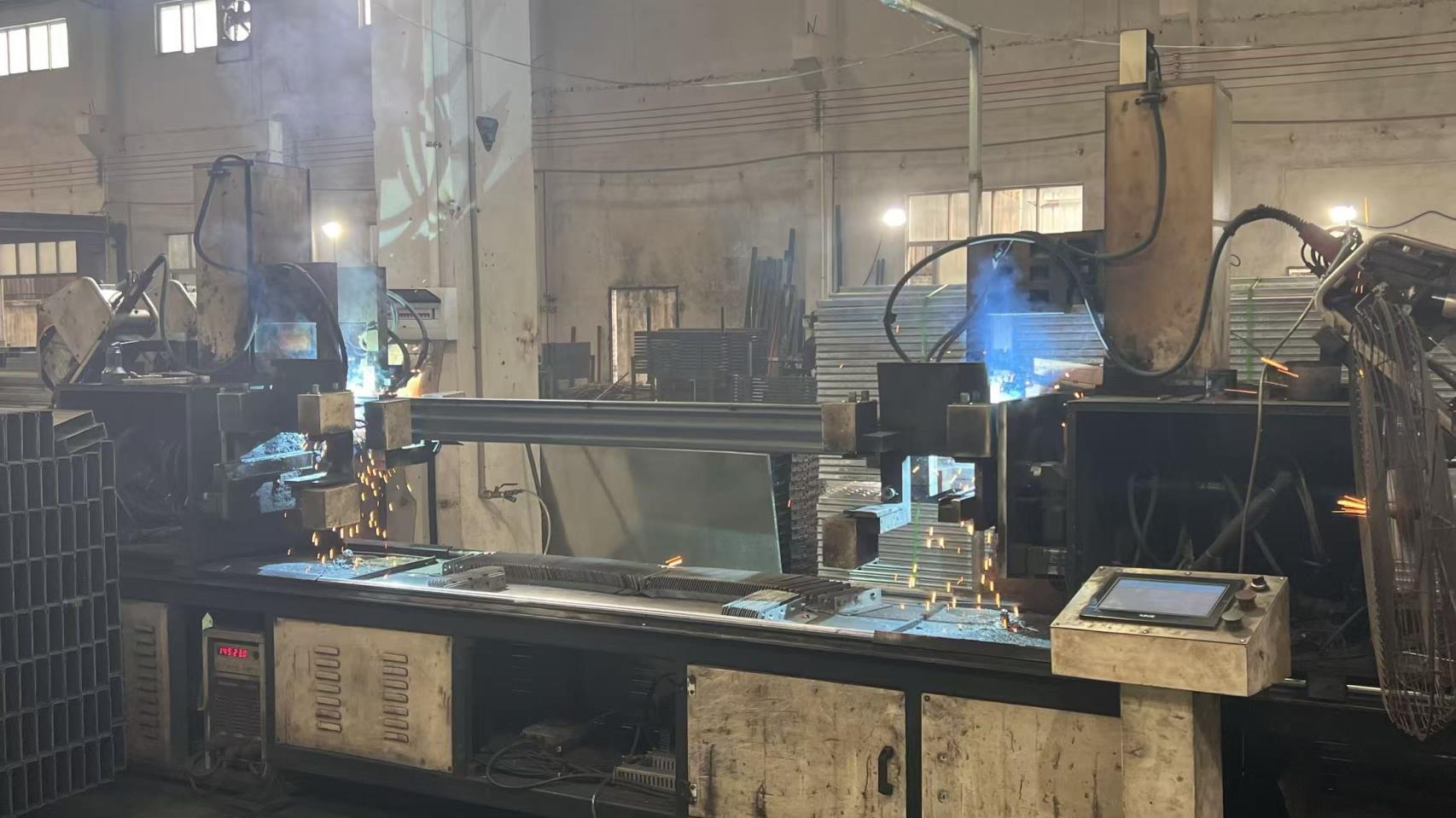
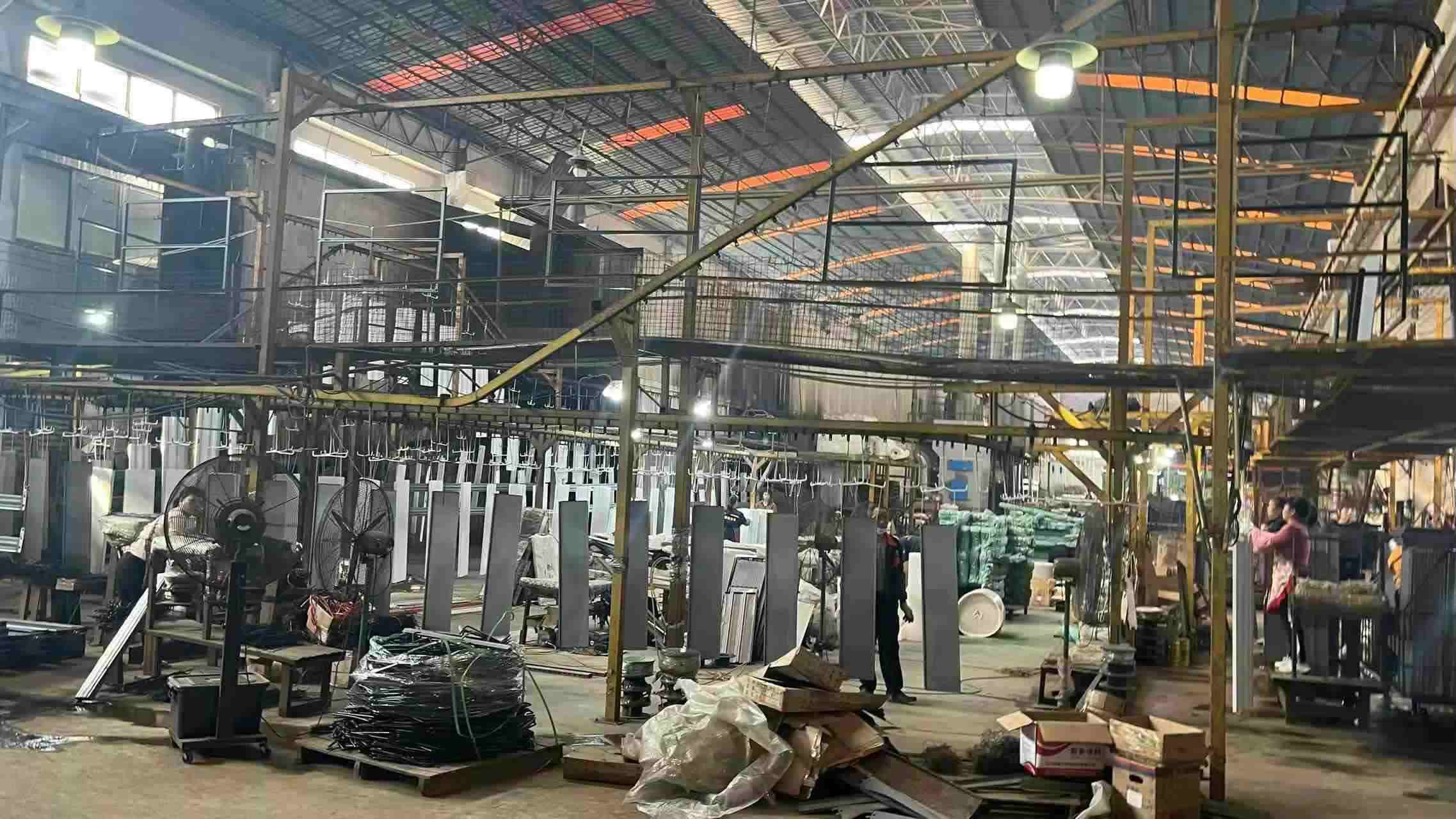
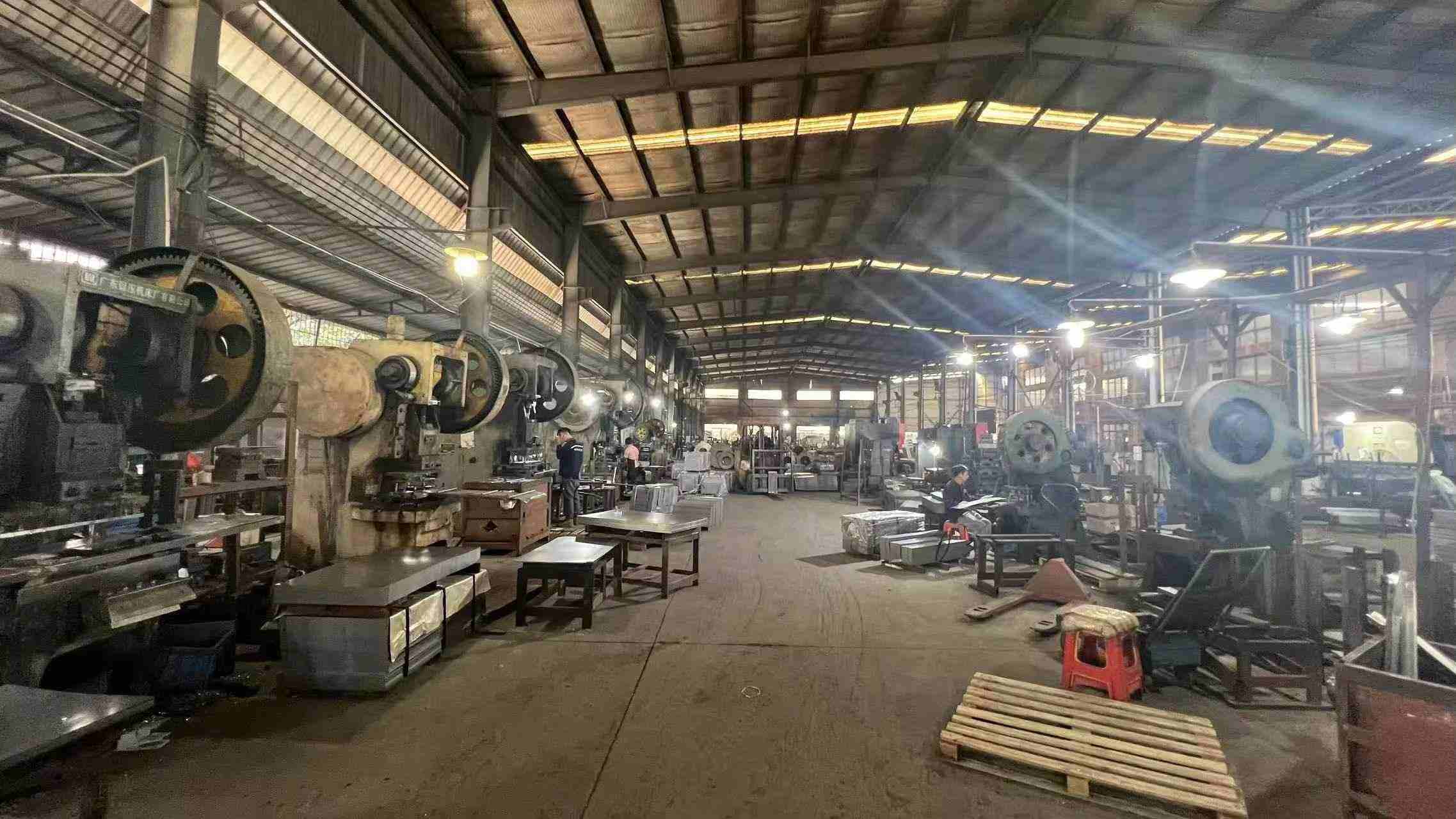
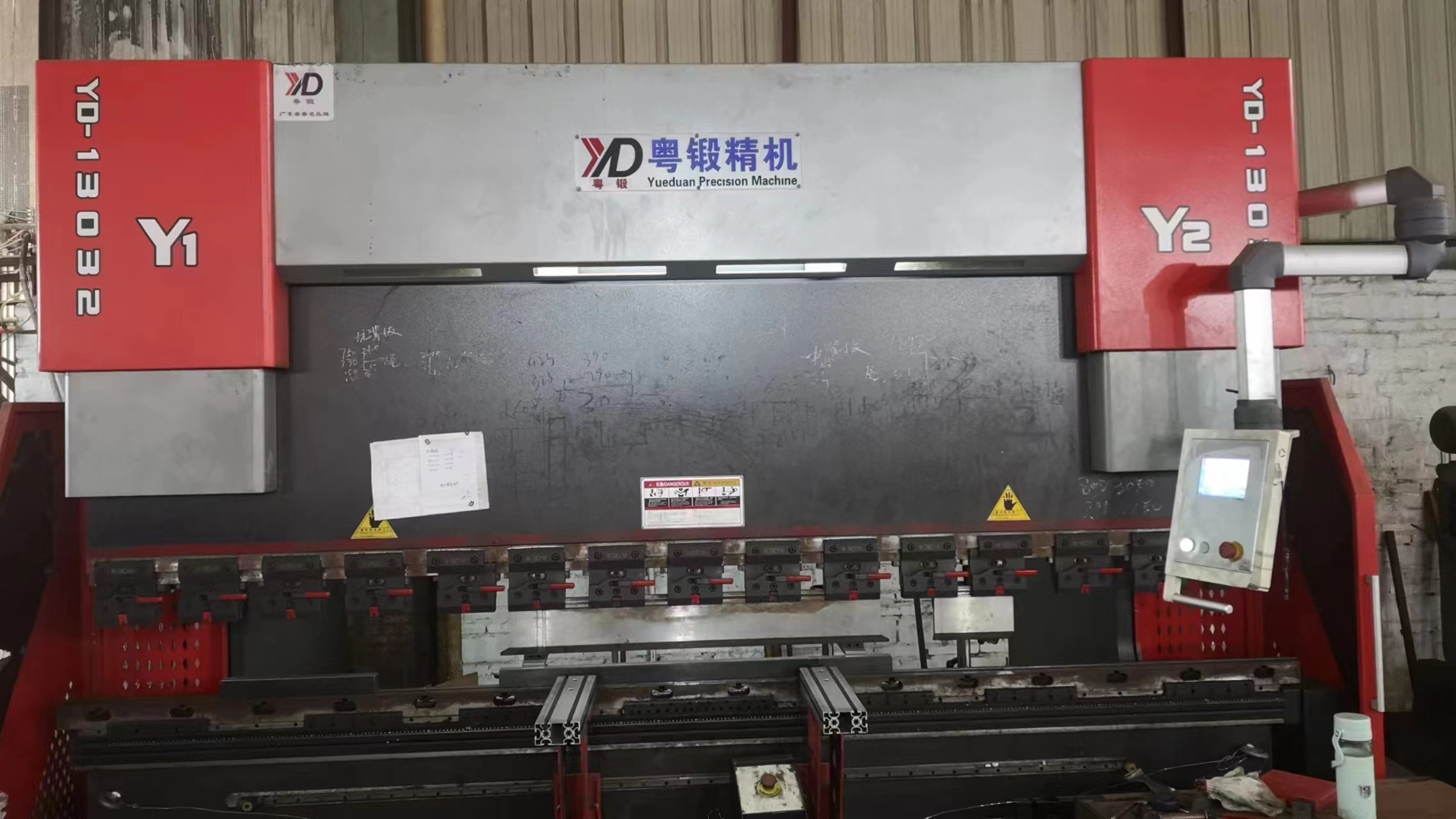
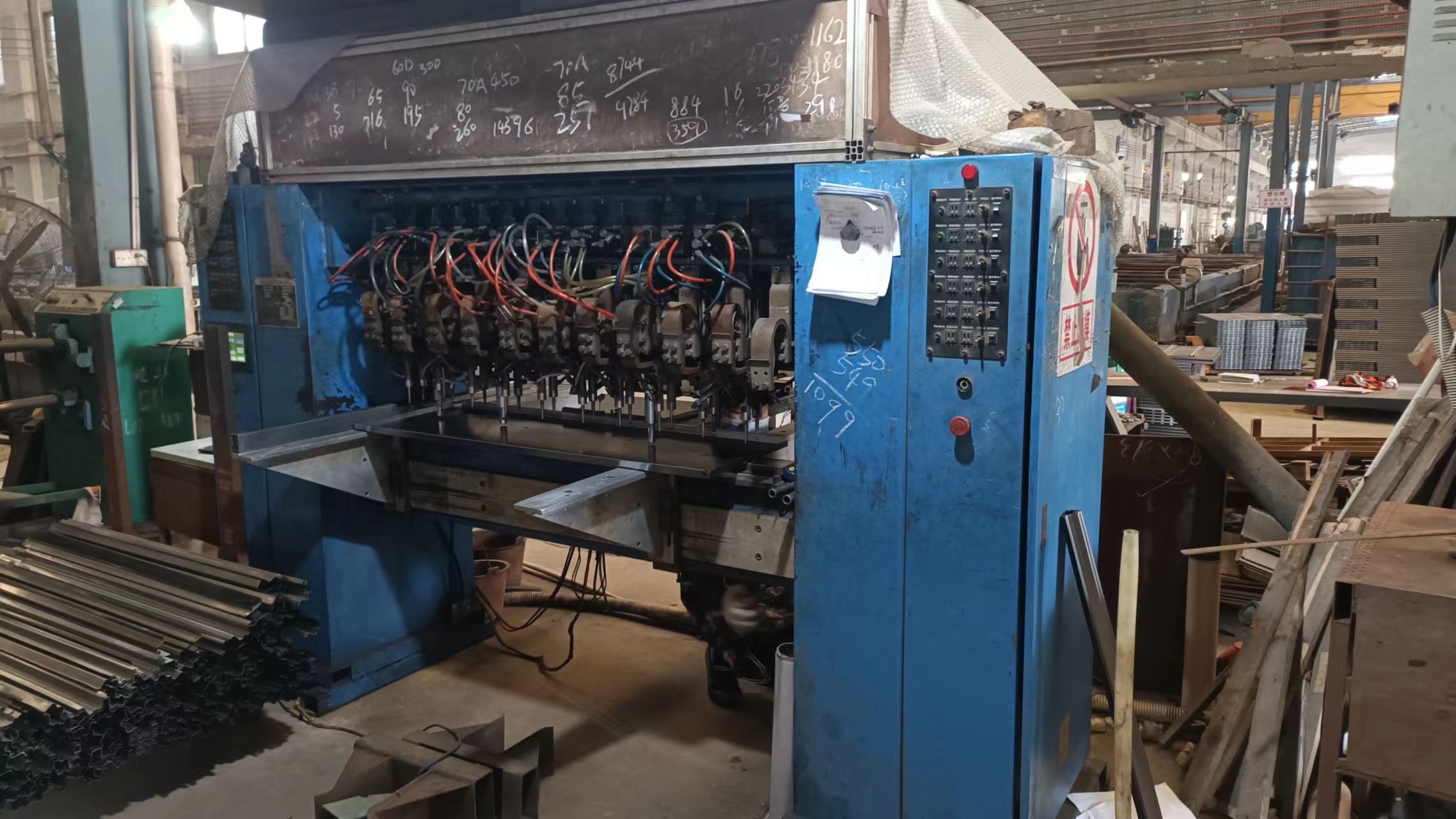
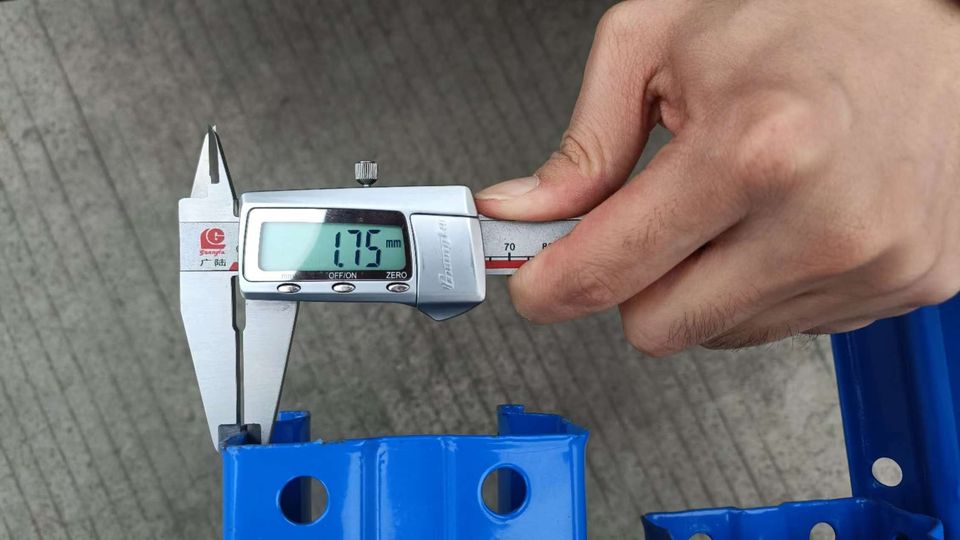
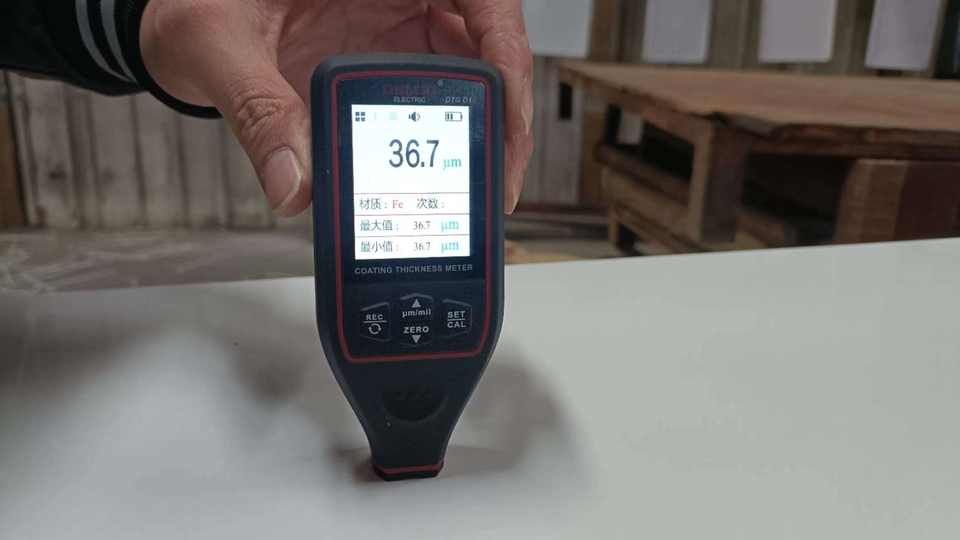
Connect with Our EngineersEvery step of our production from raw steel coil processing to plastic ultrasonic scanning is monitored to ensure high quality.
Selecting the appropriate warehouse storage pallet requires a clear understanding of dynamic, static, and racking loads. Dynamic load refers to the maximum weight a pallet can support during motion (e.g., when lifted by a forklift). Static load is the weight capacity when placed on a flat, level floor. Racking load defines the structural capacity when positioned on selective or drive-in racking systems supported only by the edges.
At our factory, we design pallets specifically to prevent sag and structure failure under high loads:
Purchasing high-density logistics pallets directly from our manufacturing base in China offers clear economic advantages over local distributors in East Africa. By bypassing middle-men, Kenyan procurers save up to 35% on unit costs, even when factoring in sea freight from Shenzhen to Mombasa.
Our factory coordinates closely with international shipping lines, offering container packing optimization to reduce per-unit shipping costs. We also assist with Certificate of Conformity (CoC) applications, ensuring compliance with local customs requirements and smooth clearance at Mombasa Port.
Engineered for durability under demanding conditions. Select the system matching your logistics profile.
The logistics market in East Africa is digitizing rapidly. Major e-commerce operations in Nairobi and multi-national logistics partners (3PLs) are introducing warehouse management systems (WMS) to automate sorting and tracking.
This automation requires pallets with integrated RFID chips and barcodes to monitor cargo location, weight, and temperature in real-time. By utilizing RFID-enabled pallets, distributors can automate cross-docking operations and optimize storage space utilization.
We design our pallets with dedicated RFID slots and label areas. This structural feature allows sensors to read tracking tags without interference from structural steel reinforcement elements inside the pallet body, ensuring consistent signal performance.
For warehouse operators in East Africa, selecting the right pallet material is critical for operational efficiency:
Technical advice and answers regarding procurement, import, and compliance requirements in Kenya.
To import plastic or steel pallets, you must obtain a Certificate of Conformity (CoC) issued by an authorized inspection body (such as SGS, Intertek, or Bureau Veritas) before shipping, in compliance with the Pre-Export Verification of Conformity (PVoC) program managed by the Kenya Bureau of Standards (KEBS). Our quality control team coordinates directly with these agencies to inspect the products at our factory, preventing customs delays at Mombasa Port.
Our logistics department handles export customs and container packing at ports in Shenzhen and Guangzhou. Transit time to Mombasa Port is typically 22 to 30 days. We optimize shipping container layouts, packing nested pallets tightly to maximize container capacity and minimize freight costs per unit.
Yes. We manufacture our cold storage pallets from food-grade virgin HDPE resins, which remain structurally sound at temperatures as low as -30°C. Recycled plastic pallets can become brittle in low temperatures, but virgin HDPE retains its impact resistance, preventing damage during handling in cold storage facilities.
Yes, our engineering team offers full OEM/ODM customization. We can adjust structural designs, select specific plastics (HDPE or PP), insert custom steel tubes, and engrave company branding directly on the pallets.
Contact our technical team for custom load simulations, quotation estimates, and container shipping configurations tailored for the Kenya and East African market.
Send Inquiry Now Durack