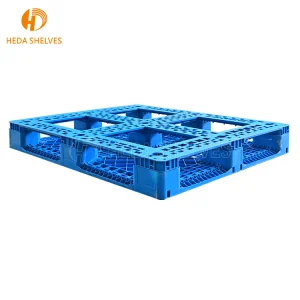
Engineered for high dynamic loads, severe maritime conditions, and rapid material movement.
A Comprehensive Market Analysis on Logistics Optimization and Supply Chain Infrastructure
Morocco has emerged as a premier industrial and logistics hub, bridging Sub-Saharan Africa and Europe. Strategically anchored by the Tangier-Med port—now the largest container port in the Mediterranean and Africa—and major manufacturing hubs in Casablanca, Kenitra, and Agadir, the country has witnessed an unprecedented expansion in warehousing demand. Key drivers include the thriving automotive sector (Renault Group and Stellantis ecosystems in Kenitra), aerospace manufacturing in Nouaceur, and massive agricultural exports of fresh produce and seafood from the Souss-Massa region.
Modern supply chain optimization in Morocco requires warehouse infrastructure to transition from traditional floor storage to high-density vertical racking systems and standardized, hygienic, and highly durable pallet networks. Logistics managers are moving away from unstable, high-maintenance wooden pallets to long-life plastic pallets that conform to international phytosanitary regulations.
For Moroccan food processors, agricultural exporters, and pharmaceutical distributors, compliance with safety standards set by ONSSA (Office National de Sécurité Sanitaire des Produits Alimentaires) is mandatory. Wooden pallets pose persistent risks of moisture retention, bacterial growth, and chemical migration, particularly under the humid coastal climates of Casablanca and Tangier.
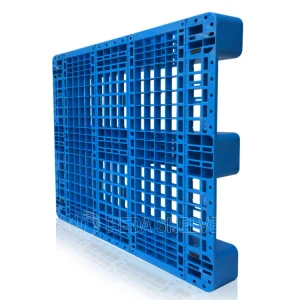
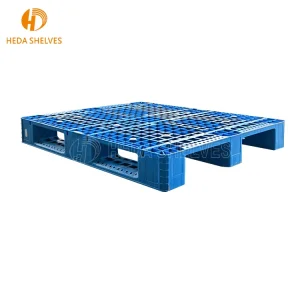
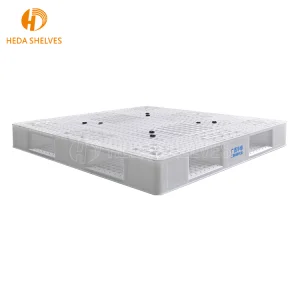
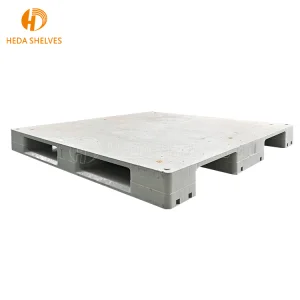
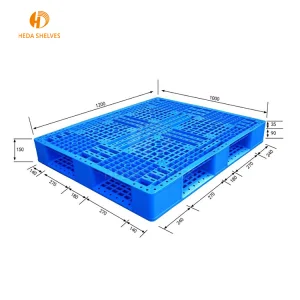
High-Density Polyethylene (HDPE) and Polypropylene (PP) food-grade pallets offer non-porous surfaces that resist bacterial colonization, can be easily power-washed or steam-sterilized, and prevent cross-contamination of goods. Additionally, the integrated RFID and barcode compatibility ensures complete batch traceability from Agadir farms to European supermarket shelves.
Morocco’s primary industrial assets are located within 15km of the Atlantic or Mediterranean coastlines. This proximity exposes metal racking and pallet reinforcement bars to high ambient salinity. Standard structural steels quickly rust under these conditions. As a leading manufacturer, we employ advanced surface treatment protocols—incorporating multi-stage chemical acid-washing, zinc phosphate conversion coating (Parkerising), and electrostatically applied polyester powder coating—to guarantee long-term rust protection and load integrity.
Global Industrial Racking & High-Performance Pallet Manufacturing Process
Founded in 2014, Dongguan Durack Logistics Equipment Co., Ltd. is a premier Chinese storage racking system manufacturer operating a 35,000 m² facility. Backed by 12 years of industry experience and 8 years of global export history, the company generates $28 million in annual export revenue. Our operations are supported by a strict quality assurance system using full-spectrum ultrasonic testing and load-bearing stress evaluations, overseen by 45 dedicated QC specialists. Driven by an active R&D division with 65 specialized engineers, Durack offers full OEM/ODM customization options—including bespoke beam profiles, structural steel grades, and dynamic layout designs—launching over 120 new storage products last year.
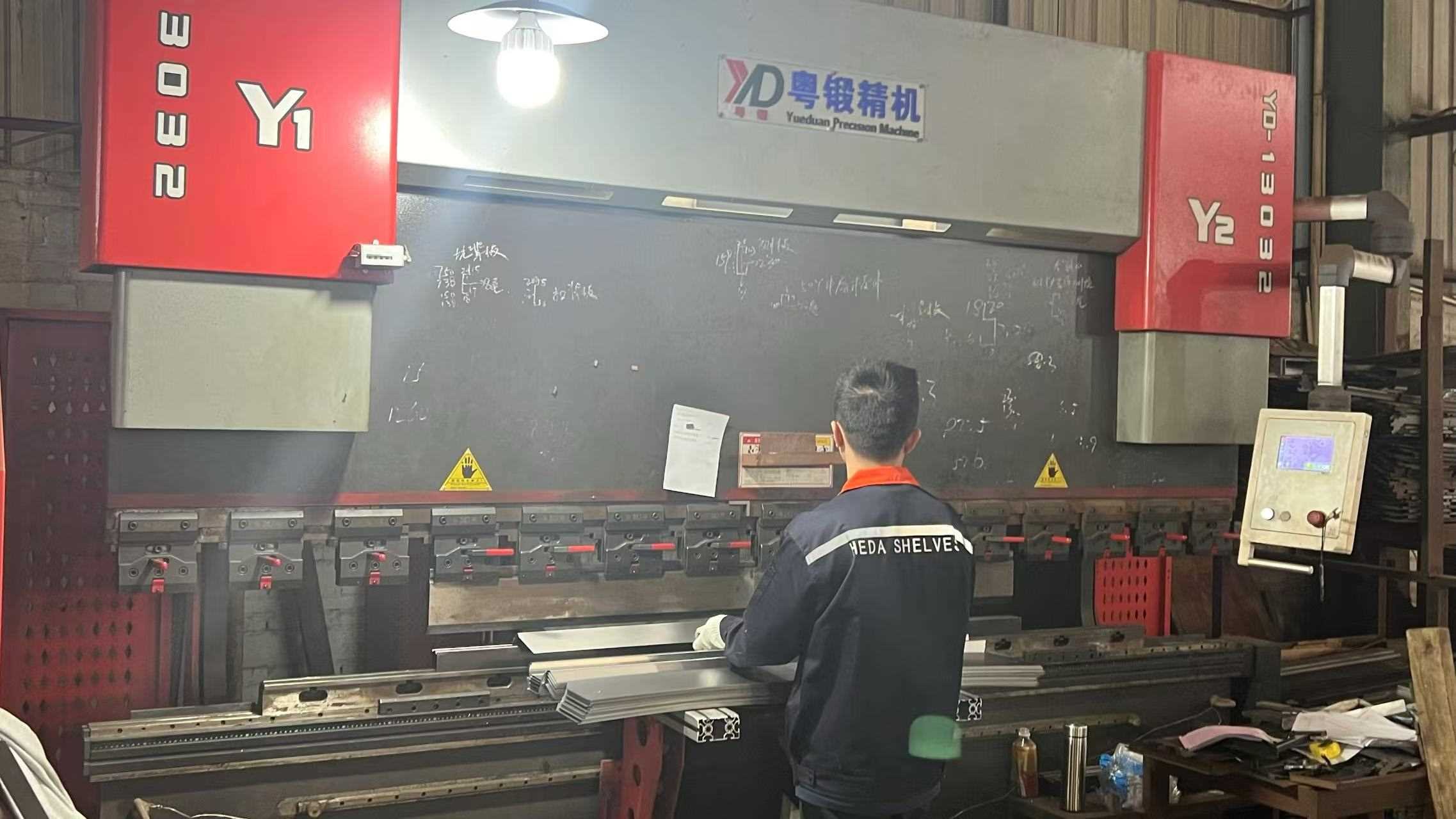
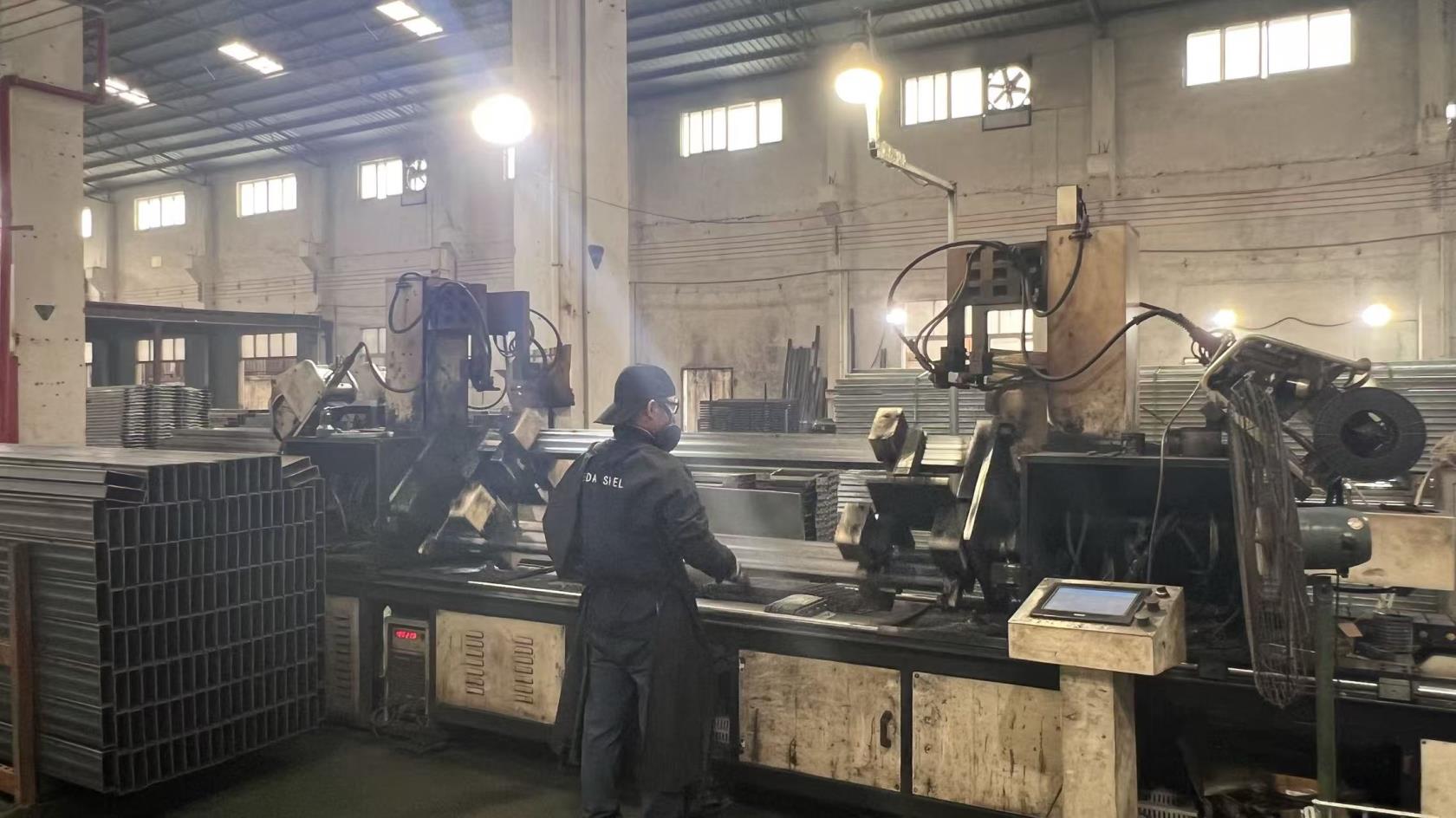
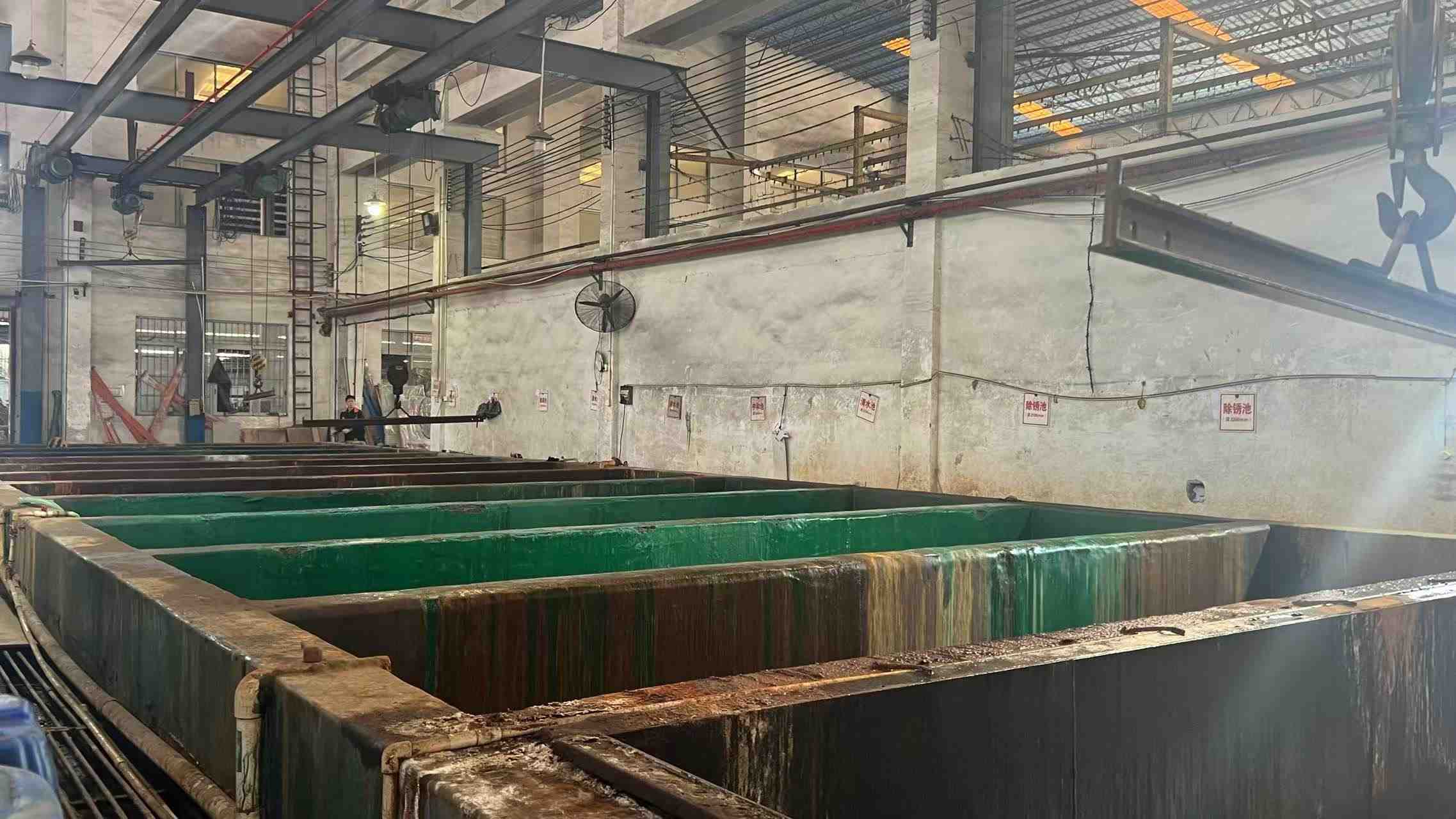
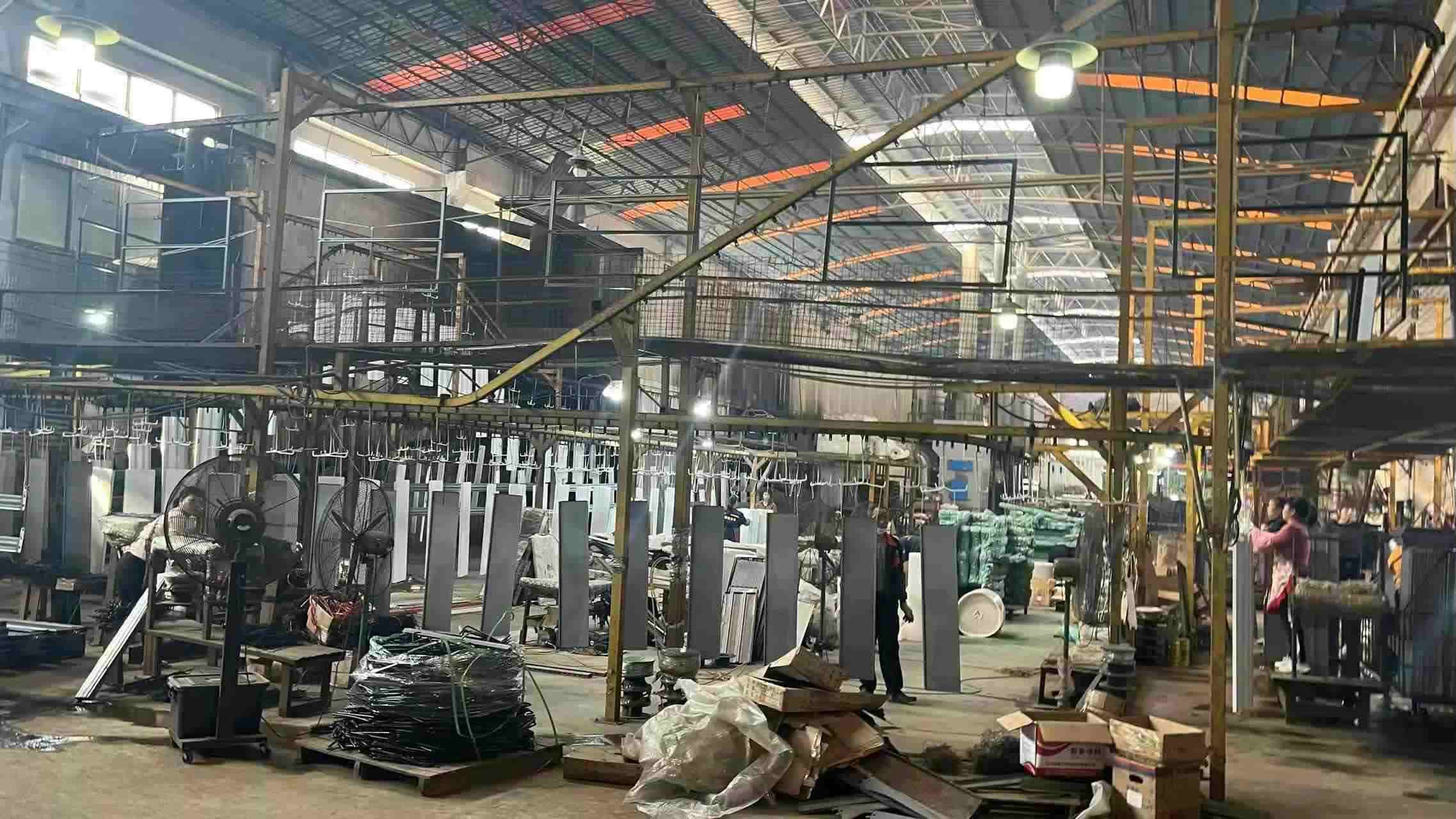
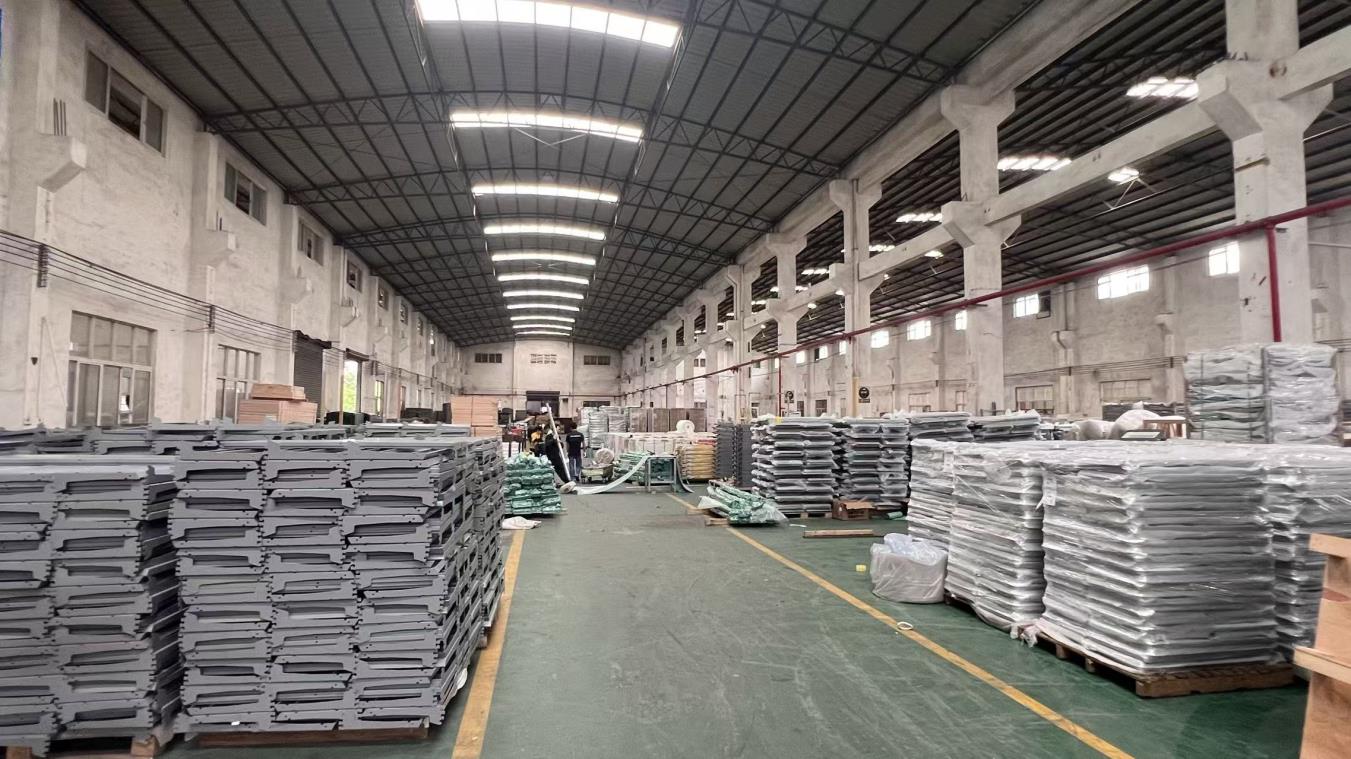
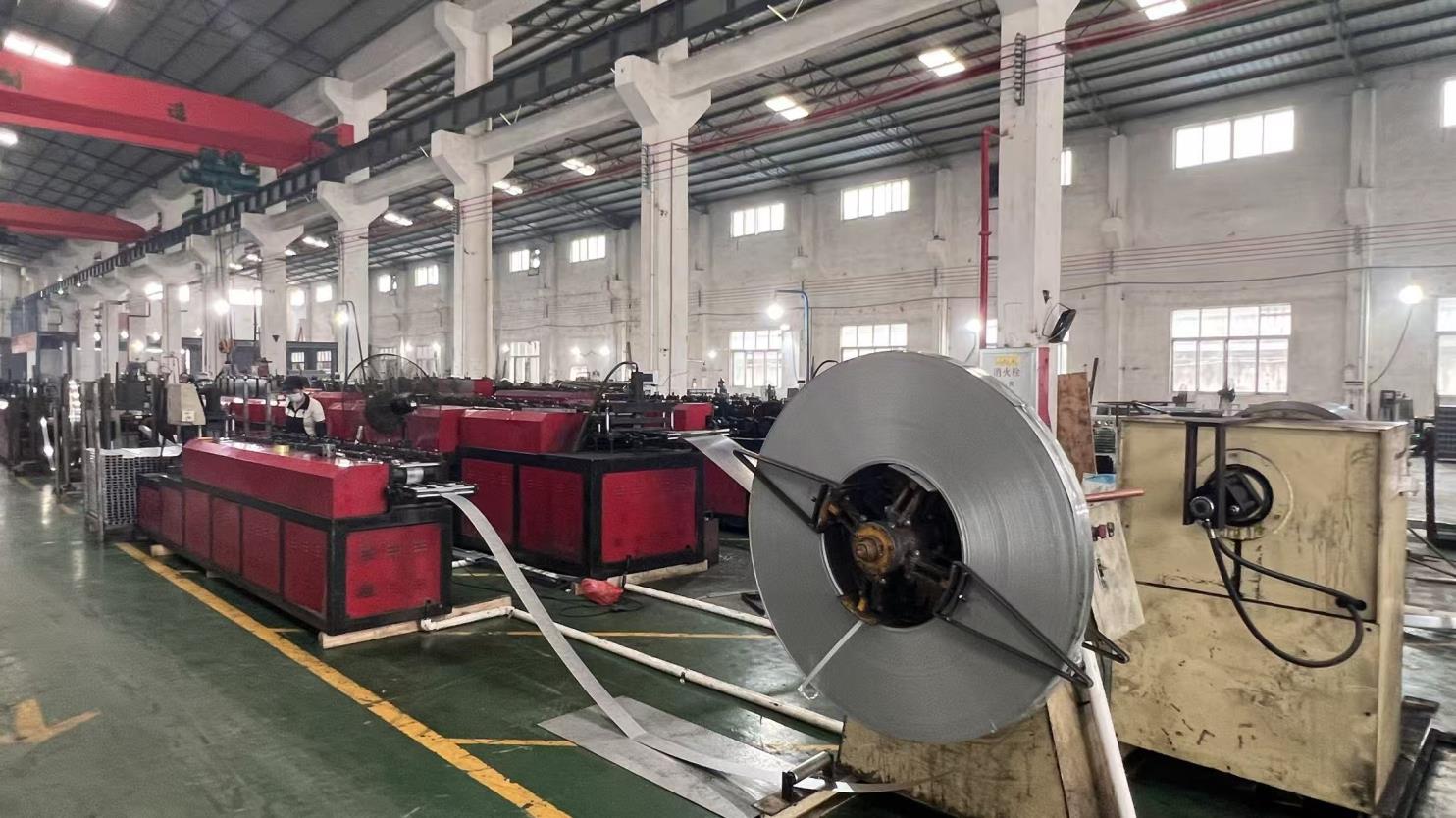
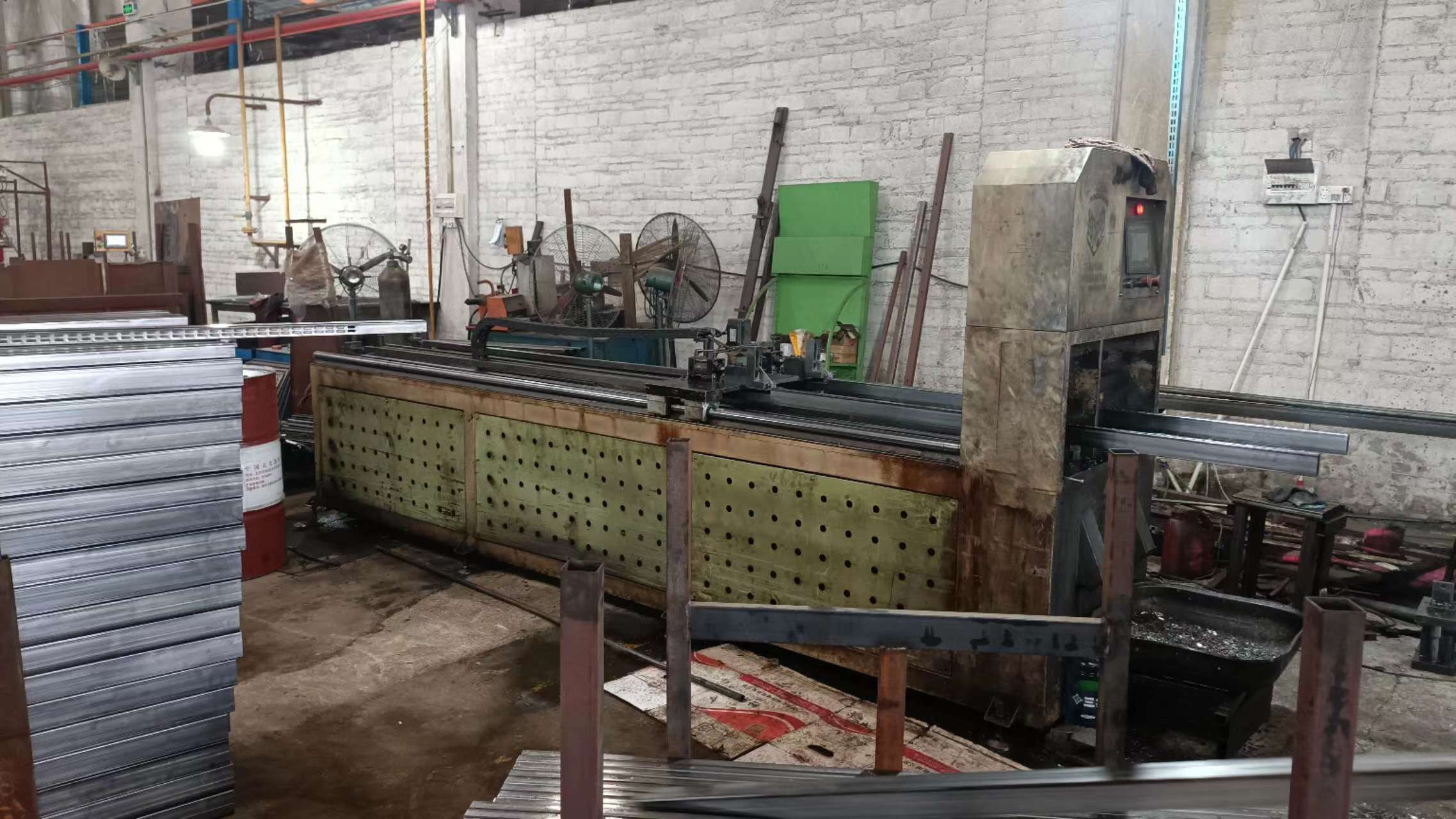
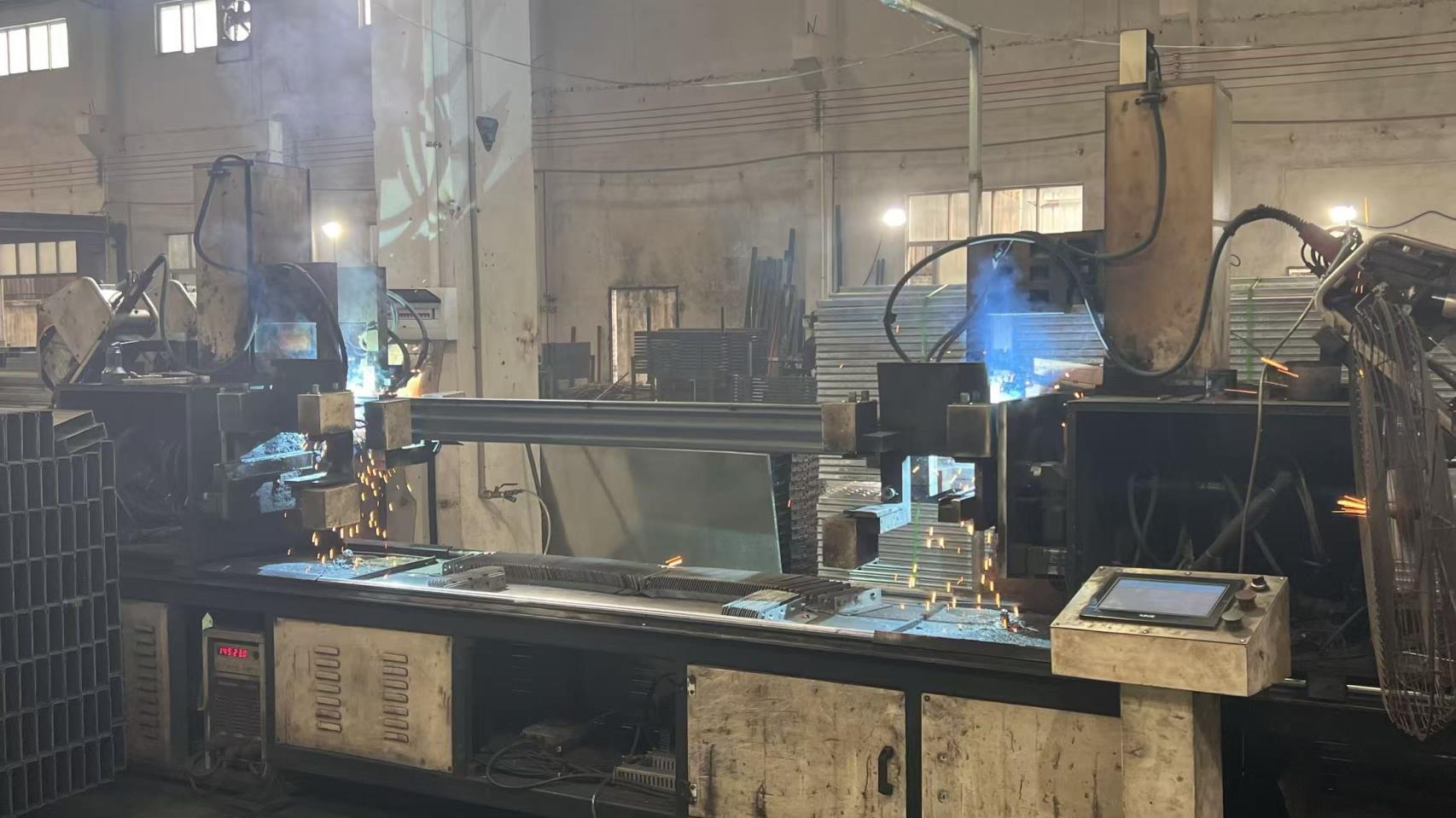
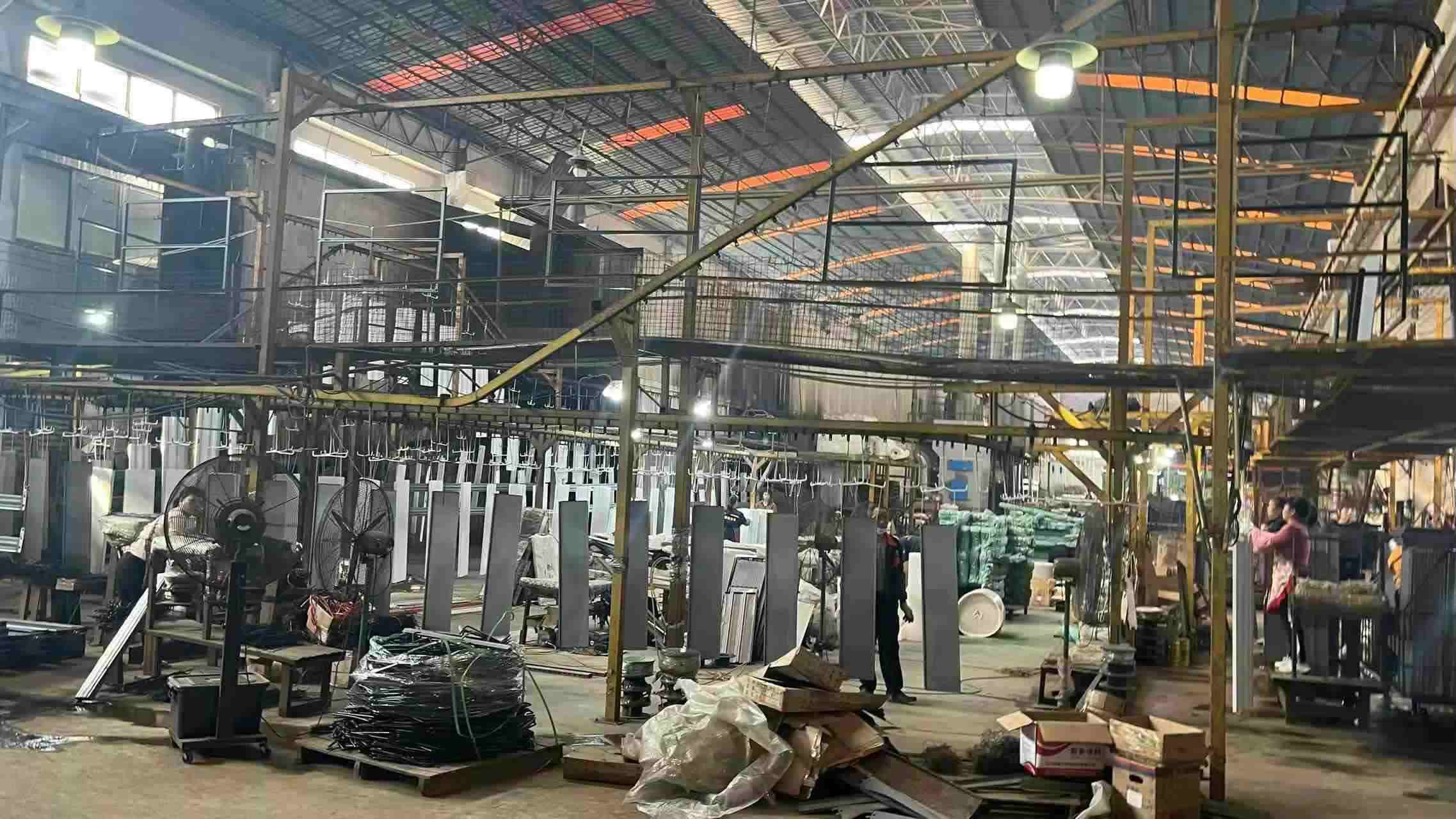
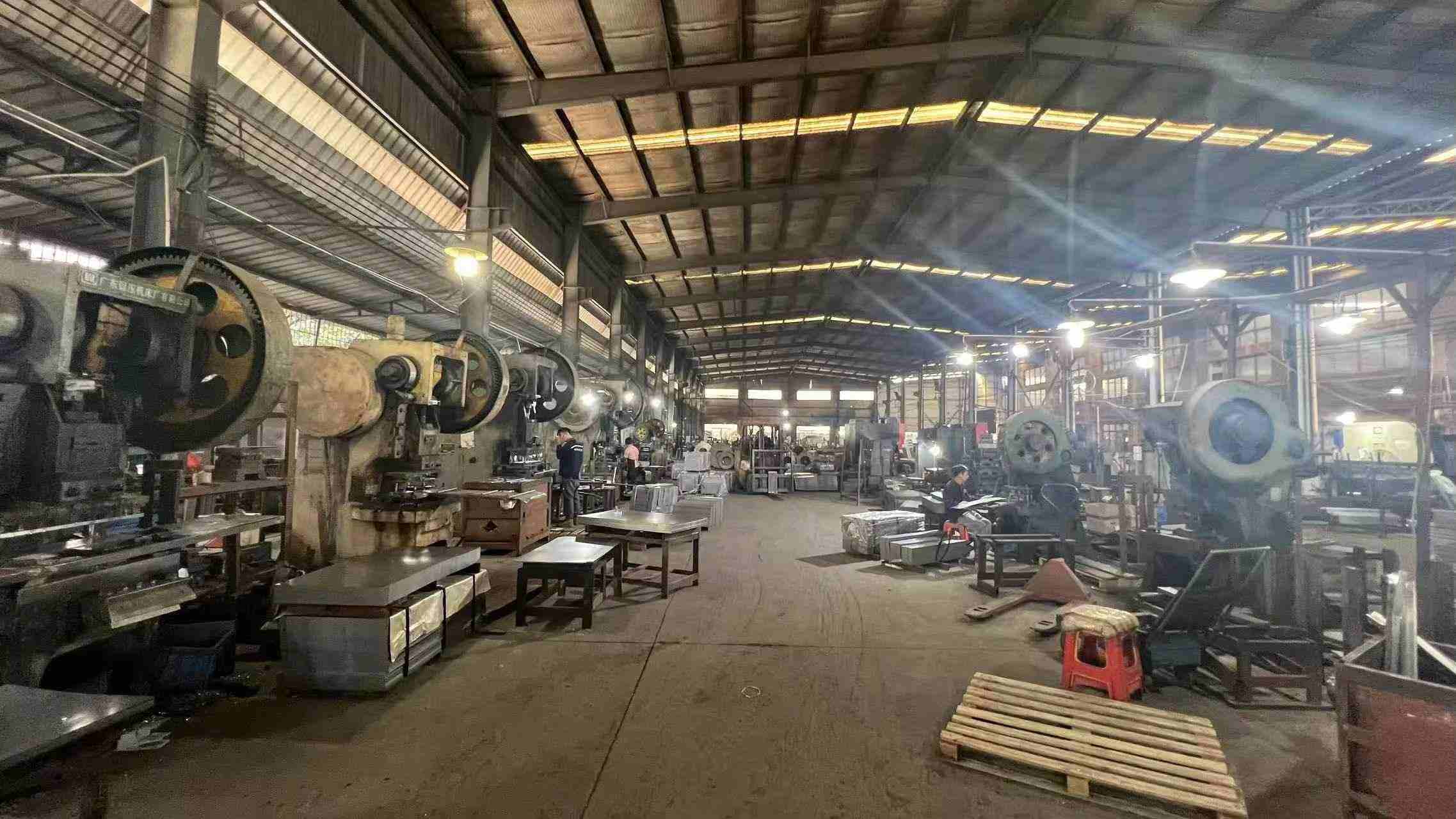
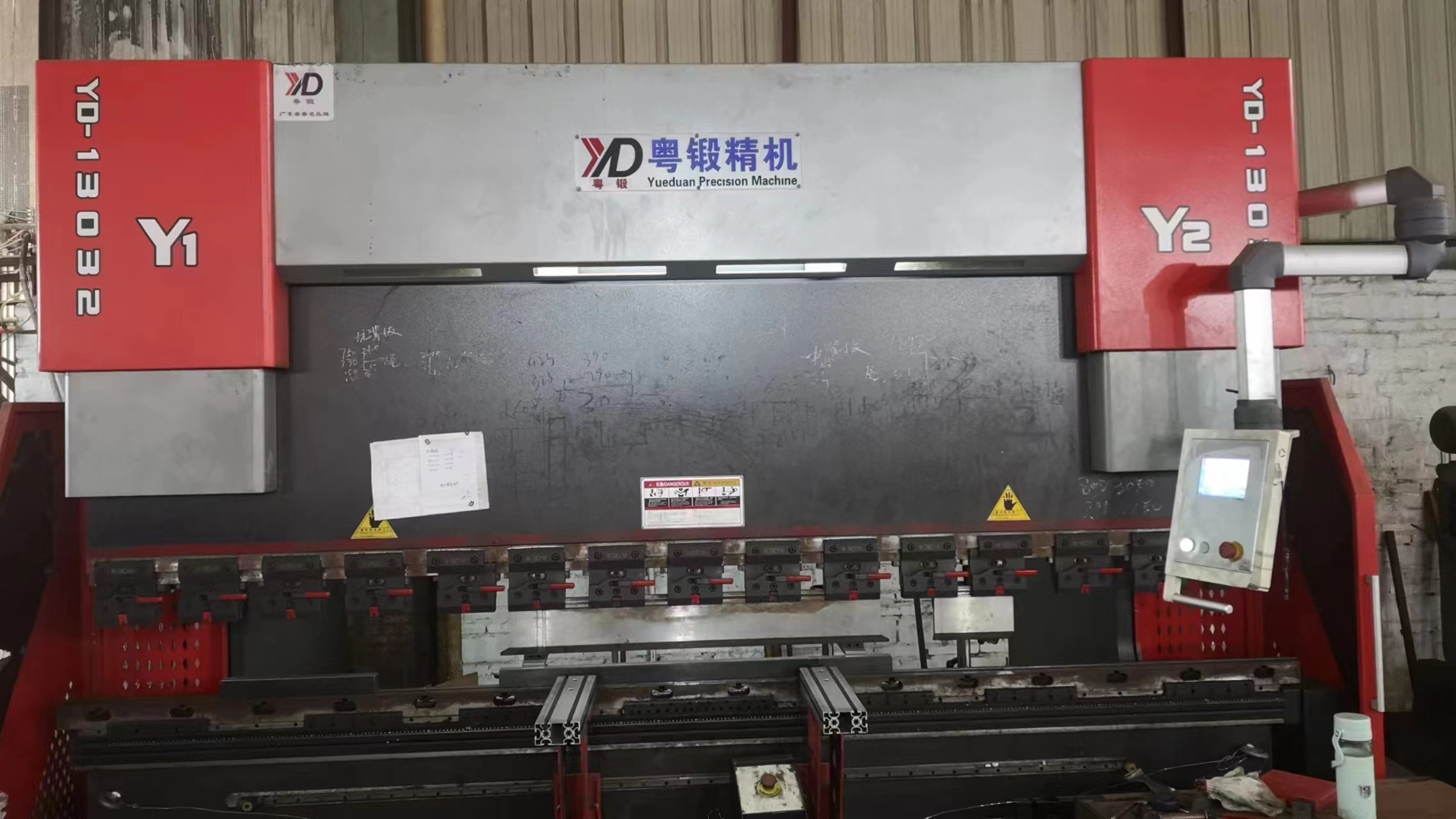
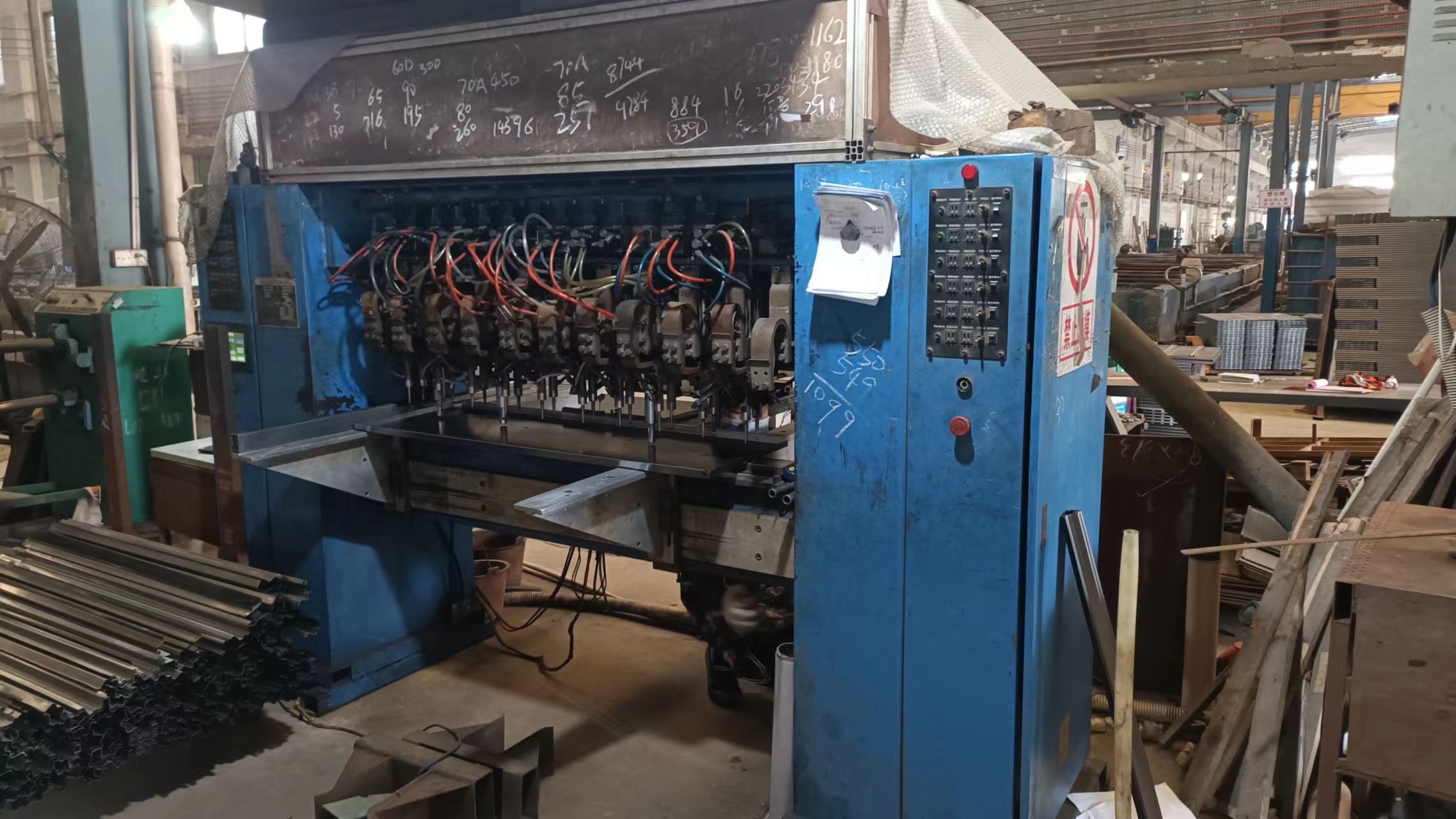
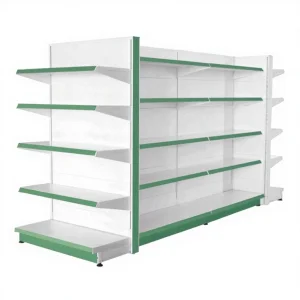
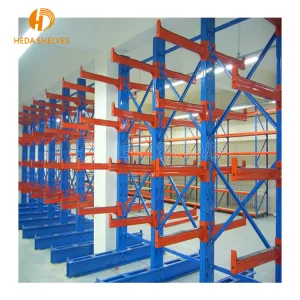
Custom structural platforms, store gondolas, and heavy-gauge industrial steel racks engineered for Moroccan distribution networks.
Understanding Material Properties and Load Capacity Testing Protocols
For Moroccan dynamic logistics, we optimize material composition according to ambient requirements. High-Density Polyethylene (HDPE) features robust impact performance under freezing temperatures down to -40°C, making it optimal for seafood cold storages in Agadir. Polypropylene (PP) provides higher structural rigidity and minimized deflection at higher temperatures, ideal for warehouse rack applications in hotter inland regions like Marrakech.
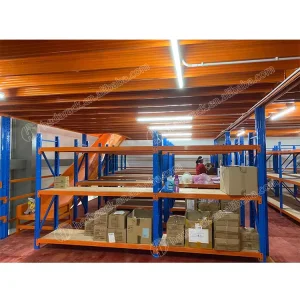
Our heavy industrial racking and mezzanine platforms are fabricated using certified structural carbon steel grades (Q235B and Q355B). We perform raw material mill test certificates (MTC) and ultrasonic weld inspection to ensure our dynamic platforms and cantilever systems withstand heavy forklift operations without shear failure.
Every industrial storage installation is engineered to clear defined safety parameters. A dynamic load rating defines the capacity when moved by a forklift; static load defines floor-bound capacity; racking load capacity determines the structural deflection limit when suspended on support beams. Our engineers run computerized stress analysis to match these requirements.
Our 65 engineering experts build full 3D CAD modeling, FEA stress modeling, and structural layouts tailored specifically to the customer's warehouse height and pallet handling machinery.
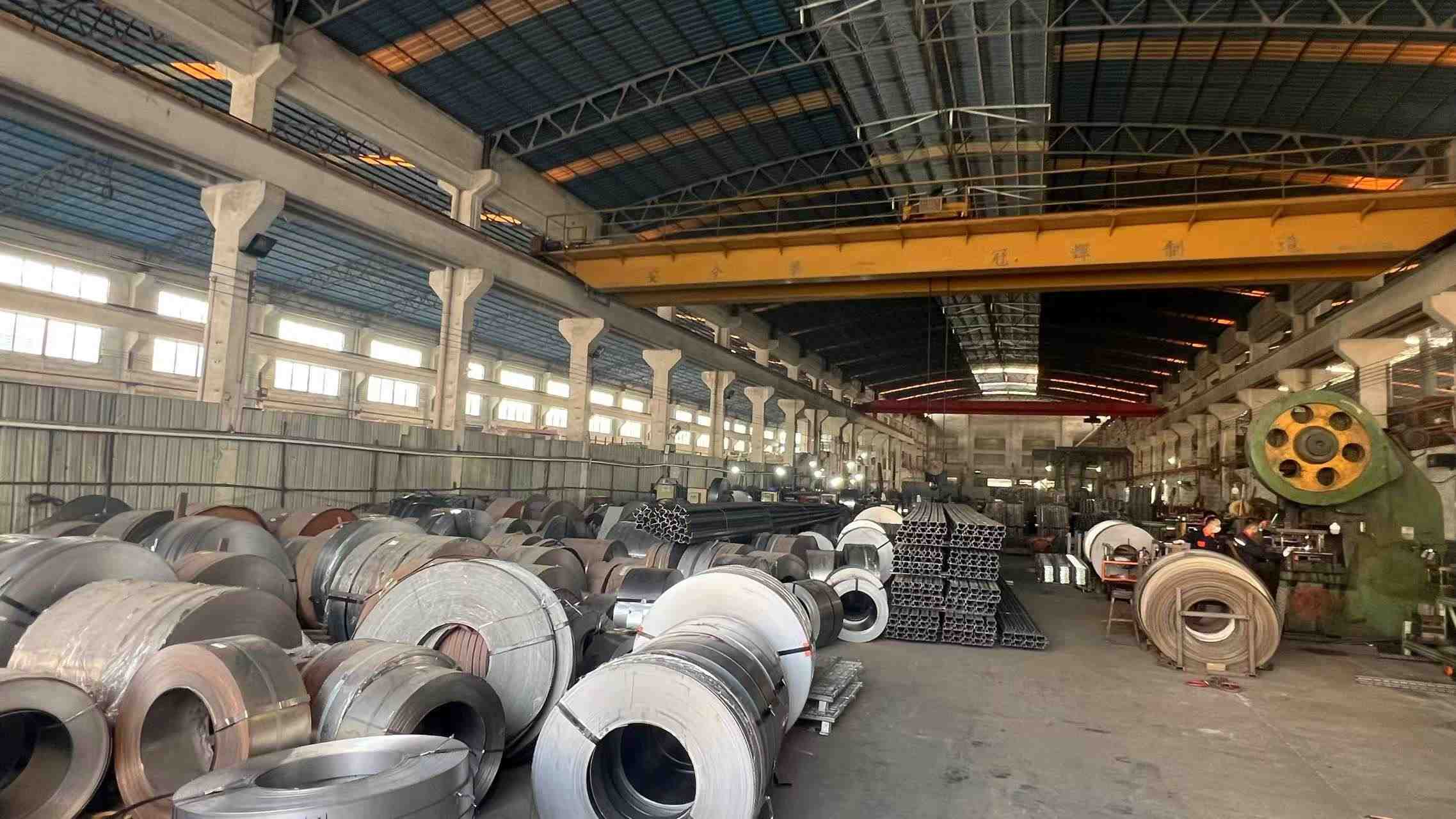
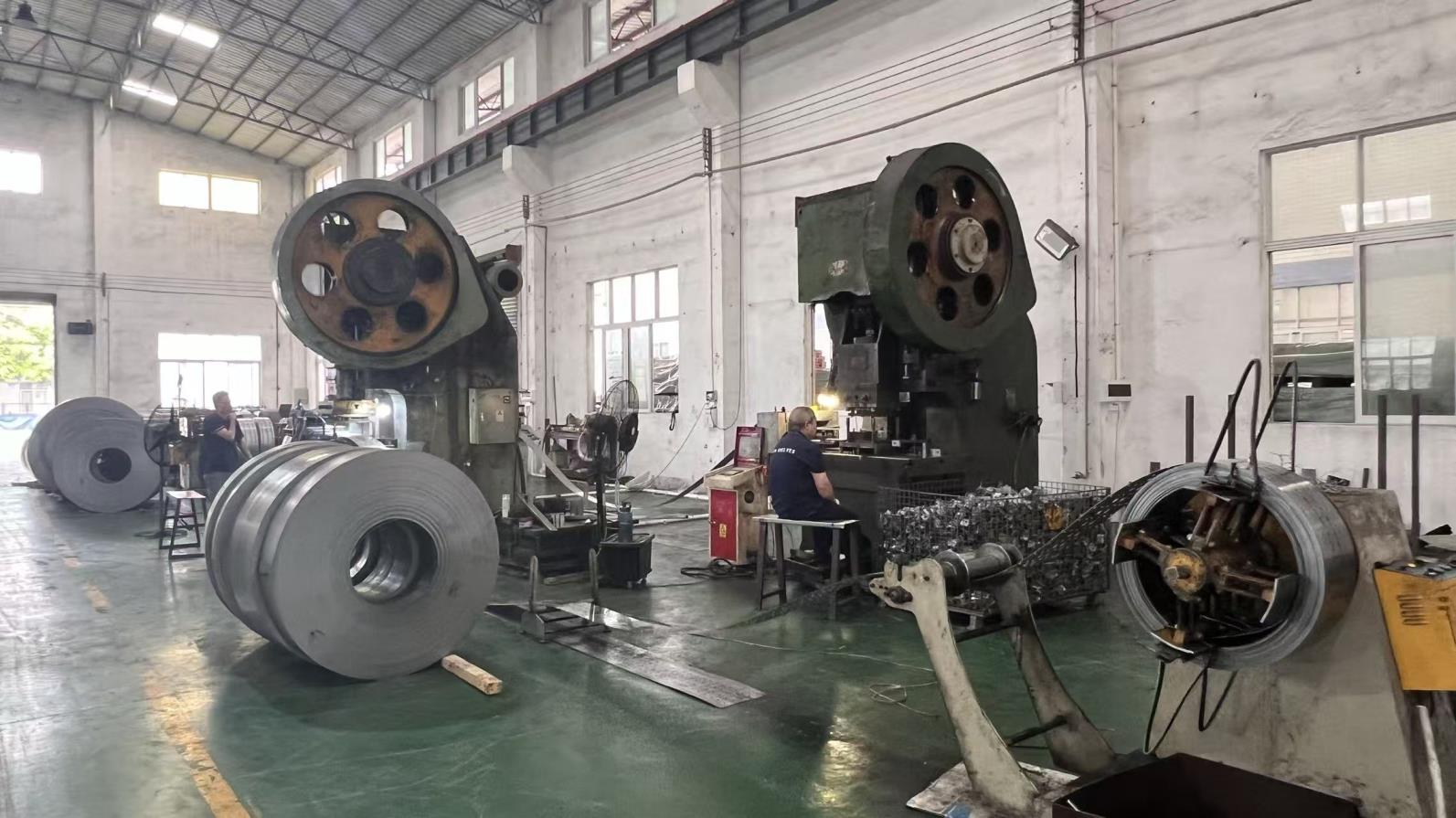
We process raw steel coils through CNC cold rolling, precision stamping, robotic multi-spot welding, and high-durability electrostatic powder coating at our 35,000 m² factory.
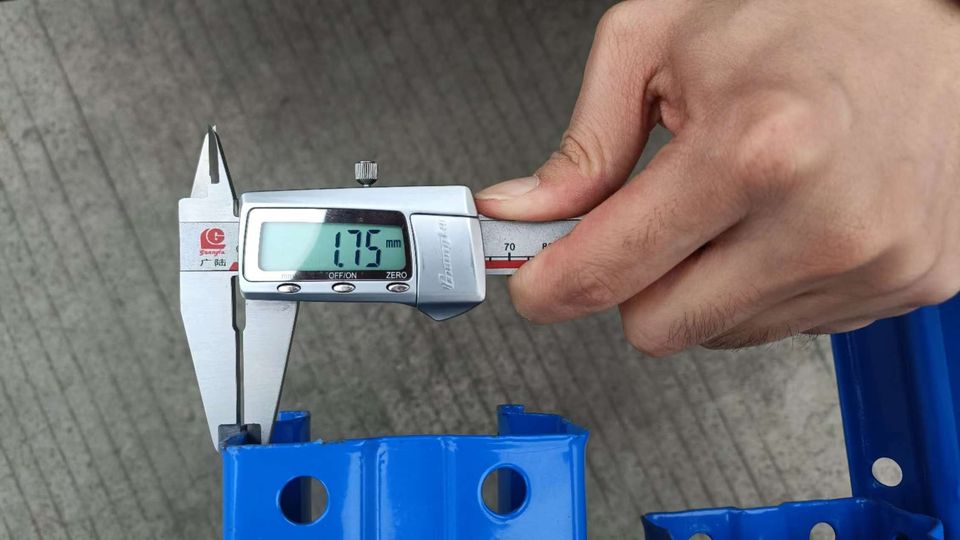
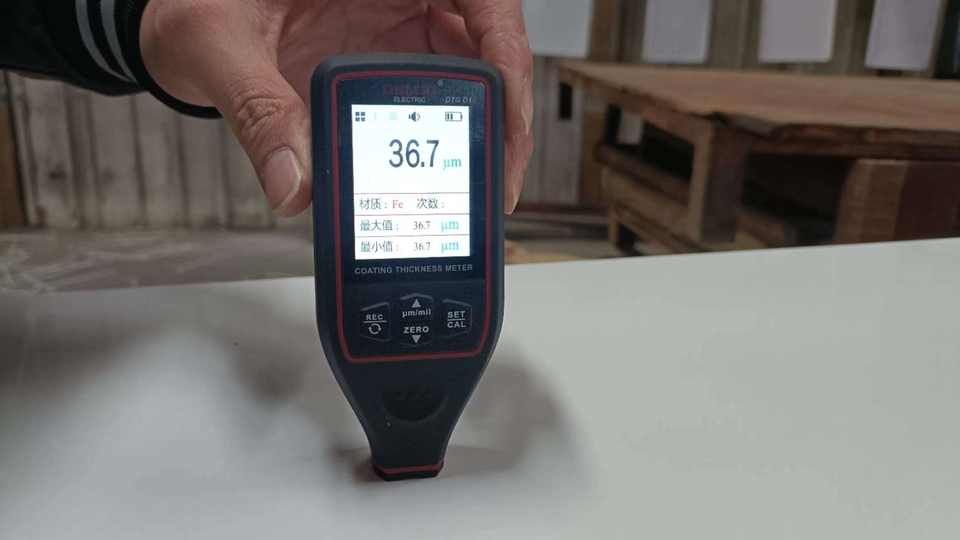
Quality control teams apply non-destructive ultrasonic evaluations to the weld joints, verify zinc coat thickness, and perform physical load-bearing simulations before container loading.
Safe steel bundling and strapping protocols ensure our products survive ocean transits. We optimize container layouts to minimize maritime freight costs to Moroccan ports.
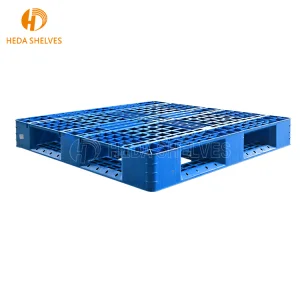
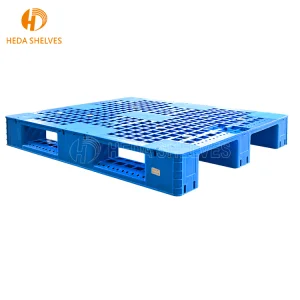
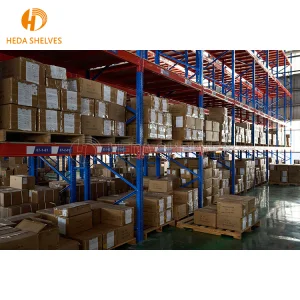
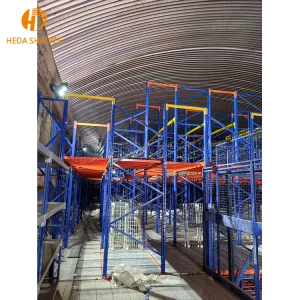
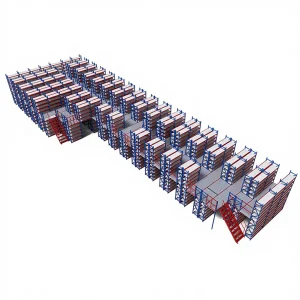
Heavy duty double-faced pallets and multi-tier structural mezzanine systems optimized for warehouse efficiency.
Technical guidance, compliance reviews, and purchasing workflows for logistics directors and supply chain managers.
 Durack