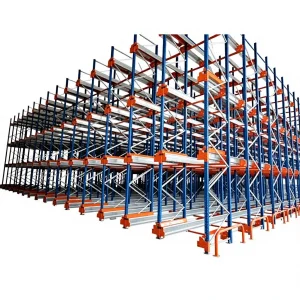
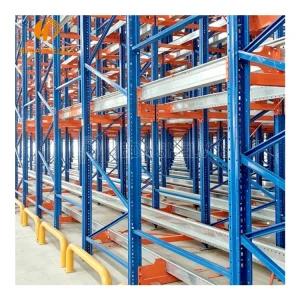
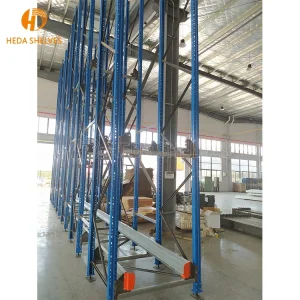
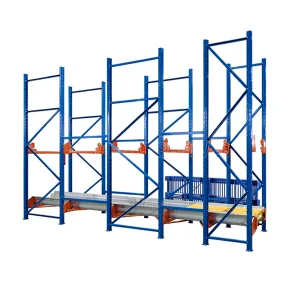
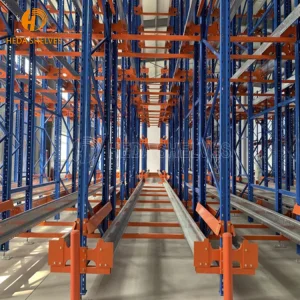
Direct manufacturer-engineered solutions designed to optimize high-density logistics footprints in Lagos, Ogun, and across West Africa.
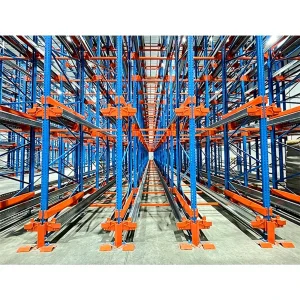
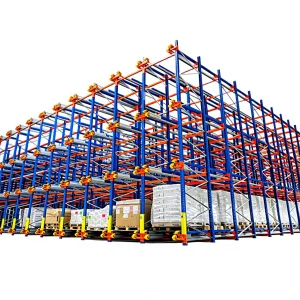
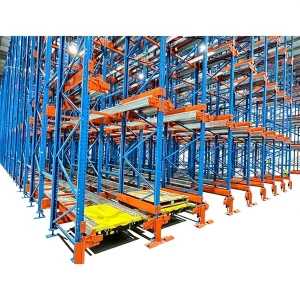
Nigeria, as the largest economy in Africa, is experiencing a fundamental transition in its logistics infrastructure. Rapid urbanization, the expansion of FMCG retail groups in metropolitan centers like Lagos, Kano, and Port Harcourt, and the growth of local manufacturing hubs in Ogun State (along the Lagos-Ibadan expressway corridor) have highlighted a major structural issue: the critical shortage and high cost of modern industrial warehouse space.
Conventional storage layouts rely on wide forklift aisles, resulting in a low volumetric utility rate of only 35% to 45%. In industrial areas like Ikeja, Apapa, and Lekki Free Zone, land prices and rental costs have risen sharply. Additionally, port congestion at Apapa and Tin Can Island requires companies to hold larger quantities of raw materials and finished goods to cushion against supply chain volatility.
Implementing automated and semi-automated racking systems in Nigeria requires addressing unique operational realities:
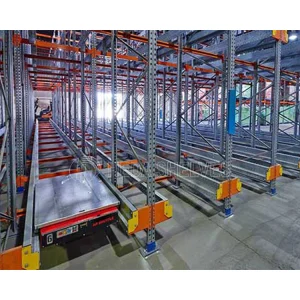
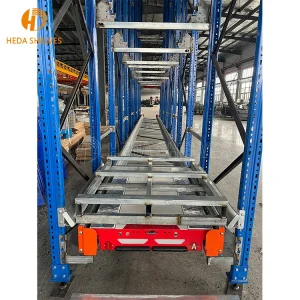
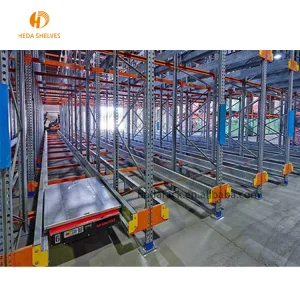
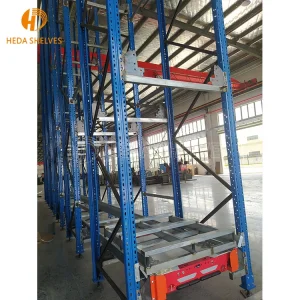
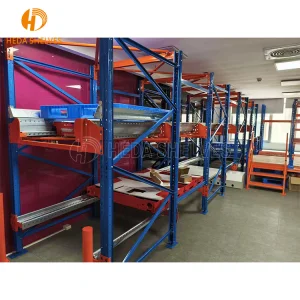
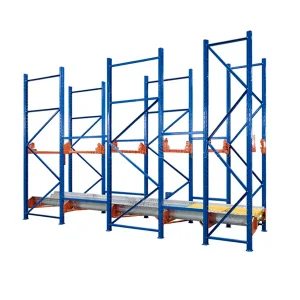
Traditional, fully-automated AS/RS (Automated Storage and Retrieval Systems) rely on continuous, high-wattage power supplies. In contrast, Radio Shuttle systems operate using high-capacity rechargeable lithium batteries situated inside the shuttle carts, which run independently of grid power. The racking structure itself does not require electricity, minimizing power grid strain and reducing the need for costly industrial generator setups.
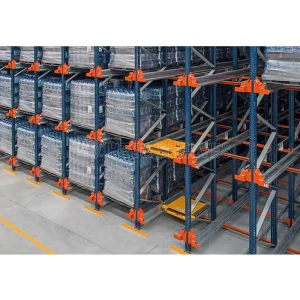
Cold rooms for agricultural products, seafood, and imported pharmaceuticals in Lagos consume large amounts of electricity. A Radio Shuttle Rack system consolidates space, allowing multiple pallets to be stored deep in lanes without forklift entry. By minimizing empty air volume, cooling costs are reduced by up to 35% while storage capacity is doubled within the same footprint.
Lagos and Port Harcourt face highly humid and saline maritime environments. Traditional structural steel racking will deteriorate rapidly if not properly protected, leading to load capacity reduction and structural risks.
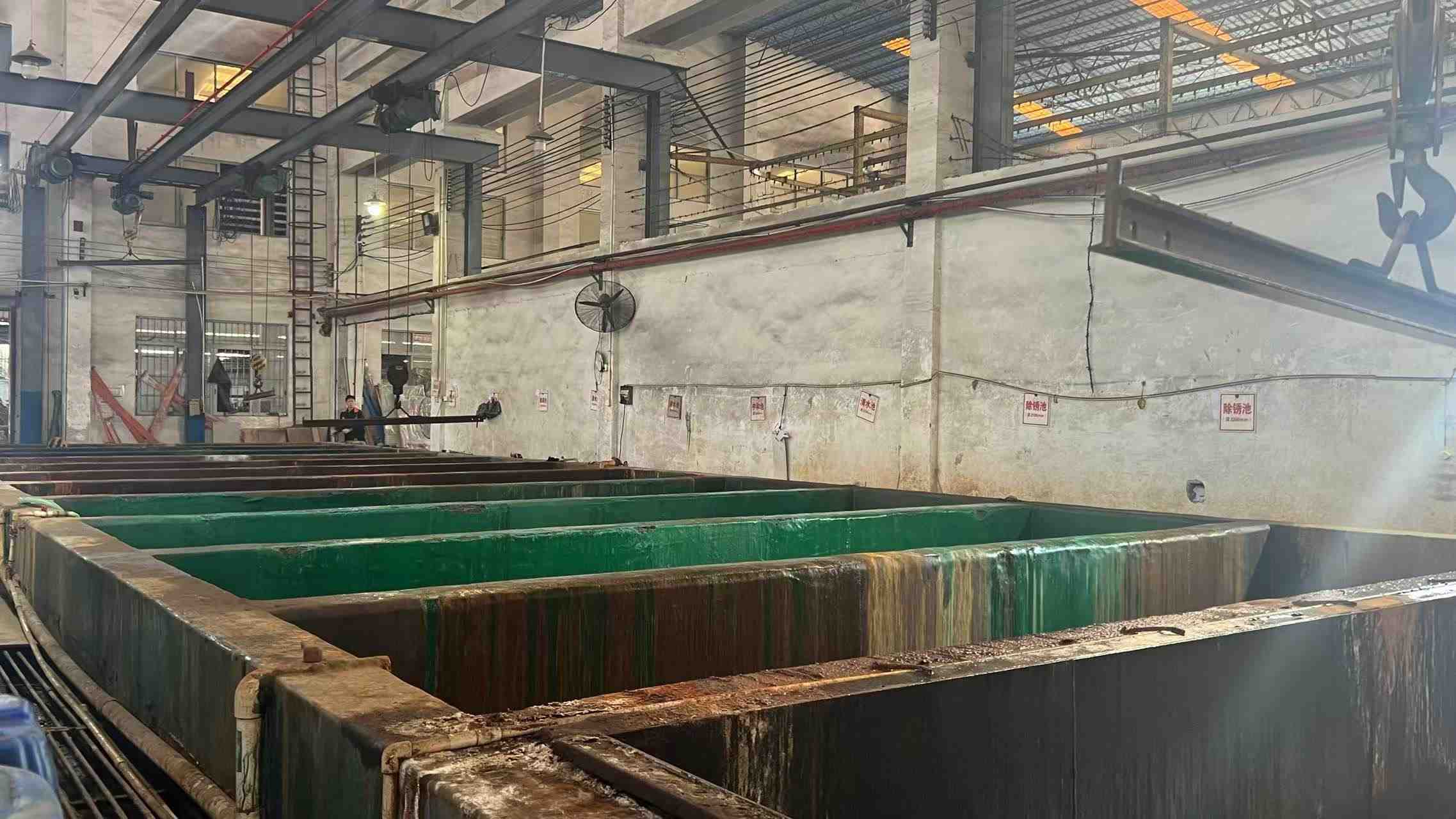
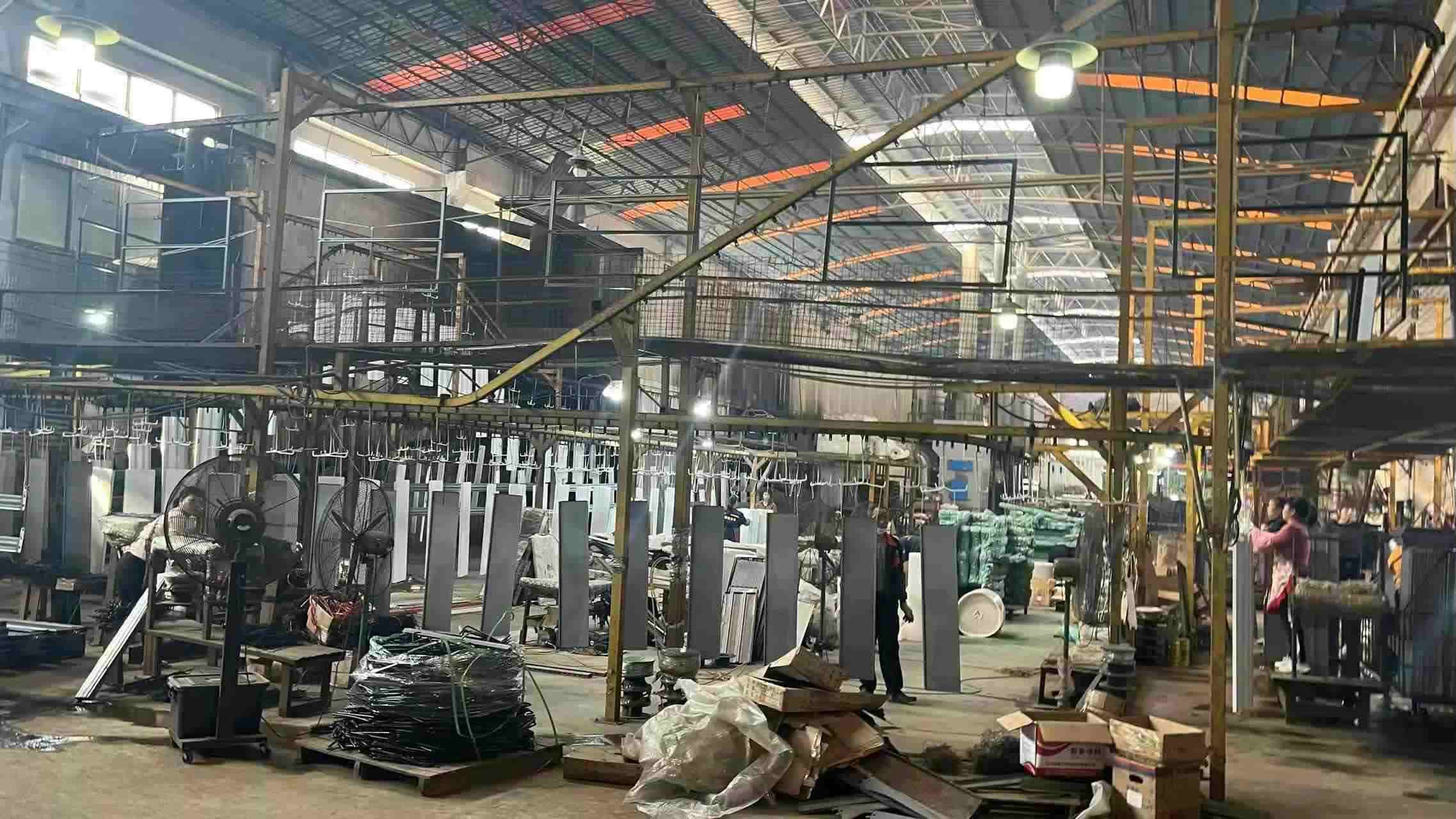
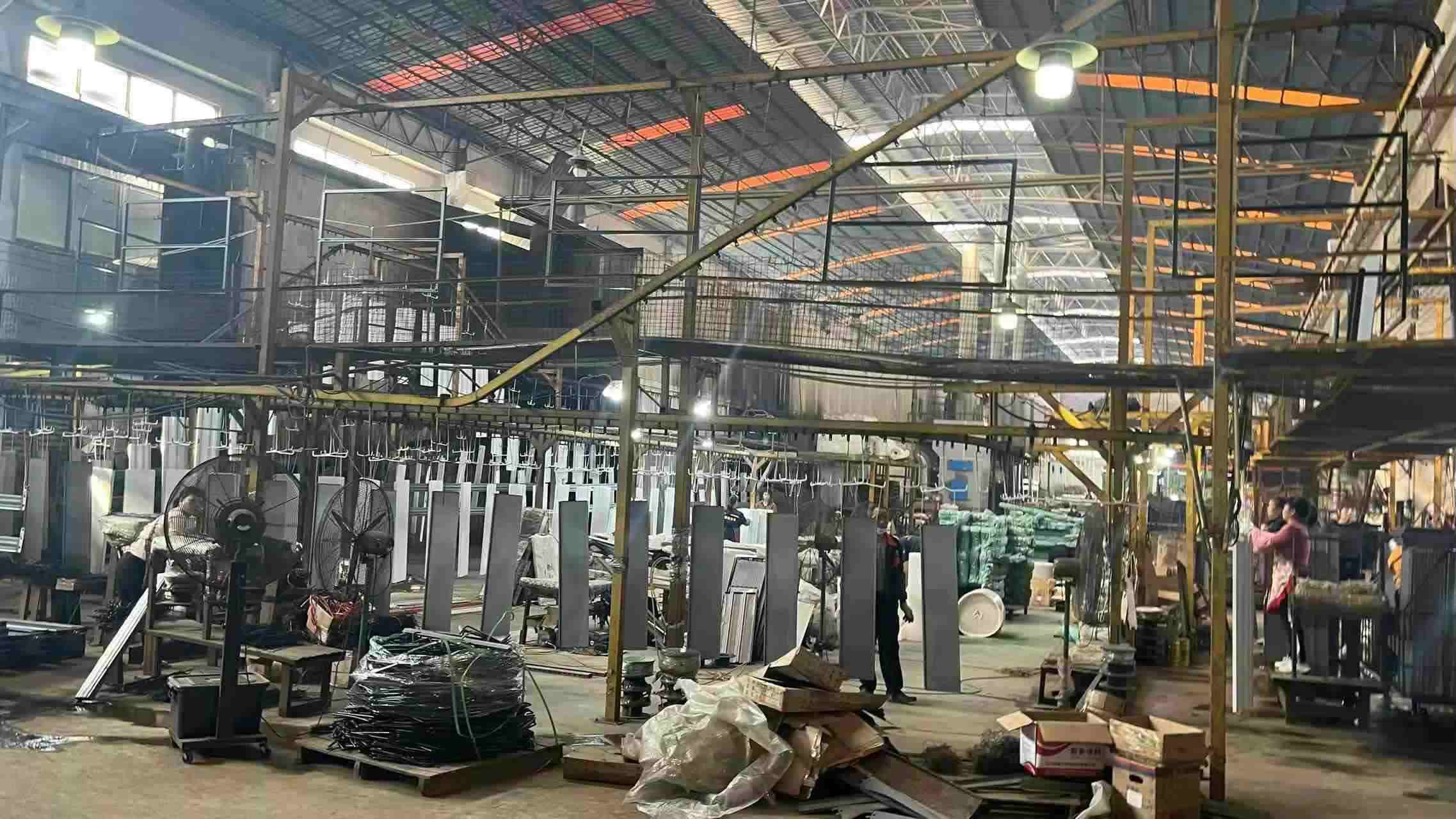
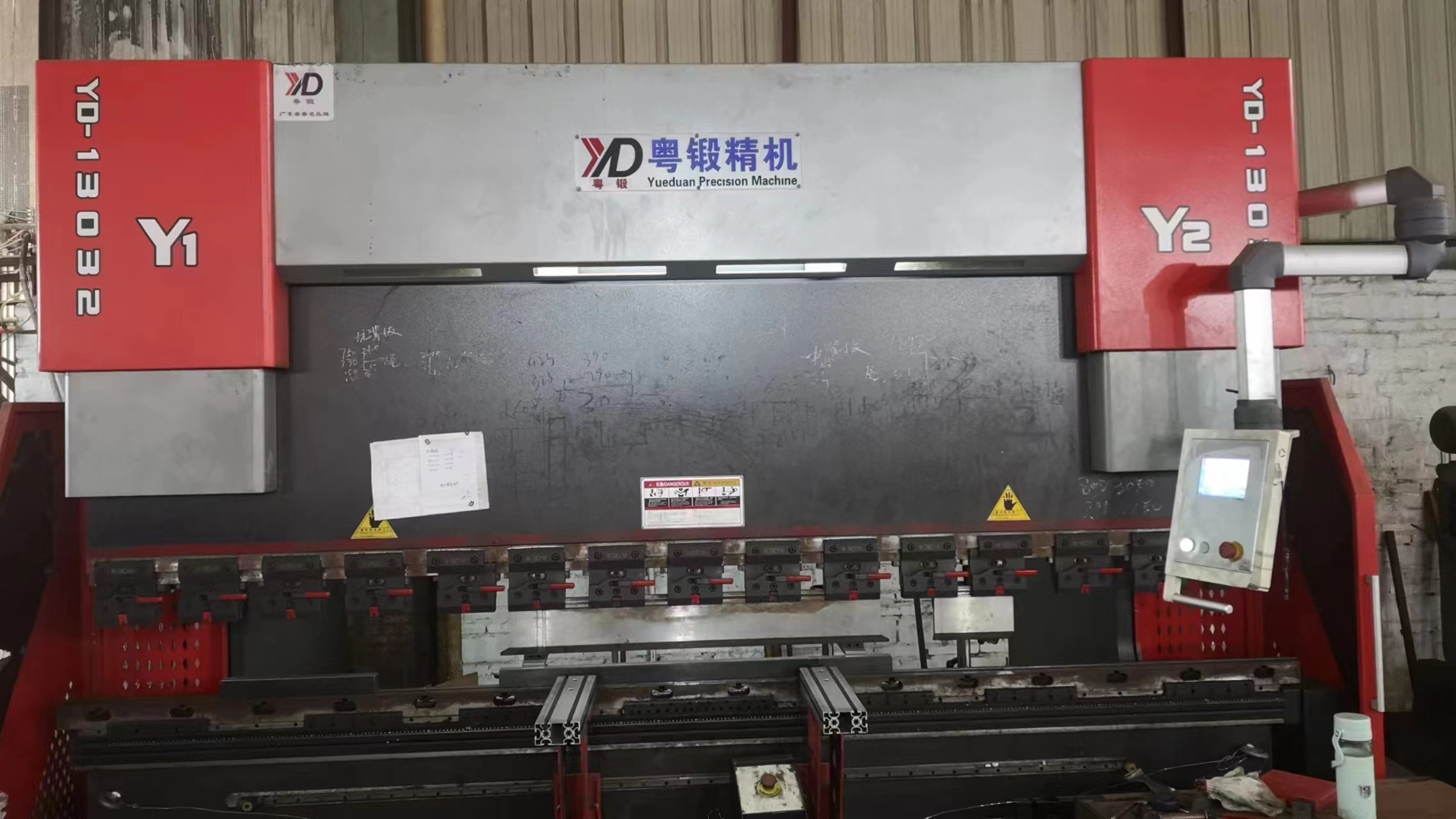
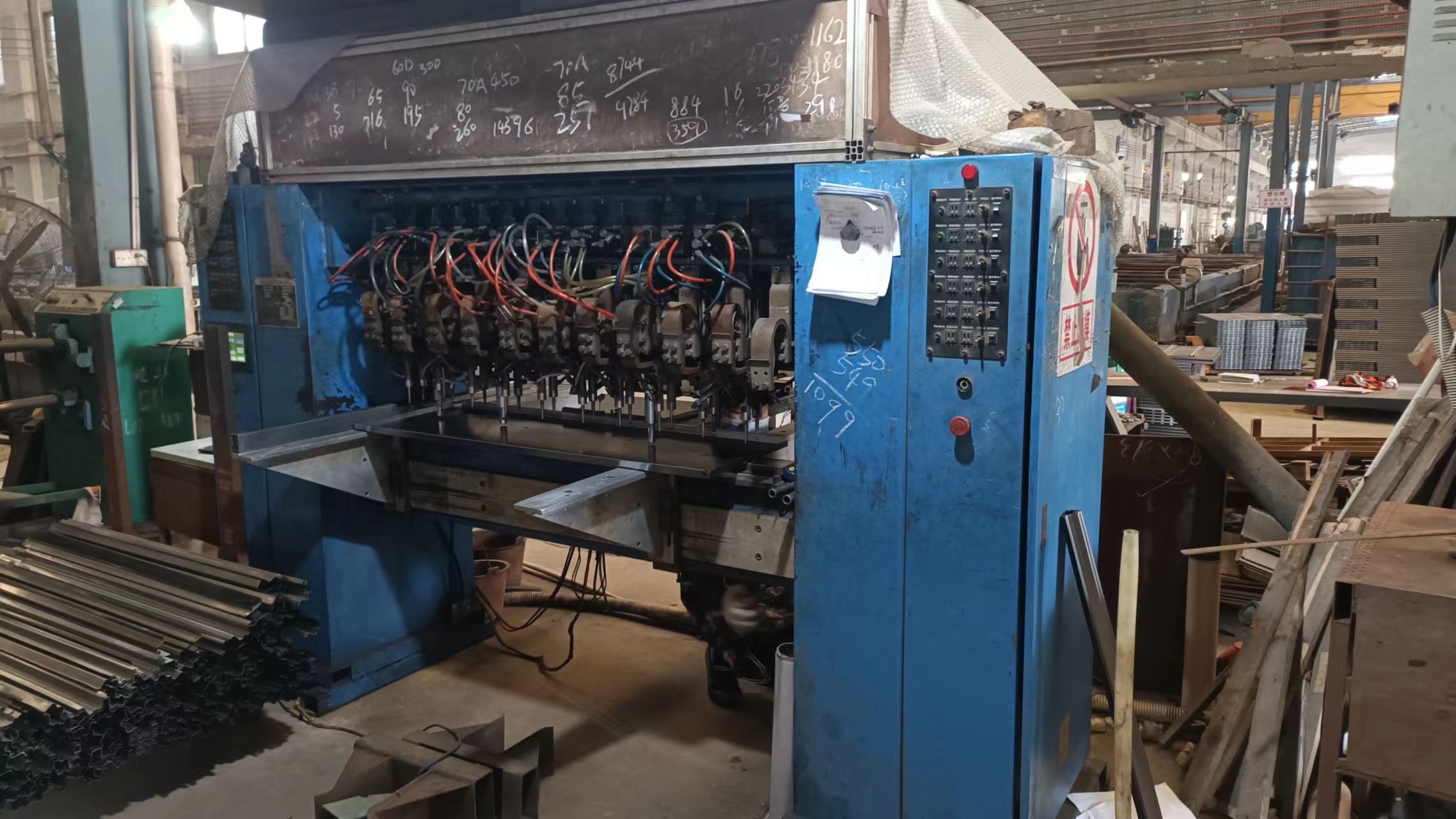
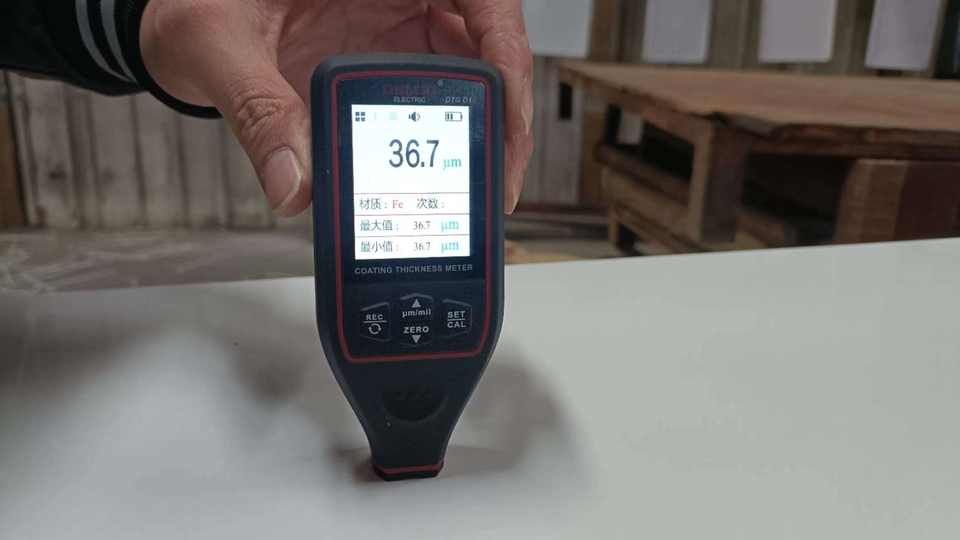
As an established Chinese manufacturer, Durack Logistics utilizes high-strength Q355 structural steel grades. The manufacturing process includes a complete acid-washing and chemical parkerising pre-treatment phase to eliminate oxidation layers before the electrostatic powder coating is applied. This multi-stage surface treatment provides long-term resistance to corrosion and chemical exposure.
Procuring industrial pallet racking systems directly from an experienced Chinese manufacturer like Durack offers key cost and quality control benefits:
Dongguan Durack Logistics Equipment Co., Ltd. — Delivering Global Warehousing Standards Since 2014
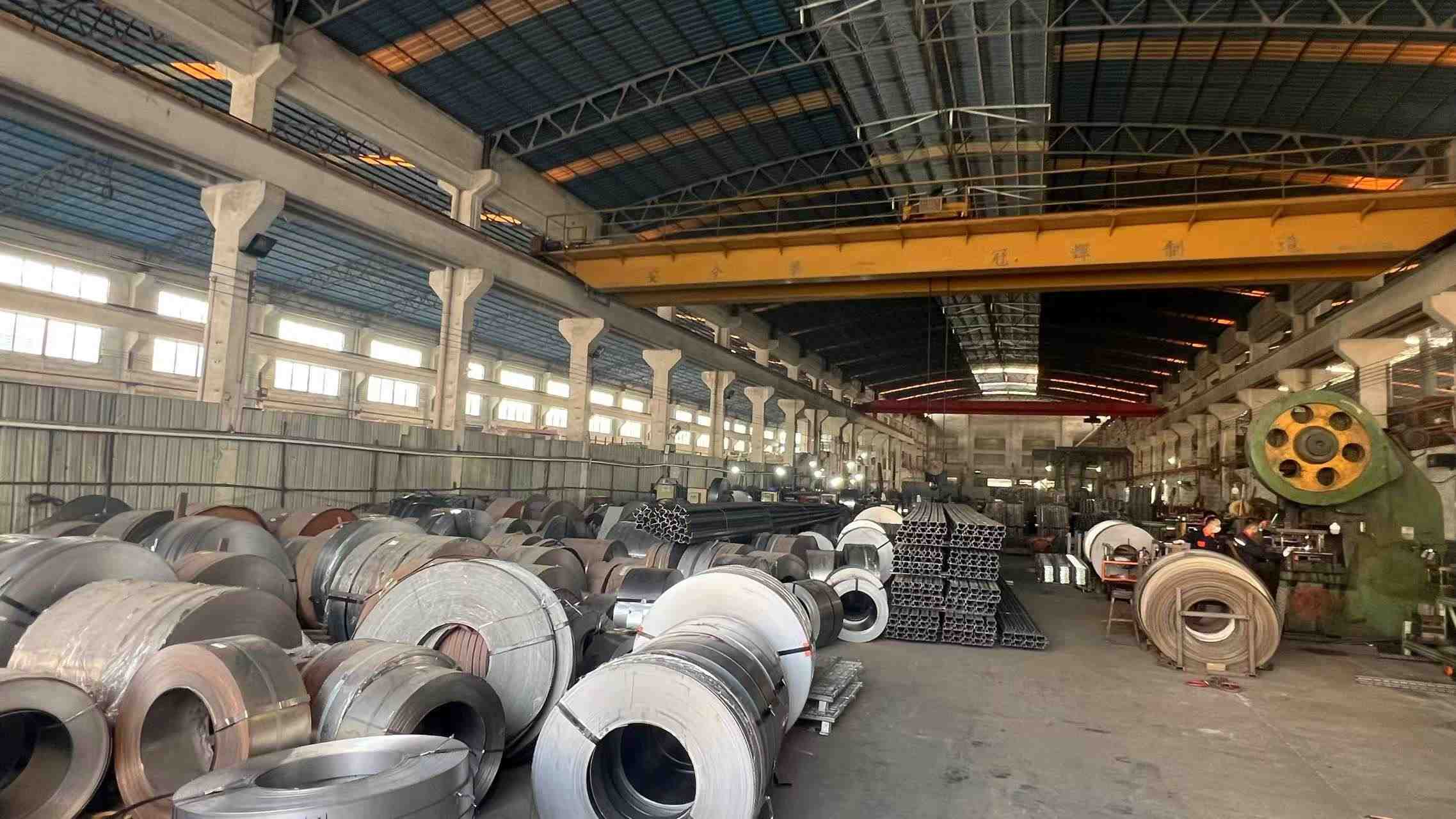
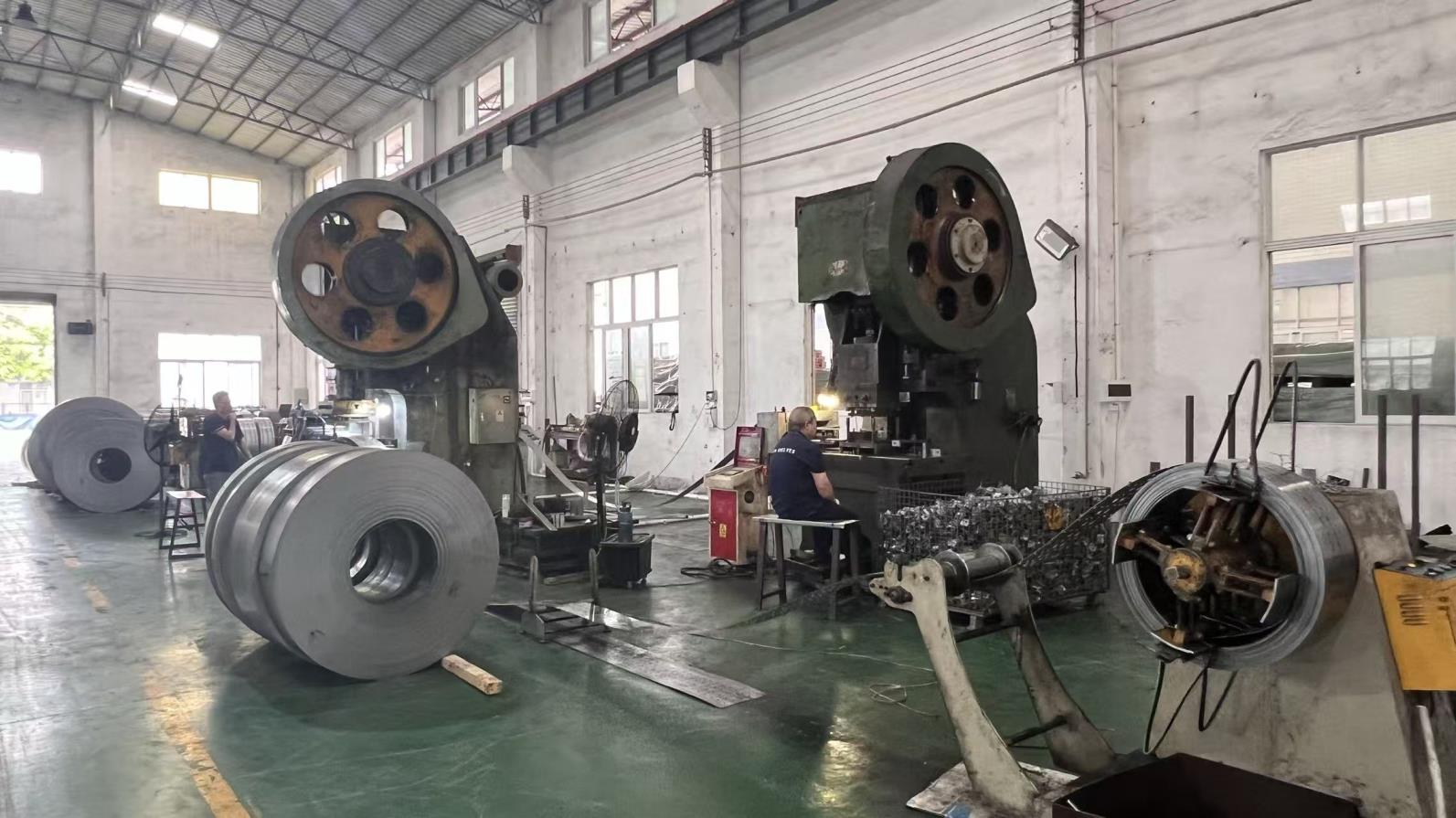
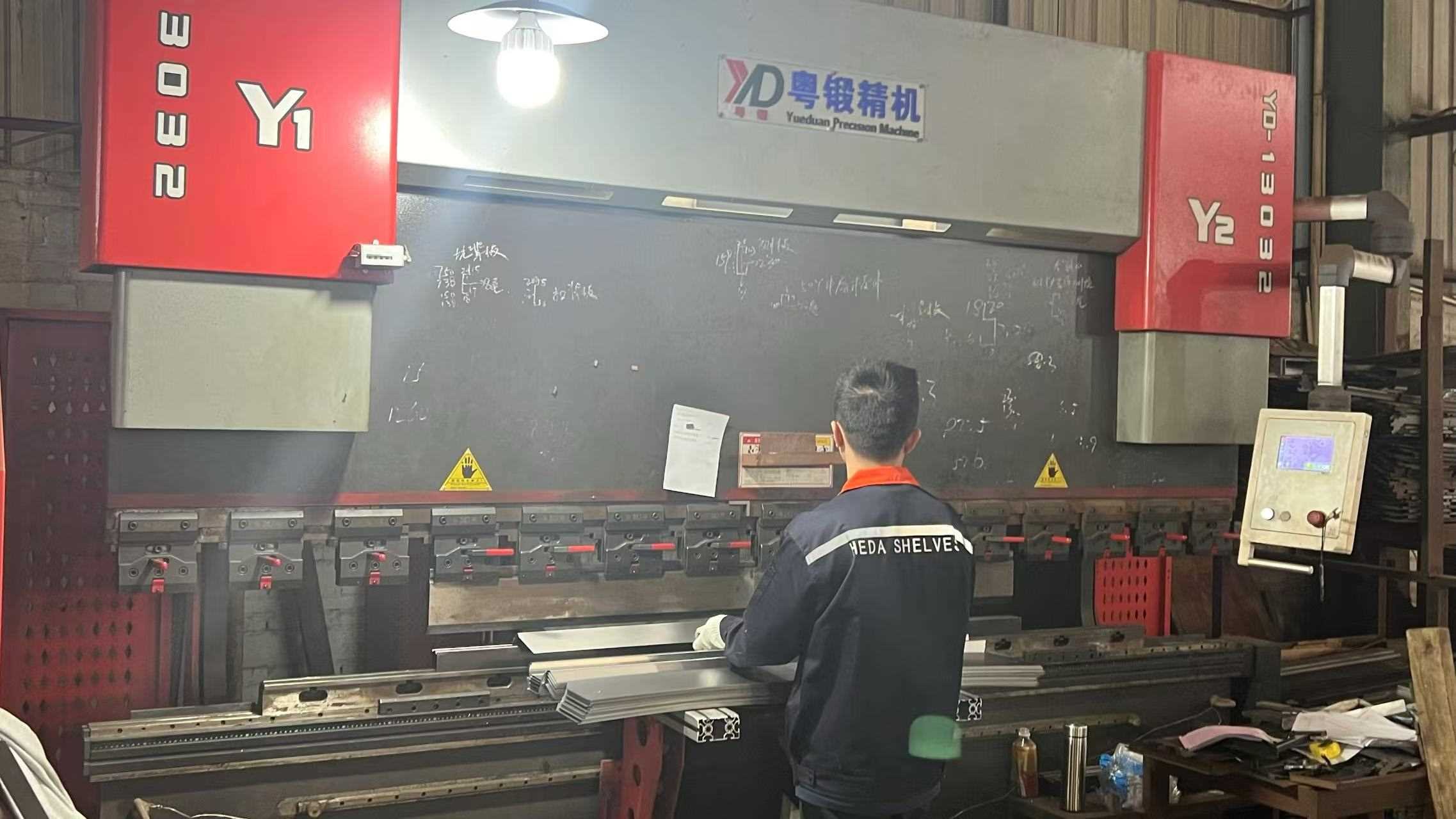
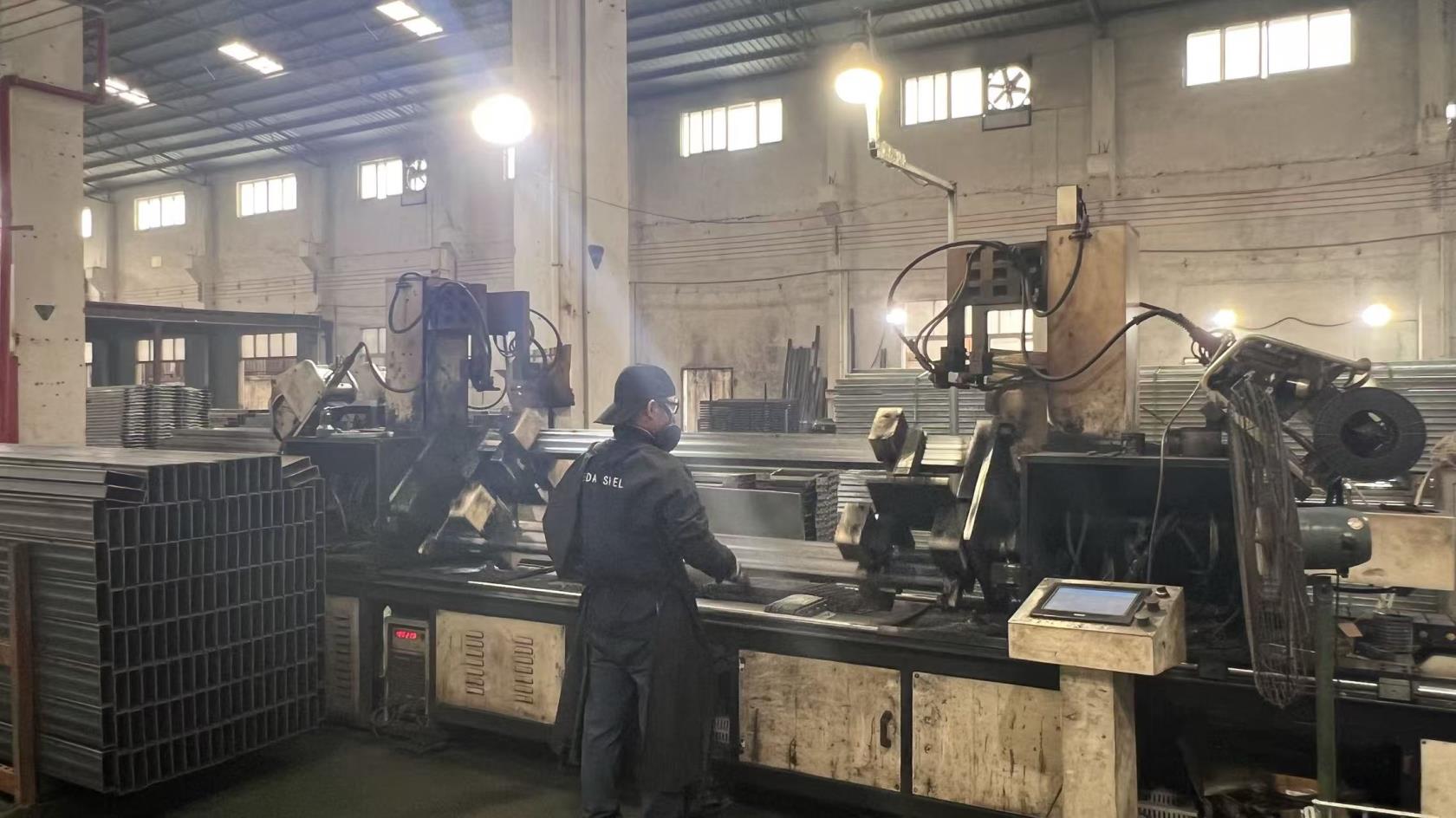
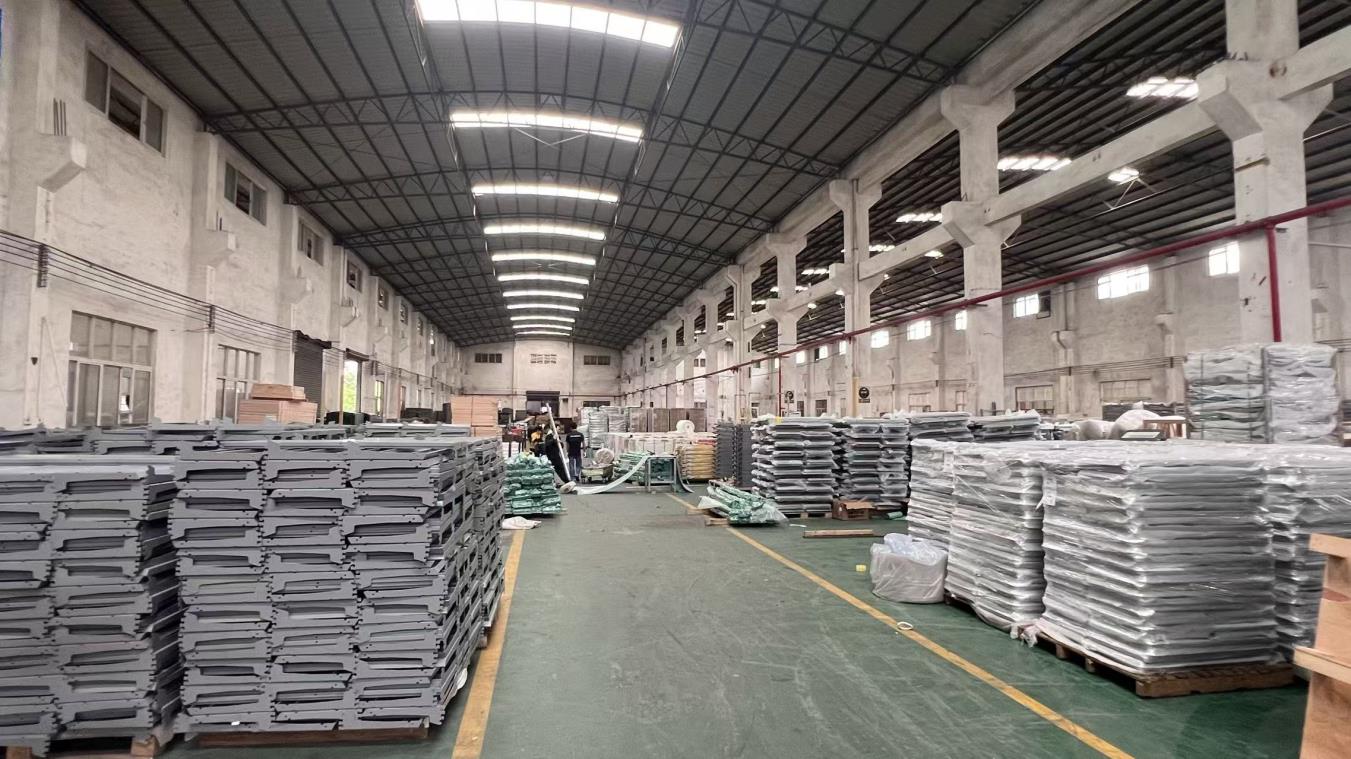
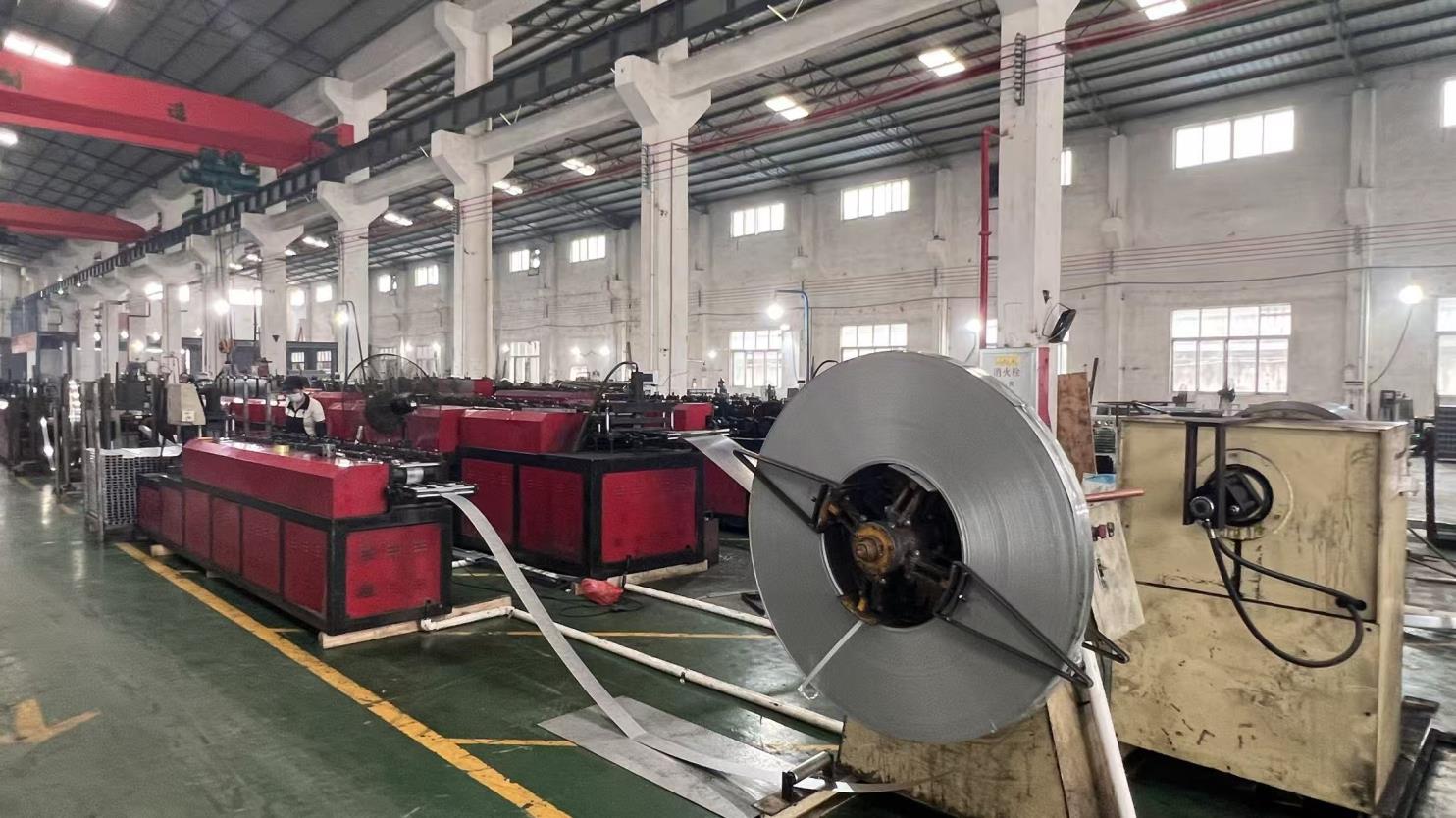
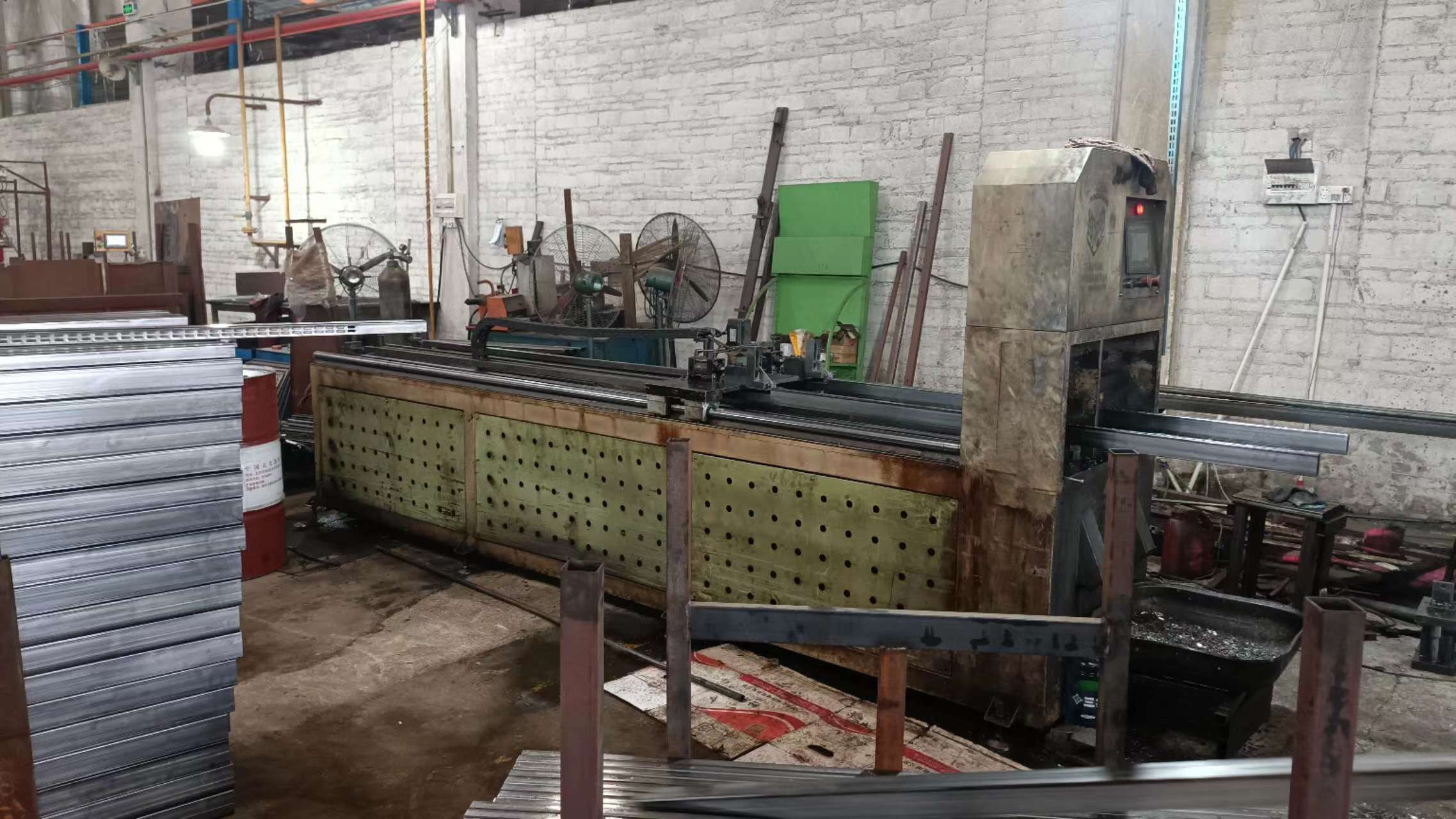
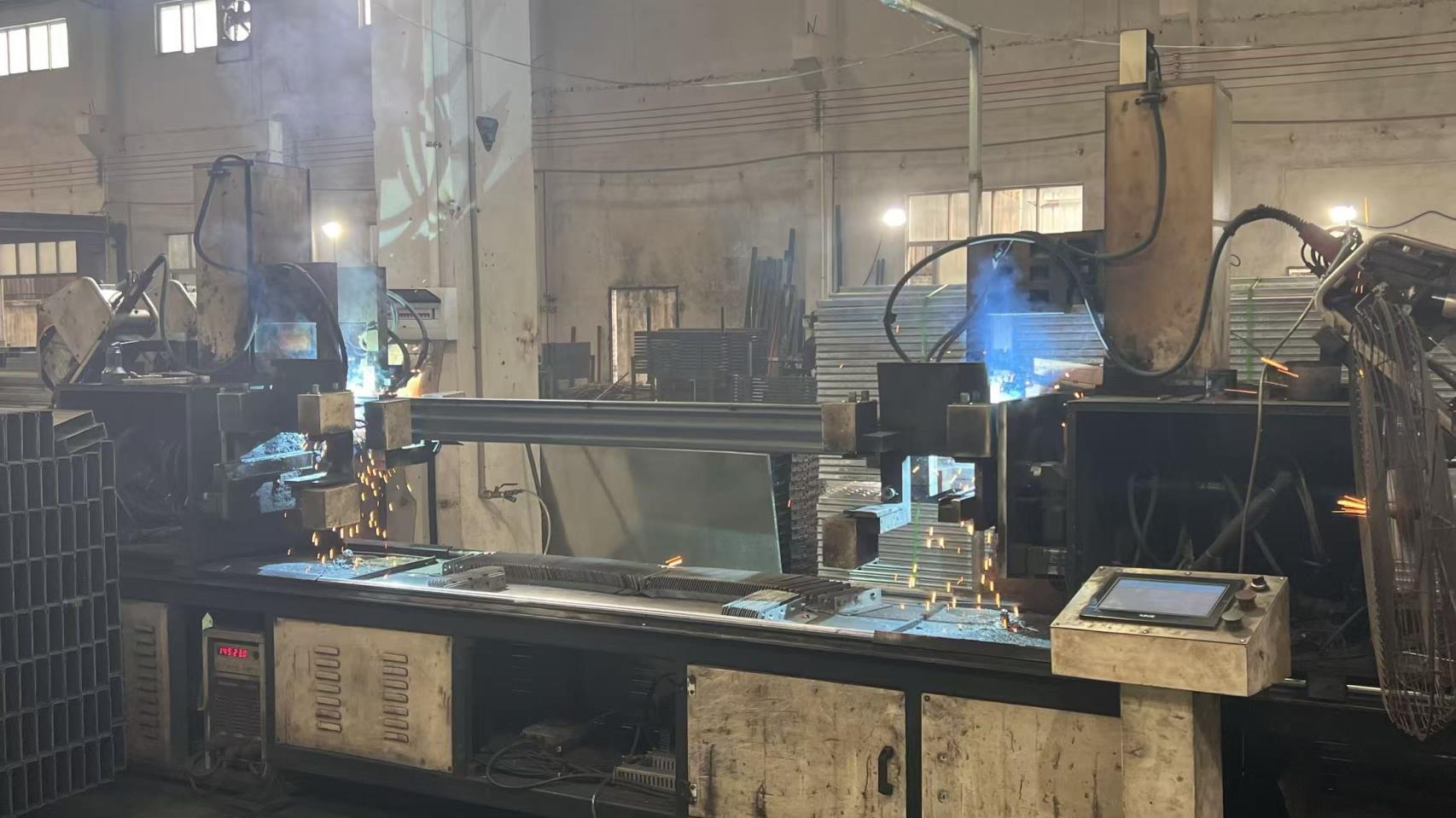
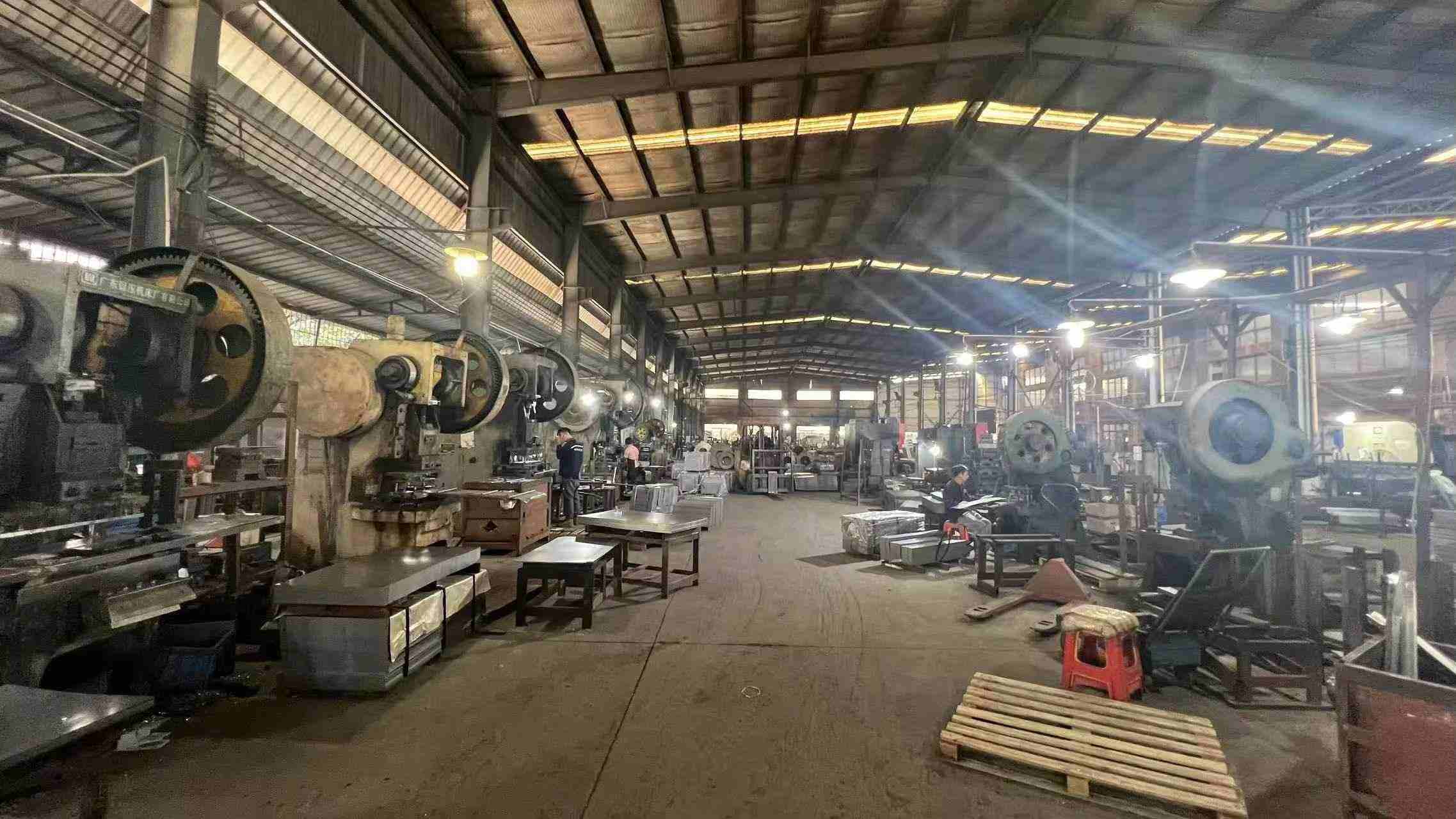
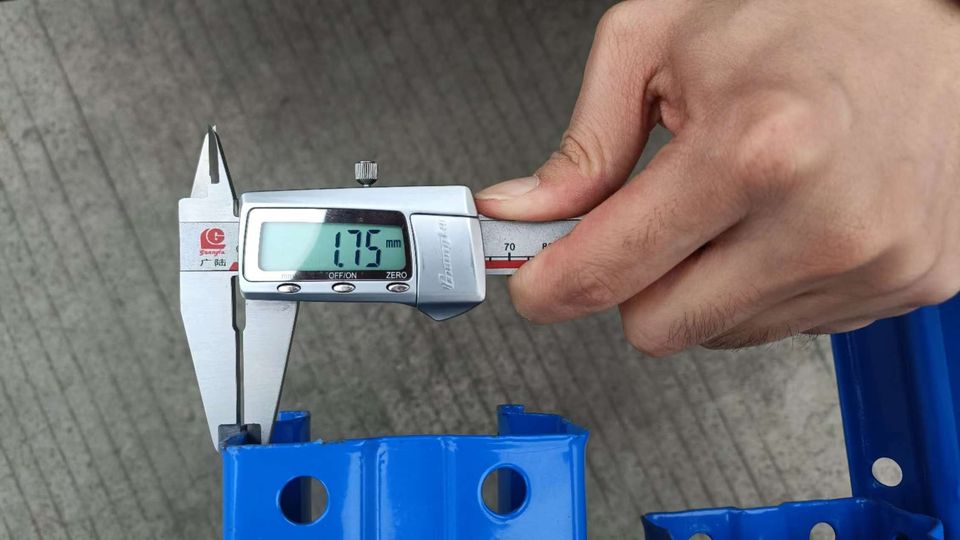
Founded in 2014, Dongguan Durack Logistics Equipment Co., Ltd. is a premier Chinese storage racking system manufacturer operating a 35,000 m² facility. Backed by 12 years of industry experience and 8 years of global export history, the company generates $28 million in annual export revenue. Our operations are supported by a strict quality assurance system using full-spectrum ultrasonic testing and load-bearing stress evaluations, overseen by 45 dedicated QC specialists. Building on a strong international trading background, our core markets span North America, Europe, and Southeast Asia. We maintain a reliable supply chain network of over 850 partners, catering primarily to third-party logistics (3PL) providers, automated warehouses, and large industrial distributors. Driven by an active R&D division with 65 specialized engineers, Durack offers full OEM/ODM customization options—including bespoke beam profiles, structural steel grades, and dynamic layout designs—launching over 120 new storage products last year.
How our semi-automated systems solve actual day-to-day warehouse challenges in local commercial centers.
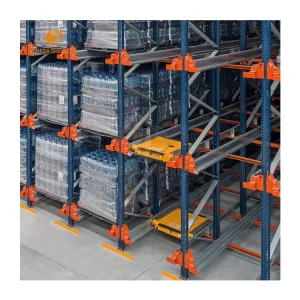
Beverage bottling complexes, food processing centers, and detergent plants require high-density storage that supports high throughput rates. Our shuttle rack system allows dynamic selection between FIFO (First-In, First-Out) for products with short shelf lives, and LIFO (Last-In, First-Out) for non-perishable goods. This minimizes forklift travel time and improves overall efficiency.
The Lekki Free Zone is developing rapidly into a major industrial gateway. By using high-density radio shuttle racking, operations can maximize the use of vertical clearance. Rather than expanding building footprints, warehousing systems can scale upward, ensuring maximum storage density.
When specifying systems for projects in Nigeria, selecting the right shuttle type is key:
Explore our full range of certified industrial racks, automatic shuttles, and heavy-duty steel shelves.
Addressing core technical questions from industrial operators and facility managers.
The Radio Shuttle system is highly compatible with the energy profile in Nigeria. The racking structure itself does not require continuous electrical power. The automated shuttle units are powered by internal, industrial-grade lithium battery packs. These packs can run for 8 to 10 hours on a single charge. Spare batteries can be charged using a standard wall charger connected to a localized generator or inverter system, keeping the facility fully operational even during grid outages.
Because shuttle racking stores pallets multiple rows deep, it generates significant concentrated loads. Concrete floors should have a minimum thickness of 150mm to 200mm, with double-reinforcement mesh, and a floor flatness rating matching FM2 or better. This prevents settlement and ensures the shuttle units operate along a consistent, level plane.
We use Q355 high-tensile steel, which undergoes pre-treatment acid-washing and parkerising to remove rust and surface contaminants. Afterward, an electrostatic powder coating is applied, providing a durable barrier against moisture and salt spray. For specialized cold chain or high-humidity facilities, galvanized steel rails and support frames are also available.
We provide full CAD structural layout design and detailed assembly manuals for every project. For installations in Nigeria, we can coordinate with local engineering partners or dispatch experienced installation supervisors from China. We also offer comprehensive training on shuttle calibration, battery care, and routine rail inspection to ensure long-term system reliability.
 Durack