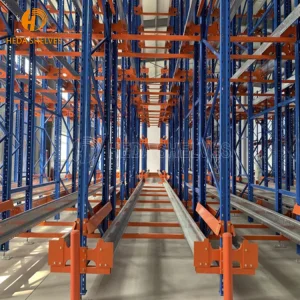
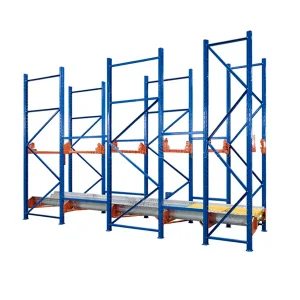
Custom-engineered semi-automated and fully automated storage systems optimized for severe temperatures, heavy payloads, and continuous operation.
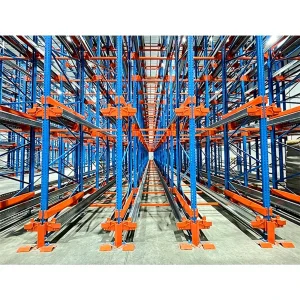
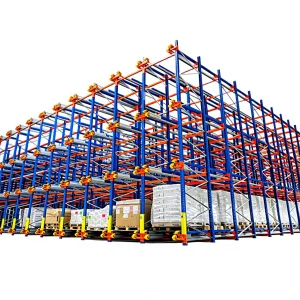
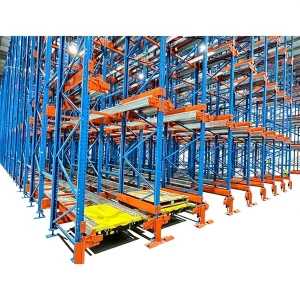
Strategic geographic dynamics, macroeconomic influences, and structural shifts driving the need for automated high-density shuttle racking systems.
The Russian industrial warehouse market is undergoing a profound structural transformation. Historically concentrated around major consumer hubs like the Moscow Oblast (e.g., Podolsk, Domodedovo, Sheremetyevo) and the Leningrad Oblast (St. Petersburg), the logistics network is rapidly expanding eastward. Secondary and tertiary hubs in the Urals (Ekaterinburg), Siberia (Novosibirsk), and the Russian Far East (Vladivostok) are witnessing unprecedented demand for modern Class-A warehouse infrastructure. This expansion is driven by a massive reorganization of import-export corridors, the exponential rise of domestic e-commerce (such as Wildberries and Ozon), and the growth of local manufacturing and agricultural cold chains.
However, operators face significant challenges: extreme climate variations ranging from +35°C in summer to -40°C in winter, high energy and heating costs for massive industrial spaces, and persistent shortages of warehouse labor. Consequently, traditional selective racking systems are no longer economically viable for high-throughput operations. The industry is rapidly transitioning toward semi-automated and automated high-density storage technologies. Shuttle racking systems—which utilize remote-controlled or WMS-integrated shuttle carts to run within dedicated rail channels—have emerged as the definitive solution, allowing Russian enterprises to maximize vertical volume while minimizing the heated footprint of their facilities.
The Energy Efficiency Imperative: In cold storage facilities across central and northern Russia, heating and refrigeration costs make up to 65% of total operating expenses. By replacing traditional forklift aisles with a dense shuttle racking structure, companies can decrease the cubic volume requiring thermal regulation by up to 40%, generating massive savings in municipal power consumption.
Furthermore, under modern regulatory guidelines, structural installations must withstand rigorous local safety mandates. Storage equipment must comply with Russian GOST safety and engineering standards (such as GOST R 55525-2017 and GOST R 56567-2015). This dictates specific steel compositions, weld test criteria, and seismic resistance factors—requirements that generic global manufacturers often fail to meet. As a premier Chinese manufacturer with dedicated engineering expertise, we address these specific market parameters directly, ensuring our exported systems are physically and legally prepared for seamless installation and commissioning.
How automation is reshaping supply chain density and warehouse productivity worldwide.
Across the globe, the logistics sector is shifting away from simple storage toward high-throughput retrieval systems. In a global economy characterized by volatile shipping timelines and fluctuating inventory buffers, companies must store more goods in less space. Automated Radio Shuttle systems (both 2-Way and 4-Way configurations) represent the bridge between manual pallet racking and fully automated AS/RS (Automated Storage and Retrieval Systems) utilizing massive crane structures.
Compared to traditional Drive-In racking, which suffers from low productivity, poor selectivity, and frequent forklift damage to frames, Shuttle Rack systems offer several advantages:
| Feature / Parameter | Traditional Drive-In Racking | Radio Shuttle Racking System | 4-Way Pallet Shuttle System |
|---|---|---|---|
| Storage Density | High (70%) | Very High (85%) | Maximum (92%+) |
| Operating Speed | Slow (forklifts must drive deep inside) | Fast (shuttles run at 0.8-1.2 m/s) | Ultra-Fast (simultaneous multi-level paths) |
| Structural Safety | Low (high risk of forklift collisions) | High (forklift stays outside the channels) | Maximum (fully enclosed automated environment) |
| Access Mode | LIFO only | FIFO or LIFO | FIFO, LIFO & Dynamic Sequencing |
| Labor Reliance | High (requires skilled drivers) | Medium (semi-automated operation) | Minimal (fully integrated with WMS/WCS) |
Advanced Production Facility
Dedicated R&D Engineers
Annual Global Export Volume
QC Specialists & Testing Engineers
How we ensure our shuttle racking systems withstand freezing temperatures and demanding load requirements.
Typical carbon steels (like Q235B) become brittle when exposed to temperatures below 0°C, increasing the risk of structural failure. For Russian cold chain projects operating at -25°C to -30°C, we utilize heavy-duty, low-alloy high-strength steel grades such as Q355D or Q355E (equivalent to European S355NL / Russian 09G2S). These steels undergo Charpy V-notch impact testing at -20°C or -40°C to guarantee exceptional toughness, load stability, and seismic resistance in freezing conditions.
Many industrial regions in Russia, particularly near the Ural Mountains, Siberia, and the North Caucasus, have active seismic zones. We perform custom finite element analysis (FEA) to simulate structural performance under dynamic loads, ensuring the rack assembly complies with the Russian seismic building code SP 14.13330.2018. This involves reinforcing upright columns, modifying baseplates, and adding heavy horizontal/diagonal bracing systems.
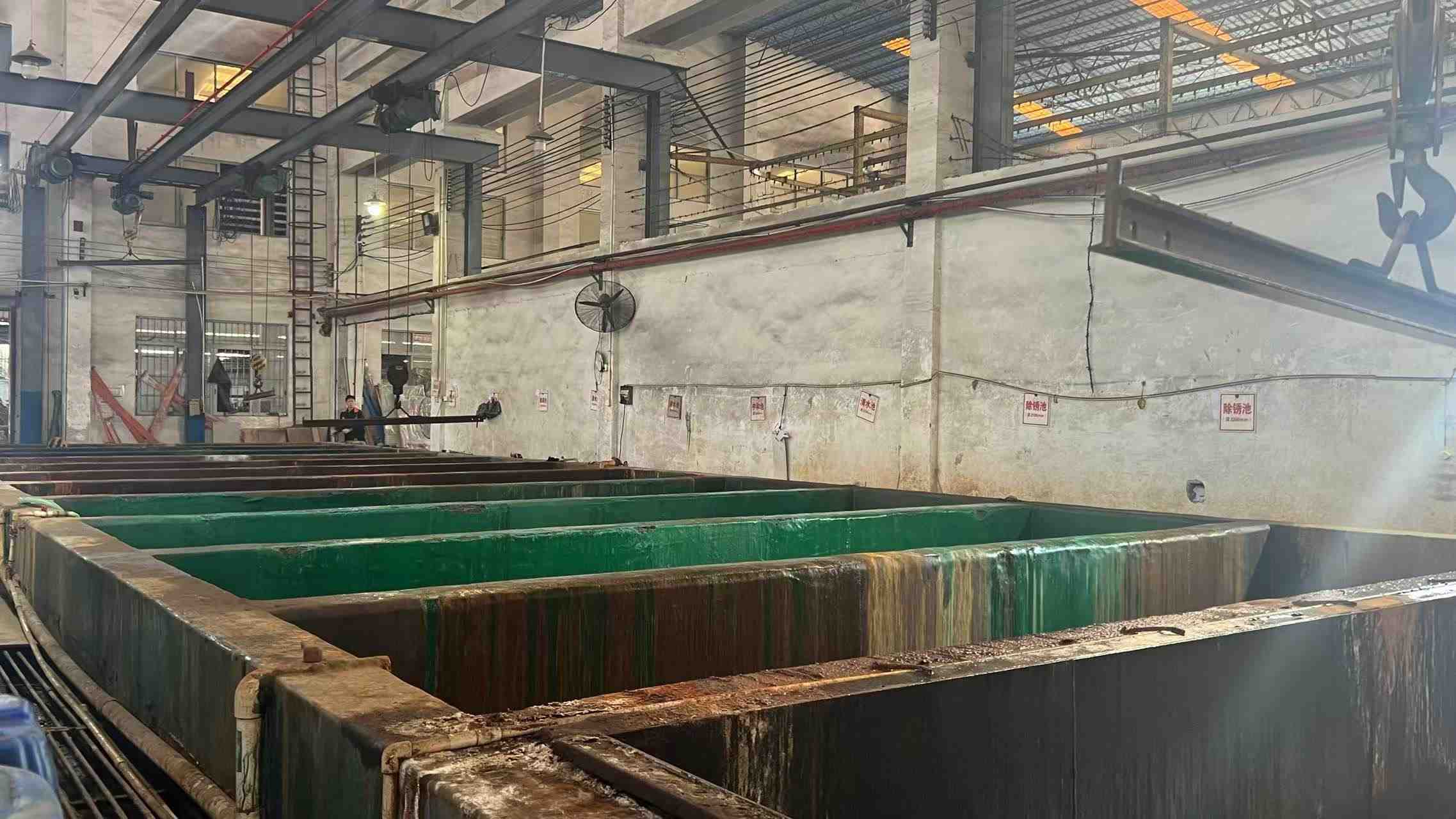
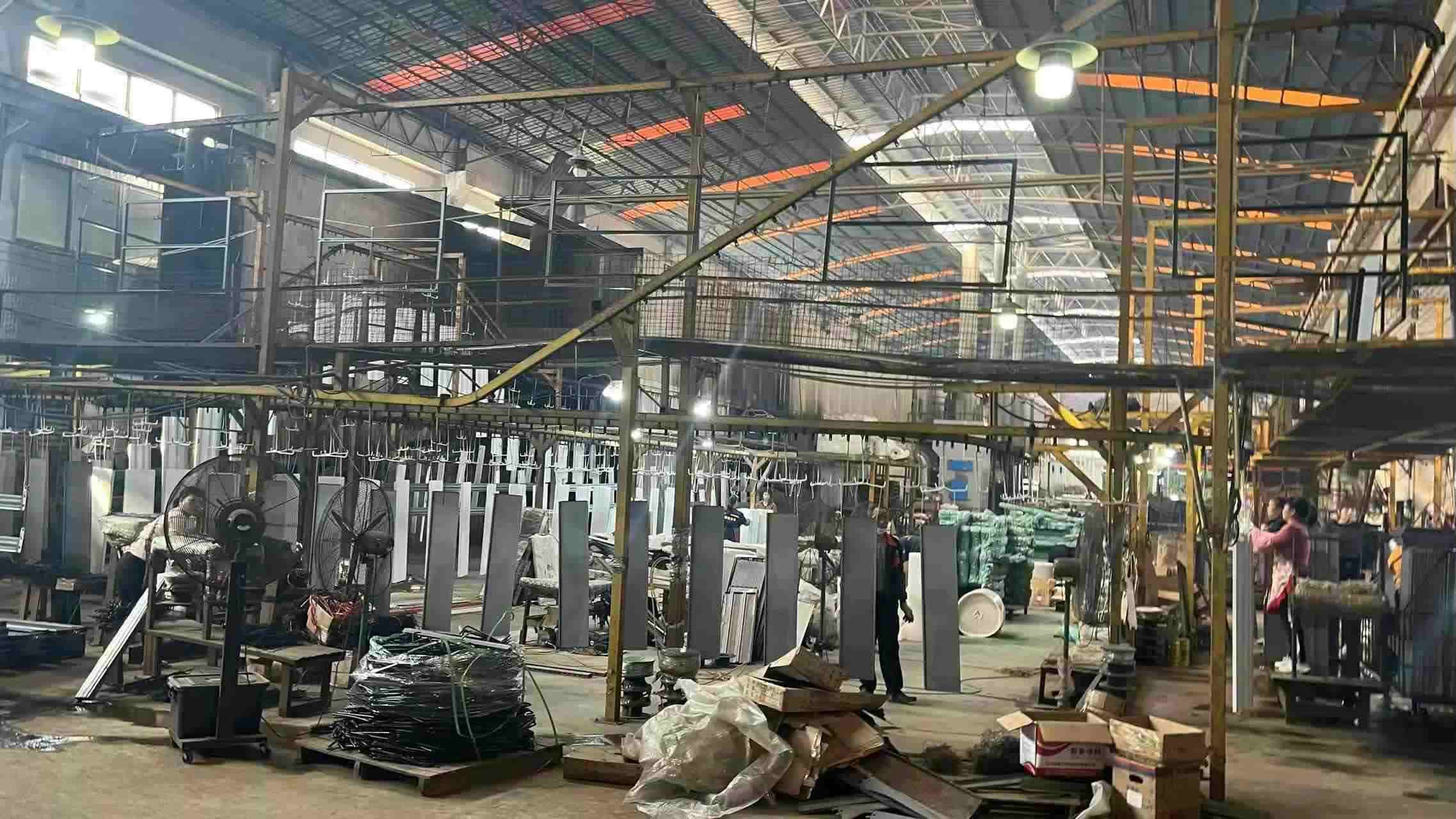
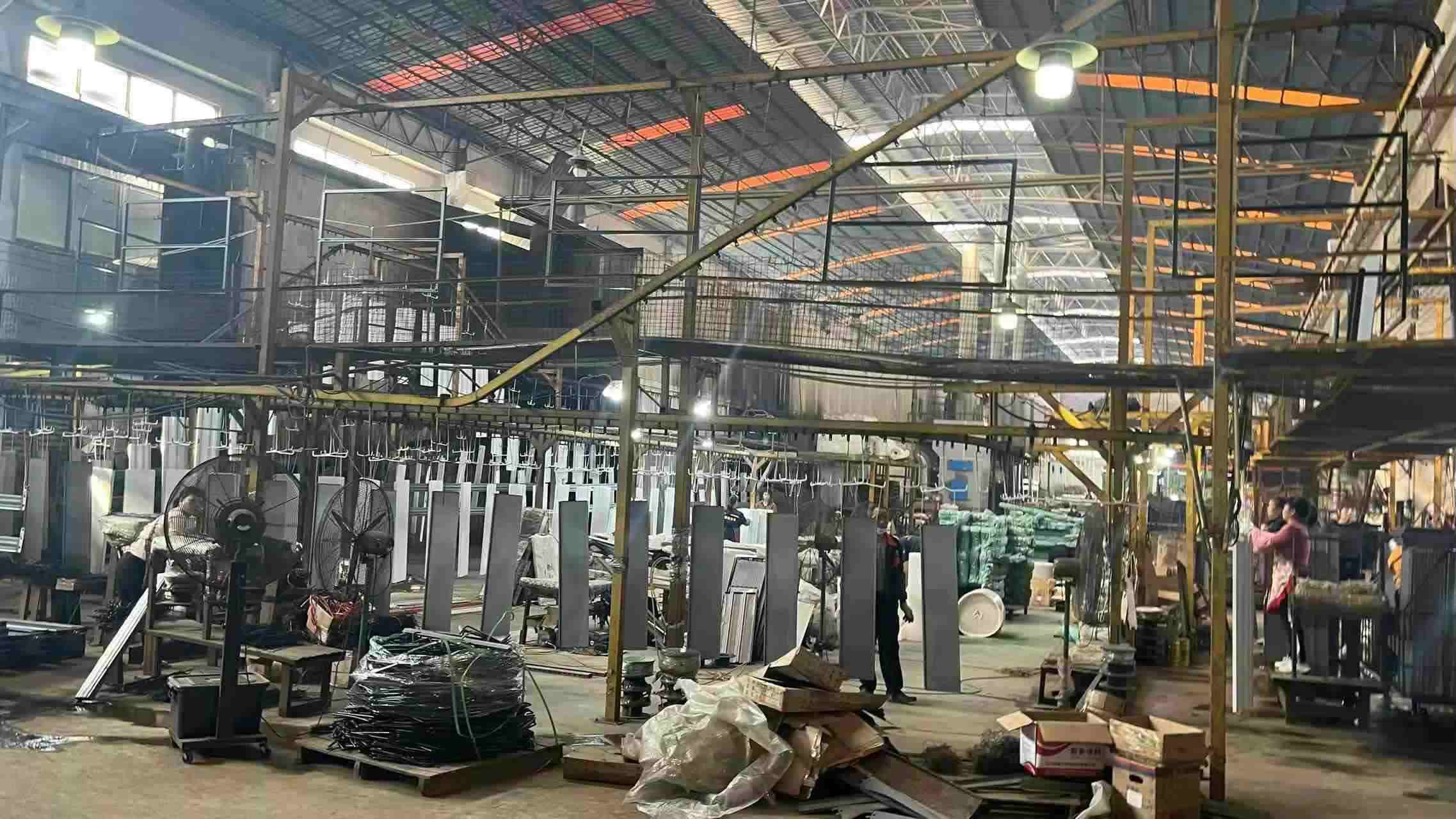
Moving storage equipment from cold environments into warm loading bays creates condensation on steel components. To prevent rust and maintain structural integrity, our automated shuttle racking systems undergo a thorough surface treatment process. This includes acid-washing, Parkerising (zinc-phosphate conversion), and electrostatic epoxy powder coating applied at a minimum thickness of 80 microns. The resulting finish is durable, impact-resistant, and protects against moisture build-up.
Certifications & Documentation: Every export shipment to Russia is supplied with material test certificates, load testing reports, and declaration documents to streamline customs clearance and ensure compliance during site inspections by Russian regulatory bodies.
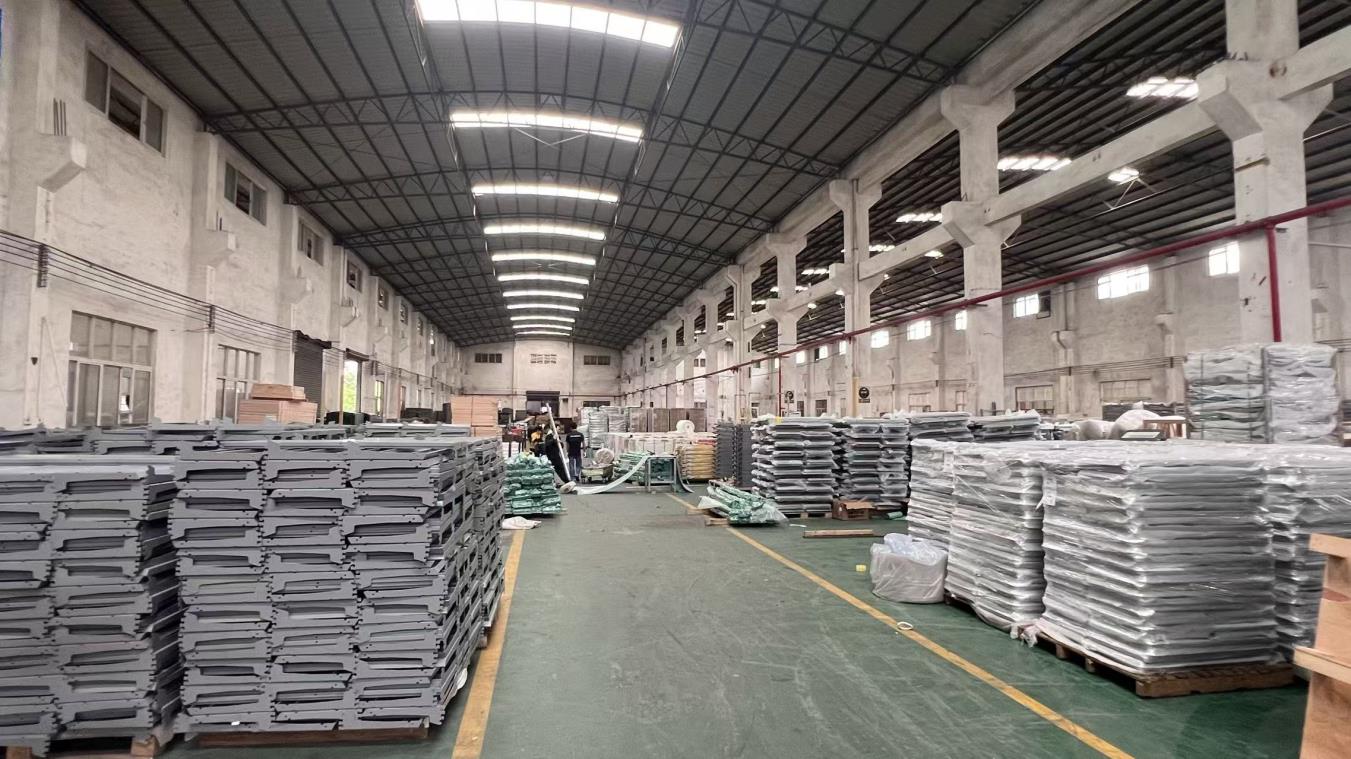
A look at the professional production and testing processes at Durack Logistics Equipment Co., Ltd.
Founded in 2014, Dongguan Durack Logistics Equipment Co., Ltd. is a premier Chinese storage racking system manufacturer operating a modern 35,000 m² facility. Backed by 12 years of industry experience and 8 years of global export history, the company generates $28 million in annual export revenue. Our operations are supported by a strict quality assurance system using full-spectrum ultrasonic testing and load-bearing stress evaluations, overseen by 45 dedicated QC specialists. Building on a strong international trading background, our core markets span North America, Europe, and Southeast Asia. We maintain a reliable supply chain network of over 850 partners, catering primarily to third-party logistics (3PL) providers, automated warehouses, and large industrial distributors. Driven by an active R&D division with 65 specialized engineers, Durack offers full OEM/ODM customization options—including bespoke beam profiles, structural steel grades, and dynamic layout designs—launching over 120 new storage products last year.
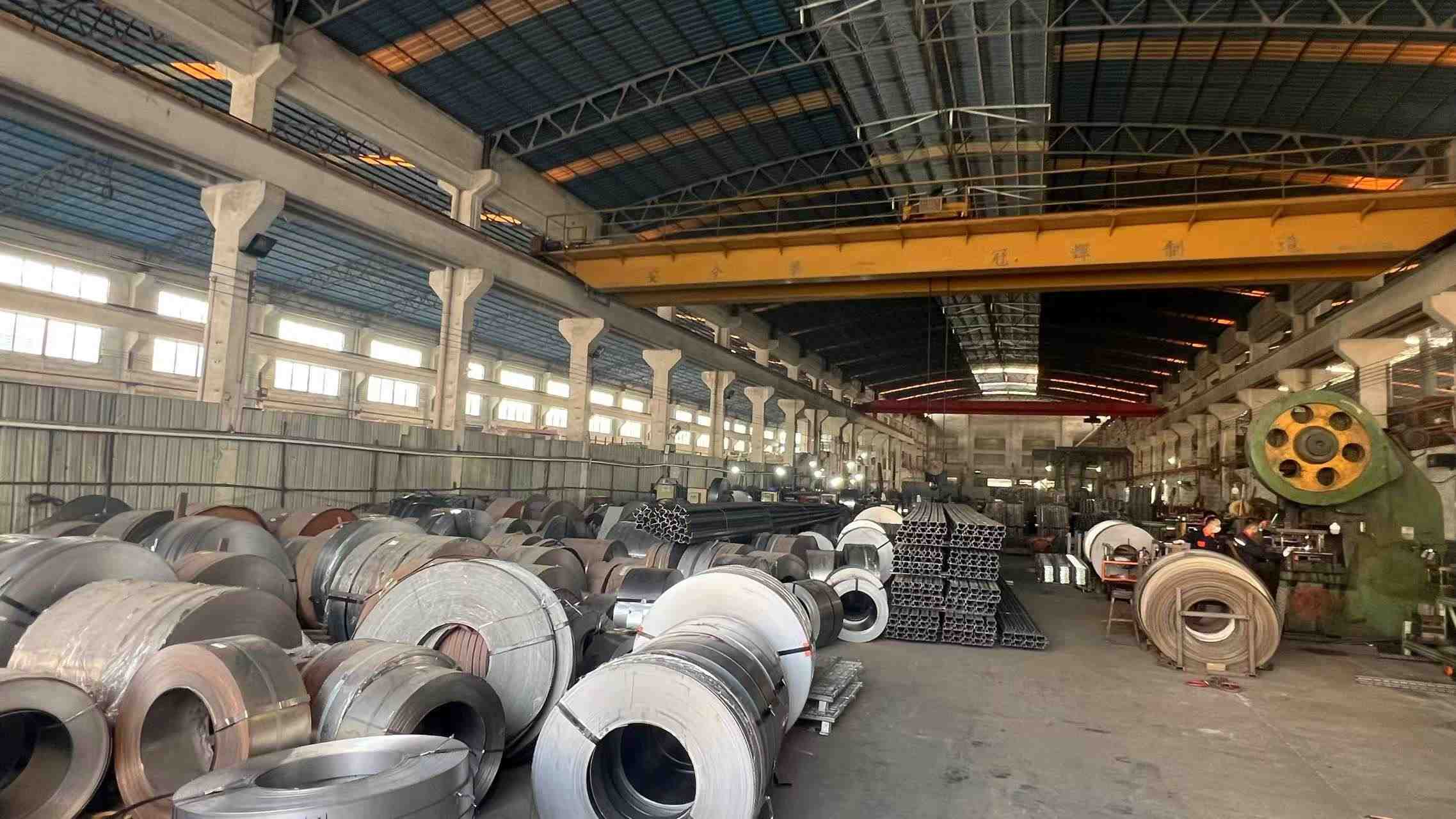
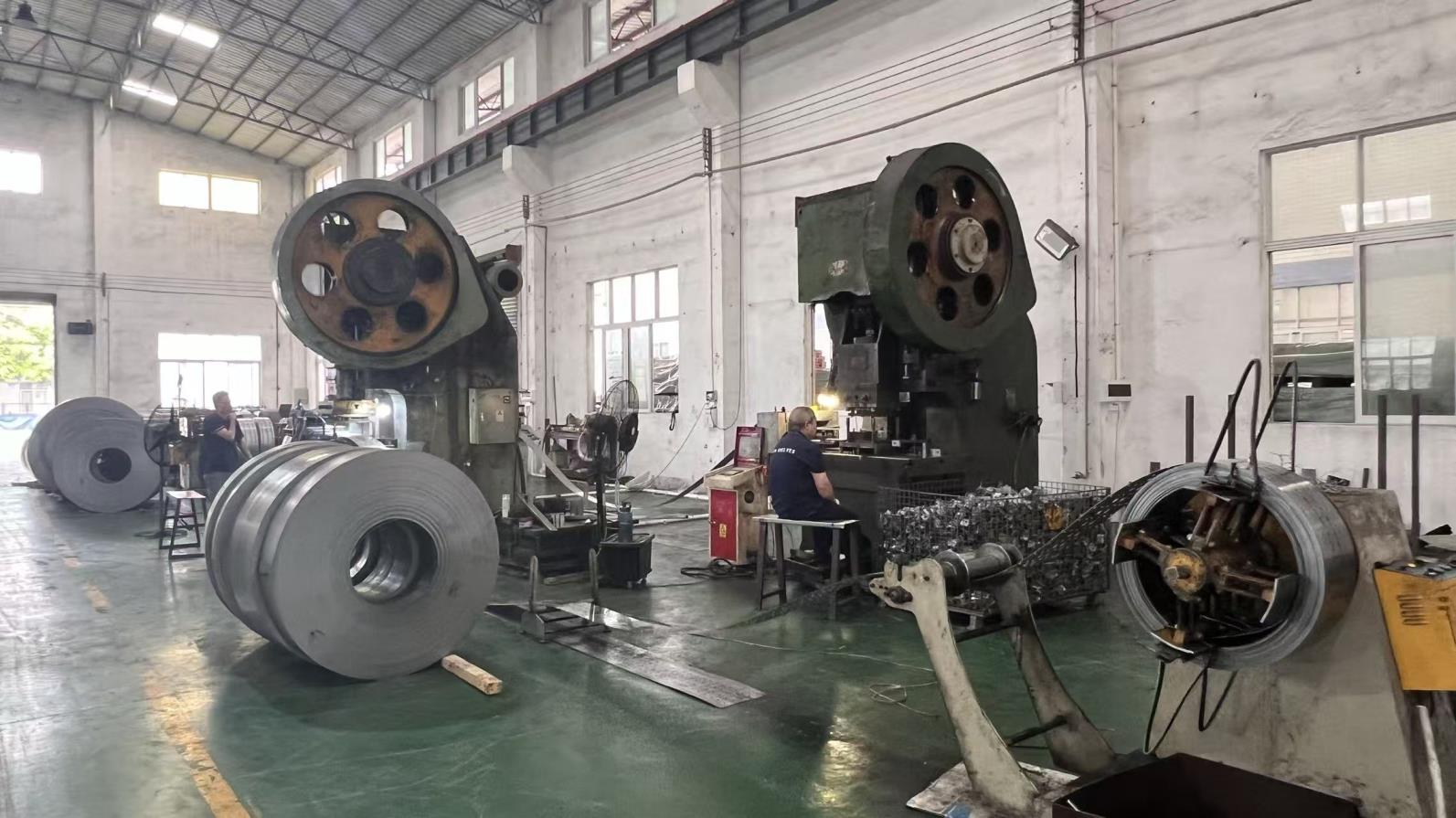
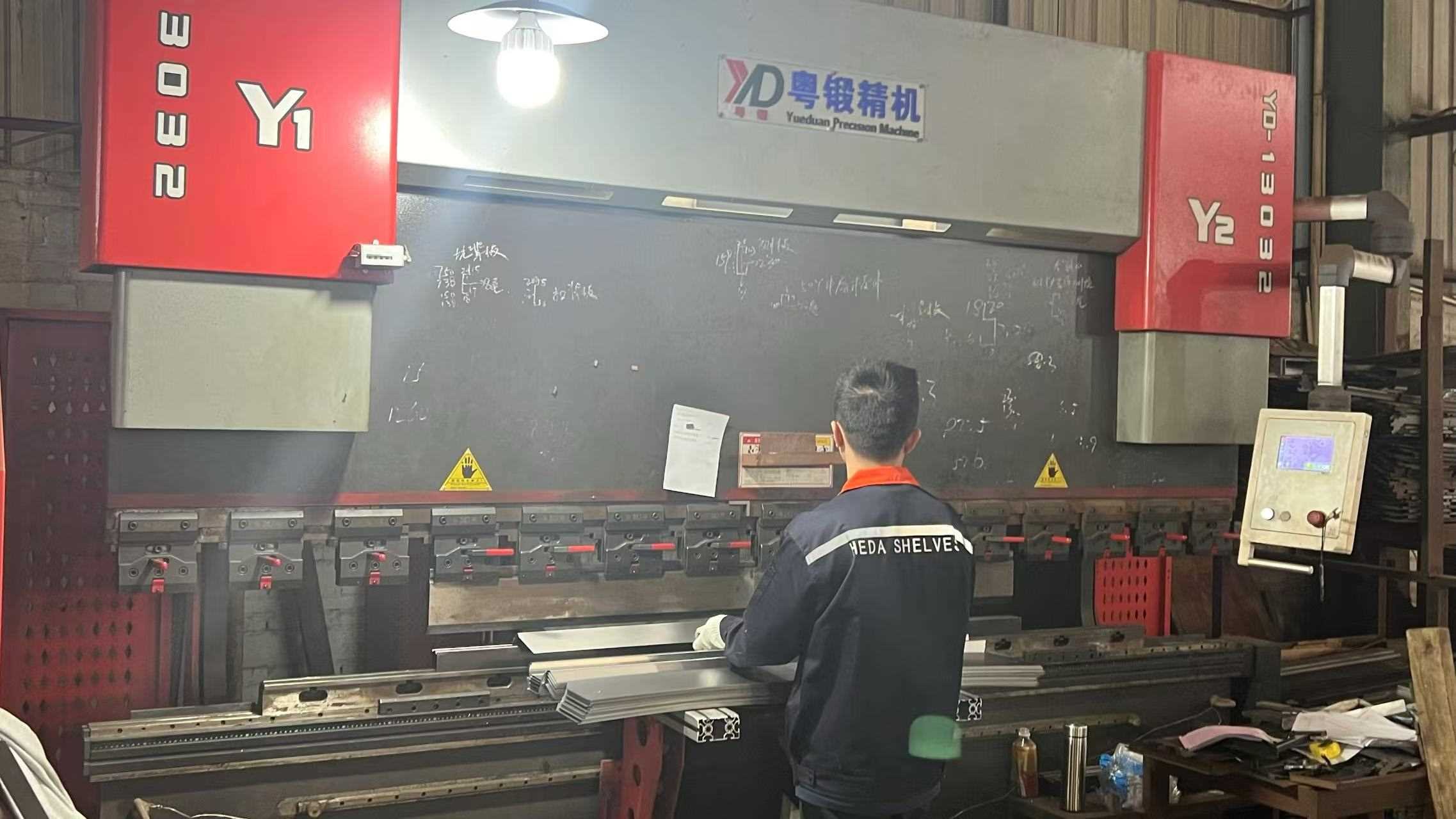
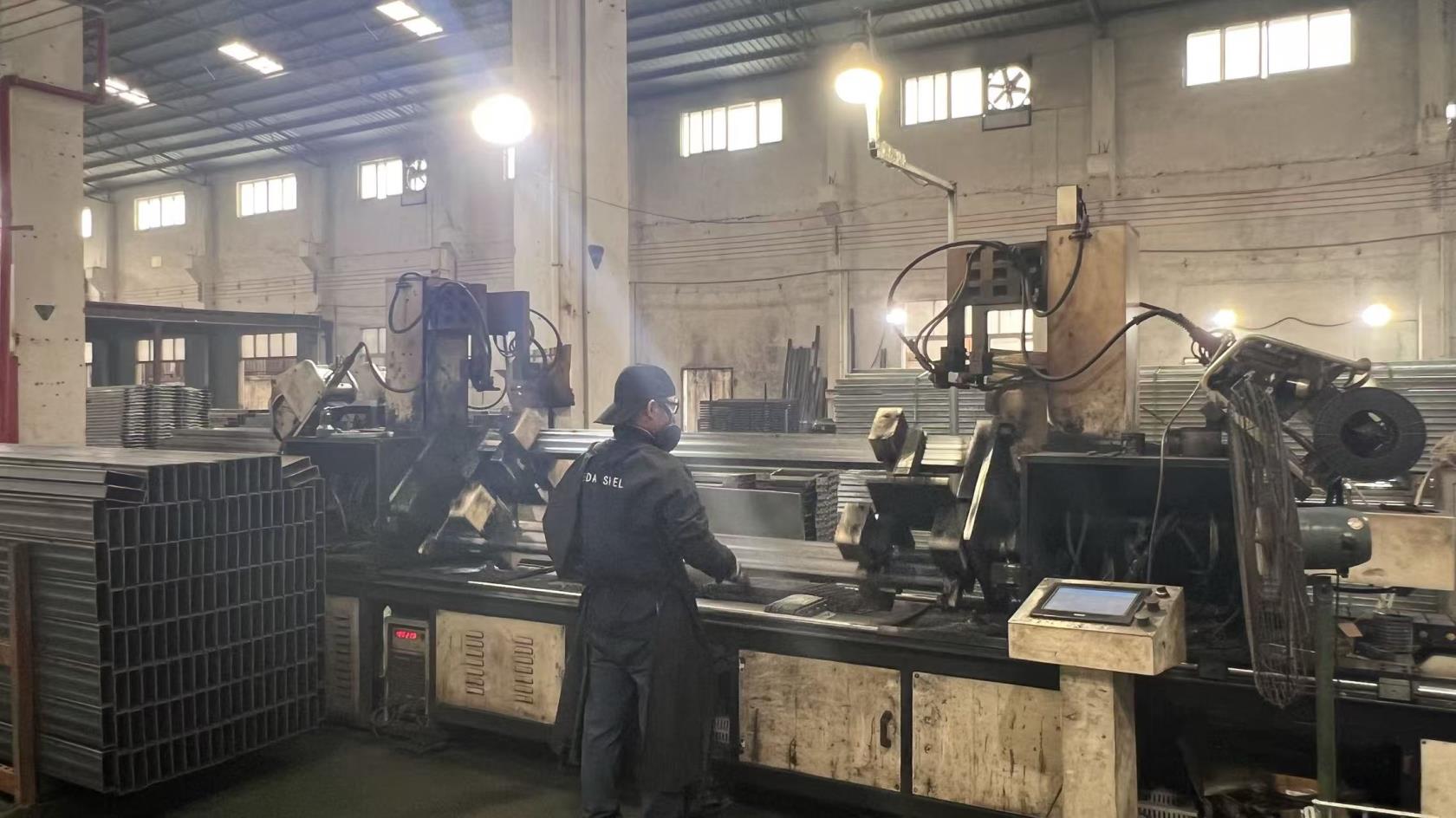
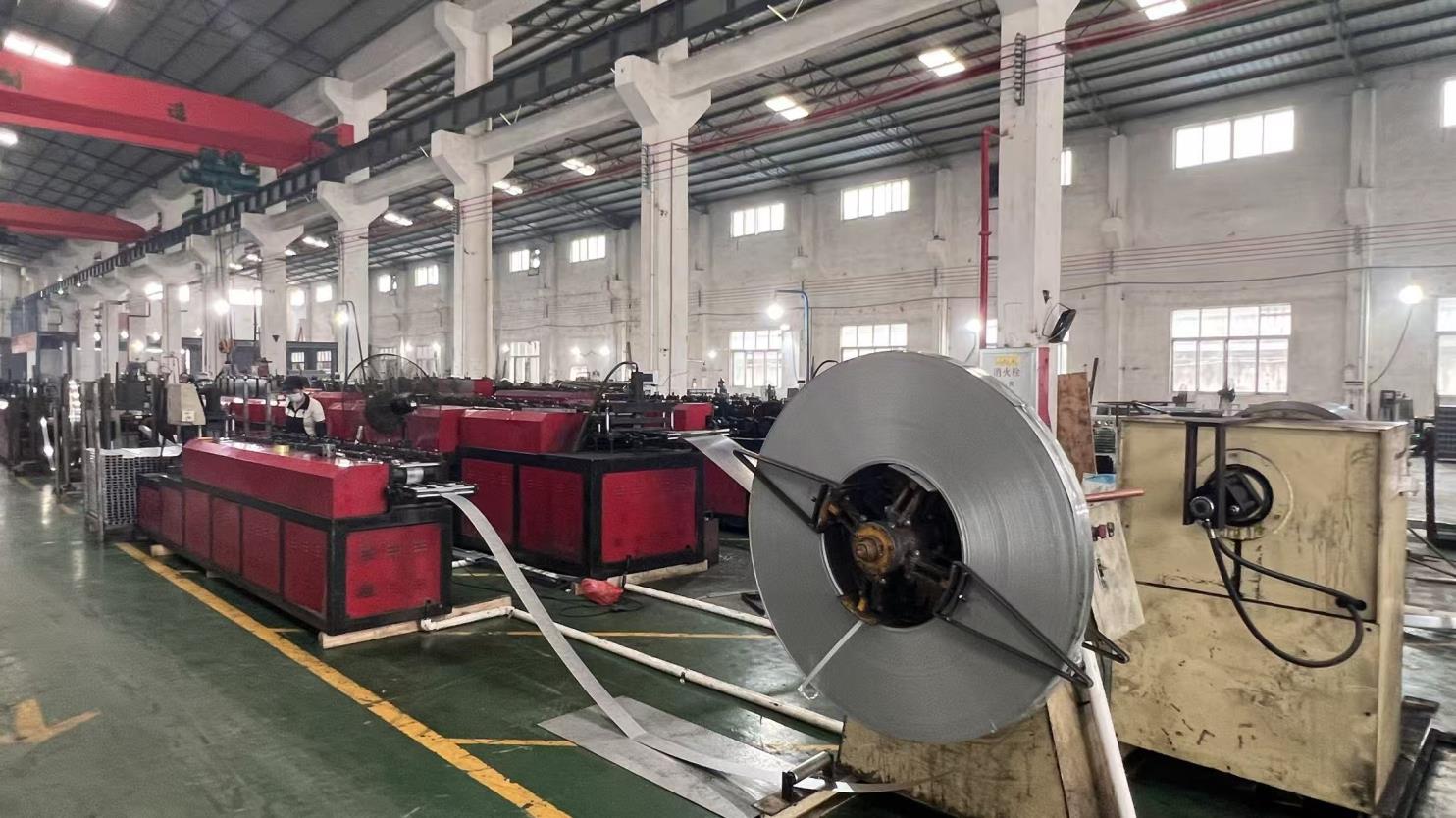
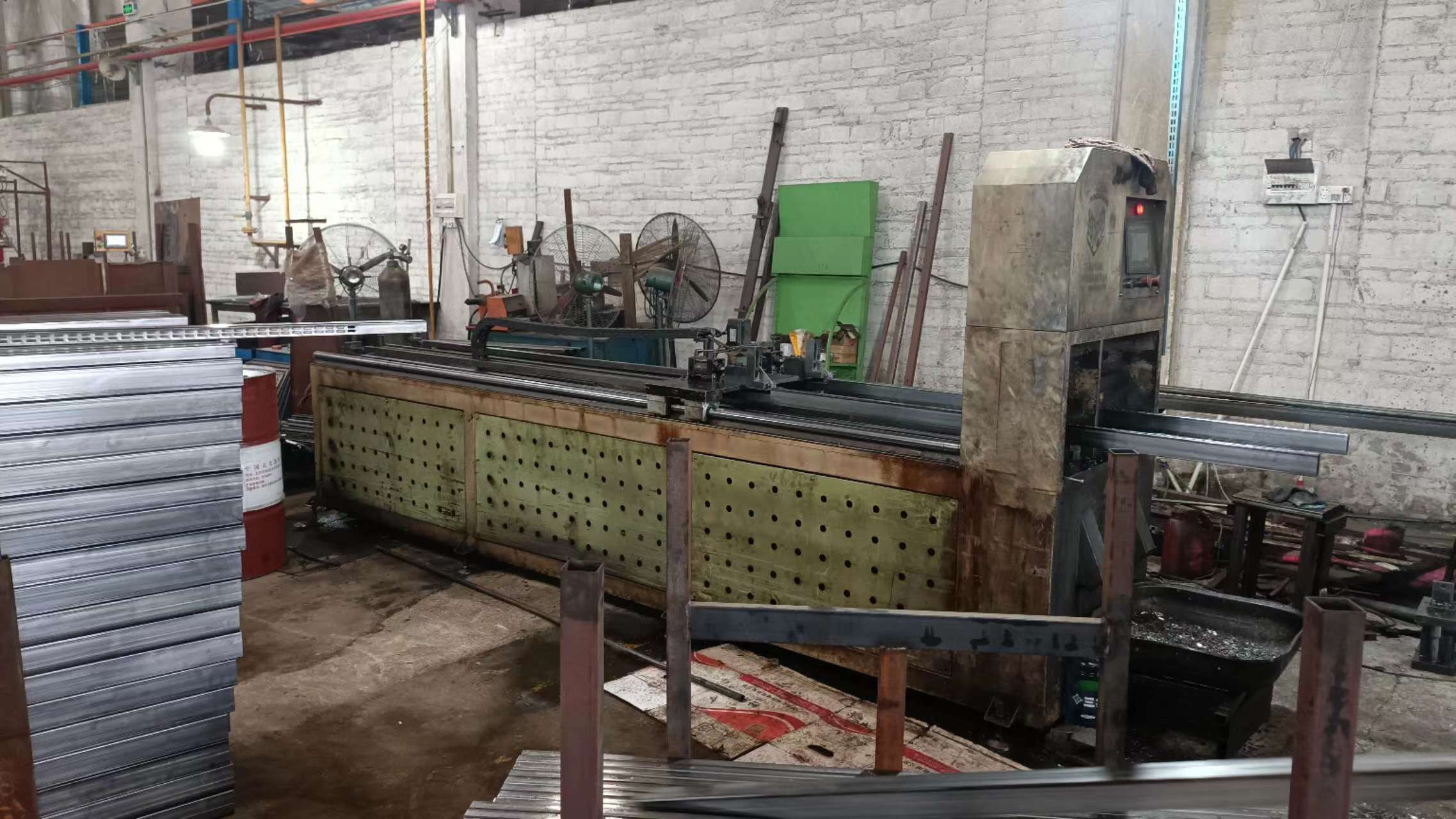
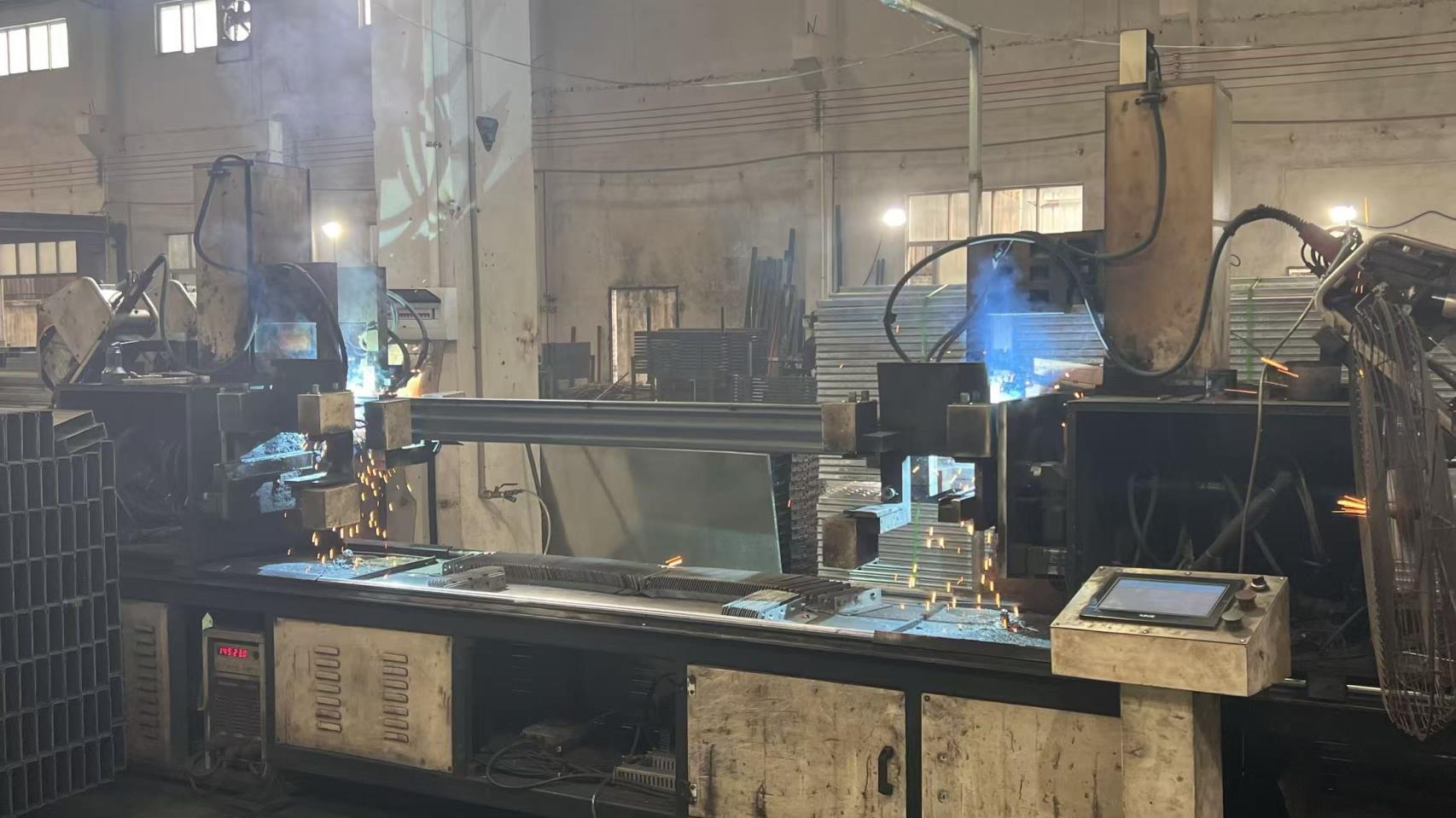
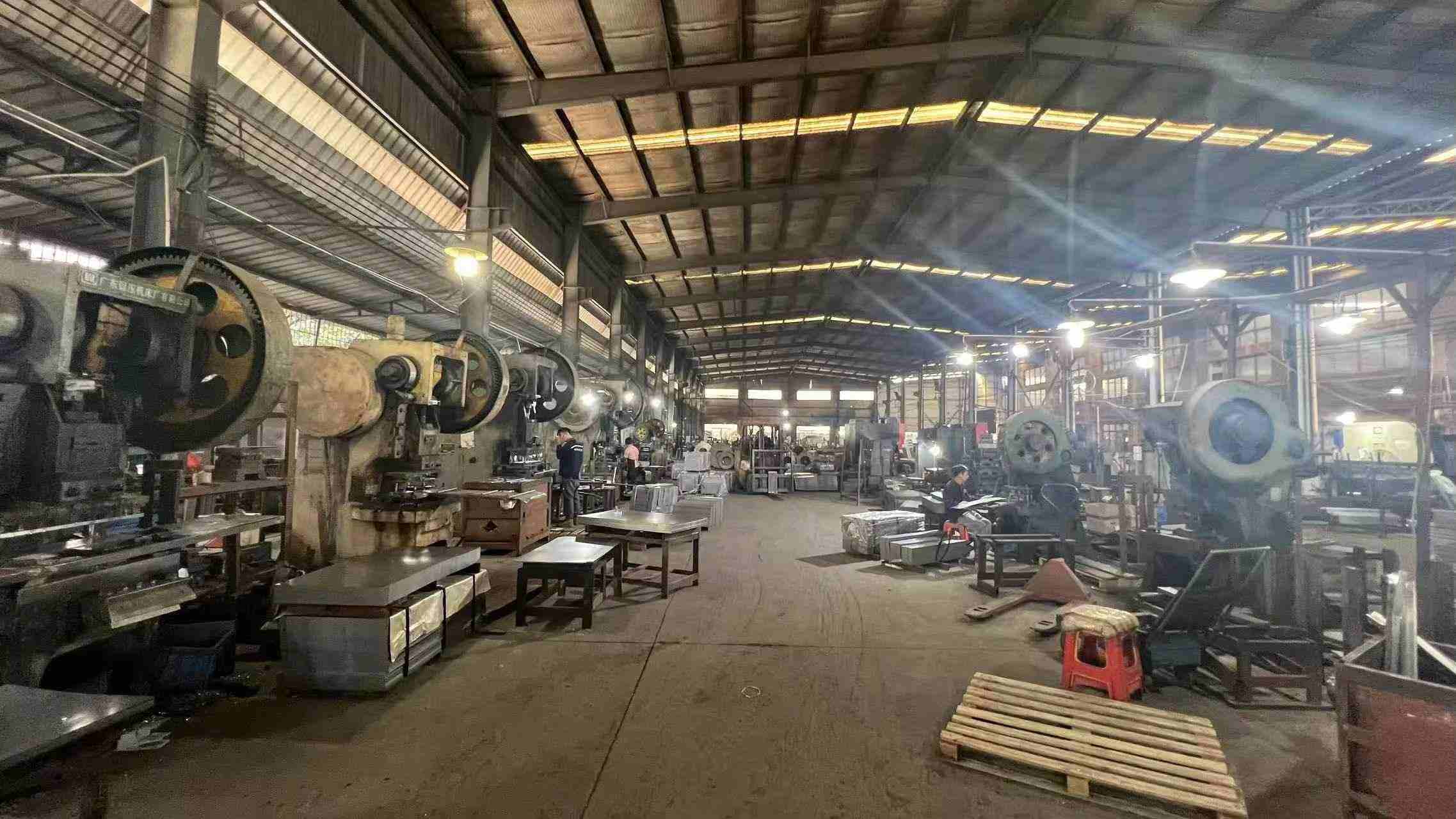
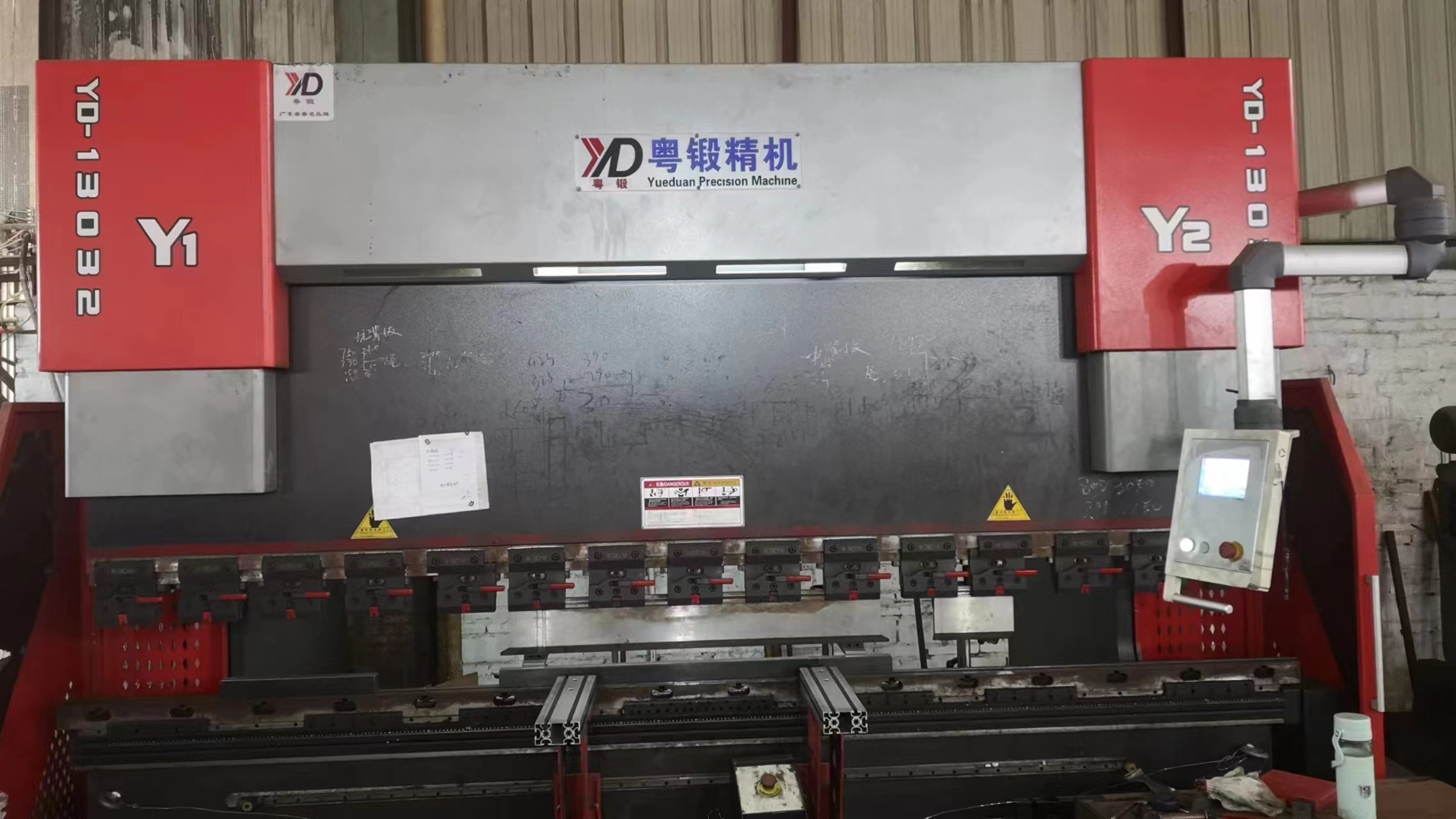
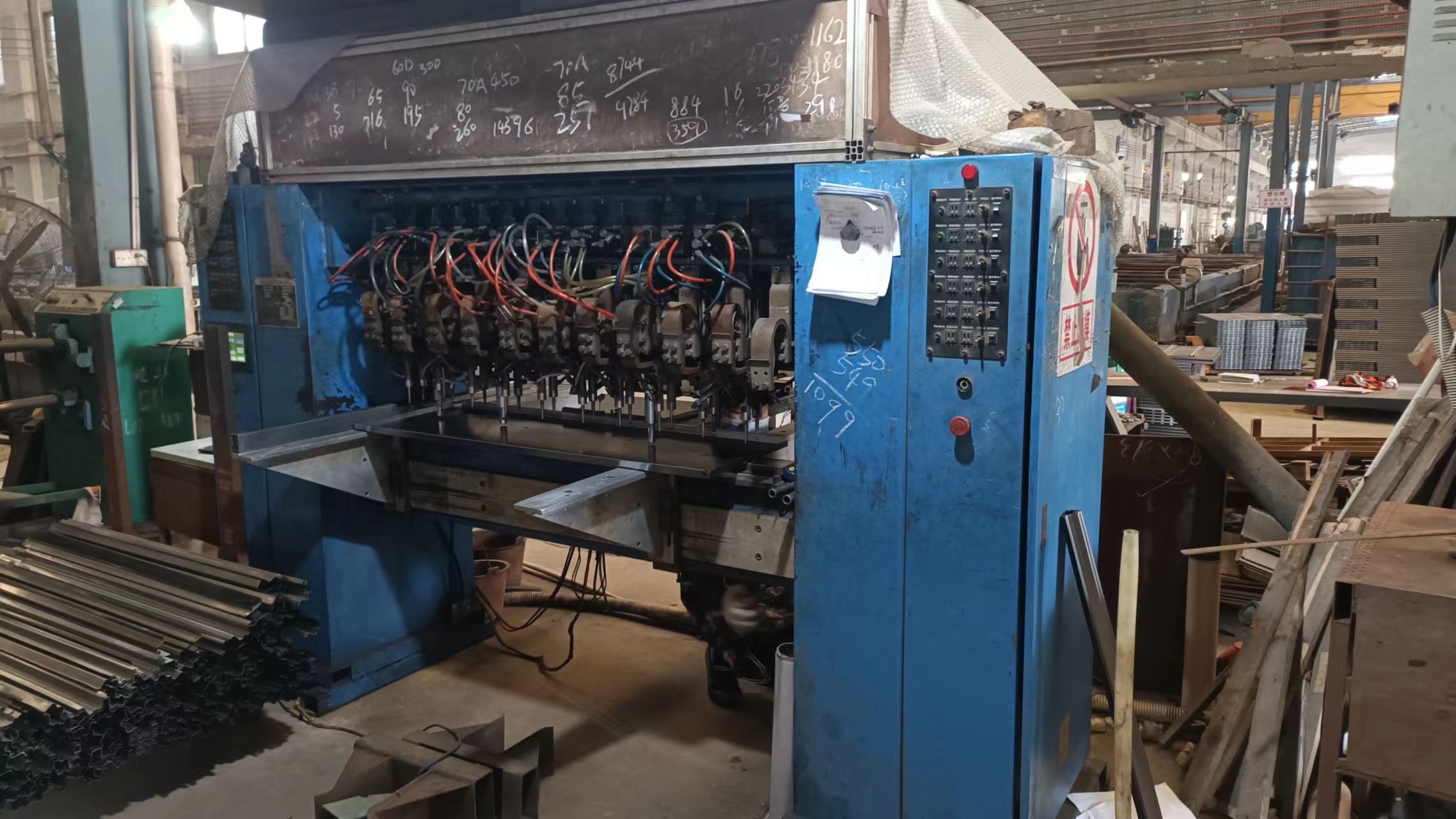
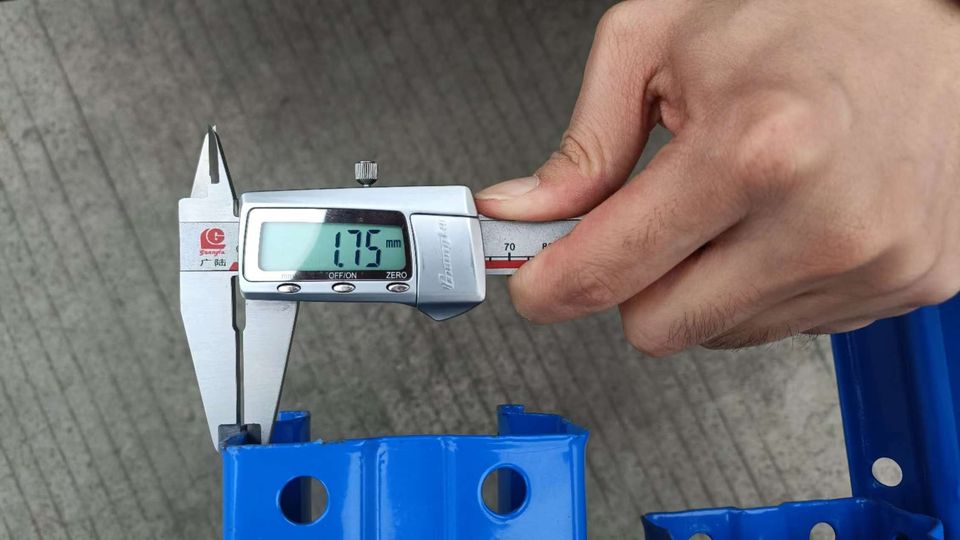
Ensuring structural steel thicknesses match engineering drawings within a ±0.05mm tolerance limit.
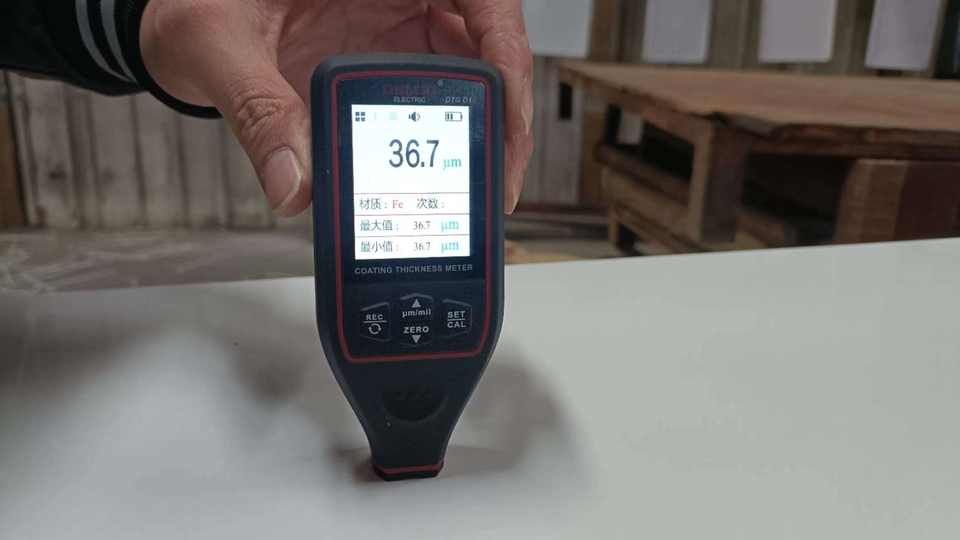
Ensuring consistent powder coating thickness to prevent rust formation in cold storage environments.
How Russian businesses deploy automated shuttle racking systems to address regional supply chain requirements.
Distributing frozen meats, dairy products, and ready-made meals requires strict temperature controls down to -30°C. By deploying our radio shuttle system, regional distributors increase their storage capacity by 80% compared to traditional reach-truck setups, ensuring reliable operation under constant cold storage conditions.
To manage high transaction volumes and seasonal spikes across Siberia, logistics operators require fast order picking. Integrating 4-Way pallet shuttles with local warehouse management software (WMS) allows for continuous, semi-automated fulfillment without relying on a large warehouse staff.
Heavy manufacturing facilities and metalworking plants require robust storage solutions for dense, heavy parts. Heavy-duty shuttle systems designed to hold up to 1,500 kg per pallet provide safe, organized inventory control that stands up to demanding industrial workloads.
Technological trends shaping high-density industrial storage over the next decade.
The warehouse automation market is moving toward fully connected systems. As a leading manufacturer, our R&D roadmap focuses on three primary developments: intelligent diagnostics, energy recovery systems, and seamless software integration.
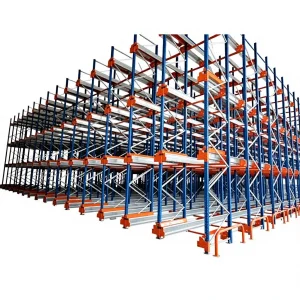
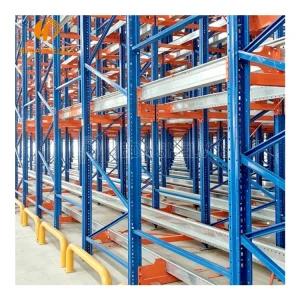
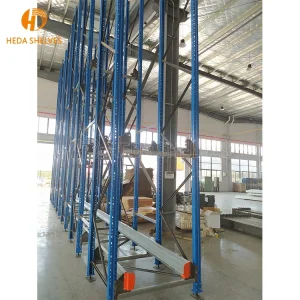
Built using high-strength steel and backed by comprehensive quality testing. Click below to view specifications.
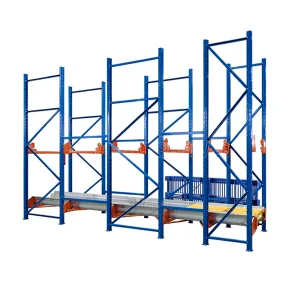
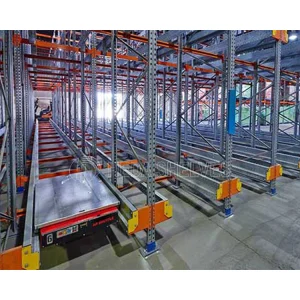
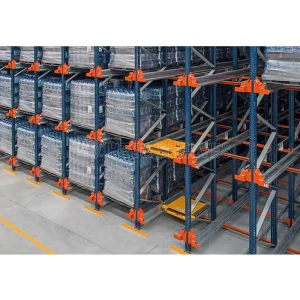
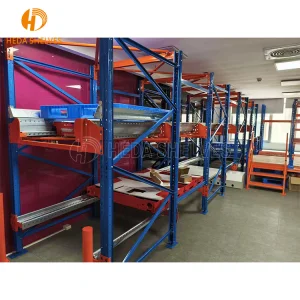
Detailed engineering and logistical answers to frequently asked questions from project managers and supply chain directors.
For operations below -20°C, typical structural carbon steel (like Q235B) is not recommended due to cold embrittlement. We construct our systems using low-alloy, high-strength steel grades like Q355D or Q355E. These steels are tested for impact toughness at sub-zero temperatures, ensuring the structural stability of the racking system in freezing environments.
Our engineering designs comply with the key national standards for industrial storage systems in Russia, including GOST R 55525-2017 (general requirements for storage equipment) and GOST R 56567-2015. We provide necessary technical passports, load calculations, and quality certificates to assist with site installation audits.
Yes. Our Warehouse Control System (WCS) features open APIs and supports TCP/IP, Modbus, or OPC communications. This enables integration with popular Russian logistics platforms, including 1C:WMS, LeadWMS, and Axelot, allowing for coordinated pallet tracking and automated dispatching.
Condensation occurs when shuttles or cold pallets move between cold storage zones and warmer loading areas. To prevent rust, we apply a zinc-phosphate pretreatment followed by an electrostatic powder coating cured at high temperatures. This creates a durable barrier that protects the structural steel from moisture and corrosion.
Manufacturing generally takes 30 to 45 days, depending on the size of the project. Shipping is arranged via rail freight (such as the China-Europe Railway Express) or sea-land routes via Vladivostok or St. Petersburg. We supply complete customs documentation—including HS codes, certifications, and packing lists—to ensure efficient customs clearance.
Connect with our engineering team today. We provide full layout design, seismic calculations, and GOST-compliant specifications tailored to your warehouse project.
Send Inquiry Now Durack