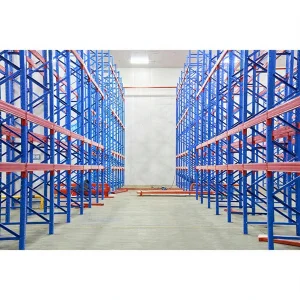
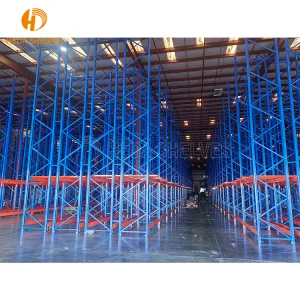
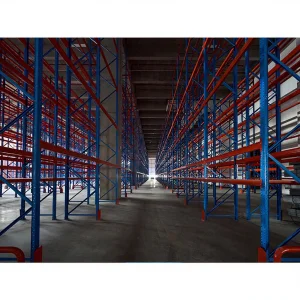
Highly adjustable, heavy-duty storage configurations optimized for the fast-paced inventory turns typical in Montevideo’s primary logistics hubs and regional trade distribution ports.
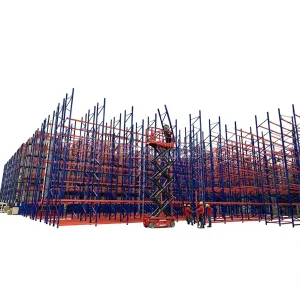
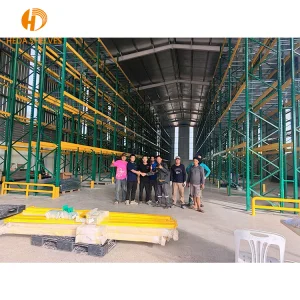
Uruguay has steadily positioned itself as a critical logistical gateway for the Southern Cone of South America (MERCOSUR). Strategically situated between commercial giants Brazil and Argentina, the country relies heavily on modern warehouse infrastructure to handle the transit of high-value goods. The **Port of Montevideo** operates under a unique "Free Port" regime, which, alongside specialized Free Trade Zones (FTZs) such as **Zonamerica, Parque de las Ciencias, and WTC Free Zone**, offers tax-exempt storage and value-added processing. Consequently, logistics providers (3PLs) and industrial enterprises require highly robust, scalable storage systems to optimize cost per square meter while maintaining absolute operational agility.
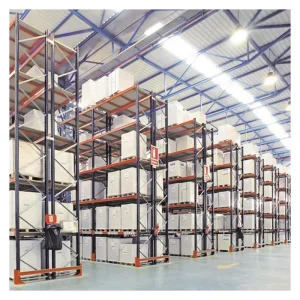
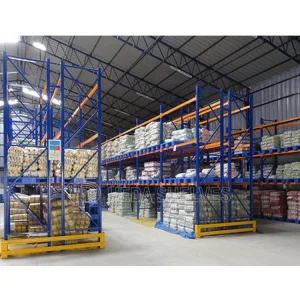
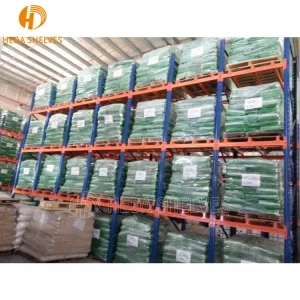
Industrial development in regions like Canelones, San José, and the outskirts of Montevideo has generated an unprecedented demand for heavy-duty selective pallet racking. These systems must support diverse inventory profiles, ranging from fast-moving consumer goods (FMCG) and pharmaceutical cold chains to heavy machinery components. Given that land availability close to key maritime and airport terminals is premium, maximizing vertical storage height via engineered selective and double-deep racking configurations has transitioned from a best practice to an operational necessity for Uruguayan logistics managers.
Furthermore, Uruguay's agricultural sector—specifically beef export, dairy processing, and forestry products—drives a significant portion of the country's cold storage requirement. Temperature-controlled environments demand racking materials that can withstand sub-zero conditions without suffering structural embrittlement. This requires precise raw material selection, specialized anti-corrosive powder coatings, and precise manufacturing processes that prevent stress corrosion cracking over decades of thermal cycling.
When deploying heavy-duty pallet racking in Uruguay, engineering teams must evaluate specific local environmental conditions. Unlike Western Andean countries, Uruguay does not experience extreme seismic events; however, structural calculations must still account for dynamic building codes, structural wind loads (especially in coastal Montevideo and Maldonado), and soil-structure interaction. The foundation designs must distribute loads safely through concrete slabs, requiring high-precision baseplates and anchor bolts engineered to handle intense floor loading.
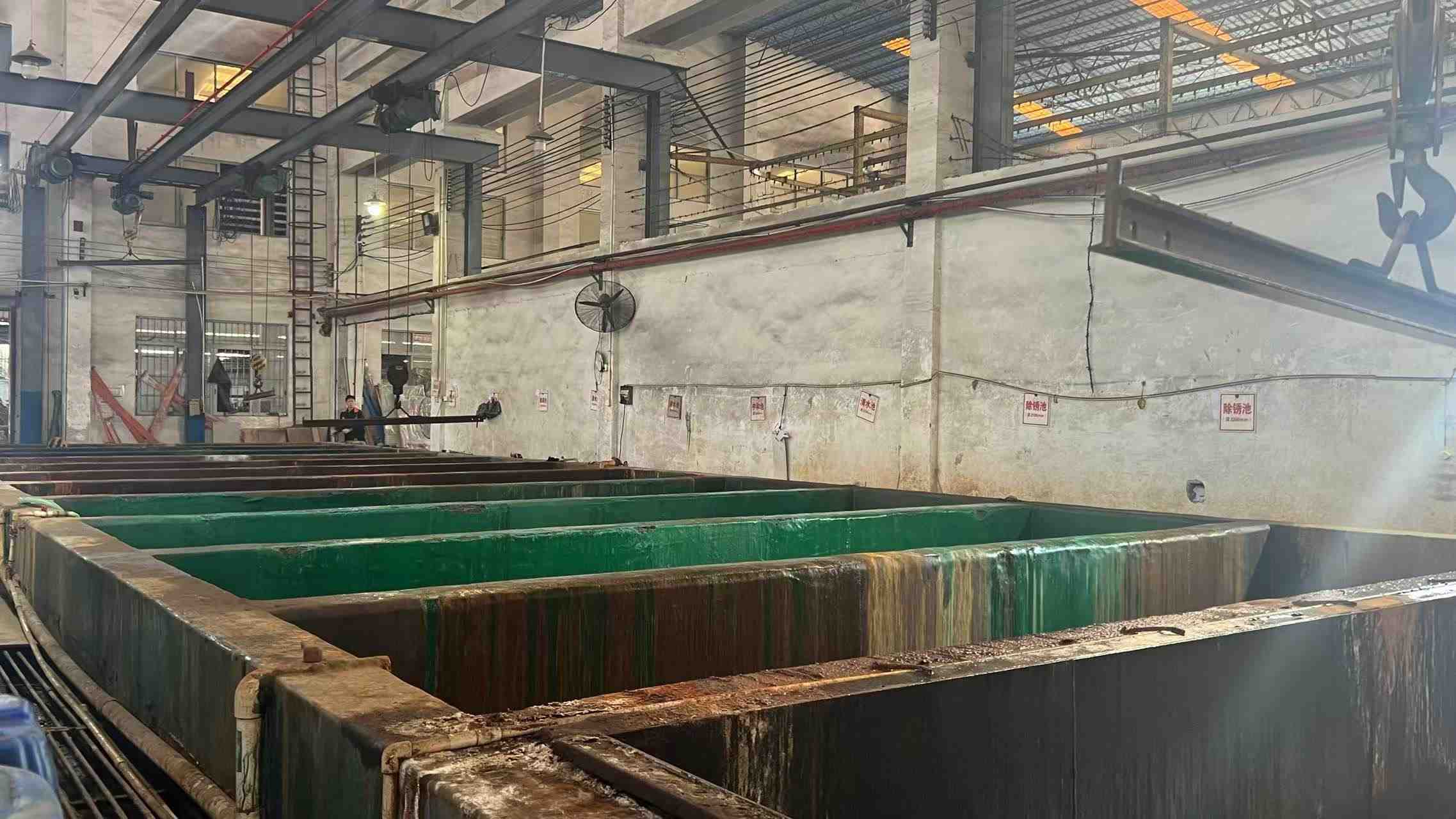
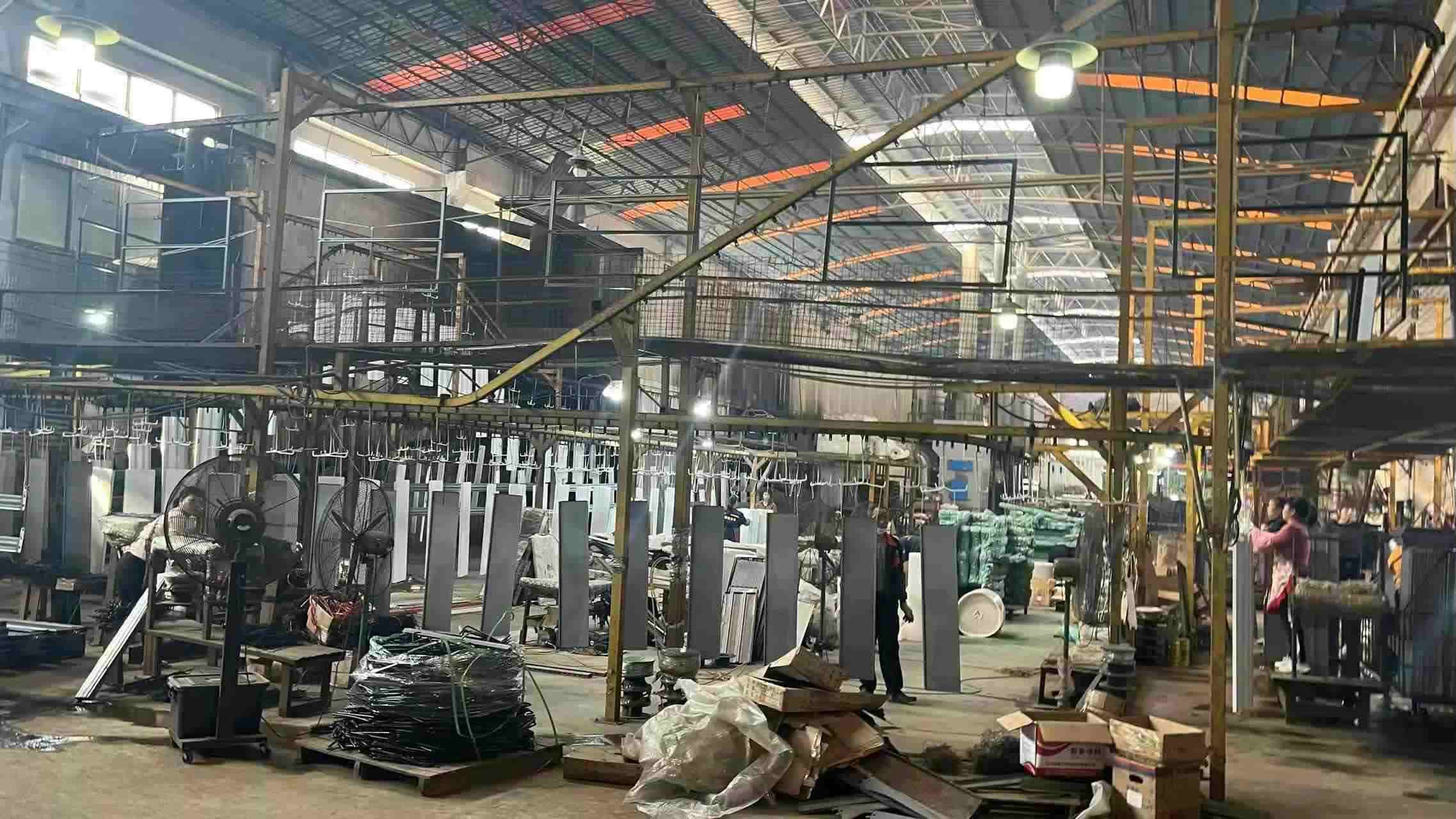
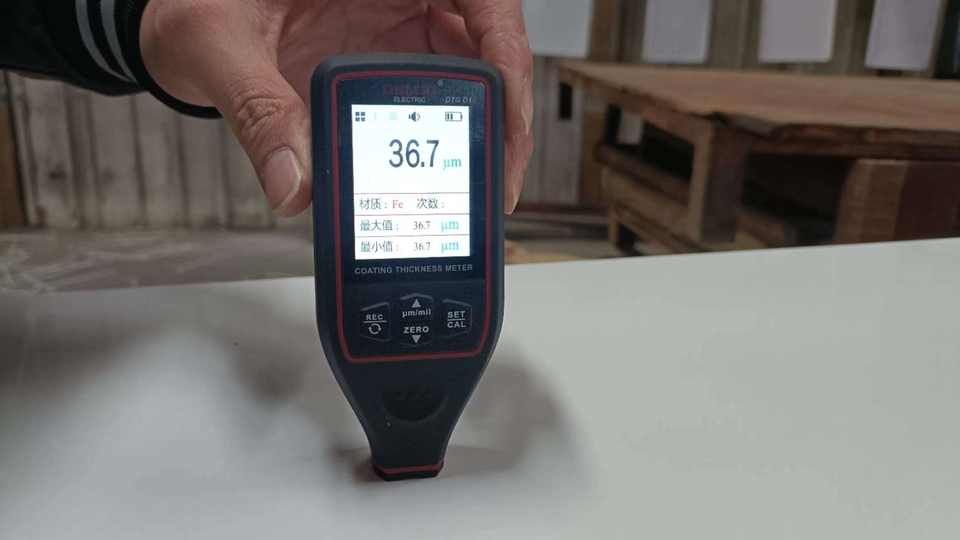
Montevideo’s maritime climate features high relative humidity and salt-laden air, which rapidly accelerates oxidation on untreated structural steel. To guarantee reliability, our selective pallet racking systems destined for Uruguay undergo an advanced multi-stage preparation process, including **Acid-washing and Parkerising** (phosphate conversion coating), followed by a high-durability electrostatic **plastic powder coating** cured at high temperatures. This ensures an impermeable barrier against moisture, saline environments, and chemical exposures in pharmaceutical or cold-storage applications.
Compliance with international engineering standards is vital for multinational corporations operating in Uruguayan Free Zones. Our manufacturing processes conform strictly to European Standard **EN 15512** and American **RMI (Rack Manufacturers Institute)** specifications. This dual compliance ensures that our beams and uprights possess calculated safety factors exceeding 1.5, allowing operators to run heavy forklift operations with peace of mind. Every upright profile is optimized with engineered teardrop or European-style perforations, enabling quick vertical adjustments at 50mm or 75mm increments while maintaining robust structural rigidity.
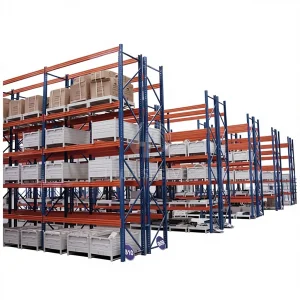
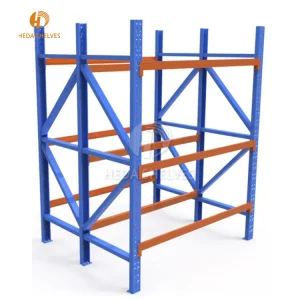
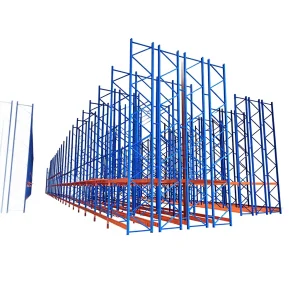
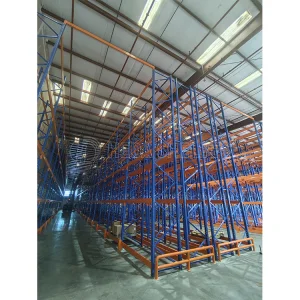
Engineered configurations featuring high load-bearing capacity, customizable beam heights, and premium structural coatings to withstand demanding operational conditions.
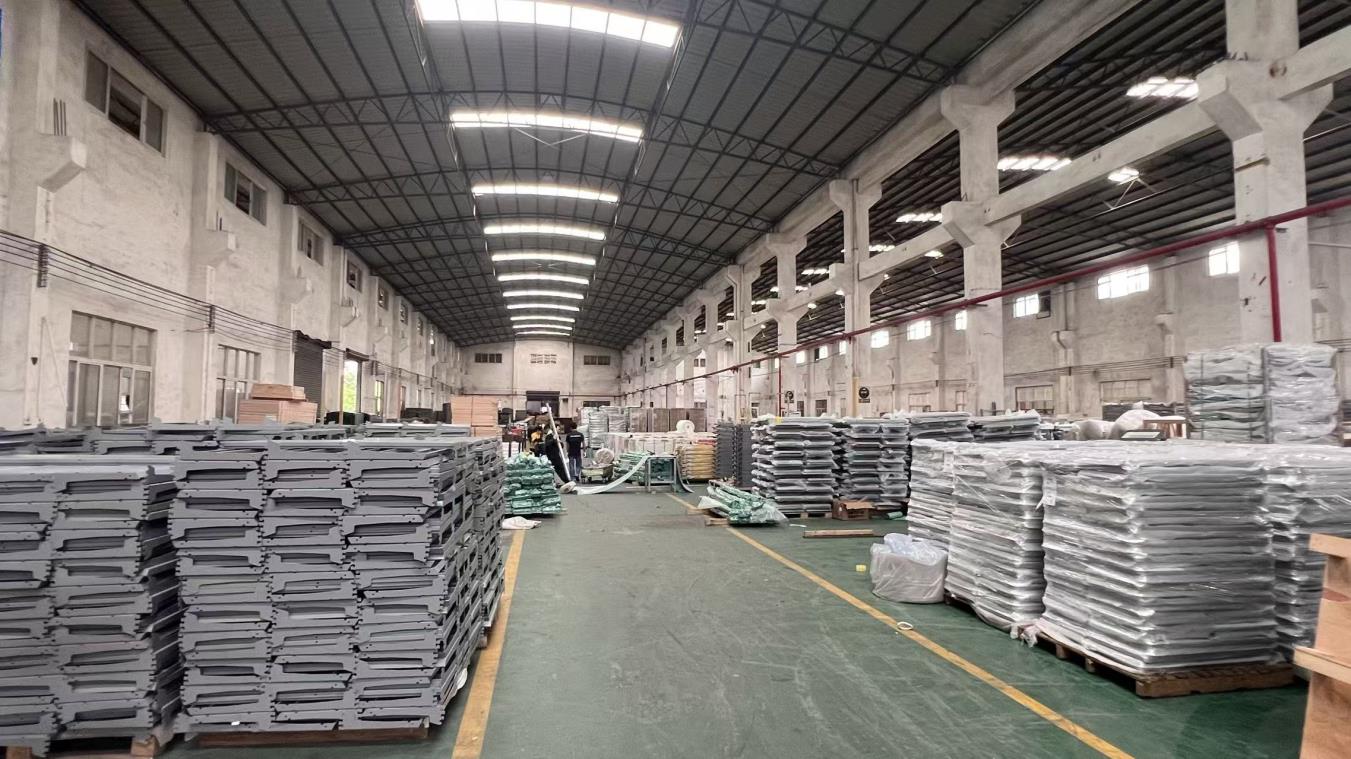
Founded in 2014, Dongguan Durack Logistics Equipment Co., Ltd. is a premier Chinese storage racking system manufacturer operating a 35,000 m² facility. Backed by 12 years of industry experience and 8 years of global export history, the company generates $28 million in annual export revenue. Our operations are supported by a strict quality assurance system using full-spectrum ultrasonic testing and load-bearing stress evaluations, overseen by 45 dedicated QC specialists. Building on a strong international trading background, our core markets span North America, Europe, and Southeast Asia. We maintain a reliable supply chain network of over 850 partners, catering primarily to third-party logistics (3PL) providers, automated warehouses, and large industrial distributors. Driven by an active R&D division with 65 specialized engineers, Durack offers full OEM/ODM customization options—including bespoke beam profiles, structural steel grades, and dynamic layout designs—launching over 120 new storage products last year.
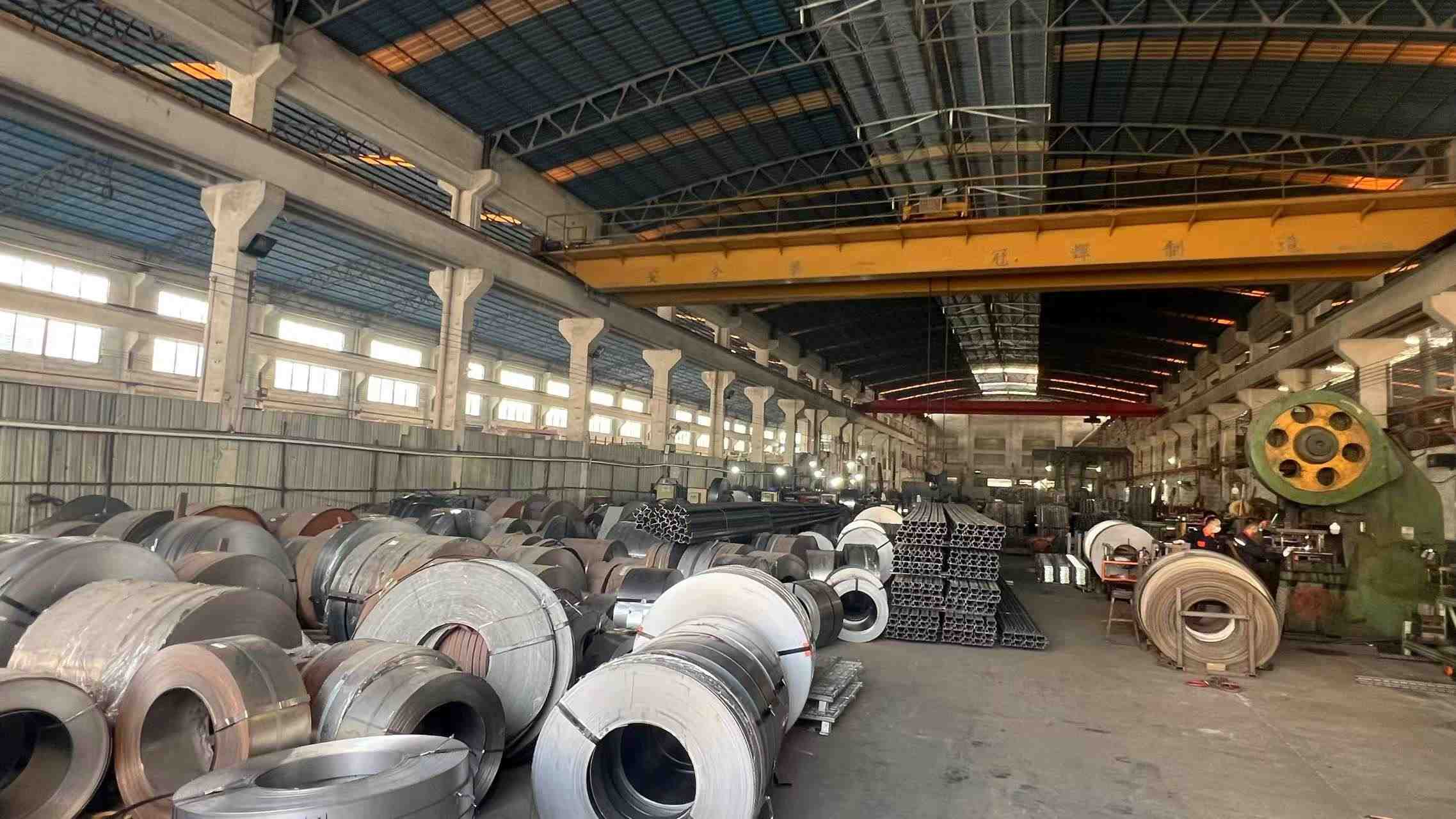
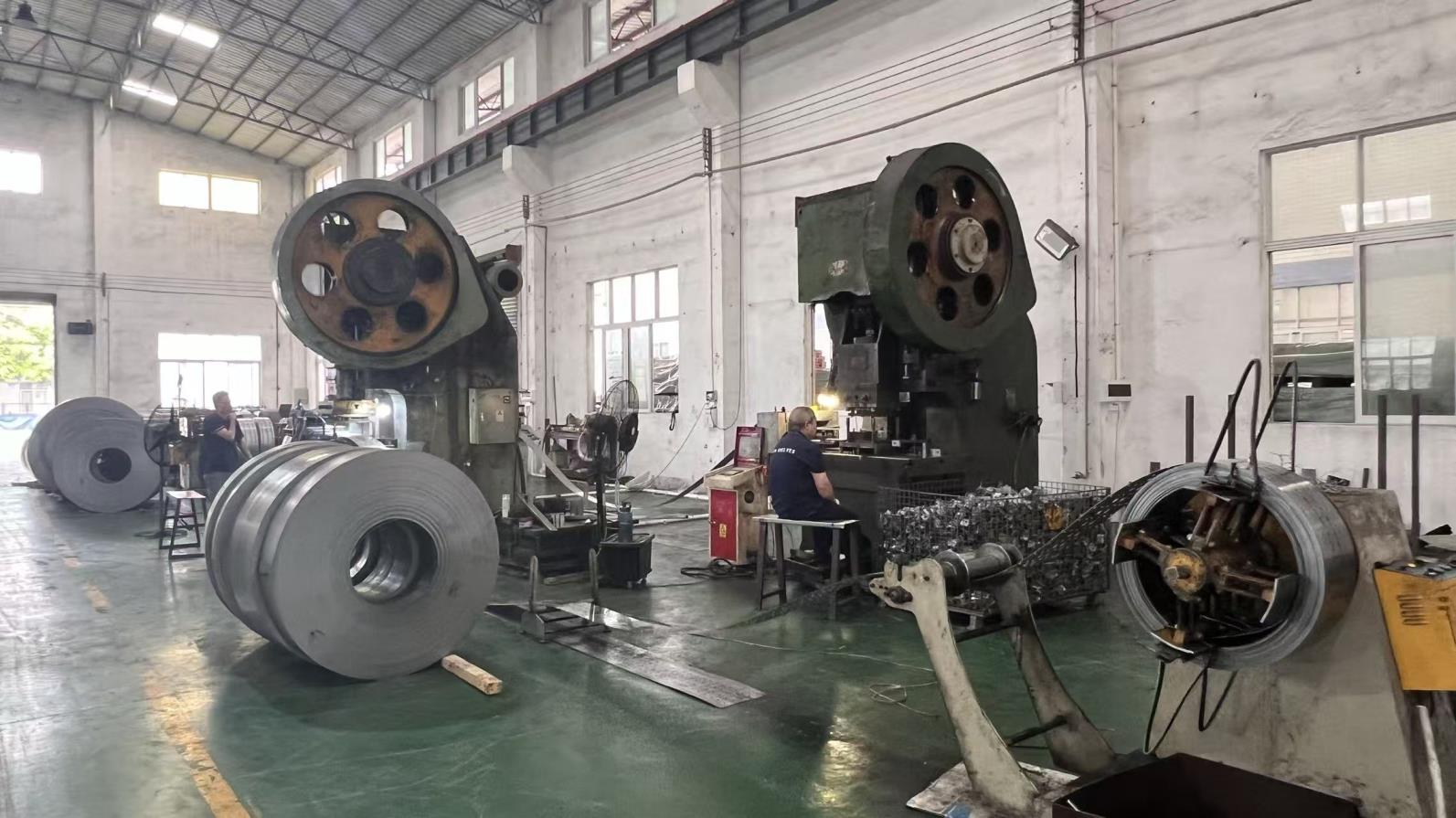
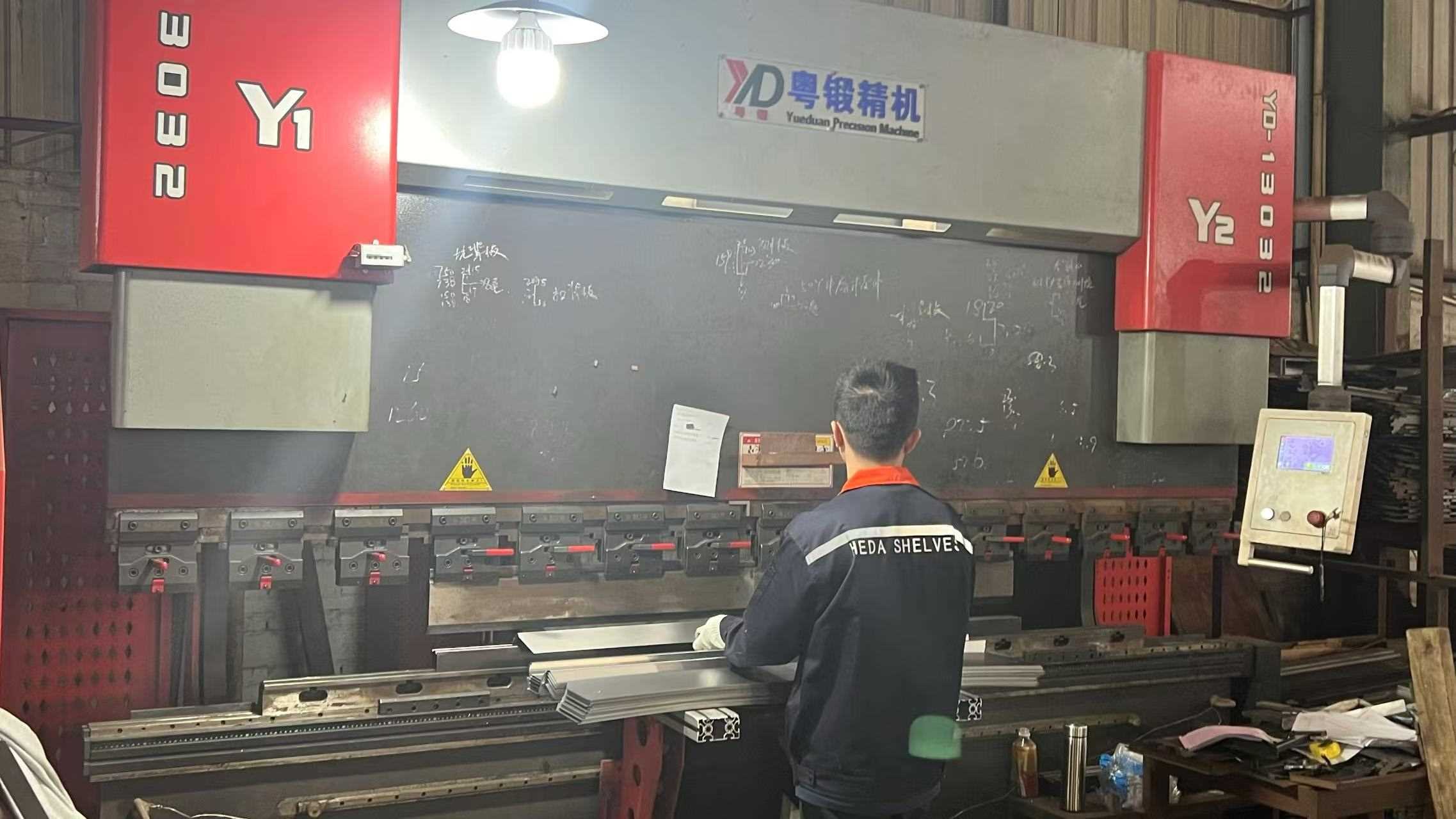
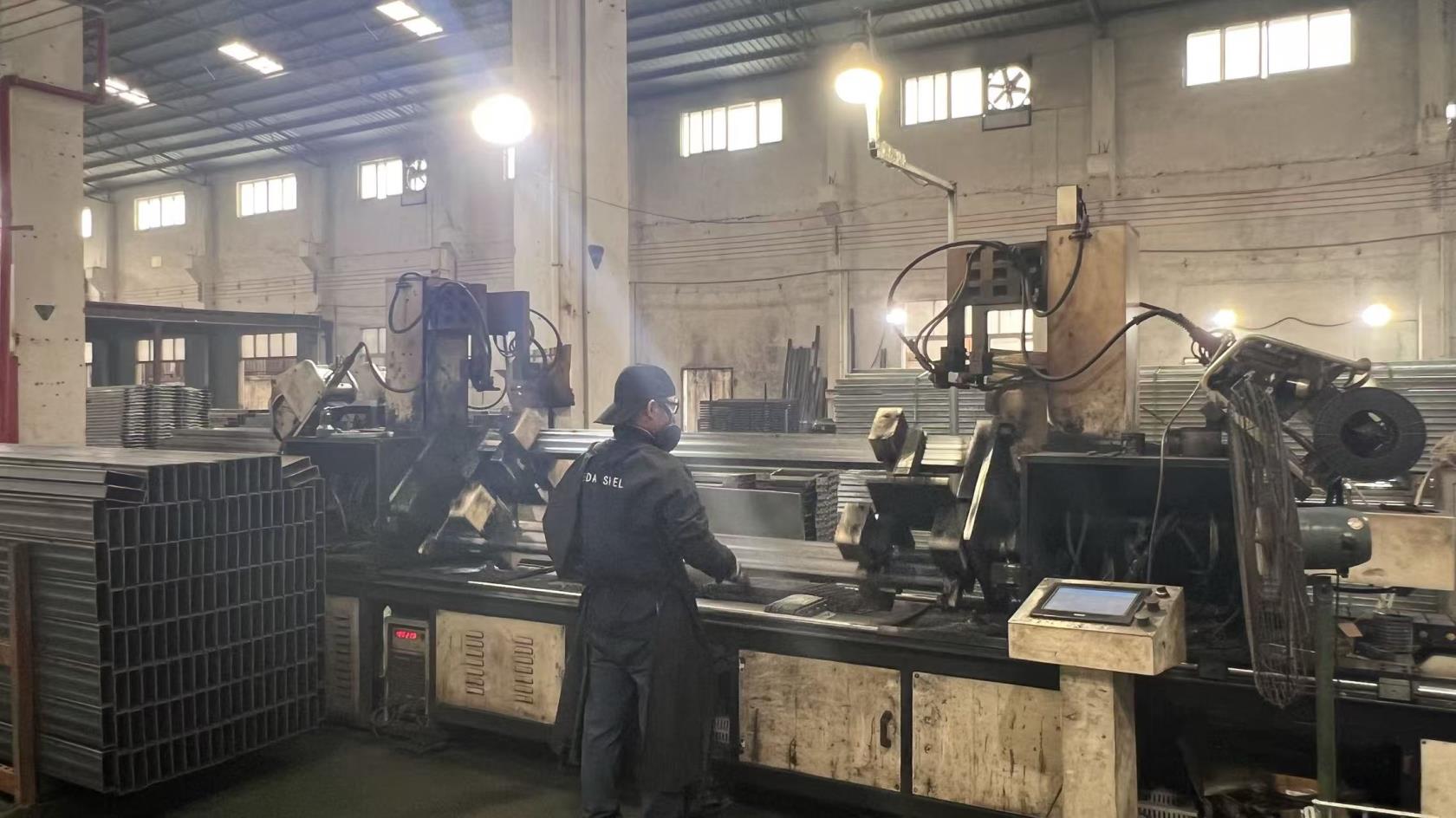
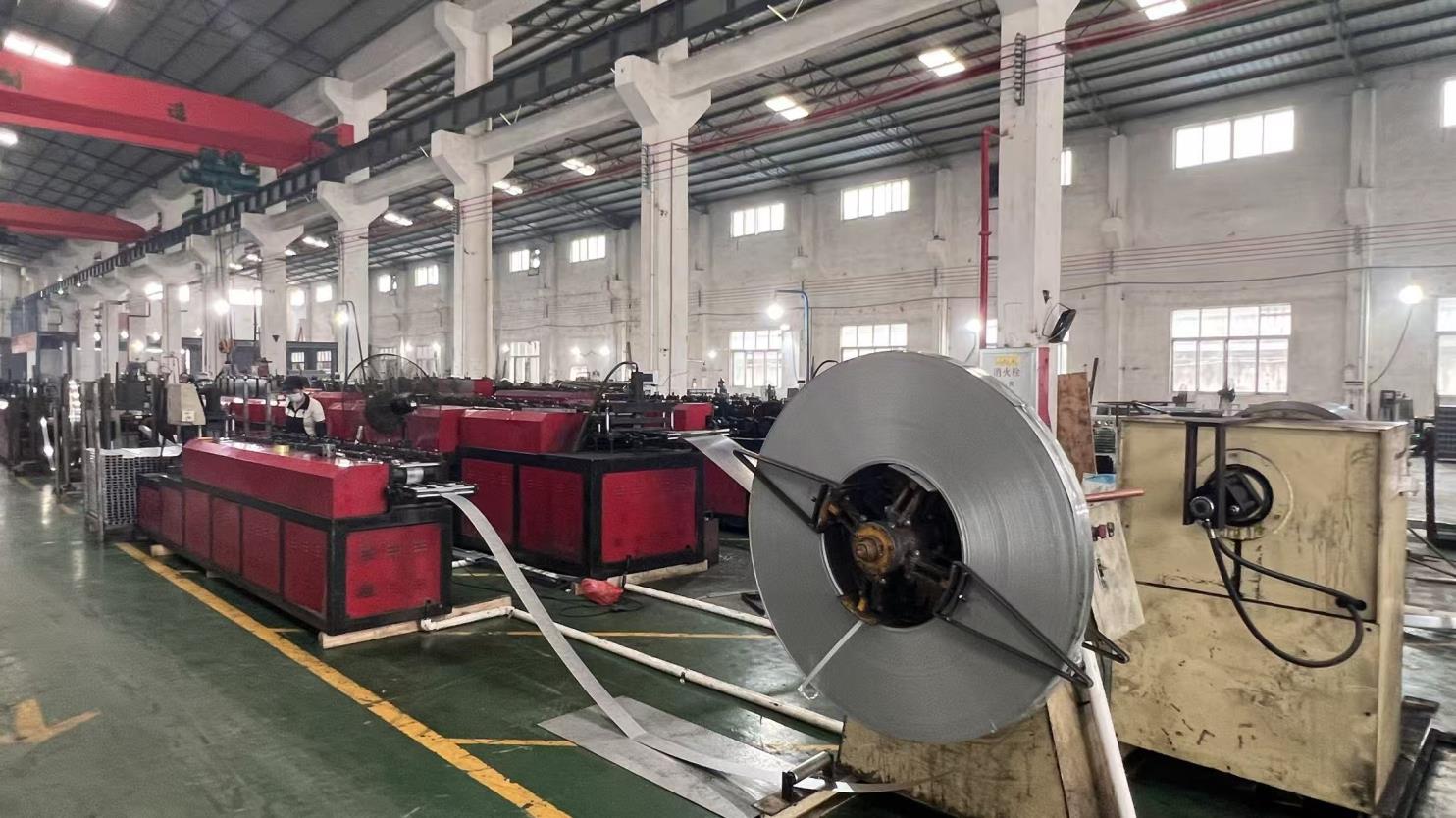
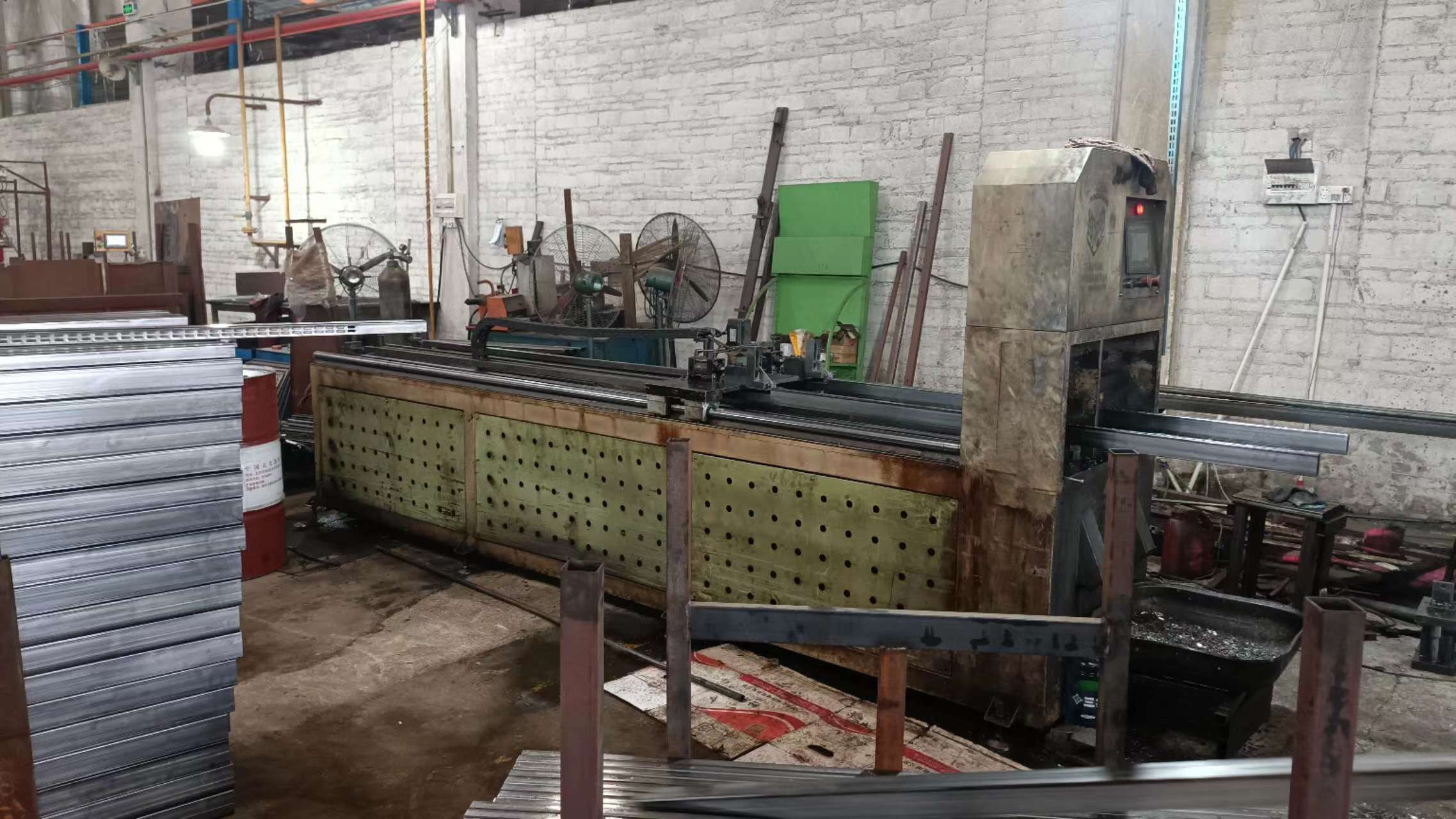
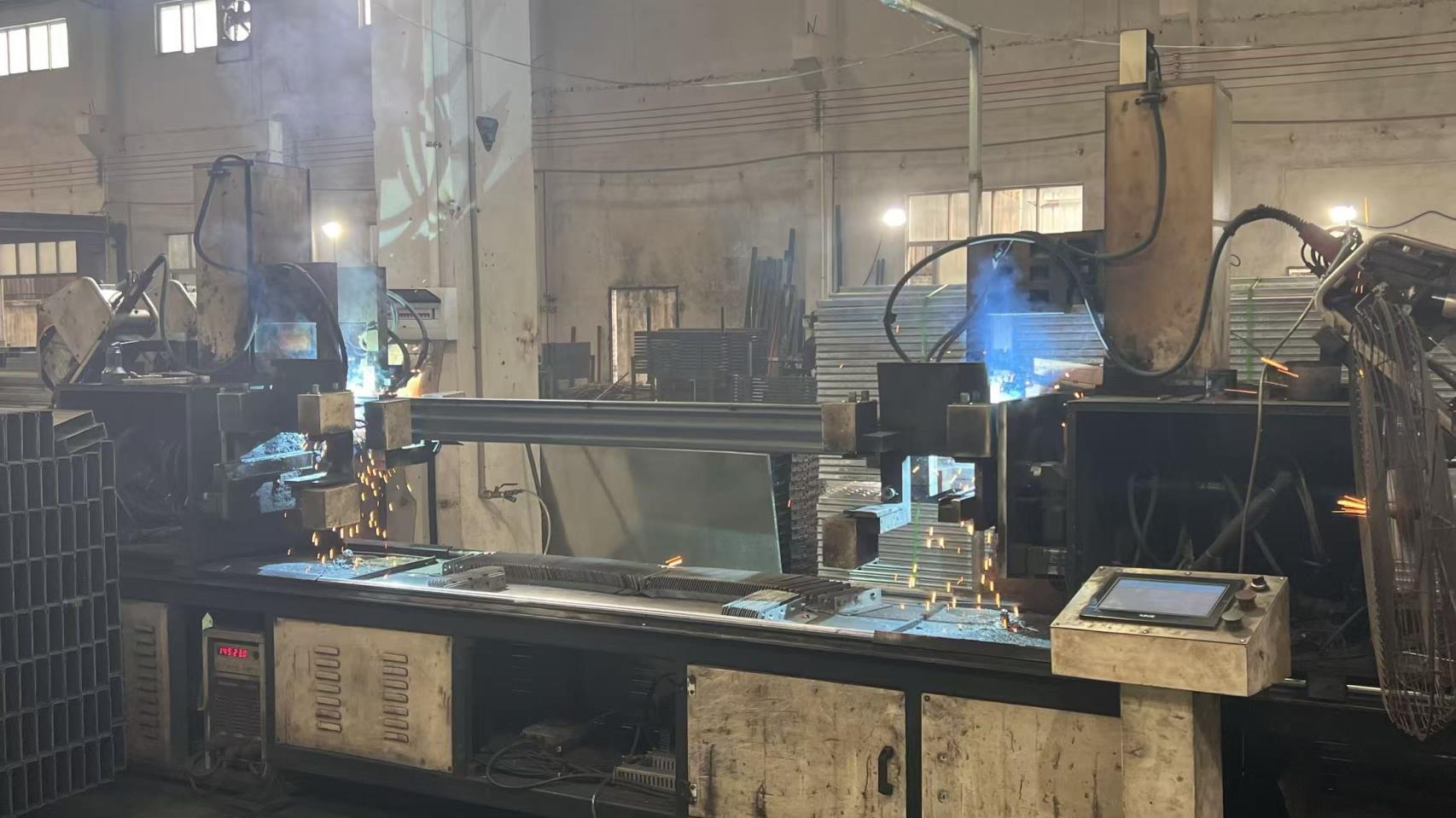
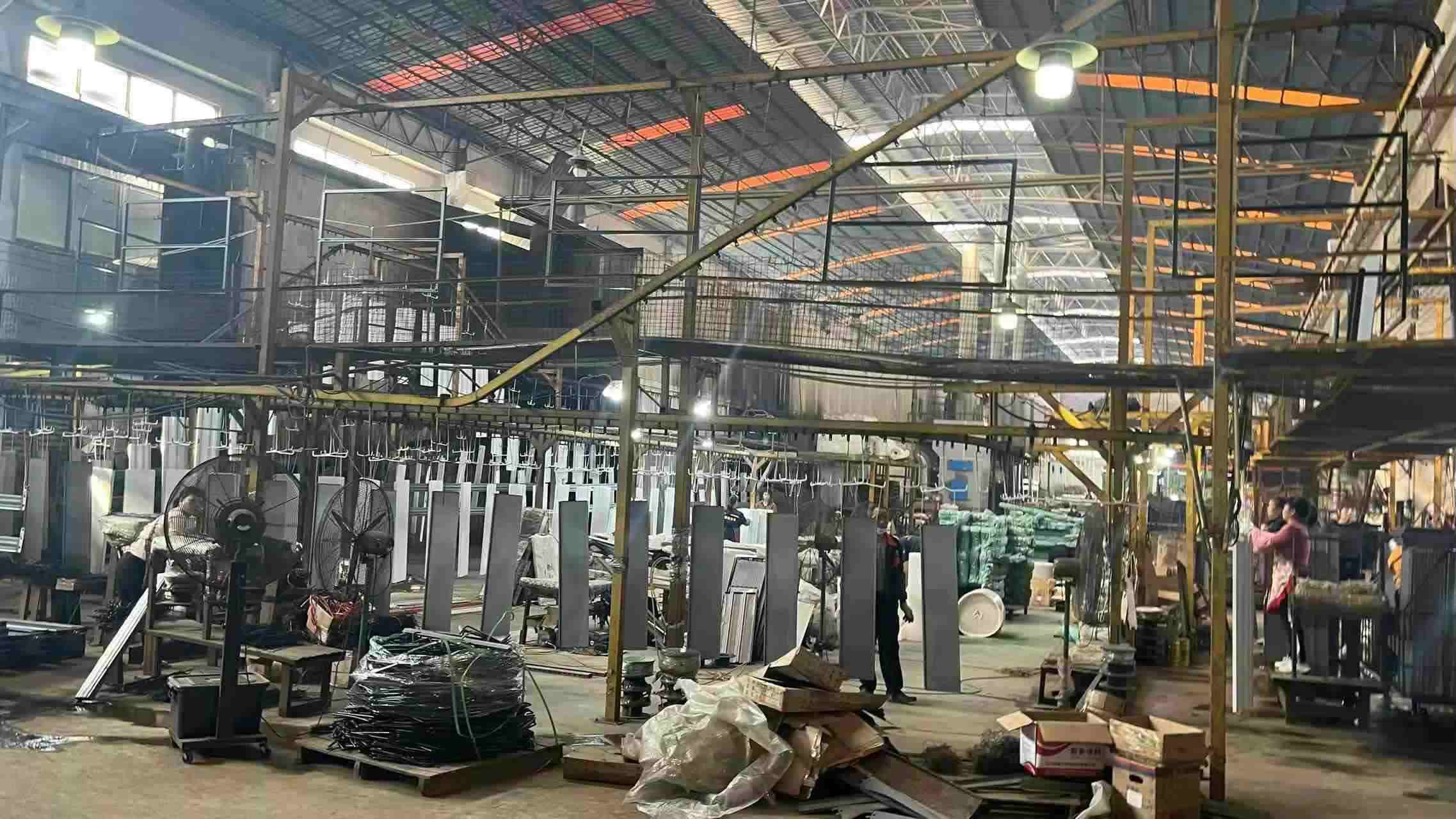
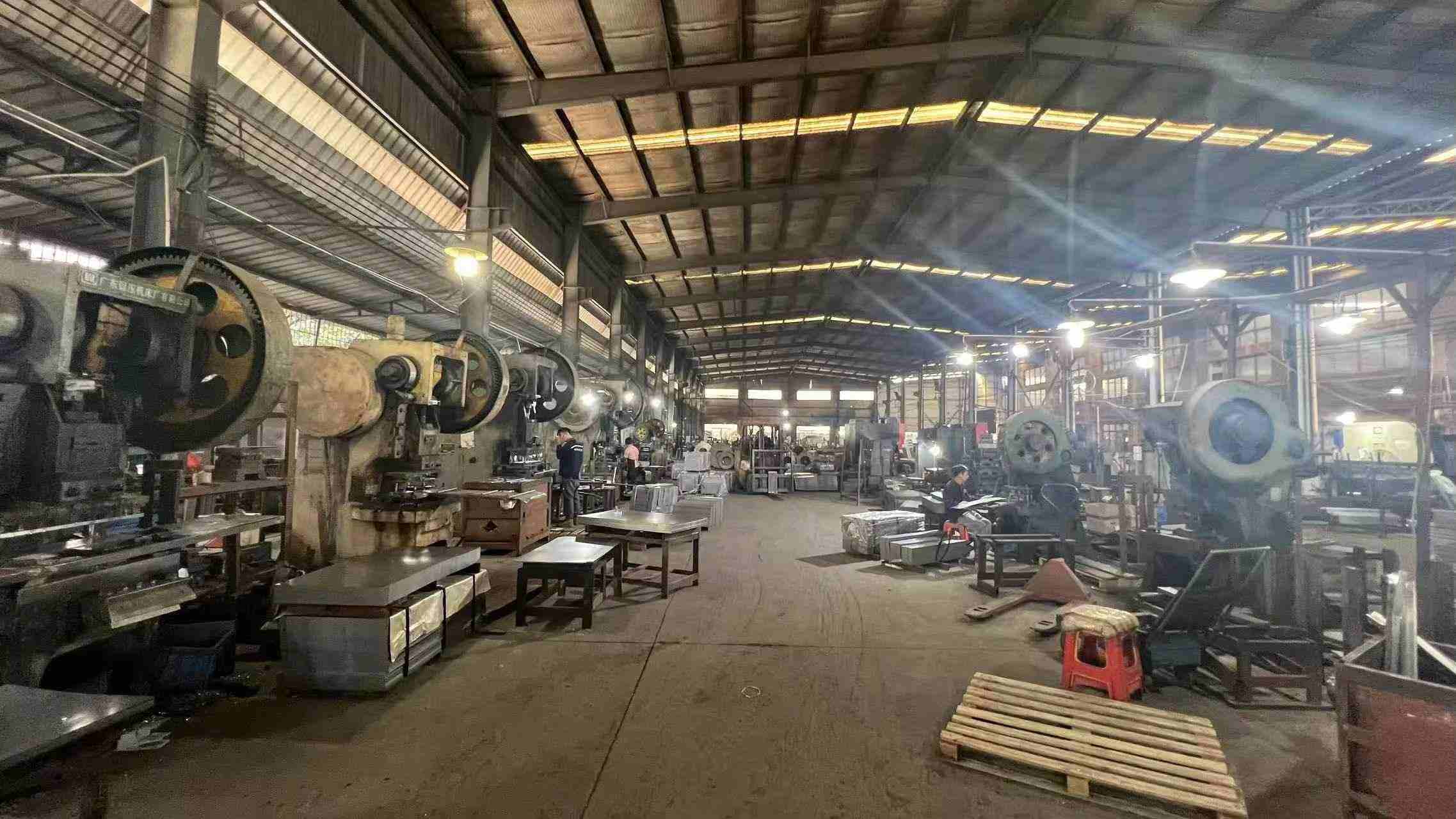
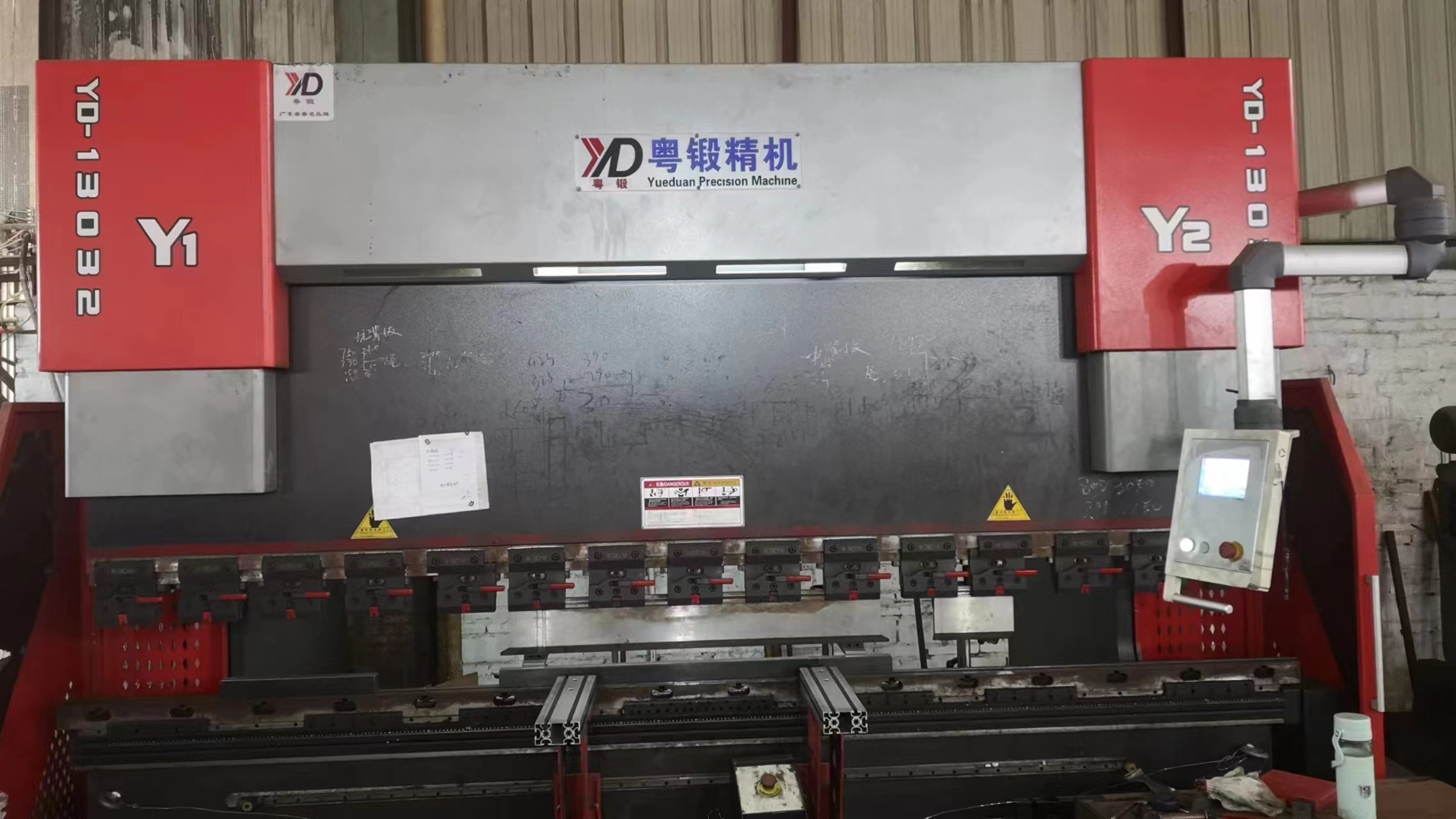
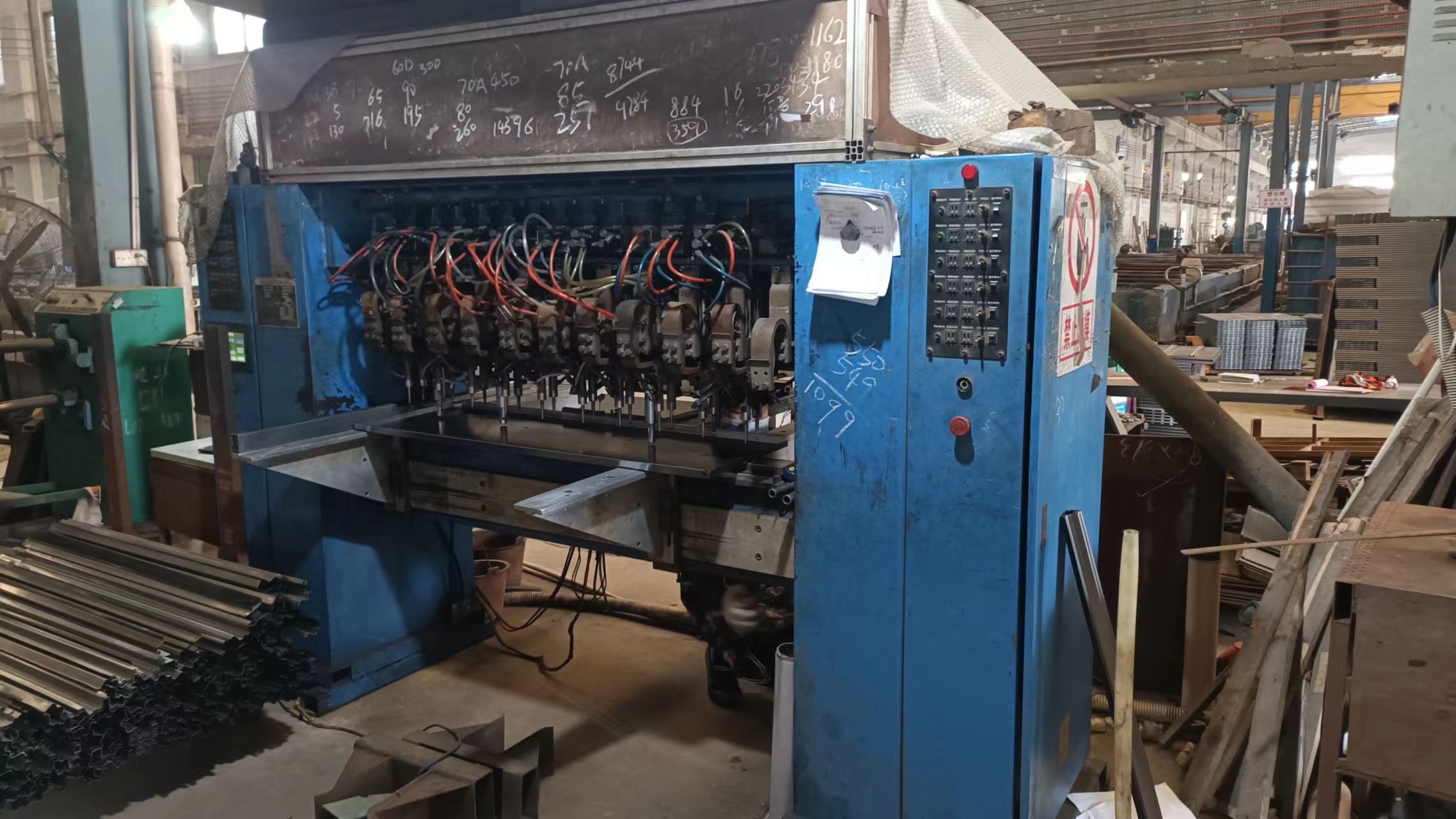
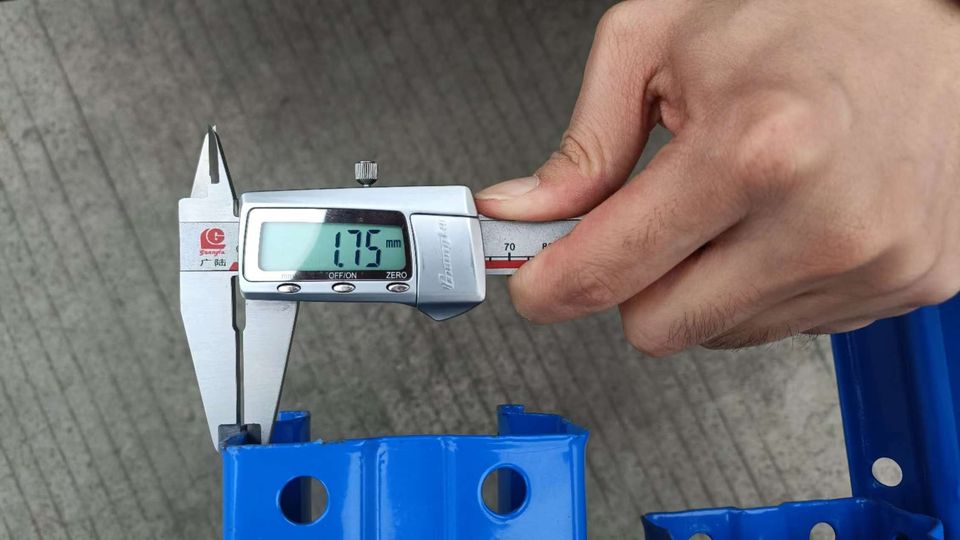
The reliability of a high-bay selective pallet rack system depends entirely on manufacturing precision. At Durack, we employ high-grade structural steel (primarily Q235B and Q355B) sourced from top-tier Chinese steel mills. Each production run is tracked from raw material inspection through roll-forming, automated stamping, robotic welding, and curing lines. This integrated approach ensures consistent physical properties, strict dimensional tolerance, and flawless powder coating coverage across all components.
In the wake of global macroeconomic shifts, logistical resilience is a primary KPI for industrial supply chains. Purchasing direct from a specialized Chinese racking manufacturer like Durack offers substantial cost efficiencies—often reducing capital expenditure by 30% to 40% compared to localized European or North American distributors. However, realizing these savings requires seamless global logistics management. Durack’s dedicated export department manages the entire transport chain from our Dongguan facility to the **Port of Shenzhen or Guangzhou**, shipping direct to the **Port of Montevideo**.
Our packaging processes are optimized for maritime transit. Uprights and beams are bundled with high-strength structural strapping and wrapped in heavy-gauge moisture-resistant plastic wrap. Crucially, components are separated by protective cardboard headers to eliminate metal-on-metal abrasion during long ocean voyages. To ensure optimal container utilization, our engineering teams use 3D container loading simulation software to design loading patterns. This guarantees that all components are loaded securely, maximizing the cubic capacity of standard 40ft High Cube containers and reducing shipping cost per metric ton.
For import clearance in Uruguay, we supply comprehensive documentation packages conforming to the requirements of the **Administración Nacional de Puertos (ANP)** and local customs authorities. This includes detailed packing lists, commercial invoices, Certificates of Origin, and mill test certificates verifying structural steel grades. We work closely with leading global freight forwarders to provide competitive ocean freight rates, transit-time tracking, and reliable container positioning, securing predictable delivery times to your facility in Uruguay.
As labor rates rise and modern real estate costs appreciate, companies across Uruguay are looking to transition from traditional static shelving to semi-automated and fully automated storage systems. The growth of e-commerce, food safety regulations, and pharmaceutical supply chains demands greater precision in warehouse management. Selective pallet racking remains the foundation of this evolution. Its adaptability allows operators to transition layouts from Wide Aisle to Very Narrow Aisle (VNA) systems, or integrate dynamic gravity flow modules on lower levels for manual picking while maintaining bulk storage above.
Furthermore, the integration of automated guided vehicles (AGVs) and autonomous mobile robots (AMRs) in local distribution centers requires high-precision installation tolerances. Traditional racking systems with structural variances can cause robotic navigation and retrieval errors. Durack’s CNC automated punching and roll-forming processes hold dimensional tolerances to within ±0.5mm, ensuring compatibility with advanced automated storage and retrieval systems (AS/RS).
Modern selective racks are increasingly integrated with digital warehouse infrastructure. By implementing barcode racking labels, RFID transponders, and dynamic load sensors directly on beam profiles, companies in Montevideo’s logistics parks can track pallet placement in real time. This ensures total traceability of batches, which is essential for compliance with Uruguay’s strict agricultural export regulations and pharmaceutical safety guidelines.
Select from our wide range of certified racking configurations, customized to meet the demanding requirements of Uruguayan distribution facilities.
 Durack