Pre-engineered structural steel systems customized for heavy-duty manufacturing and industrial storage distribution spaces throughout the LA Basin.
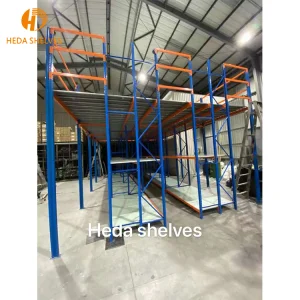
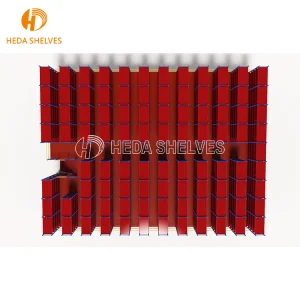
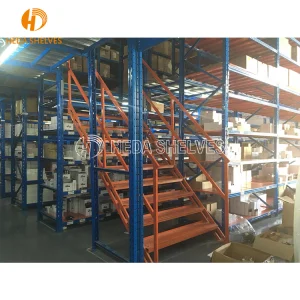
The Greater Los Angeles Area—comprising Los Angeles County, Orange County, and the Inland Empire—stands as one of the most critical logistics hubs globally. Driven by the colossal flow of goods through the Port of Los Angeles and the Port of Long Beach, industrial real estate demand remains historically high. However, developers and operators face a severe bottleneck: land scarcity and skyrocketing lease rates for industrial warehouses ($1.50+ to $2.20+ per square foot monthly NNN in prime submarkets).
Building outward is no longer financially viable for most operations. For businesses occupying warehouses in Carson, City of Industry, Commerce, Rancho Cucamonga, and Ontario, the only direction to expand is upward. Our engineered structural steel mezzanine rack systems offer an optimization pathway that effectively doubles or triples usable warehouse square footage without renegotiating lease terms or purchasing additional land. This is the cornerstone of modern growth for local third-party logistics (3PL) providers, retail e-commerce fulfillment hubs, and heavy assembly facilities.
Operating a warehouse structure in Southern California requires navigating stringent safety codes. Los Angeles is designated under Seismic Design Categories D, E, and F. Unlike structurally passive storage racking in non-seismic zones, mezzanine platforms in LA must withstand significant dynamic forces. As a leading manufacturer and exporter, we design products complying with the latest California Building Code (CBC) 2022 guidelines, IBC standards, and RMI (Rack Manufacturers Institute) MH16.1 specifications.
Our engineered solutions incorporate advanced seismic factors, including thicker structural column baseplates, heavy anchor bolts, moment-resisting beam-to-column connections, and robust diagonal steel bracing. When partnering with us, you receive full Finite Element Analysis (FEA) testing data and structural calculations, smoothing the way for approvals with the Los Angeles Department of Building and Safety (LADBS) or local municipal engineering departments.
On a macro scale, global supply chain networks are shifting from "Just-in-Time" to "Just-in-Case" inventory strategies. This paradigm shift requires warehouses to hold up to 20-30% more buffer stock. High-density, multi-tier racking systems and structural steel platforms allow storage density to increase by 100% or more. Automation integration—where structural mezzanines interface directly with Autonomous Mobile Robots (AMRs), Automated Guided Vehicles (AGVs), and vertical reciprocating conveyors (VRCs)—defines the future of smart warehousing globally and across high-volume trade centers like Los Angeles.
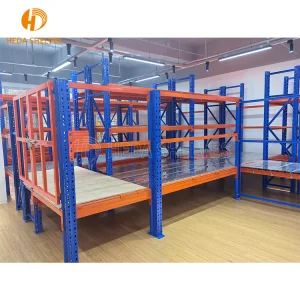
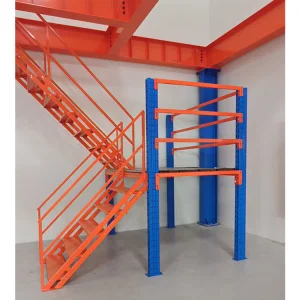
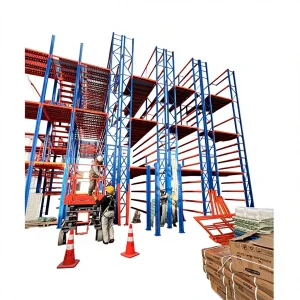
Select structural configurations designed to handle dynamic and static warehouse loads in distribution centers.
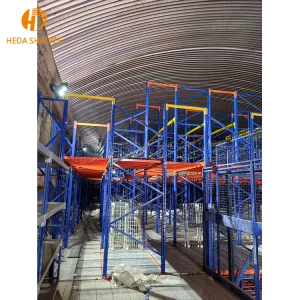
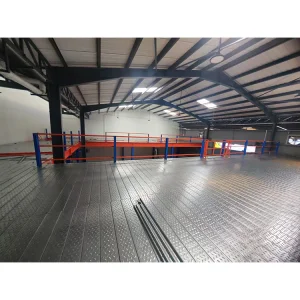
A "one size fits all" approach to mezzanine platform systems does not work in modern logistics. Different industrial sub-sectors demand targeted technical designs, flooring types, load ratings, and seismic engineering approvals.
Utilized in dynamic picking zones. Racking-supported mezzanines integrate shelf-level storage for small goods, allowing multiple pick-and-pack operators to work safely across double or triple tiers.
For aerospace manufacturing corridors in Hawthorne and El Segundo. These operations require heavy structural platforms capable of supporting over 250–300 PSF to handle turbine components, heavy metal alloys, and precision tooling.
In the Los Angeles Fashion District and Vernon. Multi-level hanging-garment systems are integrated with light structural walkways, optimizing selective apparel distribution lines.
Additionally, we supply custom configurations for cold storage environments (ideal for food distributors near the City of Industry), using specialized anti-corrosive powder coatings or galvanized steel profiles that maintain structural integrity in sub-zero temperatures.
How we design and manufacture heavy-duty storage platform solutions to withstand structural loads and seismic activity.
Our mezzanine platforms utilize premium grade structural steel (carbon steel grades like Q235B and Q355B, equivalent to ASTM A36 and ASTM A572 Grade 50). This material profile ensures high yield strength, optimal weldability, and structural durability under dynamic loading conditions.
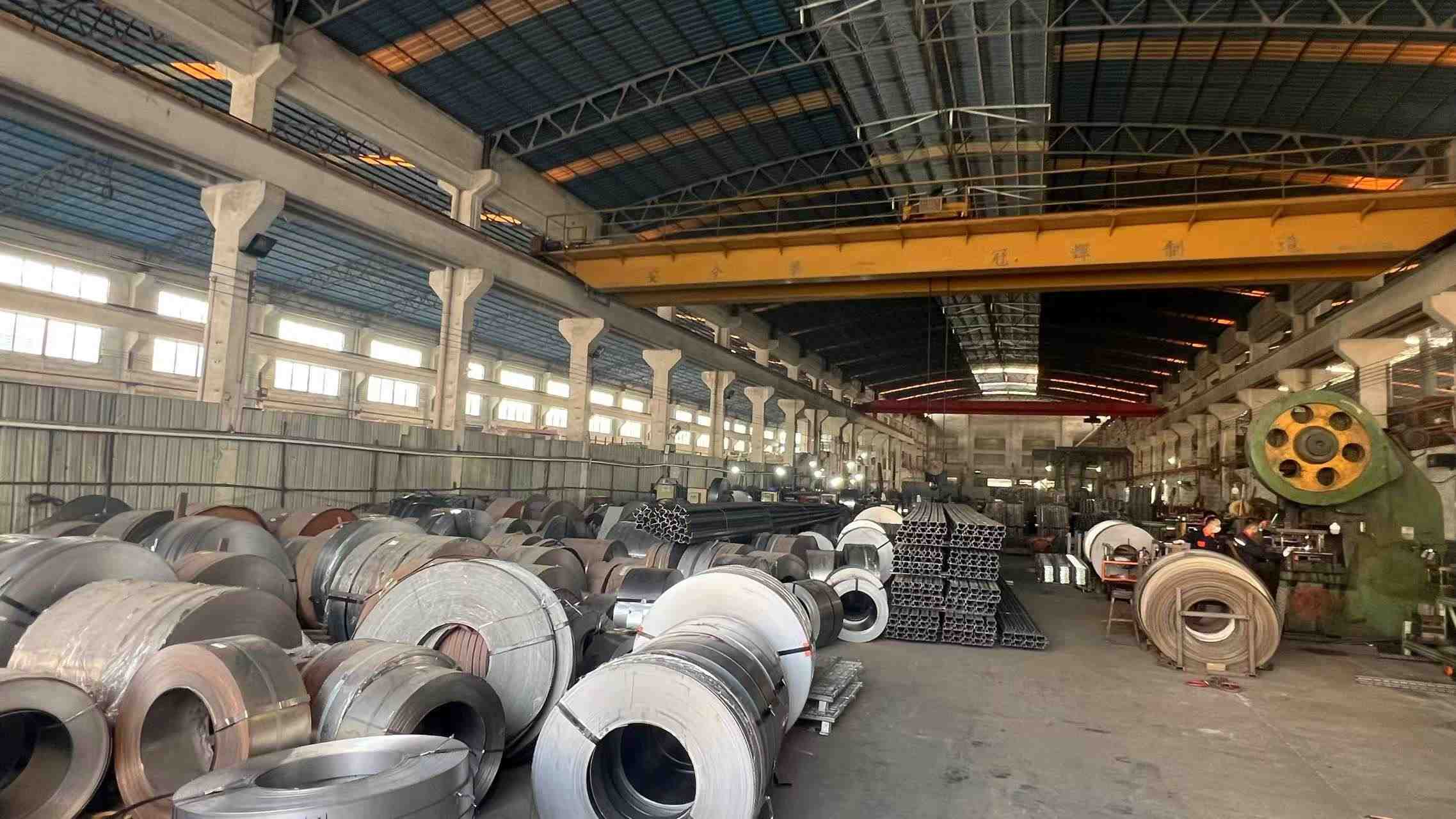
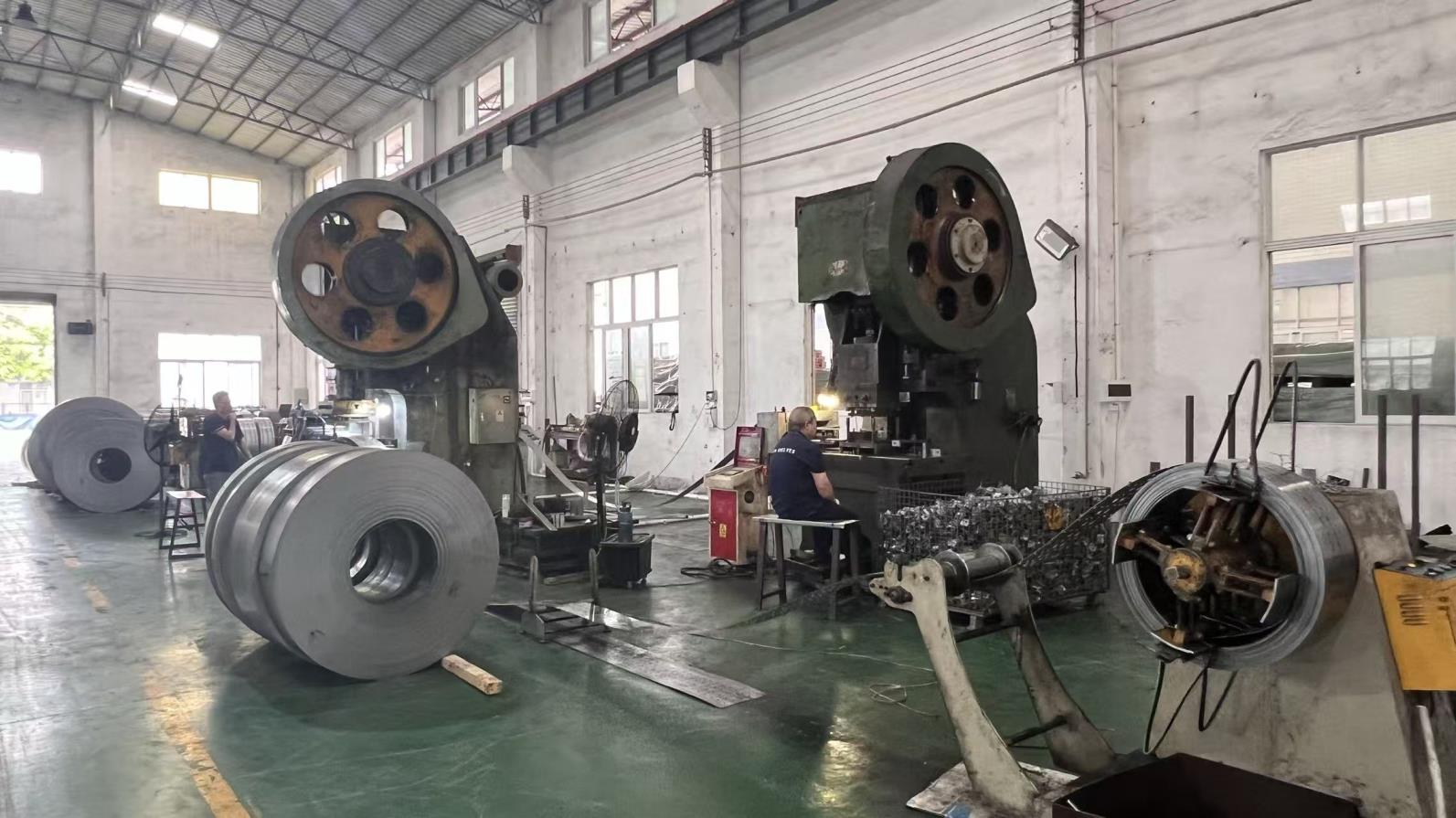
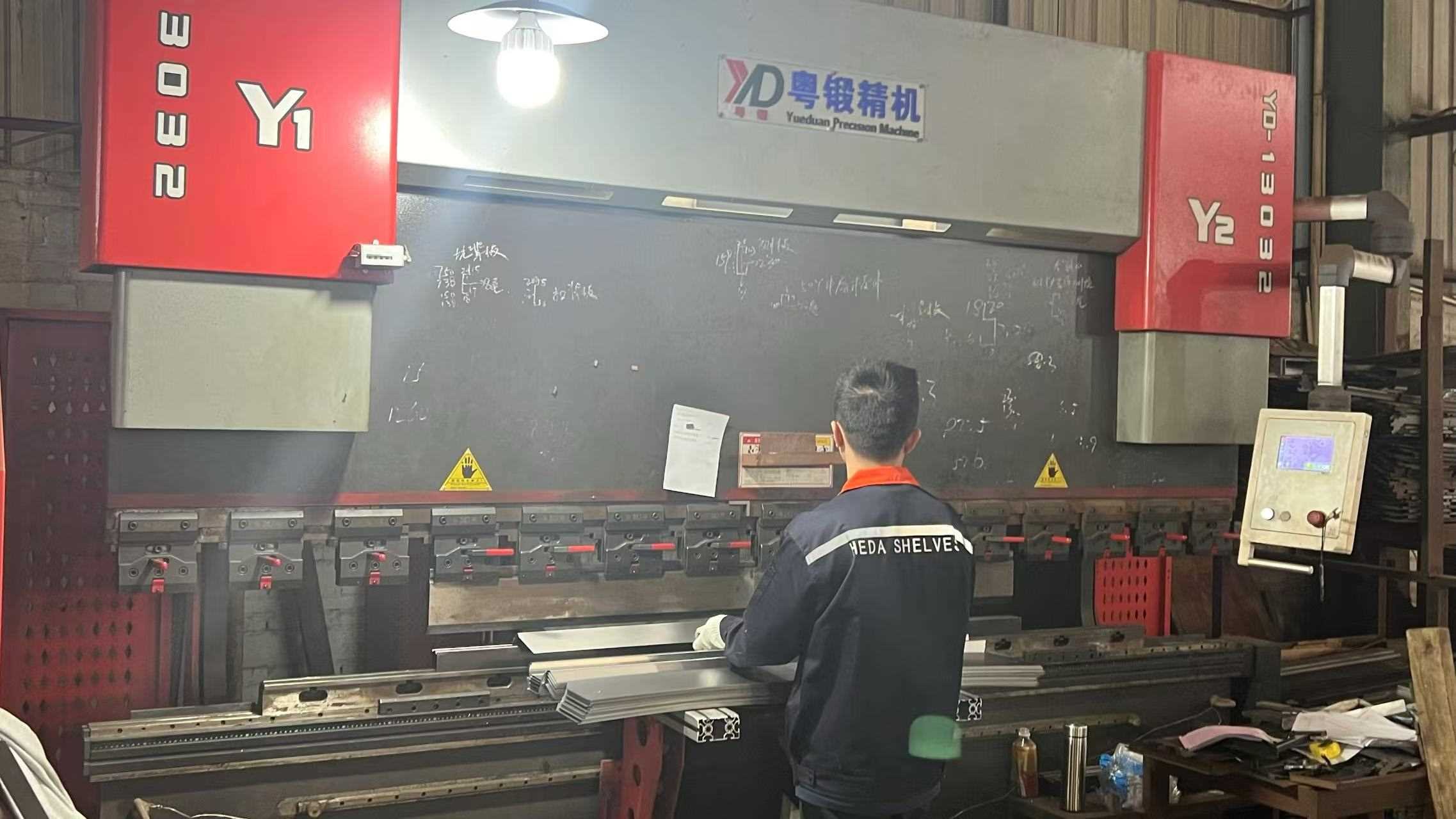
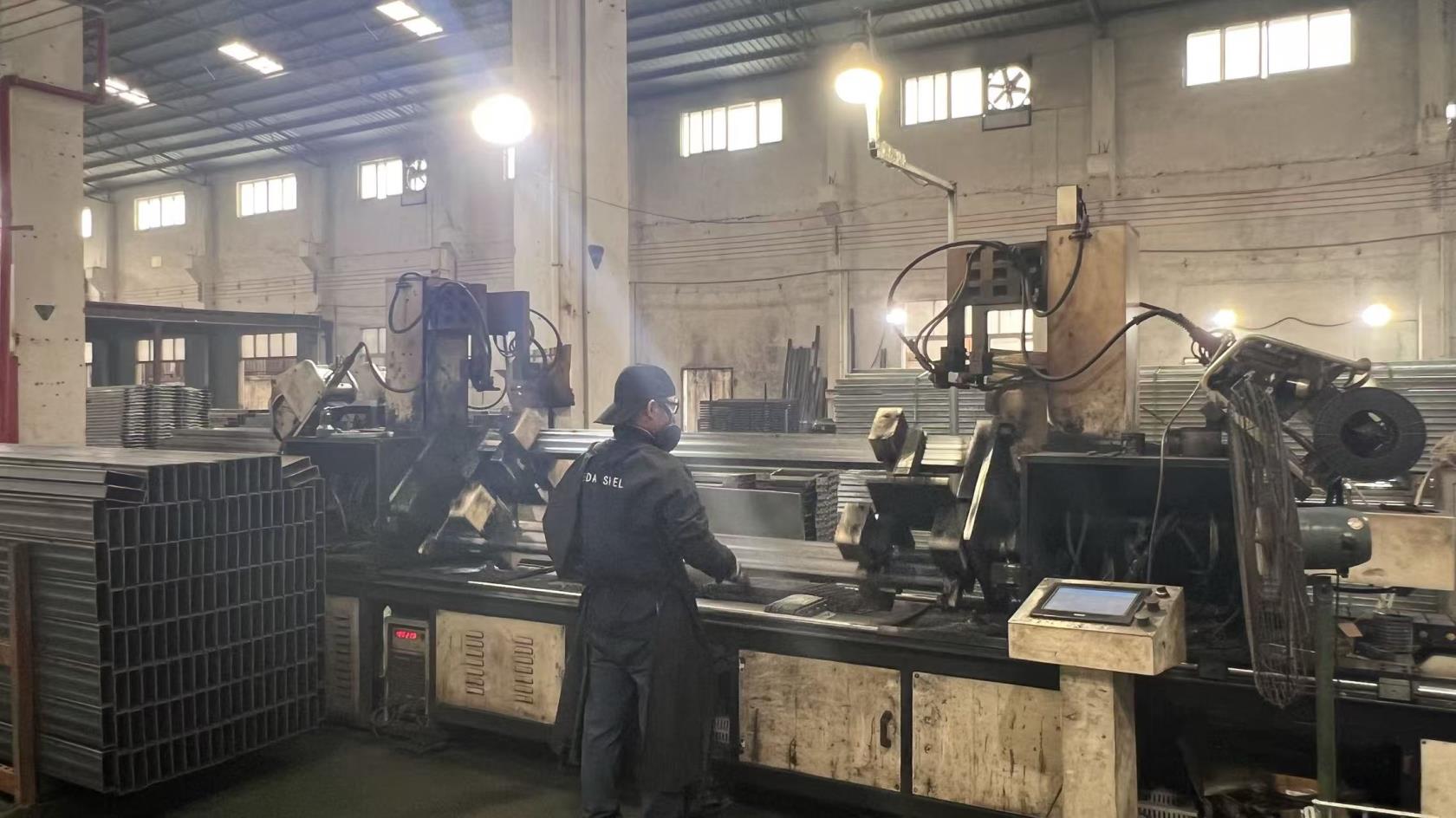
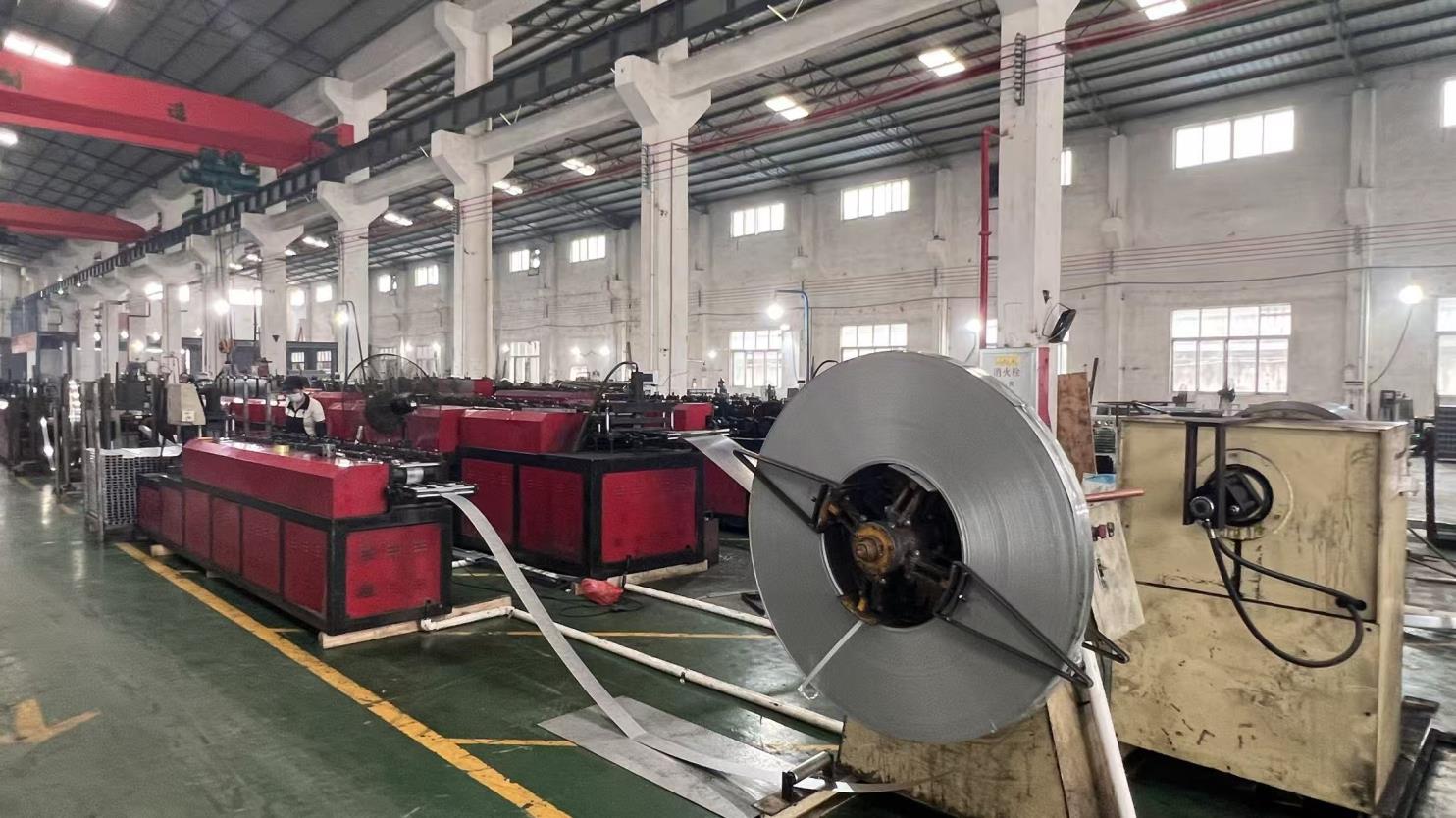
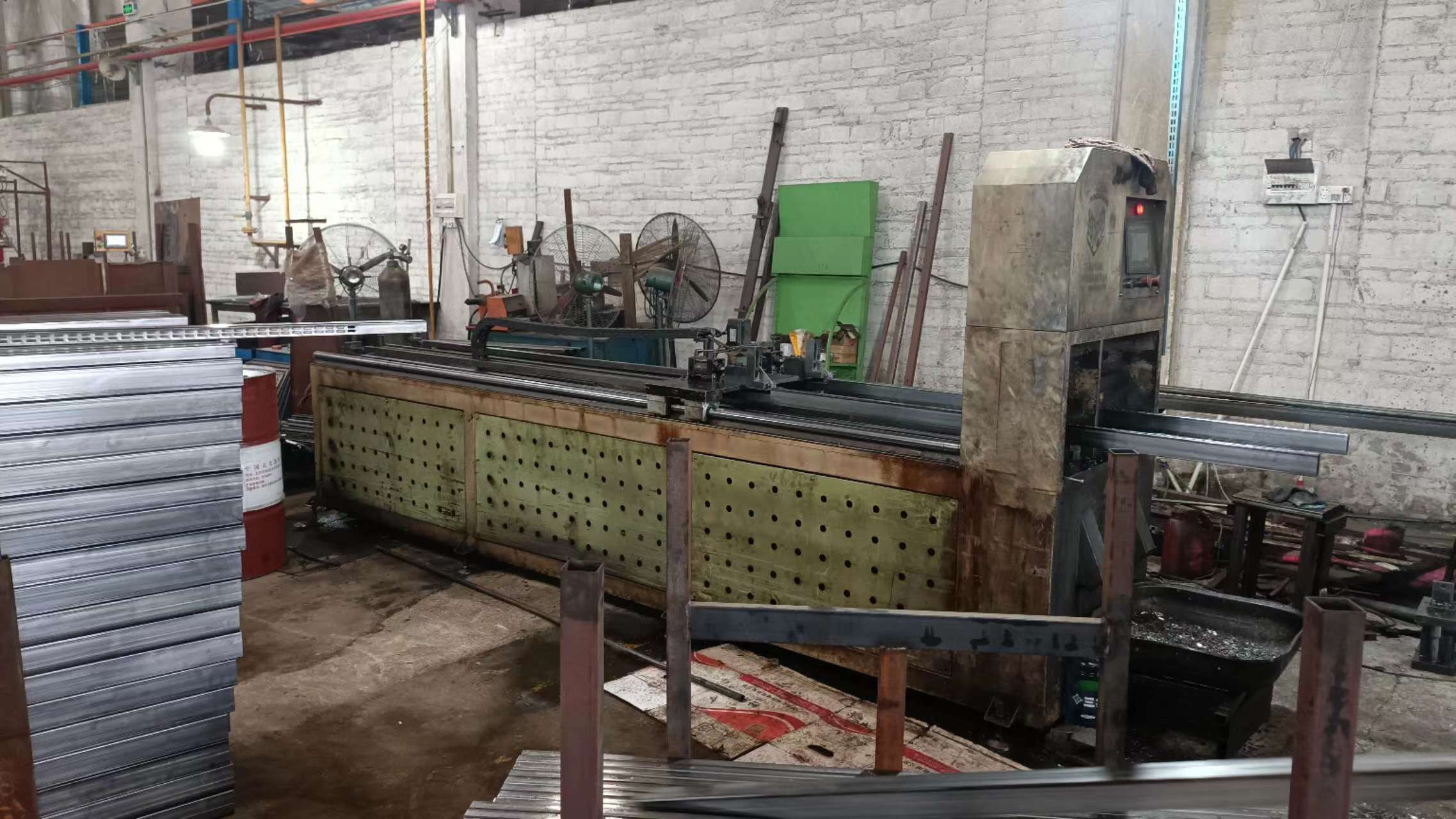
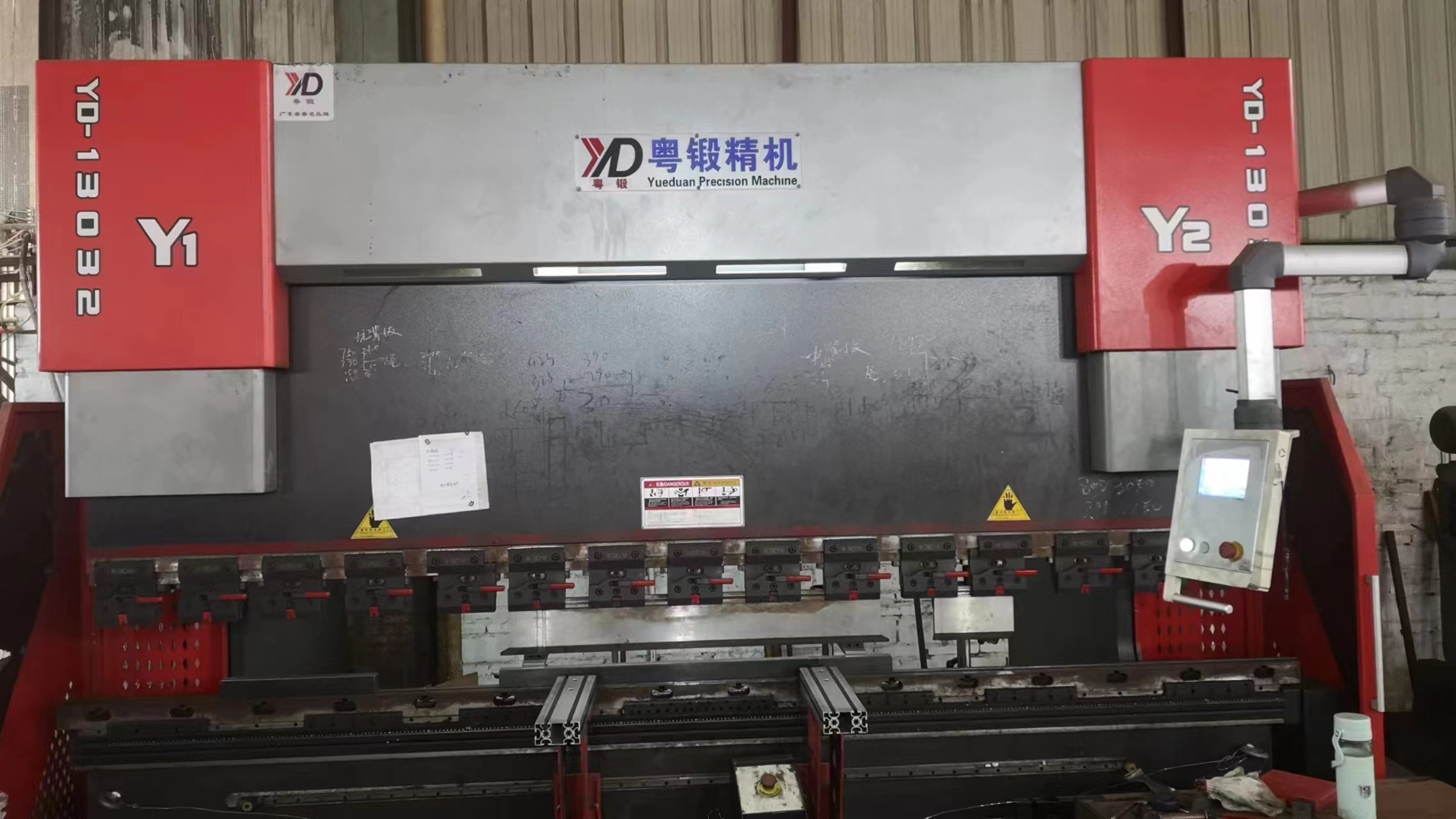
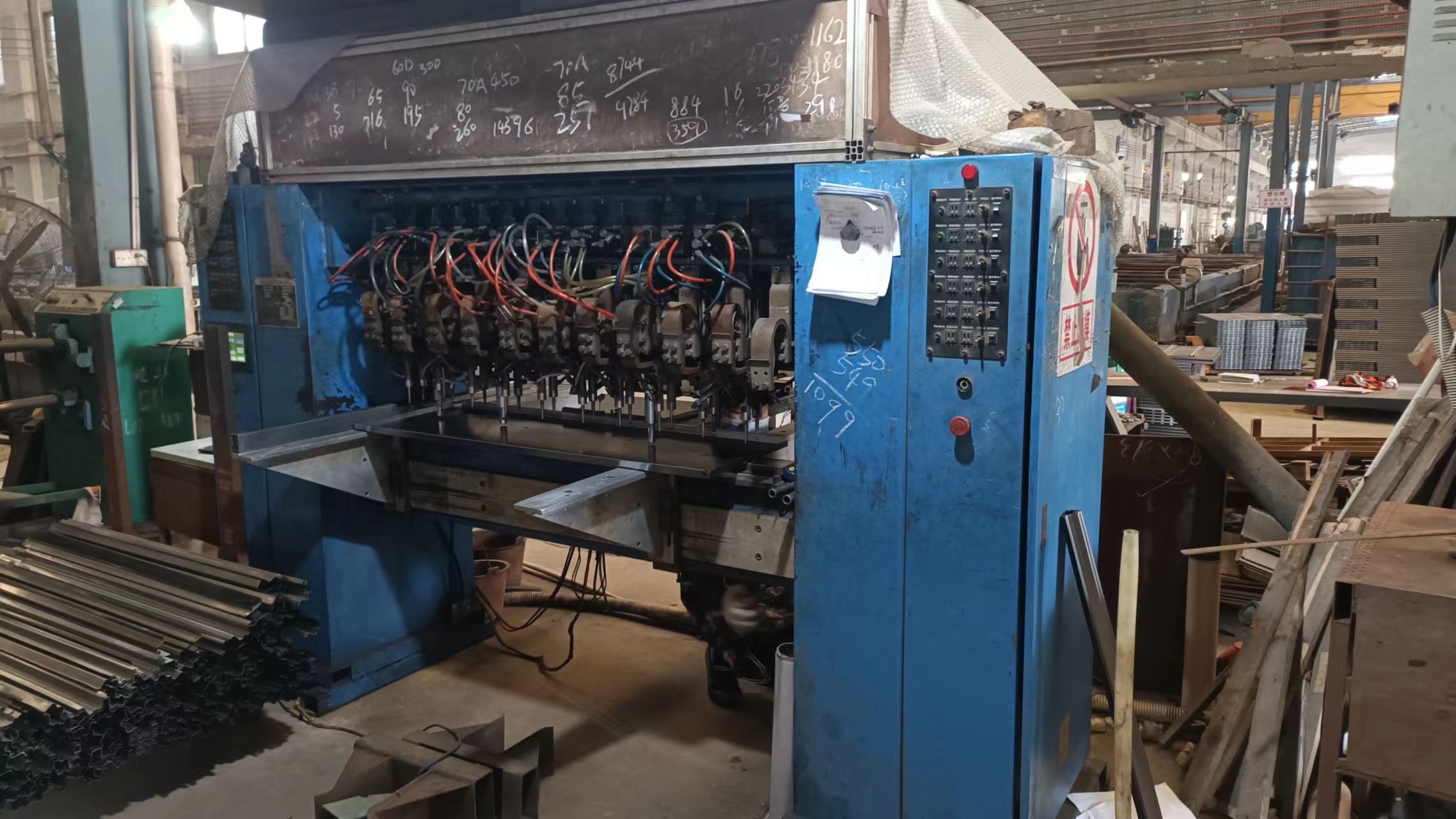
The manufacturing process begins with state-of-the-art cold-formed and roll-forming structural lines. Columns are punched using fully automated, high-precision hydraulic CNC systems. Pre-punched beams allow for rapid, secure bolt-together connection systems on-site. This structural bolt assembly reduces installation labor costs in Southern California and completely eliminates the need for hot-work permits or on-site structural welding.
As logistics operations transition toward automated warehouses, mezzanine design has adapted. Our structural platforms are engineered to support automated sorting systems, heavy overhead conveyor loops, and dynamic vertical conveyor systems (VRCs). We incorporate vibrational damping calculations to protect delicate robotics systems (like shuttle cranes and automated sorting lines) operating on the mezzanine floor.
Founded in 2014, we are a leading logistics equipment and structural racking system manufacturer supplying global industrial markets.
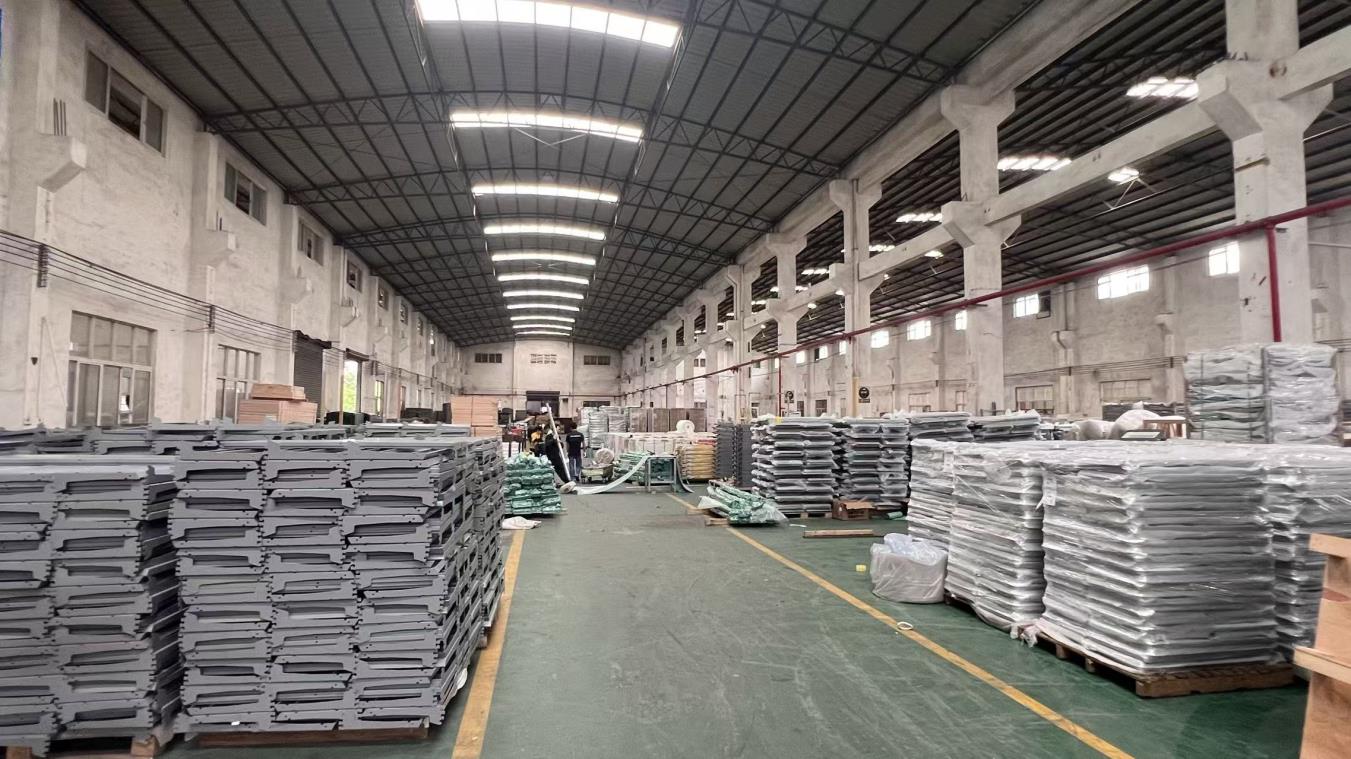
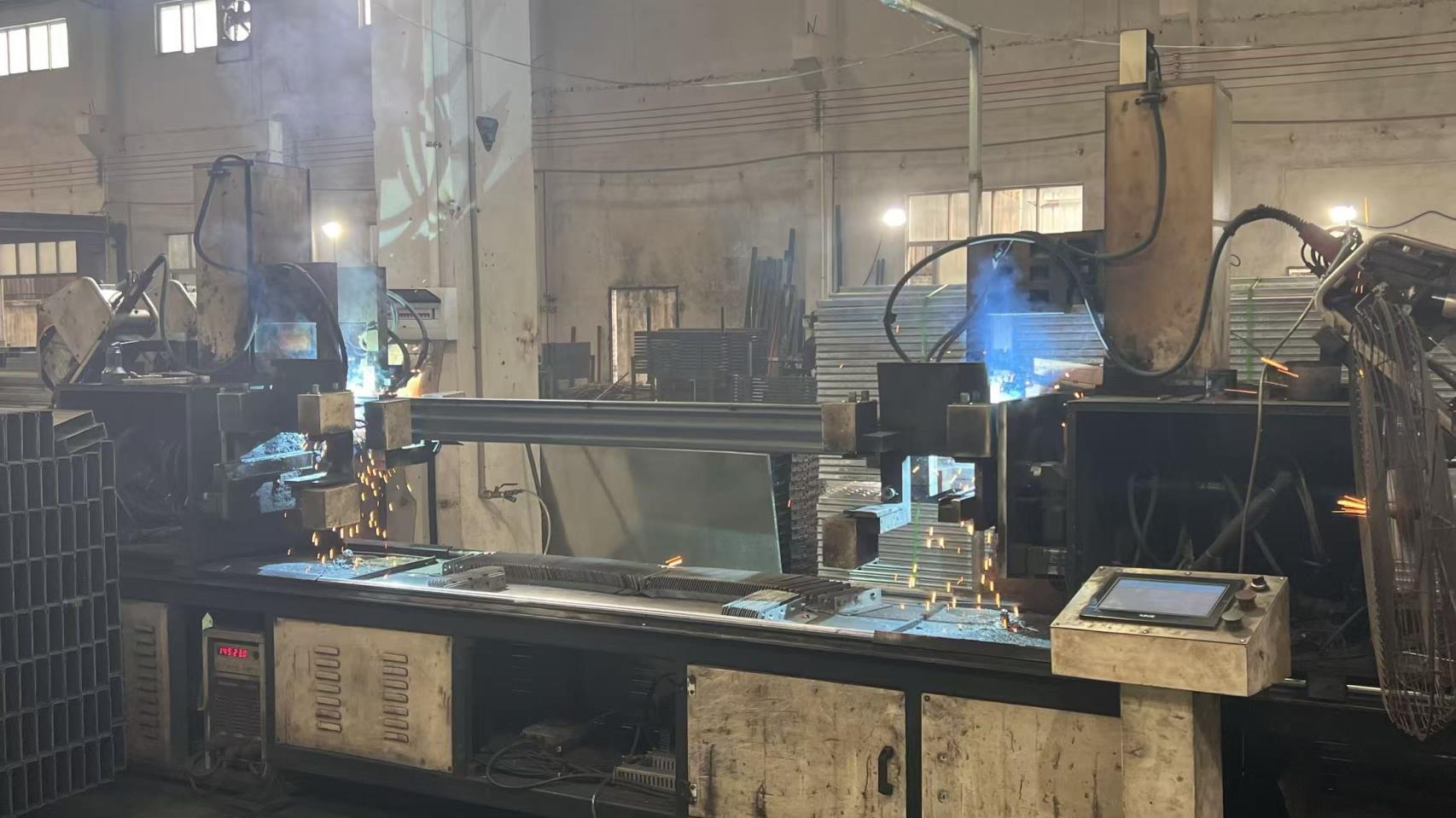
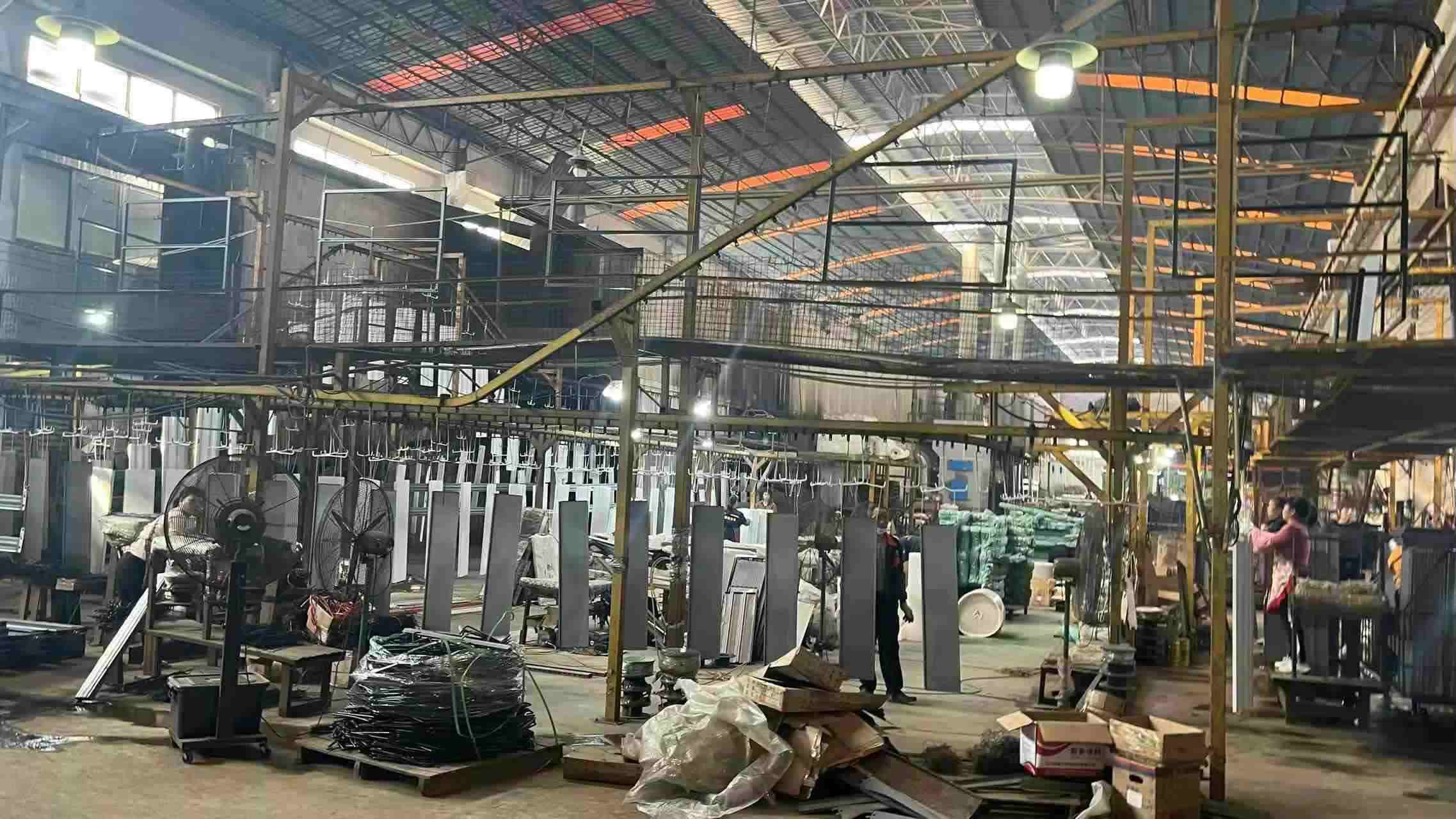
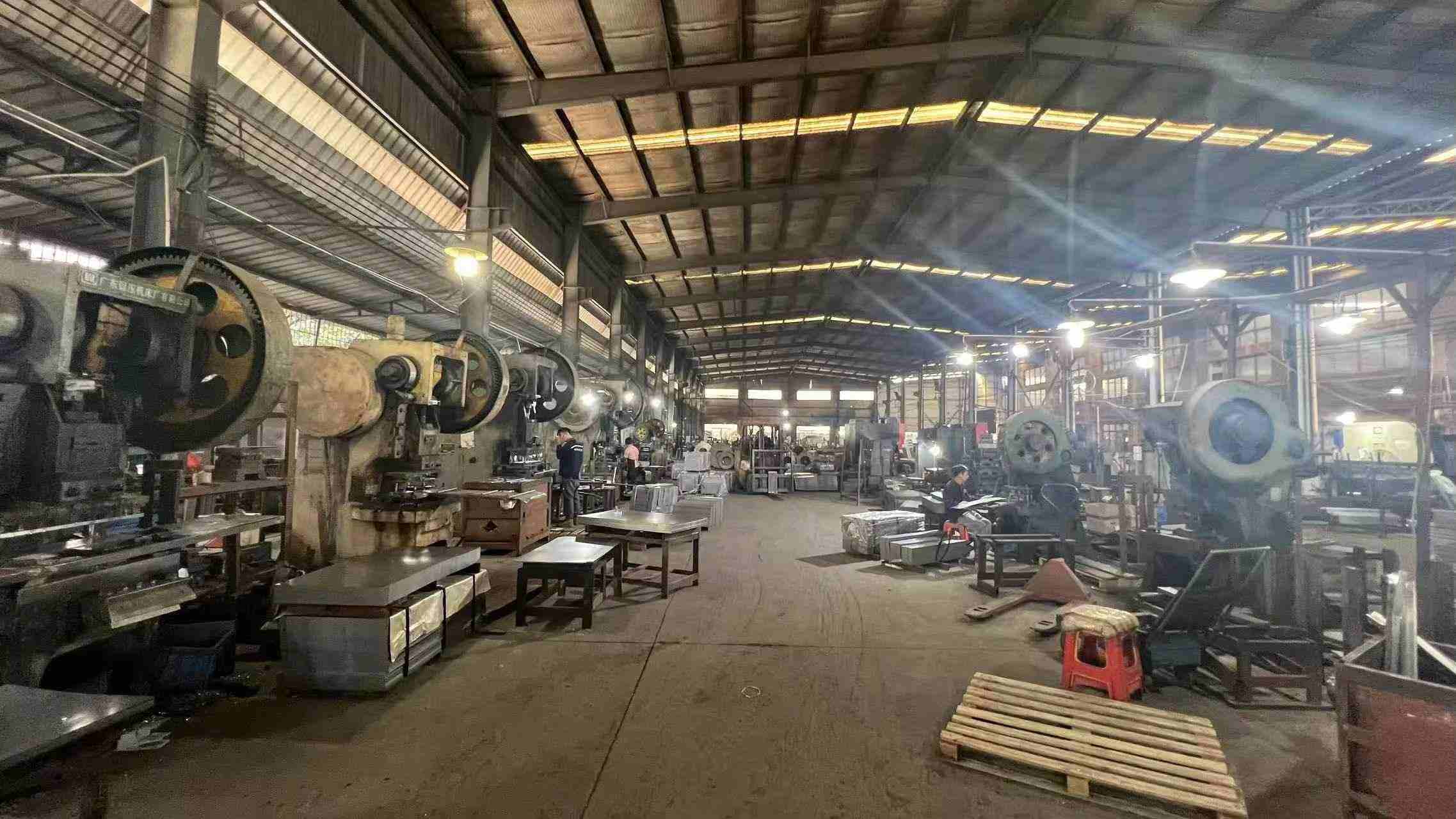
Founded in 2014, Dongguan Durack Logistics Equipment Co., Ltd. is a premier Chinese storage racking system manufacturer operating a 35,000 m² facility. Backed by 12 years of industry experience and 8 years of global export history, the company generates $28 million in annual export revenue. Our operations are supported by a strict quality assurance system using full-spectrum ultrasonic testing and load-bearing stress evaluations, overseen by 45 dedicated QC specialists. Building on a strong international trading background, our core markets span North America, Europe, and Southeast Asia. We maintain a reliable supply chain network of over 850 partners, catering primarily to third-party logistics (3PL) providers, automated warehouses, and large industrial distributors. Driven by an active R&D division with 65 specialized engineers, Durack offers full OEM/ODM customization options—including bespoke beam profiles, structural steel grades, and dynamic layout designs—launching over 120 new storage products last year.
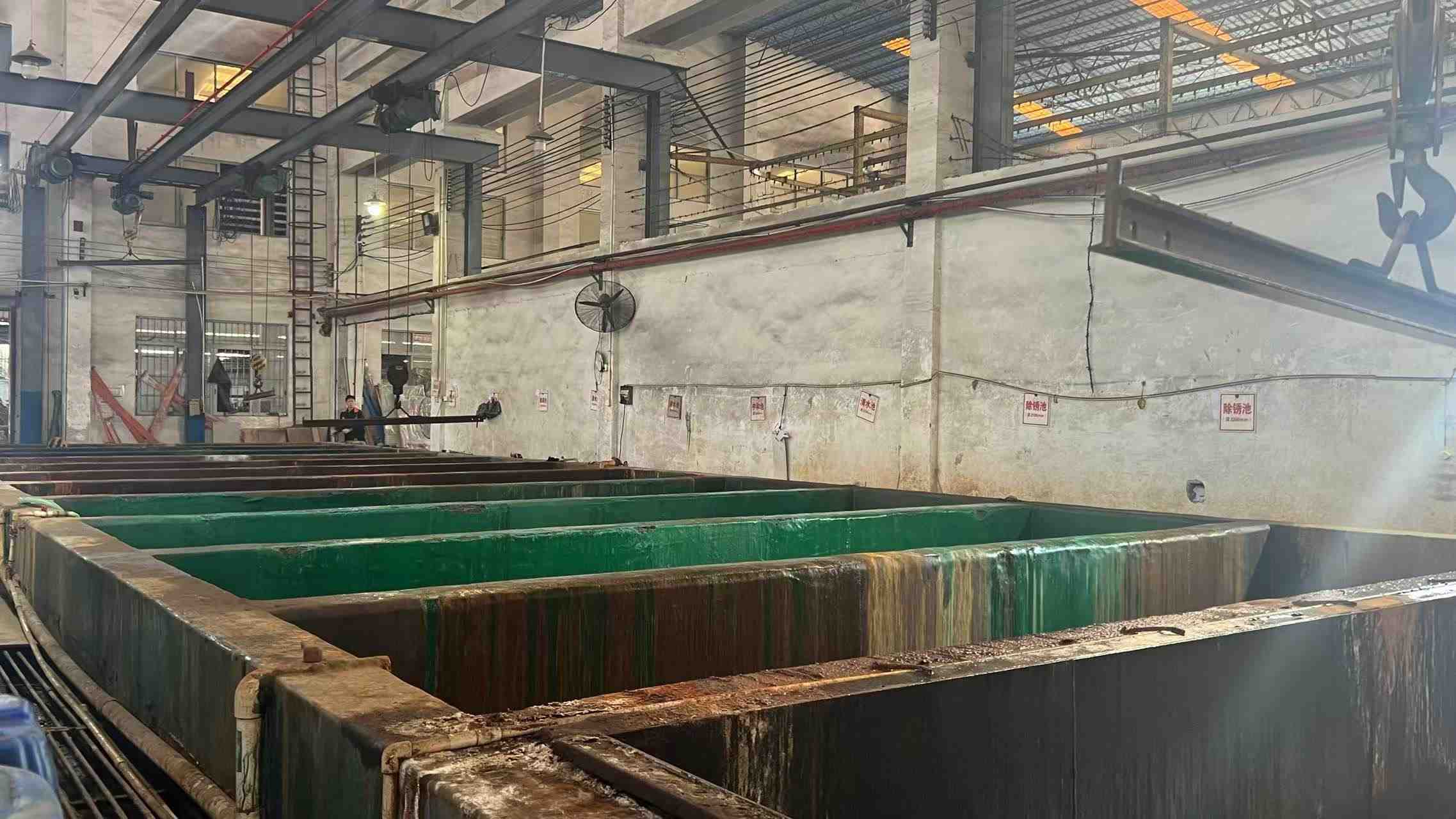
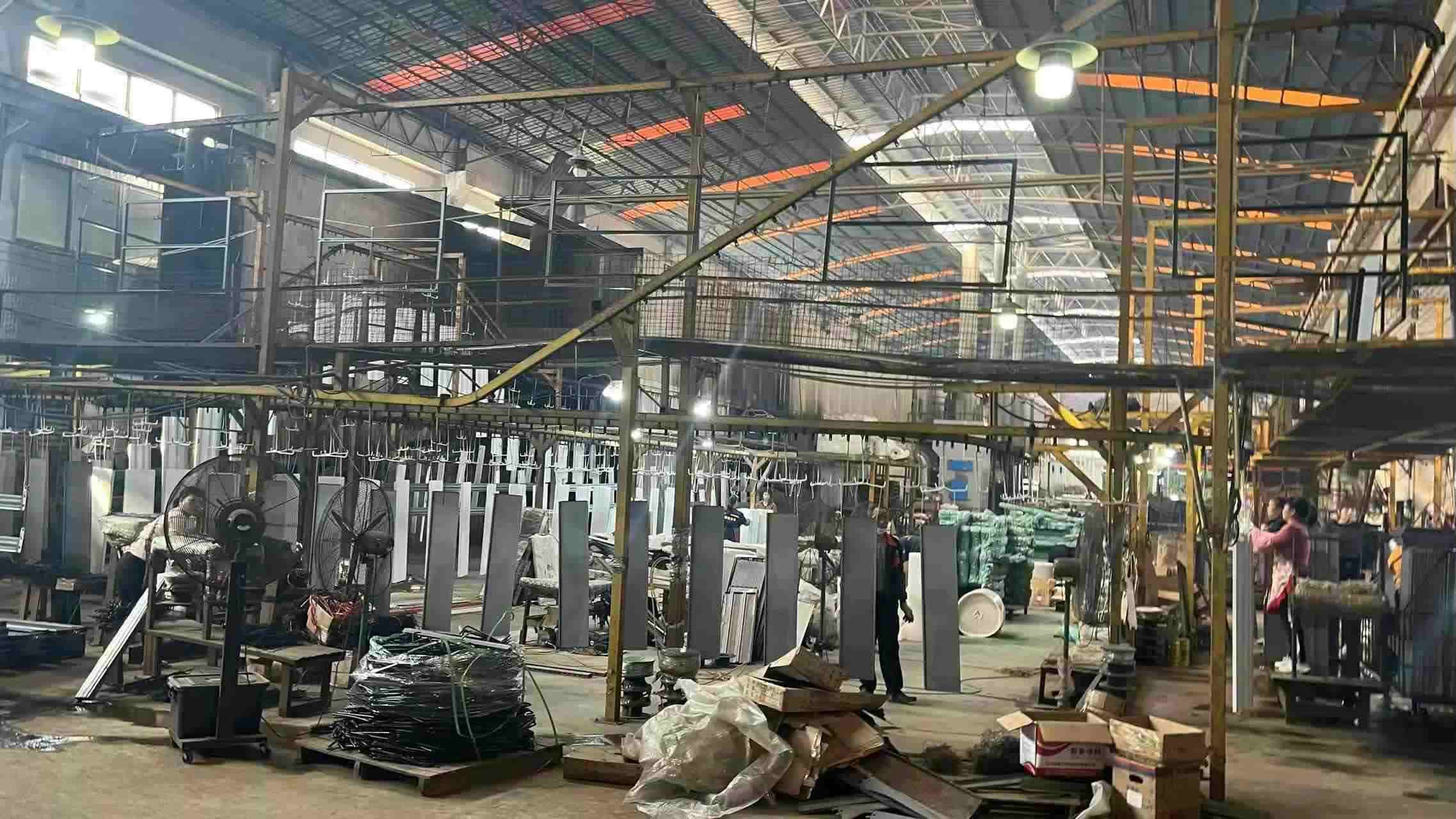
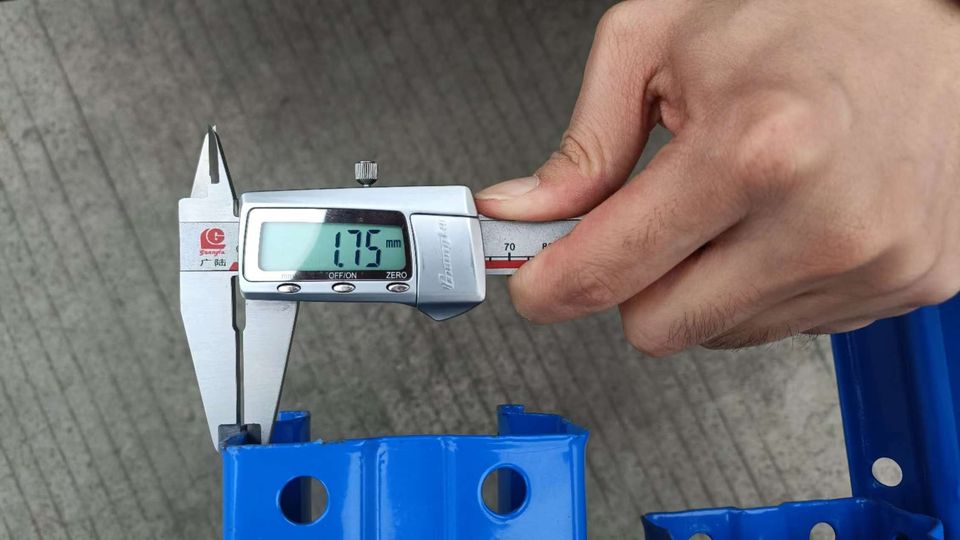
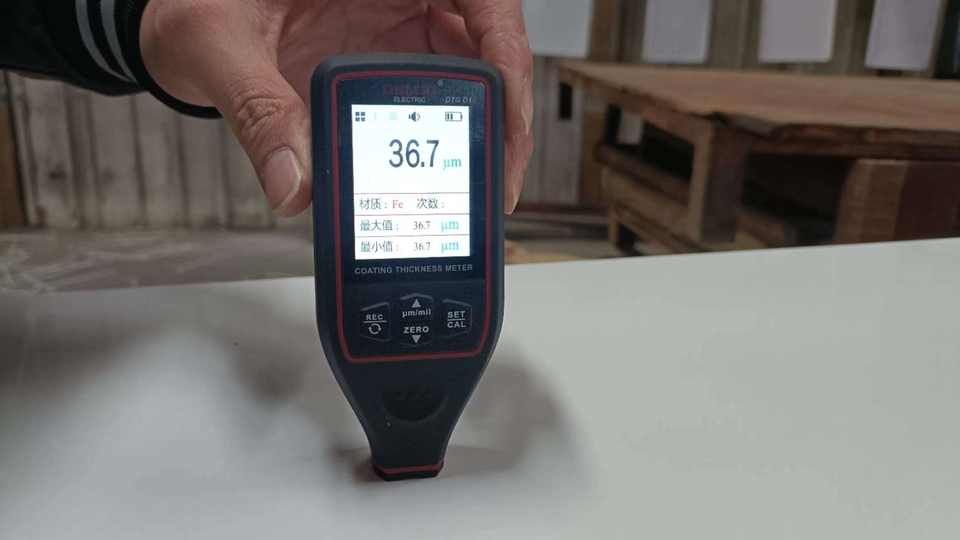
To maintain our reputation for structural safety, Durack employs vertically integrated production lines inside our 35,000 m² manufacturing plant. Every production stage—from incoming raw coils to high-temperature powder-coated elements—is tracked. Our inspection line includes ultrasonic testers to check weld penetration, and magnetic gauge coating thickness testers to verify powder layer uniform resistance.
As a seasoned manufacturer exporting to North America, we streamline the end-to-end logistics process. Shipping heavy structural steel products requires efficient container volume utilization, precise shipping documents, and compliance with import regulations.
Your team provides warehouse CAD layouts, height clearances, and load rating requirements. Our 65 R&D engineers construct a detailed 3D structural model and run Finite Element Analysis (FEA) to confirm safety tolerances, joint shear parameters, and seismic stability under California regulations.
Structural steel beams, vertical posts, and floor grating panels are packed in bundles using heavy steel strapping and protective edge pads. This method maximizes container capacity while preventing movement during sea transport to the Port of Los Angeles or Long Beach, reducing overall ocean freight costs.
We supply comprehensive customs documentation (ISF filing, Bill of Lading, Certificate of Origin, mill test reports). This documentation ensures clean customs clearances, avoiding port delays. On-site, the bolt-together modular design allows local general contractors or specialized installers to construct the platform safely and efficiently.
Get answers to common questions about engineering, seismic certification, permitting, and shipping mezzanine platforms for the Southern California market.
Typically, installing a mezzanine in Los Angeles requires a building permit from the Los Angeles Department of Building and Safety (LADBS). The application requires certified structural engineering calculations, space layouts, and mechanical anchoring details, stamped by a licensed Professional Engineer (PE) registered in the State of California. Durack provides full factory fabrication data and engineering blueprints to support this permit process.
Southern California is a high-activity seismic zone. Structural engineering requirements dictate the use of thicker structural steel profiles, larger baseplates, dynamic moment connections, and sway bracing to withstand horizontal acceleration. While these materials add to initial fabrication costs, they are necessary to prevent collapse during an earthquake and ensure code compliance.
Transit times from our manufacturing center to the Port of Los Angeles / Port of Long Beach range between 18 to 25 days. Total turnaround time, including custom engineering design, stamping/punching fabrication, and shipping, is approximately 6 to 8 weeks, which is often faster and more cost-effective than domestic structural steel fabricators.
Yes. Our R&D division has 65 specialized engineers who customize columns, beam heights, structural decking layouts, and load capacities (ranging from 125 PSF to 300+ PSF) to meet specific architectural requirements, building designs, and operational goals.
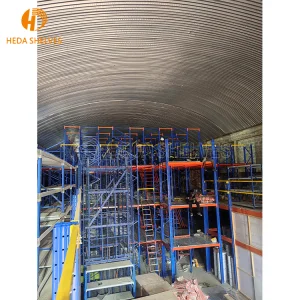
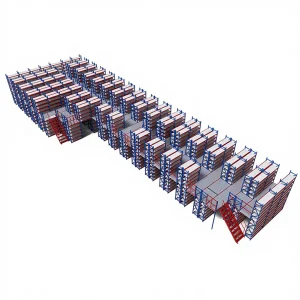
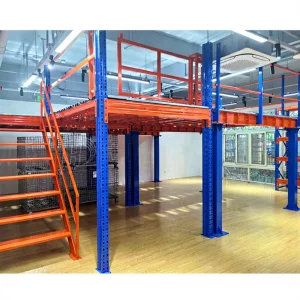
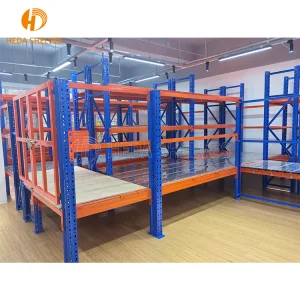
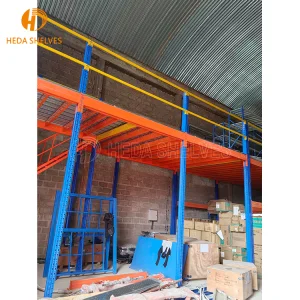
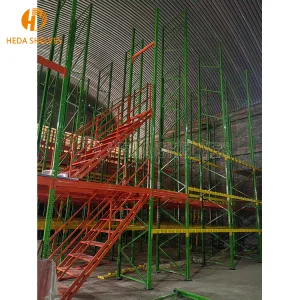
A full selection of heavy-duty mezzanine platforms, steel attic configurations, and modular frame warehouse units, engineered to maximize space.
 Durack