Premium structural engineering engineered to optimize pallet storage spaces across Brazilian logistics hubs.
Founded in 2014, Dongguan Durack Logistics Equipment Co., Ltd. is a premier storage racking system manufacturer operating a state-of-the-art 35,000 m² facility. Backed by 12 years of industry experience and 8 years of global export history, the company generates $28 million in annual export revenue, making us a trusted partner for supply chains worldwide.
Our operations are supported by a strict quality assurance system using full-spectrum ultrasonic testing and load-bearing stress evaluations, overseen by 45 dedicated QC specialists. Building on a strong international trading background, our core markets span North America, Europe, and Southeast Asia, with a rapidly growing footprint in the South American industrial sector, particularly Brazil.
We maintain a reliable supply chain network of over 850 partners, catering primarily to third-party logistics (3PL) providers, automated cold-storage facilities, and large-scale industrial distributors.
Driven by an active R&D division with 65 specialized engineers, Durack offers full OEM/ODM customization options—including bespoke beam profiles, structural steel grades, and dynamic layout designs—launching over 120 new storage products last year.
How high-density drive-in racking solves structural space challenges in South America's largest economy.
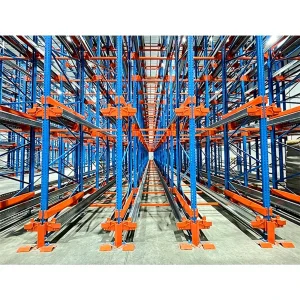
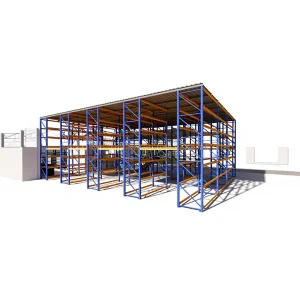
Brazil's global dominance in meat, poultry, and agricultural exports demands massive temperature-controlled storage. Cold-room volume is highly expensive to build and maintain; high-density Drive-in systems reduce ambient footprint requirements by up to 50% compared to standard selective pallet racking.
Logistics corridors connecting Santos Port to inner industrial hubs like Campinas, Curitiba, and Joinville face skyrocketing land values. Drive-in systems offer ideal LIFO inventory structures for single-SKU high-volume distributions, maximizing volume throughput.
Engineered to comply with Brazilian structural standards (including NBR standards). Our heavy-duty cold-formed and structural steel profiles ensure stable load paths, accommodating lateral forces with robust top and back bracing configurations.
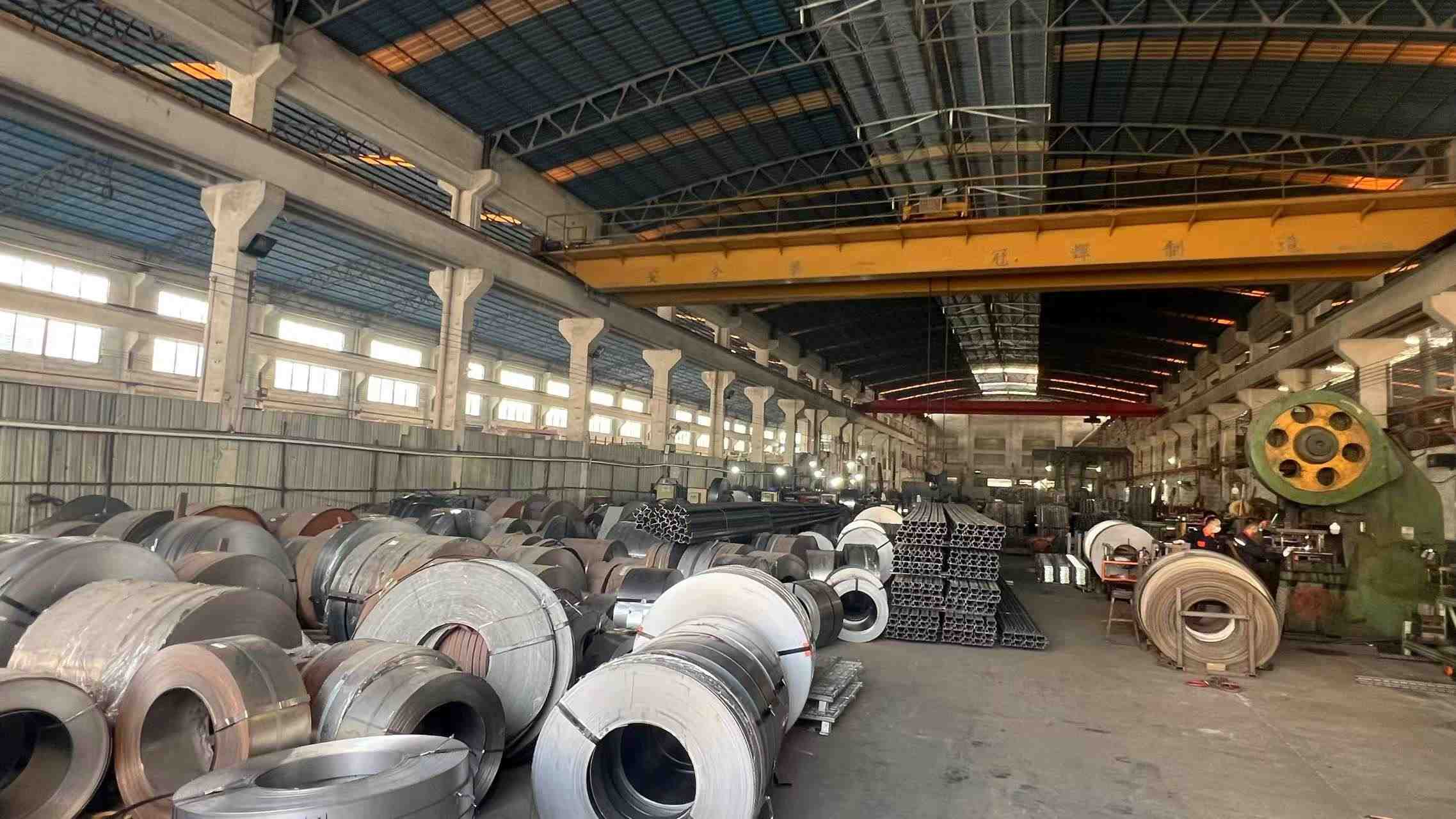
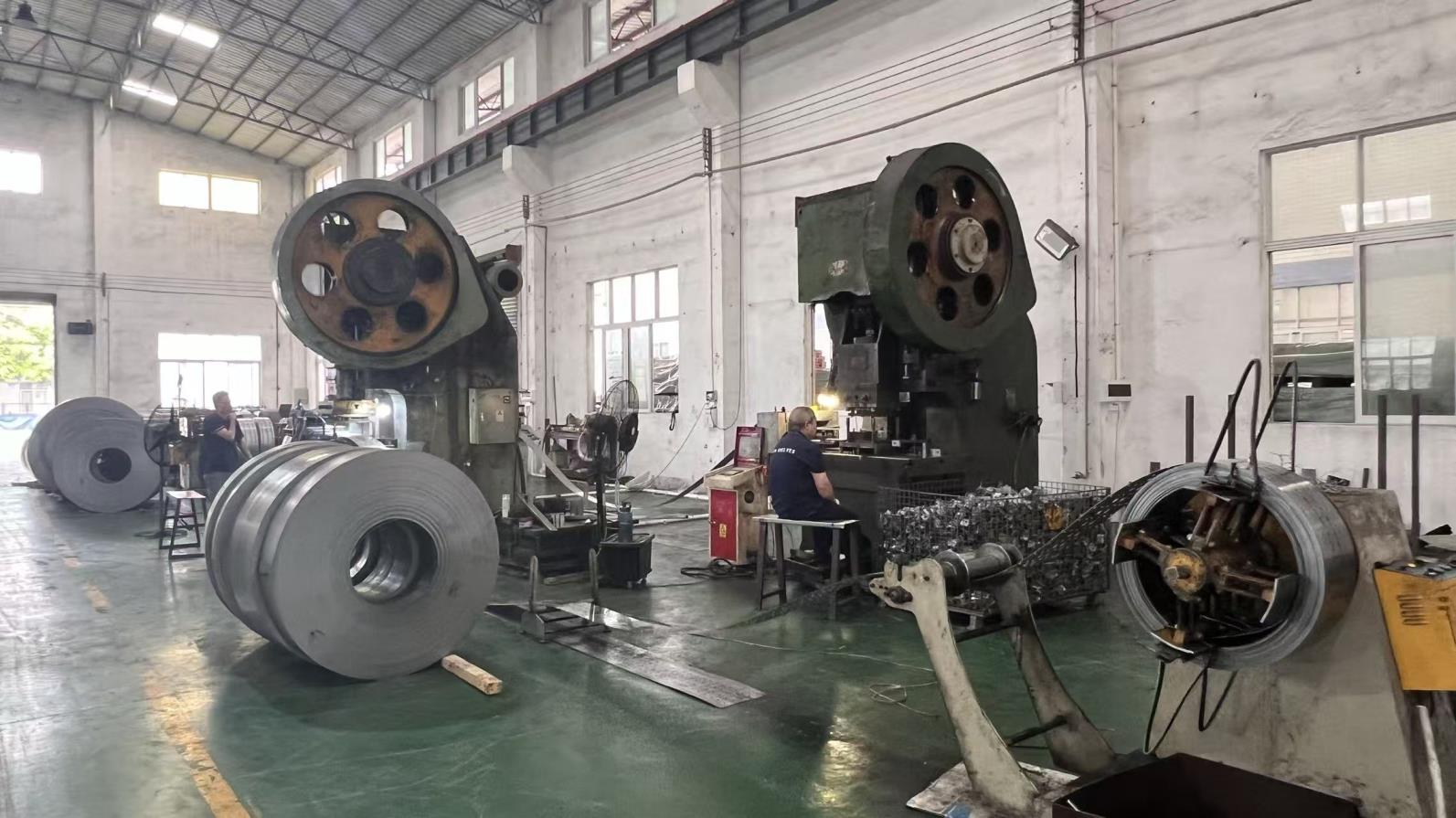
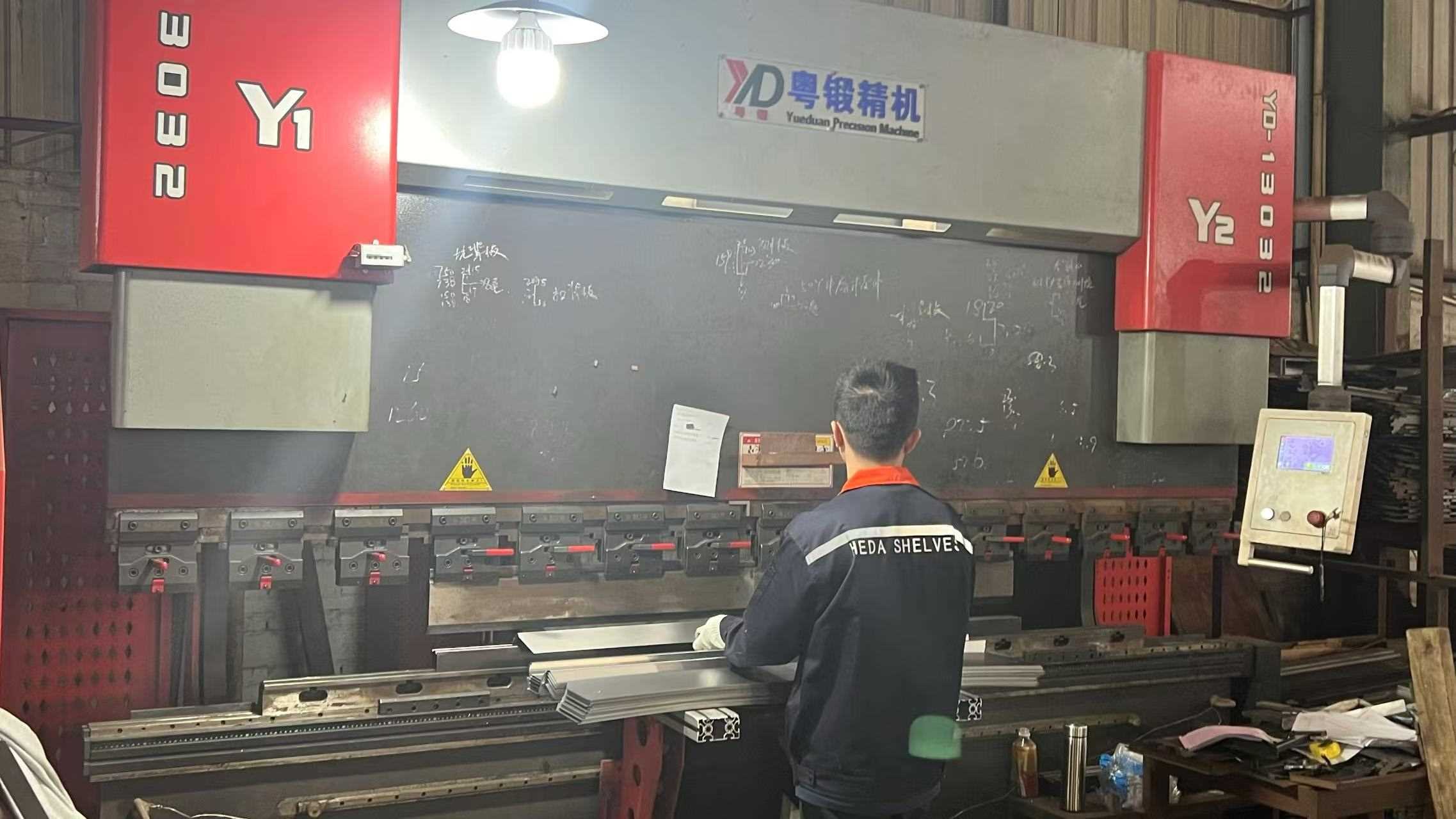
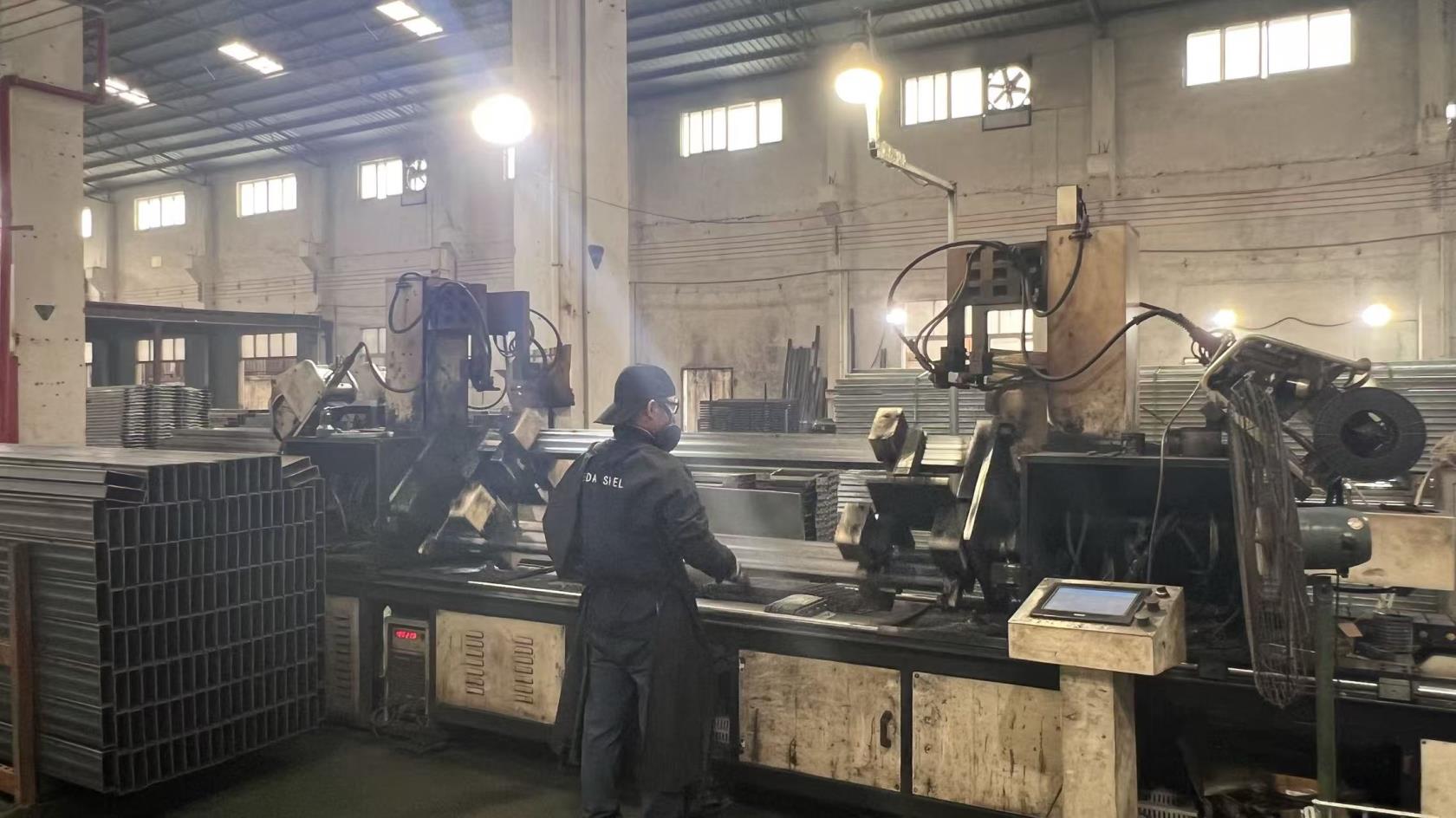
Deep visual insight into how we transform raw steel into high-density storage infrastructure at our 35,000 m² plant.
 1
1
Certified Q235B/Q355B high-yield structural steel coils sourced from national standard mills.
 2
2
Automated continuous die pressing ensures precise spacing holes on the upright columns.
 3
3
CNC bending machines form multi-bend profiles, yielding superior load-carrying capabilities.
 4
4
Rigorous gas metal arc welding (GMAW) ensures full penetration joints for beam brackets.
 5
5
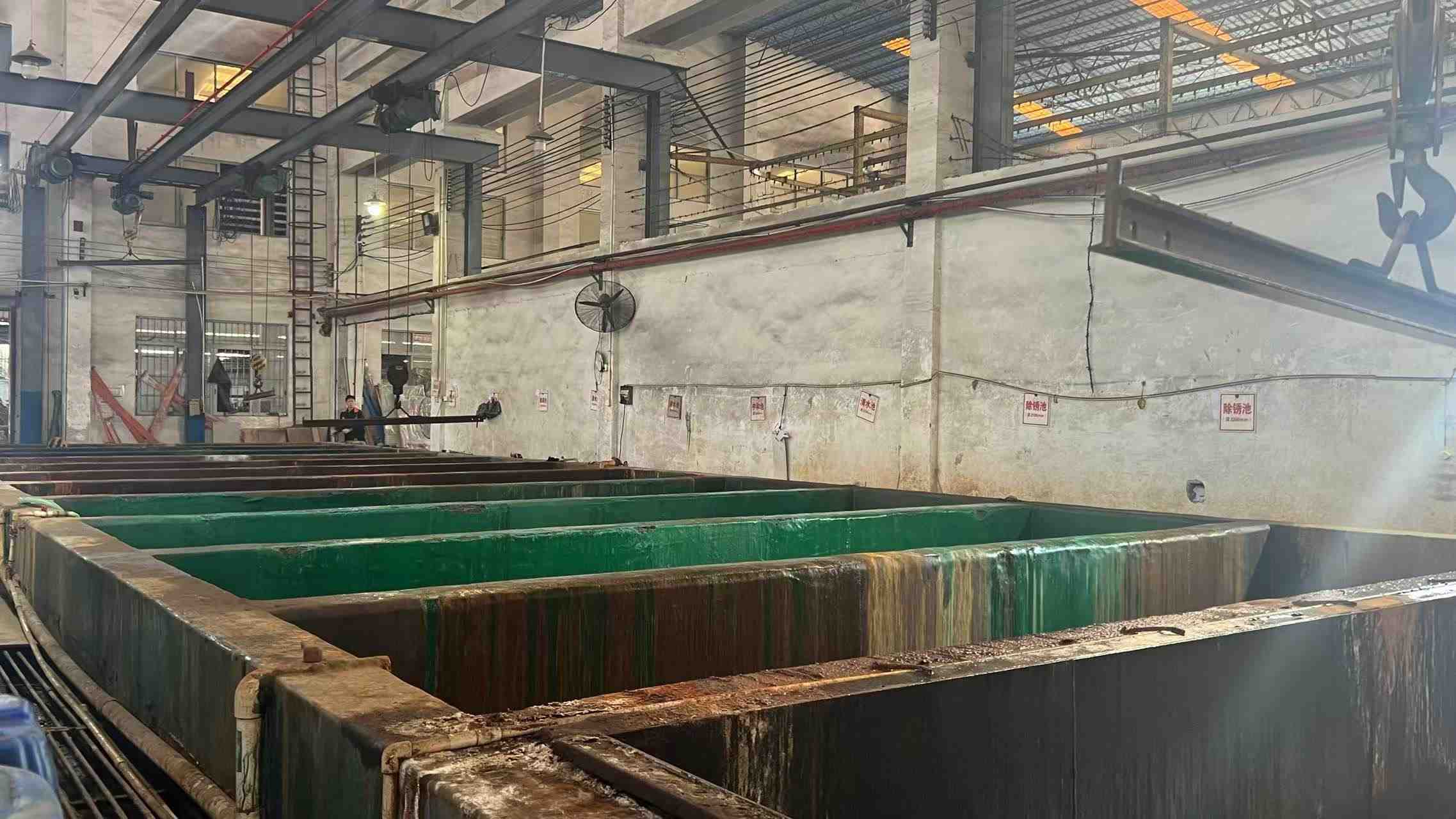
Multistage acid-washing and chemical Parkerising remove surface oils, oxides, and rust.
 6
6
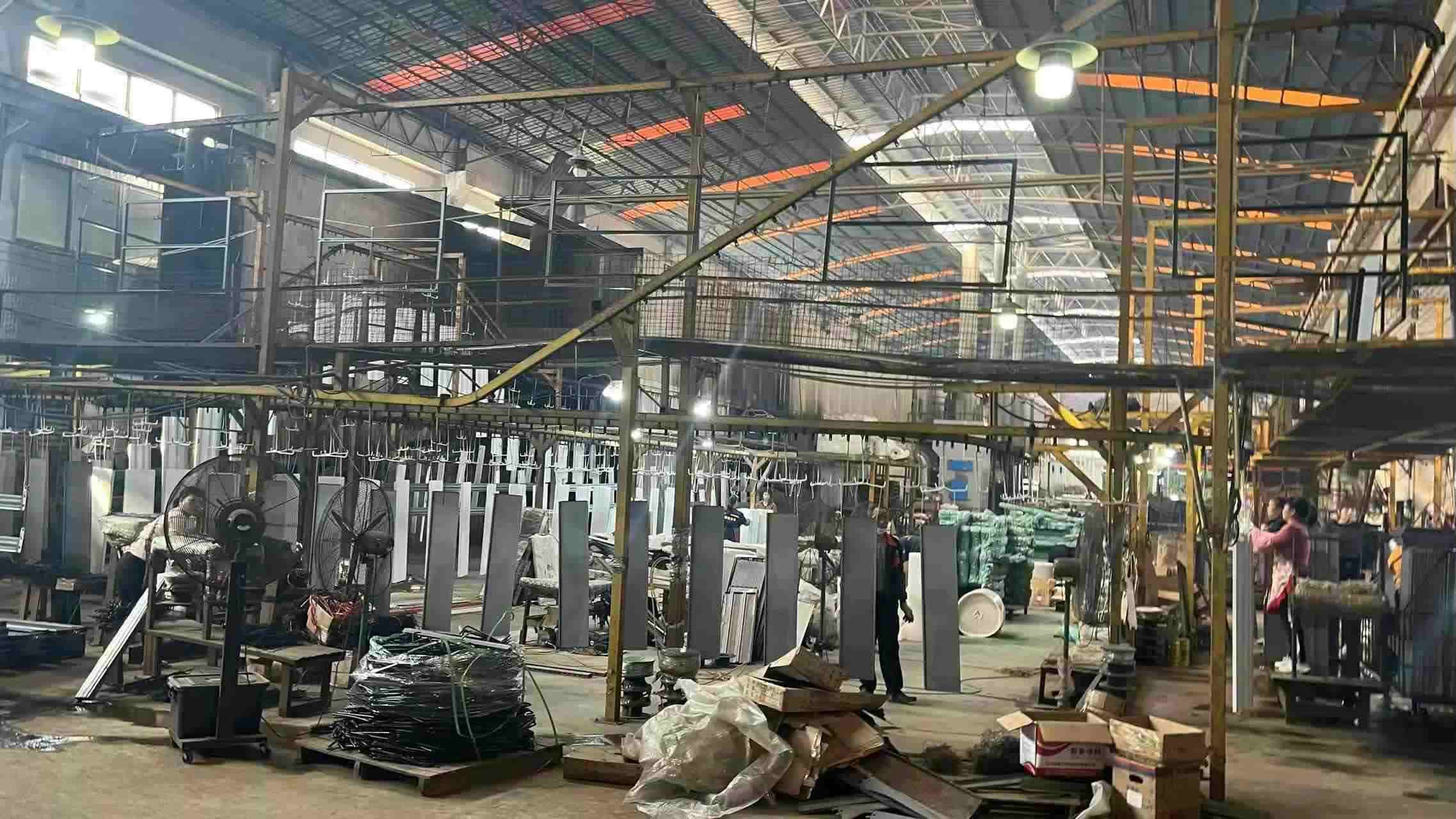
Electrostatic powder deposition cures at 200°C for exceptional mechanical scratch resistance.
 7
7
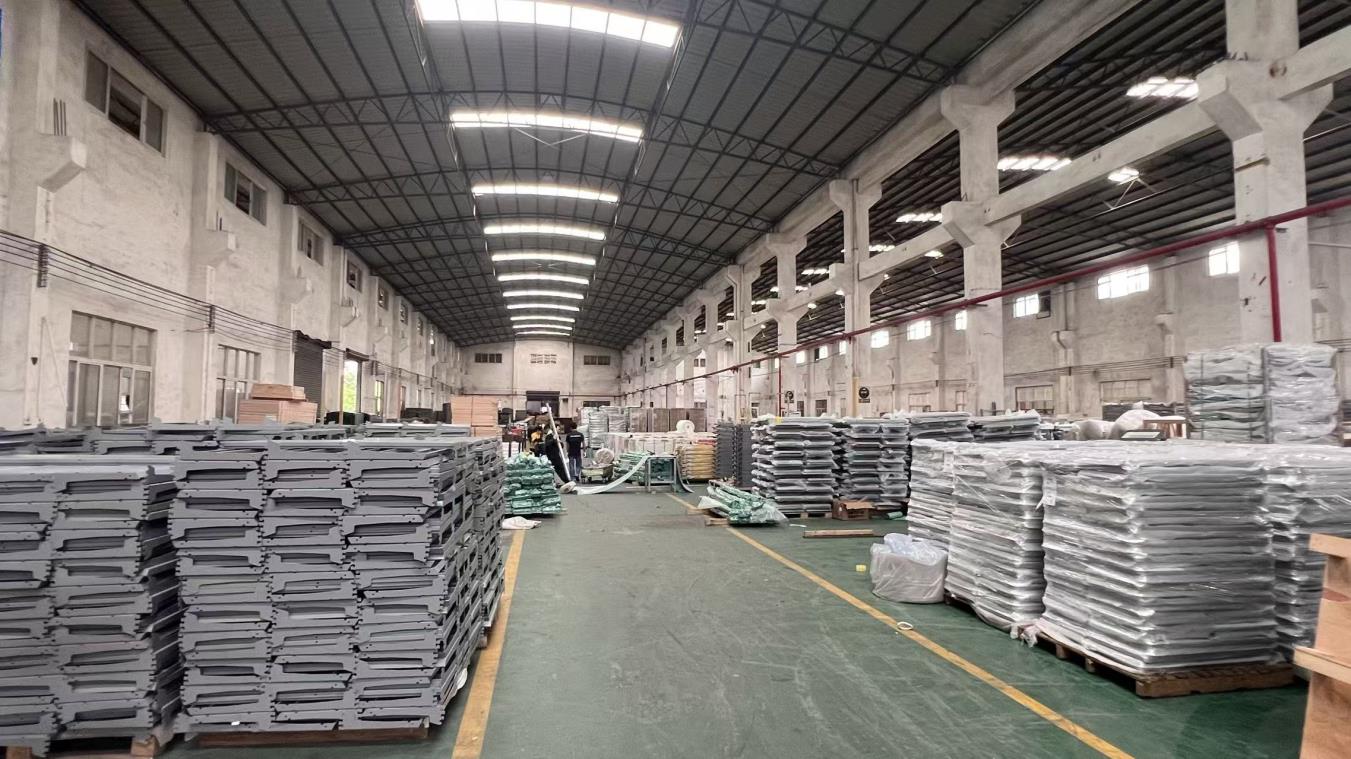
Strict batch-indexed warehousing protects components from environmental degradation.
 8
8
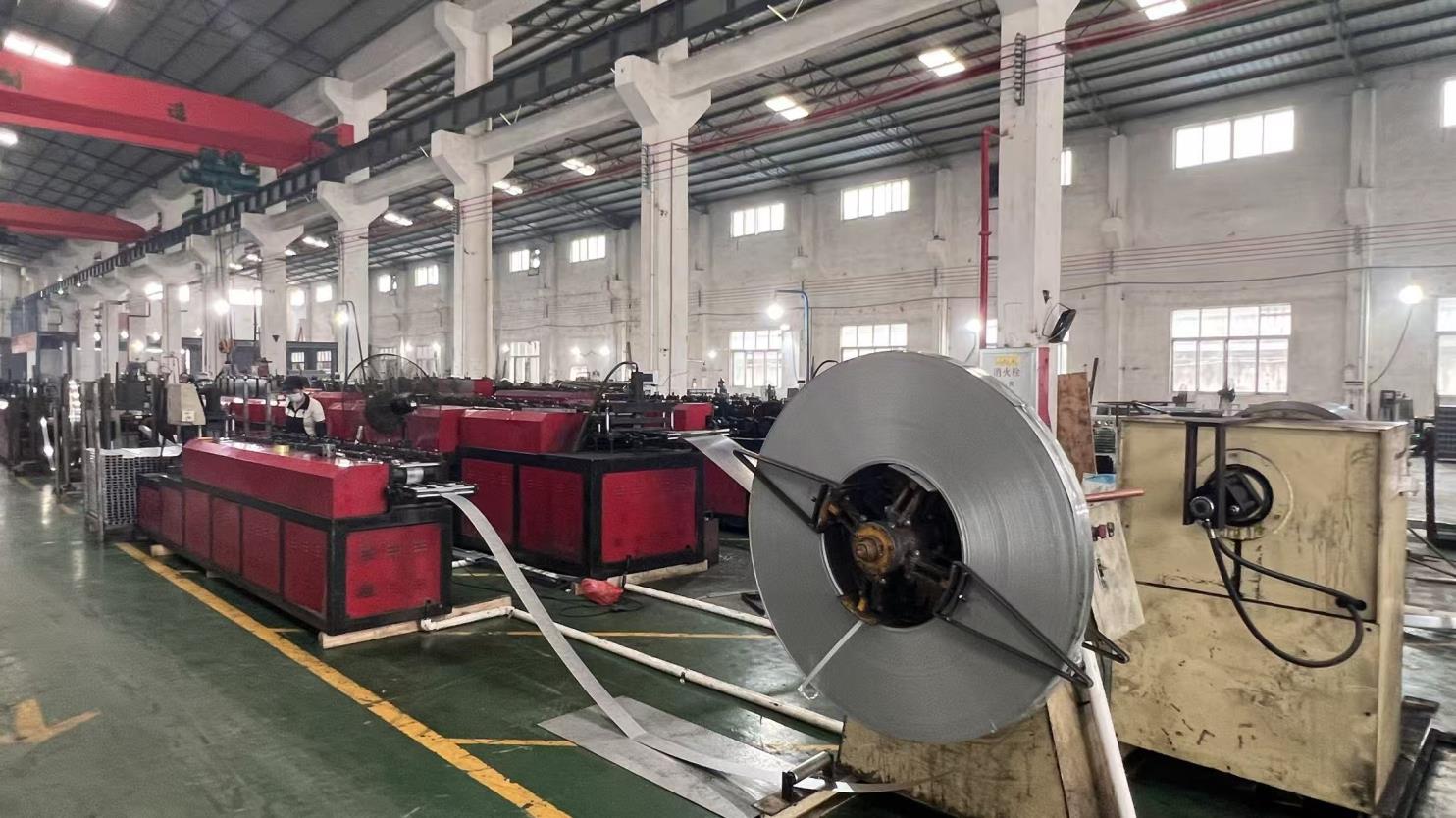
High-precision profile extrusion roll forming machine shapes long, structural load beams.
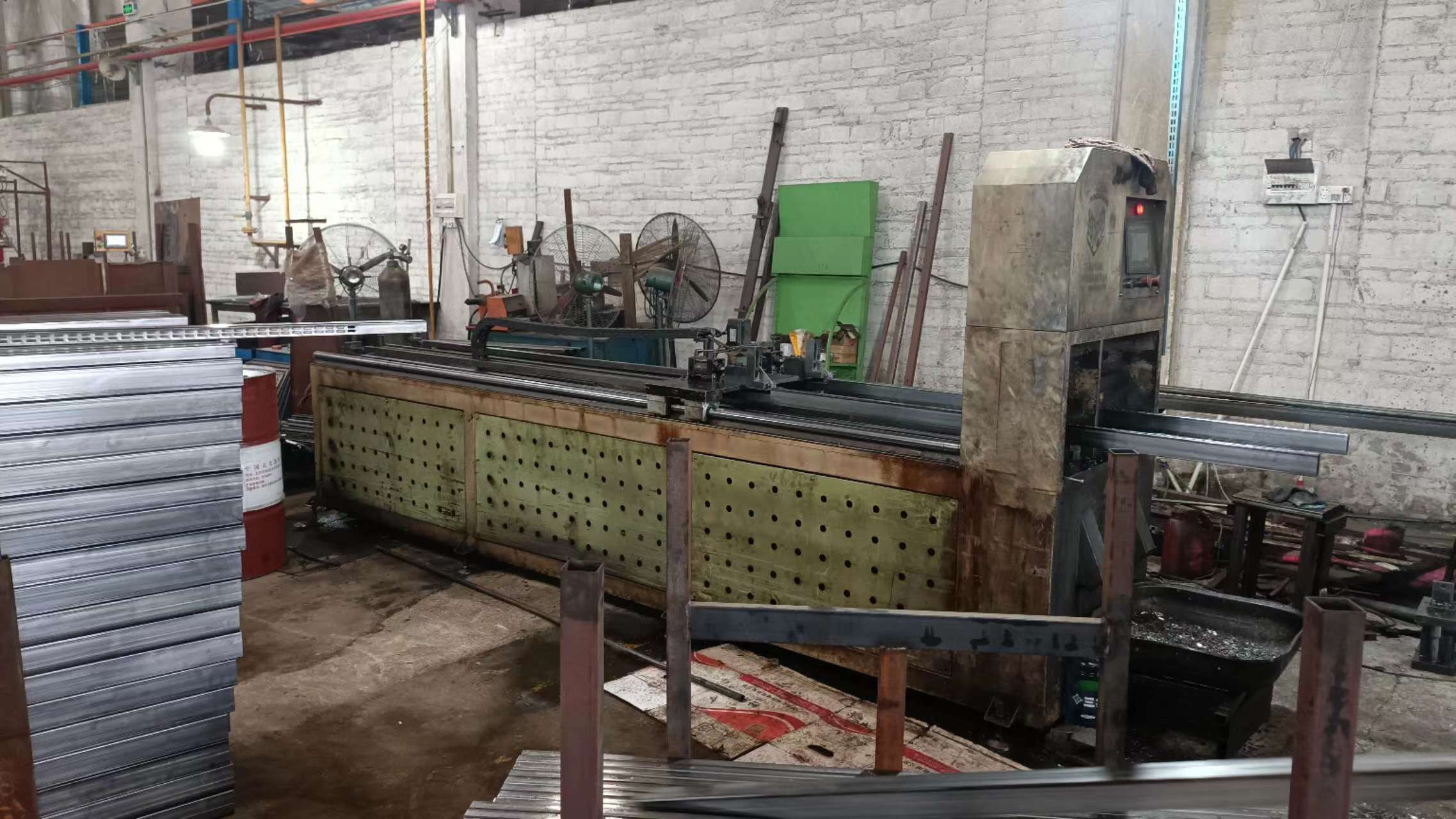
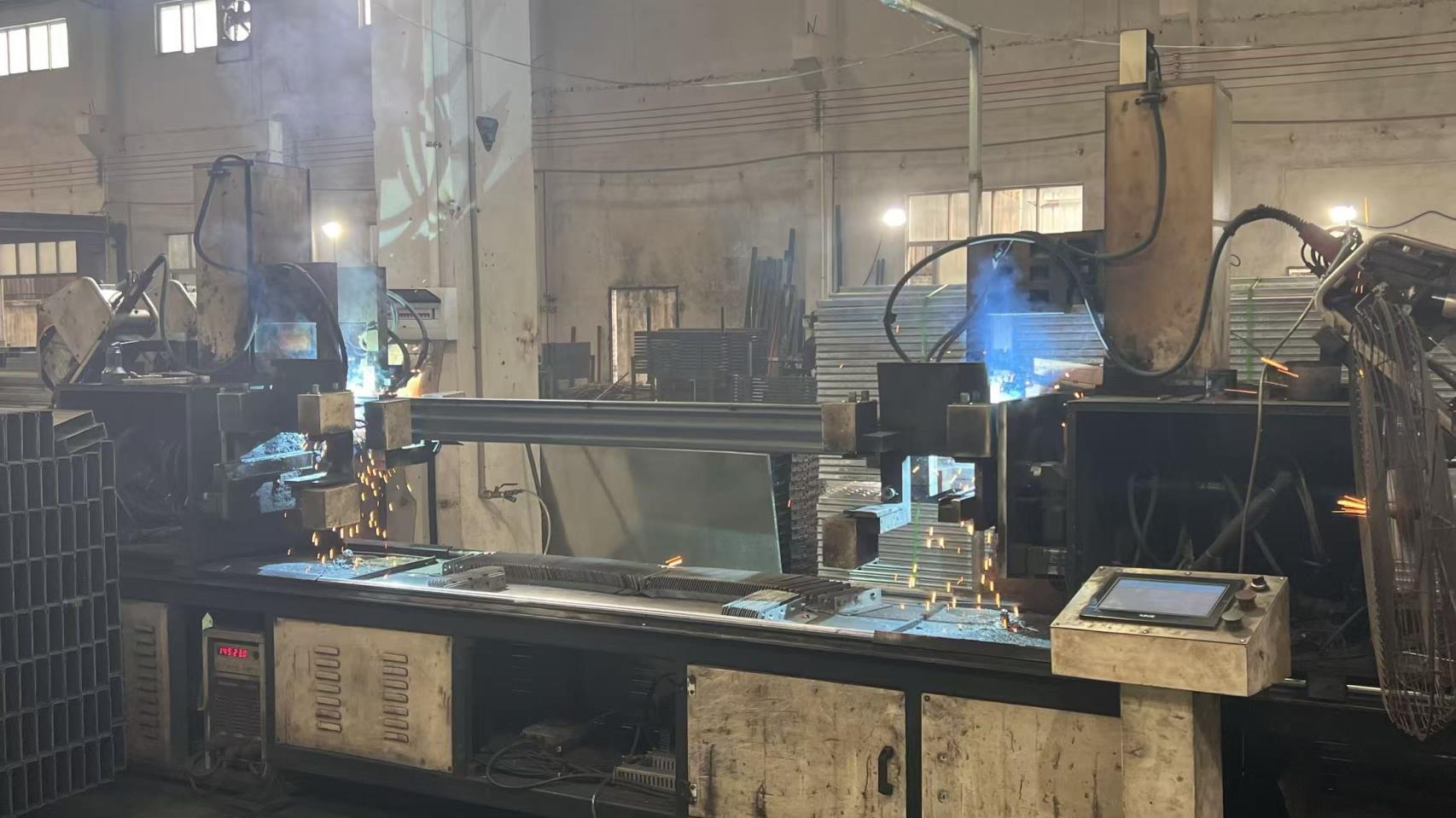
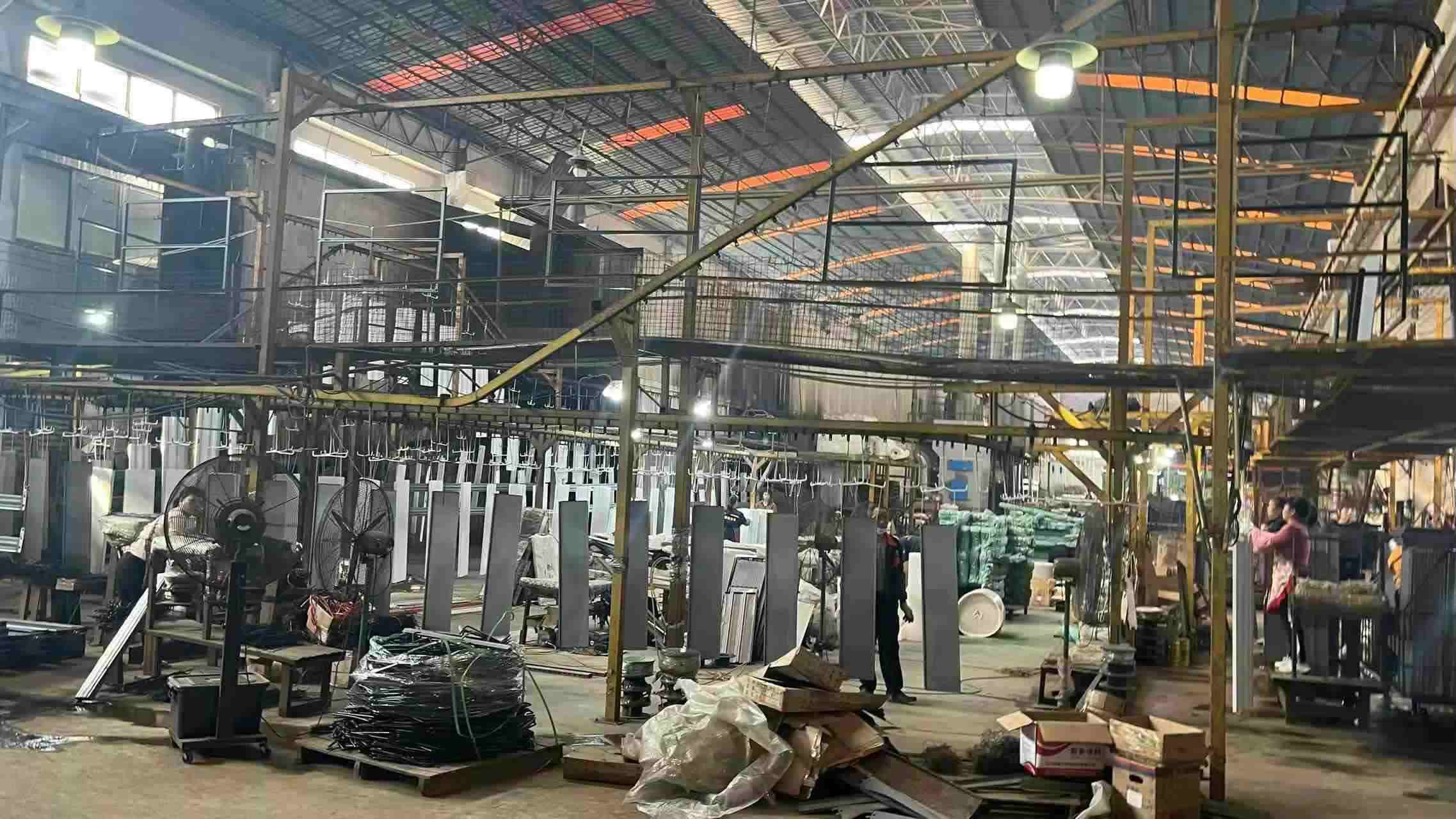
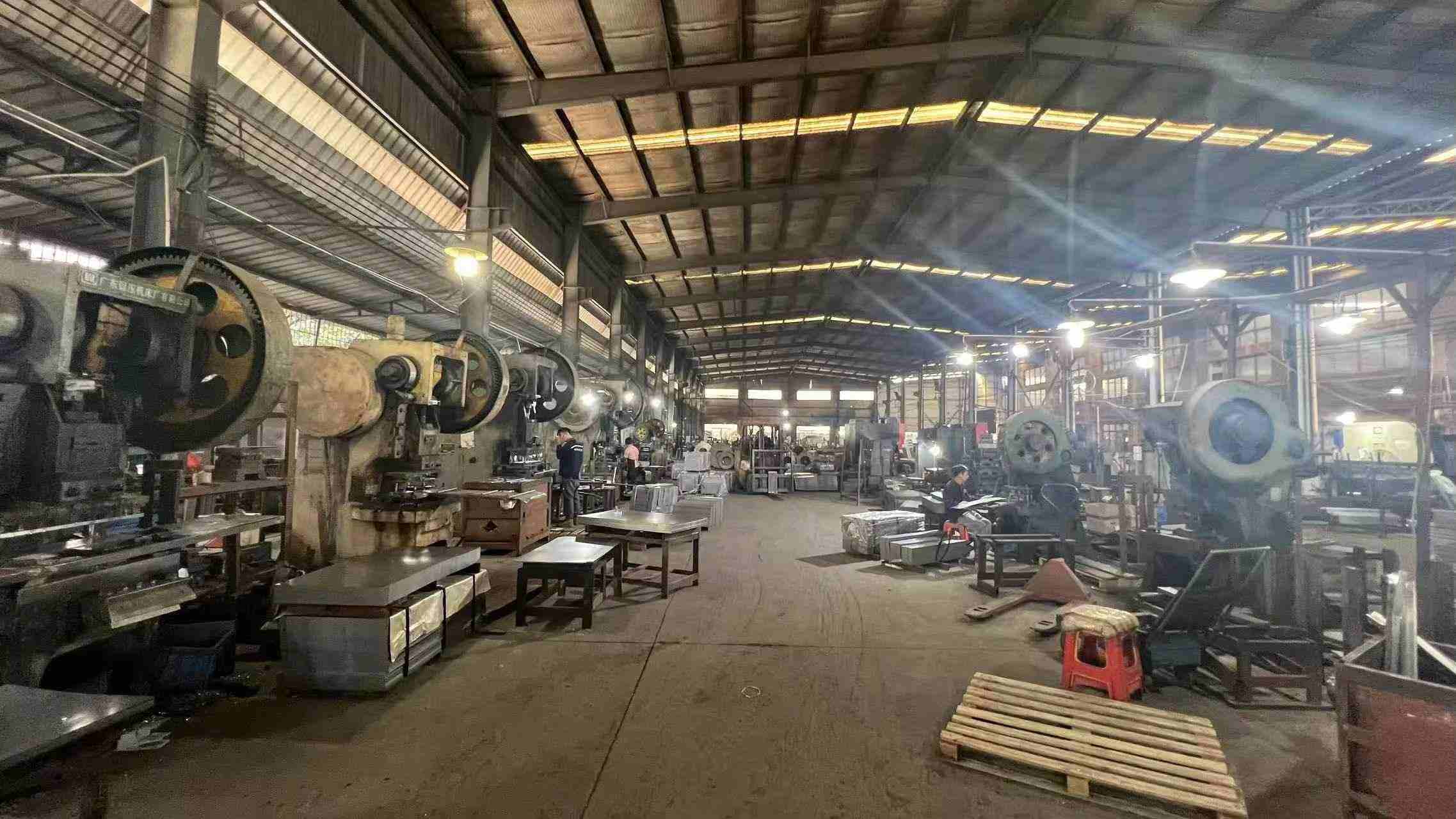
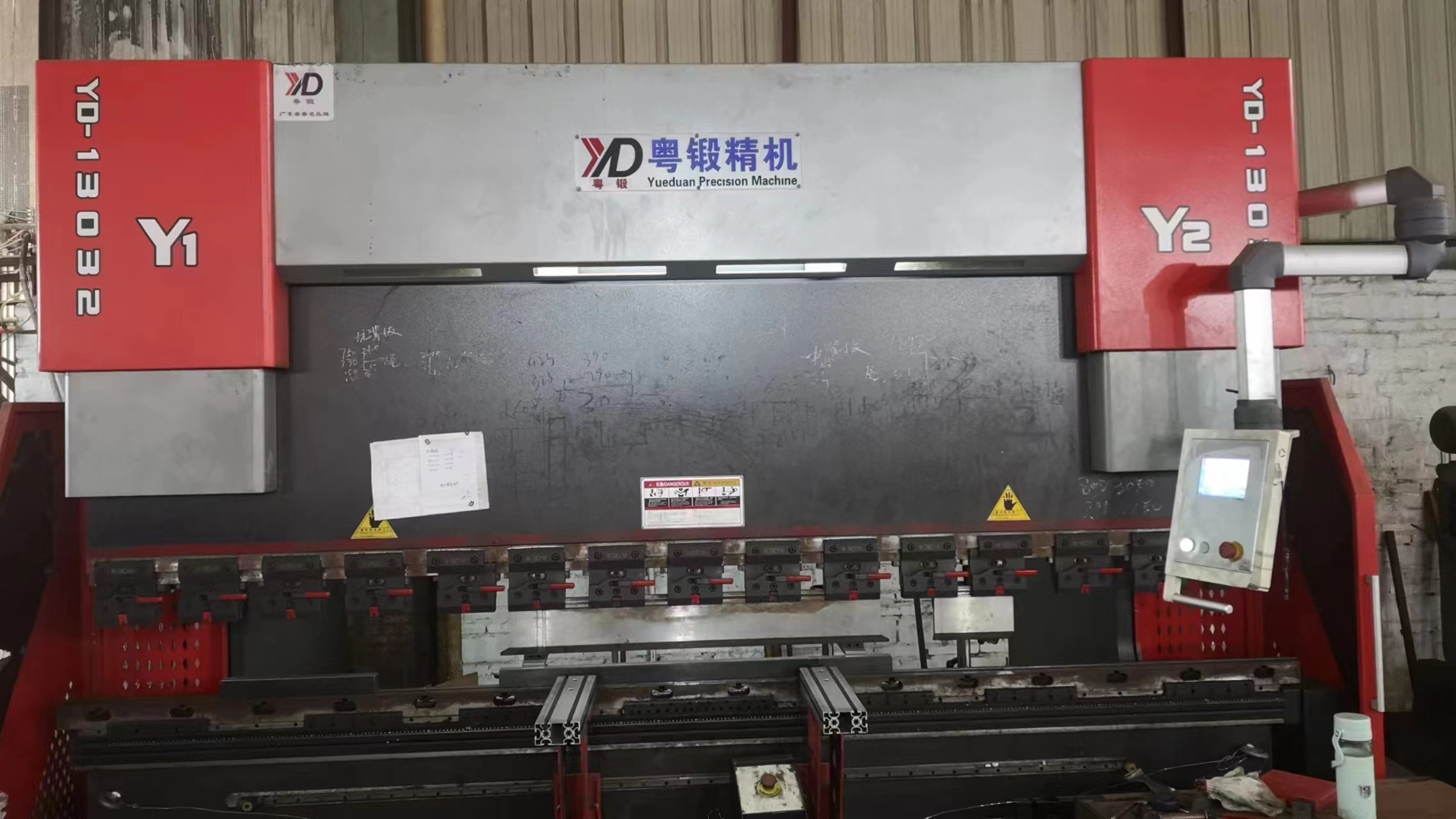
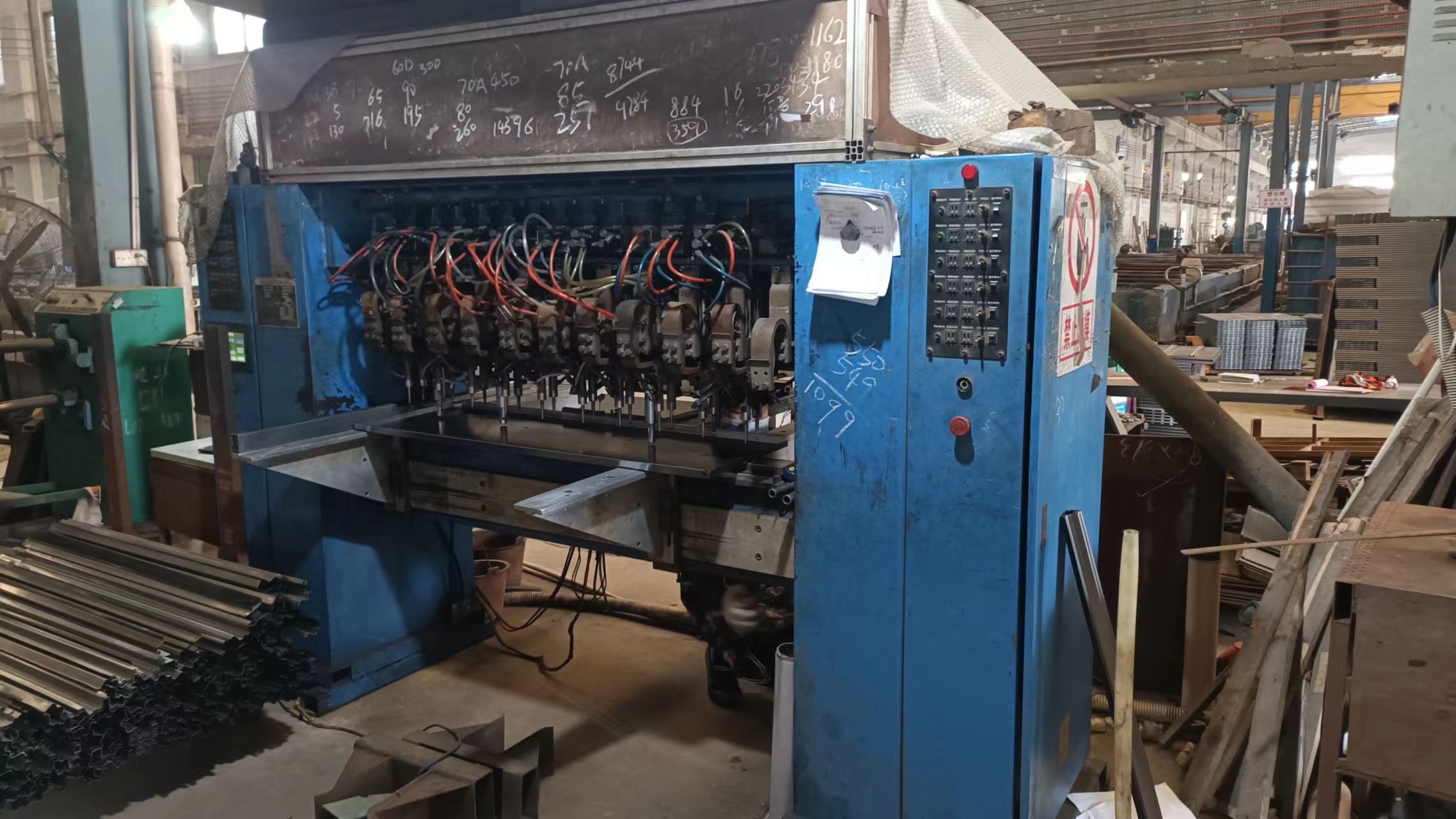
At Durack Logistics Equipment, we run physical, non-destructive testing and precision tolerances checking at every step. Operating under strict EN 15512, FEM 10.2.07, and RMI standards, we guarantee that the steel racking shipped to South American operations meets maximum stability matrices.
Our quality assurance includes checking coating thicknesses to prevent corrosion in humid coastal warehouses (e.g., near Porto de Santos) and structural testing to handle heavy product loads (e.g., soy pallets, frozen meat containers).
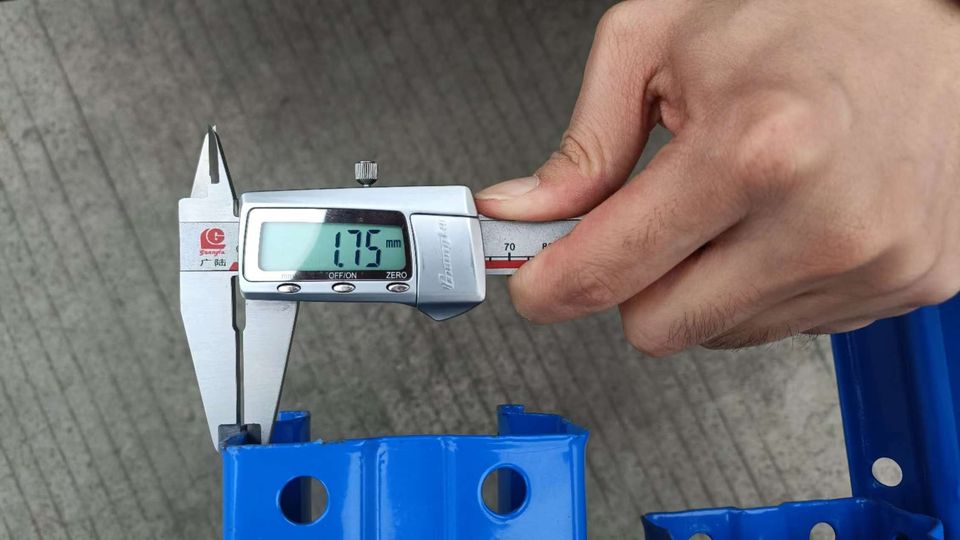
Continuous monitoring of steel sheet caliper profiles ensures exact engineering tolerance down to ±0.1mm.
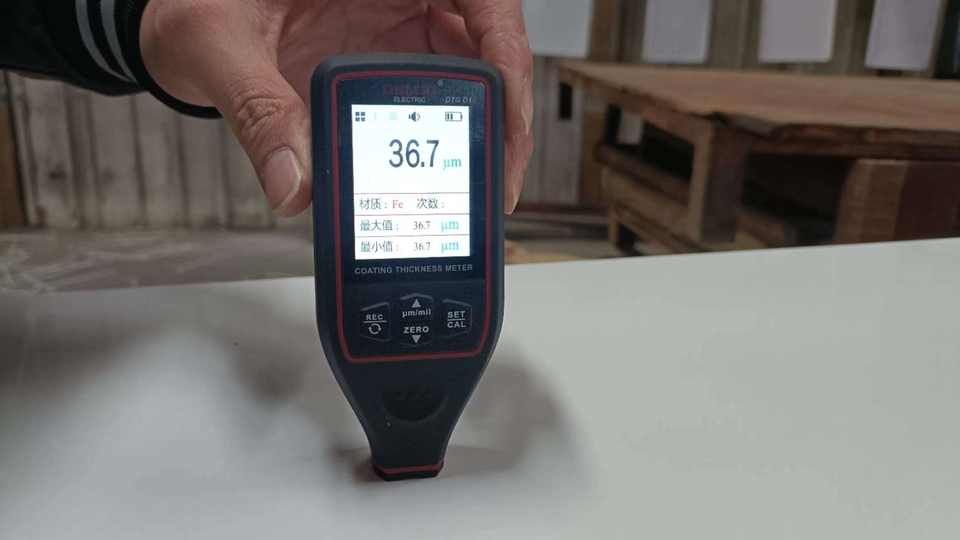
Ensures uniform epoxy powder coating thickness (60-80 microns) to prevent oxidation in coastal environments.
Leading the structural transition from manual storage to hybrid semi-automated storage infrastructures.
Traditional Drive-in racks are shifting toward semi-automated racking systems. Converting typical drive-in lanes with guide rails into pallet shuttle channels reduces forklift collisions and speeds up cycle times.
Using advanced roll-forming machines allows for multiple bends on a single upright column. This engineering design increases torsional rigidity, helping columns support heavy payloads under high lateral stress.
Integrating heavy-gauge floor guide rails, bright entry indicators, and wrap-around column guards helps prevent structural impact damage from forklift movements.
Expert answers about drive-in racking engineering, installation in Brazil, and structural customization.
Drive-in racking systems use a high-density, Last-In, First-Out (LIFO) design. This minimizes the open aisle space needed for forklifts, dramatically reducing the cooled volume requirements in cold storage and lowering energy costs.
Yes. Our engineering division designs systems to meet national and international steel frame standards, including ABNT NBR 15524 for Brazil. We calculate wind, seismic, and dynamic load tolerances to match local regulations.
We provide two primary options: a heavy-duty thermosetting epoxy polyester powder coating (standard thickness of 60-80 microns) and a hot-dip galvanized finish. The hot-dip galvanized option is ideal for damp, highly corrosive environments or deep-freeze storage.
Manufacturing typically takes 20 to 30 days depending on project volume. Sea transit from Shenzhen or Nansha to Santos/Paranaguá takes roughly 35 to 45 days. We also assist with customs documentation and coordinate loading configurations to minimize port handling delays.
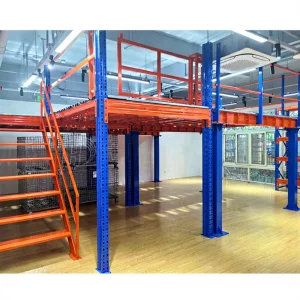
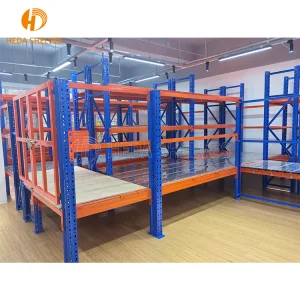
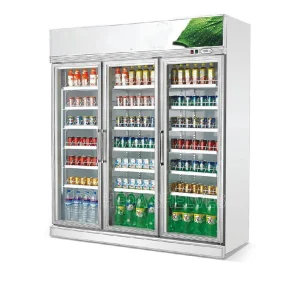
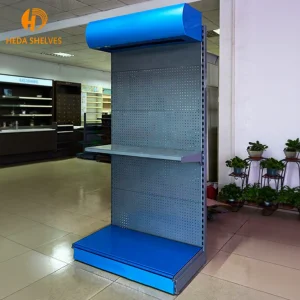
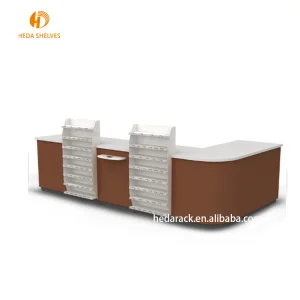
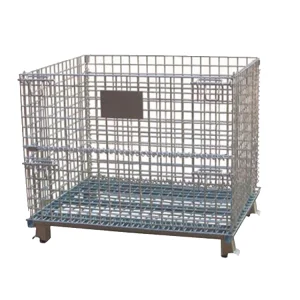
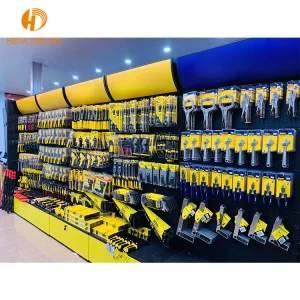
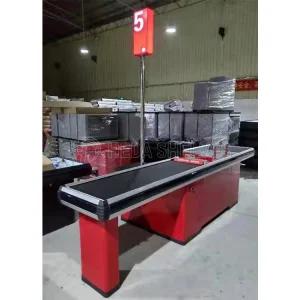
Complete heavy storage engineering and supermarket solutions exported directly to South American regional retail and logistics hubs.
Get a complete, free CAD layout proposal and factory-direct manufacturing quotation from our project engineers.
 Durack