High-capacity structural layouts certified for high-density storage configurations in manufacturing hubs.
The manufacturing and logistics environment in Mexico is undergoing an unprecedented structural transition. Propelled by the United States-Mexico-Canada Agreement (USMCA) and global supply chain re-alignments, international corporations are shifting production hubs to cities such as Monterrey, Tijuana, Ciudad Juárez, Querétaro, and Saltillo. This nearshoring movement has pushed warehousing occupancy rates to historical highs, with industrial land premiums matching those of primary consumer markets in North America.
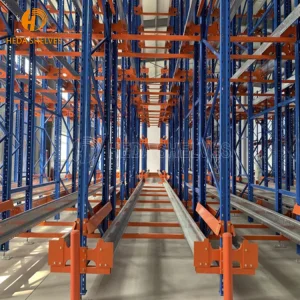
In this high-cost industrial real estate market, maximizing floor space utilization is no longer just a structural preference; it is a critical driver of profitability. Standard selective racking systems, while flexible, require wide access aisles that consume up to 60% of the overall warehouse footprint. By comparison, Drive-In Racking Systems eliminate internal aisles, allowing forklifts to drive directly into the storage lanes to deposit and retrieve pallets. This configuration increases pallet density by up to 75% compared to selective rack layouts, directly lowering the cost per square meter of warehousing operations.
For key economic regions in Mexico, such as the Bajío region (automotive and manufacturing) and northern border zones (electronics and medical devices), cold chain logistics and FMCG distribution networks demand rapid throughput coupled with massive storage volume. Drive-in racks are uniquely optimized for single-SKU, high-volume inventory cycles utilizing the LIFO (Last-In, First-Out) inventory management system, making them the default layout for cold storage facilities where temperature-controlled volume is exceptionally expensive to maintain.
Mexico possesses some of the most complex seismic dynamics globally, with tectonic interactions categorized across seismic zones A, B, C, and D. Warehouses operating in Zone D (including Guerrero, Michoacán, Oaxaca, and parts of the Valley of Mexico) and Zone C (including Jalisco and Colima) are subject to high ground acceleration forces during seismic events. Erecting high-density steel structures in these zones requires rigorous mechanical compliance.
Our Drive-In racking designs undergo thorough finite element analysis (FEA) modeling to meet both the Rack Manufacturers Institute (RMI) MH16.1 specifications and local Mexican building codes (including regulatory oversight by the *Secretaría del Trabajo y Previsión Social* - NOM-006-STPS-2014). Key seismic design strategies we integrate into our Mexican industrial installations include:
Enlarged and thickened floor plates with dual anchoring points to distribute dynamic lateral shear stresses safely into the concrete slab.
Utilizing certified Q355B structural steel grades (equivalent to ASTM A572 Grade 50) that exhibit yield strengths capable of absorbing cyclic flexural stress without structural collapse.
Heavy-duty top-tie bracing modules and back-bracing systems that mitigate torsional deflection, stabilizing deep pallet bays under maximum load conditions.
Furthermore, we produce comprehensive engineering calculation profiles (*Memorias de Cálculo Estructural*) verified under the load-bearing requirements of Mexican civil engineering standards. This facilitates building permit approval processes and complies with the insurance requirements of global underwriters operating in Mexico.
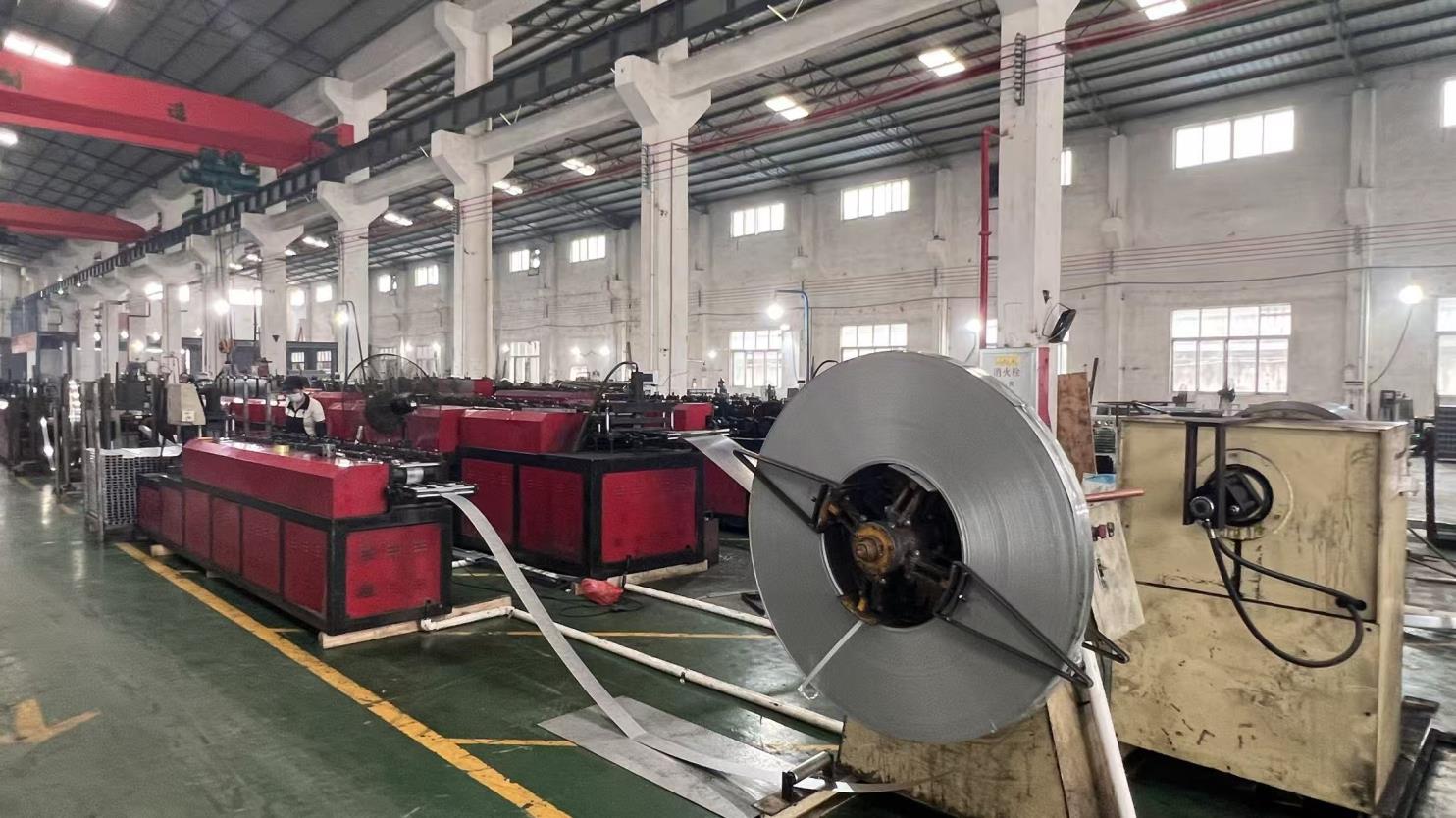
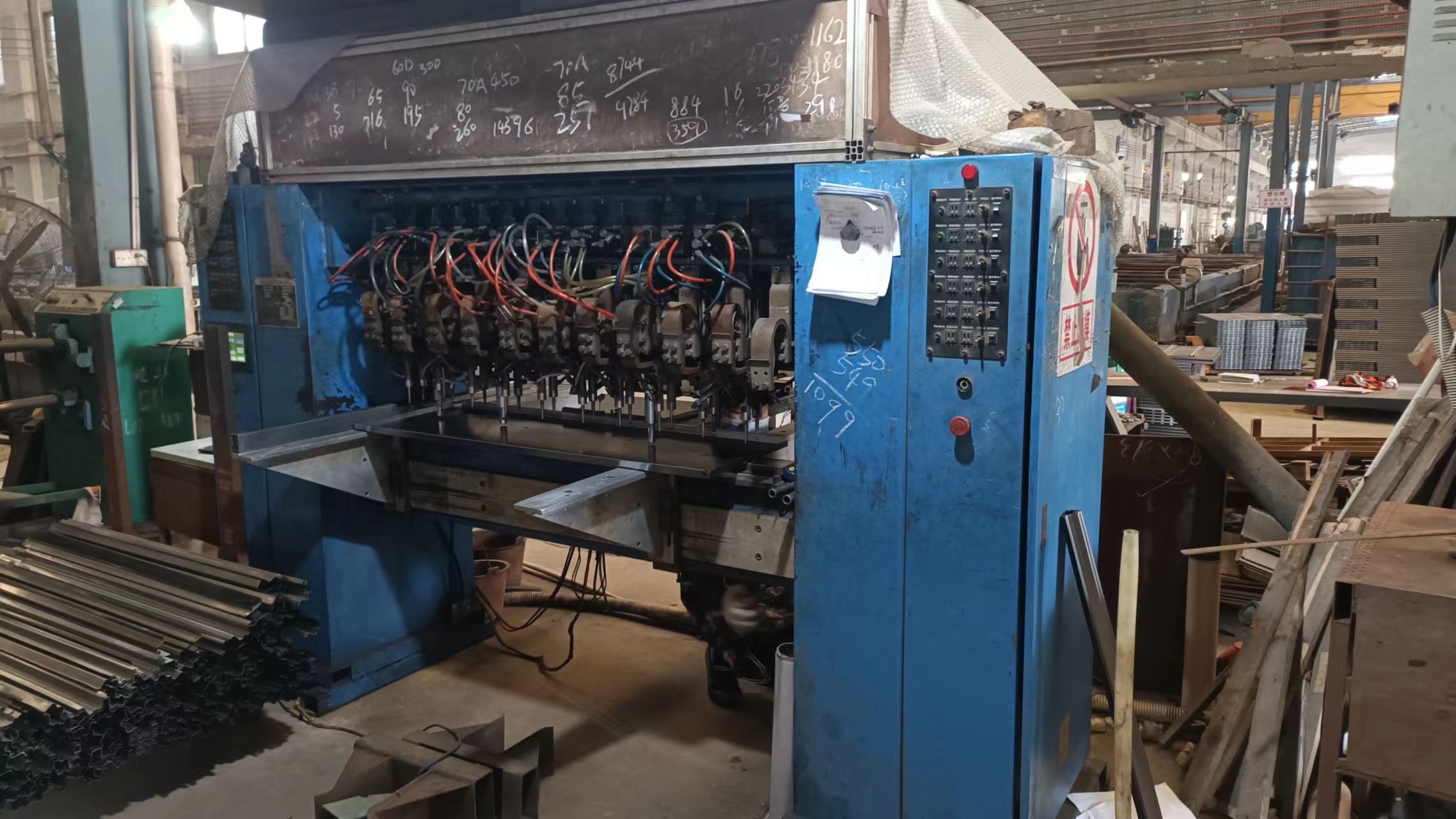
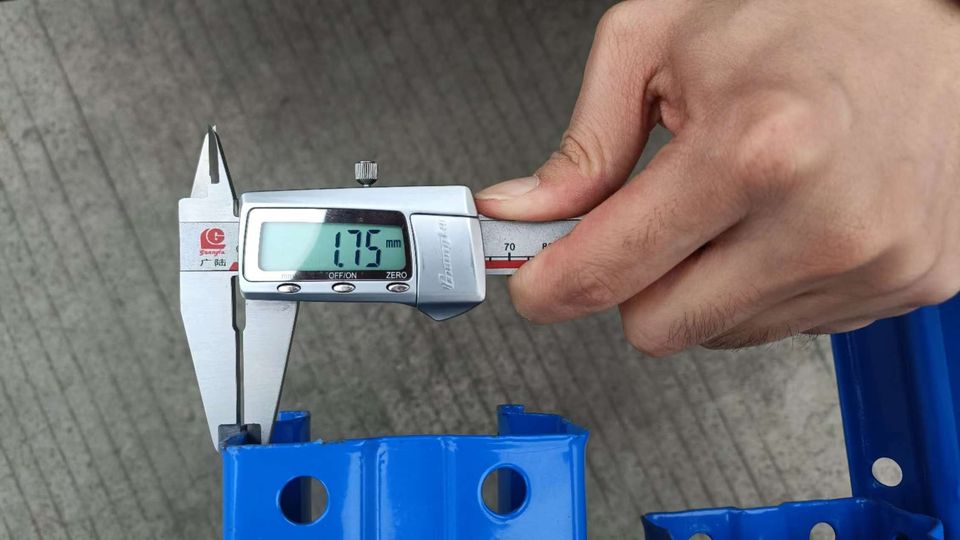
Because forklifts operate within the structural footprint of drive-in racks, safety systems are critical to preventing structural failure. Our specialized manufacturing lines produce customized upright configurations with cold-rolled tear-drop patterns or structural C-channels to accommodate variable load-arm brackets.
To protect structures against accidental forklift impacts, we offer three tiers of structural defense:
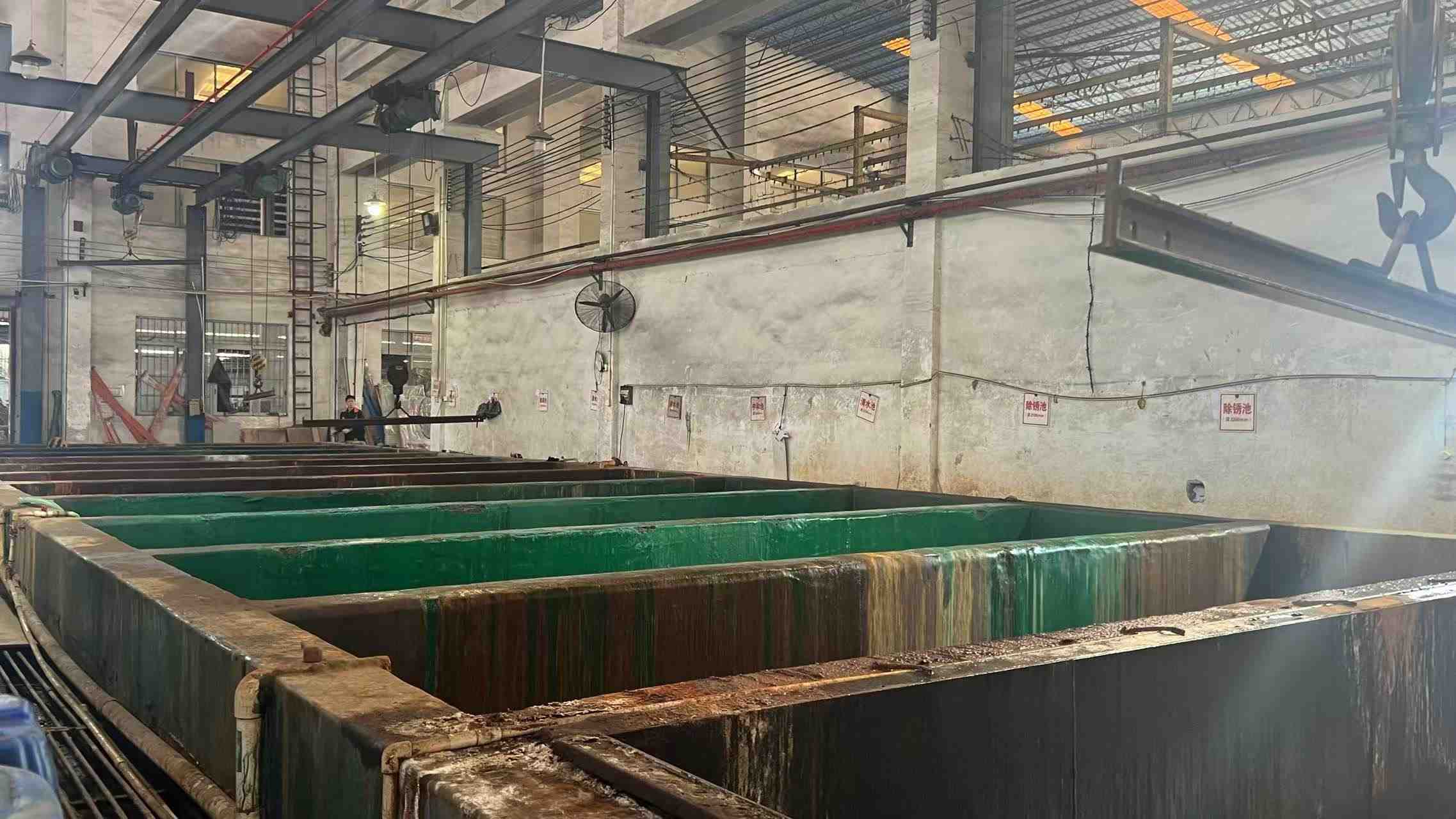
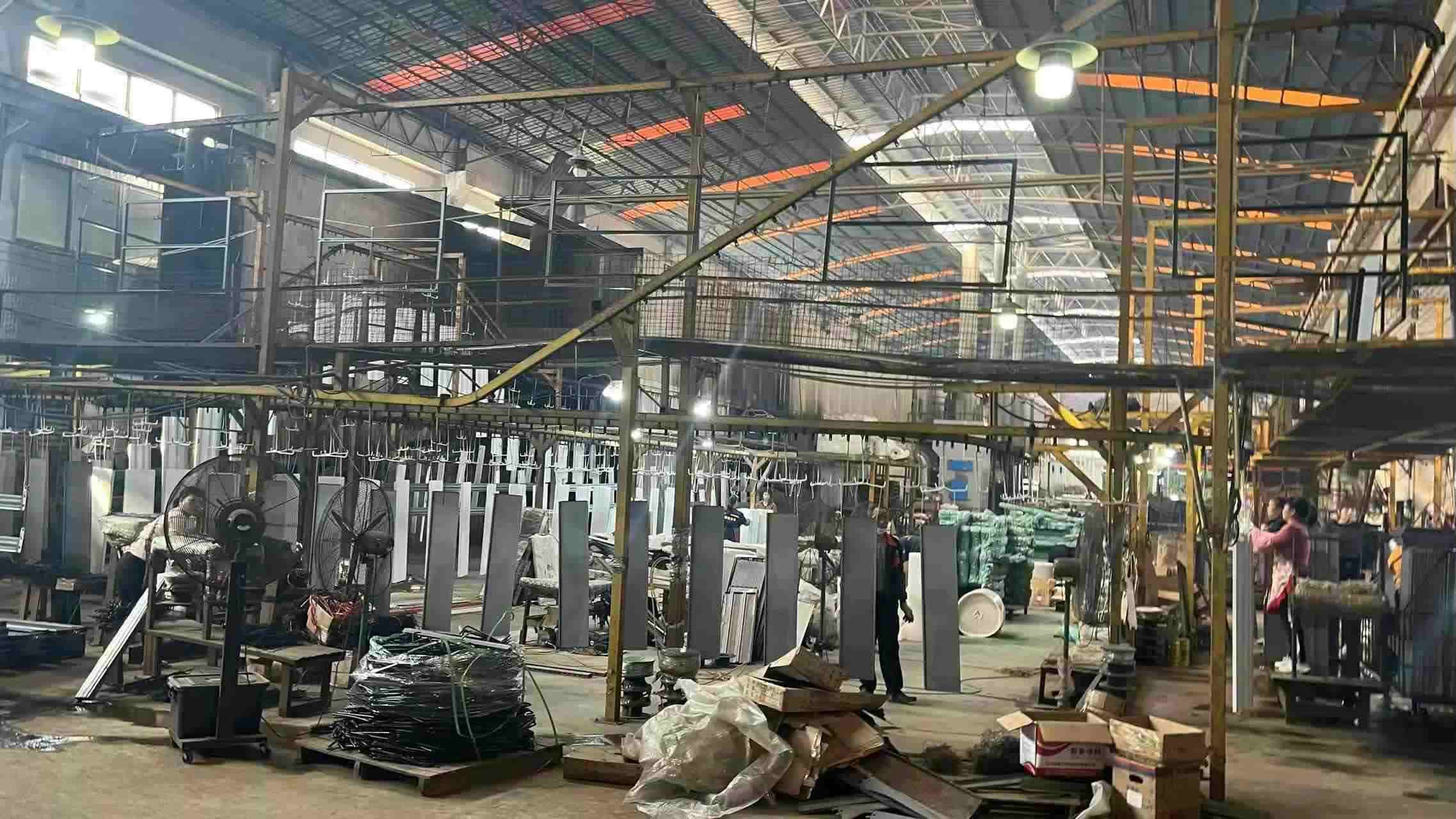
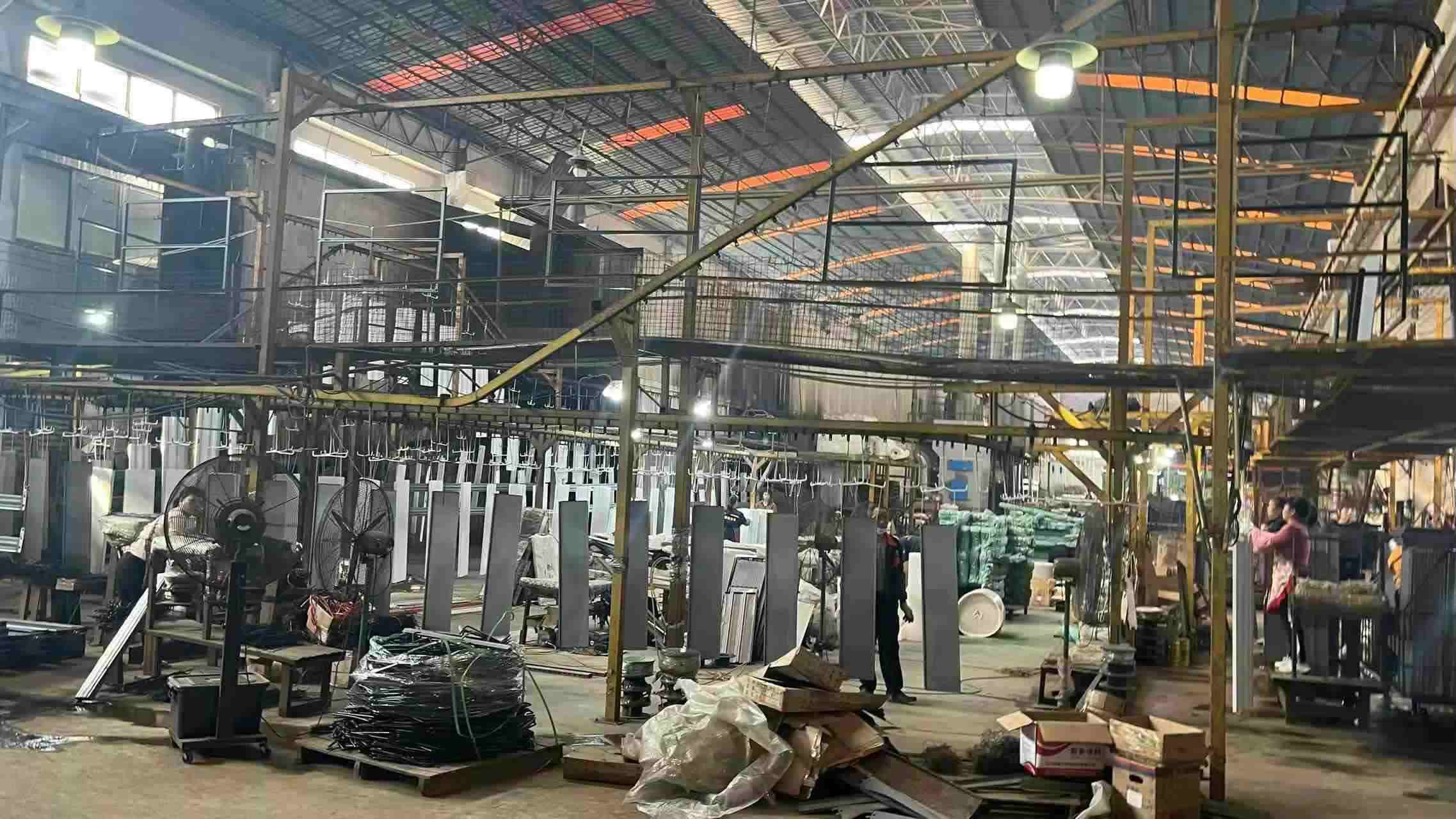
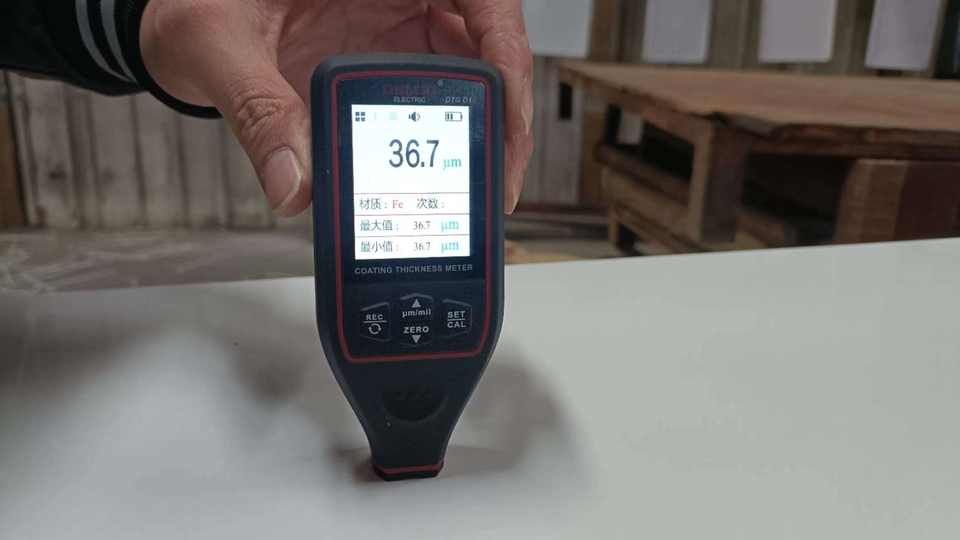
The corrosion environments of Mexican ports (Veracruz, Manzanillo, Altamira) and high-humidity inland regions require robust surface protection. Our automated electrostatic powder-coating lines apply a minimum 70-micron layer of epoxy-polyester thermosetting powder, cured at high temperatures to provide impact and scratch resistance. For cold-storage applications, we offer Hot-Dip Galvanized (HDG) steel components that resist thermal cycling degradation and moisture oxidation at temperatures down to -30°C.
Founded in 2014, Dongguan Durack Logistics Equipment Co., Ltd. is a premier storage racking system manufacturer.
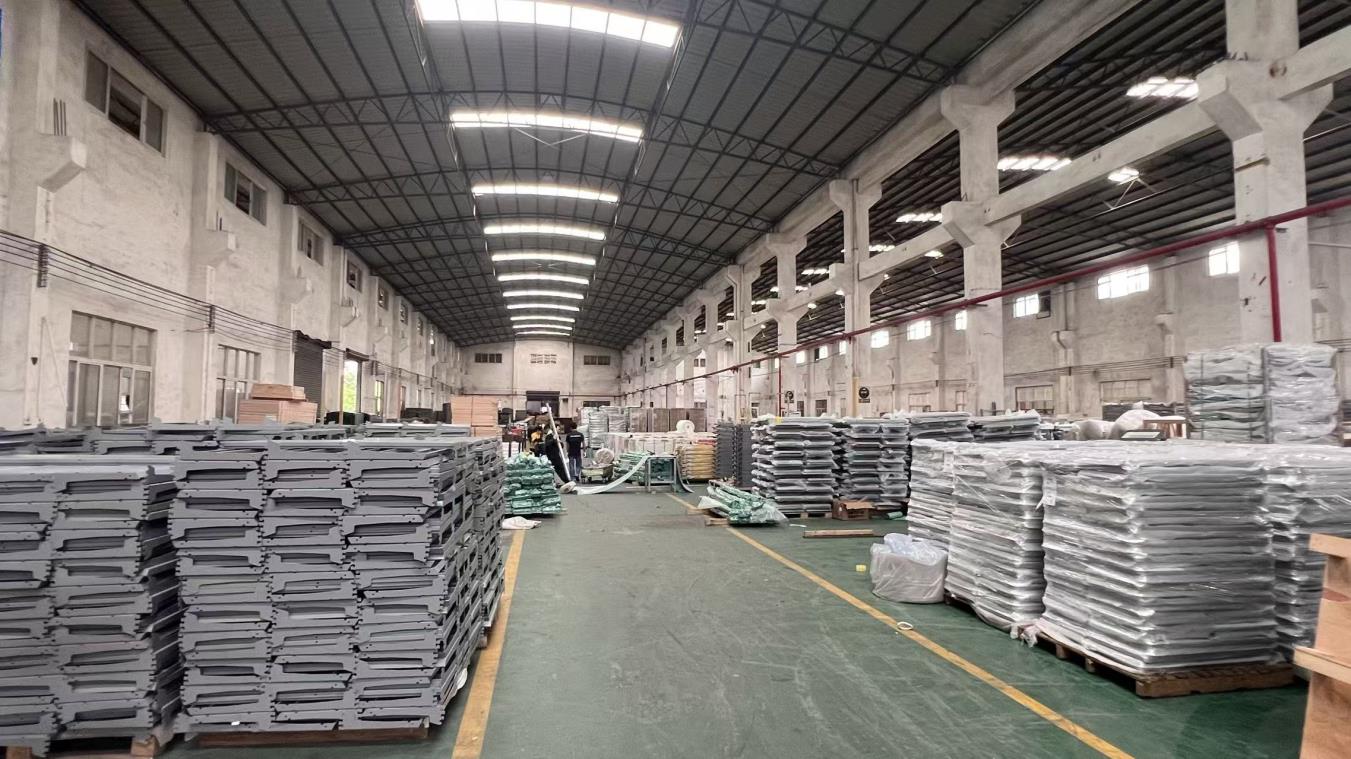
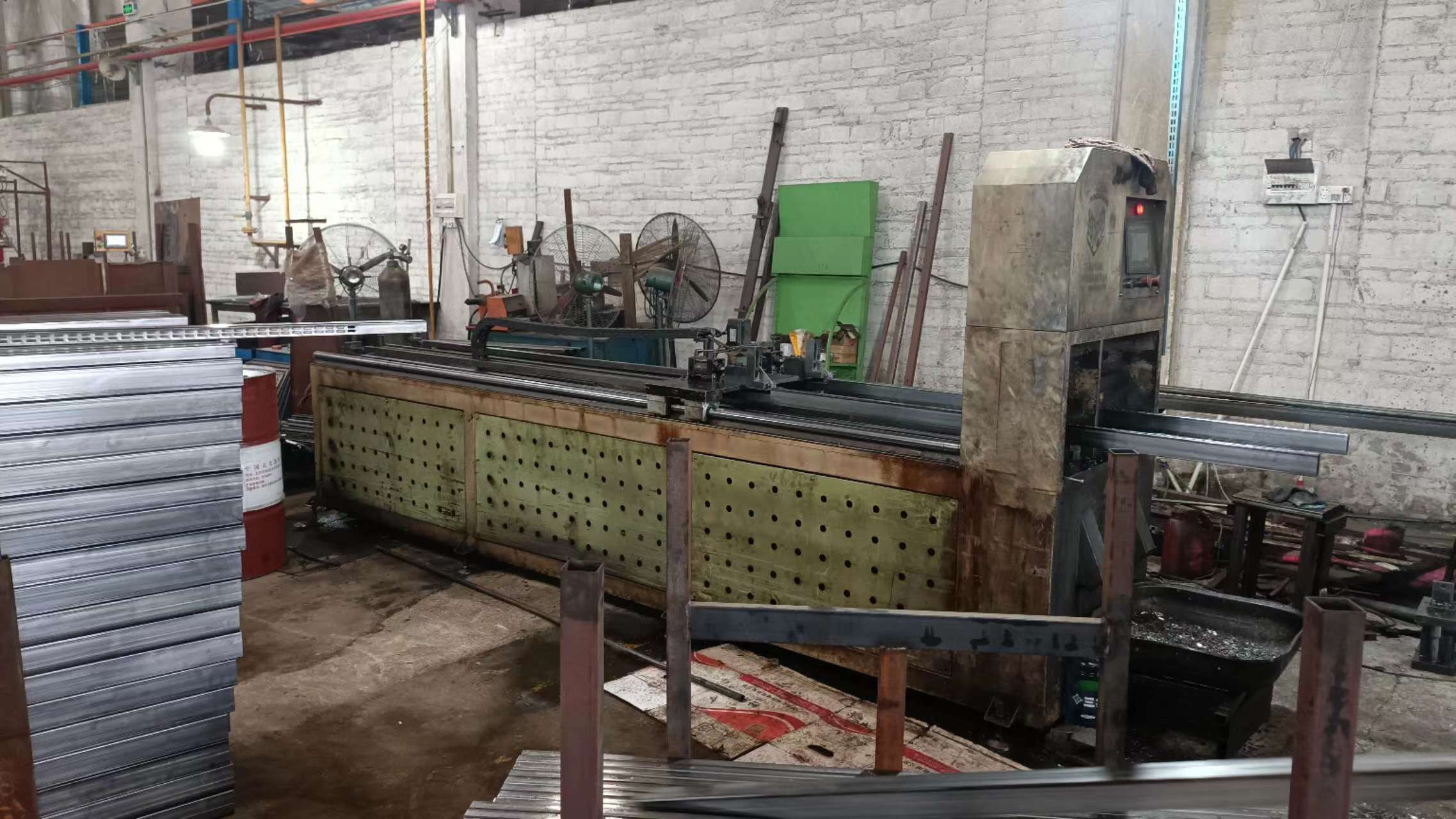
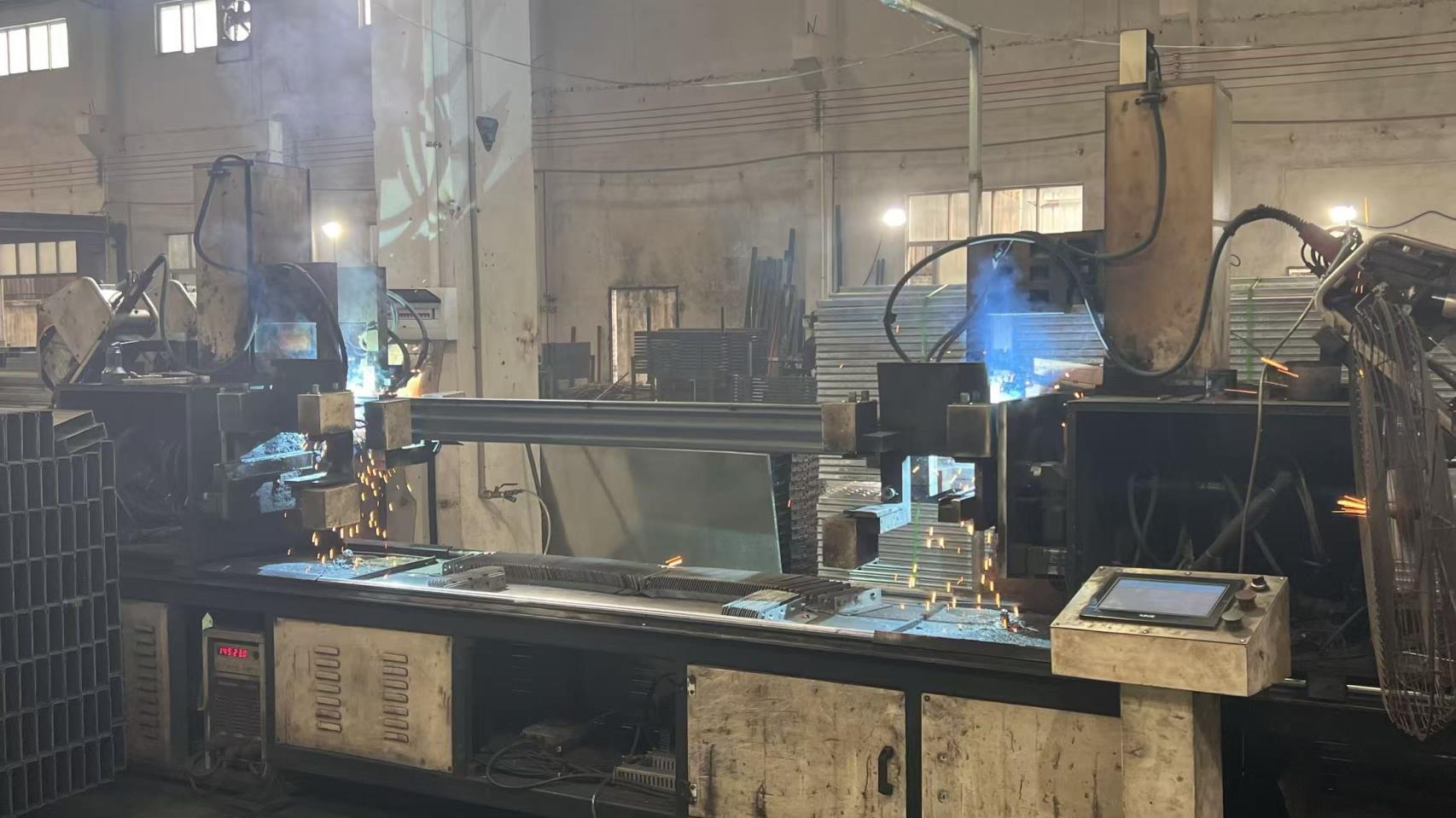
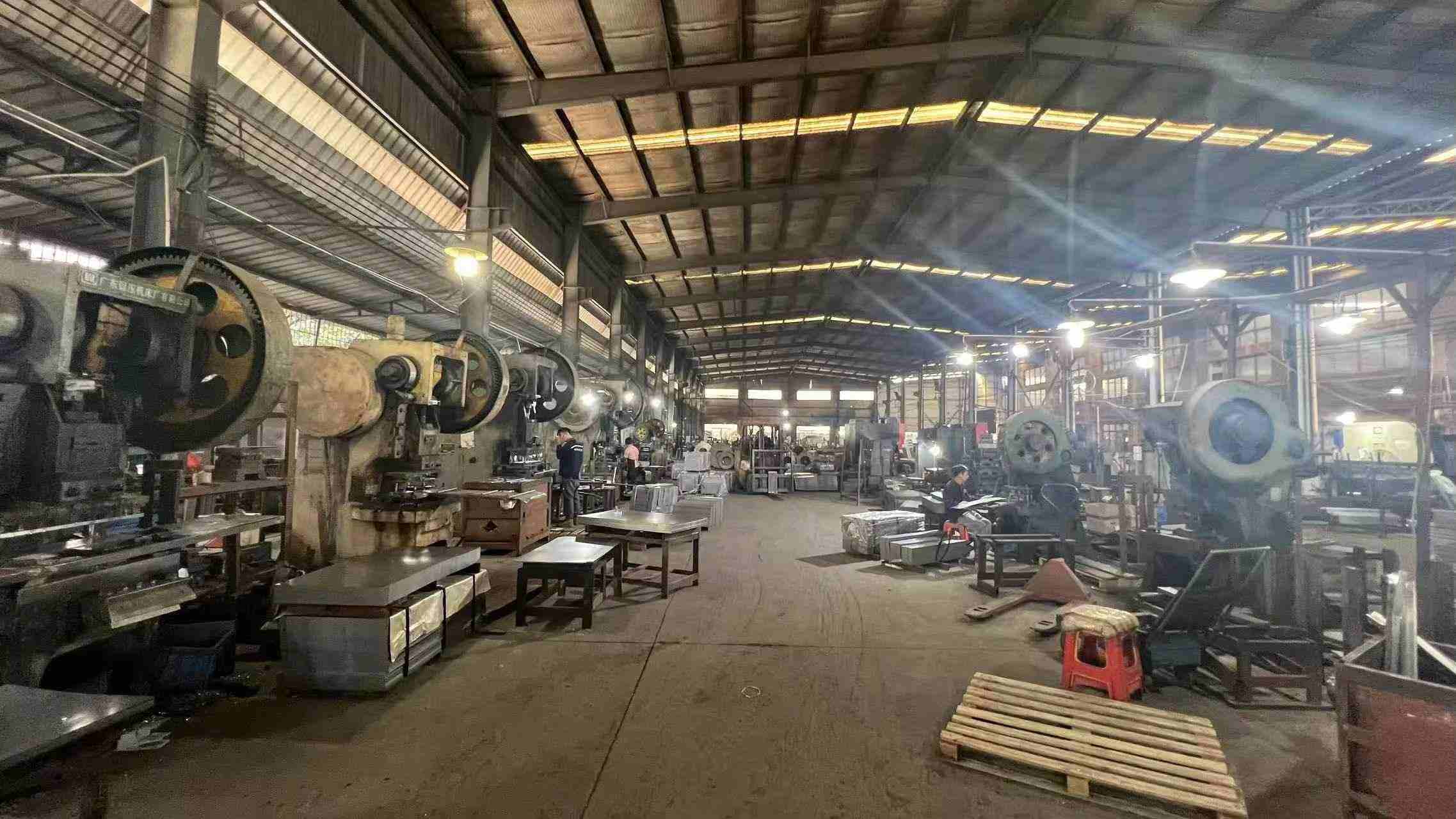
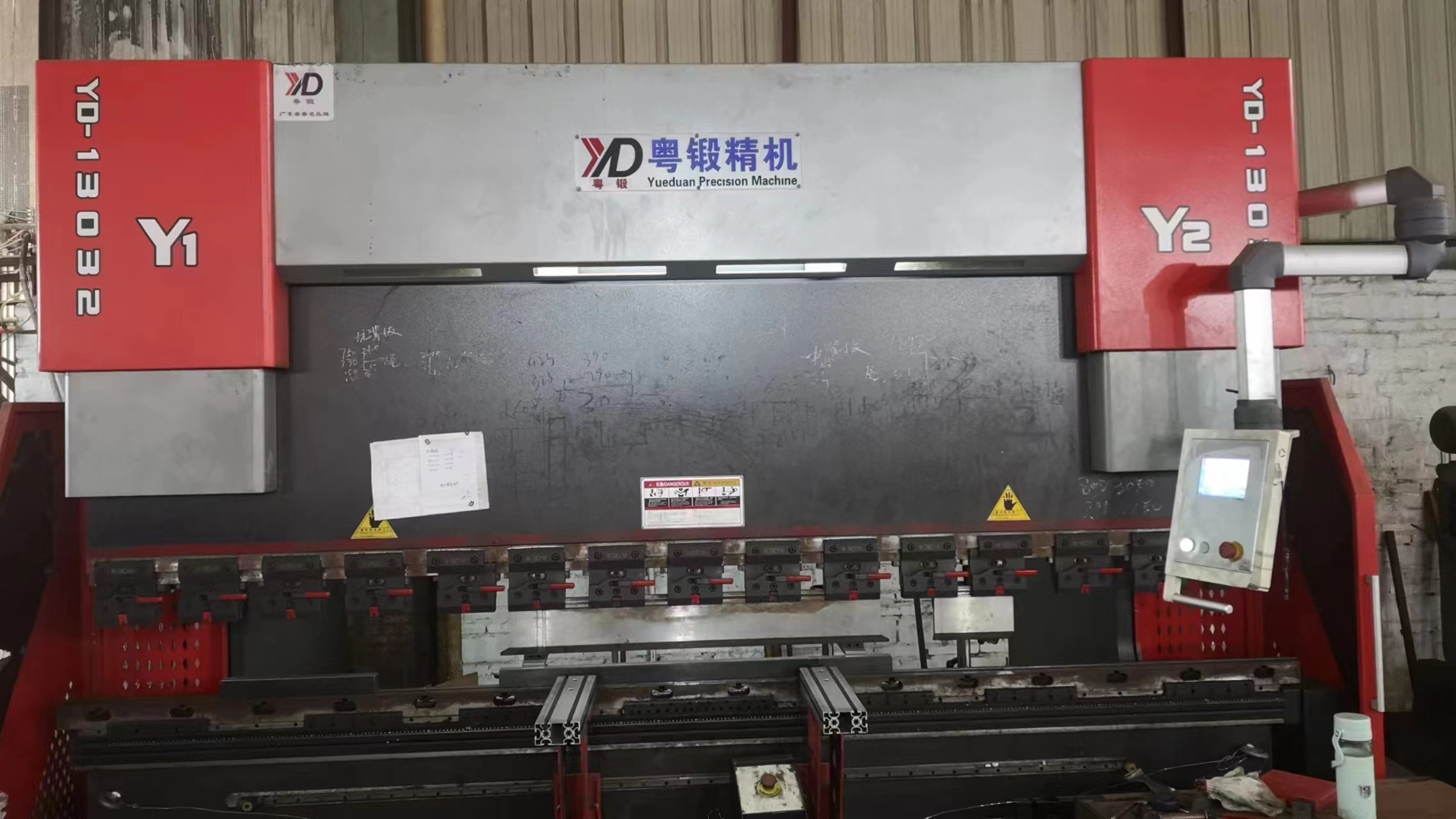
Founded in 2014, Dongguan Durack Logistics Equipment Co., Ltd. is a premier Chinese storage racking system manufacturer operating a 35,000 m² facility. Backed by 12 years of industry experience and 8 years of global export history, the company generates $28 million in annual export revenue. Our operations are supported by a strict quality assurance system using full-spectrum ultrasonic testing and load-bearing stress evaluations, overseen by 45 dedicated QC specialists.
Building on a strong international trading background, our core markets span North America, Europe, and Southeast Asia. We maintain a reliable supply chain network of over 850 partners, catering primarily to third-party logistics (3PL) providers, automated warehouses, and large industrial distributors. Driven by an active R&D division with 65 specialized engineers, Durack offers full OEM/ODM customization options—including bespoke beam profiles, structural steel grades, and dynamic layout designs—launching over 120 new storage products last year.
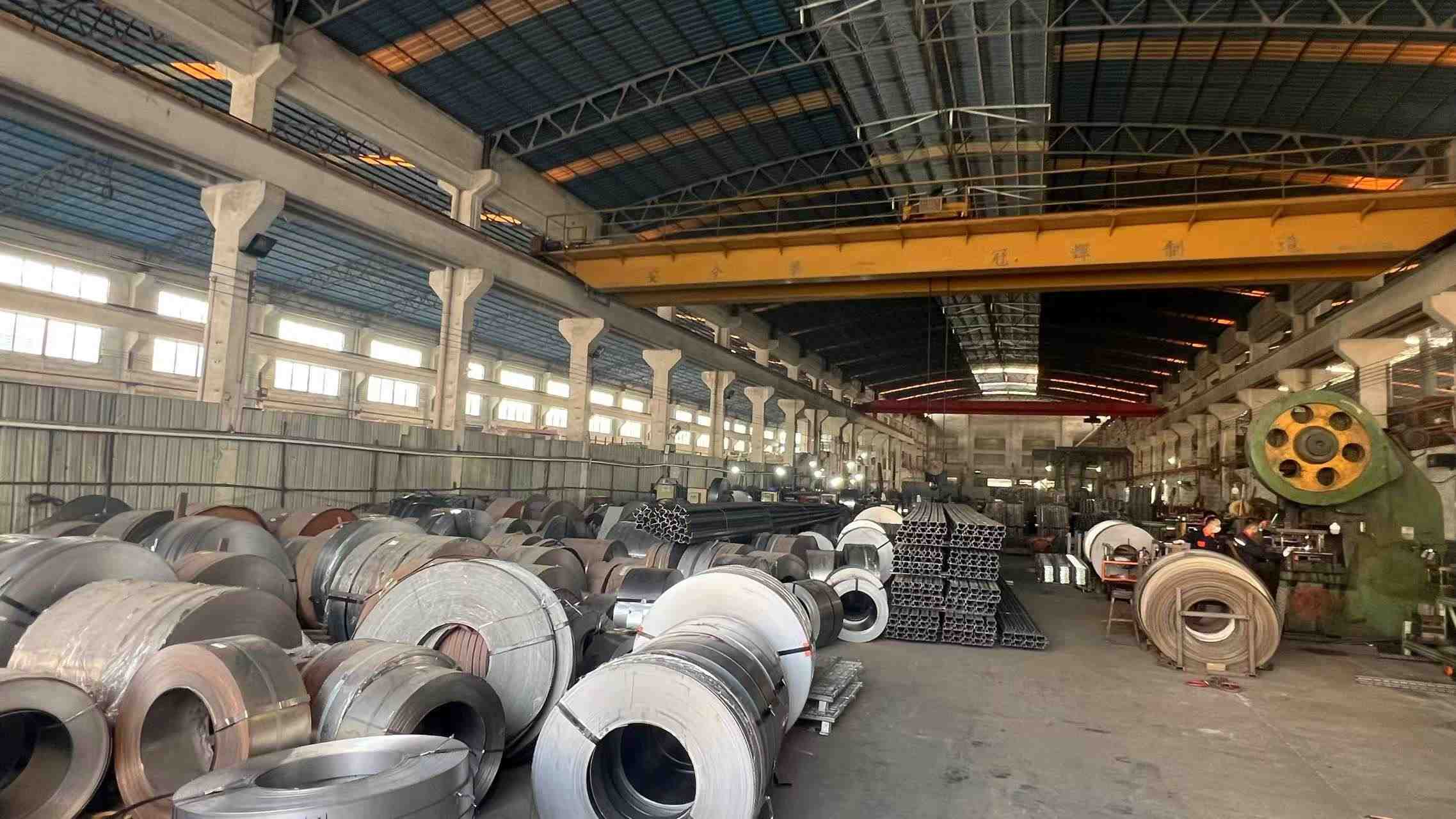
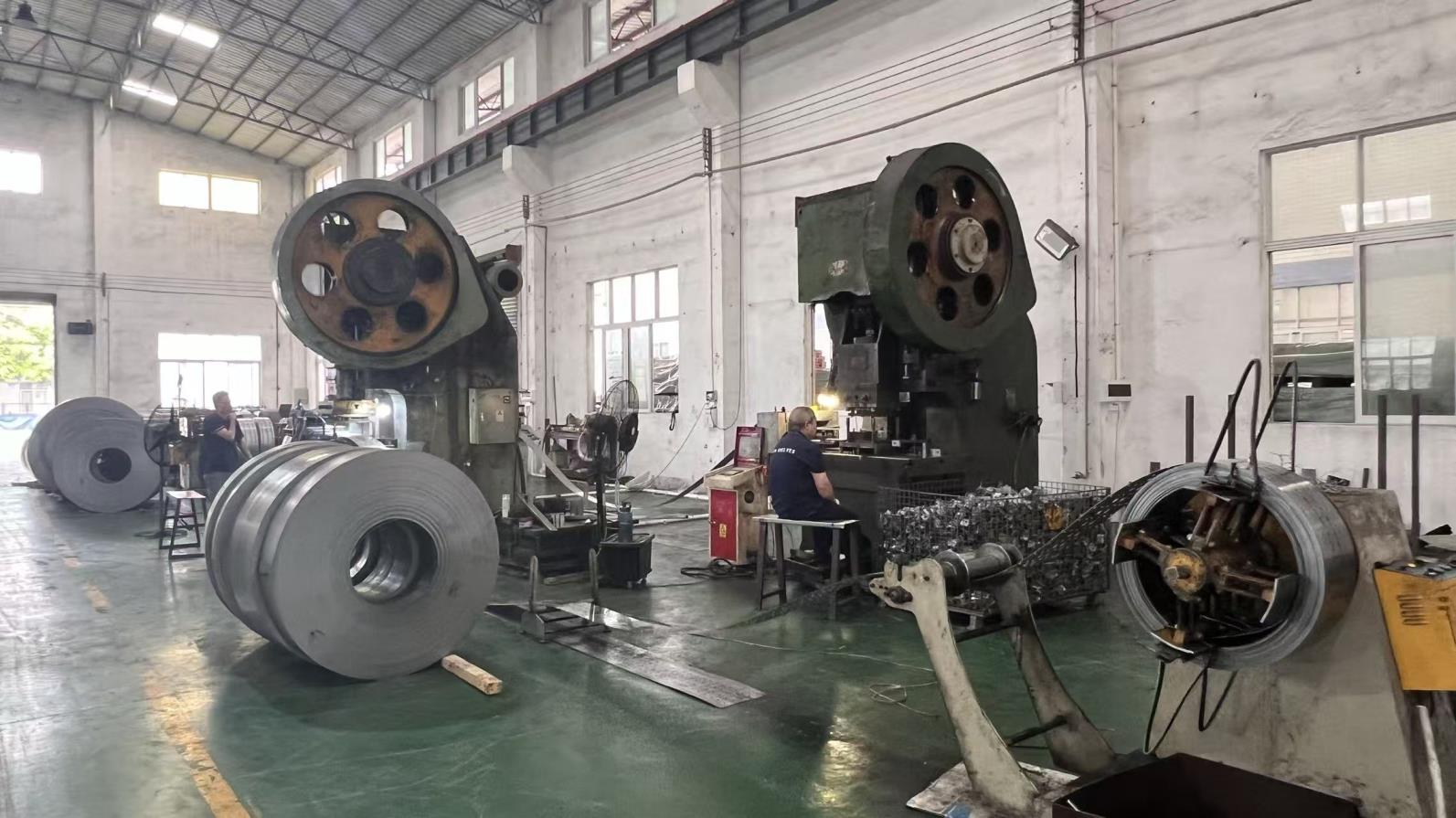
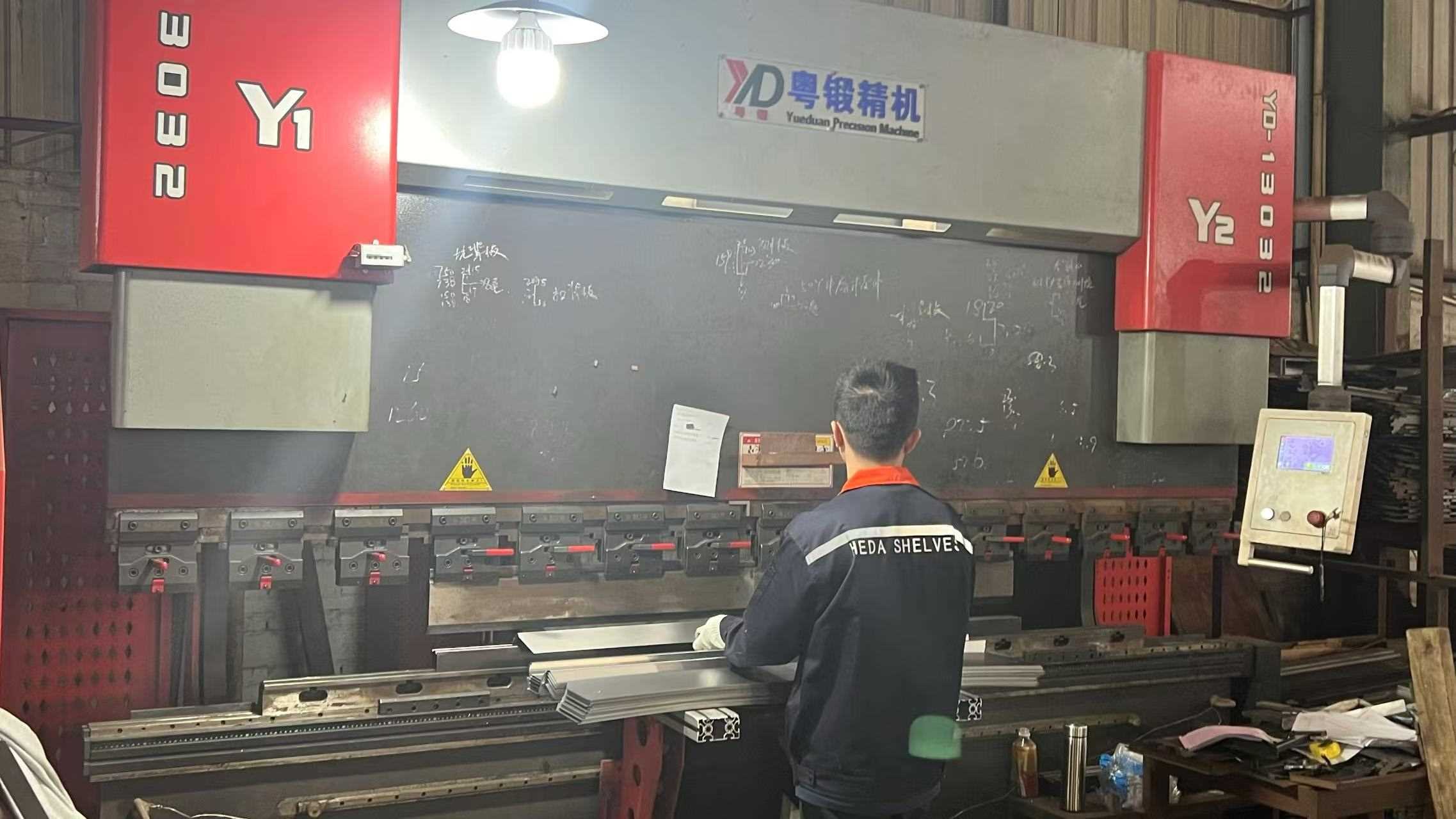
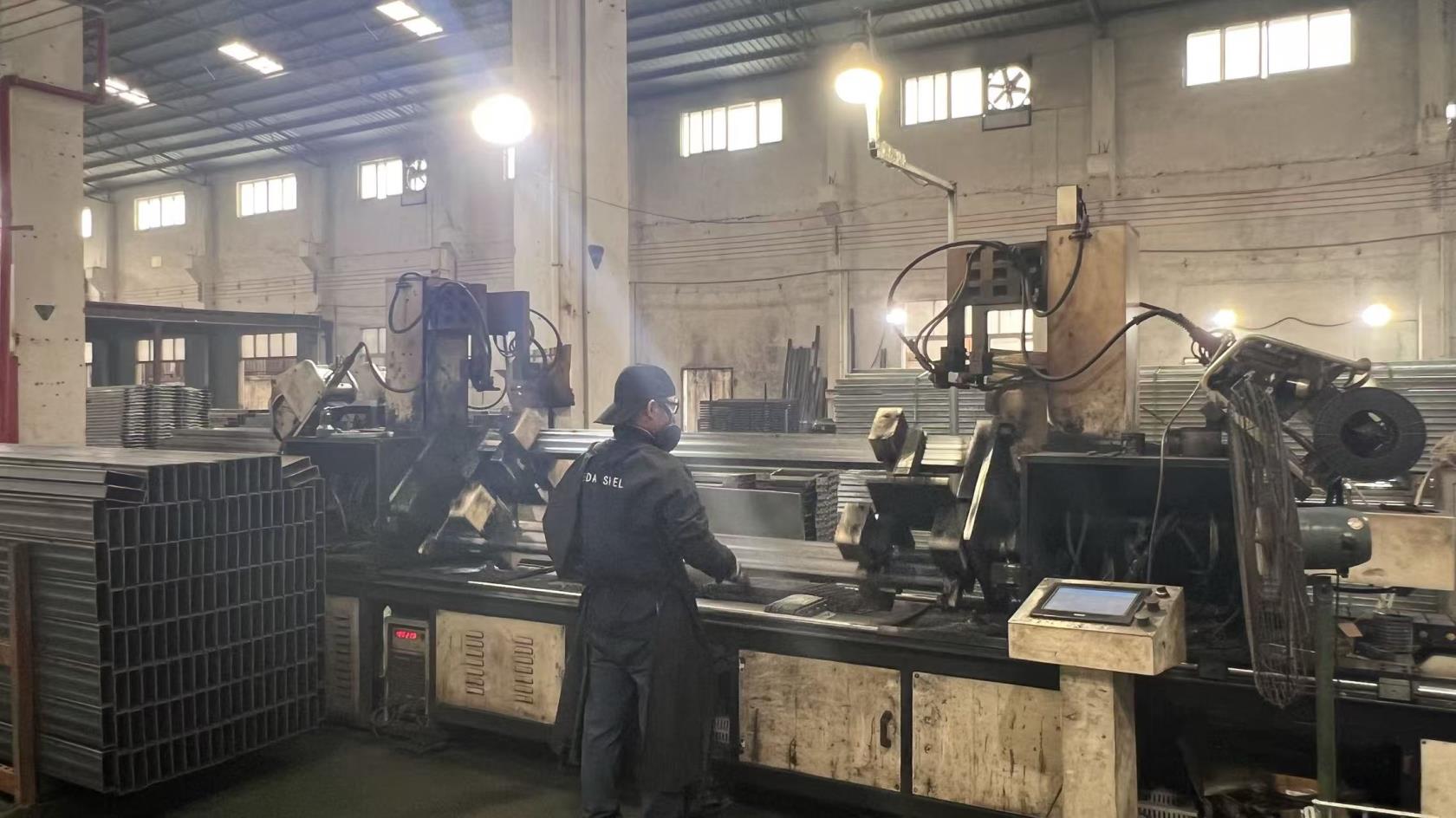
In international supply chain operations, shipping times and structural integrity are critical. By shipping direct from our facility in Dongguan to major Mexican ports—including Manzanillo (Colima), Lázaro Cárdenas (Michoacán), and Ensenada (Baja California)—we ensure streamlined transit corridors to primary industrial parks across the Bajío and northern border regions.
Our shipping logistics structure optimizes standard container loads to protect components from maritime environmental stresses. Racking uprights and beams are bundled with steel strapping, padded with protective foam wraps, and placed on custom structural steel cradles to prevent deformation during sea transit.
Additionally, we support logistics operators in Mexico by providing full customs documentation, tariff classification codes (HS Code systems), and certificates of origin to expedite clearance at ports of entry, reducing port storage fees and project delays.
Answers to common structural engineering and layout design questions for Mexico industrial storage projects.
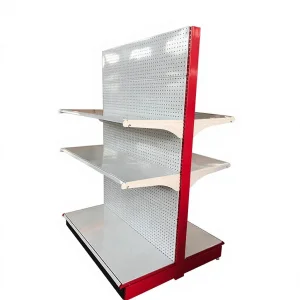
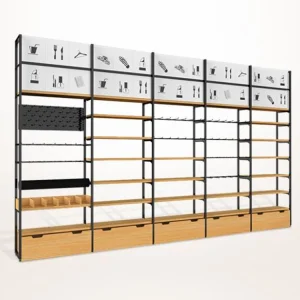
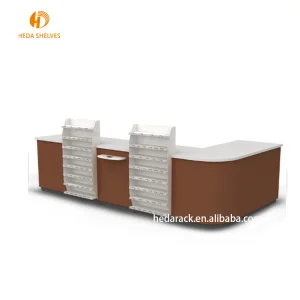
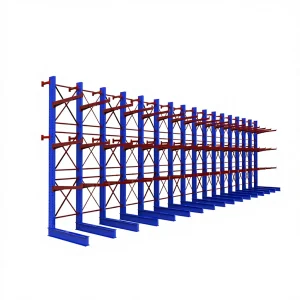
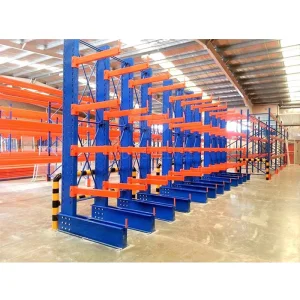
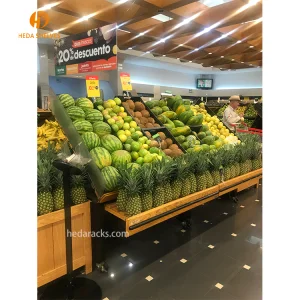
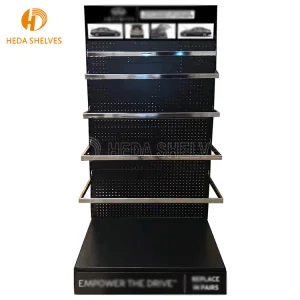
Explore our full line of industrial racking, retail displays, and automated storage solutions engineered for the Mexican market.
Contact our engineering support team today to receive a complete 3D warehouse layout design, load structural calculation profile, and freight routing plan tailored to your site.
Send Inquiry Now Durack