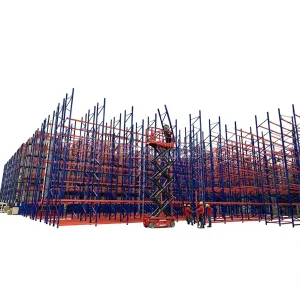
Drive-in Racks Factories & Exporters in Canada

Unlocking High-Density Industrial Storage: Structural Compliance, Chinese Export Powerhouses, and Localized Canadian Logistics Implementations

Send Inquiry Now

1. The Evolving Landscape of Canadian Industrial Warehousing

Canada’s logistics network is undergoing a significant transformation. Driven by the expansion of e-commerce, the rapid development of third-party logistics (3PL) providers, and constraints on industrial land development—especially in metropolitan areas like the Greater Toronto Area (GTA), Metro Vancouver, and the Calgary-Edmonton corridor—the demand for high-density storage solutions has reached unprecedented levels.

In locations where the cost per square foot of industrial warehouse space continues to climb, standard selective racking systems, which require extensive aisle space for forklift traffic, are no longer economically viable for many high-volume operations. This is where Drive-in Racking Systems provide a strategic advantage. By eliminating traditional service aisles and allowing forklifts to enter directly into the storage bays, drive-in systems increase overall capacity by up to 75% compared to conventional layouts. This is particularly valuable for cold storage facilities, food and beverage distributors, and bulk manufacturing centers operating within Canada’s unique geographic and climatic landscape.

2. High-Density Storage Engineering: The Drive-In Racking Architecture

Drive-in racking is designed around the Last-In, First-Out (LIFO) inventory management model. The structural engineering relies on continuous rack rails that support pallets along their sides rather than across a beam. Forklifts navigate directly into the racking structure to place or retrieve pallets, requiring high-strength components and precise layout planning.

75%
Storage Density Increase
CSA A344
Canadian Design Compliance
-30°C
Cold Storage Optimized
Q355B
High-Tensile Grade Steel

In standard configurations, a drive-in system consists of upright frames, top and back bracing, arms to support the rails, and pallet rails themselves. The system is designed to handle deep pallet storage configurations (often ranging from 2 to 10 pallets deep per lane, and 3 to 5 levels high). For Canadian operators, seismic zone calculations are vital. Parts of British Columbia (e.g., Richmond, Delta) and Eastern Ontario/Quebec lie in active seismic zones, requiring specialized baseplates, structural steel sizing, and enhanced anchoring strategies to prevent dynamic shear failures under full loads.

3. Structural Steel vs. Roll-Formed Steel in Drive-In Racks

When selecting a drive-in system, one of the most critical decisions for Canadian buyers is choosing between roll-formed steel and structural steel components:

  • Roll-Formed Steel: Fabricated from cold-rolled steel coils, these components are cost-effective, versatile, and suitable for standard warehousing operations. They feature teardrop or custom punch-hole patterns, allowing for quick installation and adjustment.
  • Structural Steel: Manufactured from hot-rolled structural channels, structural steel offers far greater resistance to forklift impacts. Because drive-in racking requires forklifts to operate inside the rack structure itself, the risk of accidental frame impact is significantly higher. Structural steel stands up much better to heavy daily use in demanding environments like busy 3PL hubs or freezing cold-storage rooms.

4. CSA A344 & Canadian Racking Safety Regulations

In Canada, warehouse racking safety is highly regulated. Storage systems must comply with the CSA A344 User Guide for Steel Storage Racks, which establishes requirements for design, installation, testing, and maintenance. In provinces like Ontario, regulations require a Pre-Start Health and Safety Review (PSR) conducted by a licensed professional engineer before any new or modified industrial racking system can be put into service.

Compliance involves assessing floor load limits, specifying maximum allowable load ratings per bay, displaying capacity plaques clearly on all racking structures, and installing safety features like guide rails and frame protectors. When sourcing racking systems from overseas manufacturers, ensuring that structural calculations align with Canada's National Building Code (NBC) and CSA specifications is essential to avoid regulatory fines or operational shutdowns.

Note on Canadian Imports: Importers must ensure that structural design, welding certifications (such as AWS or CWB equivalents), and steel quality certificates comply with local provincial building codes and occupational health and safety acts.

5. Why Source from Chinese Manufacturers like Durack Logistics?

Many Canadian firms choose to work with Chinese manufacturers to balance cost and performance. Companies like Dongguan Durack Logistics Equipment Co., Ltd. offer significant advantages in manufacturing scale, material sourcing, and specialized engineering:

  • Economies of Scale & Customization: Chinese manufacturers operate large-scale facilities equipped with automated rolling mills and robotic welding systems. This makes it cost-effective to produce custom-designed components, such as non-standard beam lengths or custom upright configurations, to fit specific warehouse layouts.
  • High-Quality Steel Sourcing: Top manufacturers use structural grade steel (such as Q235B or Q355B, which correspond to ASTM standard grades used in North America), ensuring uniform load capacity and structural durability.
  • Precision Finishing: Modern powder coating lines provide durable finishes that resist corrosion, chipping, and wear—essential for cold-storage environments down to -30°C where moisture and temperature changes can quickly degrade lower-quality paint coatings.
Verified Exporter

Company Profile

Dongguan Durack Logistics Equipment Co., Ltd. - Manufacturing Excellence Since 2014

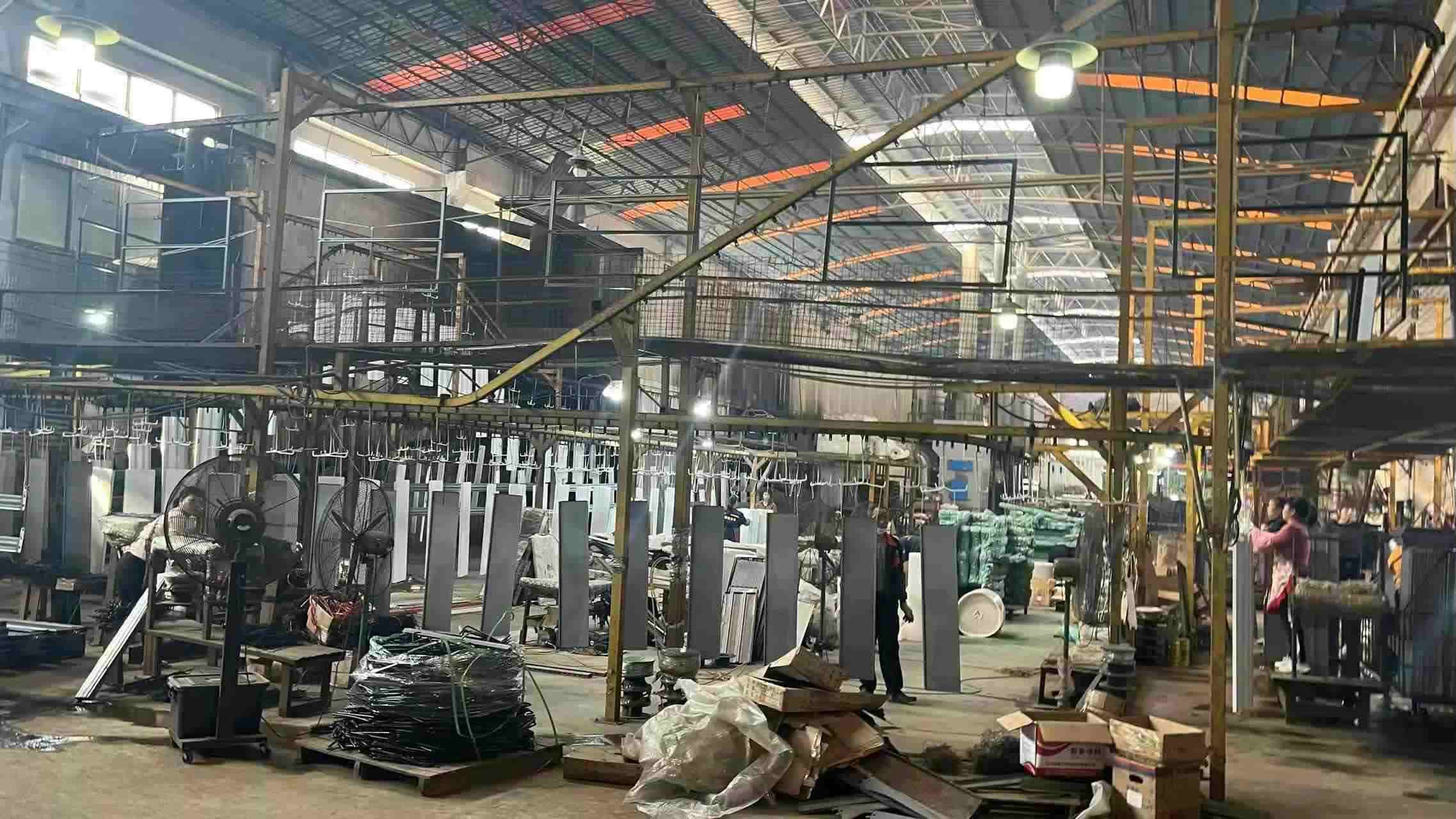
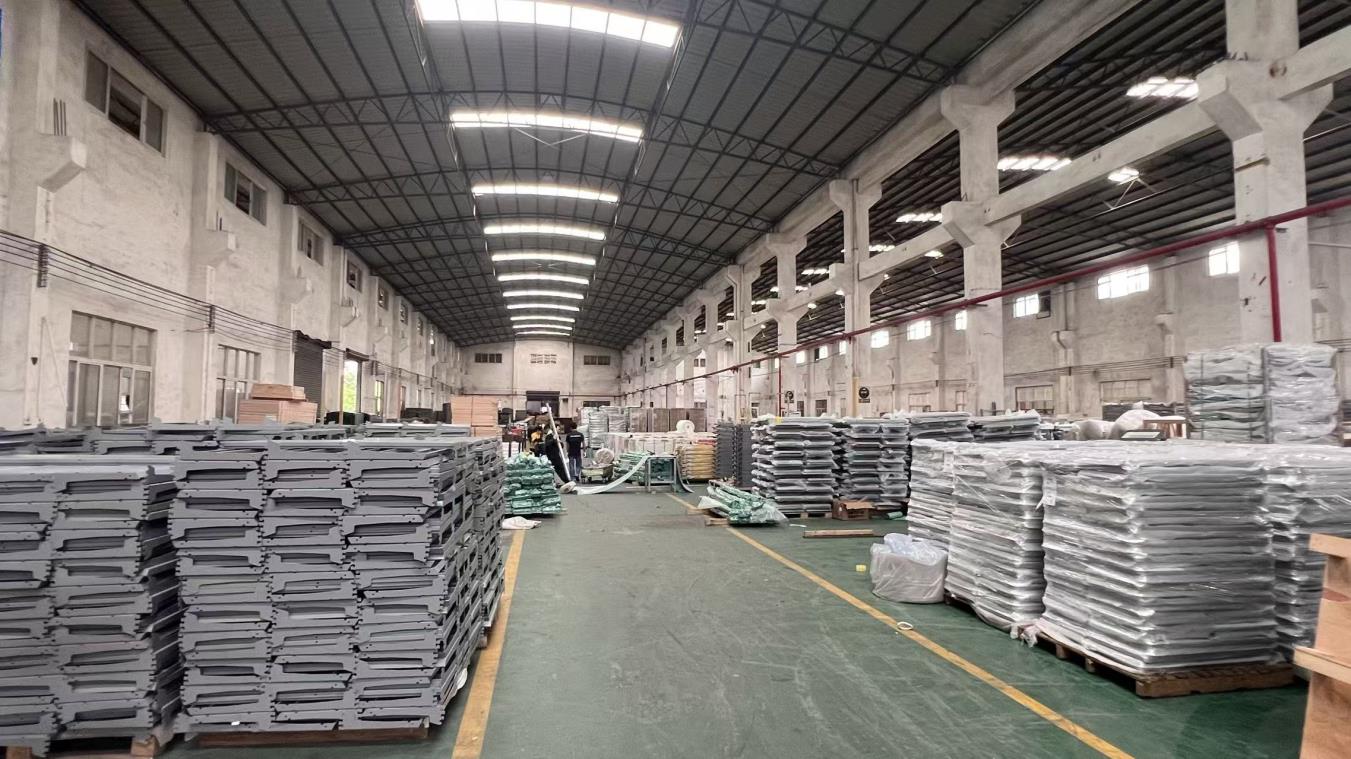
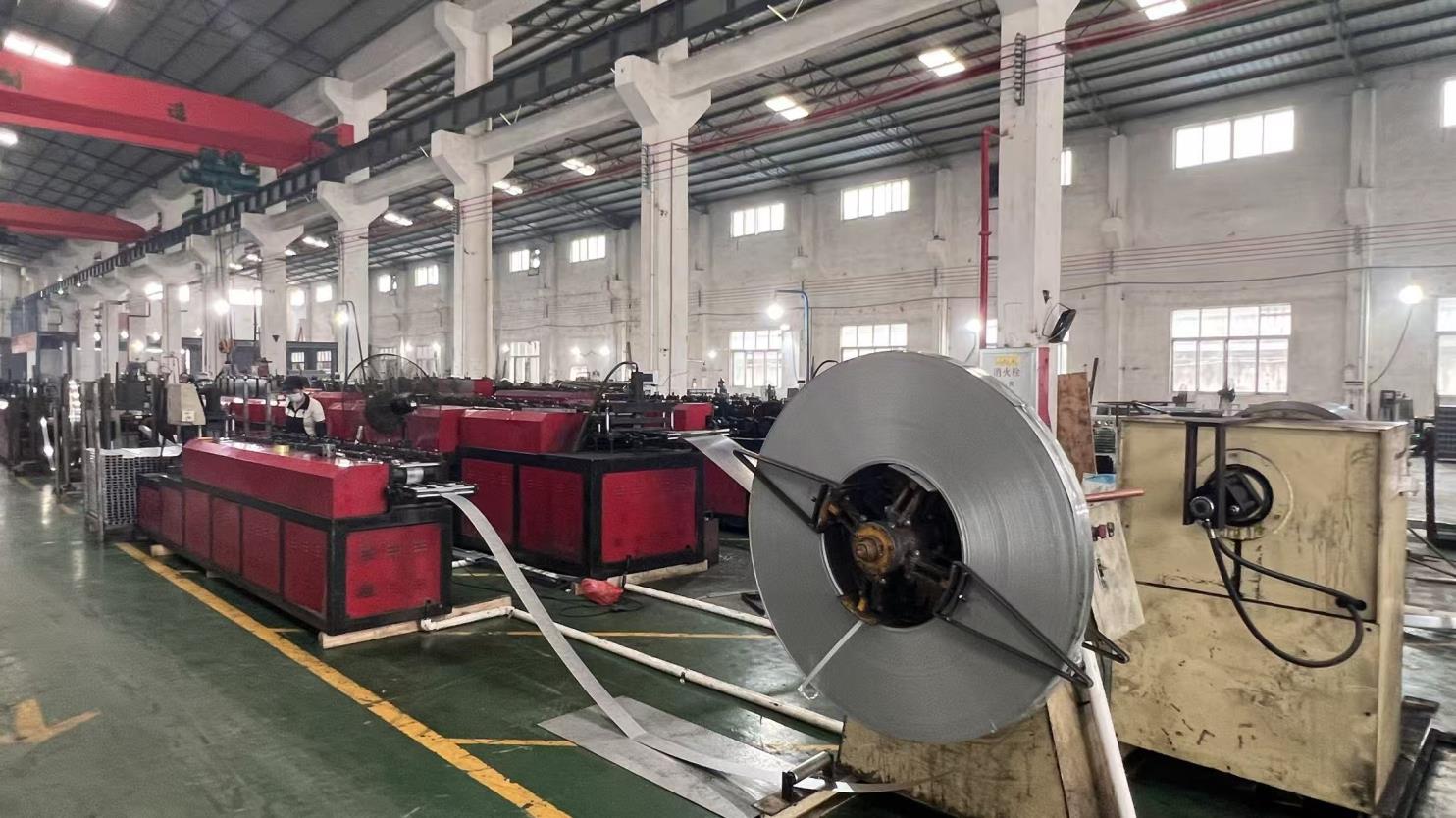
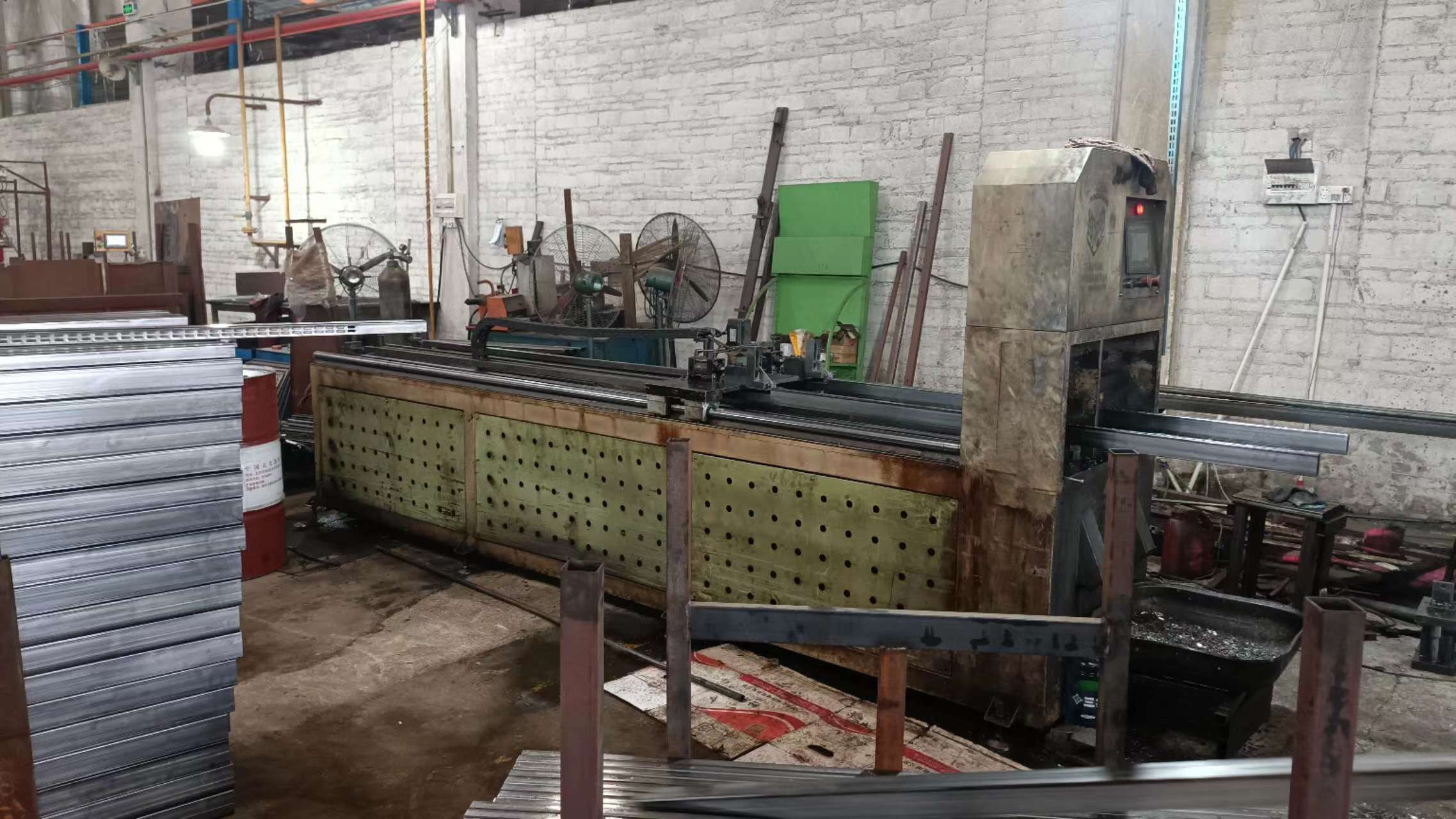
Founded in 2014, Dongguan Durack Logistics Equipment Co., Ltd. is a premier Chinese storage racking system manufacturer operating a 35,000 m² facility. Backed by 12 years of industry experience and 8 years of global export history, the company generates $28 million in annual export revenue. Our operations are supported by a strict quality assurance system using full-spectrum ultrasonic testing and load-bearing stress evaluations, overseen by 45 dedicated QC specialists. Building on a strong international trading background, our core markets span North America, Europe, and Southeast Asia. We maintain a reliable supply chain network of over 850 partners, catering primarily to third-party logistics (3PL) providers, automated warehouses, and large industrial distributors. Driven by an active R&D division with 65 specialized engineers, Durack offers full OEM/ODM customization options—including bespoke beam profiles, structural steel grades, and dynamic layout designs—launching over 120 new storage products last year.
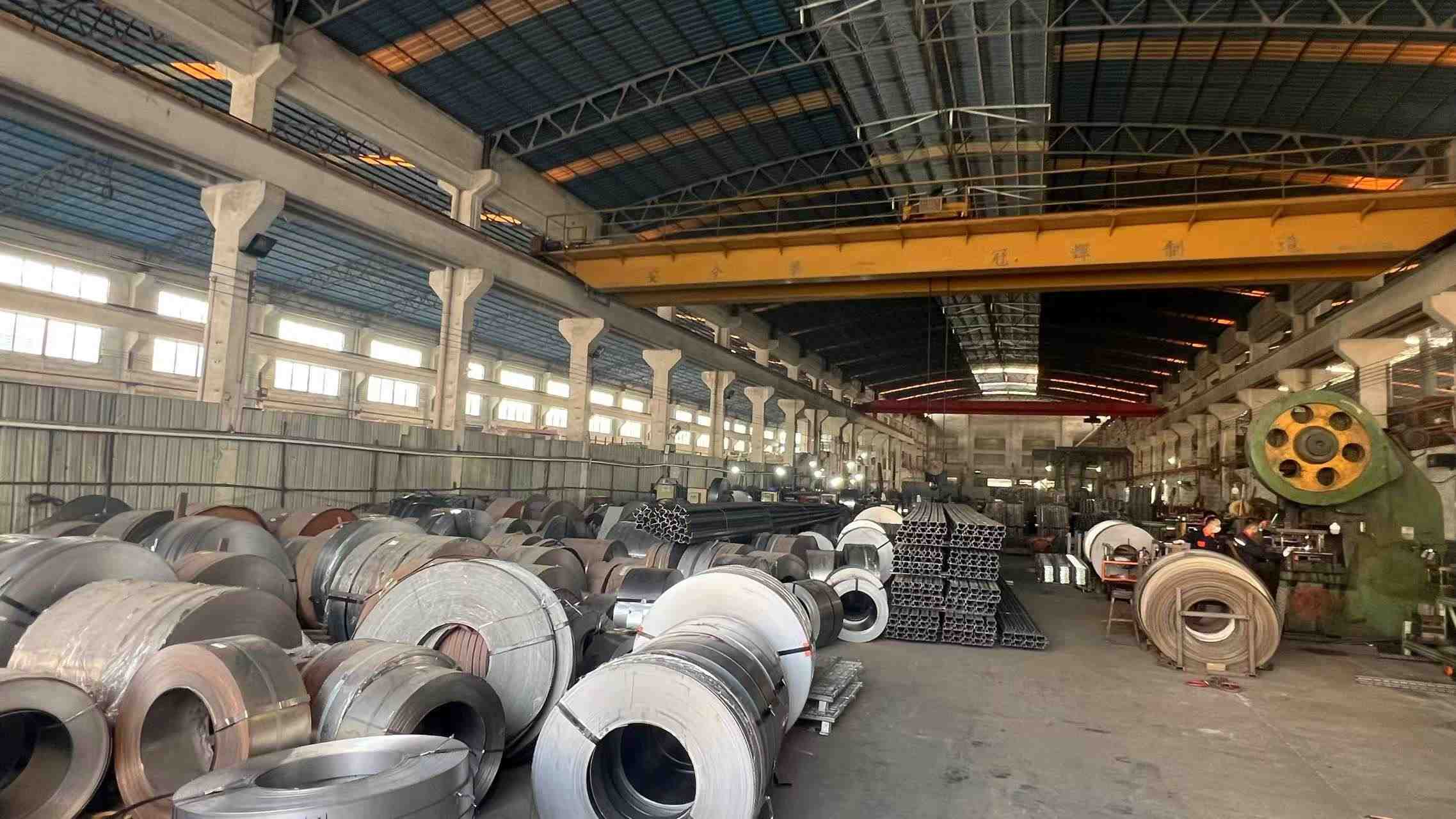
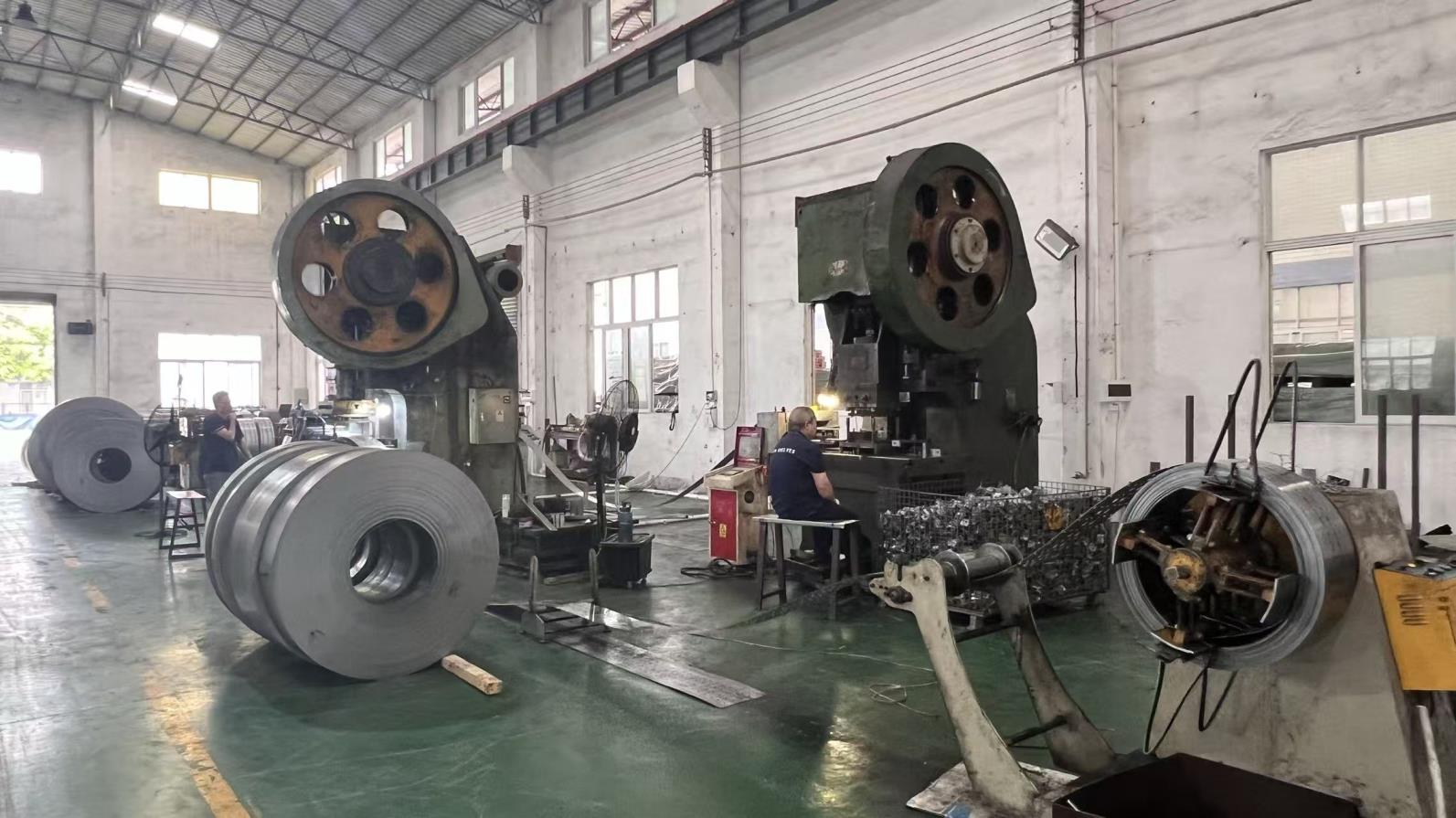
Manufacturing Process & Quality Testing

Raw Materials
Raw Materials
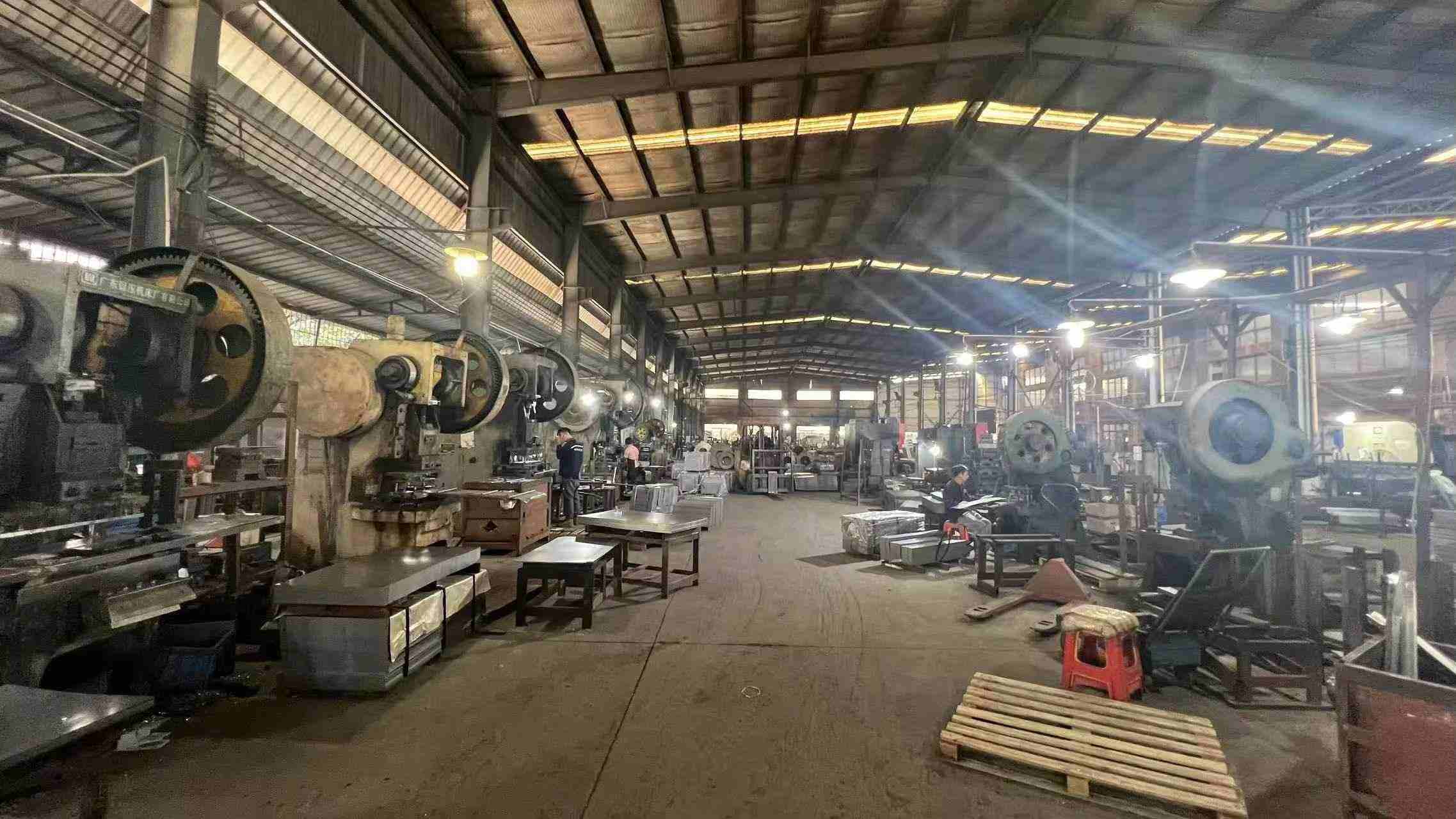
Stamping
Stamping
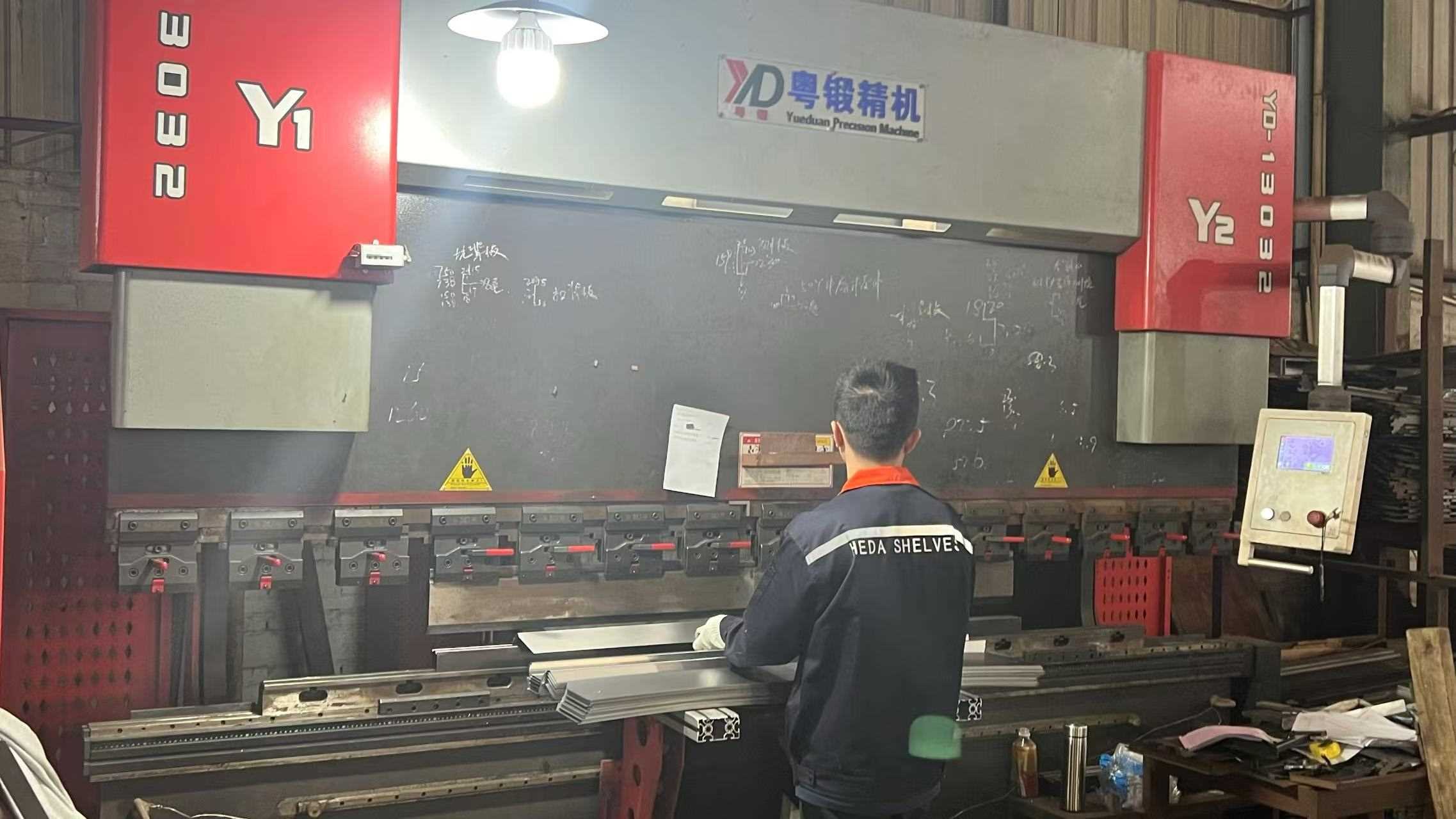
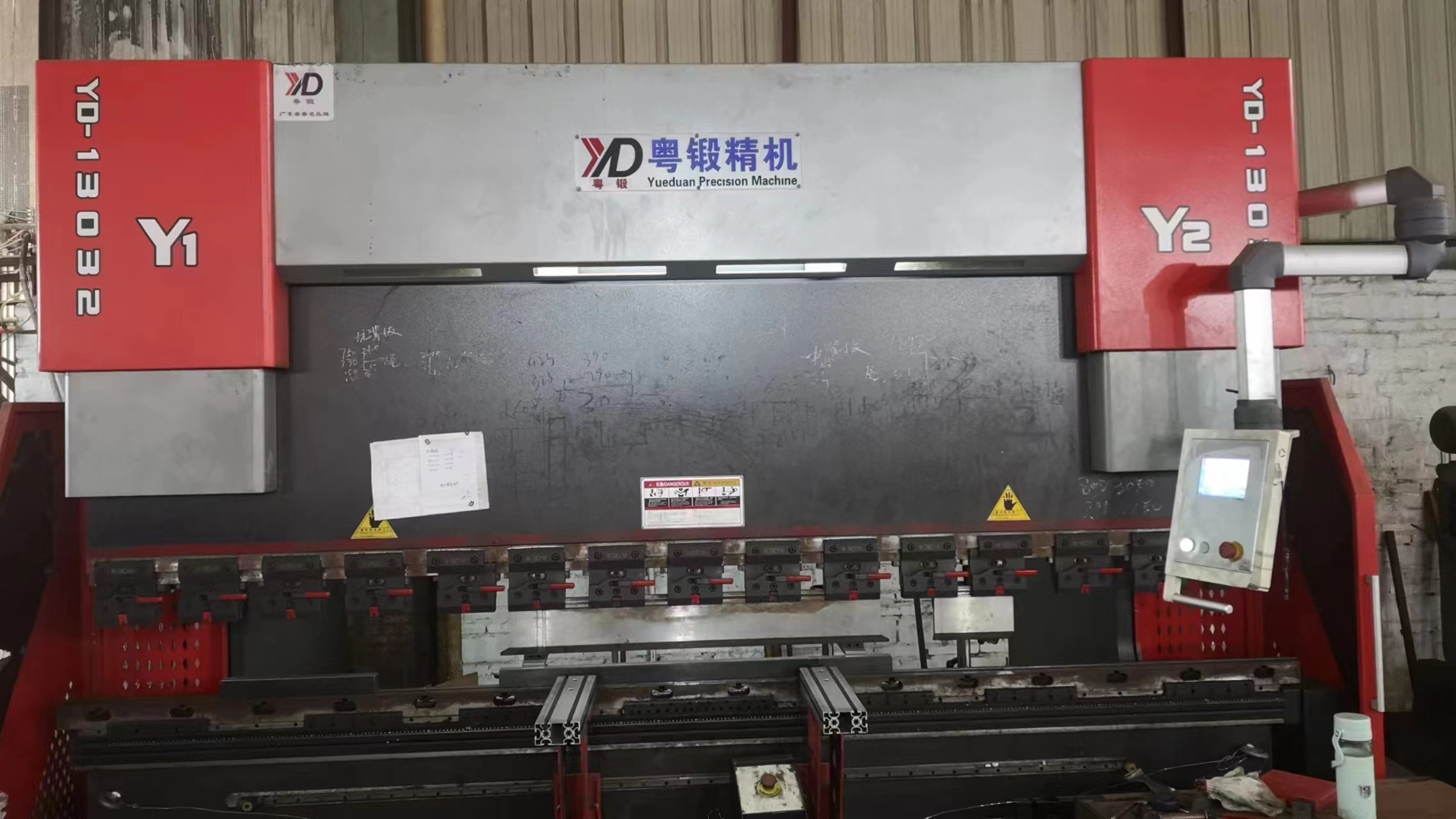
Bending
Bending
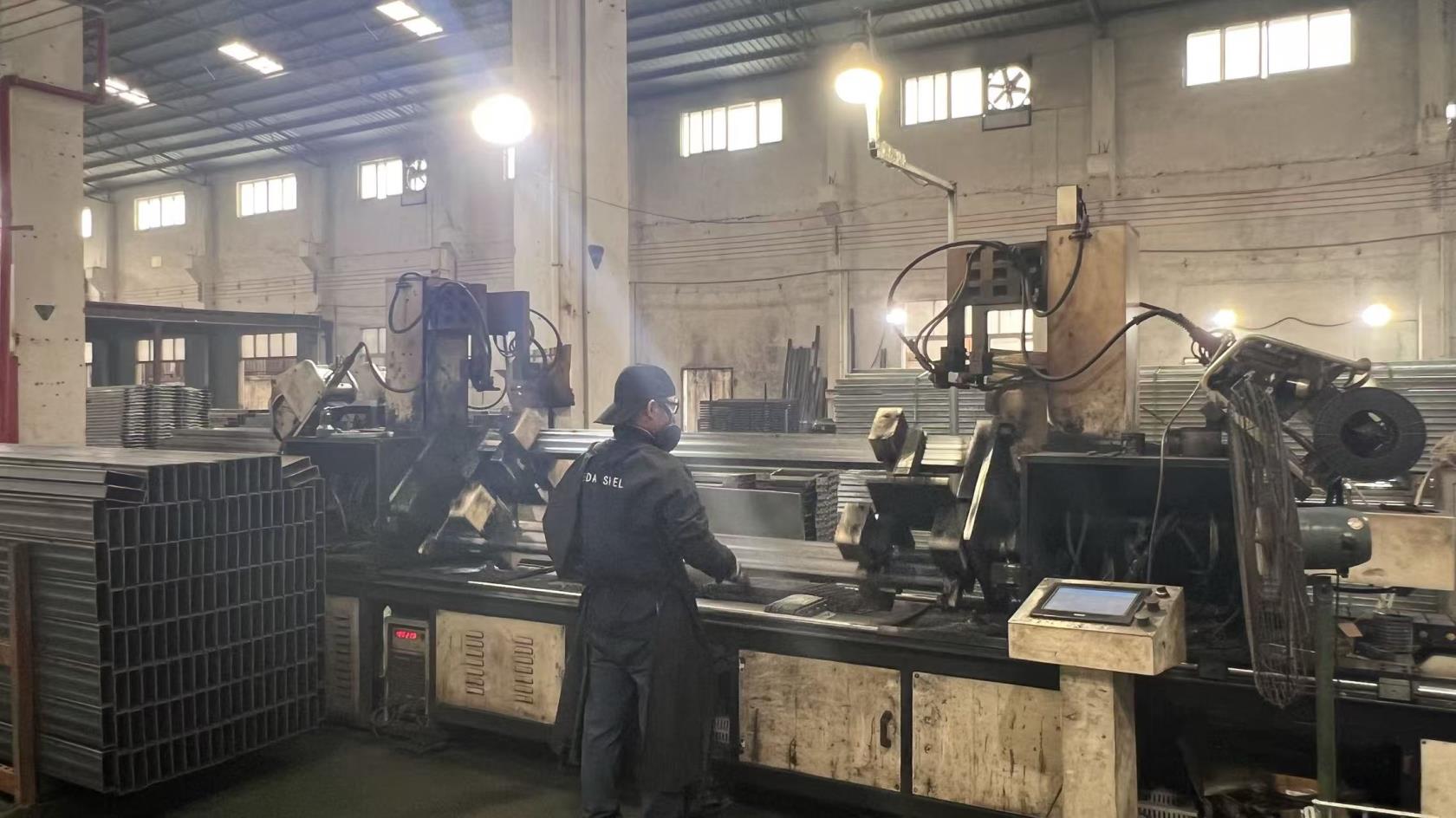
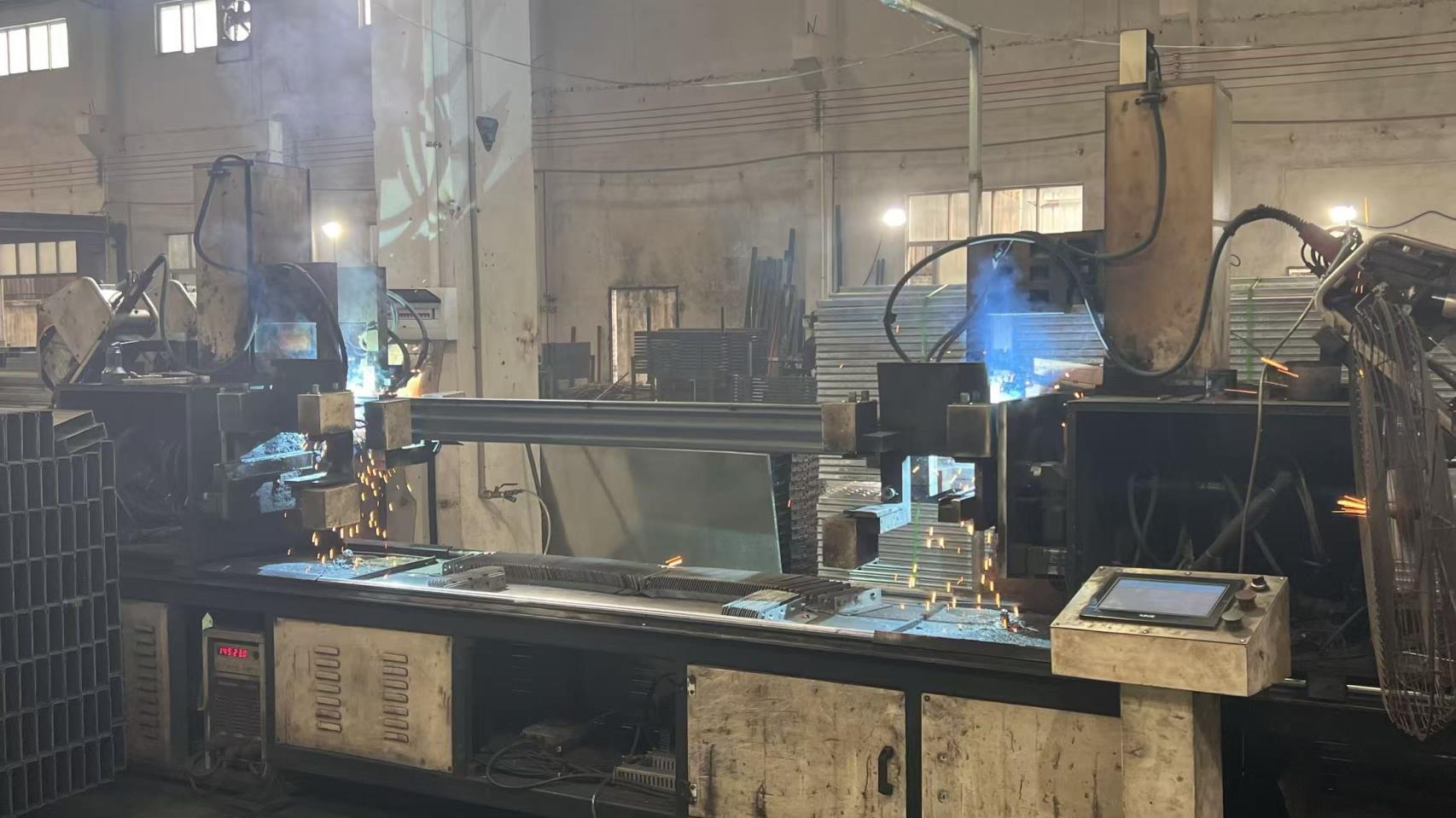
Welding
Welding
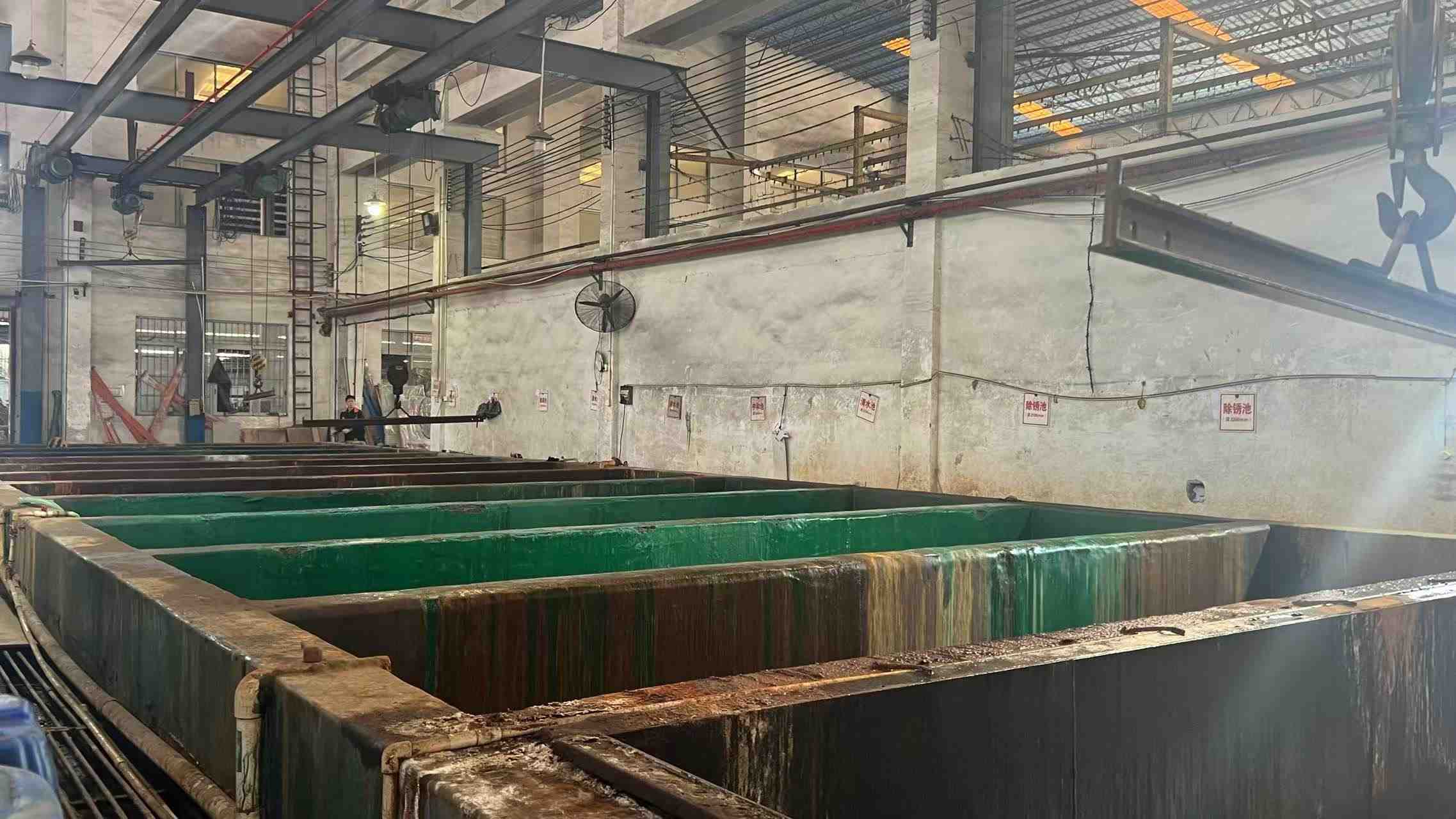
Acid-washing and Parkerising
Acid-washing & Parkerising
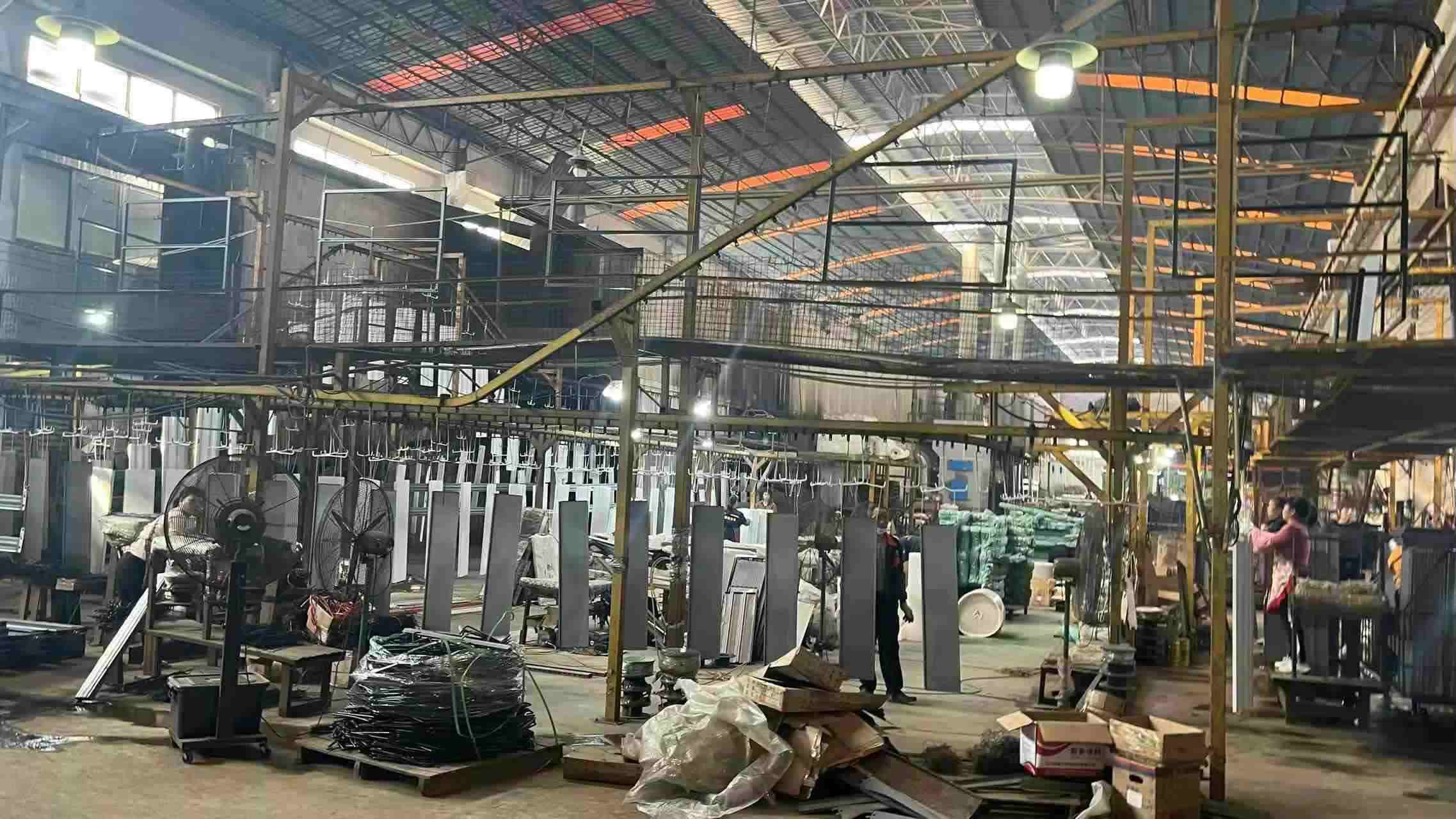
Coating
Coating
Warehouse
Warehouse Storage
Rolling Mill
Rolling Mill
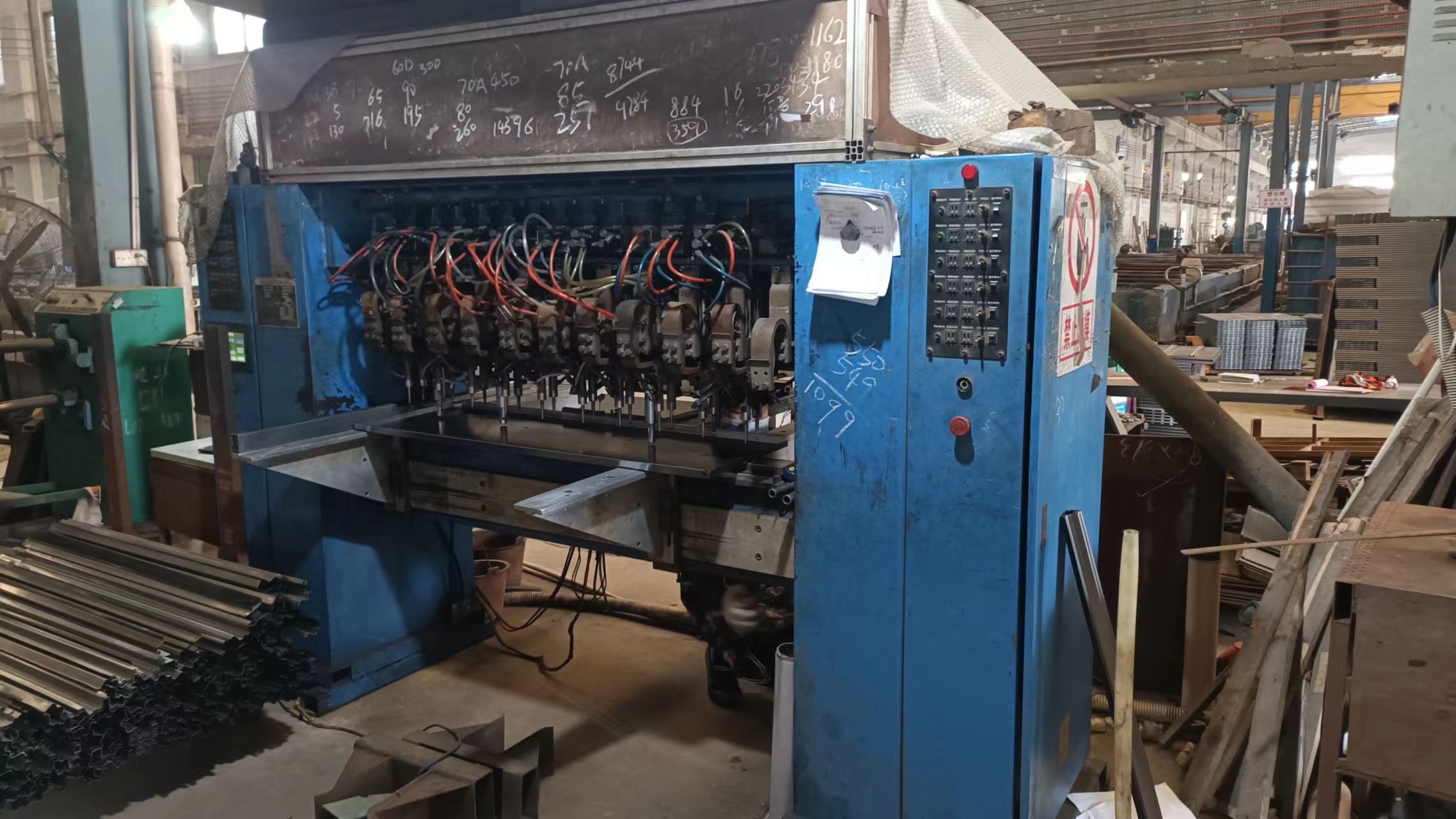
Fully Automatic Punching Machine
Fully Auto Punching
Automatic Welding Machine
Automatic Welding
Plastic Powder Coating Line
Powder Coating Line
Punching Machine
Punching Machine
Bending Machine
Bending Machine
Butt Welding Machine
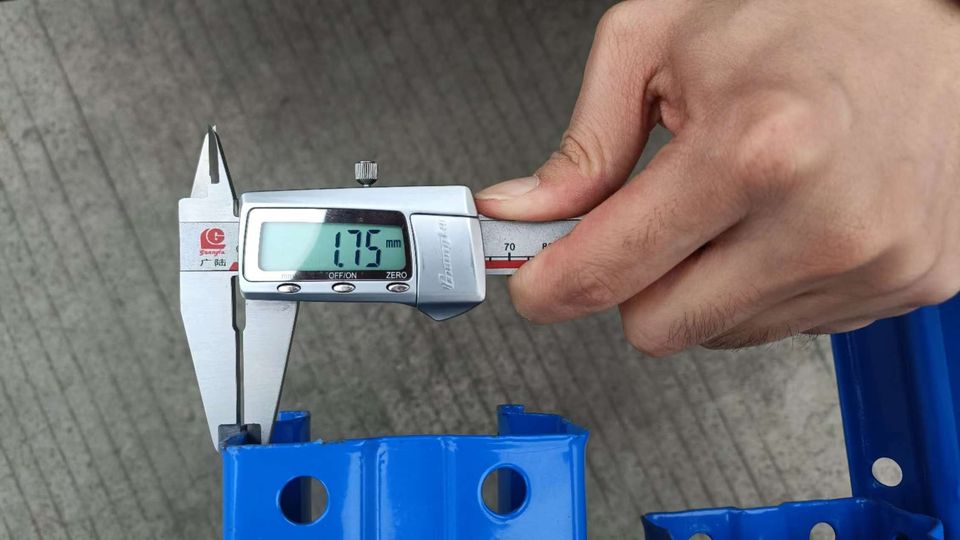
Caliper
Caliper Testing
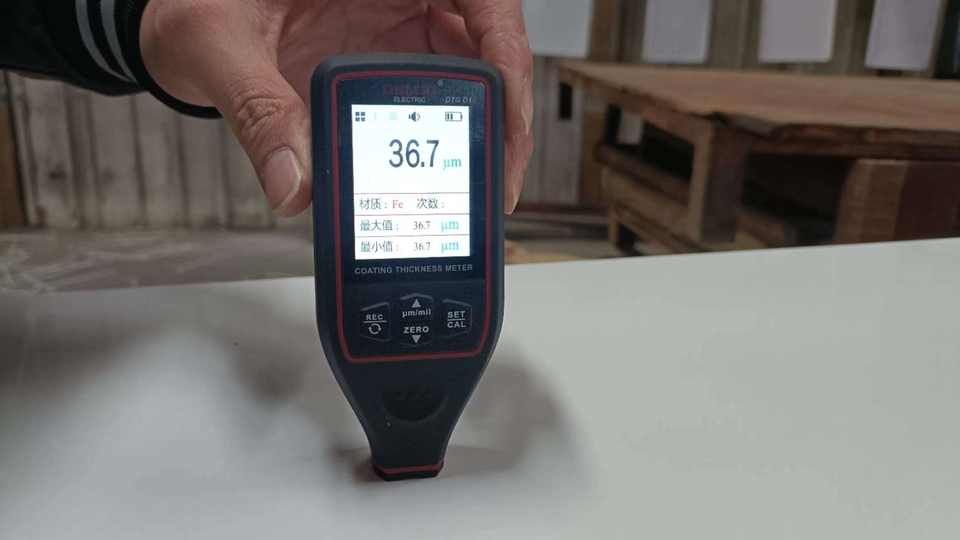
Coating thickness tester
Coating Thickness Tester

6. Structural Integrity & Custom Engineering Solutions

In industrial warehousing, structural integrity is key to safety and long-term durability. Drive-in racks face unique structural stresses, particularly lateral forces caused by forklift entry and exit, and vertical loads from heavy pallet stacks. High-quality systems address these challenges through targeted engineering designs:

  • Seismic Baseplates & Anchors: Large, heavy-duty baseplates distribute vertical loads across a wider concrete surface, reducing concentrated stress. Under seismic design specifications, heavy-duty anchors secure the uprights, ensuring stability during dynamic shifts.
  • Overhead Tie Beams & Bracing: Top bracing across the aisles stabilizes the entire racking block, preventing structural deflection. For deeper bays, rear-diagonal bracing provides additional rigidity against front-to-back sway.
  • Forklift Guide Rails: Installing floor-mounted steel guide rails protects upright frames from direct forklift impact, extending the service life of the system.

At Dongguan Durack Logistics, our design process incorporates advanced Finite Element Analysis (FEA) to simulate load distributions under varying operational and environmental conditions, ensuring that our installations meet local building codes and performance standards.

7. Global Procurement & Supply Chain Risk Management

Sourcing racking equipment internationally requires careful supply chain planning. Canadian procurement managers must coordinate multiple phases of the process to ensure timely delivery and proper installation:

  • Design Verification: Engineering layout drawings should be approved and signed off by qualified engineers to ensure compliance with local building regulations and municipal permit requirements.
  • Ocean Freight Logistics: Shipping heavy steel racking requires specialized packaging and container loading protocols to prevent damage during transit. Major destination ports in Canada, including Vancouver, Montreal, and Halifax, serve as key entry points for regional distribution.
  • Import Custom Clearances: Understanding tariff structures, including regional duties on steel products and customs clearance procedures, helps keep shipping timelines and import costs predictable.

By partnering with experienced manufacturers who manage the complete documentation and logistics pipeline, companies can streamline shipping processes and ensure all structural documentation is ready for regulatory approval upon arrival.

8. Regional Applications and Future Warehouse Automation Trends

Different Canadian industries require custom storage configurations to suit their operational needs:

  • Cold Storage (Quebec & Ontario): Operating freezer space requires high energy inputs. Drive-in systems optimize storage density within cold-storage envelopes, maximizing cooling efficiency by minimizing empty air volumes.
  • Automotive Parts & Manufacturing (Southern Ontario): High-density rack configurations allow manufacturers to store standardized components close to assembly lines, facilitating lean inventory management and quick access.
  • Agricultural & Bulk Storage (Prarie Provinces): Regional distribution centers use high-density racking to store bulk seed, packaged products, and seasonal equipment, adapting storage space to shifting demand cycles.

Looking ahead, drive-in systems are increasingly integrating with automated warehouse components. Systems like semi-automated pallet shuttles combine high-density lane storage with automated transport units, increasing throughput speed while reducing manual forklift operation within the racking bays.

Knowledge Base

Frequently Asked Questions

Professional engineering answers regarding structural regulations, shipping logistics, and quality assurance protocols for importing industrial racking into Canada.

How do we ensure imported drive-in racks comply with local Canadian regulations?

To ensure compliance, all imported drive-in racking systems must meet the design criteria specified in standard CSA A344 (User Guide for Steel Storage Racks). Importers should require the manufacturer to provide structural calculation reports verifying load capacities under local building regulations. In provinces like Ontario, systems must also pass a Pre-Start Health and Safety Review (PSR) conducted by a licensed professional engineer before operational use.

What are the main design differences between roll-formed and structural steel drive-in racks?

Roll-formed steel racks are made from cold-rolled steel coils, offering a cost-effective, adjustable, and lighter-weight solution suitable for standard warehouse environments. Structural steel racks are constructed from hot-rolled channel steel, providing significantly greater load capacity and resistance to forklift impacts. Since forklifts drive inside the rack bays in drive-in systems, structural steel is often preferred for busy high-throughput zones and cold storage warehouses due to its durability.

How does shipping and custom clearance work for shipments from China to Canada?

Heavy steel racking components are packaged securely to prevent movement during transit and shipped via standard ocean containers to major Canadian ports like Vancouver, Montreal, or Halifax. The customs clearance process requires a Bill of Lading, Commercial Invoice, Packing List, and Mill Test Certificates verifying steel quality. Working with experienced customs brokers helps manage regional steel import regulations and ensures a smooth delivery process to your warehouse site.

Can drive-in racking systems be customized for specific pallet sizes?

Yes, drive-in racking configurations can be fully customized to match specific warehouse layouts and pallet dimensions, including standard North American GMA pallets (48" x 40") or custom industrial sizes. Custom options include adjusting column spacing, rail heights, entry lane depths, and adding baseplate supports or guide rails to protect the structure from forklift impacts.

What is the standard manufacturing lead time for container orders?

The typical manufacturing lead time for standard container-load orders ranges from 4 to 6 weeks, depending on order size and customization requirements. This includes structural design review, steel roll-forming, stamping, robotic welding, and powder coating. Ocean transit to Canada generally takes an additional 3 to 4 weeks to western ports (Vancouver) and 4 to 6 weeks to eastern destinations (Toronto/Montreal).
Send Inquiry Now