Engineered for extreme structural capacity and seamless handling of heavy raw materials, pipe bundles, and industrial timber in the Boston metro market.
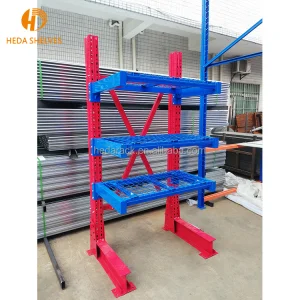
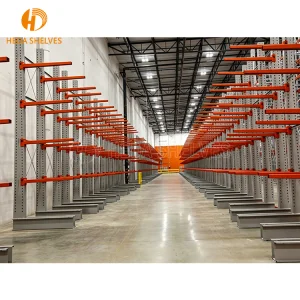
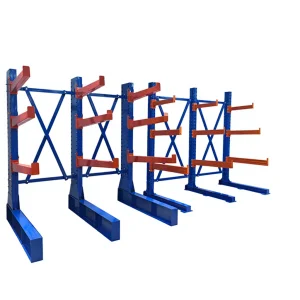
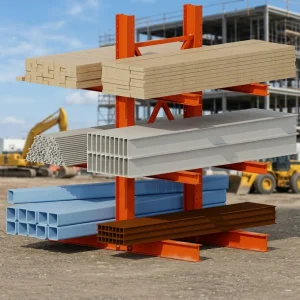
Greater Boston is transitioning rapidly. The expansion of advanced manufacturing, cold storage, pharmaceutical supply, and heavy industrial distribution along the I-95/Route 128 corridor, I-93, and the Port of Boston demands sophisticated logistical planning. Historically constrained industrial properties in areas like Chelsea, Everett, and East Boston feature unconventional column spacing, low ceilings, or unique building envelopes. Structural cantilever racks are the critical answer to these physical challenges.
Standard selective pallet racking fails when storing long, heavy, or non-uniform materials. Products like steel tube bundles, structural channels, construction lumber, HVAC ducts, and conduit pipes require unimpeded access without front columns interfering with forklift maneuvers. Cantilever racking eliminates the vertical obstructions, allowing Boston enterprises to maximize their vertical space and overhead clearances while ensuring instant SKU selectivity.
Additionally, structural racking in New England must satisfy severe seismic and environmental load factors. Under the Massachusetts State Building Code (780 CMR) and the updated International Building Code (IBC) regulations, structures located within the Boston metropolitan area are prone to specific seismic design category requirements (Seismic Design Category B or C in many Eastern MA zip codes).
Understanding soil classification, slab depth, and anchor spacing isn't optional—it is a critical safety and compliance necessity. We provide structural-grade steel systems, complete with engineering calculations, to ensure permit approval and long-term operator protection in harsh distribution environments.
Under the RMI (Rack Manufacturers Institute) standard MH16.1, structural cantilever design relies on precise calculation models.
The system capacity is critically dependent on the load's center of gravity (CG). Placing a load further out from the column dramatically increases the overturning moment on the base and arm connections. Arm load capacities are calculated assuming a uniformly distributed load (UDL) centered at half the length of the arm (L/2). Deviations from the UDL require rigorous adjustments to prevent shear failure at the arm hook or connection pins.
Under heavy loads, a degree of deflection is expected. However, maximum allowable horizontal deflection (under RMI standards) is capped at L/185 for the arms, and vertical column drift is strictly managed to ensure system stability. For a standard 48" arm, the maximum allowable deflection at full load is roughly 0.25 inches. If structural steel exceeds this boundary, the load risks sliding off the incline, causing critical hazard events.
Because cantilever structures act as classic levers, single-sided loading generates immense uplift force on the rear base anchors. The calculations require verifying the concrete slab's compressive strength (typically 3,000 - 4,000 PSI) and using chemical or mechanical expansion anchors engineered to resist these specific tensile and shear forces. We utilize Hilti anchor modeling toolsets for our Boston structural installations.
| Profile Type | Arm Length (in) | Arm Load Capacity (lbs) | Column Height Max (ft) | Seismic Rating (SDC) | Application Match |
|---|---|---|---|---|---|
| Light Roll-Formed 14Ga | 24" - 36" | 1,000 - 1,800 | 12' | A - B | Conduit, PVC, Light Trim, Plastics |
| Heavy Roll-Formed 12Ga | 36" - 48" | 2,000 - 3,500 | 16' | A - C | Plywood, Hardwood Lumber, Copper Tubing |
| Structural Channel C4 | 36" - 48" | 3,000 - 4,500 | 20' | A - D | Structural Steel Bars, Heavy Rebar, Tooling Dies |
| Structural Channel C5/C6 | 48" - 72" | 4,500 - 7,000+ | 30' | A - F (Engineered) | Heavy Metal Plate Coils, Industrial Machinery Parts |
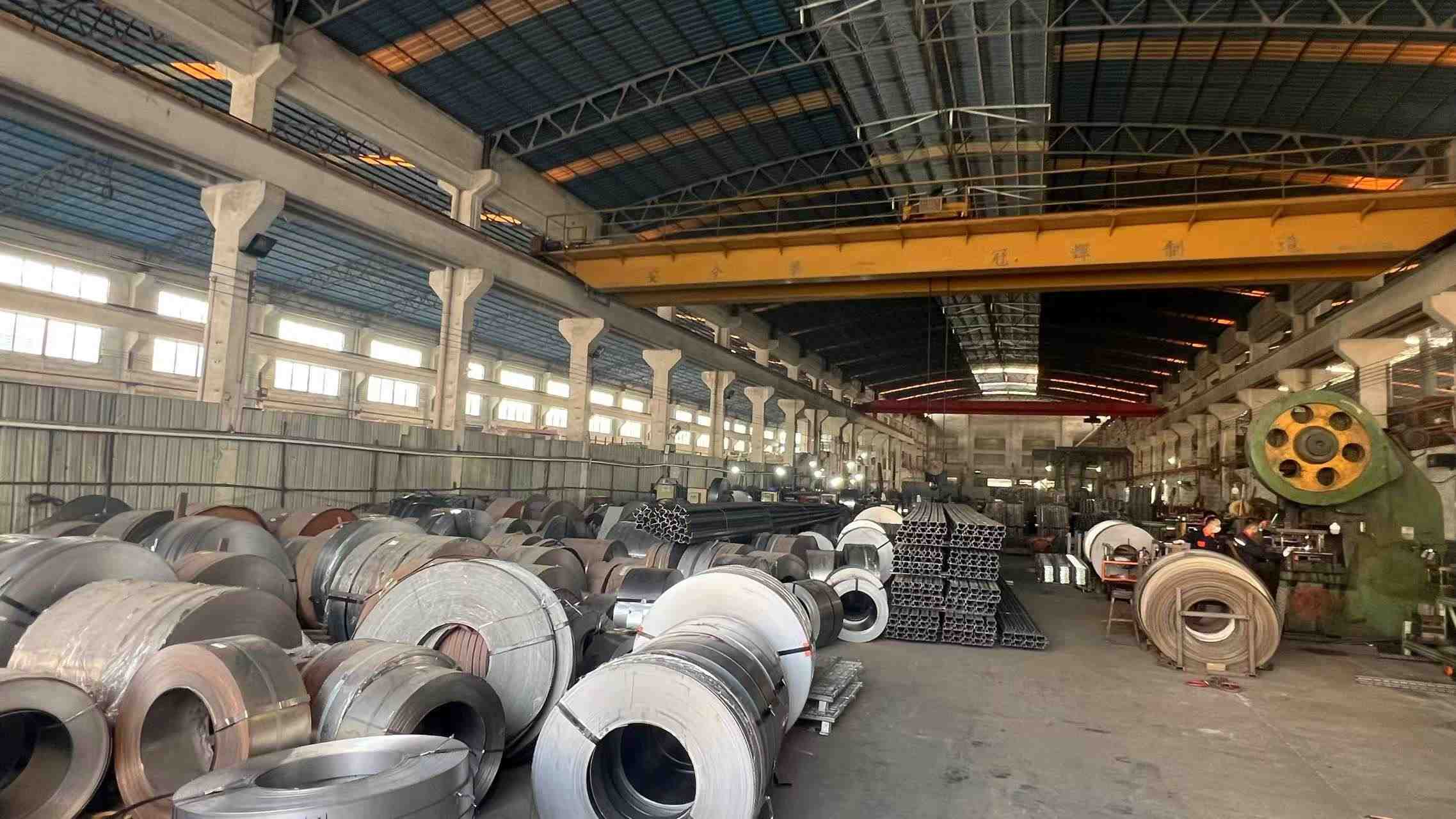
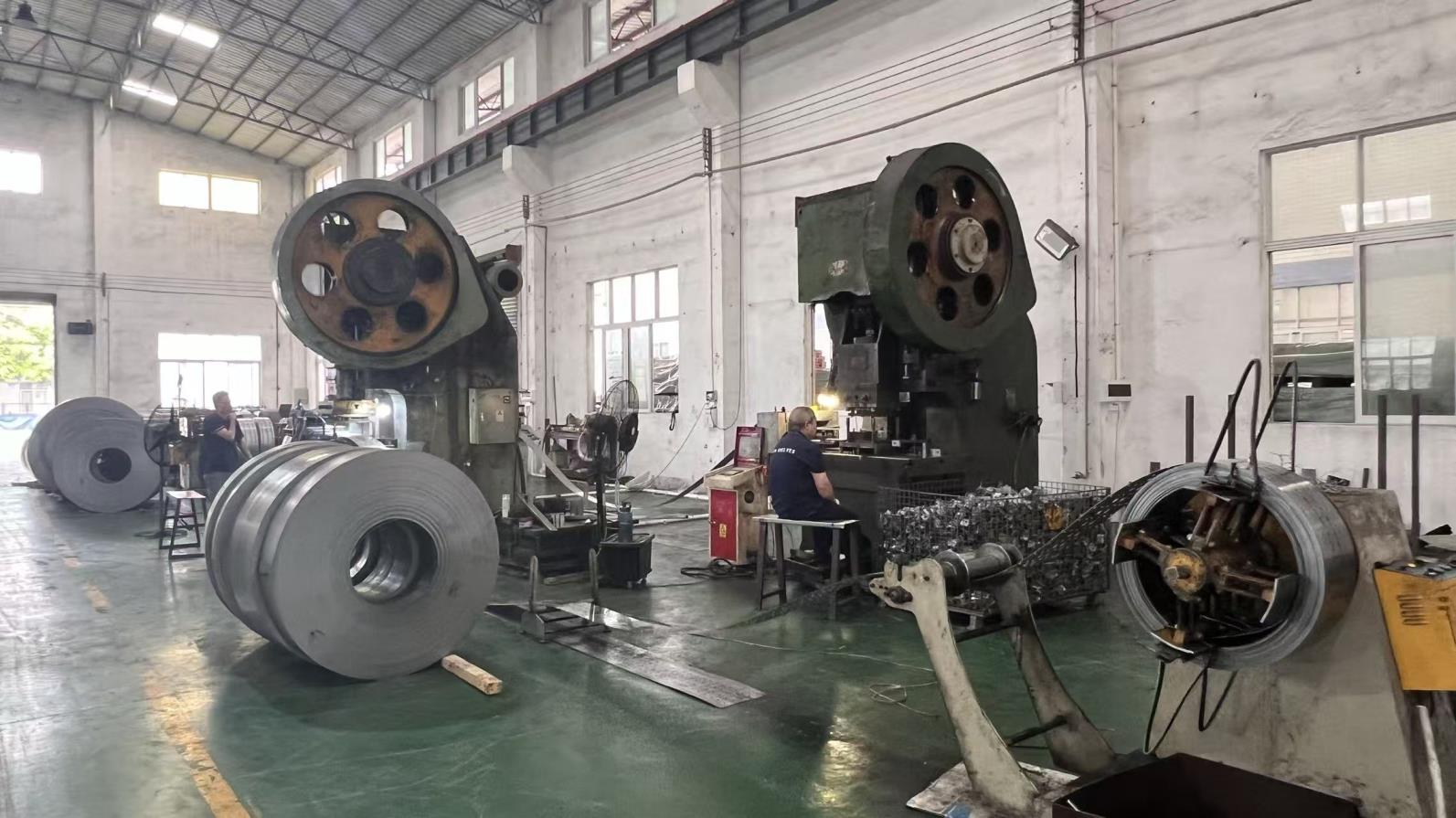
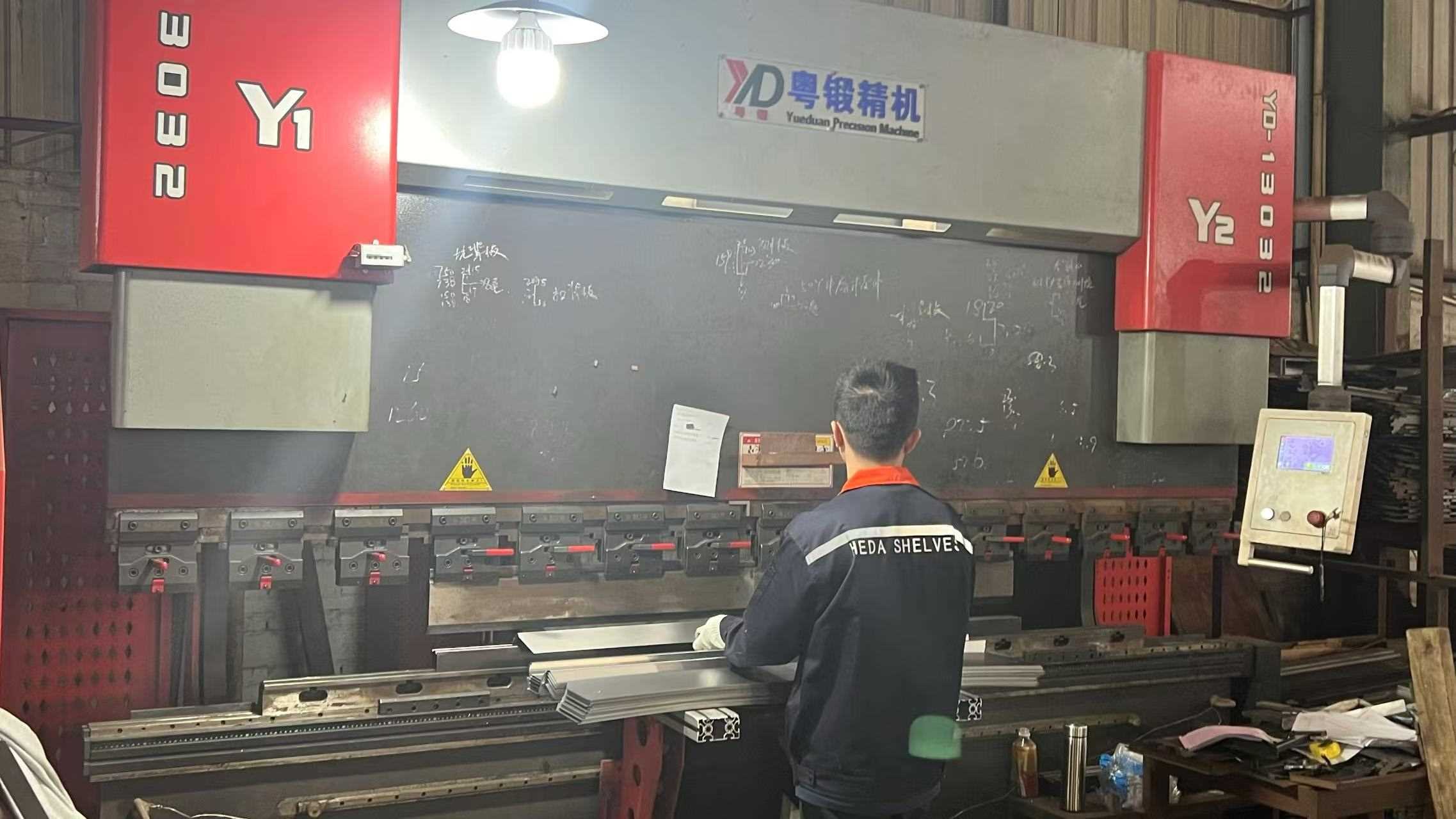
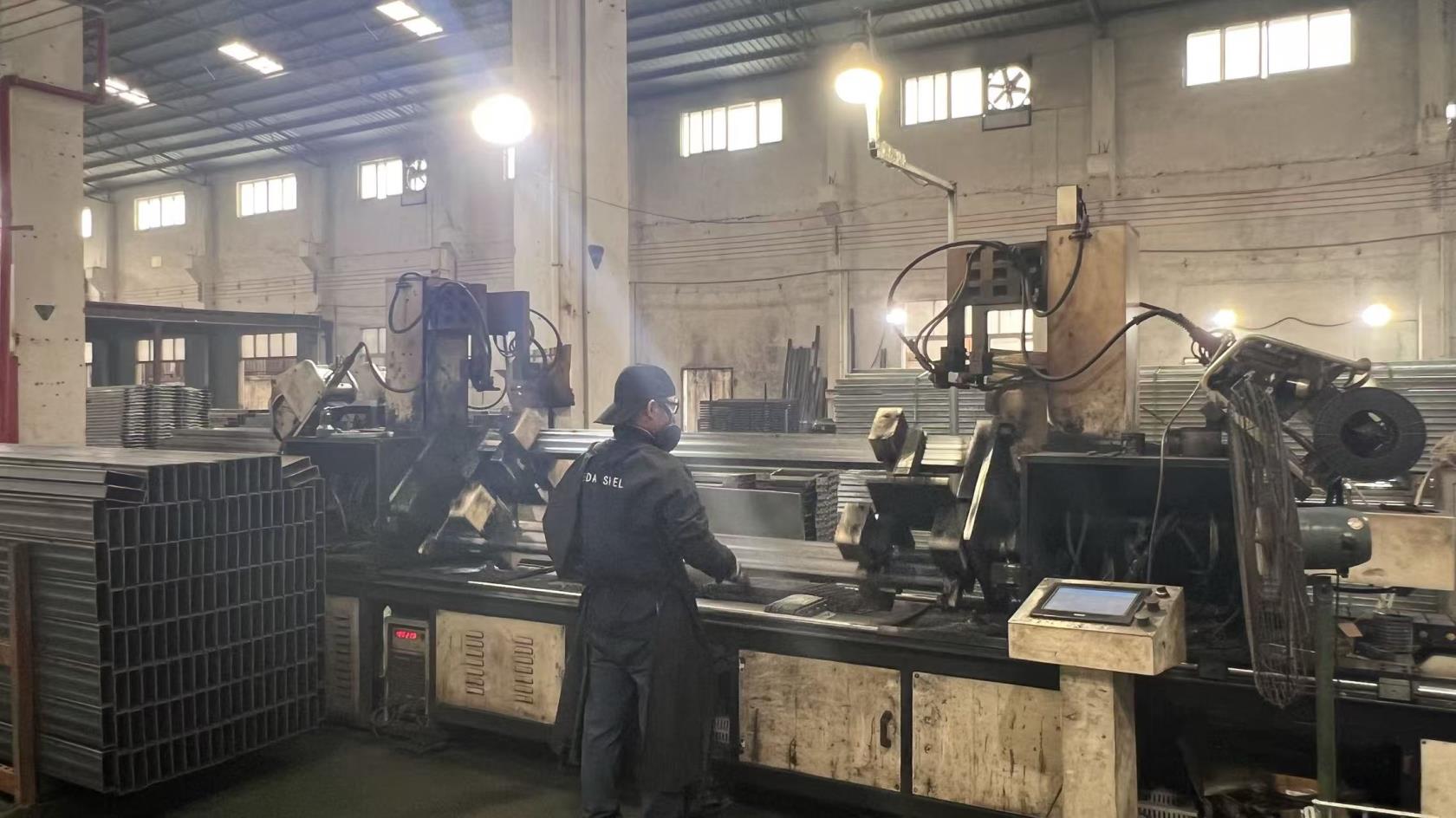
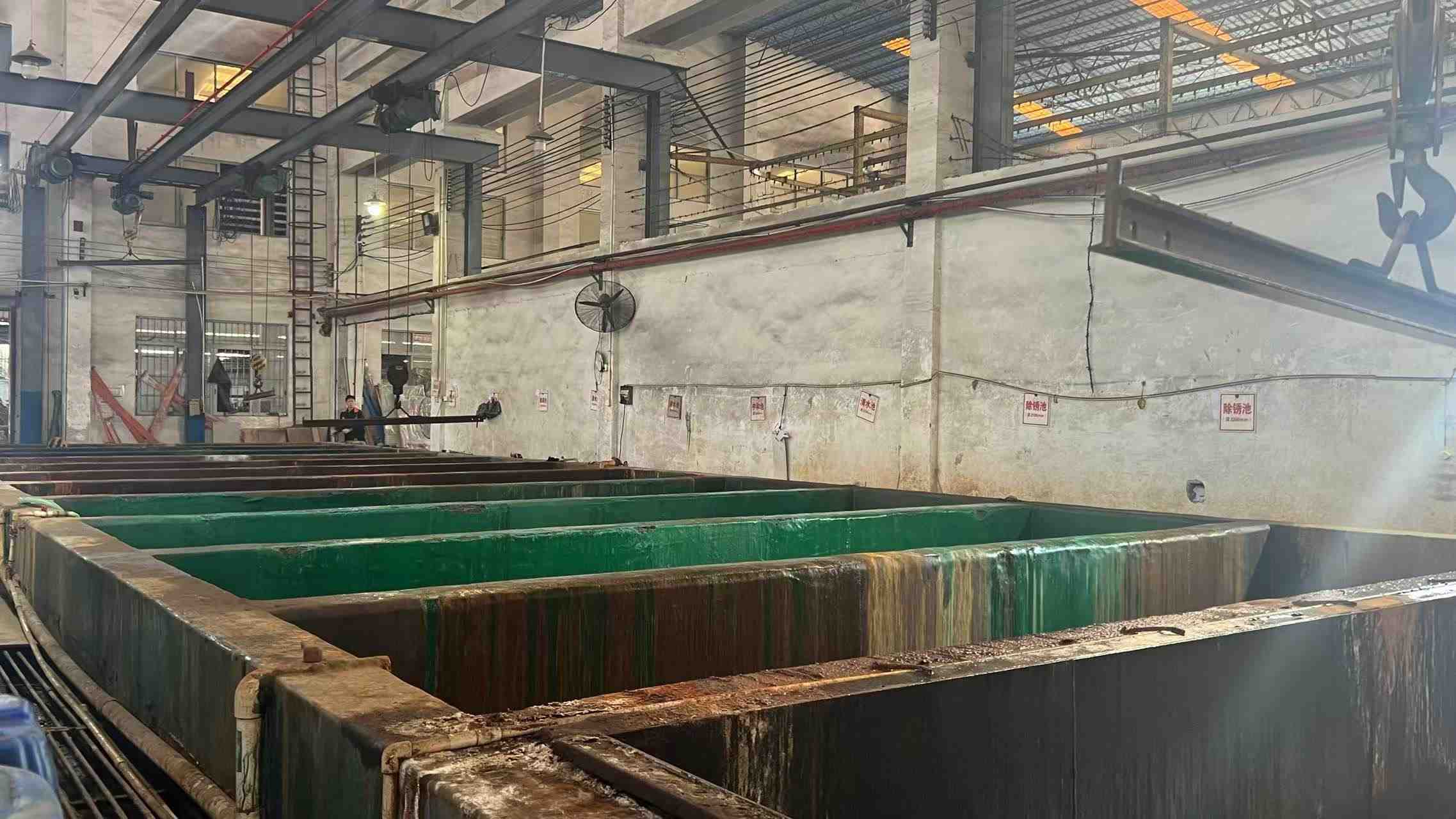
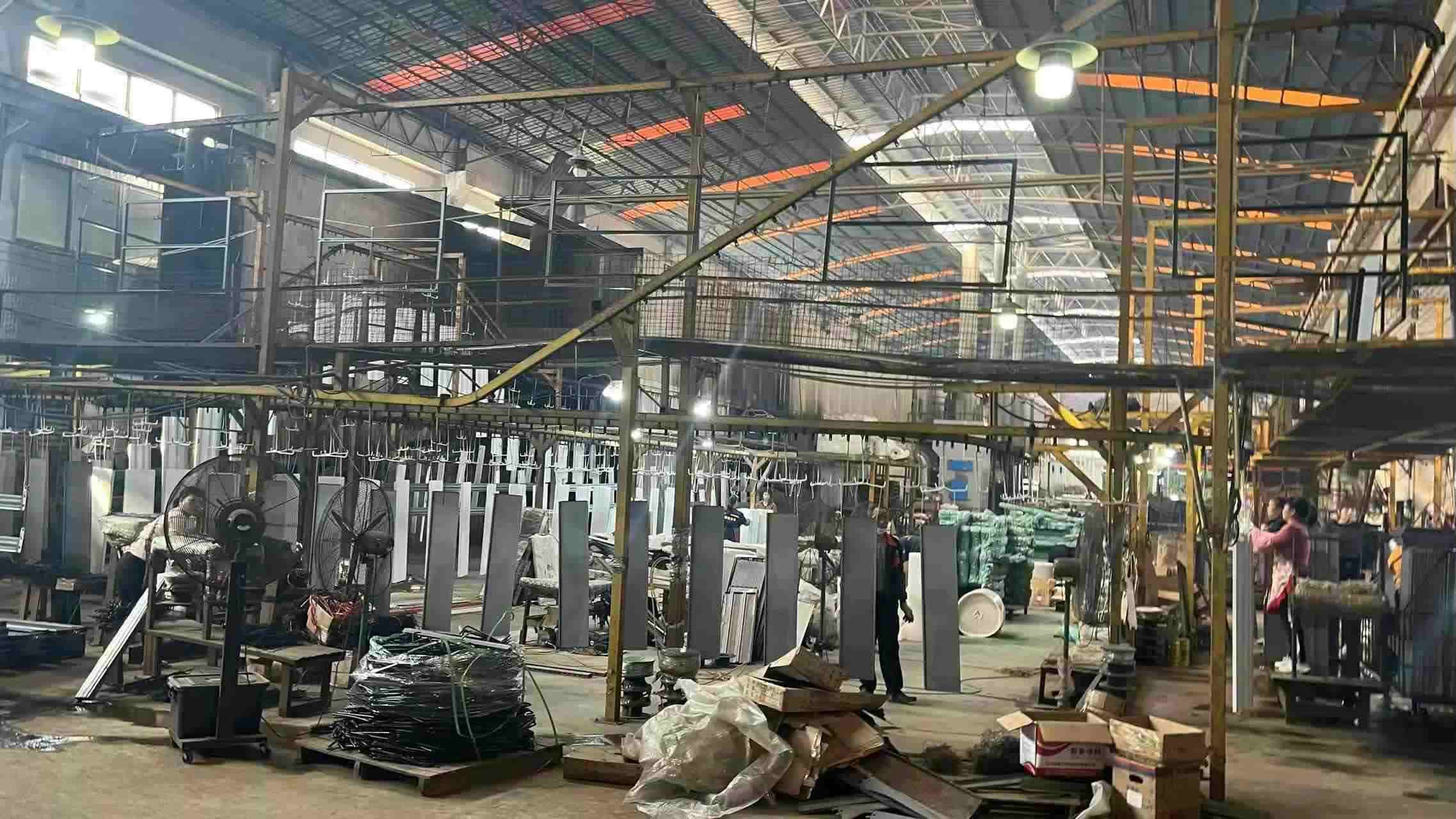
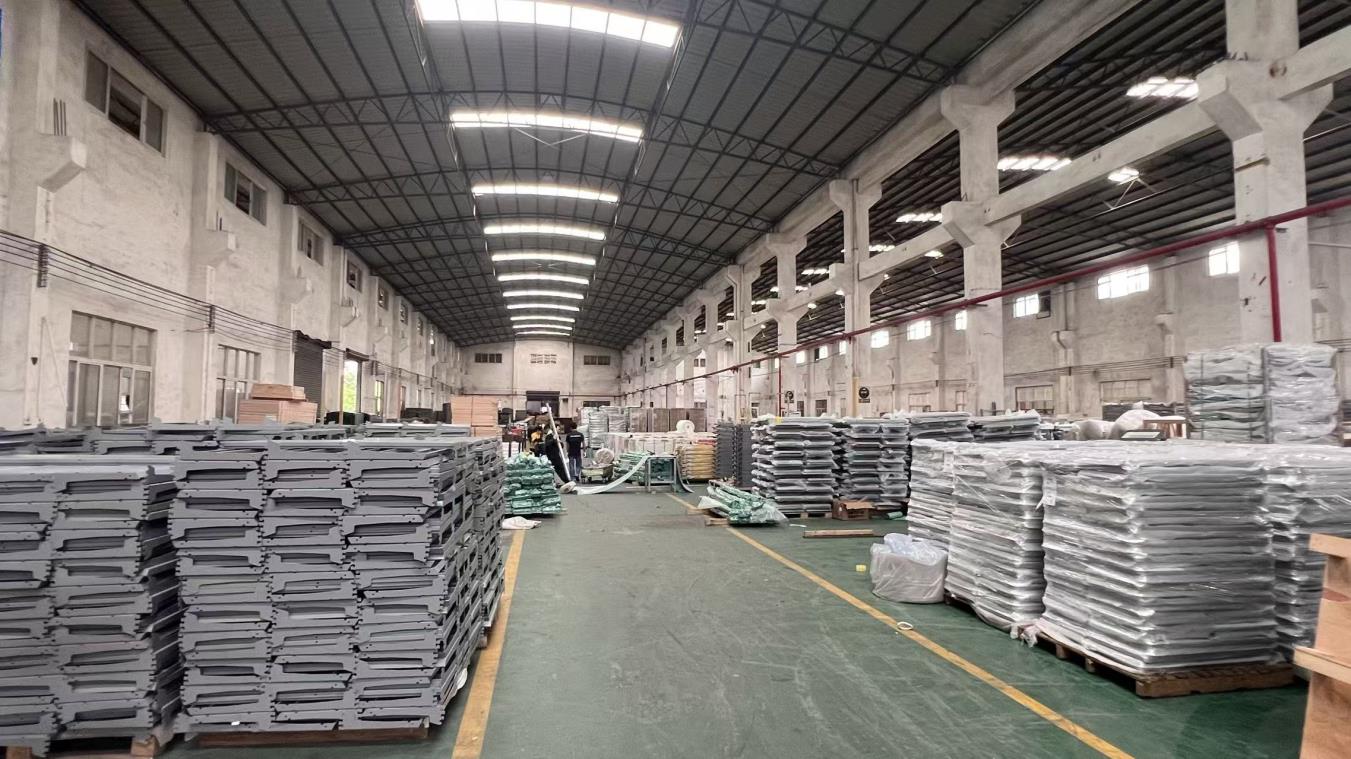
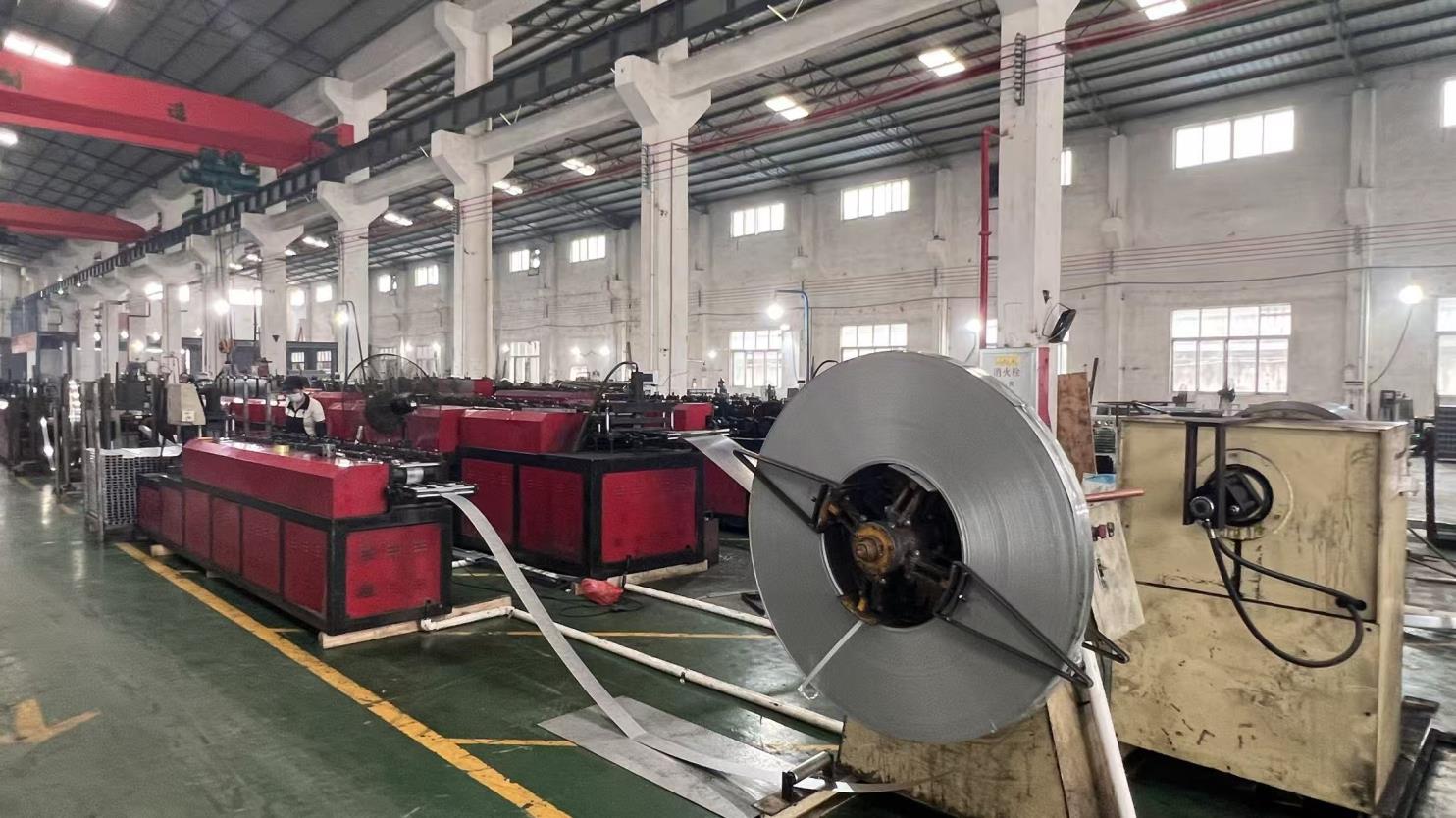
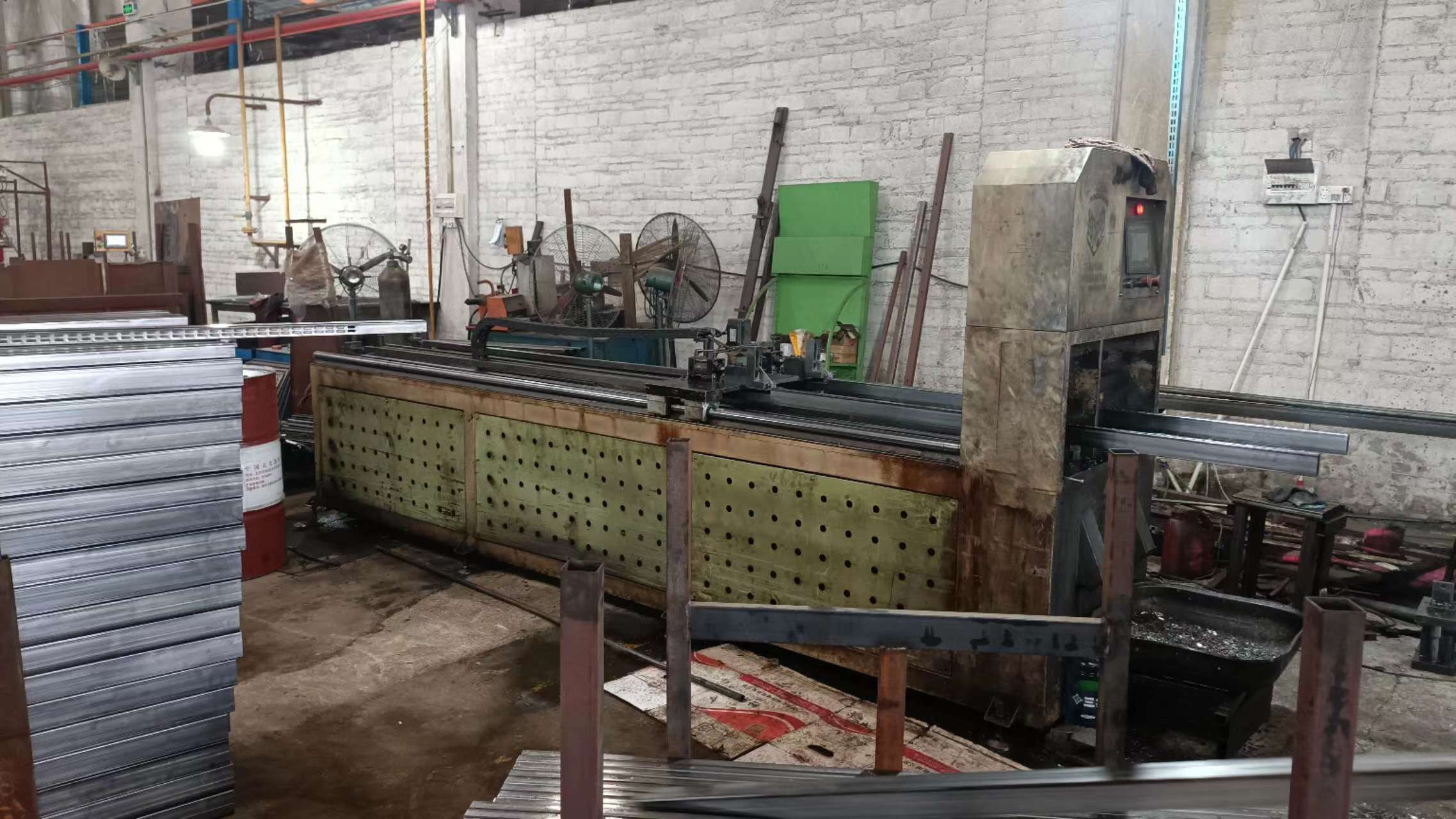
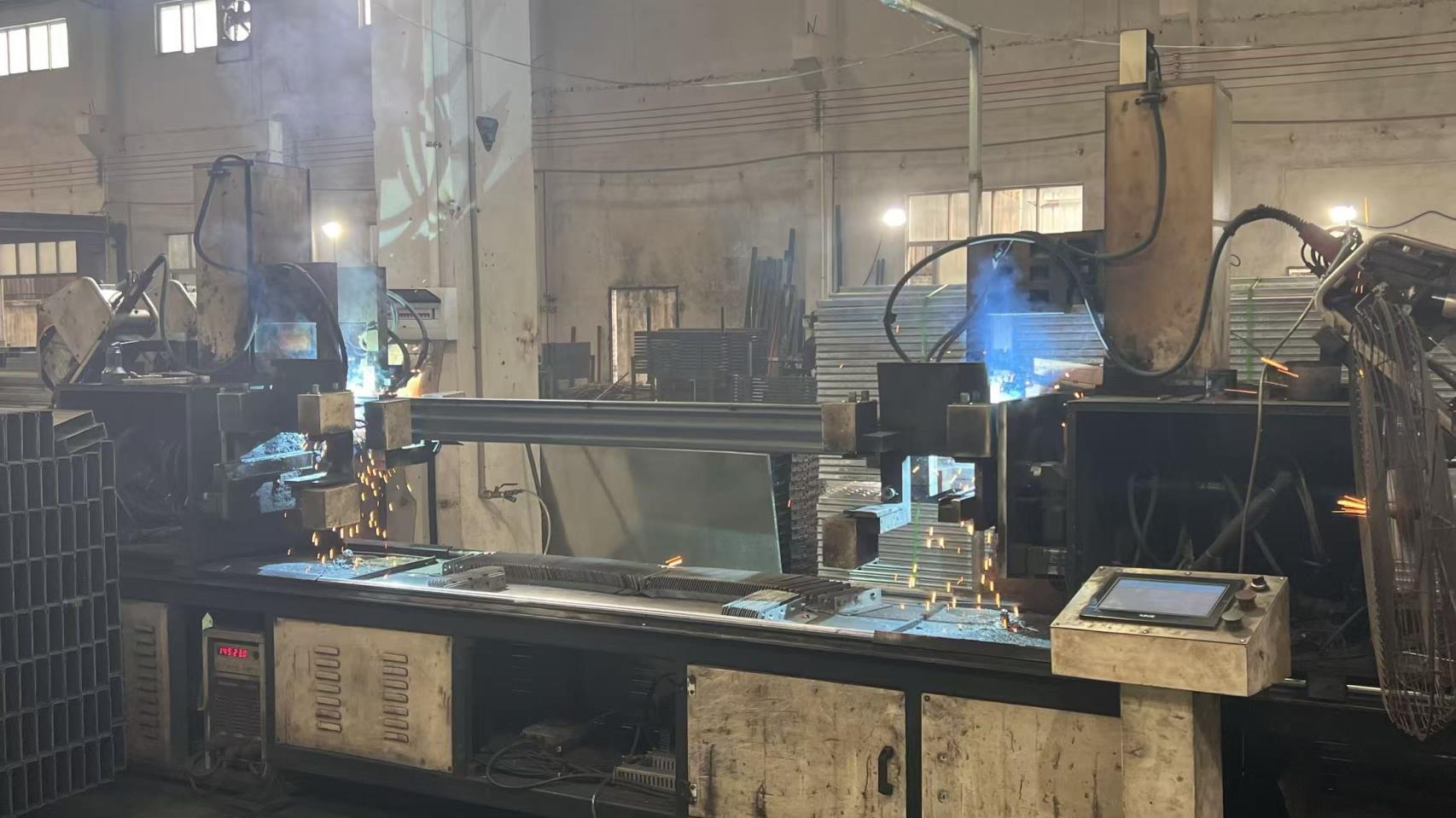
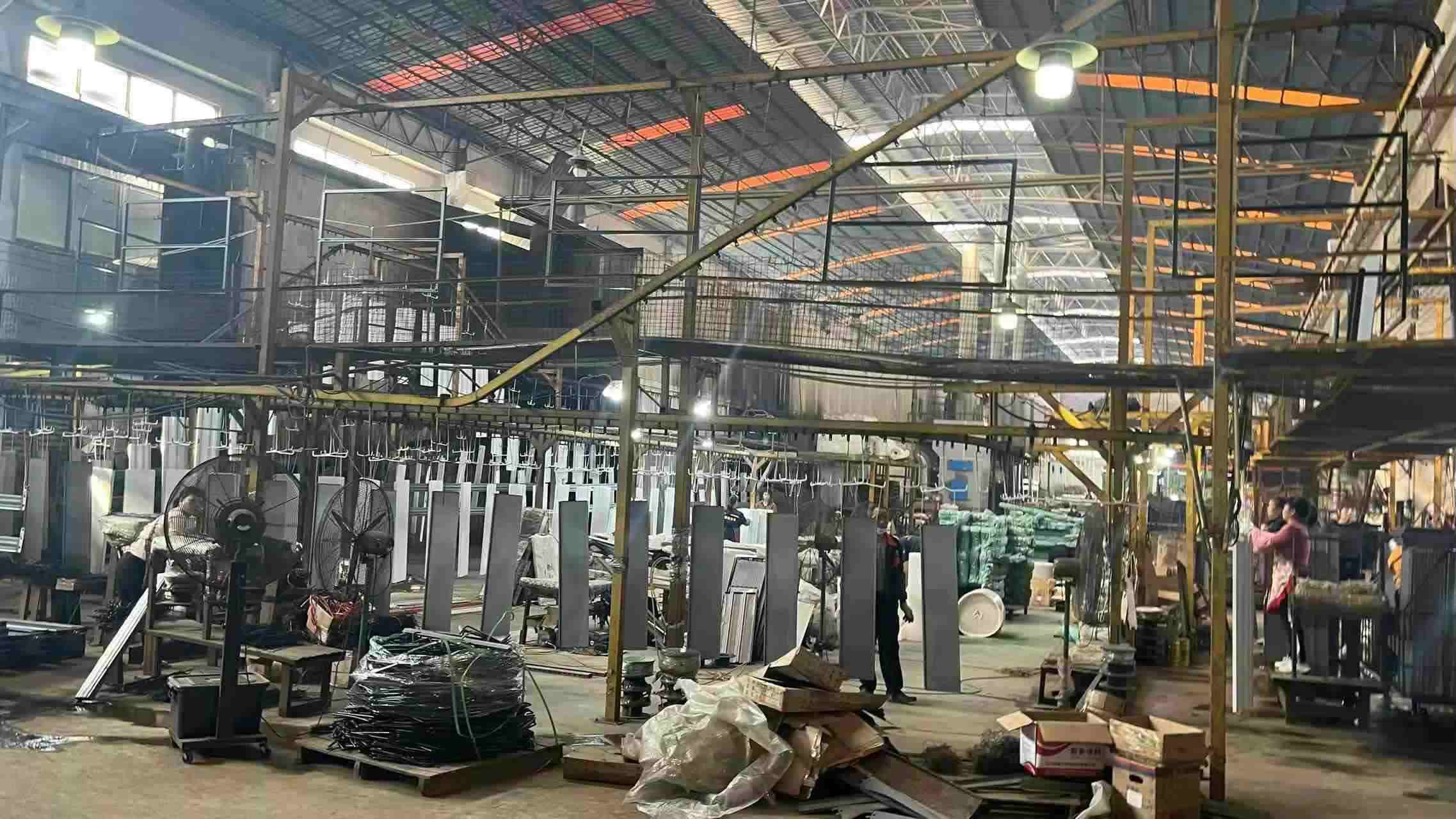
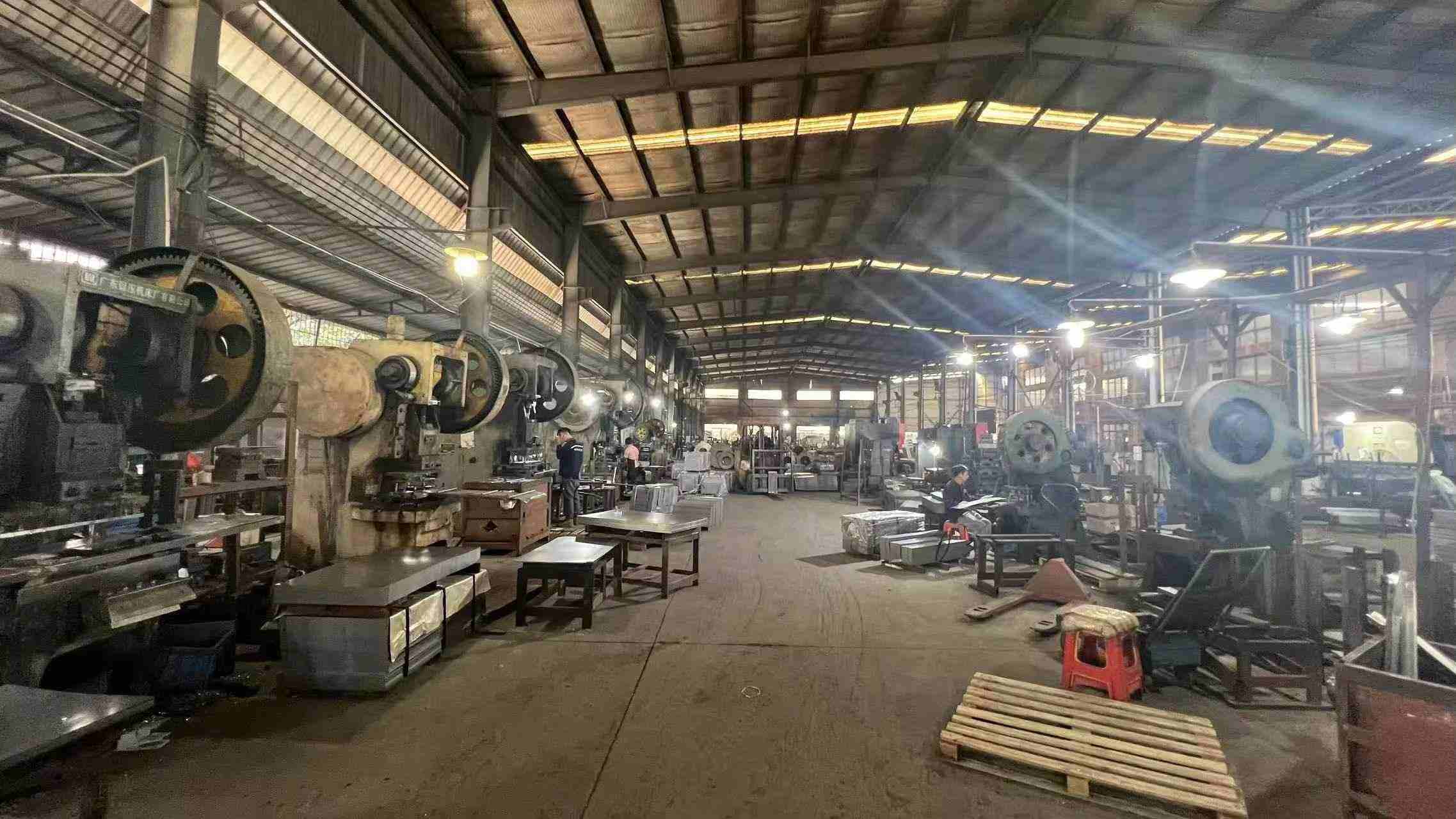
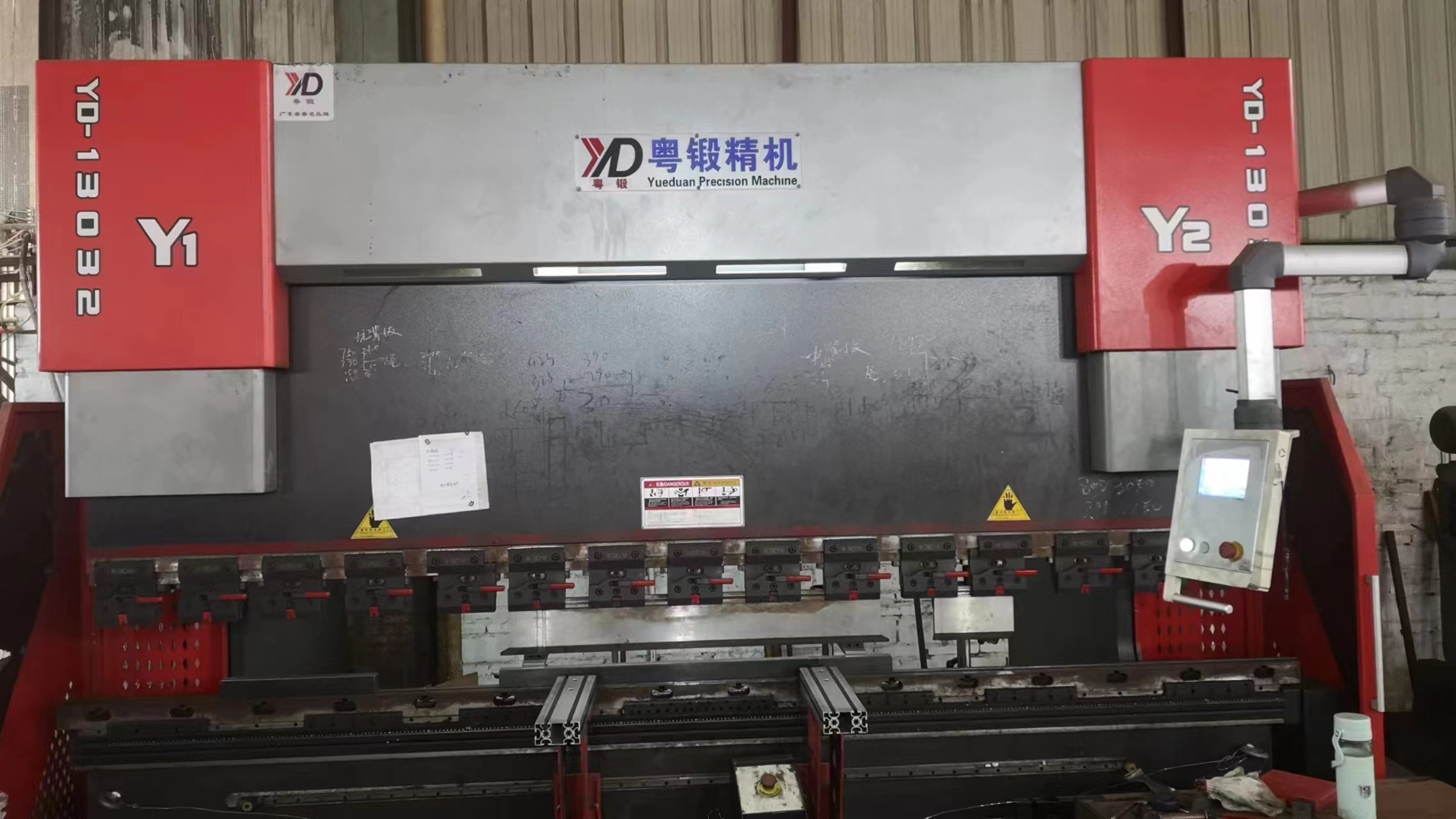
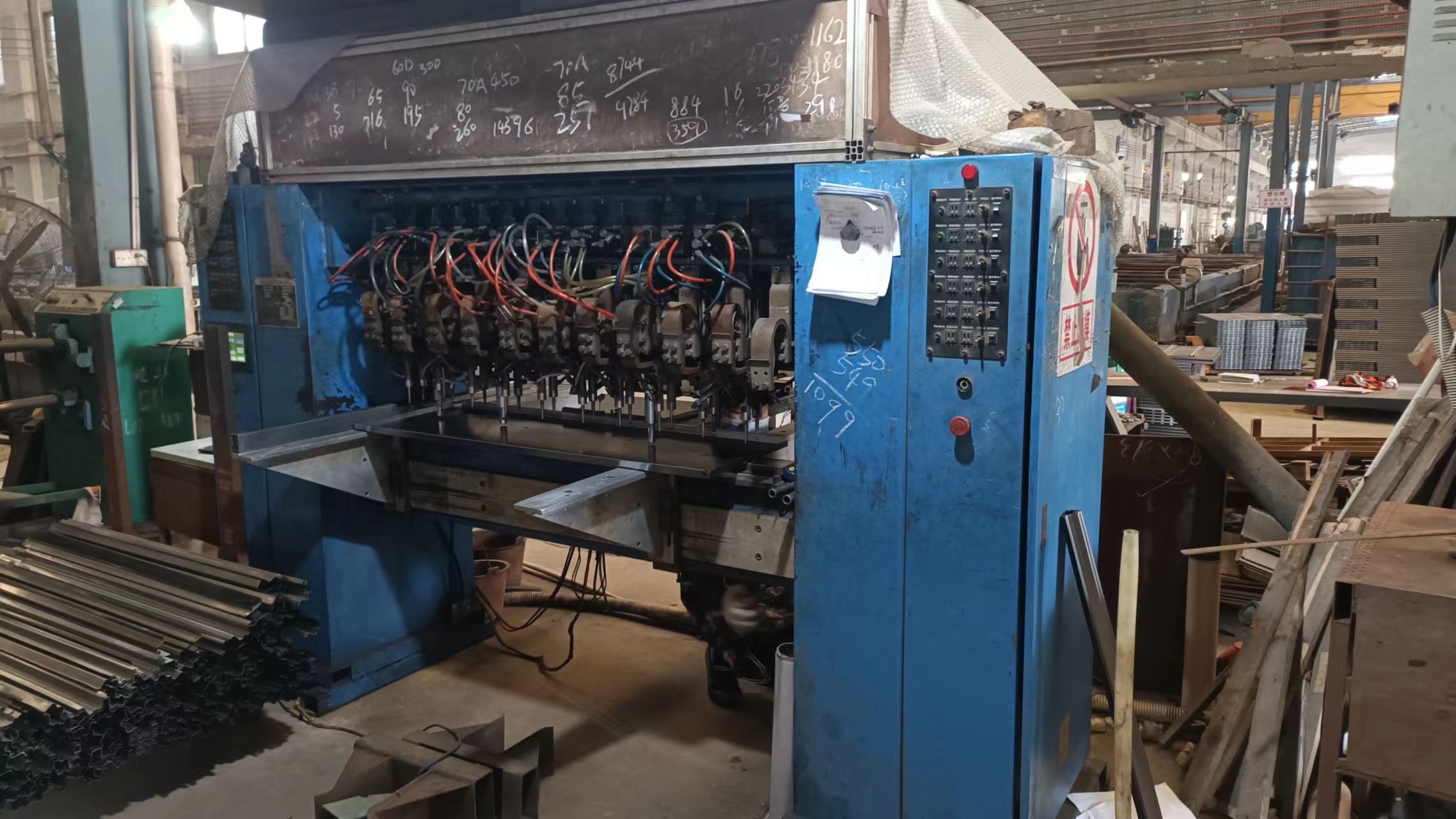
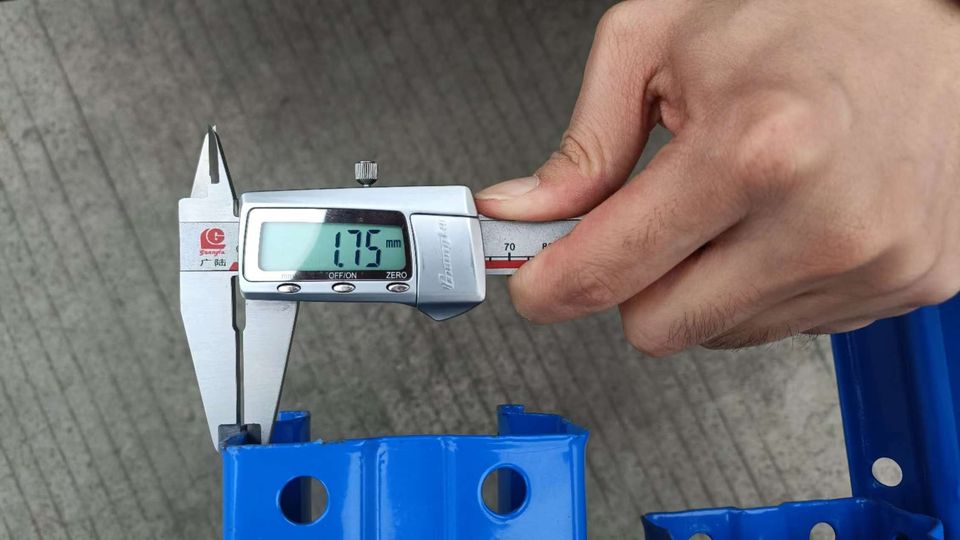
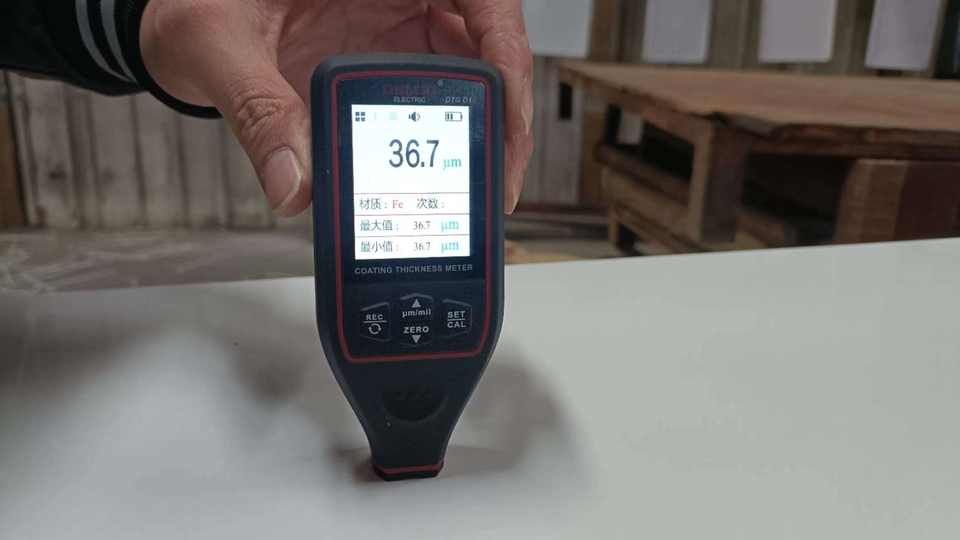
Founded in 2014, Dongguan Durack Logistics Equipment Co., Ltd. is a premier Chinese storage racking system manufacturer operating a 35,000 m² facility. Backed by 12 years of industry experience and 8 years of global export history, the company generates $28 million in annual export revenue. Our operations are supported by a strict quality assurance system using full-spectrum ultrasonic testing and load-bearing stress evaluations, overseen by 45 dedicated QC specialists. Driven by an active R&D division with 65 specialized engineers, Durack offers full OEM/ODM customization options—including bespoke beam profiles, structural steel grades, and dynamic layout designs—launching over 120 new storage products last year.
Seamless transoceanic transit to Conley Terminal, ensuring zero line-stoppages for critical infrastructure builds.
For large-scale construction builds or regional distribution centers in Massachusetts, procuring structural steel racking from direct international manufacturers yields unparalleled cost efficiencies. We handle standard container bookings (40HC) utilizing direct vessel schedules route-optimized to the Port of Boston. This eliminates unnecessary land transport and double-handling fees from the Port of NY/NJ, reducing transit risk, drayage costs, and customs delays.
Navigating global tariff policies (Section 301/232 duties on steel products) requires expert supply chain logistics. By employing optimized HTS classifications, certified mill test reports, and regional shipping structures, we minimize compliance exposure. Our team delivers comprehensive DDP (Delivered Duty Paid) or CIF ocean freight options, backed by cargo insurance policies to guarantee stress-free delivery directly to your project site or warehouse docks.
Navigating the complex building and safety codes of New England industrial zones.
The Massachusetts State Building Code contains stringent structural steel amendments. Racks exceeding 8 feet in height require structural engineering reviews, detailed anchoring layouts, and seismic load analyses stamped by a licensed Massachusetts Professional Engineer (PE).
Boston Fire Department (BFD) enforces rigorous storage height regulations. Cantilever shelves storing solid wood or plastic products present unique flue space requirements. We engineer open-arm designs to accommodate automatic in-rack sprinkler lines seamlessly.
Forklift impact is the leading cause of structural rack collapse. We offer customized heavy-duty base guards, column protectors, and end-of-row barriers to absorb vehicle kinetic forces, protecting your operators and investment.
Bridging traditional heavy fabrication with high-density automated logistics.
The evolution of warehouse spaces in urban Boston centers demands higher vertical concentration. We are actively engineering automated storage and retrieval systems (AS/RS) integrated directly with cantilever profiles. High-speed crane systems traverse cantilever corridors to store and retrieve oversized items with millimeter accuracy, bypassing conventional forklift speed limits.
Simultaneously, Durack is experimenting with dynamic strain-gauge sensors embedded within load-bearing cantilever arms. These IoT sensors communicate stress factors and deflection levels in real-time, sending alerts to facility managers before structural limits are reached, introducing predictive maintenance to industrial logistics.
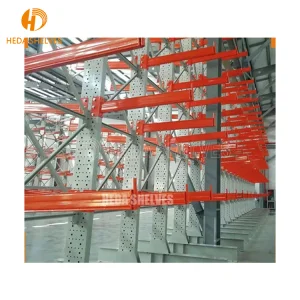
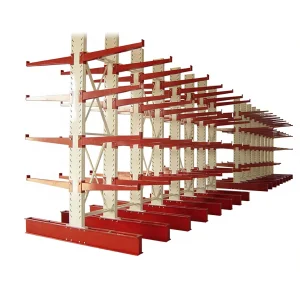
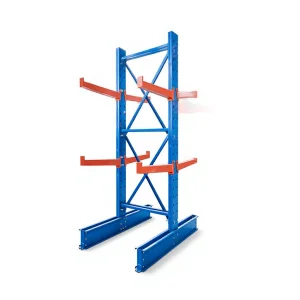
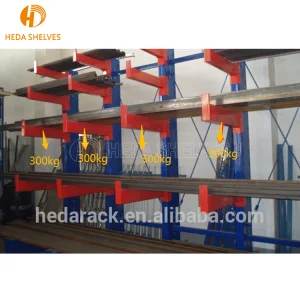
Select from our fully customizable catalog of single and double-sided heavy-duty configurations.
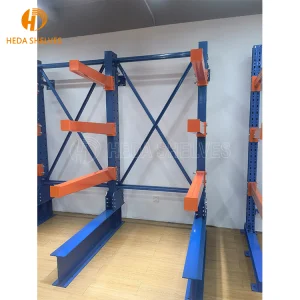
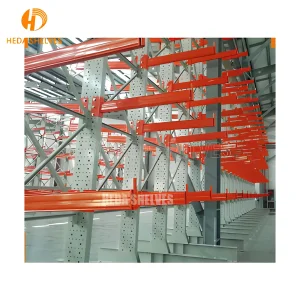
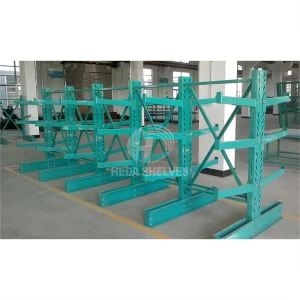
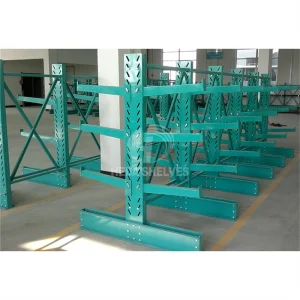
Clarifying engineering details, building codes, and logistical routing for Boston buyers.
 Durack