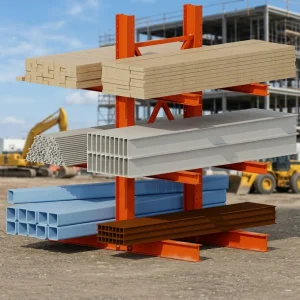
High-durability storage systems built to support long, bulky loads. Designed to integrate seamlessly with standard material handling equipment in European freight hubs.
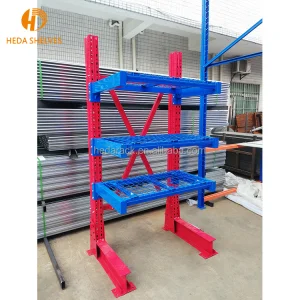
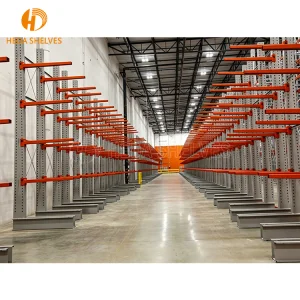
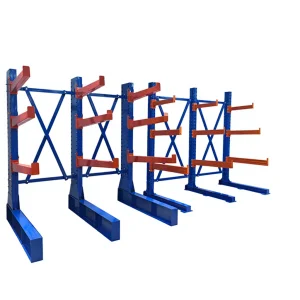
Situated in the heart of Europe's "Blue Banana" economic corridor, the Grand Duchy of Luxembourg has evolved into one of the continent's most sophisticated logistics and industrial hubs. Bordered by Germany, France, and Belgium, the country leverages premier freight terminals such as the Bettembourg-Dudelange intermodal hub and the Eurohub South logistics park. This positioning demands high-density, rapidly accessible storage infrastructures designed to handle everything from heavy steel structural profiles to high-tech automotive components.
Luxembourg's long-standing industrial history, particularly in high-grade steel manufacturing (as the global headquarters of ArcelorMittal), has created a continuous requirement for specialized steel warehouse racking systems. Raw steel plates, structural beams, aluminum profiles, and heavy piping cannot be stored using standard pallet racking. They require heavy-duty, highly engineered cantilever rack systems designed to withstand high point-loads, prevent lateral deflection, and ensure seamless retrieval using sideloaders or multidirectional reach trucks.
For high-capacity environments (loads exceeding 3,000 kg per arm level), roll-formed steel can pose safety risks under accidental impact. In Luxembourg's major logistics hubs, heavy structural I-beams (H-profiles) are preferred due to their high yield strength and ability to withstand forklift impacts without catastrophic buckling.
On a global scale, the storage equipment industry is experiencing a rapid shift toward automated material handling, green logistics, and strict structural compliance. When configuring storage systems for the European market, manufacturers must align their quality standards with local and continental safety regulations. For cantilever racking, this includes:
At Durack, our engineering department utilizes advanced Finite Element Analysis (FEA) to verify every custom-configured racking frame. By simulating localized point loads, seismic events, and dynamic forces from multidirectional lift trucks, we ensure that our cantilever rack installations in Luxembourg provide maximum load capacity with a built-in safety factor of at least 1.5 to 2.0.
Explore our specialized, high-capacity project configurations optimized for the challenging physical demands of industrial storage.
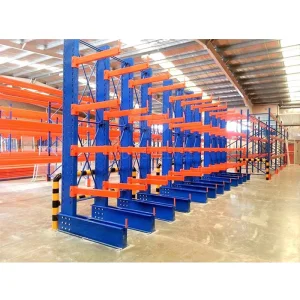
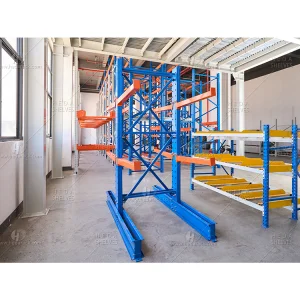
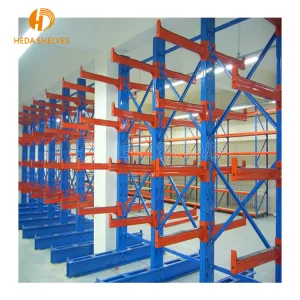
Designing an efficient storage solution requires a clear understanding of load mechanics. In structural cantilever racks, the arm connection style plays a pivotal role in preventing stress concentration points. Durack's proprietary pivot-arm design allows the arms to swing upwards and sideways if struck by a load or forklift fork. This minimizes deformation risk and protects the critical structural joint.
| Parameters | Standard Roll-Formed Rack | Heavy-Duty Structural I-Beam Rack | Outdoor Galvanized Systems |
|---|---|---|---|
| Steel Grades Utilized | Q235B / S235JR (Yield strength ≥ 235 MPa) | Q345B / S355JR (Yield strength ≥ 355 MPa) | High-strength structural H-beam sections |
| Max Column Height | Up to 6,000 mm | Up to 12,000 mm | Custom engineered to 10,000+ mm |
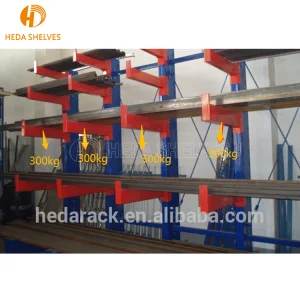
| Load Capacity Per Arm | 300 kg to 1,000 kg | 1,000 kg to 4,000+ kg | Up to 3,500 kg per arm level |
| Arm Length Configuration | 600 mm to 1,500 mm | 800 mm to 2,500 mm | Custom adapted to bundle dimensions |
| Deflection Limits (L/d) | Typically L/200 (under full static load) | L/300 (highly rigid for heavy machinery) | L/250 to match European outdoor codes |
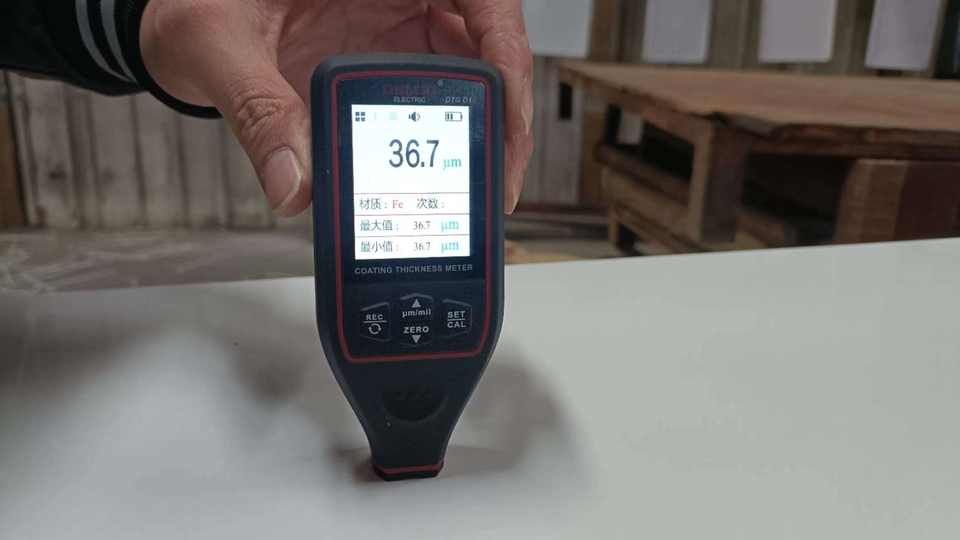
| Finish Type | Electrostatic Epoxy Powder Coating | Dual-layer structural powder coat | Hot-Dip Galvanized (ISO 1461 compliant) |
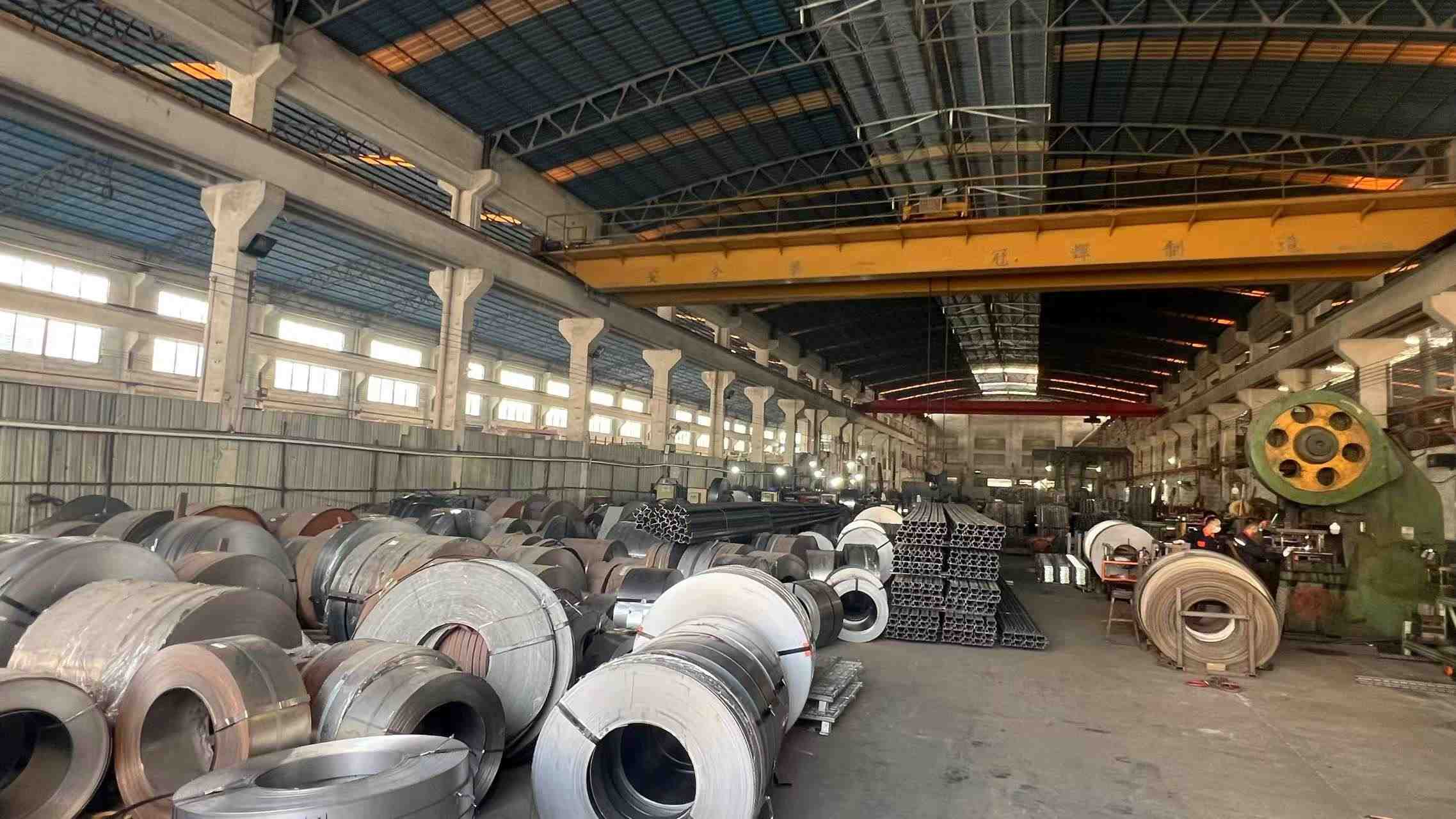
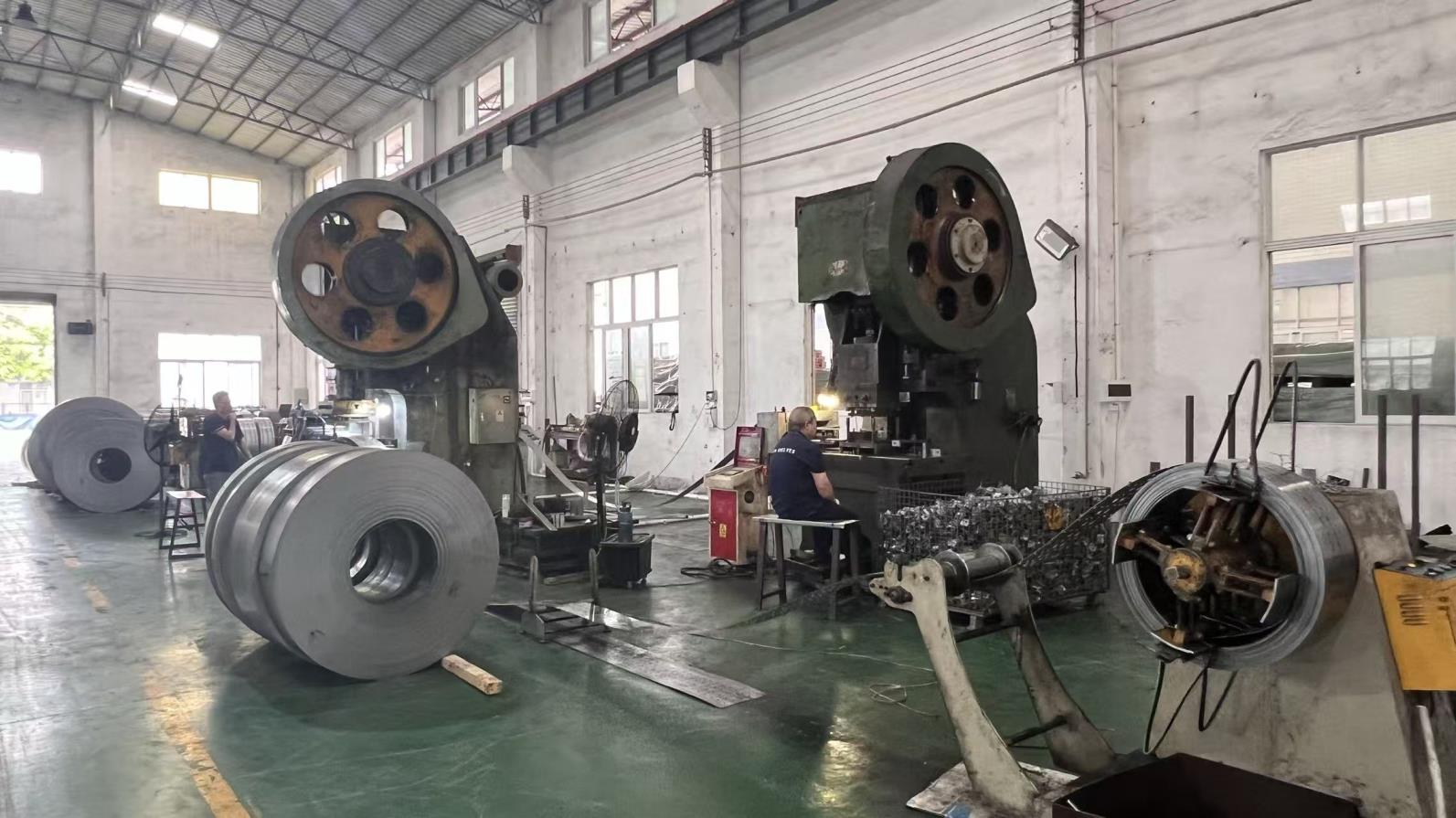
Founded in 2014, Dongguan Durack Logistics Equipment Co., Ltd. operates a premier 35,000 m² production facility. Backed by 12 years of industry experience, our state-of-the-art machinery ensures premium durability and structural precision.
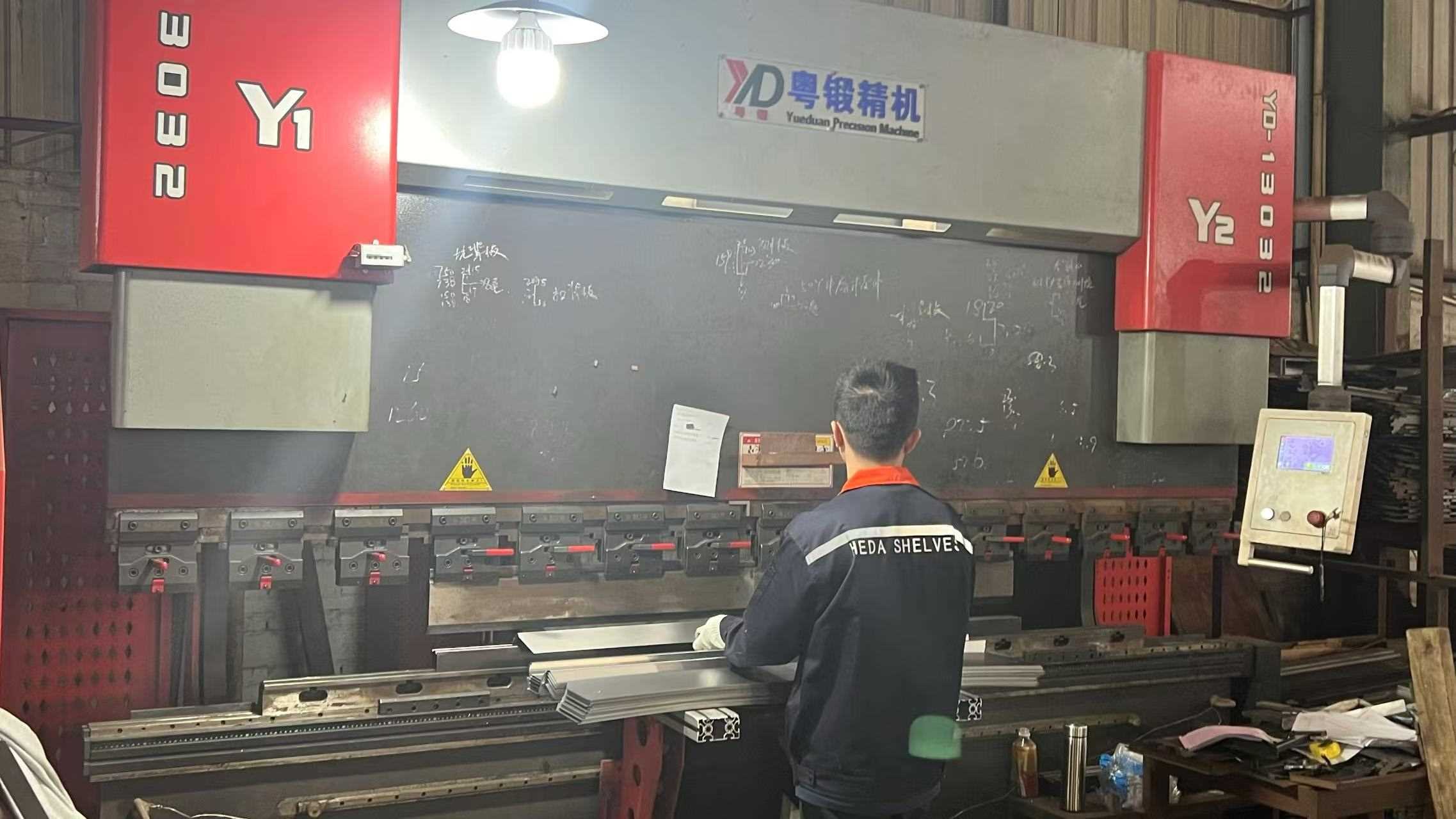
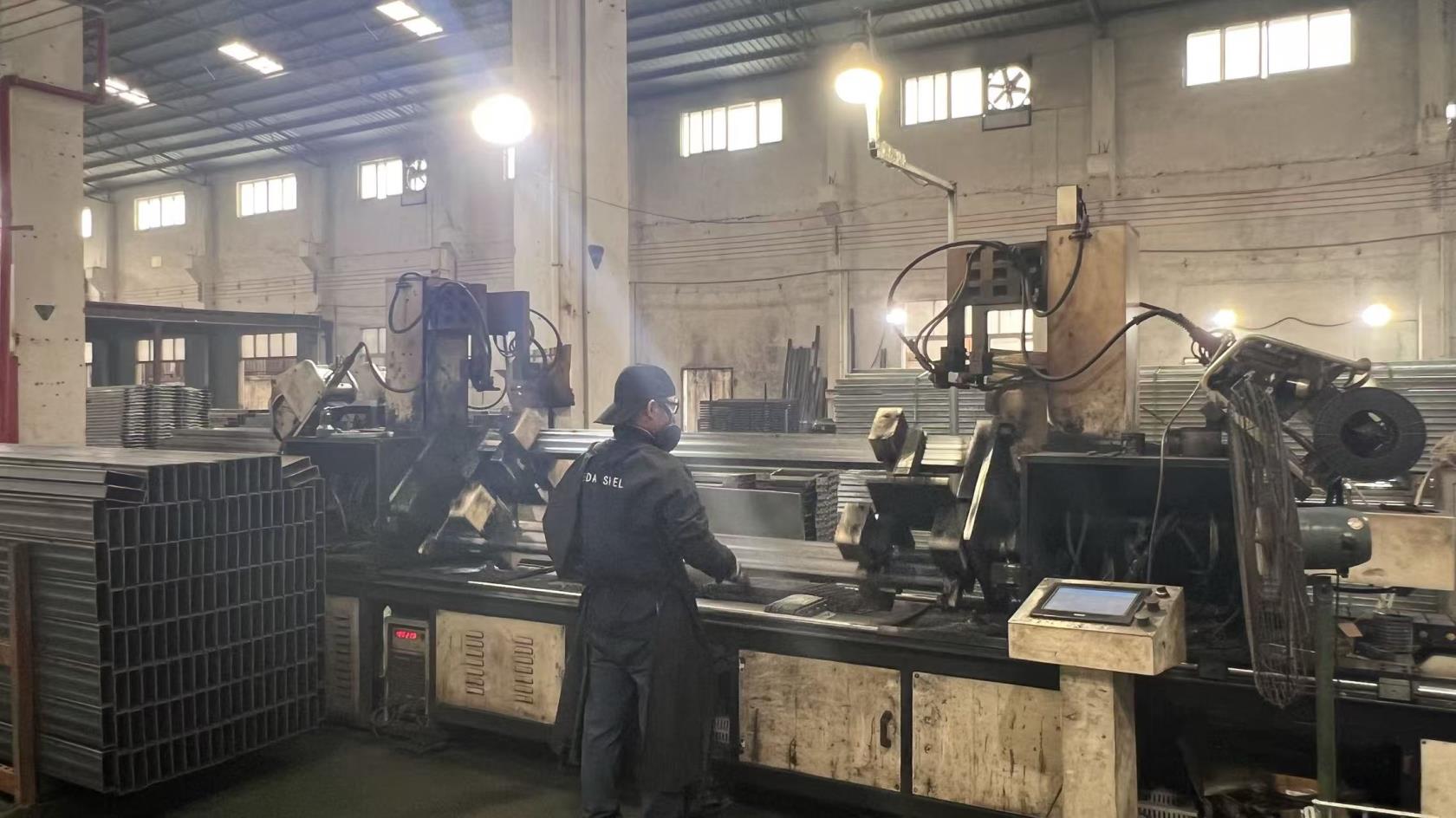
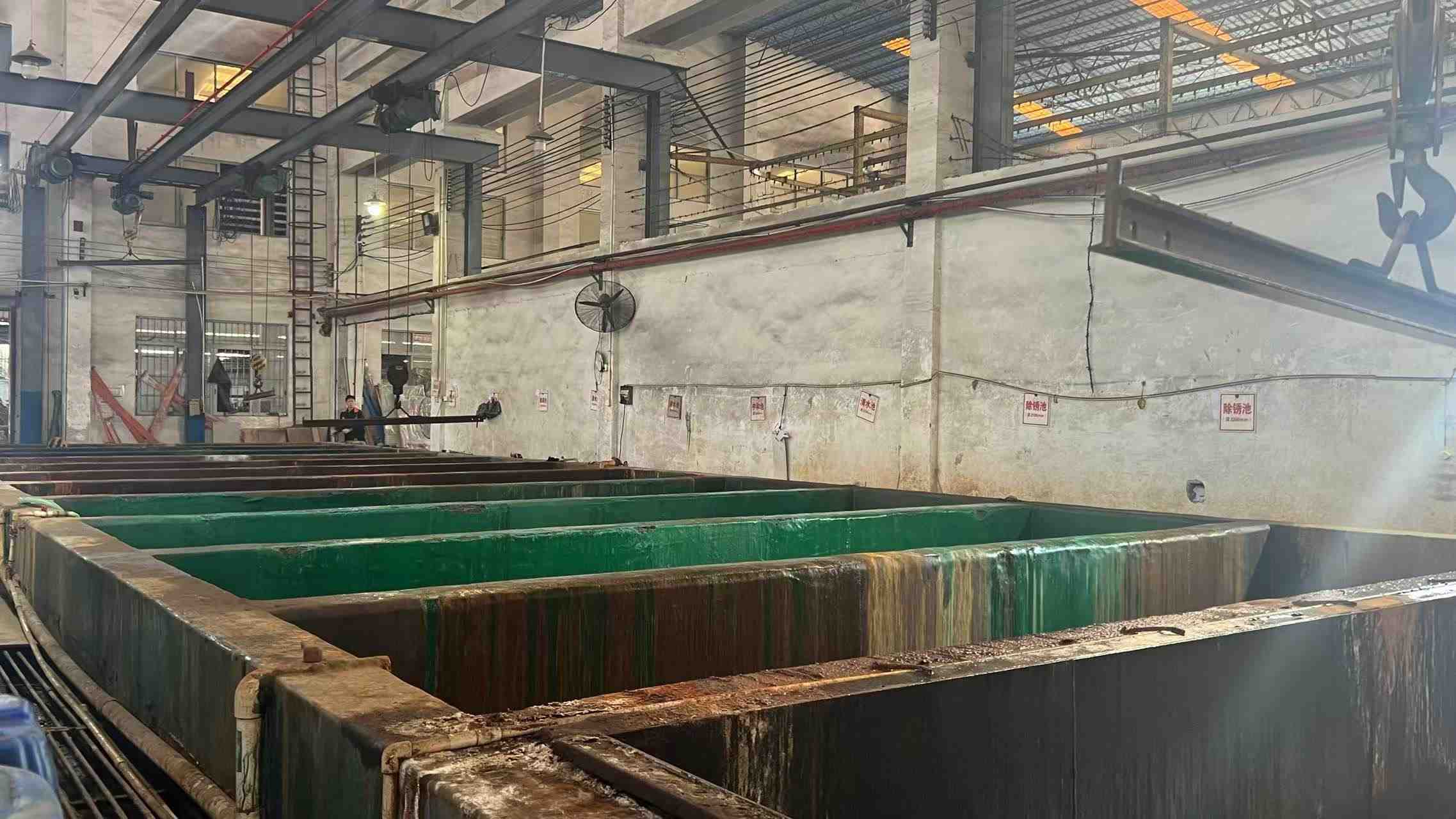
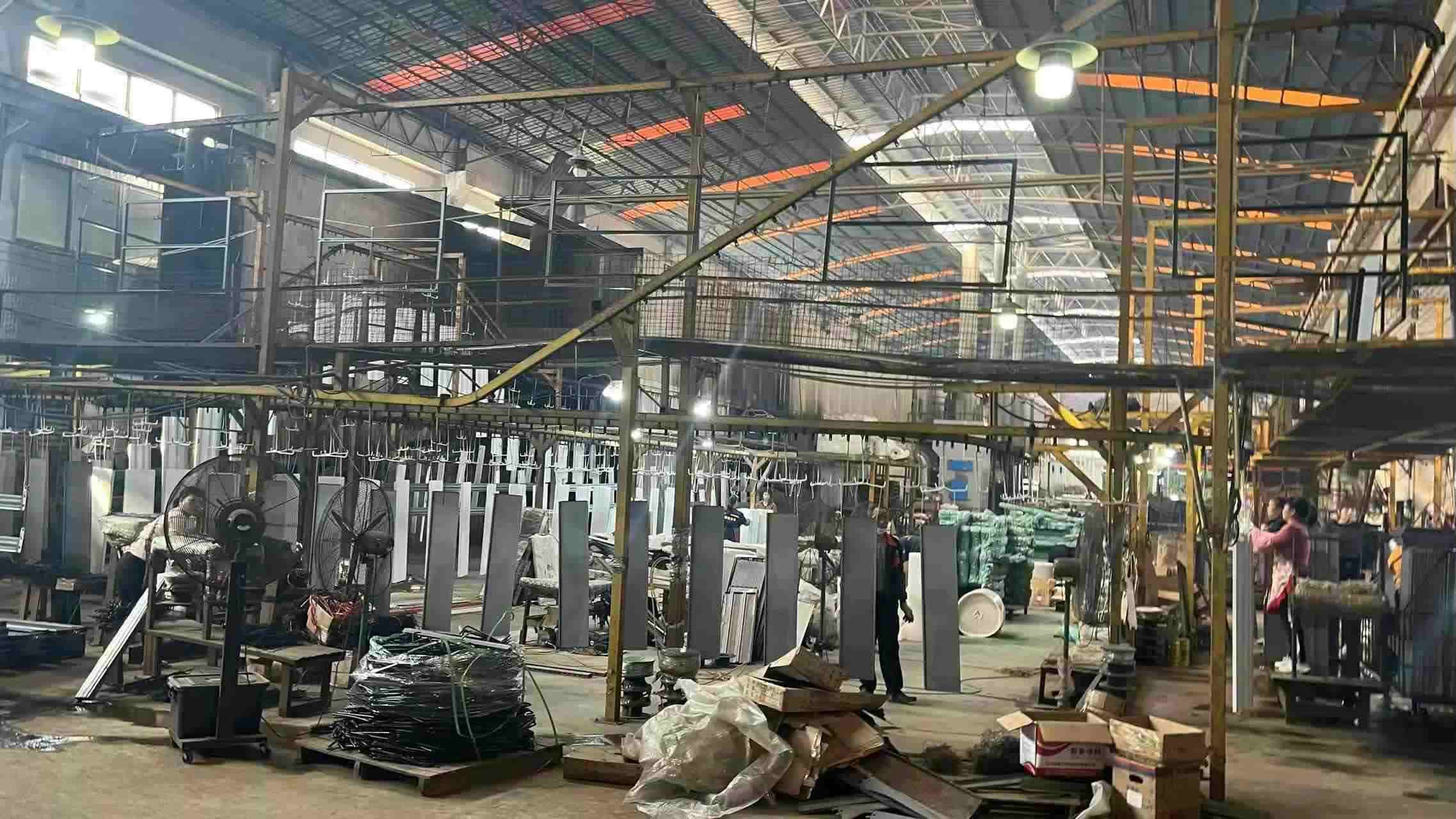
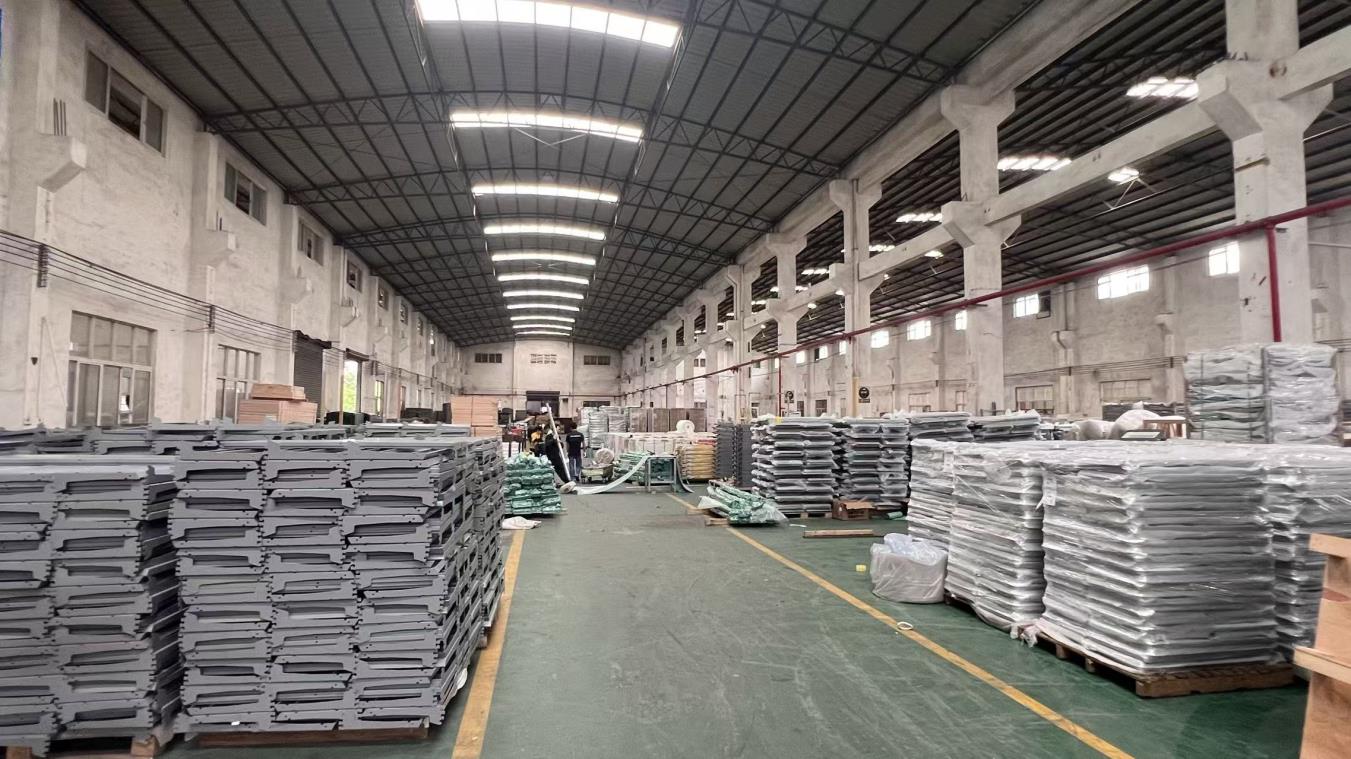
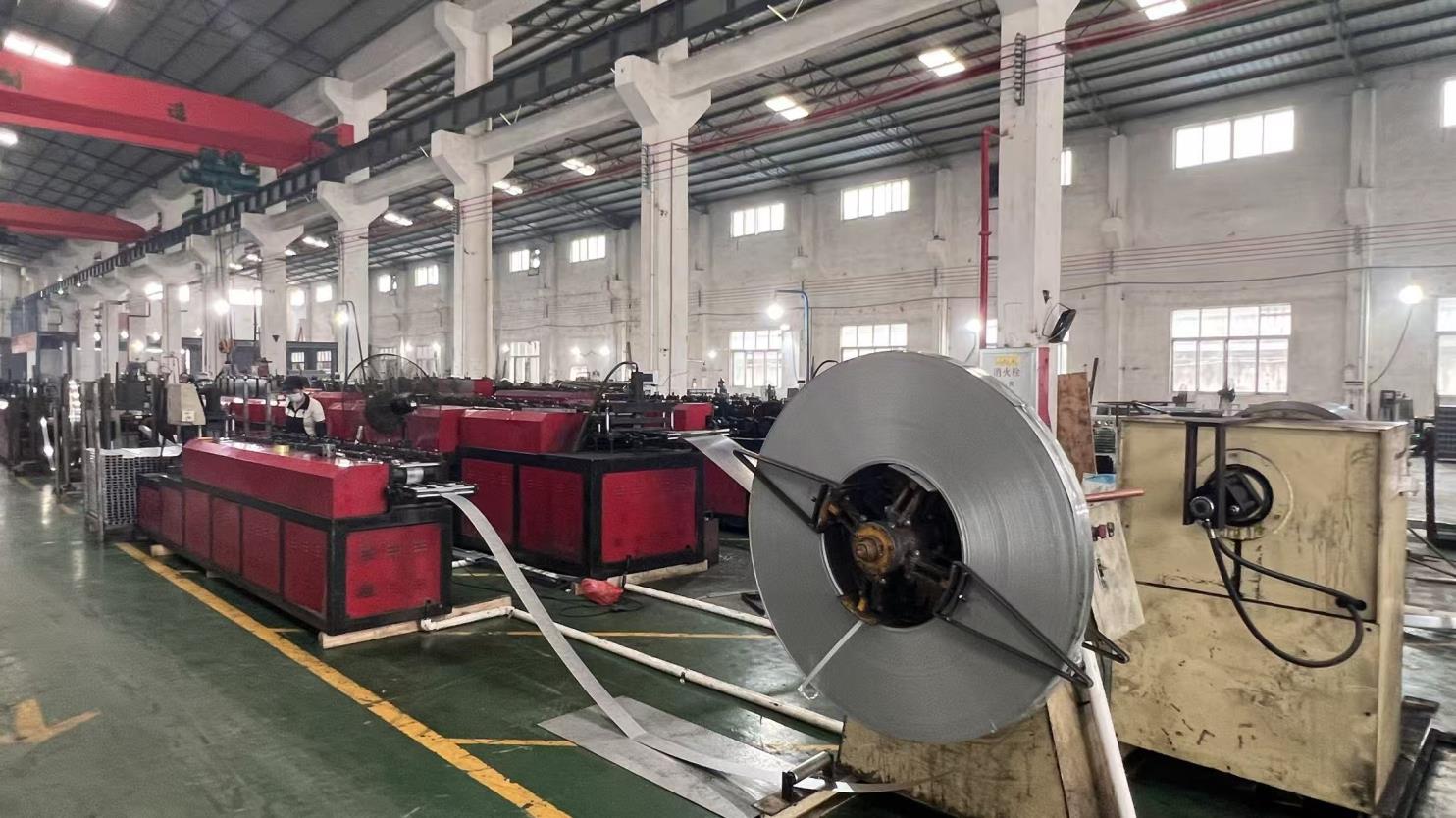
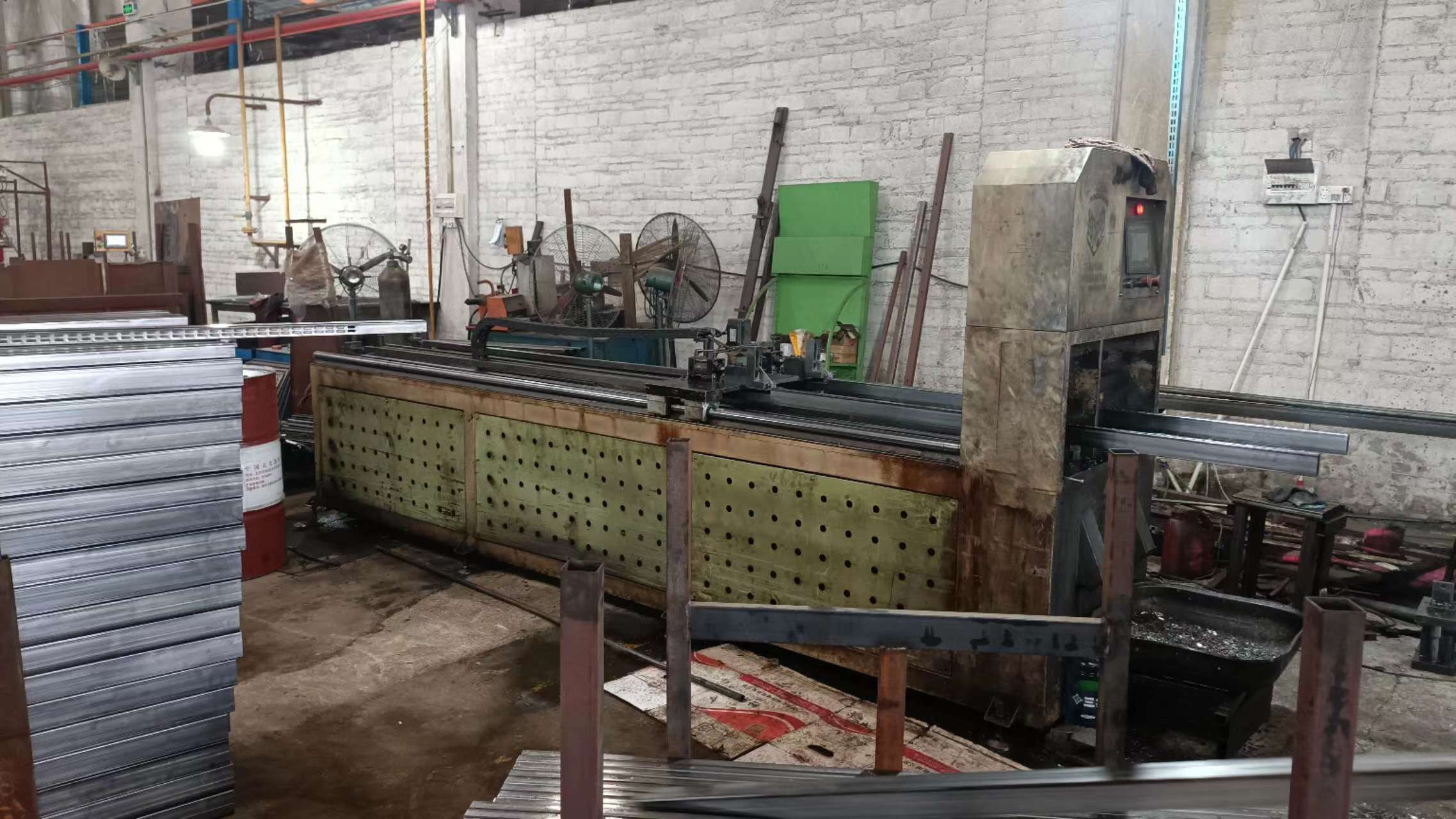
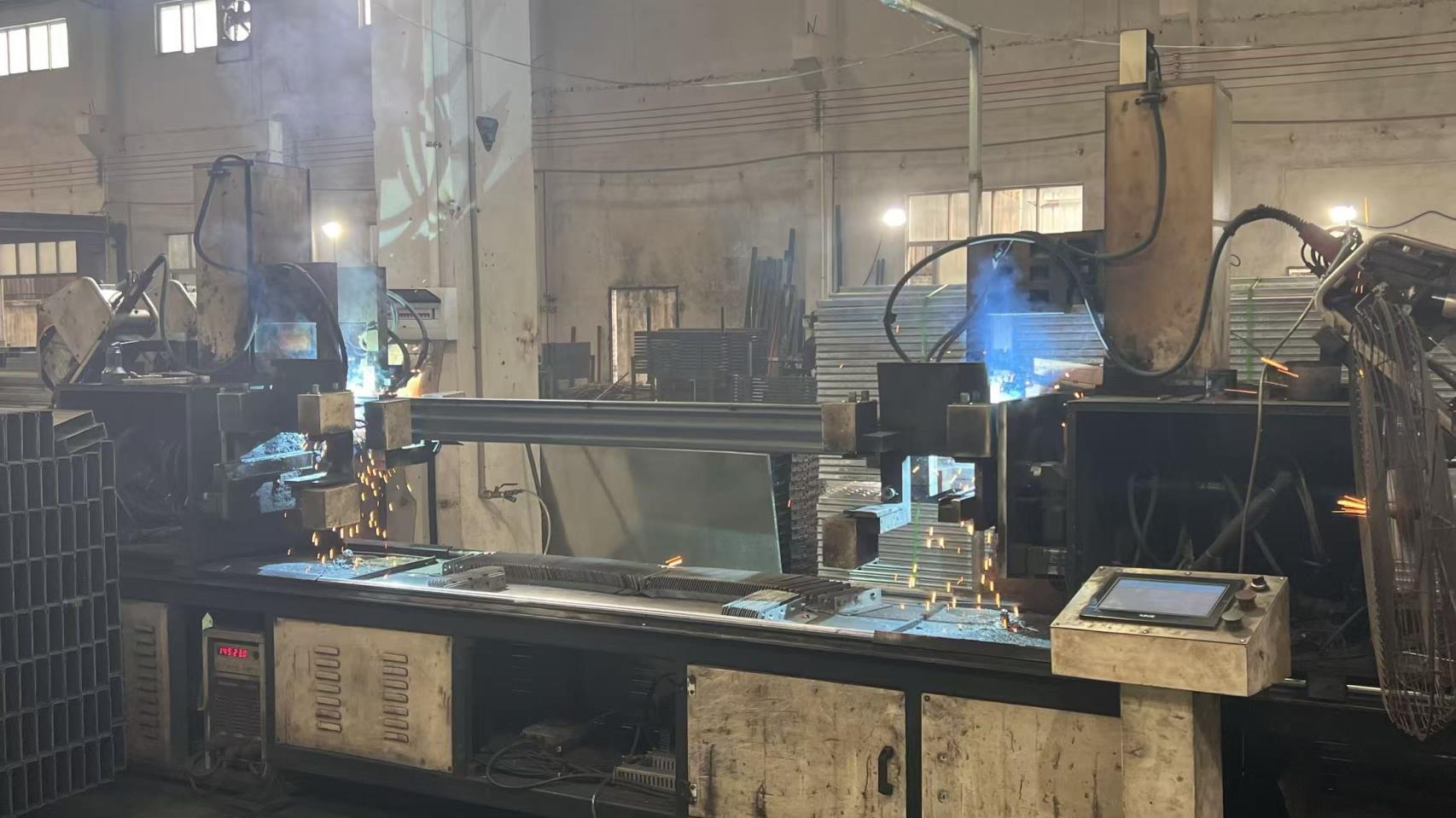
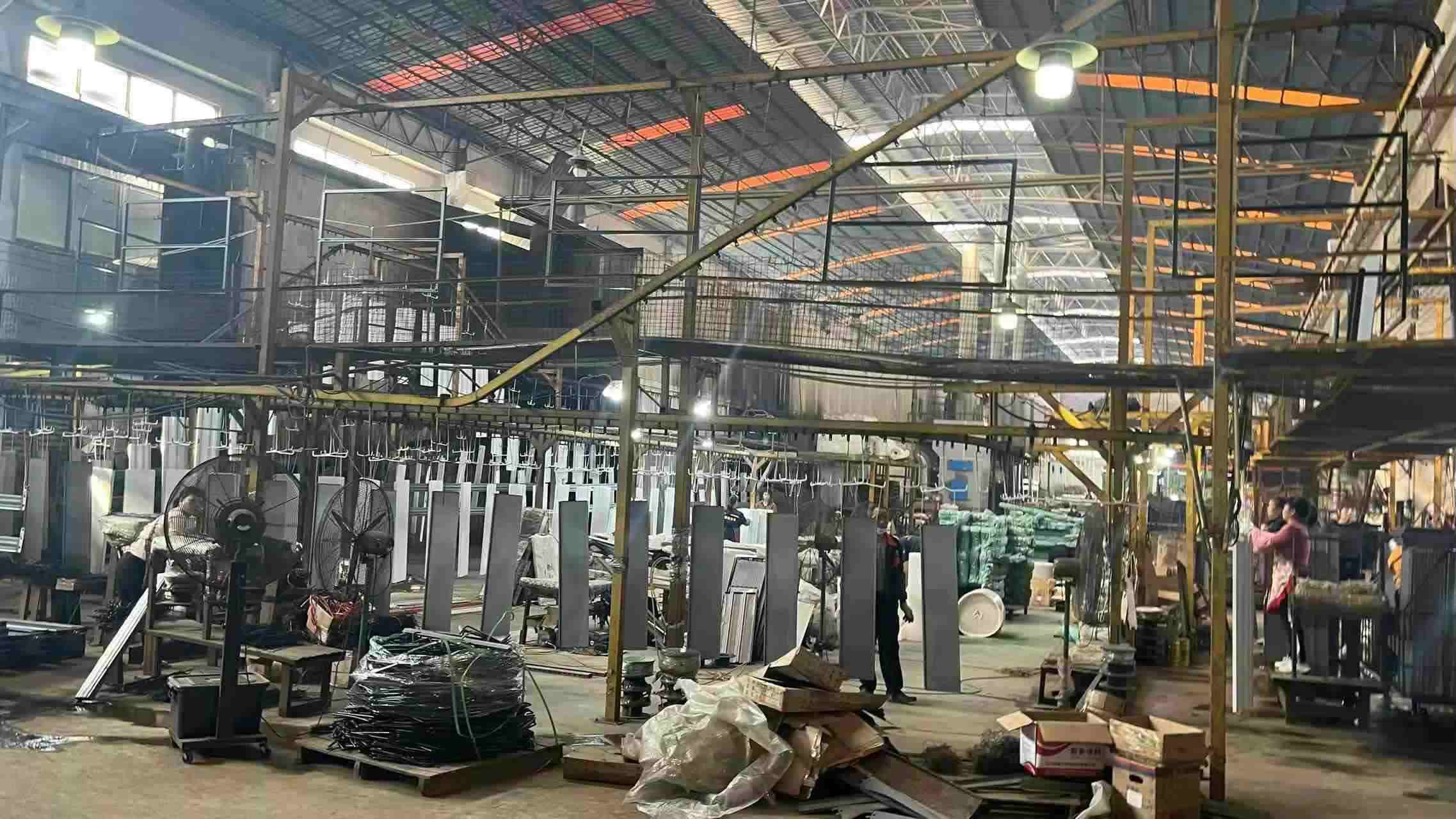
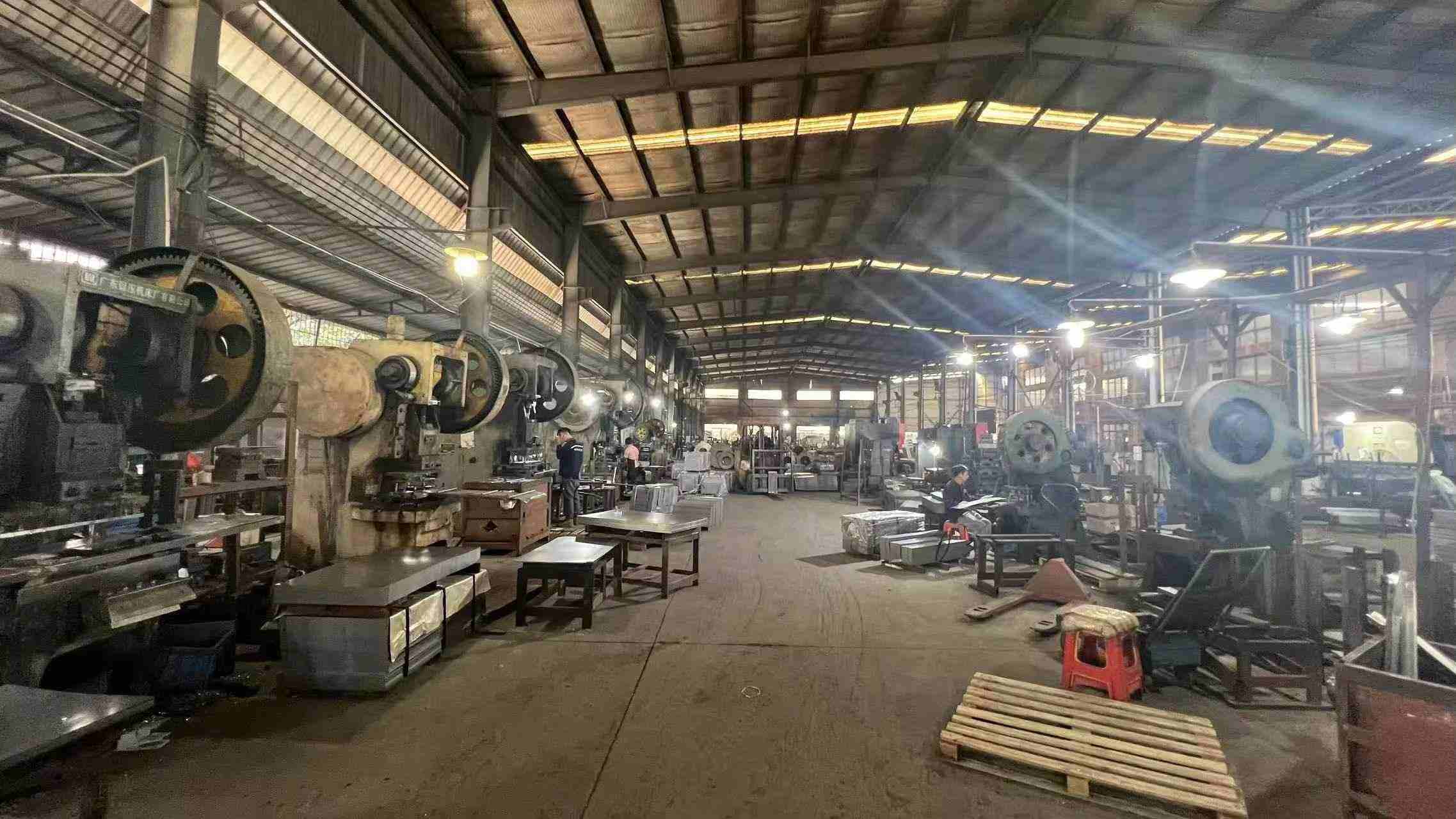
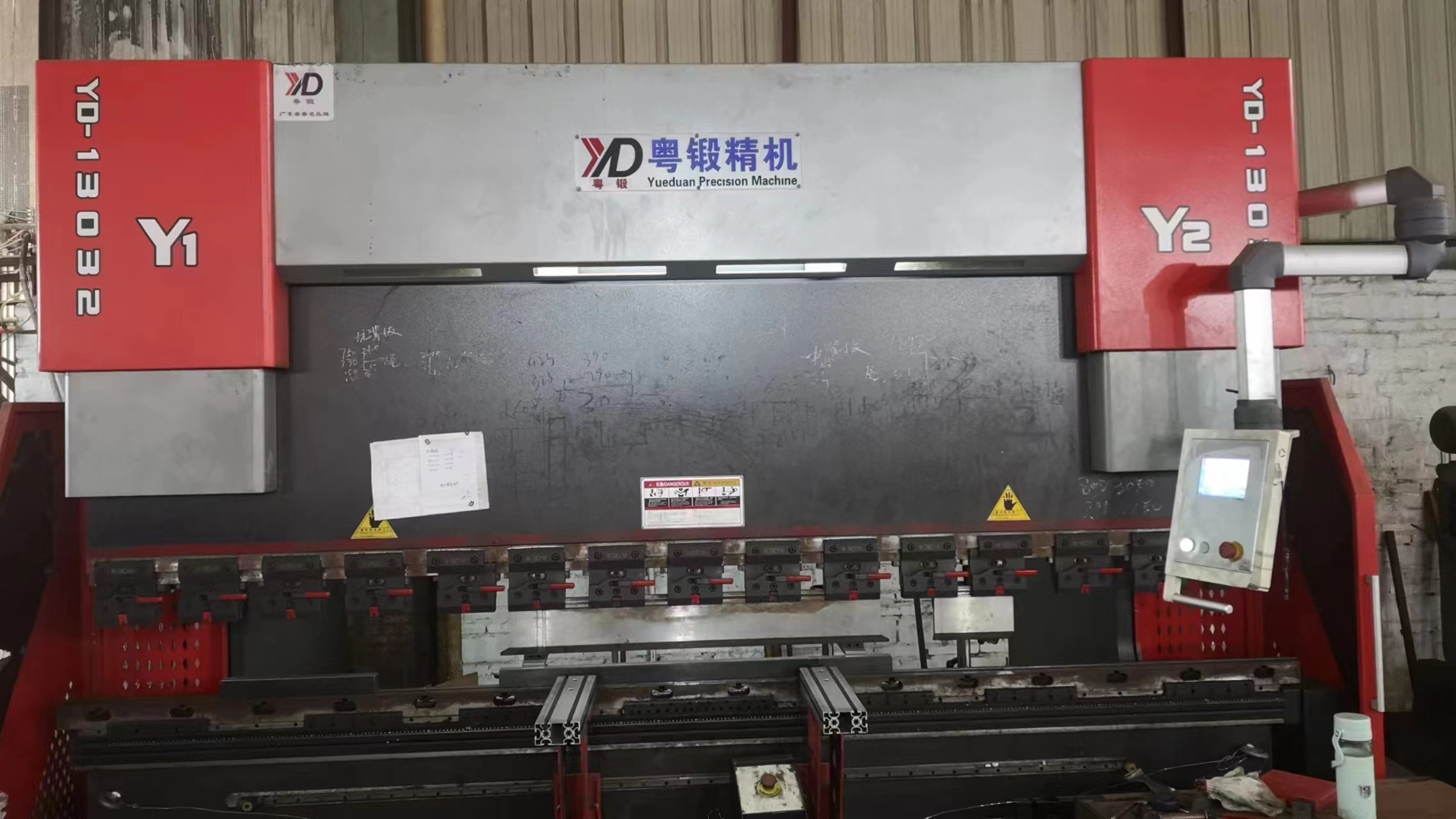
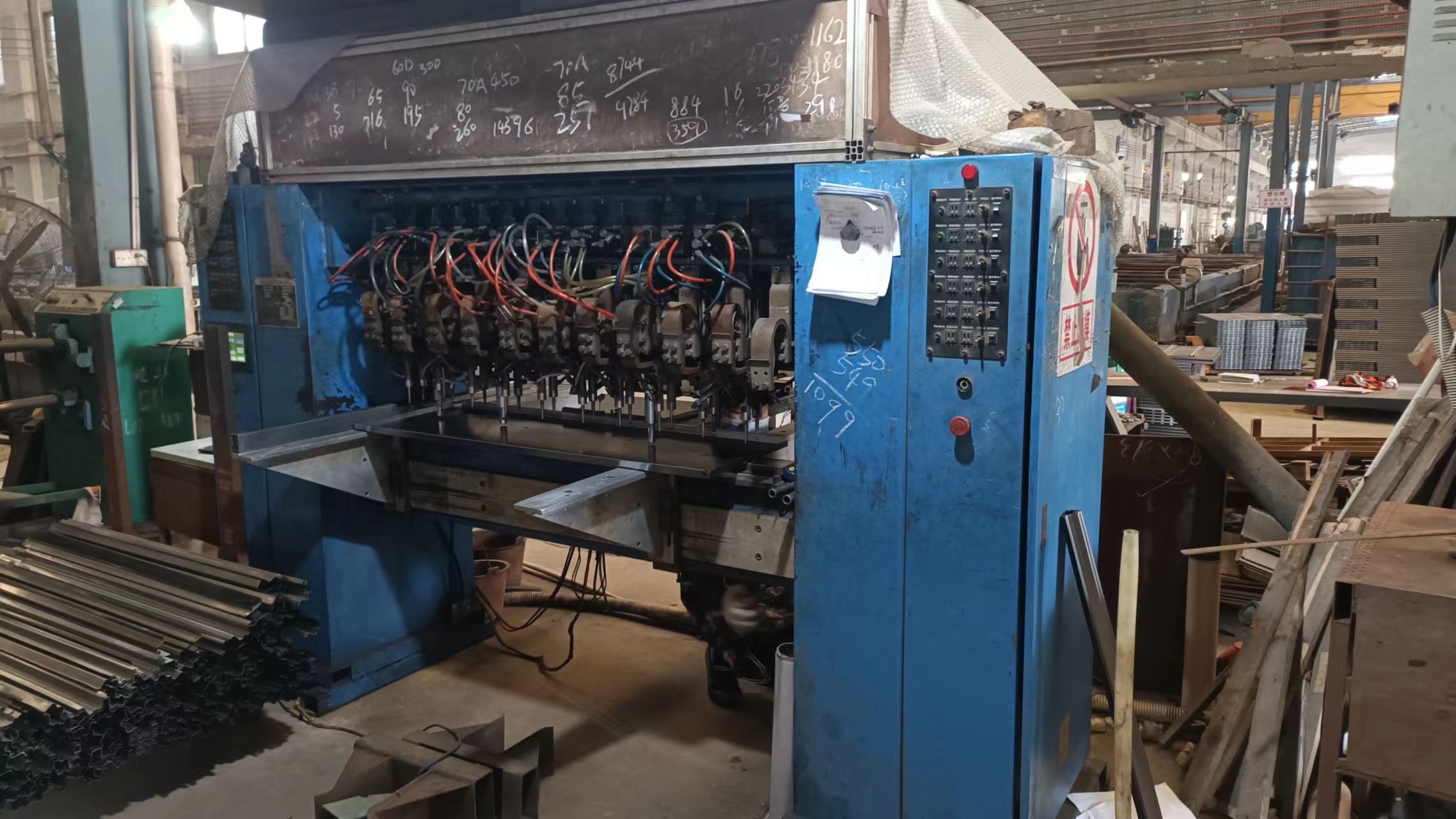
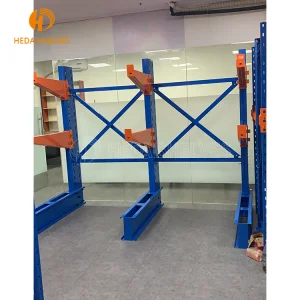
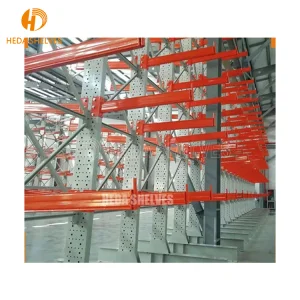
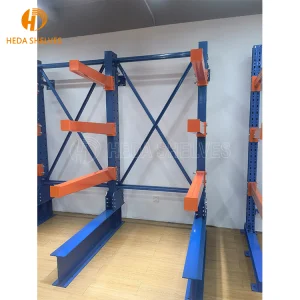
Standardized and customizable cantilever racking configurations matching diverse logistics specifications.
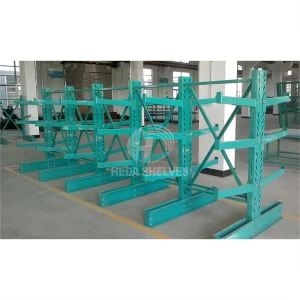
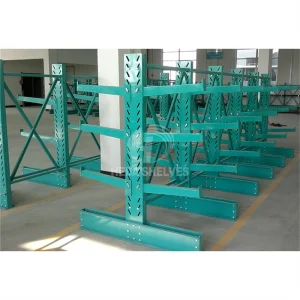
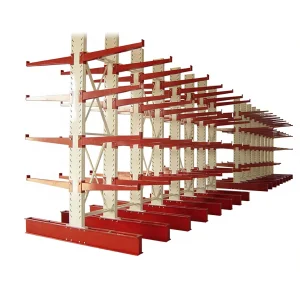
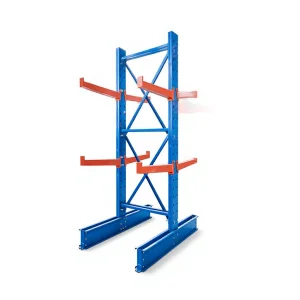
In structural warehousing engineering, standard static computations assume uniformly distributed loads (UDL). However, for products like bundle pipes or aluminum extrusions, point loading can create local structural anomalies. Under FEM 10.2.09, standard guidelines mandate specific column-load spacing calculations. We advise all logistics design departments to consider three primary parameters:
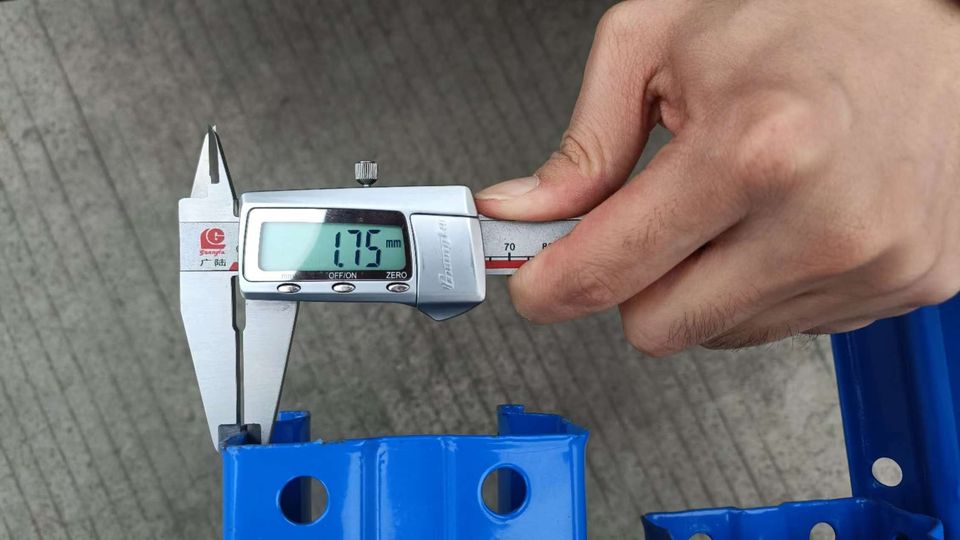
Our raw material sourcing plays a critical role in meeting these criteria. Durack partners with certified steel mills to secure high-tensile structural steel (primarily Q355B and S355JR), assuring consistent metallurgy. Our automatic punch and bending machines process material within strict geometric tolerances (±0.5mm), eliminating alignment errors during installation in automated high-rise racking installations.
For installations in regions bordering high-seismic zones in Europe, standard anchor bolts are insufficient. Durack offers heavy-duty chemical anchoring configurations and expanded base plates (designed in accordance with Eurocode 8 seismic requirements) to distribute lateral forces evenly into the concrete floor.
Professional engineering answers to technical queries regarding structural design, safety certifications, and logistics implementation.
Connect with our structural engineers to receive a free layout consultation and custom quote for your Luxembourg warehouse installation.
Send Inquiry Now Durack