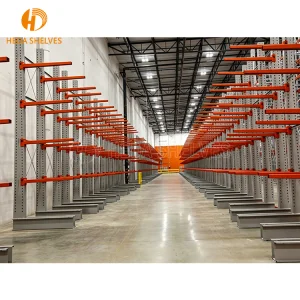
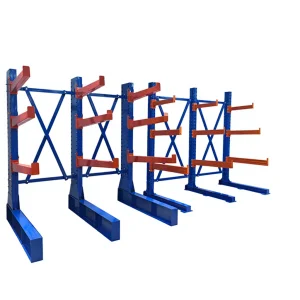
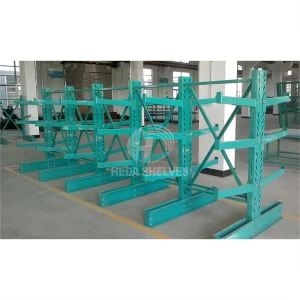
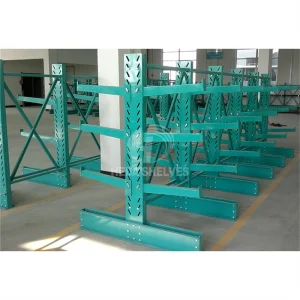
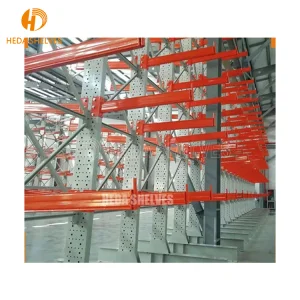
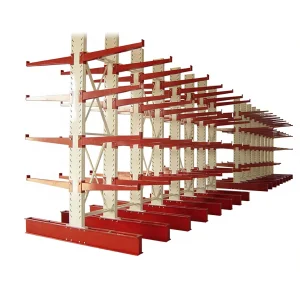
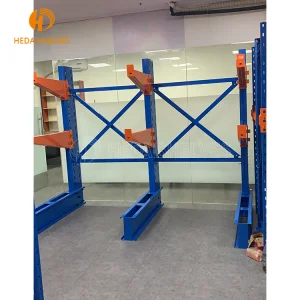
High-capacity structural steel arm solutions immediately configured for industrial facilities in Nagoya, Toyotashi, and Komaki.
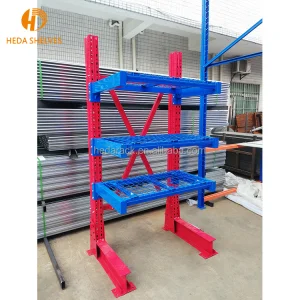
Nagoya, the core of the Chūkyō metropolitan area, represents the powerhouse of Japan's automotive, aerospace, and heavy machinery industries. With industry giants like Toyota Motor Corporation and Mitsubishi Heavy Industries anchoring the region, local logistics centers, steel service centers, and manufacturing hubs face unique storage challenges.
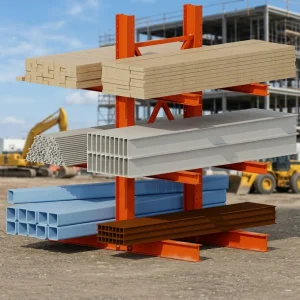
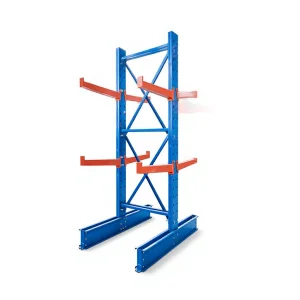
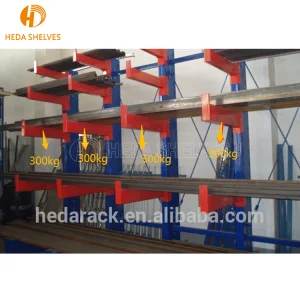
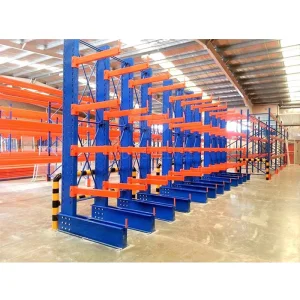
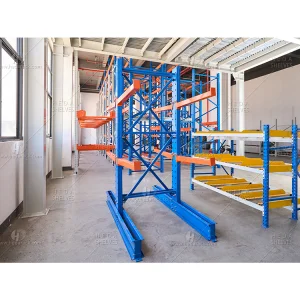
Storing long, heavy, or irregularly shaped goods—such as automotive chassis frames, high-tensile steel bars, aluminum extrusions, and aircraft-grade metal components—requires structural integrity that standard pallet racking cannot provide. Cantilever racks are the industry standard for these applications, removing front vertical column limitations to permit continuous horizontal load placement.
Due to the critical seismic activity profile of the Tokai region, space utilization in Nagoya must be carefully balanced with safety engineering. Companies require structural calculations matching Japan's Building Standards Act to ensure stability during tremors.
The shift toward Logistics 4.0 in Nagoya requires structural racking systems that integrate seamlessly with automation.
Cantilever racks are increasingly paired with stacker cranes and automated storage/retrieval systems (AS/RS). Our custom fabrication maintains straight deflection ratios under maximum load, permitting millimetric sensor detection for automated forks.
Transitioning from standard mild steel to structural high-strength steel (equivalent to SS400 or SM490). This structural refinement reduces self-weight while improving flexural limit ratios, critical for high-bay racking systems.
Future layouts feature spring-loaded structural base isolators or specialized anchor bolt fixtures that absorb ground movement, reducing load shear forces and preventing arm failure during seismic events.
Founded in 2014, Dongguan Durack Logistics Equipment Co., Ltd. utilizes an integrated workflow to ensure high-performance, cost-effective cantilever designs.
"By combining Chinese manufacturing efficiency with Western quality standards and structural testing procedures, we provide Japanese buyers with reliable cantilever racking systems that lower initial capital expenditure without compromising safety."
Our manufacturing sequence employs advanced automation from raw material sourcing to packaging, verified by strict quality inspection loops.
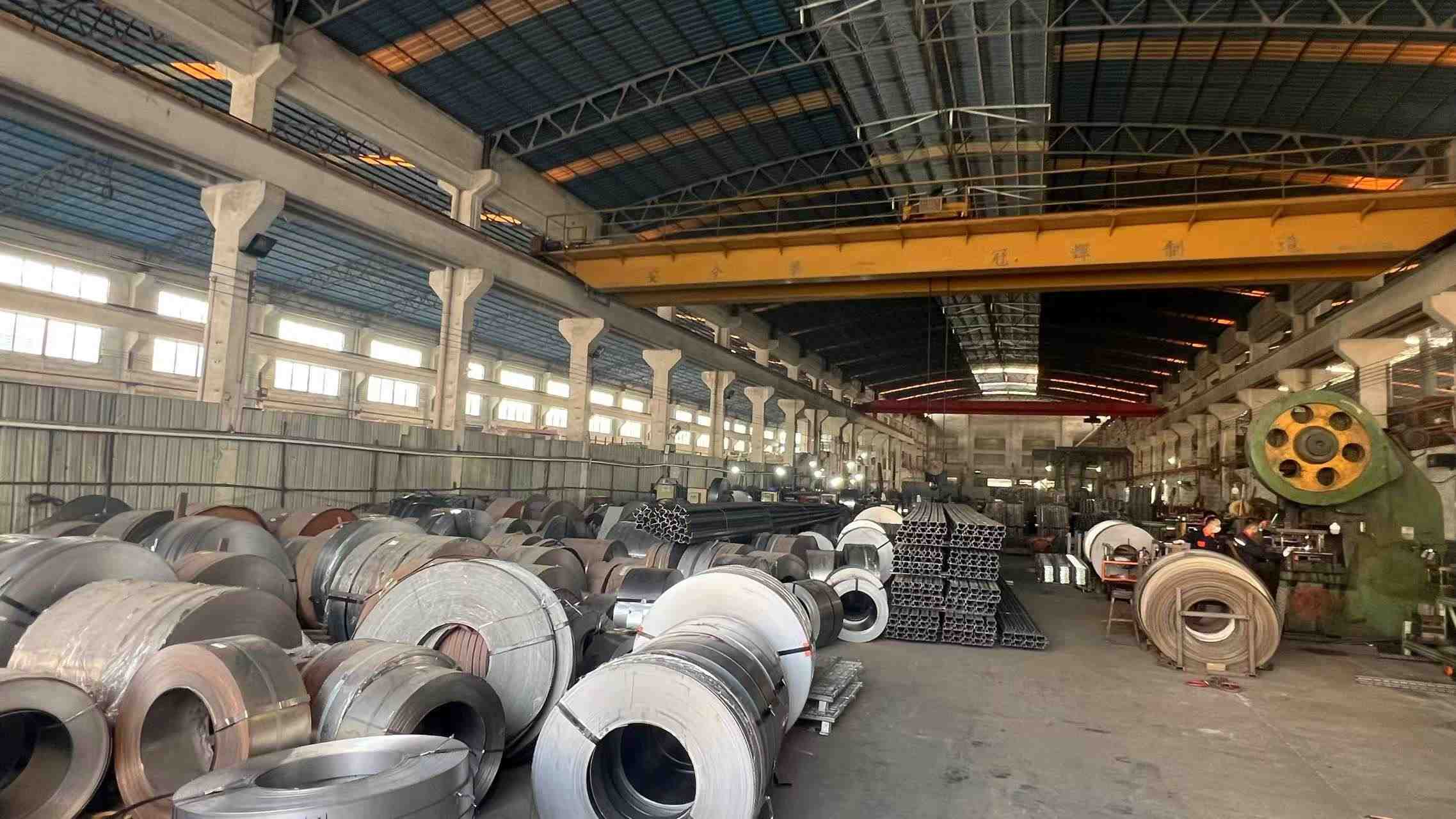
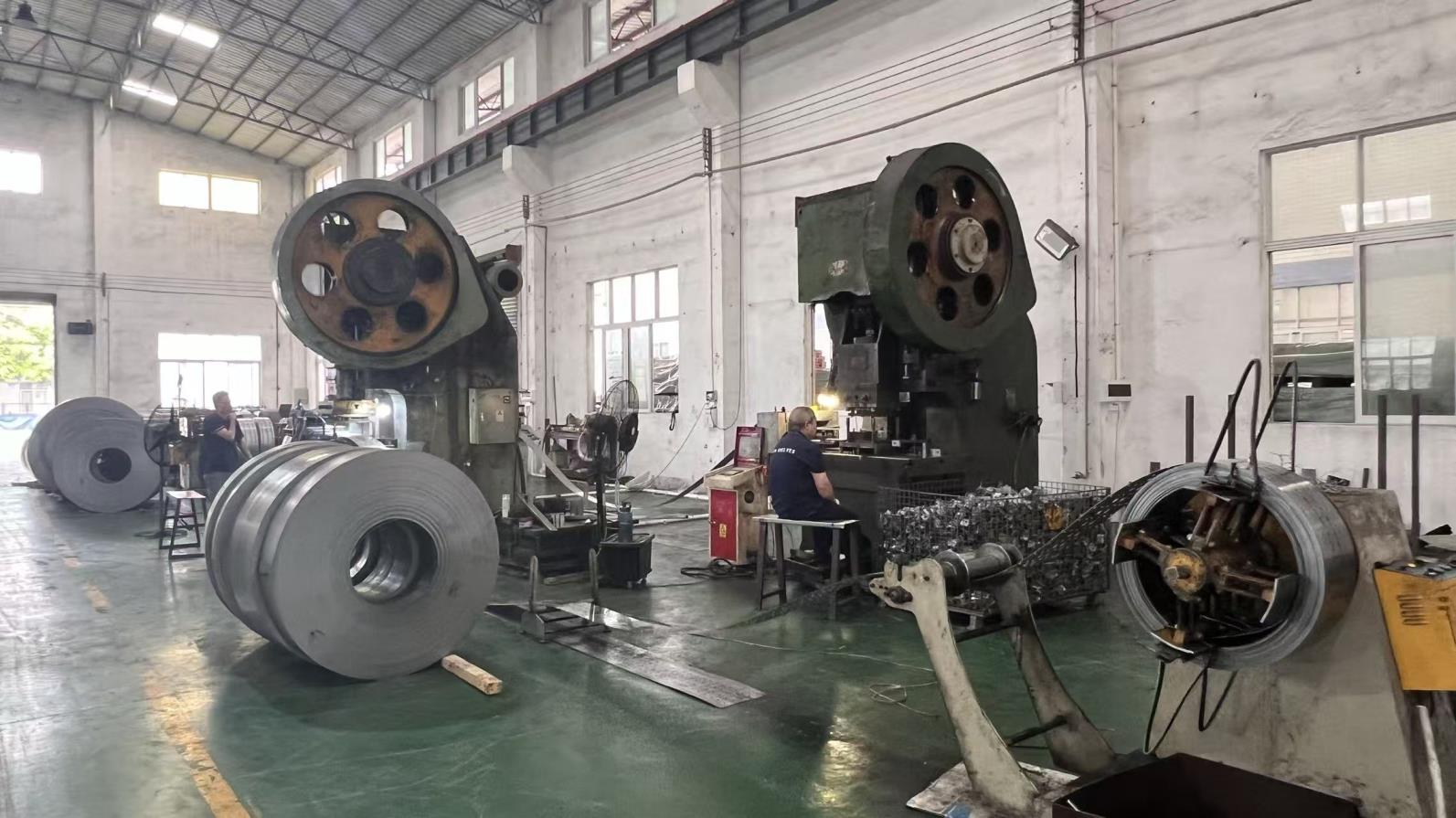
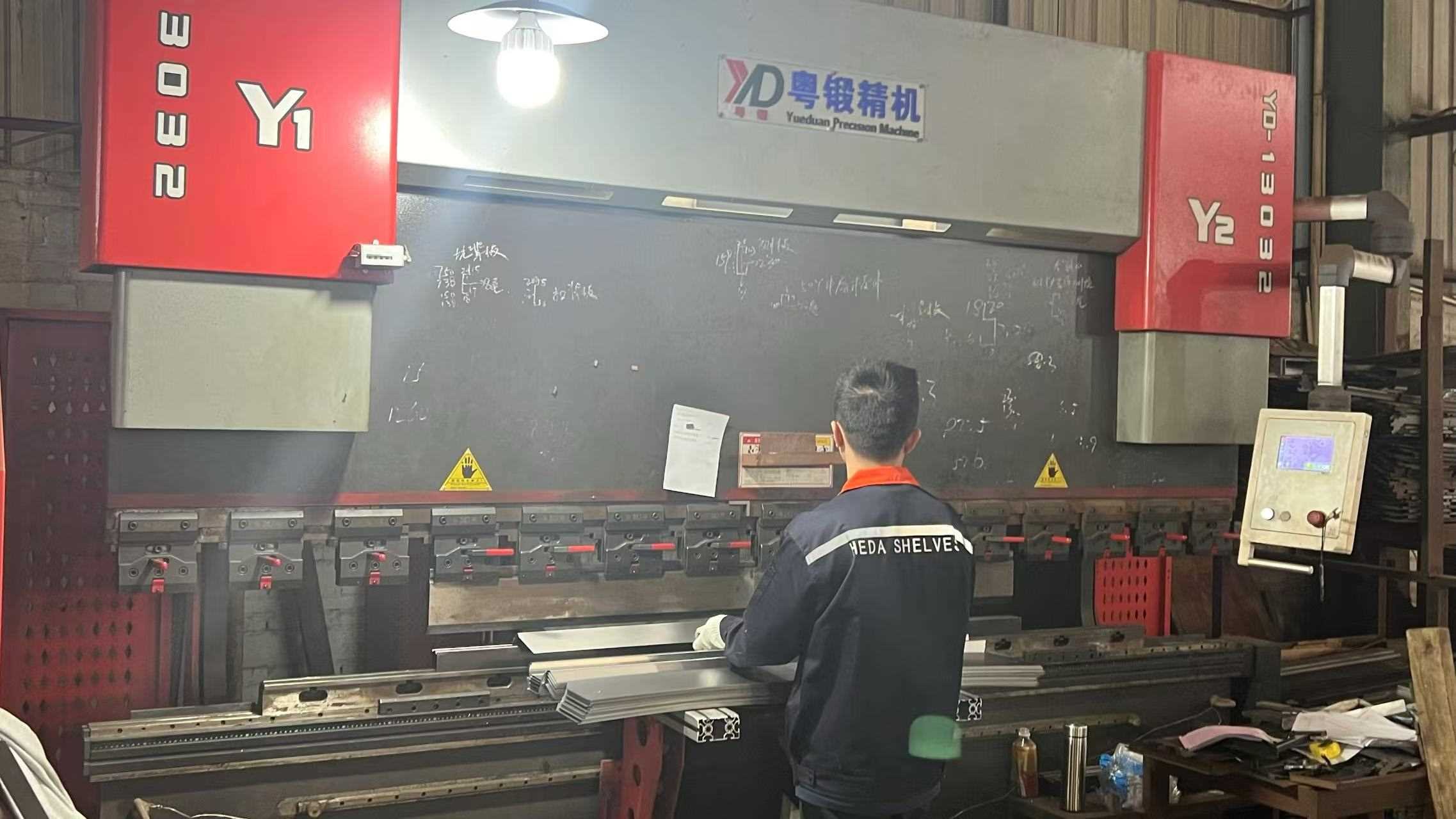
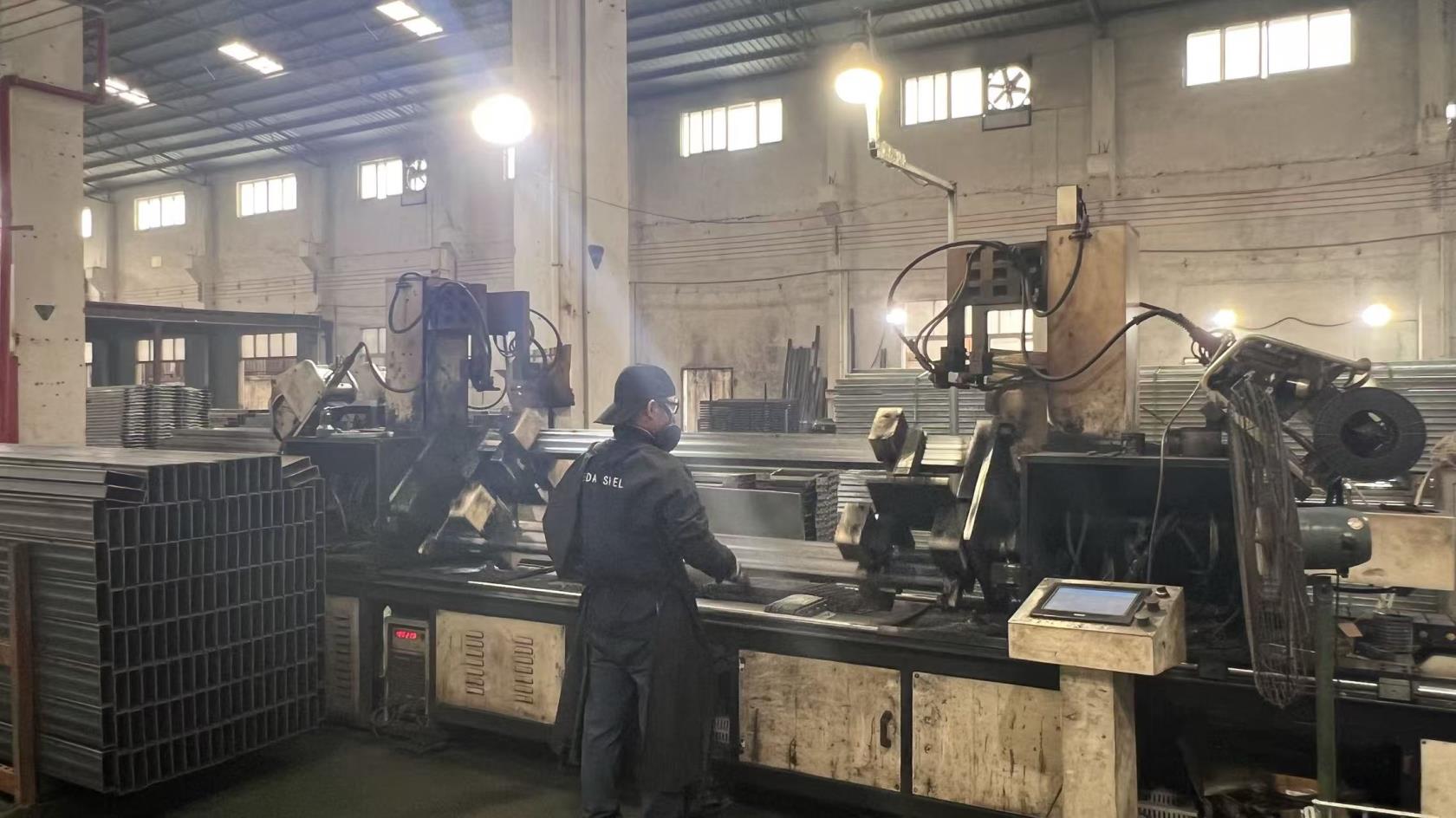
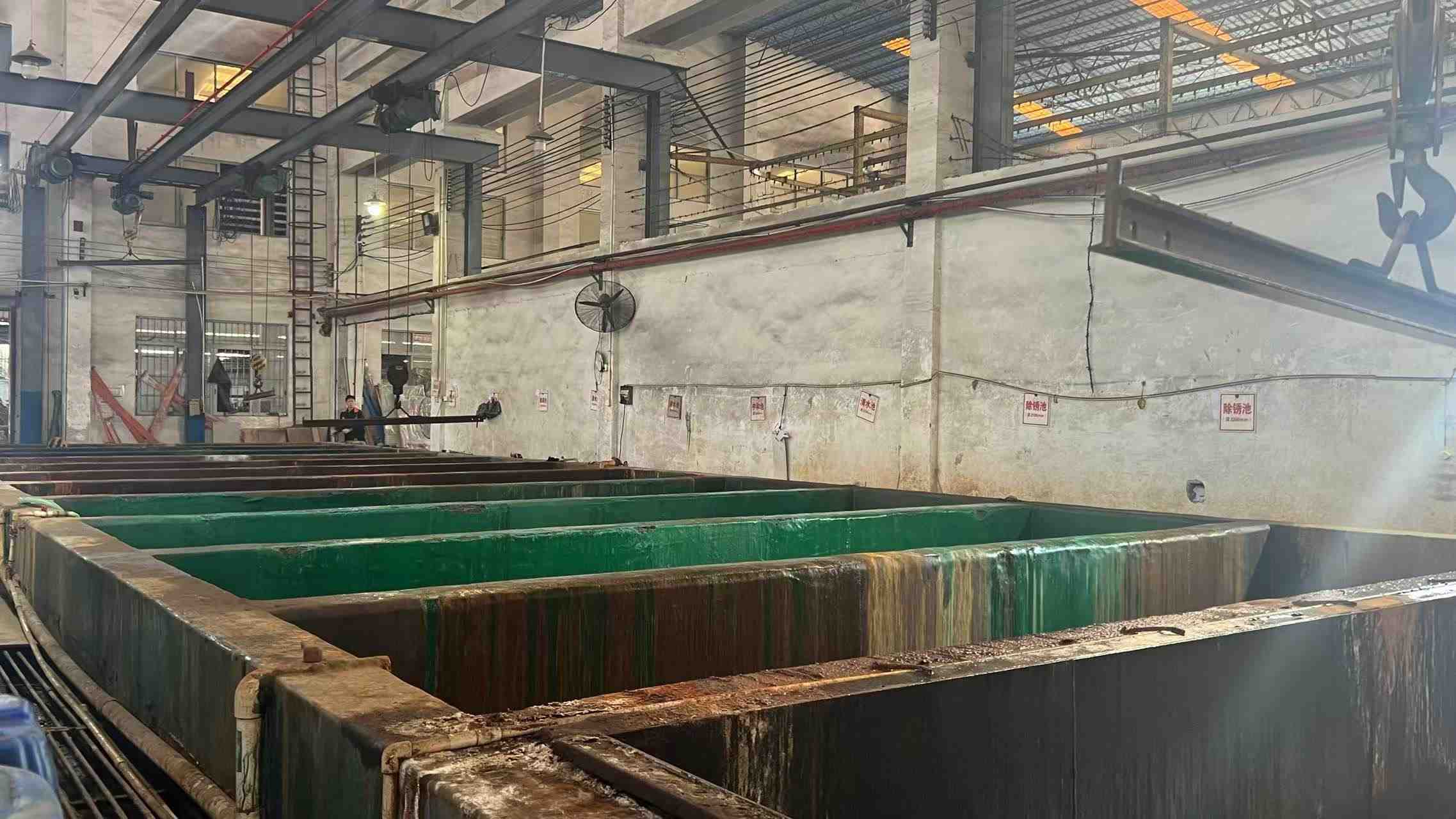
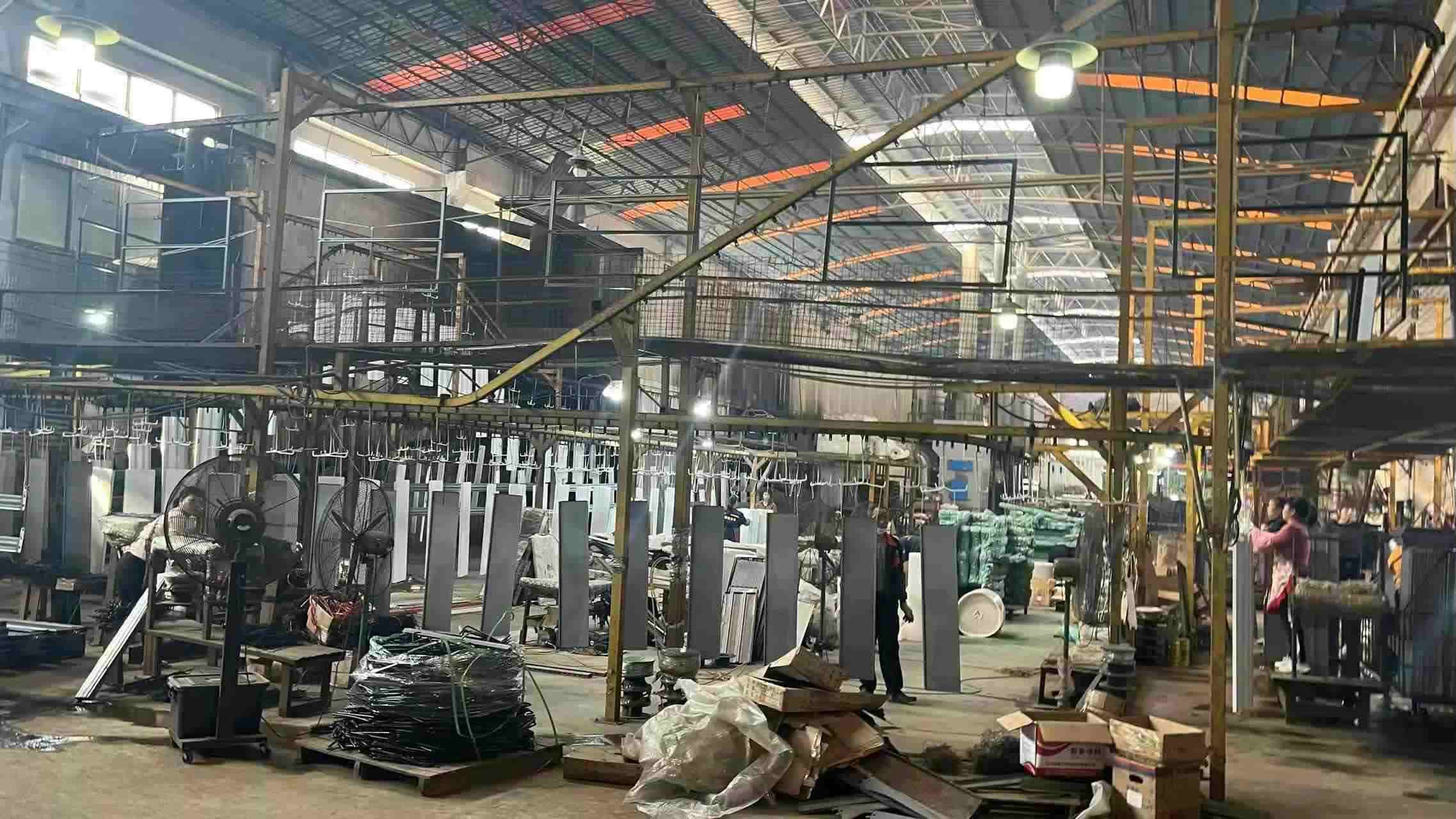
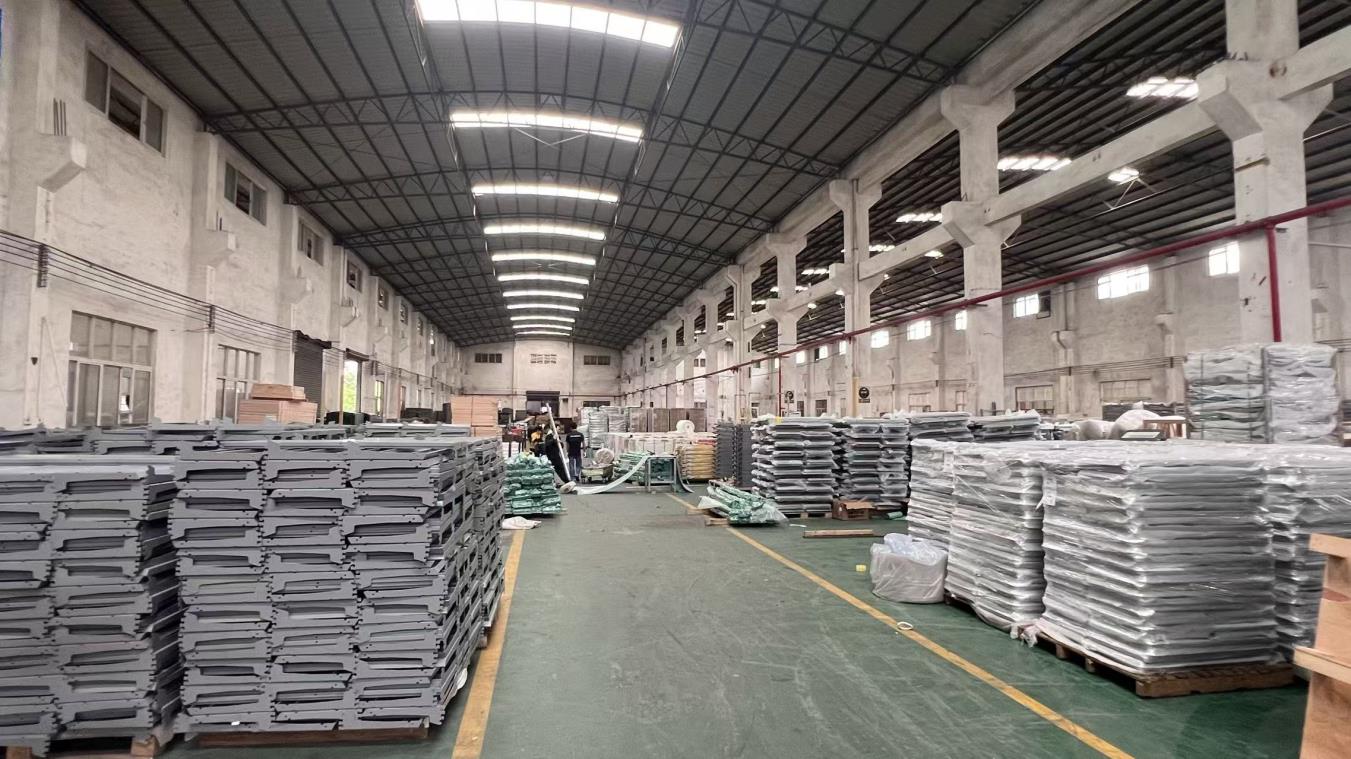
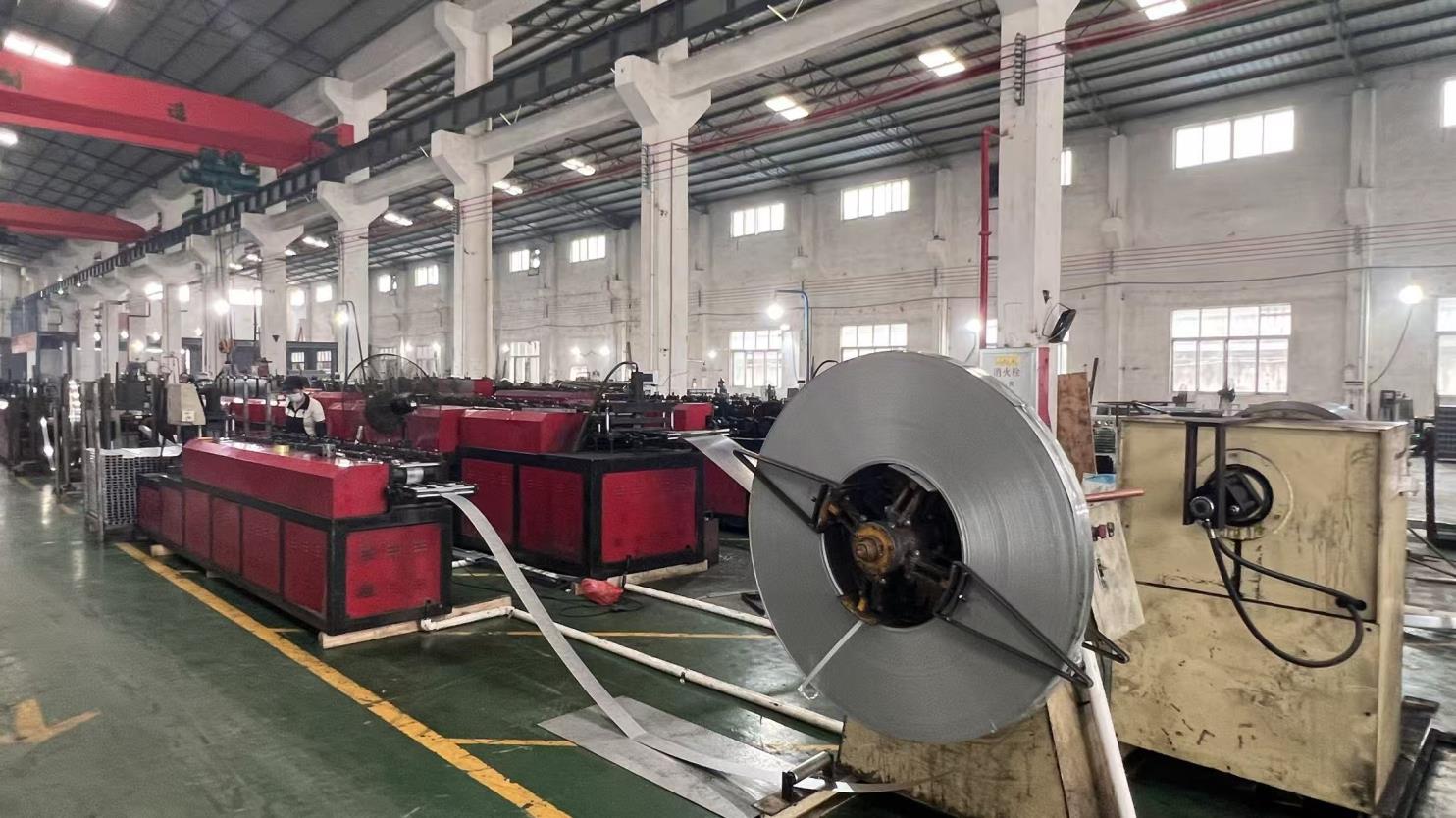
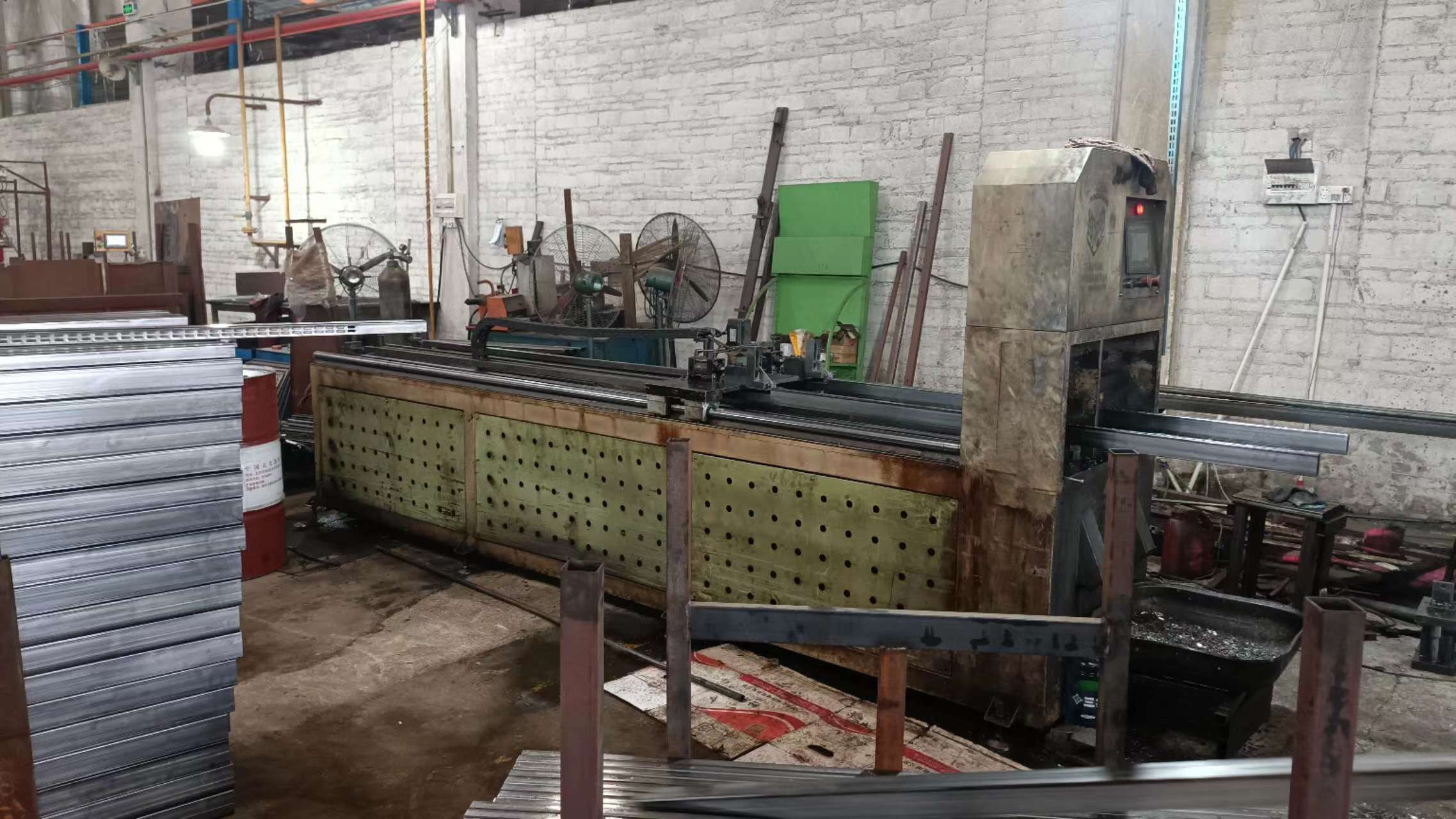
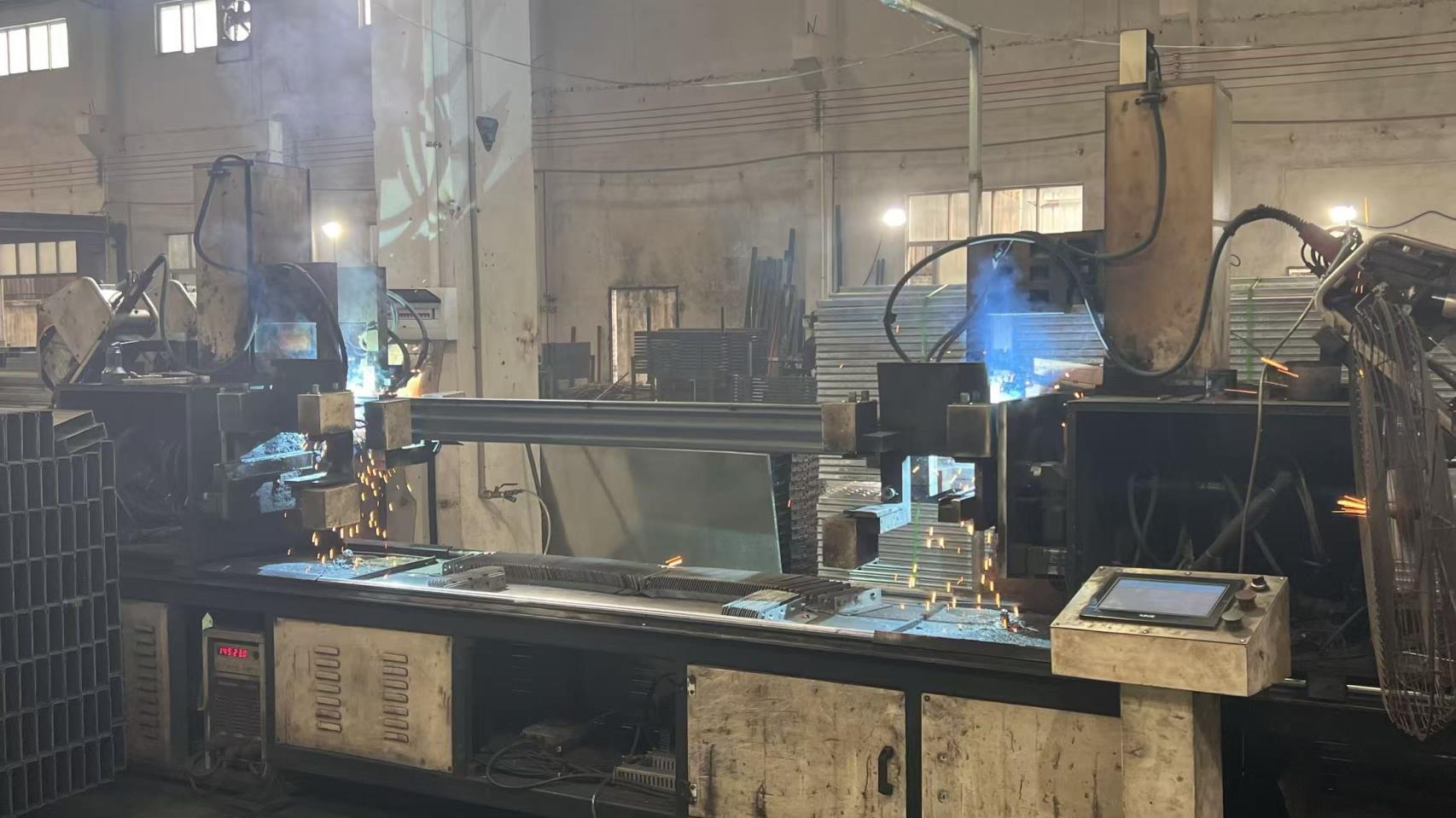
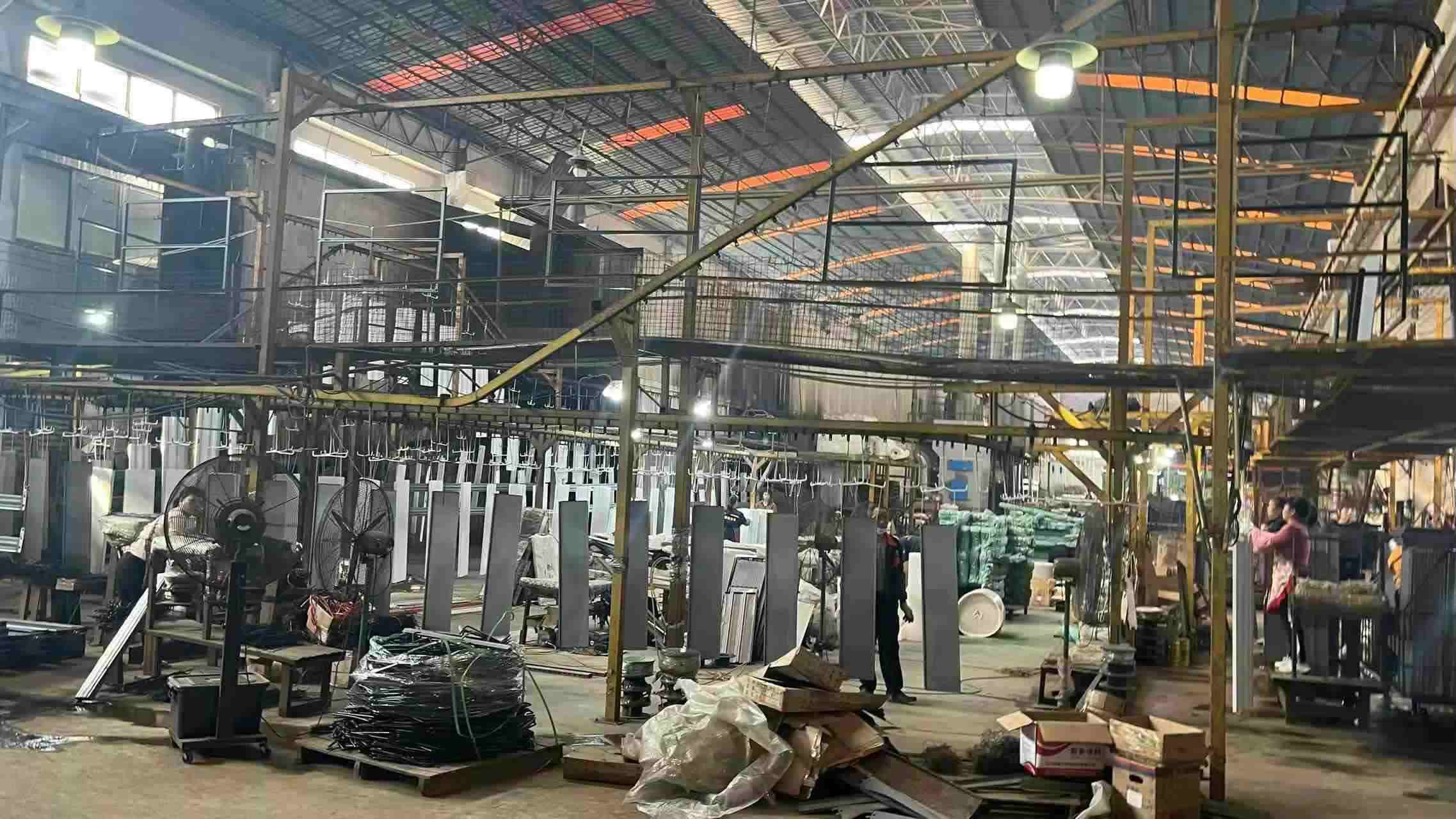
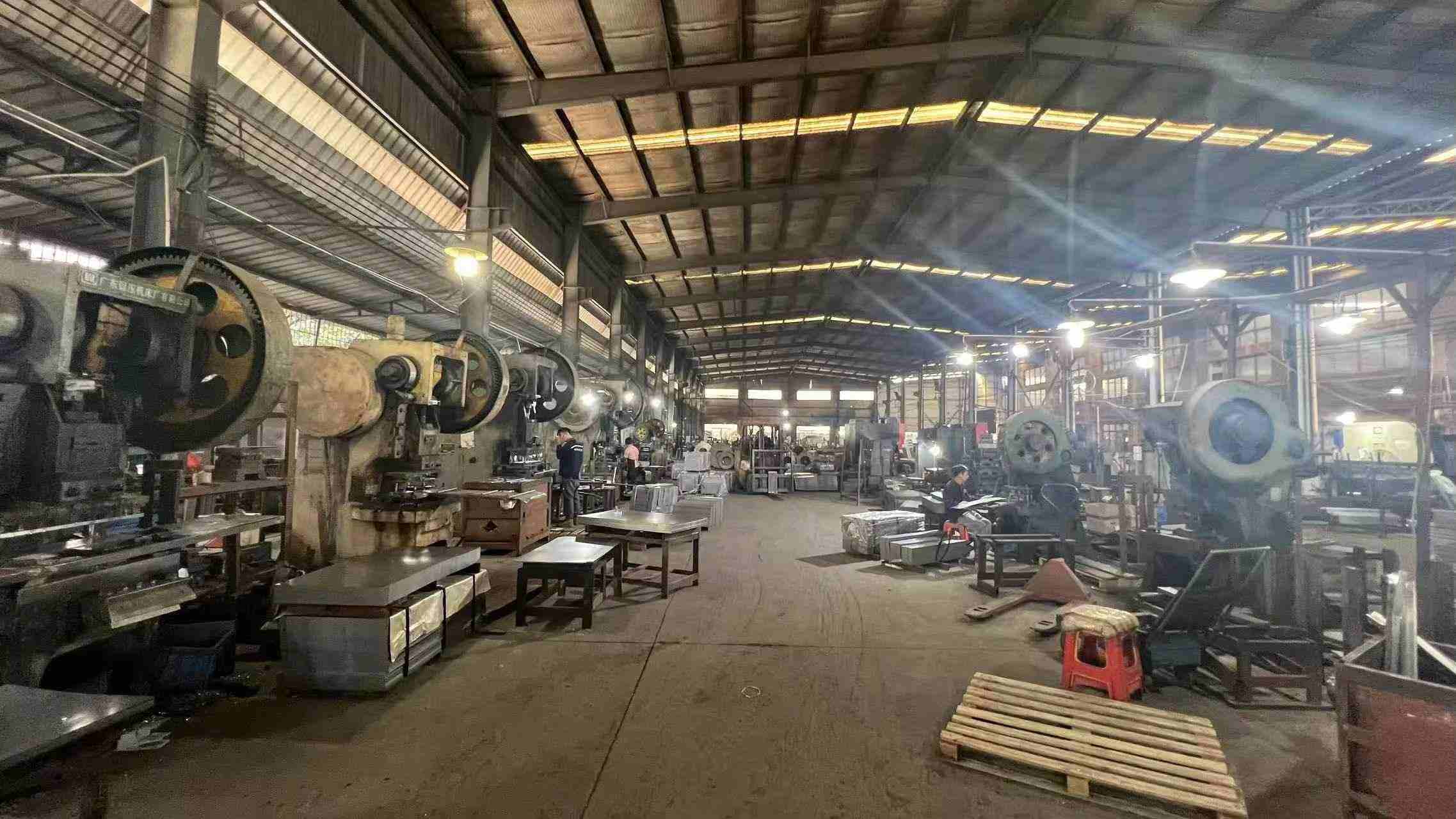
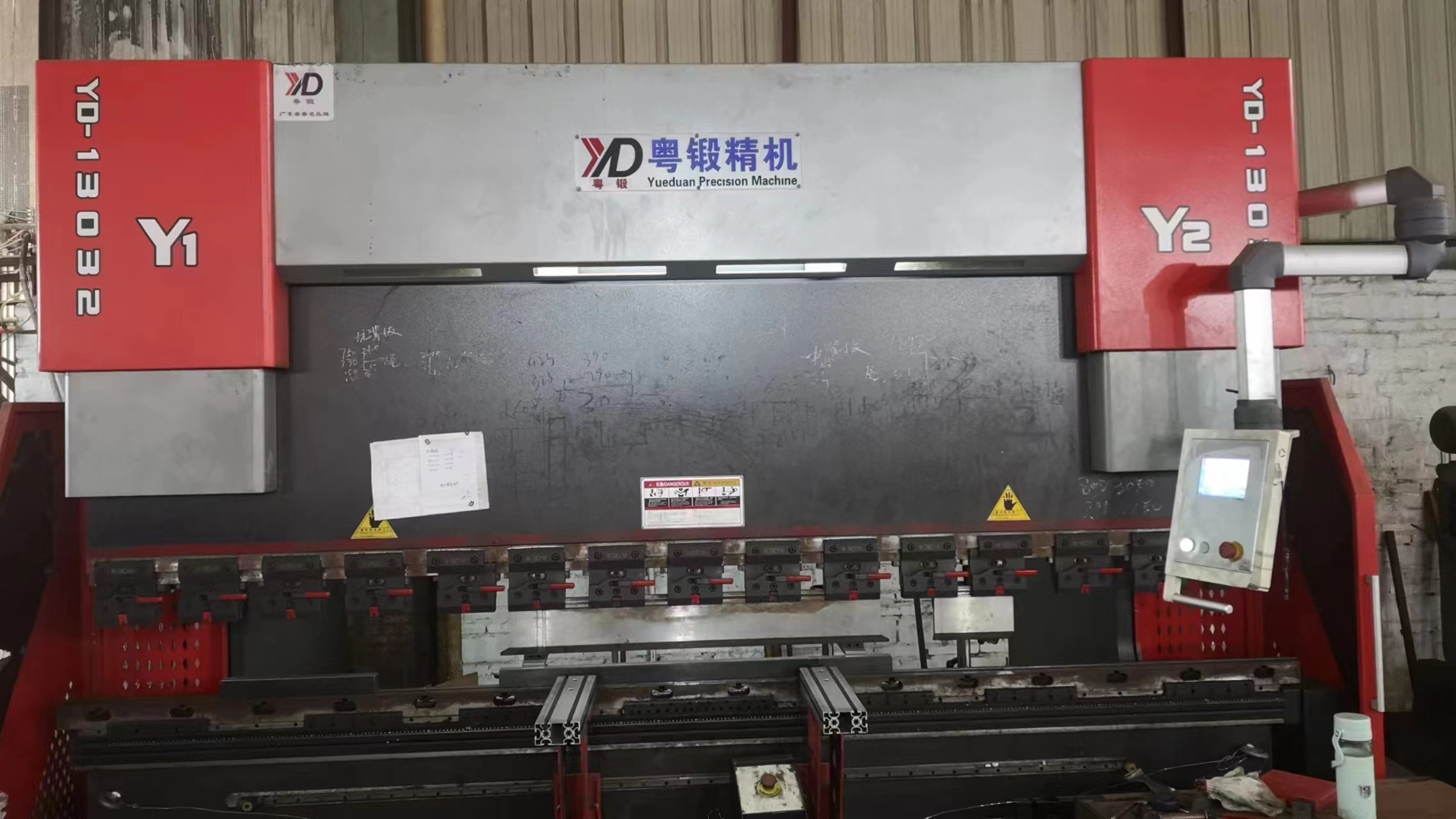
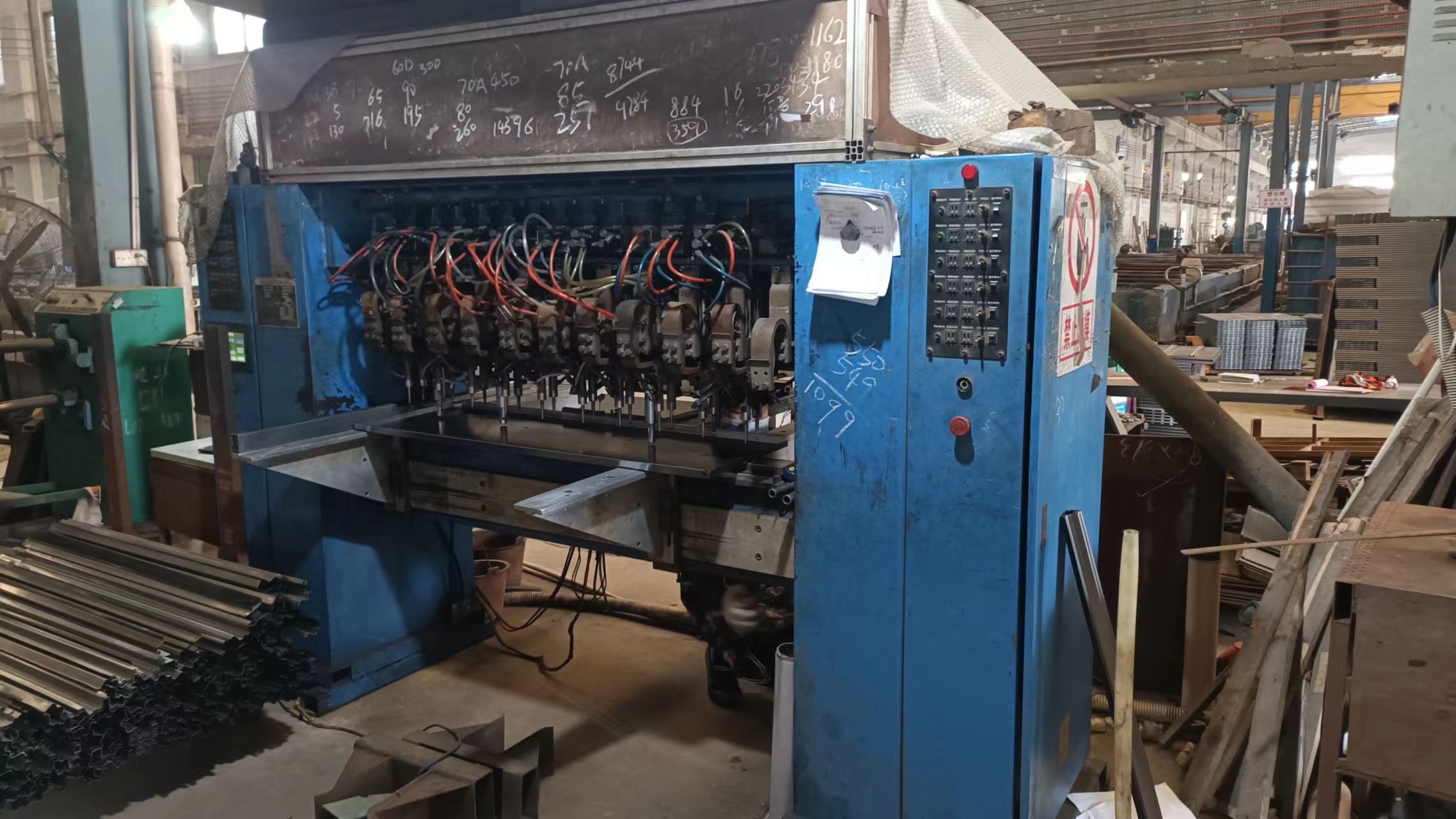
Our quality control program utilizes high-precision instruments to monitor critical tolerances, load limits, and coating thickness.
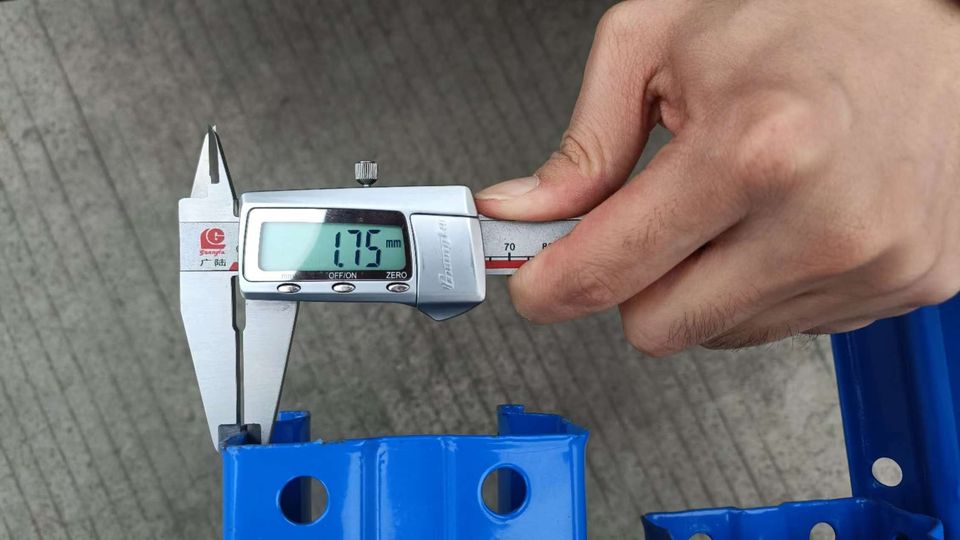
Ensures raw steel thickness and punching alignments remain within 0.1mm offsets.
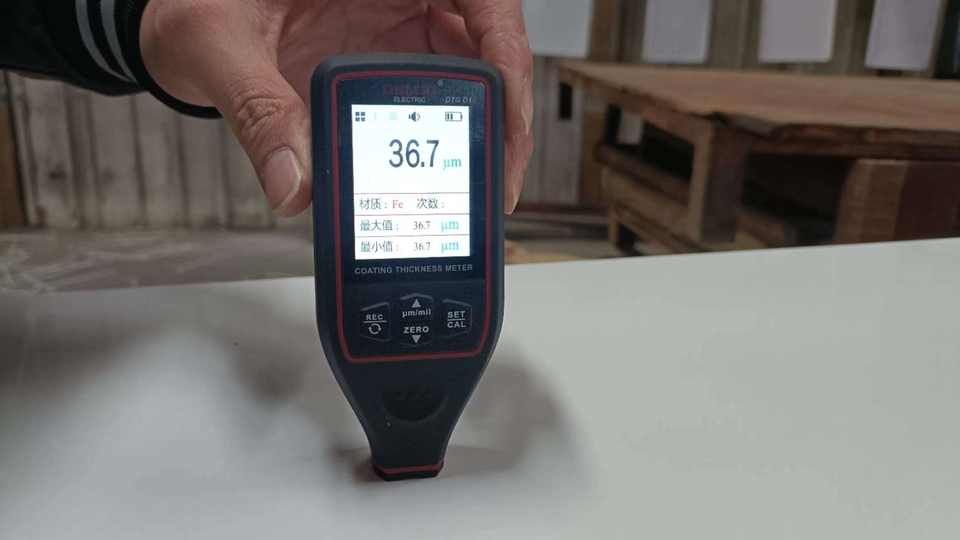
Verifies powder coat consistency and thickness (min 60-80 microns) to prevent premature corrosion.
Navigating regulatory guidelines to secure local building permissions and approvals in Aichi Prefecture.
Our engineering division cross-references Japanese Industrial Standards (JIS) for structural calculation modeling. Steel grades are matched to JIS equivalents, ensuring local regulatory boards approve factory layout upgrades.
Nagoya's seismic zone rating requires enhanced safety parameters. Our custom structural base plates feature expanded anchoring and heavy-duty seismic bracing, designed to withstand regional ground acceleration benchmarks.
We supply complete documentation packages—including AutoCAD structural drawings, loading limit calculations, and raw material certificates—to support local assembly teams and building inspectors.
Need a custom structural calculation and layout proposal for your Nagoya facility?
Contact Our Engineering Office NowKey considerations when importing industrial steel storage racks into Japanese manufacturing centers.
Verify that your supplier calculates actual arm deflection levels under point-load configurations rather than distributed weights. Long-term sagging of arms can cause automated forklift handling faults and increase manual unloading hazards.
Establish trade terms (FOB, CIF, or DDP) with direct port clearances at Nagoya Port (Meiko). Working with a factory experienced in shipping routes to Japan reduces customs delays and clearing friction.
For outdoor storage configurations—common in steel yards and building materials centers around Nagoya Port—hot-dip galvanization is recommended over standard powder coating. Indoor facilities should specify epoxy-polyester coatings to resist industrial wear.
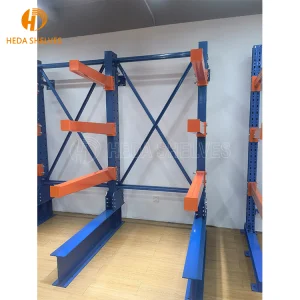
Ensure the manufacturer has the tooling capability to customize upright column profiles, arm attachment connectors, and base depths. Stock racking sizes rarely match high-density warehouse prints exactly.
Select from our complete range of certified racking configurations, built with adjustable arms, durable structural shapes, and custom corrosion barriers.
Technical answers for procurement officers, logistics engineers, and facility planners looking to source cantilever rack units.
Roll-formed cantilever racks are fabricated from coiled sheet steel bent into C-shapes, offering a cost-effective solution for light to medium loads. Structural steel H-beam racks are manufactured from hot-rolled carbon steel beams, providing superior impact resistance and higher load capacities—ideal for storing raw steel, industrial dies, and heavy pipe bundles in demanding environments.
We evaluate site-specific seismic acceleration metrics to calculate required rack base properties and column strengths. Standard modifications include thickening structural base plates, installing specialized heavy anchoring systems, and utilizing SMA-graded structural steel to absorb seismic forces during geological events.
Our quality control program includes ultrasonic testing of dynamic load weld joints, digital gauge measurement of coating thickness (checking for consistent coverage to prevent rust), and simulated load stress tests. We verify tolerances to ensure all connections fit correctly on site.
Yes. Our powder coating line supports custom RAL and Pantone matching. Beyond aesthetics, our coatings provide corrosion protection suitable for high-humidity logistics environments, such as facilities located near ports.
Standard fabrication takes 20 to 30 days depending on order size and custom engineering specifications. Shipping transit from our southern China facility to Nagoya Port typically takes 5 to 9 days, making our supply chain highly responsive to schedule updates in Japan.
Contact our engineering team today to receive a detailed layout design, seismic simulation report, and factory-direct pricing for your facility.
Send Inquiry Now Durack