Industry-standard, engineered structural platforms and heavy-duty storage configurations optimized for high throughput
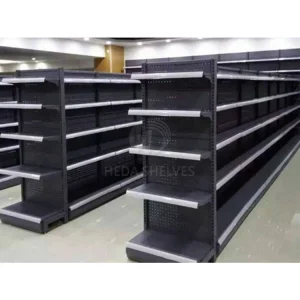
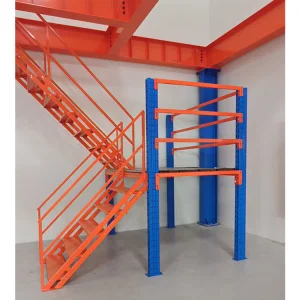
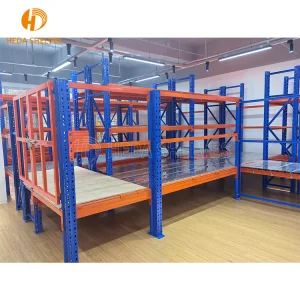
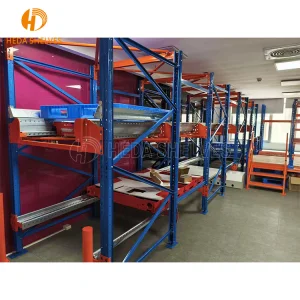
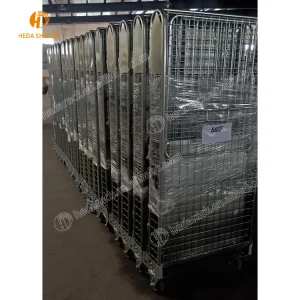
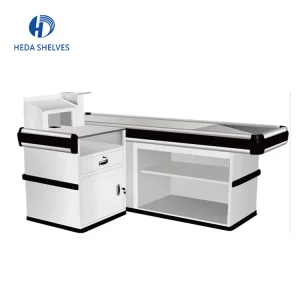
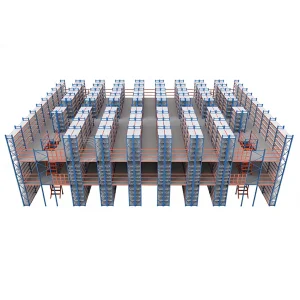
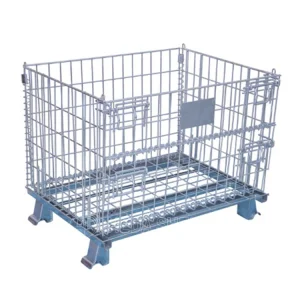
Mapping the transition from manual material flow to highly specialized, heavy-duty load-bearing distribution fleets
In modern industrial warehouse frameworks, high-efficiency material handling acts as the vital link connecting static storage components with active intralogistics systems. Industrial storage trolleys and platform racking assemblies are no longer treated as simple manual tools; they have evolved into precisely engineered logistics assets designed to handle complex load flows, minimize human error, and integrate with modern Automated Guided Vehicles (AGVs) and Autonomous Mobile Robots (AMRs).
As retail operations shift to omnichannel distribution networks and heavy industrial facilities transition to modular manufacturing setups, the demand for high-strength steel-grade transport carriers has reached an all-time high. Major markets in North America, Western Europe, and Asia-Pacific are setting strict new safety standards, highlighting the need for top-tier storage trolley manufacturers who can balance cost-efficiency with high-grade structural integrity. Companies are looking for material handling systems that conform to global benchmarks like EN 15635, ANSI MH16.1, and FEM 10.2.02, ensuring that every weld, joint, and frame member operates safely under dynamic load conditions.
Additionally, the rapid growth of smart cold-chain operations, aerospace assembly lines, and high-density 3PL hubs has forced modern factories to rethink traditional storage systems. Standard off-the-shelf options are giving way to customizable platforms built to survive extreme temperatures, high humidity, chemical exposure, and high-frequency cyclical stress. Consequently, leading factories must maintain strong R&D pipelines and robust QC frameworks to verify load-bearing capacity, deflection ratios, and long-term fatigue resistance.
The manufacturing of commercial storage racks and heavy-duty steel trolleys is undergoing a significant technology transition driven by metallurgical advancements and space optimization demands:
E-E-A-T Structural Integrity Insight: Choosing the right steel grade directly impacts long-term operations and safety. Lower-tier steel with high impurity levels often shows micro-fissures after welding, which can lead to sudden collapse under load stress. Dongguan Durack Logistics Equipment Co., Ltd. implements full-scale ultrasonic weld inspections and raw material chemical validations to guarantee that every system meets safety standards before leaving the factory.
A transparent view of our production workflow, showing the path from raw structural steel to fully certified logistics assets
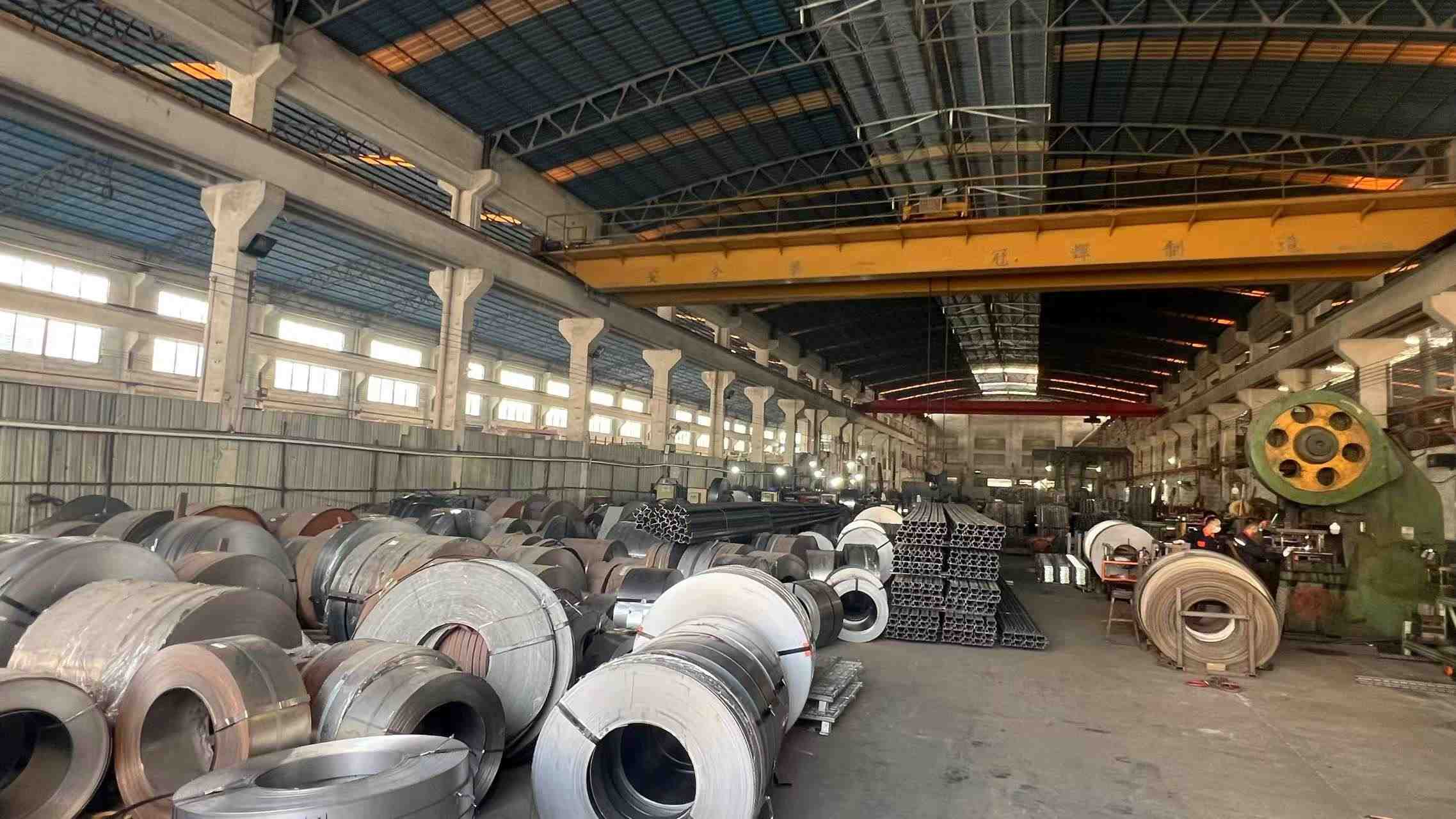
Incoming Q235B and Q355B structural steel coils and sheets undergo strict chemical and yield strength testing before production begins.
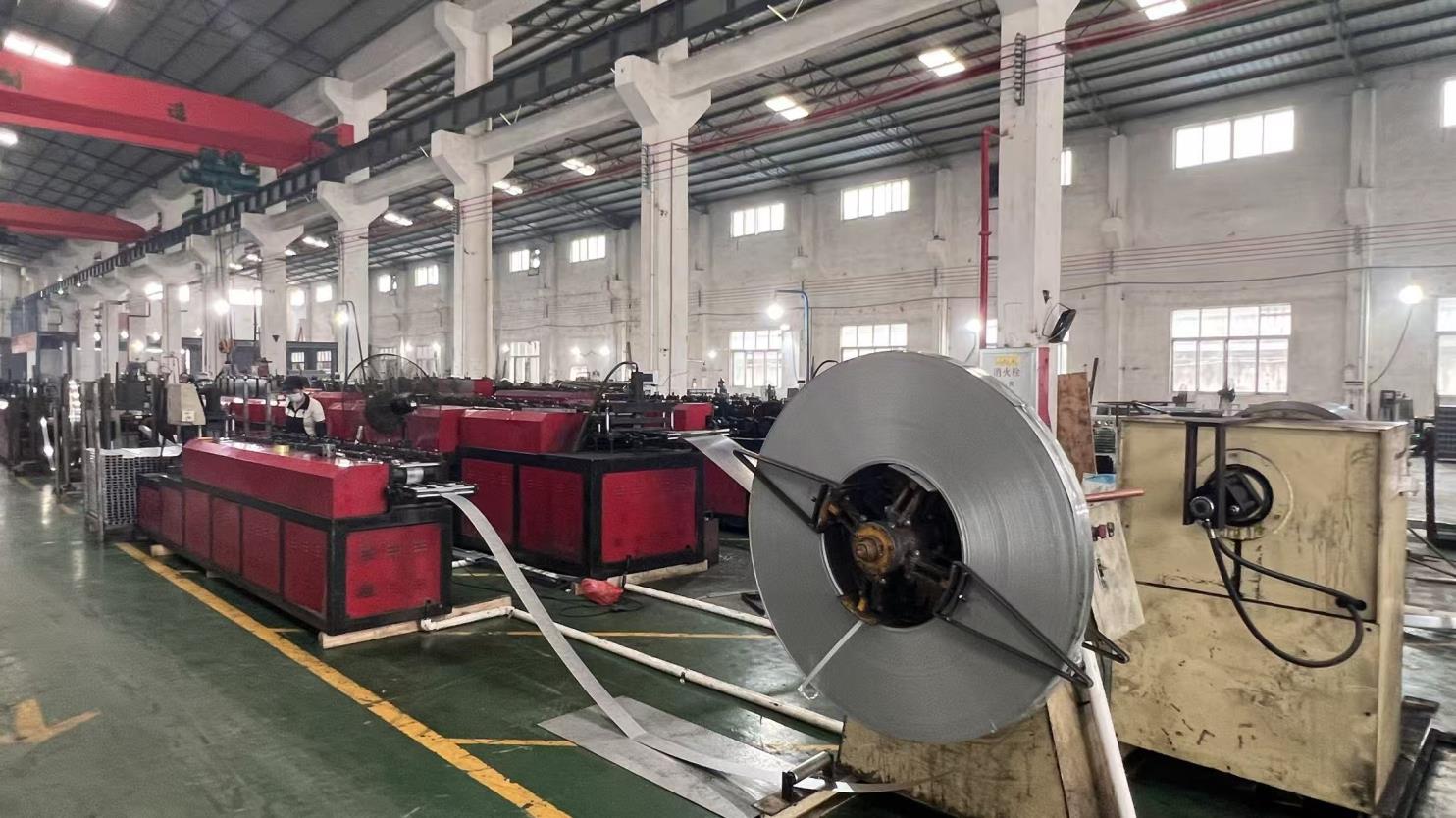
High-precision cold rolling mills form upright posts and beam profiles, ensuring clean structural geometry and uniform thickness.
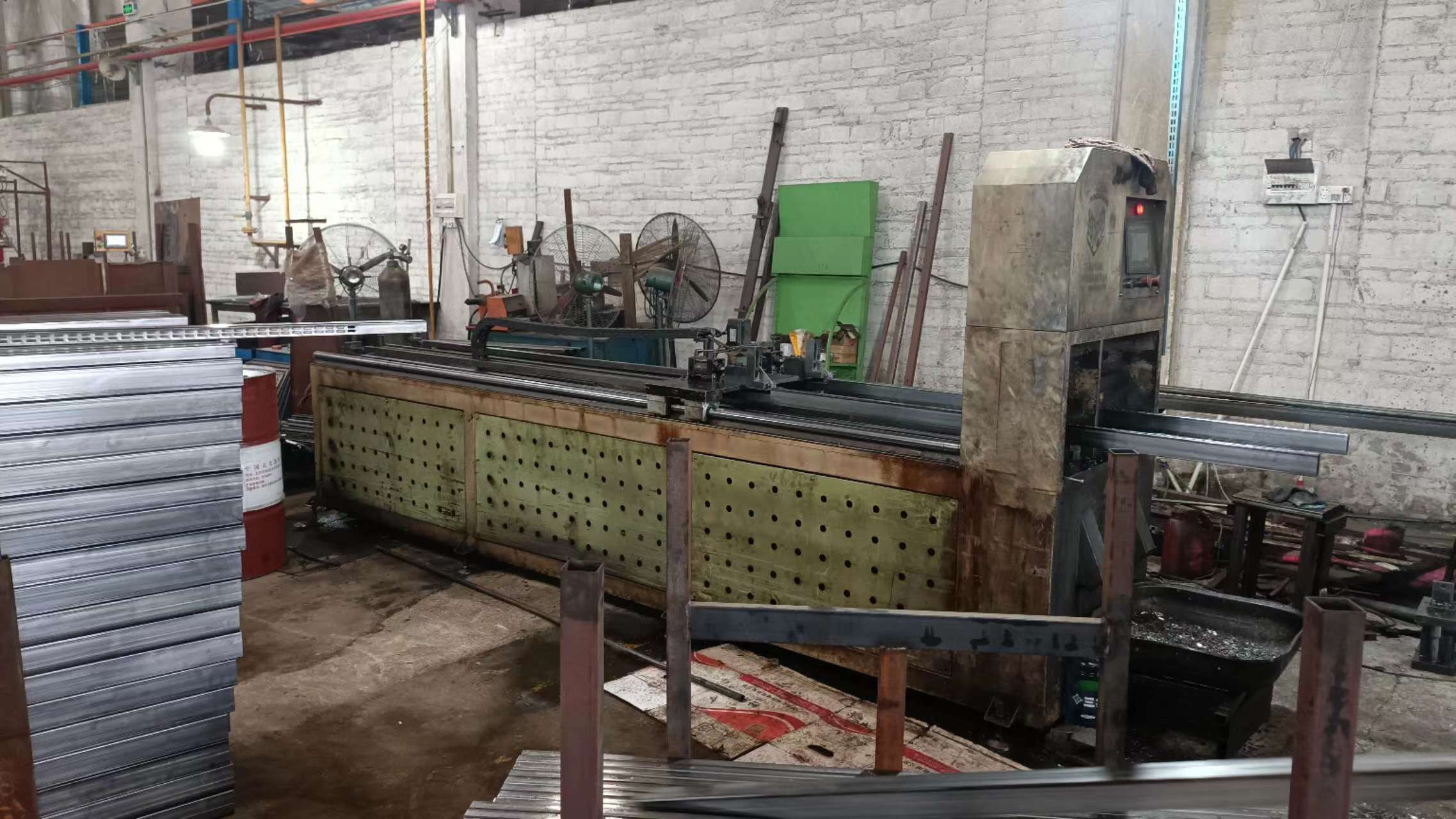
Computerized punching machines punch pitch holes with sub-millimeter accuracy, allowing for consistent field assembly.
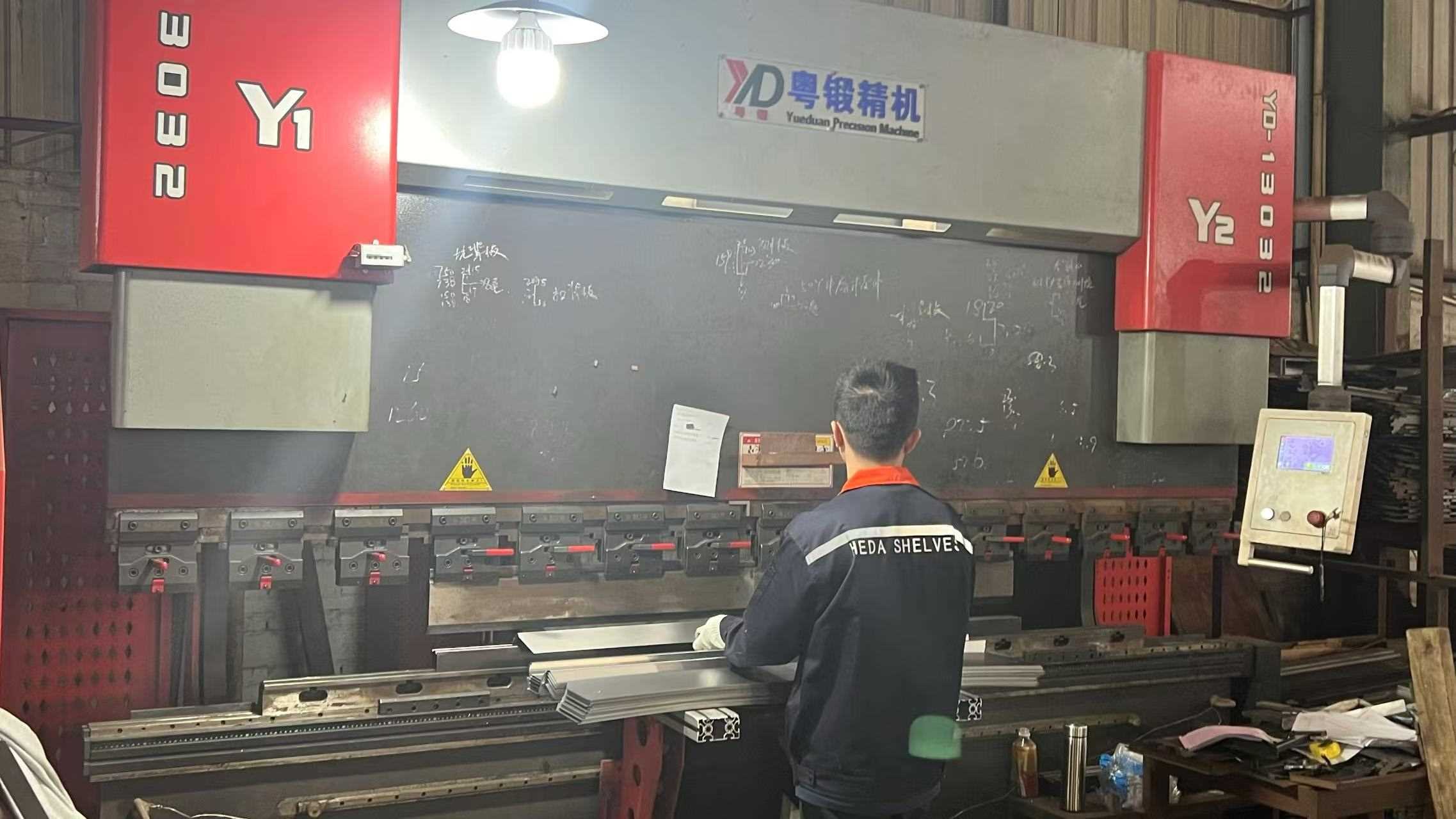
Advanced press brakes and bending machines control bend angles, preserving structural integrity across load points.
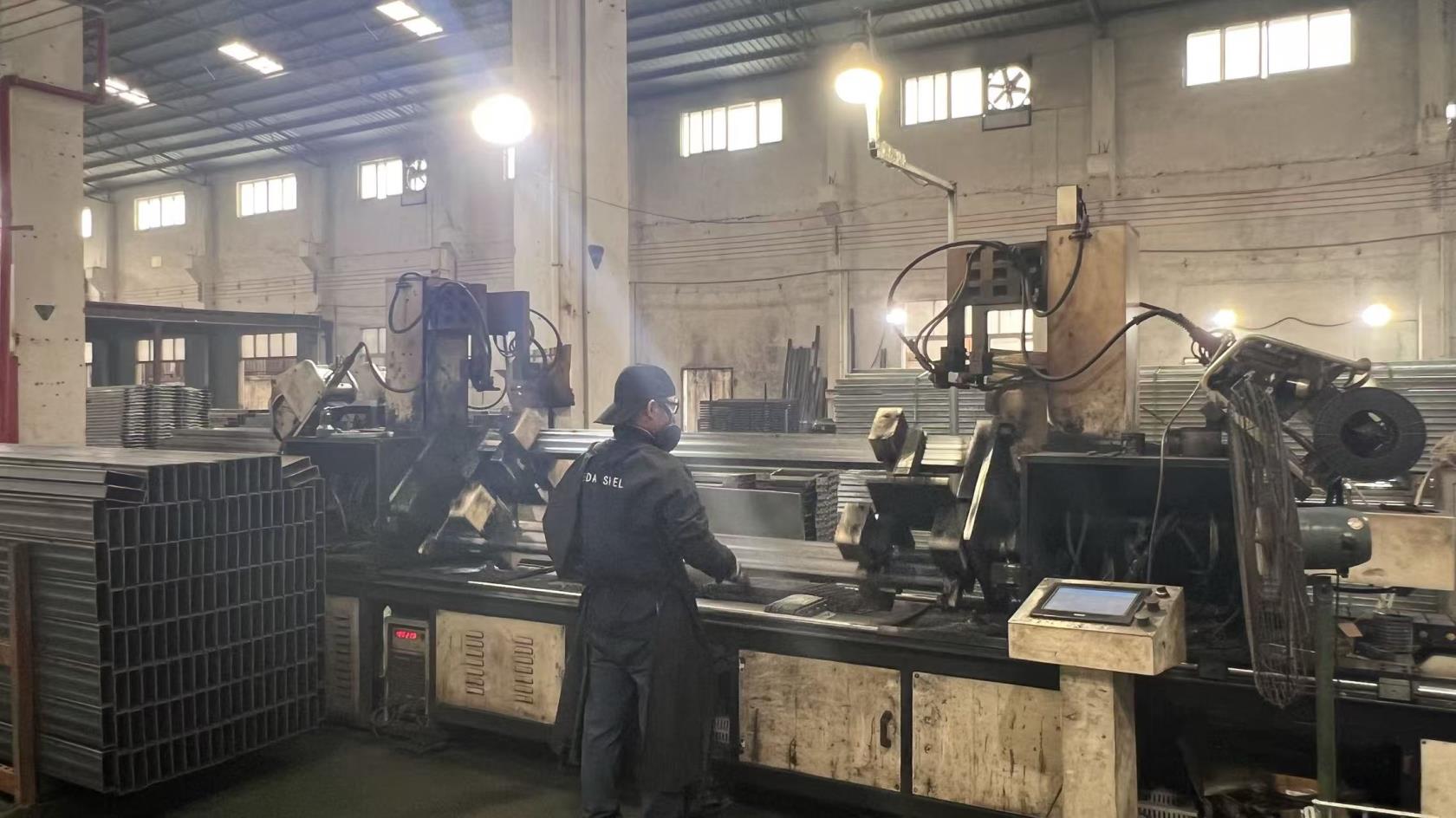
Certified manual welders assemble components requiring complex structures and reinforced load joints.
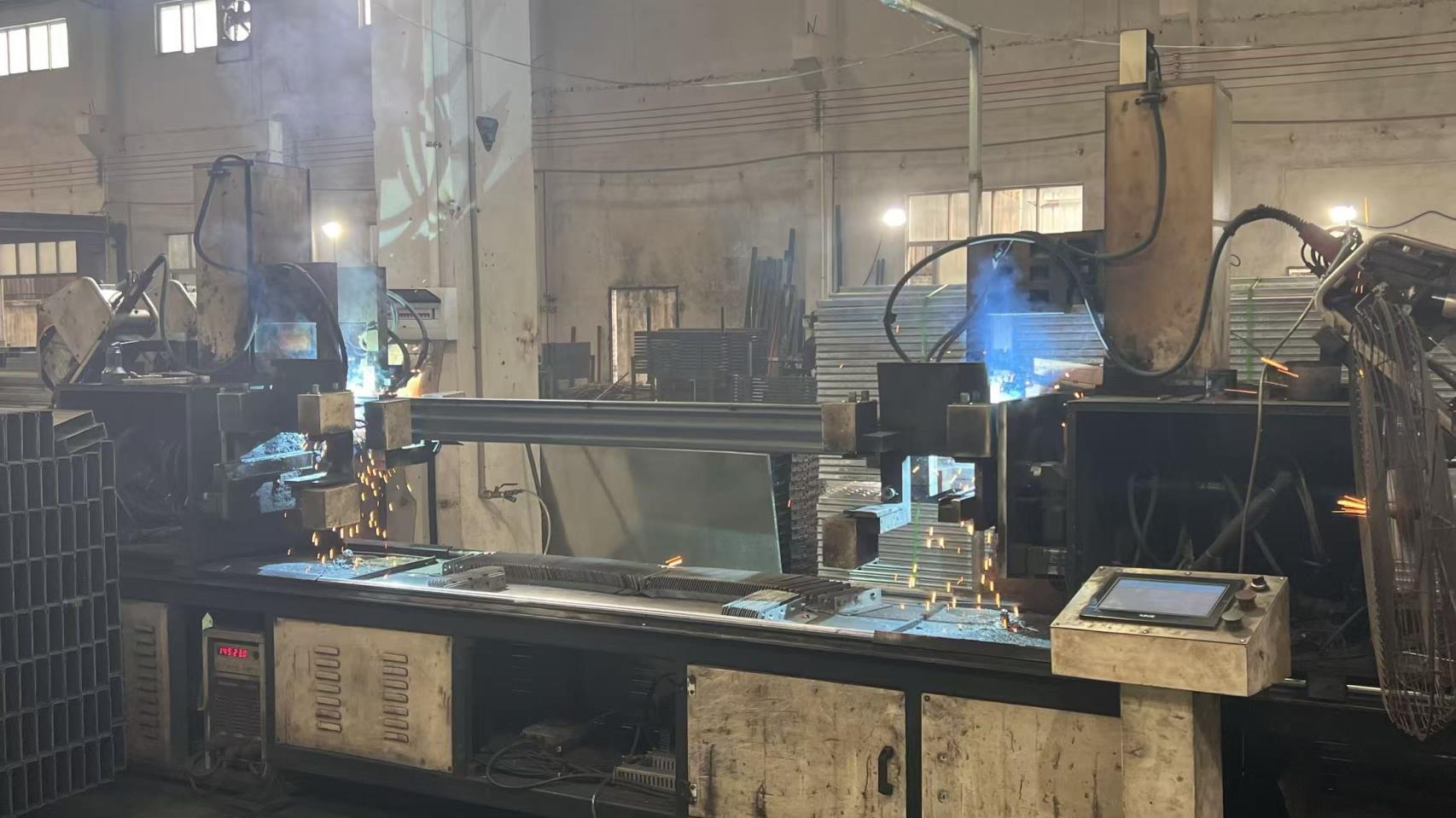
State-of-the-art welding robots produce clean, high-penetration seam welds across heavy-load pallet runners and base assemblies.
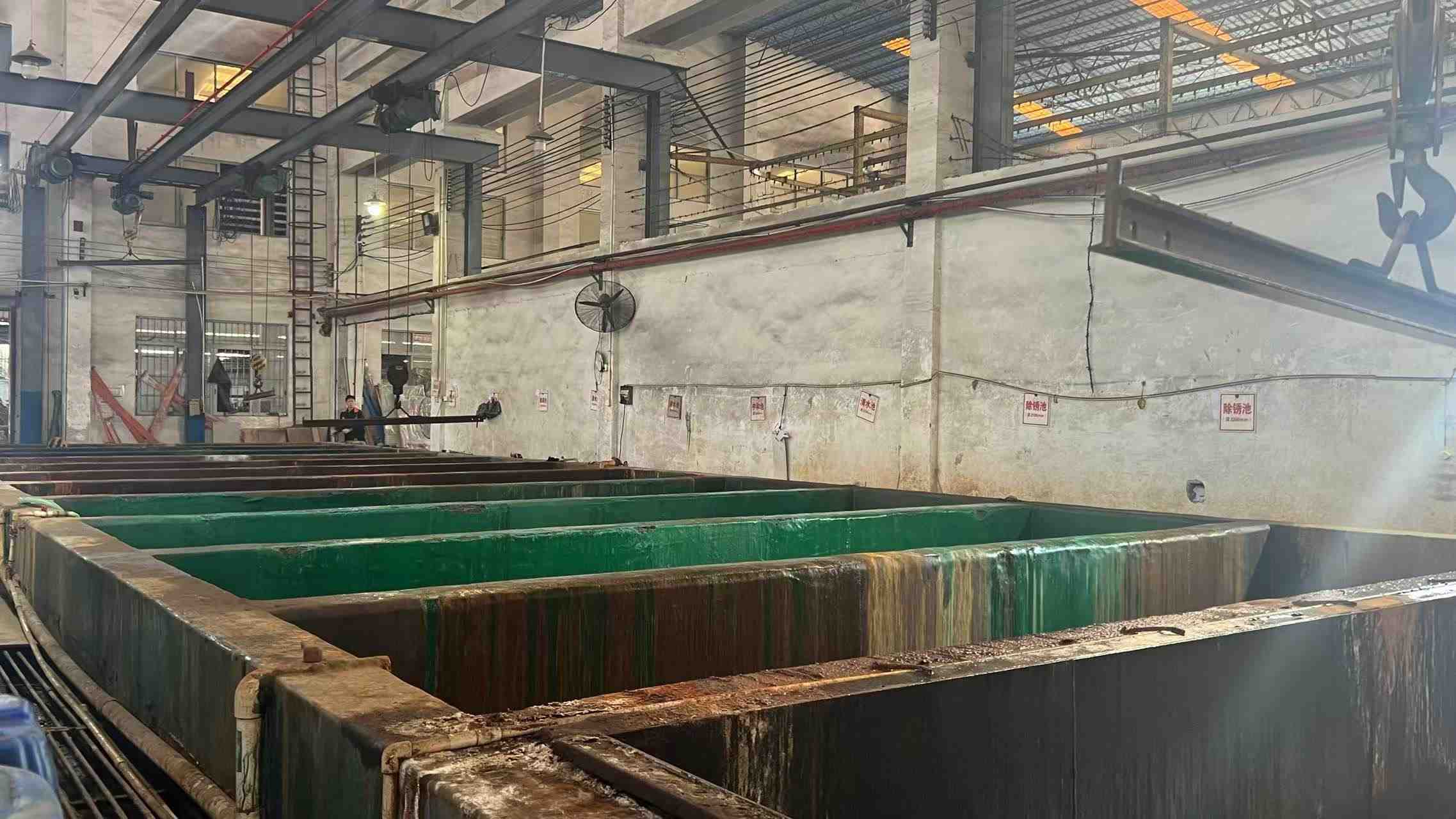
A multi-stage chemical pretreatment line removes rust, scaling, and organic oils to prepare raw steel surfaces for coating.
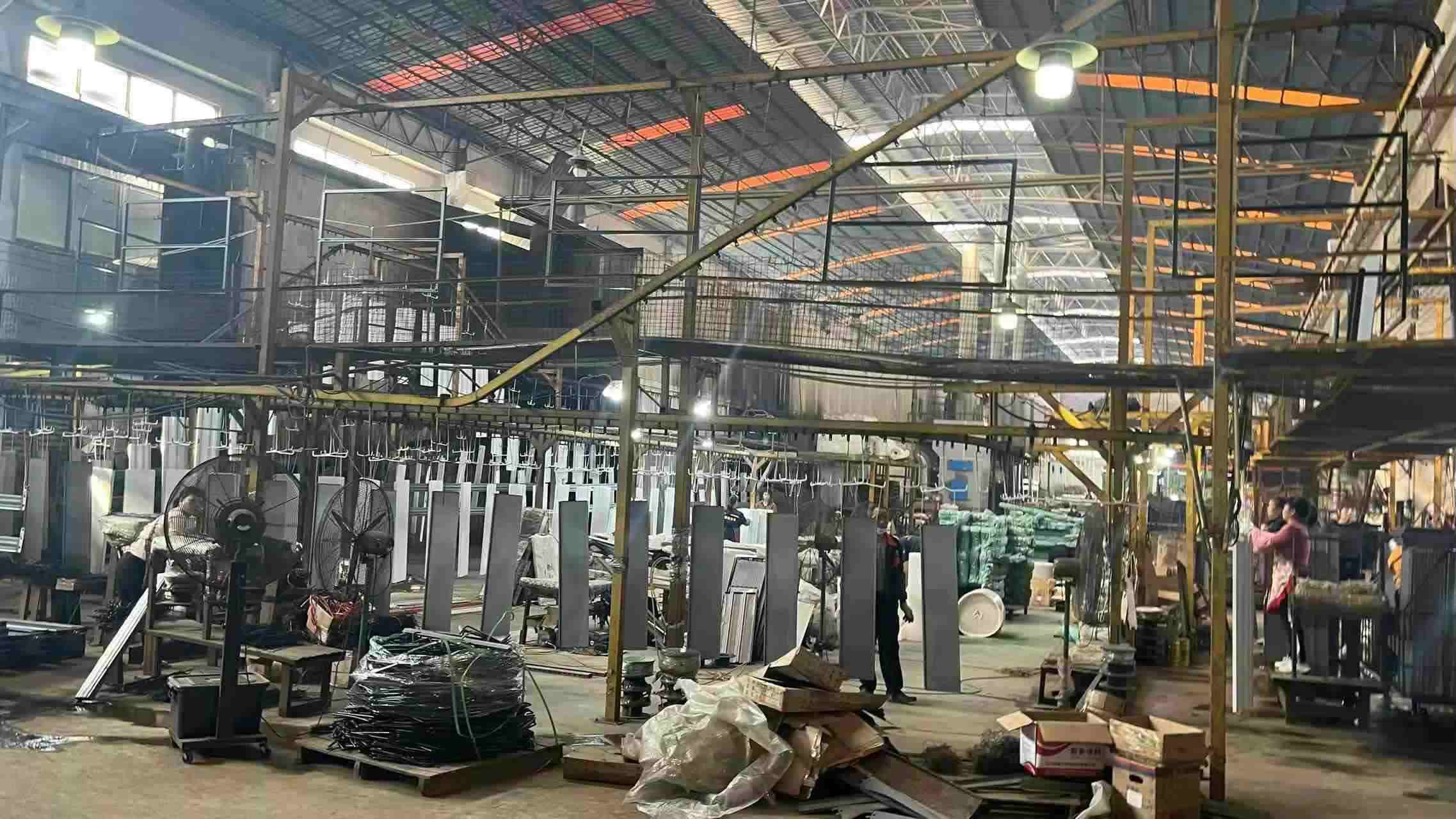
Fully enclosed electrostatic powder lines apply a durable protective finish, followed by high-temperature curing.
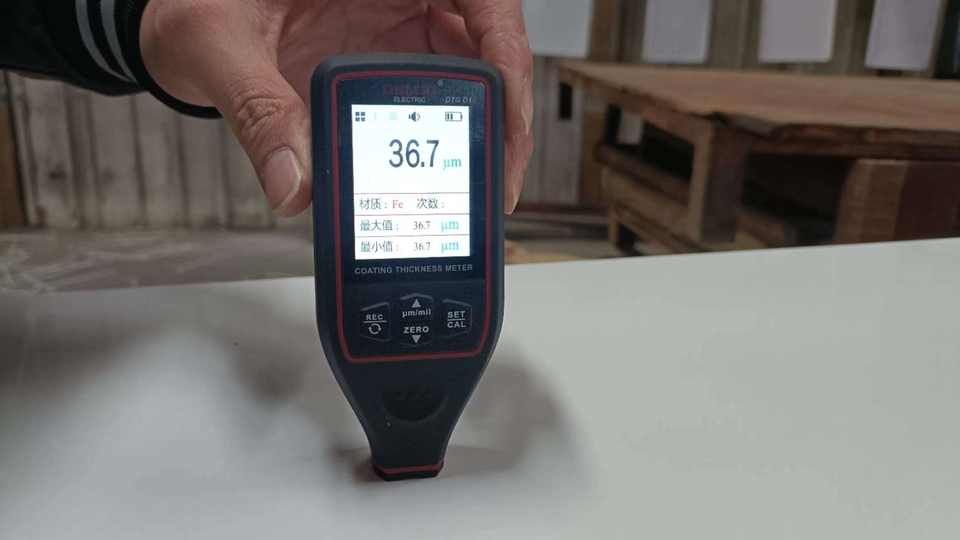
Inspectors measure finish thickness with digital gauges to verify long-term corrosion protection across all surfaces.
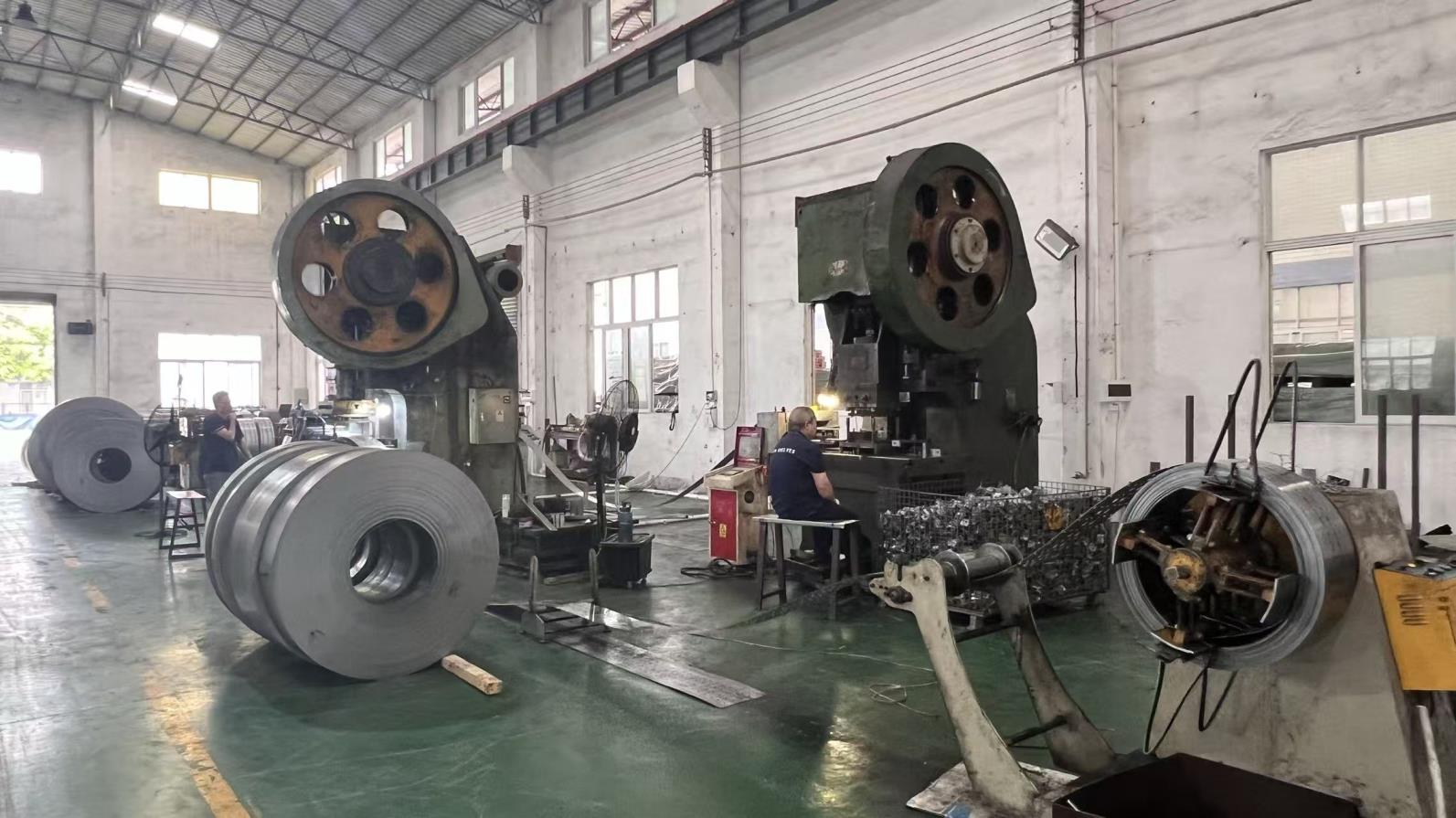
High-speed mechanical presses form heavy bracket linkages, base clips, and locking tabs with clean structural margins.
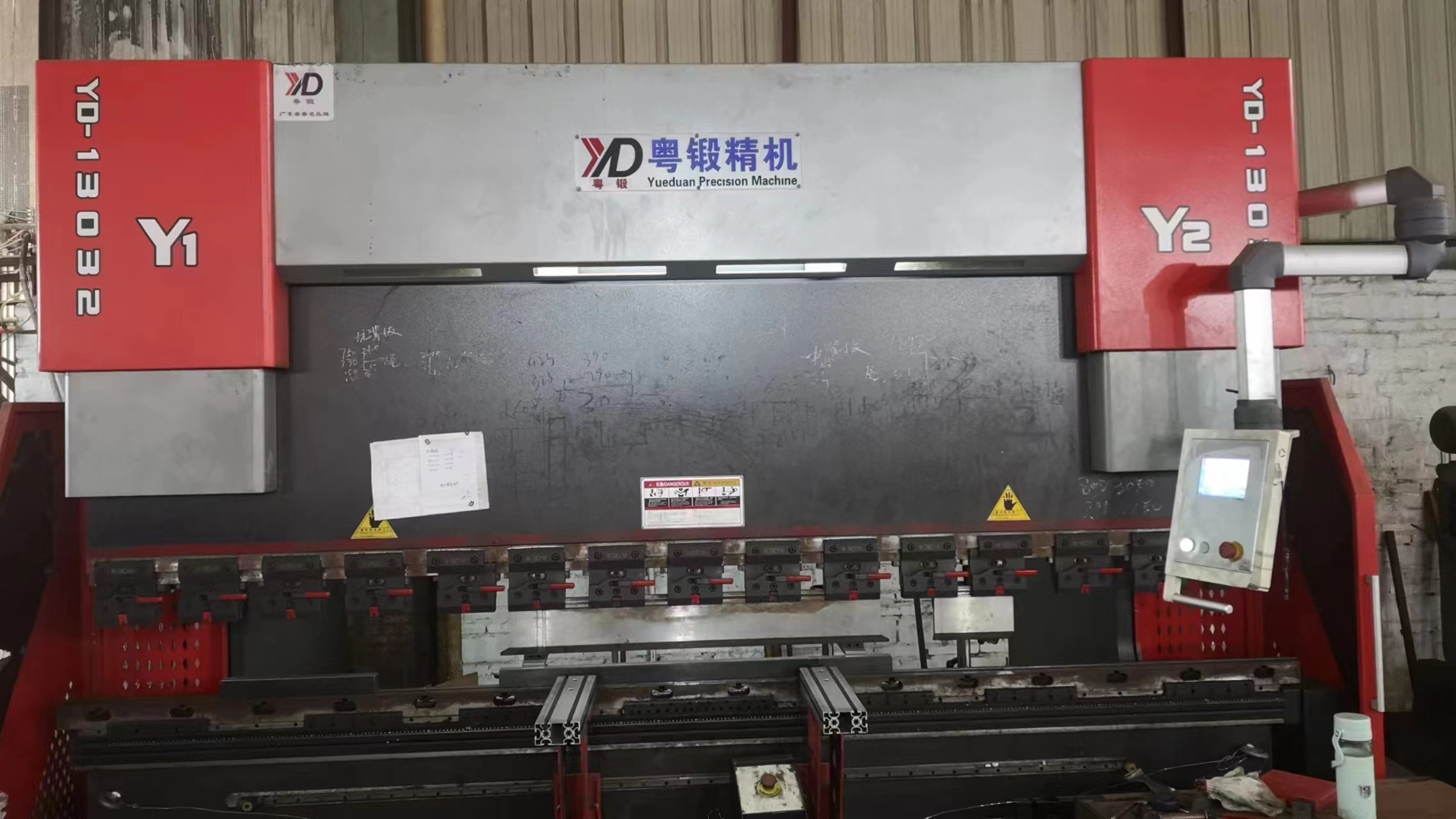
Specialized machinery shapes high-gauge steel plate stock into robust load-bearing profiles.
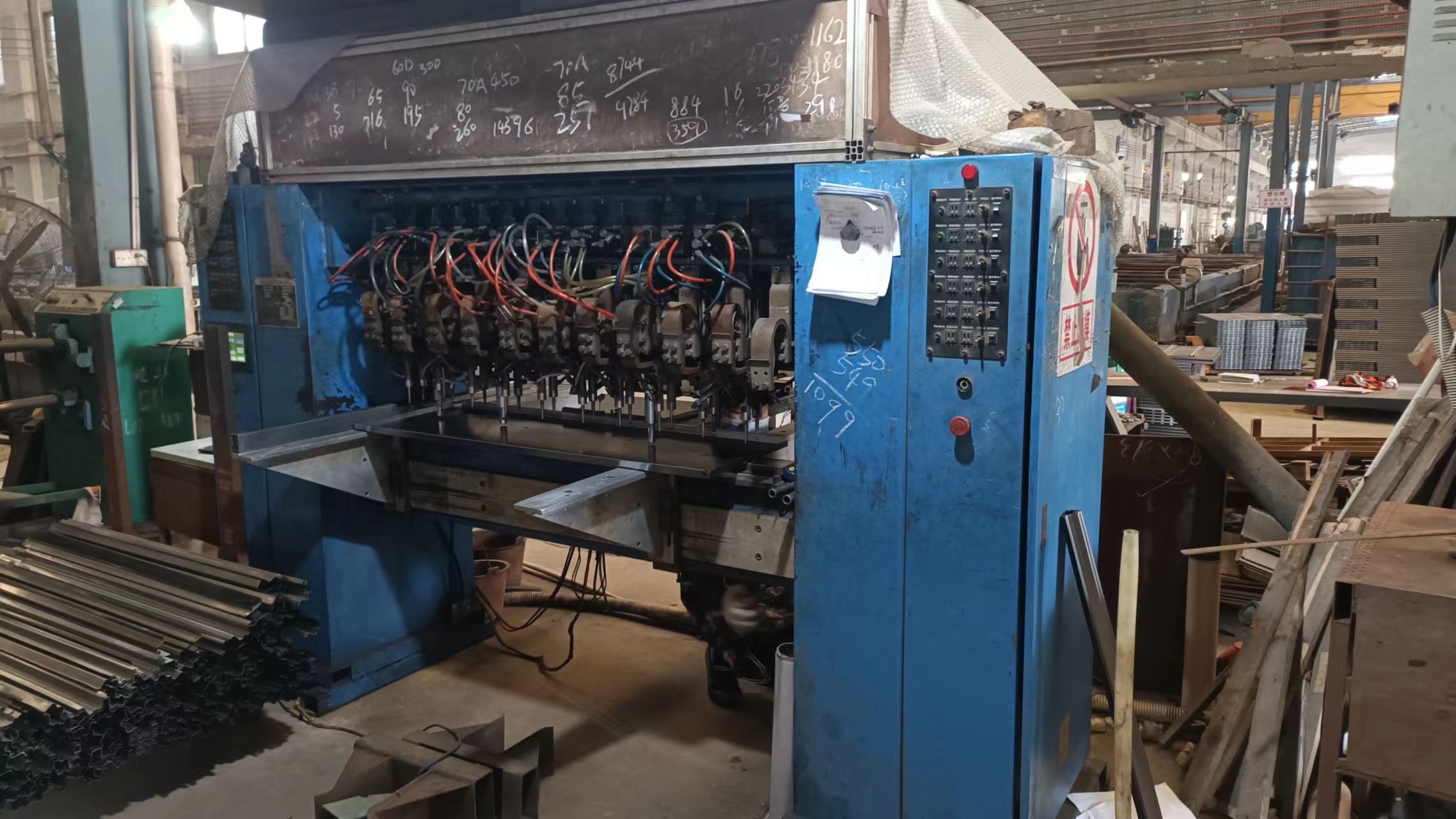
Used to join heavy tubular frames and flat mesh bars, ensuring smooth, continuous metal transitions.
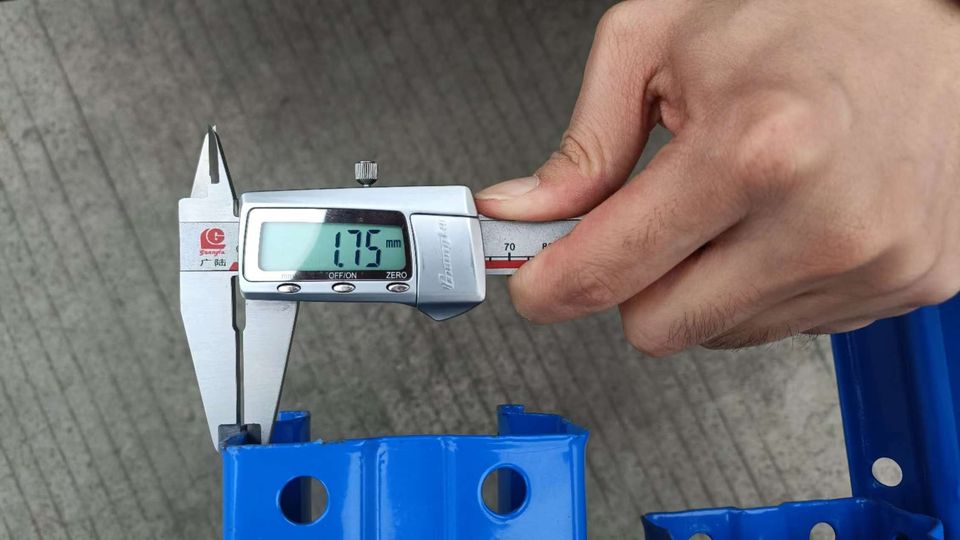
QC technicians use calibrated digital calipers to verify thickness, length, and width parameters against customer blueprints.
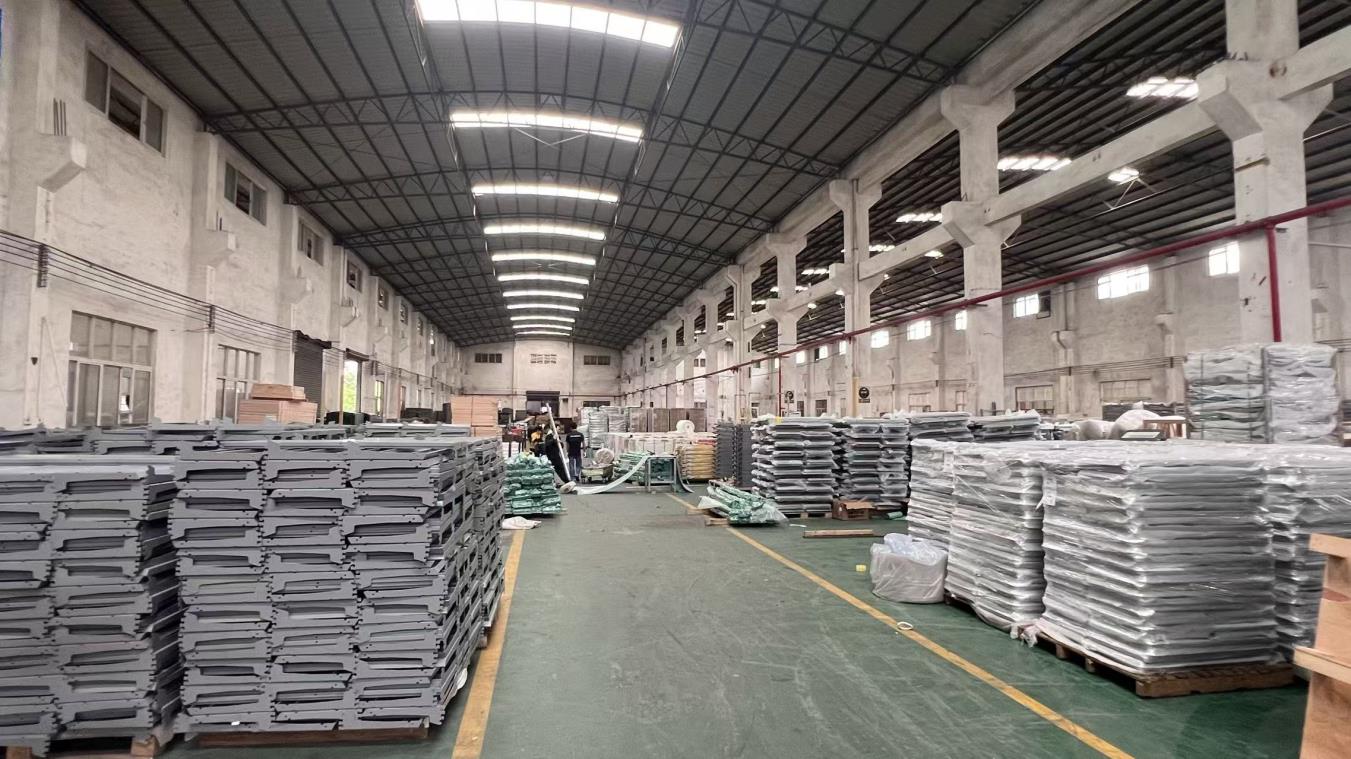
Finished products are securely stored in our shipping warehouse, ready for export packaging and container load balancing.
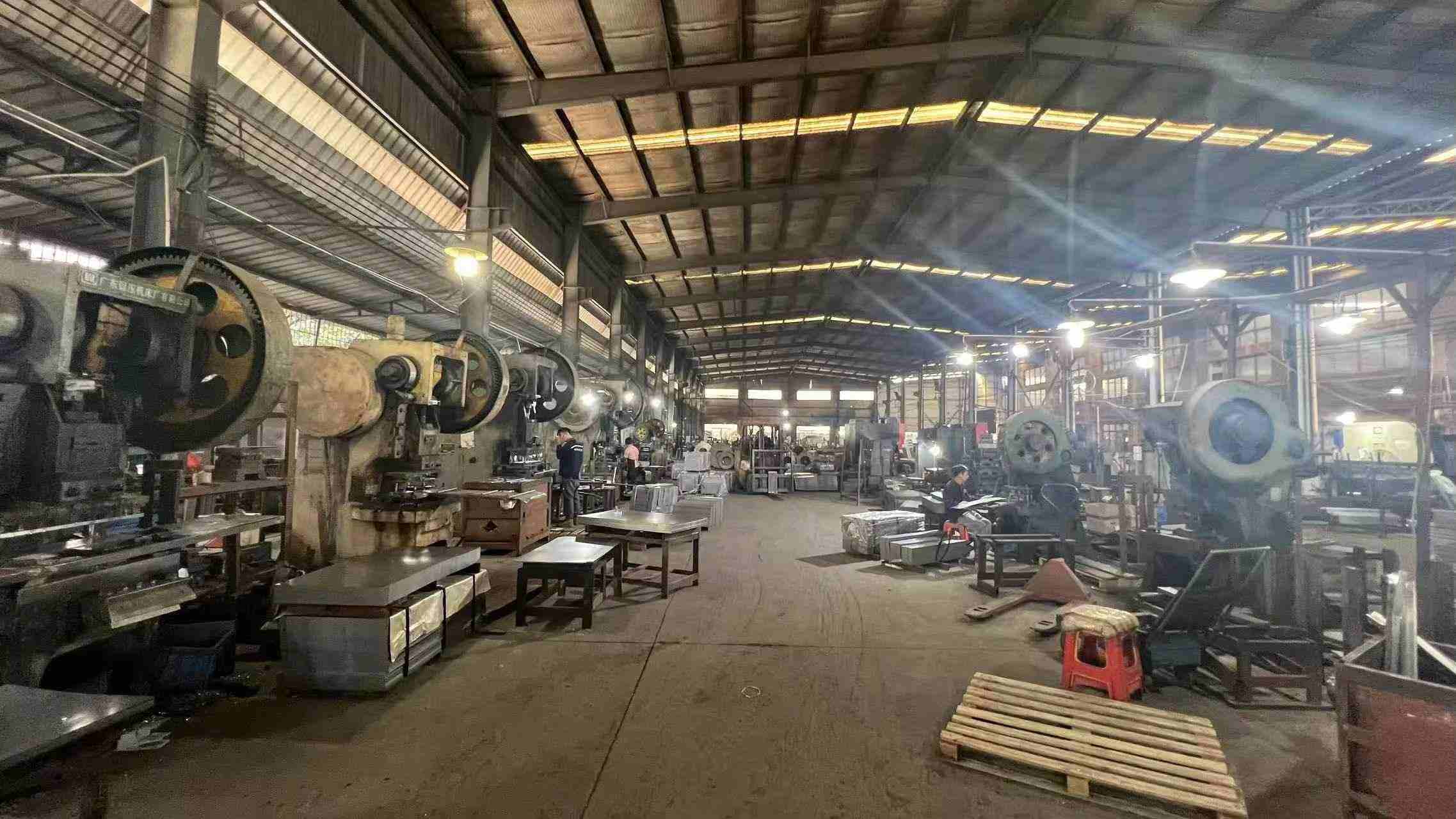
Used for custom configurations, ensuring mounting points match accessory designs perfectly.
Logistics challenges vary by region due to differences in supply chain scale, local regulations, and available warehouse space. Below is an analysis of how storage trolleys and racking systems are optimized across global hubs:
In the US and Canada, fast-growing e-commerce fulfillment hubs require high-capacity, multi-tier mezzanine layouts. These centers rely heavily on dynamic modular carts and wire mesh boxes to streamline order picking. Because labor costs are high, regional systems prioritize quick coupling with automated forklifts and AMRs. This requires durable polyurethane caster assemblies and reinforced steel frames that resist frequent warehouse collisions.
European markets operate under strict environmental and structural safety rules (such as FEM guidelines). Warehouses focus heavily on optimizing floor space, leading to a high demand for narrow-aisle mobile storage carts and structural mezzanines. Additionally, manufacturers must use eco-friendly powder coatings free of heavy metals and VOCs, which helps companies meet regional environmental and carbon-reduction targets.
In Southeast Asia, warehouses face challenging environmental conditions, including high humidity and salinity. Material handling equipment must feature premium rust prevention, such as hot-dip galvanizing or zinc-plated coatings. These treatments protect wire mesh containers and transport carts from corrosion, helping businesses avoid early material failure and reduce maintenance costs.
The logistics landscape is shifting toward fully automated environments. Future developments in material handling and storage trolley engineering are focused on three core areas:
1. IoT-Enabled Asset Tracking: Integrating RFID tags and Bluetooth Low Energy (BLE) beacons directly into storage trolleys. This allows logistics software to track inventory location and movement across the warehouse floor in real time, preventing asset loss and optimizing routing.
2. AMR & AGV Compatibility: Upgrading manual storage trolleys with automatic towing couplers and guidance sensors. This allows automated mobile robots to pick up, transport, and drop off cart assemblies without human intervention, streamlining the packing process.
3. Advanced Material Science: Researching lightweight high-strength alloys and composite materials. By reducing the weight of the trolley frame while maintaining its structural capacity, warehouses can lower the energy required by automated towing vehicles, cutting down on utility costs.
Founded in 2014, Dongguan Durack Logistics Equipment Co., Ltd. is a premier Chinese storage racking system manufacturer operating a 35,000 m² facility. Backed by 12 years of industry experience and 8 years of global export history, the company generates $28 million in annual export revenue. Our operations are supported by a strict quality assurance system using full-spectrum ultrasonic testing and load-bearing stress evaluations, overseen by 45 dedicated QC specialists. Building on a strong international trading background, our core markets span North America, Europe, and Southeast Asia. We maintain a reliable supply chain network of over 850 partners, catering primarily to third-party logistics (3PL) providers, automated warehouses, and large industrial distributors. Driven by an active R&D division with 65 specialized engineers, Durack offers full OEM/ODM customization options—including bespoke beam profiles, structural steel grades, and dynamic layout designs—launching over 120 new storage products last year.
Answers to common technical questions regarding material specifications, load-bearing capacities, and manufacturing standards
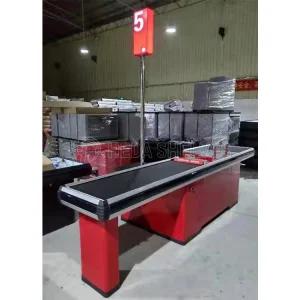
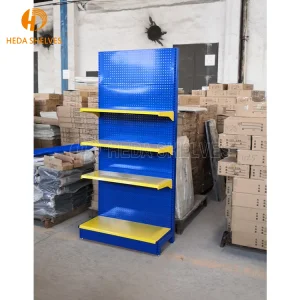
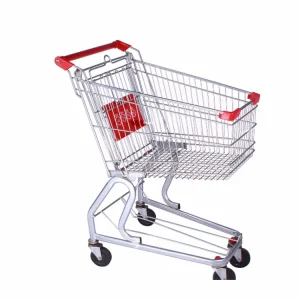
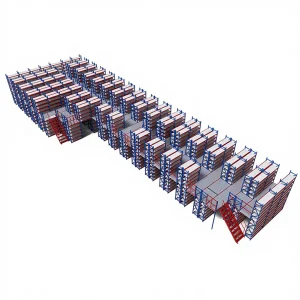
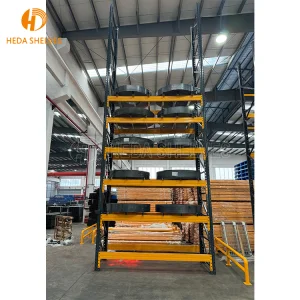
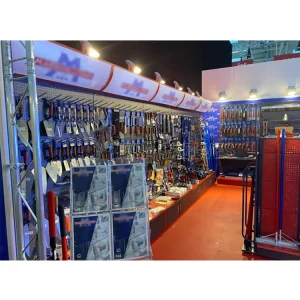
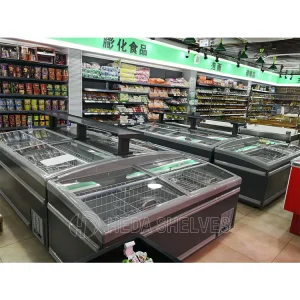
Heavy industrial mezzanine systems, customized retail displays, and high-capacity logistics transport units
 Durack