Engineered structural systems designed for industrial warehouses, logistics centers, and commercial retail operations.
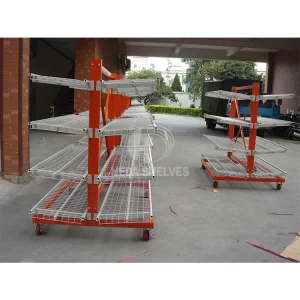
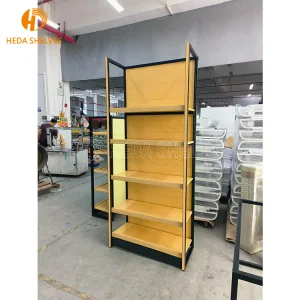
An in-depth perspective on modern multi-level storage technology, structural integrity requirements, and economic drivers.
The global industrial storage landscape is undergoing a massive structural shift. With commercial land prices escalating in major trade corridors across North America, Europe, and Asia-Pacific, enterprises are looking vertical to multiply their operational footprints. Industrial utility platforms, warehouse mezzanine systems, and high-density racking networks are no longer static storage units; they are dynamically engineered components that directly dictate fulfillment efficiency and supply chain throughput.
“Industry forecasts indicate the global warehouse racking and utility platforms market will exceed USD 11.5 Billion by 2028, driven by the expansion of automated micro-fulfillment hubs, third-party logistics (3PL) providers, and advanced manufacturing operations requiring high-performance structural attic floors.”
Modern logistics operations demand high-integrity utility platforms that conform to rigorous international safety codes, such as the RMI (Rack Manufacturers Institute) standard in the United States, and the European EN 15512 standard. Standard industrial floors are transitionally upgrading to multi-tiered systems, enabling automated guided vehicles (AGVs) and autonomous mobile robots (AMRs) to navigate multiple vertical strata. Selecting a top-tier Chinese manufacturer with extensive metallurgical capabilities and dynamic design experience is crucial to achieving both economic value and regulatory compliance.
Discover the specific supply chain advantages, metallurgical superiority, and cost efficiencies of China-based production.
We source raw Q235B and Q355B structural steel directly from state-owned mills. These grades provide superior yield strength and ductile properties, essential for dynamic load-bearing platform configurations.
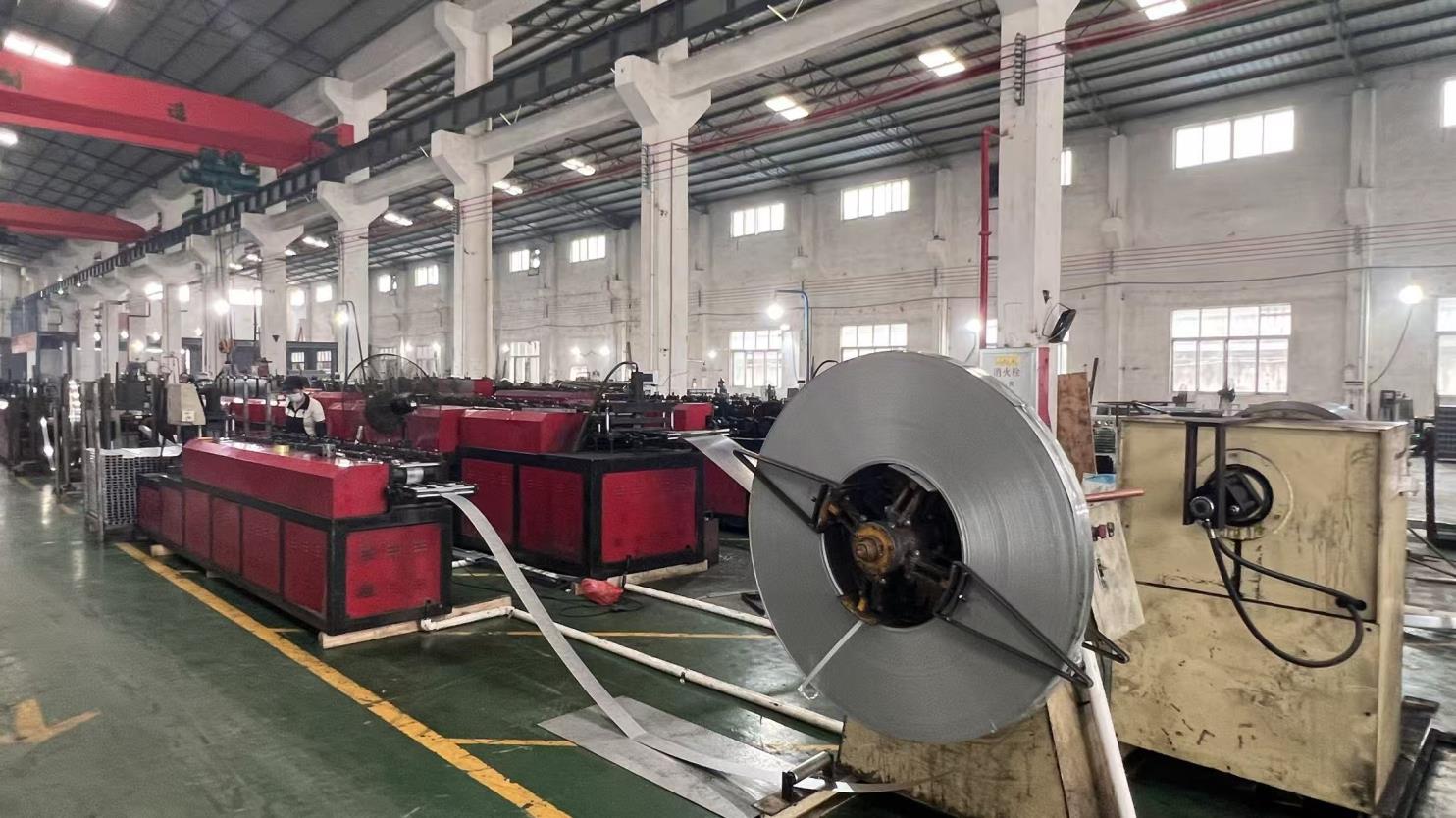
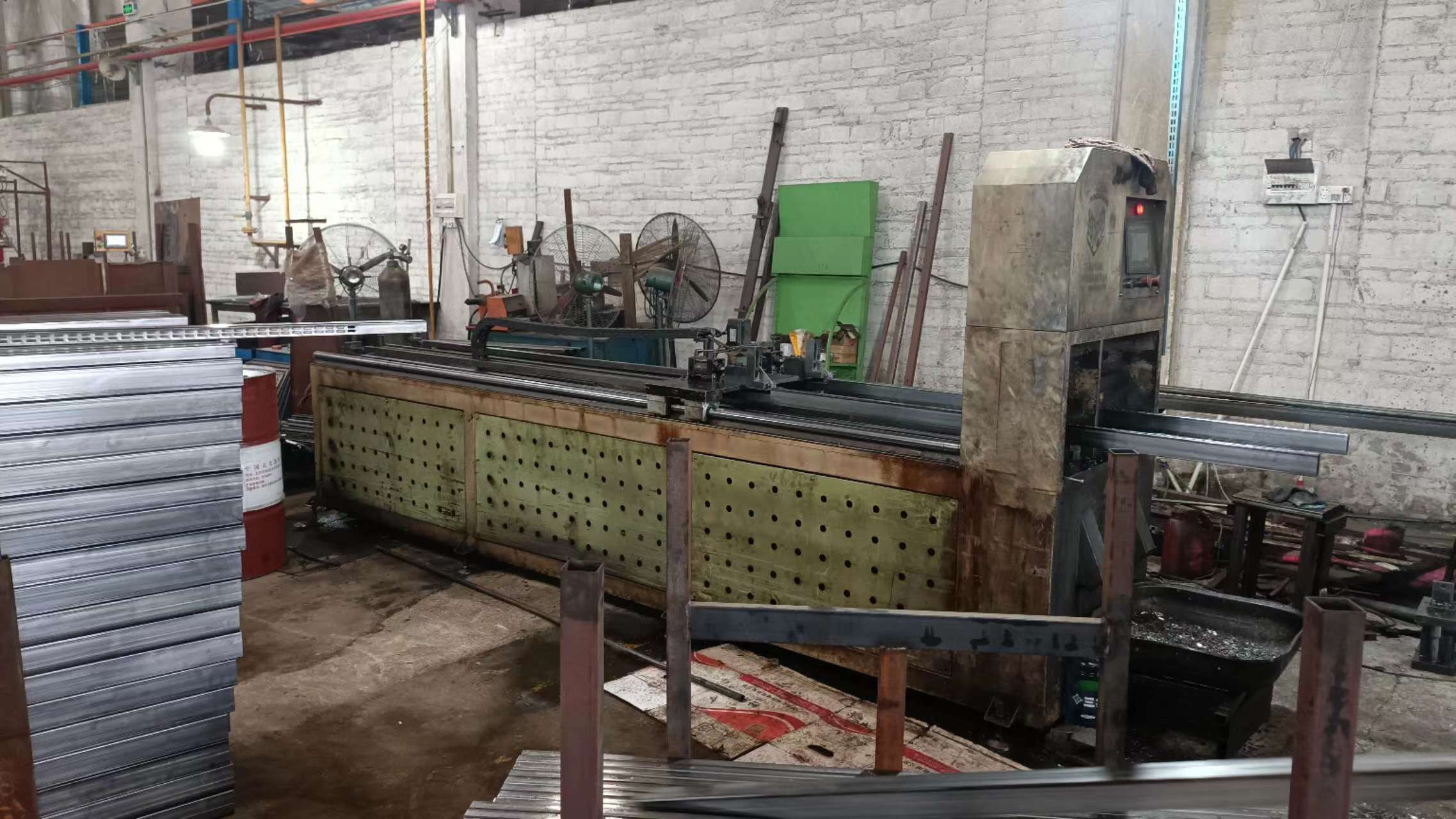
Equipped with advanced CNC punching lines and high-frequency roll forming mills, Chinese manufacturers ensure tolerances down to ±0.5mm, minimizing mechanical stress concentrations during field assembly.
Located in the heart of Dongguan's logistics corridor, Durack guarantees rapid custom layout approvals, structural engineering sign-offs, and direct access to major Deepwater container ports.
When engineering high-capacity industrial platforms, Chinese fabricators apply an integrated architectural approach. Rather than relying on simple bolt-together steel angles, modern systems use custom-profiled c-channels, sigma beams, and structural hollow sections. By optimizing the distribution of dead loads (the weight of the structure itself) and live loads (forklift movement, pallet placement, warehouse personnel), we deliver structures with an exceptional strength-to-weight ratio, lowering shipping costs and reducing installation time by up to 35% compared to local steel fabrication alternatives.
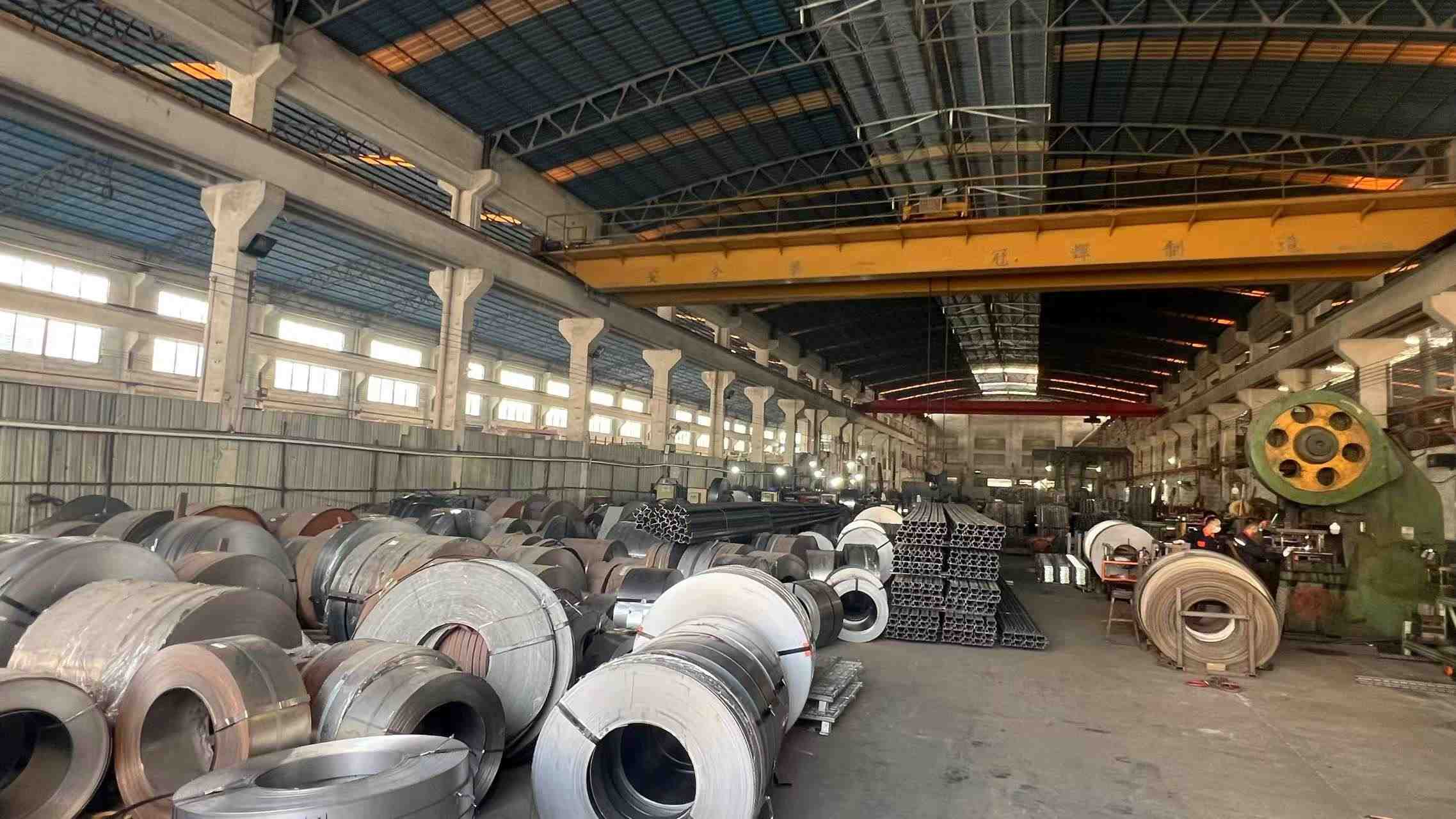
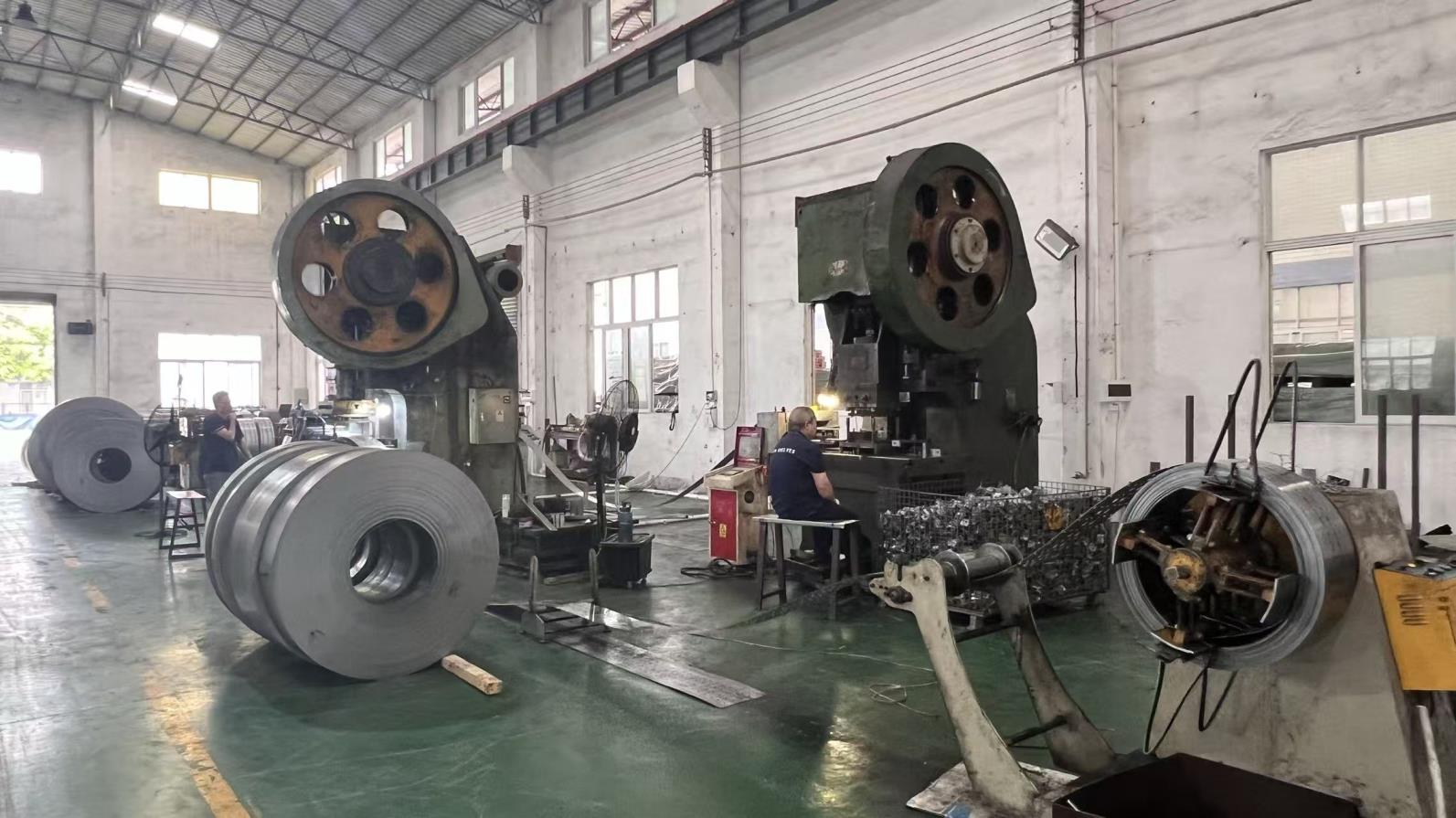
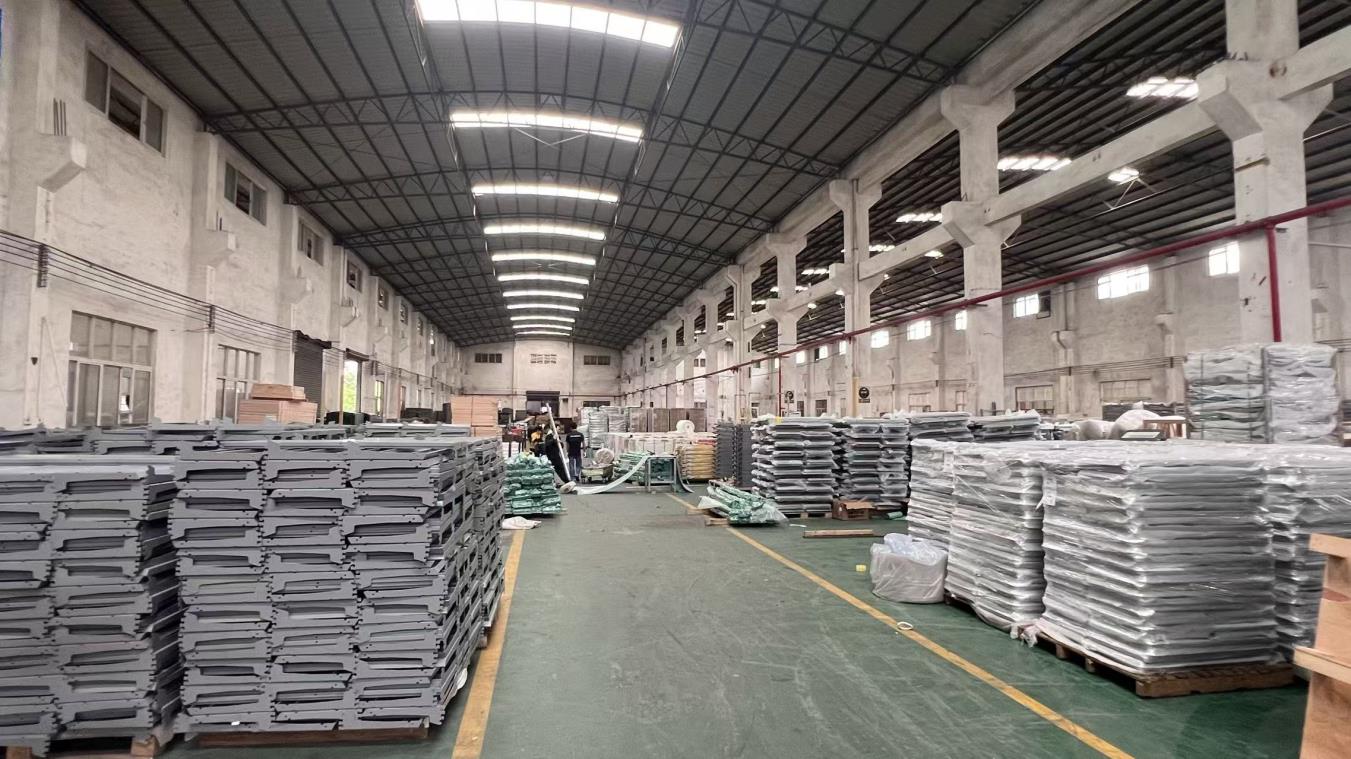
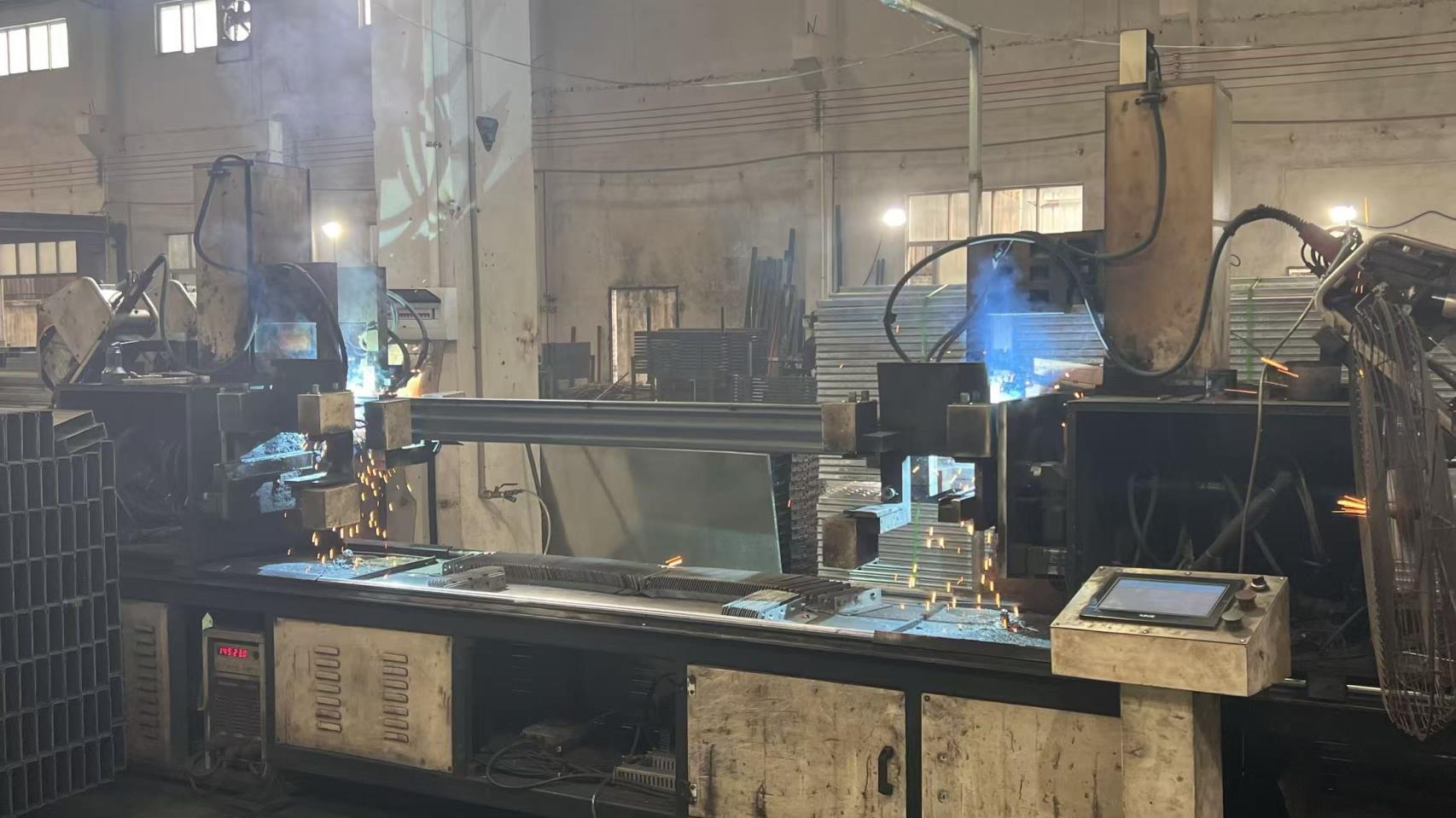
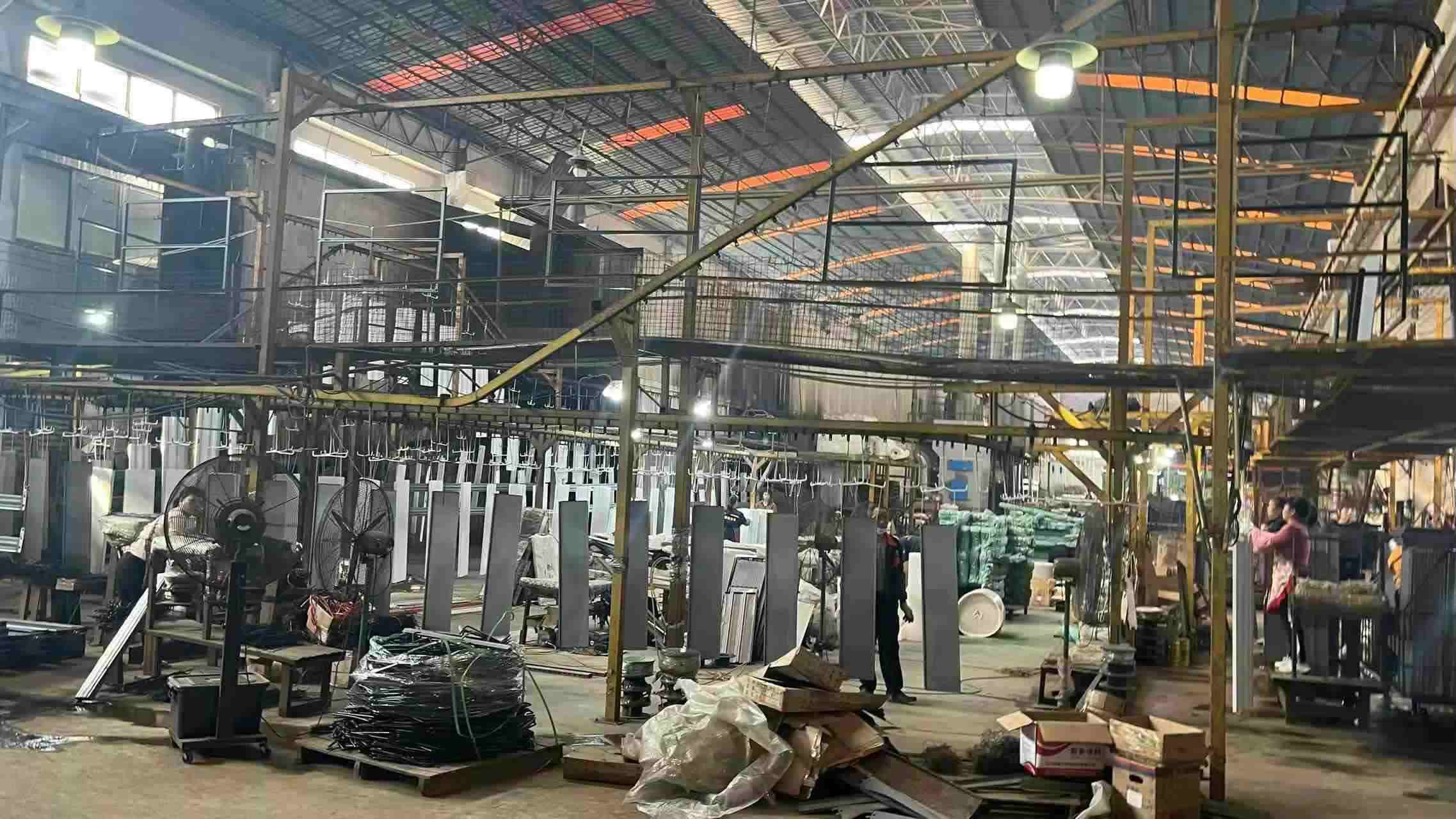
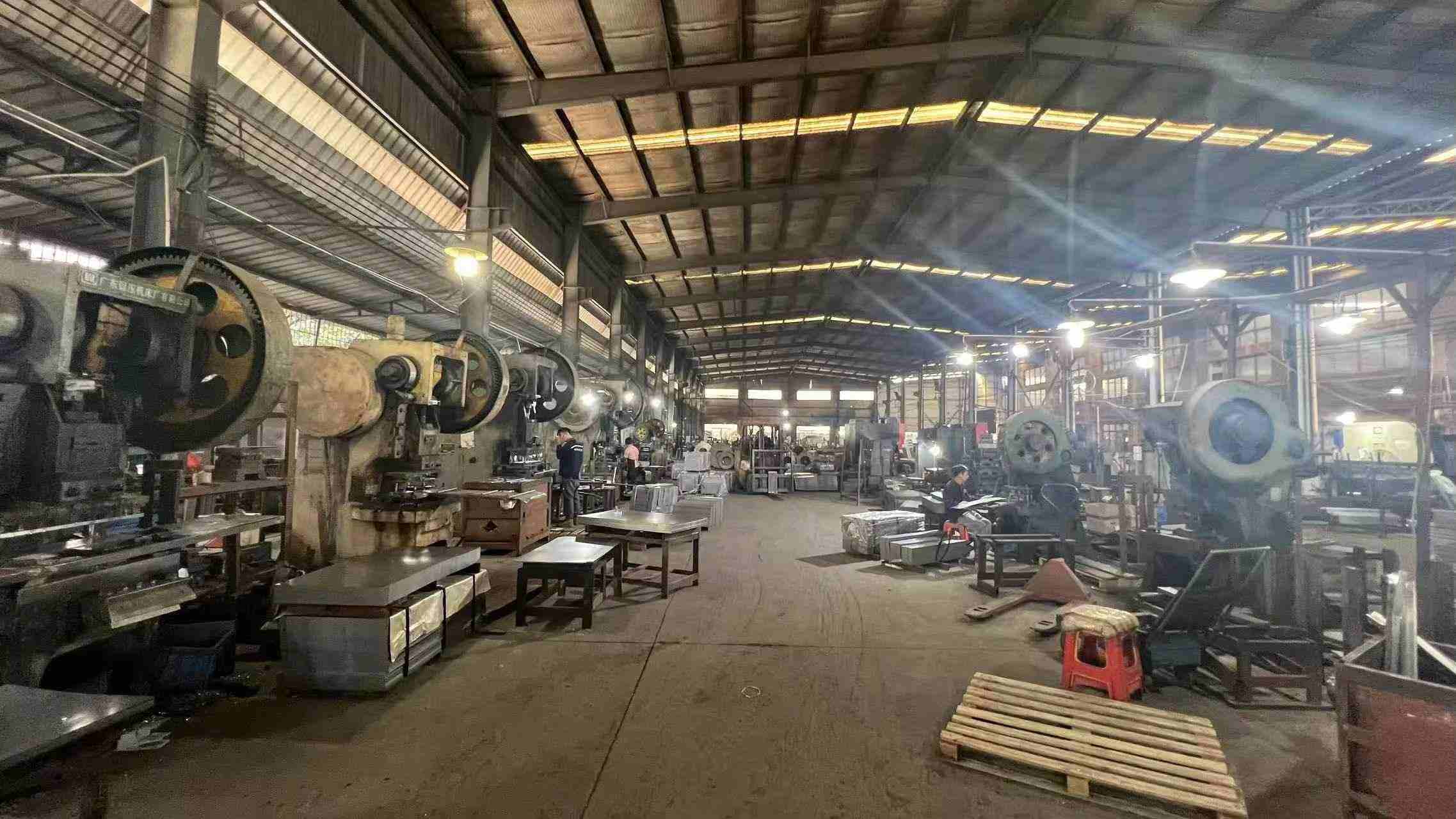
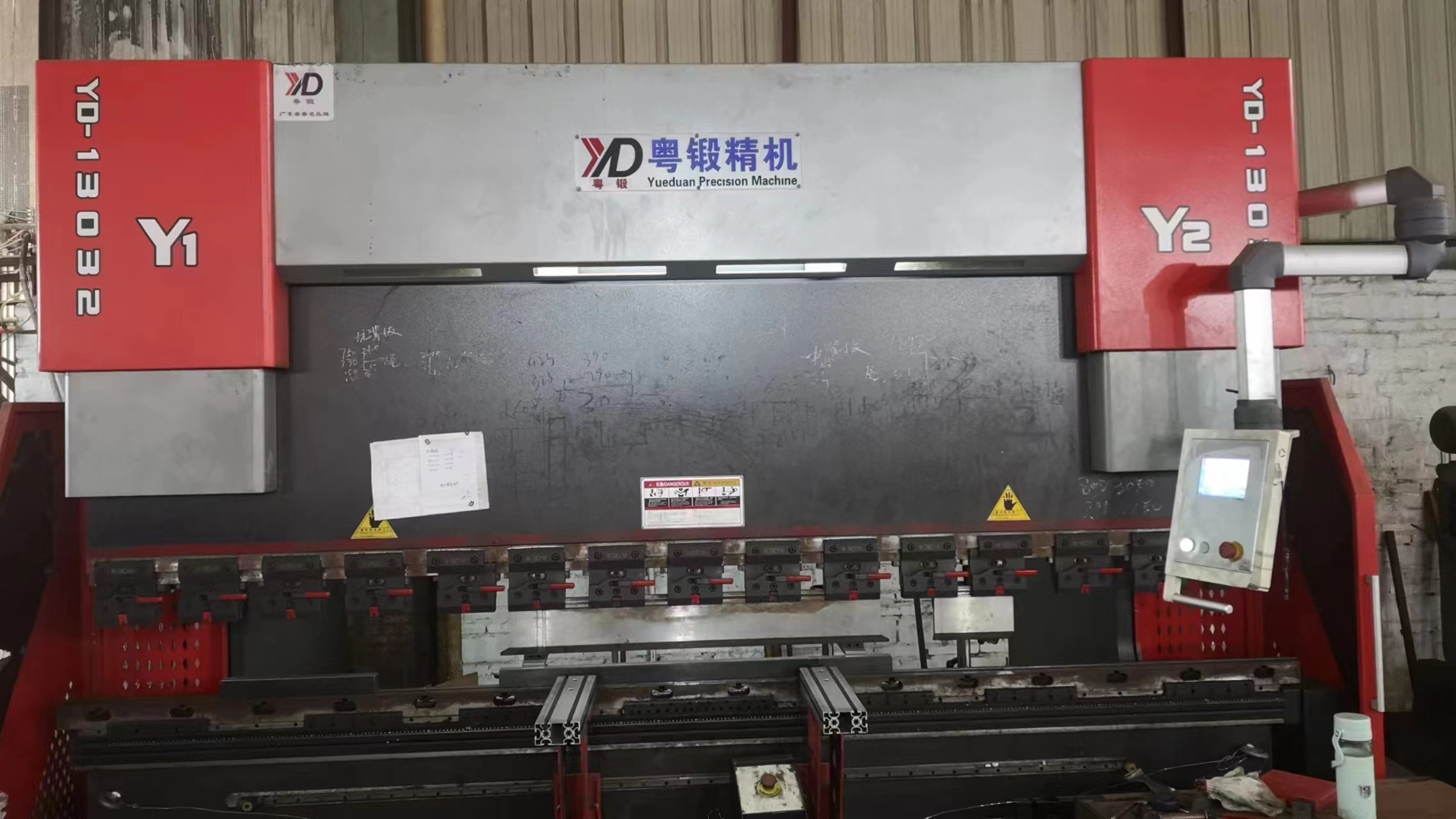
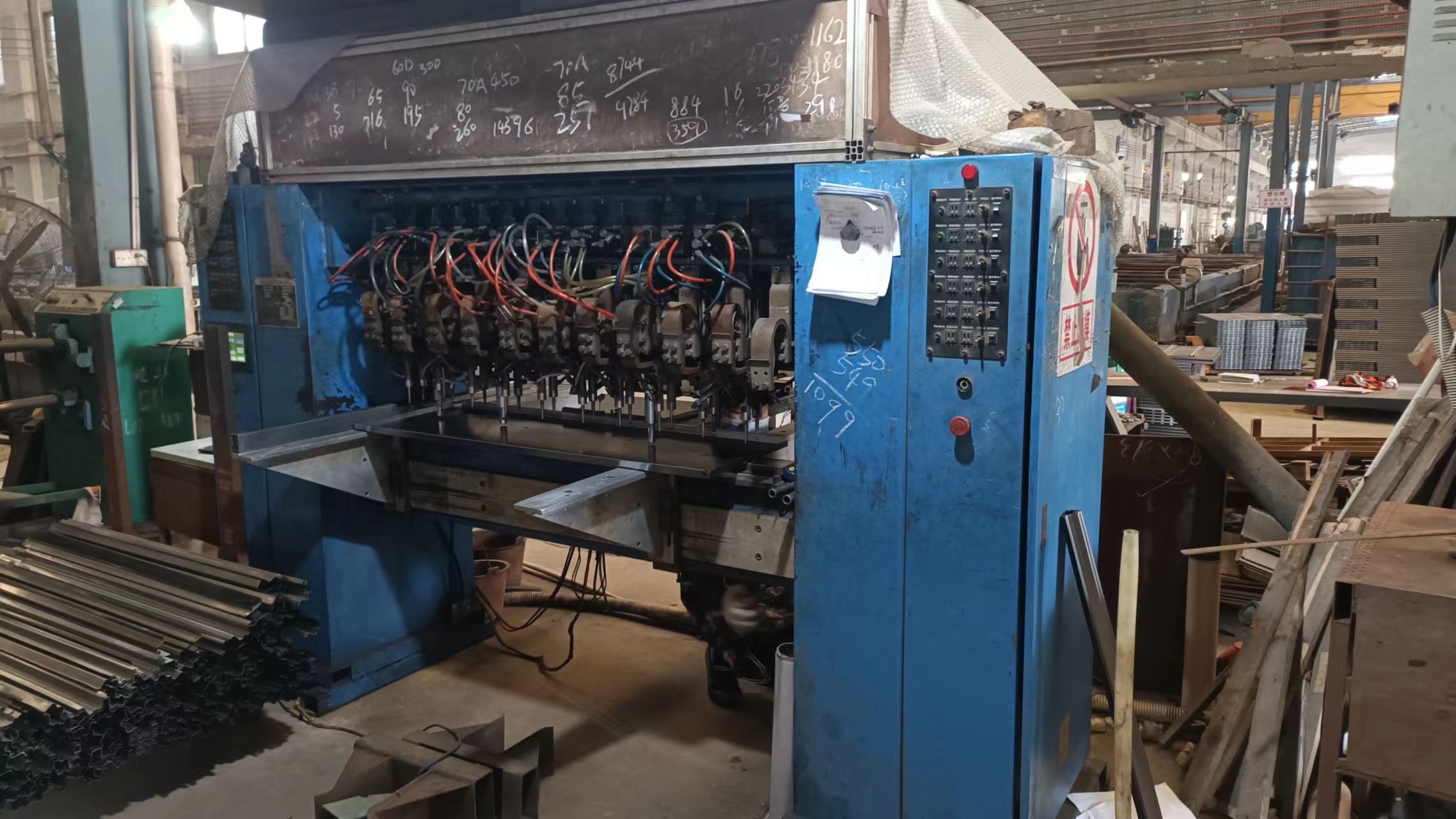
Behind the scenes of our 35,000 m² state-of-the-art logistics equipment manufacturing center.
Founded in 2014, Dongguan Durack Logistics Equipment Co., Ltd. is a premier Chinese storage racking system manufacturer operating a 35,000 m² facility. Backed by 12 years of industry experience and 8 years of global export history, the company generates $28 million in annual export revenue. Our operations are supported by a strict quality assurance system using full-spectrum ultrasonic testing and load-bearing stress evaluations, overseen by 45 dedicated QC specialists. Building on a strong international trading background, our core markets span North America, Europe, and Southeast Asia. We maintain a reliable supply chain network of over 850 partners, catering primarily to third-party logistics (3PL) providers, automated warehouses, and large industrial distributors. Driven by an active R&D division with 65 specialized engineers, Durack offers full OEM/ODM customization options—including bespoke beam profiles, structural steel grades, and dynamic layout designs—launching over 120 new storage products last year.
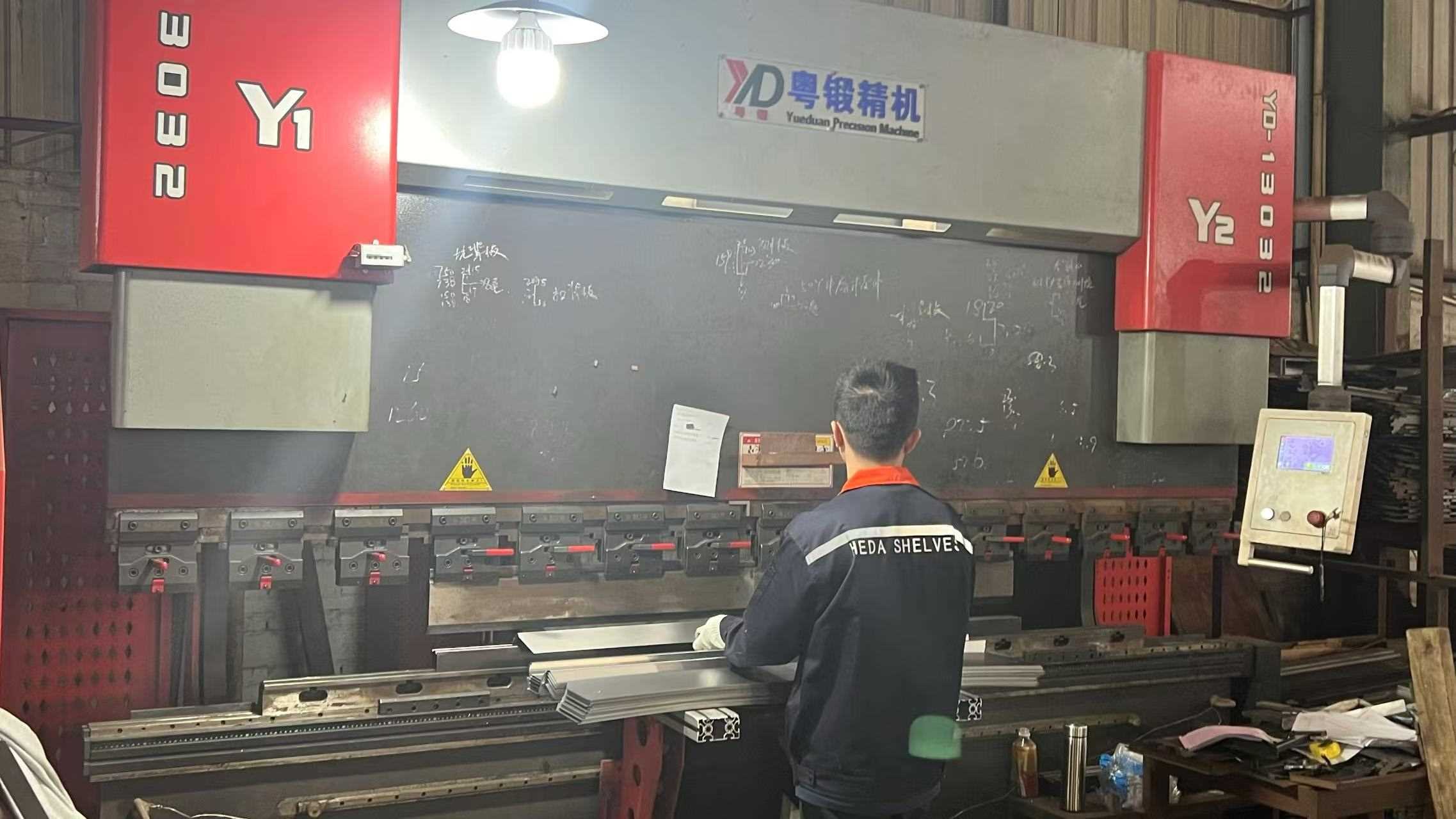
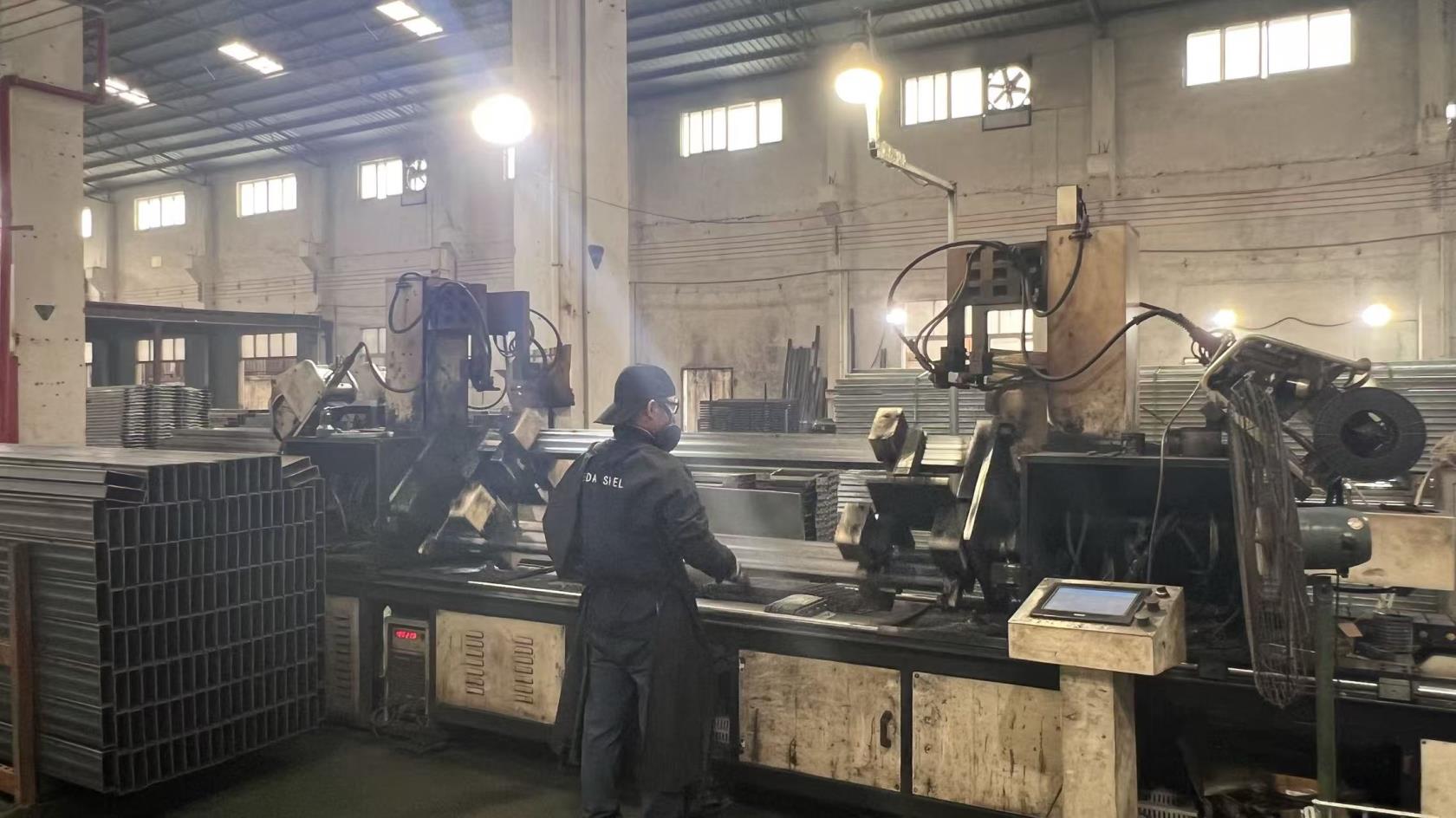
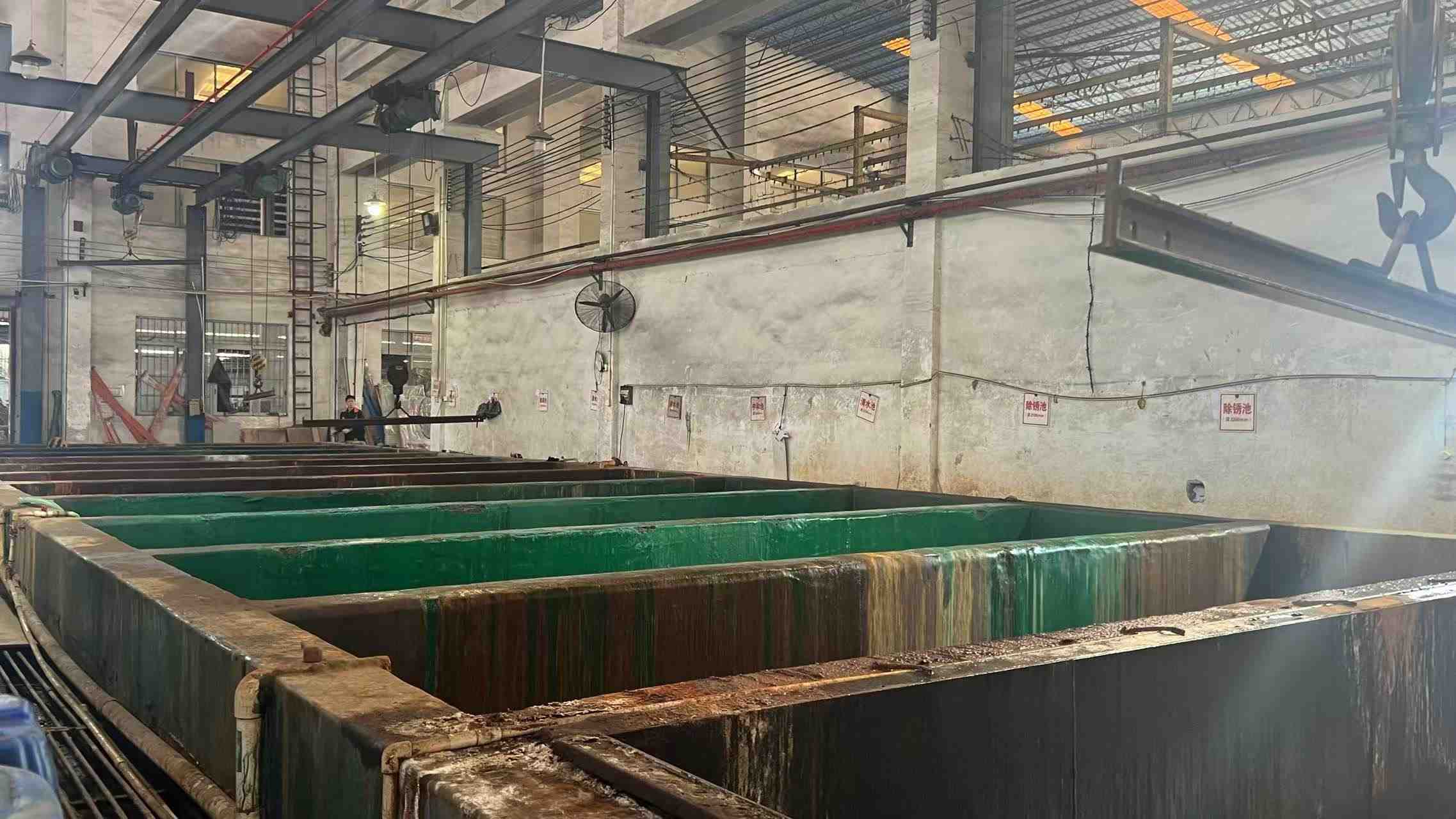
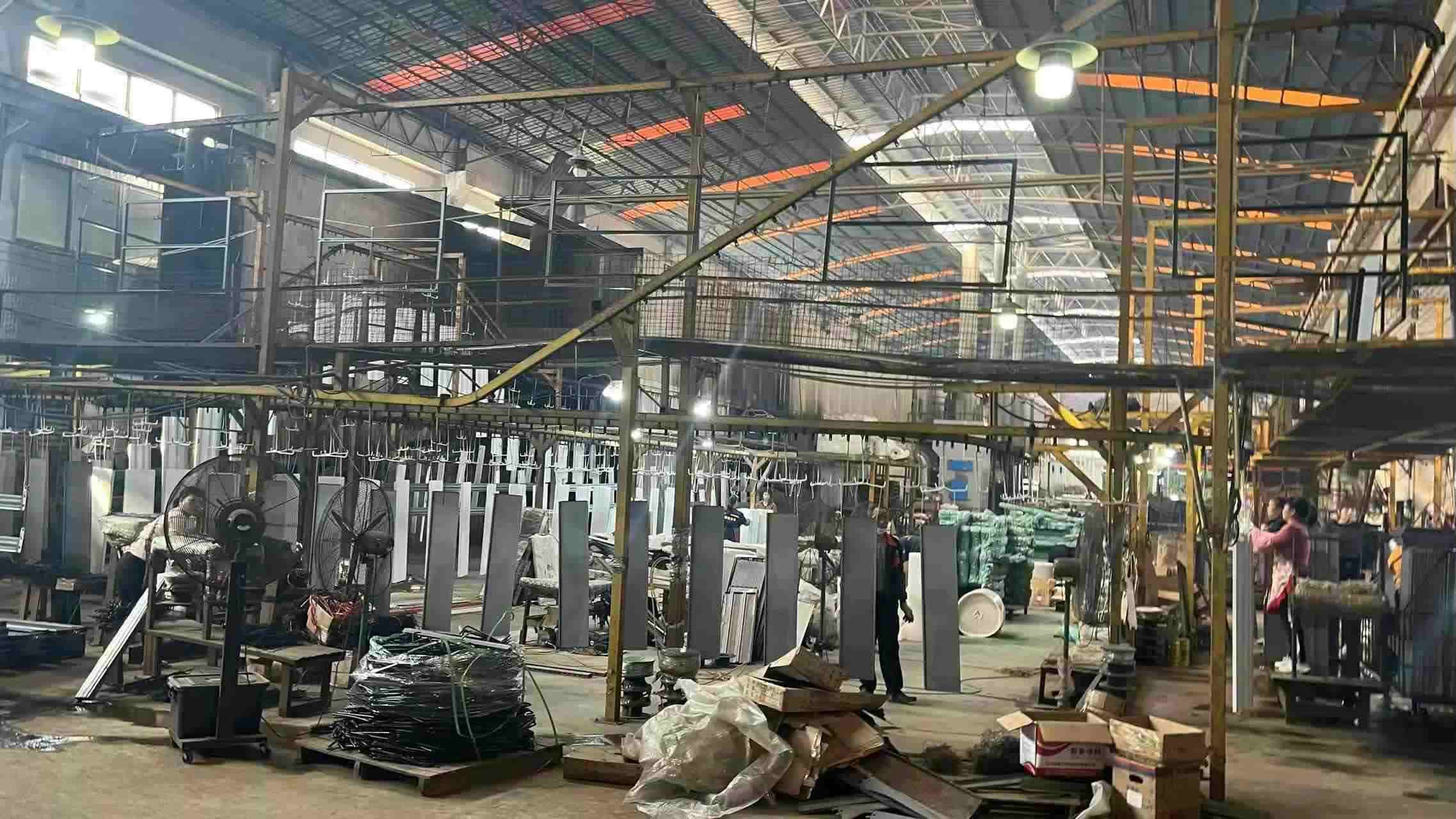
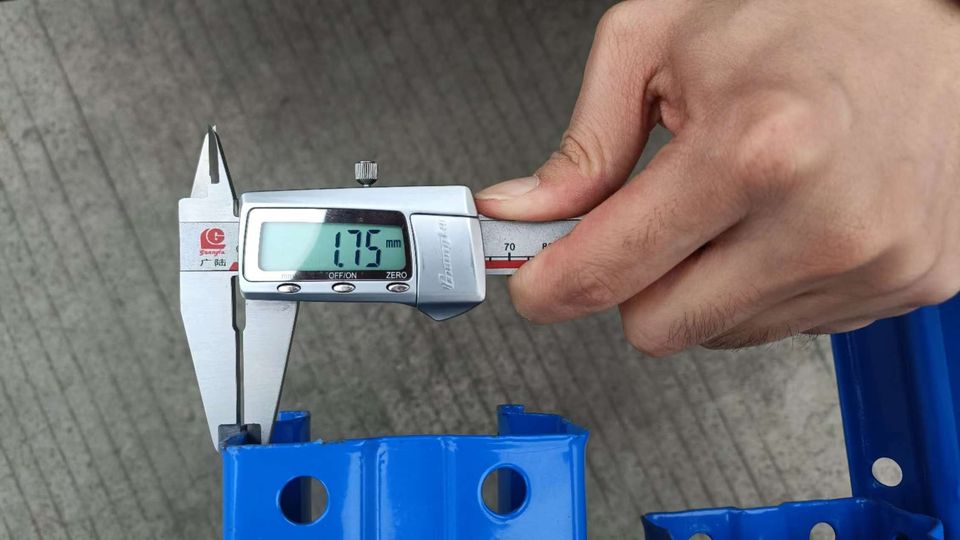
Our inspectors use high-accuracy digital calipers to verify cold-rolled thickness and structural punch dimensions, ensuring absolute compatibility across all modular connections.
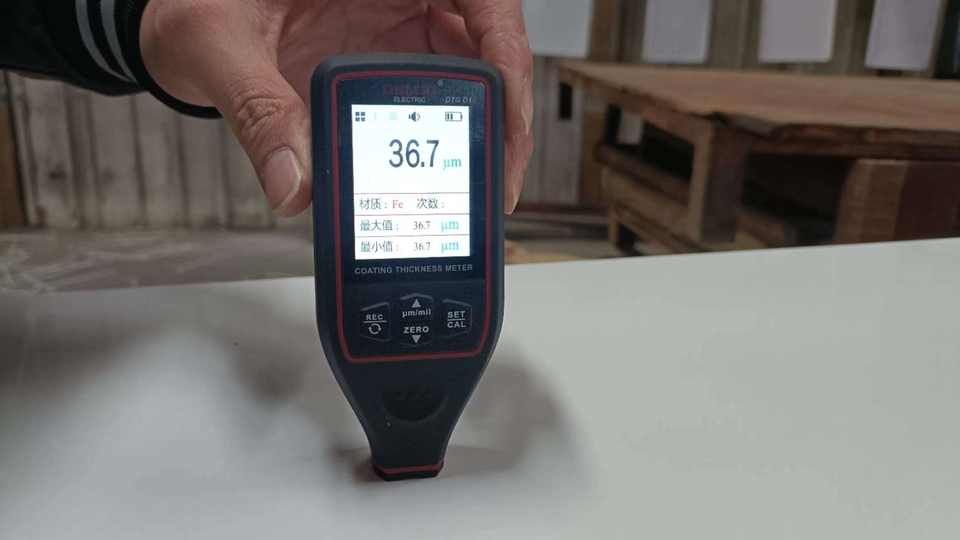
Using electromagnetic coating thickness testers, we confirm the uniform application of our electrostatic powder coating, providing long-lasting corrosion and impact protection.
How Durack engineers adapt utility platforms for distinct geographic regulations and unique warehouse environments.
Designed for compliance with OSHA regulations and RMI specifications. Features heavy-duty safety netting, automatic locking drop gates, seismic baseplates engineered for high-activity zones, and structural steel staircases that match local building codes.
Fully compliant with FEM 10.2.02 guidelines and CE/EN marking. Employs eco-friendly, lead-free powder coatings, modular mesh decking for optimal light and sprinkler penetration, and precision-engineered handrails designed to absorb multi-directional impact.
Optimized for Southeast Asian and maritime environments with high humidity. Features hot-dip galvanized finishes and marine-grade epoxy coatings that successfully pass 1,000-hour salt spray testing, preventing oxidation and preserving load capacities.
Every utility platform layout begins with a comprehensive site assessment. Our engineering team processes digital elevation maps and floor load capacity data to determine the optimal column grid layout. This engineering verification process eliminates the risk of overloading subfloor concrete slabs, while maximizing column-free space on the ground floor to ensure clear paths for forklifts and material handling equipment.
Explore the integration of robotics, IoT sensor systems, and green sustainability in modern multi-level storage.
The industrial warehouse is transforming into a complex, integrated system. The next generation of utility platforms must do more than just hold static weight; they must integrate seamlessly with automation. Structural steel platforms are increasingly engineered to accommodate localized mechanical vibrations from sorting systems, high-speed conveyors, and heavy industrial machinery.
Traditional steel floor plates are being upgraded to advanced composites and high-grip surfaces to prevent robotic drive-wheel slippage. Tolerances for floor flatness are strictly managed to keep automated navigation lasers aligned.
To match changing market demands, companies now avoid permanent welded installations. Modern designs rely on high-tensile bolt connections that allow structures to be easily disassembled, expanded, or relocated.
Critical metallurgical, manufacturing, and design metrics to verify before choosing an industrial utility platform supplier.
Securing a structural storage supplier requires validating key material properties and production steps. To protect your investment and ensure warehouse safety, confirm the following technical benchmarks with your engineering partners:
Detailed engineering answers to the most common questions raised by procurement directors and warehouse facility planners.
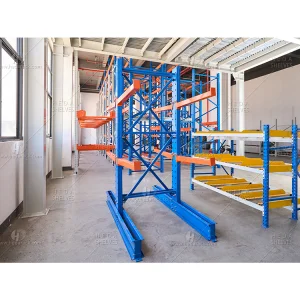
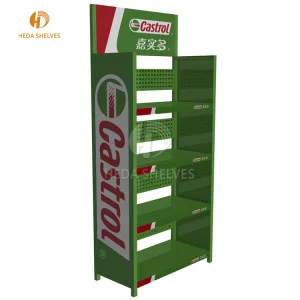
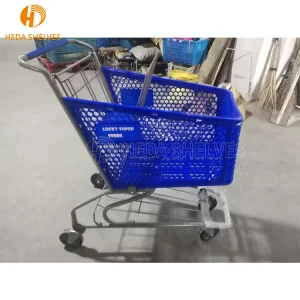
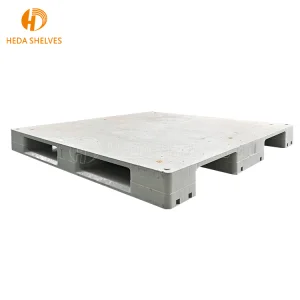
Explore our full catalog of high-capacity racks, shelving, and retail support equipment.
 Durack