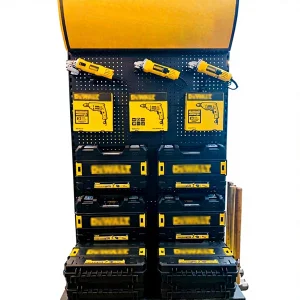
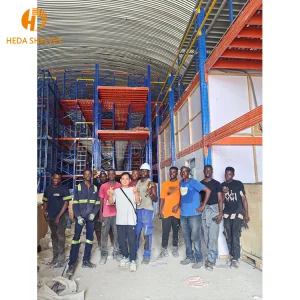
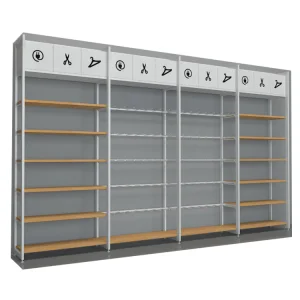
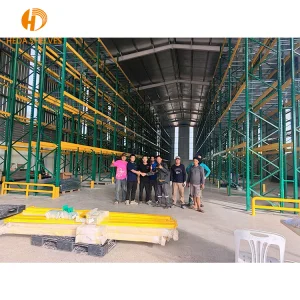
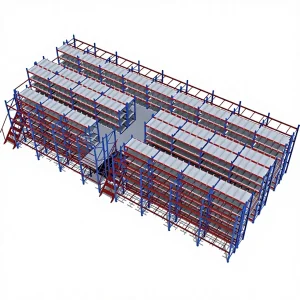
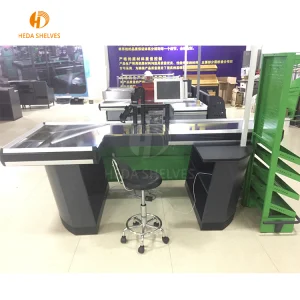
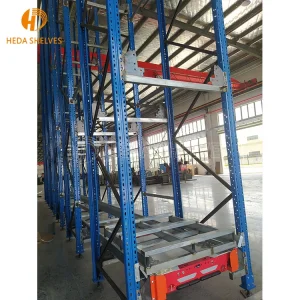
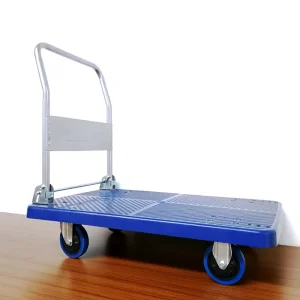
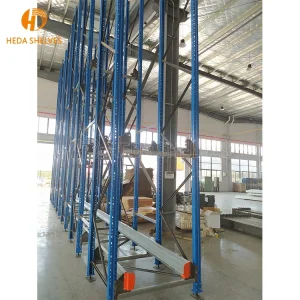
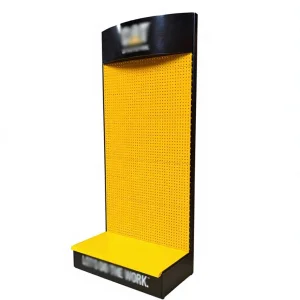
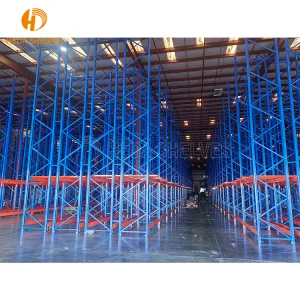
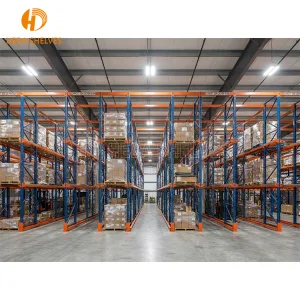
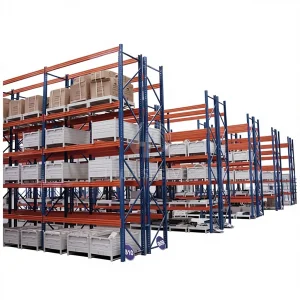
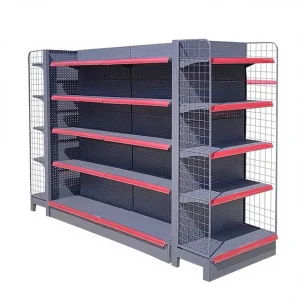
Explore our foundational range of display setups, high-density mezzanine systems, and precision metal racking systems designed to withstand heavy payload thresholds.
The global logistics infrastructure landscape is undergoing a structural paradigm shift. Heavy-duty steel containers, warehousing configurations, and precision steel racks represent the foundational hardware keeping global supply chains moving. As automation in distribution centers reaches peak integration rates, structural design compliance, material weight distribution profiles, and dynamic load tolerances have emerged as primary variables for system architects.
Historically, containers and racking systems were selected as generic commodities. However, with the rise of Automated Storage and Retrieval Systems (AS/RS), structural deviations as small as 1.5mm can cause automated cranes or shuttles to fail. Modern operations demand tighter fabrication tolerances, premium metallurgical compounds (such as high-grade Q235B or Q355B structural steel), and advanced corrosion-resistant finishes that withstand harsh industrial chemical washdowns and extreme temperature differentials in cold storage chains.
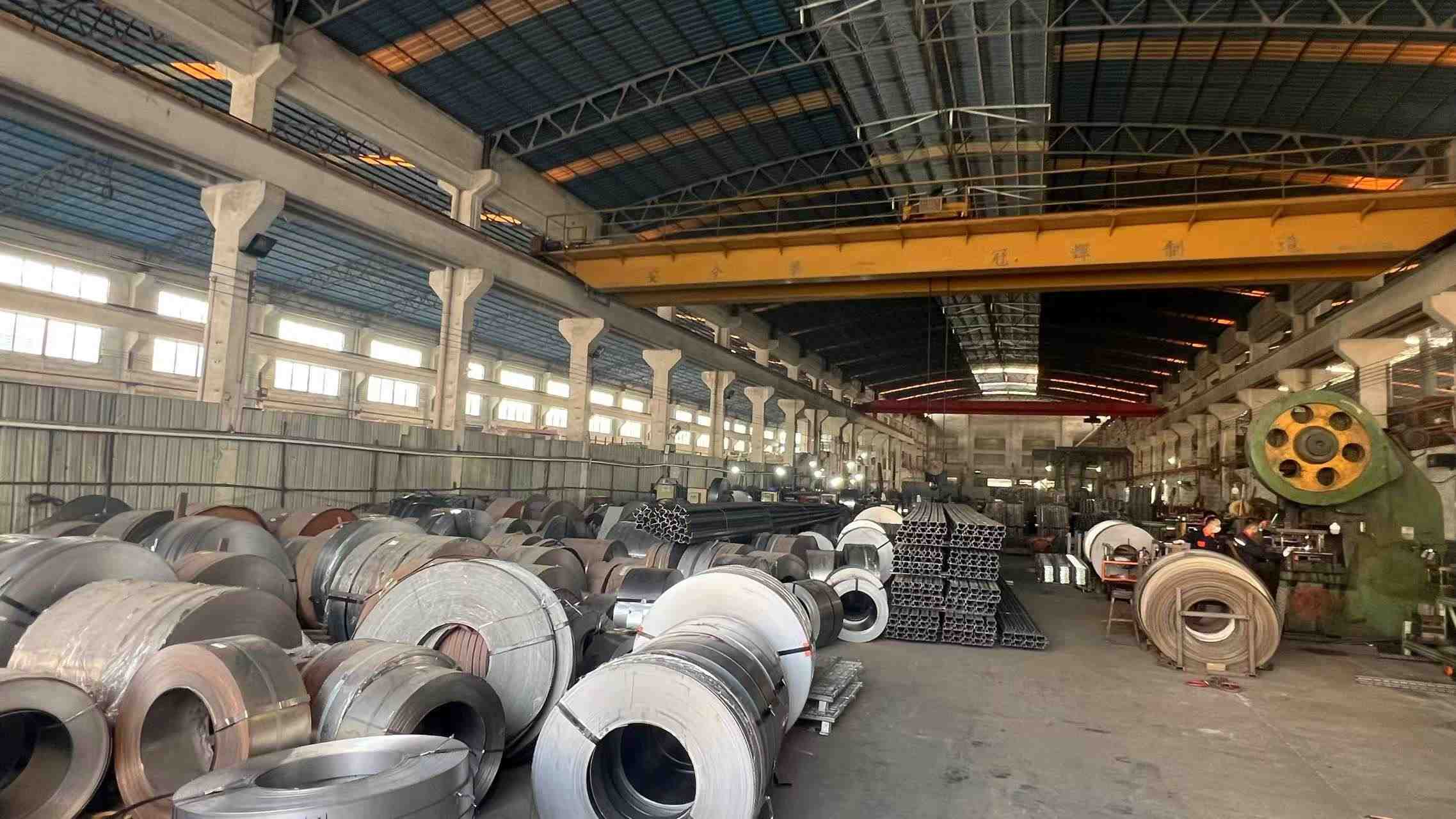
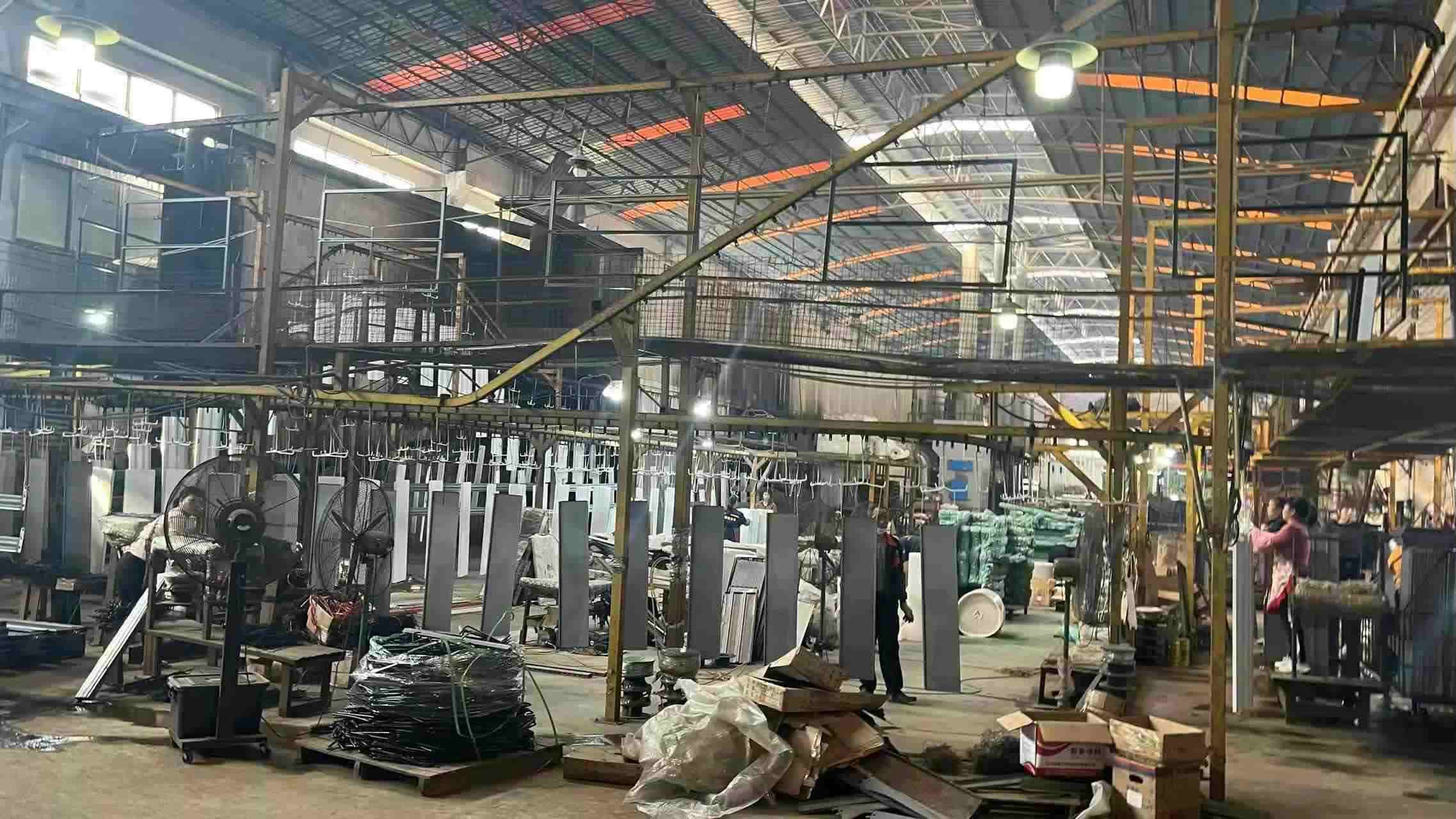
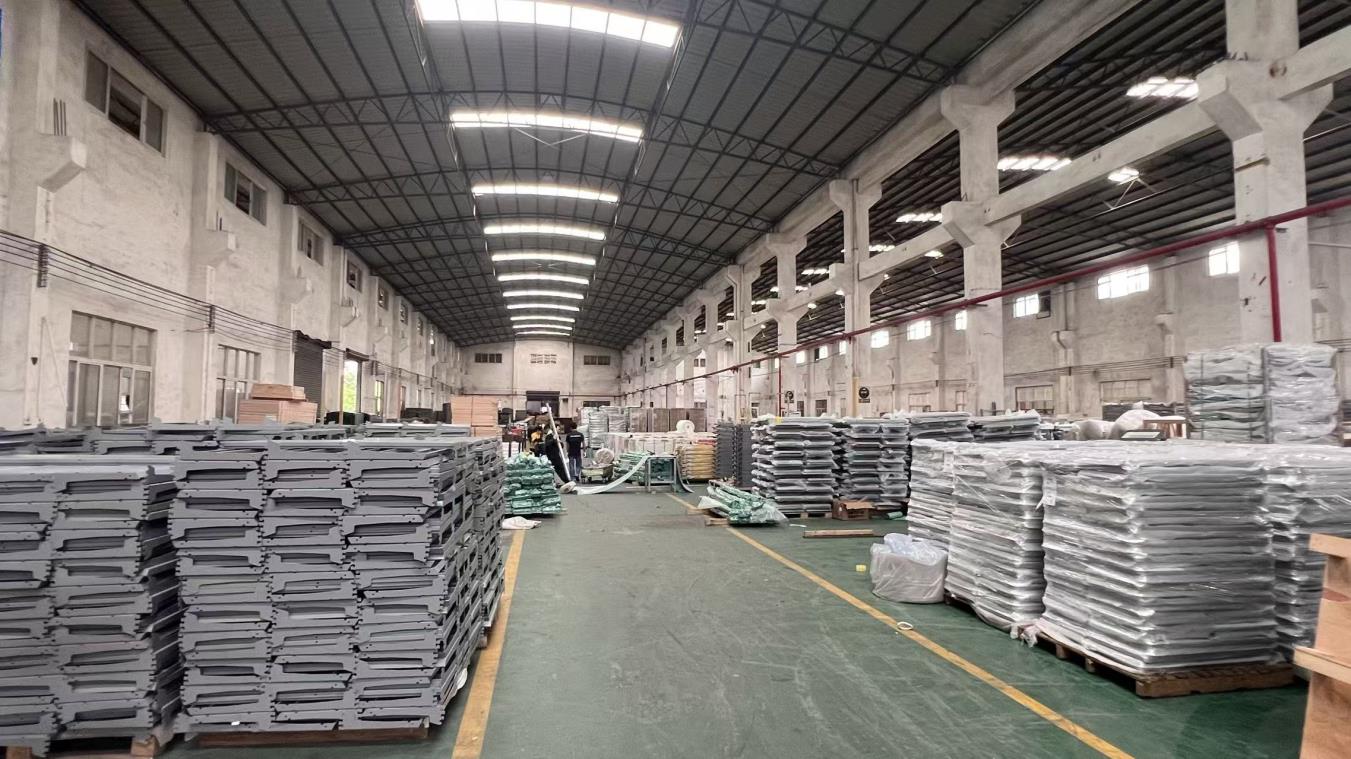
Located in Dongguan, the manufacturing heartbeat of China, Dongguan Durack Logistics Equipment Co., Ltd. operates a premier 35,000 m² state-of-the-art facility. Our engineering core is built on structural calculation modeling and advanced stress-strain analyses. By producing steel containers, structural mezzanines, and adjustable industrial racks in-house, we control quality from the raw hot-rolled sheet coil to the final electrostatically applied powder coat.
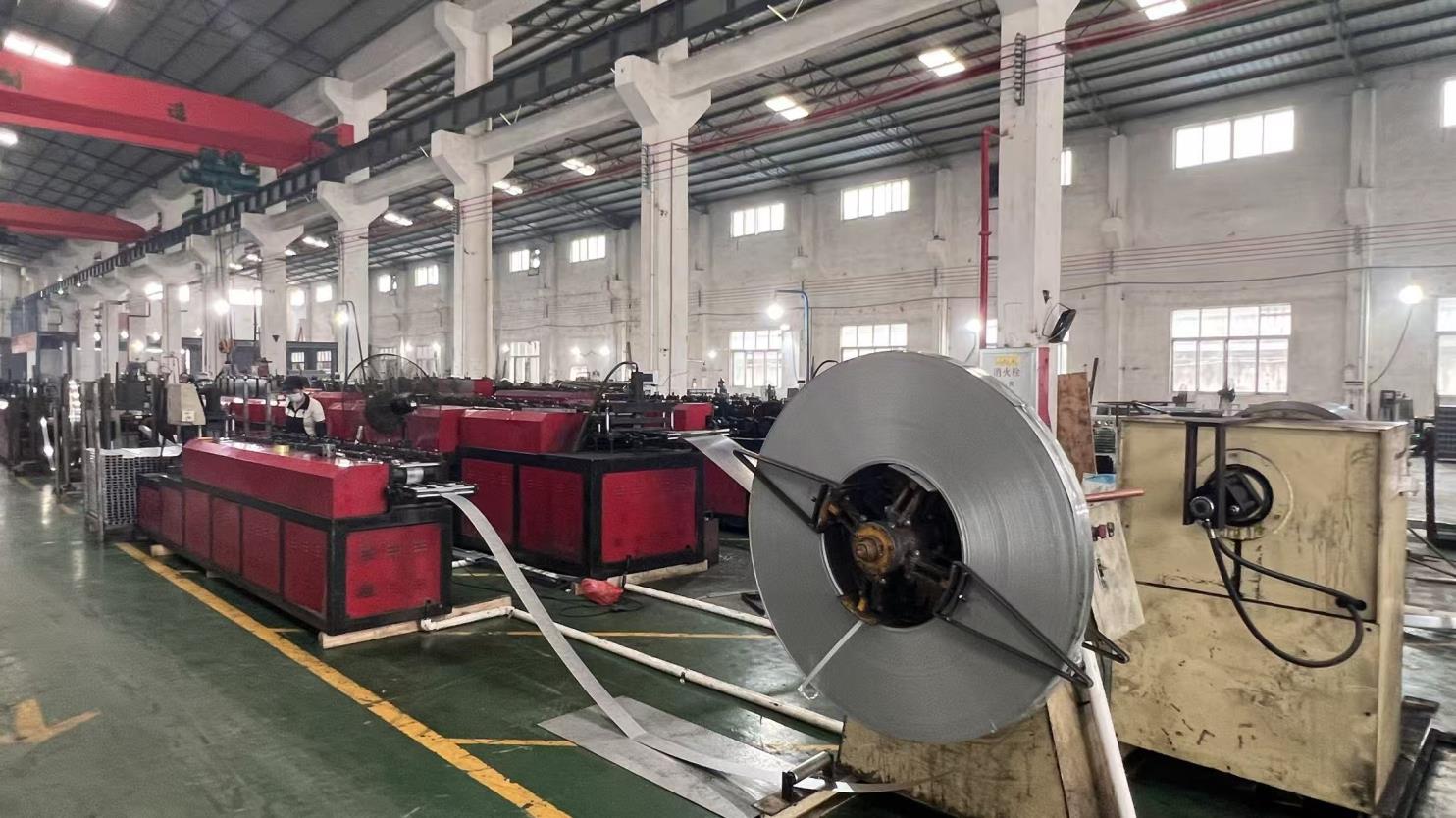
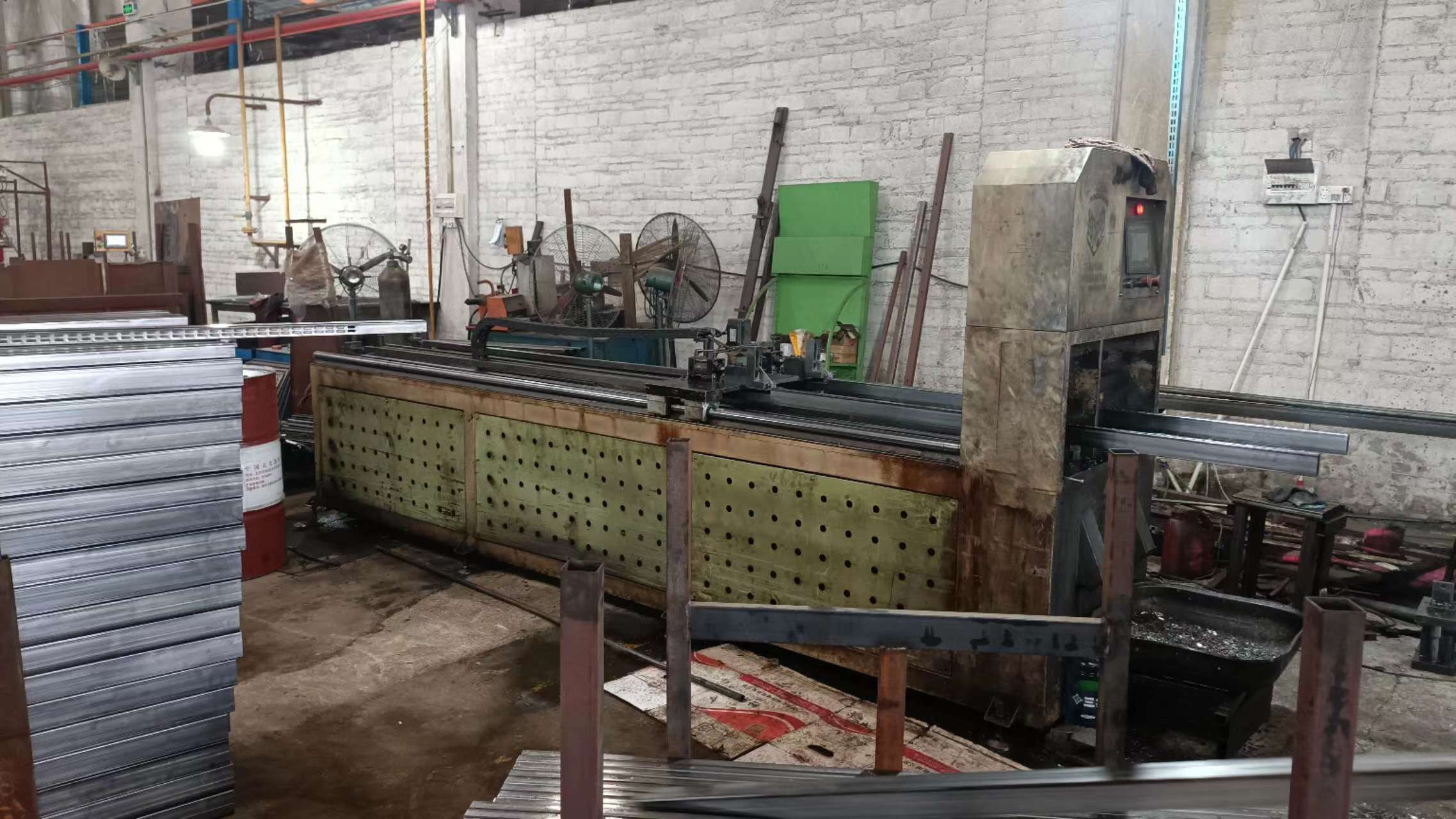
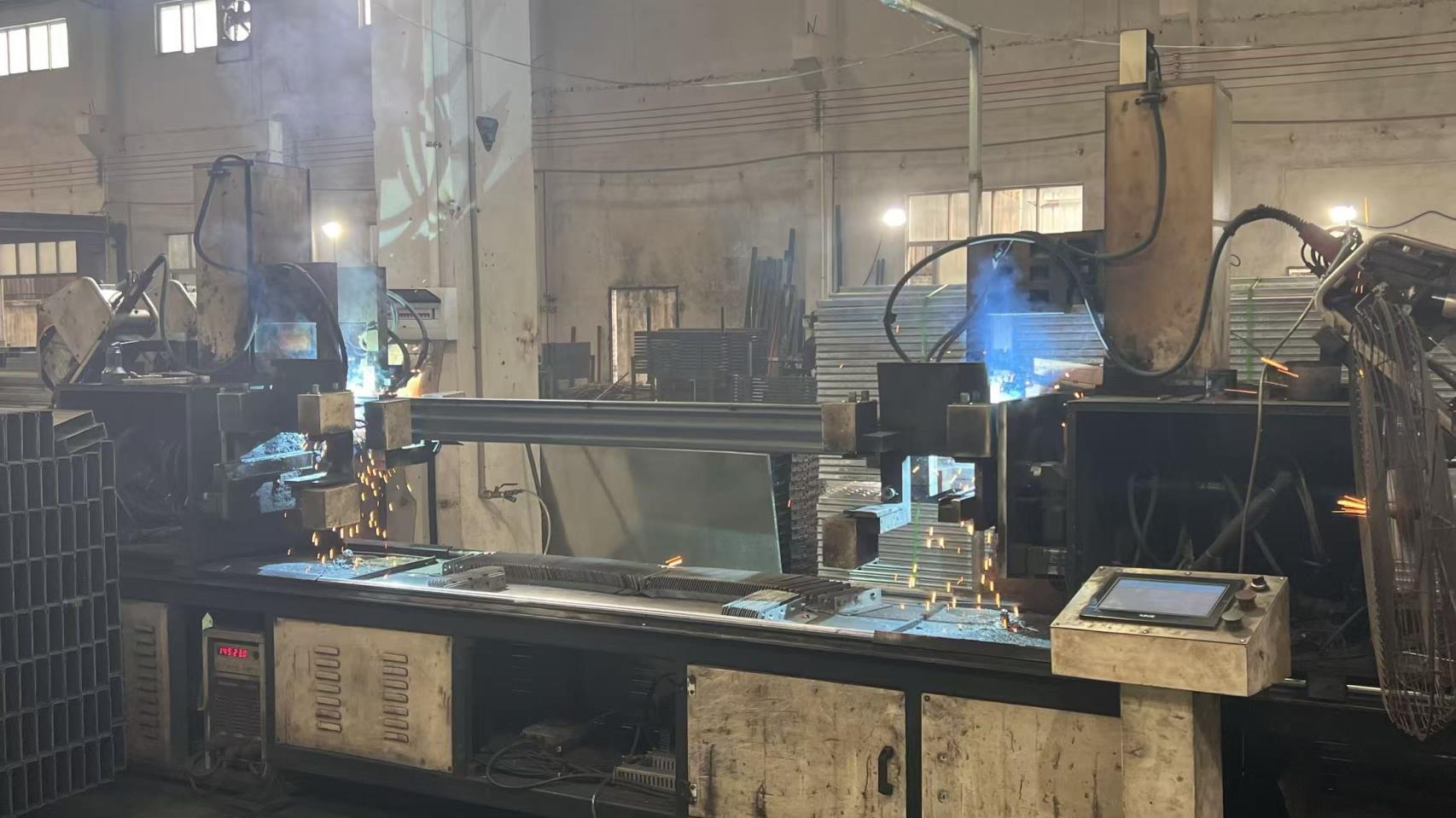
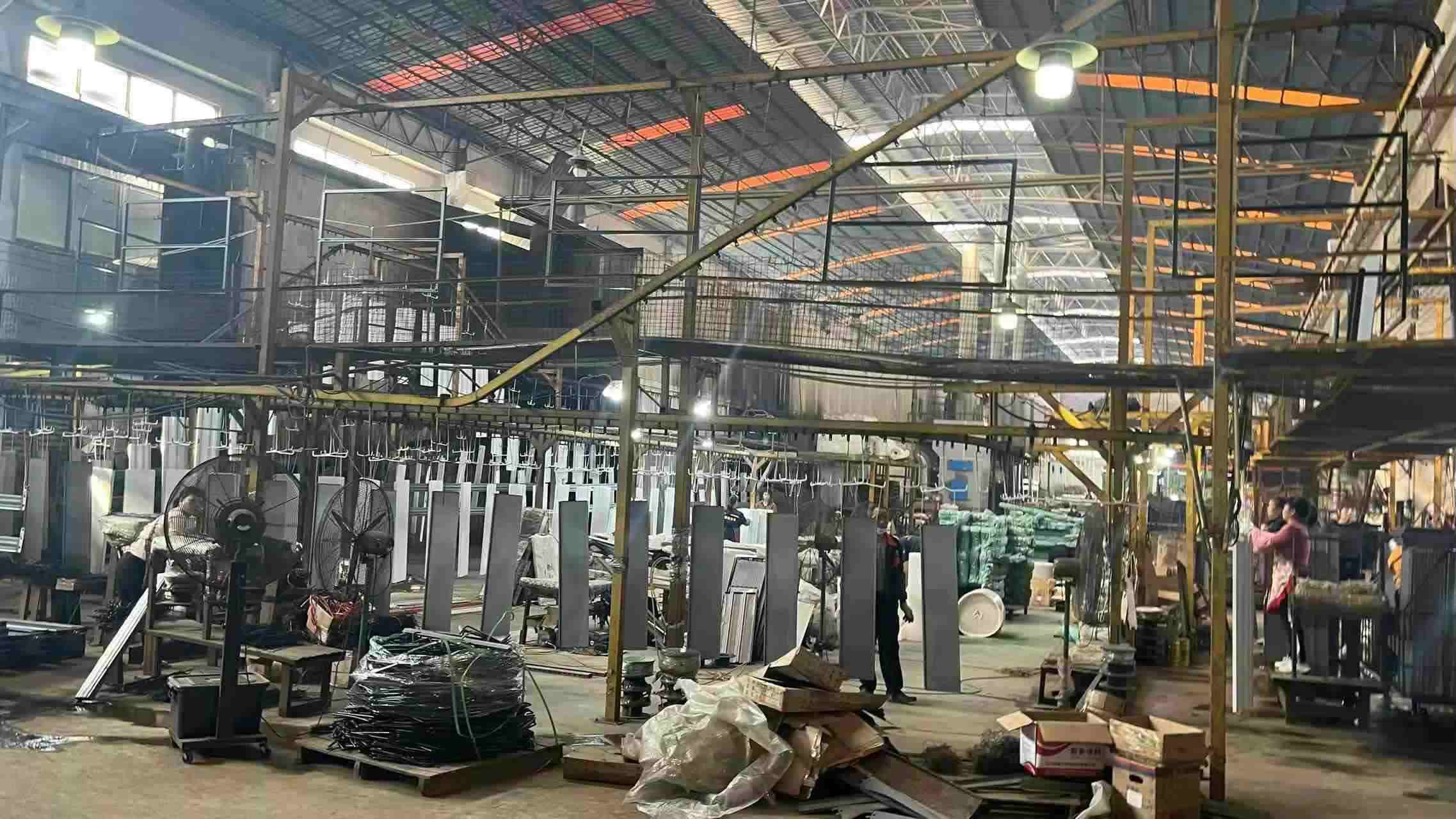
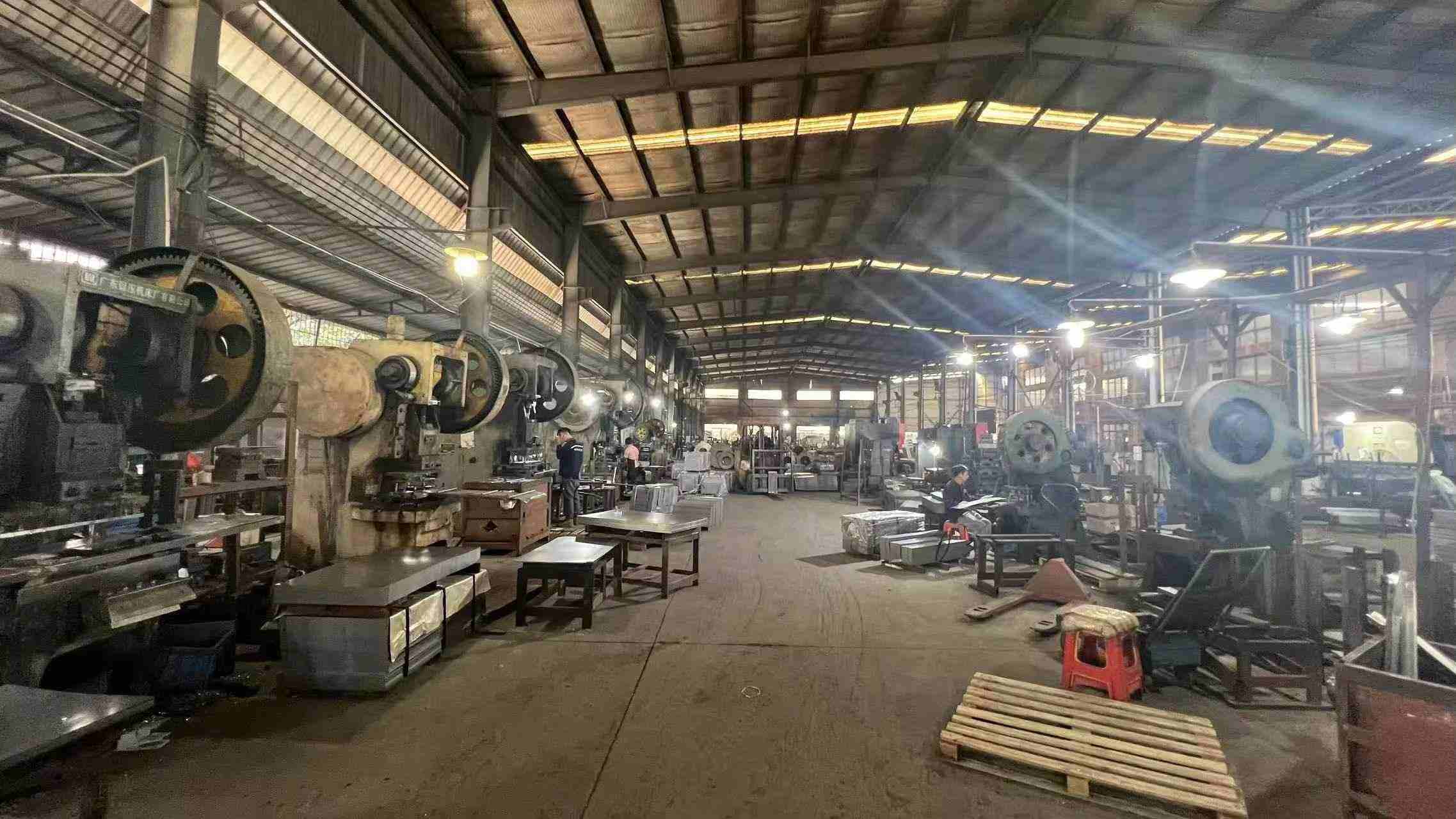
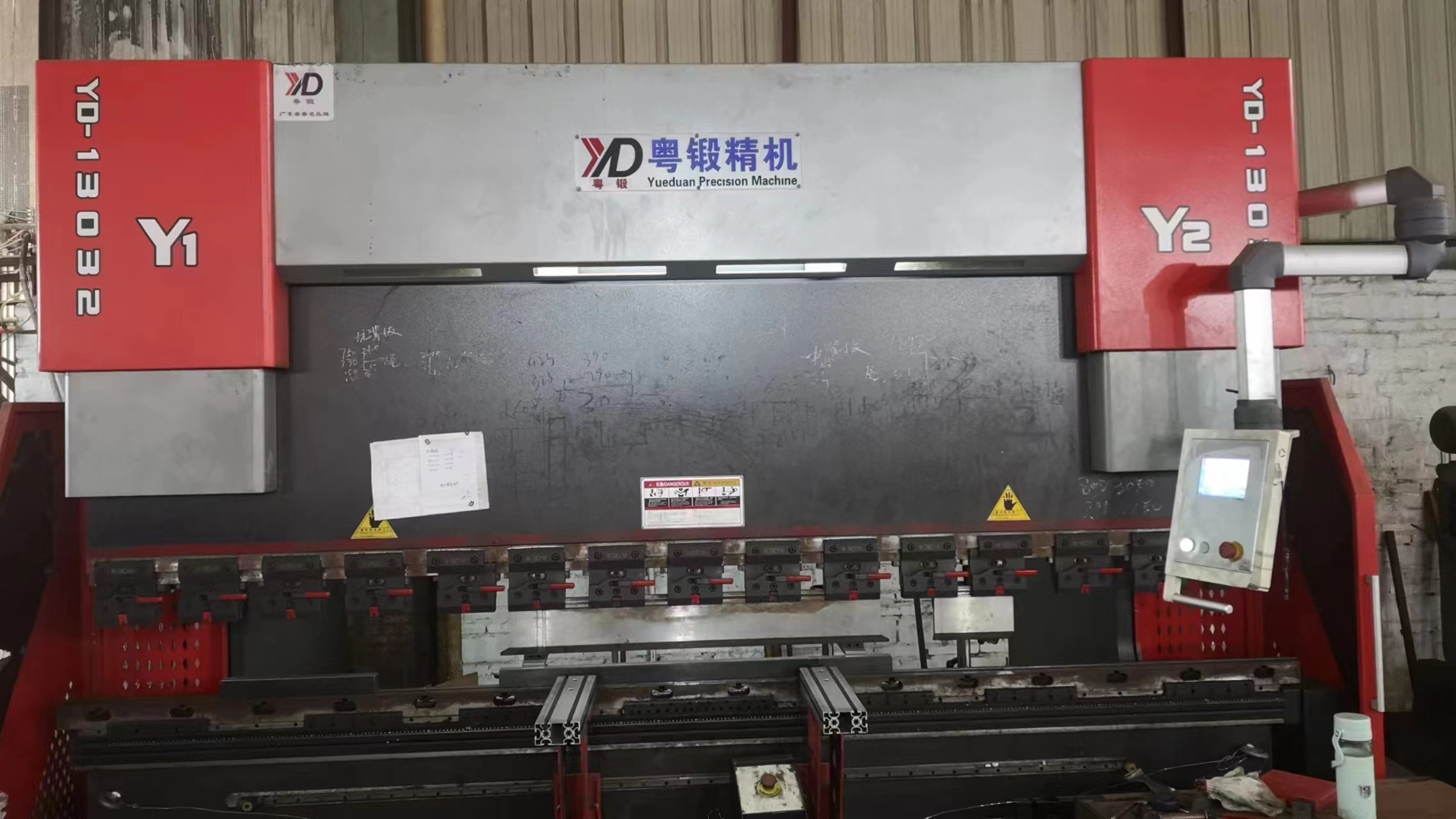
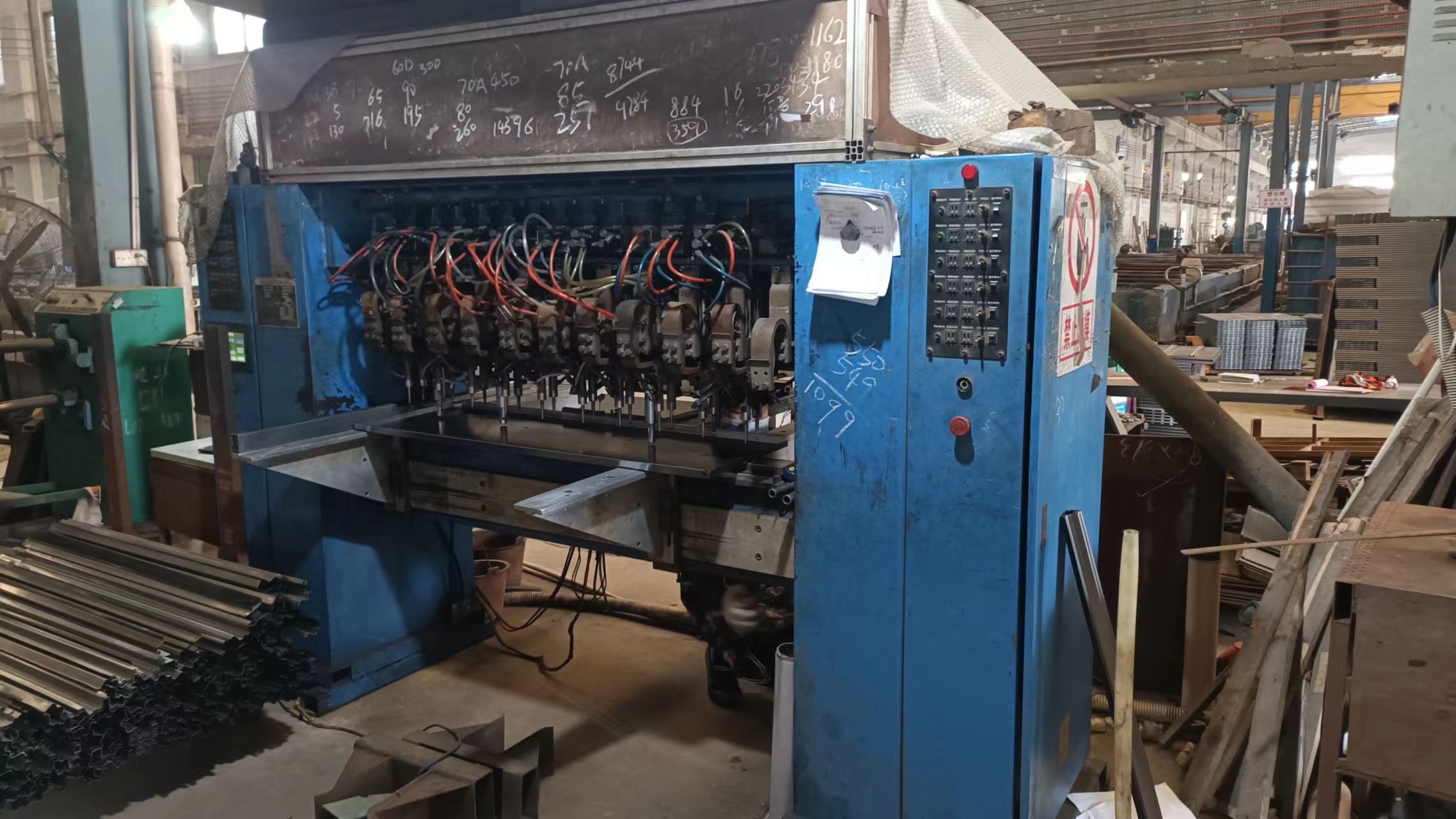
Our integrated facility utilizes precision machinery to transform premium Chinese steel into highly durable storage systems. Below is our end-to-end processing layout.
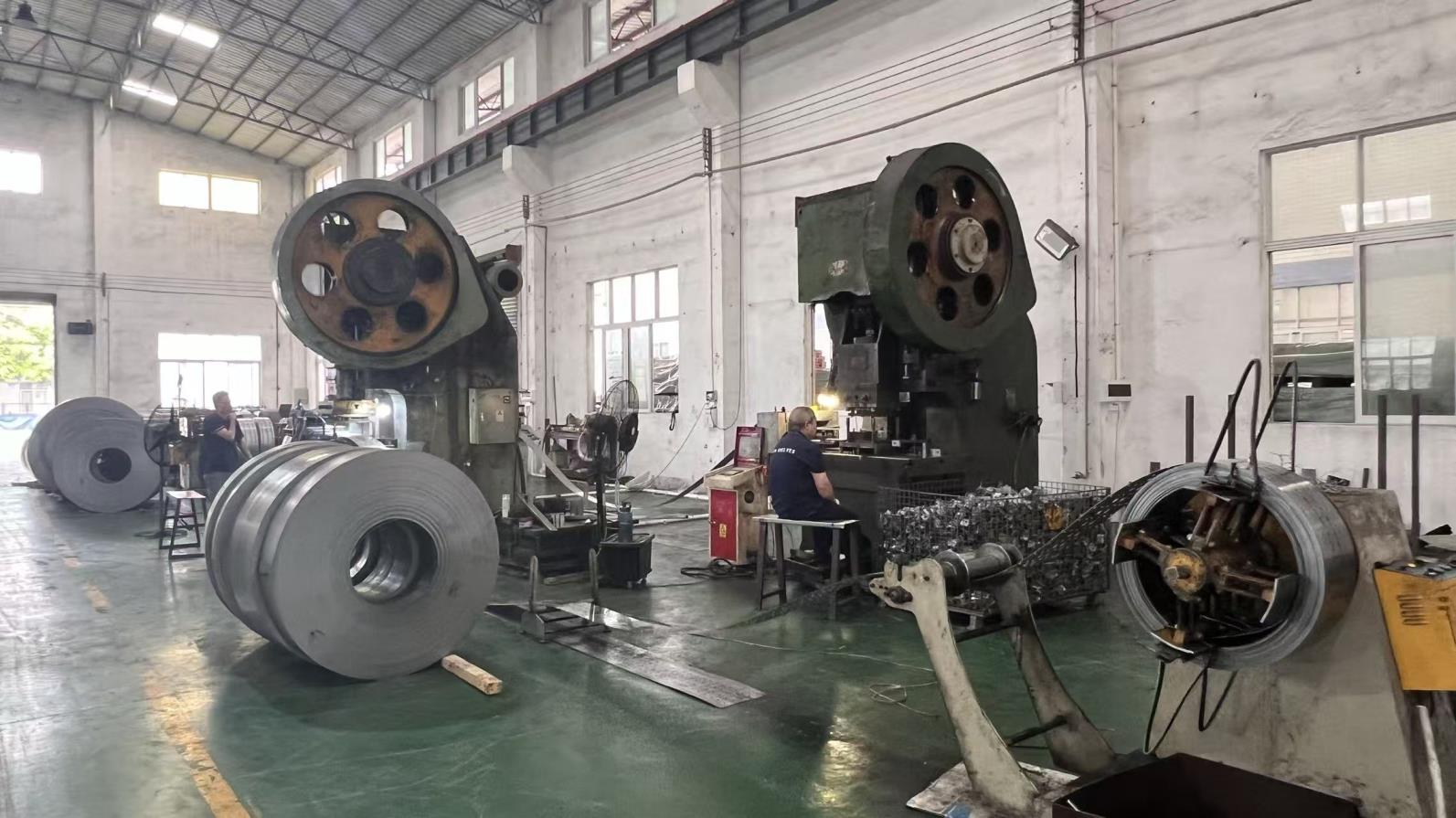
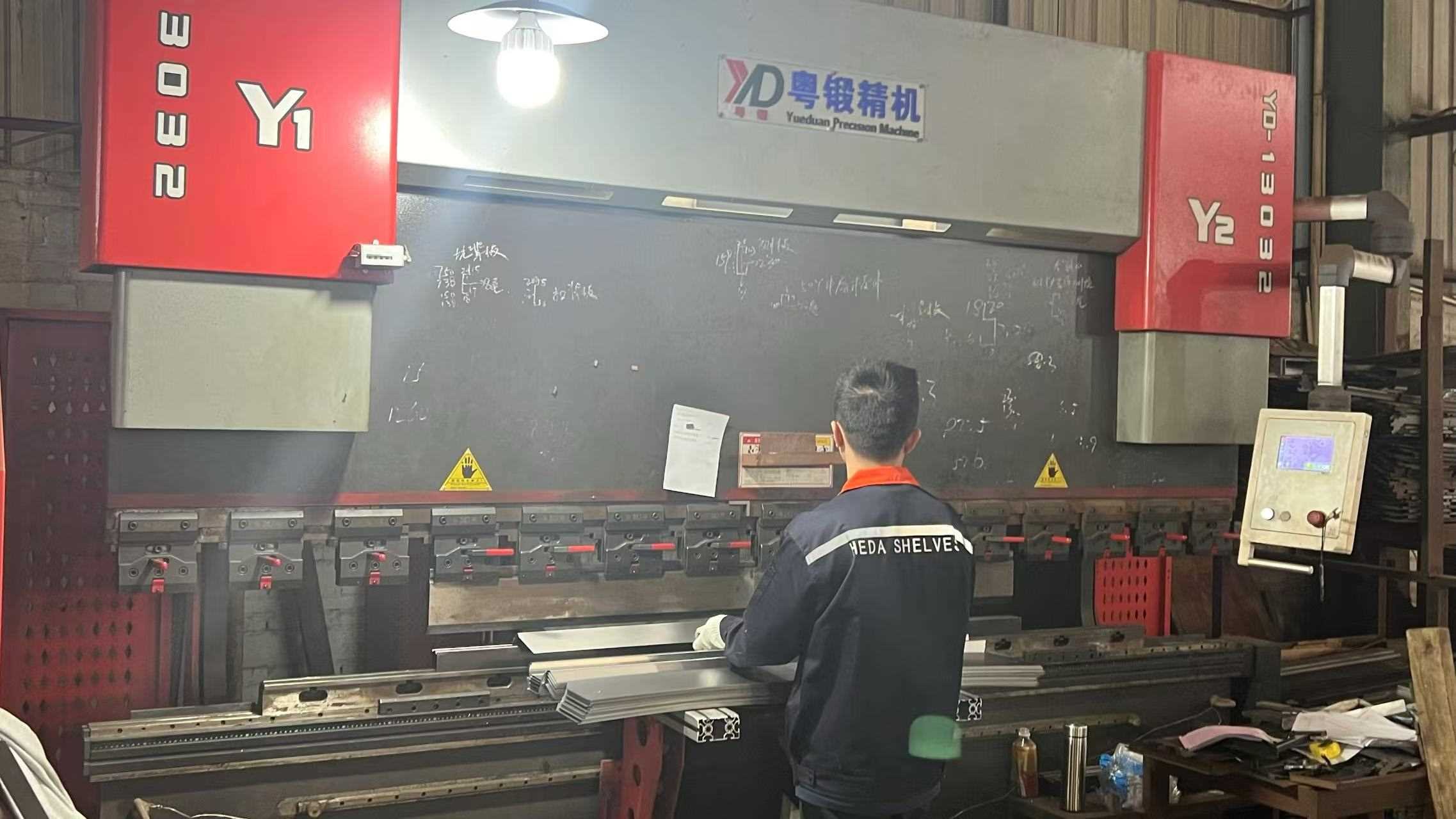
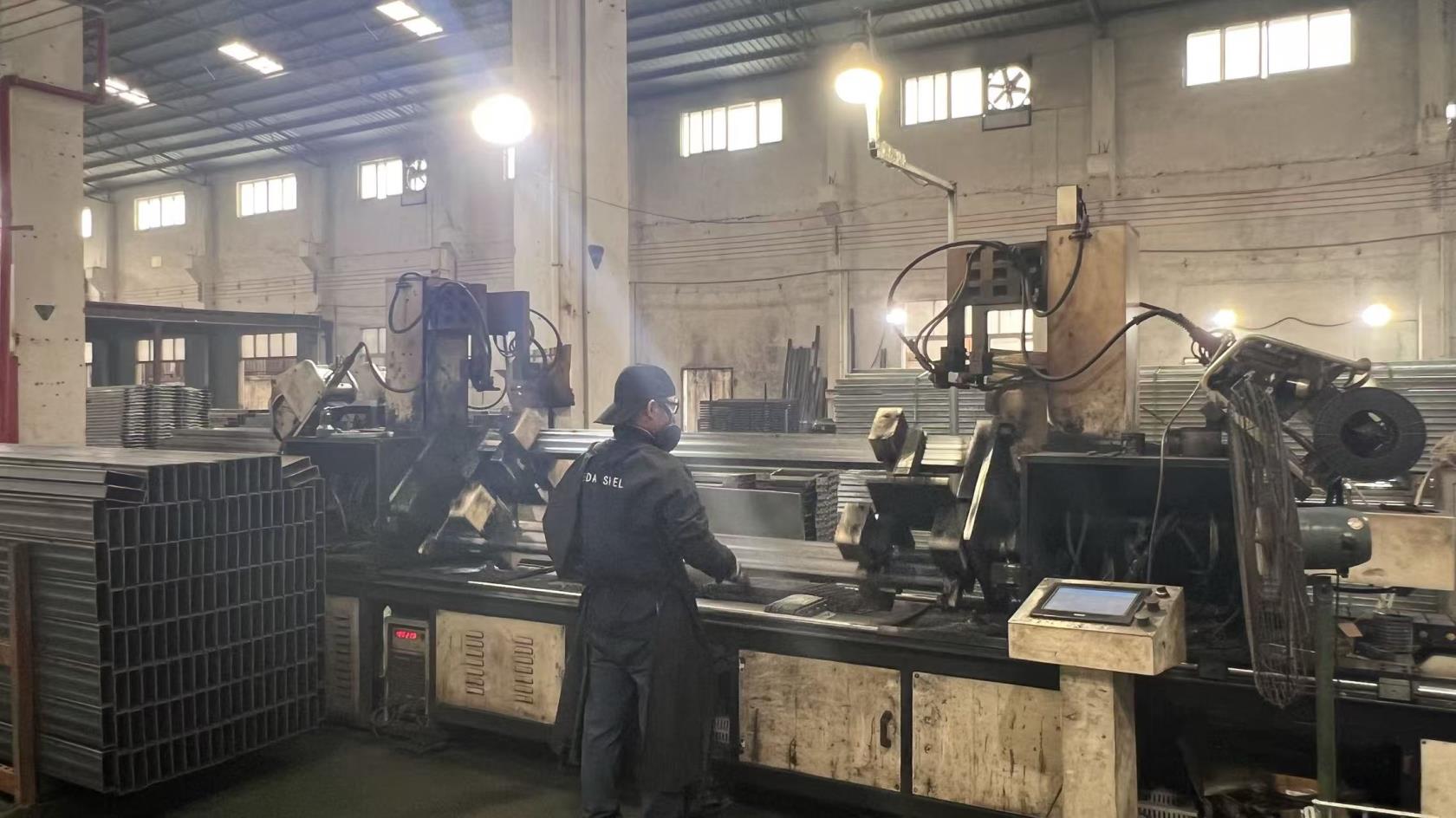
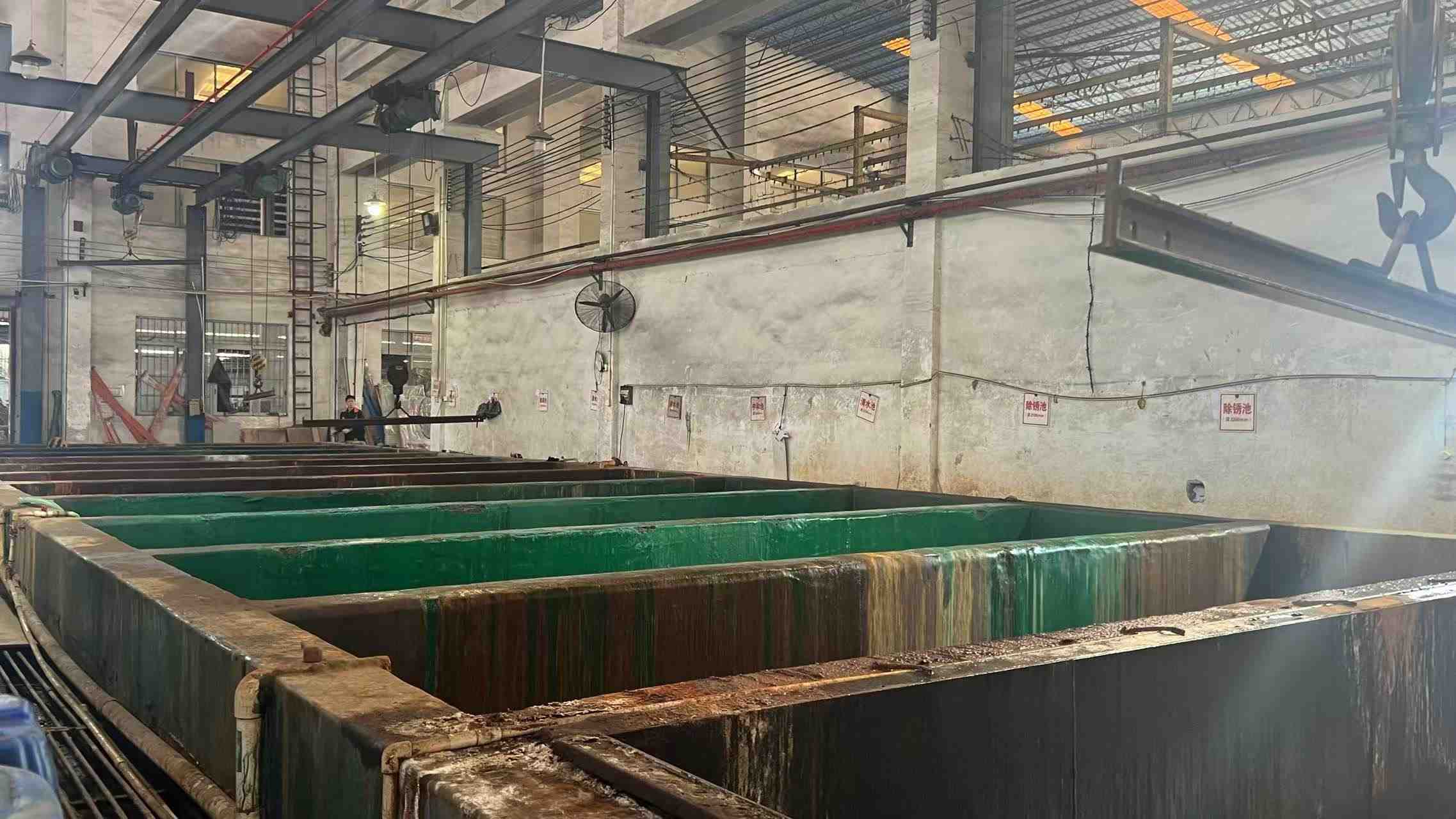
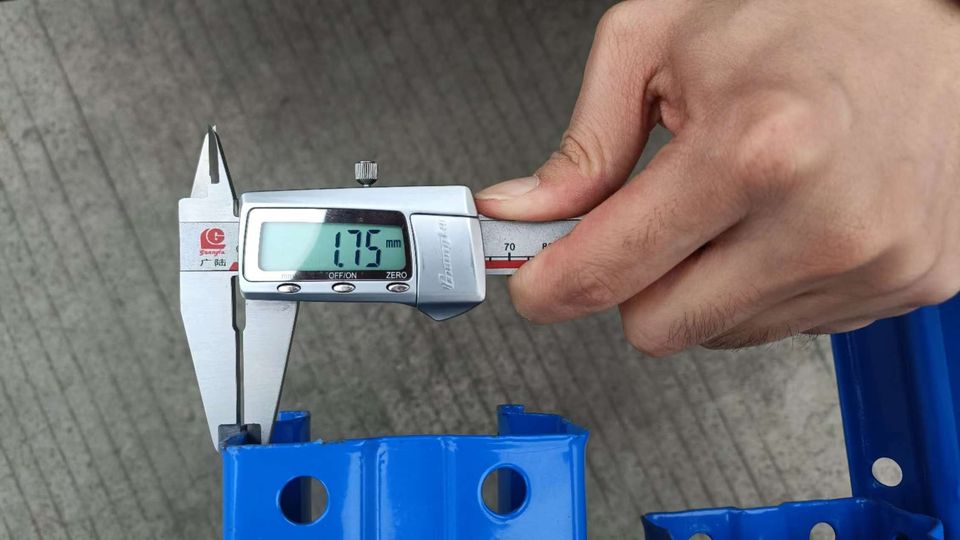
Understanding the structural engineering behind industrial storage products is crucial to ensuring warehouse safety and compliance with international standards (such as EN 15512 and RMI specifications). The majority of our heavy-duty racking systems are manufactured using Q235B steel. Below is the chemical and physical specification breakdown of our raw structural sheet stock:
| Material Grade | Yield Strength (Mpa) | Tensile Strength (Mpa) | Carbon Max % |
|---|---|---|---|
| Q235B | ≥ 235 | 370 - 500 | 0.20% |
| Q355B (Optional) | ≥ 355 | 470 - 630 | 0.24% |
By using high-precision roll-forming systems, we ensure consistent beam thickness and profile dimensions. Structural stress testing is regularly performed using finite element analysis (FEA) modeling to determine maximum load-bearing deflection ratios (typically limited to L/200 or L/300 under full load).
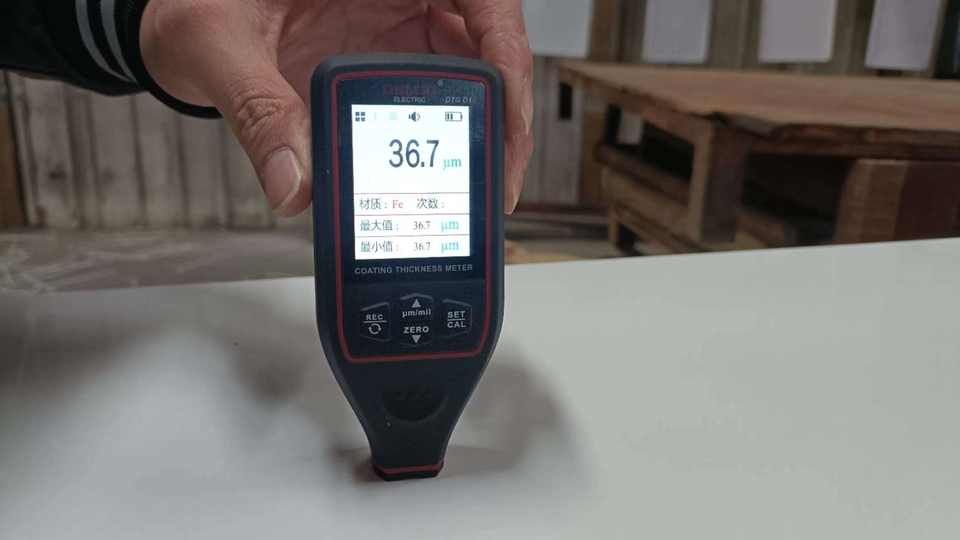
Durability depends directly on chemical preparation. Unprotected structural steel undergoes fast oxidation when exposed to humidity and trace chemicals. At Durack, we employ a 7-stage chemical surface treatment process:
From complex third-party logistics centers to heavy equipment manufacturing plants, Durack designs tailored storage systems to solve floor space constraints.
Fulfillment operations require quick access to varied SKUs. Our multi-level mezzanine racking systems and automated shuttle configurations maximize vertical storage space while maintaining direct access to pallet storage.
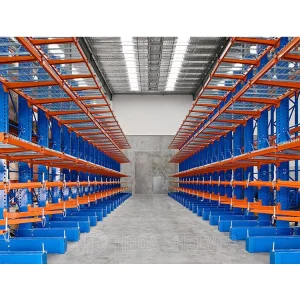
For raw metal tubing, profiles, and structural steel beams, our heavy-duty cantilever racking systems support loads over 5,000 kg per arm. Engineered to prevent structural sag, they ensure forklift loading safety.
Customized teardrop pallet racks and heavy stackable steel containers provide protective cradles for stamped engine blocks, transmissions, and fragile sheet metal panels moving through the supply chain.
The future of storage systems lies in physical automation and digital inventory tracking. Durack is currently developing modular steel container frames embedded with RFID and low-energy IoT tracking tags. These systems communicate directly with warehouse execution software (WES) to monitor real-time placement, internal temperature, and humidity levels.
Furthermore, our engineering teams are optimizing physical interfaces for autonomous mobile robots (AMRs). Standardizing bottom clearances, entry guides, and targeting nodes on steel structural bases helps logistics facilities integrate robotic fleets without costly customizations.
Steel manufacturing carries an environmental footprint. We recognize our responsibility to minimize it through circular metal practices. Durack commits to using steel alloys with recycled content values up to 35% where structural performance permits.
Common questions from engineering departments, warehouse logistics planners, and safety procurement managers.
Explore our high-density shuttle storage systems, industrial cantilever designs, and specialized retail and pharmacy display configurations.
 Durack