High-performance material handling equipment engineered to exceed RMI and FEM specifications for heavy industry.
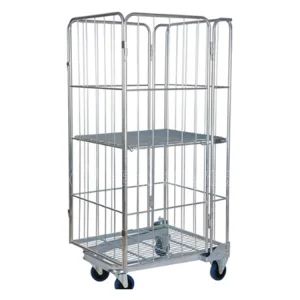
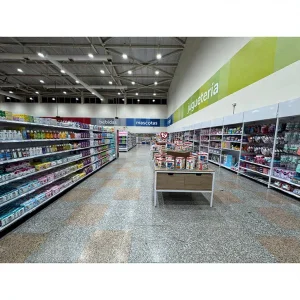
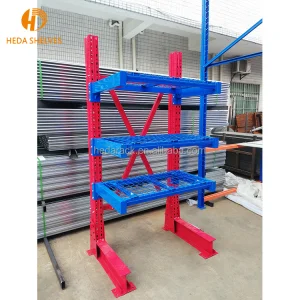
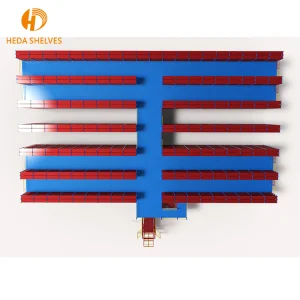
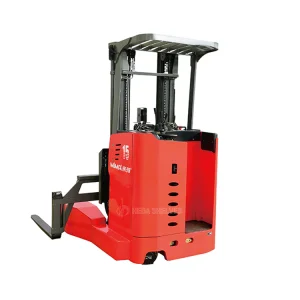
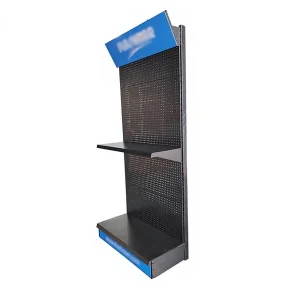
In the contemporary global trade economy, efficiency in warehousing and logistical hubs dictates supply chain resilience. High-density storage configurations, specifically industrial shelving and high-load pallet racking systems, act as the structural framework for global commerce. Driven by the expansion of cross-border e-commerce, third-party logistics (3PL) models, and automated manufacturing, structural optimization of storage footprints has shifted from a capital expenditure utility to a strategic performance asset.
As urban land scarcity escalates spatial procurement costs, global enterprises are systematically transitioning from horizontal configurations to high-density vertical structures. This operational trajectory demands high-grade metallurgical components, verified structural dynamics, and modular capabilities. The engineering challenge is no longer limited to load support, but extends to seismic attenuation, automation interfaces, and long-term durability under intense material handling stress.
Procuring heavy-duty shelving configurations from offshore manufacturing hubs requires comprehensive technical validation. Standard commercial specifications are insufficient for high-risk industrial facilities. Procurement managers must analyze structural indicators, raw material certifications, and fabrication tolerances. The core metrics include:
Industrial scale, advanced material processing, and strict quality control standards.
Founded in 2014, Dongguan Durack Logistics Equipment Co., Ltd. is a premier Chinese storage racking system manufacturer operating a 35,000 m² facility. Backed by 12 years of industry experience and 8 years of global export history, the company generates $28 million in annual export revenue. Our operations are supported by a strict quality assurance system using full-spectrum ultrasonic testing and load-bearing stress evaluations, overseen by 45 dedicated QC specialists. Building on a strong international trading background, our core markets span North America, Europe, and Southeast Asia. We maintain a reliable supply chain network of over 850 partners, catering primarily to third-party logistics (3PL) providers, automated warehouses, and large industrial distributors. Driven by an active R&D division with 65 specialized engineers, Durack offers full OEM/ODM customization options—including bespoke beam profiles, structural steel grades, and dynamic layout designs—launching over 120 new storage products last year.
Visualizing the critical phases of manufacturing and testing that ensure structural reliability and load compliance.
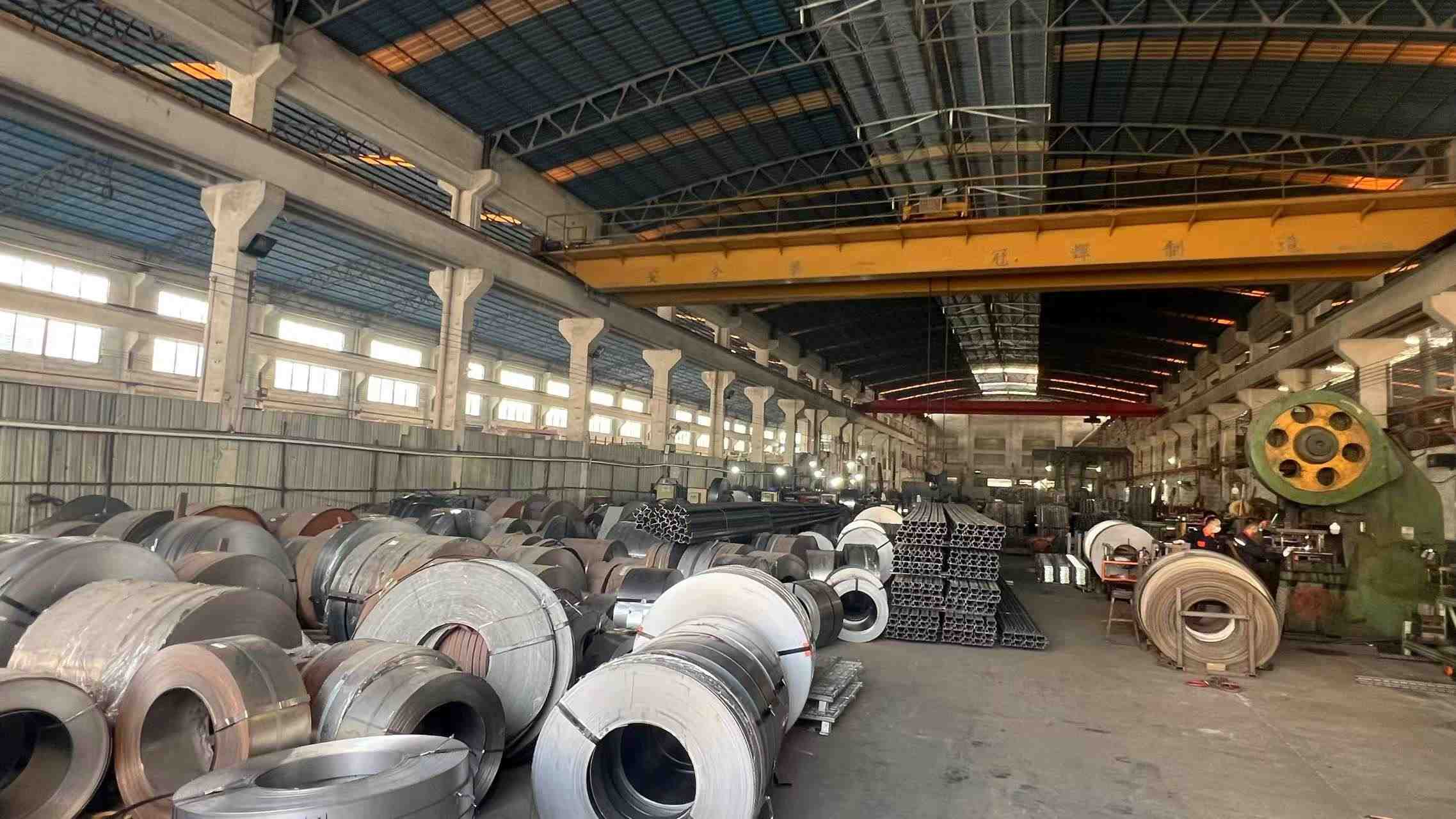
High-tensile structural steel coil sourcing. Independent verification of carbon and manganese content for optimum load dynamics.
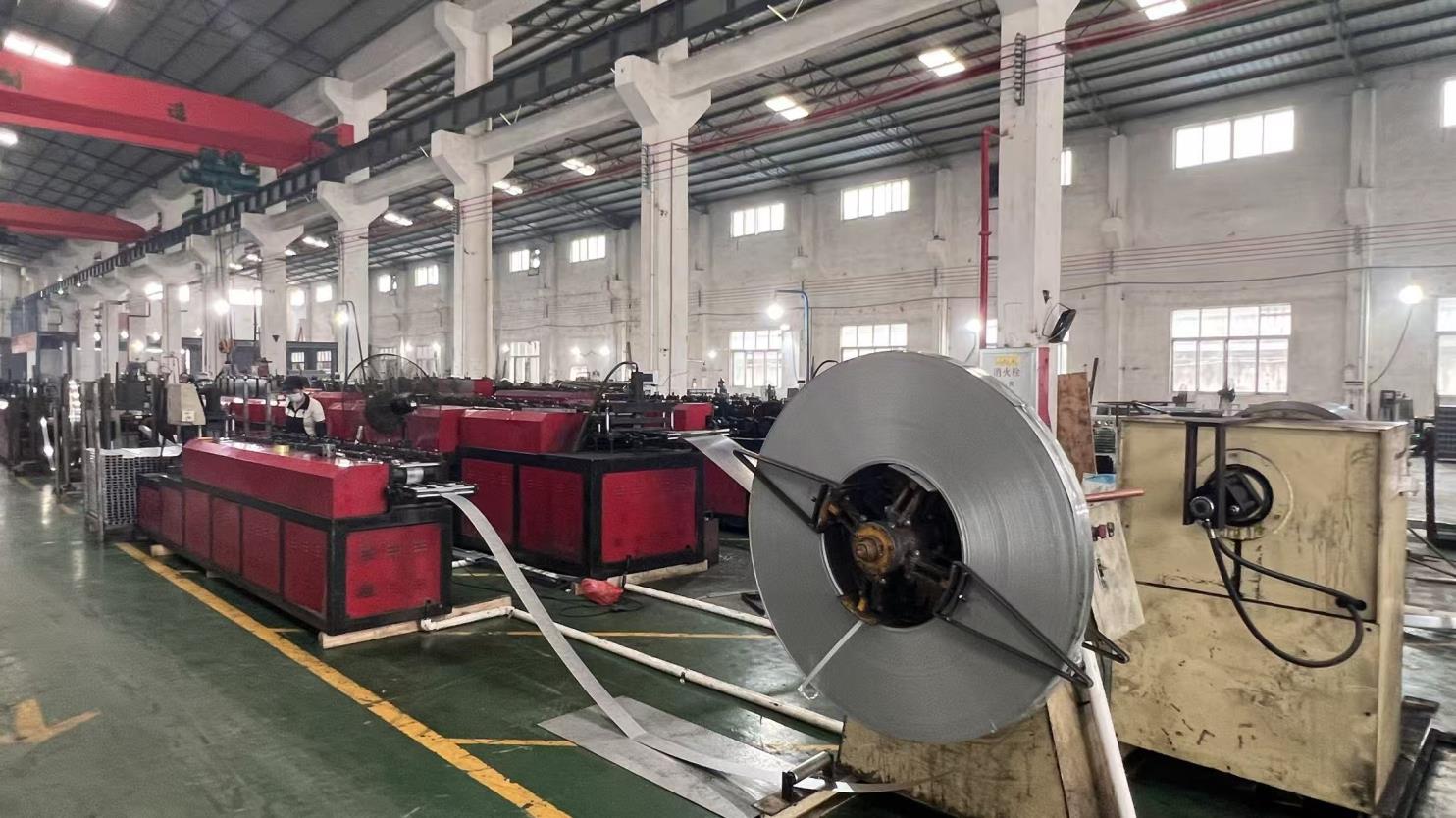
Cold-forming profiles using multi-station rolling machines to achieve dimensional precision across customized structural profiles.
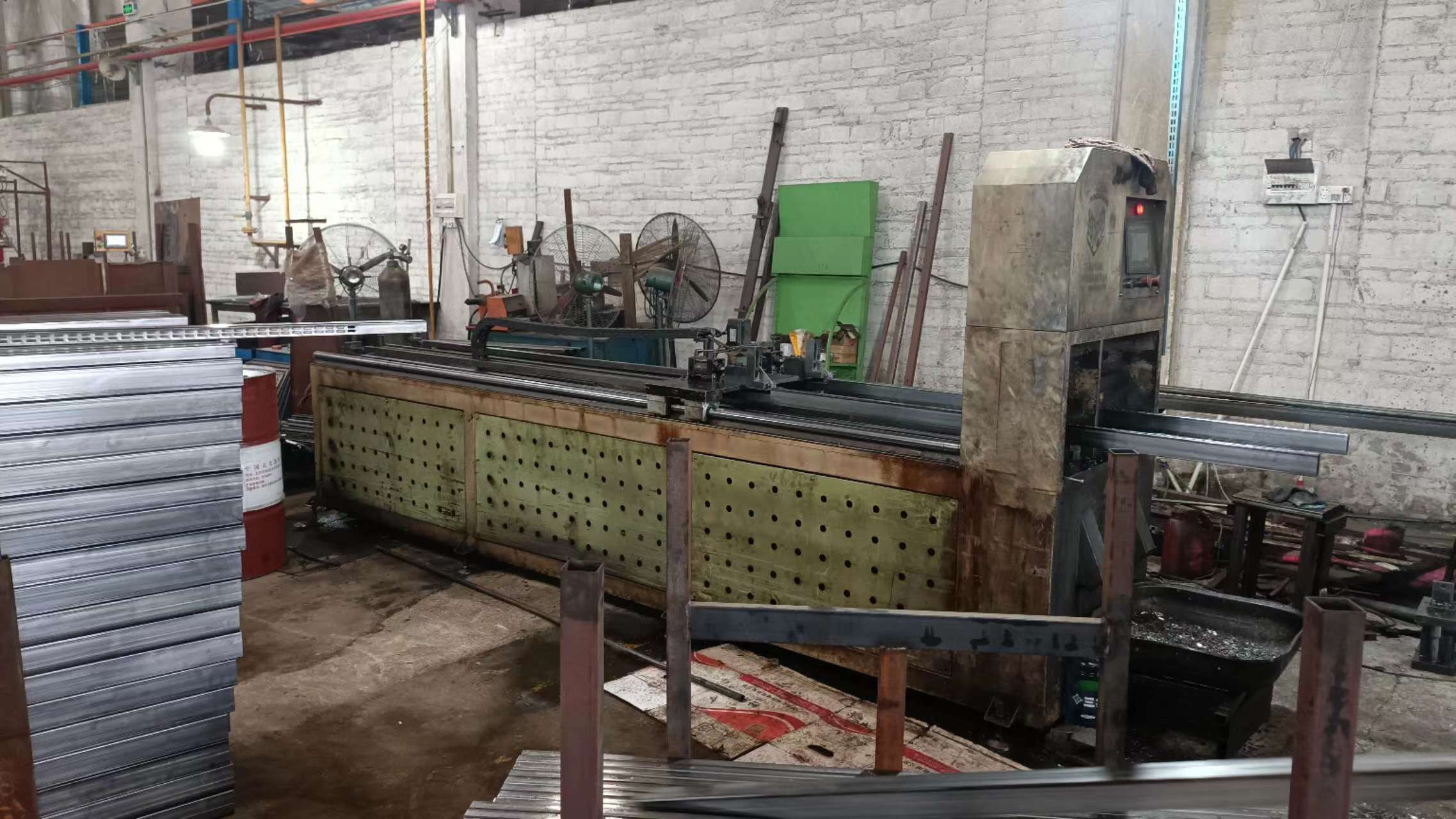
CNC-controlled punching systems pattern connection holes at precise intervals, maintaining a tolerance of <0.5mm.
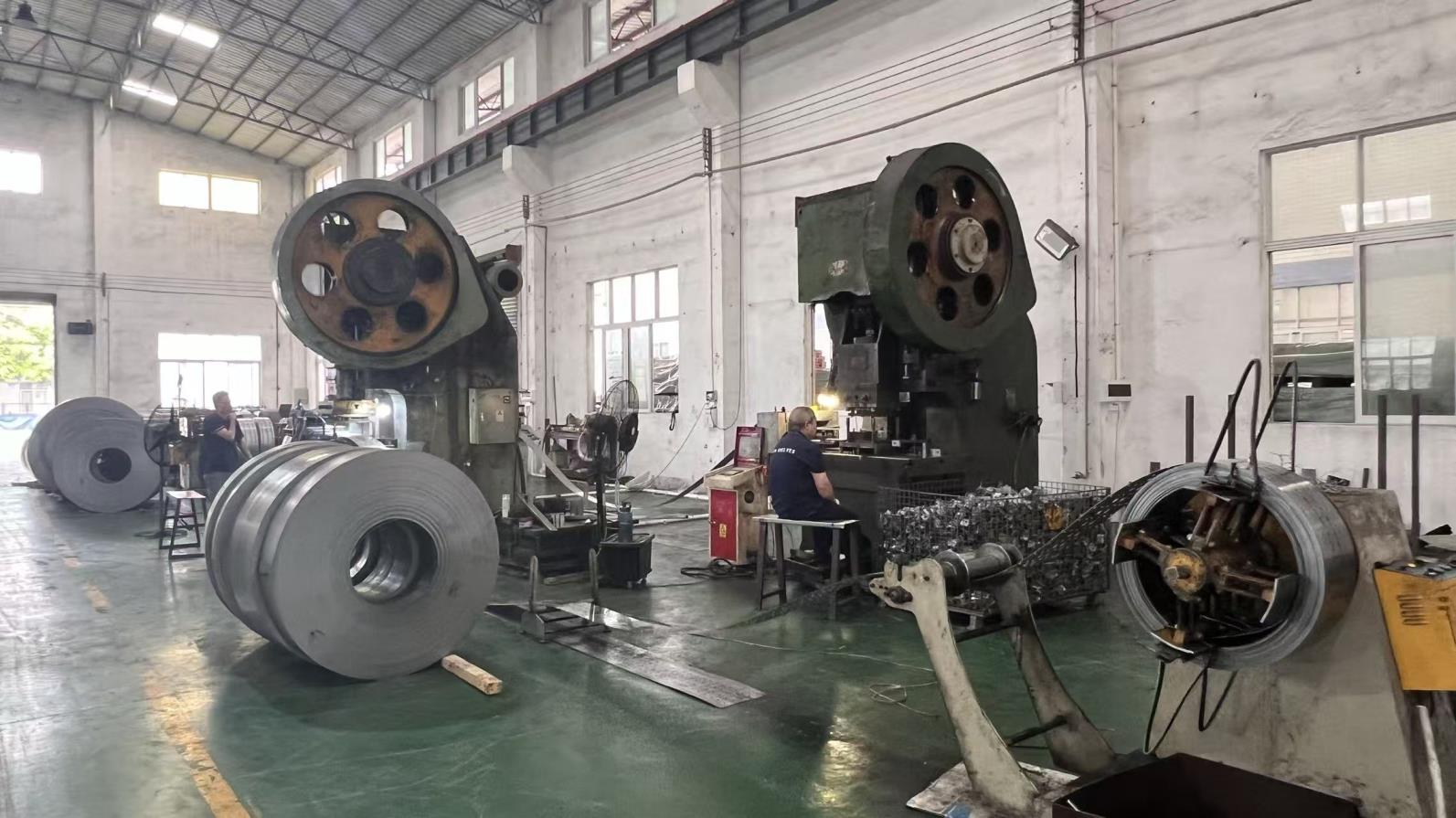
Heavy mechanical stamping for solid beam connectors and robust baseplates, ensuring structural load distribution.
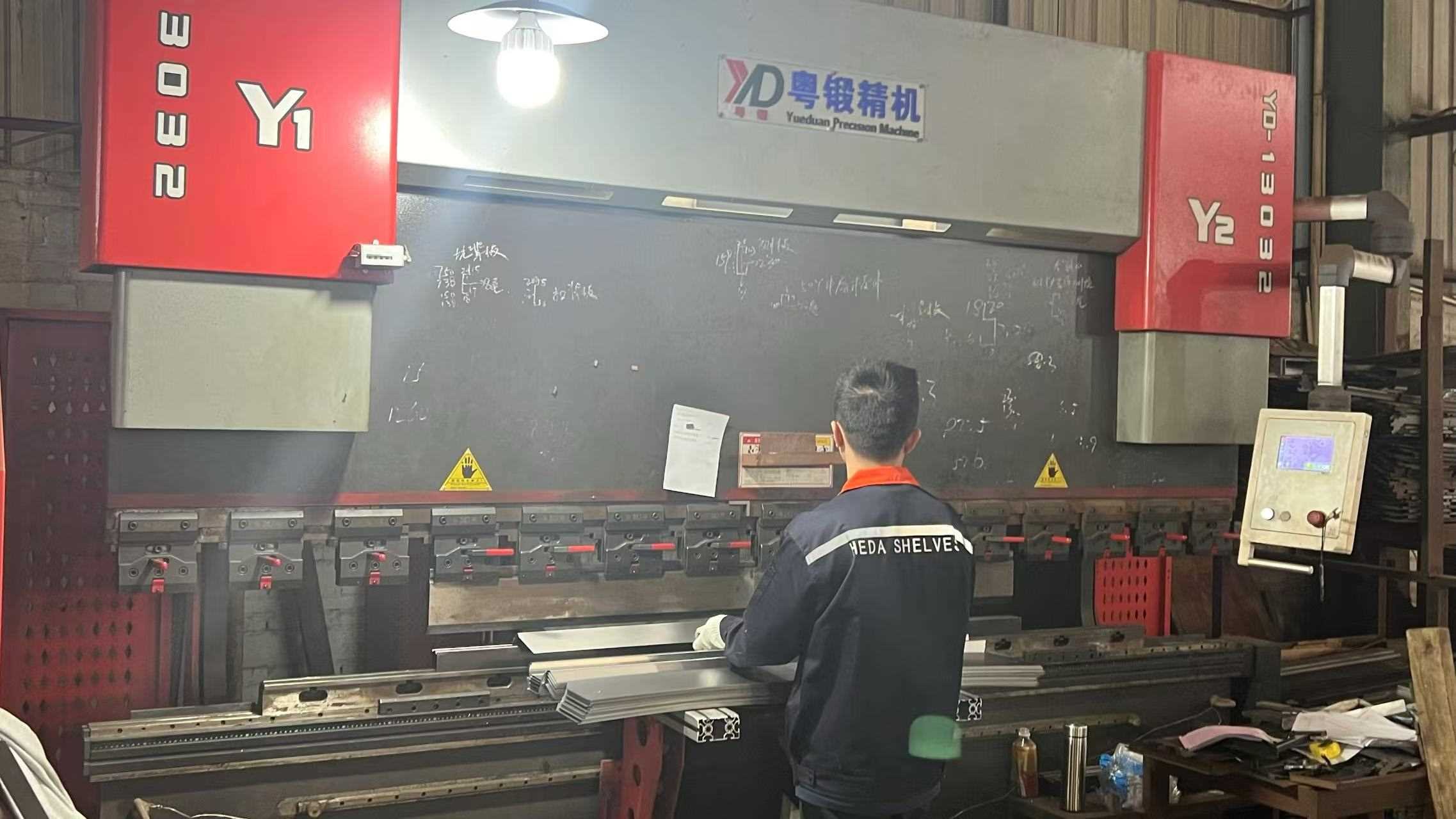
CNC press brakes bend custom hardware brackets and complex support components, maintaining exact angular specifications.
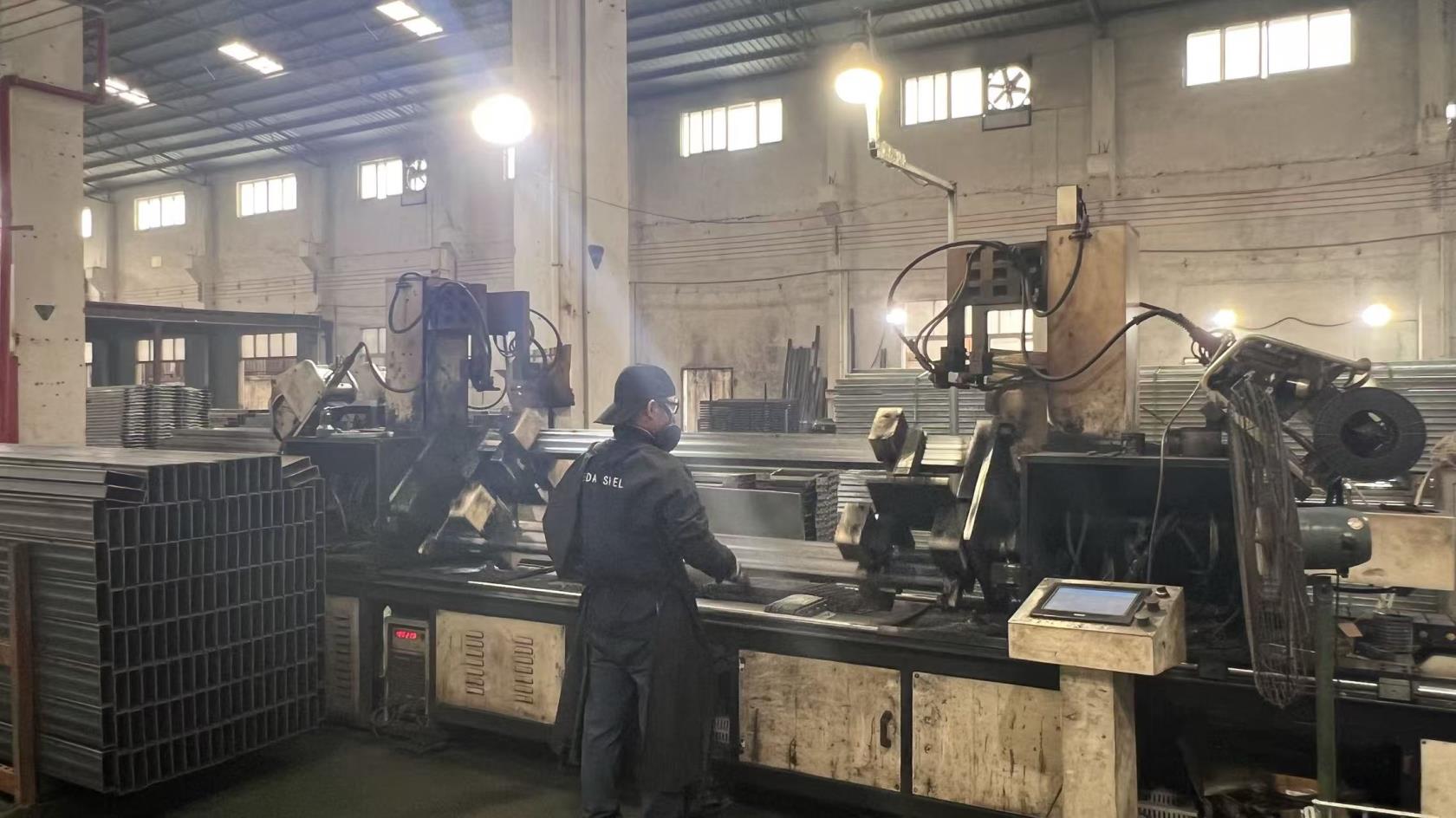
Robotized and manual MIG/TIG welding operations. Standardized testing guarantees clean joint fusion and penetration.
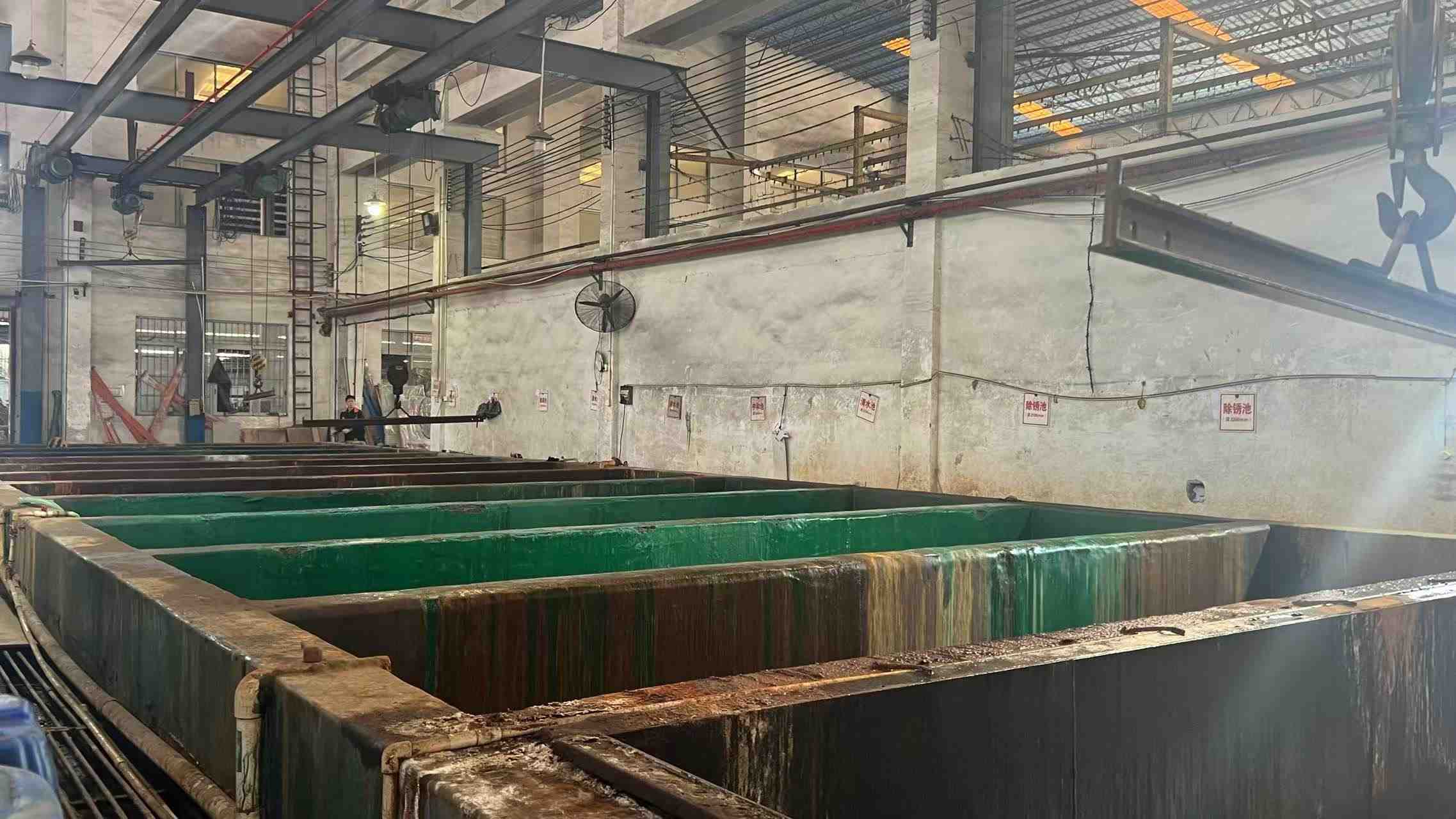
Industrial chemical pickling and parkerising line. Removes scale and oxidation, creating an optimal surface for powder adhesion.
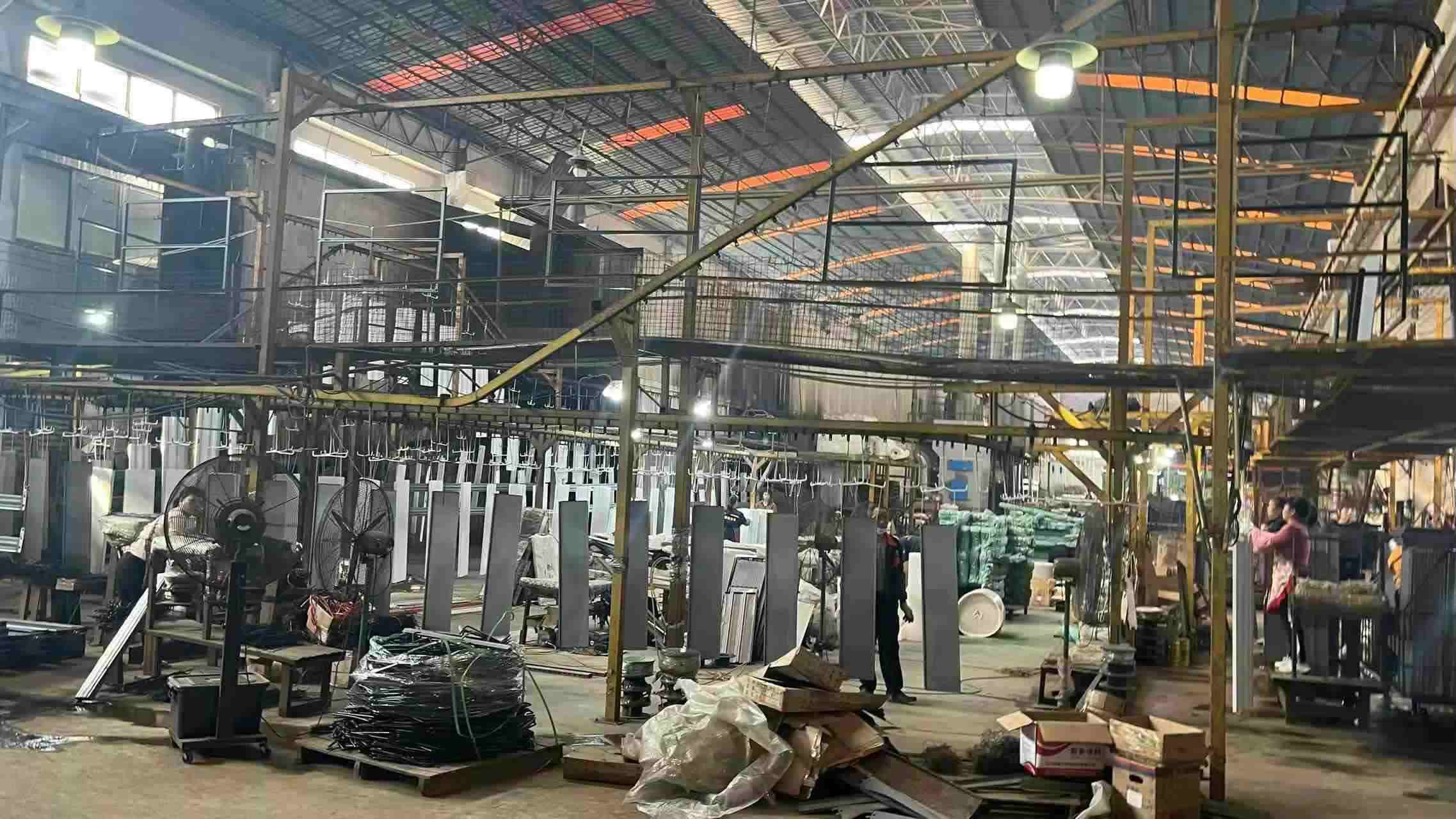
High-voltage electrostatic paint powder application, cured in automated temperature-monitored tunnel ovens.
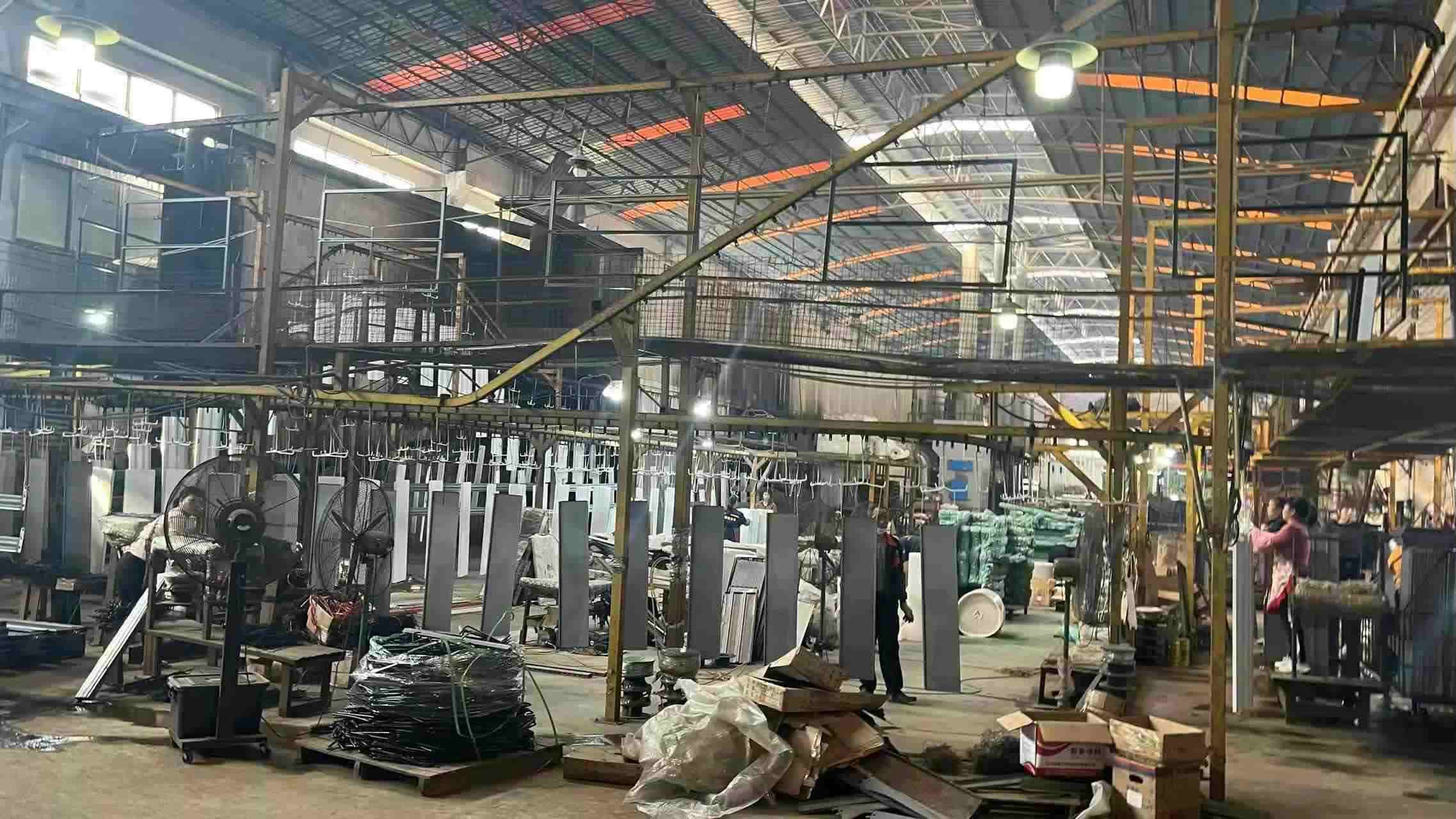
Verification of cross-link curing densities. This ensures impact resilience, and high scratch resistance under heavy load use.
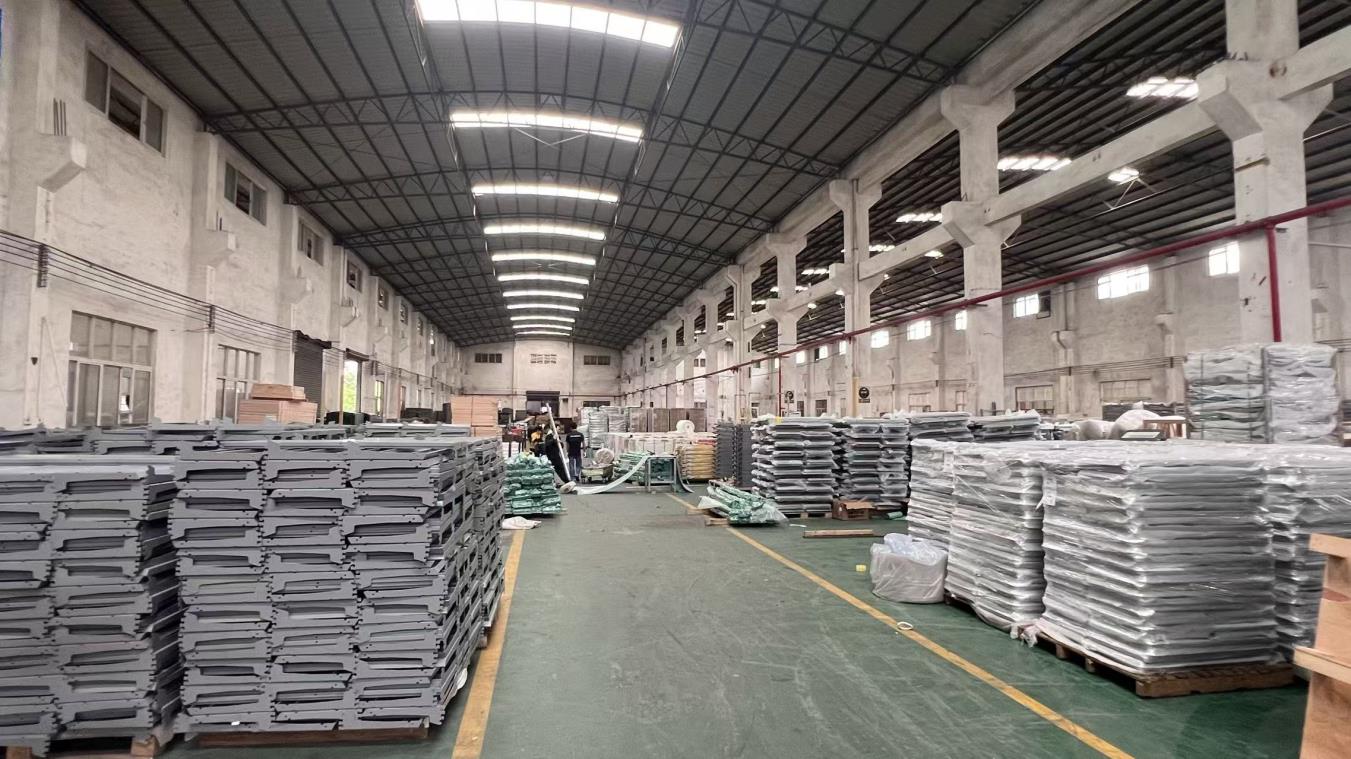
Structured inventory management utilizing specialized racking layouts. Secure wrapping prevents transport degradation.
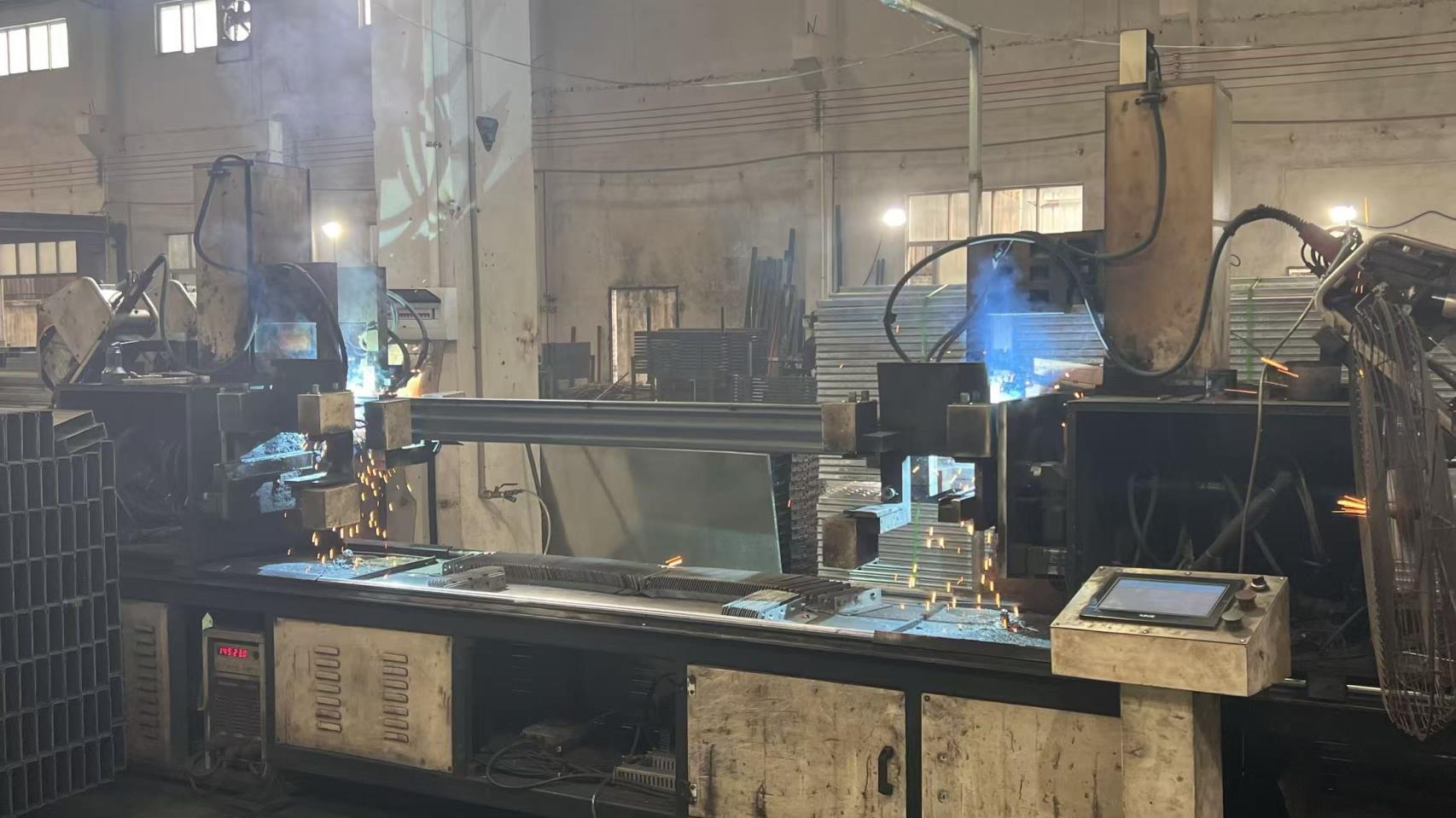
Advanced welding cells provide reliable connections between beam connectors and horizontal structural profiles.
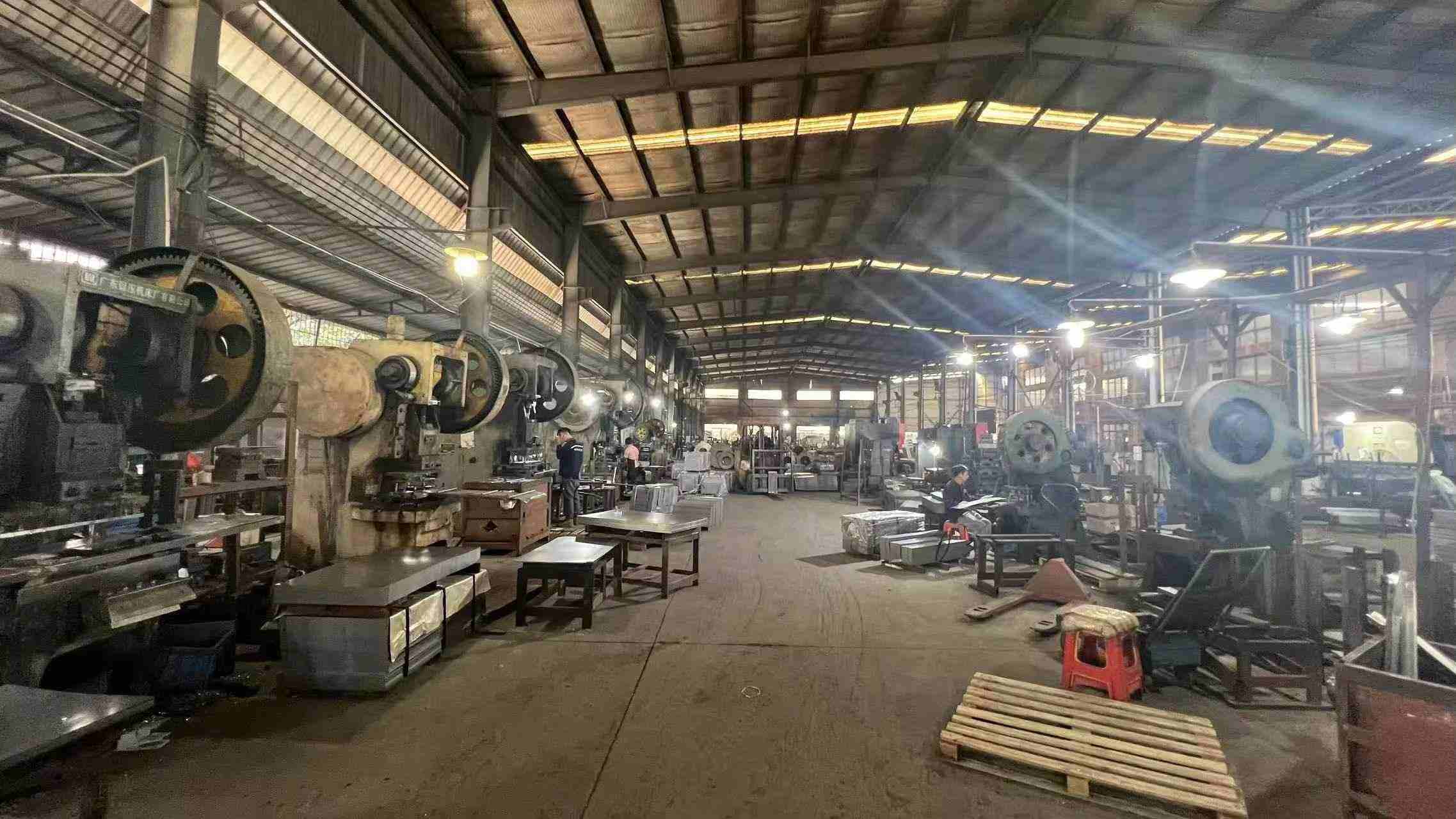
Continuous mechanical press lines stamp dynamic upright connections for specific racking configurations.
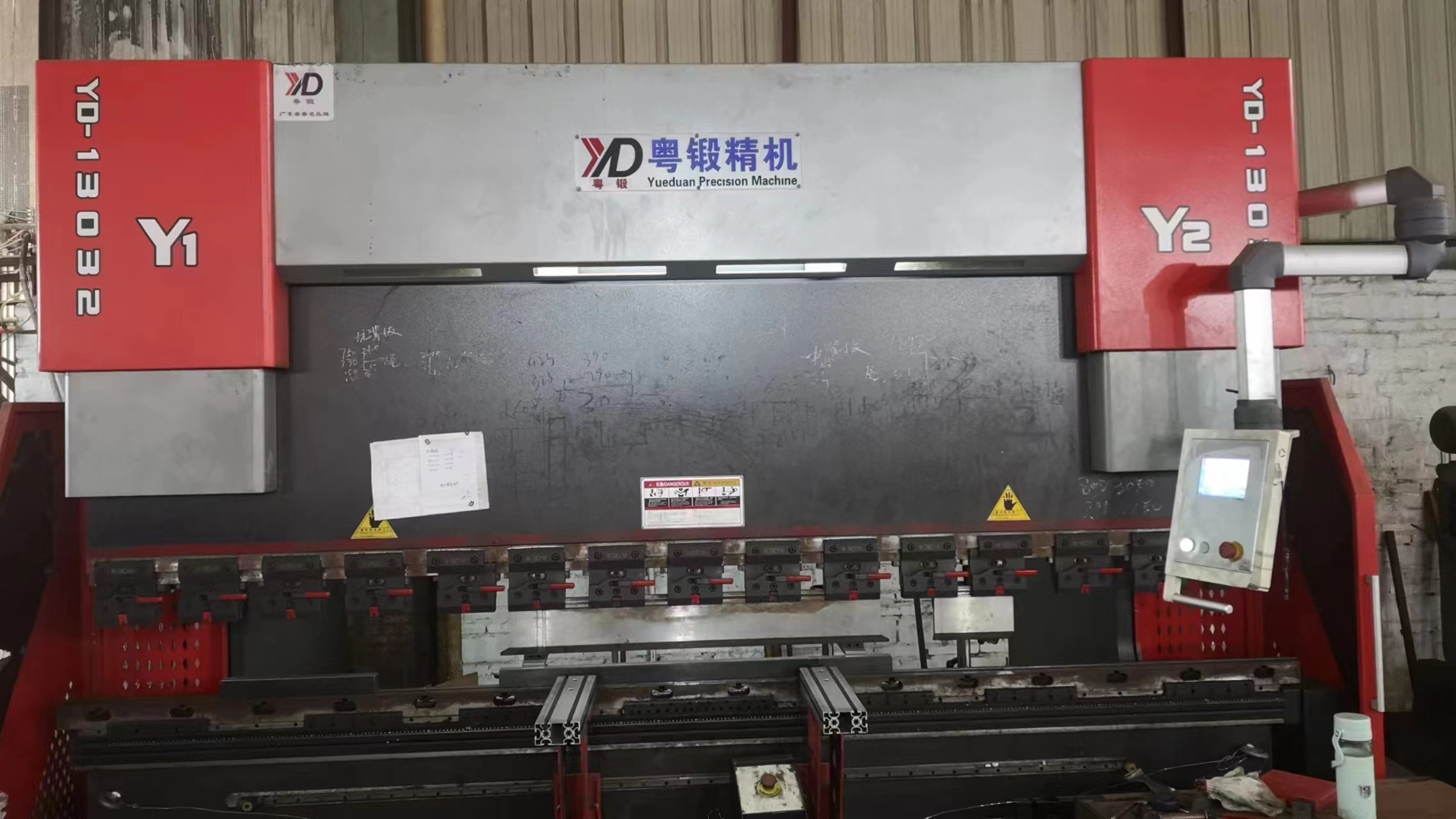
High-capacity hydraulic bending machines profile heavy steel plates to design tolerances without micro-cracking.
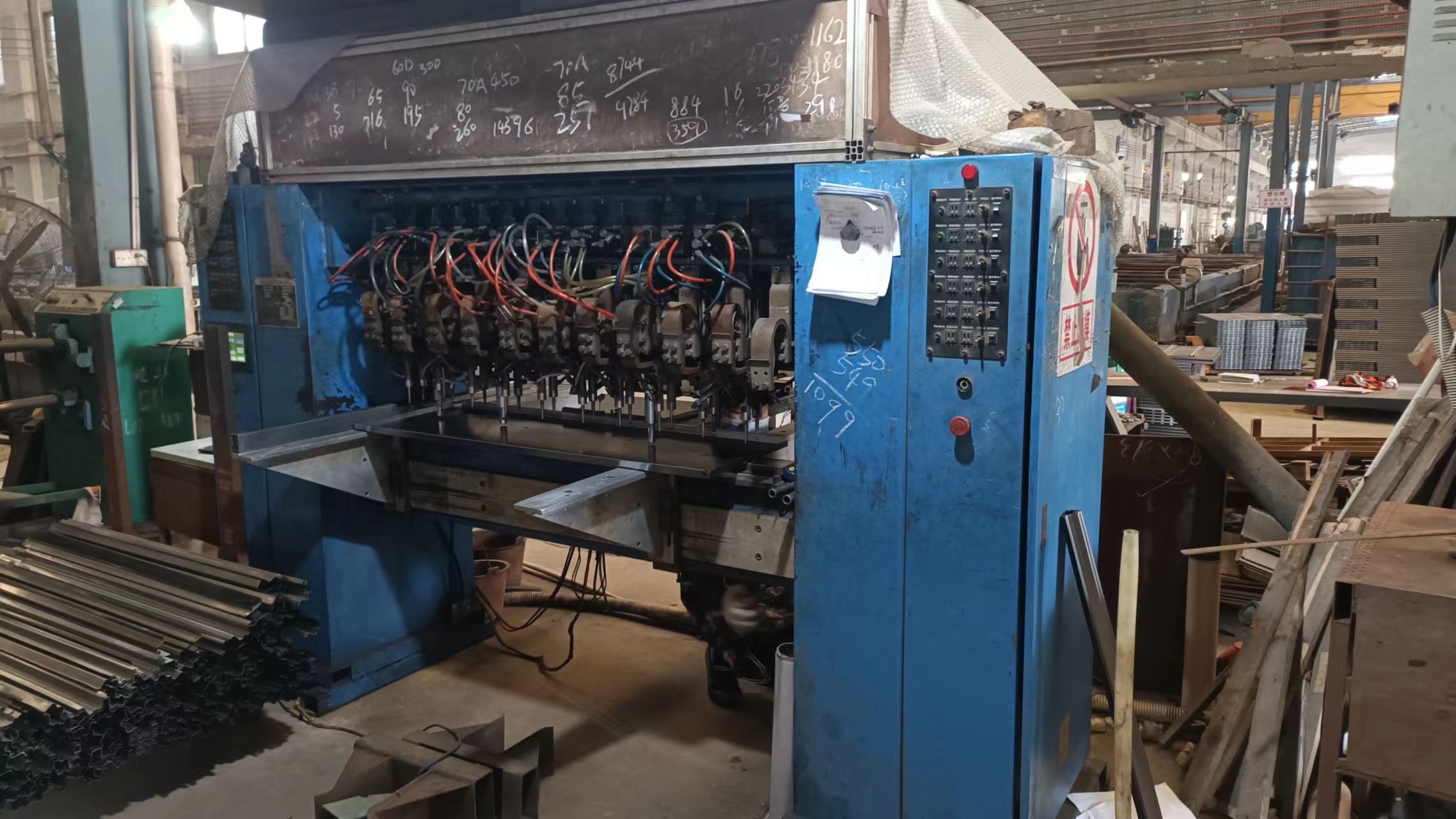
Butt-welding units join structural steel elements for extended configurations and high load capacities.
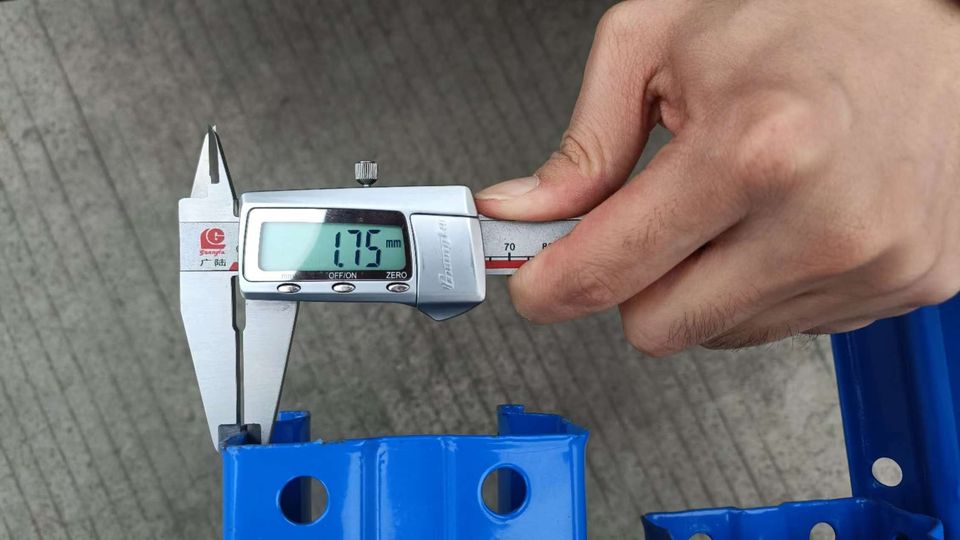
Strict verification using calibrated calipers. Confirms material thickness, punching sizes, and flange geometries.
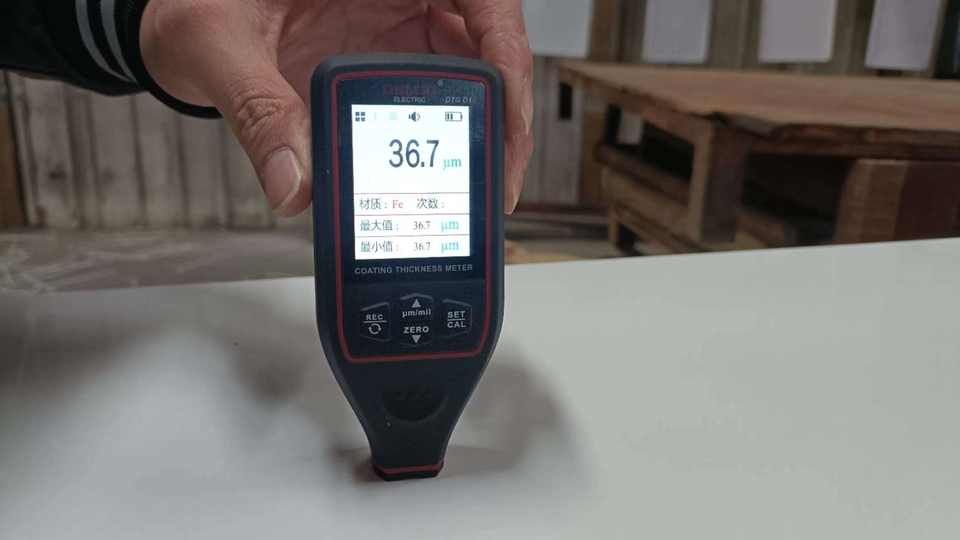
Non-destructive electromagnetic dry-film thickness testers confirm protective coating depths across batch runs.
Industrial storage is not a one-size-fits-all product. Different economic sectors demand distinct engineering approaches. Dongguan Durack Logistics Equipment Co., Ltd. designs customized solutions to meet these operational environments:
| Sector Segment | Operational Environment | Critical Racking Configurations | Engineering Focus |
|---|---|---|---|
| Third-Party Logistics (3PL) | High turnover, multi-SKU inventory, standard temperatures. | Select Pallet Racking, Double-Deep Systems. | High modularity, standardized configurations, fast installation. |
| Cold Chain & Refrigerated Storage | Sub-zero temperatures down to -30°C, condensation risk. | Drive-In, Radio Shuttle Racking, Mobile Pallet Racking. | Low-temperature structural steel grades, high corrosion protection. |
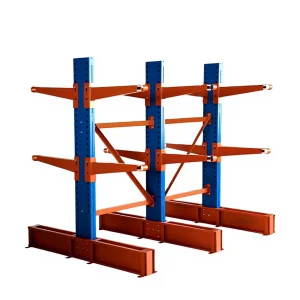
| Heavy Manufacturing & Metal Processing | Extremely heavy payloads, irregular shapes, forklift impact risks. | Heavy-Duty Cantilever Systems, Welded Steel Boxes. | Seismic calculation, thick structural steel profiles, high load capacities. |
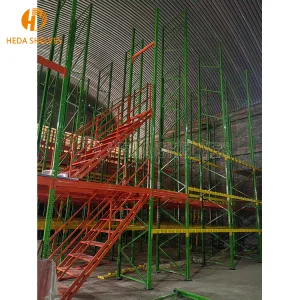
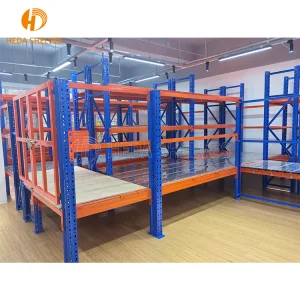
| E-Commerce & High-Frequency Retail | Manual split-case picking, dense SKU volume. | Multi-Level Mezzanines, Adjustable Shelving. | Flooring load distribution, worker safety railings, integrated stairways. |
Modern automated storage requires structural systems built to strict dimensional tolerances. Racking configurations serving automated shuttle cranes or automated guided vehicles (AGVs) must maintain deflection ratios below L/300. Out-of-plumb tolerances cannot exceed 1/1000 of the total frame height. Durack works alongside international automation integrators, supplying high-precision components that prevent machine faults and ensure smooth conveyor interfaces.
As storage infrastructure integrates with digital systems, the design of industrial shelving is evolving. Material engineering and digital tracking are driving new developments in warehouse rack design.
Using finite element analysis (FEA) and advanced cold-rolling processes, Durack is developing next-generation structural shapes. These designs optimize load distribution, reducing overall steel consumption by up to 15% while maintaining the load capacity of standard configurations. This helps reduce scope 3 emissions for environmental sustainability goals.
Future high-bay configurations will feature real-time structural monitoring. Overload alerts, strain gauges, and impact detection systems are being integrated into upright frames. These systems provide immediate alerts when a forklift makes contact with a column, allowing warehouse managers to inspect critical support points before a structural failure occurs.
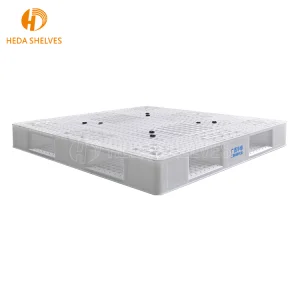
Through the integration of passive RFID microchips into structural components and plastic pallets, warehouse racking links directly with Warehouse Management Systems (WMS). This connection enables digital asset tracking, automatic inventory mapping, and real-time maintenance scheduling.
Operating in international markets requires compliance with local structural codes and engineering standards. A racking failure can result in significant financial loss, legal liability, and risks to worker safety. Durack tests and designs its systems to meet international structural engineering codes.
Detailed engineering answers for structural engineers and procurement managers.
Roll-formed racking is fabricated from cold-rolled steel coils, creating light-weight, highly adjustable profiles suitable for standard warehouse environments. Structural steel racking is hot-rolled, providing thicker walls and higher impact resistance. Structural racking is suited for heavy industrial environments, drive-in systems, and high-capacity storage configurations.
We use finite element analysis (FEA) to simulate lateral forces based on seismic hazard data at the installation site. Beam-to-column connection stiffness and baseplate size are engineered to absorb dynamic load forces, maintaining structural integrity according to local building codes.
For cold storage, we recommend pre-galvanized or hot-dip galvanized finishes. These processes deposit a robust zinc layer that prevents moisture penetration and rust development, even at temperatures down to -30°C.
According to standard building codes, the maximum allowable deflection for primary steel members carrying dynamic live loads is L/240, and L/360 for static dead loads. These limits ensure the safety, stability, and longevity of the mezzanine floor structure.
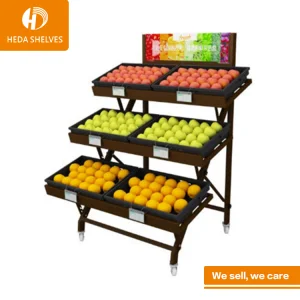
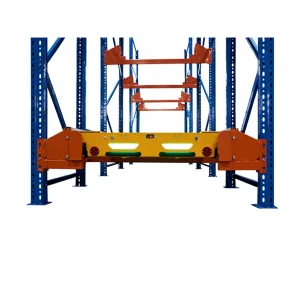
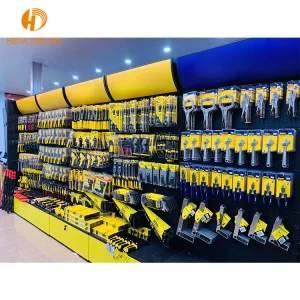
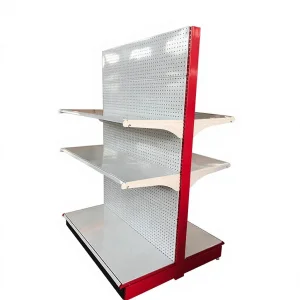
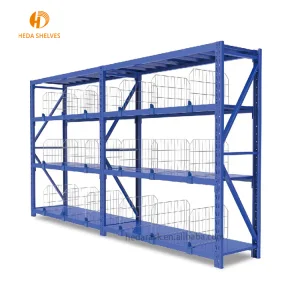
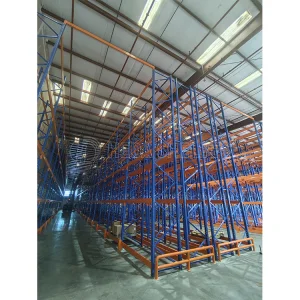
Examine our full lineup of metal retail shelves, logistics shuttle racks, and heavy-duty steel accessories.
 Durack