Explore our premium product portfolio designed for high-density storage, retail merchandising, and advanced material handling across global markets.
In the modern era of logistics and retail, space optimization is no longer just about cost-cutting; it is a critical driver of supply chain agility. The global market for foldable shelving and heavy-duty structural racking is transitioning rapidly from static, rigid structures to dynamic, modular, and collapsible configurations.
Industrial sectors—including third-party logistics (3PL) providers, cold-chain operations, and automated distribution hubs—increasingly deploy modular and foldable storage systems. These structures allow operators to dynamically scale up storage volume during peak periods (e.g., Q4 seasonal demands) and compress or relocate racking arrays when floor space must be repurposed for sorting, staging, or automated guided vehicle (AGV) routing.
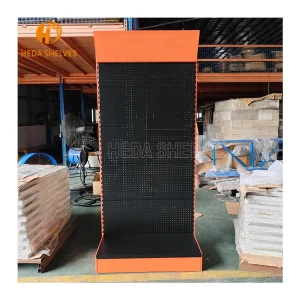
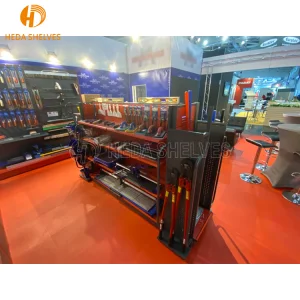
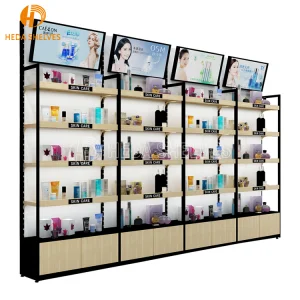
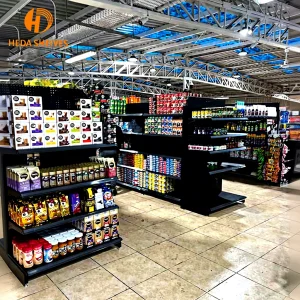
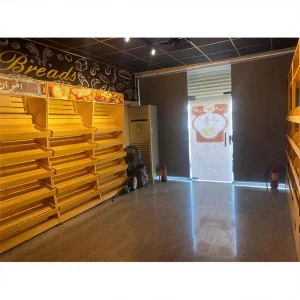
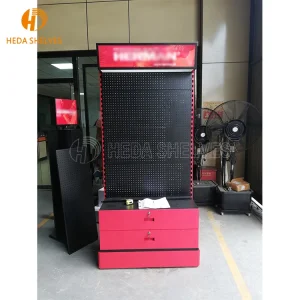
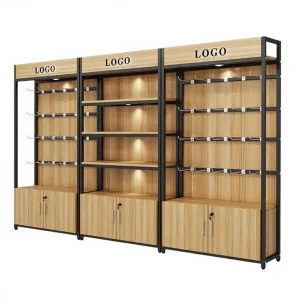
Simultaneously, the commercial retail landscape is facing intense competition from e-commerce, prompting brick-and-mortar stores to design fluid, interactive, and easily reconfigurable showrooms. Heavy-duty gondola shelving, modular pegboards, and movable display stands with quick-locking components enable instant store-layout pivots with zero structural downtime.
Technological convergence, green compliance, and structural modularity are redefining industrial storage solutions.
Integration of RFID tracking chips and load-bearing weight sensors into pallet racks and wire cages to provide real-time inventory updates and structural safety monitoring.
Use of advanced high-strength low-alloy (HSLA) steel grades, such as Q355B, combined with structural composites to reduce rack deadweight while increasing static load-bearing capacity.
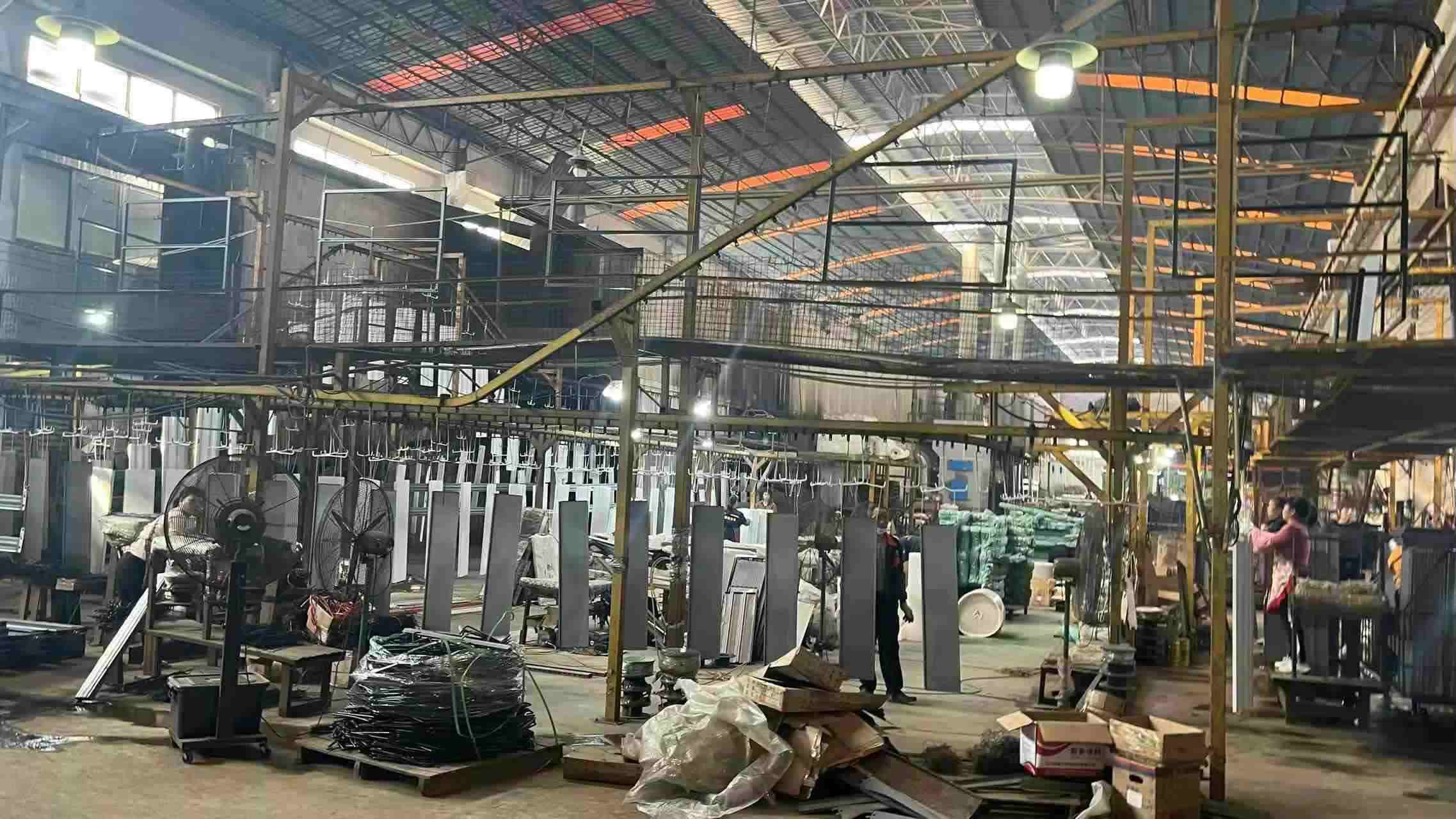
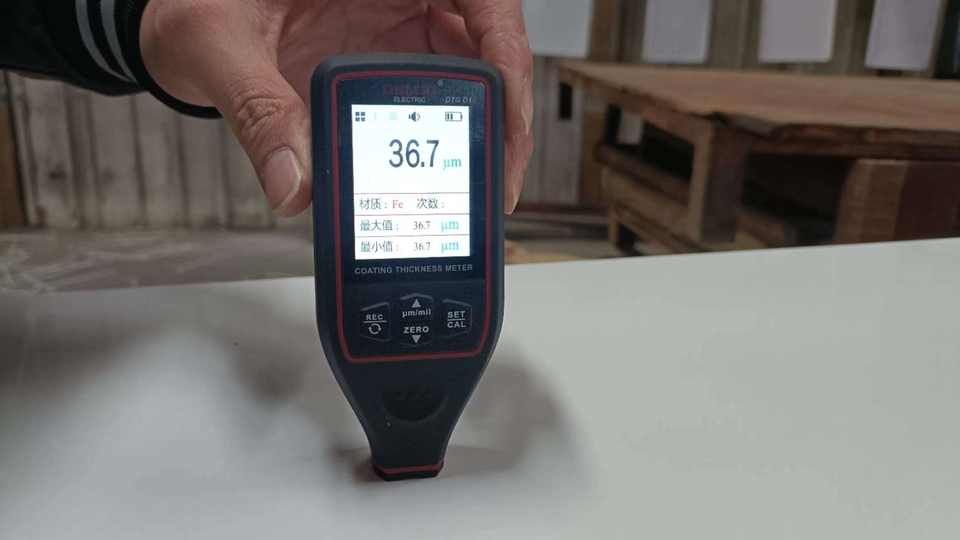
Transitioning to eco-friendly, volatile organic compound (VOC)-free thermosetting powder coatings with superior anti-corrosion ratings for harsh environmental exposure.
Pioneering high-capacity structural logistics systems and automated warehouse layouts with rigorous engineering precision.
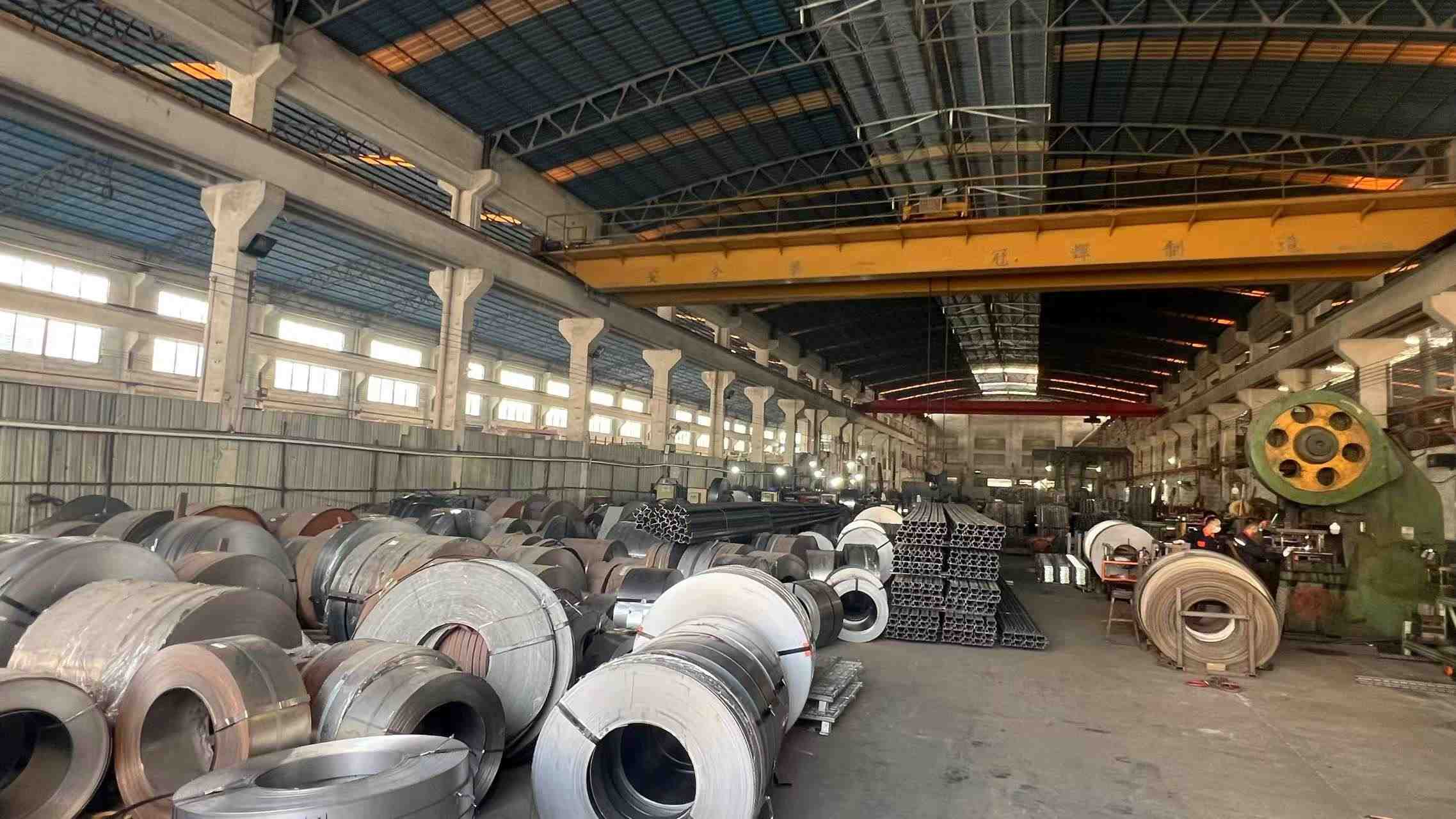
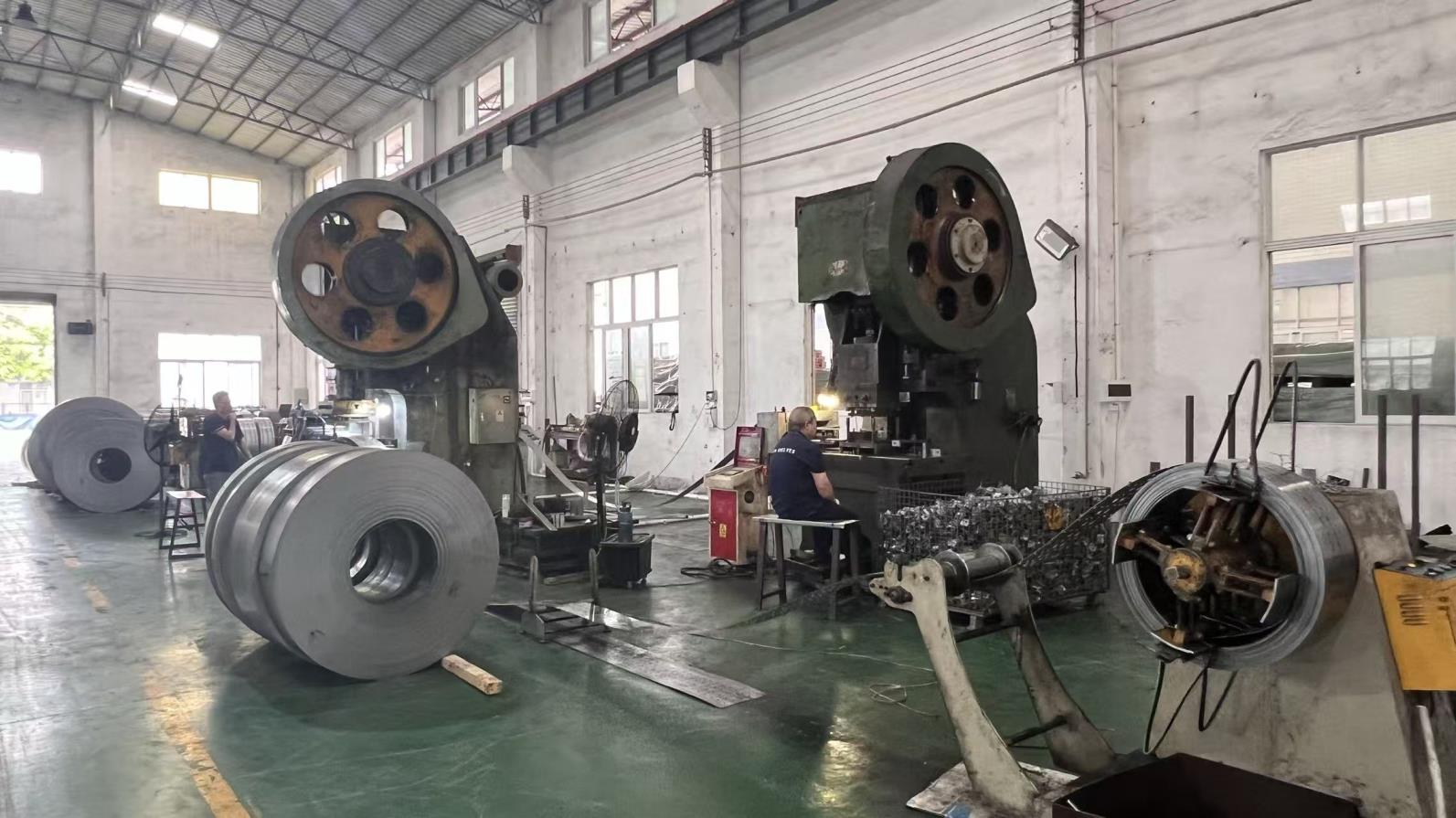
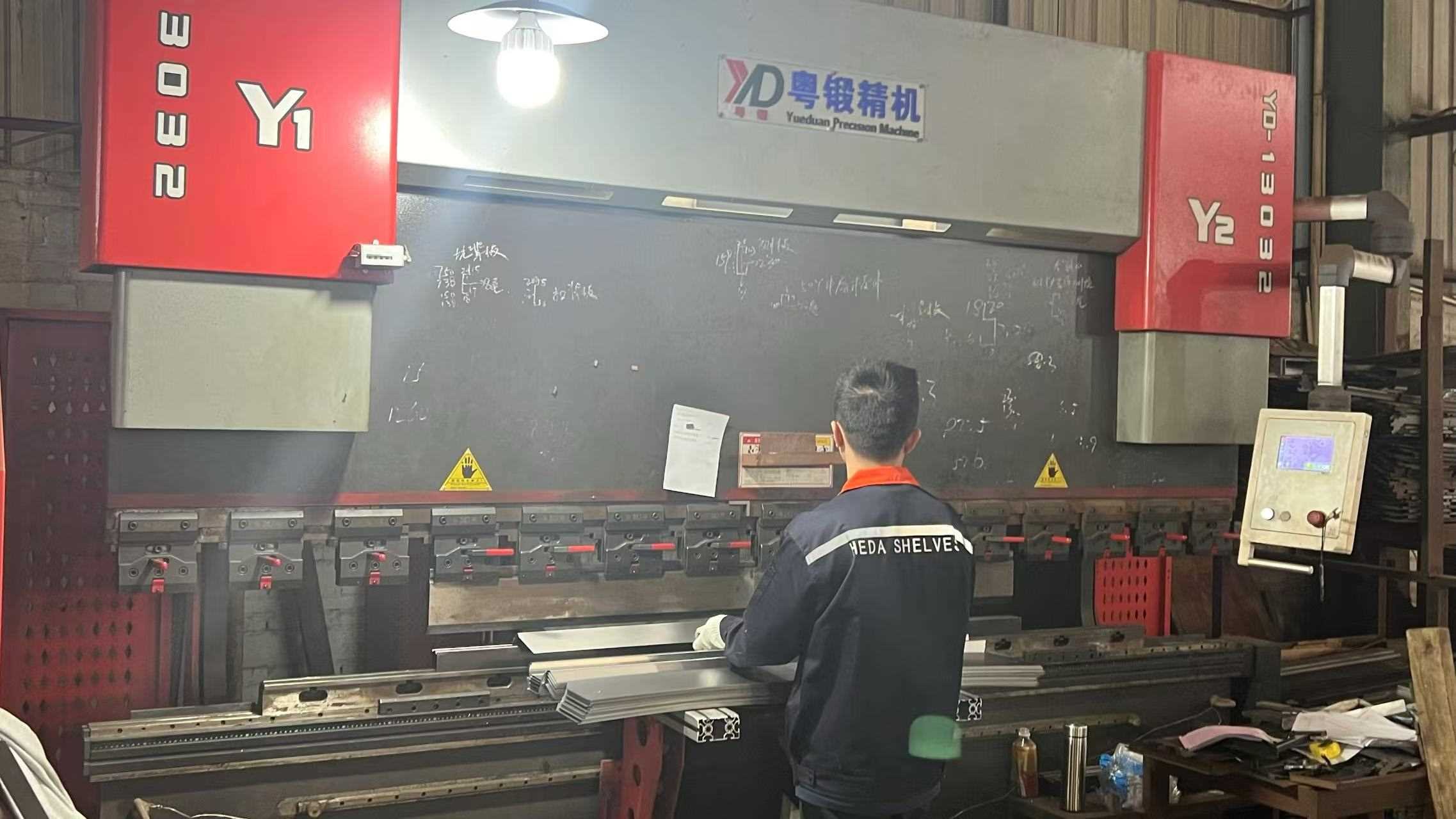
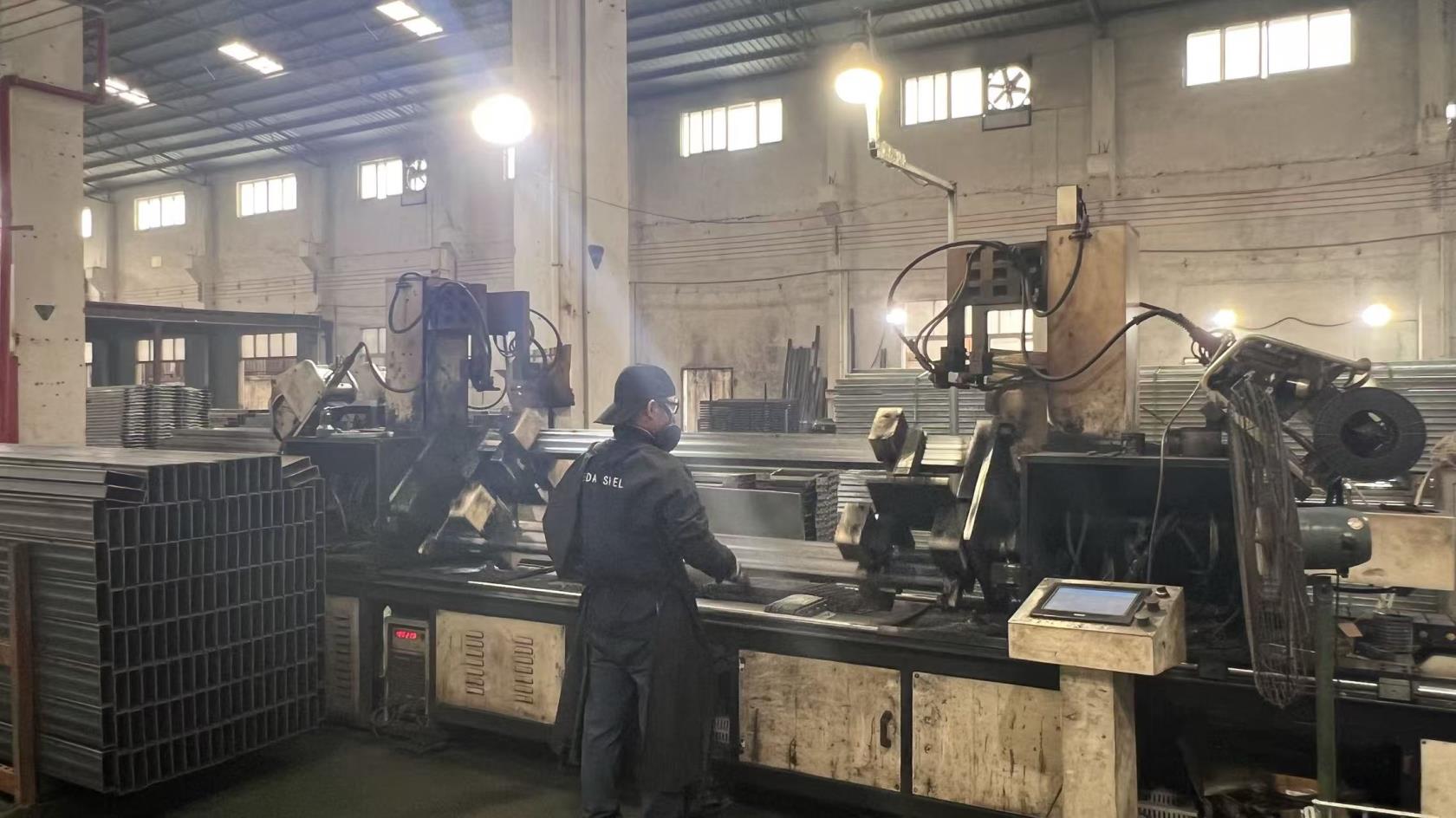
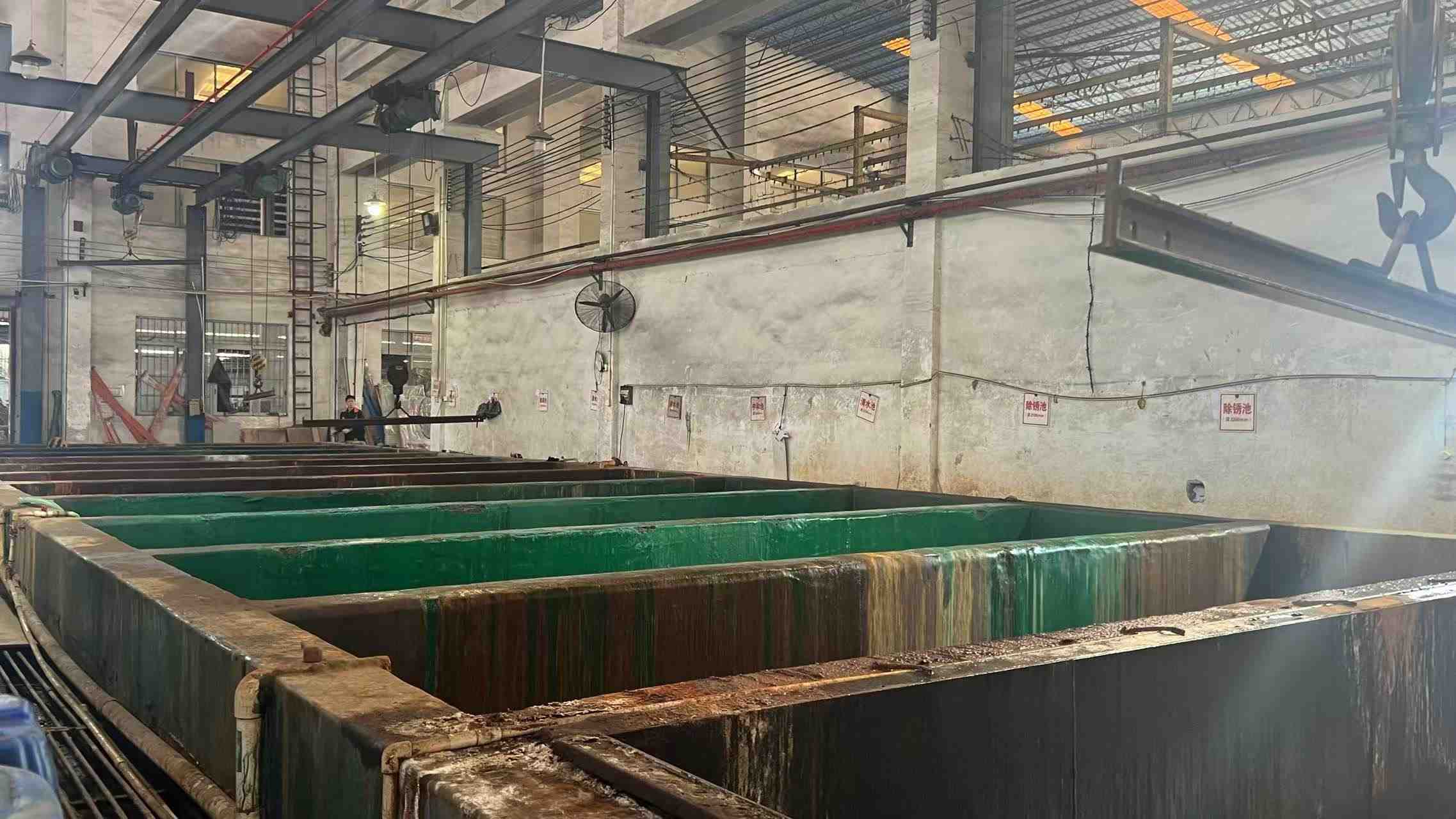
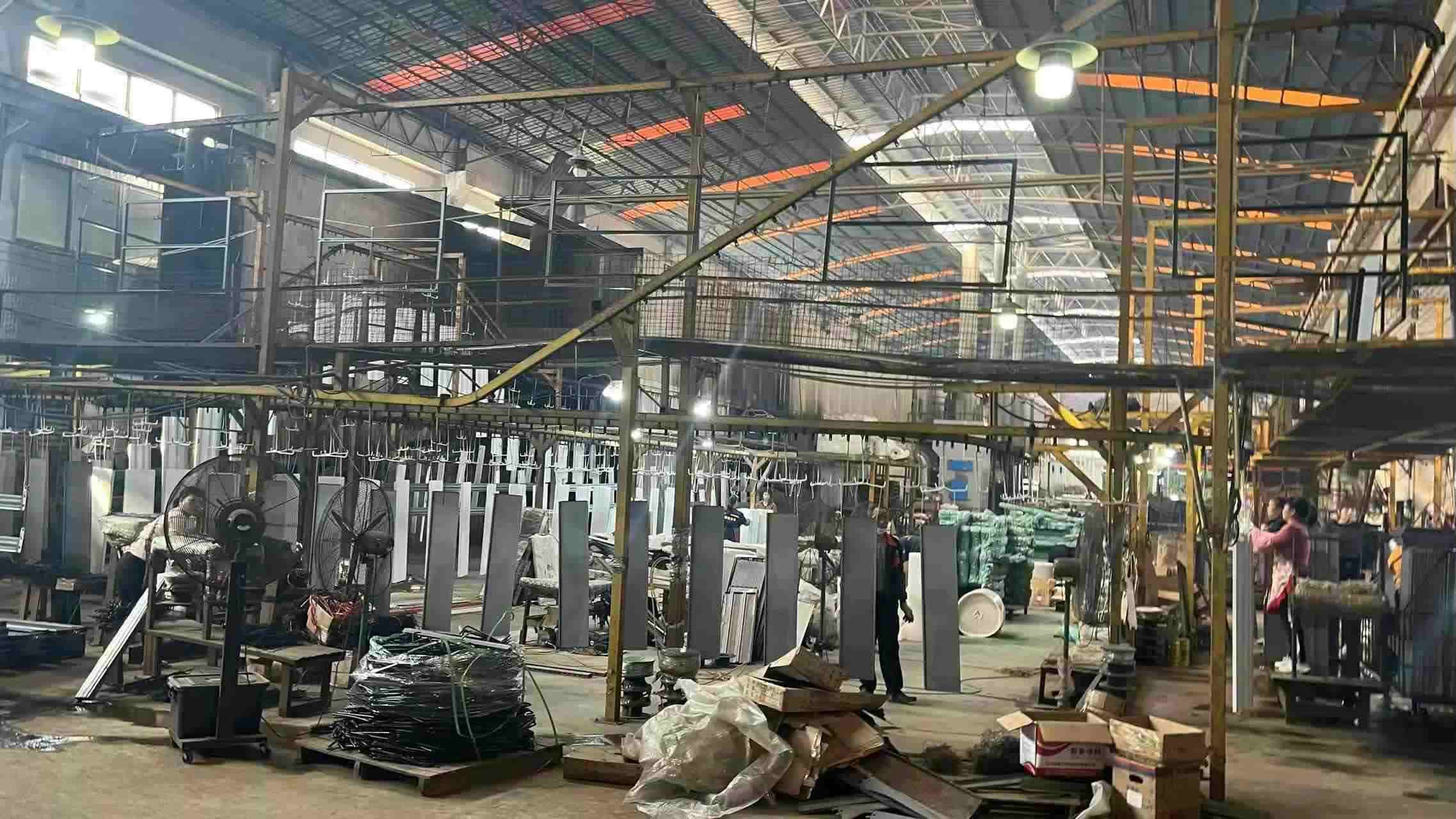
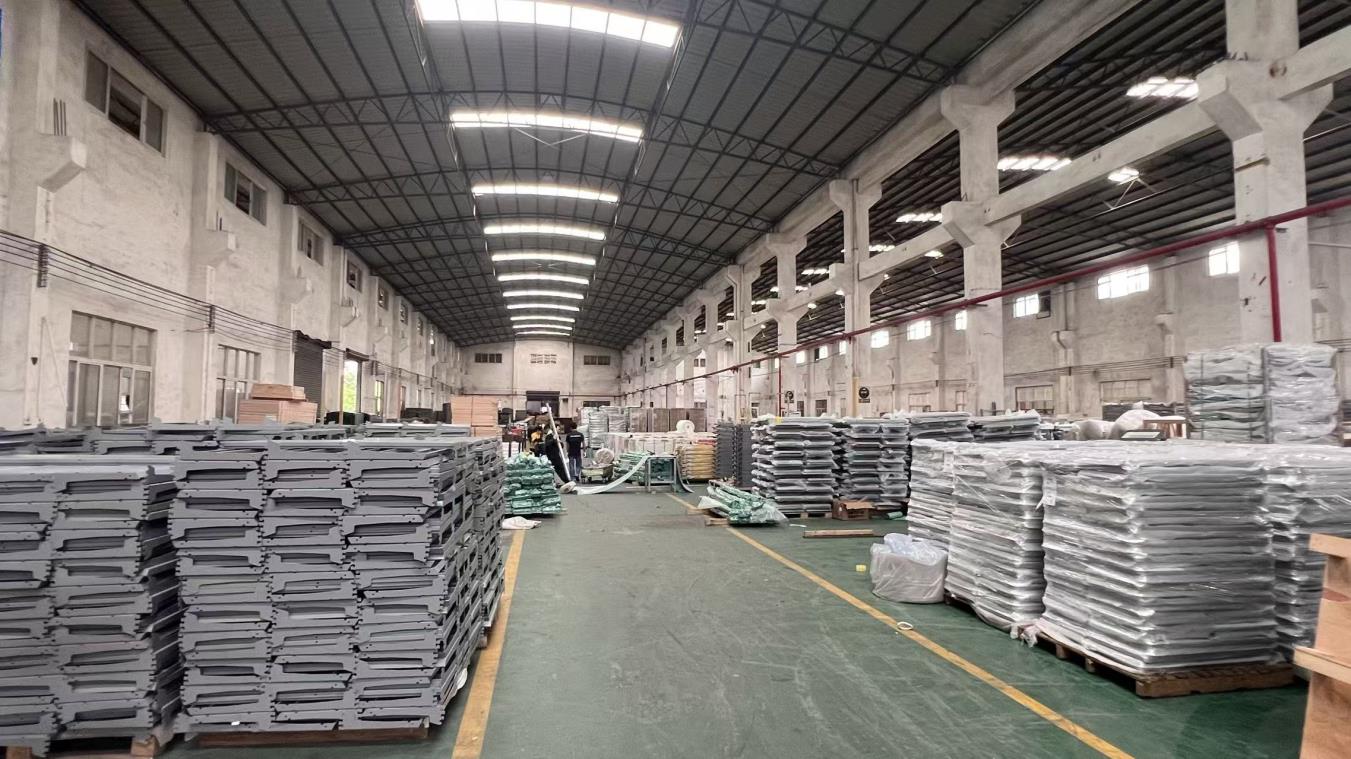
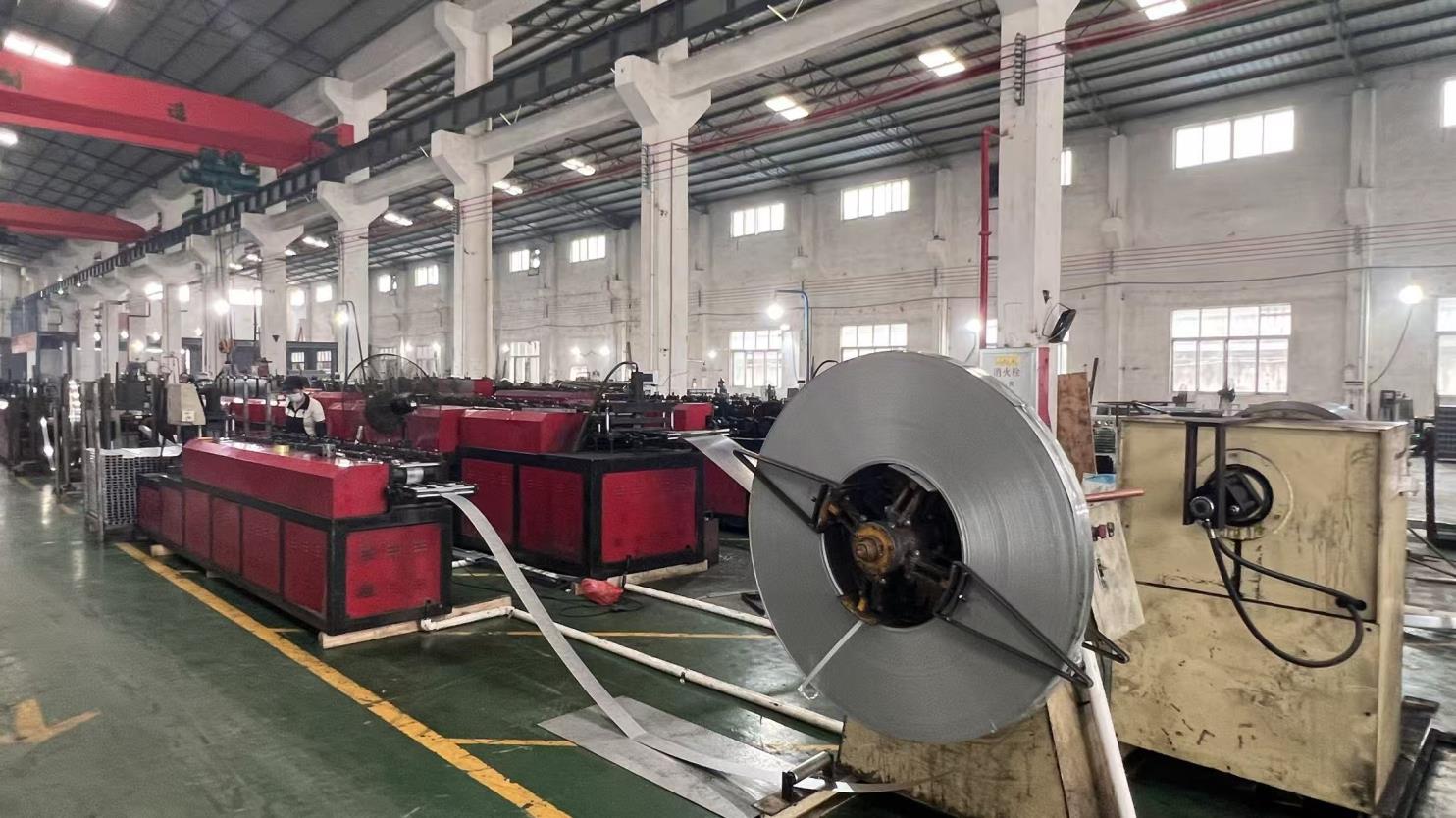
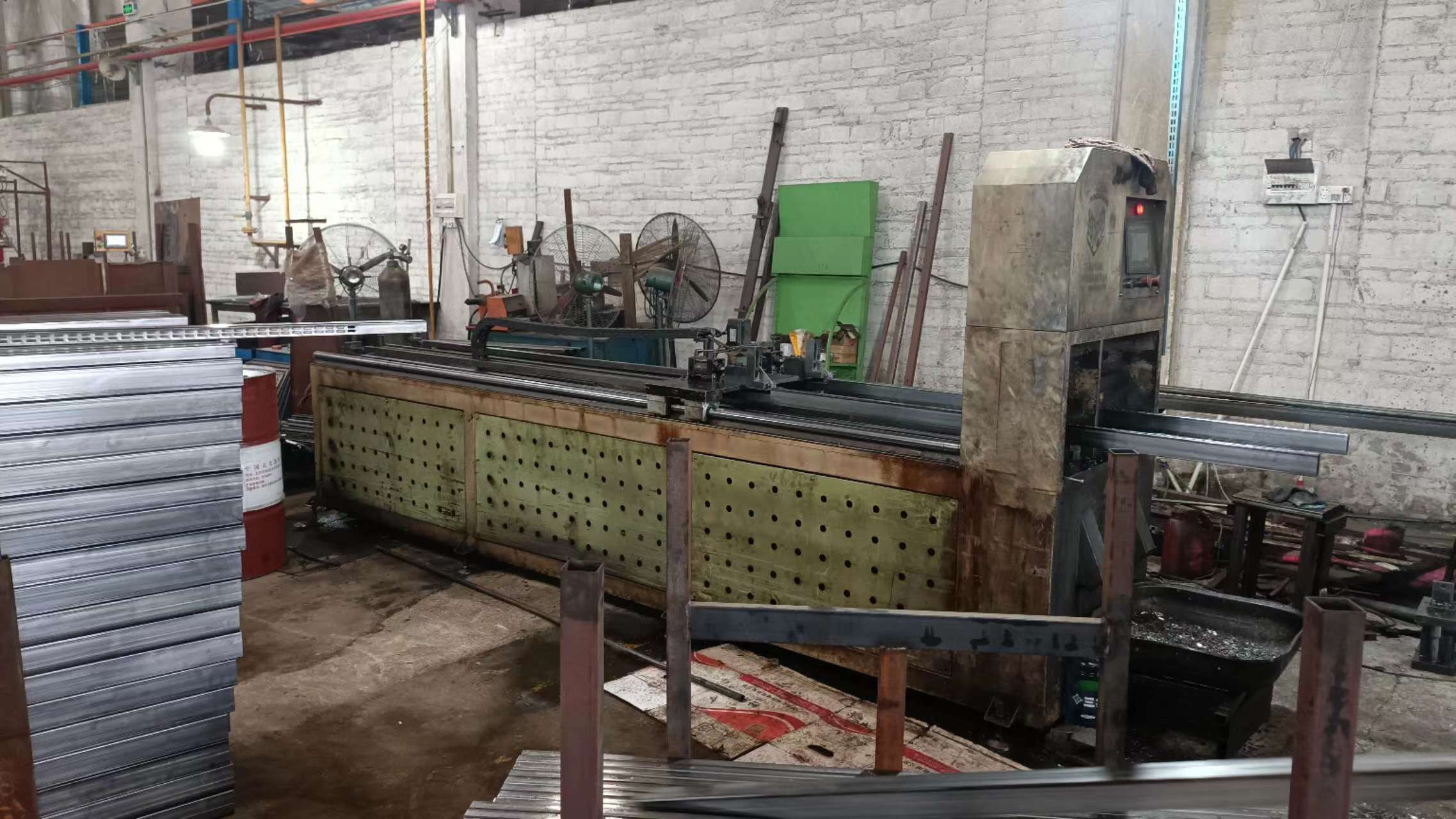
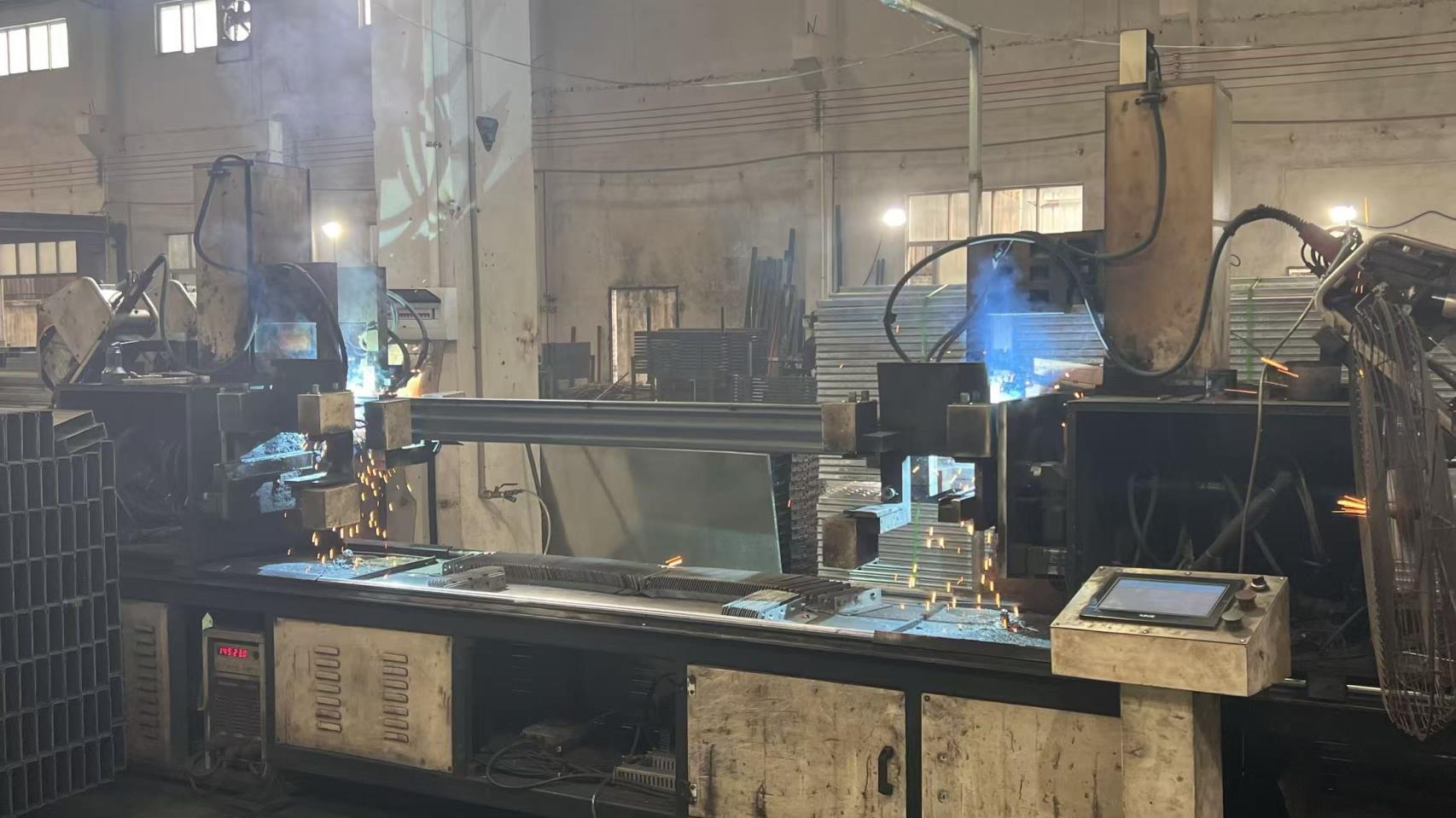
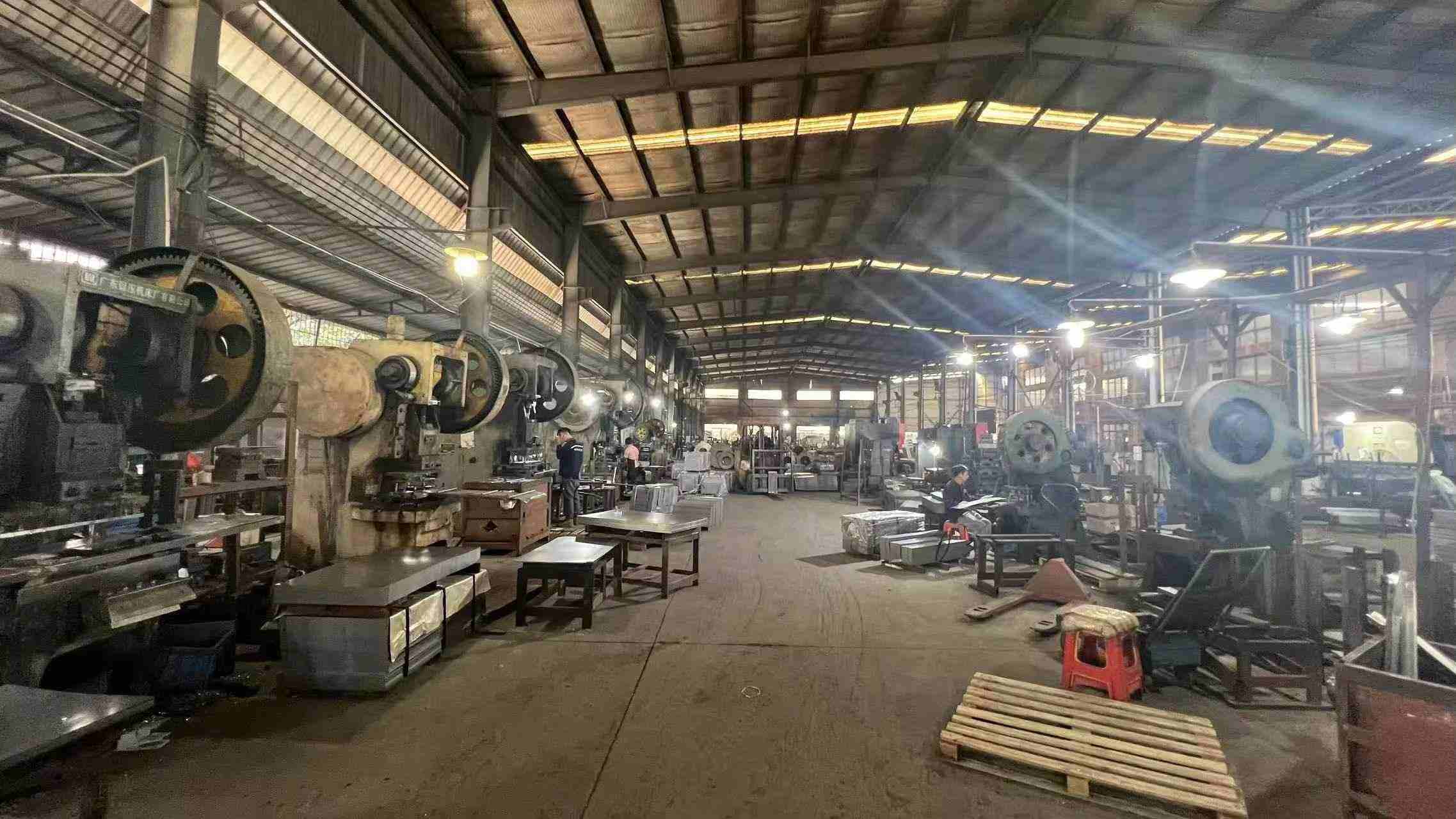
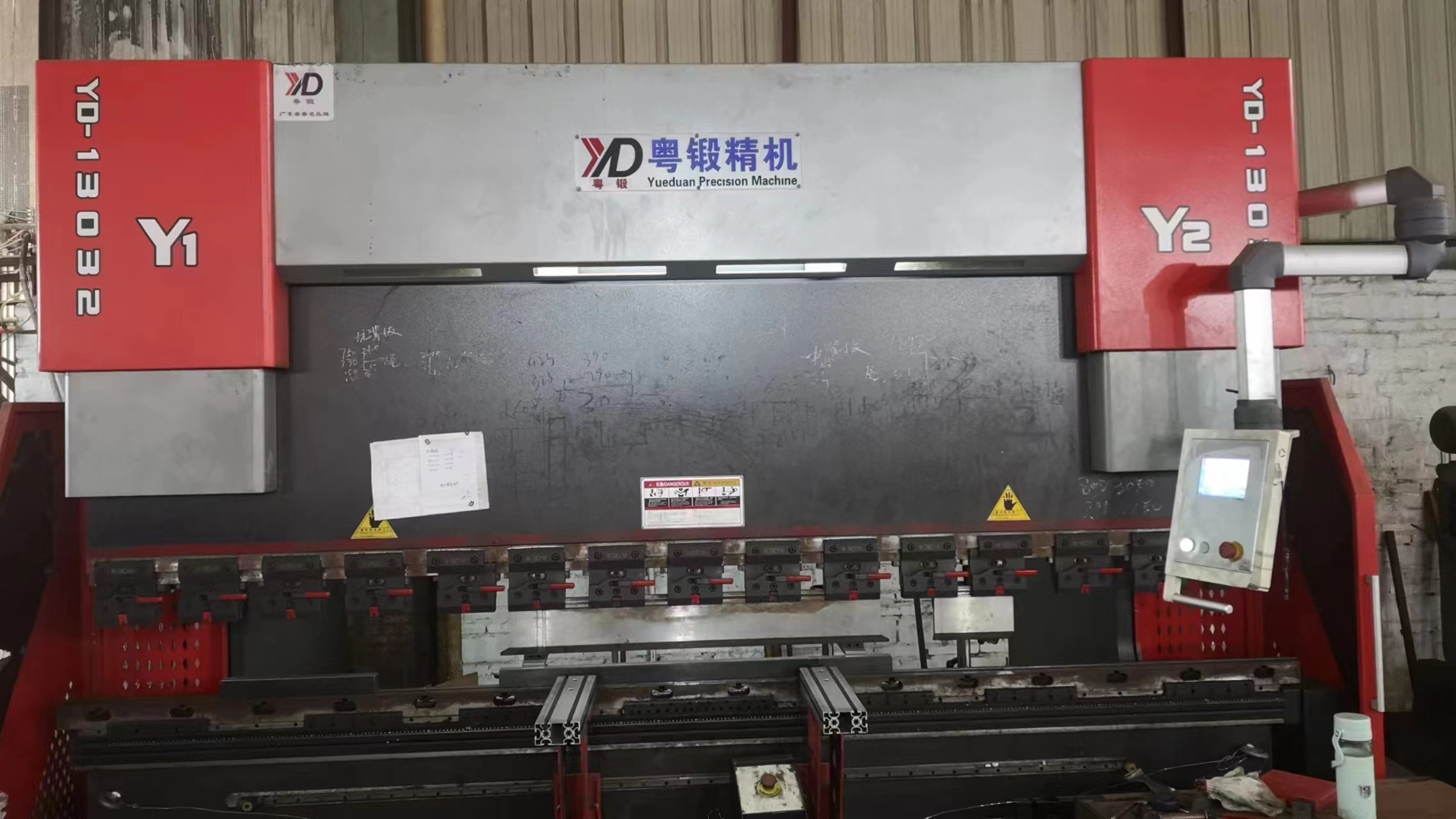
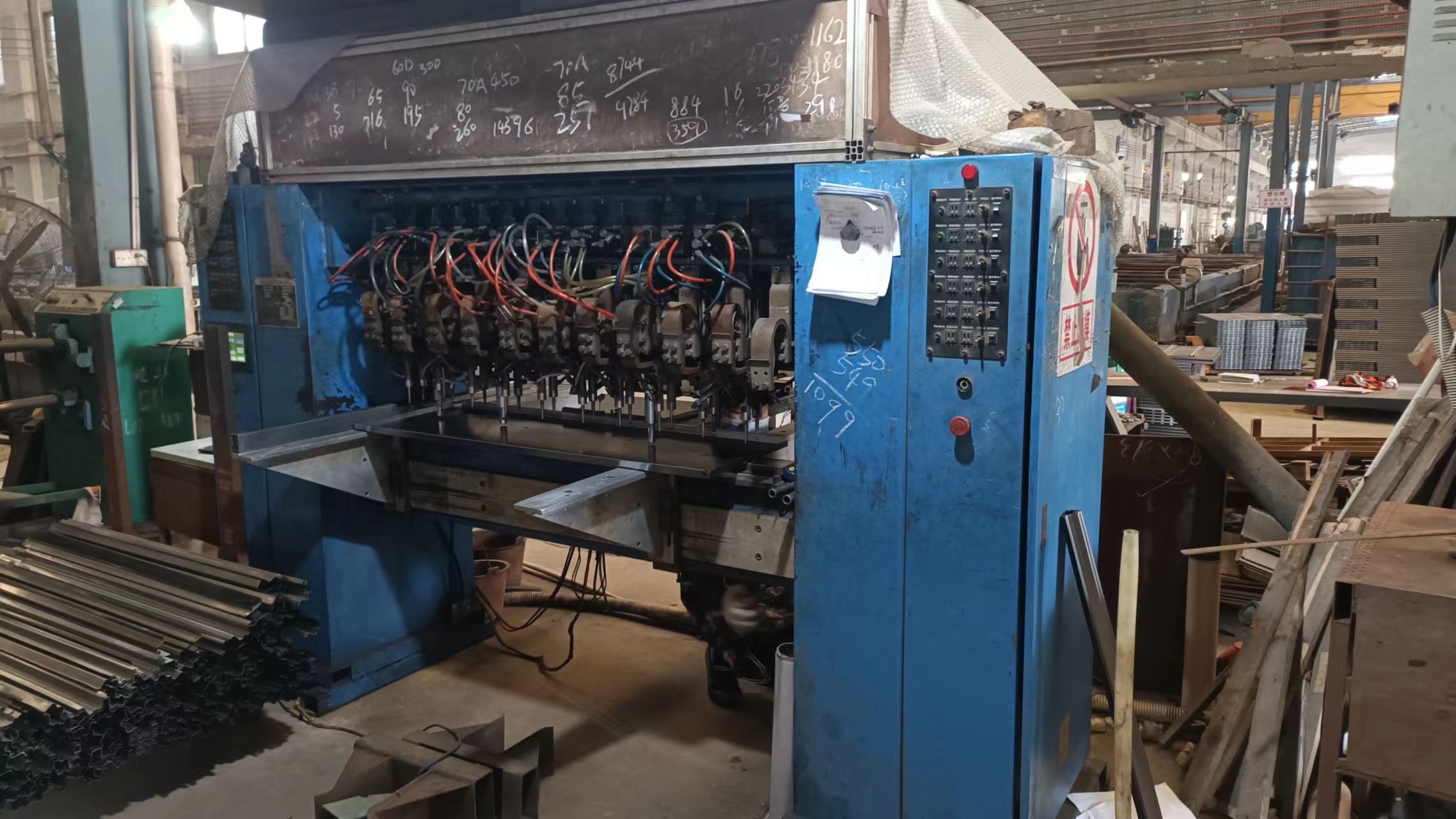
Founded in 2014, Dongguan Durack Logistics Equipment Co., Ltd. is a premier Chinese storage racking system manufacturer operating an expansive, state-of-the-art 35,000 m² facility. Backed by 12 years of core industry engineering experience and 8 years of global export history, the company generates over $28 million in annual export revenue.
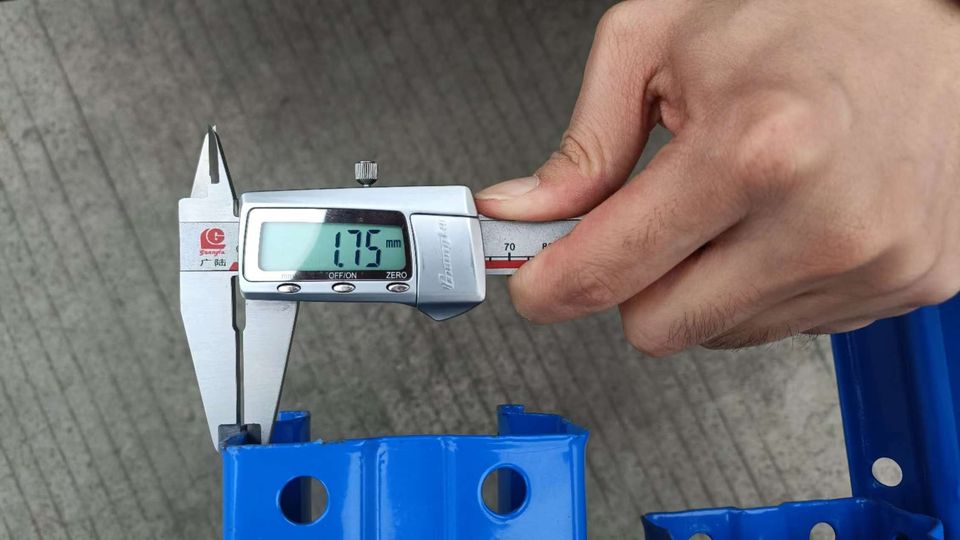
Durack’s operations are supported by a strict quality assurance system utilizing full-spectrum ultrasonic weld testing, structural alignment checks, and real-time load-bearing stress evaluations under the oversight of 45 dedicated Quality Control (QC) specialists. Servicing markets in North America, Europe, and Southeast Asia, Durack has built a reliable supply chain network of over 850 partners, catering primarily to 3PL providers, cold storage operators, and large industrial distributors.
Driven by a dedicated Research & Development (R&D) division with 65 specialized structure engineers, Durack offers complete OEM/ODM customization options—including bespoke steel beam profiles, custom zinc coating weights, and automated layout designs—launching over 120 new storage designs annually.
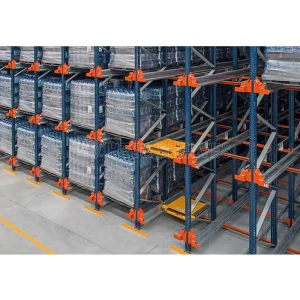
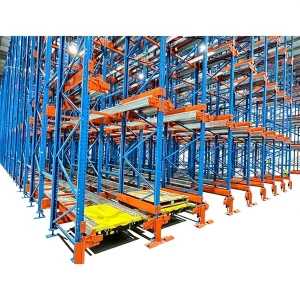
Combining heavy racking configurations with robotic transport platforms for modern supply chain resilience.
Integrating high-speed runner shuttles with custom structural racking allows for deep-lane pallet accumulation. This setup minimizes the forklift access aisles needed in traditional selective racks, boosting space efficiency by up to 80%.
Structural Engineering Requirements: The racking system must maintain extremely low deflection thresholds (conforming to FEM 10.2.02 tolerances) under dynamic loading to prevent shuttle derailment. Continuous weld inspections and high-tensile upright steel grades (Q355B) are crucial.
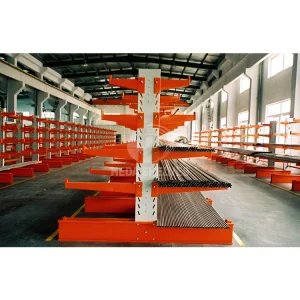
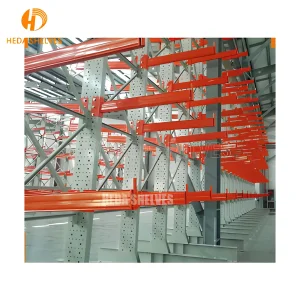
For non-standard, long-profile cargo (e.g., steel pipes, lumber, extrusions, and heavy machinery parts), standard pallet configurations fail. Adjustable heavy-duty cantilever racks with load-bearing arms provide unobstructed front access without upright column interference.
Safety & Compliance: Structural cantilever design must include anti-tip base connectors, shear-pins for impact defense, and custom arm pitch adjustments to handle dynamic load shifts during mechanical retrieval.
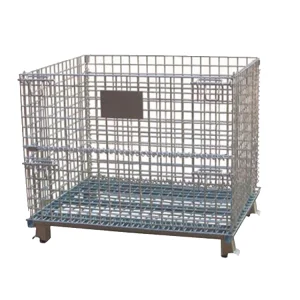
When shipping materials across multiple international nodes or regional hubs, return logistics costs present a major financial hurdle. Standard rigid steel bins waste valuable cargo space during empty backhauls.
The Foldable Advantage: By implementing lockable and collapsible wire mesh cages, return transport volumes are reduced by up to 75%. These units can be stacked up to four high under full load capacity and fold flat when not in use.
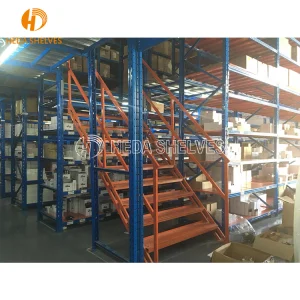
When horizontal expansions are not feasible due to floor layout limitations, mezzanine storage platforms utilize unused vertical airspace.
Integration: Heavy-duty industrial mezzanines use structural steel columns, main I-beams, and secondary purlins to construct a robust second or third deck, doubling the floor space for staging, manual picking, or assembly lines.
A data-driven engineering comparison of modern heavy-duty and light-duty modular storage racking materials.
| Racking/Shelving Category | Common Steel Grades | Surface Treatment Standard | Nominal Load Capacity | Safety Factor Compliance |
|---|---|---|---|---|
| Heavy Duty Cantilever Racks | Q355B / ASTM A572 Gr. 50 | Electrostatic Powder Coated (60-80μm) | 1,000 - 5,000 kg / Arm | 1.5 to 1.8 (RMI / FEM compliant) |
| Radio Shuttle Storage System | Q235B / Q355B Roll Formed | Epoxy Powder / Hot-Dip Galv. | 500 - 1,500 kg / Pallet | 1.5 (EN 15512 Standard) |
| Collapsible Wire Mesh Cages | Low Carbon Steel Wire Q195 | Electro-zinc Plating / Cr3+ Passivation | 800 - 1,200 kg / Unit | 2.0 (Static Load Safety Factor) |
| Mezzanine Platforms | SS400 / Q235B / H-Beam Structural | Primer + Industrial Polyurethane Paint | 300 - 1,000 kg / m² | 1.6 (ASCE 7-10 Structural Load) |
| Supermarket Gondola Shelves | Cold Rolled Steel (SPCC) | High Gloss Powder Coat (50-70μm) | 50 - 150 kg / Level | 1.3 (Commercial Grade) |
Expert answers addressing the primary design, compliance, and custom manufacturing concerns of international logistics procurement directors.
High-capacity structural solutions and retail fixtures engineered for heavy industrial demands and retail presentation.
 Durack