Engineered for maximum spatial utility, safety compliance, and optimal material handling throughput.
Unlocking dynamic vertical cubic space to navigate real estate constraints and structural demands.
In the contemporary industrial sector, spatial efficiency translates directly to operational profitability. Rapid urbanization, skyrocketing warehouse lease costs, and the sudden boom of micro-fulfillment infrastructure have driven global enterprises to search for innovative spatial optimization strategies. Industrial steel platforms, commonly referred to as structural steel mezzanines, have emerged as a vital structural engineering solution to optimize existing spatial footprints without resorting to costly building expansions.
Historically, warehouses operated under simple, single-tier storage configurations. Today’s industrial landscapes are complex, multi-functional spaces where manufacturing, order picking, testing, and offices coexist. A structurally sound steel platform doubles or triples usable floor area, creating space for automated sortation equipment, conveyor loops, and additional pallet storage. This vertical evolution utilizes the vertical clearance (cube) of a building, turning empty headroom into premium structural workspace.
Modern procurement decisions have moved beyond simply finding low-cost steel. Global engineering departments, supply chain directors, and logistics planners now prioritize safety, compliance, structural longevity, and seamless integration with complex automation technologies. The choice of a steel platform partner is guided by strict parameters:
Reinforced steel framing configurations minimize deflection and vibration, providing flat, stable surfaces for automated robotics to navigate safely and efficiently.
Custom structural engineering designed to endure regional seismic activities and high-stress dynamic loading conditions, ensuring long-term structural safety.
Premium structural integrity, precision manufacturing, and comprehensive quality assurance.
Founded in 2014, Dongguan Durack Logistics Equipment Co., Ltd. is a premier Chinese storage racking system manufacturer operating a 35,000 m² facility. Backed by 12 years of industry experience and 8 years of global export history, the company generates $28 million in annual export revenue. Our operations are supported by a strict quality assurance system using full-spectrum ultrasonic testing and load-bearing stress evaluations, overseen by 45 dedicated QC specialists. Building on a strong international trading background, our core markets span North America, Europe, and Southeast Asia. We maintain a reliable supply chain network of over 850 partners, catering primarily to third-party logistics (3PL) providers, automated warehouses, and large industrial distributors. Driven by an active R&D division with 65 specialized engineers, Durack offers full OEM/ODM customization options—including bespoke beam profiles, structural steel grades, and dynamic layout designs—launching over 120 new storage products last year.
Durack structural steel platforms and mezzanines are engineered from high-grade structural steel (Q235B and Q355B), ensuring reliable yield strength and load carrying capabilities. Our in-house engineering team calculates precise load distributions to deliver reliable, durable platforms that optimize space and secure operational workflows.
Proven engineering milestones, supply chain capacity, and structural expertise.
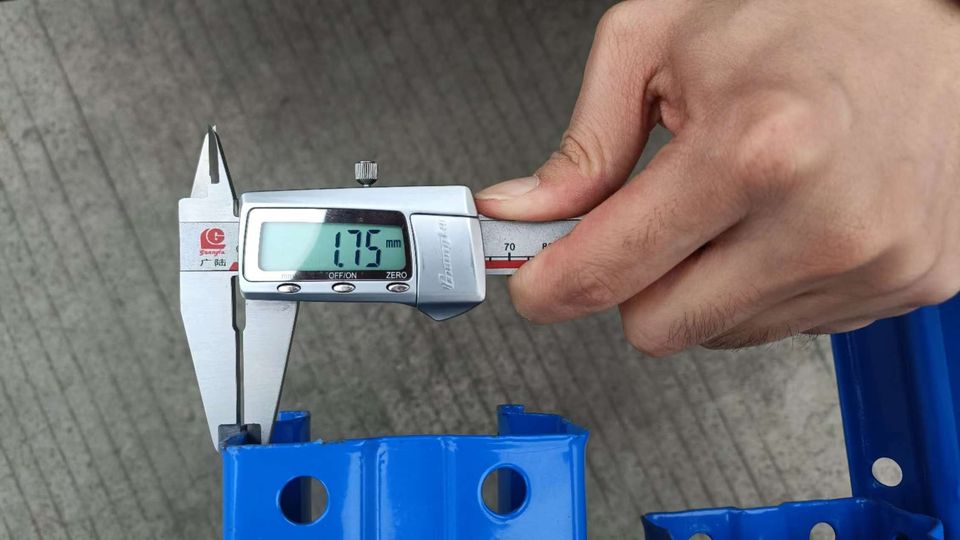
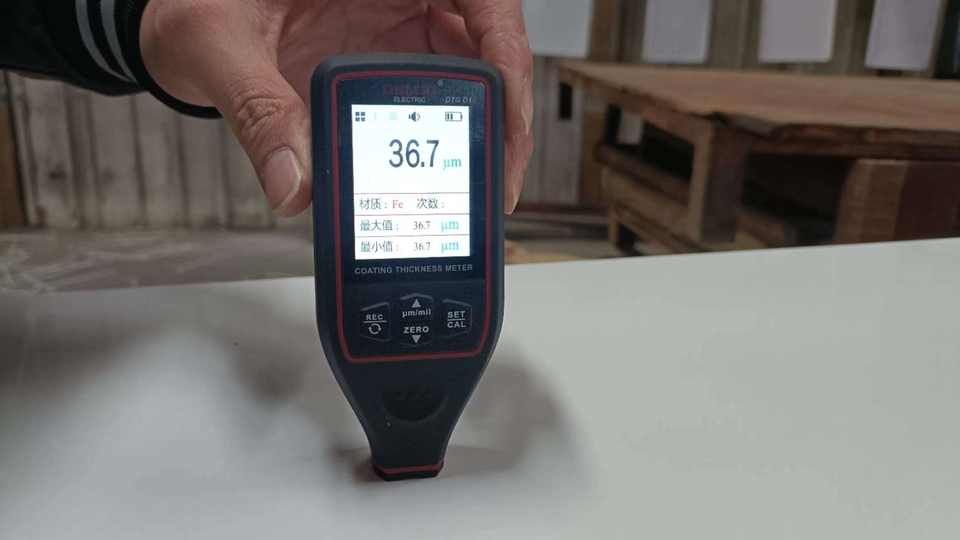
Every component undergoes strict quality checks, from raw structural steel procurement to surface finishing.
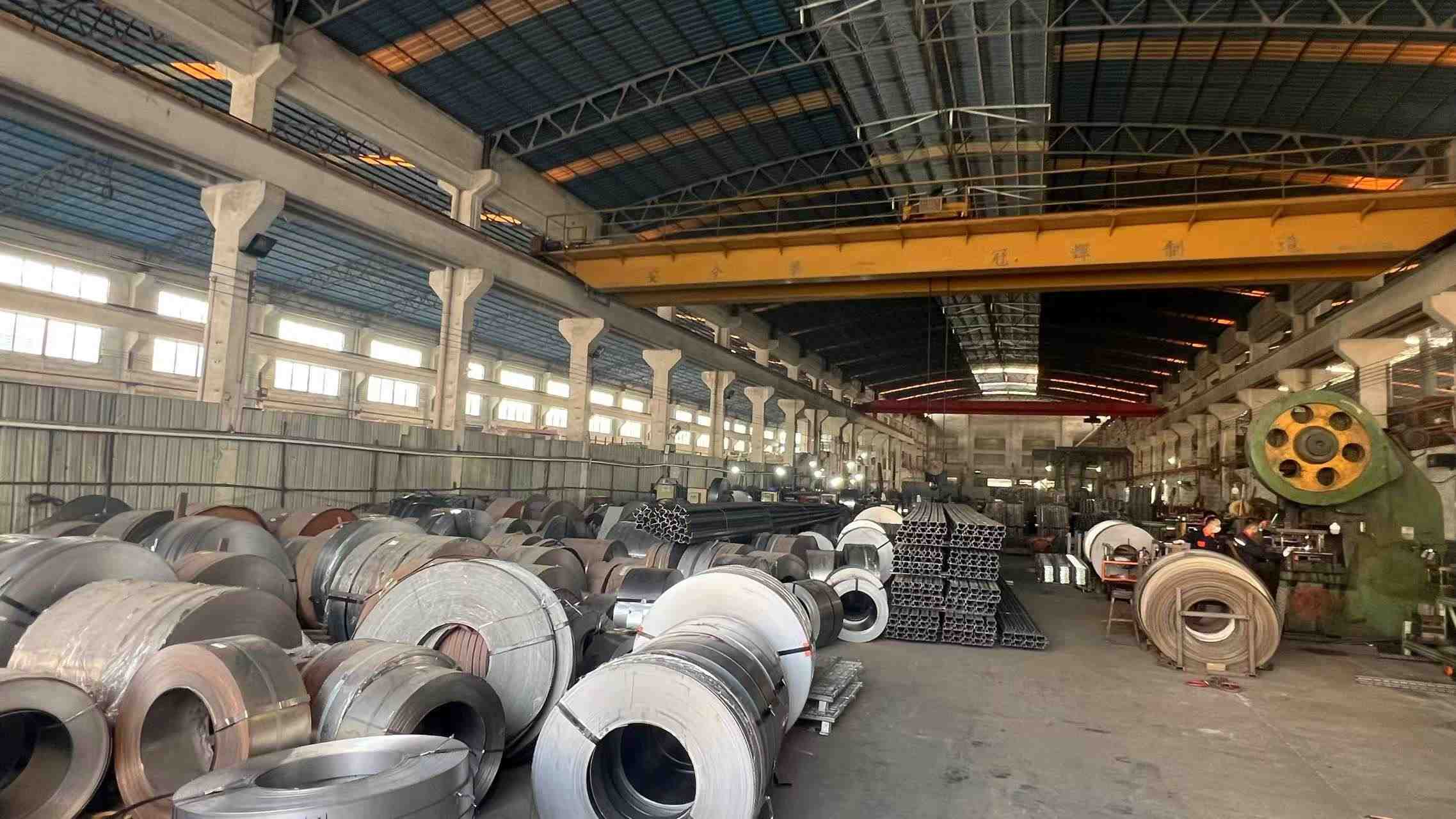
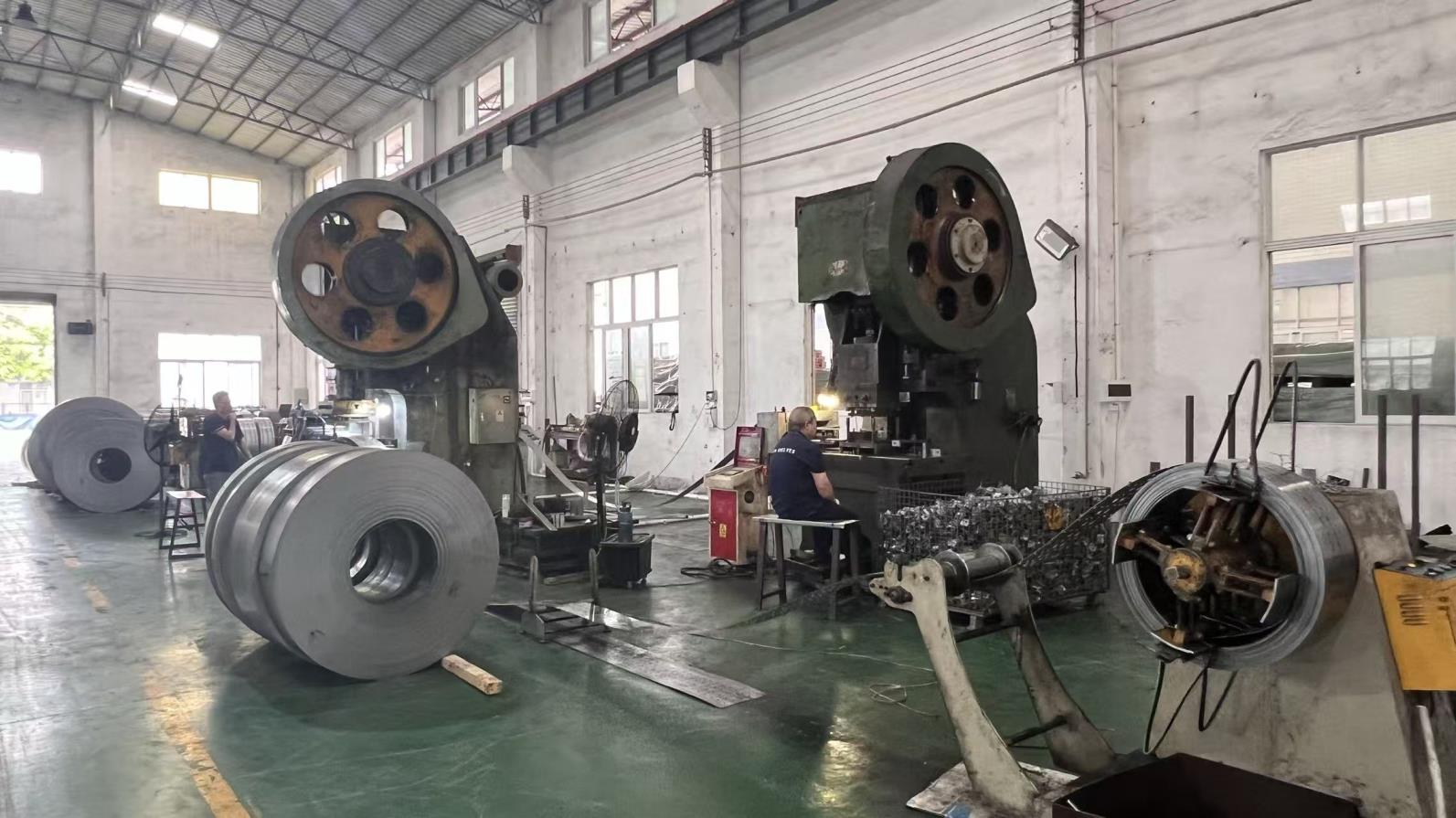
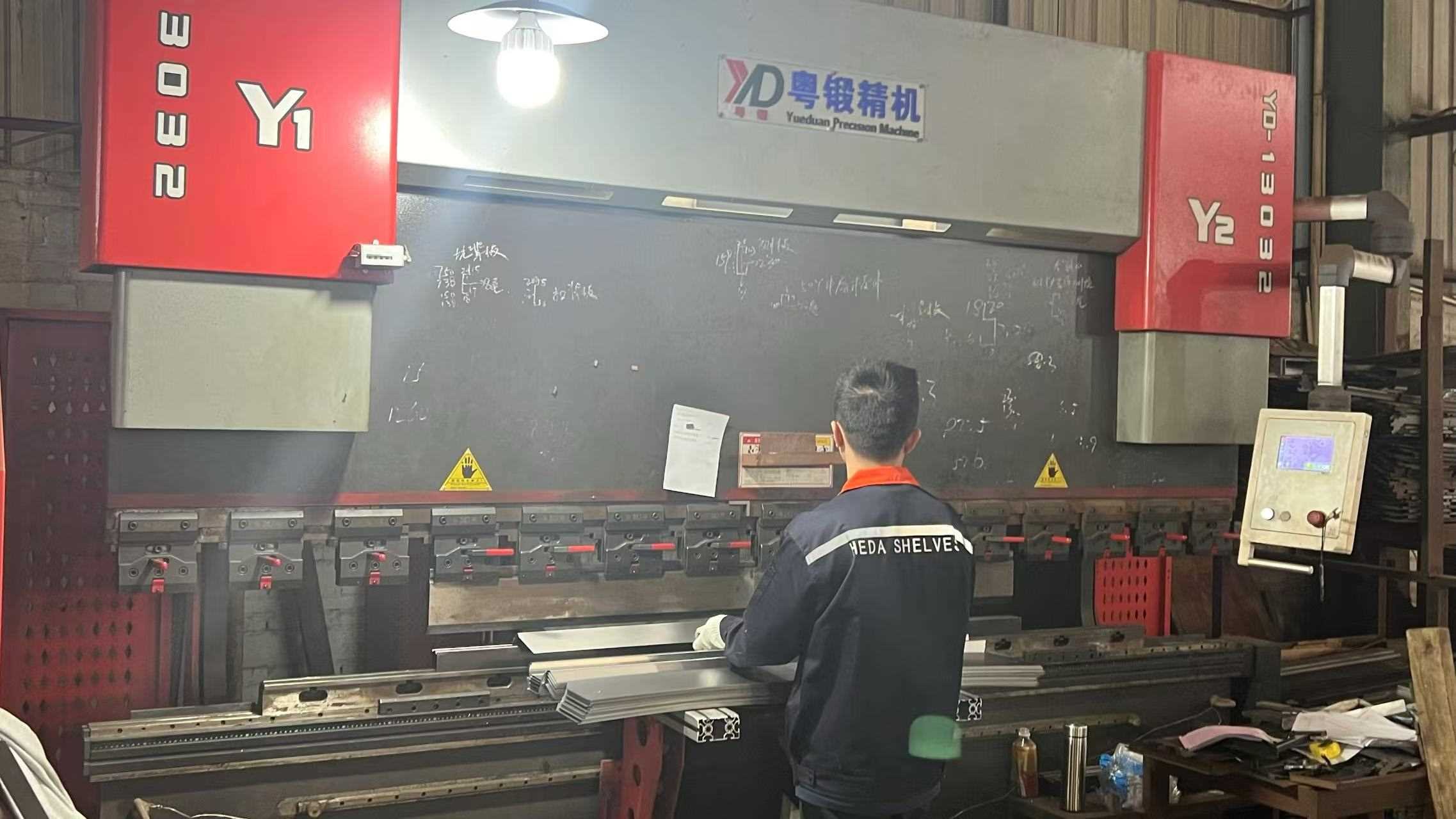
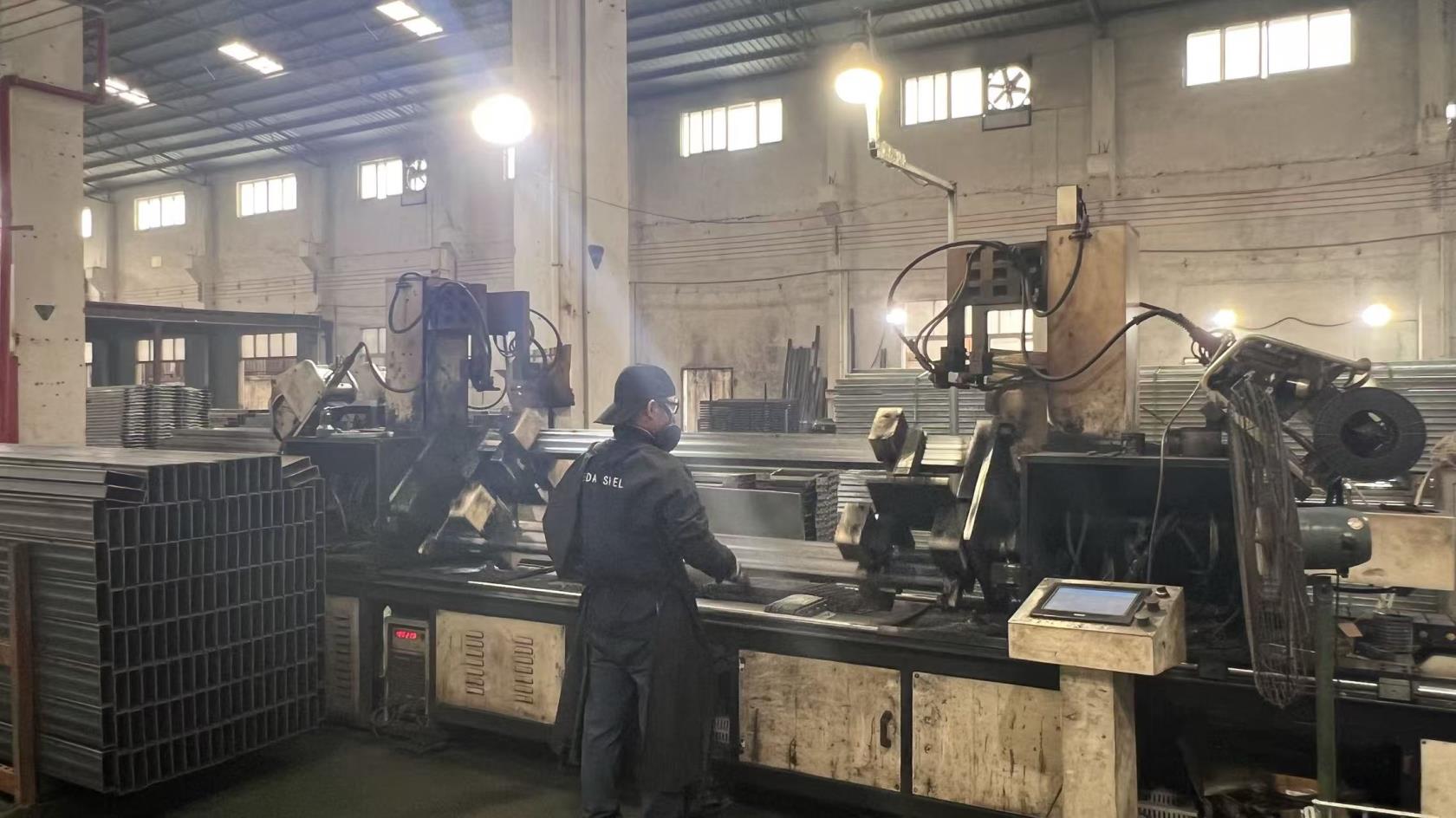
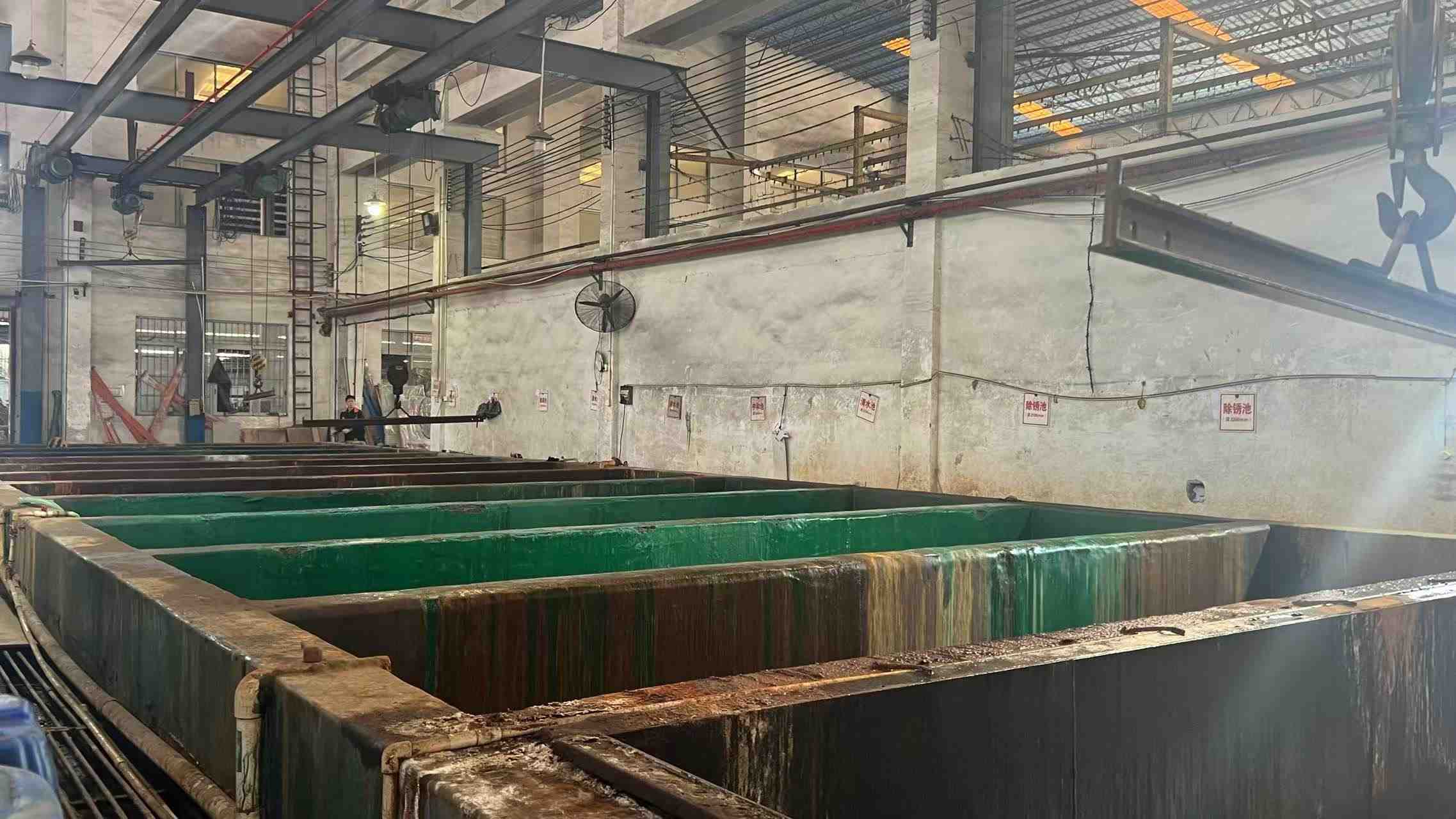
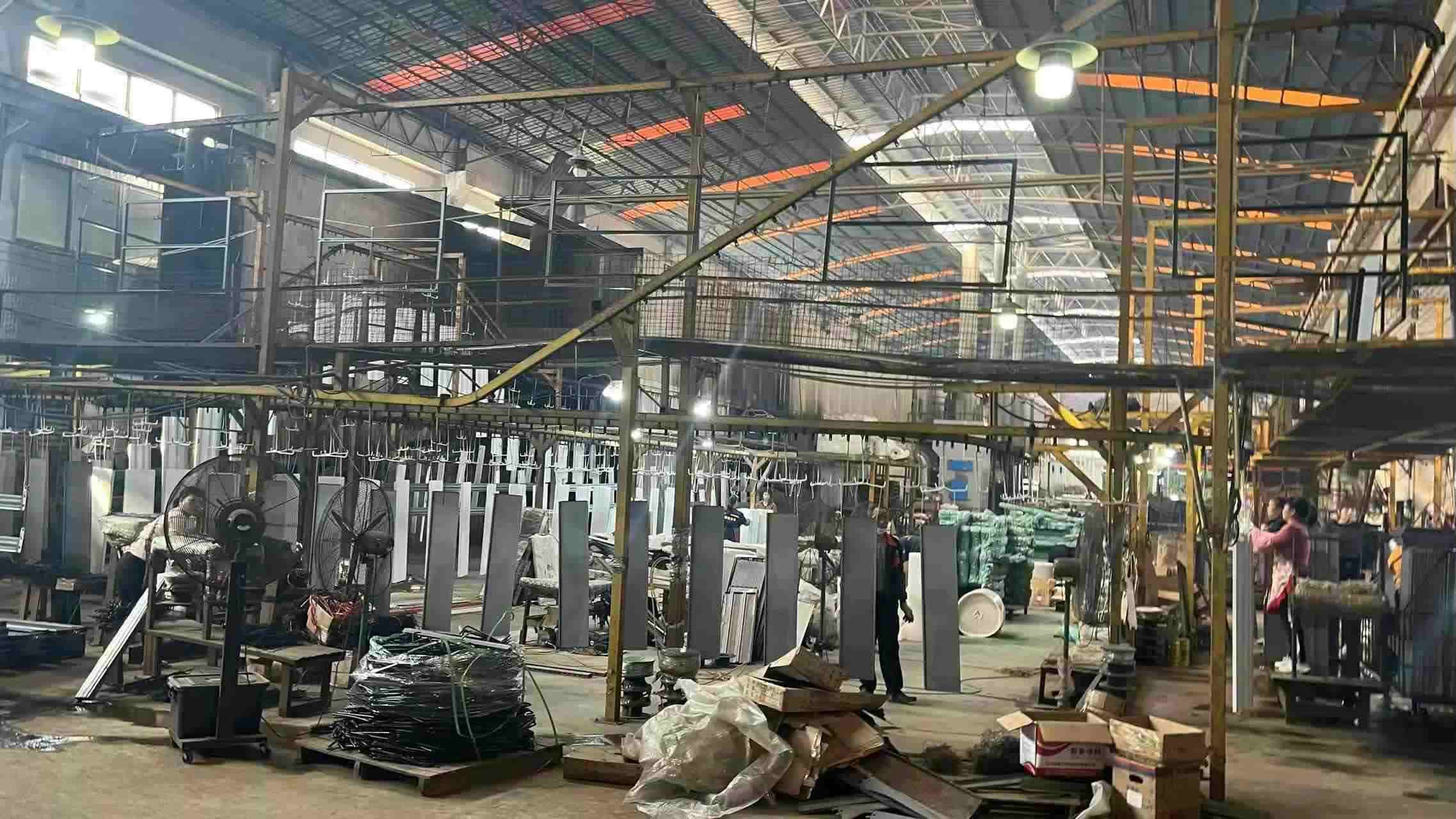
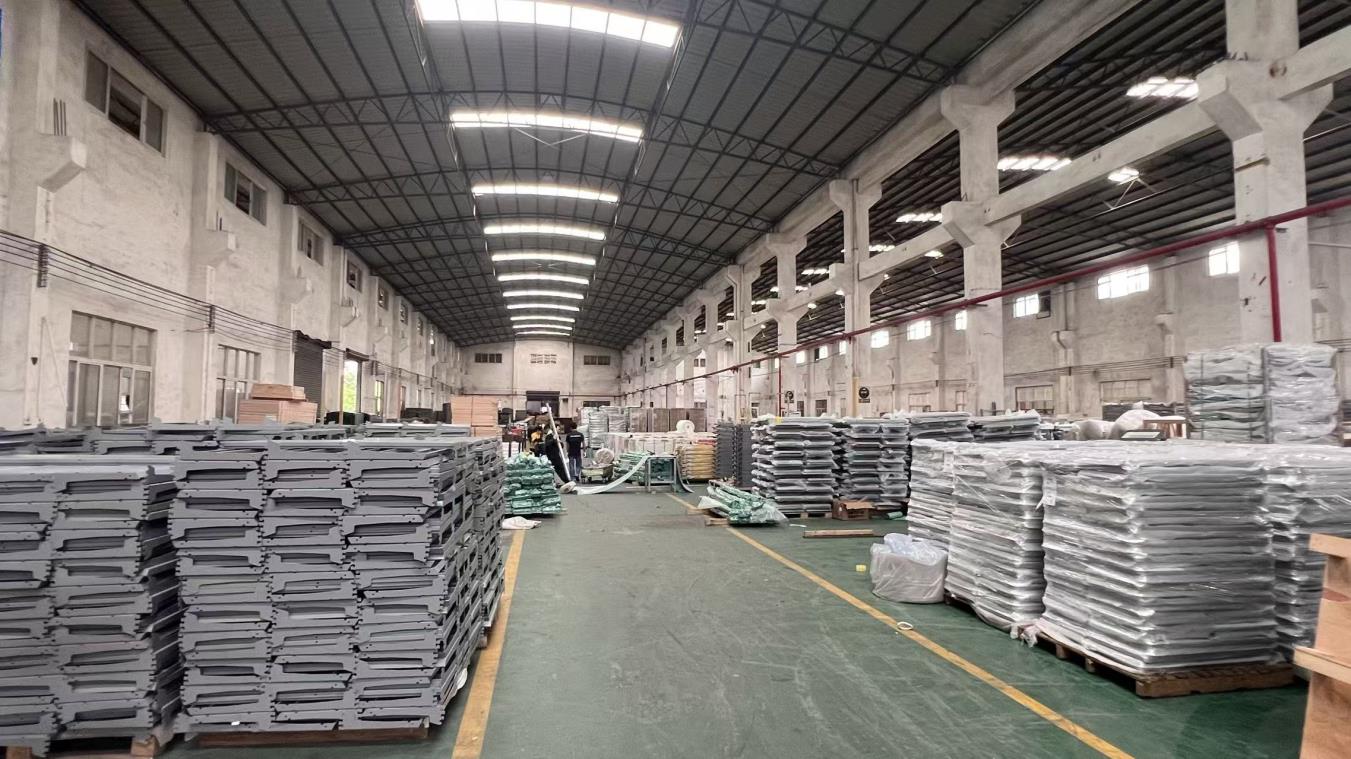
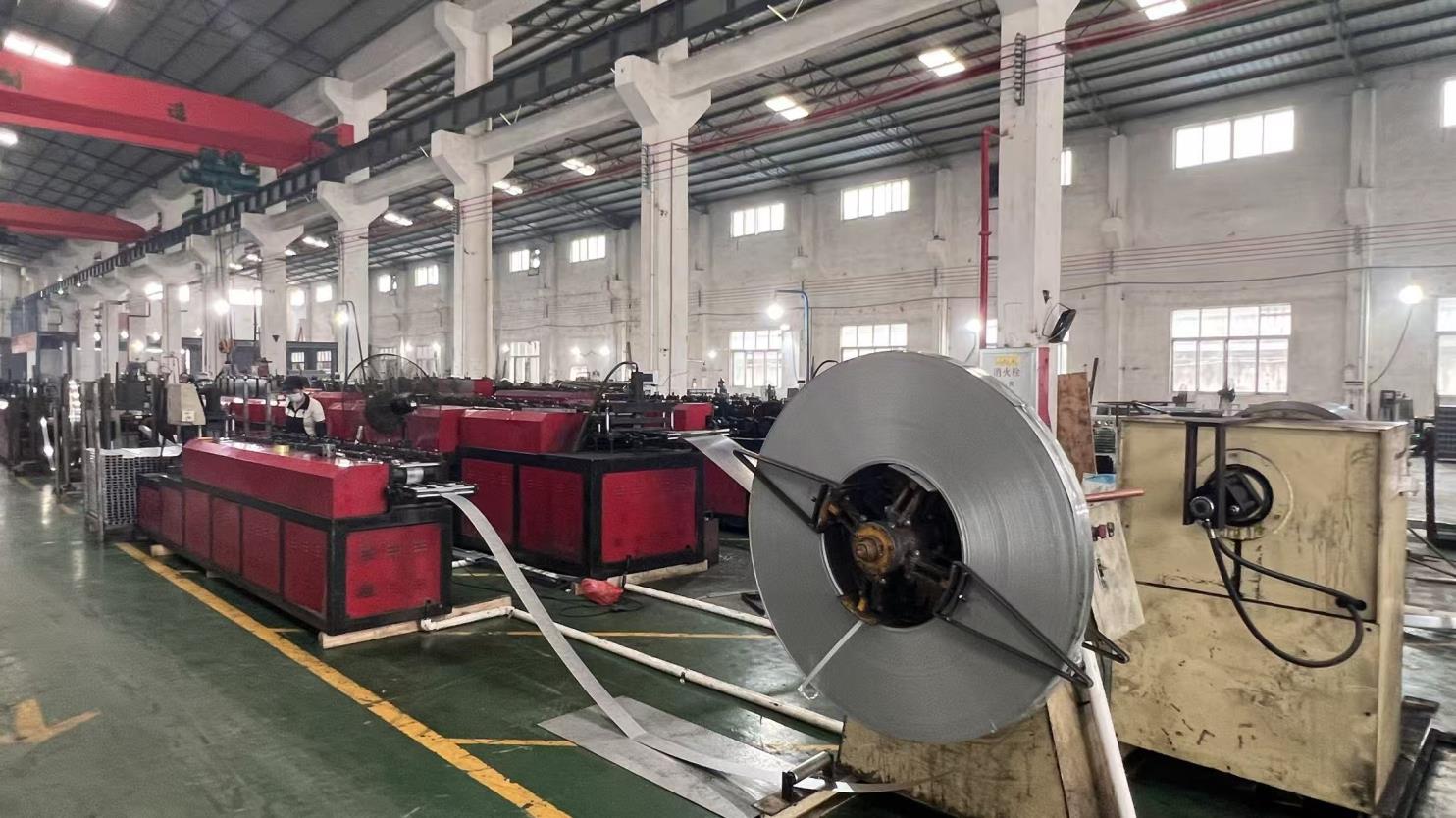
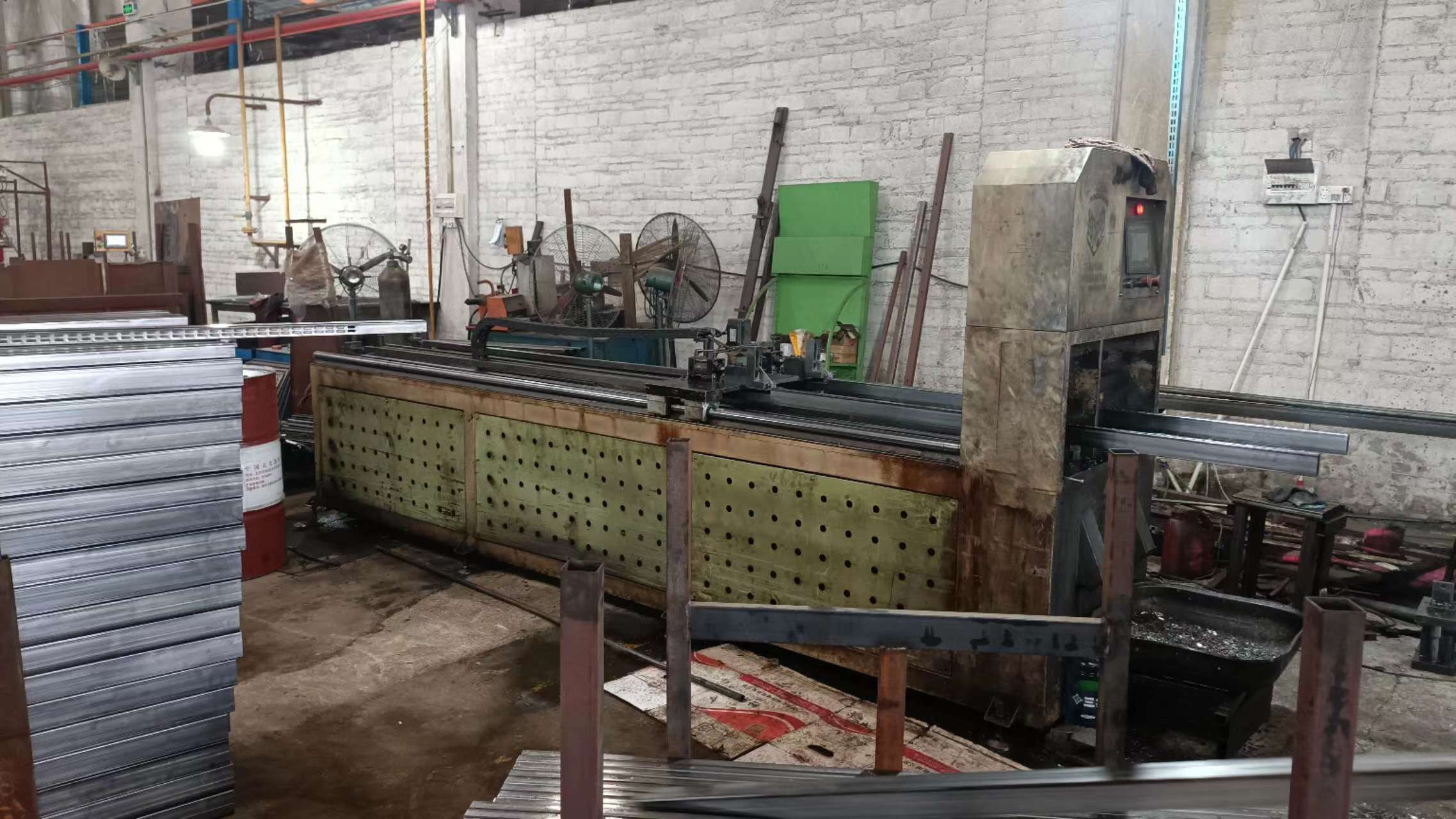
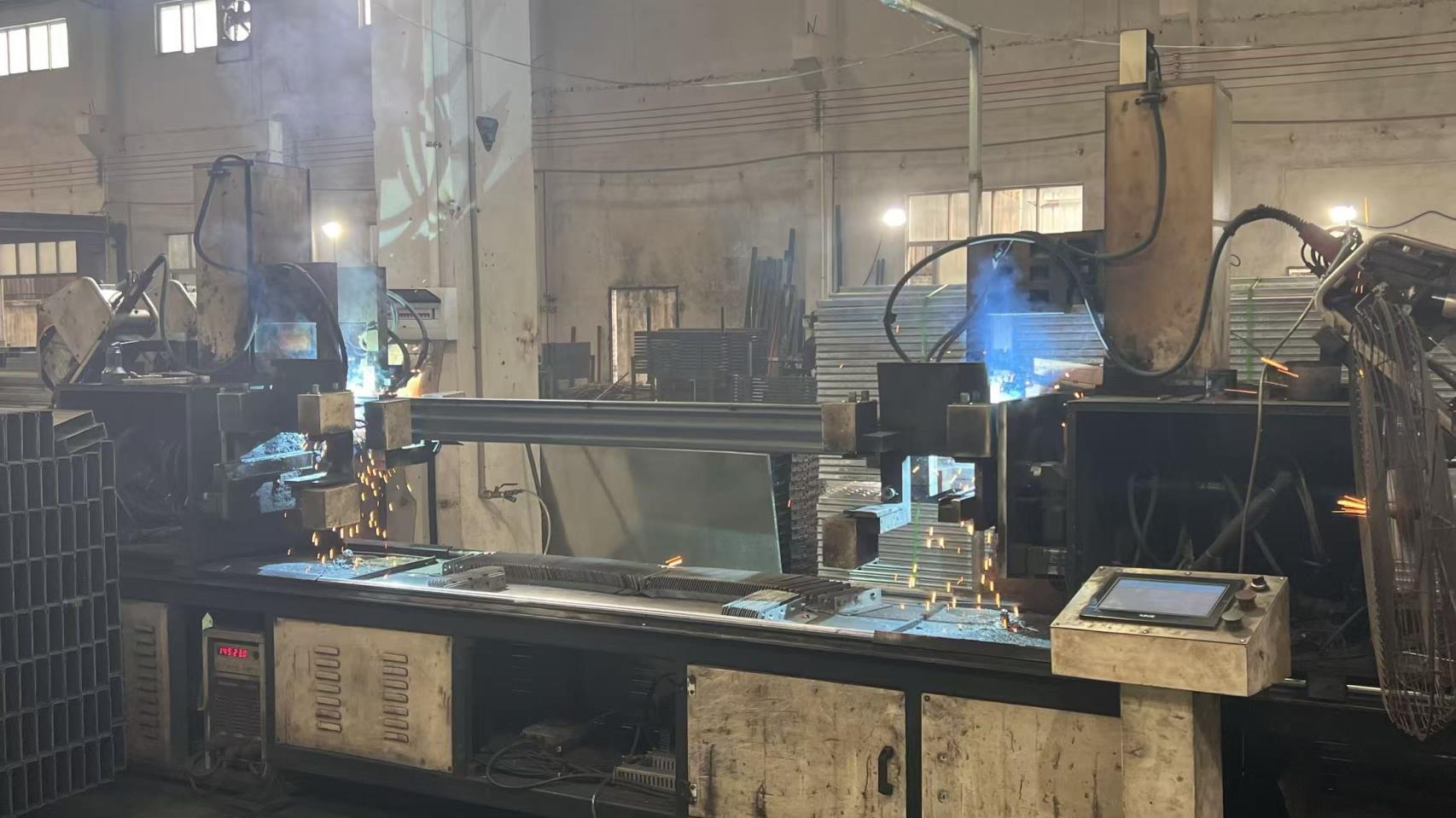
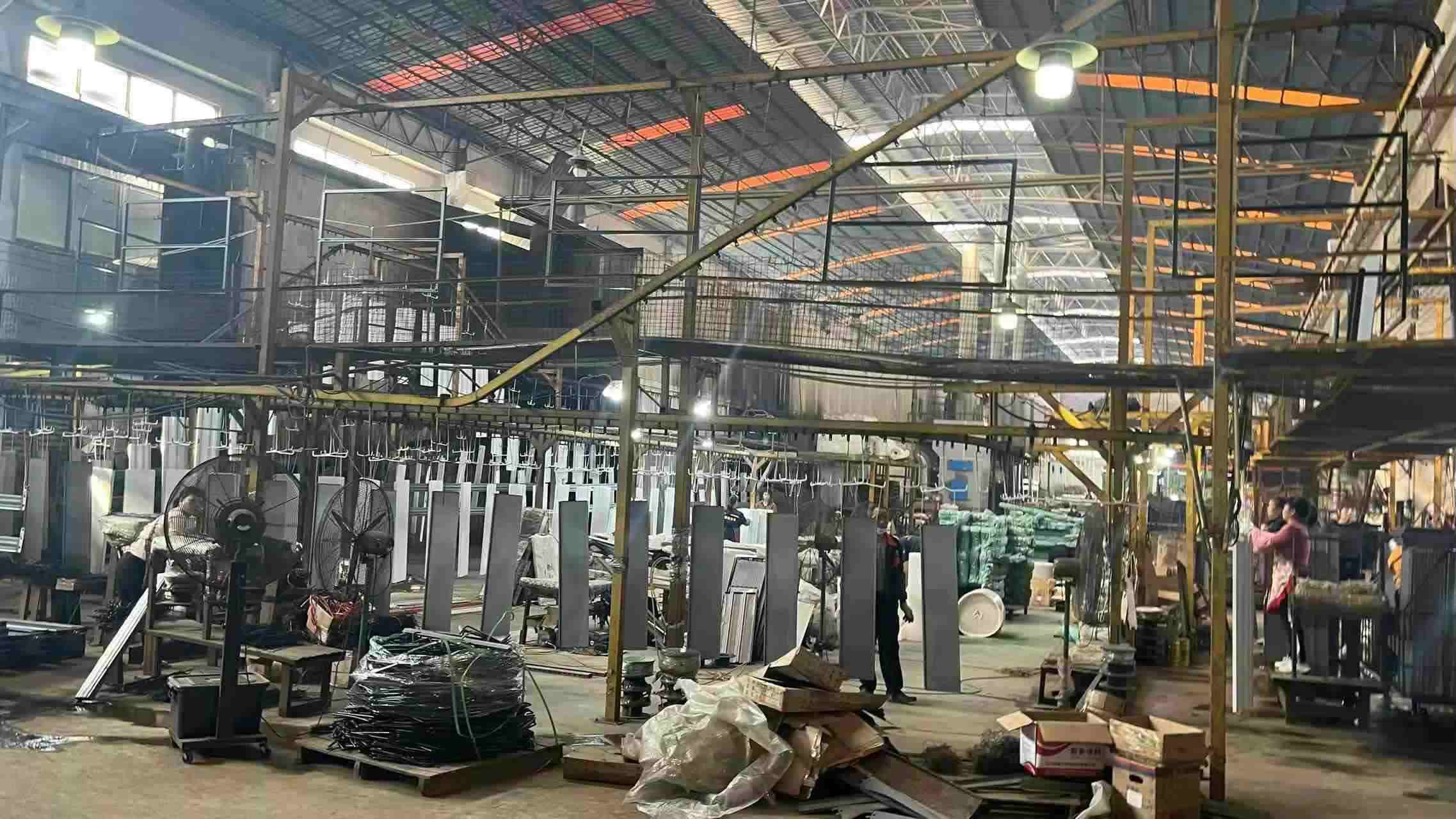
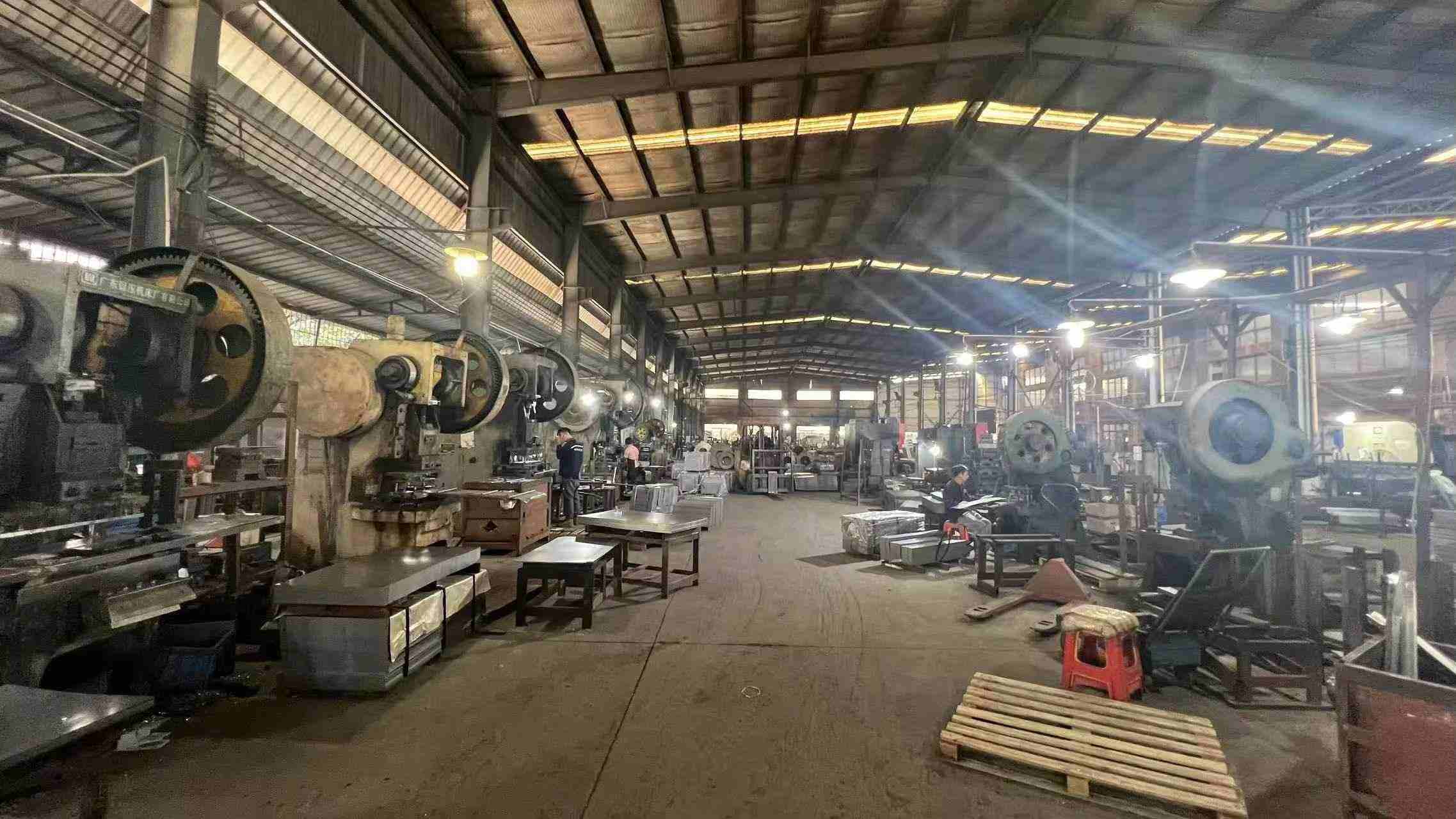
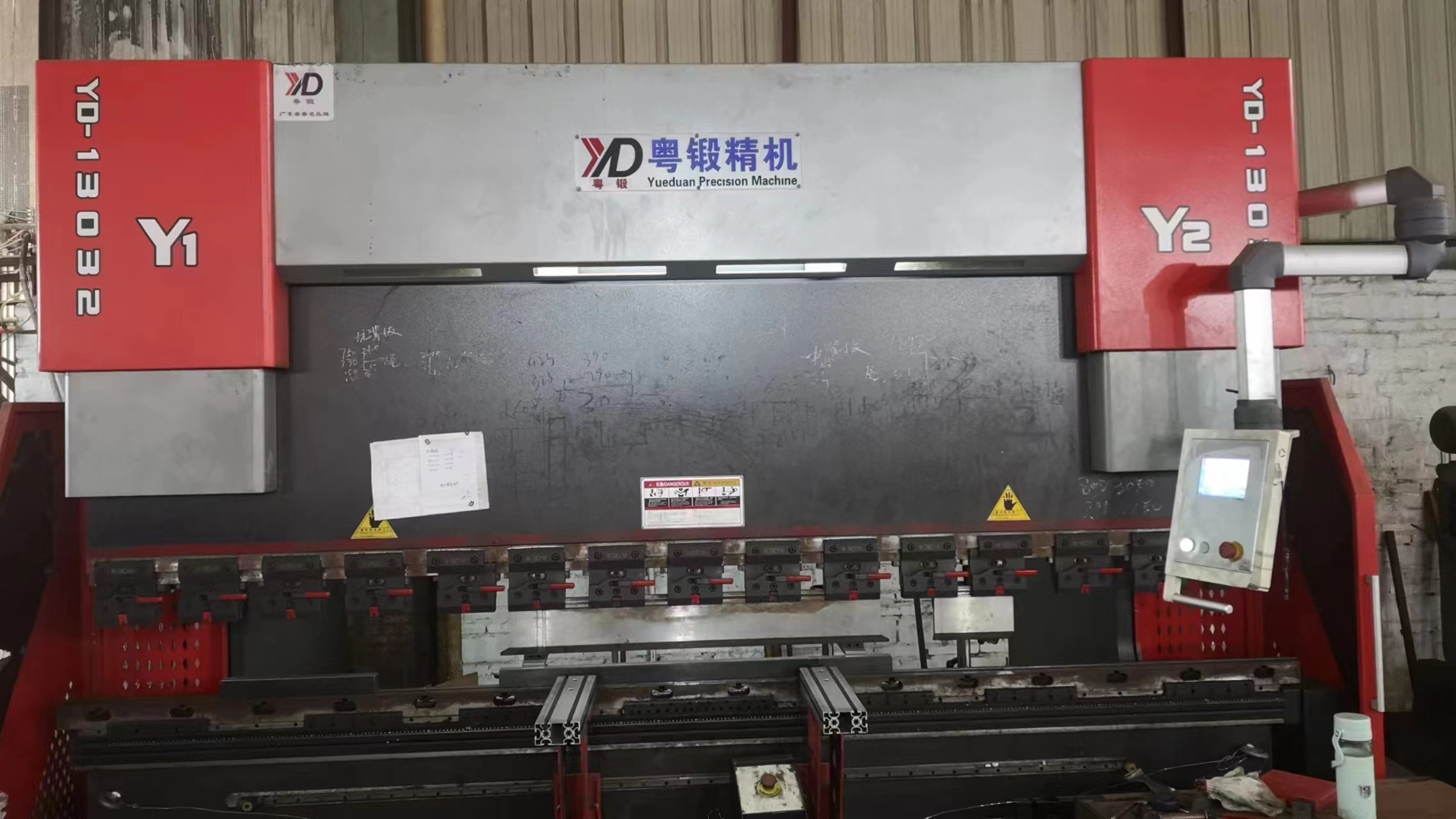
Integrating automated material fabrication, local raw material ecosystems, and advanced structural engineering.
The global shift toward supply chain resilience has cast a spotlight on Chinese high-end manufacturing. The transition from labor-intensive factories to digital, automated Factory 4.0 facilities has redefined the cost-to-quality ratio of structural steel components. Leveraging direct, localized access to high-grade steel output, integrated manufacturing plants maintain uninterrupted production and cost stability even during periods of raw material market volatility.
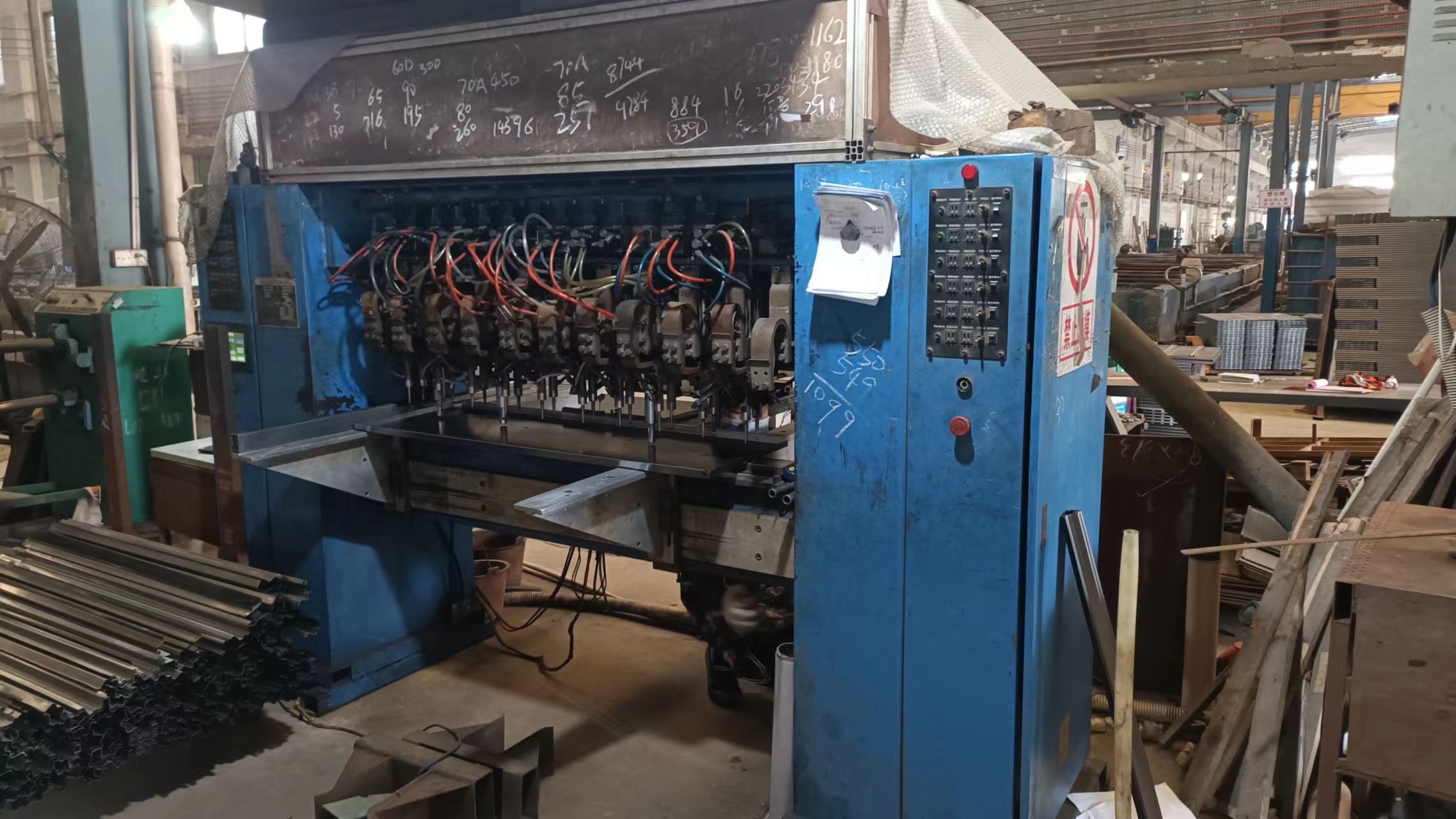
At the center of this structural efficiency is the integration of advanced manufacturing machinery. Automated punching systems, robotized welding arms, and computer-controlled rolling mills ensure that critical structural elements—such as upright columns, main load-bearing beams, and secondary purlins—are manufactured with sub-millimeter precision. This precision directly translates to easier installation on site, minimized field modifications, and structural consistency across large scale layouts.
Furthermore, China’s logistics infrastructure provides key shipping and distribution advantages. Proximity to international shipping ports, combined with specialized loading and packing protocols, ensures that large steel platforms are bundled securely to avoid transit damage and container volume inefficiencies. By optimizing loading density and using space-saving packaging configurations, manufacturers reduce global shipping costs, mitigating rising sea freight rates for international buyers.
The applications for industrial steel platforms span multiple key sectors, each presenting unique engineering demands:
Finite Element Analysis (FEA) is utilized to simulate load configurations and prevent structural sagging, securing long-term load integrity.
Designed to support automated conveyor lines, sorting machinery, and vertical lifts with minimal impact on structural stability.
Multiple surface finishing options, including powder coating and hot-dip galvanizing, to match the humidity and chemical exposure of your facility.
Answers to common structural engineering, procurement, and installation questions.
Explore our full line of industrial logistics systems, display shelves, and warehouse organization solutions.
 Durack