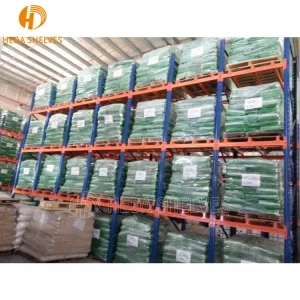
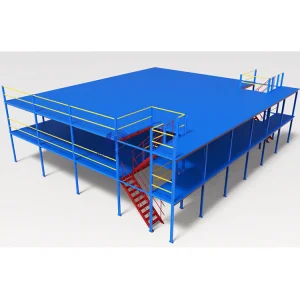
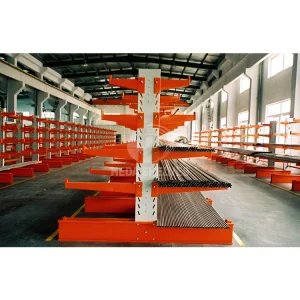
Engineered structural platforms, automatic shuttle systems, and heavy-duty storage racks designed to maximize vertical warehouse capacity.
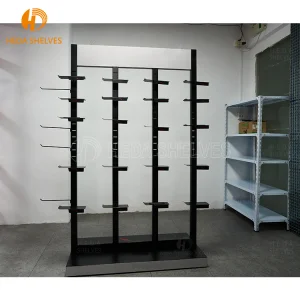
Analyzing Structural Performance, Dynamic Load Distribution, and Supply Chain Security for Global Enterprise Distribution Networks.
In modern industrial logistics, the efficiency of physical footprint utilization dictates structural profitability. Stacking systems have transitioned from basic static shelving arrays into dynamic, load-optimized structural systems. As urban land valuations continue to rise, automated distribution centers, third-party logistics (3PL) providers, and retail logistics hubs require high-bay systems capable of sustaining intense volumetric throughput. Modern heavy-duty post pallets, automated shuttle racks, and multi-tier mezzanine floors represent the peak of modern material handling design, enabling companies to compress operations vertically without sacrificing accessibility or operator safety.
Key Insight: Dynamic vertical storage capacity can reduce warehousing operational footprints by up to 45% while preserving critical material selectivity metrics.
Founded in 2014, Dongguan Durack Logistics Equipment Co., Ltd. is a premier Chinese storage racking system manufacturer operating a 35,000 m² state-of-the-art facility. Backed by 12 years of industry experience and 8 years of global export history, the company generates $28 million in annual export revenue. Our operations are supported by a strict quality assurance system using full-spectrum ultrasonic testing and load-bearing stress evaluations, overseen by 45 dedicated QC specialists.
Building on a strong international trading background, our core markets span North America, Europe, and Southeast Asia. We maintain a reliable supply chain network of over 850 partners, catering primarily to third-party logistics (3PL) providers, automated warehouses, and large industrial distributors. Driven by an active R&D division with 65 specialized engineers, Durack offers full OEM/ODM customization options—including bespoke beam profiles, structural steel grades, and dynamic layout designs—launching over 120 new storage products last year.
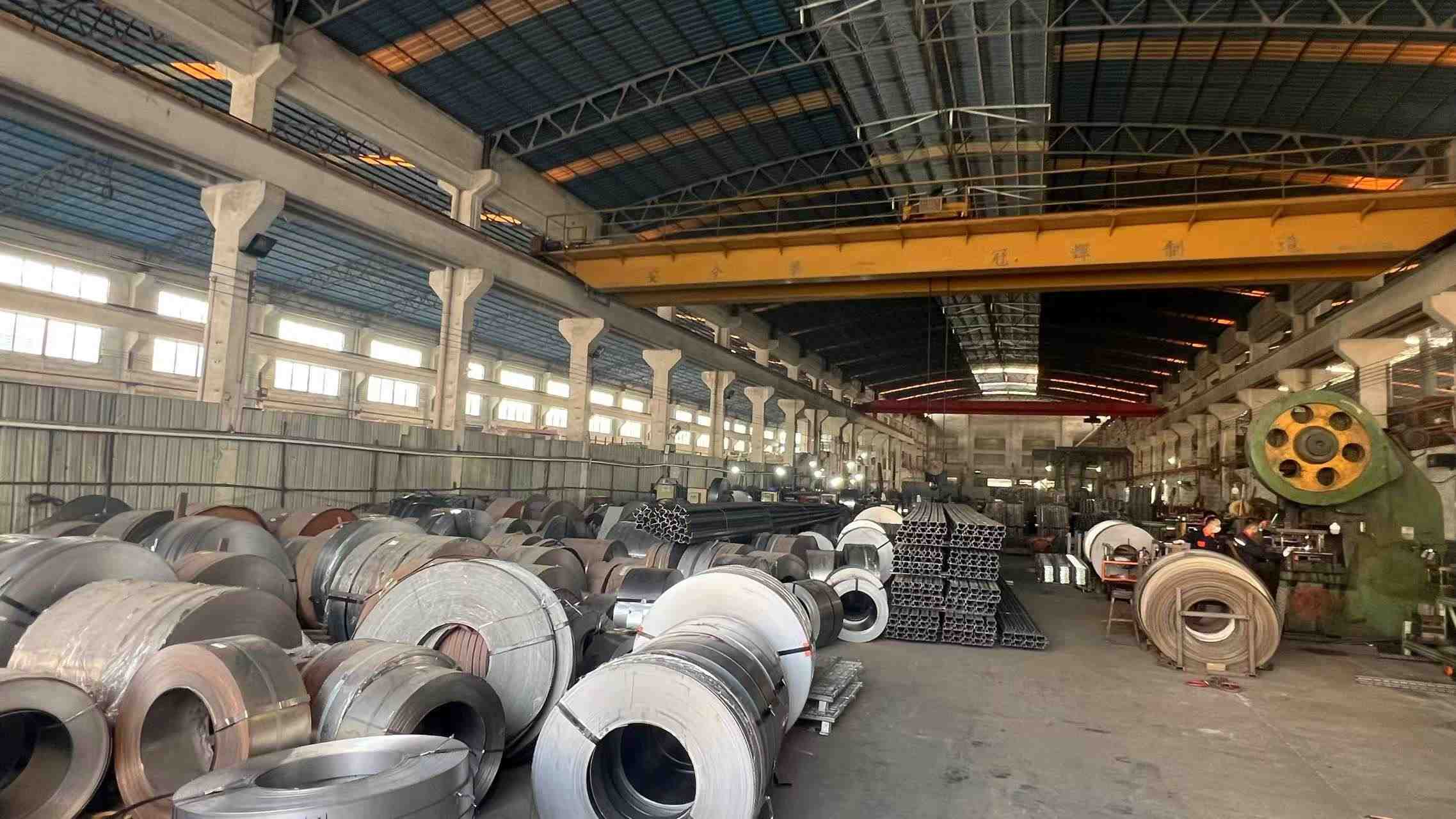
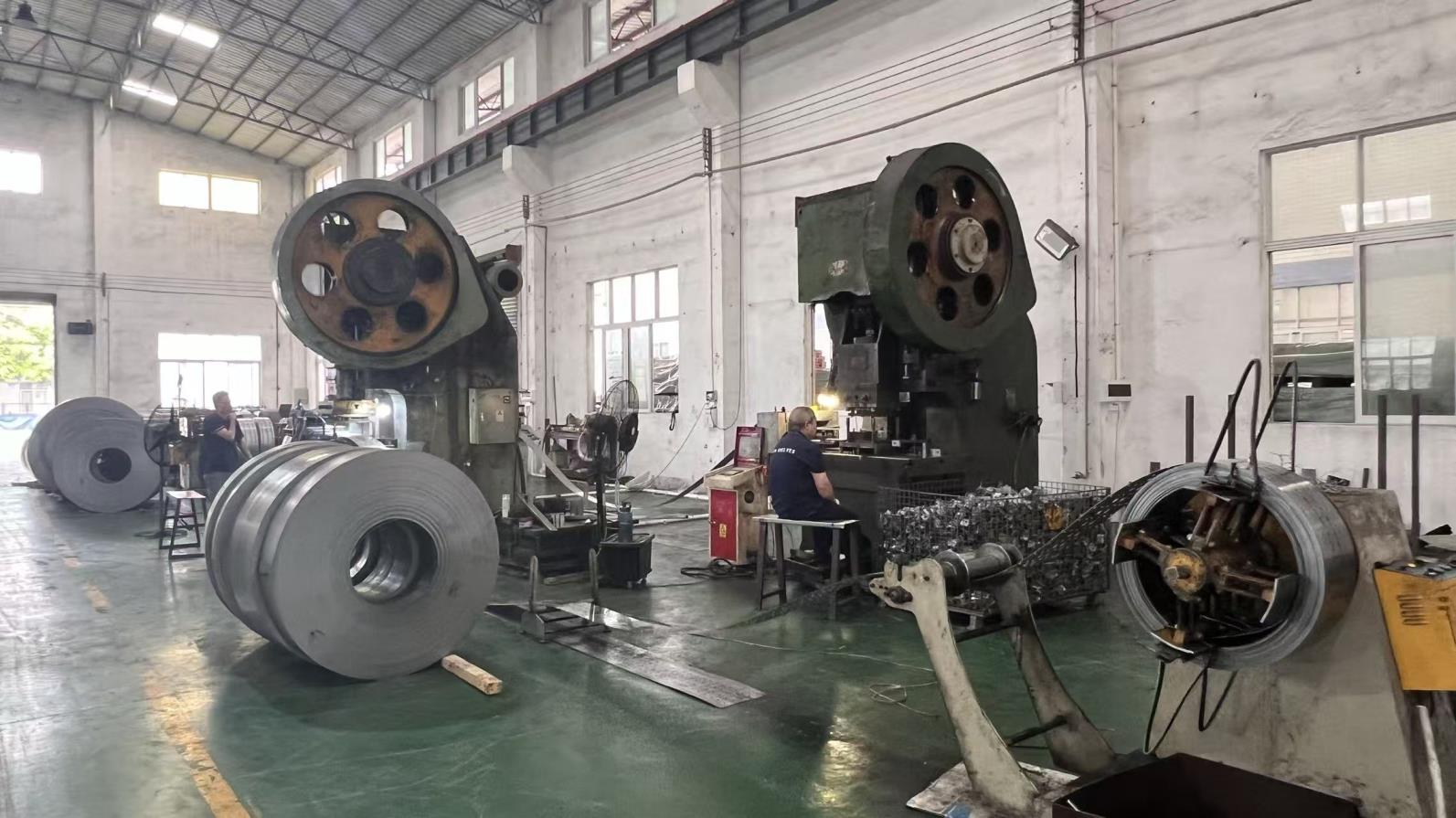
The manufacturing cluster located in the Pearl River Delta, specifically Dongguan, provides Durack with unparalleled access to raw materials and downstream manufacturing technology. The localized integration of high-grade steel mills supplying Q235B and Q355B cold-rolled steel coils allows for seamless material tracking. Having access to specialized processing centers enables us to implement high-speed rolling lines, automatic multi-station punch presses, and robotic welding setups. This concentration of raw resources, hardware manufacturing, and shipping ports minimizes transport times, insulation from global cost shocks, and provides cost-to-performance ratios that cannot be matched by localized Western fabricators.
Selecting the correct racking architecture requires a balance between storage density, pallet accessibility (selectivity), and capital cost. Below is an engineering comparison of the primary industrial stacking systems:
| System Type | Volumetric Efficiency | Pallet Selectivity | Seismic Resilience | Ideal Application Environments |
|---|---|---|---|---|
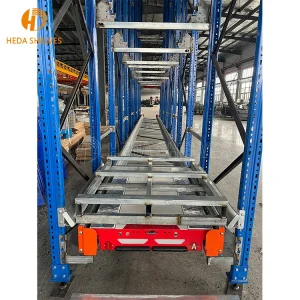
| Radio Shuttle Racking | Ultra-High (85%+) | Low (LIFO/FIFO) | Excellent (Self-contained) | Cold Storage, Food & Beverage, 3PL Hubs |
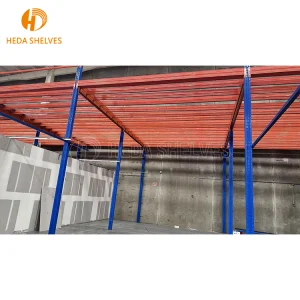
| Heavy Duty Mezzanines | High (Multi-Tier) | 100% (Manual Access) | Calculated per Site | E-commerce Fulfillment, Small Parts, Assembly |
| Movable Post Pallet Racks | Moderate-High | Variable | High (Flexible Frame) | Seasonal Storage, Oversized Cargo, Dynamic Warehousing |
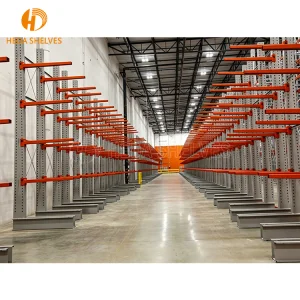
| Cantilever Racks | High (Long Materials) | 100% (Linear) | Engineered Column Loads | Steel Pipes, Lumber, Industrial Bar Stock |
Global procurement teams must confirm that safety and engineering codes are strictly followed to mitigate liability and structural failures. Durack designs and tests its stacking structures to meet major global engineering associations' requirements:
ANSI/RMI MH16.1: In North America, structural steel storage racks must conform to the Rack Manufacturers Institute standards. This dictates structural stability analysis, seismic design coefficients, and load-capacity calculations under dynamic forklift impacts.
EN 15512 & EN 15620: The European standards establish structural design rules for adjustable pallet racking, incorporating safety factors for material tolerances, steel grades, and elastic deformation limits.
AS 4084-2012: The Australian regulatory framework specifies requirements for steel storage racks, detailing testing procedures for upright frames and beam connectors, ensuring protection under extreme operating temperatures and local seismic conditions.
Durack supports enterprise accounts through dedicated localization programs that extend beyond factory-gate shipping. Our engineering team assists from initial spatial mapping to final physical installation. We provide complete layout diagrams, stress calculations, and anchor configurations suited to localized seismic coefficients. Furthermore, we maintain relationships with installation contractors and third-party inspectors globally, facilitating smooth regulatory approvals and field load testing. With a partner network exceeding 850 entities, we manage multimodal logistics to guarantee on-time delivery across North America, Europe, and Asia Pacific.
Exploring our 35,000 m² facility's end-to-end production flow, from raw steel selection to precision machining and quality assurance.
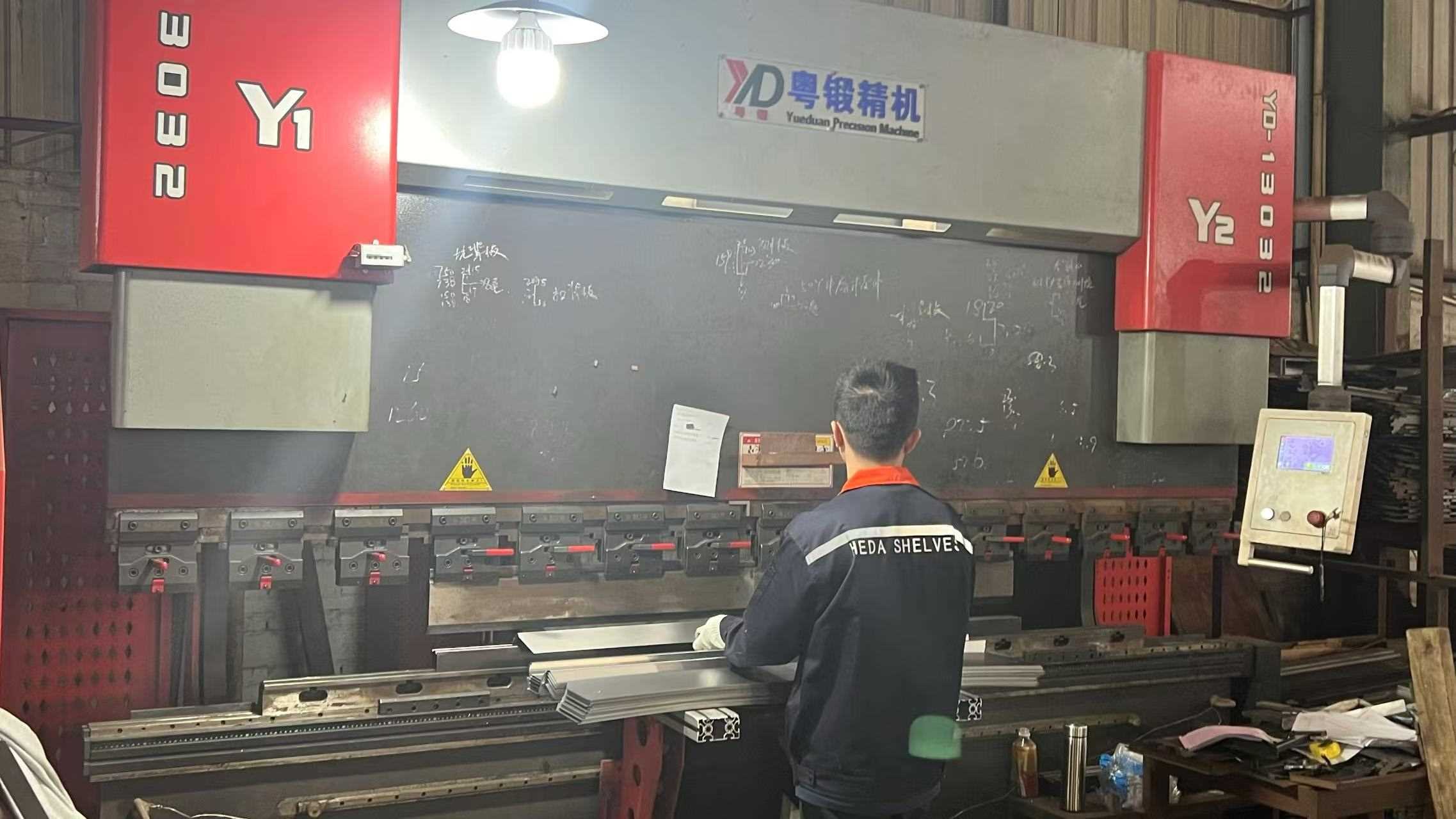
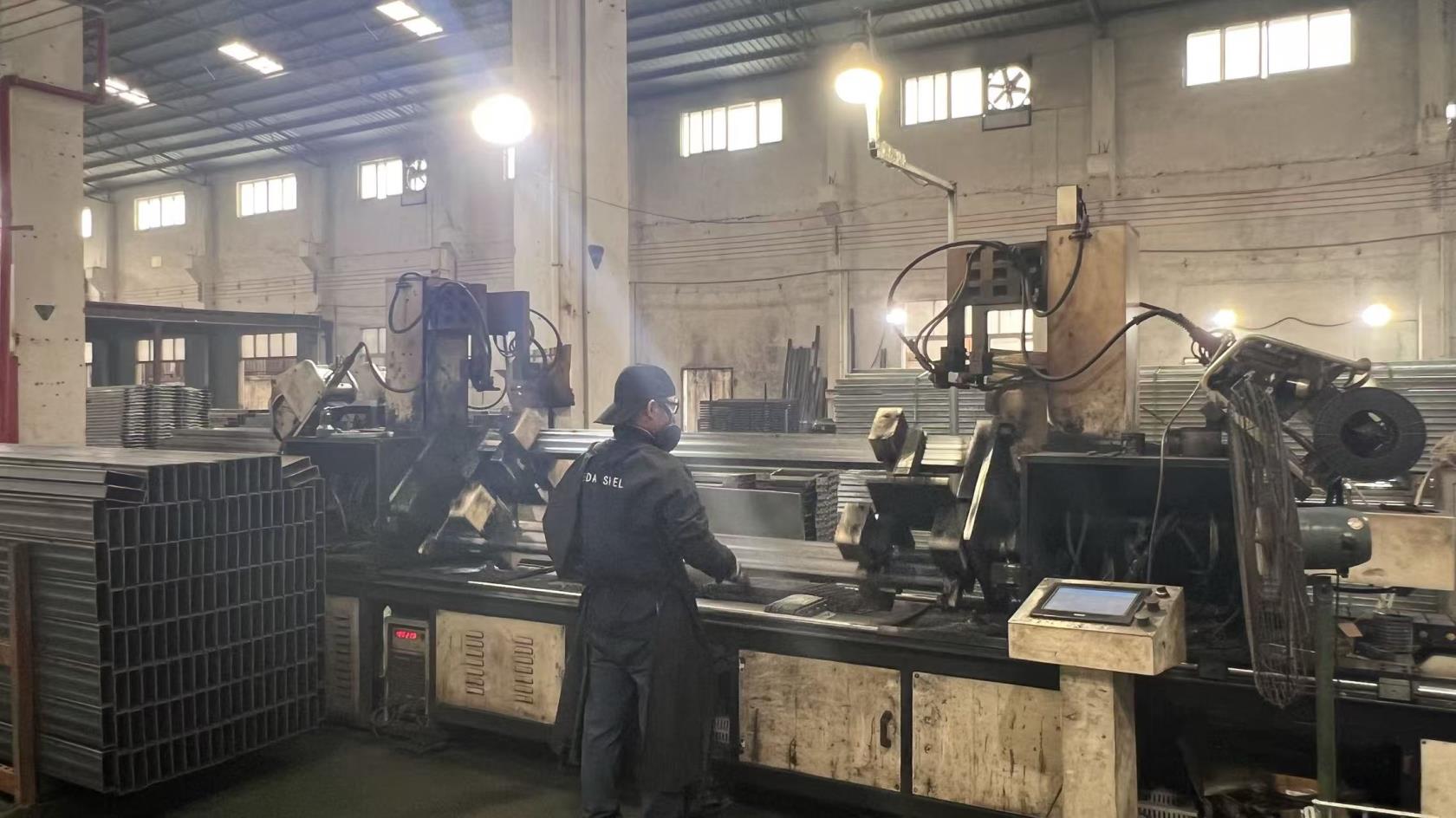
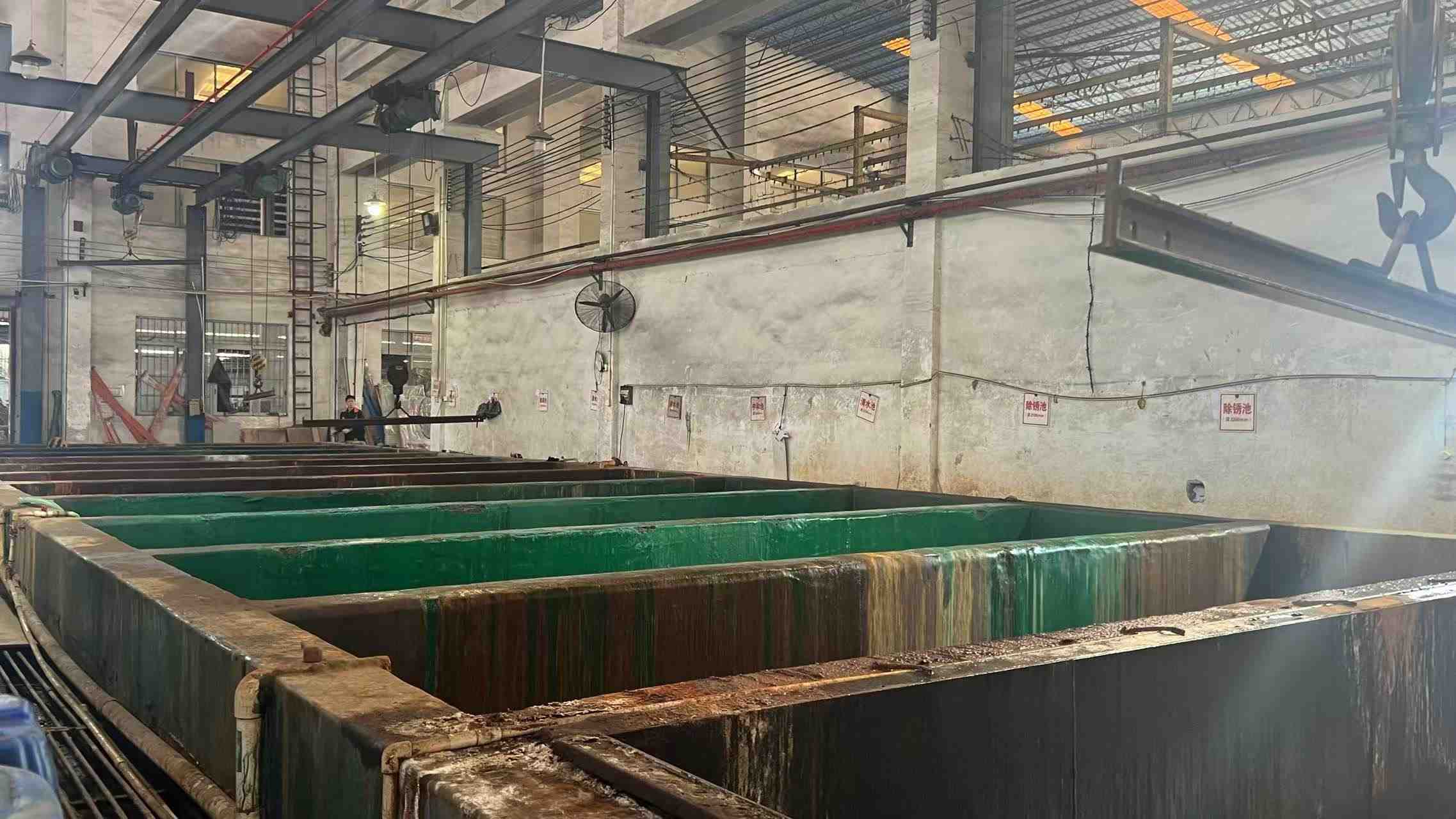
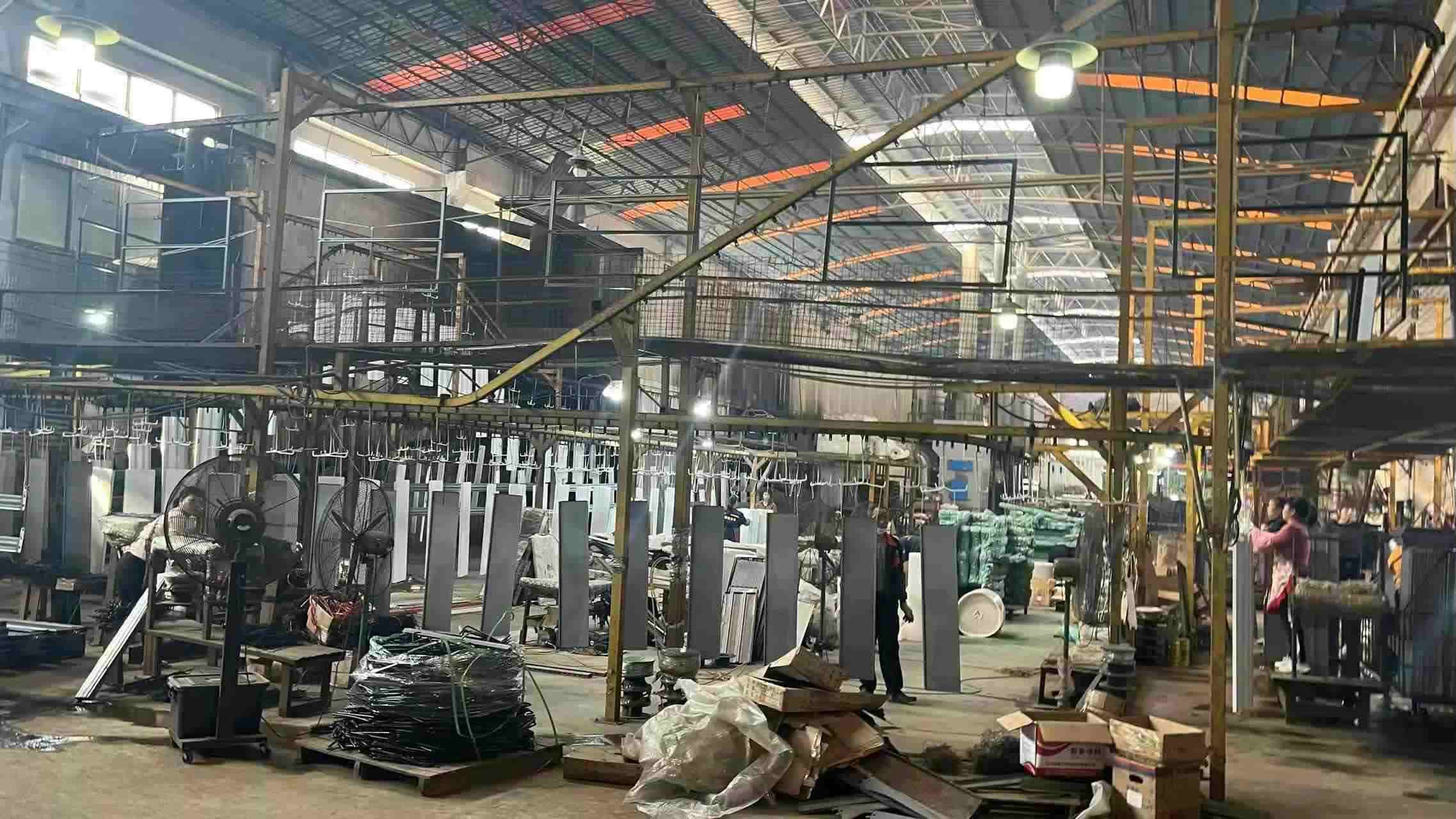
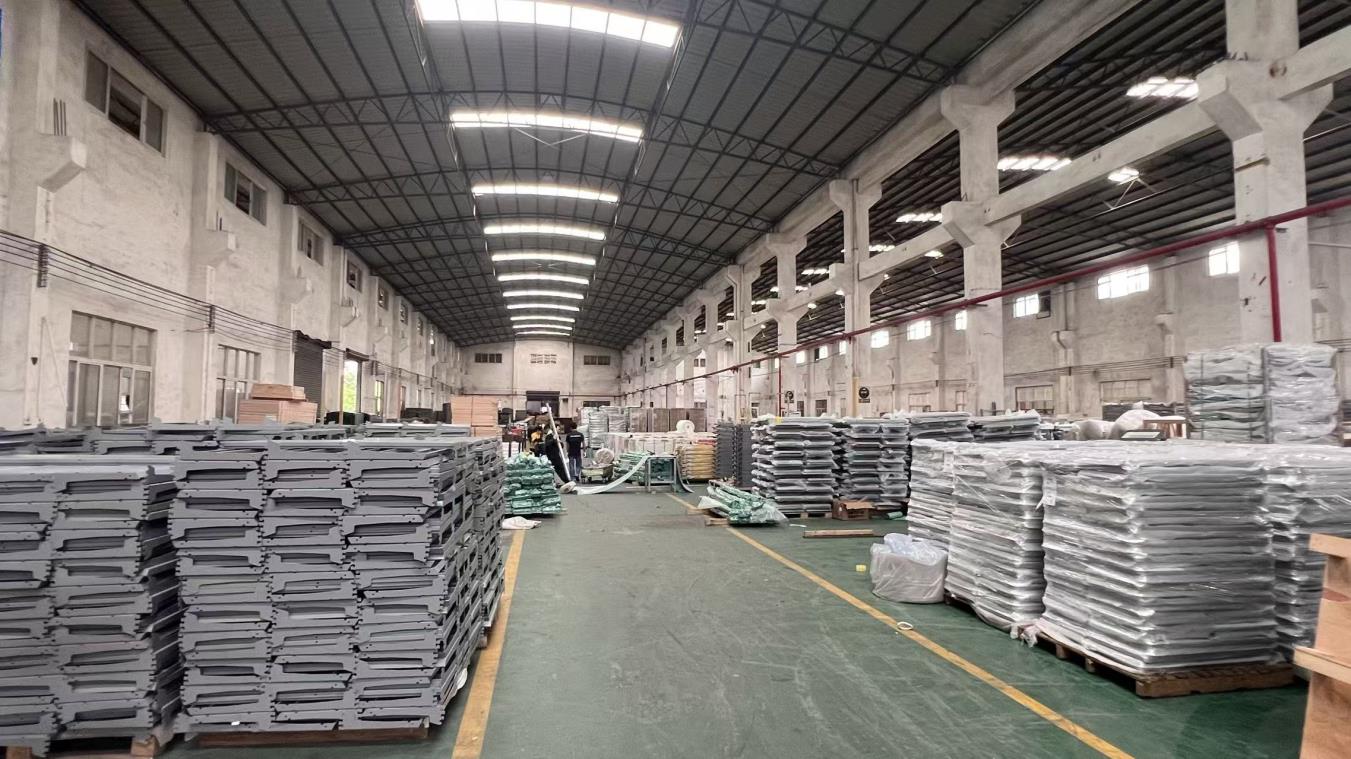
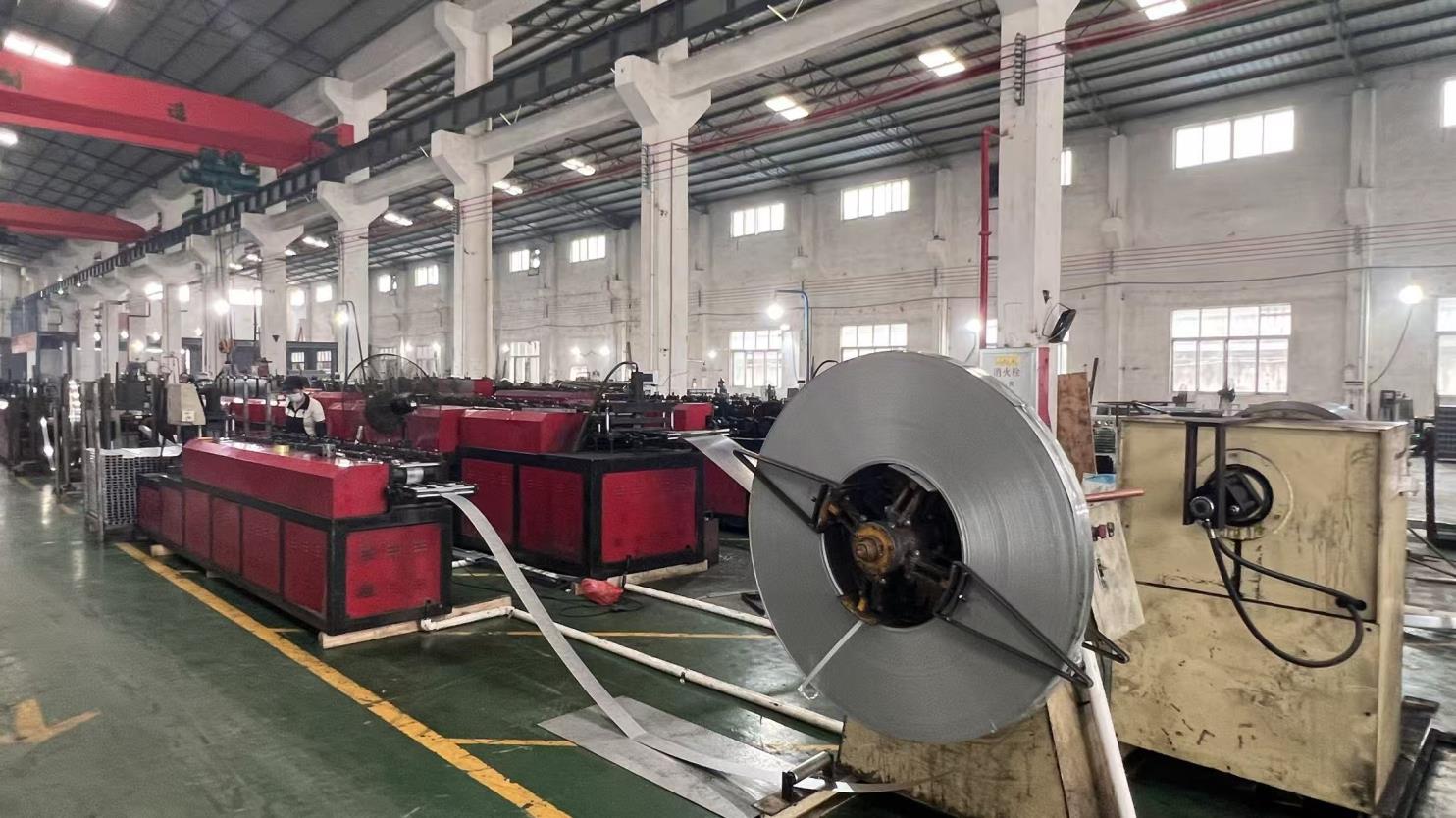
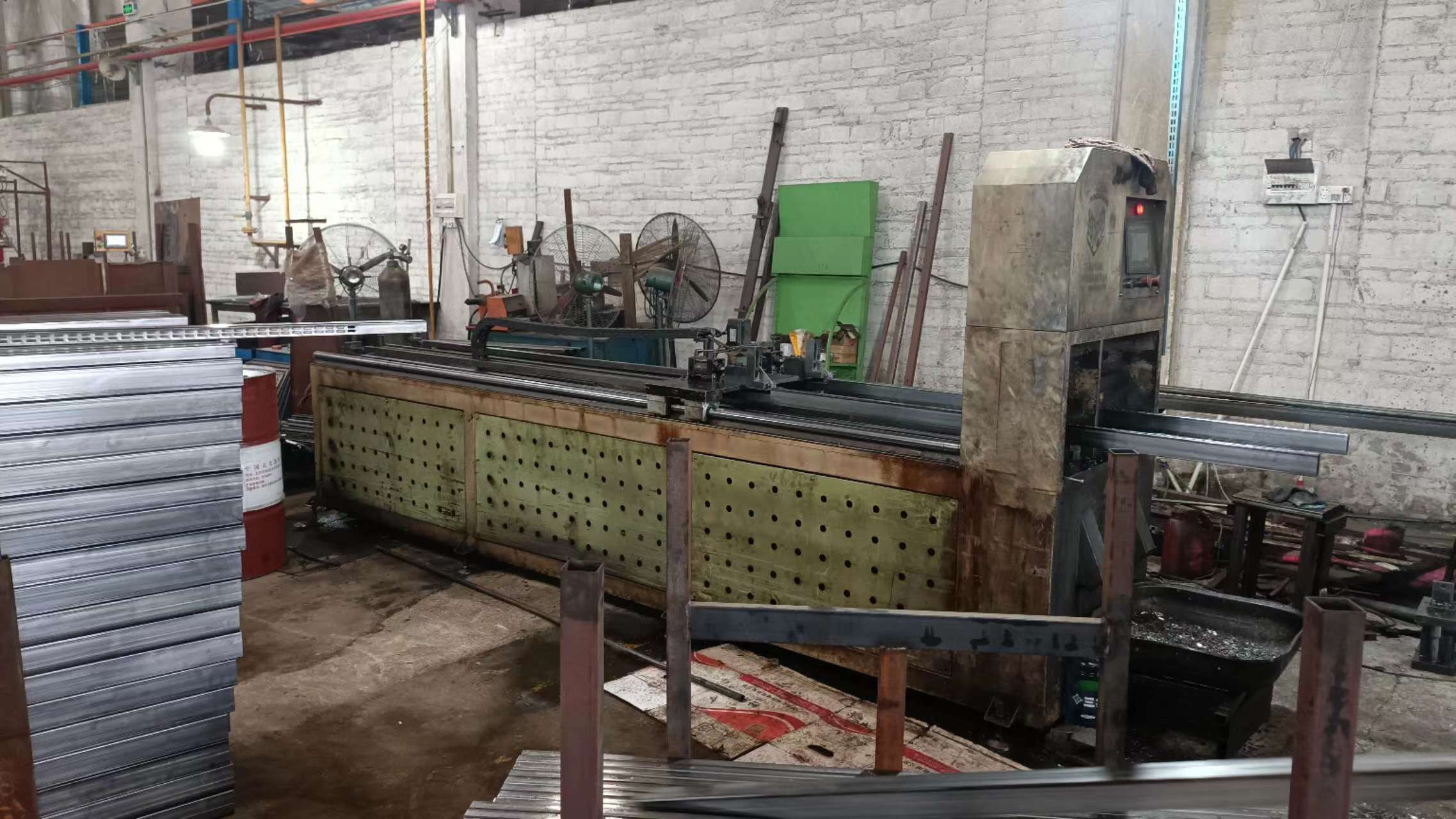
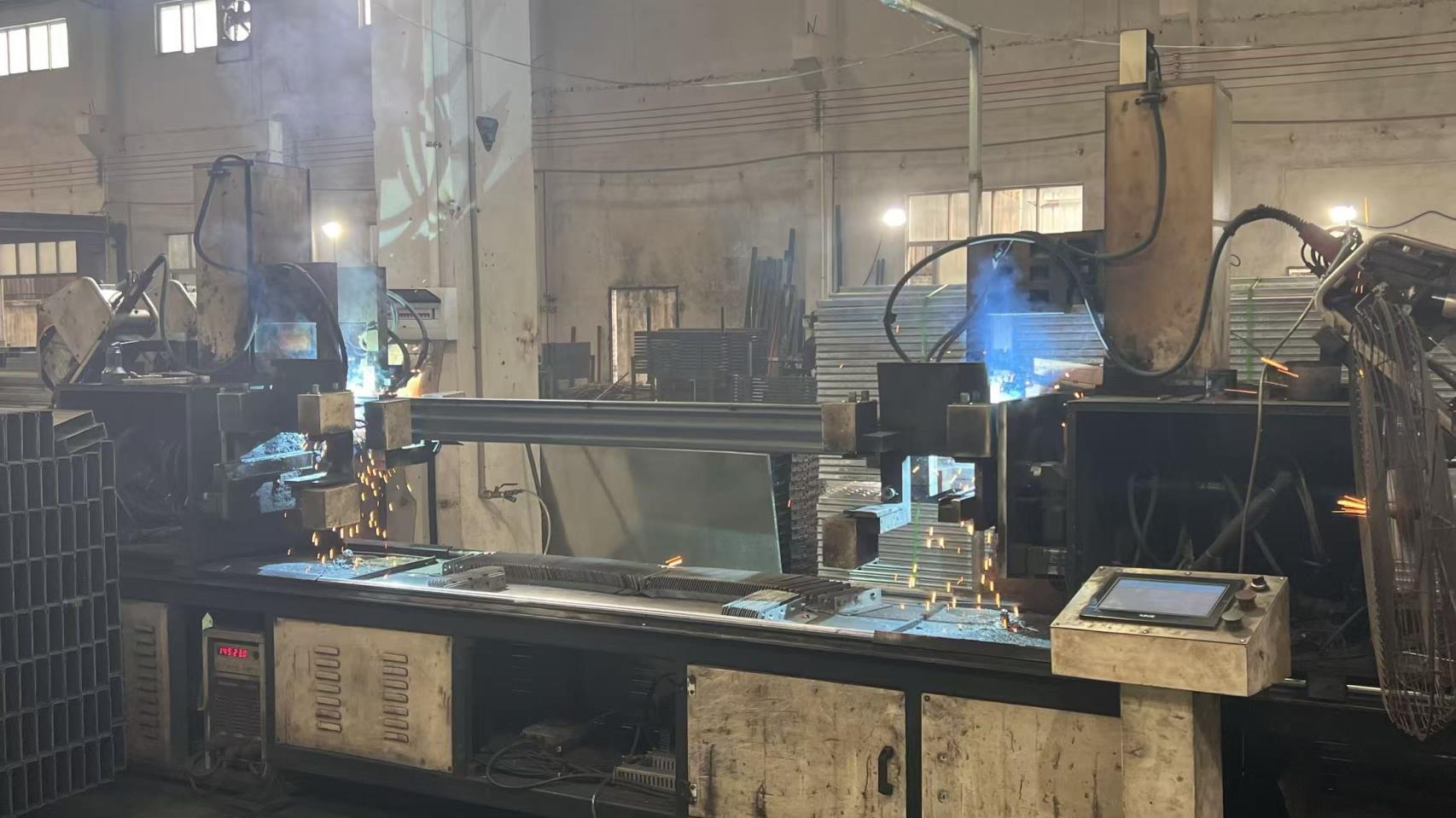
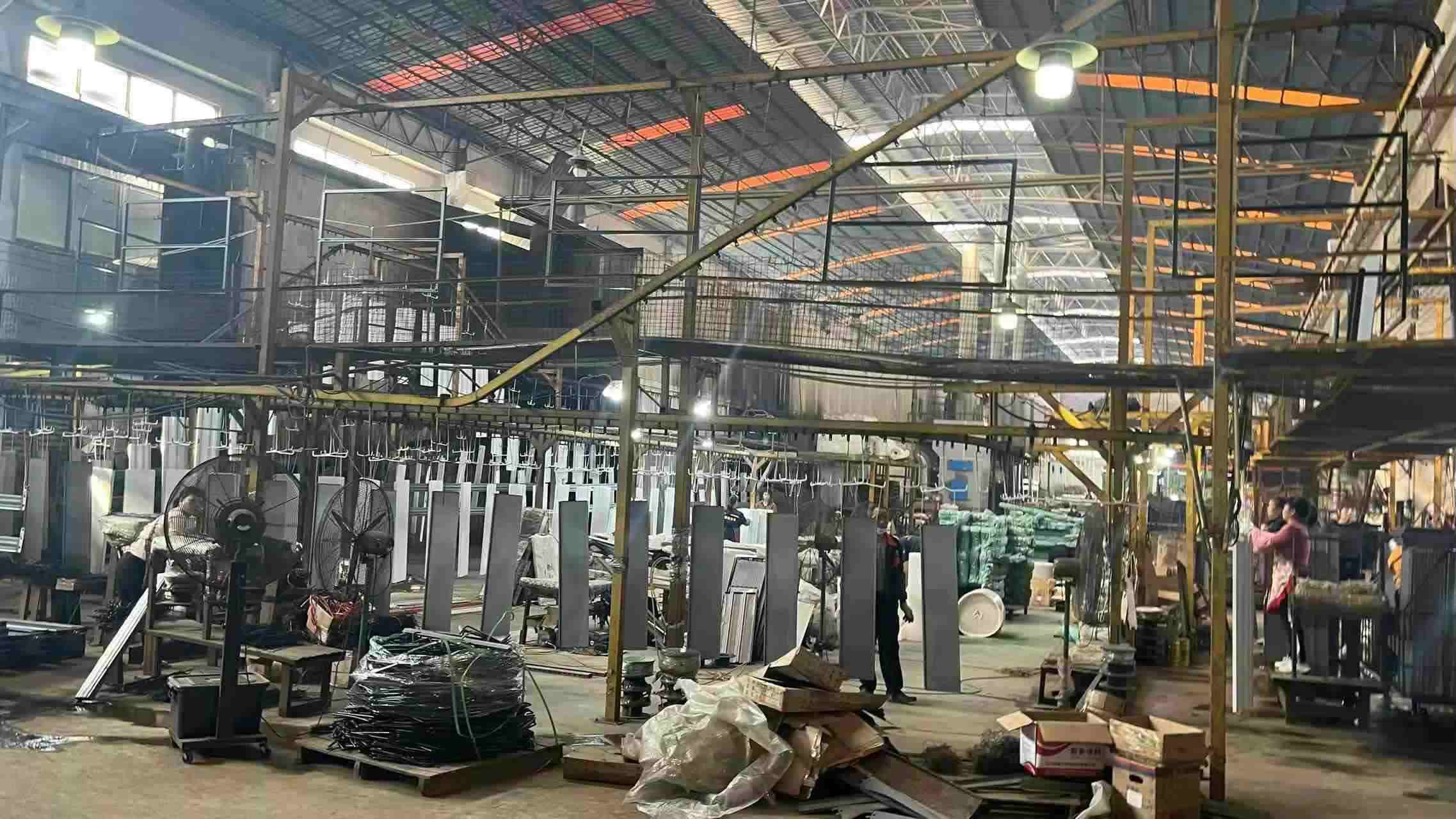
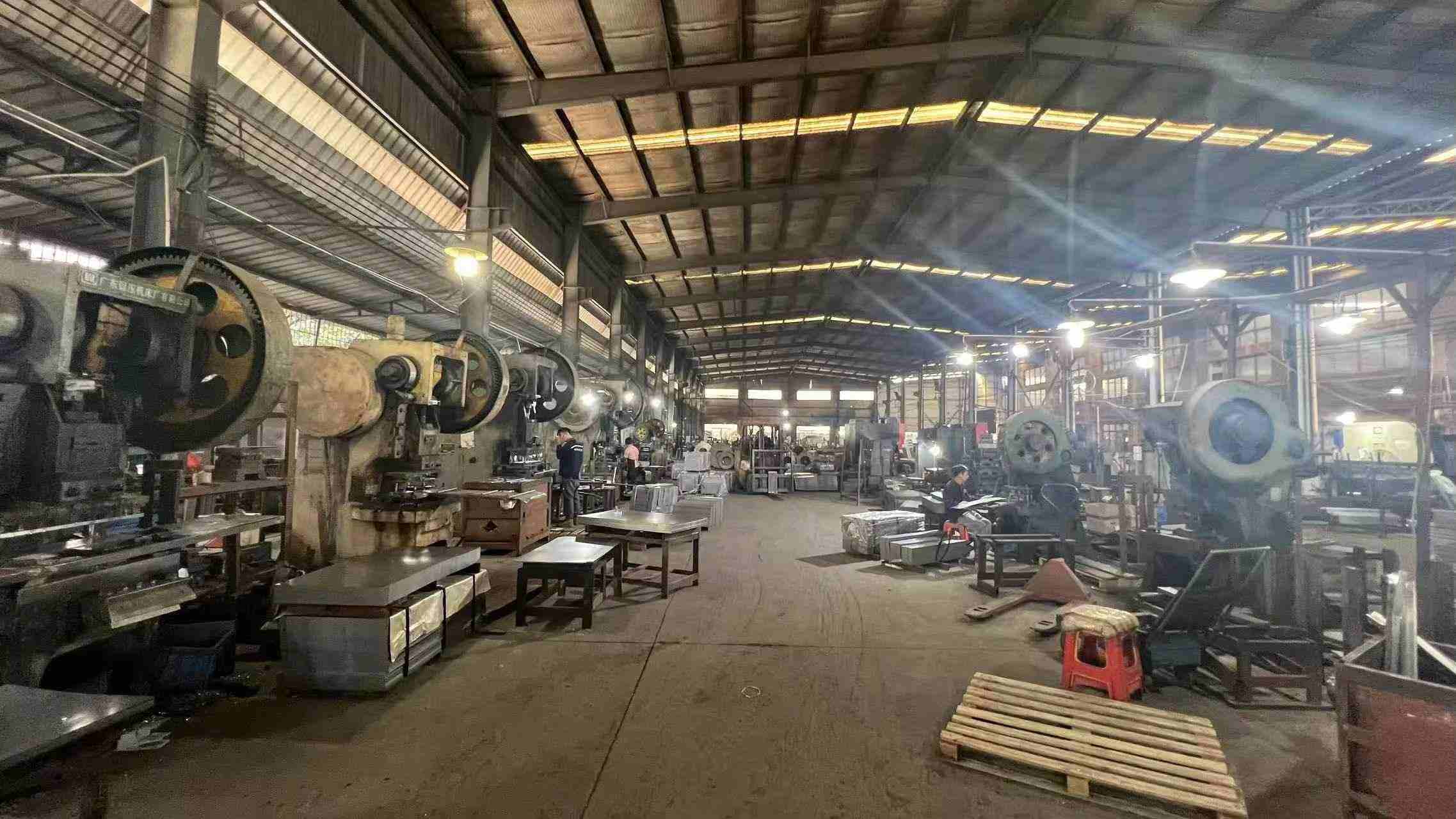
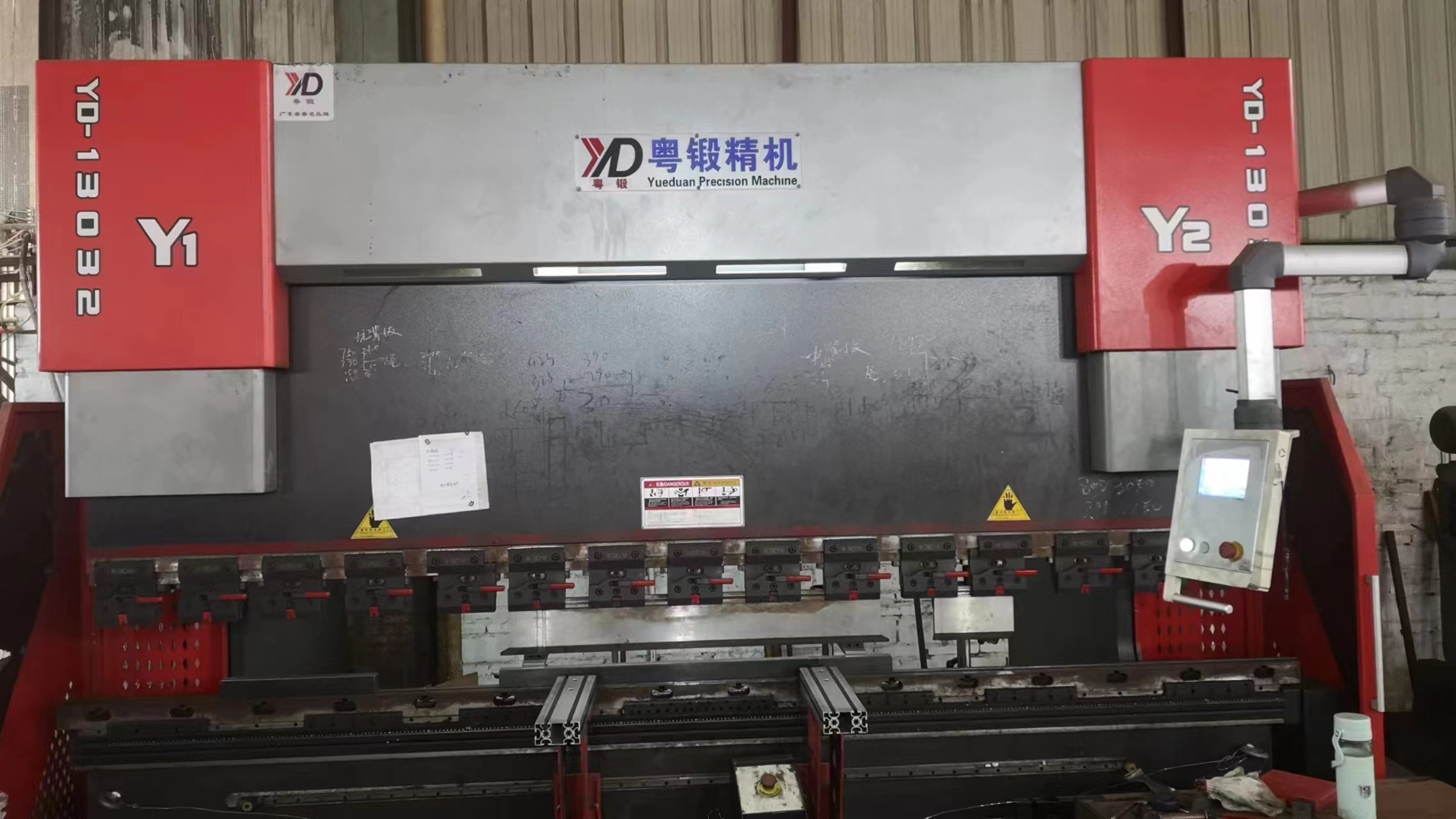
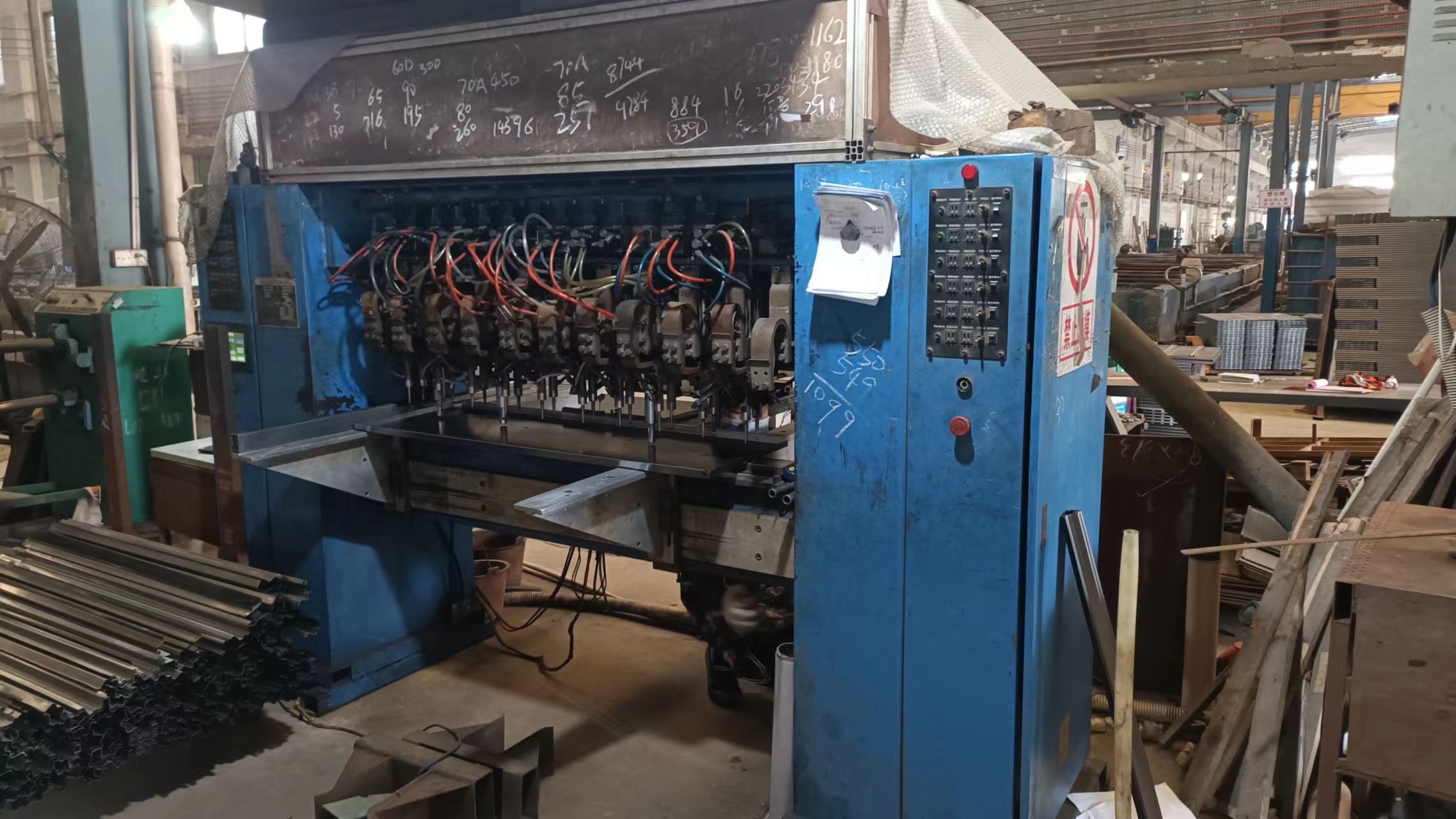
In-house testing laboratories checking dimension tolerances and coating thickness for consistent material performance.
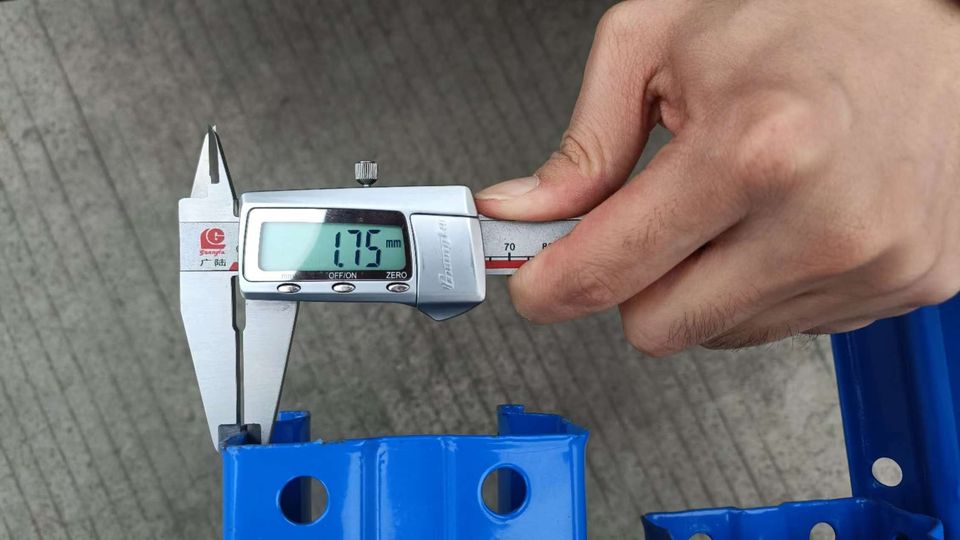
We check hole pitches, steel sheet gauges, and connector profiles against tolerance metrics of ±0.05mm, preventing structural misalignments during setup.
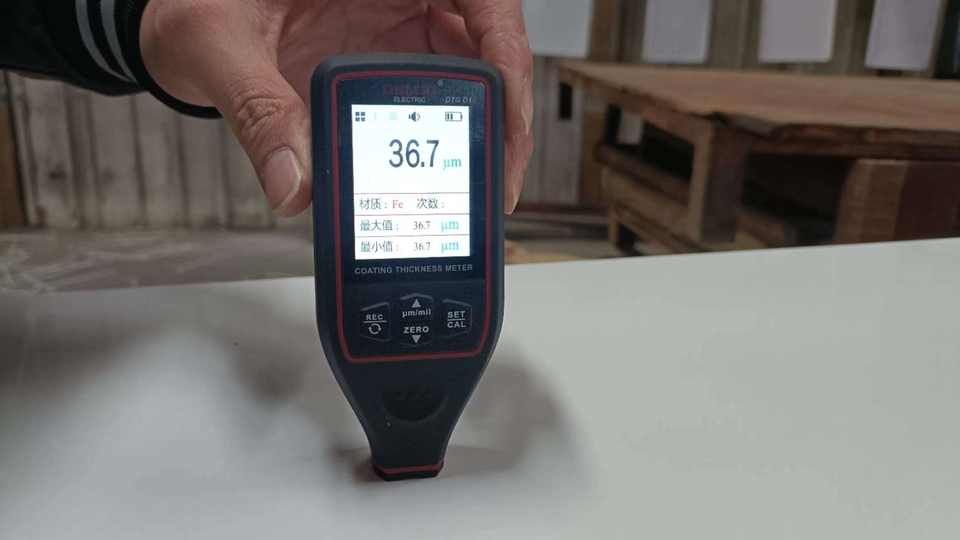
Dry film thickness gauges check that the electrostatic powder coat is uniform and between 60 to 90 microns thick, providing long-term protection against corrosion and scratches.
The global materials handling market is modernizing to address labor challenges, space constraints, and changes in inventory management. Five main trends are shaping the future of industrial storage systems:
Integration of IoT and Smart Racking: Smart racking systems use load sensors and strain gauges to track loading stresses in real time. These sensors alert managers to structural overloading or impact damage, supporting proactive warehouse safety management.
Hybrid Automation Platforms: Storage racks are increasingly built to integrate directly with automated guided vehicles (AGVs), autonomous mobile robots (AMRs), and automatic shuttle runners. Standard racking is being replaced by systems designed with the precision tolerances required for robotics.
Corrosion Protection for Cold Chain Logistics: Cold storage facilities require specialized materials. Advanced multi-stage surface treatments, including acid-washing, zinc-phosphating, and outdoor-grade powder coatings, help prevent paint peeling and rust in high-humidity and low-temperature environments.
Detailed engineering answers addressing structural integrity, load capacities, order customization, and international supply chain setups.
Further industrial-grade material handling components, heavy storage systems, and specialized retail structures.
 Durack