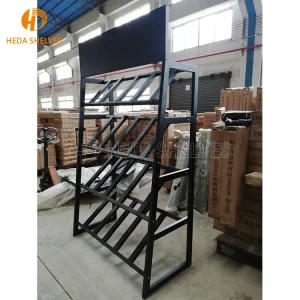
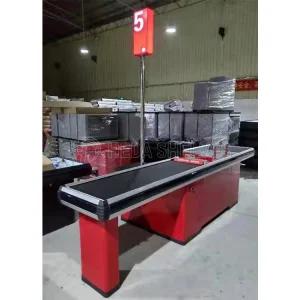
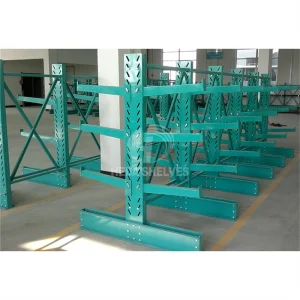
Engineered to support heavy loading, optimize dynamic warehouse configurations, and improve supply chain operational efficiency.
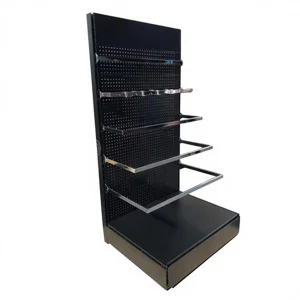
Modern supply chains face a persistent challenge: maximizing volumetric storage capacity while maintaining rapid pick rates. Standard static racking configurations require fixed access aisles, which can consume up to 60% of the total available floor space. The transition to high-density mobile storage units is resolving this issue for 3PL providers, industrial distributors, and automated logistics networks worldwide.
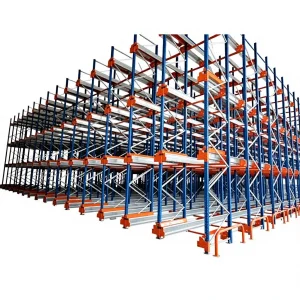
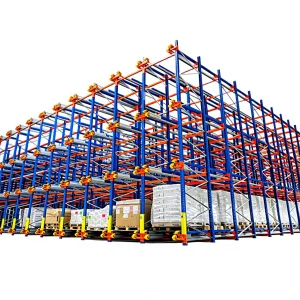
By mounting heavy-duty upright frames onto automated guide systems, facilities can eliminate fixed aisles, condensing the storage layout to a single dynamic corridor. Combined with automatic radio shuttle cars operating in both FIFO (First-In, First-Out) and LIFO (Last-In, First-Out) configurations, this change increases floor space utilization by 85% without sacrificing vertical load capacity.
Evaluating materials, load ratings, and design configurations helps ensure safety, regulatory compliance, and a strong return on investment.
Selecting structural steel with certified yield strengths is key to preventing structural deformation under loads. Use high-tensile Q355B or Q235B structural carbon steel.
Beams are designed to comply with vertical deflection limits (such as L/200 or L/300) under full loading. Dynamic systems incorporate safety factors between 1.5 and 1.8.
Racks operating in high-humidity or cold-storage facilities require advanced anti-corrosion treatments, such as acid-washing, Parkerising, and epoxy powder coating.
Founded in 2014, Dongguan Durack Logistics Equipment Co., Ltd. is a premier Chinese storage racking system manufacturer operating a 35,000 m² facility. Backed by 12 years of industry experience and 8 years of global export history, the company generates $28 million in annual export revenue. Our operations are supported by a strict quality assurance system using full-spectrum ultrasonic testing and load-bearing stress evaluations, overseen by 45 dedicated QC specialists. Building on a strong international trading background, our core markets span North America, Europe, and Southeast Asia. We maintain a reliable supply chain network of over 850 partners, catering primarily to third-party logistics (3PL) providers, automated warehouses, and large industrial distributors. Driven by an active R&D division with 65 specialized engineers, Durack offers full OEM/ODM customization options—including bespoke beam profiles, structural steel grades, and dynamic layout designs—launching over 120 new storage products last year.
Our factory features an integrated manufacturing process. Every production run is monitored using digital instrumentation to ensure compliance with global structural safety codes.
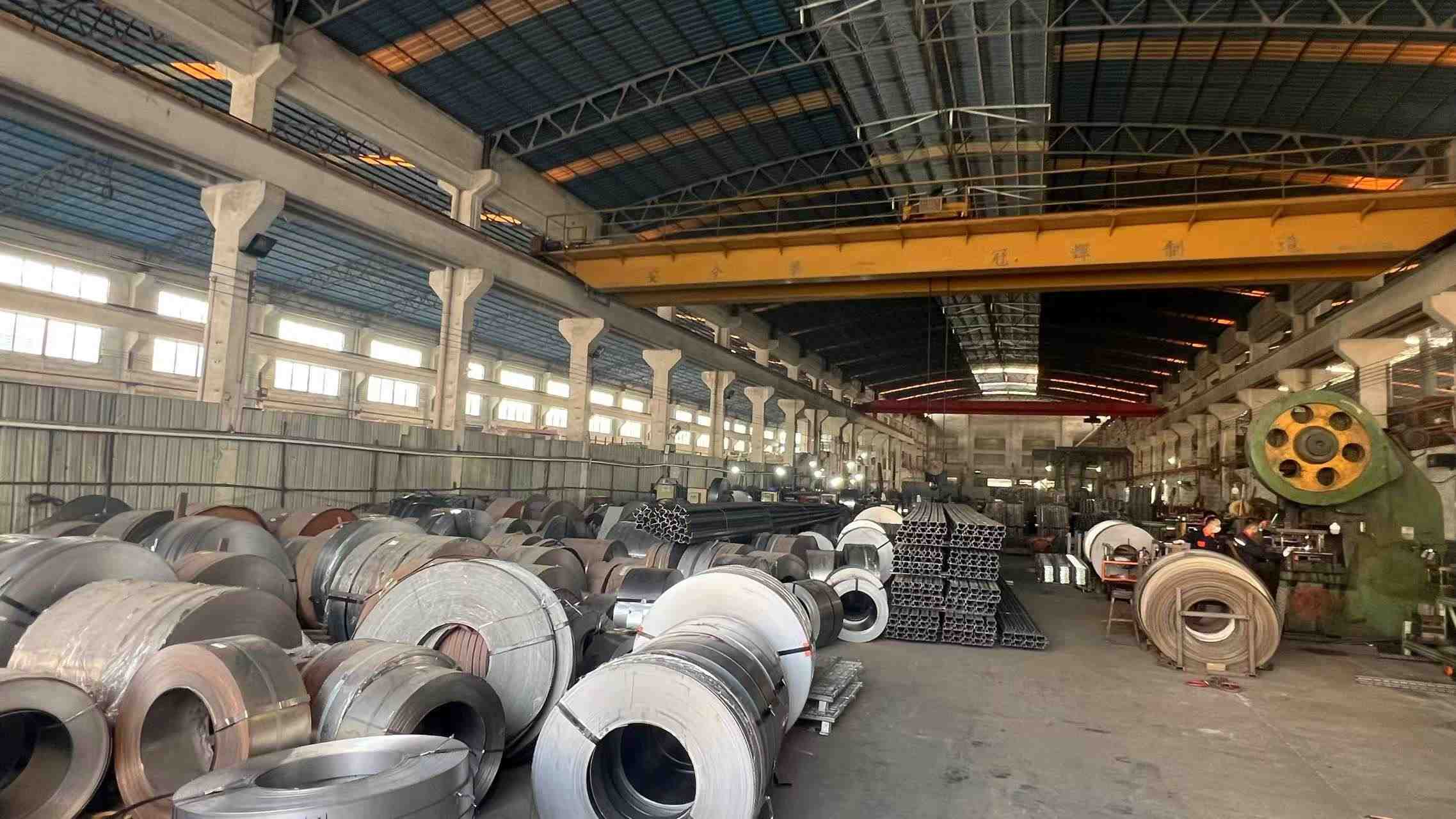
We inspect incoming structural steel coils for chemical composition and yield strength compliance.
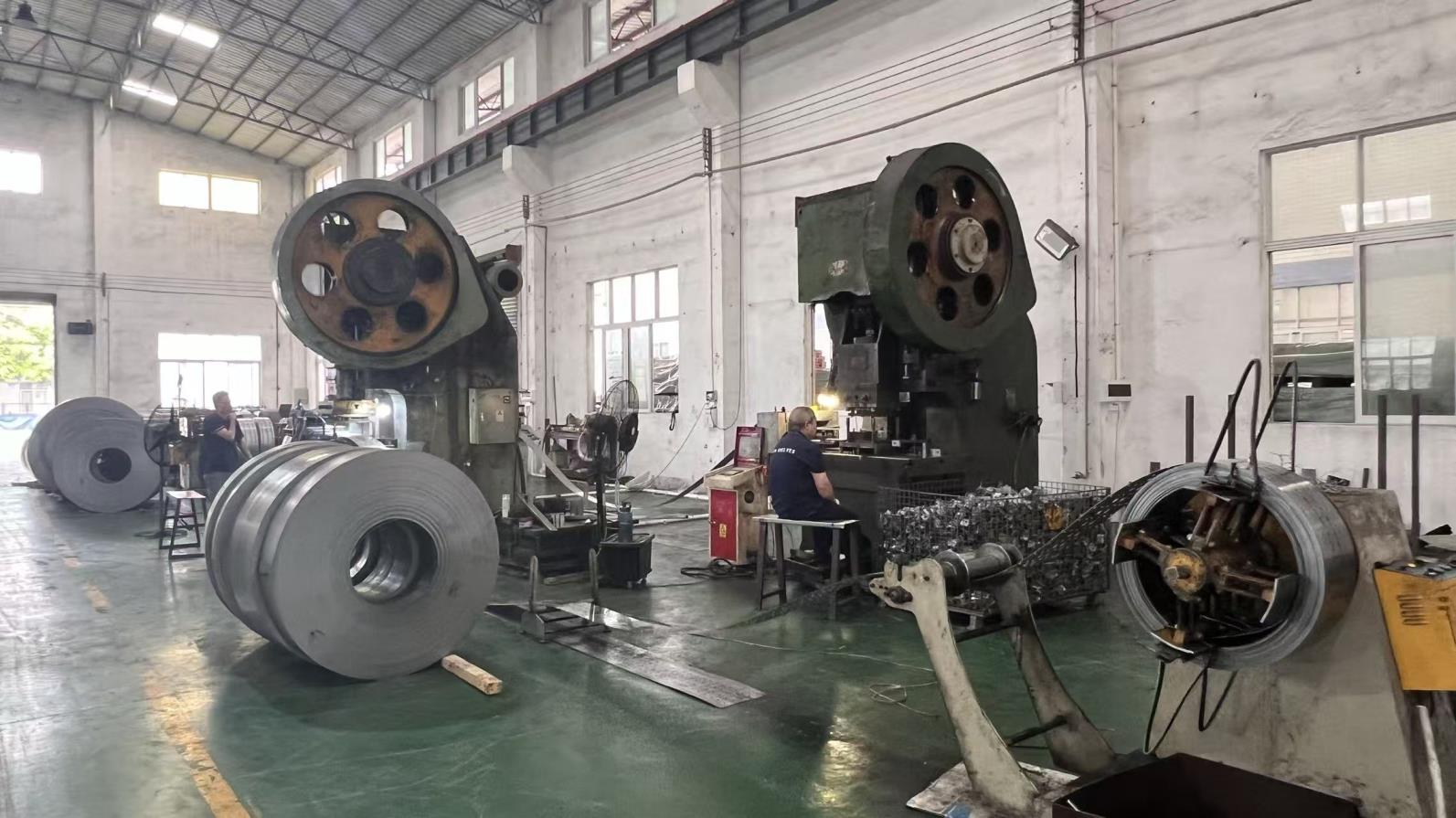
High-tonnage stamping presses punch connector configurations into structural plates.
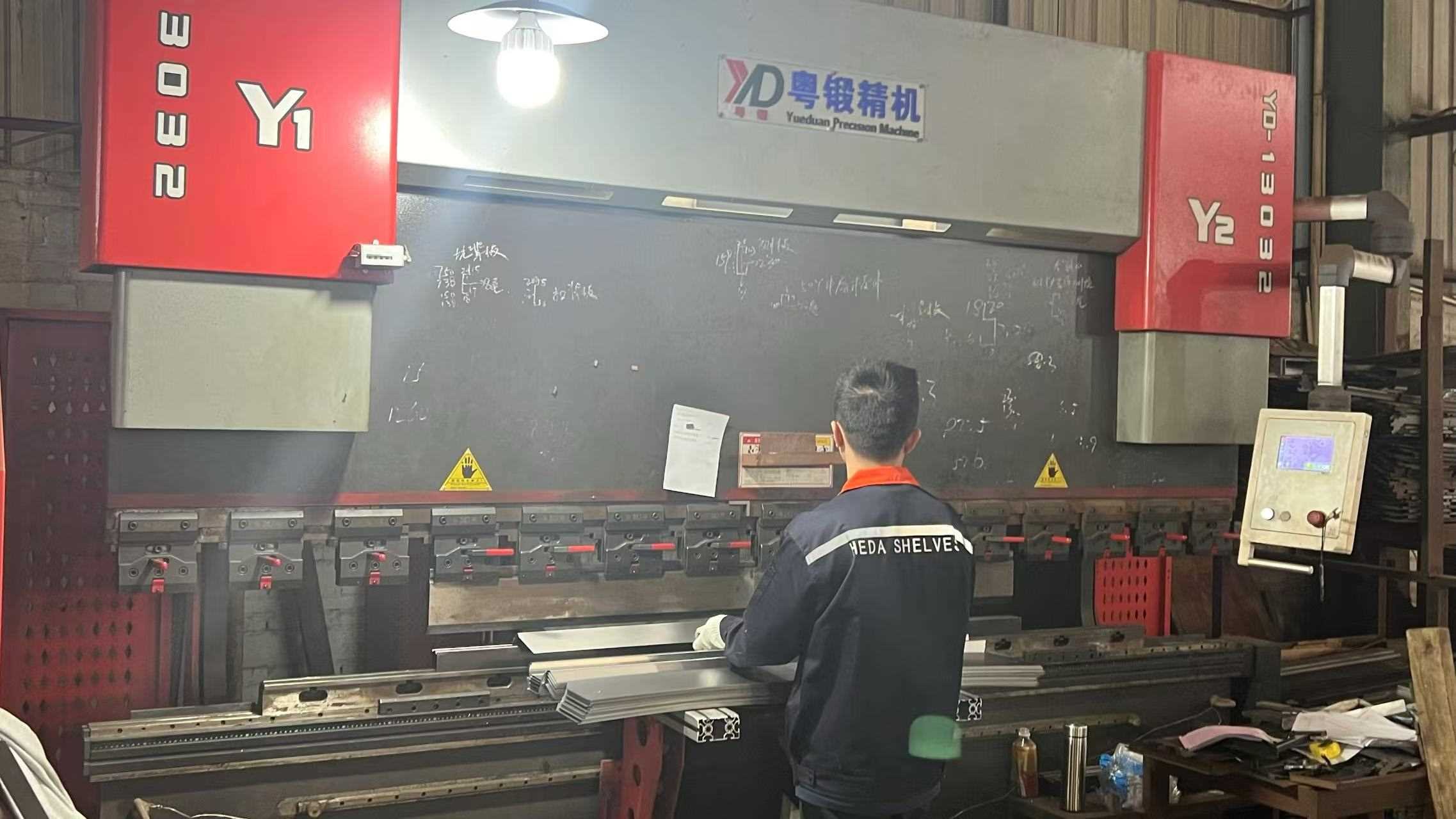
Precision press brakes fold structural profiles to the exact dimensions specified in our blueprints.
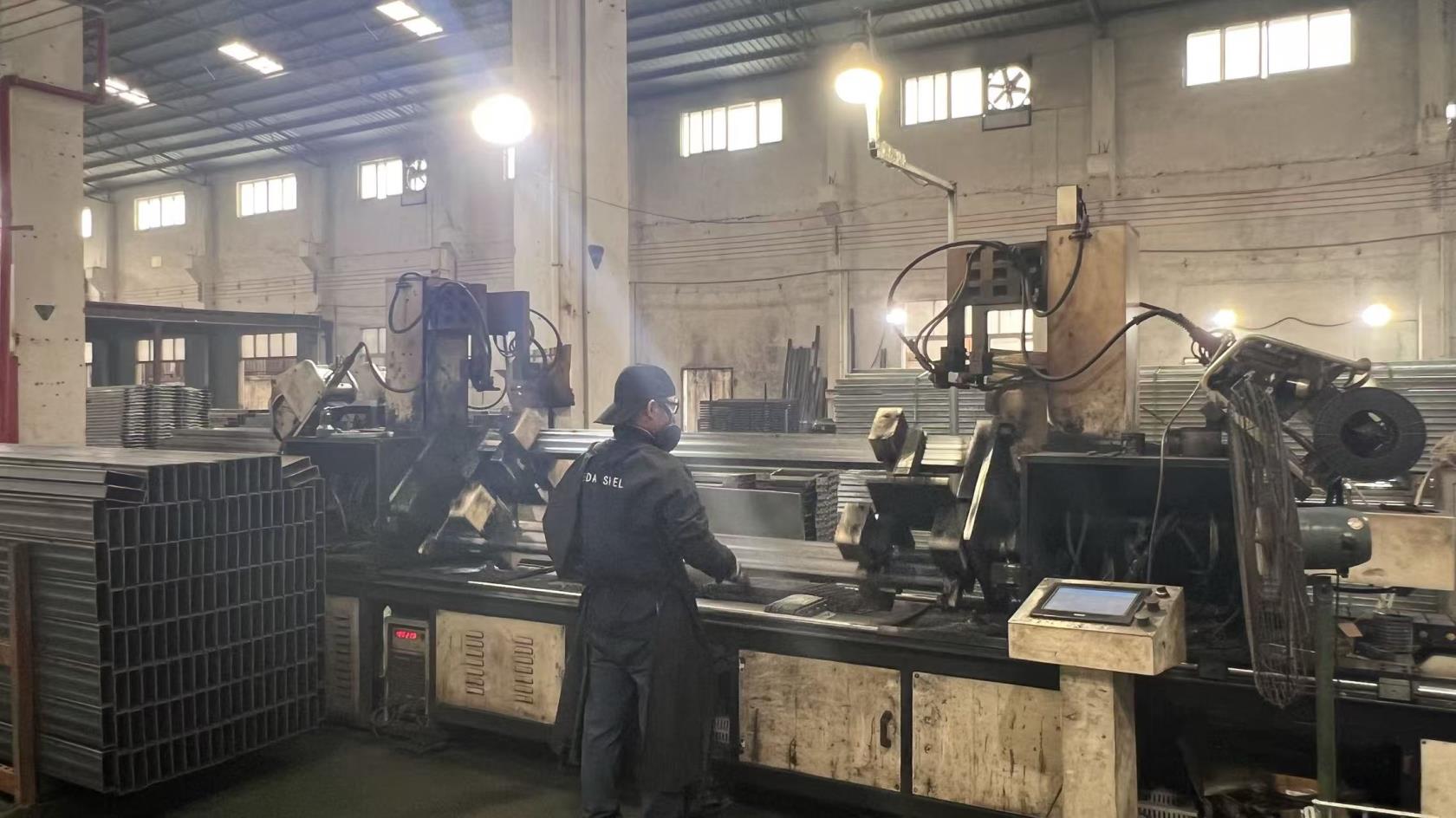
Robotic and manual welding processes are used to form strong, structural joints.
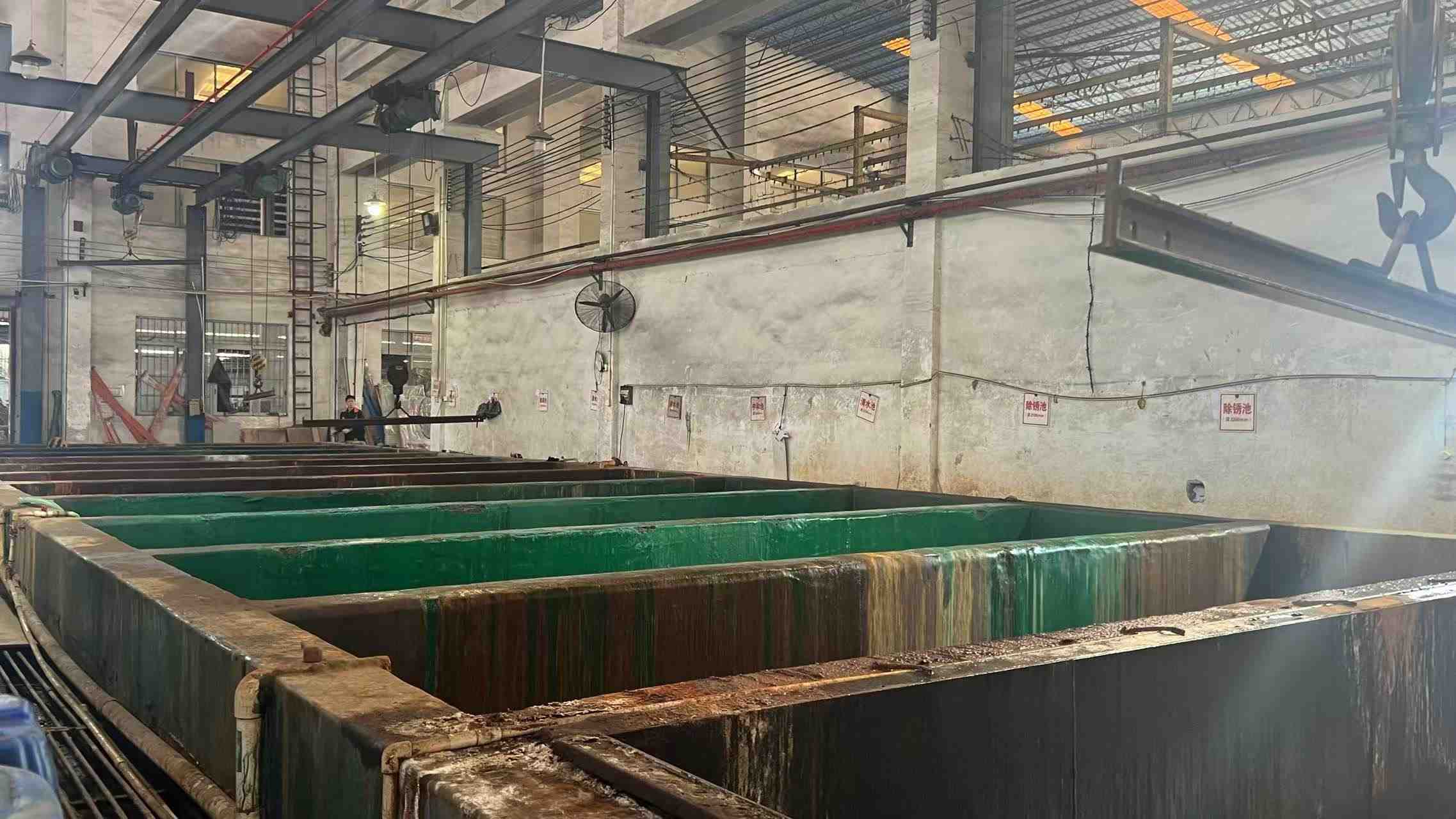
Multi-stage acid wash and Parkerising steps clean the metal surfaces and apply a rust-resistant layer.
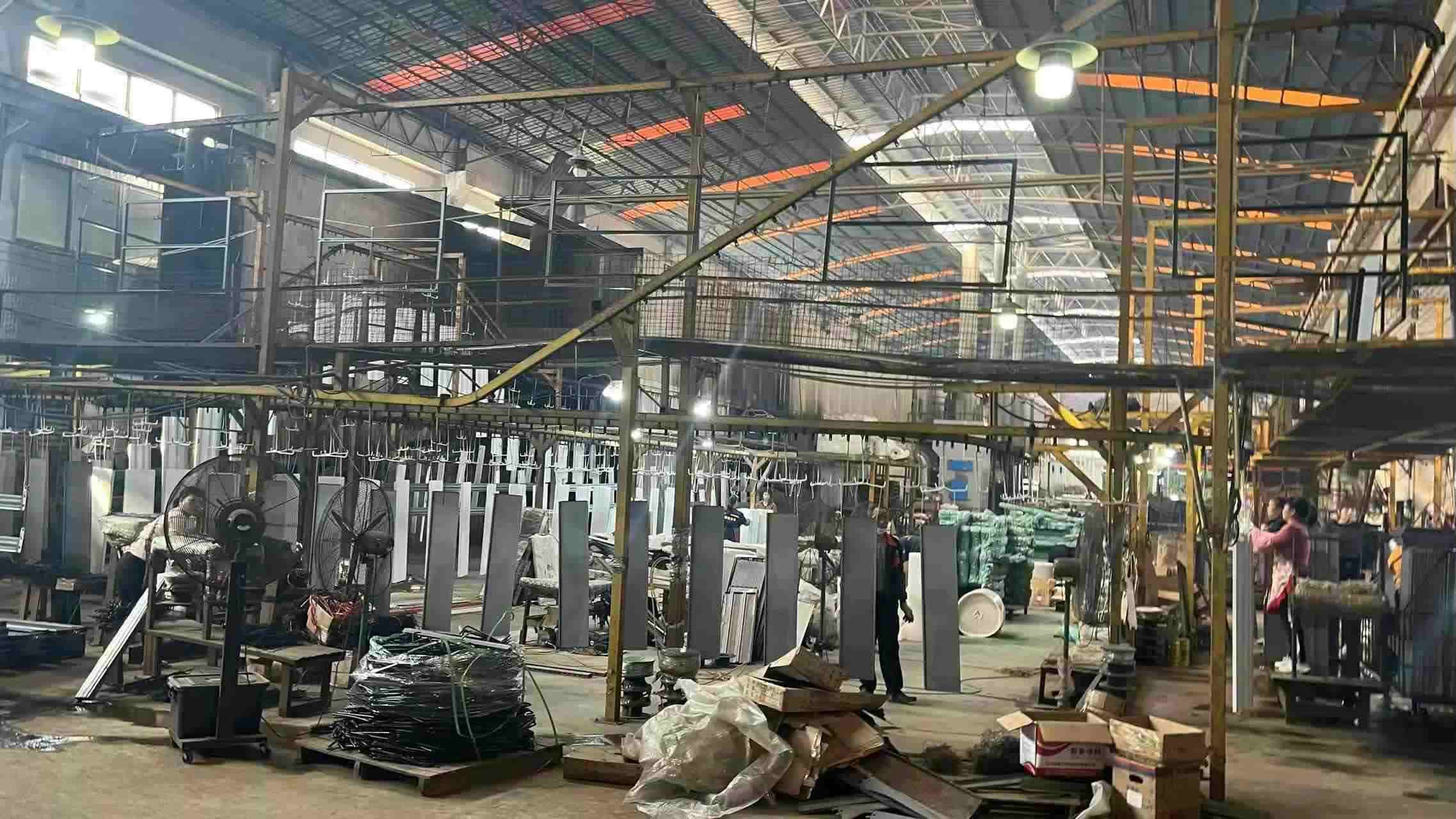
An electrostatic powder coating system applies a uniform, protective polymer layer.
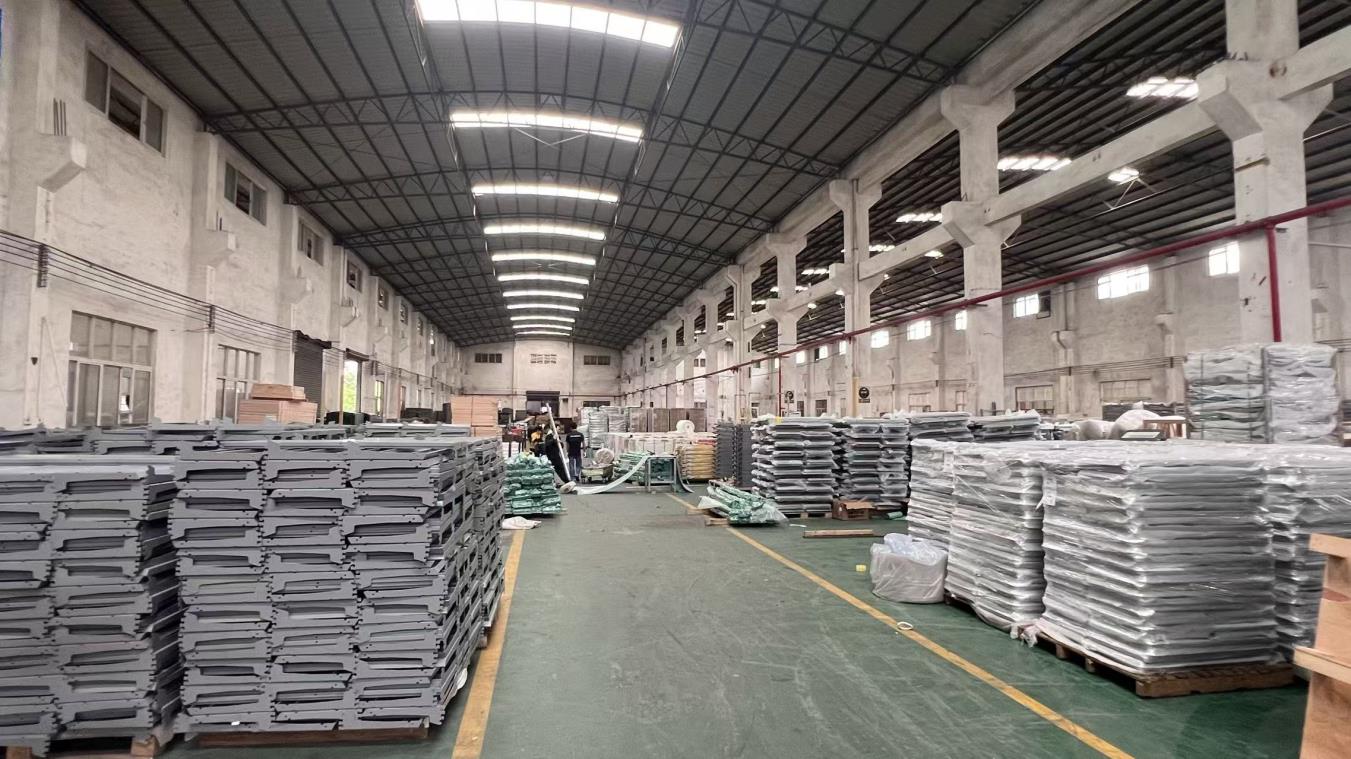
Finished components are sorted, securely packed, and staged for global shipping.
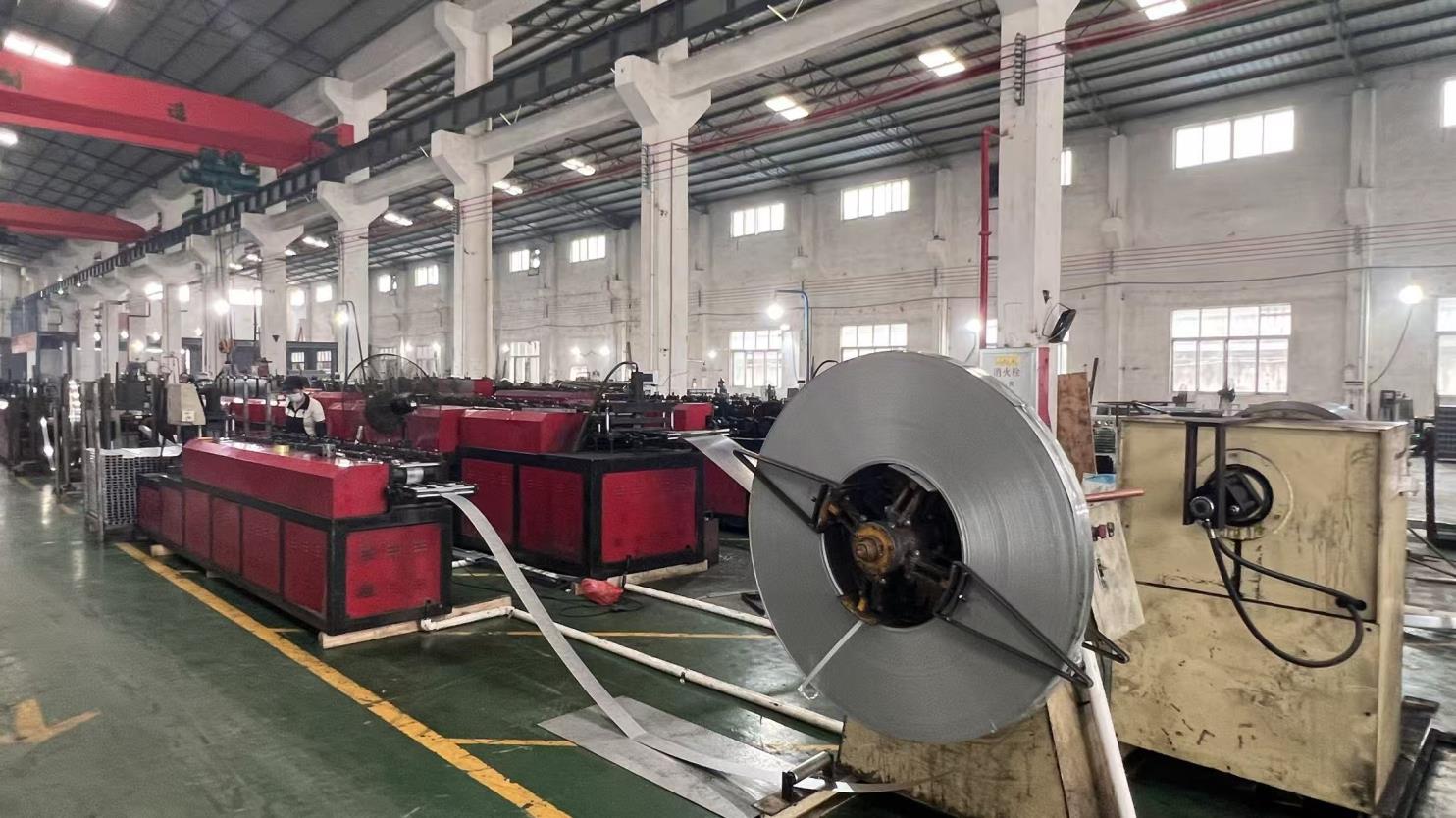
Continuous cold roll forming machines shape raw steel coils into upright profiles.
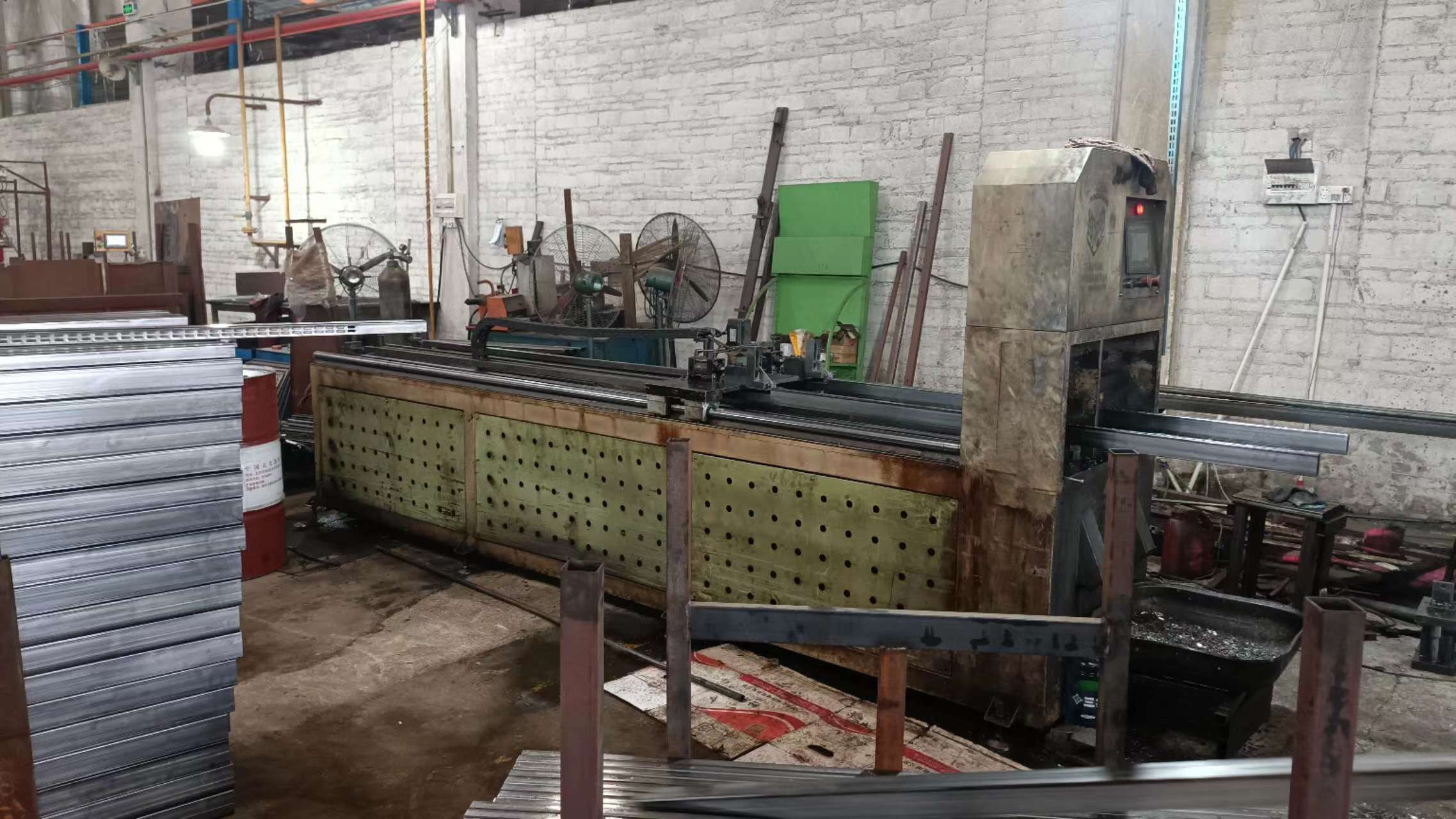
High-speed CNC machinery punches adjustment slots along the vertical upright profiles.
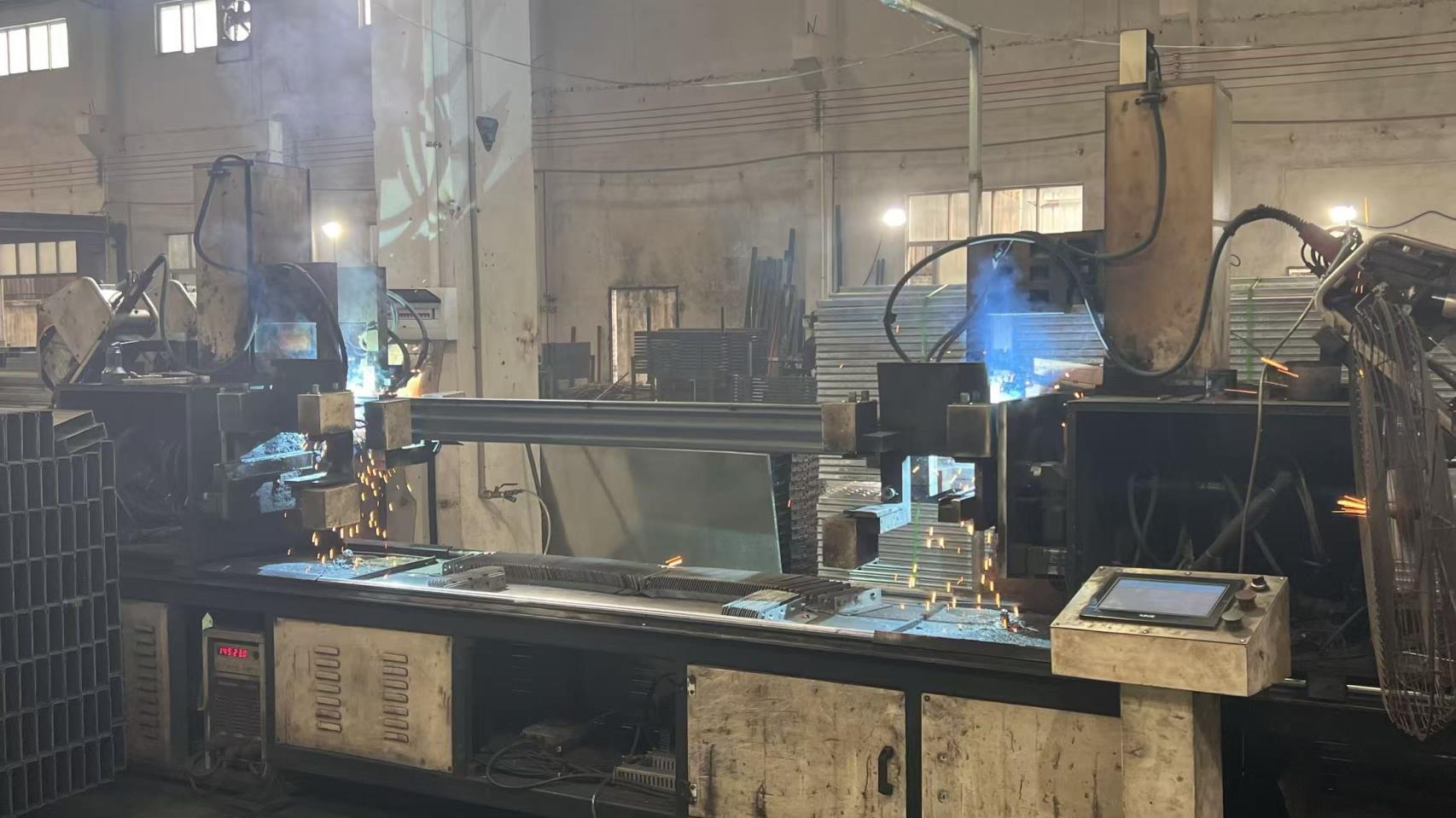
Automated welding systems lay uniform welds, minimizing human variation.
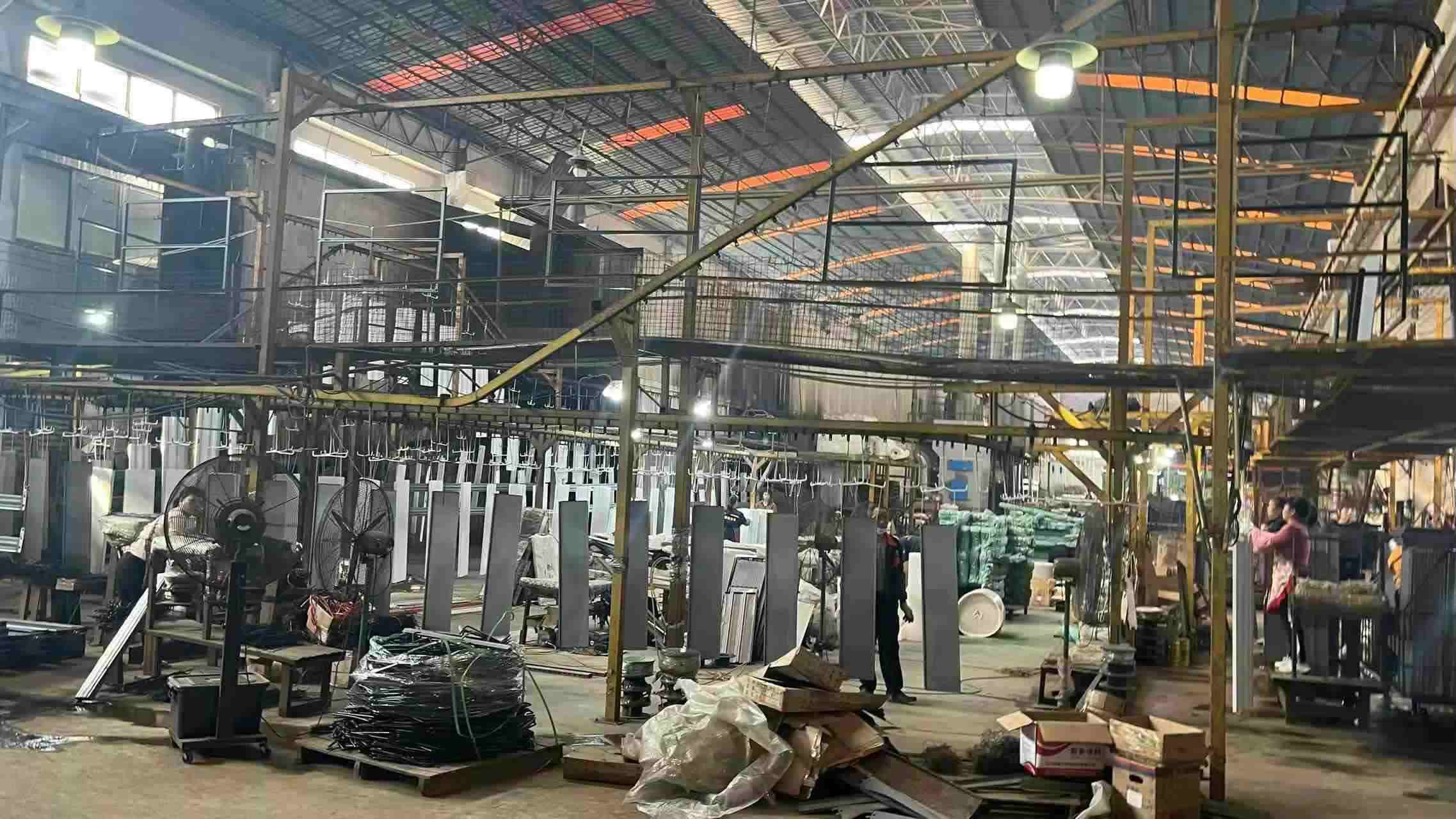
A curing tunnel bakes the epoxy coating to ensure resistance to scratches and chipping.
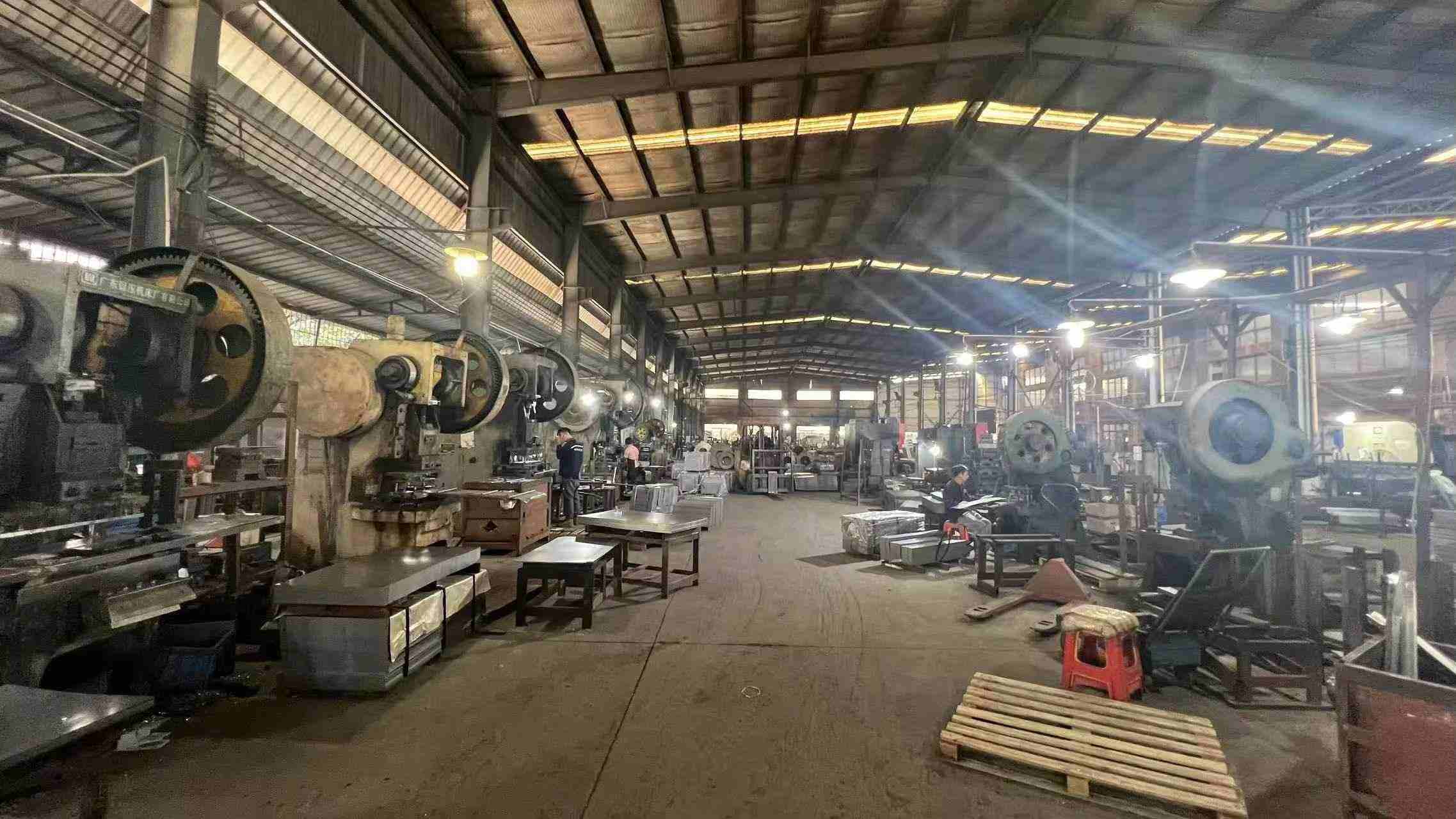
Secondary mechanical presses shape baseplates, brackets, and bracing accessories.
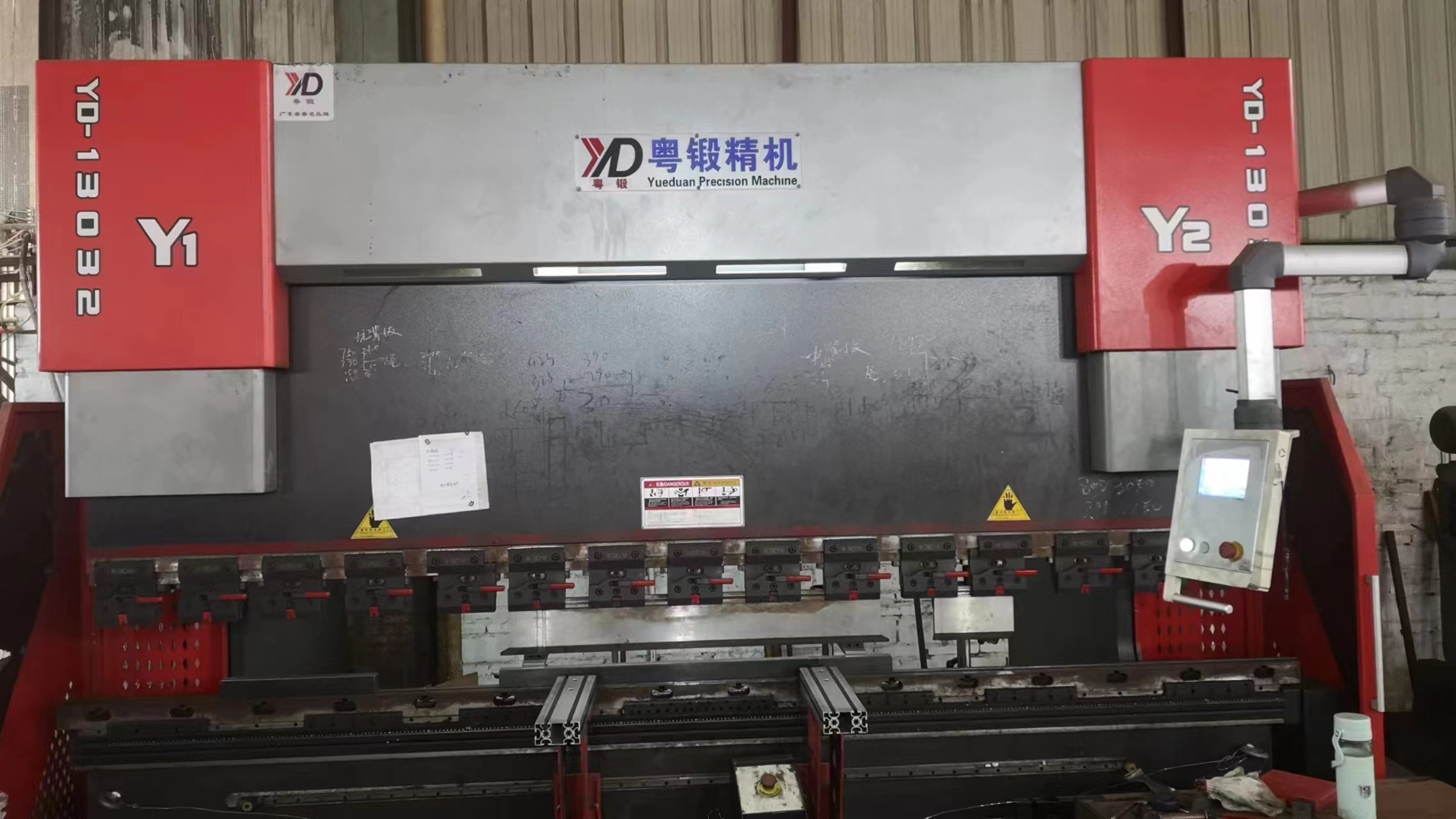
Hydraulic bending machinery processes sheet metal and plate brackets.
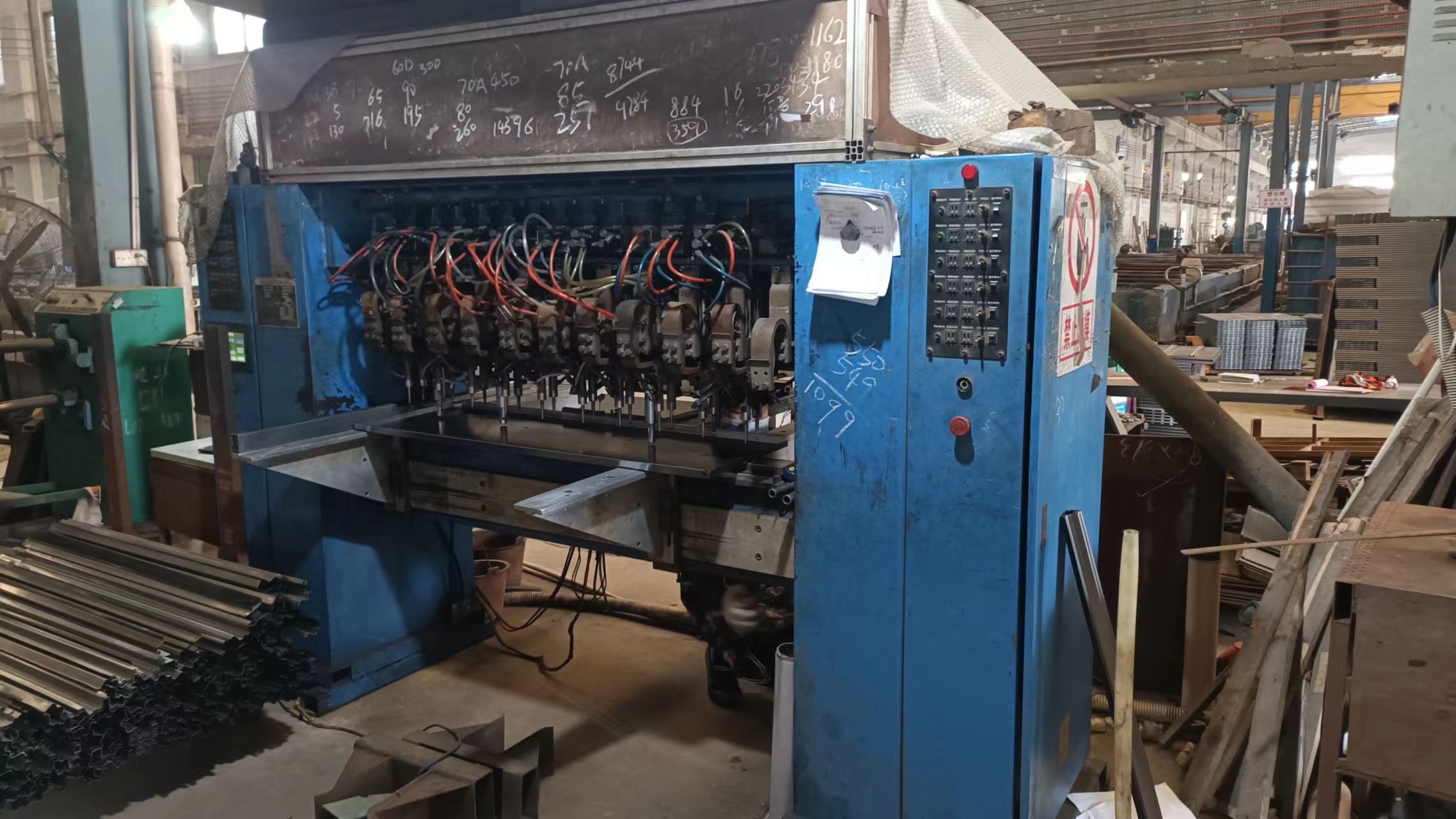
High-strength butt-welding joins structural elements for continuous framing paths.
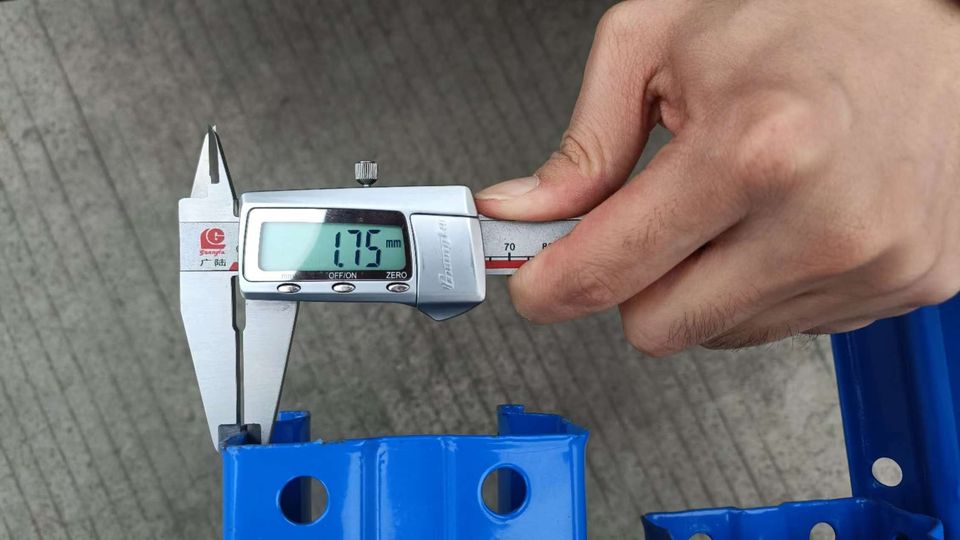
QC specialists check hole pitch and plate thicknesses to ensure they meet engineering drawings.
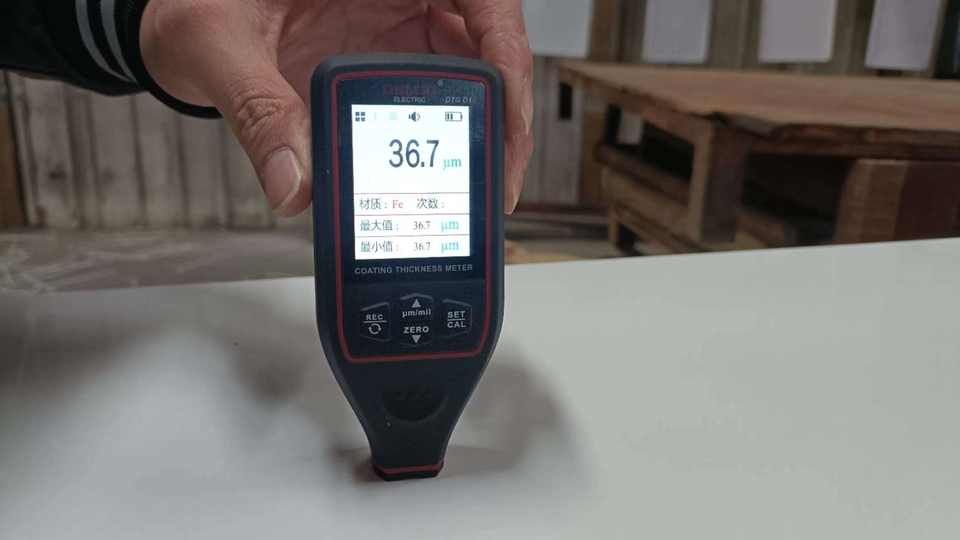
Dry film thickness (DFT) is measured electronically to verify long-term corrosion protection.
Industrial storage units must comply with regional structural regulations to pass building inspections and ensure safety:
For global projects, off-the-shelf racking configurations are rarely optimal. Durack's engineering department, consisting of 65 designers, works directly with logistics managers and consultants to develop custom, high-density layouts.
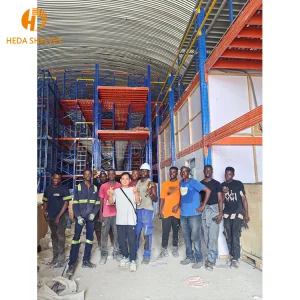
We provide CAD designs, calculation reports, and dynamic simulations to optimize floor space. Additionally, we assist with customs documentation, ocean logistics, and provide local installation support in North America, Europe, and Southeast Asia.
Common technical and engineering questions regarding heavy-duty mobile storage units, manufacturing quality control, and warehouse space optimization.
Q355B structural carbon steel has a yield strength of ≥ 345 MPa, which is approximately 46% higher than Q235B (≥ 235 MPa). This higher yield strength allows us to design uprights and beams with thinner profiles that support the same load, reducing overall steel usage. It also increases the maximum allowable height and load-bearing capacity of high-density shuttle racking systems.
Traditional drive-in racking requires forklifts to drive inside the racking aisles, which increases cycle times and the risk of upright damage. A semi-automatic radio shuttle system uses wireless shuttles to transport pallets down deep channels. The forklift operator only places the pallet at the entry point of the lane, which improves cycle times, reduces forklift wear, and increases safety.
Hot-rolled steel forms mill scale during processing, which prevents epoxy coatings from bonding directly to the base metal. Acid-washing removes rust and mill scale, while Parkerising deposits a micro-crystalline phosphate layer. This layer provides a clean, textured surface that improves powder coating adhesion and prevents sub-film corrosion in humid or cold-storage facilities.
According to RMI and European EN standards, the maximum deflection of structural racking beams under their design load must not exceed L/200 of the span length (for standard selective racks) or L/300 for systems operating with automated shuttles or automated guided vehicles (AGVs). Keeping deflection within these limits helps prevent sensors on automated shuttle cars from failing due to uneven lane slopes.
Our structural engineers use Finite Element Analysis (FEA) software to simulate maximum load cases and evaluate axial load, shear force, bending moments, and deflection patterns. We also conduct physical load tests on mockups, and use non-destructive ultrasonic testing on welded joints to ensure structural reliability under static and dynamic loads.
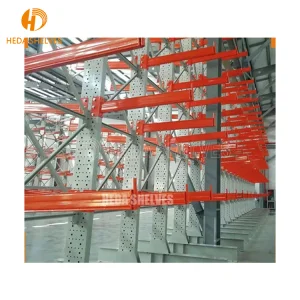
Explore our range of automated shuttle units, semi-automatic racking structures, mezzanine floors, and cantilever support systems designed for industrial storage operations.
 Durack