Engineered solutions designed for manufacturing facilities, automated distribution centers, and modern commercial spaces. These structural components are manufactured using high-tensile steel, satisfying strict load-bearing and safety requirements.
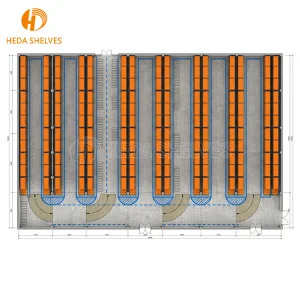
In modern industrial logistics, maximizing spatial utilization while keeping operating costs low is a significant operational challenge. Static storage layouts require dedicated aisles for every racking row, leaving only 35% to 45% of total floor space for actual material storage. High-density mobile shelving systems address this limitation by replacing fixed aisles with a single, dynamic, selectable aisle. By mounting storage bays onto heavy-duty, motorized, or mechanically guided mobile carriages, facilities can compress their footprints, achieving up to an 85% increase in storage density within the same physical perimeter.
This evolution is driven by rising urban land costs and the shift toward cold-chain and automated distribution centers. Modern mobile racking is no longer just static iron frames bolted together; it is a dynamic engineering asset. Carriage assemblies run on precision steel tracks embedded in the warehouse floor slab. These tracks require alignment tolerance deviations of less than 1.0mm per 10 meters to prevent mechanical resistance and structural fatigue. Driven by high-torque electric motors controlled via programmable logic controllers (PLCs), these units feature variable frequency drives (VFDs) for smooth acceleration and deceleration, protecting stored materials from shifting.
From an engineering perspective, structural calculations for mobile racking differ from standard static designs. The dynamic lateral forces generated during carriage acceleration require robust bracing systems, high-tensile steel grades (such as Q235B or Q355B), and reliable connection locking devices. Additionally, modern industrial applications integrate sensors, light barriers, and PLC safety interlocks to protect operators, equipment, and inventories. Choosing the right manufacturer is key to ensuring long-term operational efficiency and safety compliance.
Procuring industrial racking systems on a global scale requires compliance with regional safety, structural, and environmental standards. A racking system that meets criteria in one jurisdiction may fail compliance audits in another. Procurement managers must specify these regional requirements during the initial design phase:
In the United States and Canada, designs must comply with the Rack Manufacturers Institute (RMI) standard ANSI MH16.1. This standard dictates strict physical load tests, seismic design calculations using localized spectral acceleration values, and certified weld procedures under the American Welding Society (AWS D1.1).
European installations are governed by EN 15512 and the Federation Europeenne de la Manutention (FEM 10.2.07 for mobile systems). These standards require advanced finite element analysis (FEA) modeling, structural load factors, and extensive consideration of dynamic carriage movements and impact criteria.
Markets in Australia and New Zealand require conformance to AS 4084:2012 / 2023, which outlines rules for structural steel racking testing, installation quality, and ongoing safety inspection schedules. Seismic load design is critical across these regions.
Beyond structural calculations, environmental factor testing is key. For example, in cold storage facilities where temperatures drop down to -30°C, steel becomes prone to brittle fractures. Standard carbon steels will fail under load in these environments. Manufacturers must source steel grades with certified impact energy ratings at low temperatures, and use customized powder coatings or hot-dip galvanizing to prevent rust and corrosion.
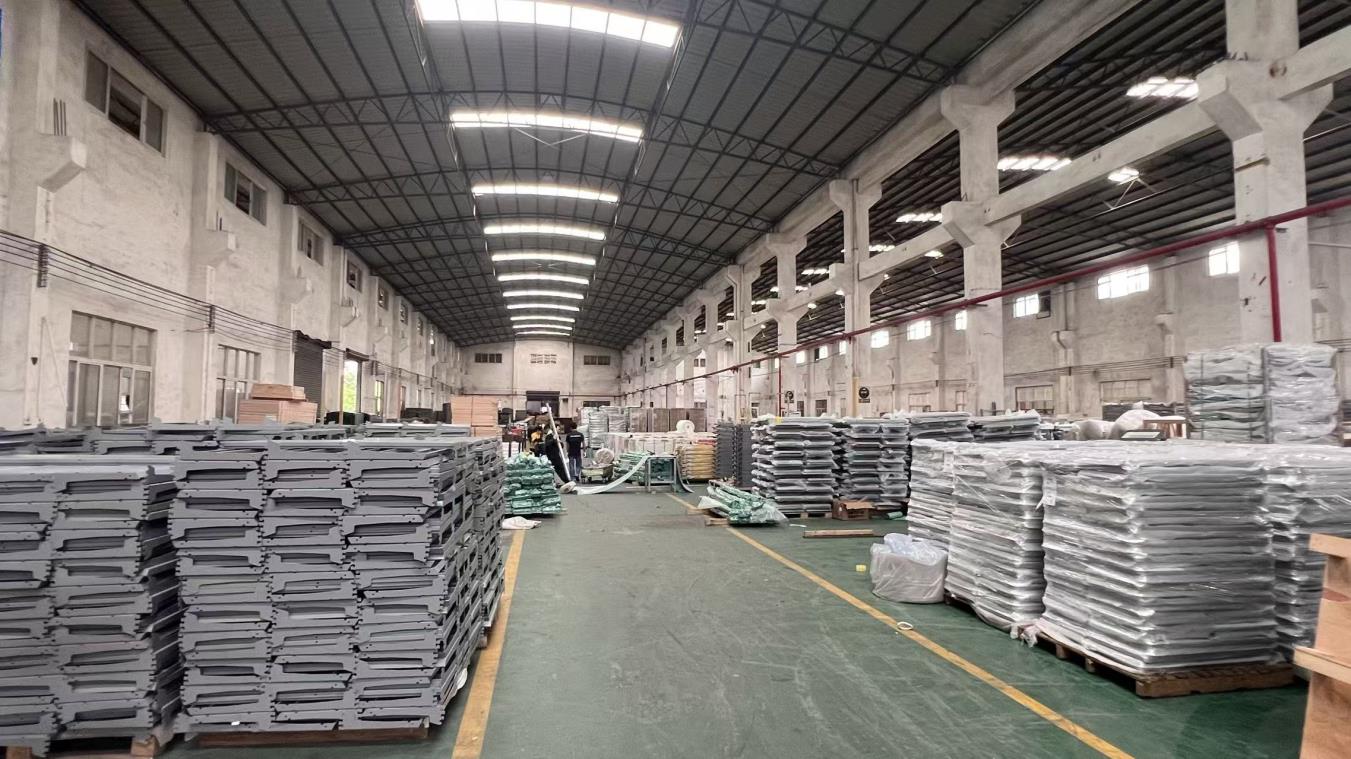
Founded in 2014, Dongguan Durack Logistics Equipment Co., Ltd. is a Chinese storage racking system manufacturer operating a 35,000 m² facility. Backed by 12 years of industry experience and 8 years of global export history, the company generates $28 million in annual export revenue. Our operations are supported by a strict quality assurance system using full-spectrum ultrasonic testing and load-bearing stress evaluations, overseen by 45 dedicated QC specialists. Building on a strong international trading background, our core markets span North America, Europe, and Southeast Asia. We maintain a reliable supply chain network of over 850 partners, catering primarily to third-party logistics (3PL) providers, automated warehouses, and large industrial distributors. Driven by an active R&D division with 65 specialized engineers, Durack offers full OEM/ODM customization options—including bespoke beam profiles, structural steel grades, and dynamic layout designs—launching over 120 new storage products last year.
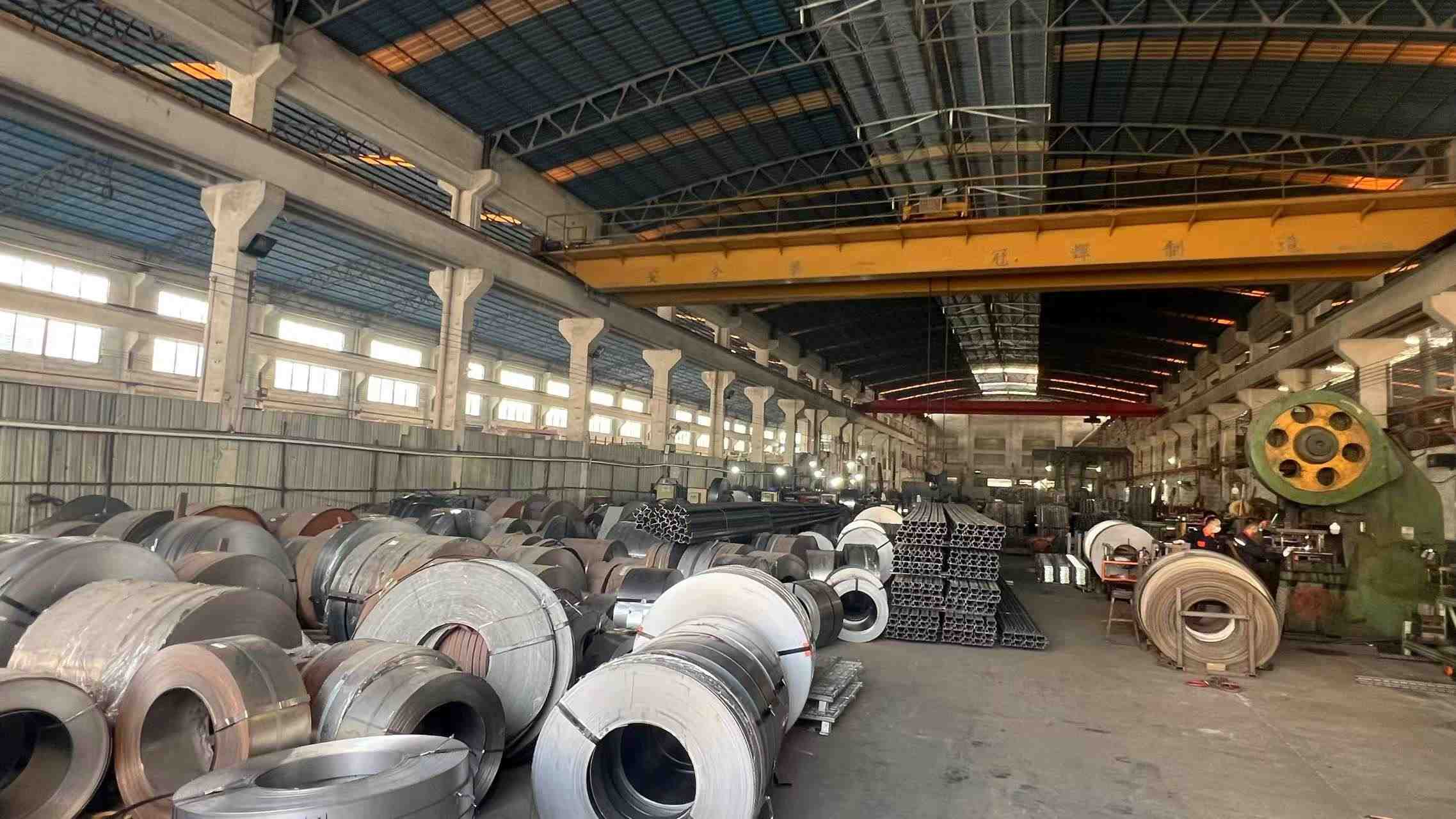
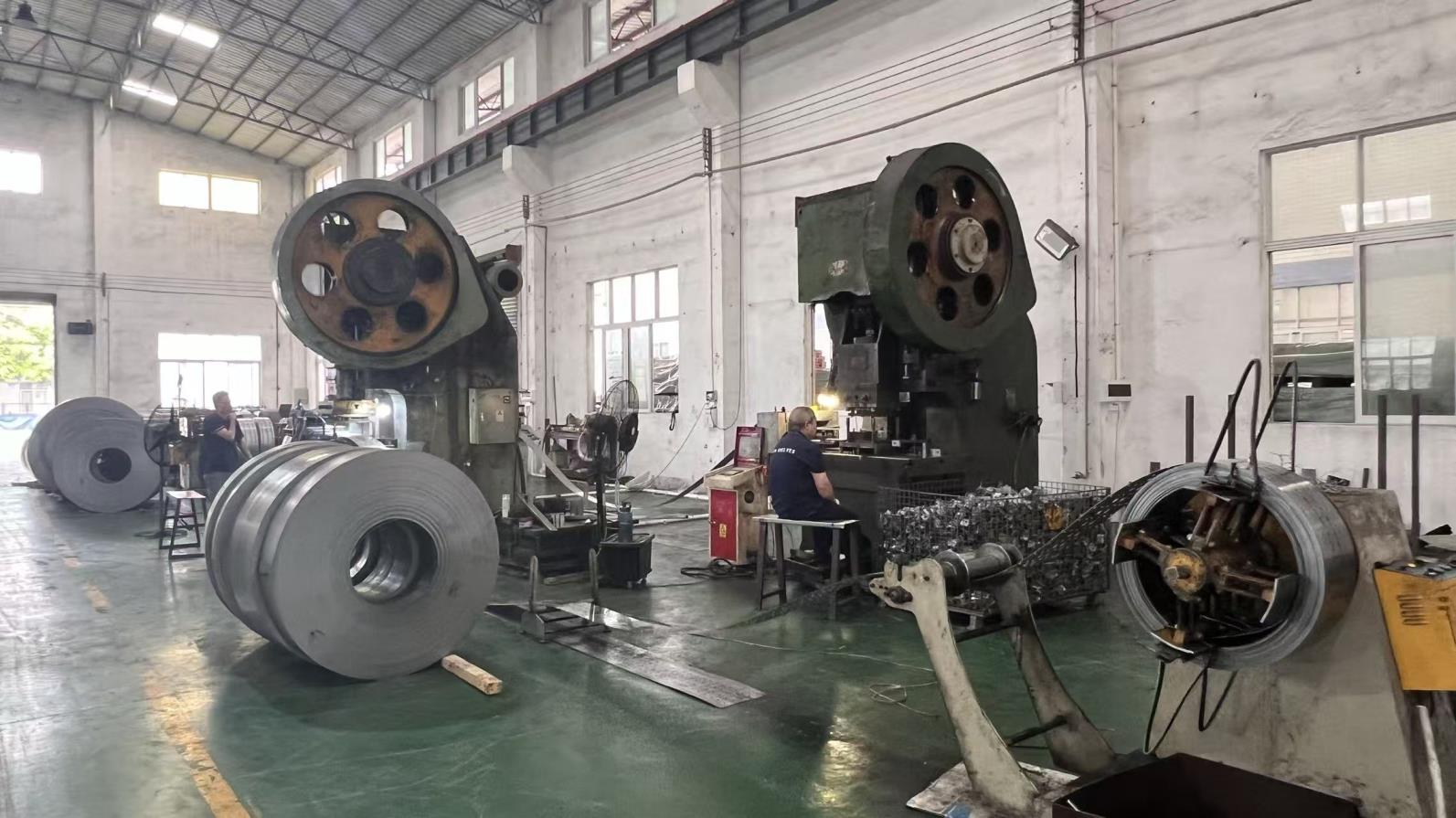
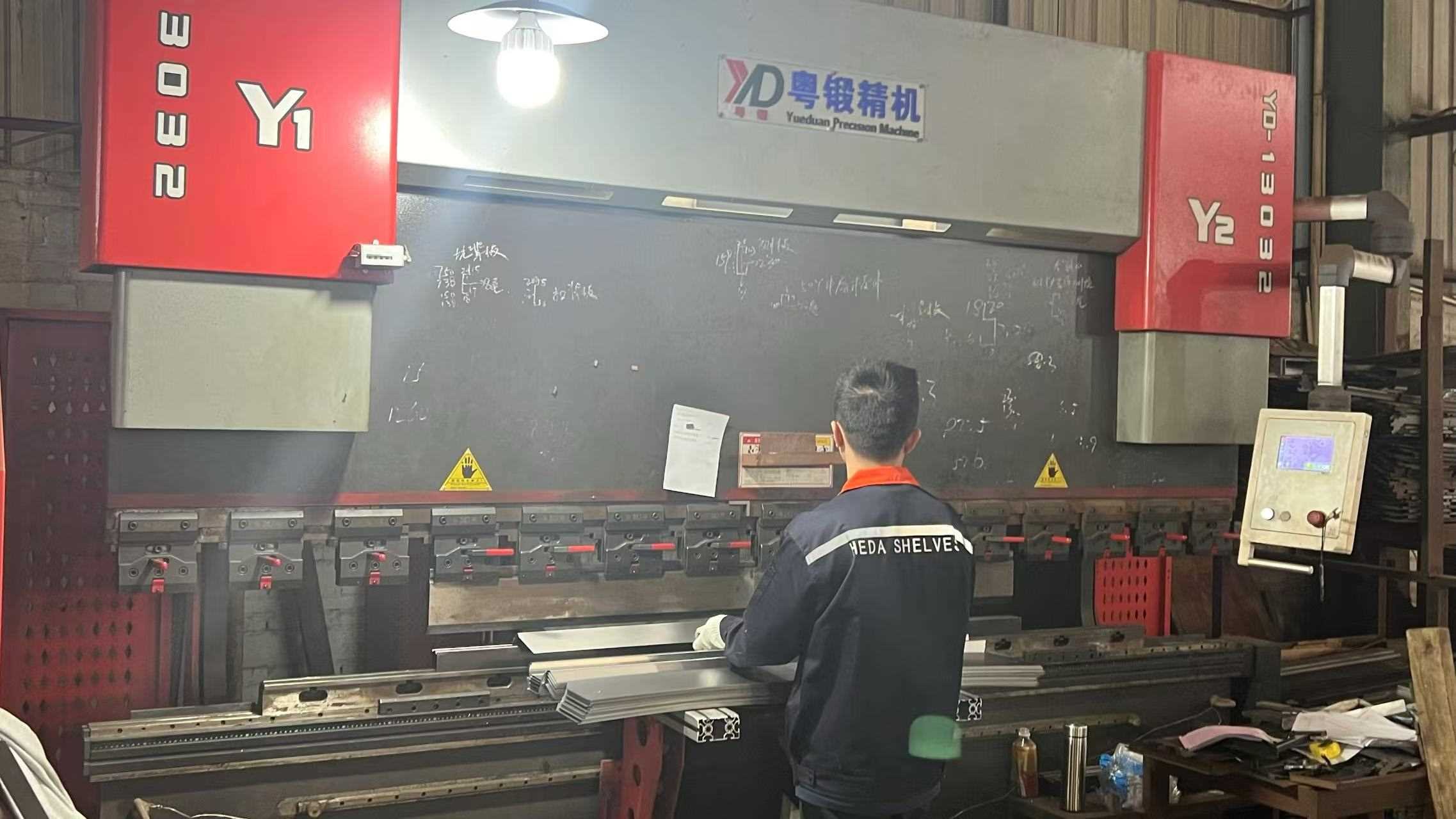
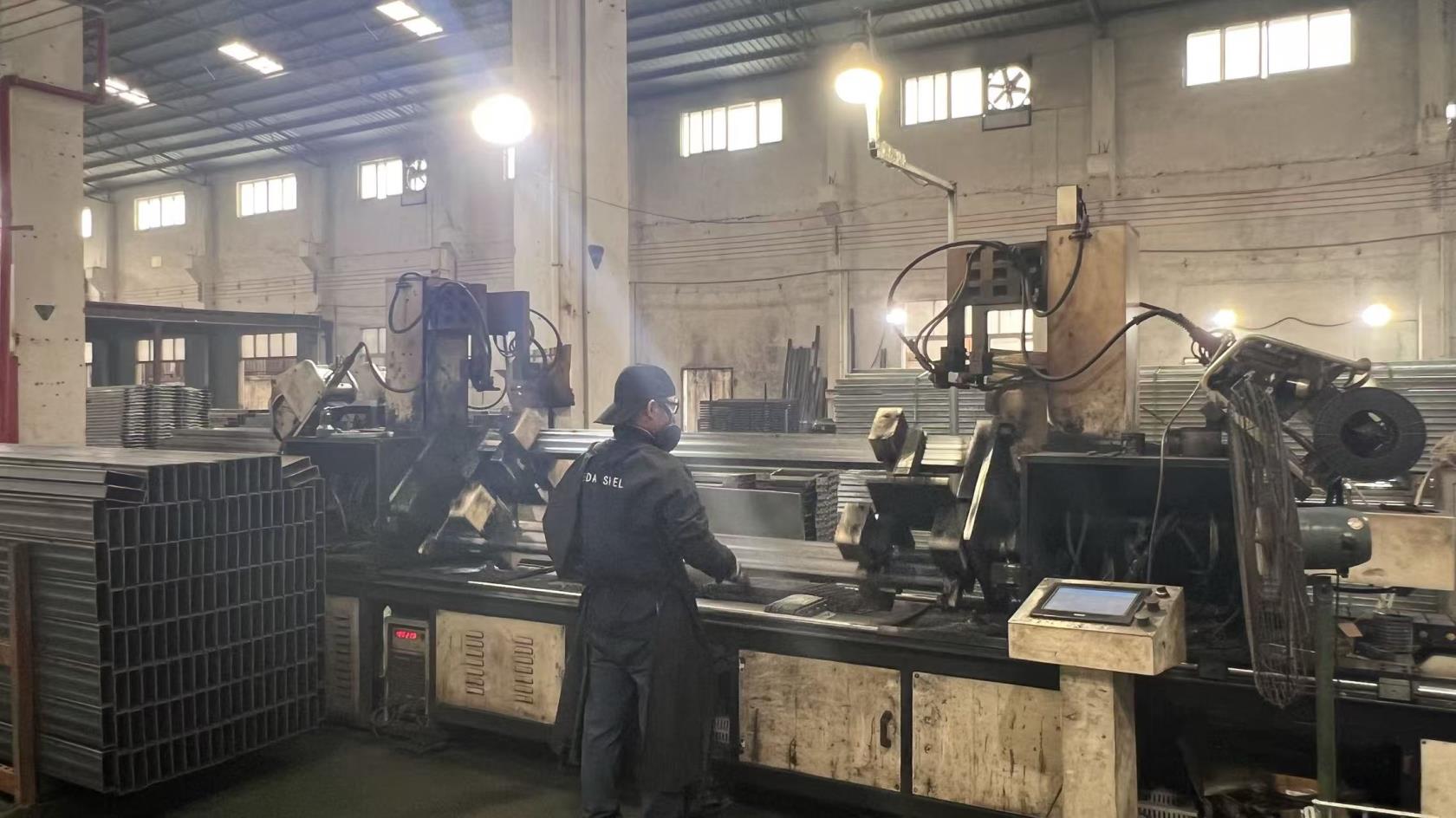
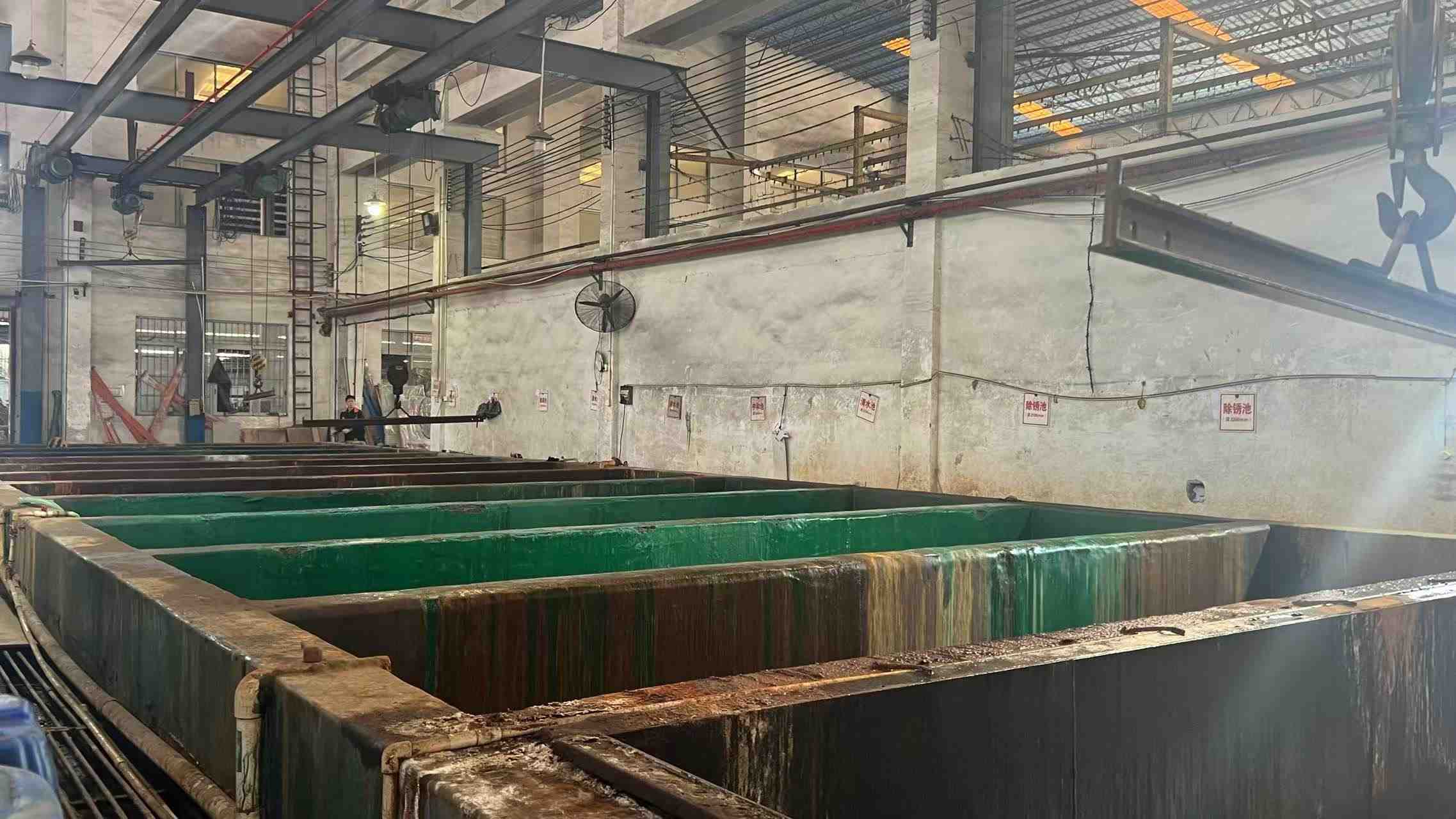
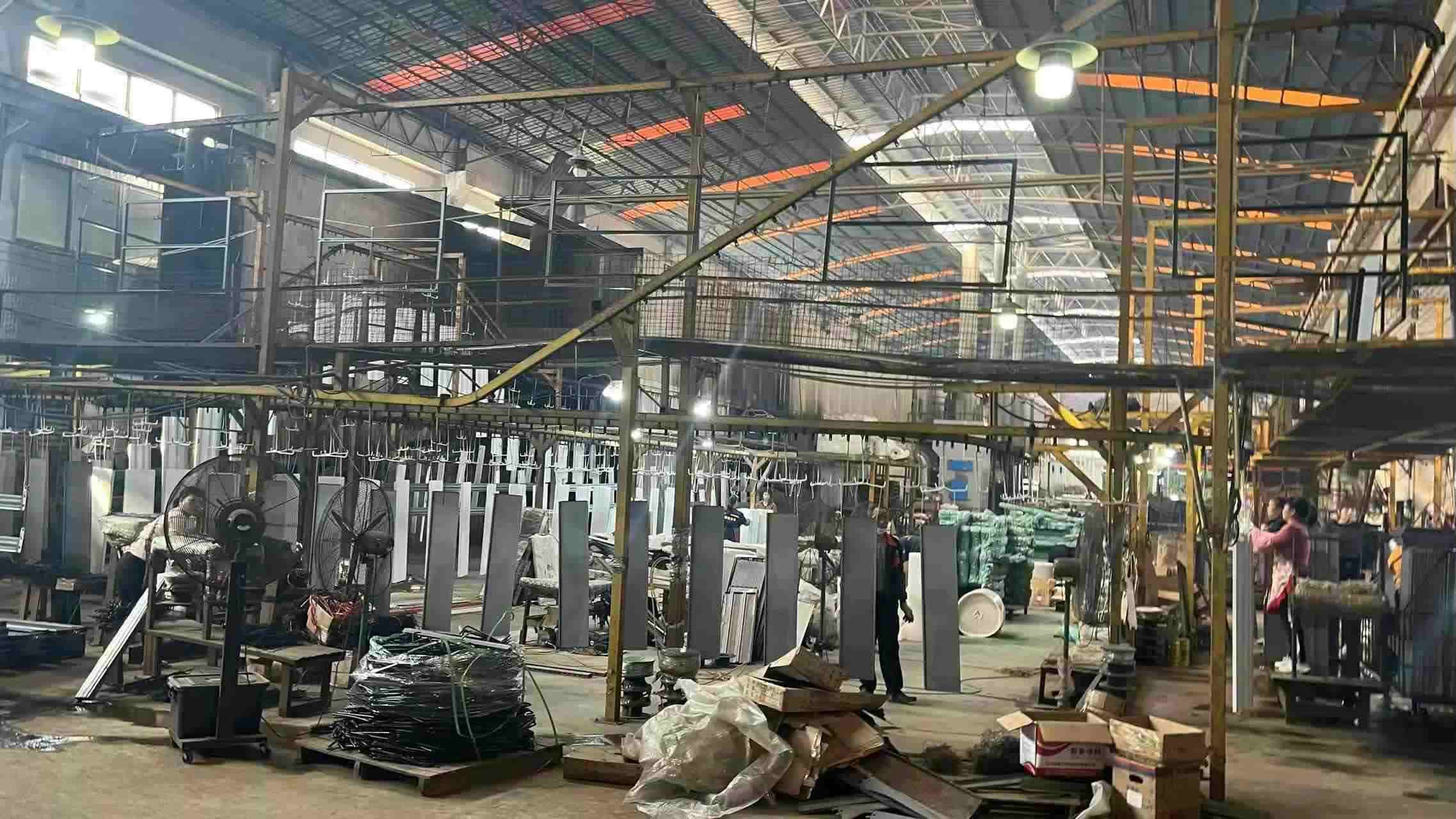
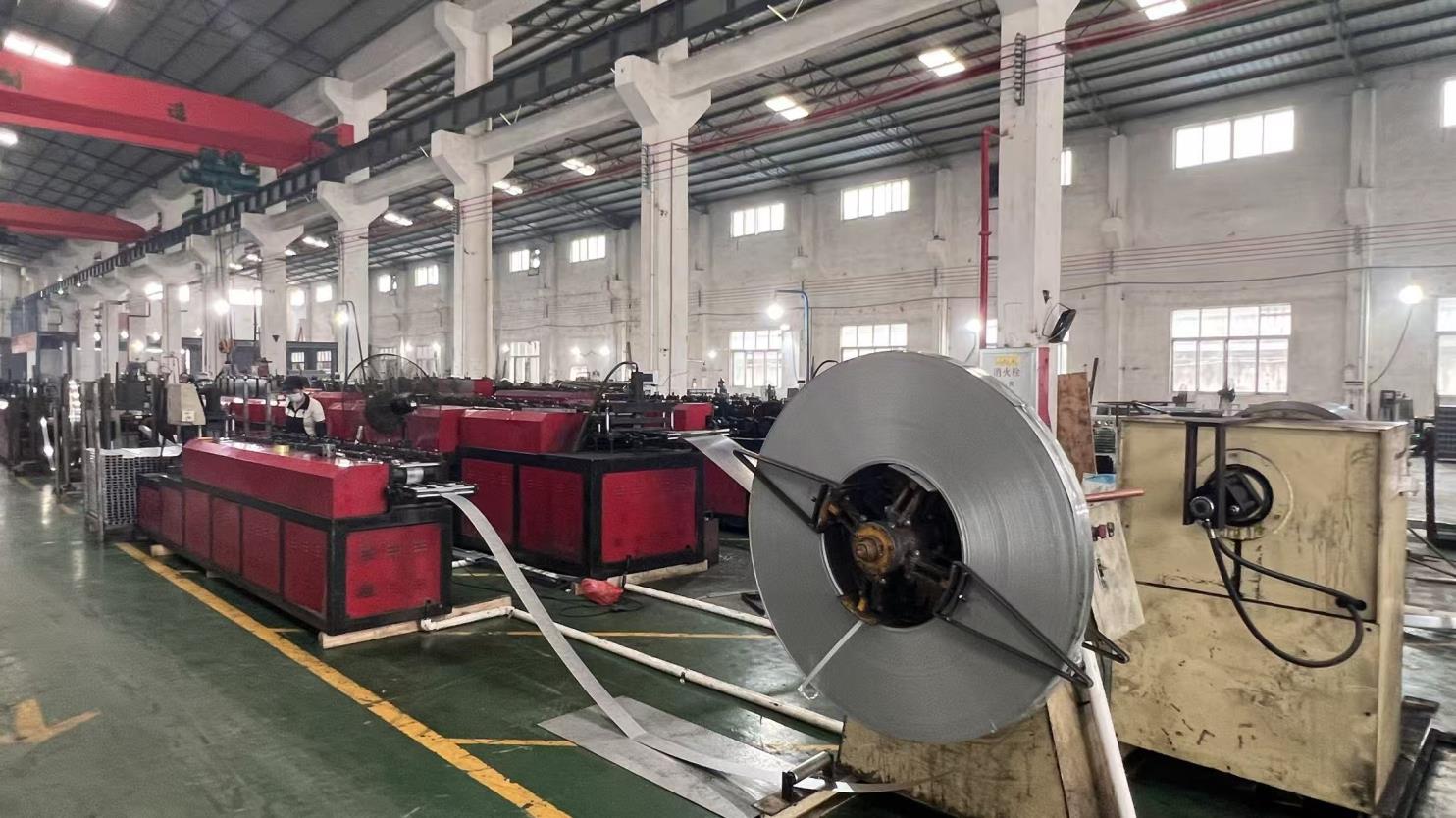
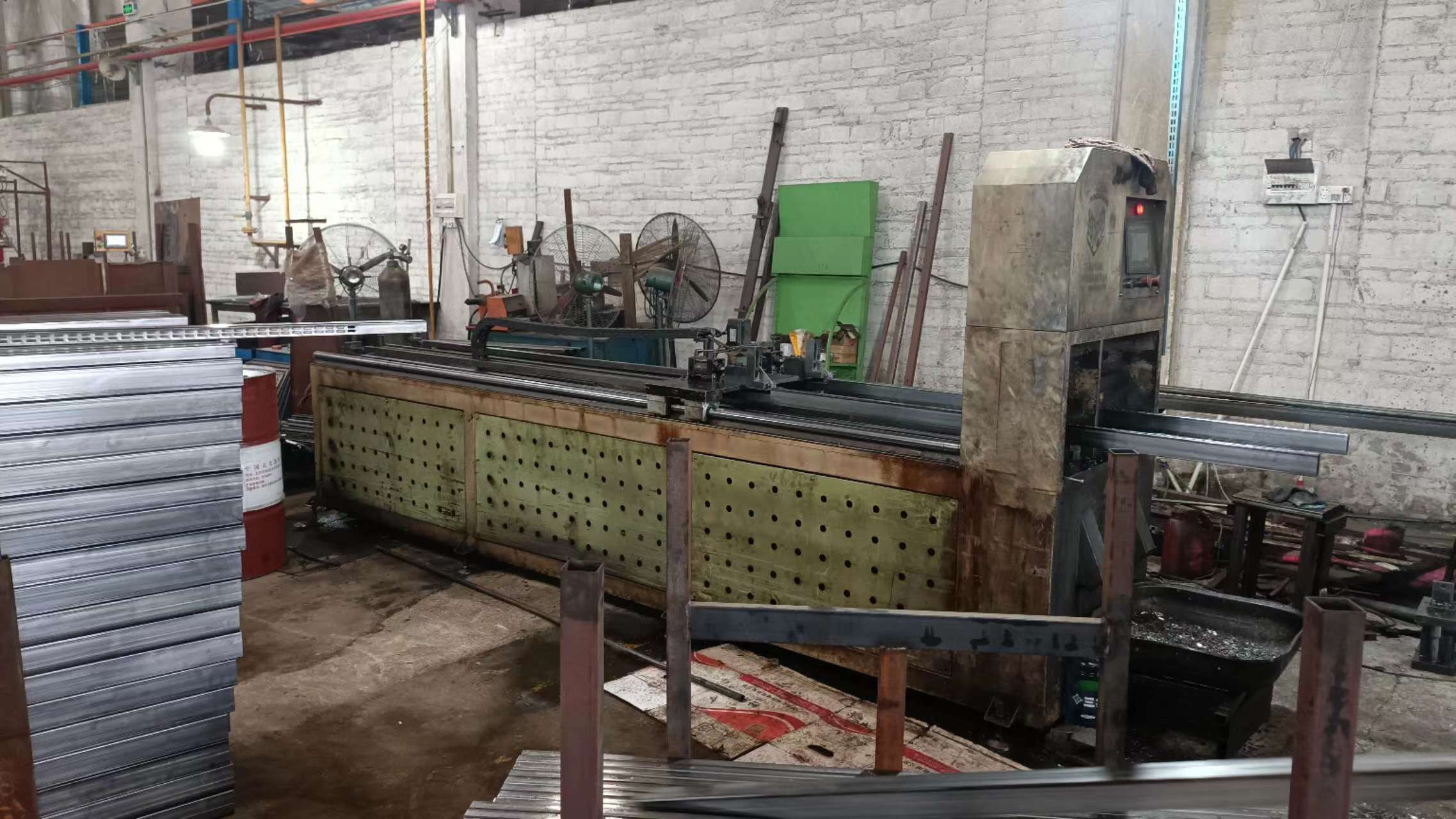
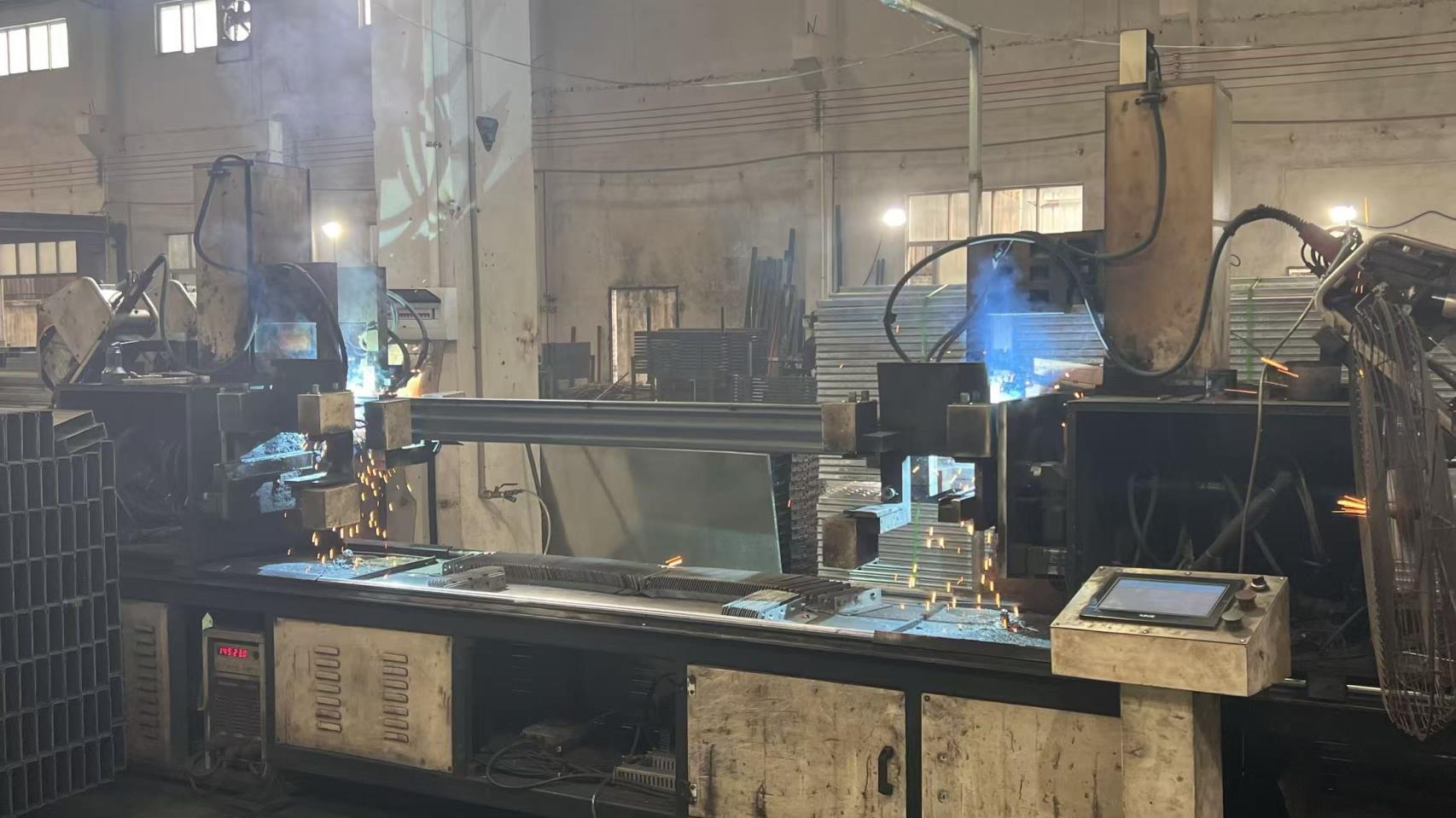
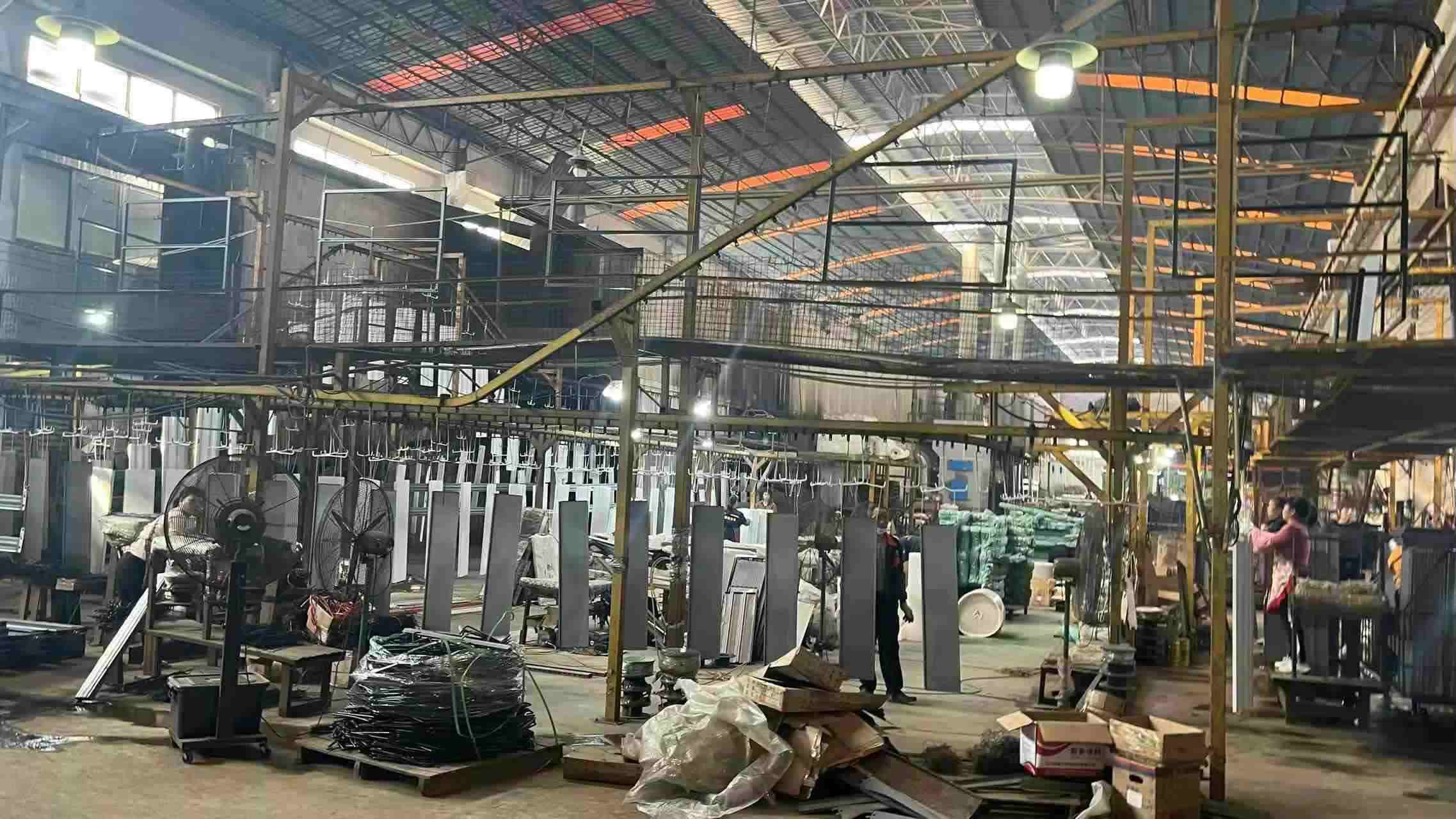
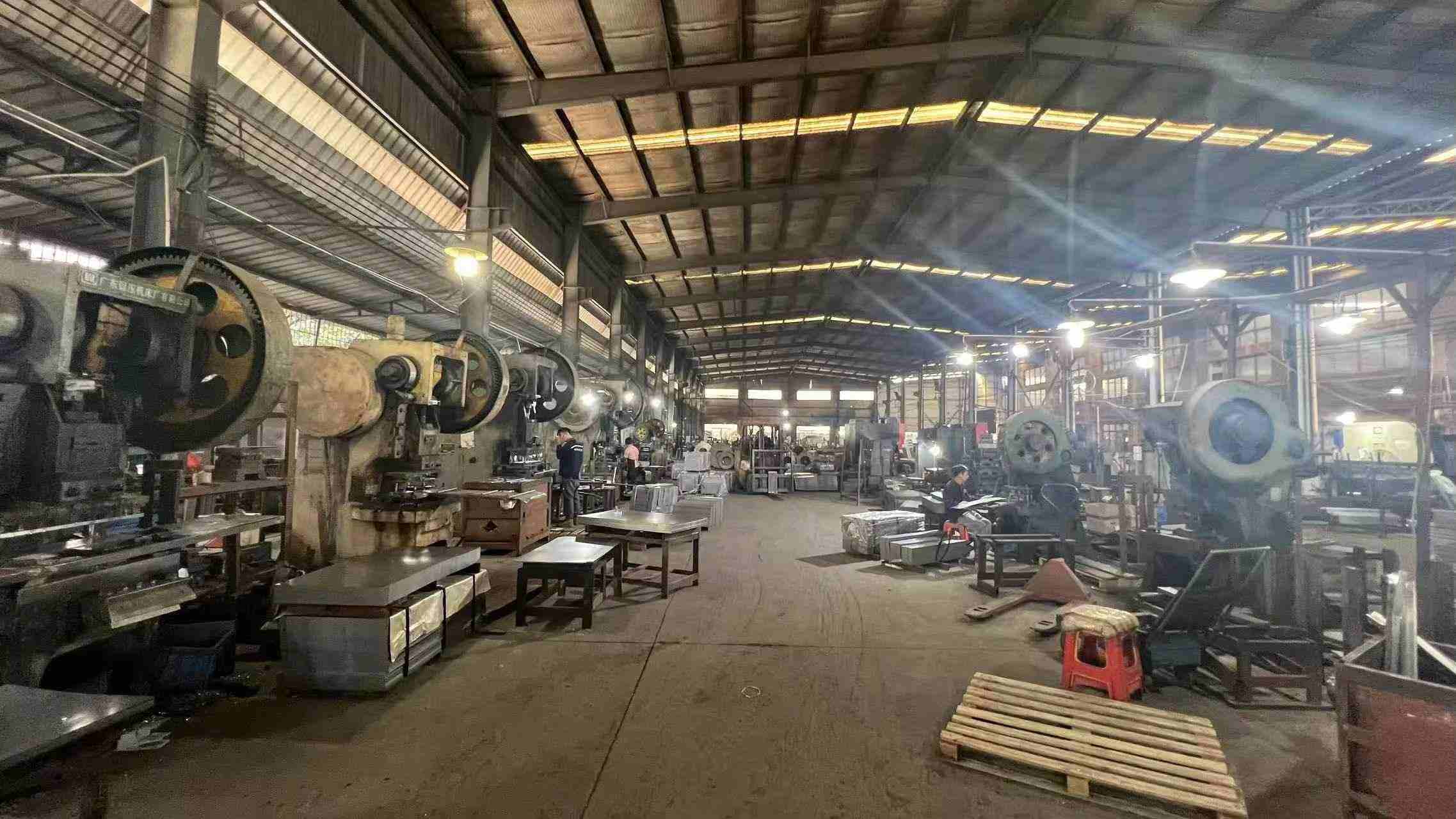
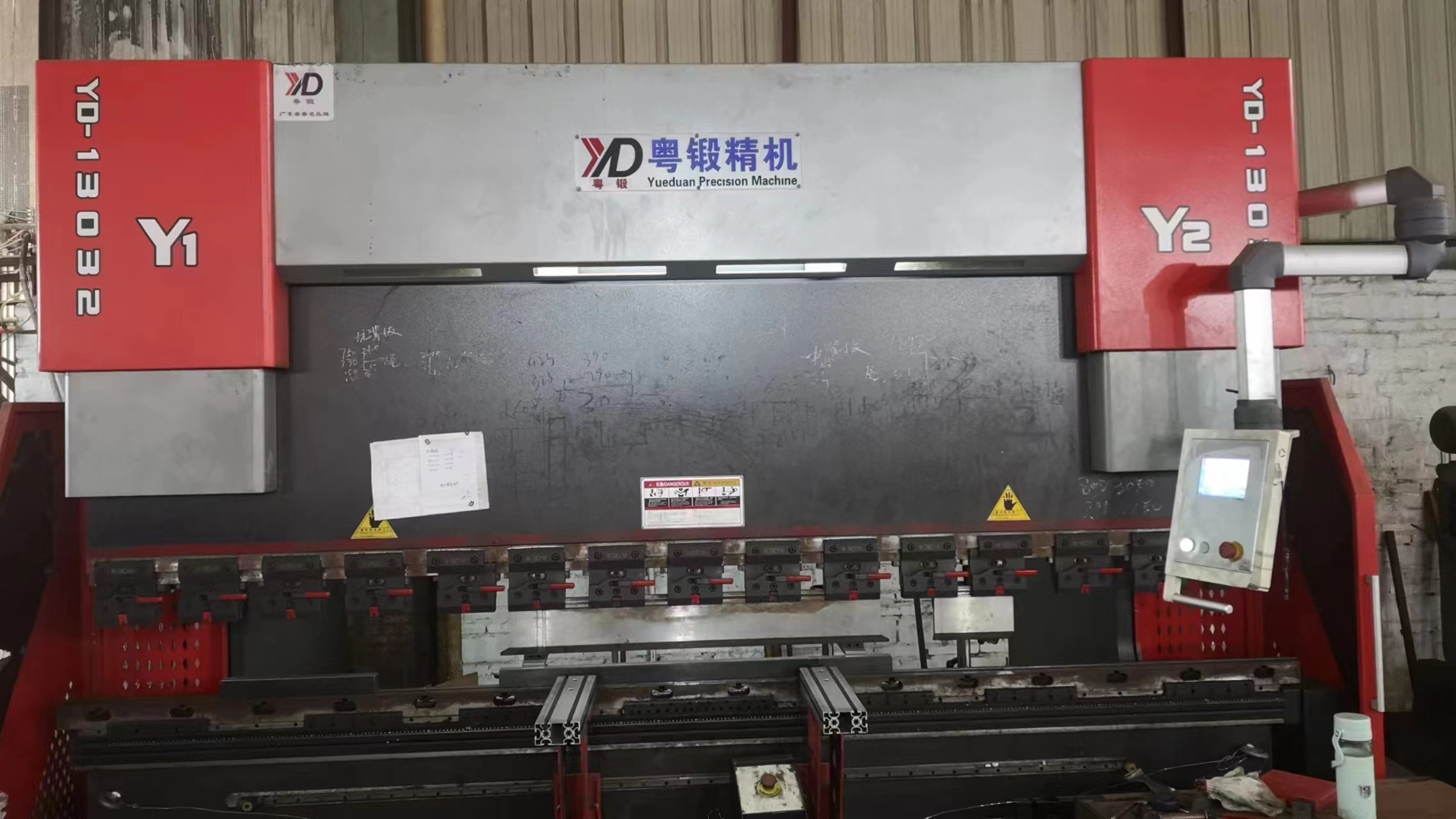
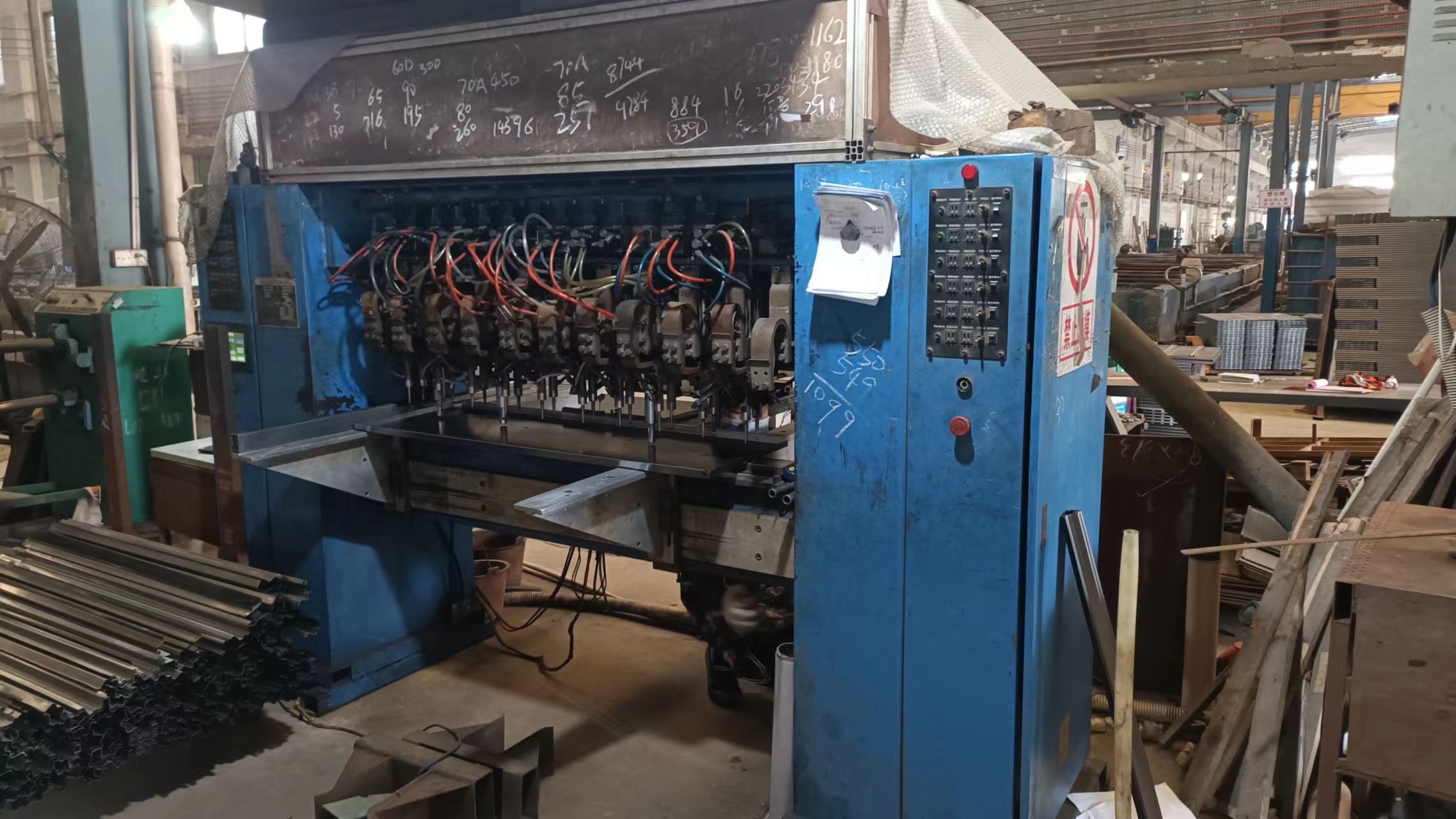
By leveraging Industry 4.0 manufacturing technologies, Durack maintains a competitive edge in quality, speed, and cost efficiency. CNC roll-forming machines shape raw steel coils into complex upright profiles with minimal dimensional deviation. Modern robotic welding stations perform continuous gas-shielded metal arc welds, ensuring joint penetration and load transfer characteristics across all beam connectors. Their advanced automated lines handle stamping, bending, multi-stage chemical pretreatment, and powder coating, minimizing manual handling and reducing human error in production.
| Evaluation Parameter | Dongguan Durack Logistics Standard | Standard Industry Benchmarks | Operational Sourcing Benefit |
|---|---|---|---|
| Raw Material Sourcing | Certified Q235B & Q355B Structural Steel | Standard commercial steel profiles | High yield strength (up to 355 MPa) and load integrity under stress |
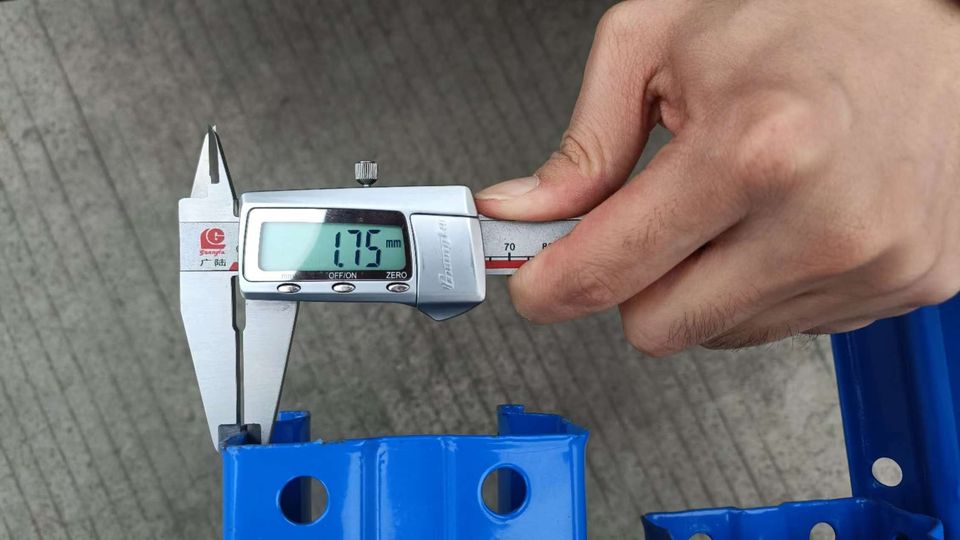
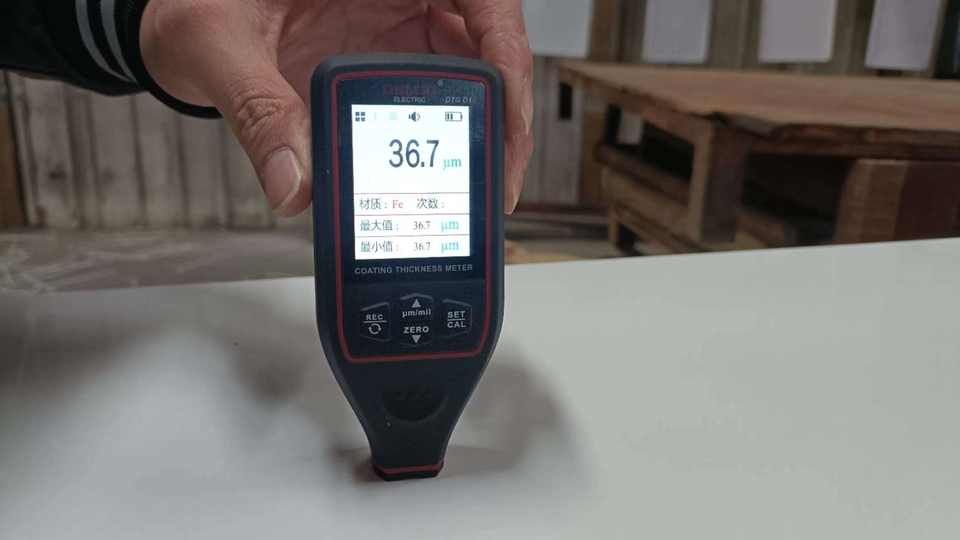
| Quality Control Testing | Ultrasonic weld test + coating thickness checks | Visual-only weld inspections | Guaranteed structural reliability and long-term rust protection |
| Customization Scope | OEM/ODM; Custom beams & base plates | Fixed sizes only | Maximizes storage space in complex or irregular warehouses |
| Supply Chain Capacity | 35,000 m² factory with 850+ partner network | Small local fabrication shops | Shorter lead times and scale capacity for large projects |
An overview of the manufacturing and quality assurance workflows at the Dongguan Durack facility. Each step of the process is closely monitored to ensure compliance with strict international load-bearing and safety specifications.
In practice, racking systems must be tailored to their specific storage conditions and operational workflows. Below are typical scenarios where these designs are applied:
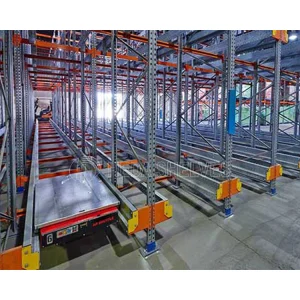
Third-party logistics (3PL) providers handle high volumes of diverse inventory. Integrating dynamic radio shuttle systems allows for high-density, multi-deep pallet storage, operating under both First-In, First-Out (FIFO) and Last-In, First-Out (LIFO) flows. By combining automated shuttle units with mobile platforms, warehouses can maximize vertical volume while retaining full selectivity. This layout minimizes lift-truck travel distance and helps reduce product damage.
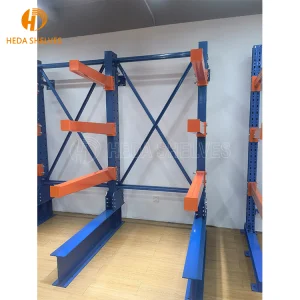
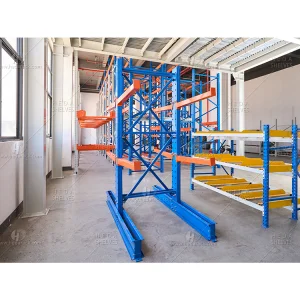
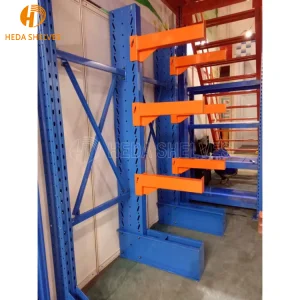
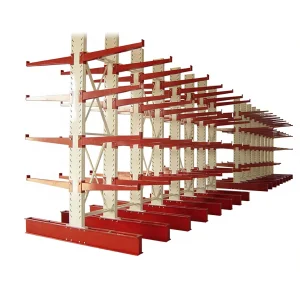
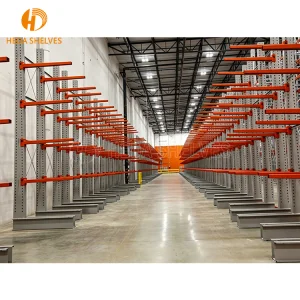
Storing long, heavy, or oddly shaped materials like structural steel beams, PVC pipe bundles, hydraulic hoses, and timber sheets presents a safety and handling challenge. Standard pallet racks cannot accommodate these loads without bowing or bending. Here, heavy-duty cantilever racks (both single and double-sided variations) provide the necessary open-front design to simplify loading via overhead cranes or side-loading forklifts, ensuring stable weight distribution.
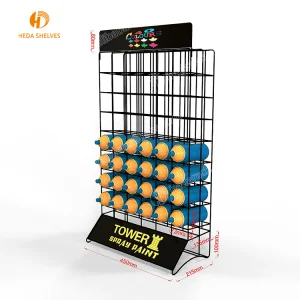
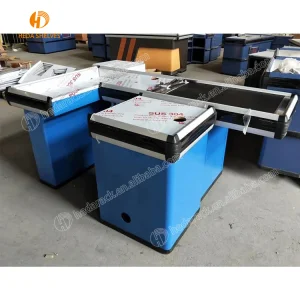
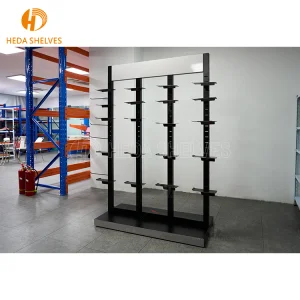
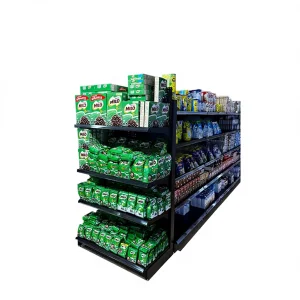
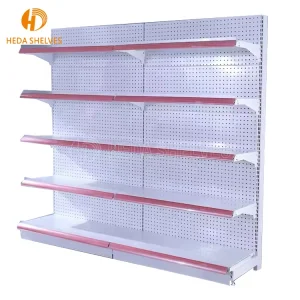
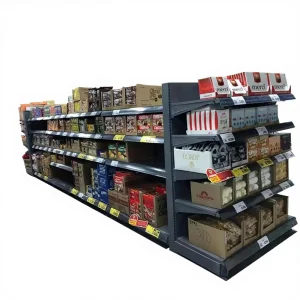
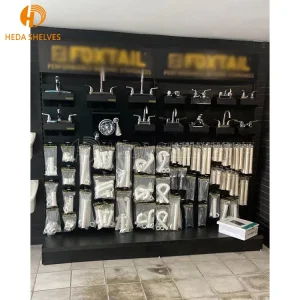
At the customer-facing level, storage designs must balance product visibility with functional workflow. Supermarket gondola shelving, pegboard hardware display stands, rotating counter-top racks, and cashier checkout counters must be durable and easy to reconfigure. Using modular structures with durable powder coatings helps ensure these components stand up to daily customer use.
Unlike static racking, which distributes weight evenly across structural baseplates, a mobile racking system consolidates multiple bays onto a single carriage. This concentrates the load onto the steel guide rails embedded in the floor. Consequently, the concrete floor slab must be designed to withstand high point-loads, shear stresses, and dynamic bending moments. Typically, a reinforced concrete slab of at least 200mm to 250mm thickness, with verified subsoil load-bearing capacity, is required. Floor levelness is critical; deviations must not exceed 2mm over a 2-meter radius to ensure smooth carriage movement and prevent motor strain.
Under EN 15095 safety regulations, automated mobile racking systems must include several redundant safety features. These include photoelectric safety light curtains installed at the front access points to detect entering personnel or forklifts, and safety bumpers on the bottom edge of each carriage to immediately stop movement if an obstacle is encountered. Additionally, visible and audible pre-movement warnings, manual emergency-stop buttons on every control box, and aisle-clear lock switches are mandatory to ensure operator safety during manual picking operations.
Q355B steel is a low-alloy, high-strength structural steel with a yield strength of 355 MPa, compared to the 235 MPa yield strength of standard carbon steel (Q235B). For long-span beams, cantilever arms, and heavily loaded upright columns, using Q355B steel allows manufacturers to design thinner structural profiles while maintaining safety factors. This reduces the total shipping weight of the racking structure and provides greater resilience under static overloads, impact forces, and seismic events.
The return on investment (ROI) period typically ranges between 18 and 36 months, depending on local land values and utility costs. In cold storage environments, where refrigeration costs are high, the ROI is often shorter. By doubling the storage capacity within the same footprint, operators can reduce cooling volumes and save up to 40% on energy costs per pallet location. Additionally, avoiding a warehouse relocation or facility expansion saves significant capital and minimizes disruption to ongoing distribution workflows.
Seismic design requires calculating the dynamic forces acting on the racking system during a seismic event. In high-risk zones, carriage structures must be equipped with anti-topple devices, mechanical rail clamps, and robust guide wheels to prevent the racking from jumping off the track. Height-to-depth ratios must be strictly controlled, and structural frames must use reinforced diagonal bracing, heavier base plates, and double-anchor configurations. Calculations must align with local seismic codes, such as the International Building Code (IBC) in the US or Eurocode 8 in Europe.
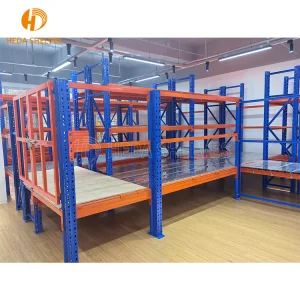
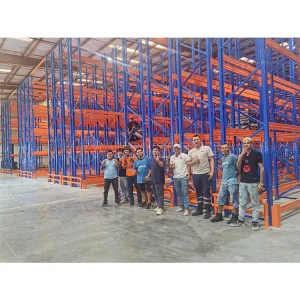
A selection of retail displays, heavy-duty industrial shelving units, and structural storage systems. Contact our engineering team to customize beam profiles, structural steel grades, and system dimensions to fit your specific facility layout.
 Durack