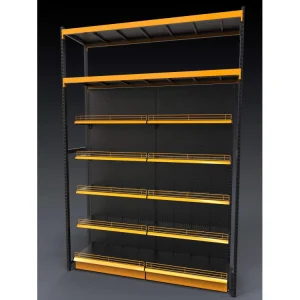
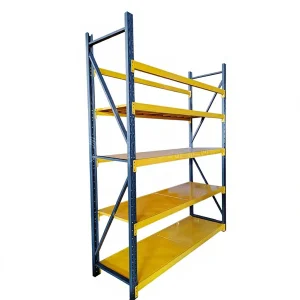
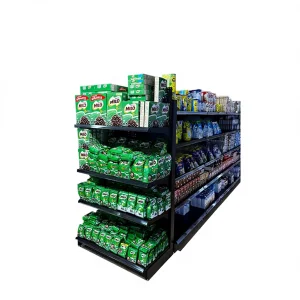
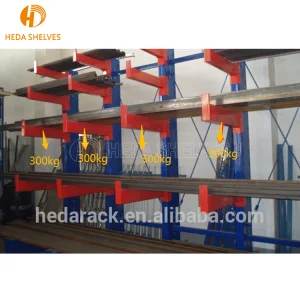
High-performance heavy equipment storage and display solutions engineered to withstand extreme static and dynamic loads under international safety standards.
Decoding market dynamics, payload calculations, and engineering standards across primary logistical regions.
The global heavy equipment storage market has witnessed a paradigm shift. With the expansion of heavy-duty industrial automation, mining operations, wind power manufacturing, aerospace logistics, and oversized steel component production, the demand for specialized warehousing solutions is at an all-time high. Standard pallet racking systems fail when subjected to concentrated point loads, cyclic loading fatigues, and lateral shear forces associated with heavy machinery parts, vehicle frames, and metallurgical products.
Modern enterprises no longer view storage as passive space. Efficient spatial architecture directly correlates with operating margins. Modern heavy equipment storage layouts must accommodate variable height requirements, dynamic cantilever flex patterns, and integrate seamlessly with intelligent ASRS (Automated Storage and Retrieval Systems). Regulatory frameworks, such as the ANSI/RMI MH16.1 in North America and EN 15512 in Europe, mandate that structural calculations for heavy equipment racks incorporate seismic coefficients, wind loads (for outdoor installations), and elastic buckling analyses.
Globally, logistics hubs are adapting to handle loads exceeding 5,000 kg per bay. To prevent warehouse catastrophies, industry leaders are turning to specialized manufacturers capable of verifying metallurgy grades, providing full finite element analysis (FEA) reports, and delivering certified structural racking lines rather than standard roll-formed variants.
Why Chinese exporters dictate global efficiency standards, material cost parameters, and supply chain speed.
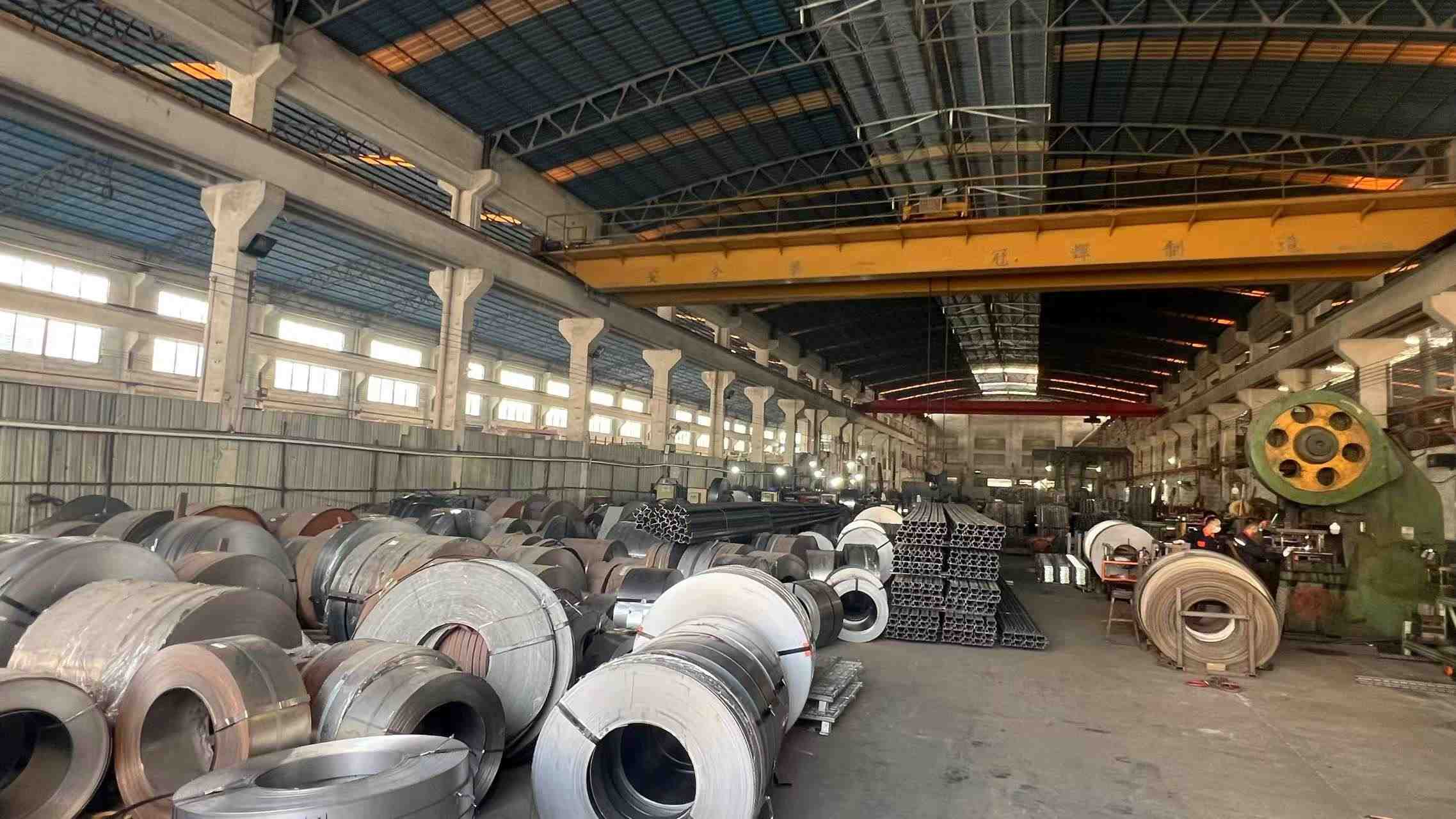
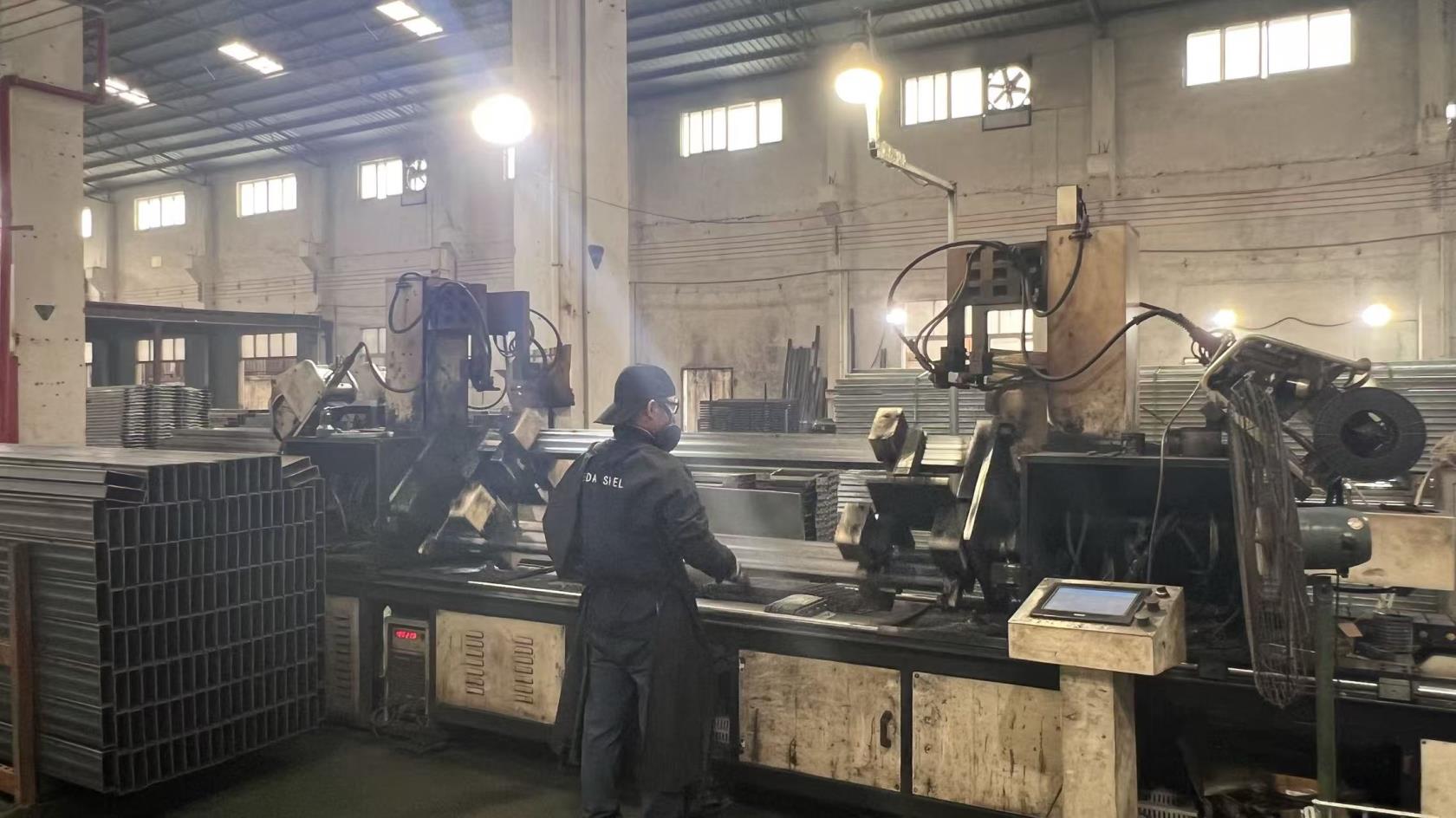
China is home to the world's most integrated steel fabrication ecosystems. When heavy equipment storage solutions require custom high-tensile structural channel steels (such as Q355B or ASTM A572 Grade 50), Chinese manufacturers access direct, mill-certified raw materials without the cost premiums and lead times common in Western markets. The concentration of automatic profile rolling mills, advanced robotic welding clusters, and environment-compliant automated powder coating lines allows factories like Dongguan Durack Logistics Equipment Co., Ltd. to run cost-efficient operations without sacrificing precision.
Additionally, the localized vertical integration is unmatched. Hardware components, customized heavy-duty baseplates, automated guide rails, and electrostatic protection elements are sourced, processed, and checked in-house. This ecosystem drastically reduces lead times for complex, large-scale industrial projects—allowing complex engineering mock-ups and quality checks to be executed in days instead of weeks.
Founded in 2014, Dongguan Durack Logistics Equipment Co., Ltd. is a premier Chinese storage racking system manufacturer operating a 35,000 m² facility. Backed by 12 years of industry experience and 8 years of global export history, the company generates $28 million in annual export revenue.
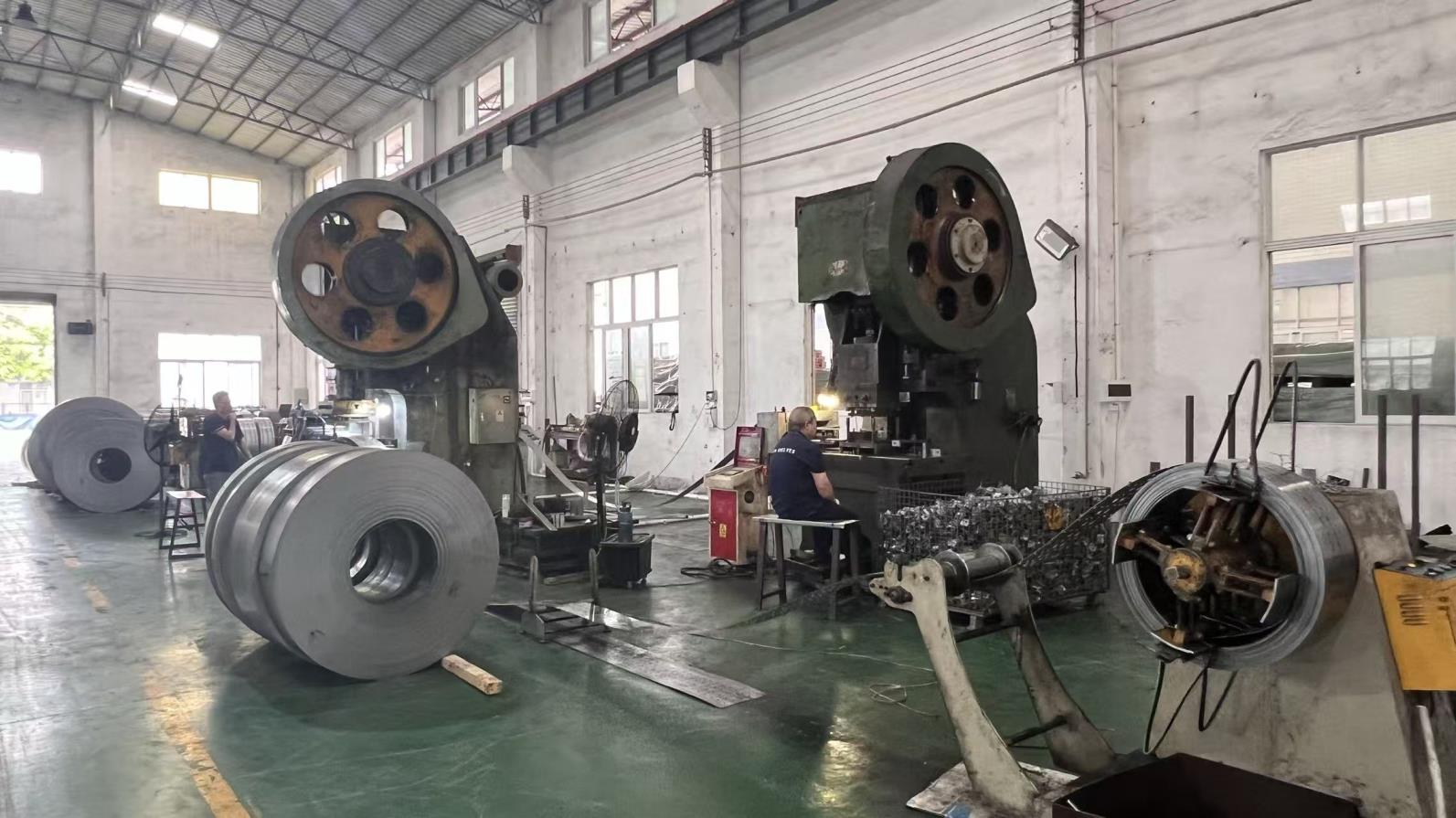
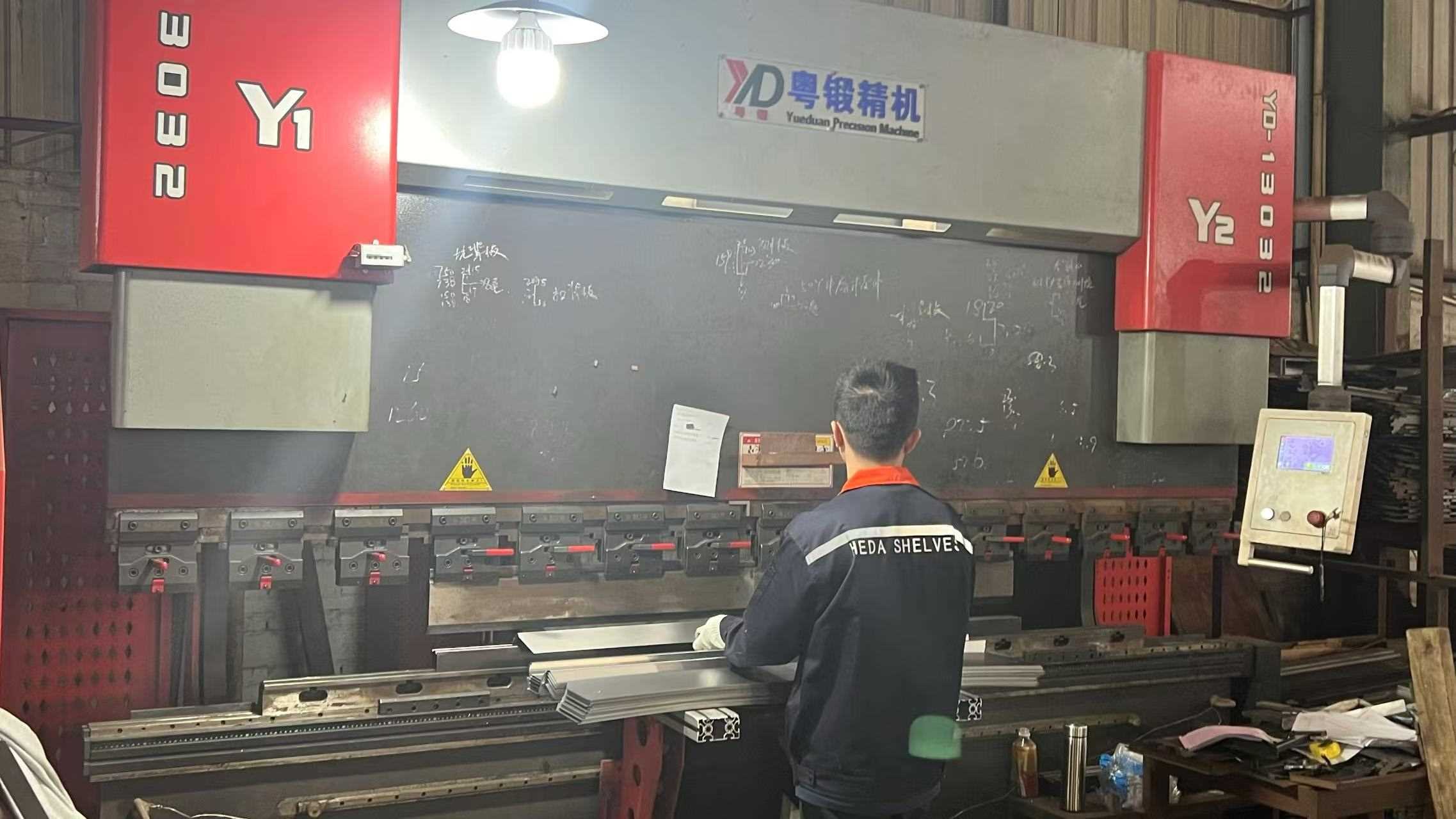
Our operations are supported by a strict quality assurance system using full-spectrum ultrasonic testing and load-bearing stress evaluations, overseen by 45 dedicated QC specialists. Our core markets span North America, Europe, and Southeast Asia. We maintain a reliable supply chain network of over 850 partners, catering primarily to third-party logistics (3PL) providers, automated warehouses, and large industrial distributors.
Driven by an active R&D division with 65 specialized engineers, Durack offers full OEM/ODM customization options—including bespoke beam profiles, structural steel grades, and dynamic layout designs—launching over 120 new storage products last year.
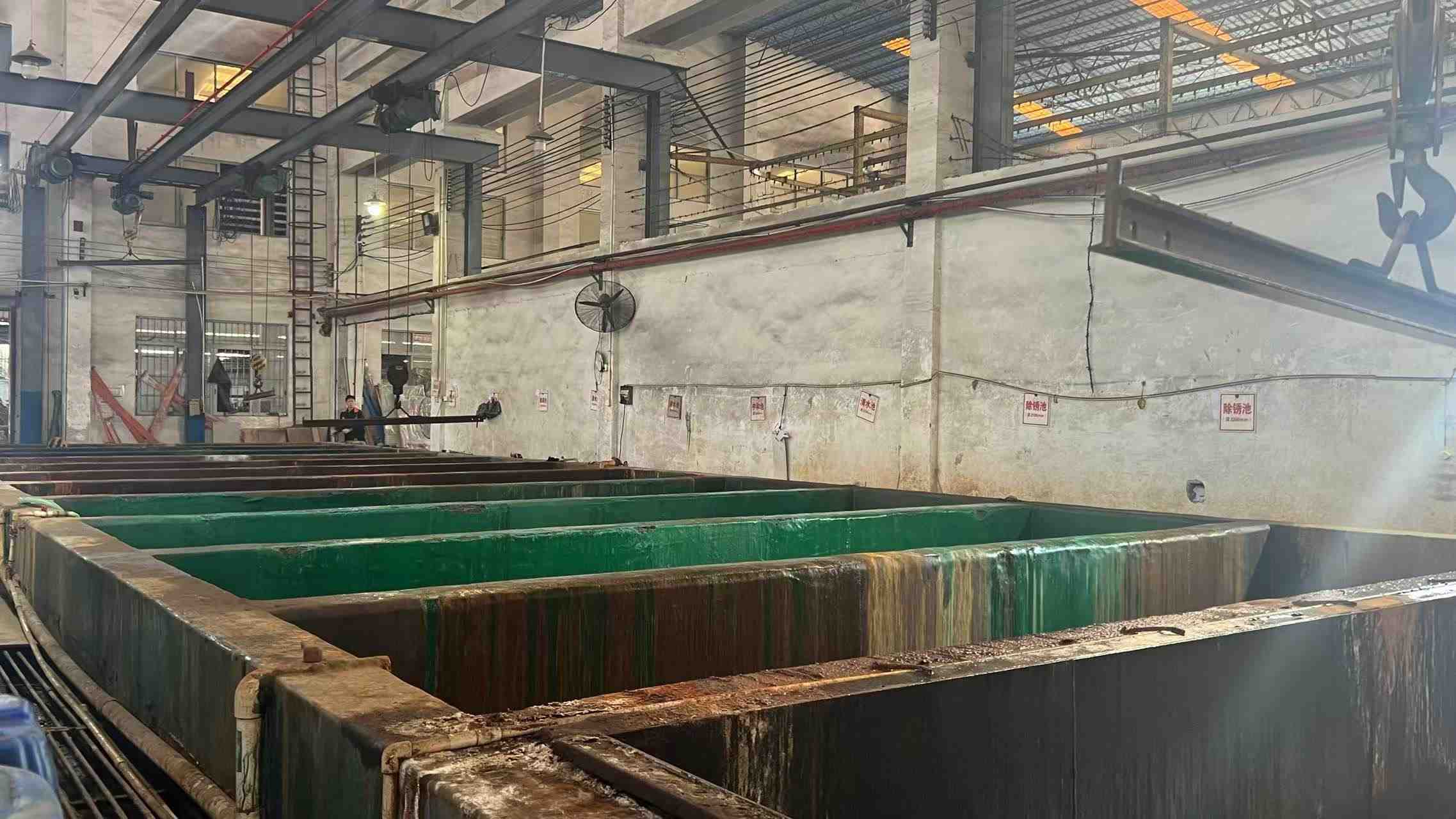
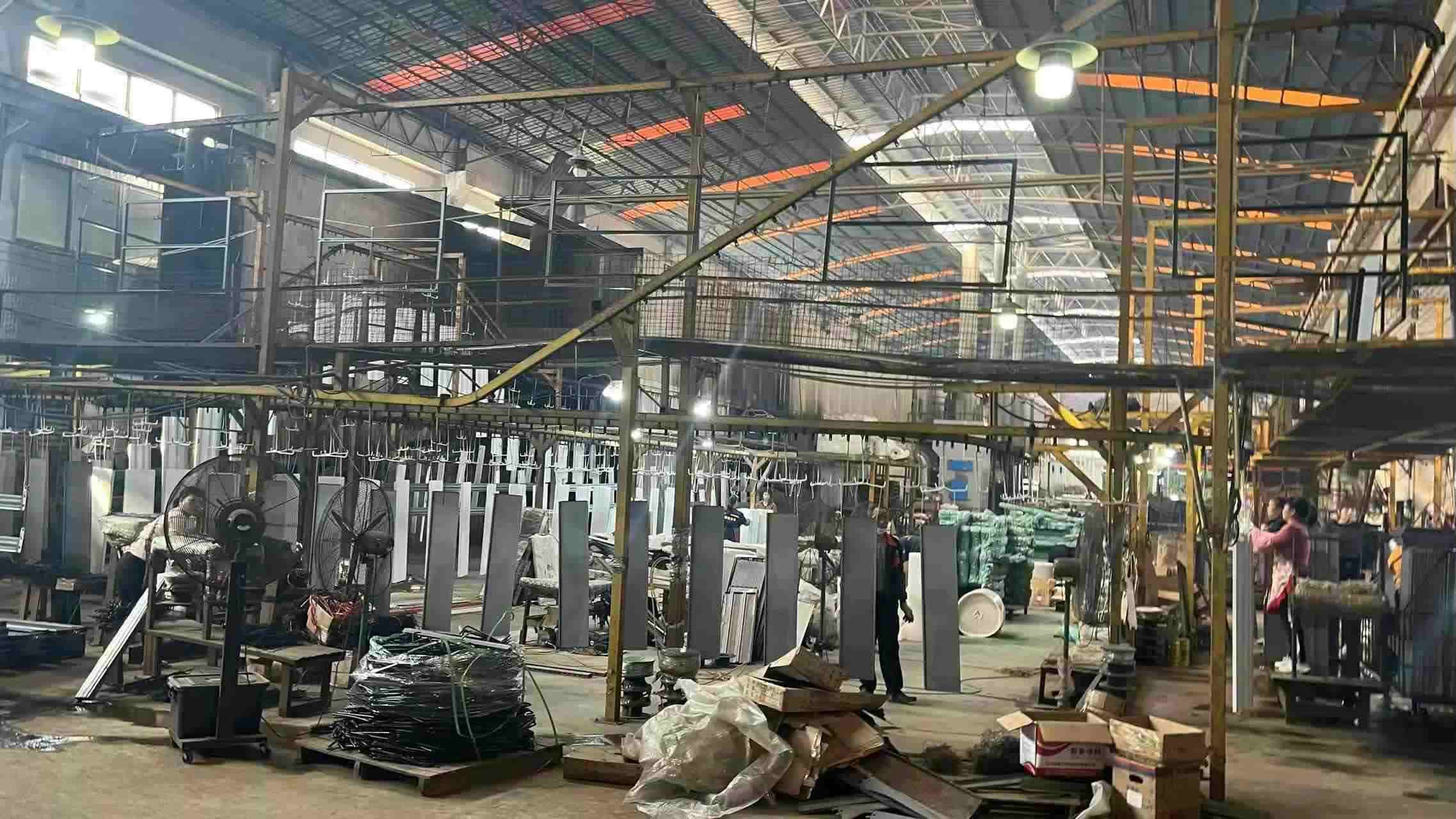
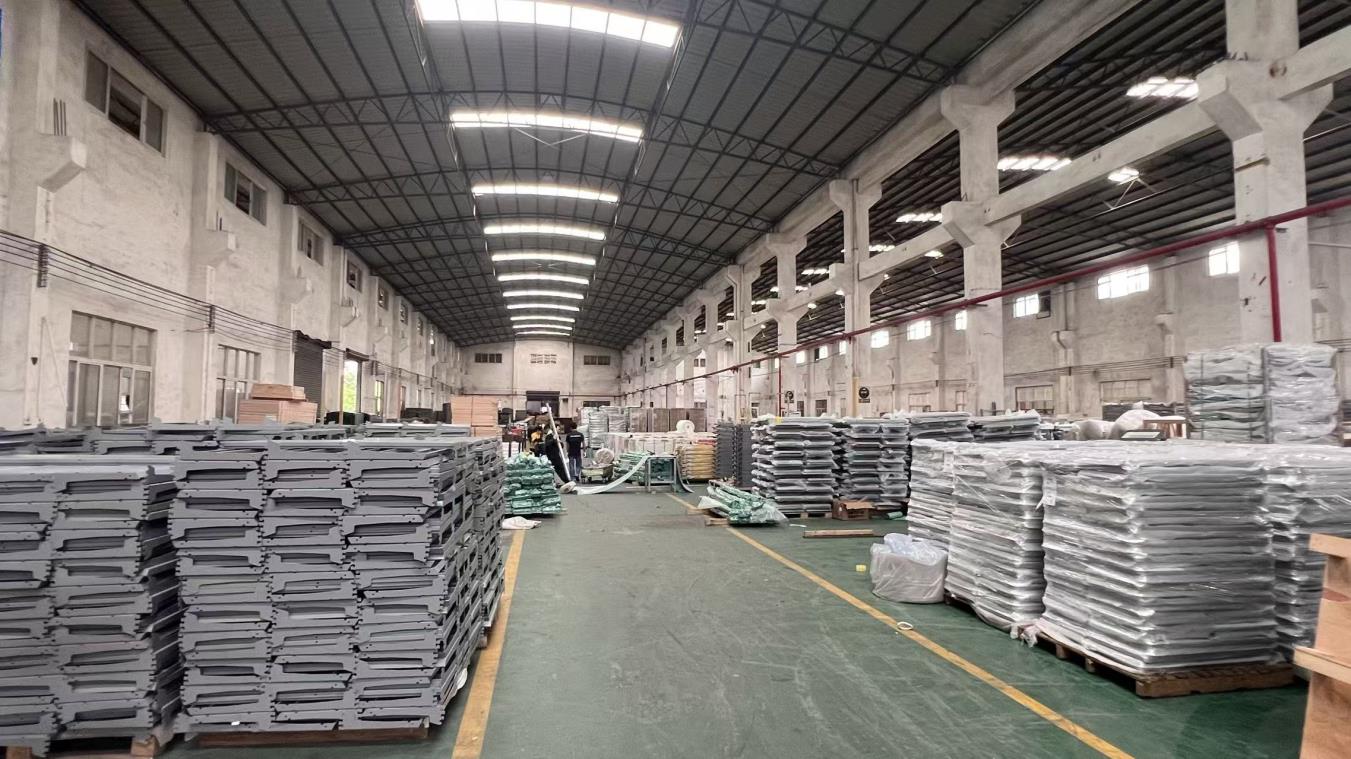
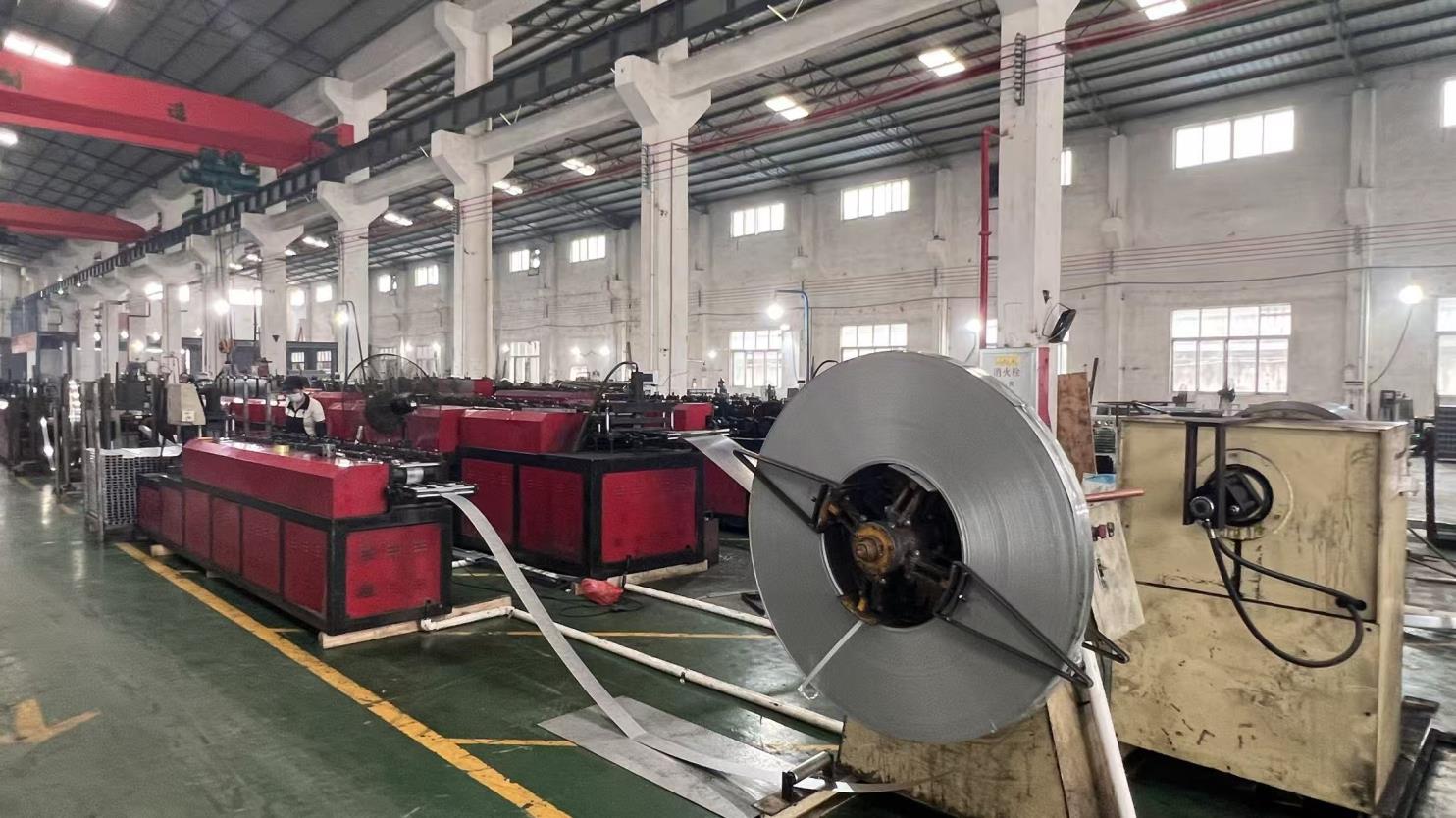
Transparent visual audit of Dongguan Durack's precision manufacturing, quality control machinery, and certified testing apparatus.
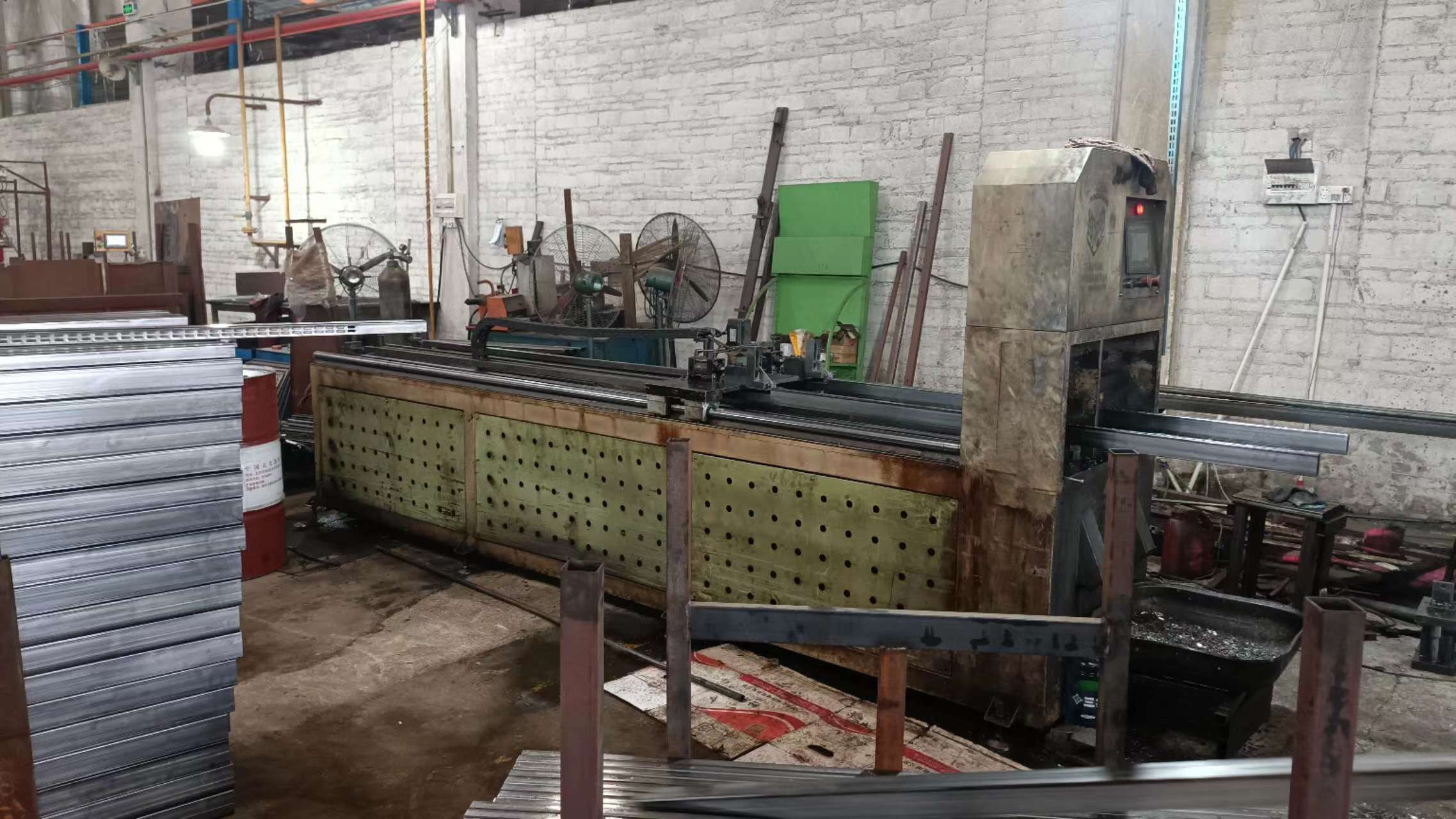
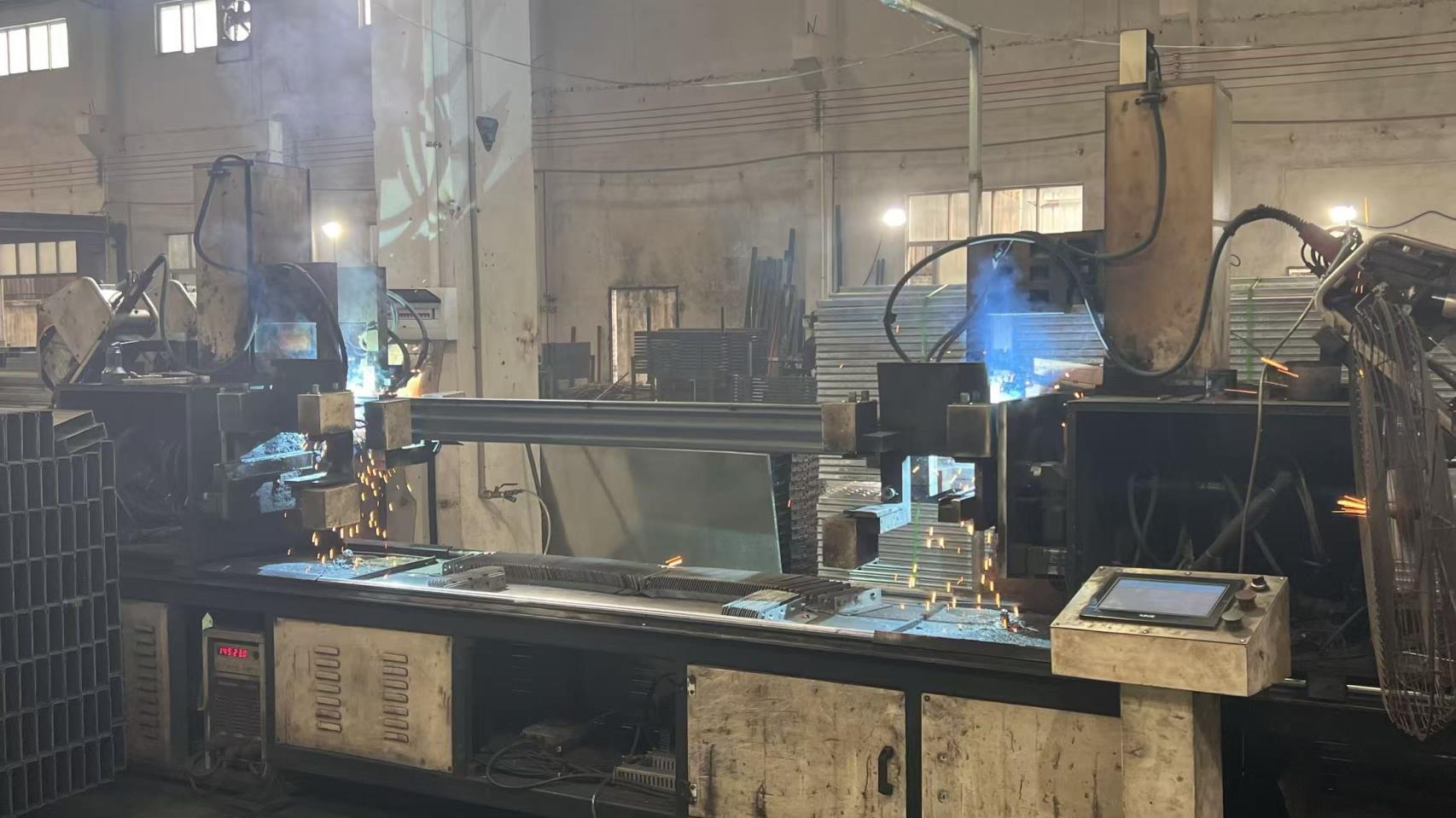
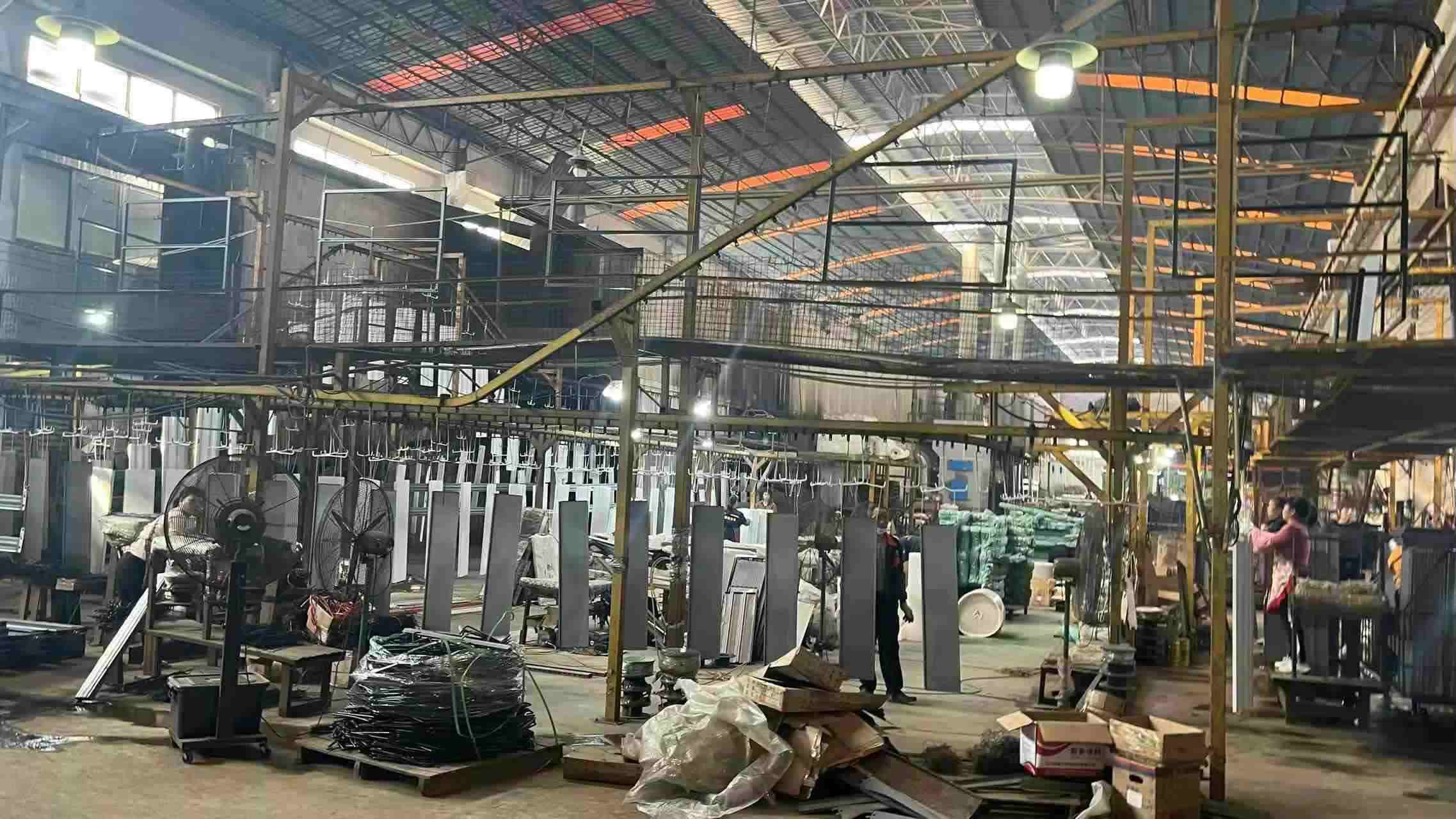
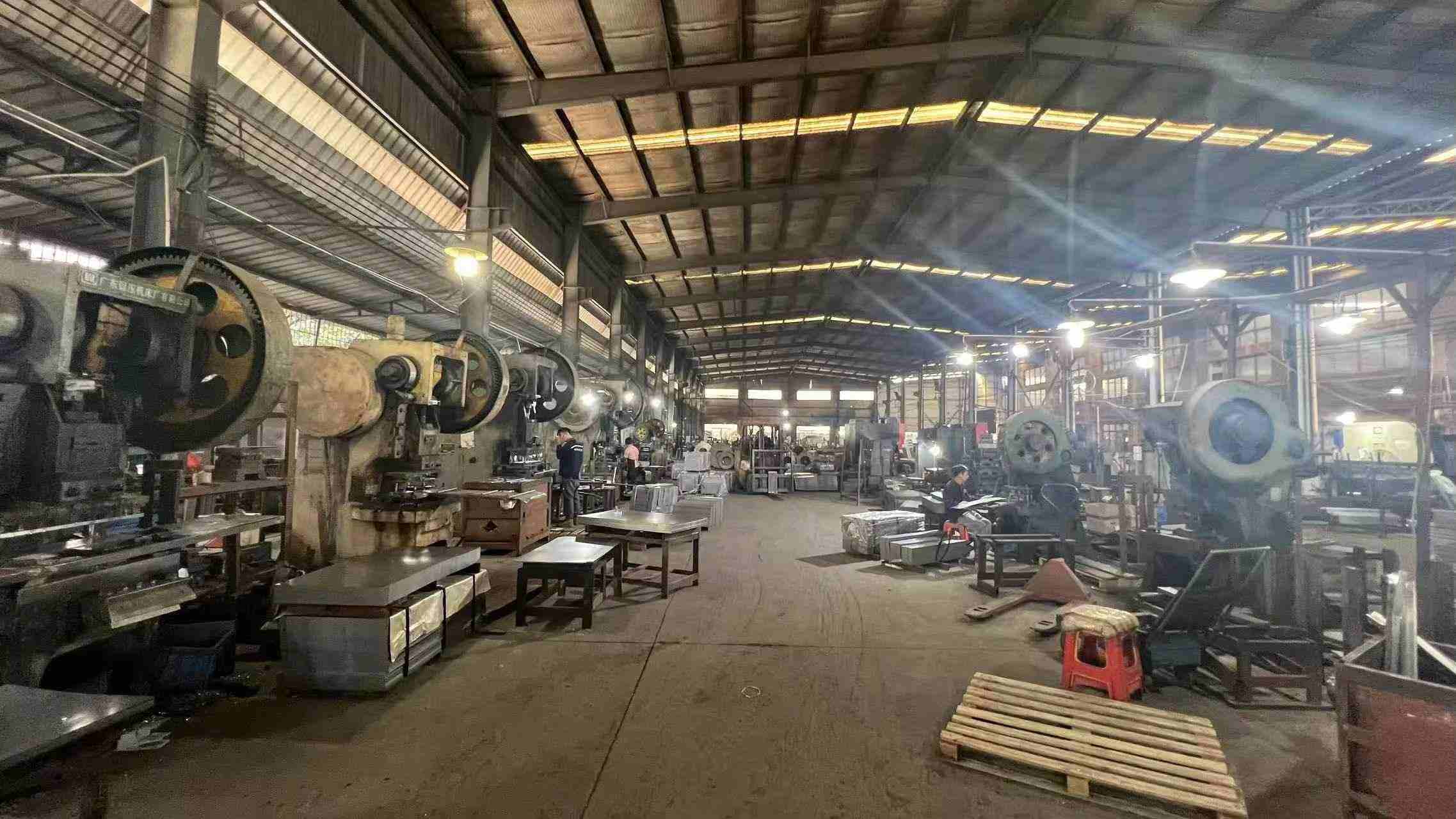
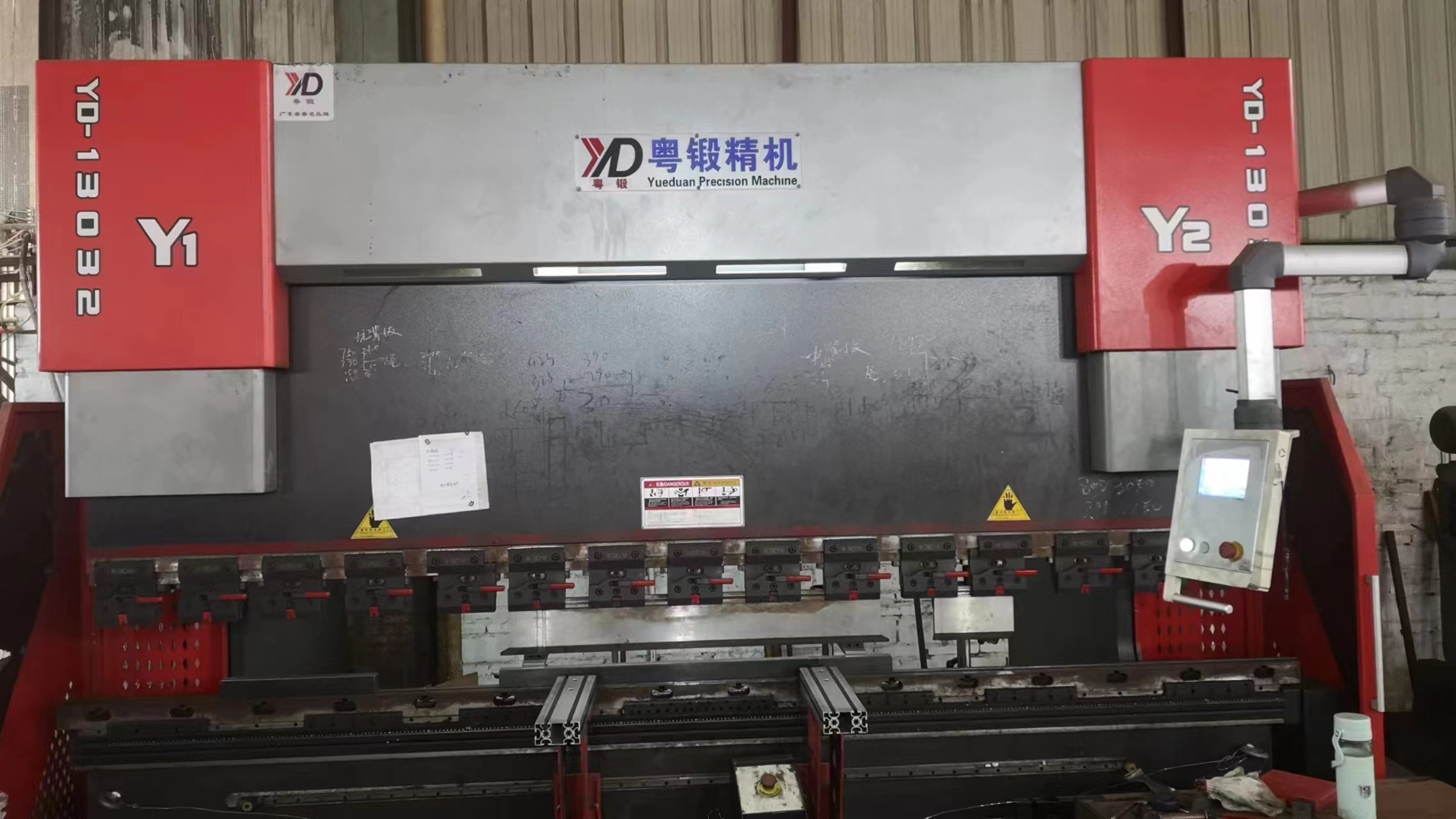
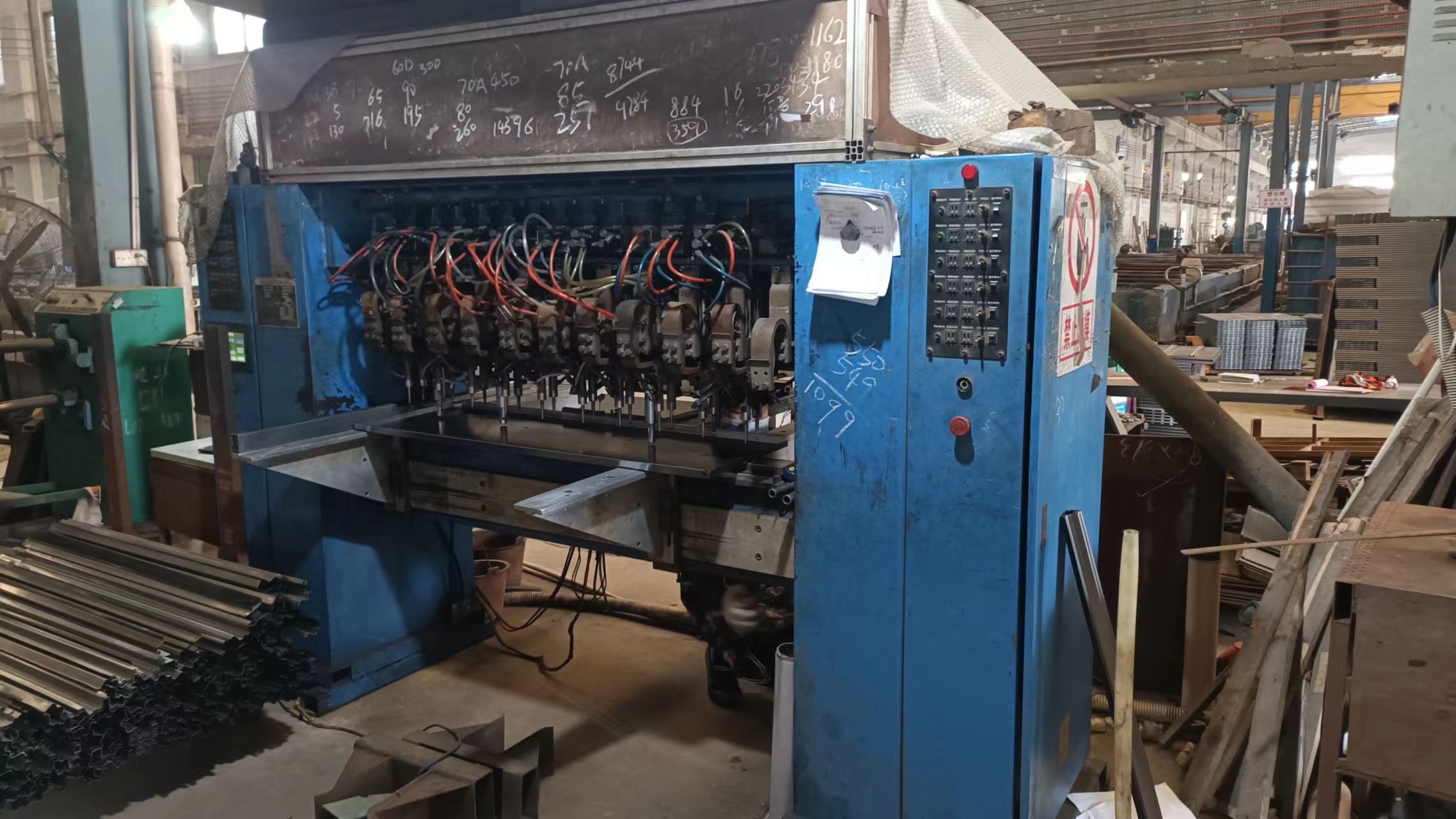
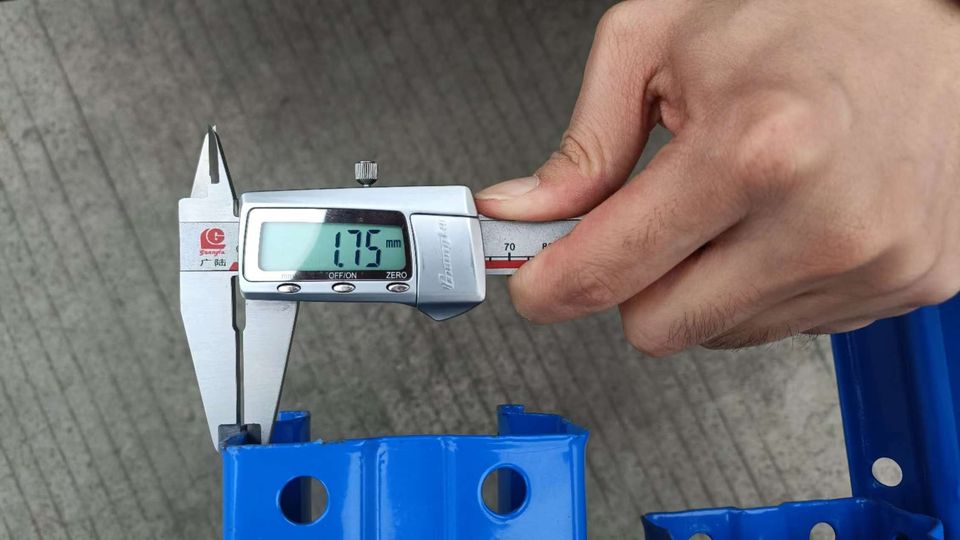
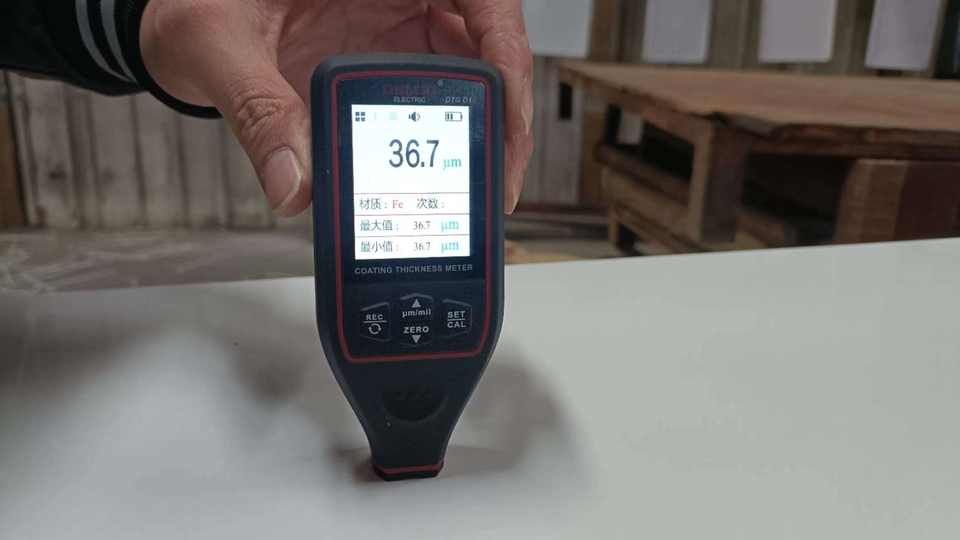
How industrial storage demands vary across major global regions: Seismic compliance, environmental standards, and layout designs.
Emphasis is placed on compliance with RMI (Rack Manufacturers Institute) guidelines and local IBC (International Building Code) laws. In seismic zones like California, standard teardrop configurations require enlarged, heavy-duty footplates (e.g., 8" x 8" or larger) and dual anchor bolts. High-capacity structural steel columns are preferred to mitigate forklift collision risks in fast-paced 3PL environments.
Adherence to EN 15512, EN 15620, and EN 15635 standards is mandatory. European buyers prioritize environmental factors, requesting lead-free powder coatings, recyclable materials, and optimized energy-efficiency configurations for automated shuttle systems. Euro-pallet dimensions (800mm x 1200mm) dictate specific bay spacing, structural deflection limits, and racking clearances.
High humidity and coastal environments demand advanced anti-corrosion treatments, such as hot-dip galvanization (ISO 1461 compliant) or multi-layered zinc-rich coatings. Racking must be engineered to resist degradation in unconditioned, open-air warehouse settings. In Australia, conformance to AS 4084-2012 for steel storage racking is a strict insurance requirement.
Analyzing the shift from manual warehouses to automated, data-driven supply chain hubs.
Enterprise procurement departments are shifting away from localized purchases toward strategic global supply agreements. When selecting heavy equipment storage exporters, key evaluation matrices go beyond basic cost per upright. Today's procurement portfolios evaluate total cost of ownership (TCO), supply chain resilience, engineering verification capabilities, and the integration level of technology.
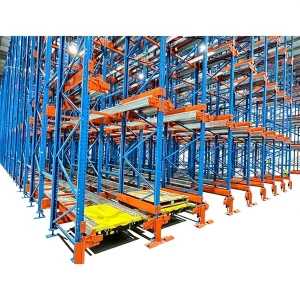
As labor costs rise and land availability near urban centers declines, spatial density has become the key warehouse metric. Semi-automated operations utilizing Radio Shuttle Racking Systems (as showcased in our product catalogue) allow high-density deep-lane storage. The shuttle carriage moves along rails under the pallets, controlled via remote control or integrated WMS (Warehouse Management System) software. This technology reduces forklift travel time, eliminates internal rack damage, and boosts throughput by up to 80% compared to drive-in rack models.
Large-scale industrial clients now require verified Finite Element Analysis (FEA) reports before placing fabrication orders. This dynamic simulator modeling tests how structural steel racks perform under seismic ground accelerations, full load stress concentrations, and accidental heavy forklift impact forces. Exporters must prove their design safety values comply with regional civil codes.
Corporate ESG mandates require manufacturers to provide certified steel traceability reports (mill test certificates). Heavy duty warehouse structures must utilize reliable carbon steel grades (such as Q355B structural steel, conforming to GB/T 1591, equivalent to ASTM A572 Grade 50) to guarantee weldability, strength, and predictable load deflection values over decades of use.
Expert engineering answers addressing load calculations, seismic standards, and procurement processes.
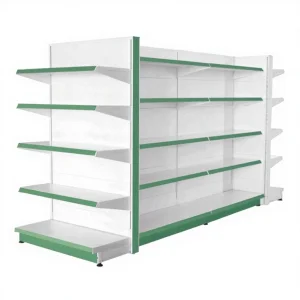
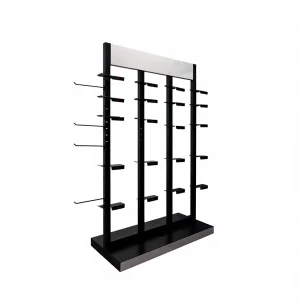
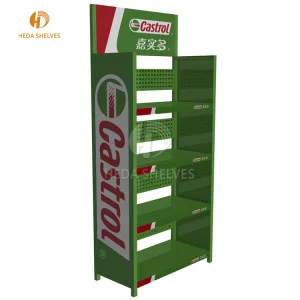
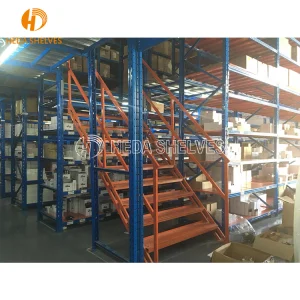
Heavy-duty structural storage configurations, mezzanines, and industrial logistics equipment designed for global export markets.
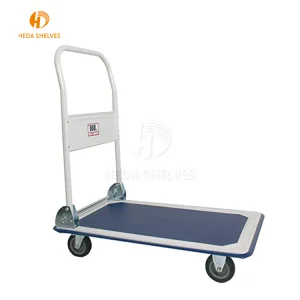
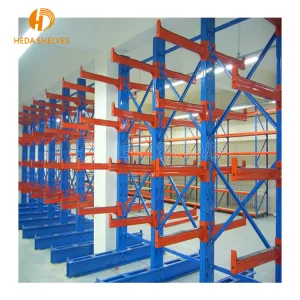
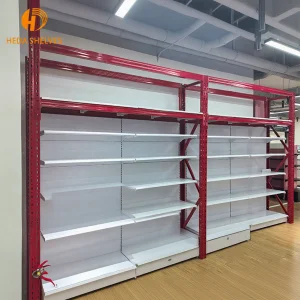
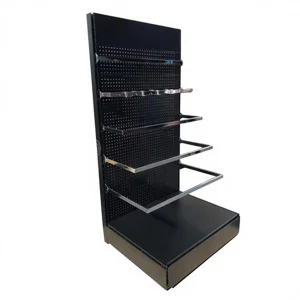
Consult with Dongguan Durack's engineering department today. Request custom CAD layouts, static load structural calculations, and a direct fabrication quote for your upcoming project.
Request Engineering consultation Durack