Pre-engineered structural designs and logistical storage equipment optimized for distribution hubs, supermarkets, and warehouse facilities.
How Modern Smart Supply Chains Shape Next-Generation Heavy Duty Racking Systems
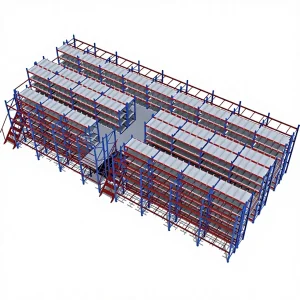
Modern global logistics is undergoing a profound structural shift. Driven by skyrocketing urban land prices and the rapid expansion of third-party logistics (3PL) providers, global supply chain networks are demanding unprecedented vertical efficiency. Heavy-duty shelving systems are no longer treated as simple, static steel frames. Instead, they are calculated, dynamic elements within an integrated material handling system designed to support extreme load distributions, survive seismic events, and facilitate ultra-high density automated storage.
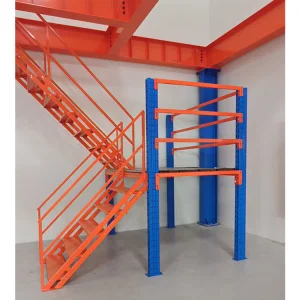
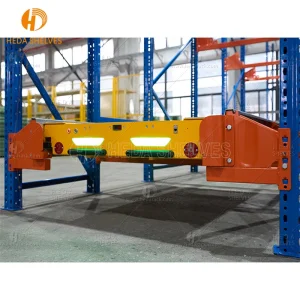
As automation becomes central to fulfillment operations, standard selective racking systems are rapidly integrating with robotic vehicle units. Modern multi-level storage platforms, automated radio shuttle racks, and automated storage and retrieval systems (AS/RS) require strict structural engineering tolerances. In standard static storage, structural tolerances of +/-5mm may be acceptable. However, for robotic systems, tolerances must be narrowed to within +/-1.5mm to prevent automated machinery jams, system shutdowns, and catastrophic structural failure.
Additionally, material science advances are shifting the industry from standard hot-rolled structural steel to precision-engineered cold-rolled and cold-formed profiles. Using high-yield steel like Q355B and Q235B allows manufacturers to reduce structural deadweight while increasing total capacity, facilitating sustainable, eco-friendly warehouse design without compromising structural stability.
A Comprehensive Structural Steel Racking Powerhouse Built on Twelve Years of Manufacturing Innovation
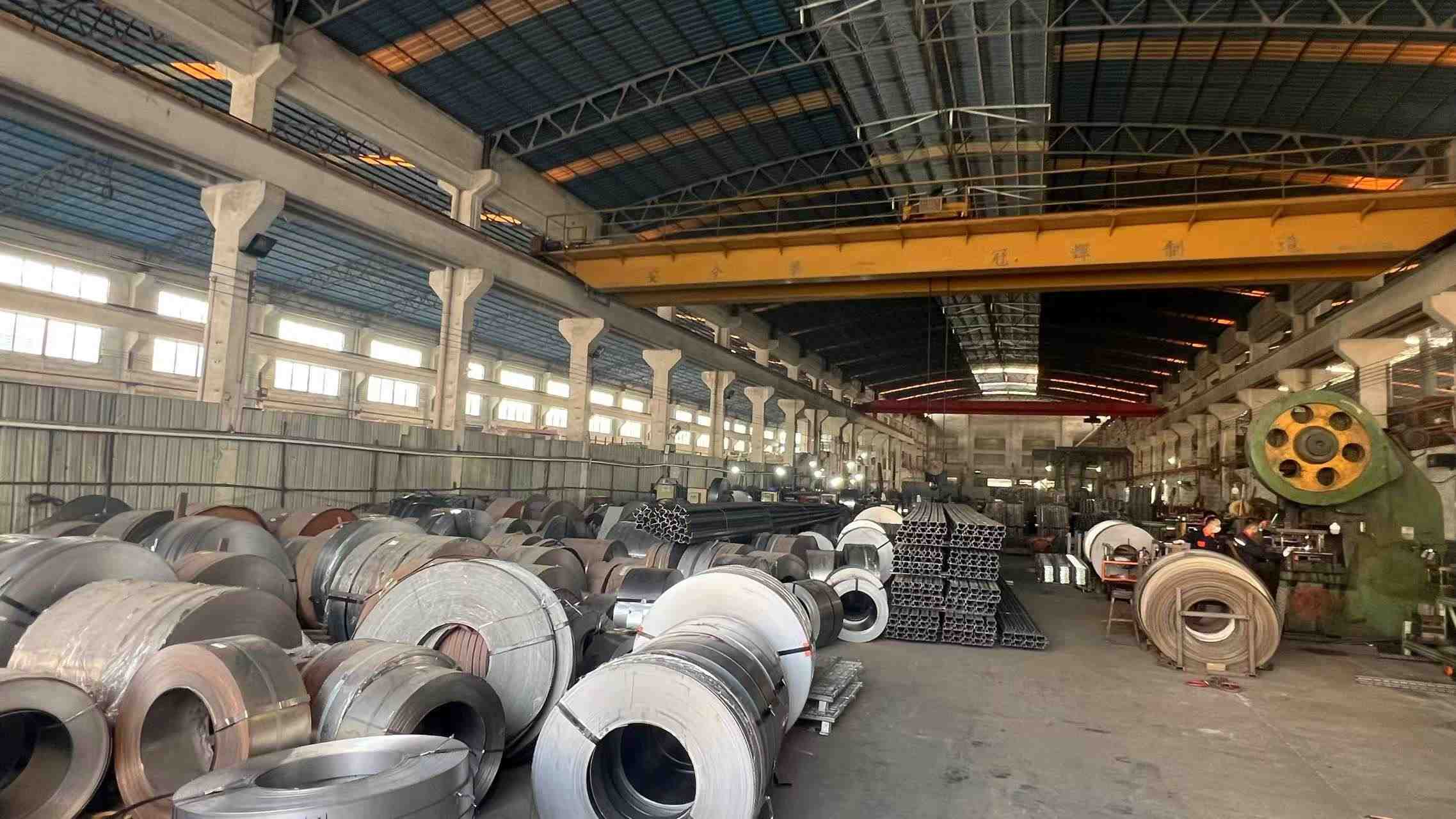
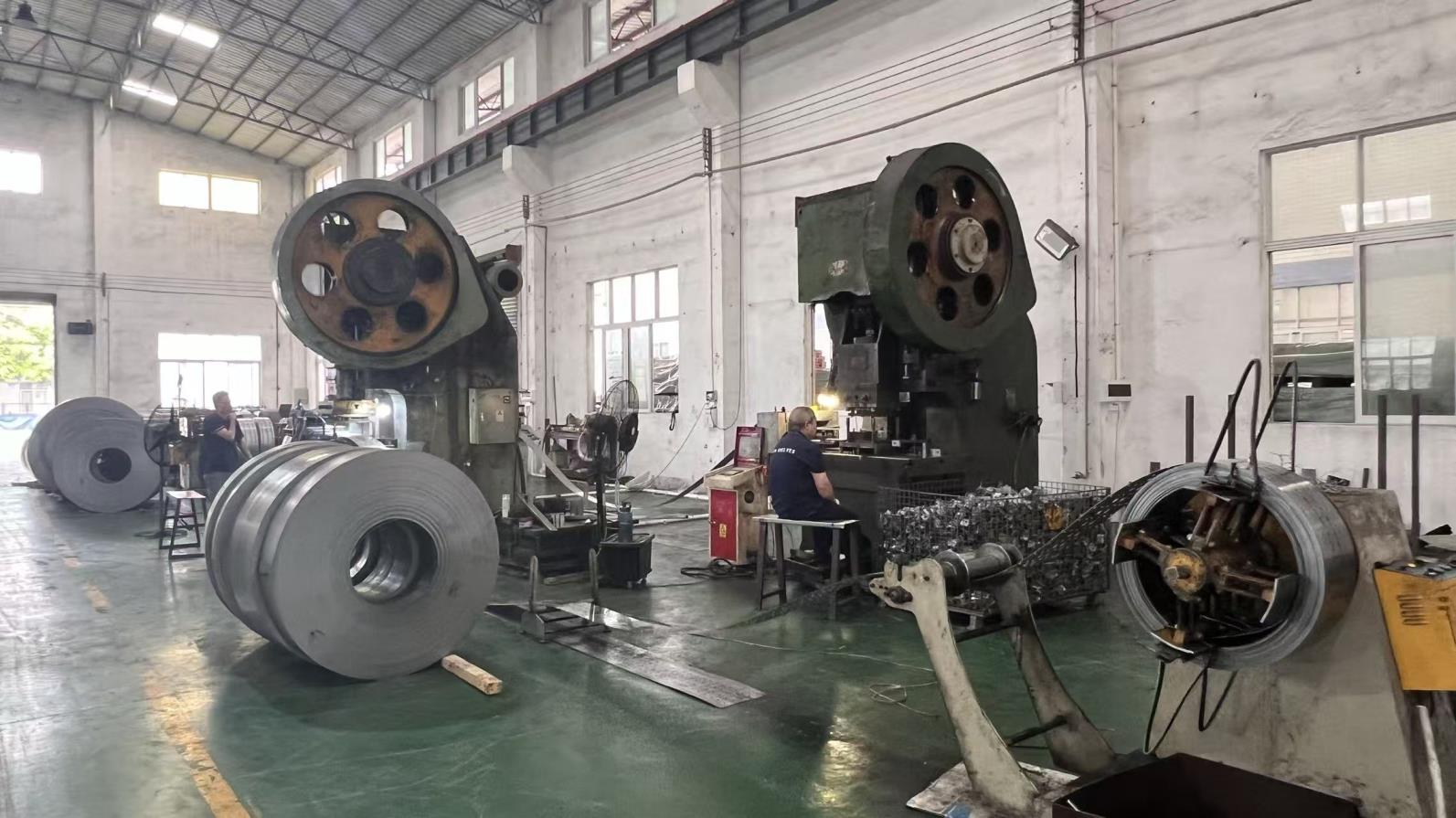
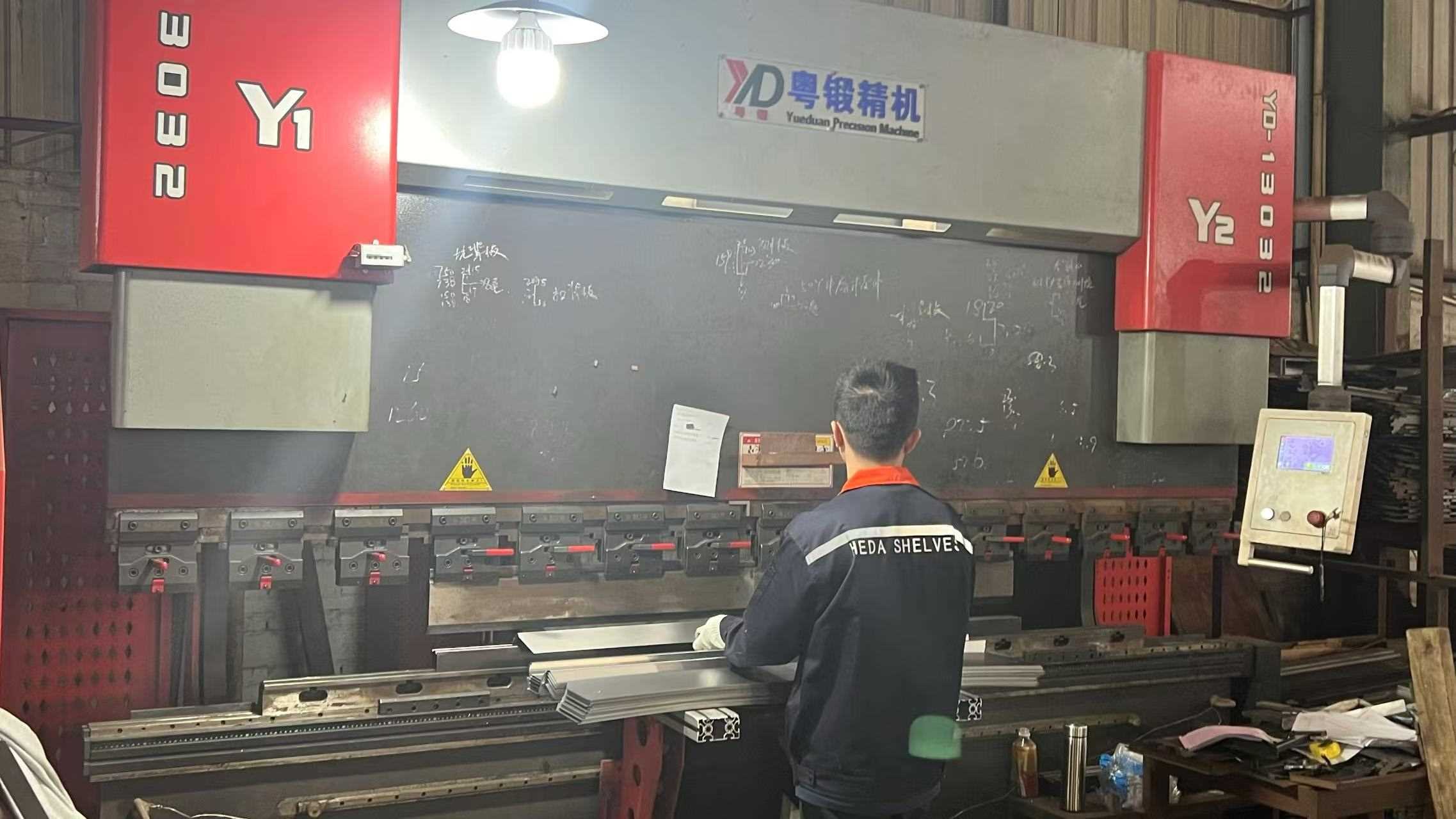
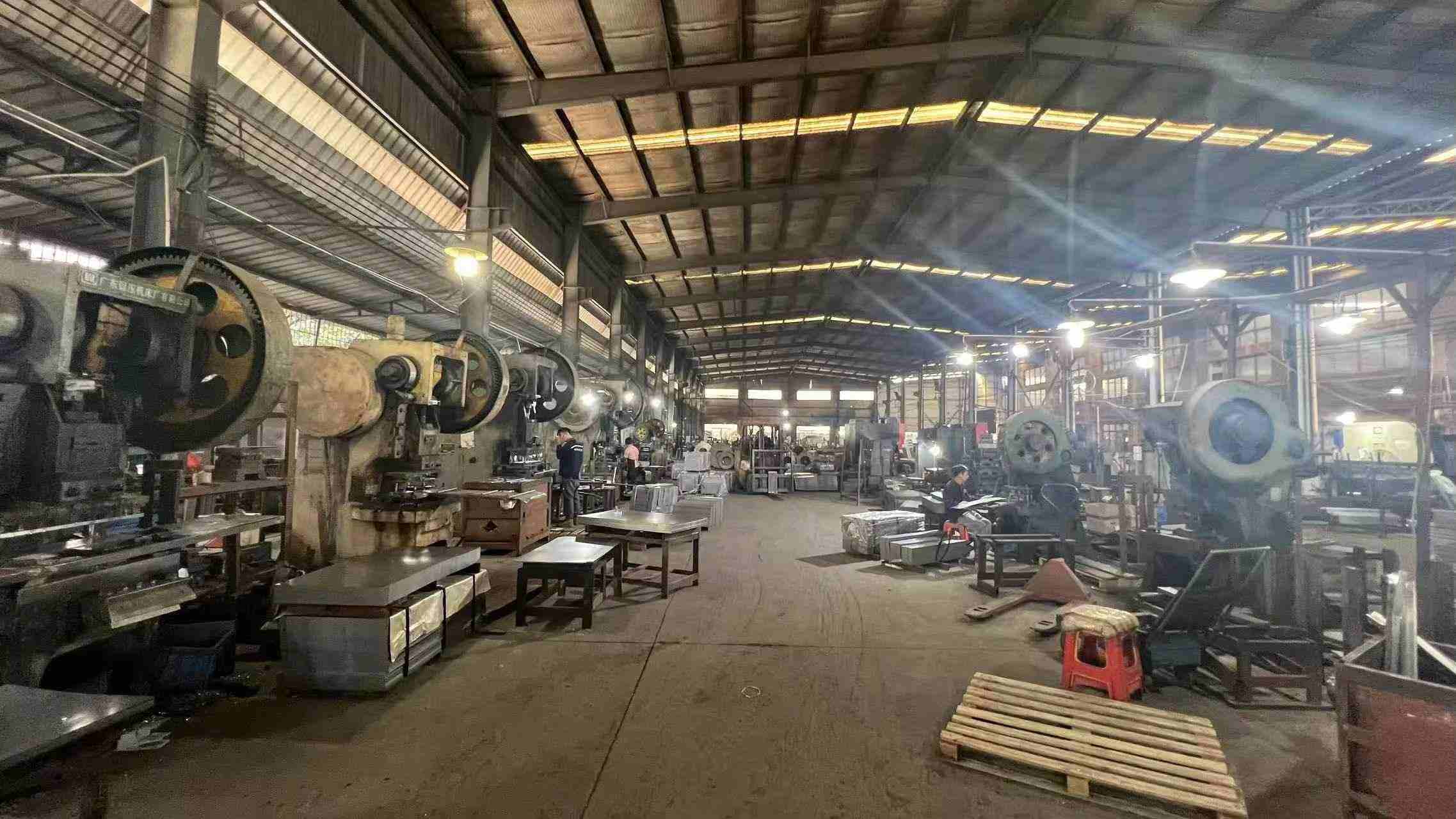
Founded in 2014, Dongguan Durack Logistics Equipment Co., Ltd. is a premier Chinese storage racking system manufacturer operating a 35,000 m² facility. Backed by 12 years of industry experience and 8 years of global export history, the company generates $28 million in annual export revenue. Our operations are supported by a strict quality assurance system using full-spectrum ultrasonic testing and load-bearing stress evaluations, overseen by 45 dedicated QC specialists. Building on a strong international trading background, our core markets span North America, Europe, and Southeast Asia. We maintain a reliable supply chain network of over 850 partners, catering primarily to third-party logistics (3PL) providers, automated warehouses, and large industrial distributors. Driven by an active R&D division with 65 specialized engineers, Durack offers full OEM/ODM customization options—including bespoke beam profiles, structural steel grades, and dynamic layout designs—launching over 120 new storage products last year.
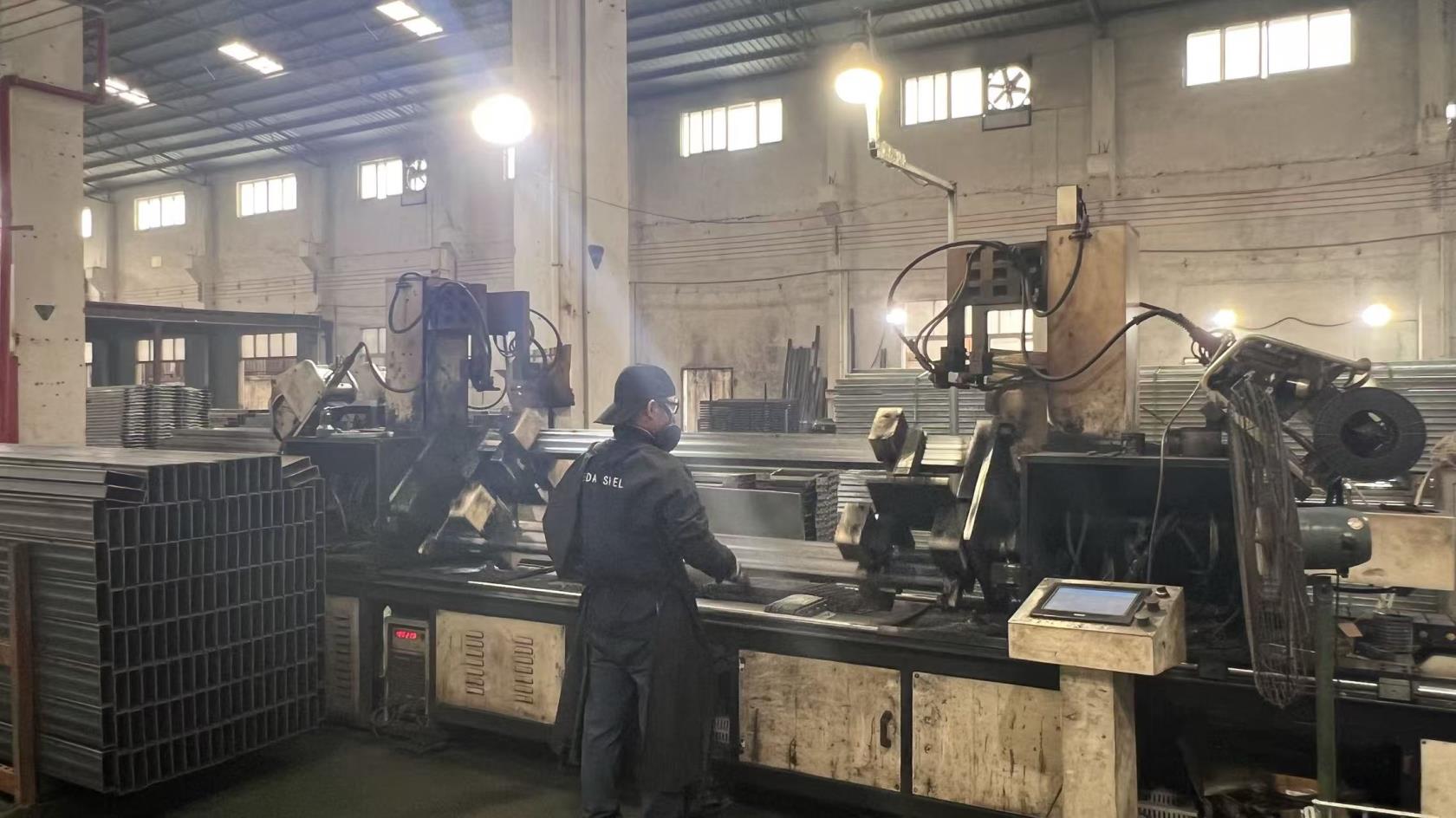
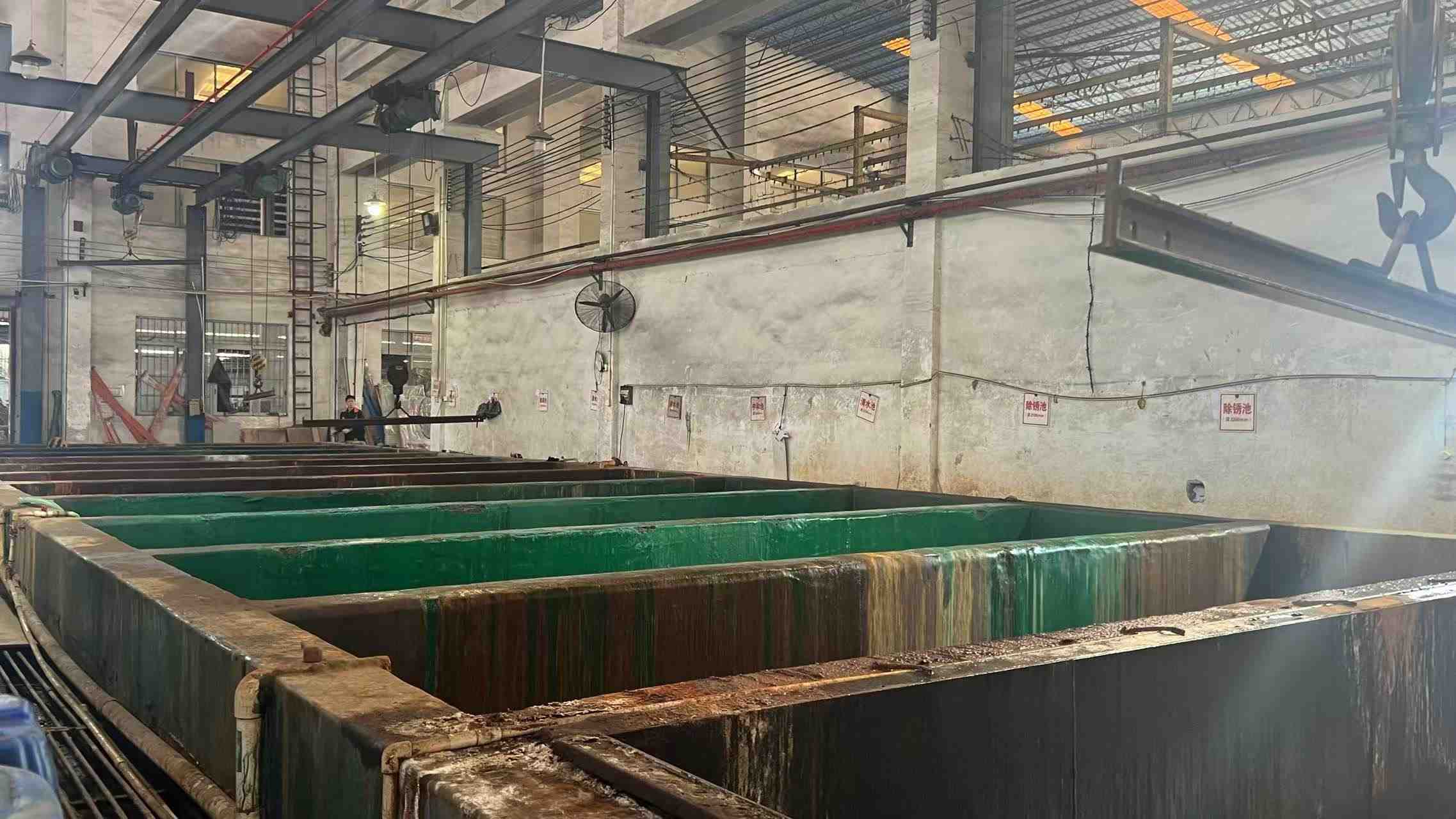
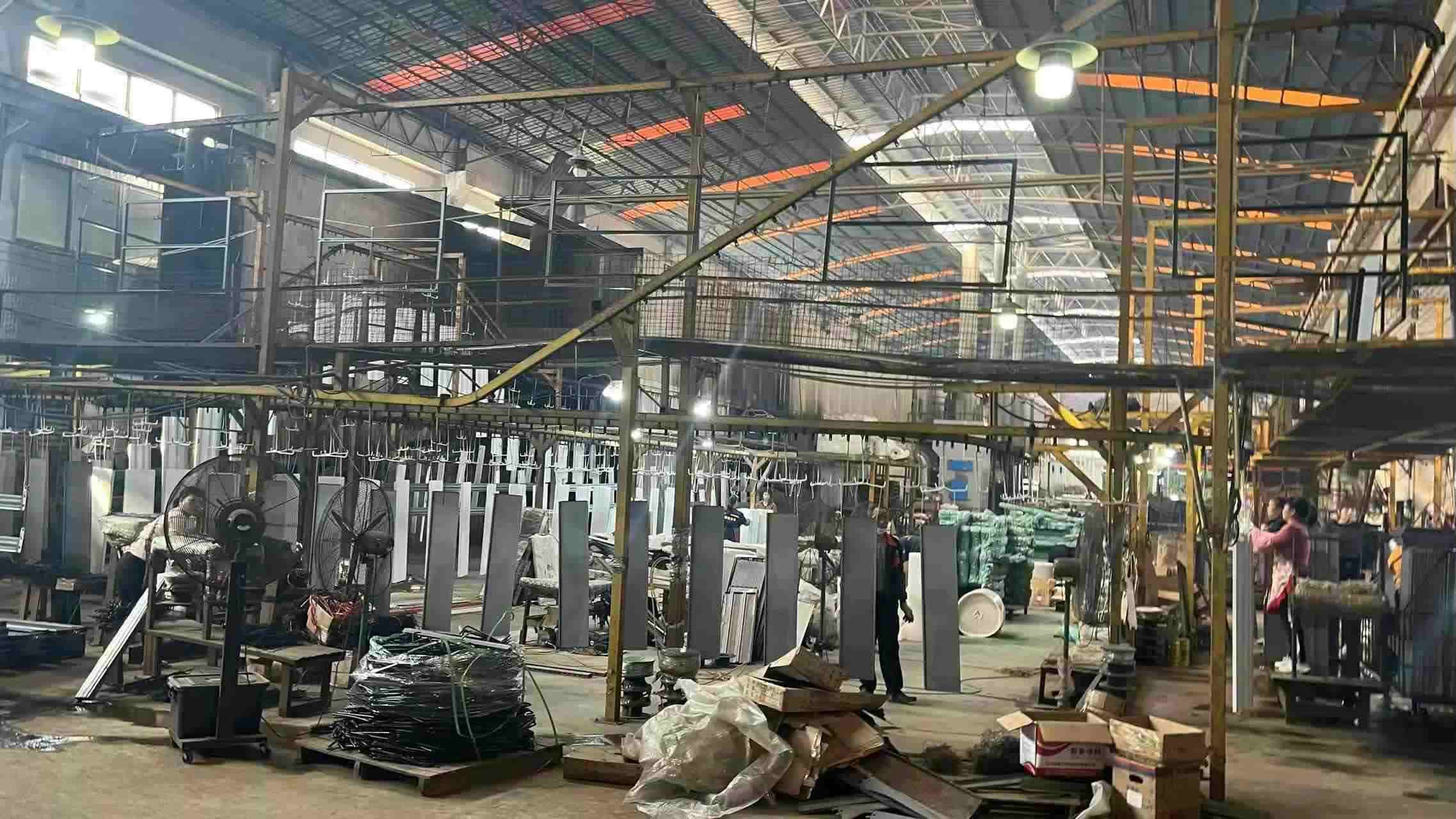
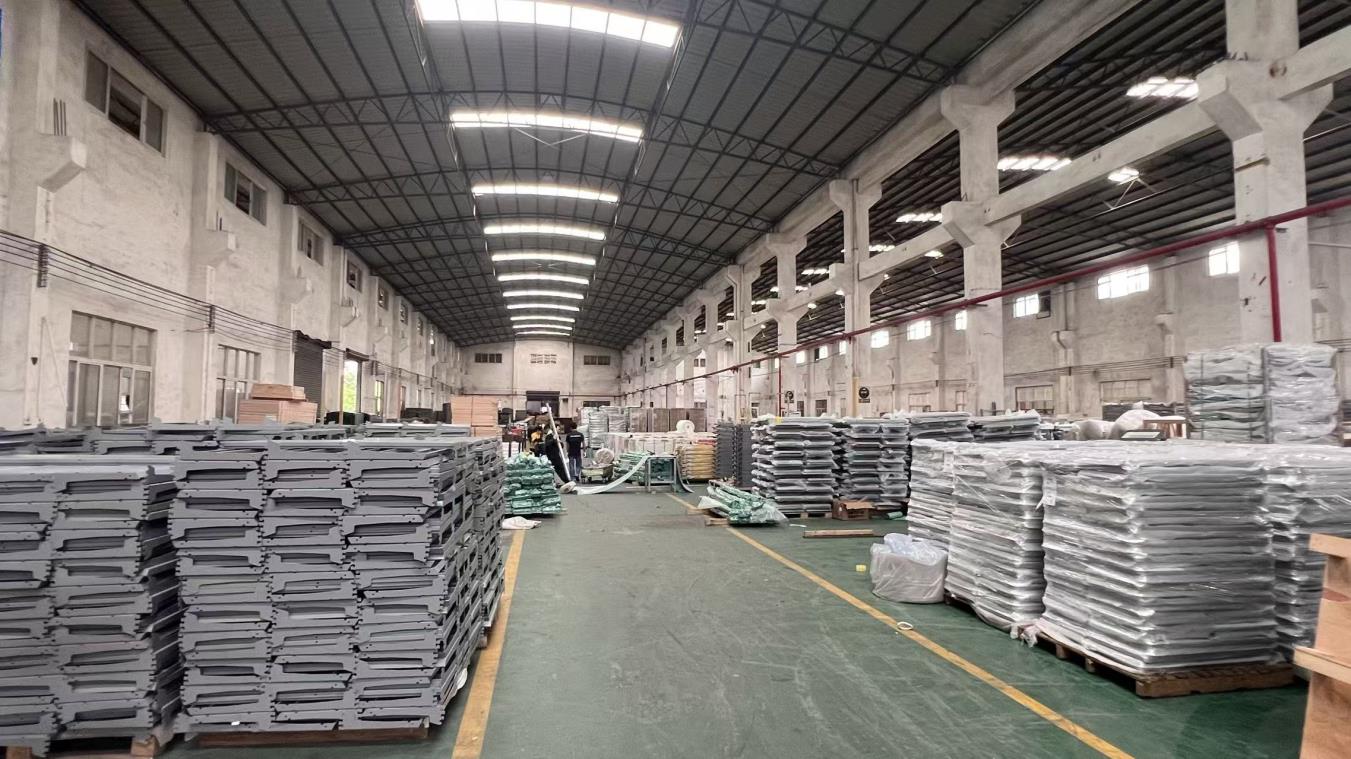
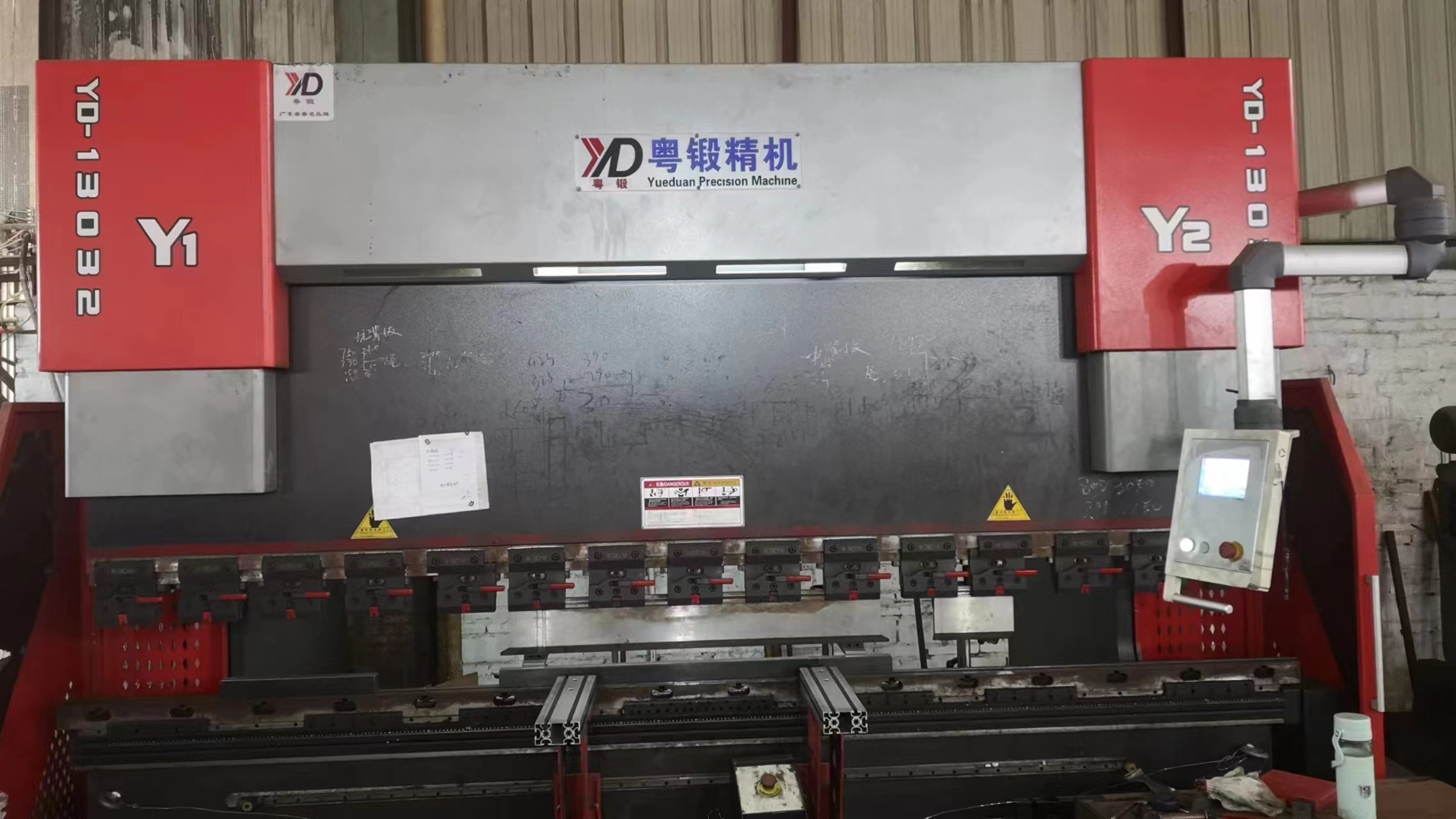
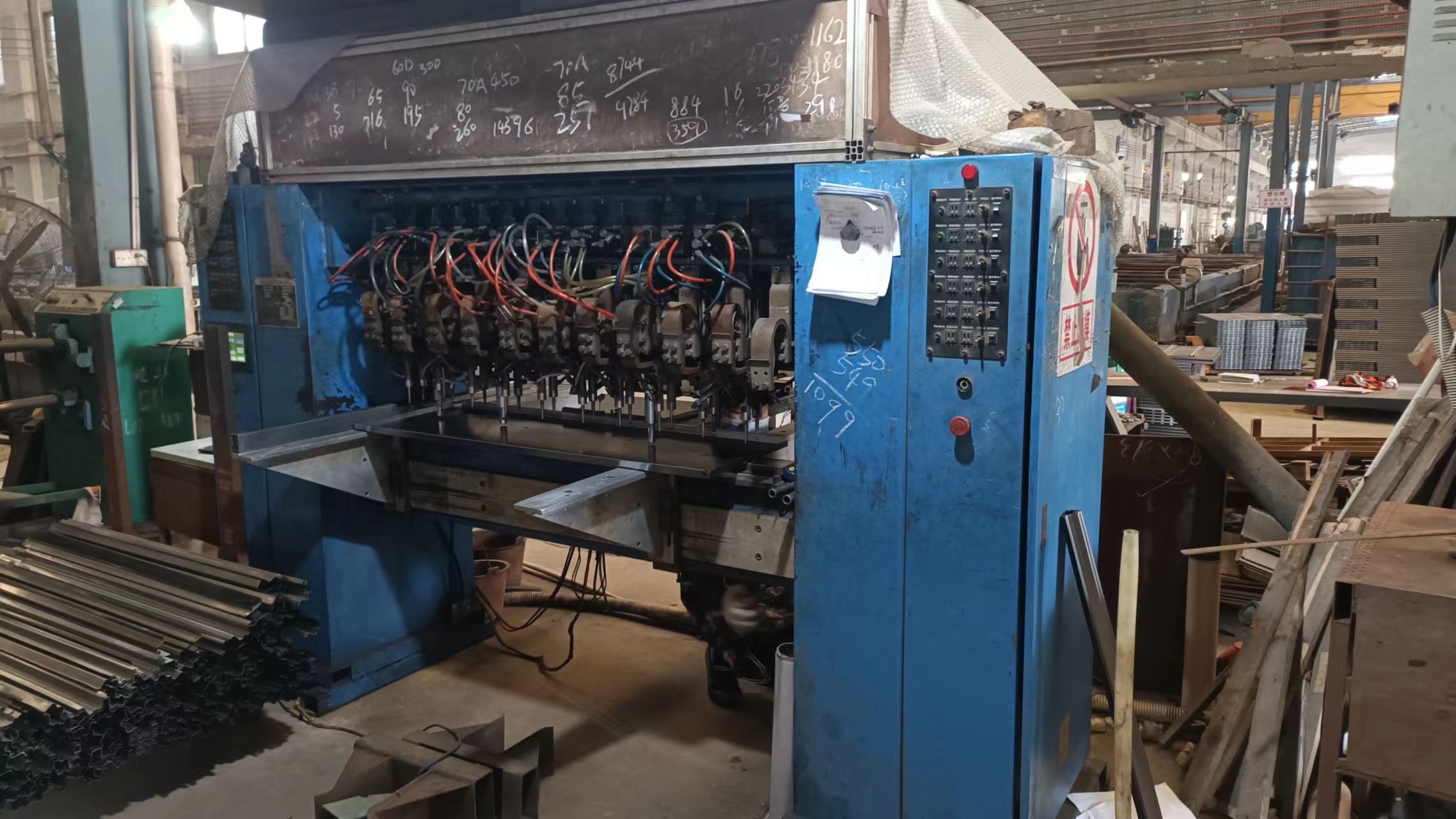
Each phase of fabrication utilizes high-precision automated machinery to maintain structural integrity.
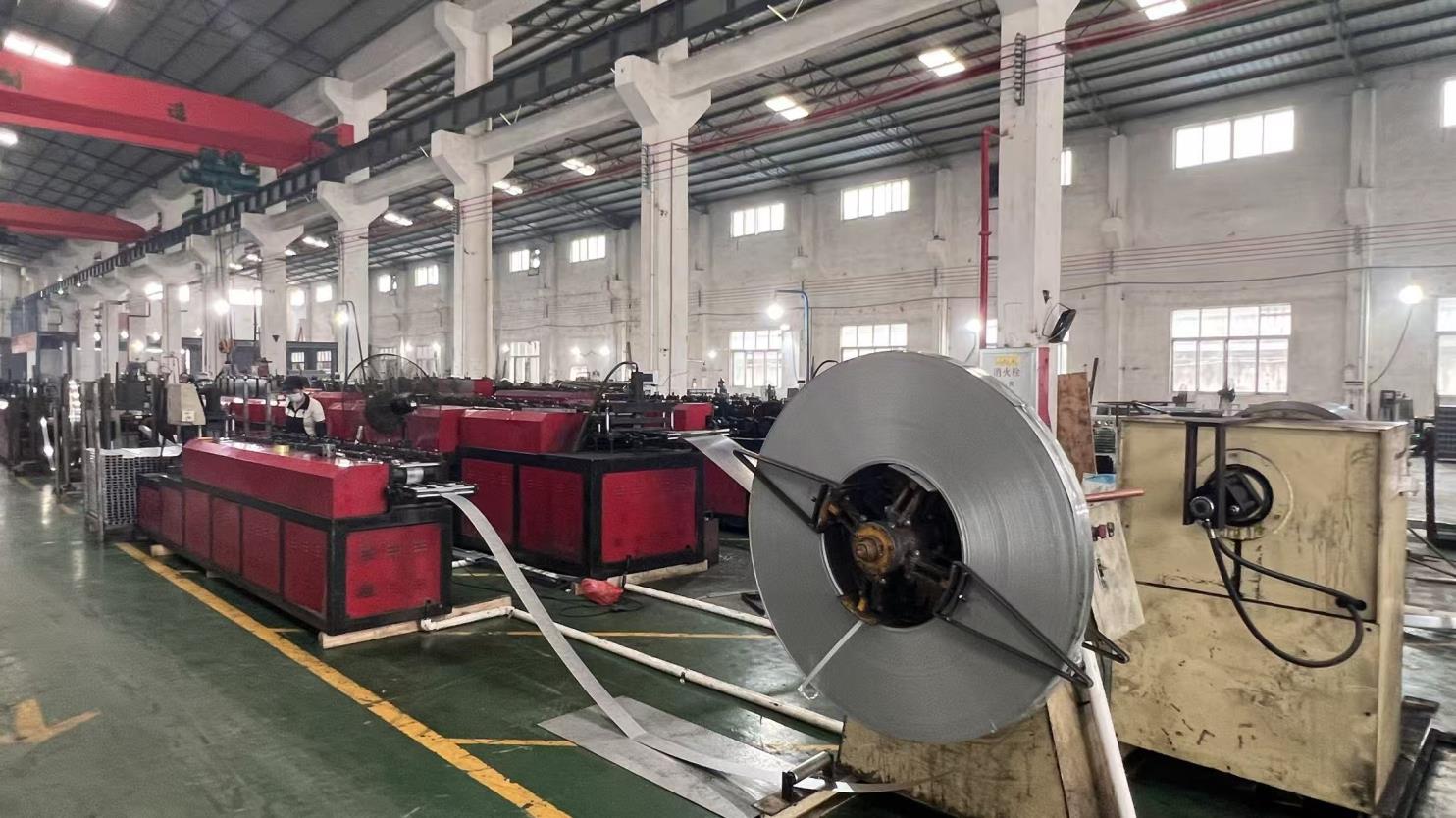
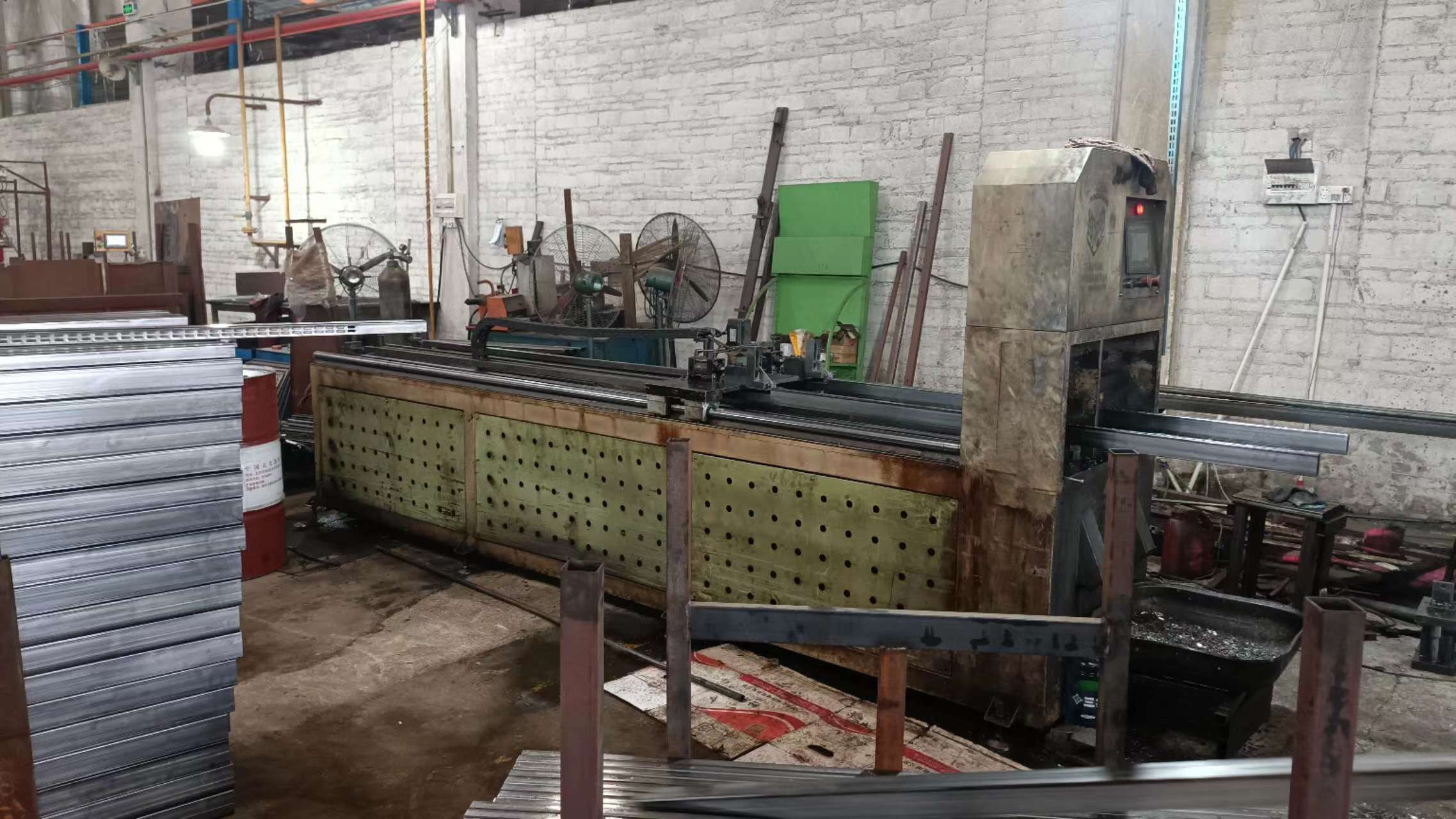
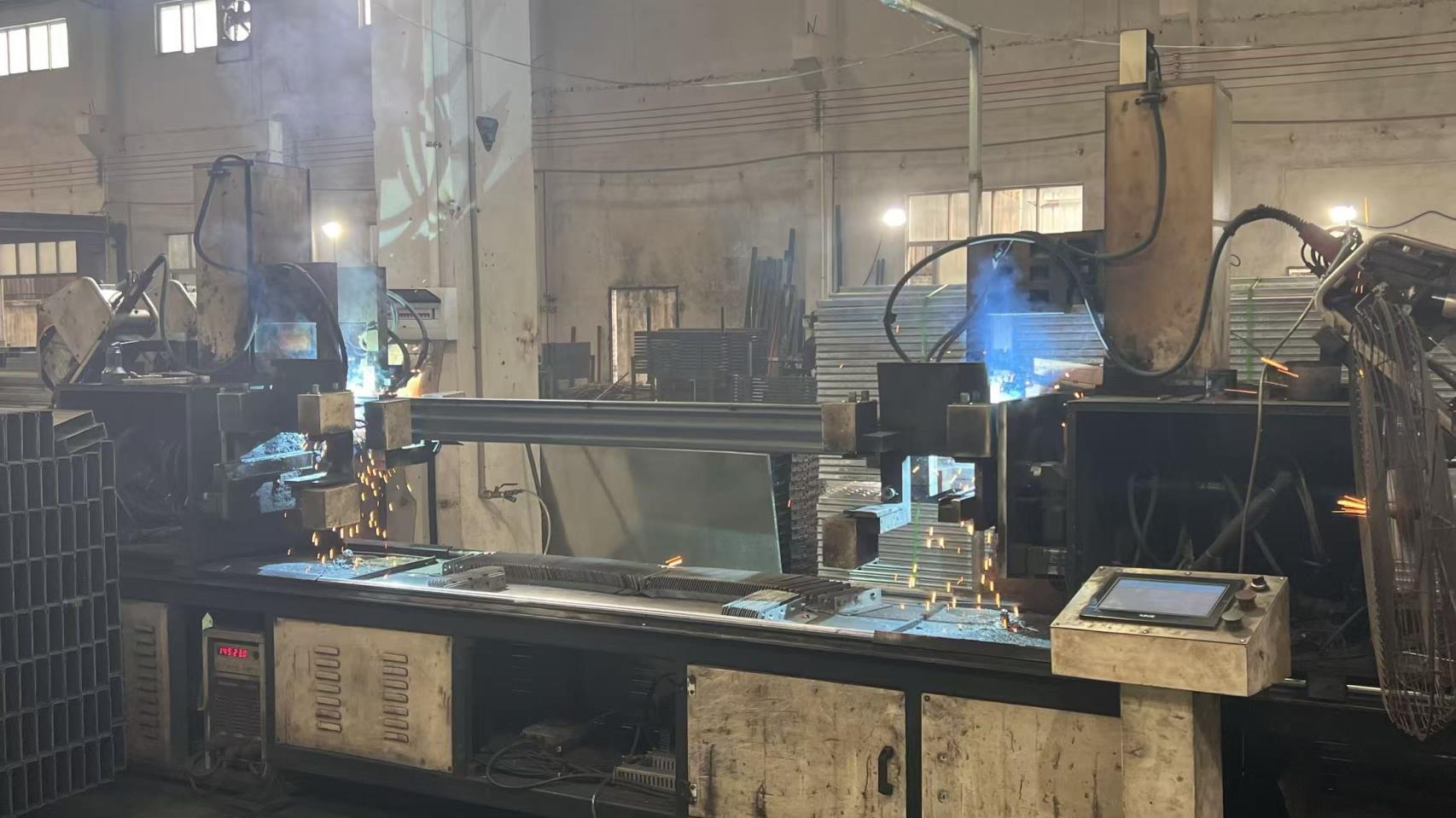
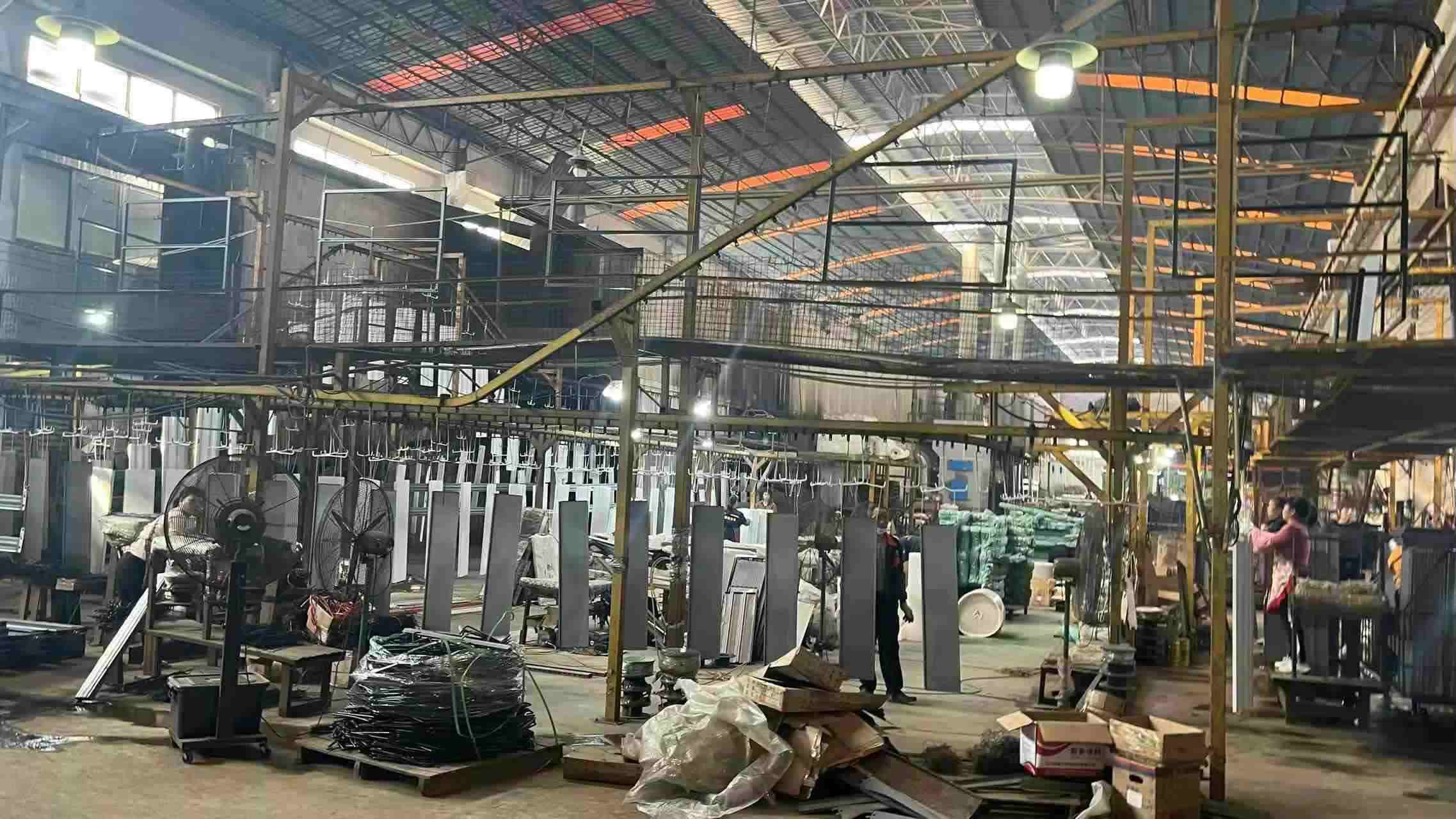
Ensuring Load Capacity, Seismic Resistance, and Safety Factors Across Global Jurisdictions
When engineering high-capacity racking systems, the design must comply with relevant localized architectural codes. In the European Union, structures are verified against EN 15512 (Steel Static Storage Systems). In the United States, they comply with the ANSI/RMI MH16.1 specifications, and in Australia, layouts must meet AS 4084-2012 guidelines. Below is an overview of the key engineering calculations utilized by our 65-member R&D engineering division:
Every dynamic profile we produce undergoes structural simulation using Finite Element Analysis (FEA). This software simulation maps mechanical stress distributions, calculating deformation tendencies under static and dynamic loading. This process helps determine optimum steel thicknesses and column profile patterns, preventing local buckle modes along the upright profile.
The choice of steel grade determines the ultimate load capacity of a racking system. Durack utilizes structural-grade carbon steel options depending on the project load profile:
Mitigating steel volatility, ensuring material traceability, and managing complex international logistics.
For multinational procurement leads and 3PL executives, purchasing warehouse infrastructure is a multi-million dollar investment. A key challenge is managing raw material cost volatility. Steel pricing fluctuates based on global supply conditions, energy tariffs, and trade duties. Durack addresses this volatility by maintaining a reliable supply chain network of over 850 partners. This allows us to secure bulk raw material allocations in advance, offering stable pricing schedules for large-scale logistics developments.
Under the ISO 9001:2015 framework, we maintain full traceability for all steel coils processed in our facilities. Each batch is supplied with Mill Test Certificates (MTC) in accordance with EN 10204 3.1, detailing the chemical composition (carbon, manganese, silicon, phosphorus, sulfur) and mechanical test properties (yield strength, tensile strength, elongation percentages). This ensures procurement departments receive materials that meet structural safety specifications.
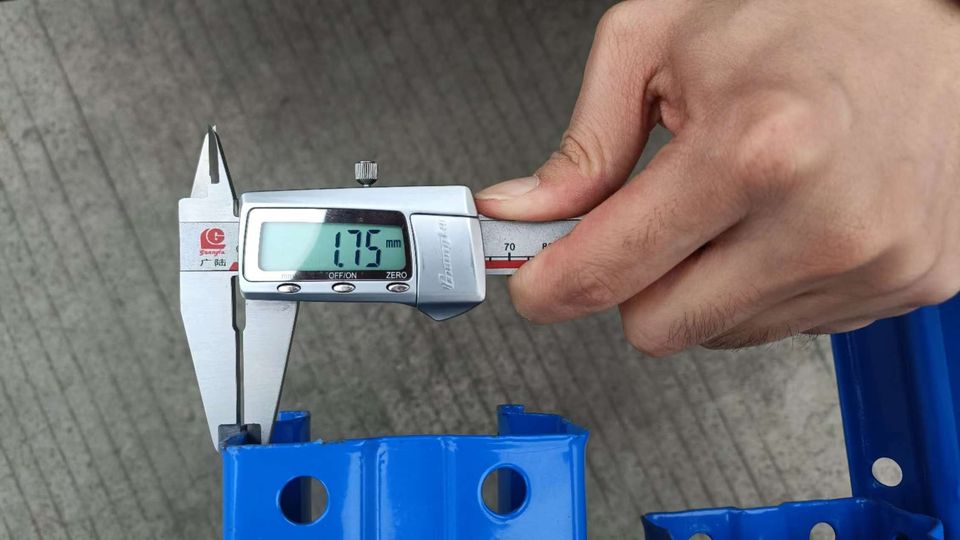
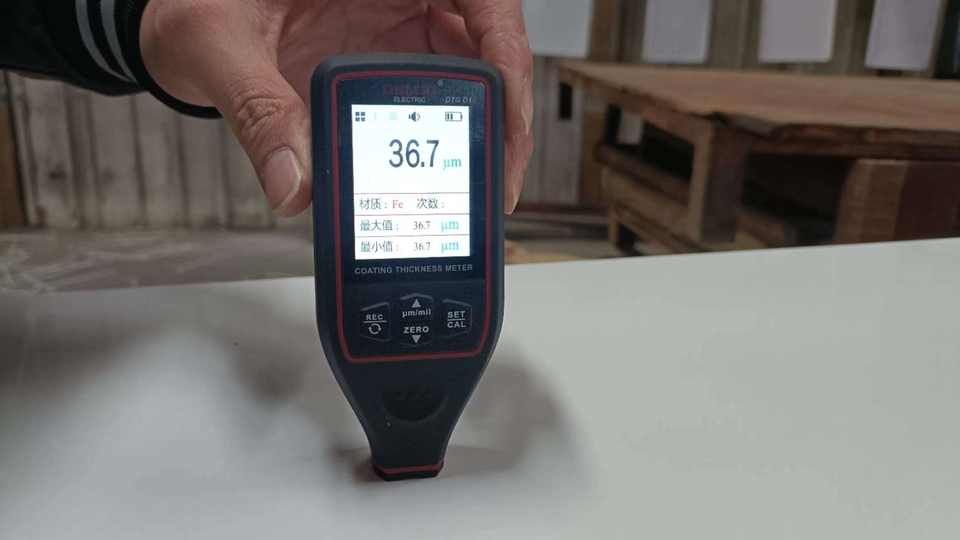
Our quality control program is managed by 45 QC specialists who perform regular weld penetration tests, alignment inspections, and dry-film thickness evaluations on our powder coating lines. Finished products undergo loading tests to verify that deflections remain within design limits (e.g., L/200 deflection limit ratios under full capacity).
Tailored structural configurations designed for regional seismic and environmental conditions.
Industrial storage systems operate in diverse environmental conditions. A racking project located in California must satisfy different seismic design criteria than a project in Germany or Southeast Asia. Seismic design factors require evaluating geographic ground acceleration parameters, soil categories, and the total height of the racking structures. We use these parameters to customize baseplate dimensions, anchor bolt grades, frame diagonal bracing configurations, and beam-to-column connectors.
For cold chain facilities (operating down to -30°C) or chemical warehouses, corrosion resistance is critical to long-term safety. Standard steel finishes can degrade in humid or temperature-transition areas due to condensation. Durack provides specialized surface protections to address these conditions:
Detailed technical answers for engineering, procurement, and facility development managers.
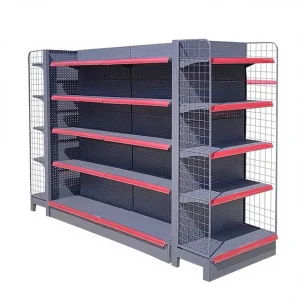
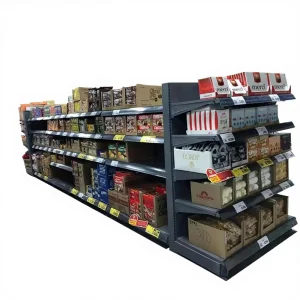
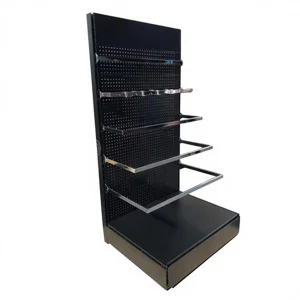
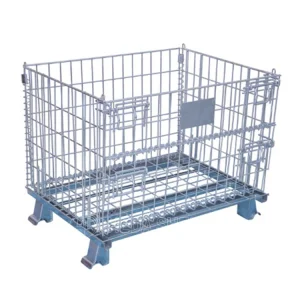
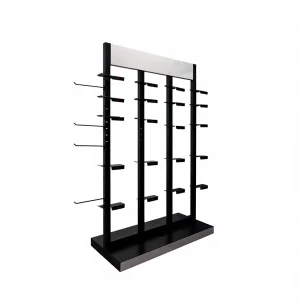
Automated shuttle equipment, heavy retail displays, and specialized logistics storage items.
 Durack