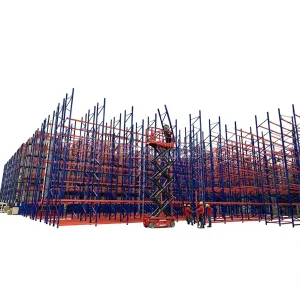
Engineered to deliver high performance, load capacity safety, and modular versatility across warehouse, commercial, and retail environments.
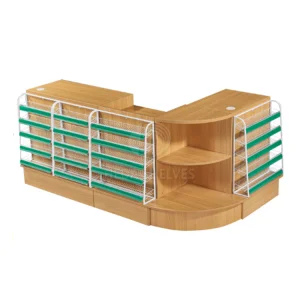
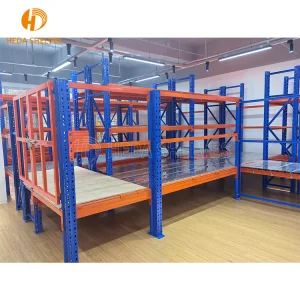
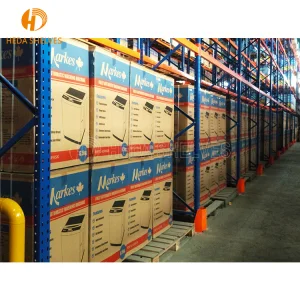
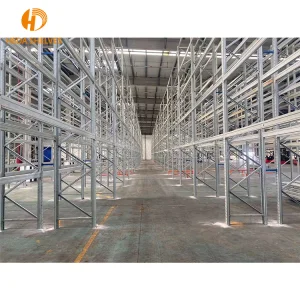
Modern logistics ecosystems, smart assembly lines, and high-performance server clusters operate on a foundational infrastructure that requires extreme spatial efficiency, structural integrity, and ergonomic configuration. Custom workstation racks act as the physical anchor for these processes. In the era of industry-wide digital transformation, global procurement teams, third-party logistics (3PL) providers, and industrial distributors cannot rely on one-size-fits-all shelving. Dynamic load stresses, variable seismic requirements, and automation integrations necessitate specialized structural steel profiles engineered for specific operational tasks.
Whether deploying intensive electronic test benches, cleanroom processing zones, or heavy-duty packaging stations, the technical specifications of workstation racks must align directly with operational parameters. Finite Element Analysis (FEA) is utilized at the engineering level to simulate weight-bearing limits, deflection thresholds, and structural wear over time. Global industrial centers in North America, Europe, and Asia-Pacific require varied engineering and compliance baselines—such as the Rack Manufacturers Institute (RMI) standards in the US, or the CE directives and EN 15512 codes in the European Union. Choosing the correct workstation configuration defines both operational safety margins and facility output efficiency.
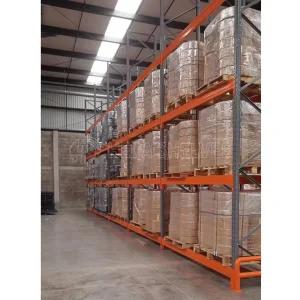
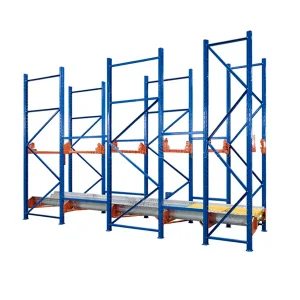
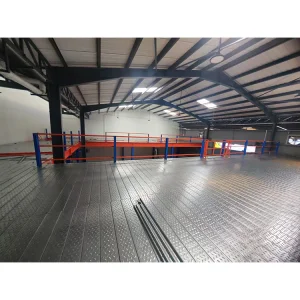
Maximizes volumetric facility utilization. Integration of double-deep rack formats, radio shuttle pathways, and multi-tier mezzanines allows up to an 85% improvement in vertical space utilization compared to standard industrial layouts.
Constructed utilizing certified structural steel grades (such as Q235B and Q345B) ensuring heavy-duty stability. Structural assemblies undergo rigorous physical stress evaluations, ultrasonic weld inspections, and deflection modeling.
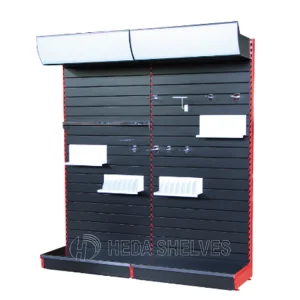
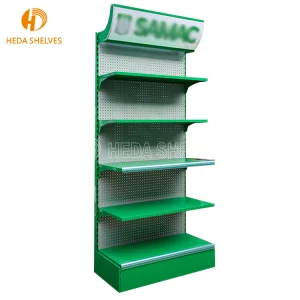
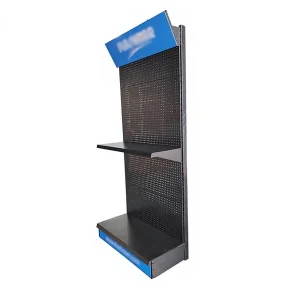
Adaptable upright profiles, slot designs, and custom dynamic layouts allow workstations to adjust over time. Integrates modular shelving, accessory pegboards, drawer compartments, and ESD protection panels.
The performance of a heavy-duty workstation rack or mezzanine platform depends on its metallurgical base and mechanical design. At Dongguan Durack Logistics Equipment Co., Ltd., our engineering teams utilize high-grade carbon structural steel, primary Q235B and Q345B, sourcing materials directly from tier-one steel producers. Q345B carbon steel provides superior yield strength (up to 345 MPa), which is critical for complex structural designs and high-capacity multi-level racking configurations. This high strength ensures the system can withstand heavy dynamic loading forces from forklift activity or automation operations.
Our custom OEM design process starts with client requirements. We use Finite Element Analysis (FEA) to simulate complex loading configurations, checking stress concentrations and structural deflection levels. We calculate safe design factors based on localized environmental hazards, such as seismic activity, wind loads for exterior structures, or ambient chemical exposure. We customize beam profiles (box beams, open-step profiles) and frame upright geometry to match specific weight distributions, reducing material costs while maintaining high factor-of-safety ratings.
| Technical Specification | Standard Configuration (OEM/ODM Available) | Industry Standards Met | |
|---|---|---|---|
| Primary Steel Grade | Q235B, Q345B / Q355 High-Strength Carbon Steel | ASTM A36, ASTM A572, GB/T 700 | Custom high-density options |
| Upright Section Profile | 80x60mm, 90x70mm, 100x70mm, 120x95mm (thickness 1.8mm - 3.0mm) | RMI MH16.1, EN 15512, AS4084-2012 | Custom punch configurations |
| Beam Profiles | Box Beams, Step Beams, Z-Beams (heights 80mm to 160mm) | FEM 10.2.02, MH16.1 | Integrated safety locks |
| Surface Protective Treatment | Acid-washing, Parkerising, Electrostatic Plastic Powder Coating | Qualicoat, ISO 12944 C3/C4 | Custom dry film thickness |
| Dry Film Coating Thickness | 60 to 90 Microns (Coating Thickness Tested) | ASTM D1186, ISO 2178 | Scratch & impact resistant |
| Maximum Dynamic Load | 500 kg to 4,500 kg per level (Engineered to requirements) | ANSI/EIA-310-D, NEBS Level 3 | Seismic simulation verified |
Our structural design validation is managed through physical stress testing and ultrasonic weld evaluations. Our 45 dedicated quality control specialists run continuous checks. Weld zones are inspected for internal porosity or micro-fissures using ultrasonic testing. This attention to detail protects your facility, machinery, and team members from structural failures under heavy loads.
Industries worldwide require racking solutions tailored to their local environmental conditions, floor space constraints, and logistics setups. Below, we look at how custom workstation racks and industrial racking systems are configured for different regional and operational needs:
Industrial storage systems are shifting toward smart, connected, and sustainable solutions. Our technology roadmap focuses on research and development areas that prepare your warehousing infrastructure for future demands:
We are developing racking systems with integrated strain gauges and load sensors. These sensors provide real-time weight monitoring, helping warn operators of overloaded shelves or unusual structural shifts before issues occur.
We are modifying our frame bases and clearance paths to accommodate autonomous mobile robots (AMRs) and automatic guided vehicles (AGVs), facilitating smoother horizontal and vertical product movement.
To support corporate decarbonization goals, we are incorporating low-carbon steel alternatives and optimizing our powder coating lines to reduce energy use and avoid volatile organic compounds (VOCs).
Global supply chains require consistent production, shorter lead times, and reliable quality control. Dongguan Durack Logistics Equipment Co., Ltd. addresses these needs through our localized manufacturing hub in Dongguan, China’s industrial manufacturing center. By purchasing raw materials in high volumes and operating automated production lines, we provide competitive costs and reliable production schedules for large infrastructure projects.
A behind-the-scenes look at our automated fabrication lines, heavy-duty processing, and testing stages inside our 35,000 m² factory.
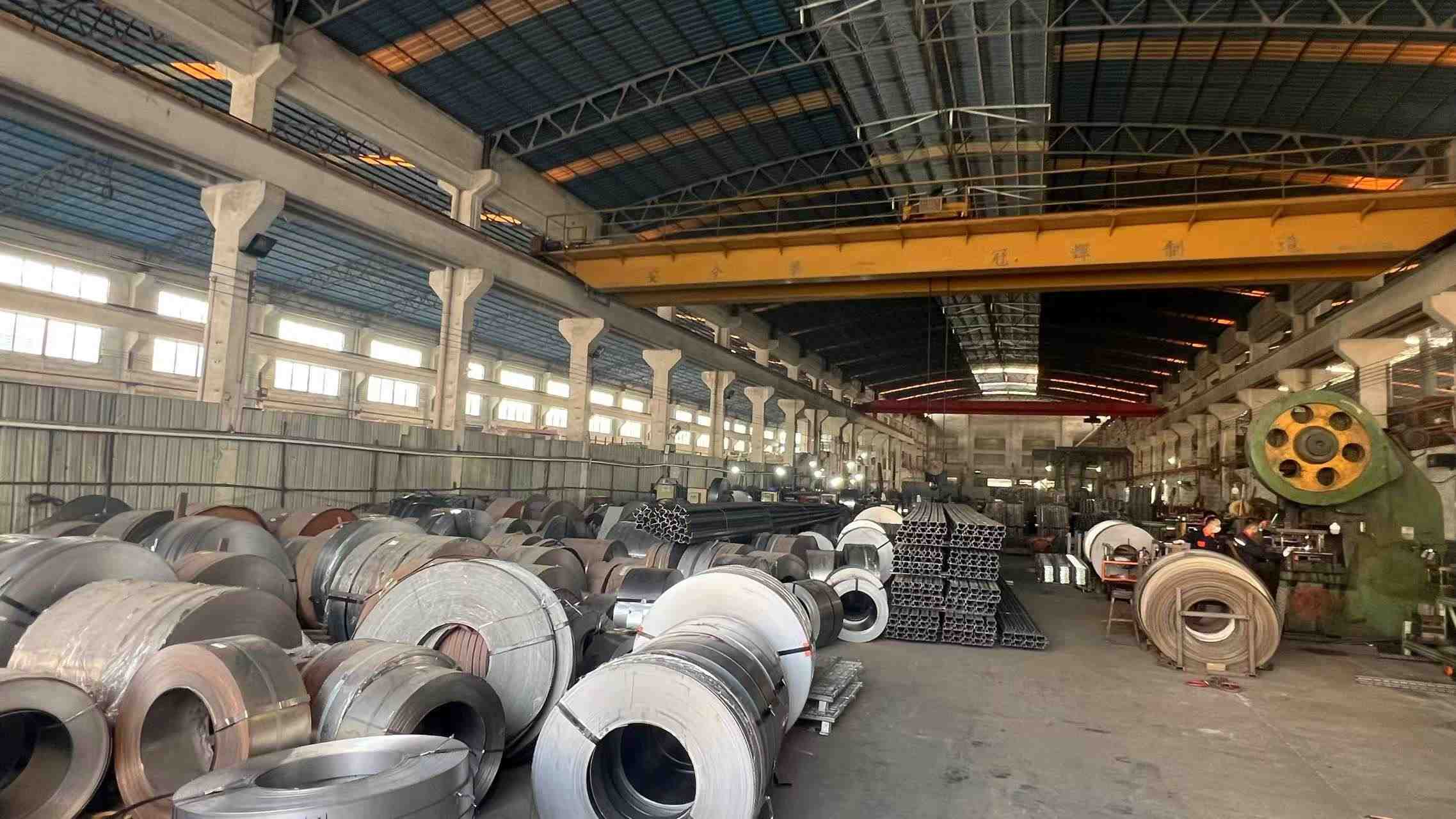
Raw Materials
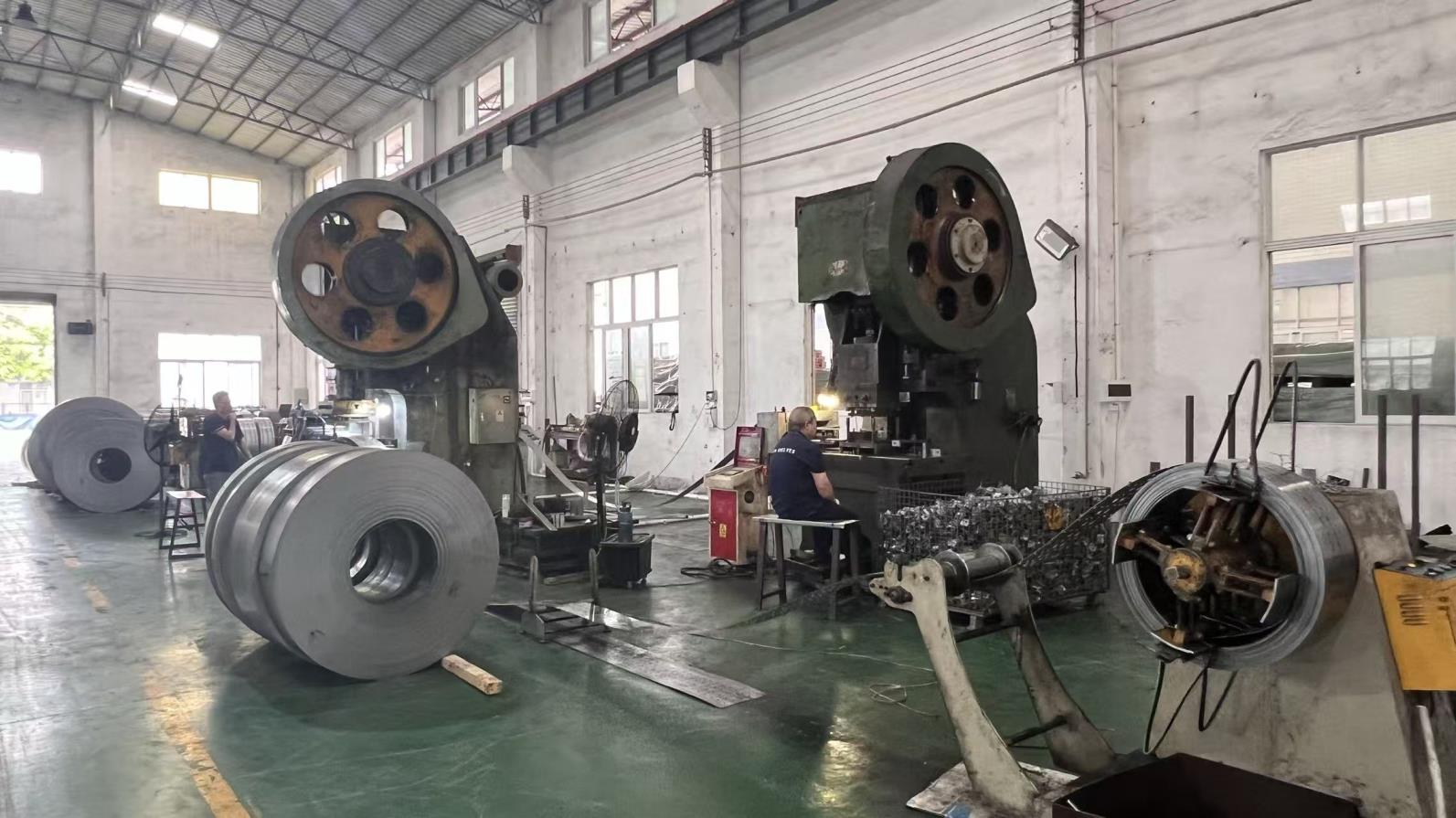
Stamping
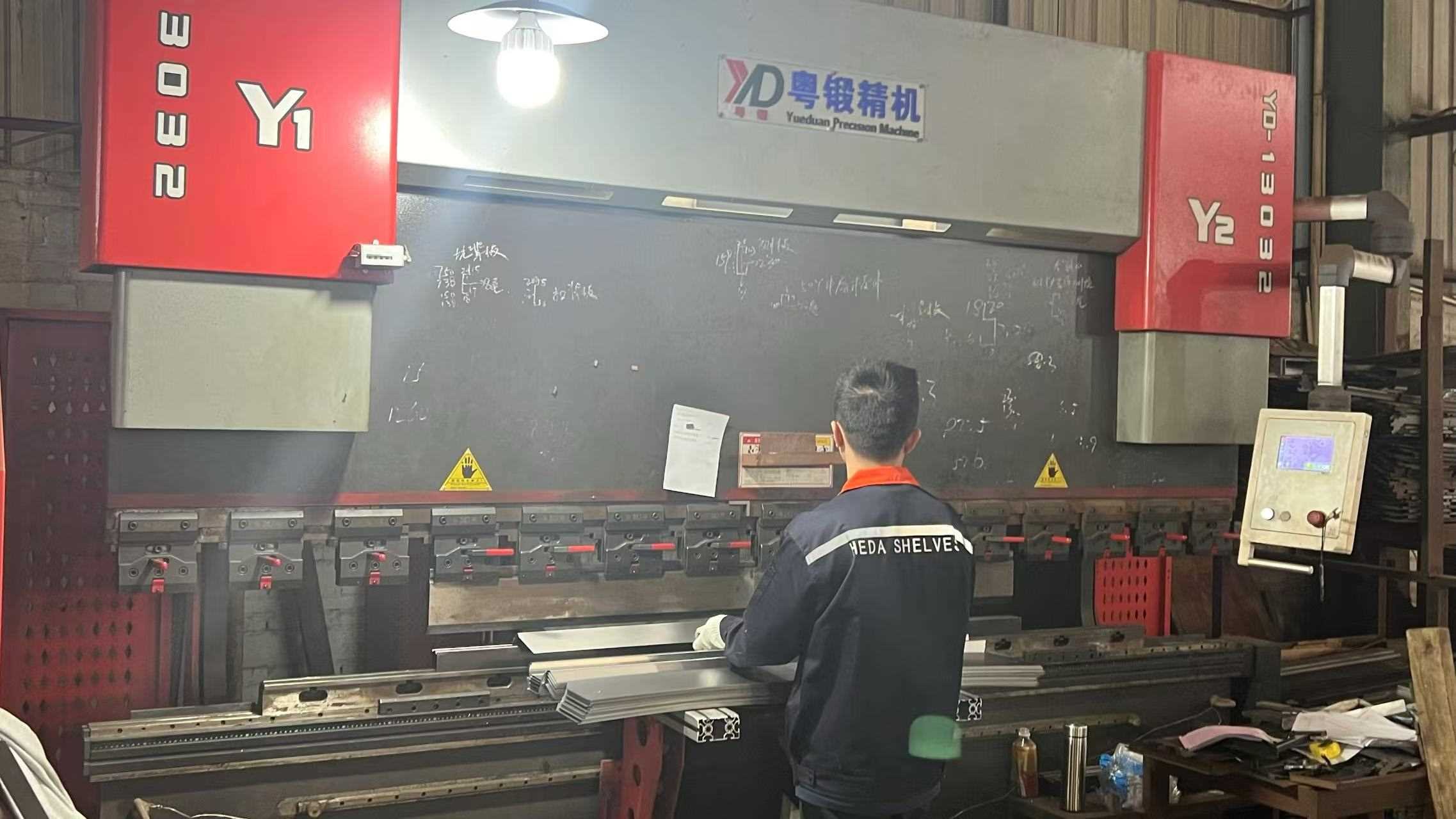
Bending
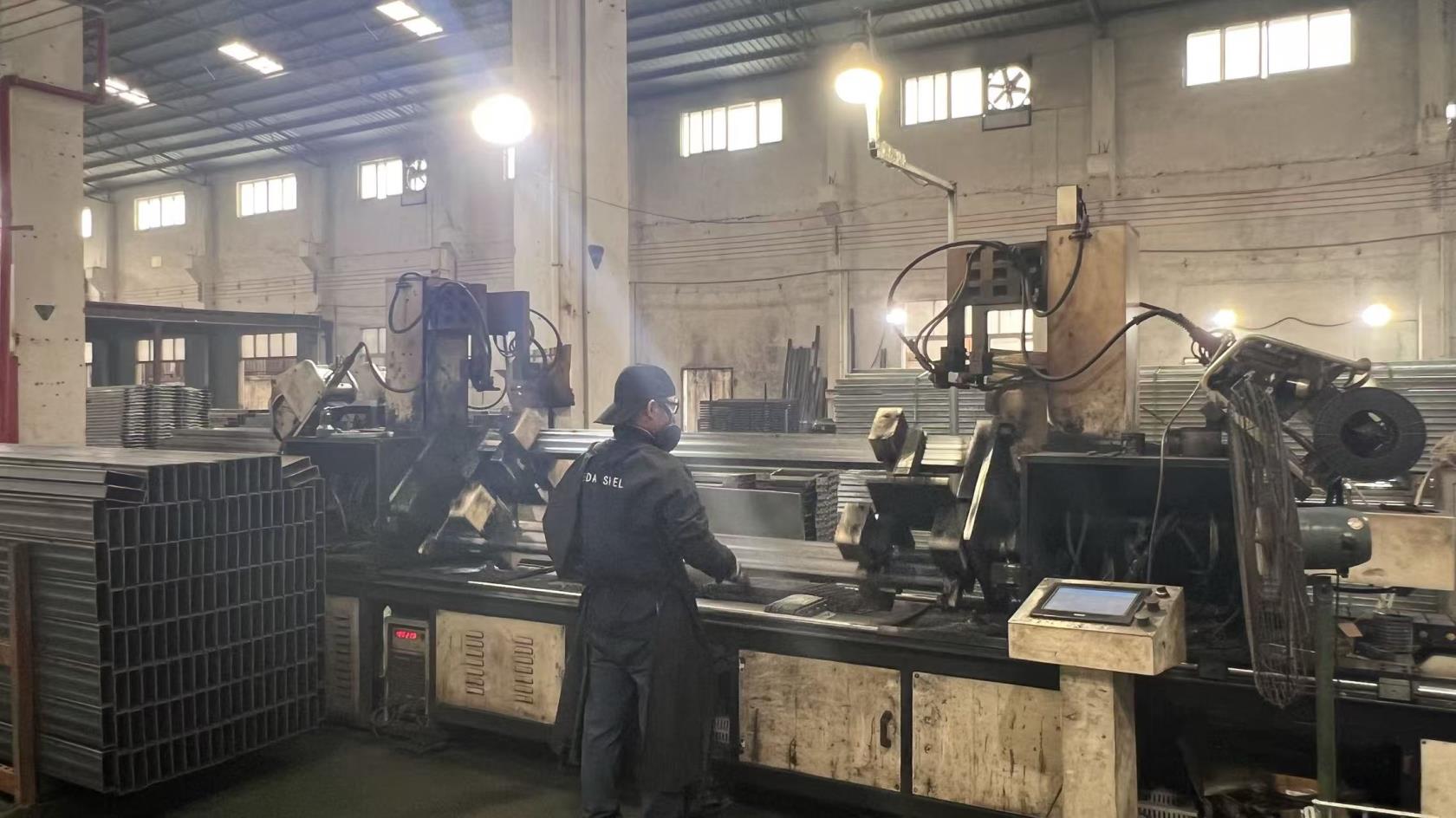
Welding
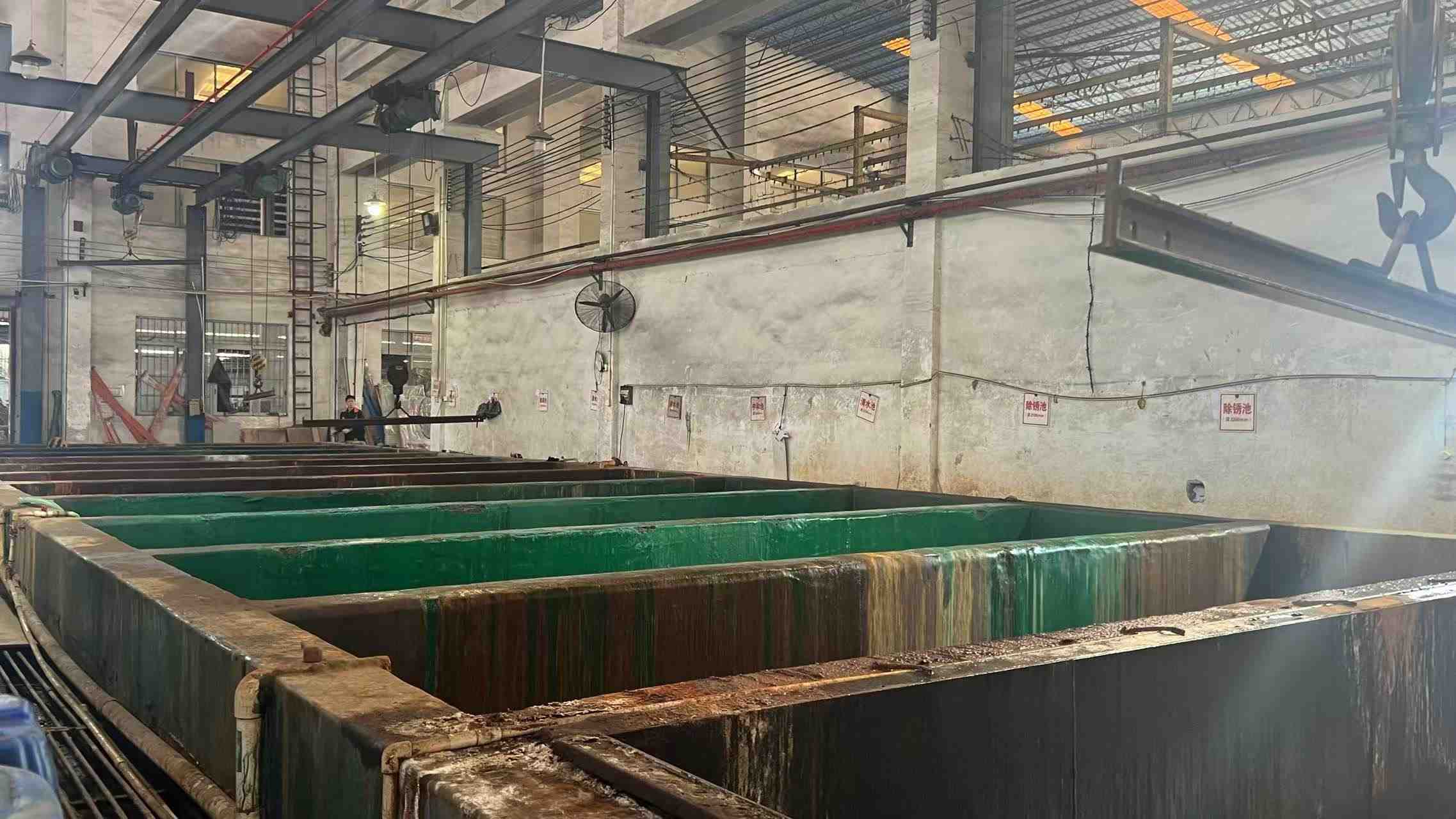
Acid-washing & Parkerising
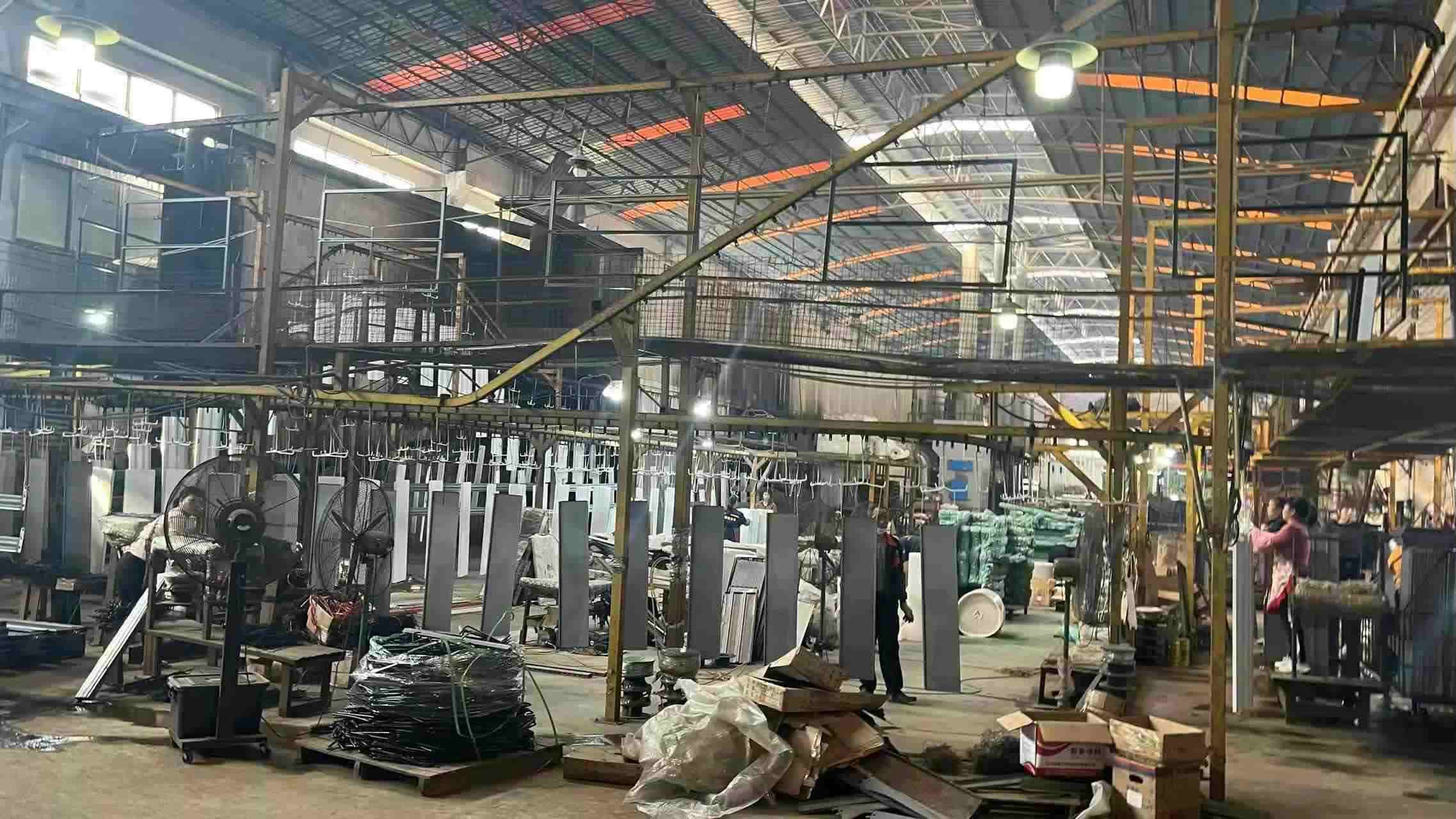
Coating
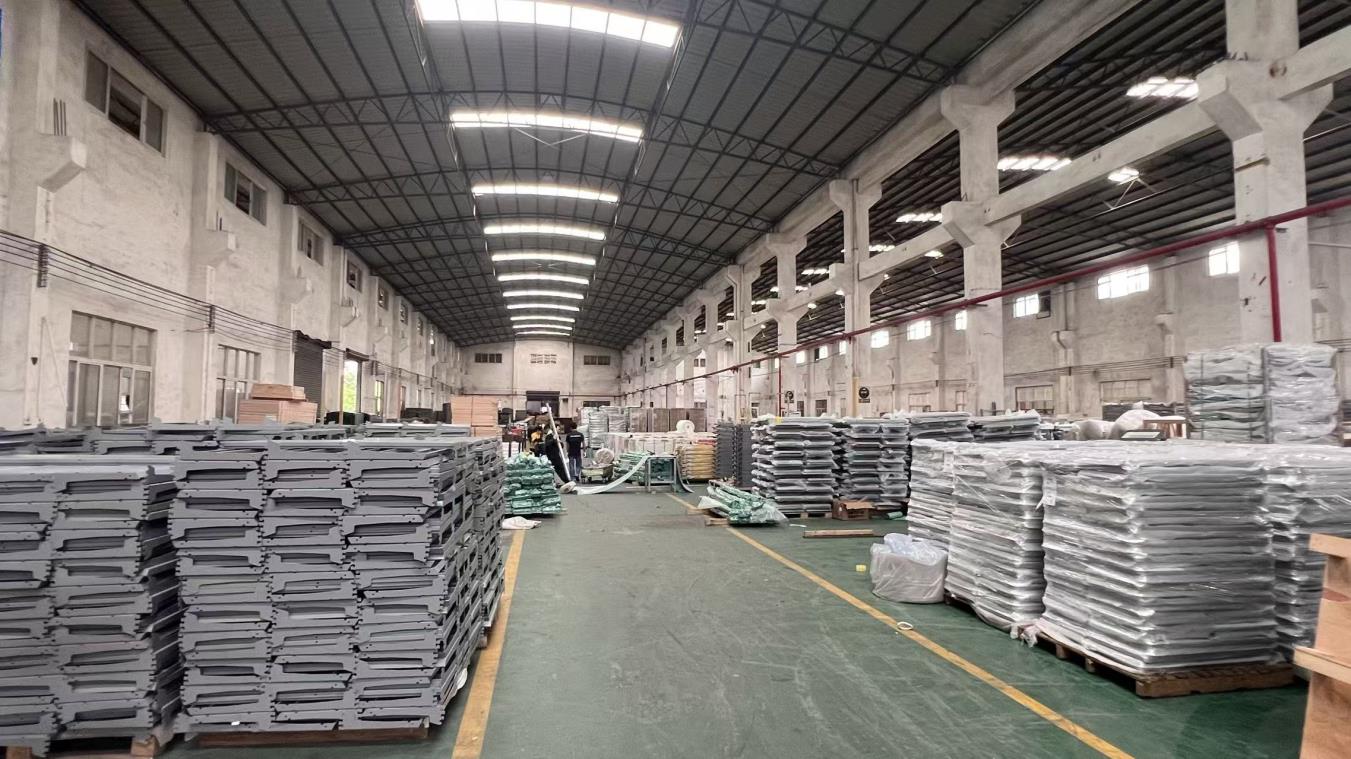
Warehouse
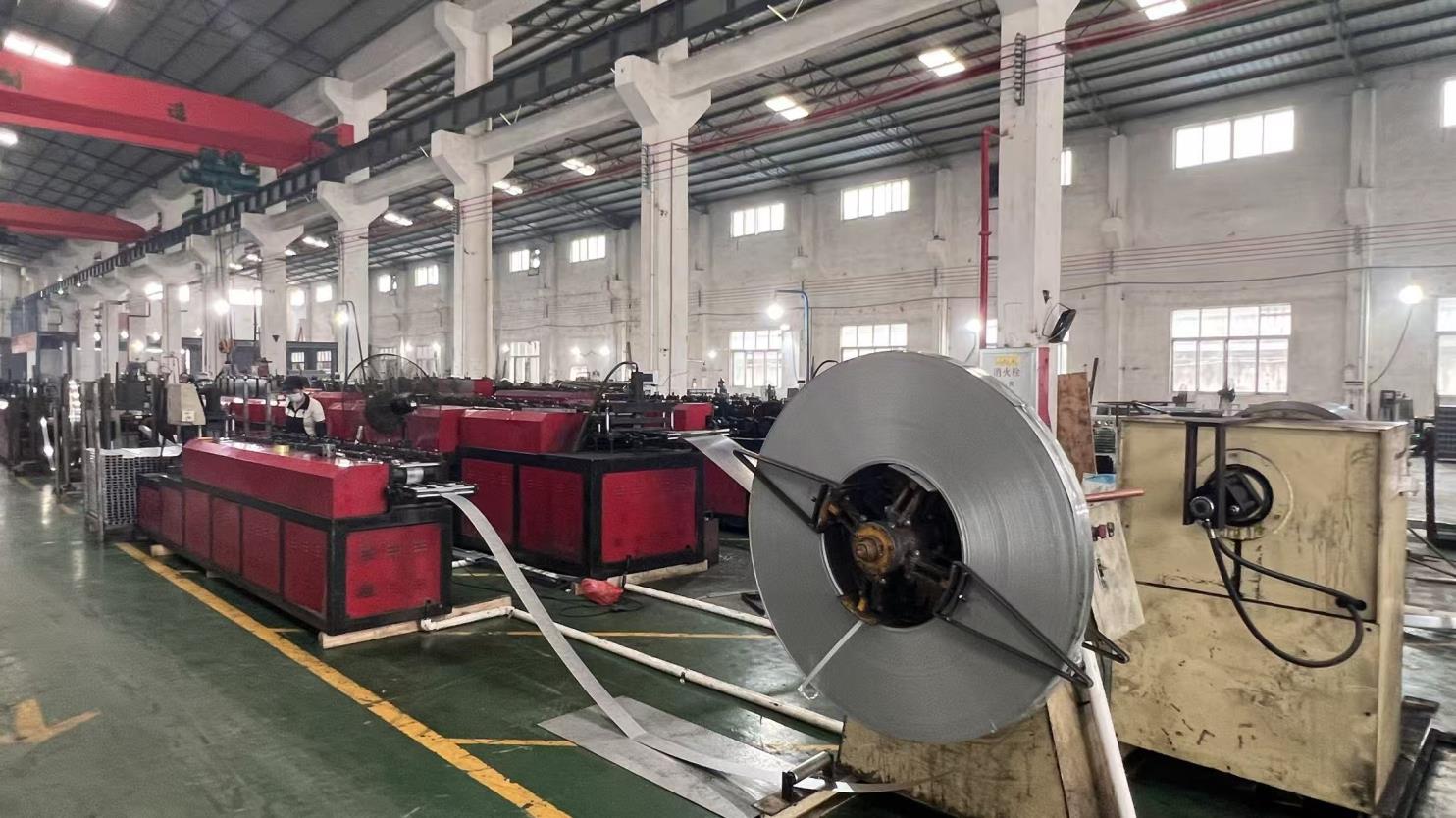
Rolling Mill
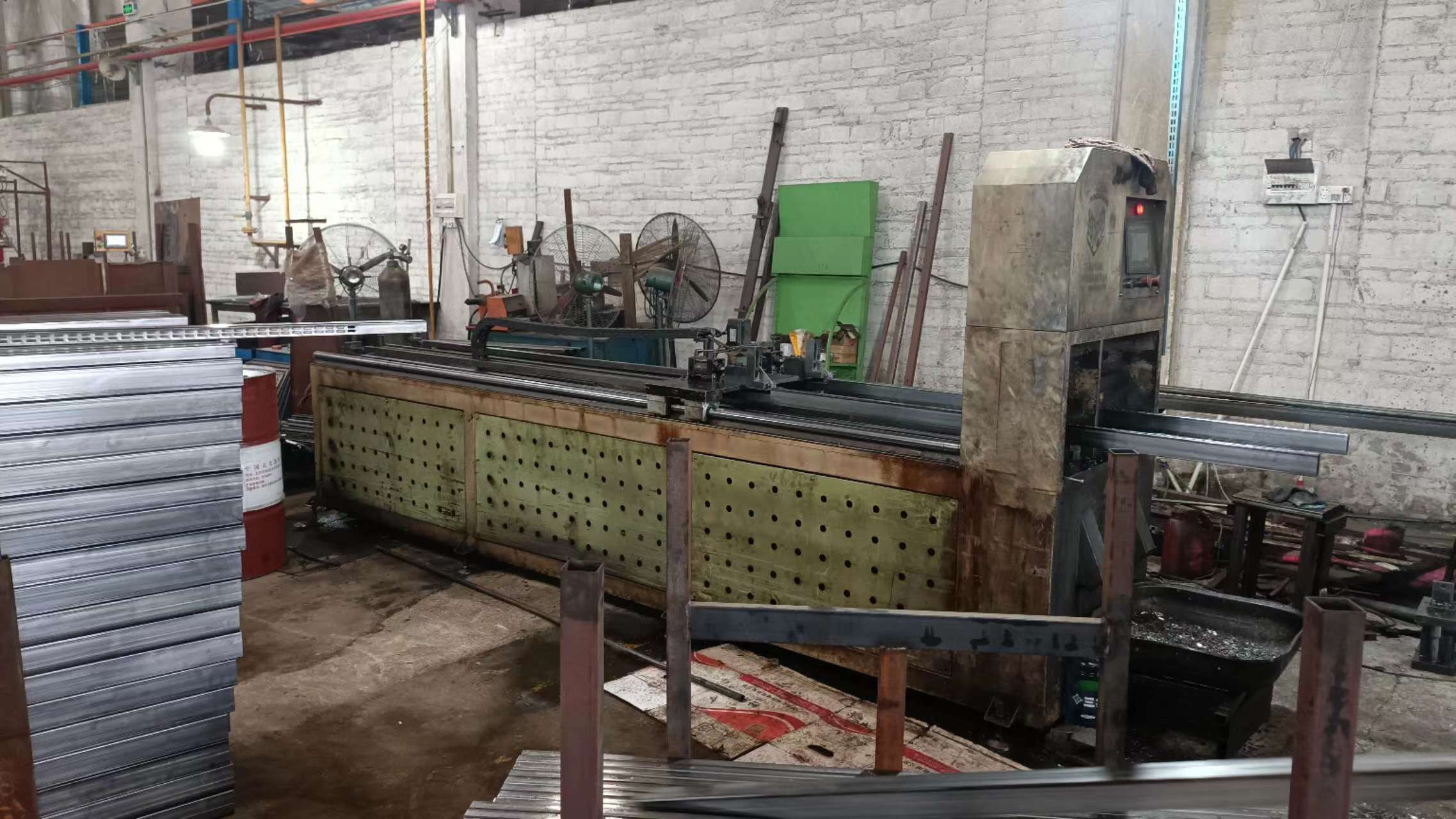
Fully Automatic Punching
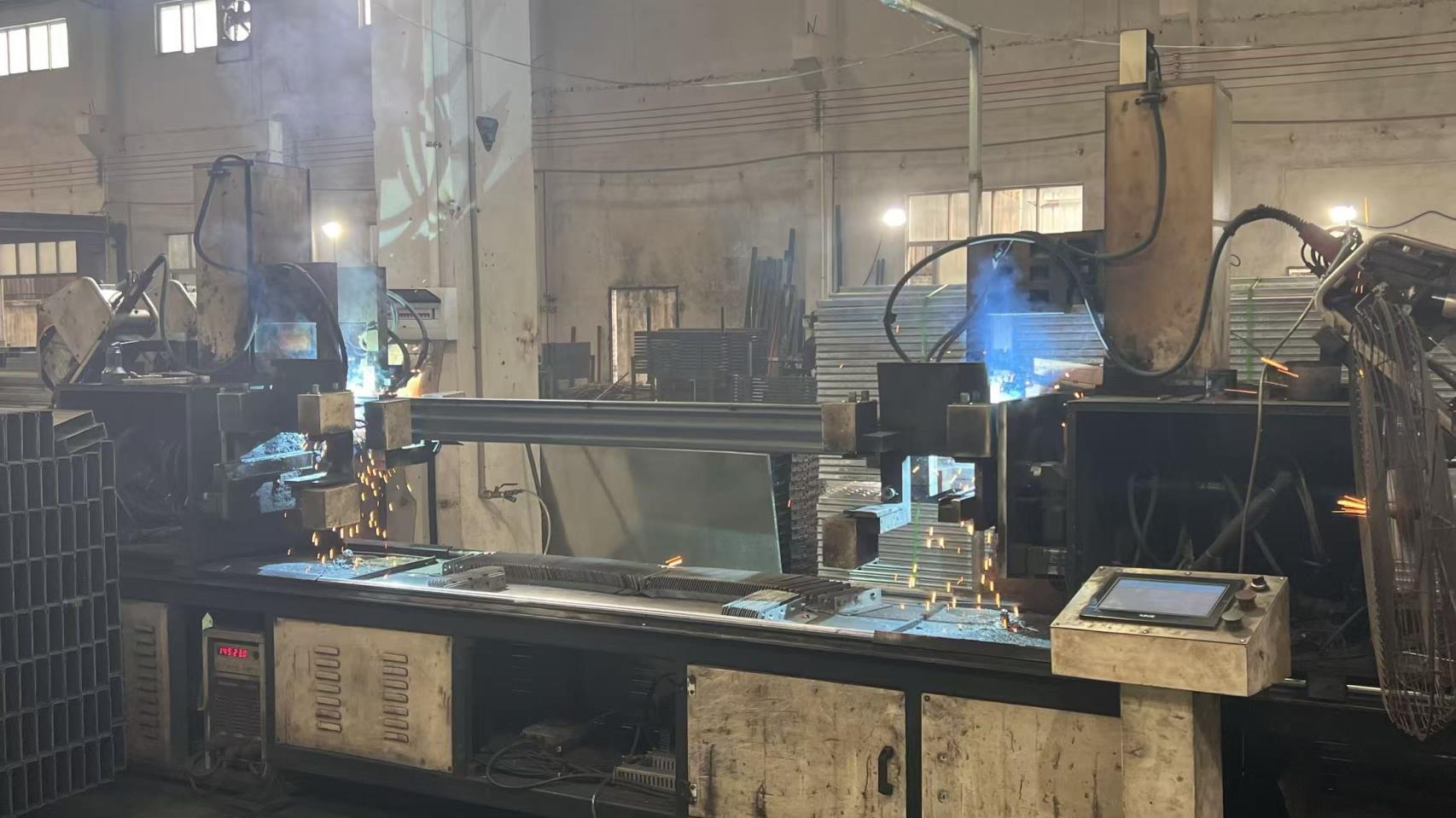
Automatic Welding
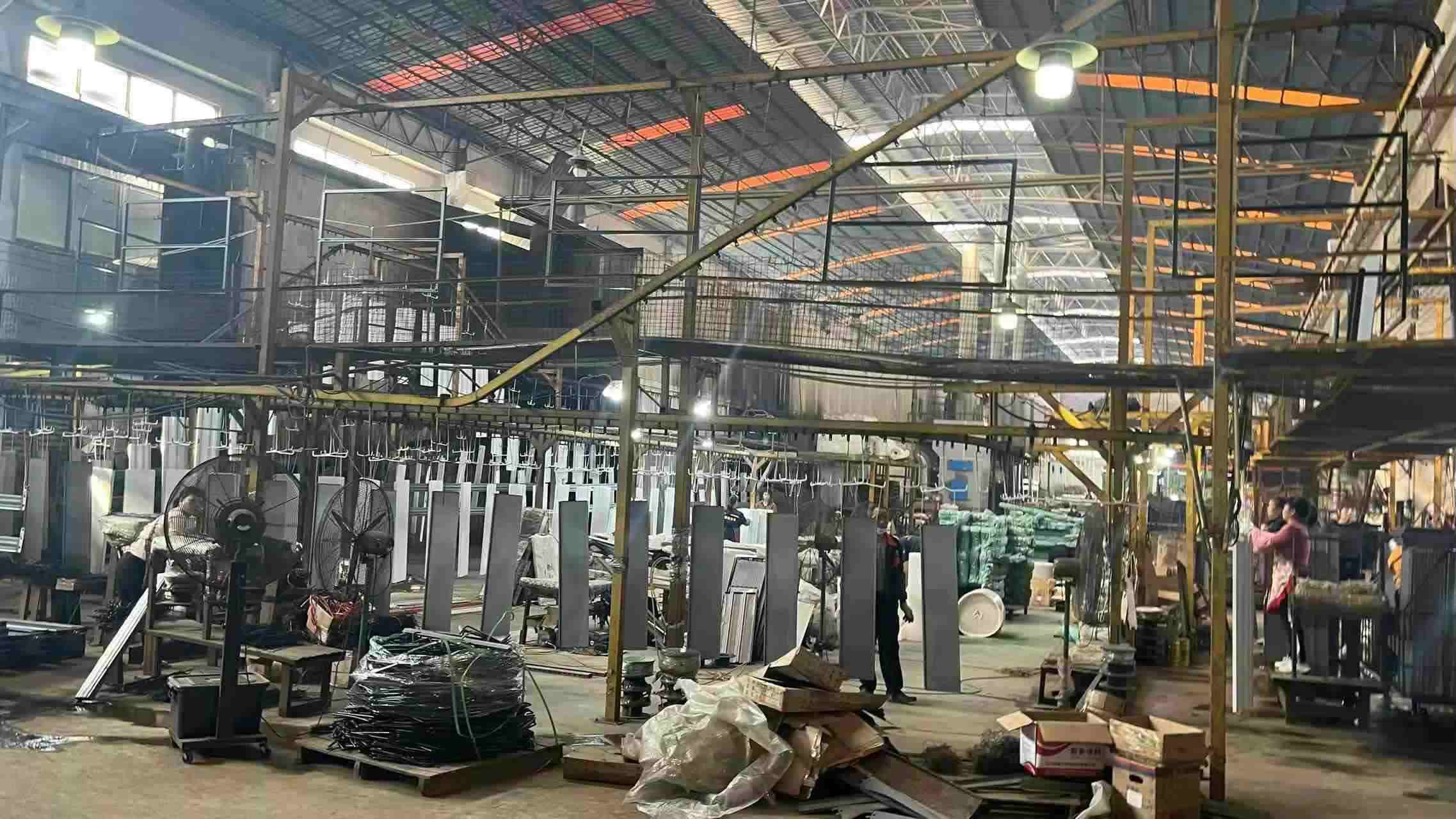
Powder Coating Line
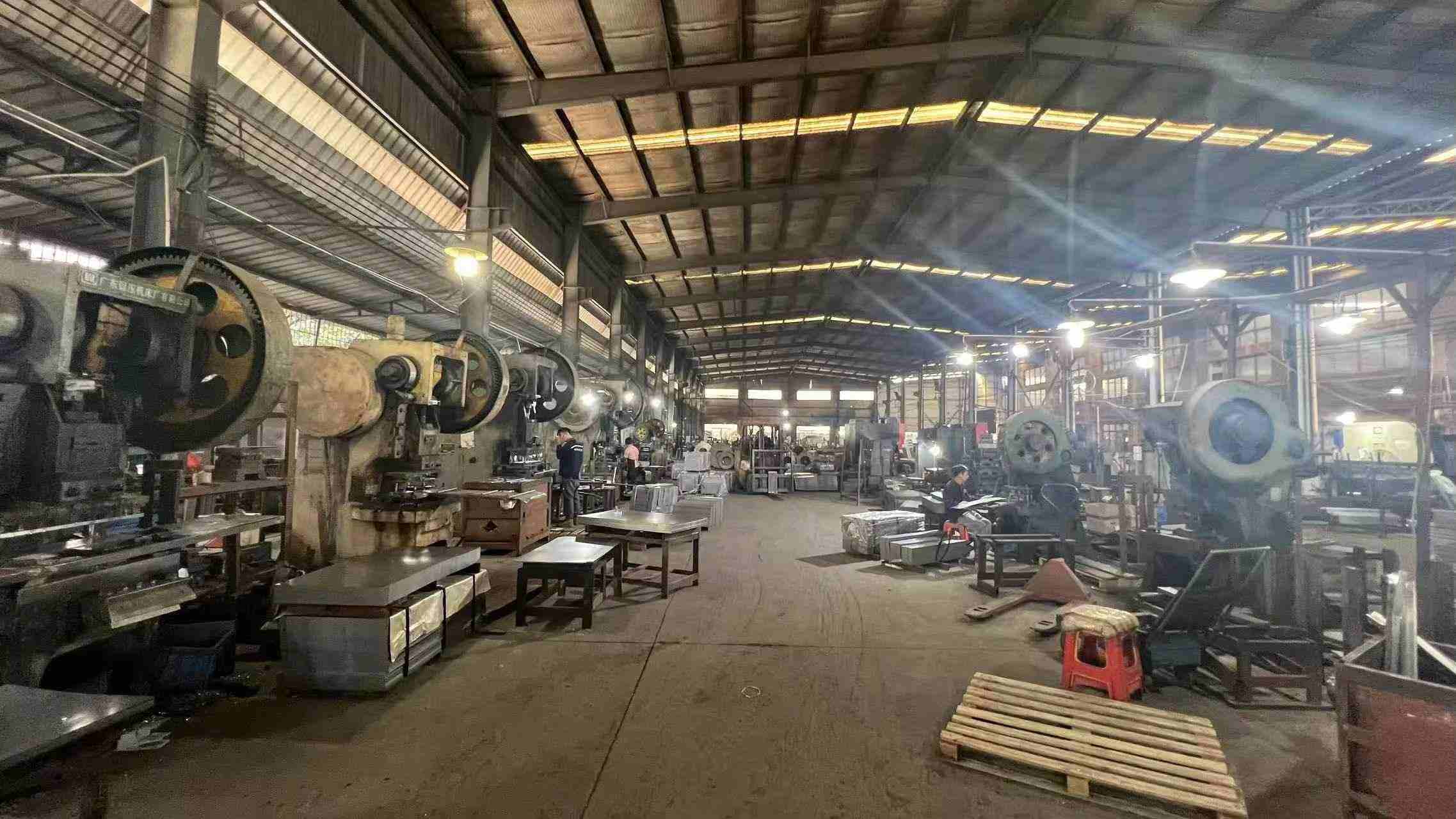
Punching Machine
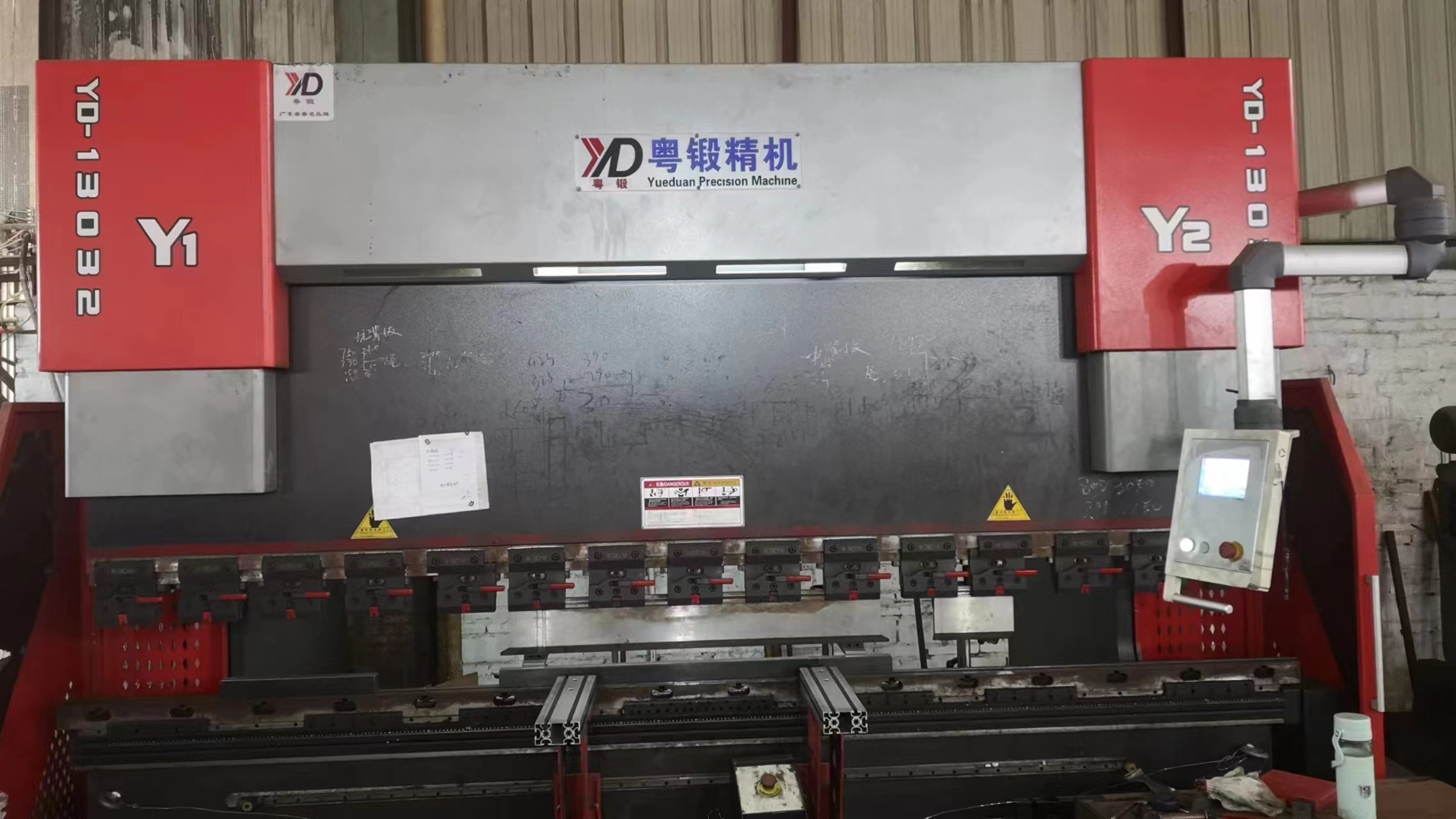
Bending Machine
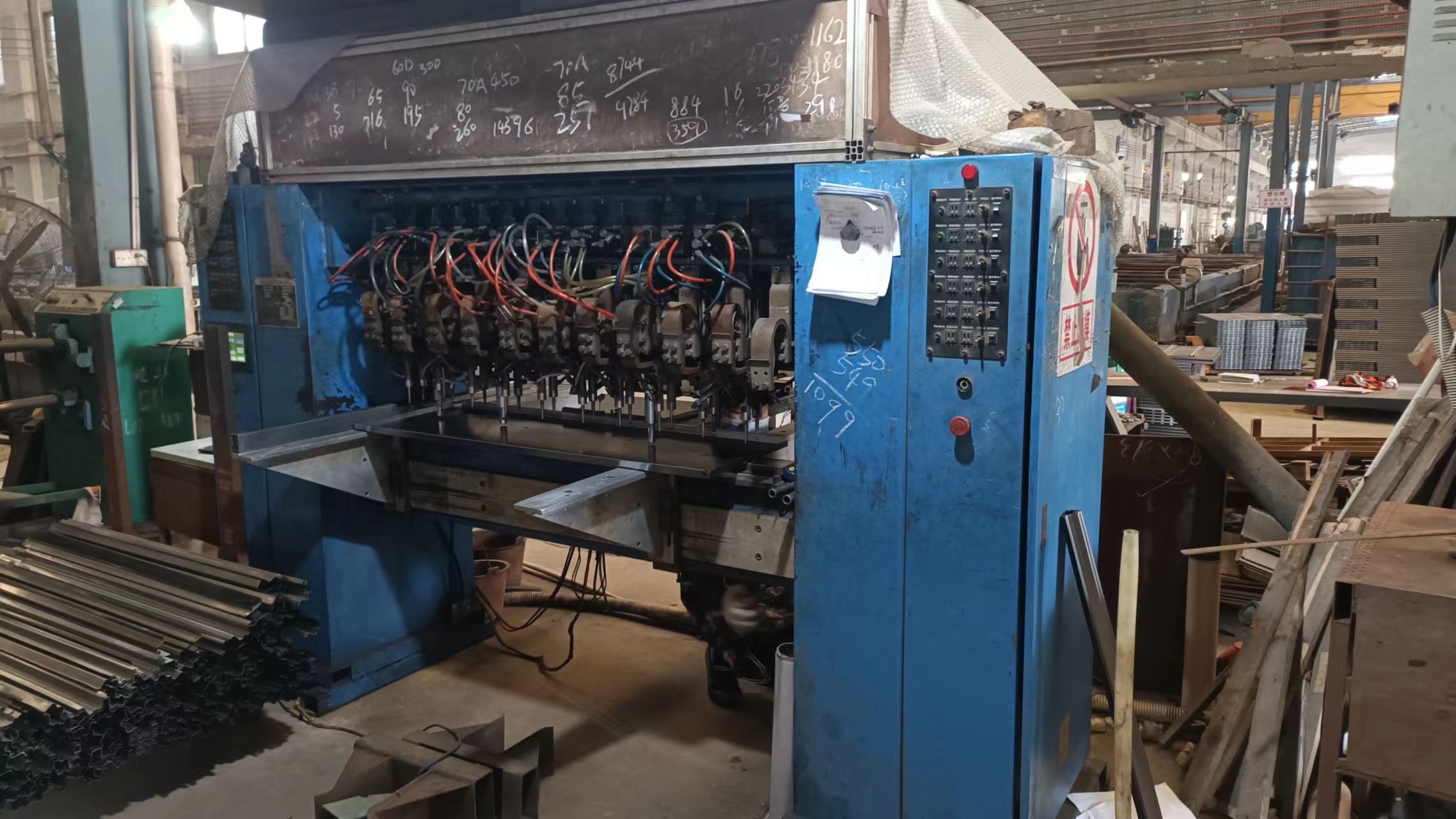
Butt Welding
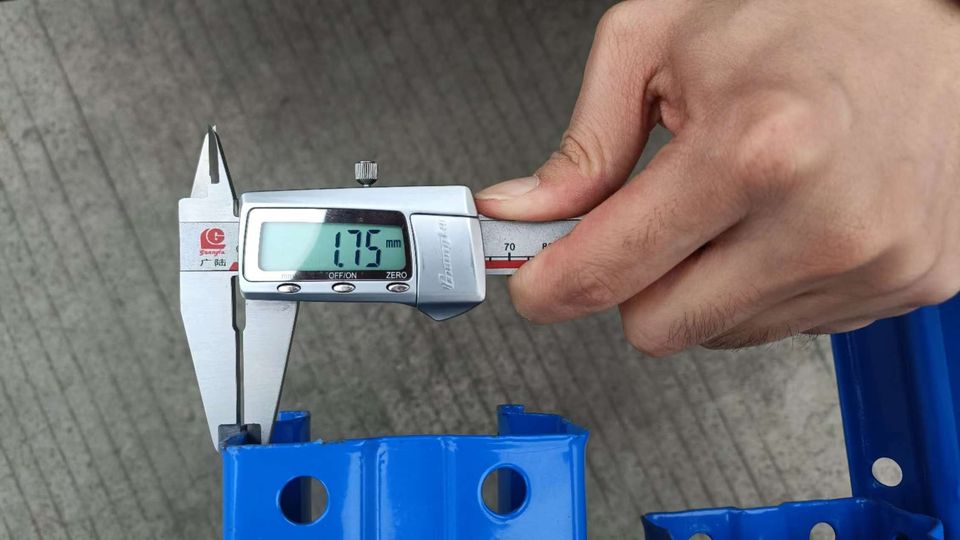
Precision Caliper Check
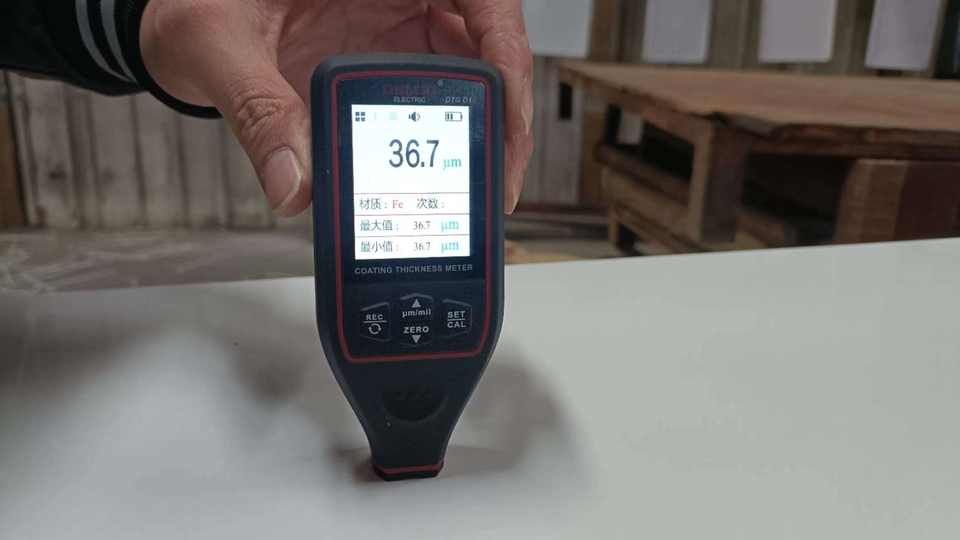
Coating Thickness Test
We work with international logistics providers, engineering firms, and industrial buyers to ensure project compliance from initial layout design to final inspection. Our technical support services cover:
Clear, direct answers to common questions about material specifications, customization limits, and quality validation.
Our primary manufacturing utilizes Q235B and Q345B/Q355 carbon steel. Q235B is commonly specified for standard selective racks, light-duty shelving, and displays. For heavy-duty applications, high-density shuttle systems, and multi-tier mezzanine columns, we use Q345B/Q355, which offers higher yield strength (up to 345 MPa) to maintain safety factor requirements under heavy loads.
We use a combination of software modeling and physical stress evaluations. Our engineering department uses ANSYS Finite Element Analysis (FEA) to simulate loading limits and structural deflection under weight. After simulation, we conduct physical destruction tests on sample profiles. Our 45 QC specialists verify the results, and we provide load-capacity certificates for each design.
Our standard electrostatic powder coating process delivers a dry film thickness of 60 to 90 microns. Before coating, all steel goes through an automated acid-washing and parkerising pre-treatment to remove surface mill scale and rust while applying a protective phosphate layer. For corrosive environments, we offer hot-dip galvanizing with a coating thickness of 80 to 120 microns.
Standard design approval and fabrication cycles run between 20 to 30 days after drawing sign-off. We provide CAD and 3D step designs within 3-5 working days from receiving the initial project scope.
Yes. Our designs comply with the American Rack Manufacturers Institute (RMI MH16.1) standard and the European EN 15512 code. We also hold CE certification, allowing our systems to meet building safety requirements across North American and European markets.
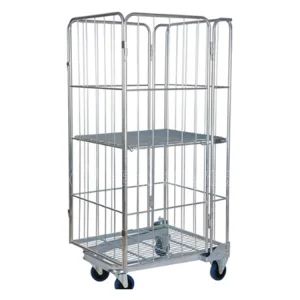
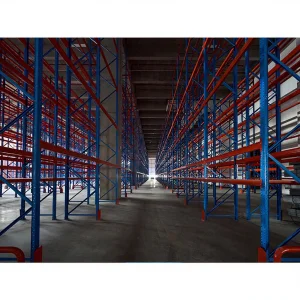
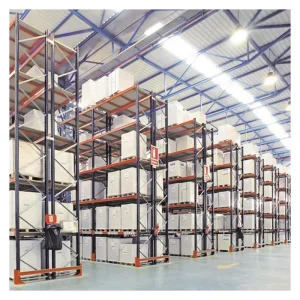
Heavy-duty solutions, shuttle integrations, and mezzanine systems designed to maximize space and efficiency.
 Durack