In the high-velocity domain of modern warehousing, space utilization, speed, and safety are the foundational pillars of profitability. Selective Pallet Racking remains the most widely deployed structural storage methodology worldwide. By granting immediate access to every pallet in the storage matrix without the need to displace adjacent stock, it serves as the operational baseline for standard, cold-storage, and high-bay distribution facilities.
For B2B procurement officers, supply chain directors, and structural consultants, identifying a reliable Custom OEM Selective Racking Exporter & Exporters is a mission-critical objective. A specialized OEM exporter does not merely manufacture roll-formed columns and box beams; they engineer structural pathways designed to withstand extreme dynamic forces, seismic frequencies, and localized regulatory compliance demands. As logistics operations scale upward, racking systems must be customized to balance safety coefficients against load capacities, forklift interface clearances, and automated material handling configurations.
The geographic demands placed on industrial selective racking systems vary dramatically across continents. In North America, structural and roll-formed racking compliance is governed stringently by the Rack Manufacturers Institute (RMI) standards (specifically MH16.1). Buyers expect teardrop connection profiles, structural channel upright options for heavy impact resistances, and powder-coated finishes that conform to local safety directives. In Europe, standard designs adhere closely to the FEM regulations (Federation Europeenne de la Manutention) 10.2.02, prioritizing structural optimization, deflection calculations under lateral forces, and modular European-pallet (800mm x 1200mm) configurations.
Conversely, in Southeast Asia and parts of Central America, racking configurations are frequently deployed within intense seismic zones. The engineering requirements here shift focus toward baseplate thickness, anchorage strength, anchor bolt diameters, and grade Q355B high-tensile steel formulation. Custom OEM racking design must navigate these regional guidelines seamlessly to secure permits, guarantee operational safety, and ensure long-term structural integrity.
Founded in 2014, Dongguan Durack Logistics Equipment Co., Ltd. has positioned itself at the vanguard of the premium B2B rack manufacturing sector. Armed with a state-of-the-art 35,000 m² facility, the company leverages over 12 years of core industry experience and an established 8-year global export track record to generate $28 million in annual export revenue. Our operational framework caters extensively to third-party logistics (3PL) providers, cold storage operations, automated warehouses, and large-scale industrial distributors worldwide.
“Our active Research and Development division, comprised of 65 specialized design and structural engineers, introduced over 120 new storage designs and layout modifications last year alone. Our supply chain network of over 850 partners enables us to deliver fully integrated warehouse solutions from concept drawings to structural verification.”
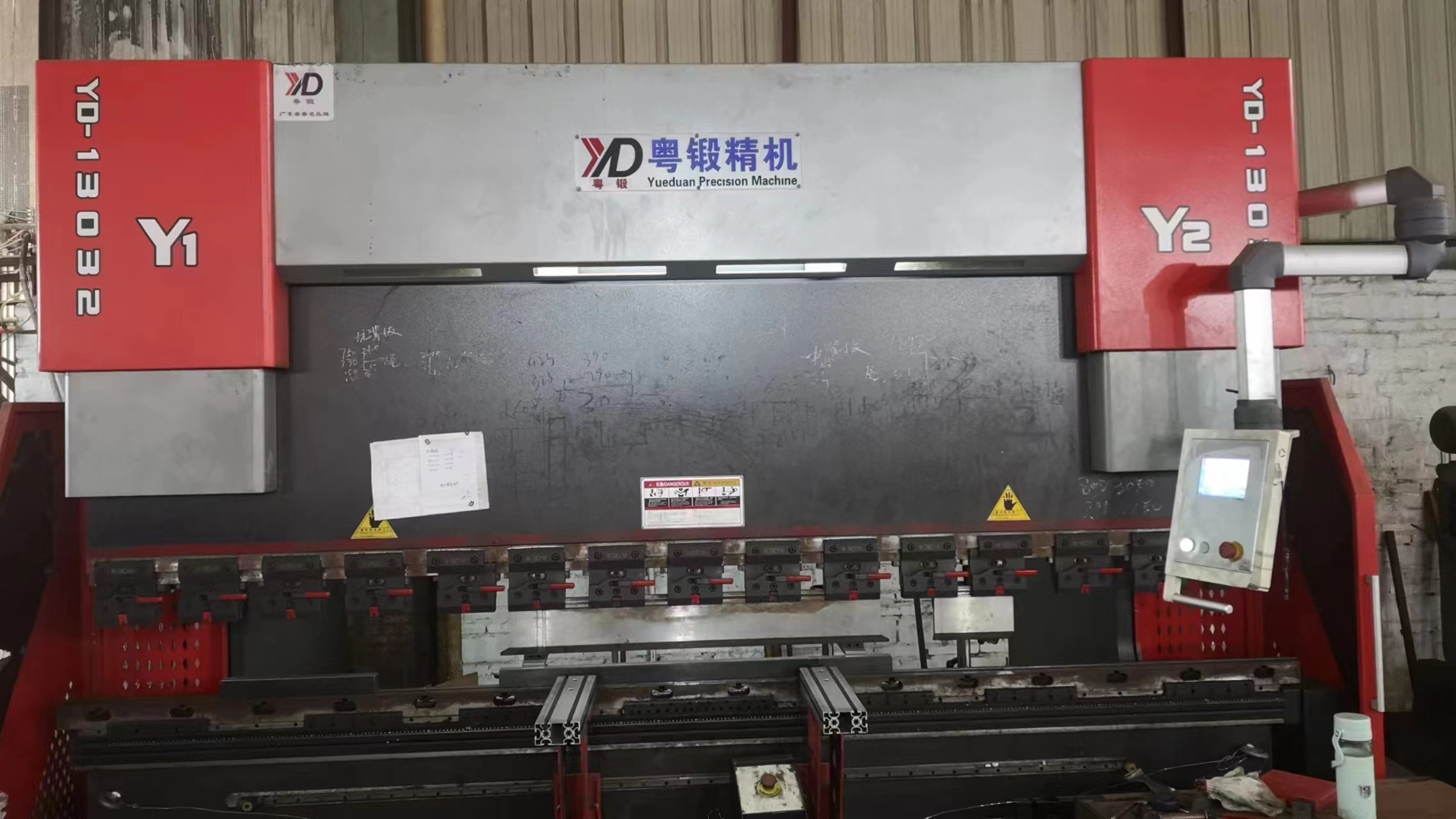
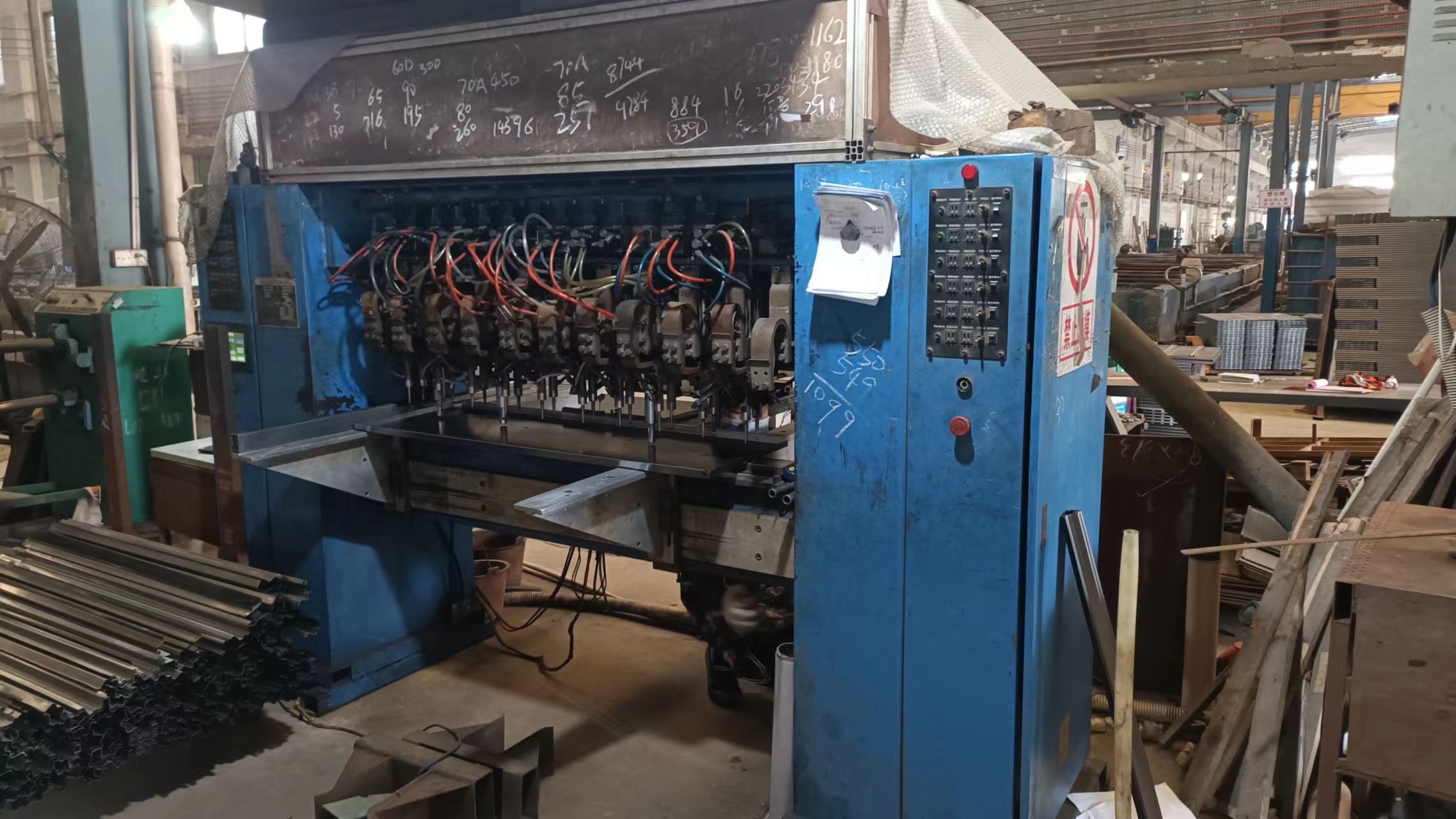
As a leading Custom OEM Selective Racking Exporter, Durack provides bespoke customizations for high-rack applications, including specific beam profiles (box beams, step beams, open-section channel beams), tailored upright column profiles (ranging from light 80mm to heavy 140mm configurations), and application-specific metal thickness variations (1.5mm to 3.0mm structural grade steel). These designs utilize high-tensile hot-rolled steel coils, transforming raw materials through precision roll-forming, automatic stamping, and robotic welding lines to guarantee minimal dimensional tolerance deviation.
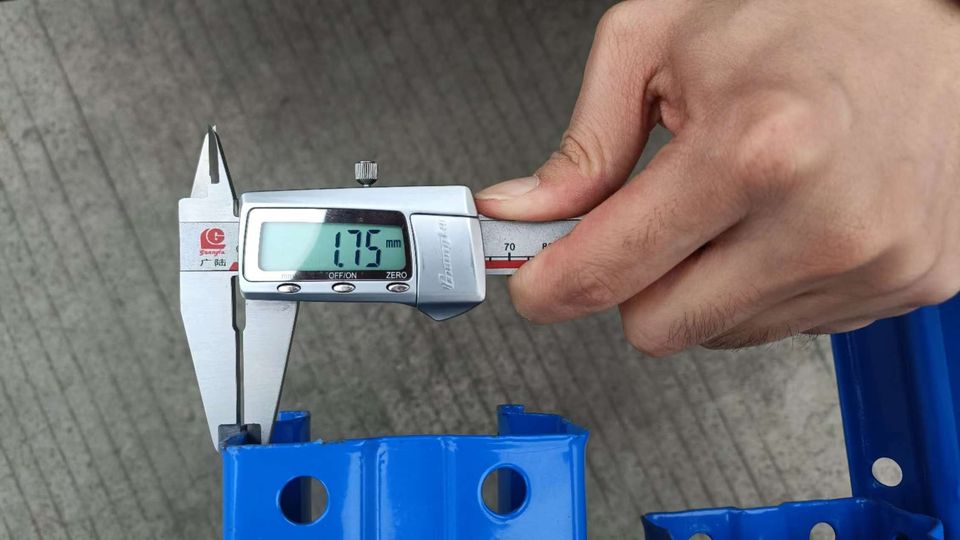
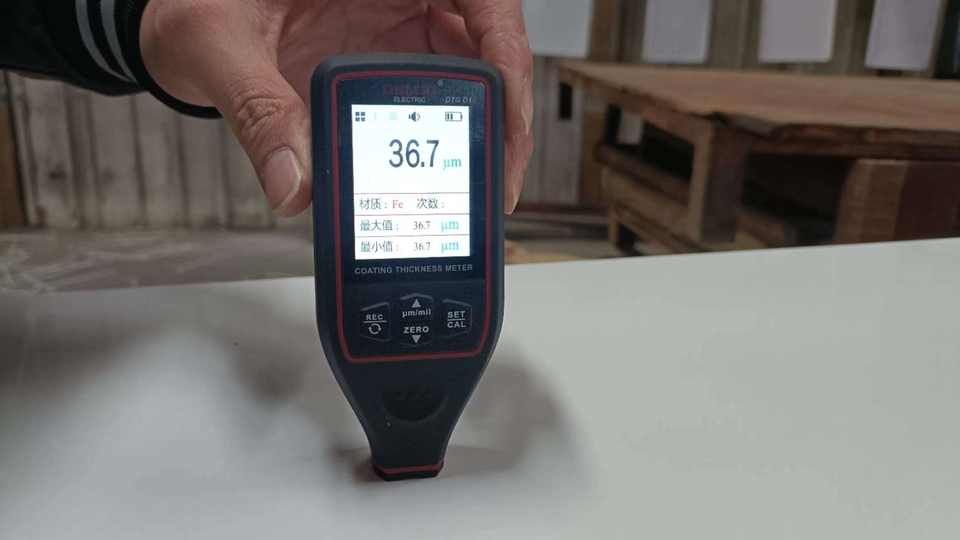
Our quality control measures are integrated directly into each stage of the manufacturing timeline. Backed by 45 dedicated Quality Control (QC) specialists, Durack enforces a strict QA protocol. The manufacturing facility operates ultrasonic testing arrays to inspect dynamic welding joints for internal voids, and specialized hydraulic presses to execute load-bearing stress evaluations on beam-to-column connections. Upright and beam tolerances are checked against design blueprints using digital calipers and magnetic coating thickness testers to ensure uniform paint deposition (60–80 microns) for optimal corrosion protection.
Our ISO-certified manufacturing flow ensures every component conforms to global load-bearing and safety specifications. Trace the path of structural steel from raw coils to finished, corrosion-resistant racking elements.
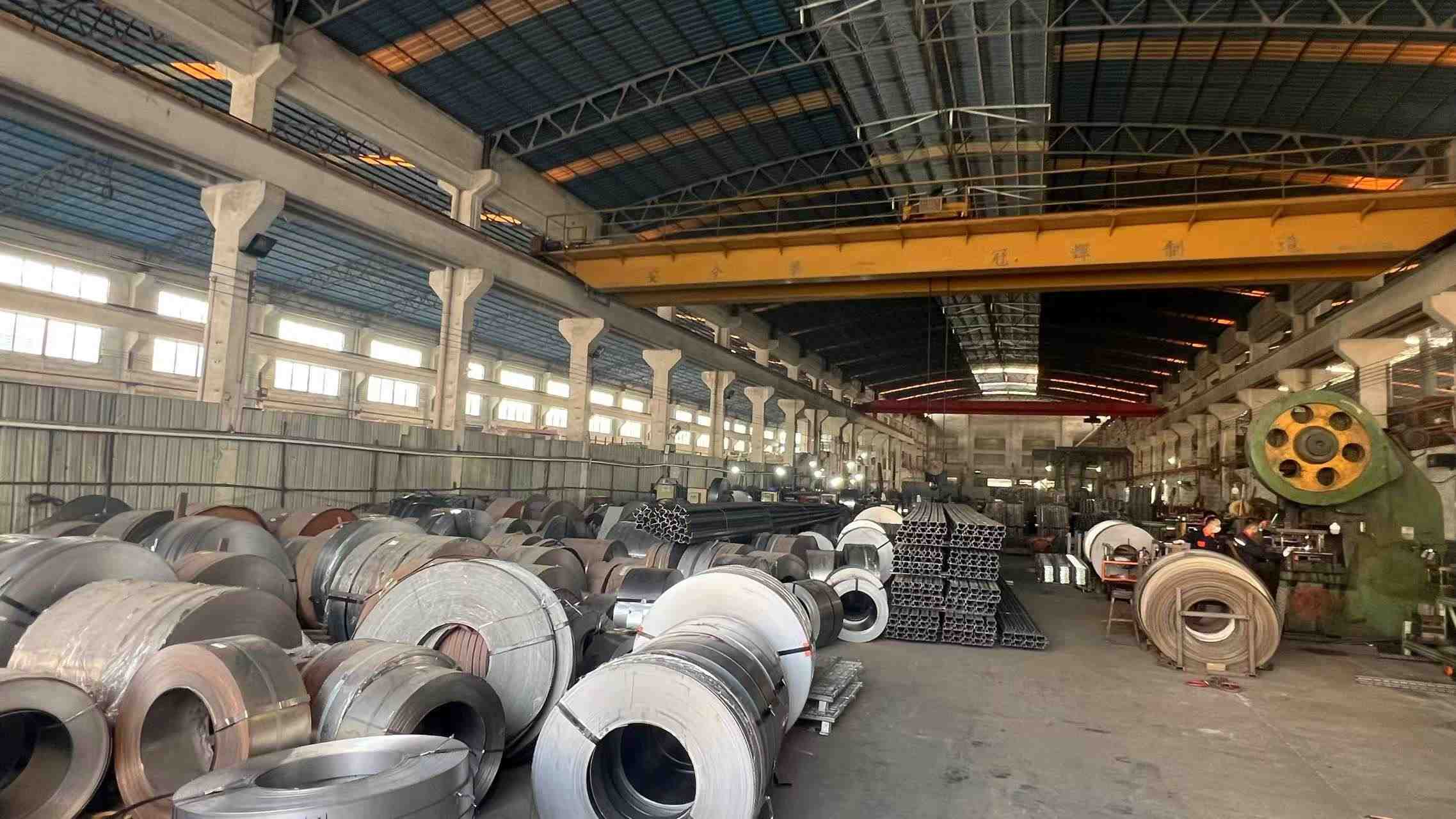
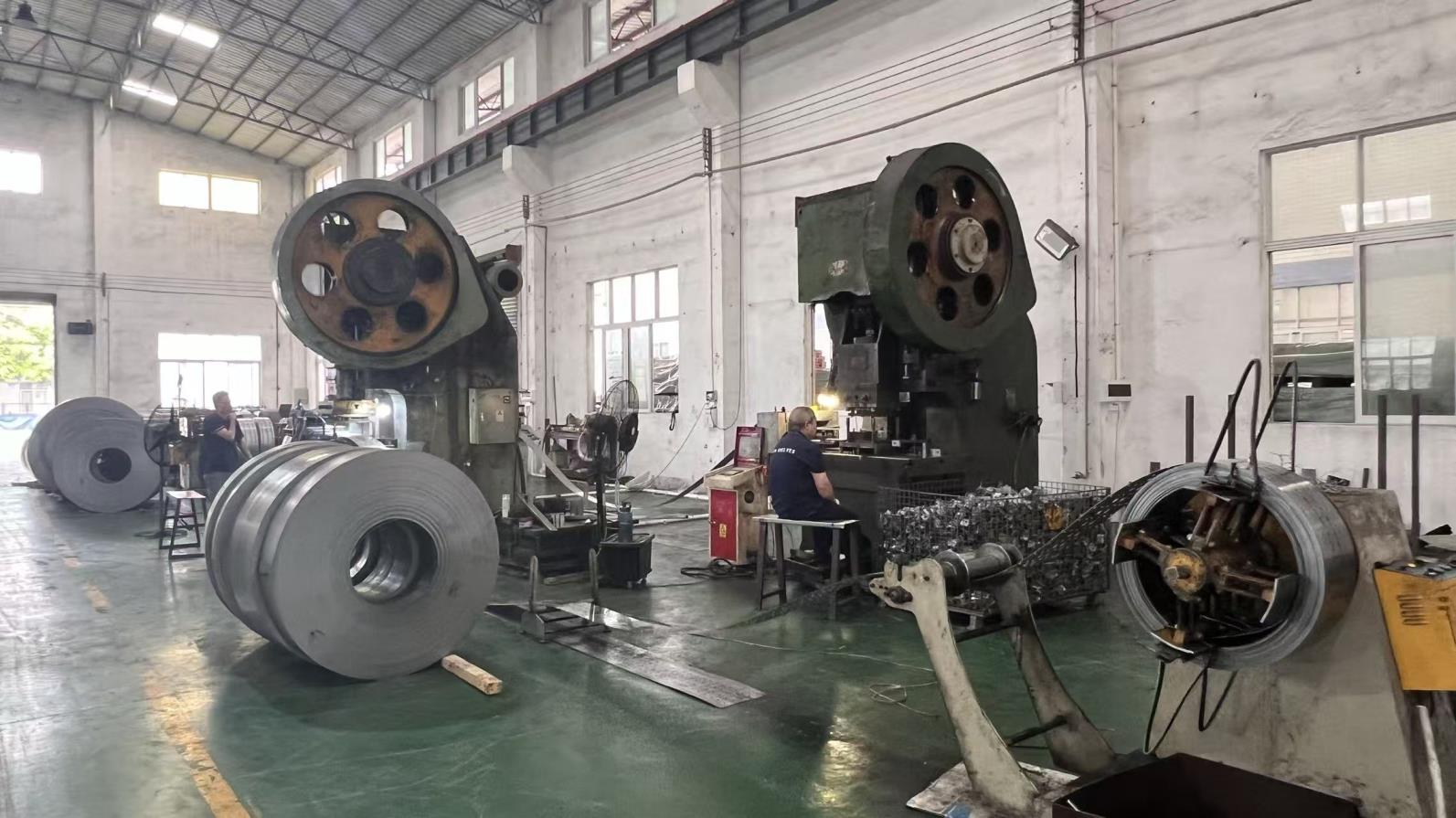
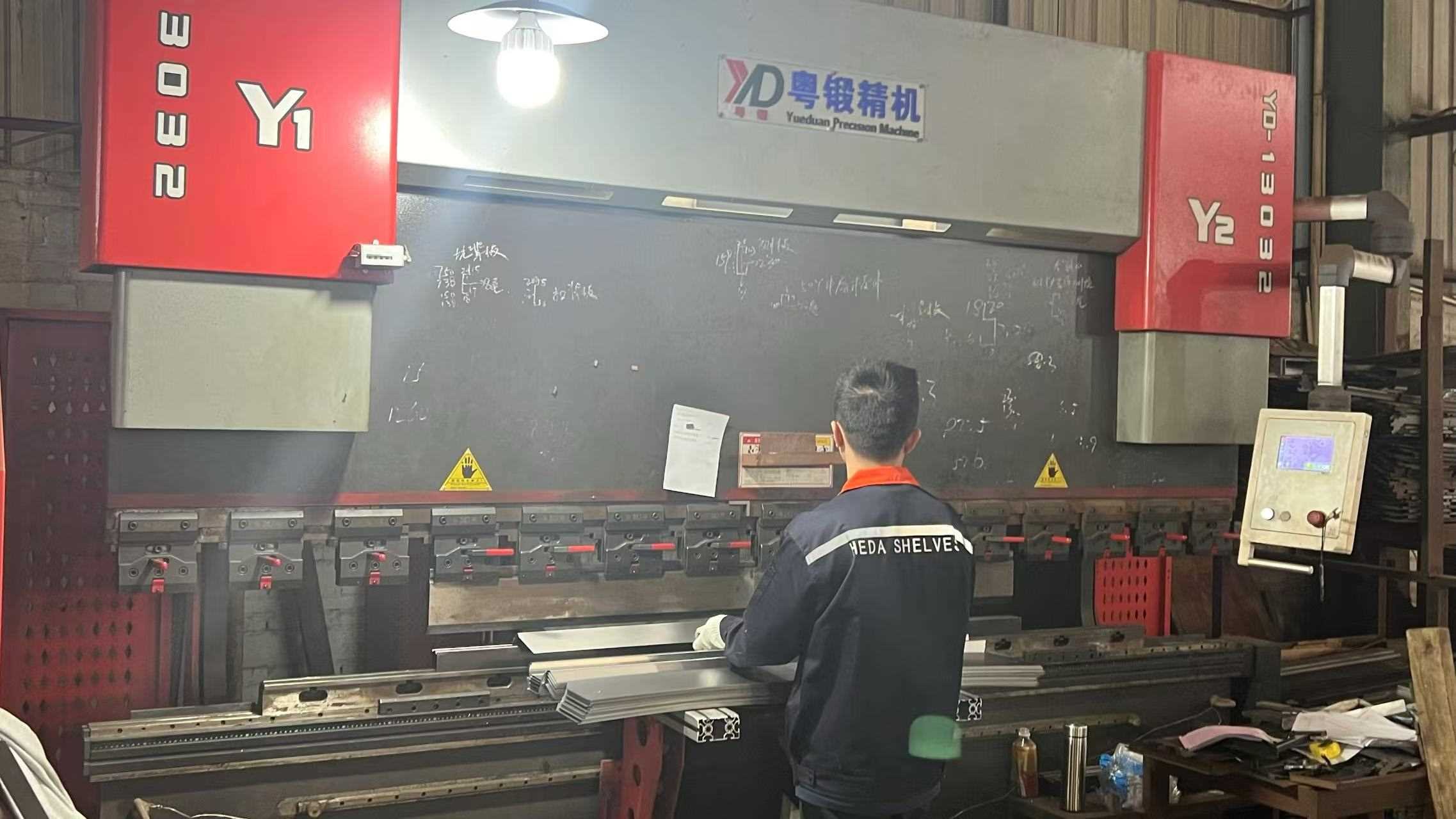
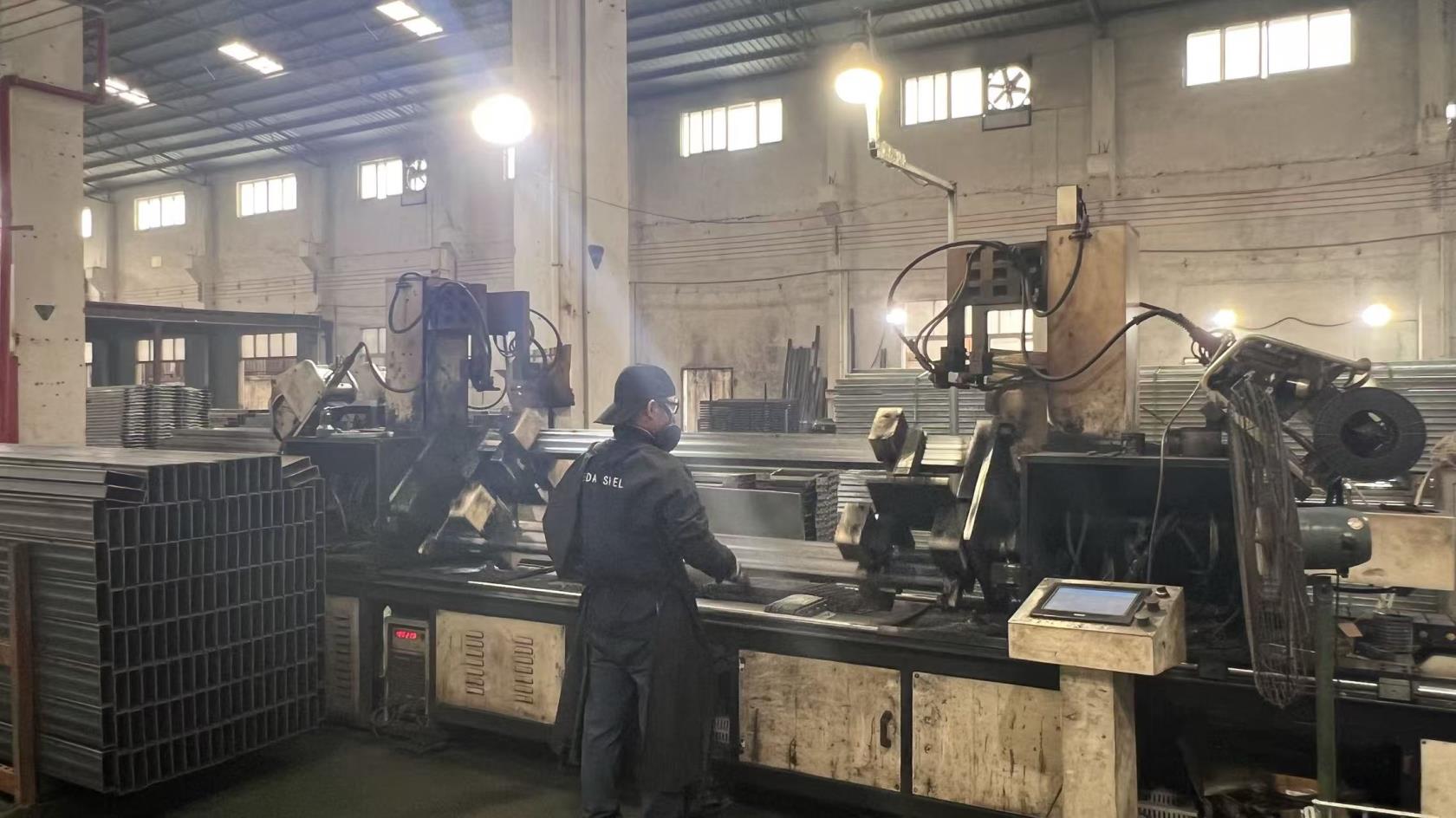
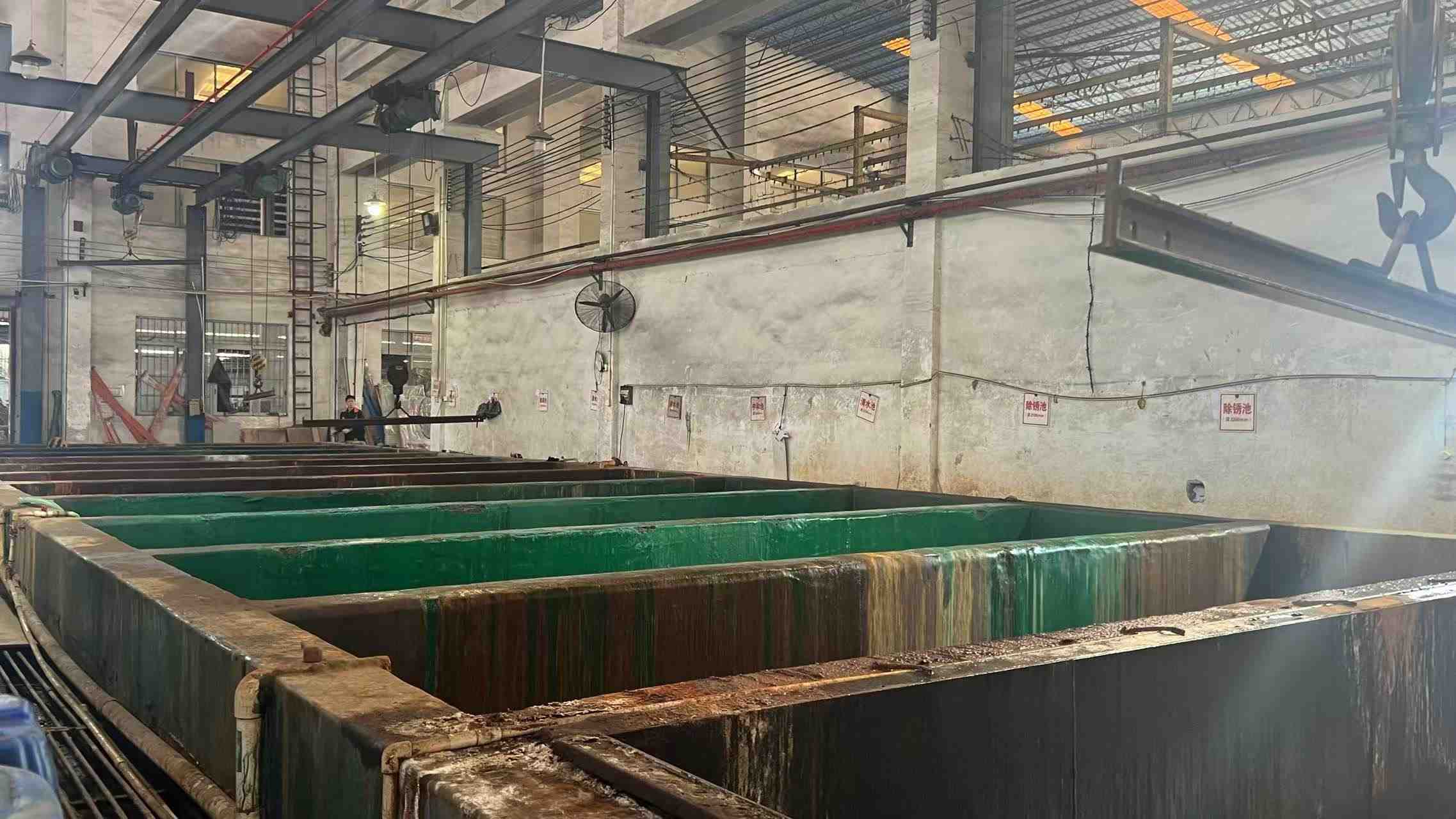
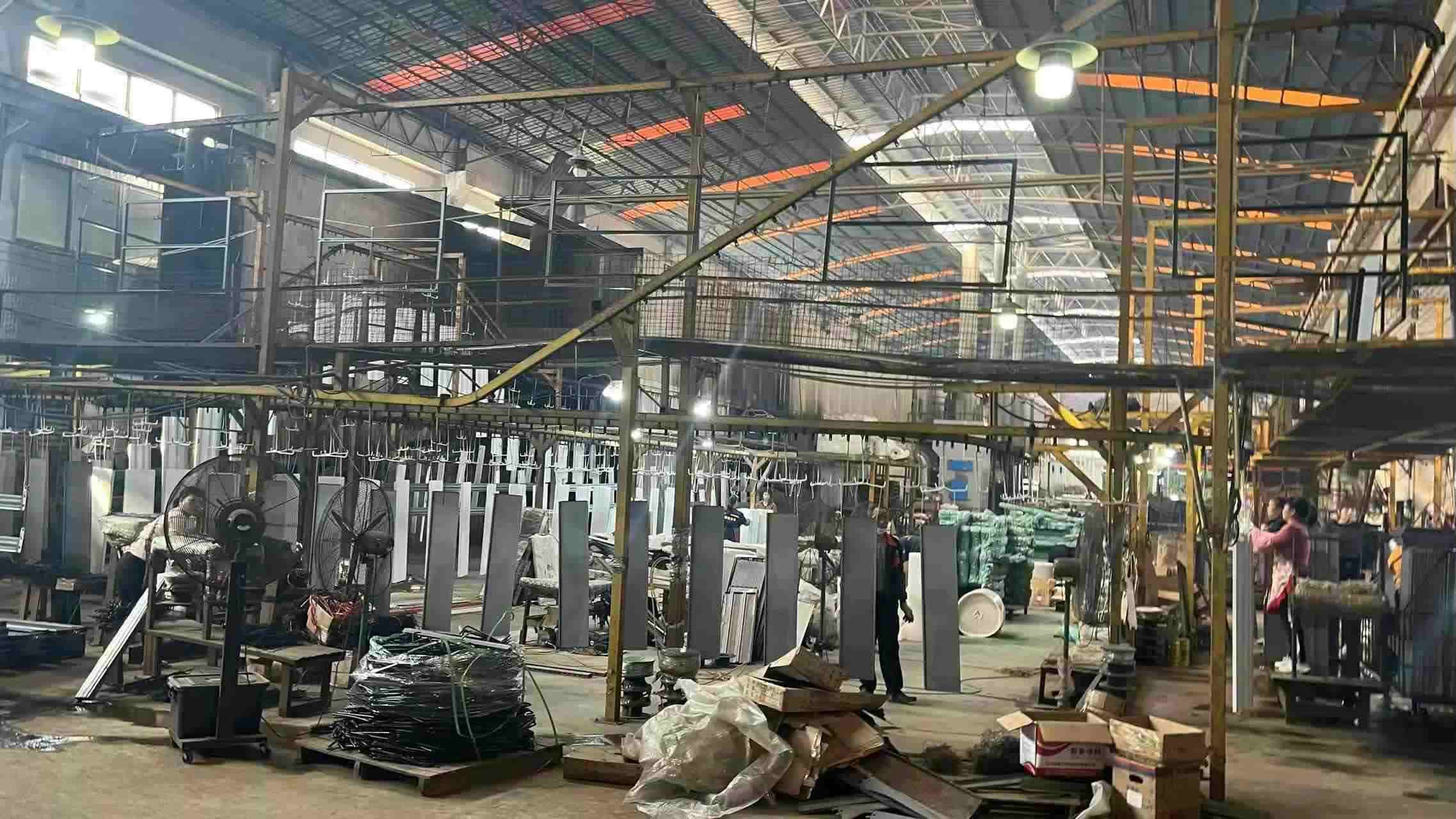
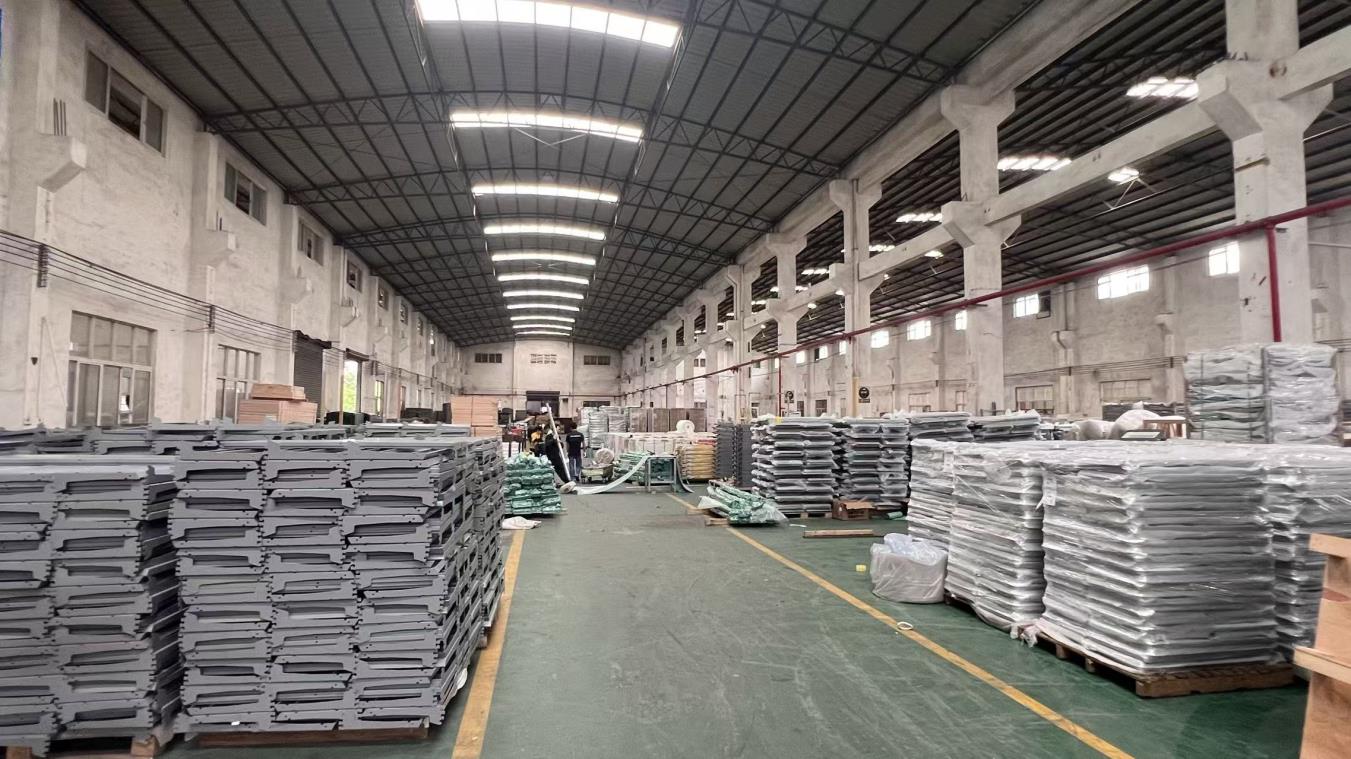
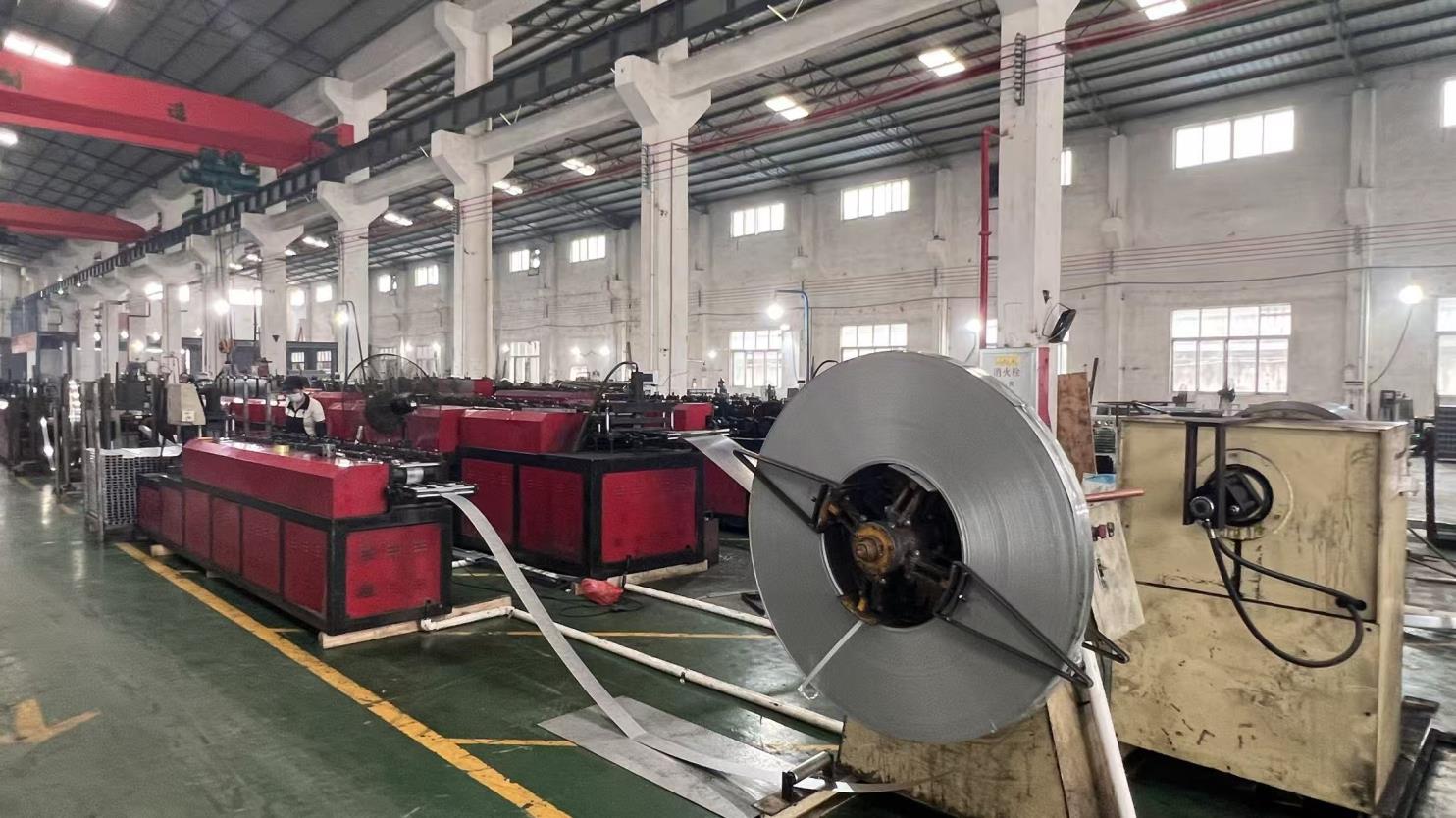
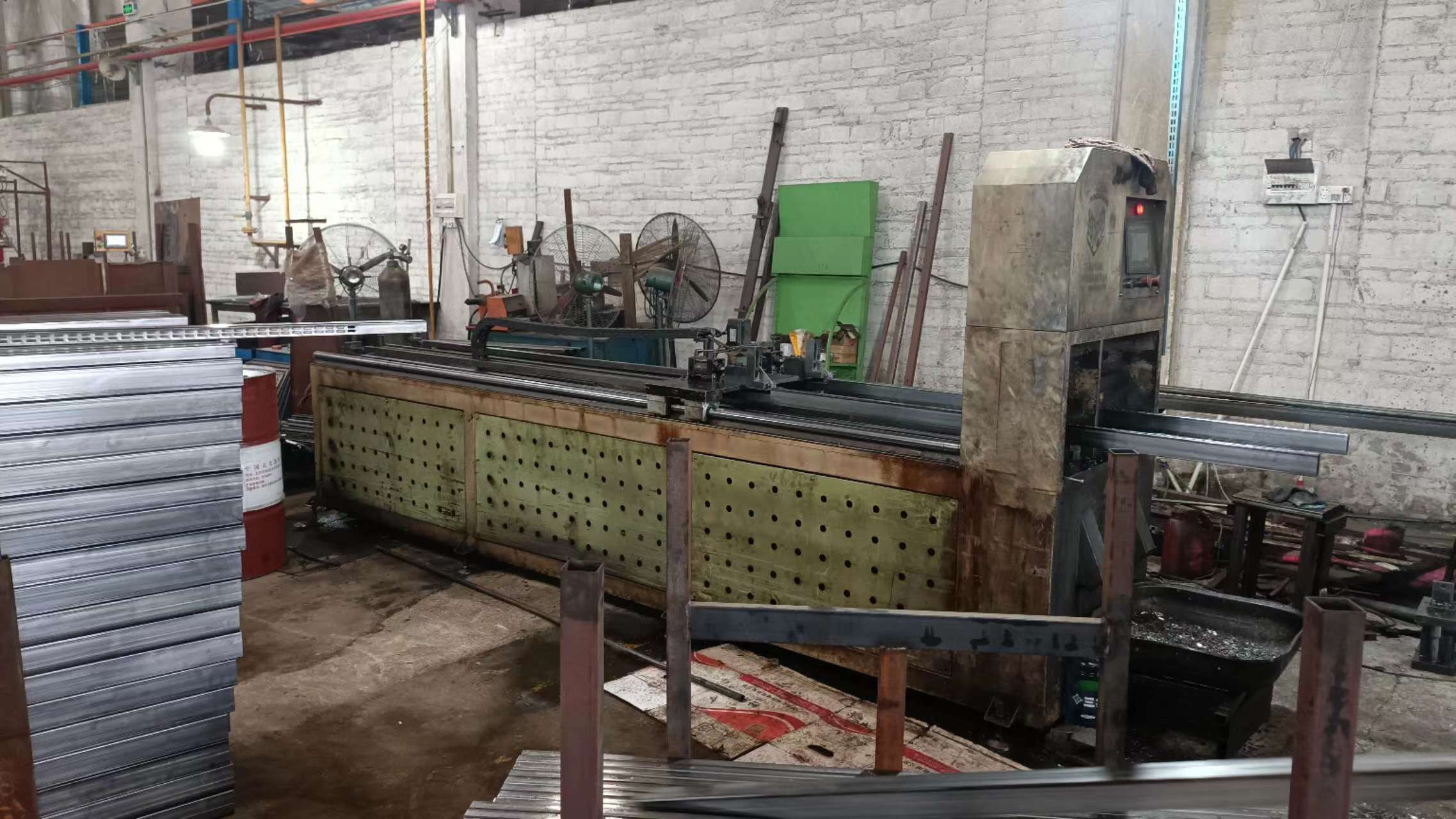
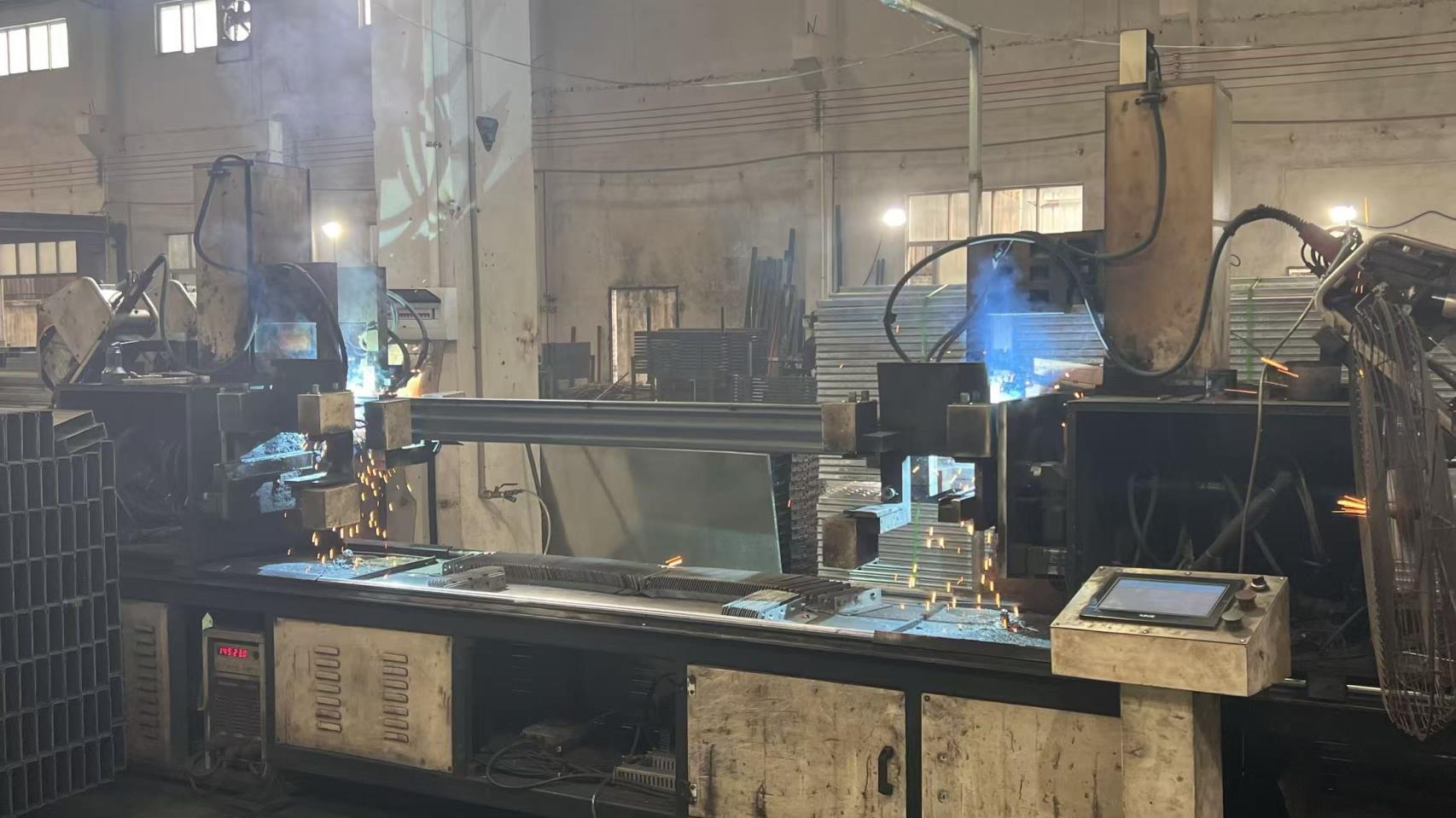
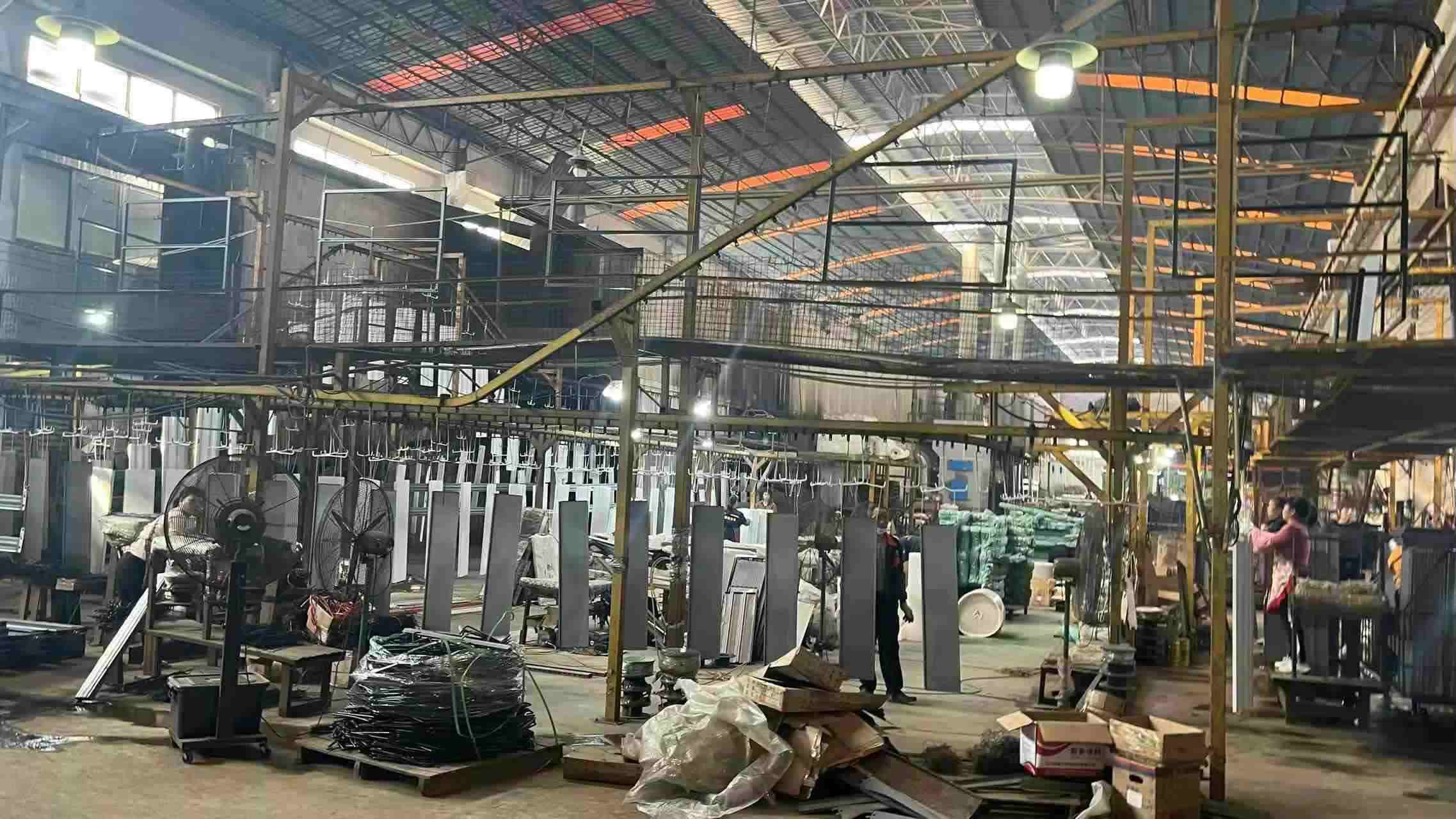
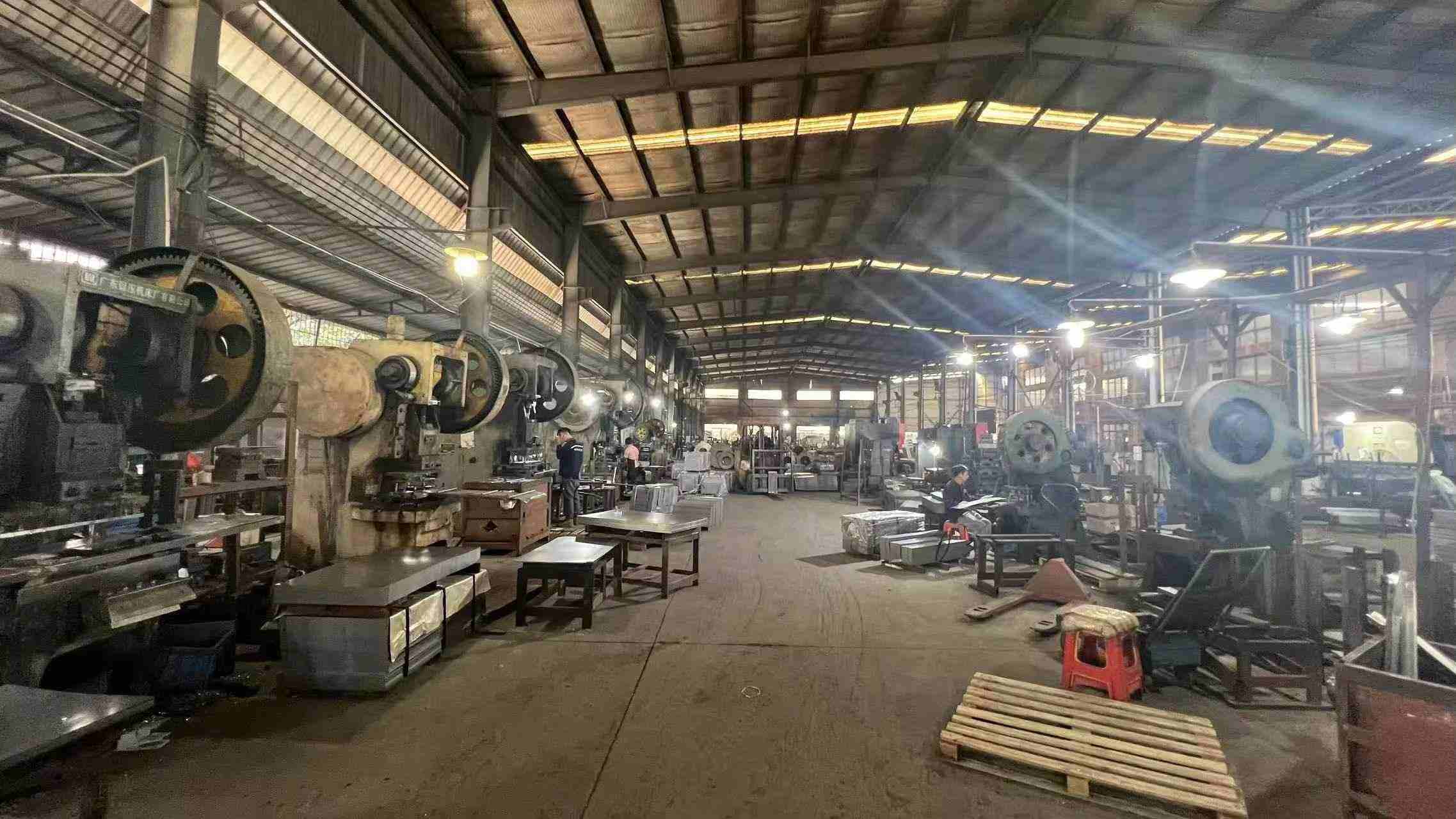
Selective pallet racking forms the structural backbone for diverse warehouse solutions. By adapting base designs to specific industrial contexts, warehouse planners can leverage selective configurations to meet custom space challenges.
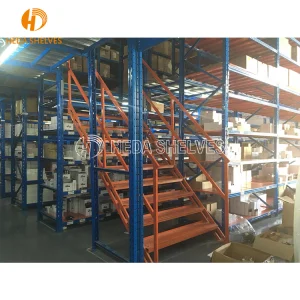
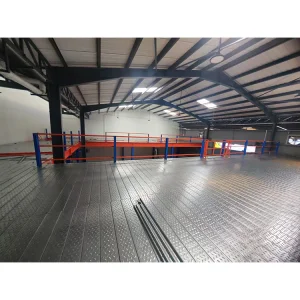
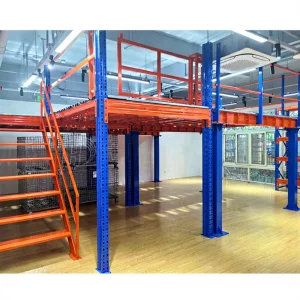
Designed for facilities seeking to maximize cubic height without expanding the physical building footprint. By integrating structural mezzanine platforms above or within selective rack frames, warehouse managers double storage capacity, converting vertical space into pick modules, staging zones, or office spaces.
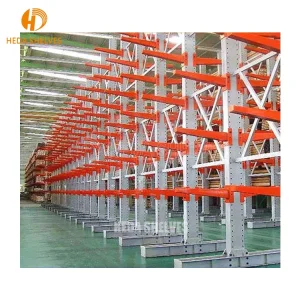
Optimized for long, non-palletized cargo such as timber, steel tubes, piping, and sheet metal. Cantilever columns feature adjustable load arms extending outward, removing front upright barriers to allow seamless forklift handling of oversized structural commodities.
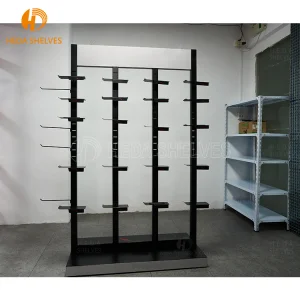
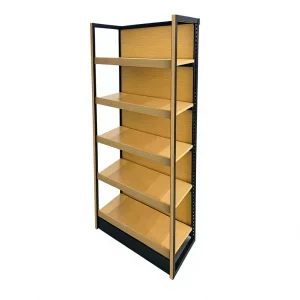
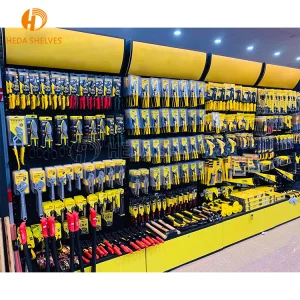
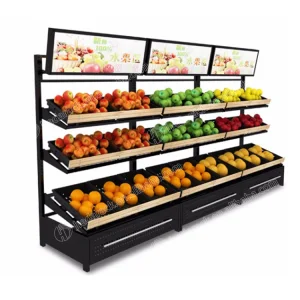
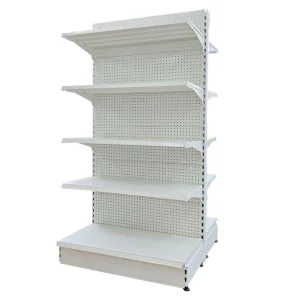
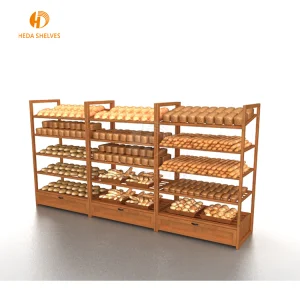
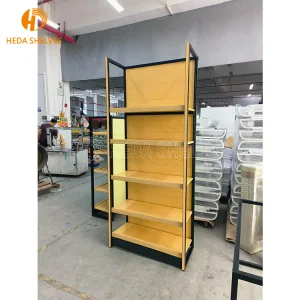
For cash-and-carry stores and hybrid warehouse-retail operations, heavy-duty racking systems are paired with commercial display gondolas. This hybrid approach enables bulk distribution storage to reside directly above retail-accessible shelving units, optimizing back-of-house logistics.
Looking ahead, the storage infrastructure industry is undergoing a digital and structural shift. Key developments shaping the future of selective pallet racking systems include:
1. Smart Racking and IoT Deflection Sensors: The integration of micro-strain gauges and Bluetooth displacement sensors inside heavy-duty box beams is redefining warehouse safety. These real-time monitors detect structural overload or collision-induced stress cracks instantly, transmitting warning signals to warehouse managers before fatigue results in physical collapse.
2. Eco-Friendly Powder Coating Formulations: Traditional industrial chemical washing lines are transitioning to zero-VOC, heavy-metal-free thermosetting epoxy coatings. Durack is at the forefront of this trend, running automatic chemical cleaning and powder-coating systems that reduce carbon output while enhancing scratch resistance and salt-spray performance.
3. Advanced High-Strength Structural Alloys: Steel alloys like Q355B and higher tensile materials permit thinner gauge steel to bear identical or higher static loads. This weight reduction translates to lower shipping costs, faster assembly times, and a reduced overall carbon footprint per bay, without compromising safety factors.
Most high-quality manufacturers use Chinese Standard Q235B and Q355B steel, equivalent to ASTM A36 and ASTM A572 Grade 50 respectively. Q355B is selected for high-yield tensile applications like high-bay upright frames and heavy-duty load-bearing step beams. Q235B is preferred for standard load configurations, light-duty cross bracing, and baseplates. Using standardized steel specifications guarantees consistent ductility and load tolerance calculations during seismic calculations.
Load capacity calculation relies on Finite Element Analysis (FEA) evaluating static limits, lateral deflection limits (deflection limit of L/240 of the beam span), and impact safety factors. Structural engineers design upright columns based on the Unbraced Length factor (the largest vertical distance between beam levels). A higher unsupported span reduces upright capacity, requiring thicker profiles (e.g., 2.0mm vs 2.5mm) or wider profiles (e.g., 90mm vs 100mm) to maintain structural equilibrium.
Electrostatic powder coating provides an aesthetic, cost-effective, scratch-resistant surface ideal for indoor dry warehouses, utilizing epoxy-polyester coatings to resist abrasion. Hot-dip galvanization is essential for outdoor environments, high-moisture facilities, and cold storage units. The zinc coating creates a metallurgical bond with the steel, resisting moisture, frost, and chemical corrosion over decades of exposure.
Ultrasonic Testing (UT) uses high-frequency sound waves to scan welded components (like beam connectors welded to step beams) for sub-surface anomalies, slag inclusions, or insufficient weld penetration. Since these joints bear critical shear loads, UT ensures weld integrity meets quality certifications without destructive testing. This testing prevents catastrophic failures resulting from hidden cracks, shielding buyers from liability and ensuring site safety.
In high seismic zones (like parts of North America or Japan), racking design is modified. Footplates must be larger and thicker to disperse acceleration forces, requiring dual anchor bolts per upright. Frame bracing patterns are tightened (with extra horizontal and diagonal braces), and beam connectors are fitted with locking pins rated to withstand vertical acceleration forces, preventing beam displacement during tremors.
Standard lead times average 20 to 30 days after drawing approval and technical confirmation. Custom OEM requirements (unique beam punches, specialized paint matching, or specific metal grades) require 30 to 45 days. Heavy-volume orders benefit from Durack's automated rolling mills and robotic welding systems, allowing us to supply large 3PL logistics centers efficiently.
 Durack