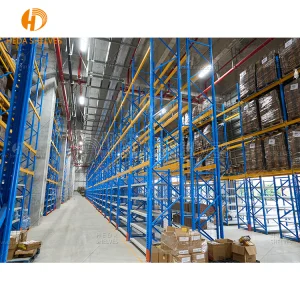
Founded in 2014, Dongguan Durack Logistics Equipment Co., Ltd. is a premier Chinese storage racking system manufacturer operating a 35,000 m² facility. Backed by 12 years of industry experience and 8 years of global export history, the company generates $28 million in annual export revenue. Our operations are supported by a strict quality assurance system using full-spectrum ultrasonic testing and load-bearing stress evaluations, overseen by 45 dedicated QC specialists. Building on a strong international trading background, our core markets span North America, Europe, and Southeast Asia. We maintain a reliable supply chain network of over 850 partners, catering primarily to third-party logistics (3PL) providers, automated warehouses, and large industrial distributors. Driven by an active R&D division with 65 specialized engineers, Durack offers full OEM/ODM customization options—including bespoke beam profiles, structural steel grades, and dynamic layout designs—launching over 120 new storage products last year.
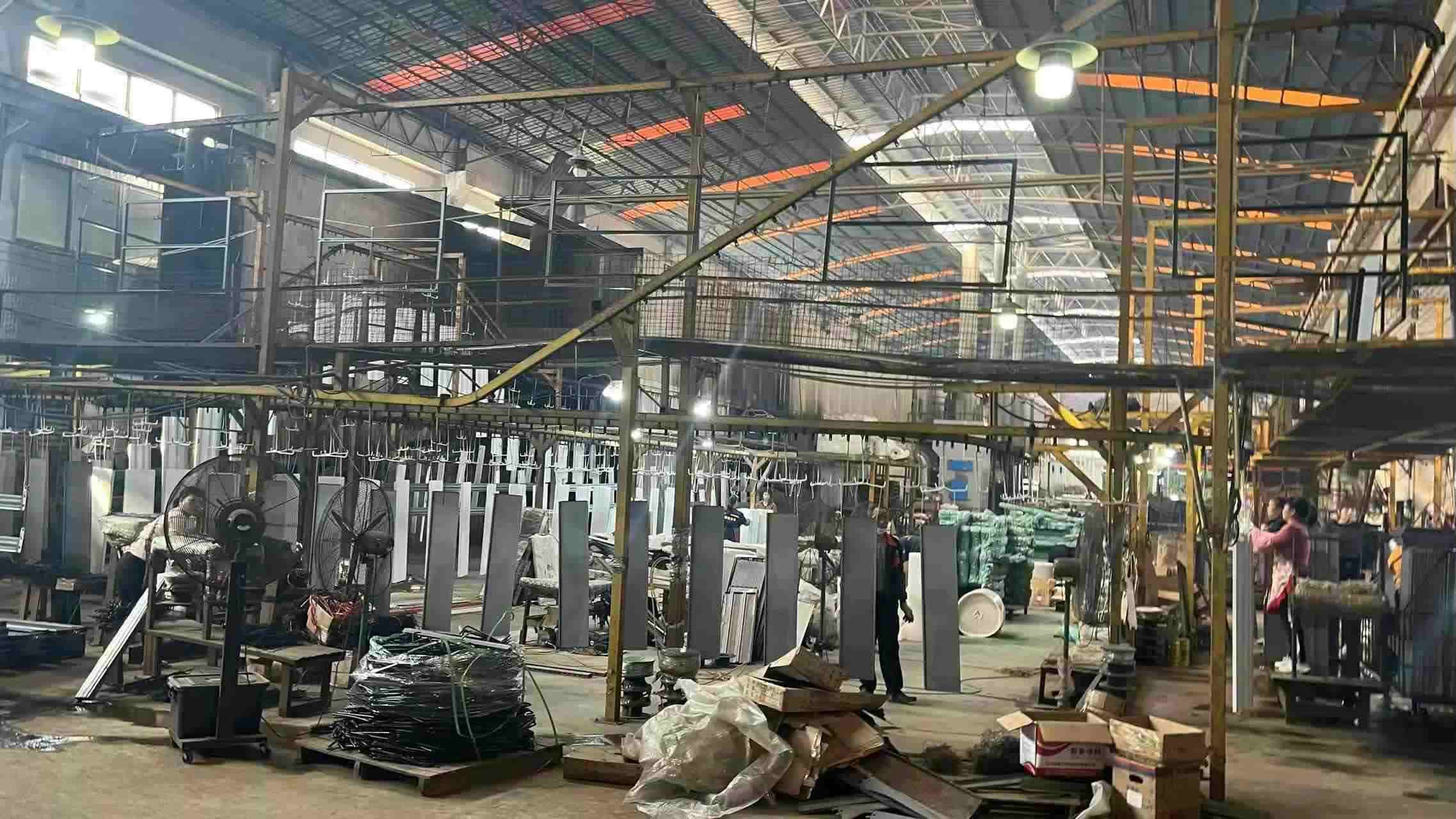
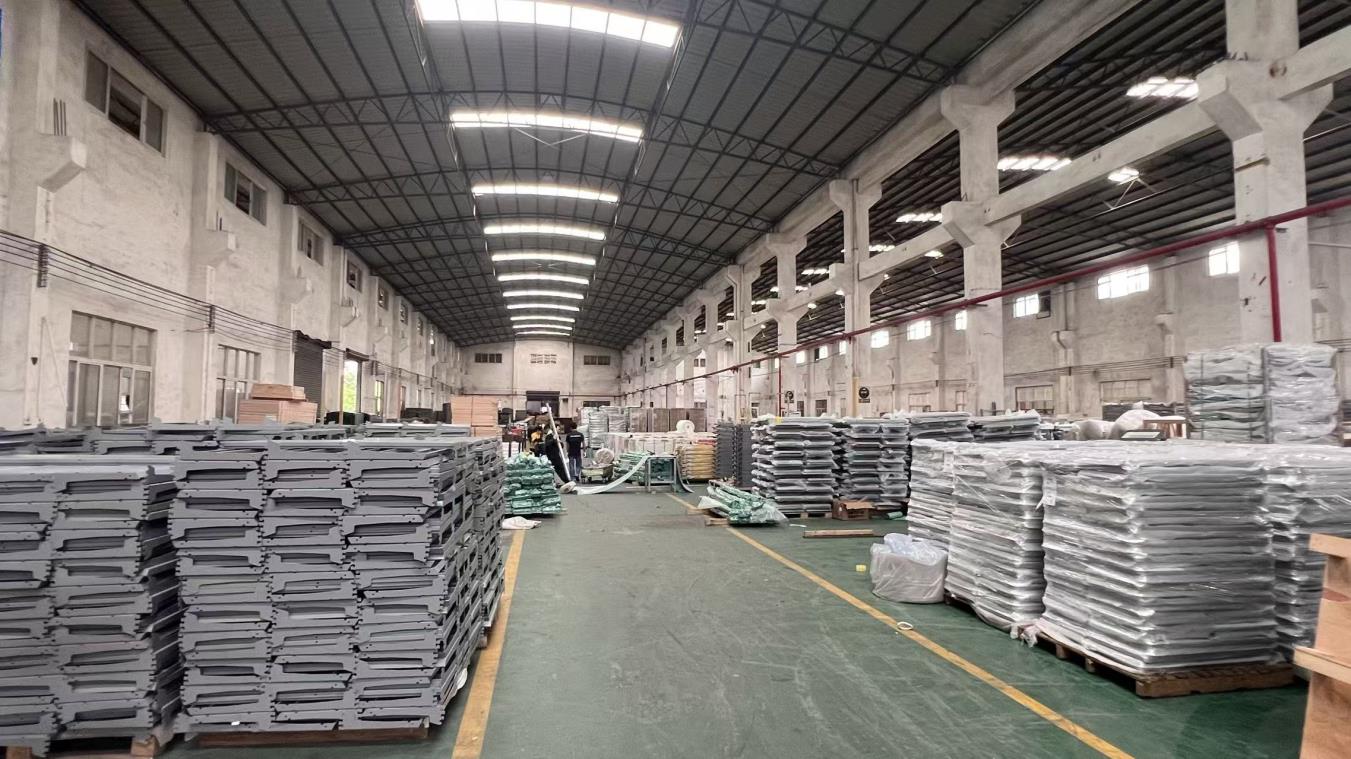
Our 35,000 m² facility utilizes integrated automation lines and rigid scientific quality control. Below is our standard manufacturing process for heavy-duty retractable racking systems, custom shelving modules, and structural frameworks.
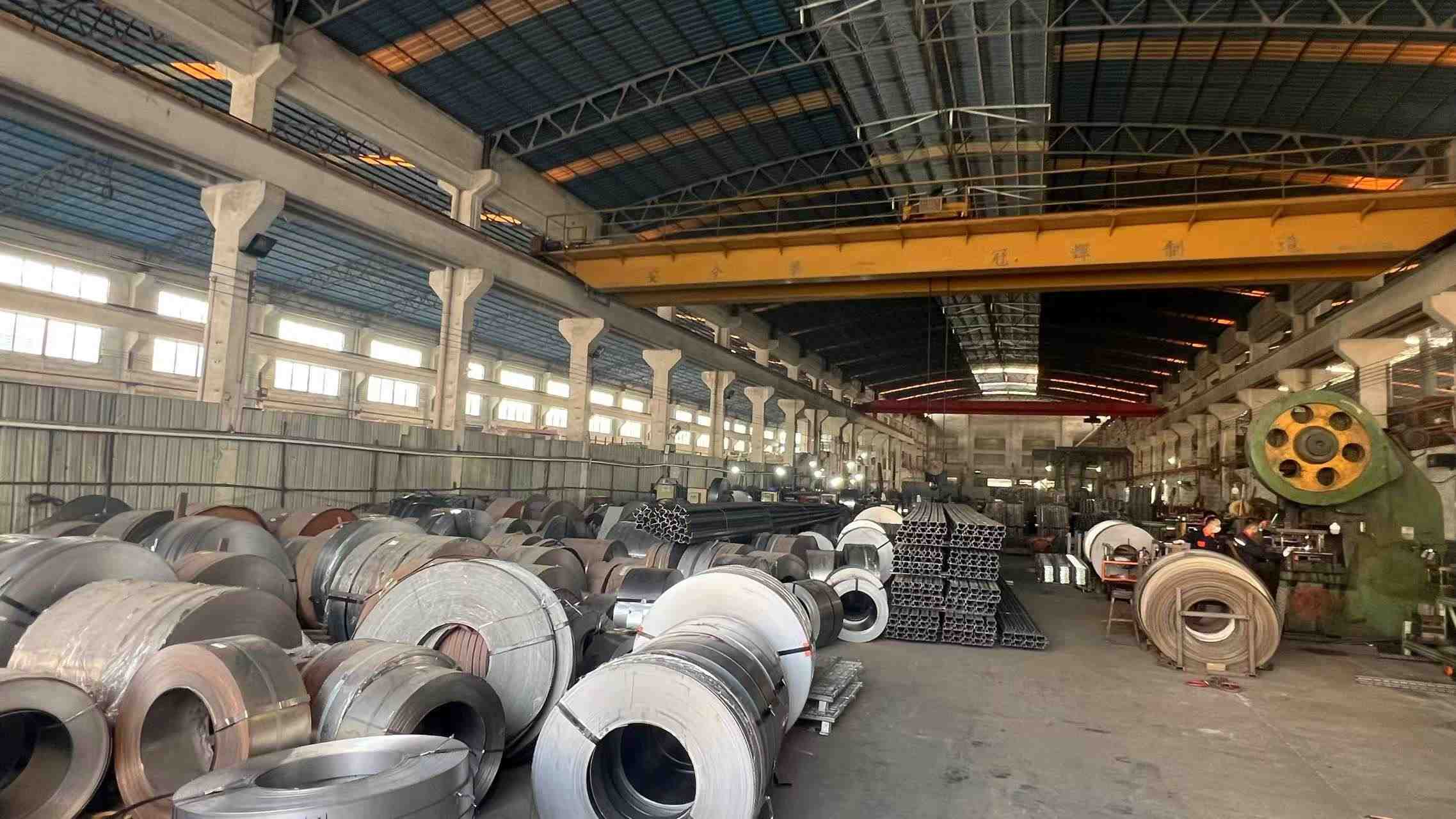
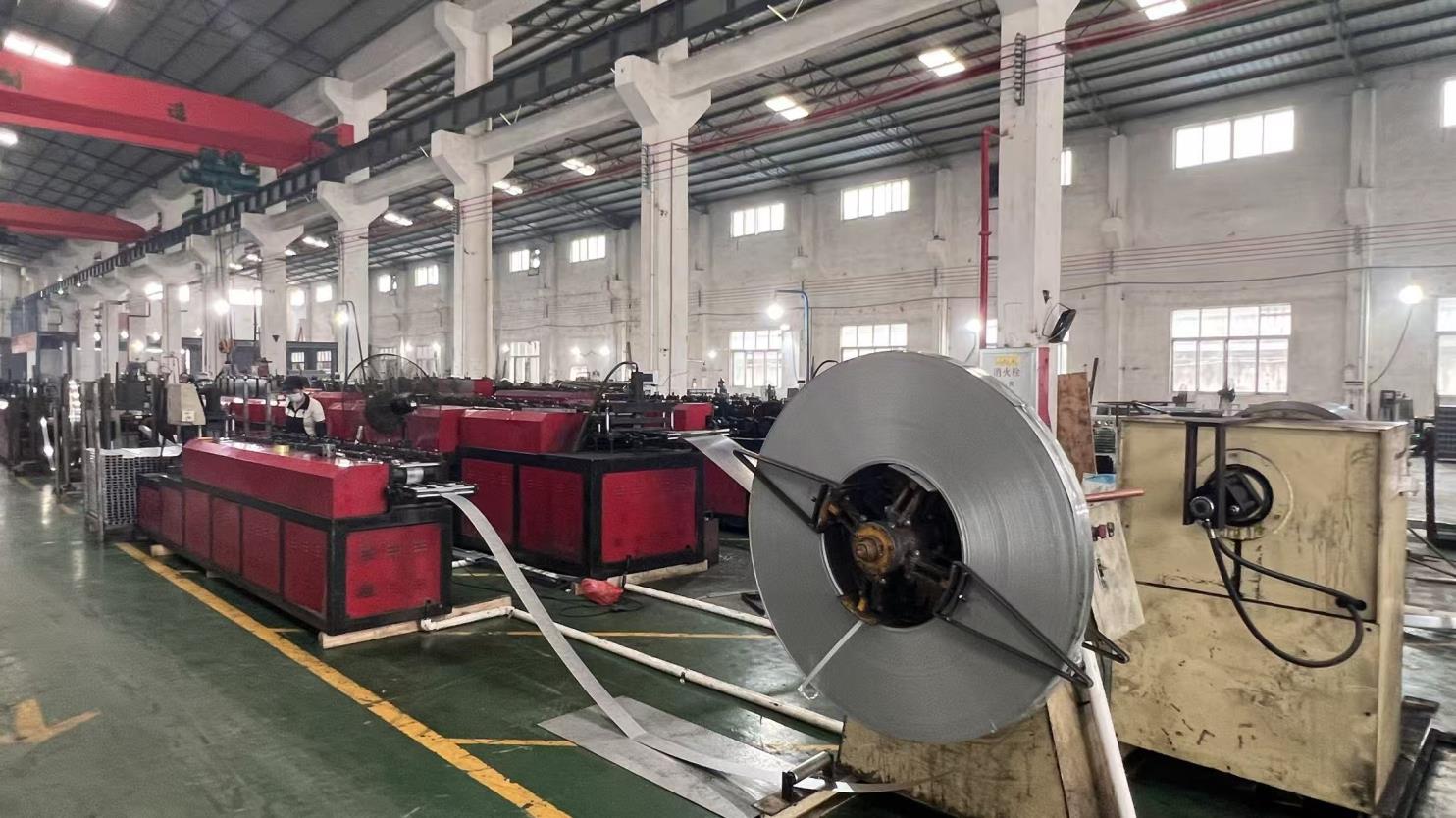
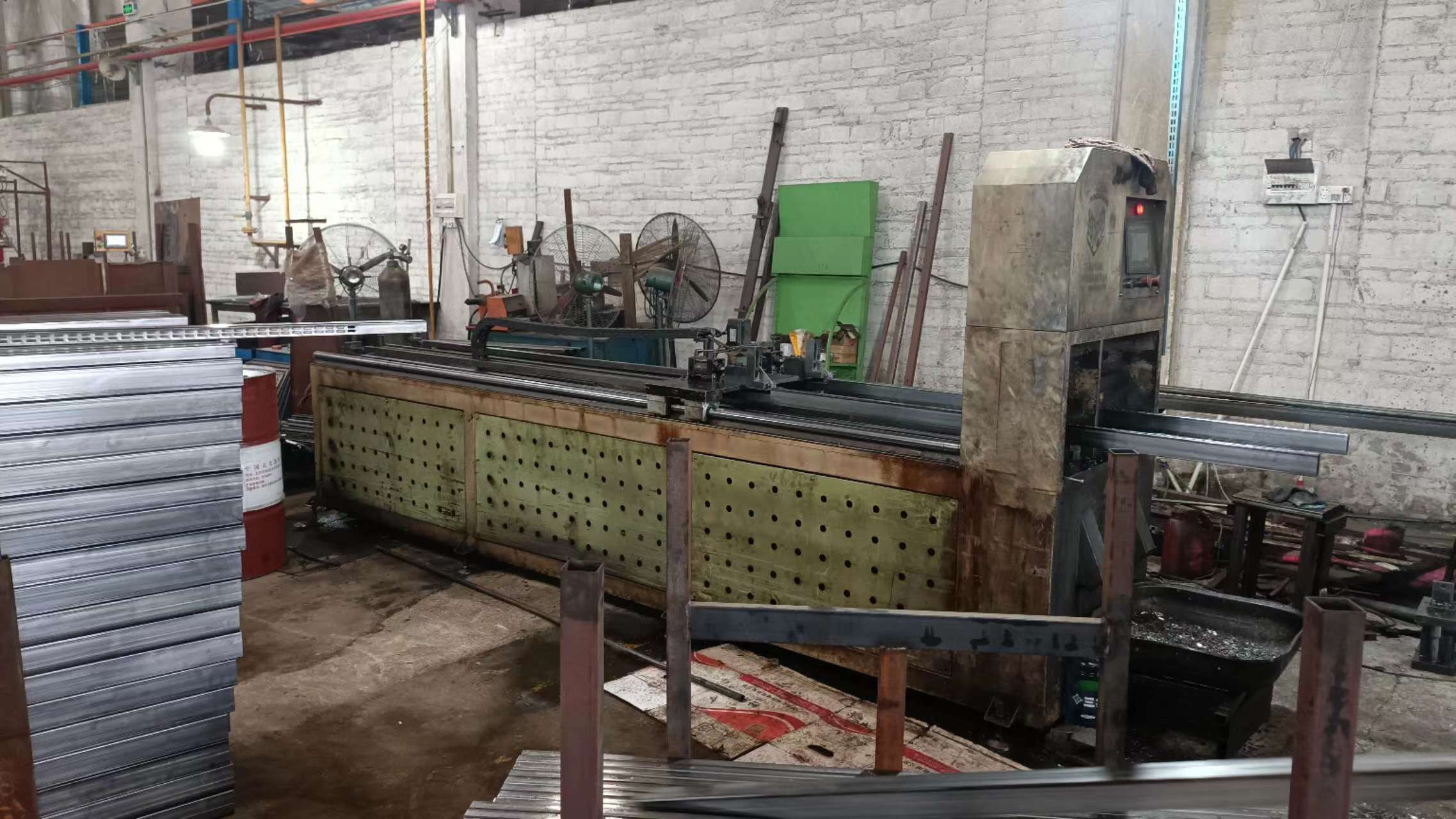
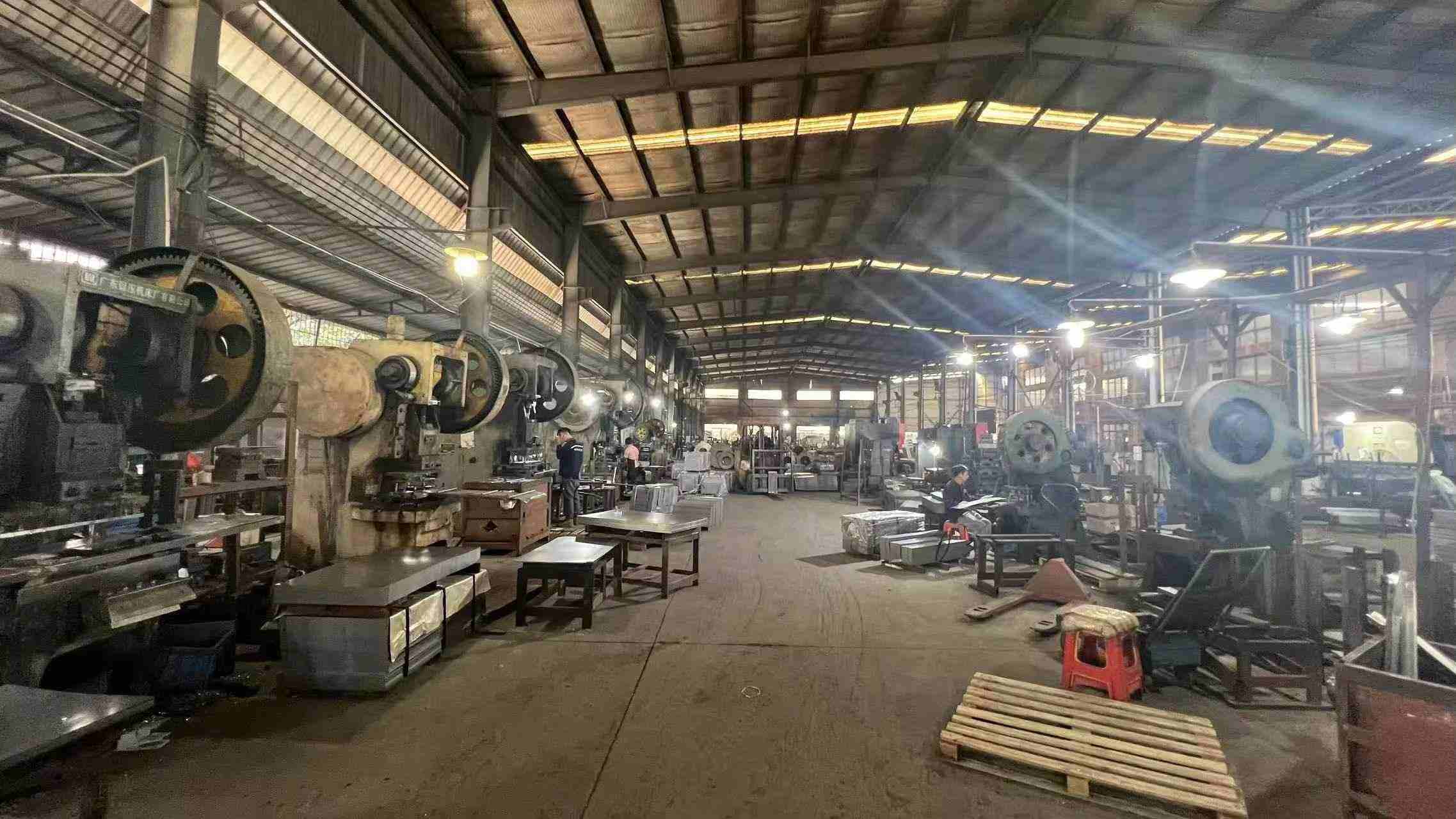
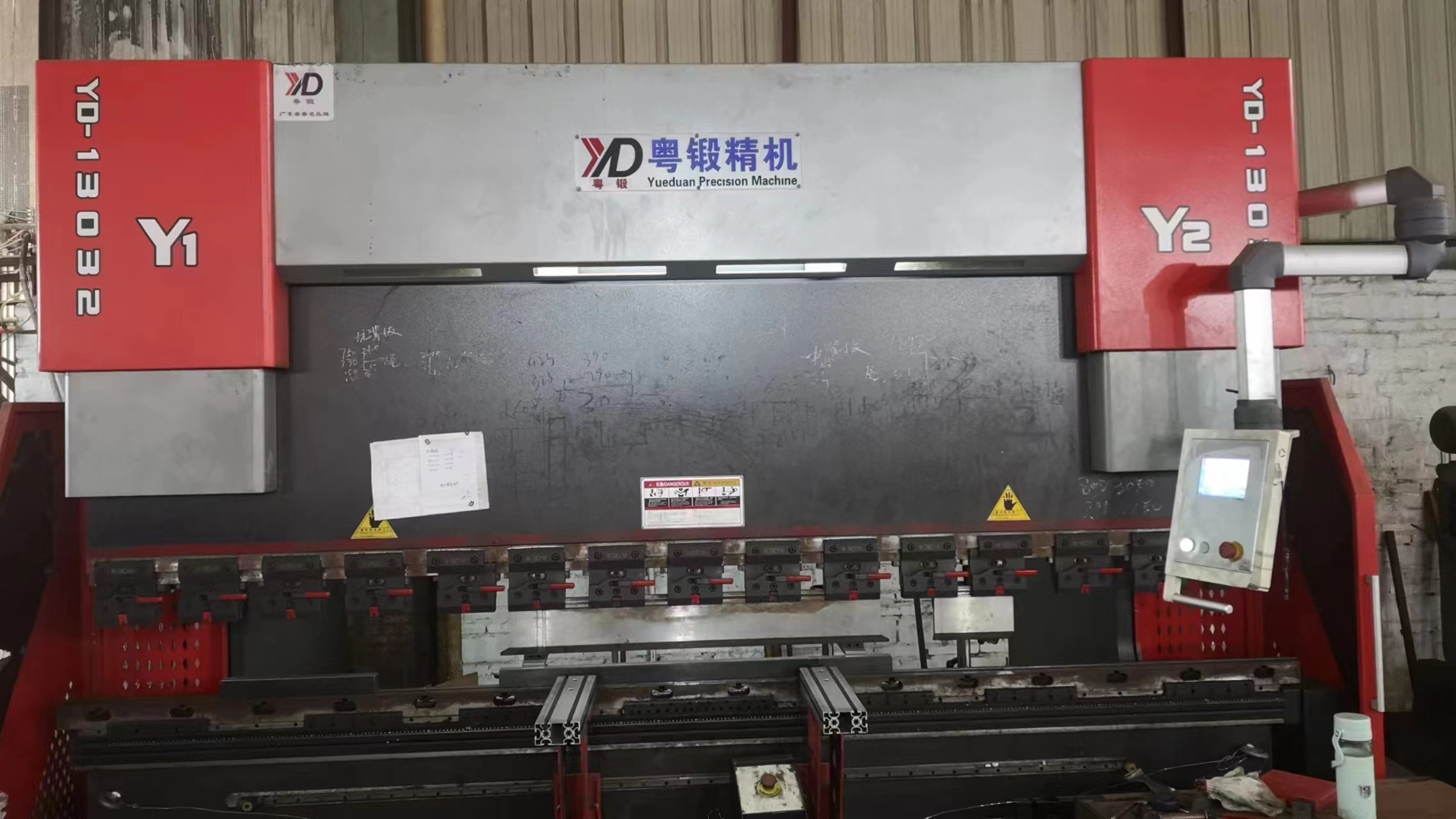
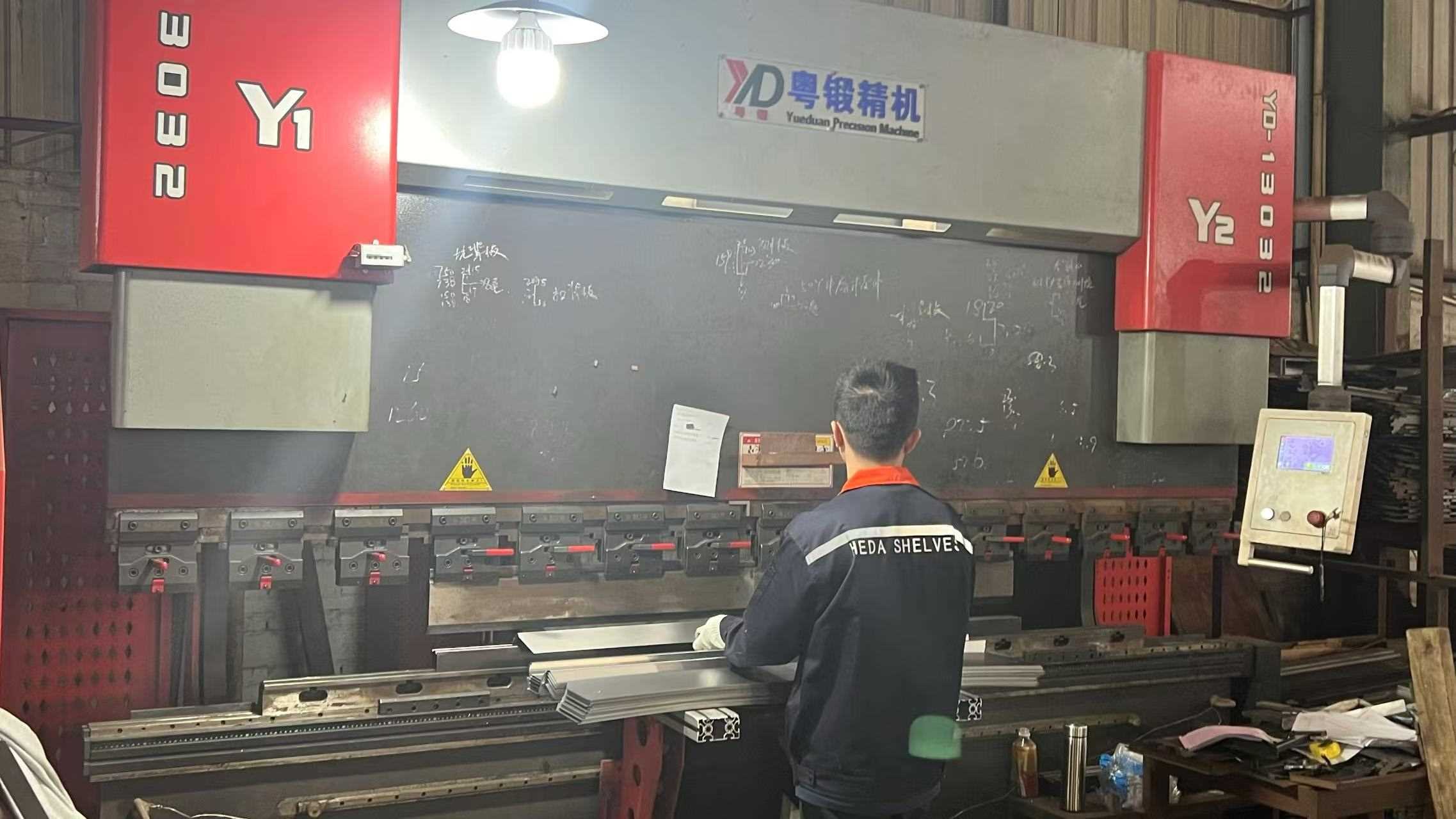
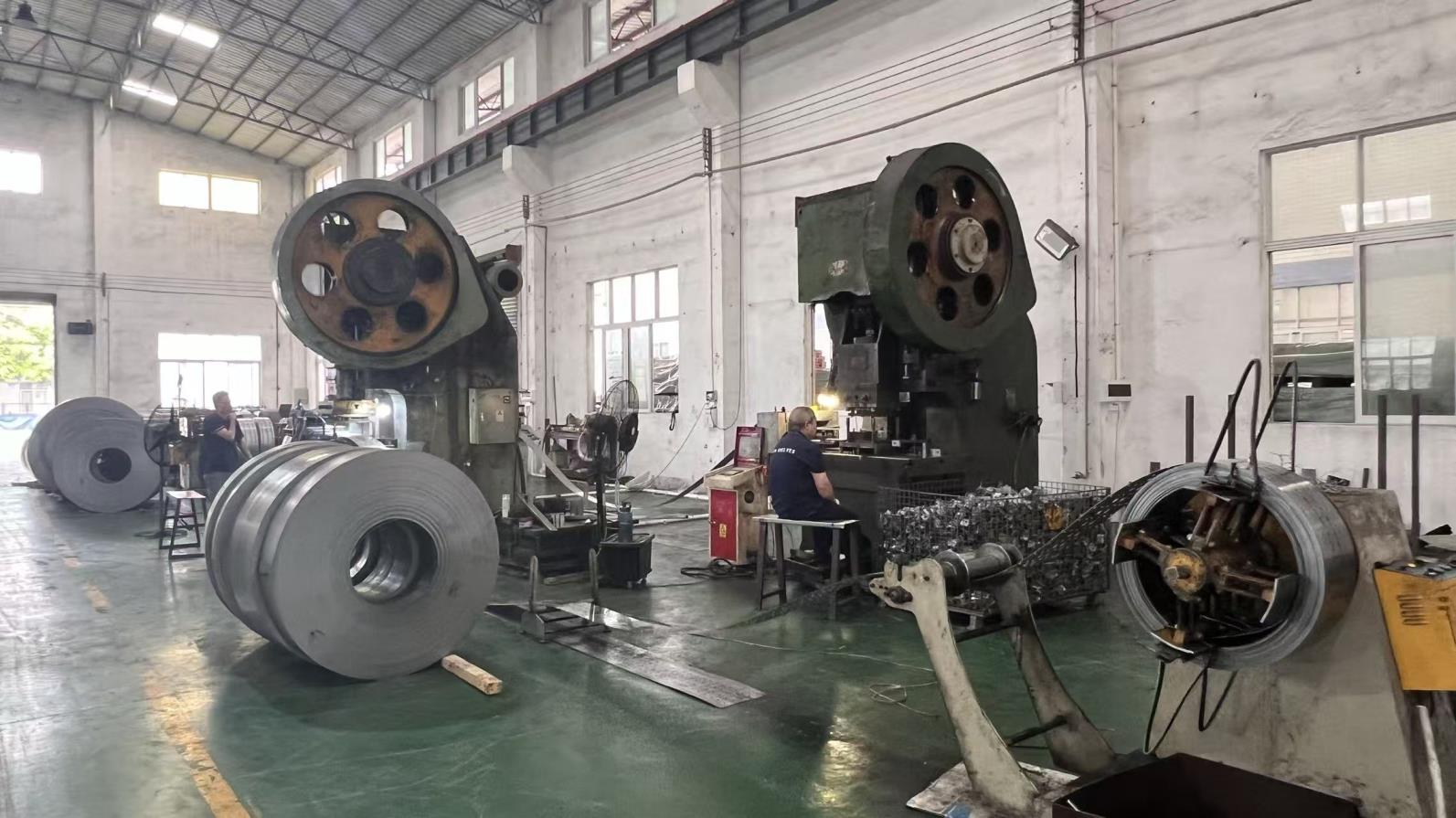
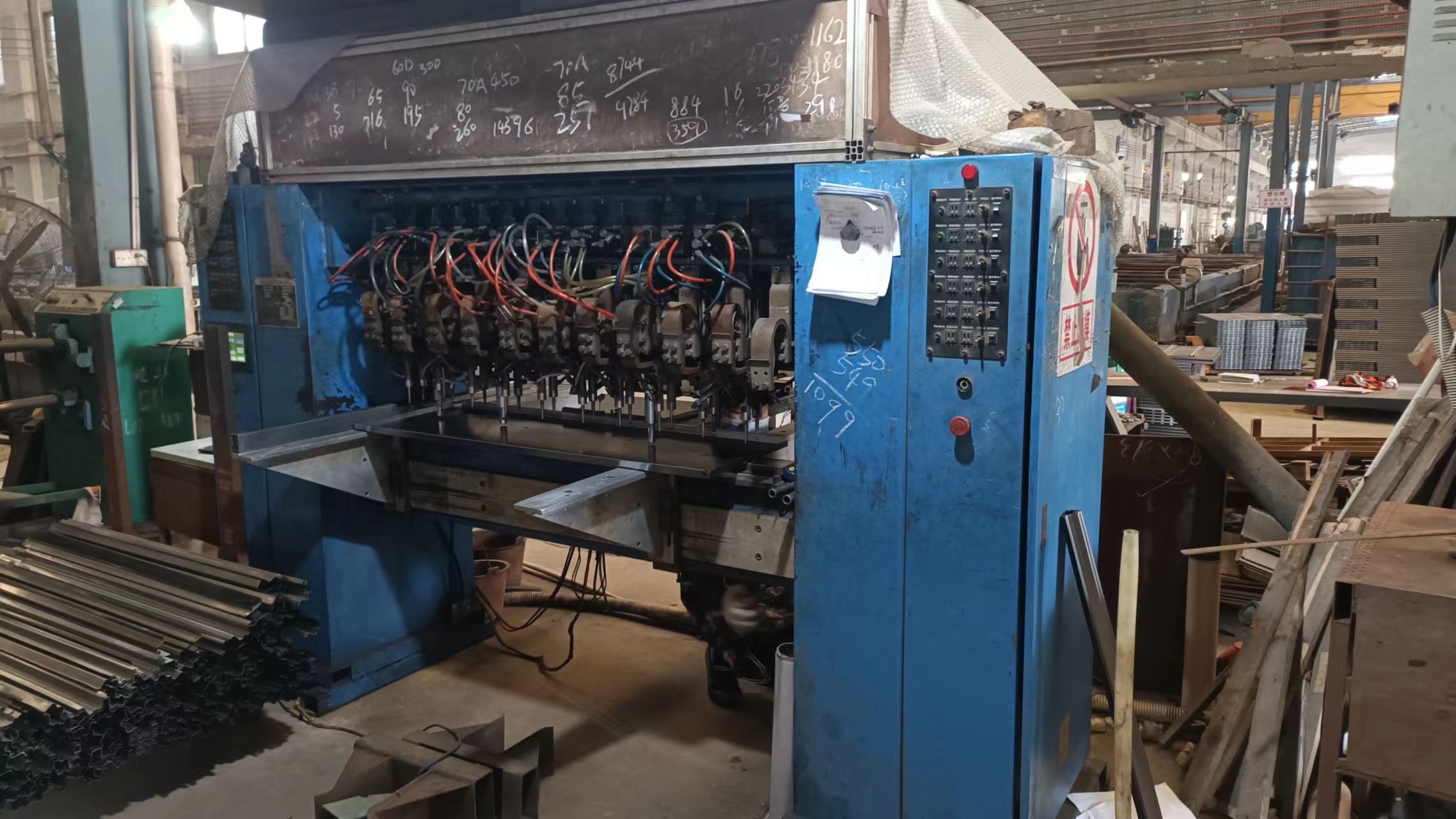
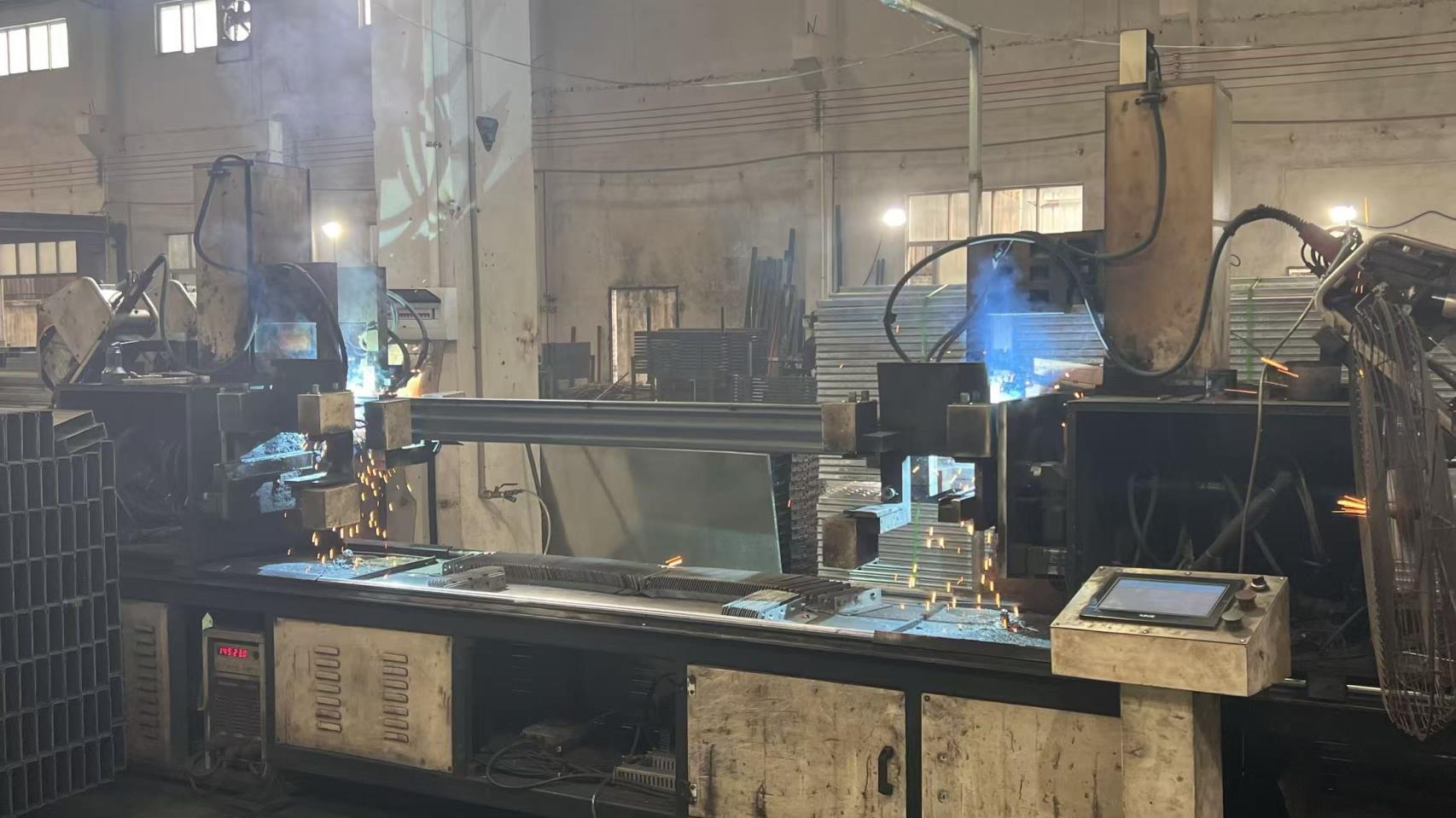
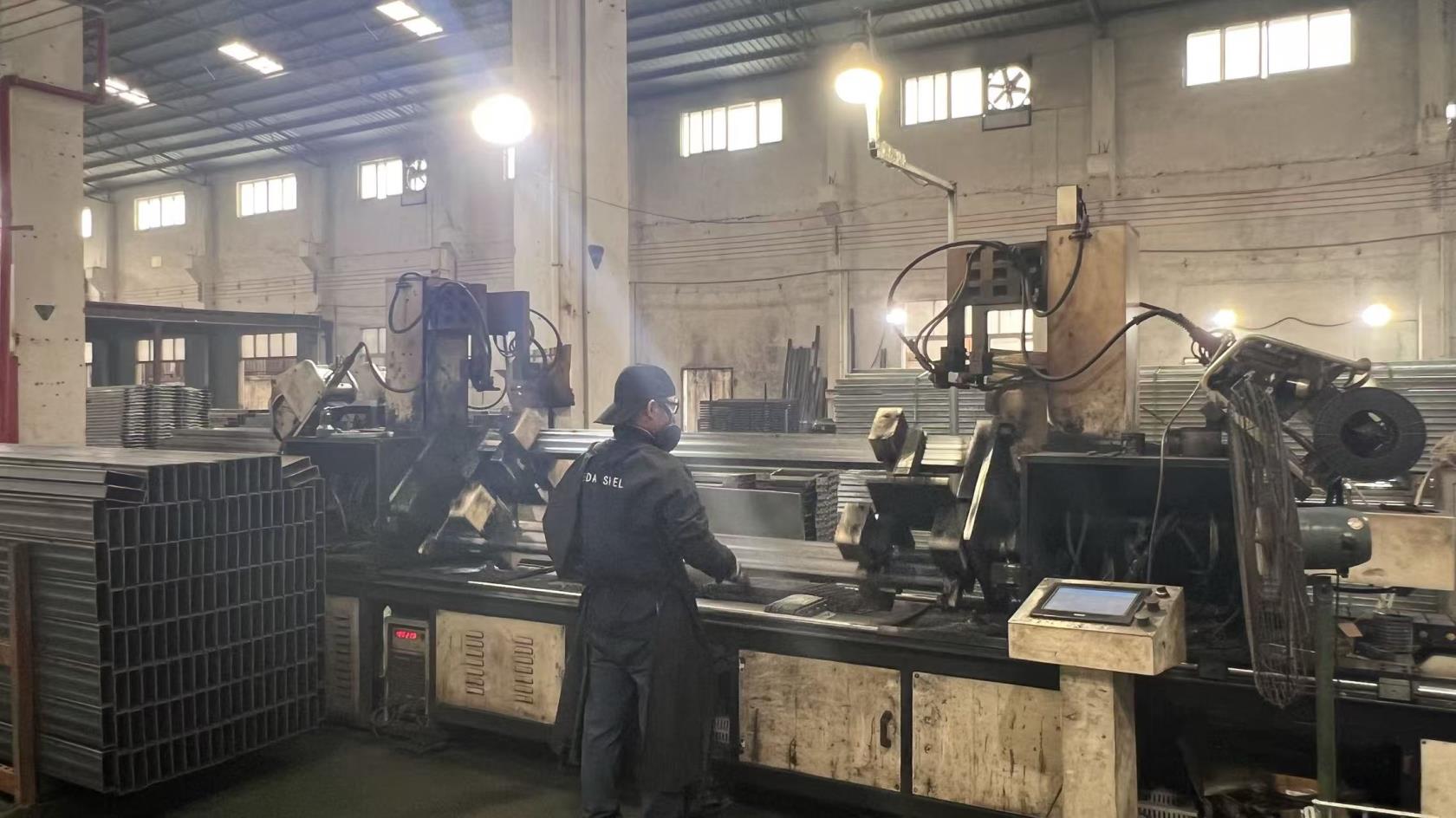
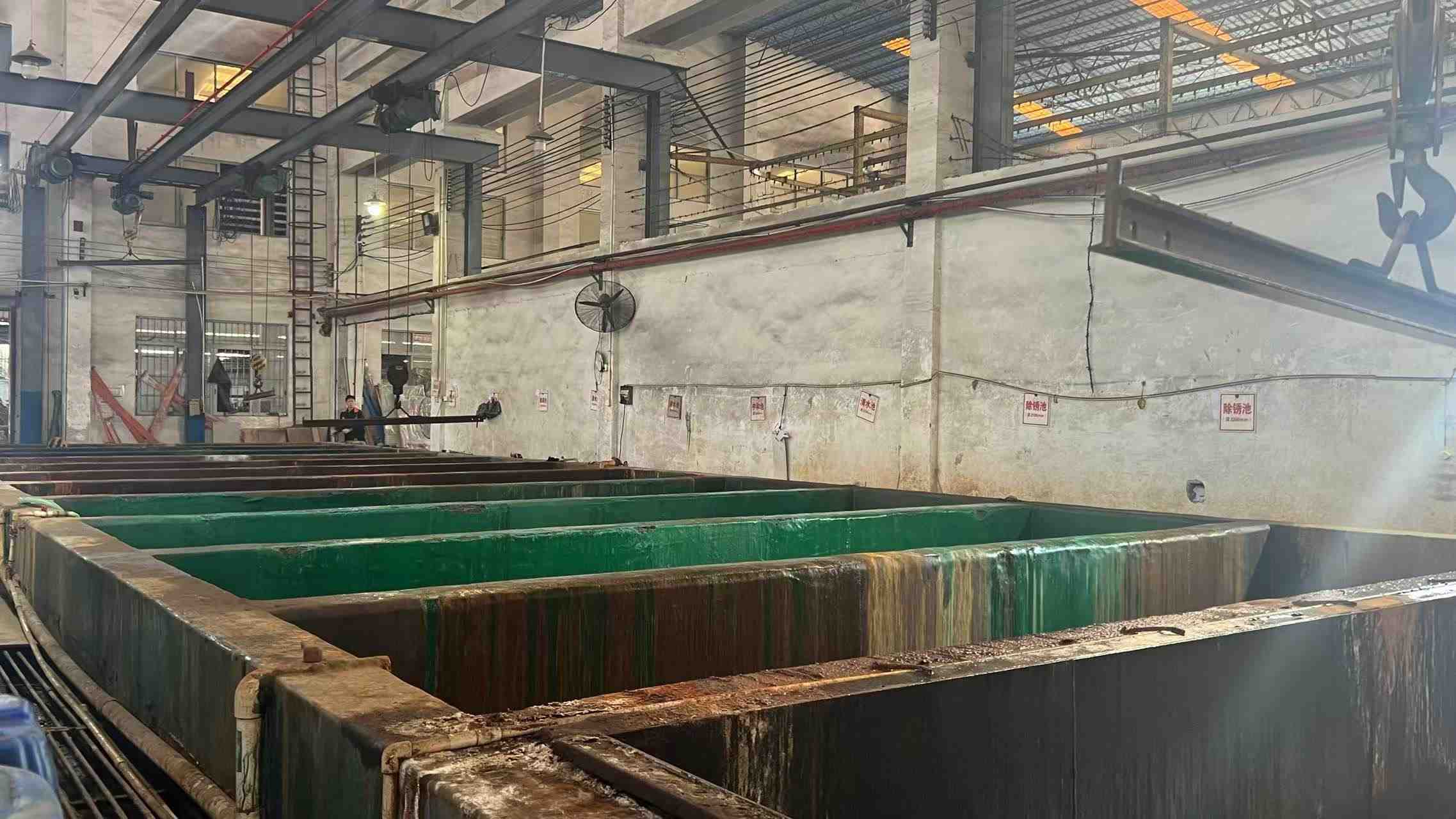
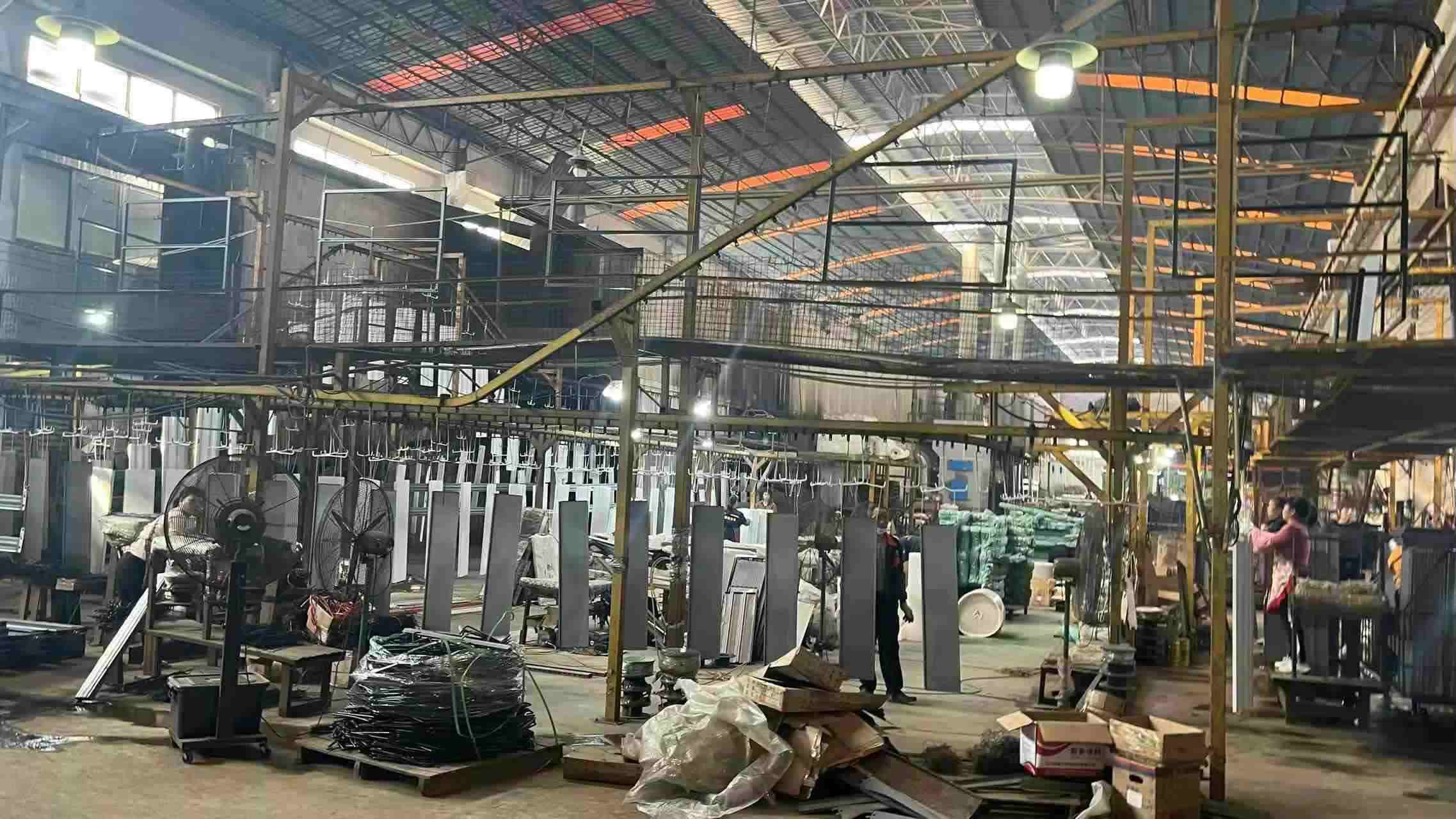
Traditional heavy-industry storage layouts require extensive aisle spaces for overhead cranes and heavy forklifts to maneuver. Retractable racks—often utilizing glide-out shelving, crank-driven drawers, and telescopic arm designs—allow overhead hoist access by exposing 100% of stored materials without entering deep racks. This minimizes aisle footprint, cutting spatial requirements in tool-and-die workshops by up to 50%.
Modern smart warehouses require mechanical storage platforms to interface smoothly with Automated Guided Vehicles (AGVs) and stacker cranes. Intelligent roll-out racking systems now incorporate safety limit switches, inductive sensors, and pneumatic actuators. This allows central warehouse controls to extend and retract racks programmatically, streamlining tool changeovers in automotive production lines.
With industrial loads exceeding 2,000 kg per level, mechanical safety is paramount. The latest safety trends focus on interlocking safety mechanisms, which ensure only one drawer or telescoping arm can extend at a time. This keeps the rack's center of gravity stable, preventing catastrophic tips and keeping operations aligned with strict OSHA and EU directives.
Procuring raw rack components for complex industrial manufacturing environments demands strict engineering verification. Standardized racks often fall short when addressing high capacity variations, off-center loading, and custom-dimensioned sheet metals, tooling dies, or heavy engine components. Enterprise buyers prioritize custom OEM manufacturing to ensure long-term stability and structural safety.
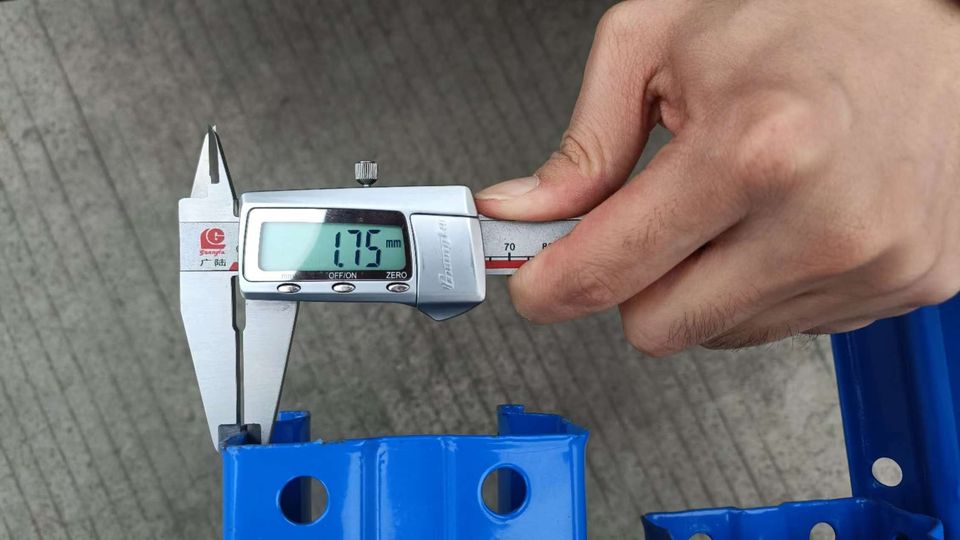
Instead of light-gauge rolled sheet steel, heavy industrial applications require thick-walled channel steel or high-tensile structural beams (such as Q355B or grade 50 equivalent). This guarantees negligible deflection even under extreme dynamic loads.
Enterprise structural engineers specify that under full rated load, the structural deflection of telescoping rails must not exceed L/300 (where L is the span length). This ensures easy mechanical movement over years of constant operation.
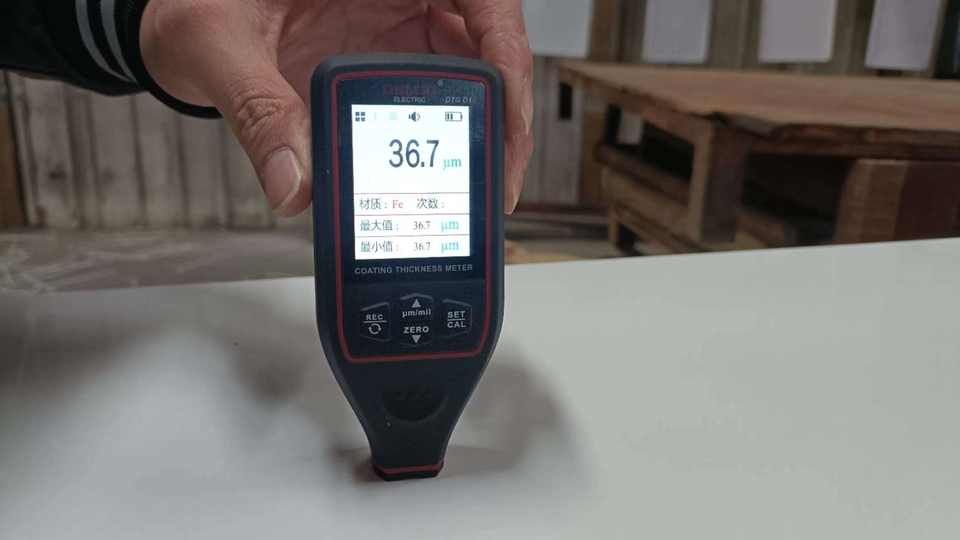
To resist industrial moisture, cooling oils, and chemicals, structural coatings must undergo strict preprocessing (acid washing and Parkerising) followed by electrostatic powder deposition, resulting in a paint layer thicker than 80 microns.
| Technical Specification | Standard Requirement (EU/US) | Durack OEM Standard Performance |
|---|---|---|
| Structural Steel Grade | EN 10025 S235JR / ASTM A36 | High-tensile Q355B / ASTM A572 Grade 50 (Yield Strength ≥ 355 MPa) |
| Safety Deflection Coefficient | L/200 under nominal static weight | L/300 or better (Ensures structural alignment under dynamic cantilever loads) |
| Corrosion Resistance (Salt Spray Test) | ASTM B117 > 200 hours | ASTM B117 > 500 hours (Acid-wash and Parkerising finish) |
| Load Safety Interlocking Mechanism | Optional / Manual locks | Integrated mechanical locking system (Only 1 deck can be extended at a time) |
| Dynamic Duty Cycle | 10,000 strokes without track deformation | 25,000+ stroke cycles (Utilizing heavy industrial steel bearings) |
Automotive metal stamping tooling is heavy, awkward to handle, and extremely expensive. Our custom roll-out die racks carry over 4,000 kg per shelf, allowing crane hoists to lift tooling straight from the rack to the stamping press bed, cutting changeover times and safeguarding expensive tooling assets.
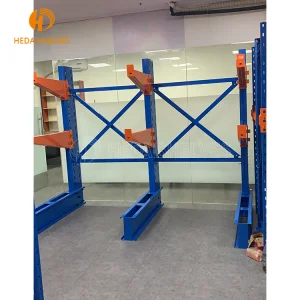
Standard static racks cannot store long products like bar stock, metal tubes, or structural extrusions efficiently. Our retractable cantilever racking allows support arms to swing or slide out of the frame. Operators can access specific material bundles with overhead cranes without rearranging adjacent stock.
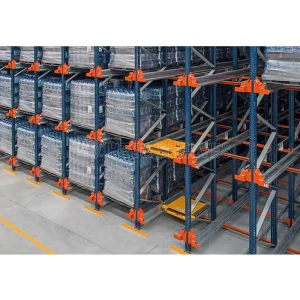
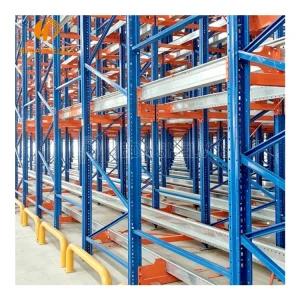
For high-throughput, high-density environments like food logistics and cold storage, our shuttle racking runs automated steel shuttles on precision track profiles. This system maximizes volume by packing pallets tightly together and delivering them safely to the retrieval aisle on demand.
Every custom rack is engineered in accordance with the Rack Manufacturers Institute (RMI) guidelines and ANSI MH16.1. Durack performs structural calculation checks on every component, factoring in local seismic parameters to ensure safety and stability on site.
Our European designs meet FEM 10.2.02 standards for warehouse steel storage. Every load-bearing beam and frame assembly undergoes comprehensive physical testing to ensure it handles limit state design loads safely.
To serve our partners in Southeast Asia and Australia, our rack frames are designed and tested to meet AS 4084-2012. Our engineering calculations factor in local wind loads and seismic factors, ensuring trouble-free local sign-off.
Logistics automation demands smarter, more connected physical hardware. Our engineering team is integrating smart sensors directly into heavy industrial racks to improve efficiency, extend asset life, and prevent safety incidents.
We are integrating fiber-optic strain sensors into primary structural beams. These sensors provide real-time loading feedback, alerting warehouse management systems (WMS) to off-center loading or over-capacity conditions before structural damage occurs.
By pairing high-flow air systems with low-friction polymer guide tracks, our next-generation shelves slide out smoothly at the push of a button. These systems sync directly with machine tool controllers to speed up tooling swap times.
We are transitioning our finishing lines to bio-based and low-temperature curing powders. This update reduces carbon emissions during manufacturing by up to 25% while maintaining the chemical resistance that industrial clients expect.
 Durack