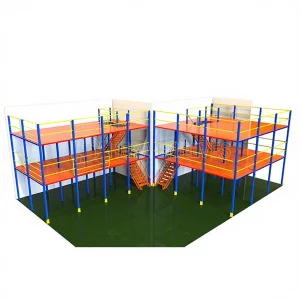
High-precision load-tested logistics platforms engineered to optimize vertical footprint and floor layout efficiency.
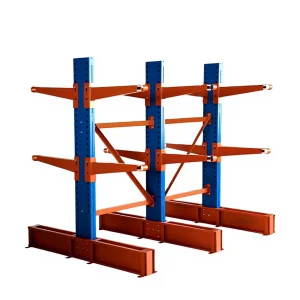
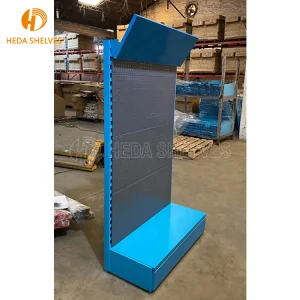
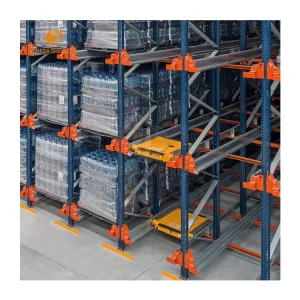
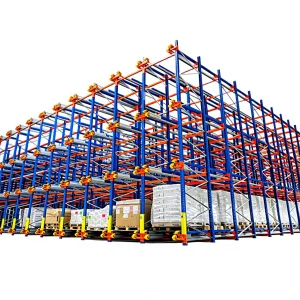
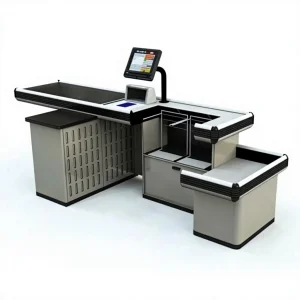
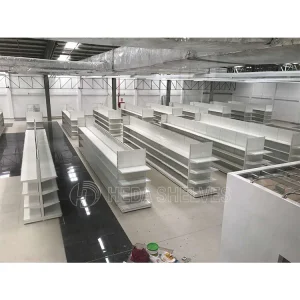
In modern high-velocity retail environments, display fixtures serve as more than simple platforms for products. They are structural components directly tied to supply chain efficiency, inventory turnover, and spatial optimization. Global retail giants and industrial distributors require modular, heavy-duty shelving systems that easily adapt to changing stock keeping units (SKUs) and floor patterns. Gondola shelving represents the industry standard for layout flexibility, balancing structural durability with aesthetic appeal.
From hypermarkets in North America to boutique pharmacies in Western Europe, the need for customized retail structures is rising. These organizations demand systems built to exact tolerances, using high-tensile steel grades capable of carrying continuous loads without risk of deformation. In response, global procurement managers are turning to specialized OEM/ODM factories. These facilities supply the engineering support, manufacturing volume, and custom profile options needed to build highly customized retail environments.
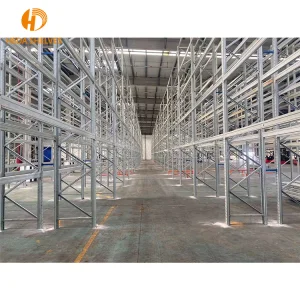
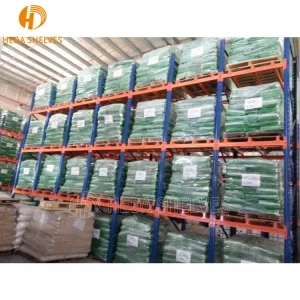
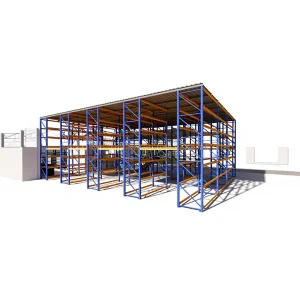
Note on Industrial Integration: Modern retail design is shifting from standard store fixtures toward warehouse-retail hybrids. In these layouts, heavy-duty lower tiers handle active customer pickup, while higher pallet rack tiers store bulk inventory. This setup requires suppliers to master both light retail displays and industrial warehousing engineering.
China is the global leader in metal fabrication, steel roll-forming, and automated powder coating technologies. Chinese factories utilize vertically integrated supply chains, starting with local steel mills and extending through custom tooling workshops to automated logistics pipelines. This concentration of resources enables production speeds and cost efficiencies that are difficult to replicate elsewhere.
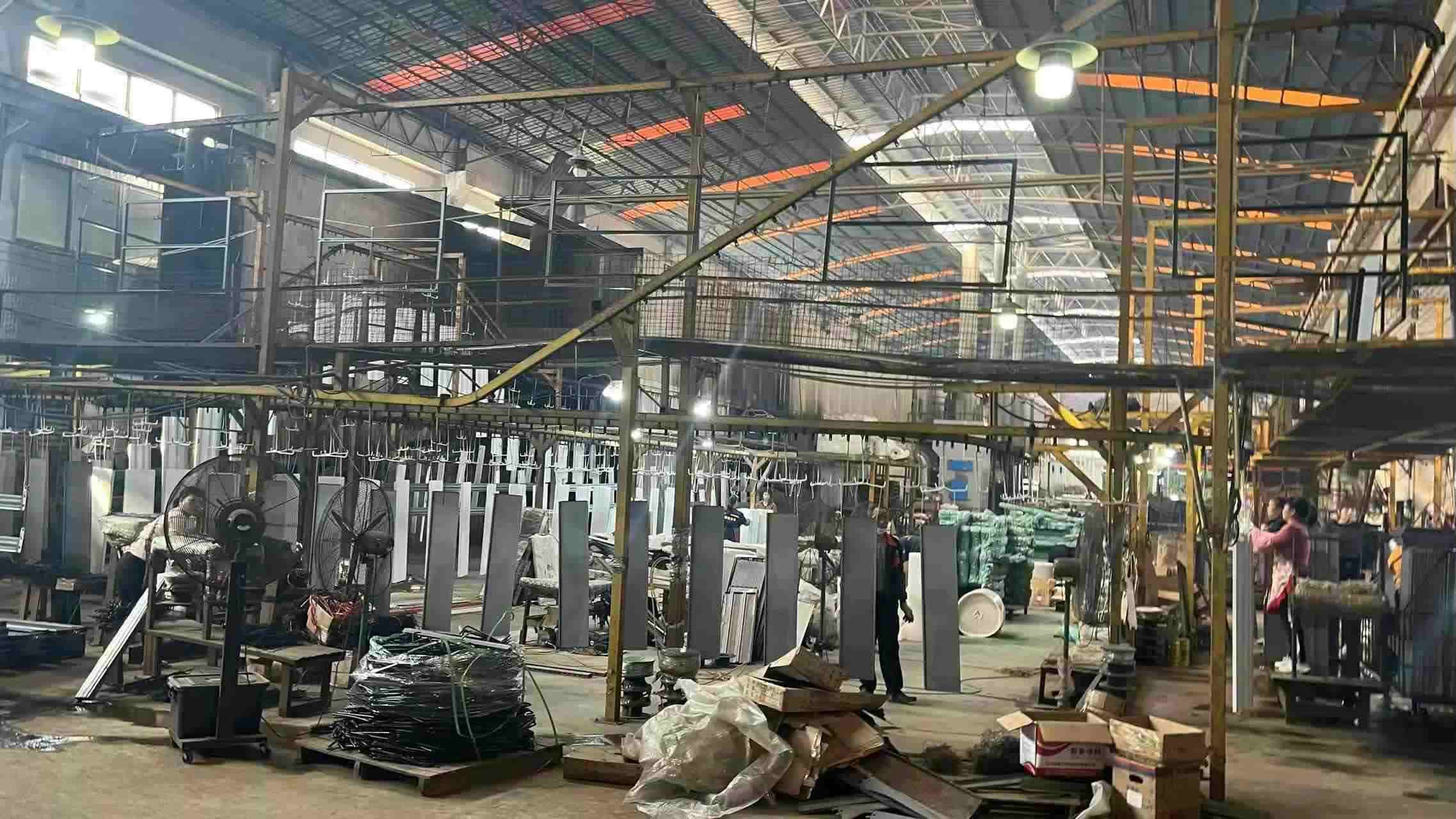
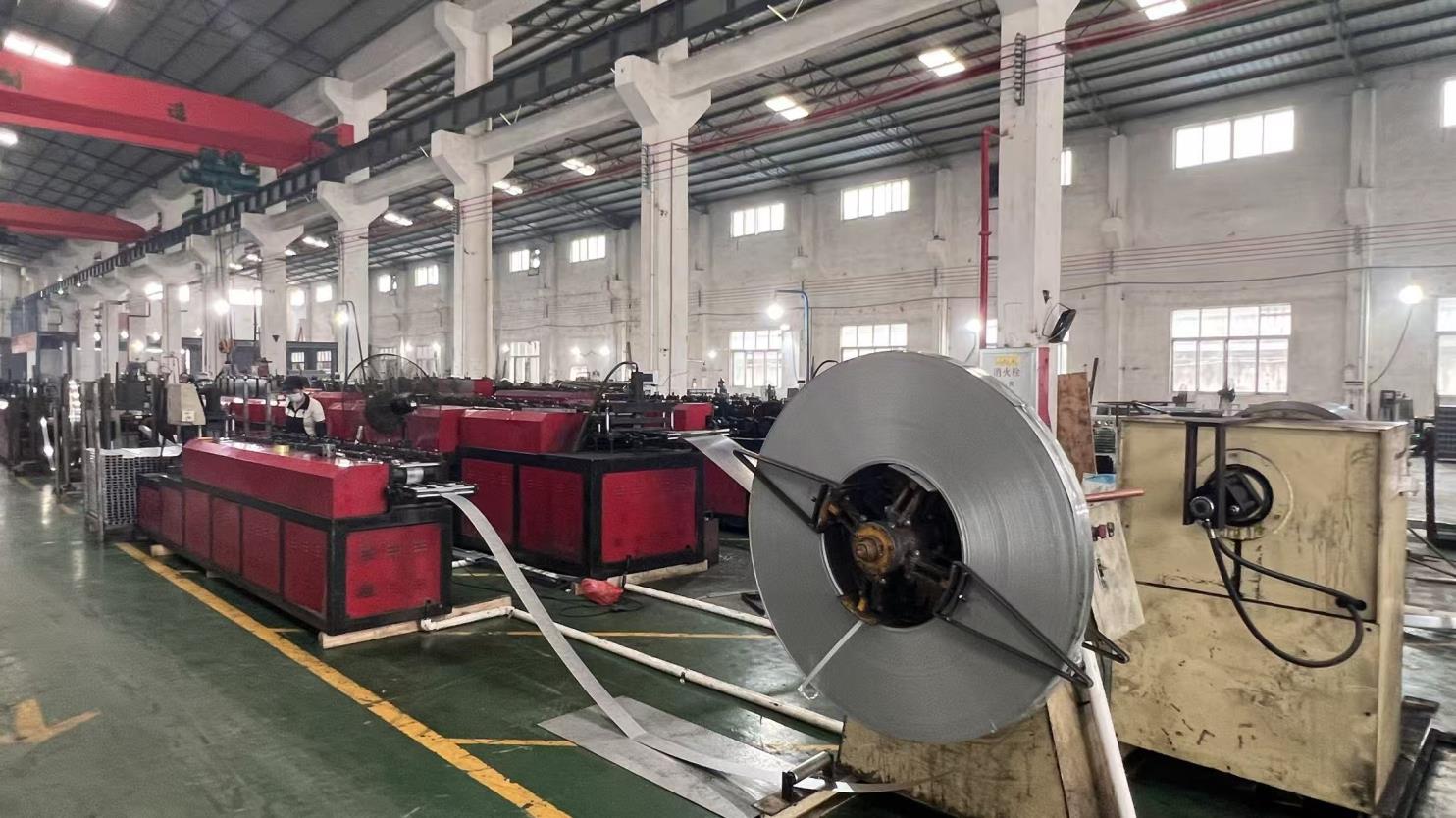
OEM factories in industrial hubs like Dongguan combine automated fabrication lines with manual inspection. This approach ensures consistent product quality and fast delivery for large international rollouts. Using CNC punching machines, robotic welding arrays, and high-volume electrostatic powder lines, these facilities quickly translate customer blueprints into durable, load-tested retail hardware.
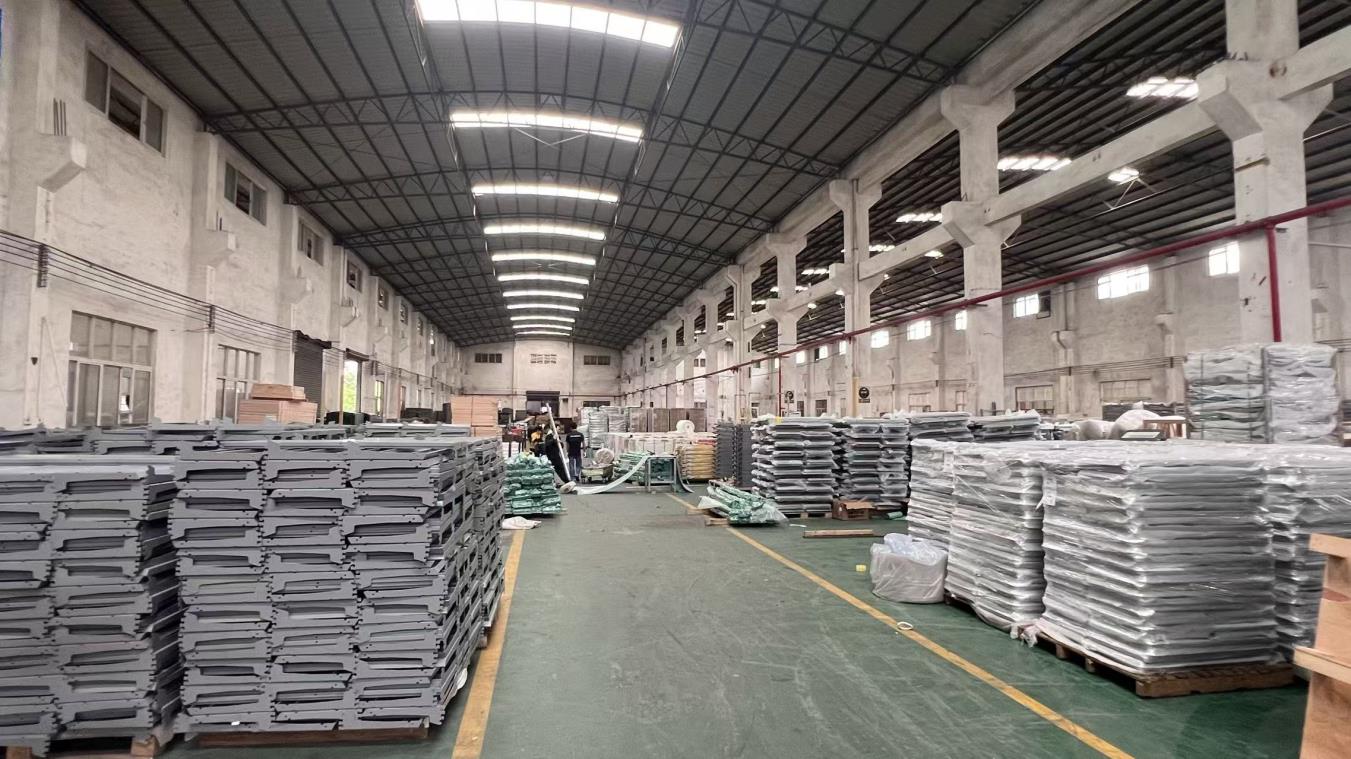
Founded in 2014, Dongguan Durack Logistics Equipment Co., Ltd. is a premier Chinese storage racking system manufacturer operating a 35,000 m² facility. Backed by 12 years of industry experience and 8 years of global export history, the company generates $28 million in annual export revenue. Our operations are supported by a strict quality assurance system using full-spectrum ultrasonic testing and load-bearing stress evaluations, overseen by 45 dedicated QC specialists.
Building on a strong international trading background, our core markets span North America, Europe, and Southeast Asia. We maintain a reliable supply chain network of over 850 partners, catering primarily to third-party logistics (3PL) providers, automated warehouses, and large industrial distributors. Driven by an active R&D division with 65 specialized engineers, Durack offers full OEM/ODM customization options—including bespoke beam profiles, structural steel grades, and dynamic layout designs—launching over 120 new storage products last year.
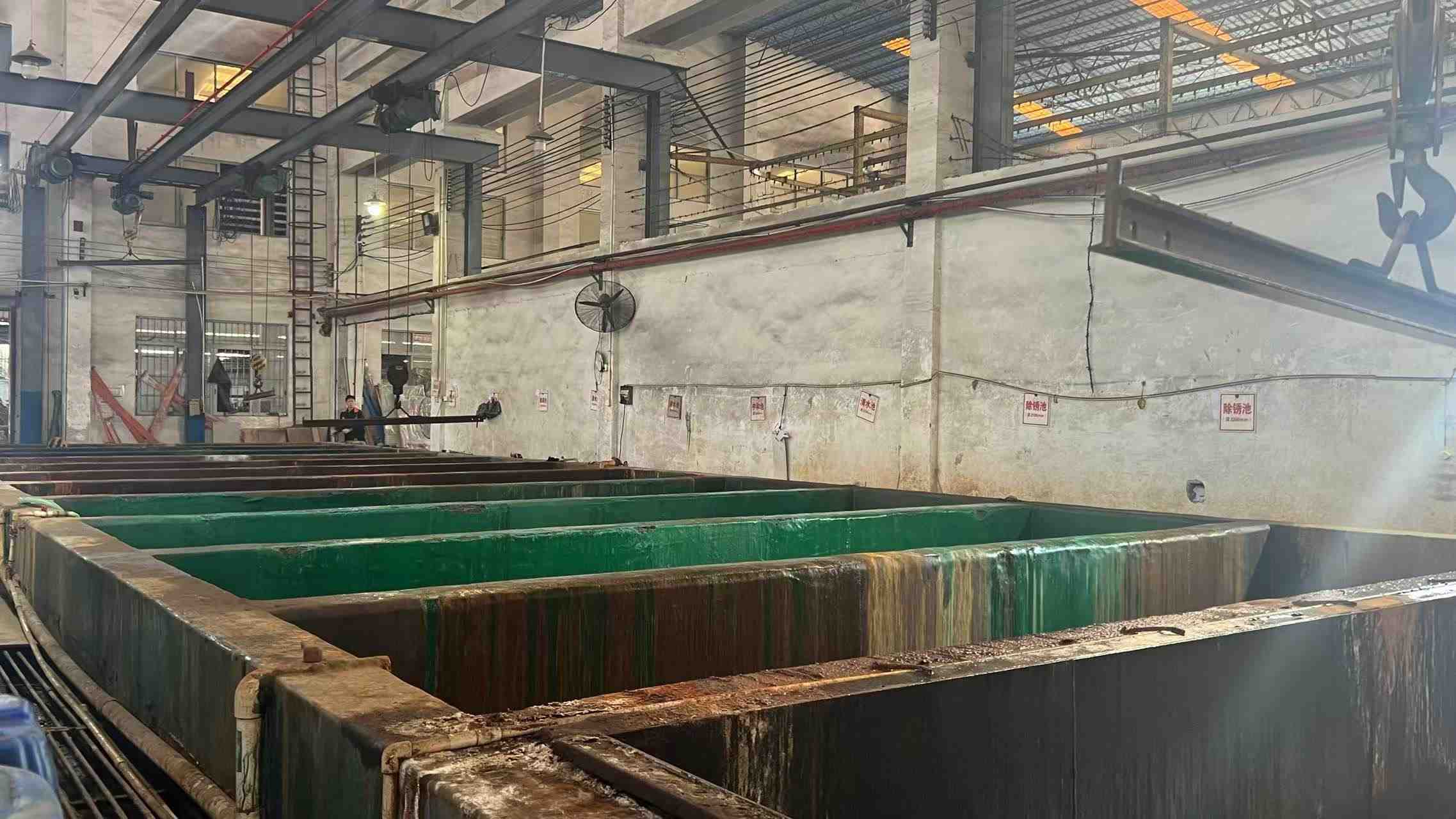
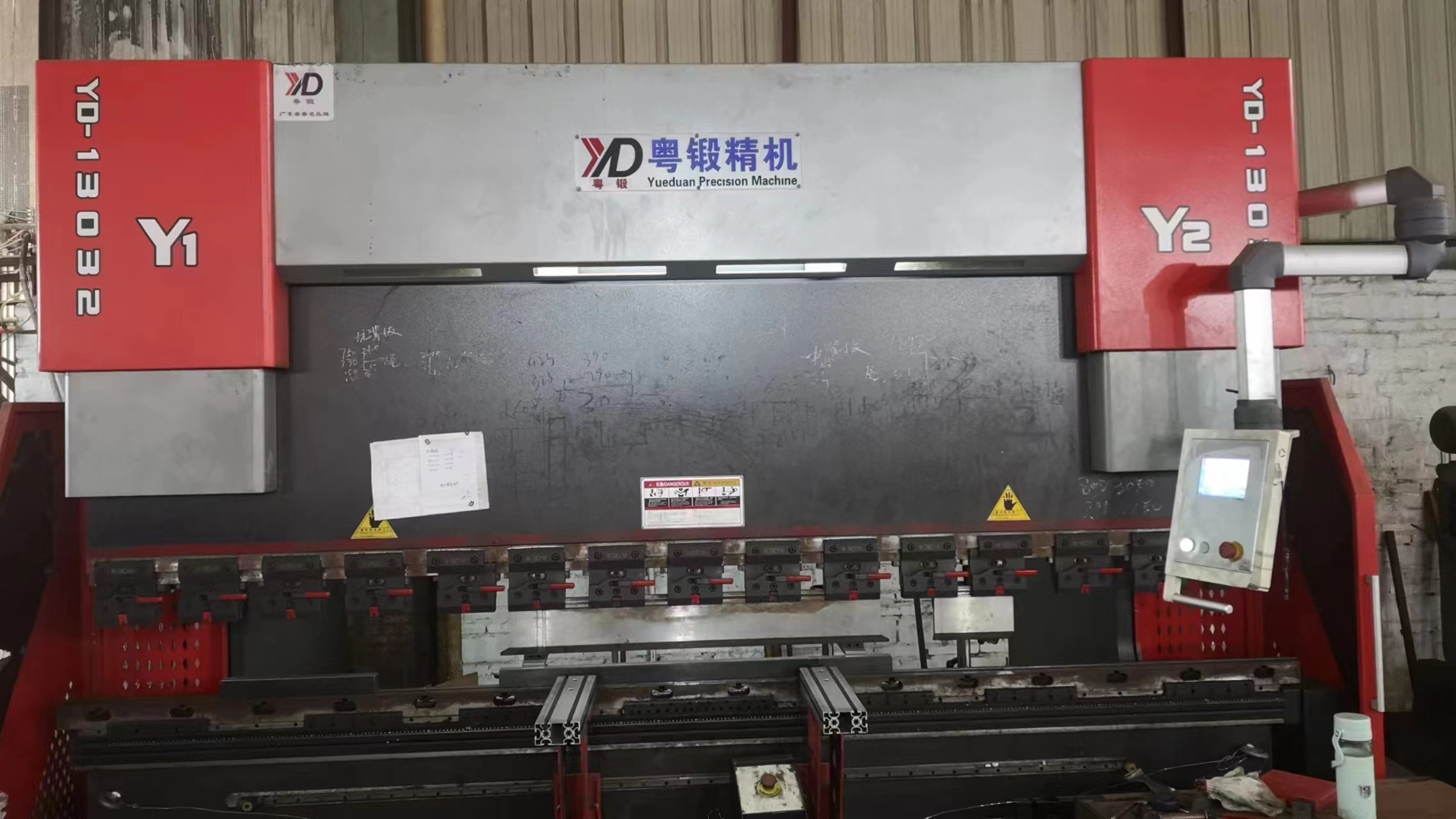
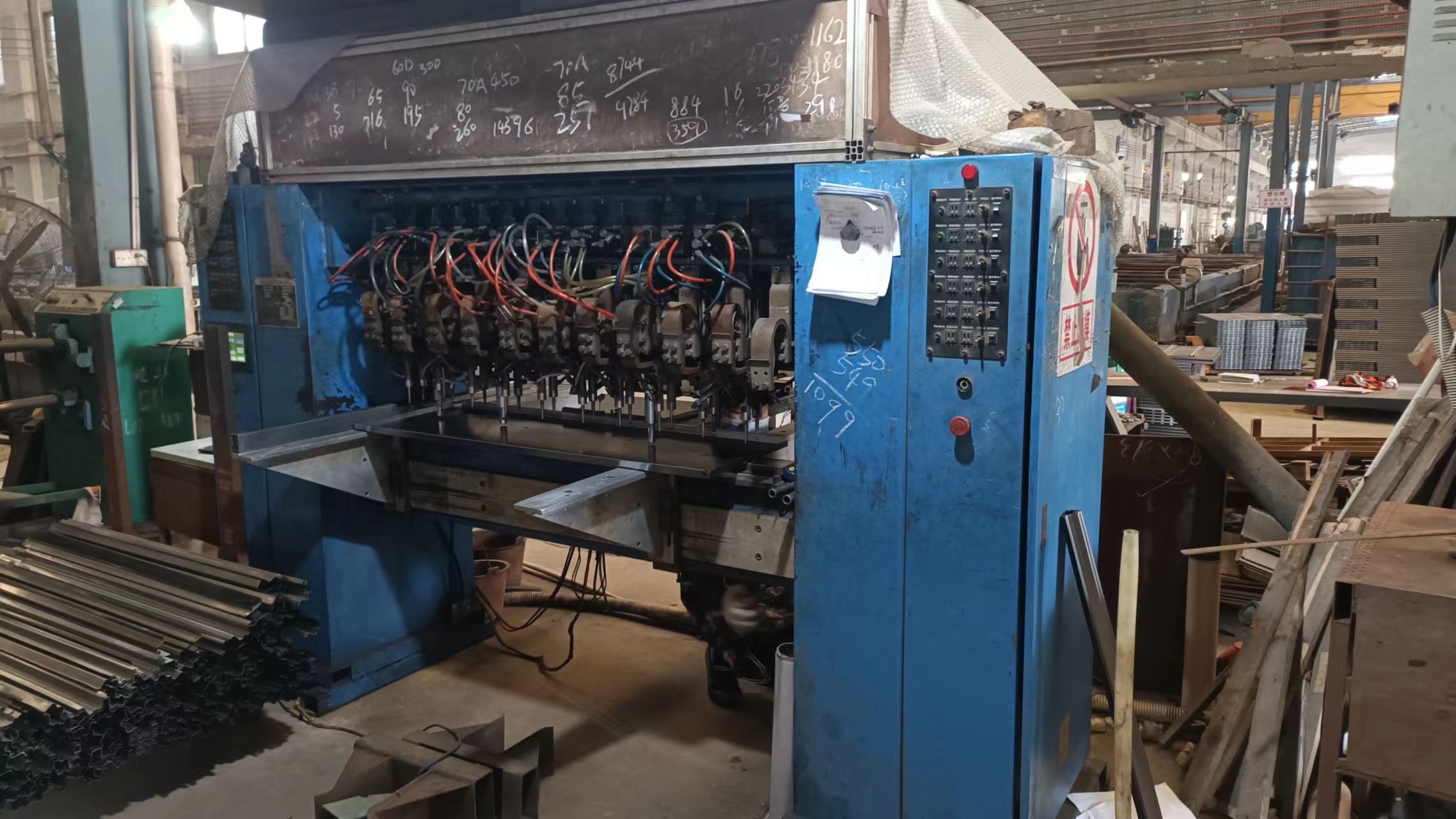
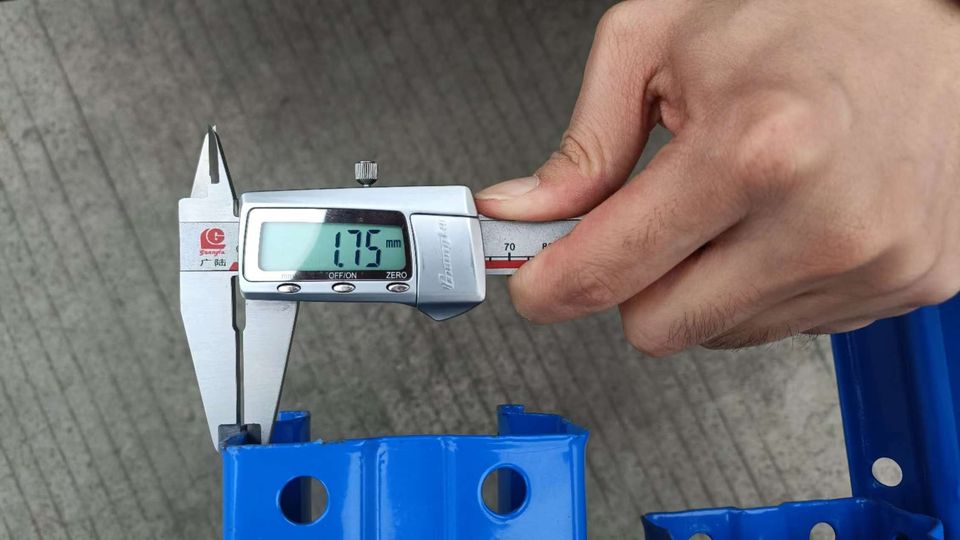
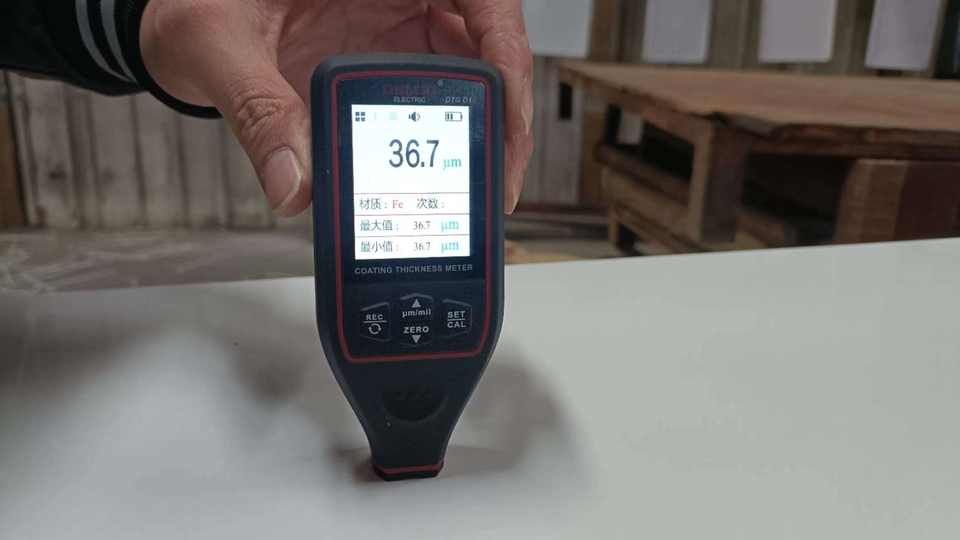
To maintain consistent structural integrity across thousands of tons of steel products, our facility relies on precise, step-by-step processing. We run modern machinery at every stage, from raw material inspection to automated welding and final coating thickness checks.
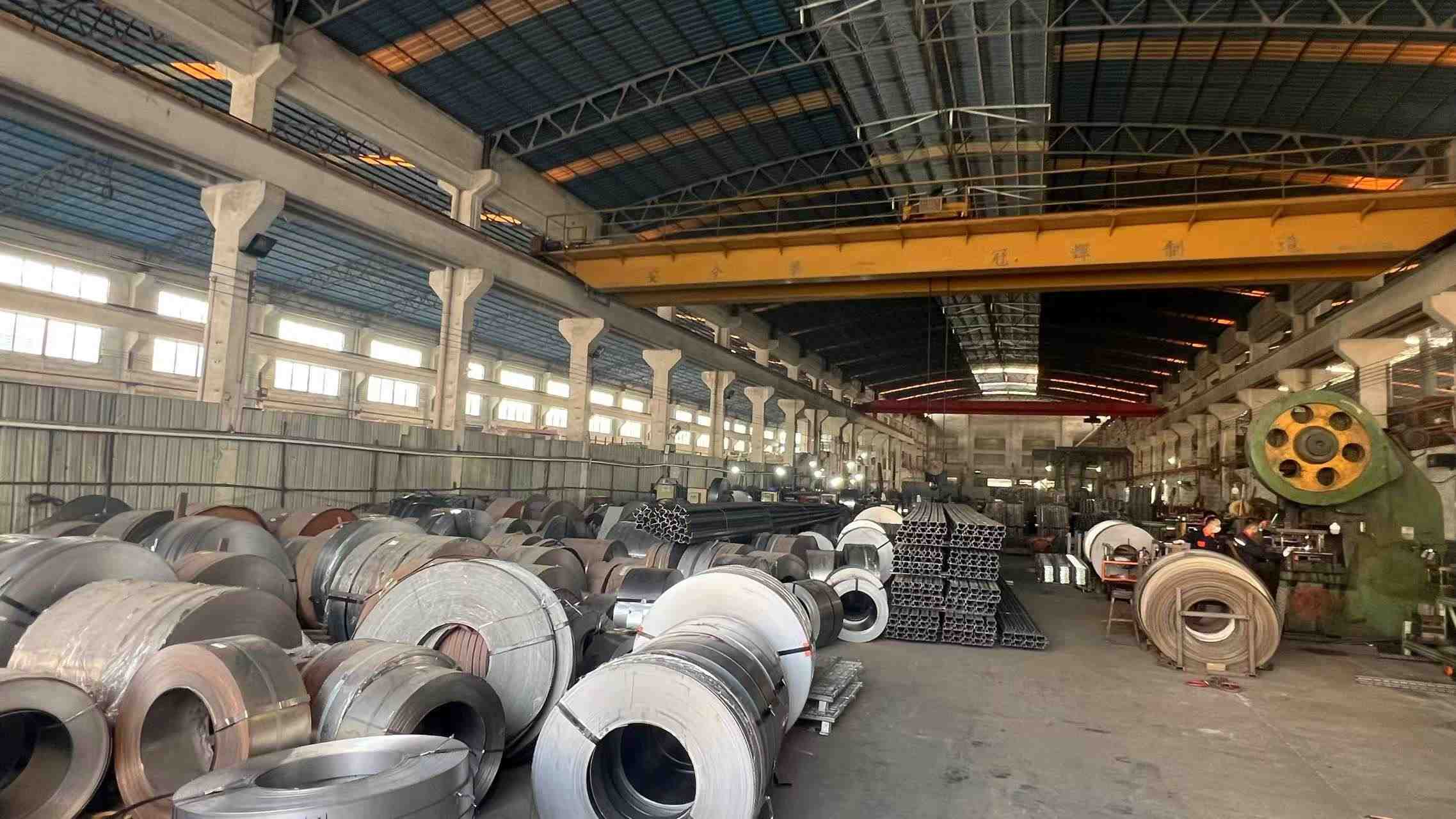
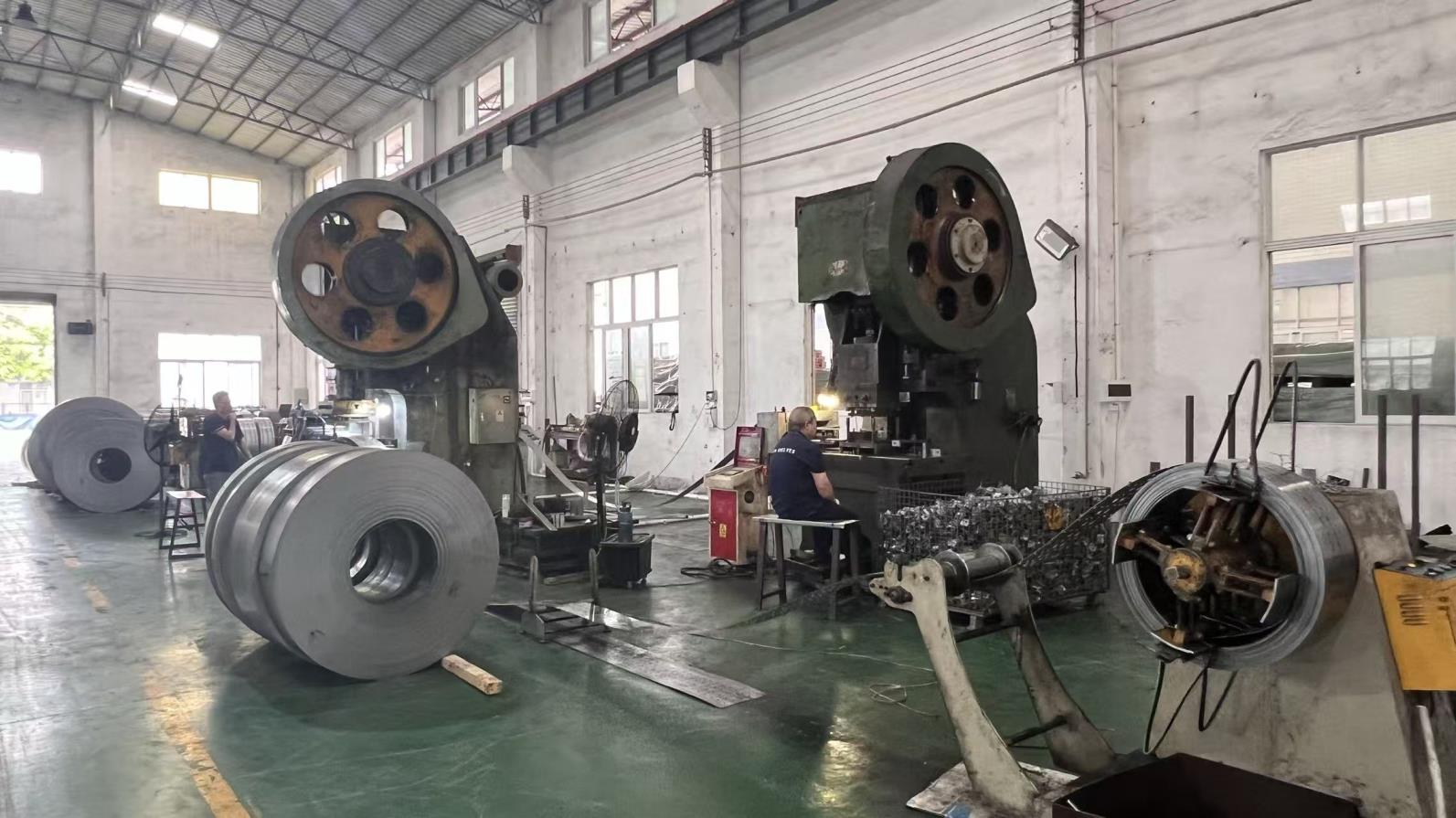
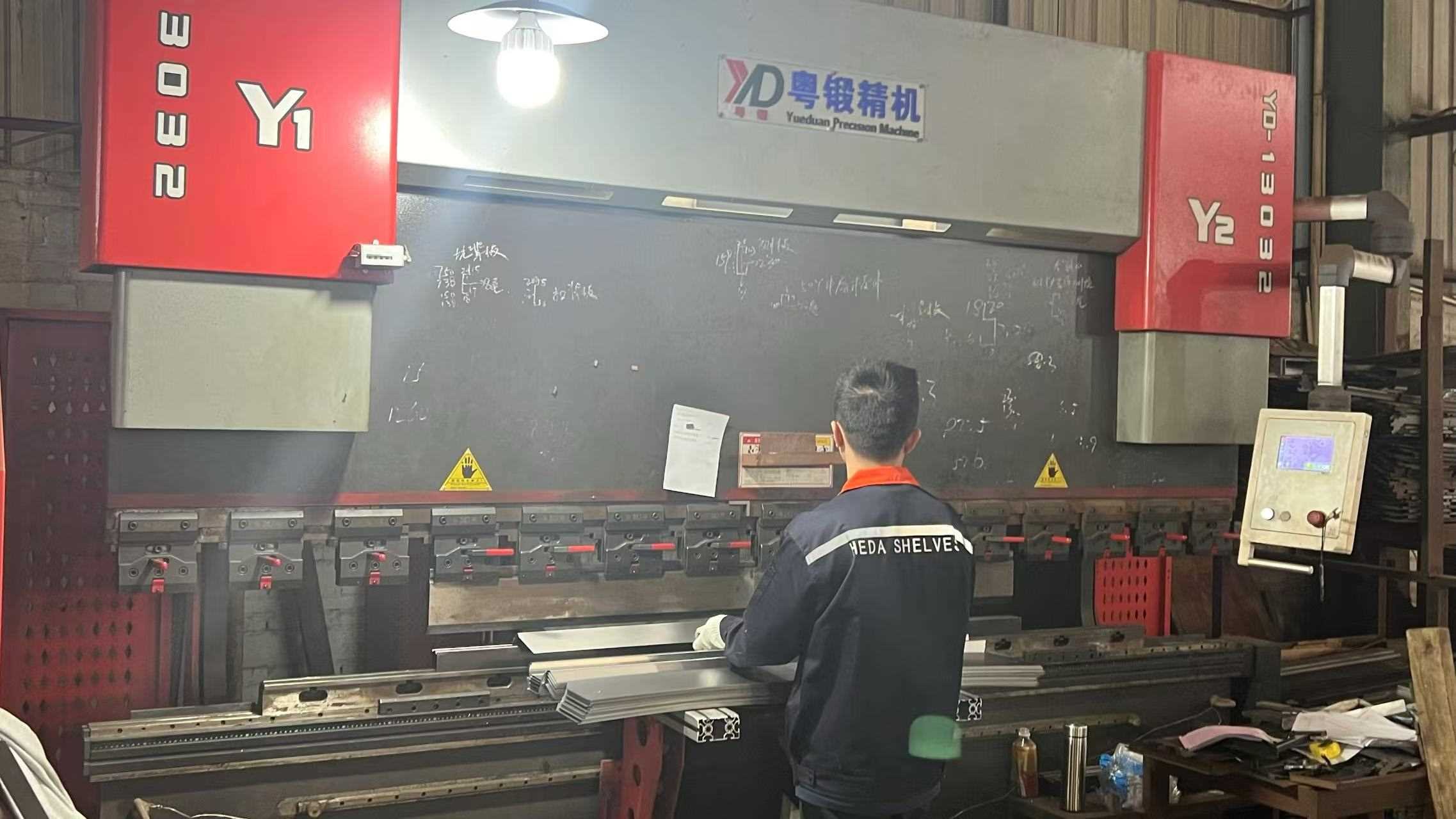
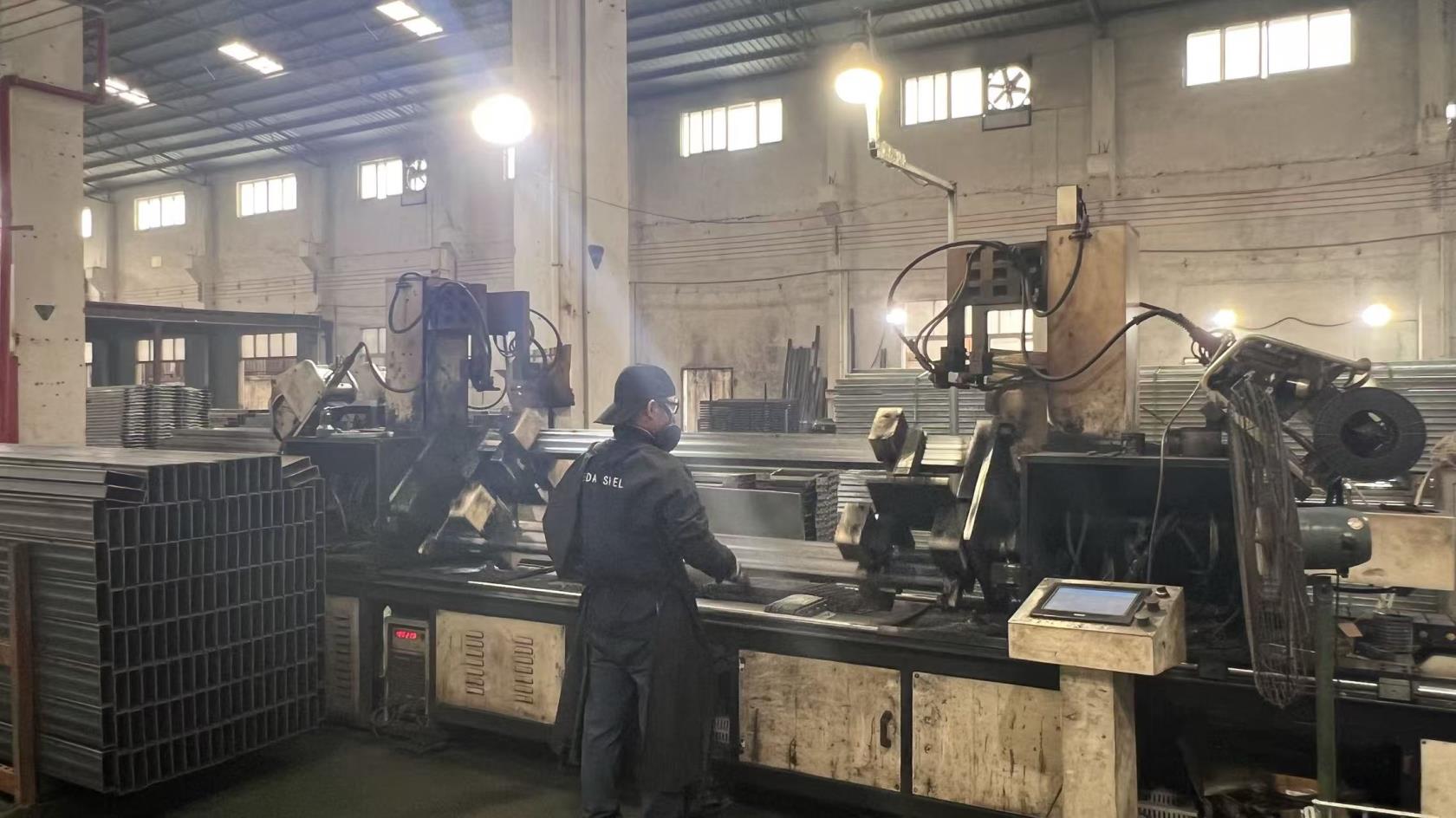
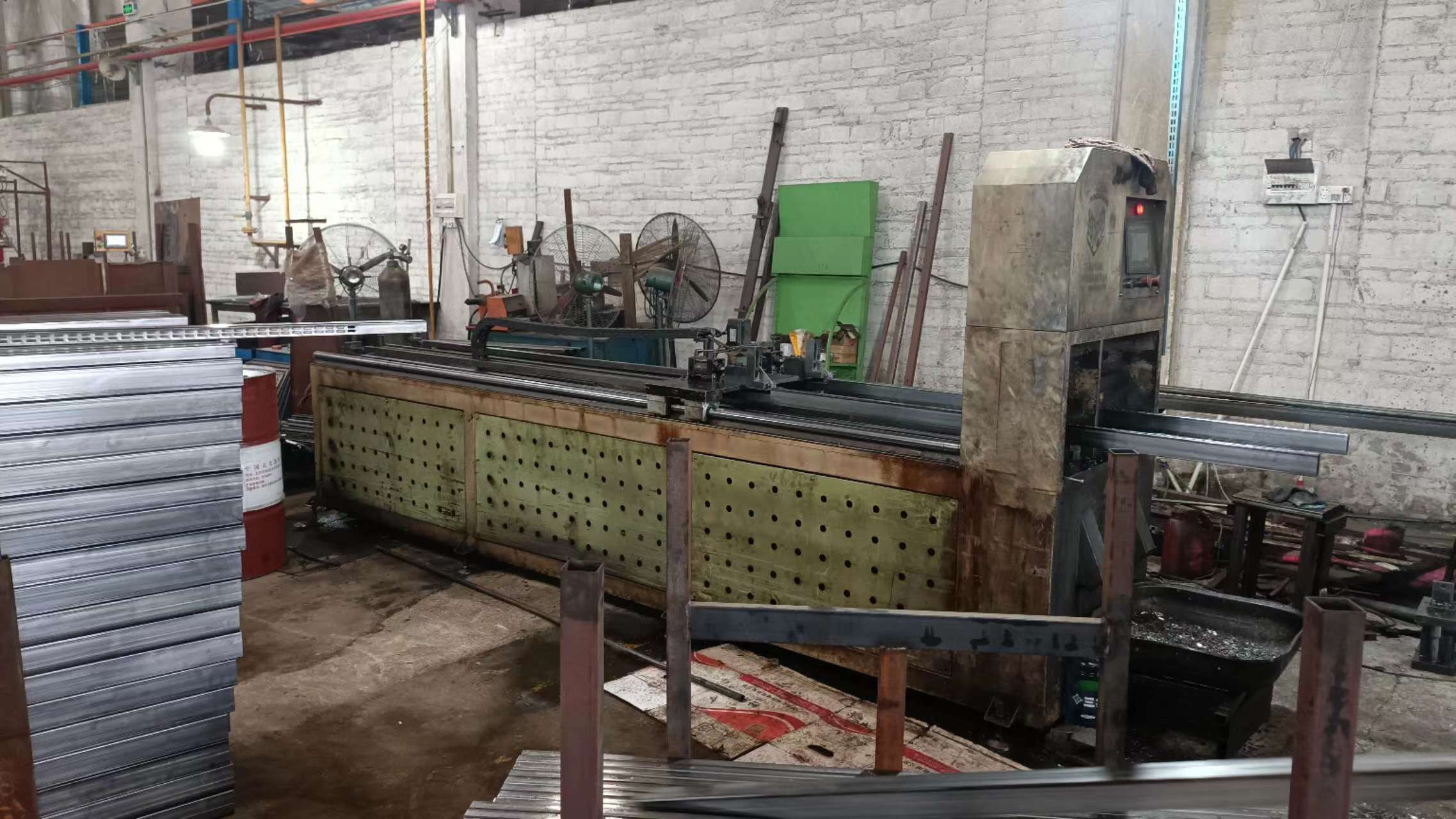
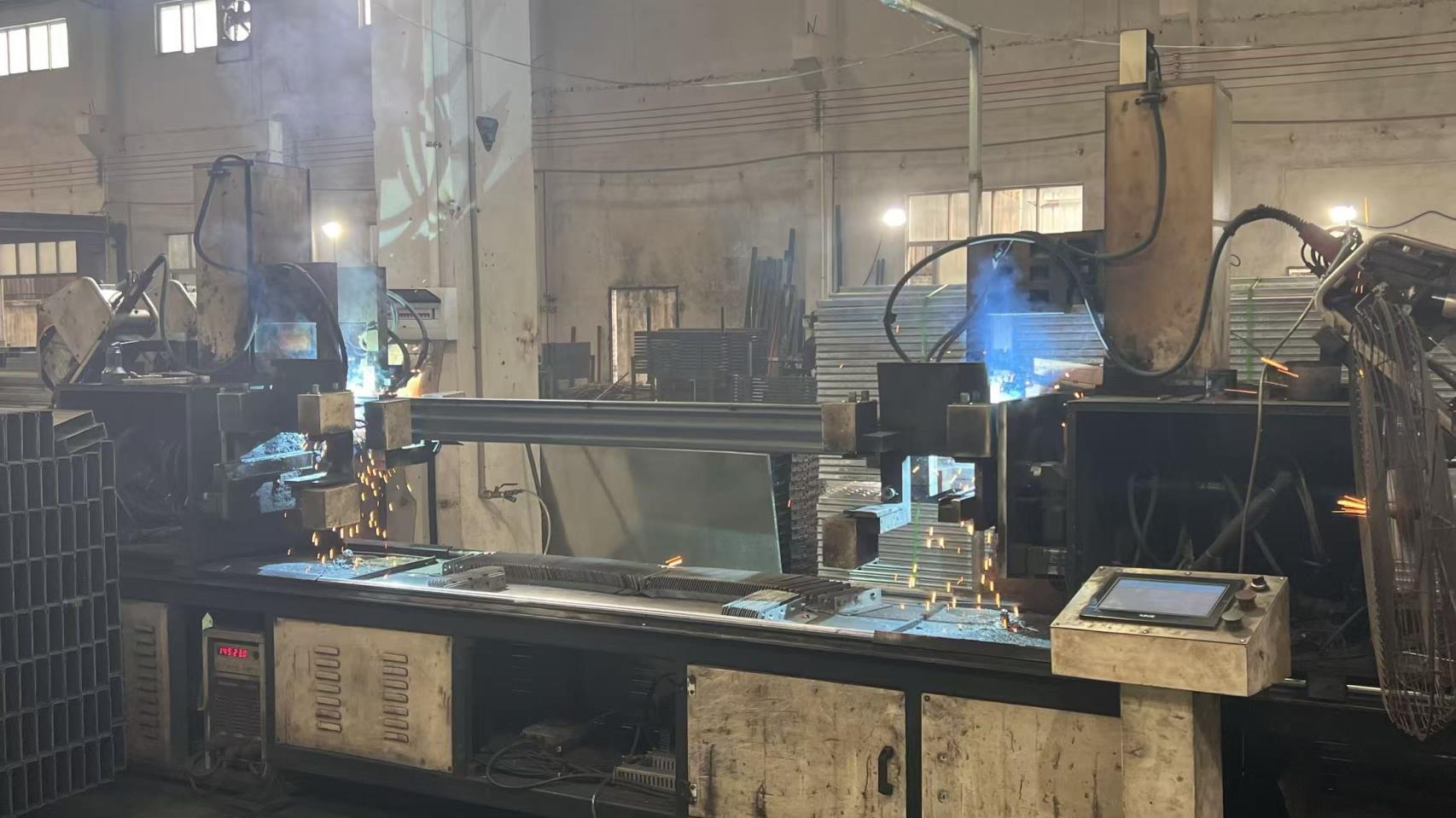
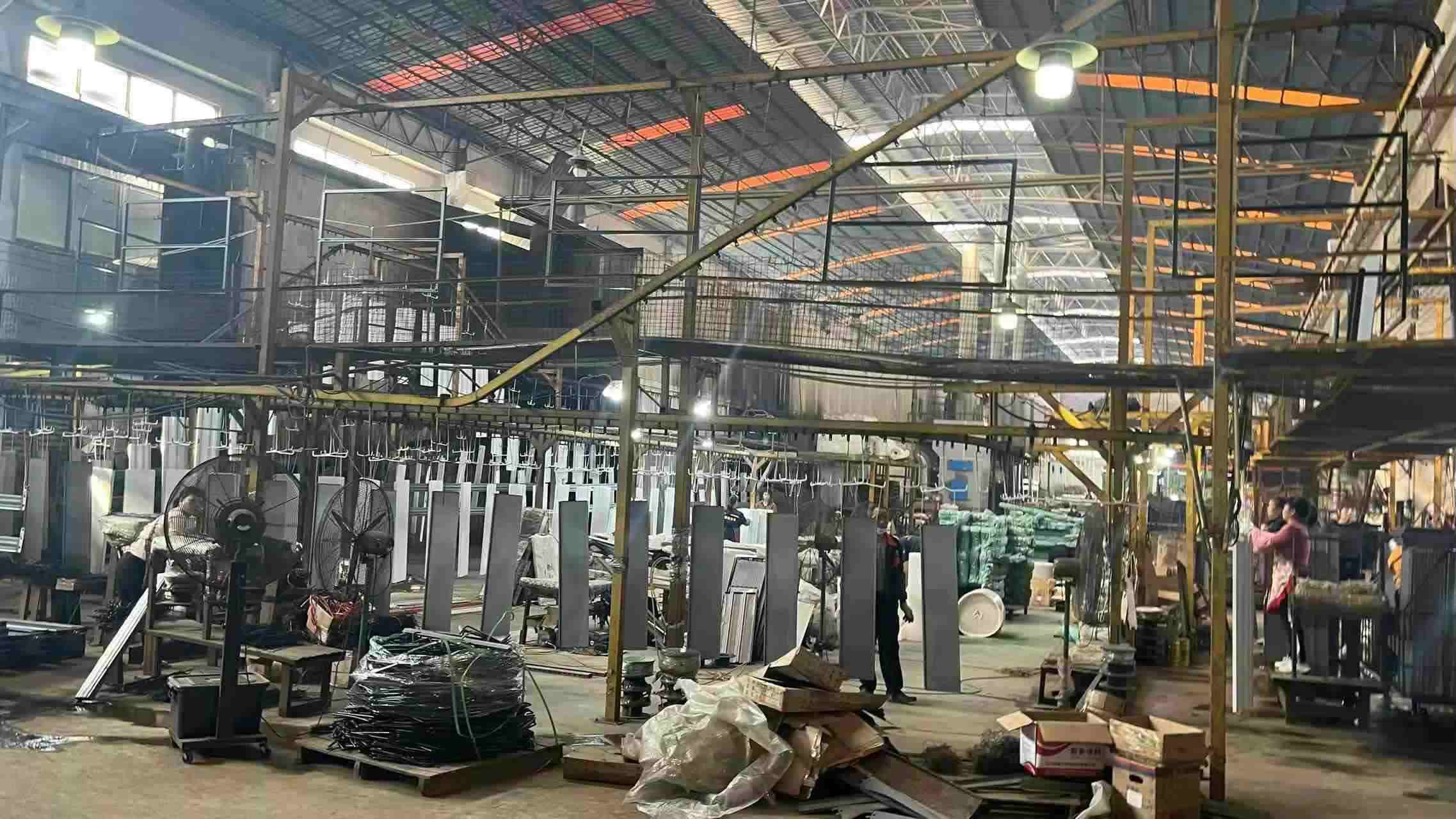
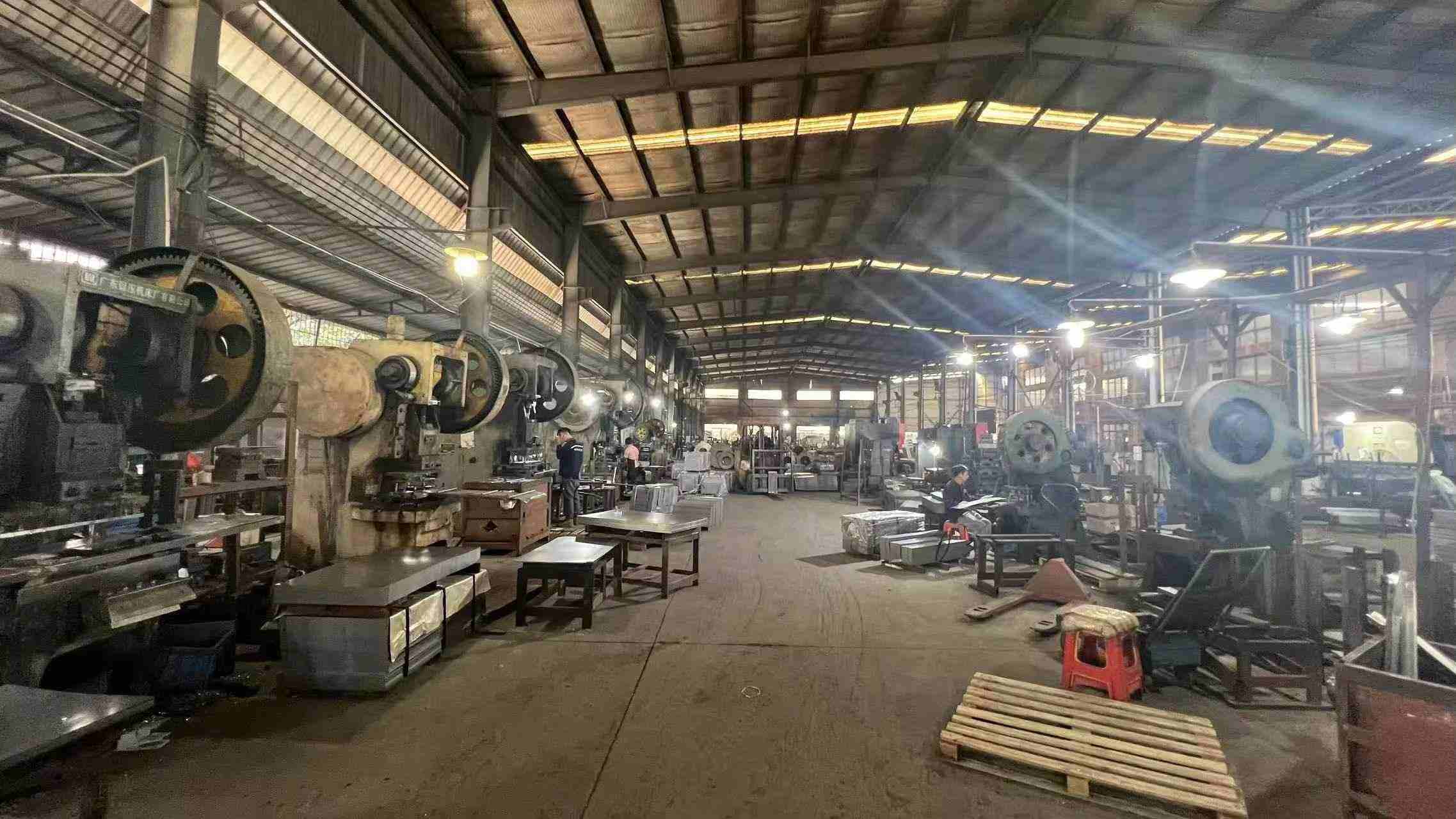
Every commercial environment has unique physical and operational demands. Industrial-grade shelving must be adapted to fit local store sizes, safety standards, and regional market preferences:
The global retail shelving industry is moving beyond basic static fixtures. Major trends shaping procurement requirements include:
Combining structural Q235B steel uprights with wood, glass, and engineered acrylic elements to create warm, appealing retail displays without sacrificing structural capacity.
Designing quick-connect brackets, drop-in card holders, and multi-position brackets. These components let store teams change shelf configurations rapidly without tools.
Integrating data and power channels into upright posts to power electronic shelf labels (ESLs), interactive displays, and digital product-finding interfaces.
Procuring custom gondola shelving at scale requires analyzing key technical variables. Standard product descriptions often miss these critical engineering factors:
1. Steel Grade & Thickness: Uprights should use structural steel (like Q235B or Q355B) cold-rolled to thicknesses between 2.0mm and 2.5mm for heavy load applications. Shelves themselves are typically formed from 0.7mm to 1.2mm steel sheets, reinforced with under-shelf stiffener channels.
2. Load Distribution Physics: Load capacities must be calculated based on Uniformly Distributed Loads (UDL). A standard heavy-duty retail shelf should handle 100kg to 180kg UDL, while industrial-grade racks require base deck capacities exceeding 400kg. Overturning moment calculations are essential for island gondolas taller than 2100mm.
3. Anti-Corrosion Finishing: The powder coating process should include multi-stage chemical pretreatment: degreasing, acid pickling, rinsing, and zinc phosphating. Electrostatic dry powder coating must be baked to a thickness of 60 to 80 microns. This ensures durability and resists scratches, impact damage, and chemical cleaners.
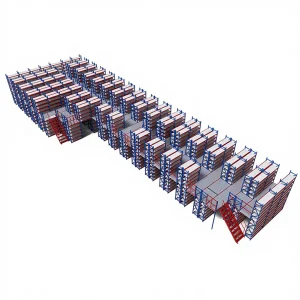
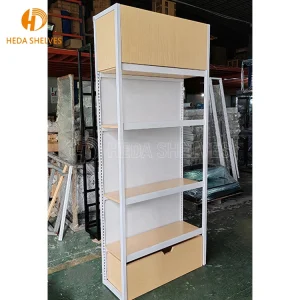
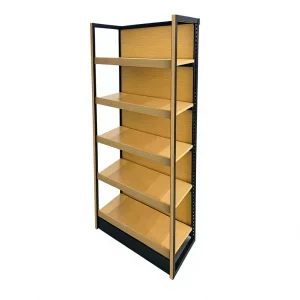
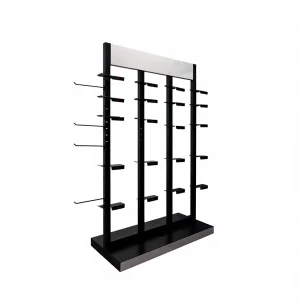
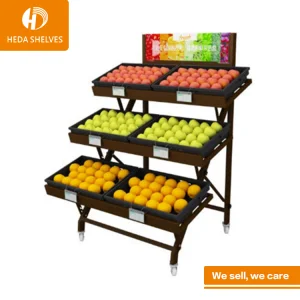
From multi-level order picking mezzanines to custom wooden-metal hybrid display cabinets.
Answers to critical technical, quality control, and logistics questions concerning custom OEM gondola systems.
 Durack