Explore our heavy-duty industrial systems, automated racking, and commercial merchandising units engineered for high performance.
An authoritative analysis of high-density storage design for long, irregular, and heavy payloads.
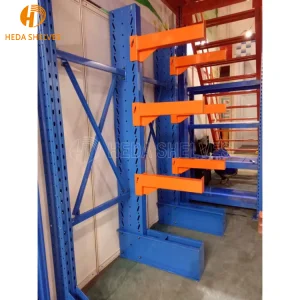
Industrial cantilever storage stands as the core mechanical solution for storing oversized, long-span materials such as structural timber, steel pipes, plastic extrusions, sheet metal, and large industrial components. Unlike standard pallet racks that rely on front columns restricting horizontal load placement, cantilever systems utilize freestanding upright columns paired with horizontal load-bearing arms extended outwards. This open structural design removes all physical barriers from the storage face, allowing for continuous, unobstructed product loading.
From an engineering perspective, the structural stability of a cantilever rack is determined by its resistance to bending moments, shearing stresses, and axial deflection. As a custom OEM manufacturer, Durack runs rigorous Finite Element Analysis (FEA) on every design. Under static load conditions, the cantilever arm functions as a beam fixed at one end, which is subjected to shear and moment forces. The maximum moment occurs at the connection point between the arm and the upright column, meaning this joint is the most critical load path. Structural integrity is maintained through precision welding, heavy-duty connection plates, and high-tensile locking bolts.
The choice of raw material directly impacts safety factors, deflection rates, and loading capacities. Below is the technical breakdown of the common hot-rolled carbon steel grades utilized in industrial racking production.
| Mechanical Property | Q235B Structural Steel | Q355B (High-Tensile Steel) | Engineering Benefit |
|---|---|---|---|
| Yield Strength (Rp0.2) | 235 MPa (N/mm²) | 355 MPa (N/mm²) | Q355B offers 51% higher yield limits under extreme loads. |
| Tensile Strength (Rm) | 370 - 500 MPa | 470 - 630 MPa | Prevents structural failure or sudden collapse under overload. |
| Elongation at Fracture | ≥ 26% | ≥ 22% | Ensures high ductility, absorbing energy without cracking. |
| Typical Applications | Standard arms, light bracing | Heavy-duty columns, high-capacity arms | Maximizes structural height while minimizing steel weight. |
Calculating the correct arm slope (uptilt angle) is another critical safety variable. Under loaded conditions, all steel arms deflect slightly downward. To compensate for this deflection and prevent loads from sliding off, we engineer a pre-calculated upward angle ranging from 2% to 4% (depending on the length and weight of the load). This guarantees that when the arm reaches its maximum load capacity, it deflections down to a perfectly horizontal position, keeping the stored materials secure.
A trusted global leader in structural steel racking engineering and high-volume industrial manufacturing.
Founded in 2014, Dongguan Durack Logistics Equipment Co., Ltd. is a premier Chinese storage racking system manufacturer operating a 35,000 m² facility. Backed by 12 years of industry experience and 8 years of global export history, the company generates $28 million in annual export revenue. Our operations are supported by a strict quality assurance system using full-spectrum ultrasonic testing and load-bearing stress evaluations, overseen by 45 dedicated QC specialists. Building on a strong international trading background, our core markets span North America, Europe, and Southeast Asia. We maintain a reliable supply chain network of over 850 partners, catering primarily to third-party logistics (3PL) providers, automated warehouses, and large industrial distributors. Driven by an active R&D division with 65 specialized engineers, Durack offers full OEM/ODM customization options—including bespoke beam profiles, structural steel grades, and dynamic layout designs—launching over 120 new storage products last year.
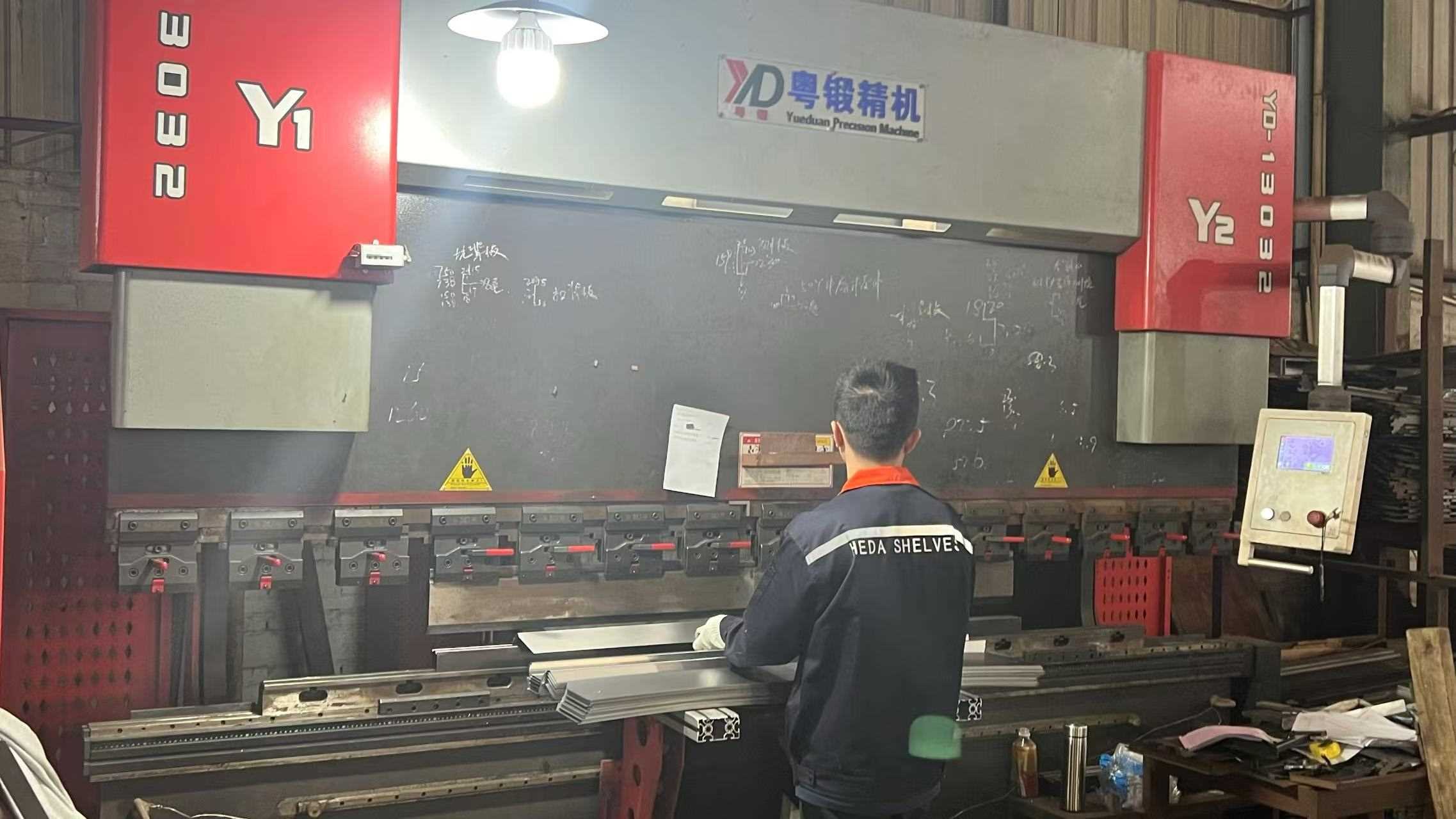
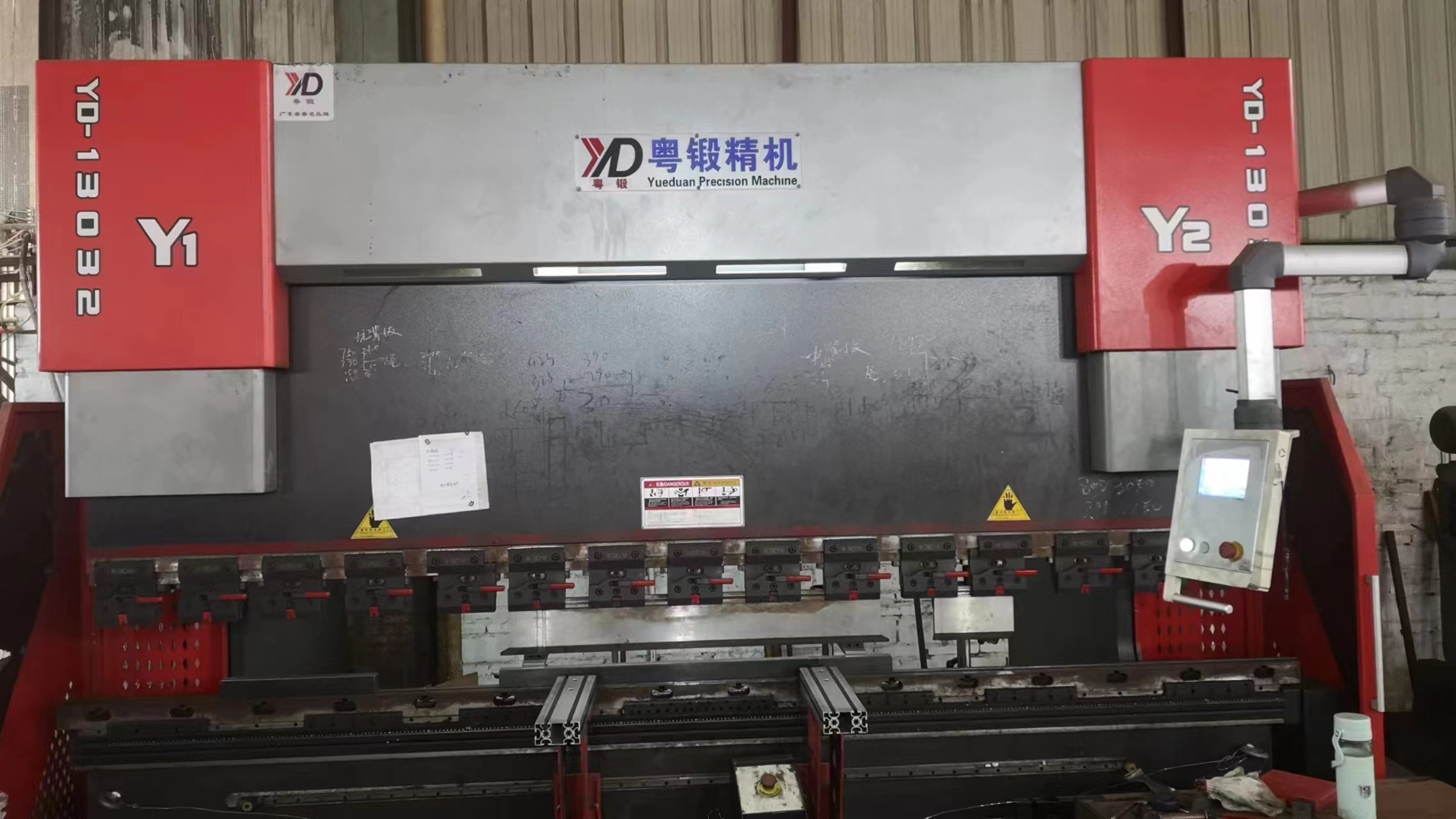
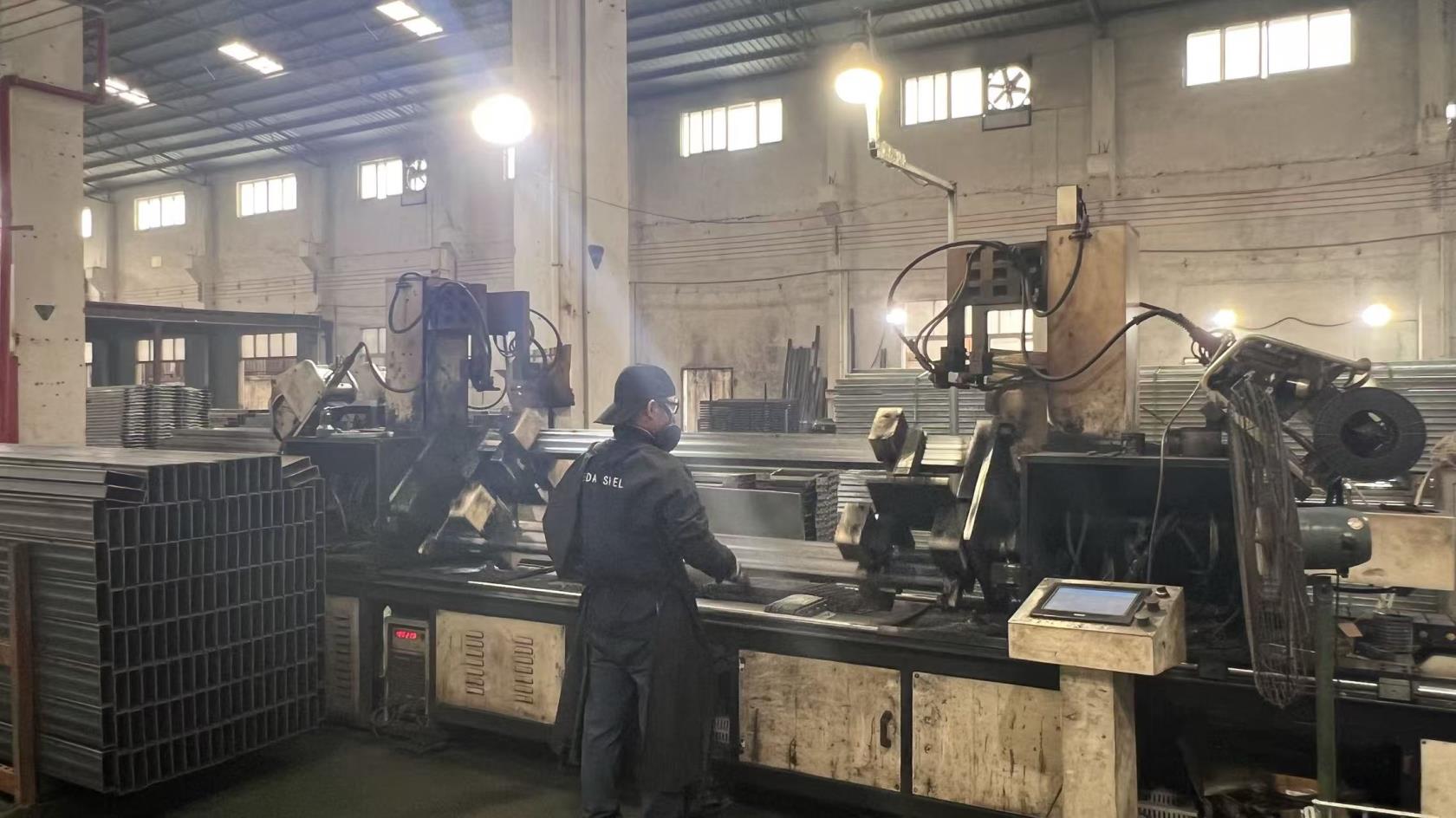
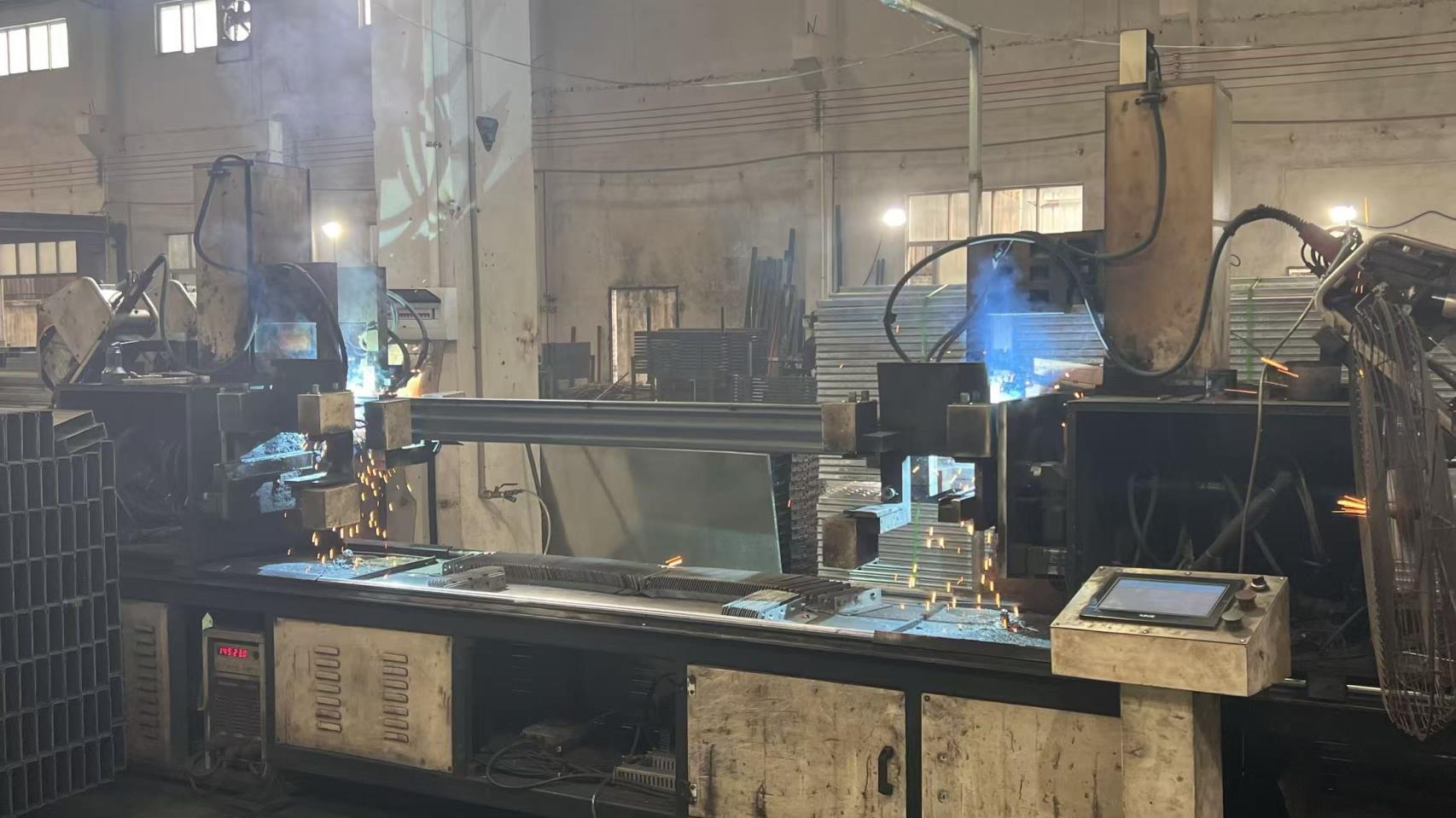
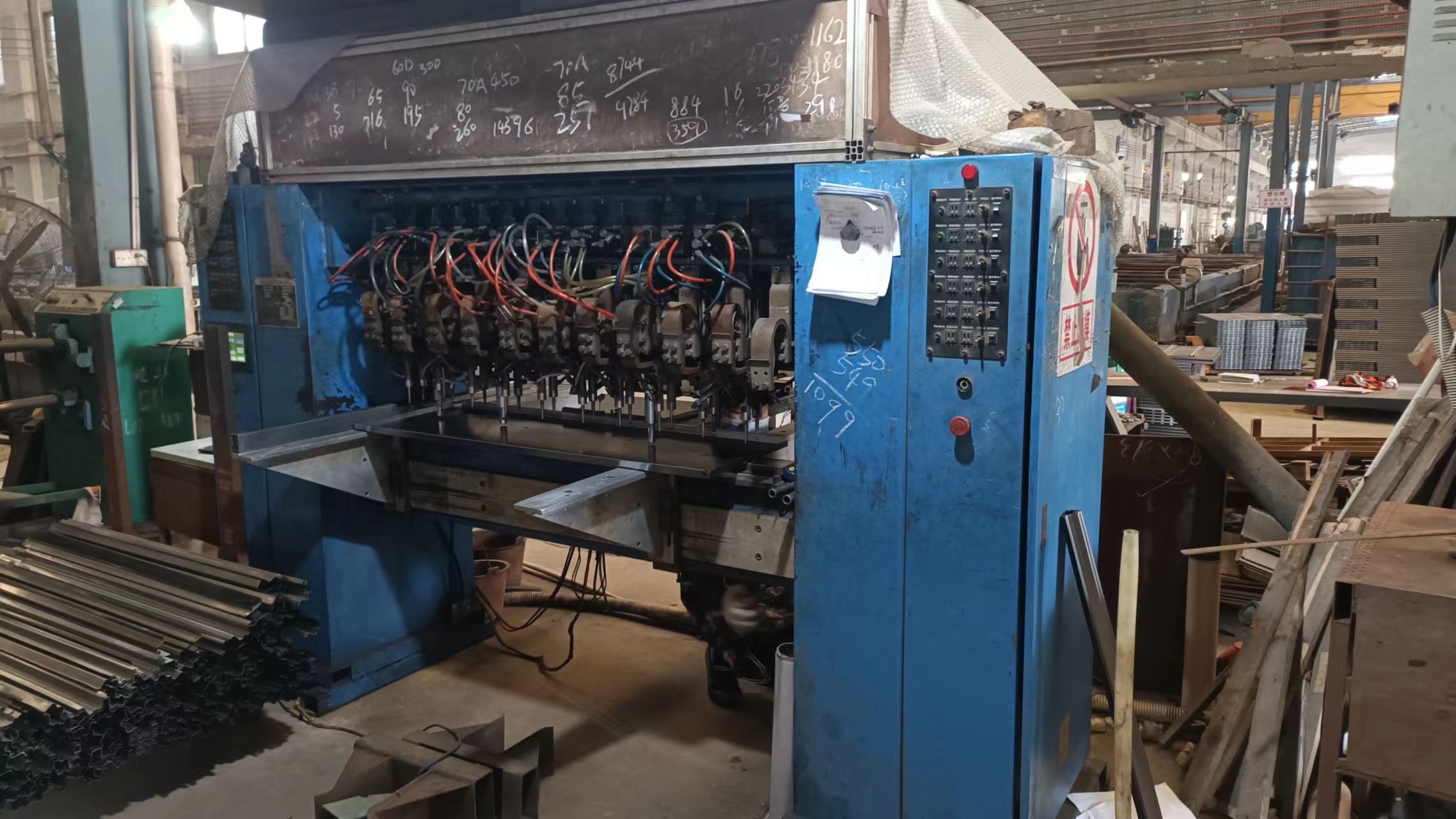
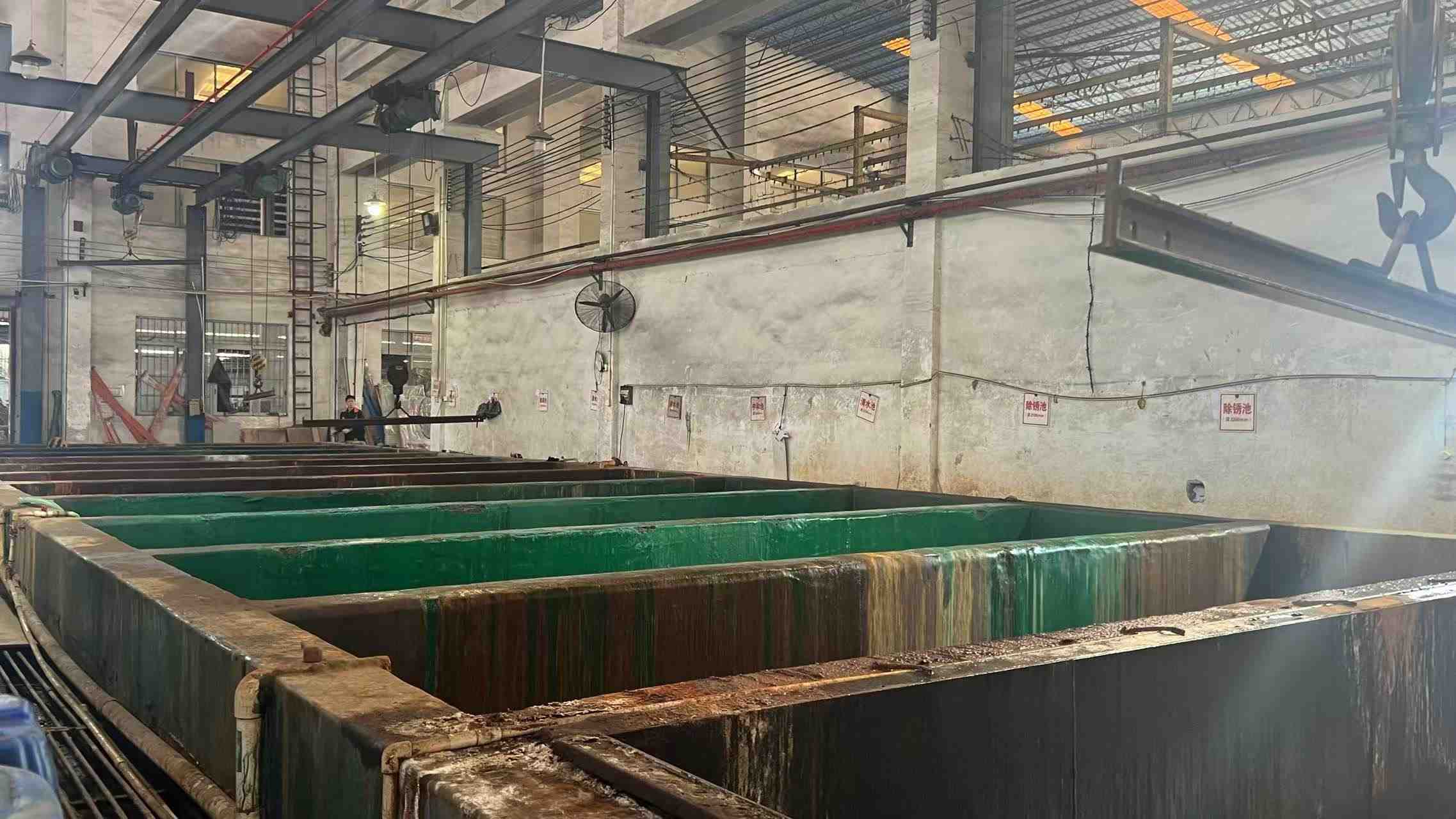
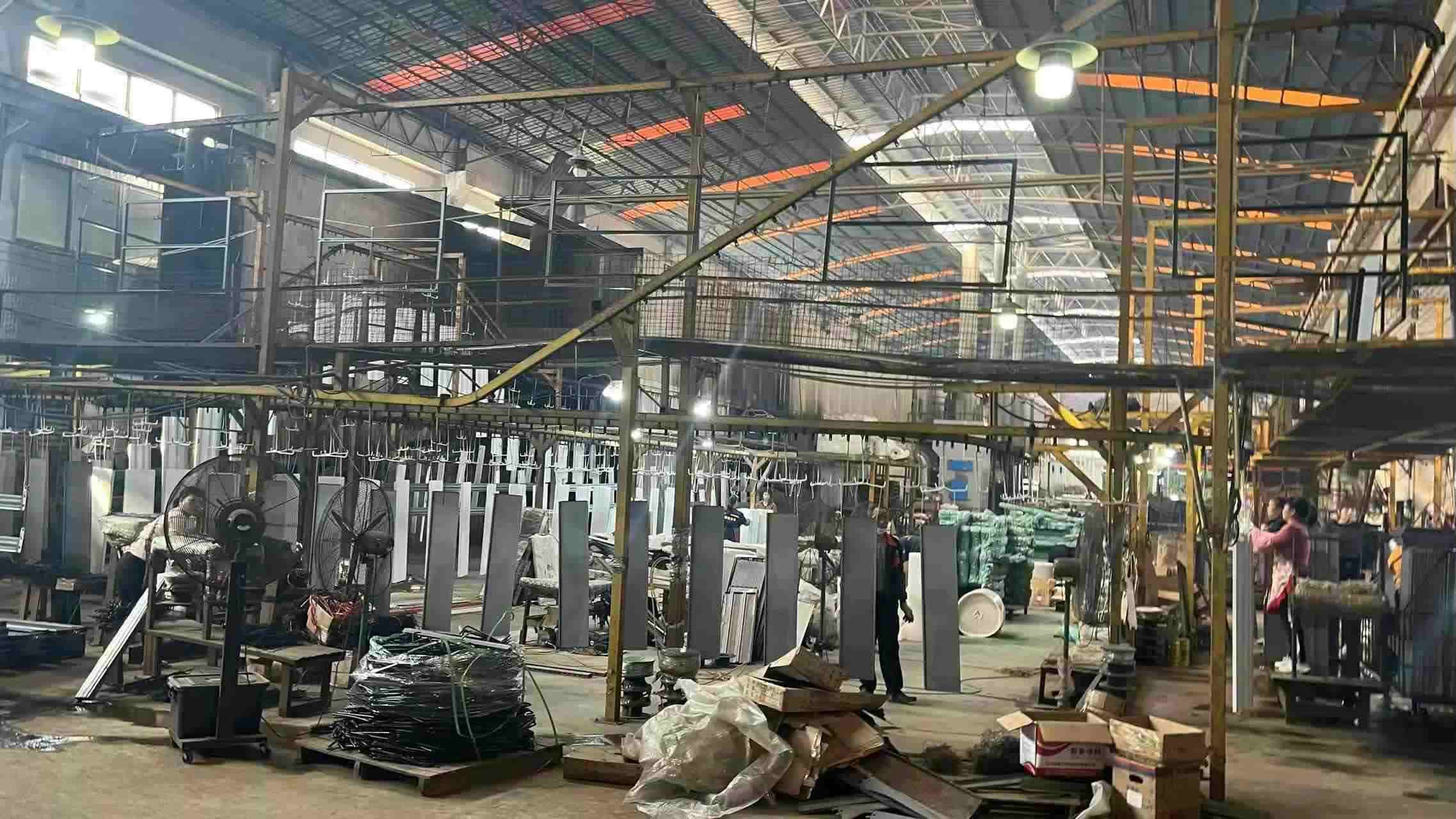
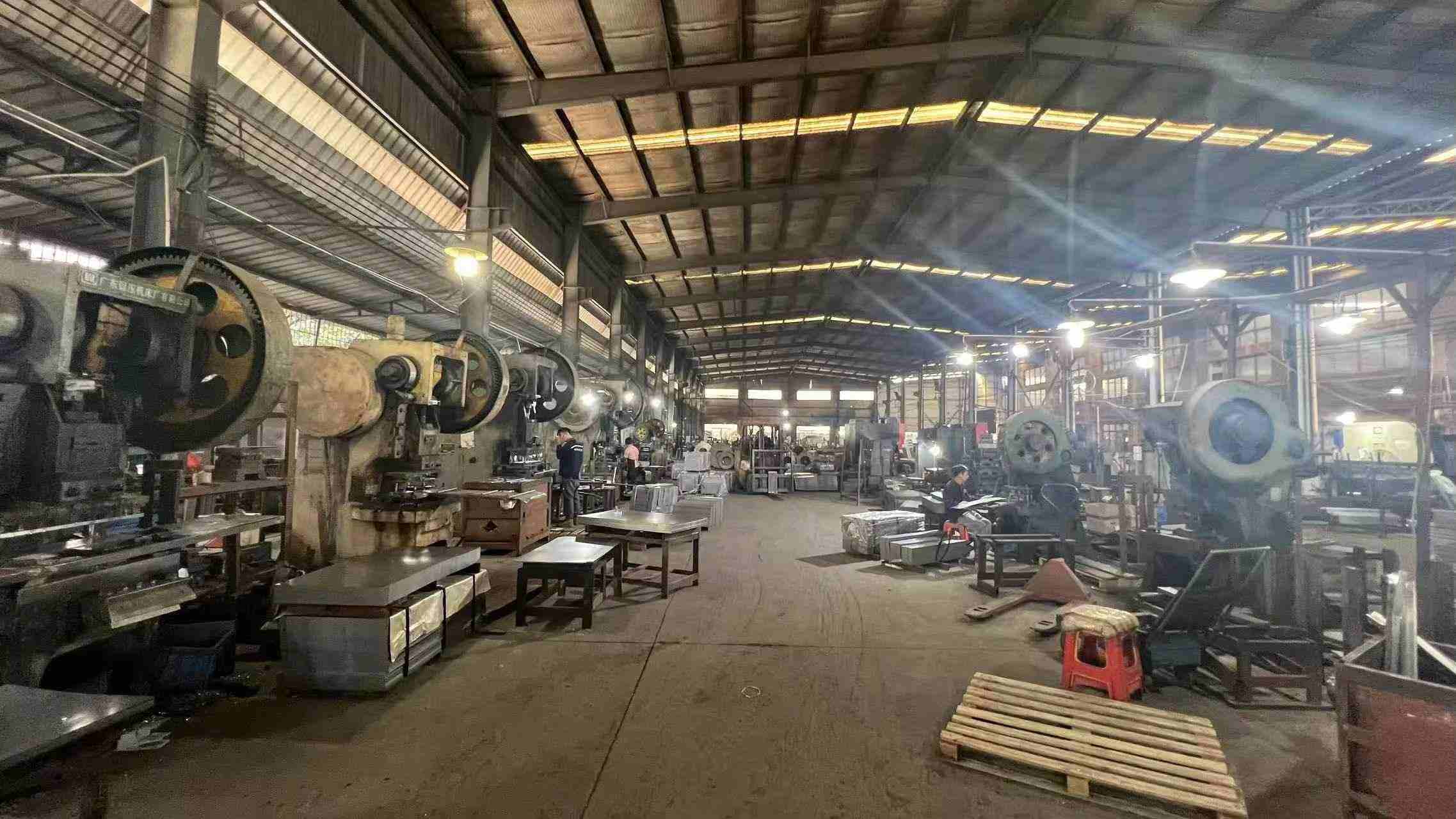
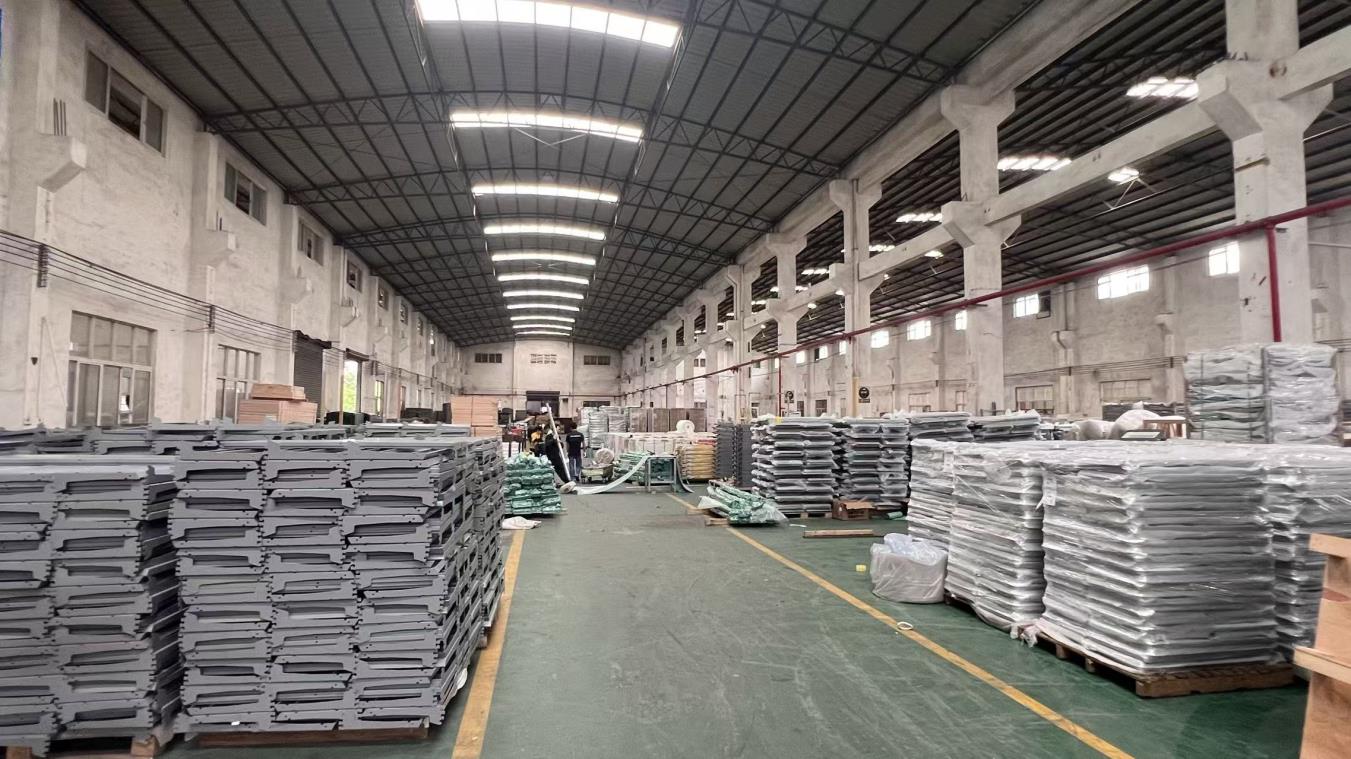
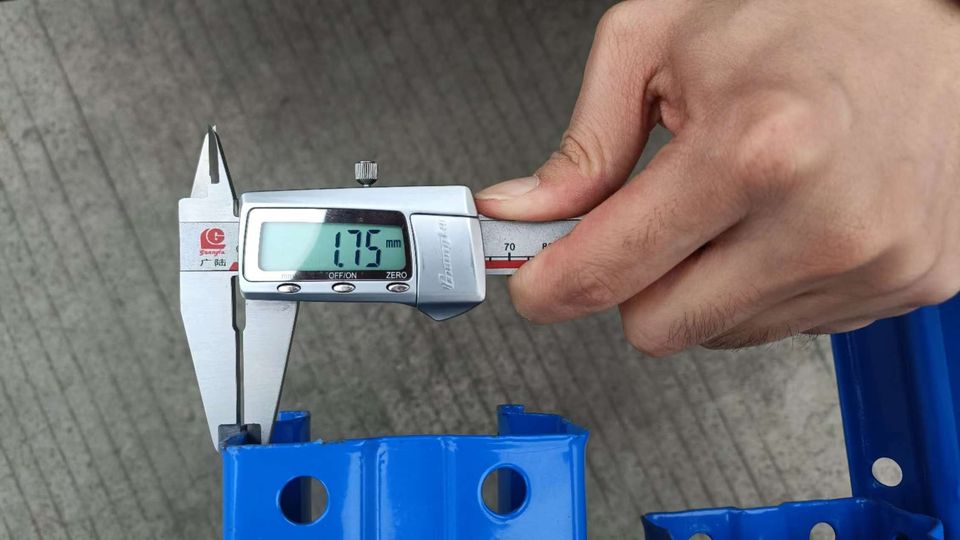
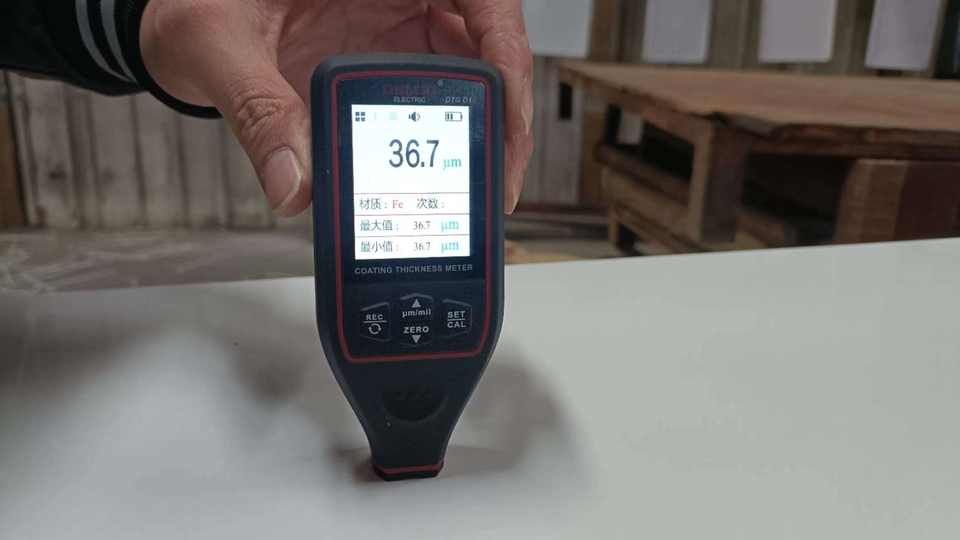
Take a closer look at our fully-integrated production line, showing how raw structural steel is shaped, welded, treated, and tested to meet international standards.
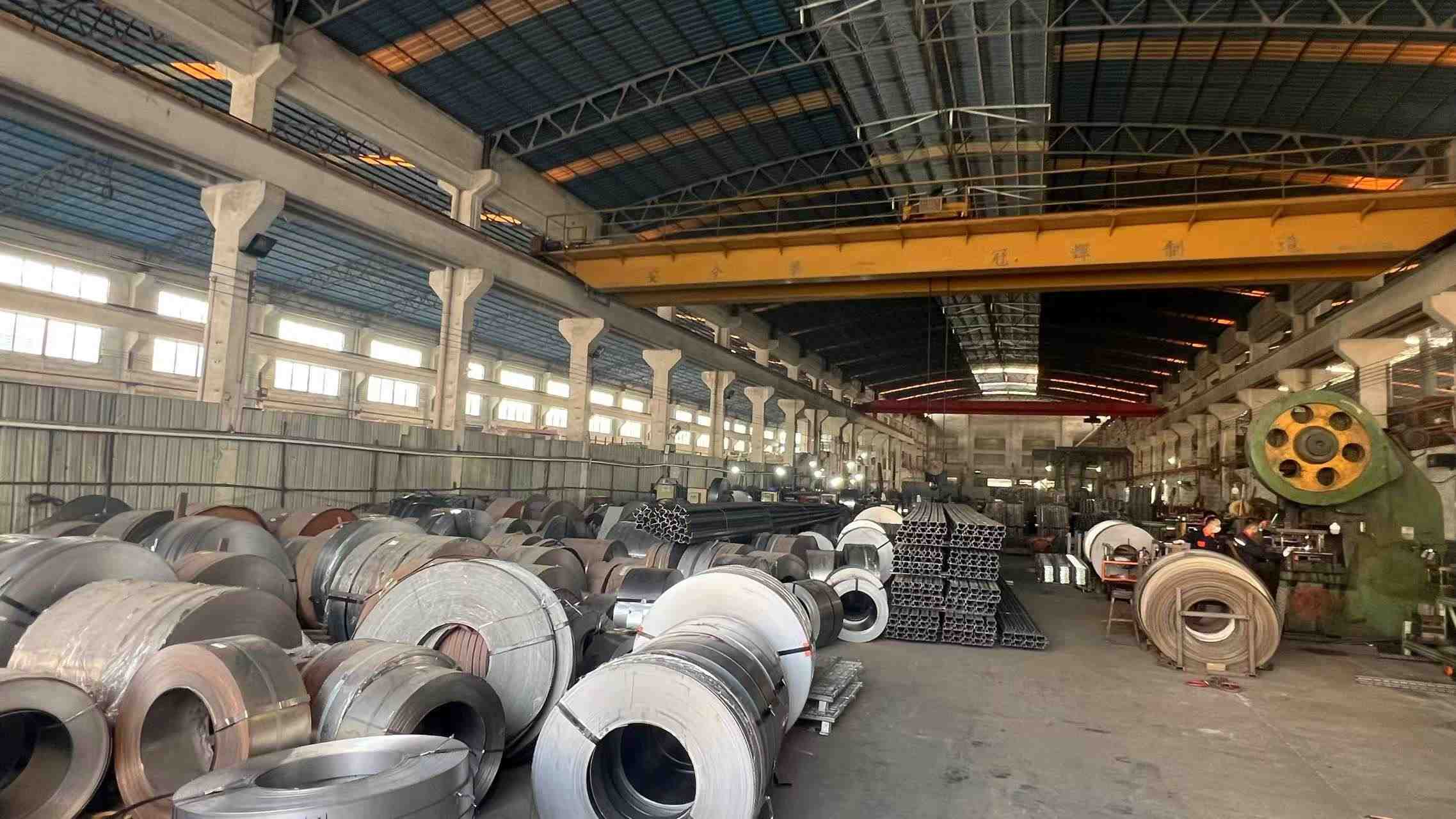
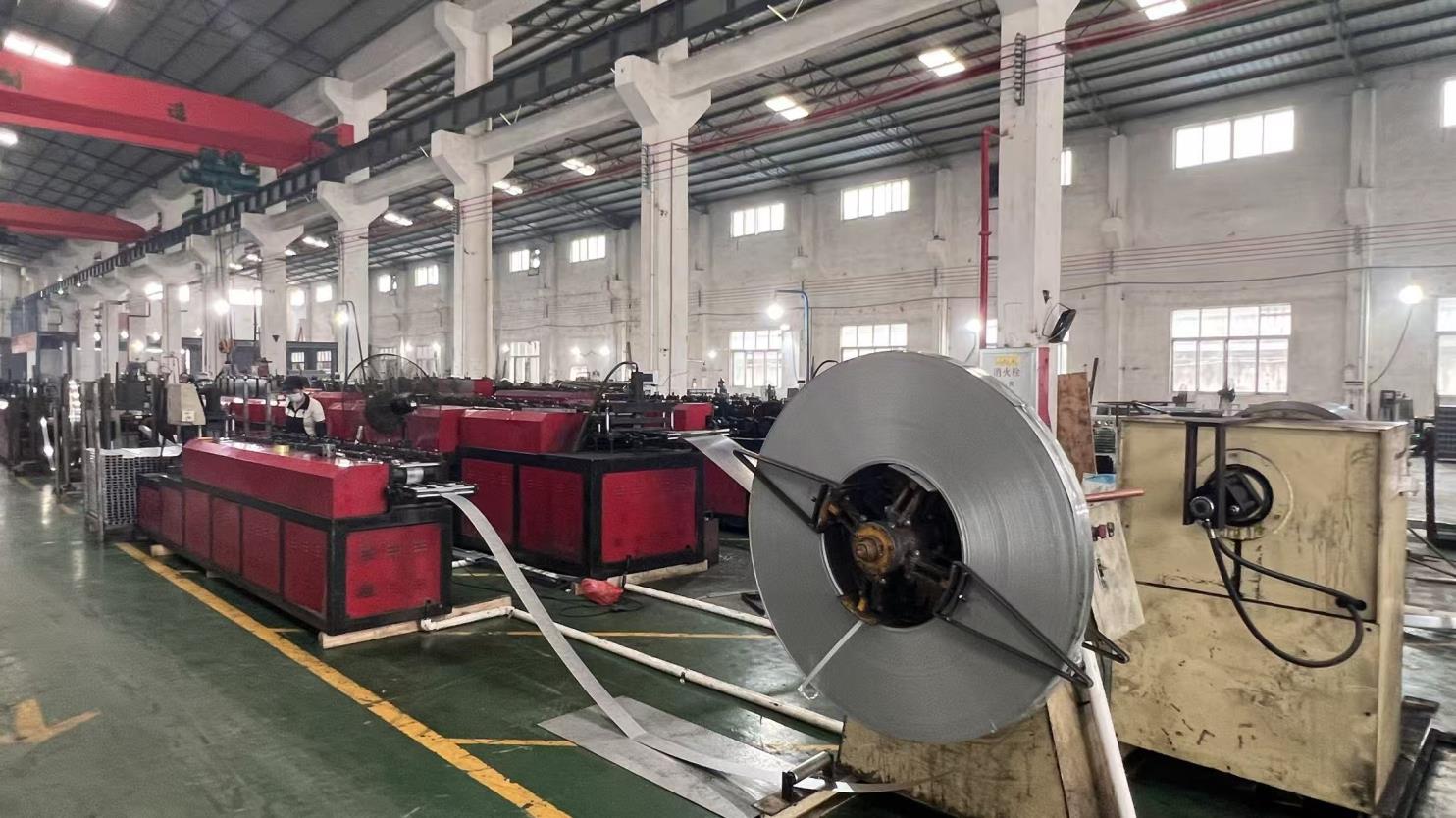
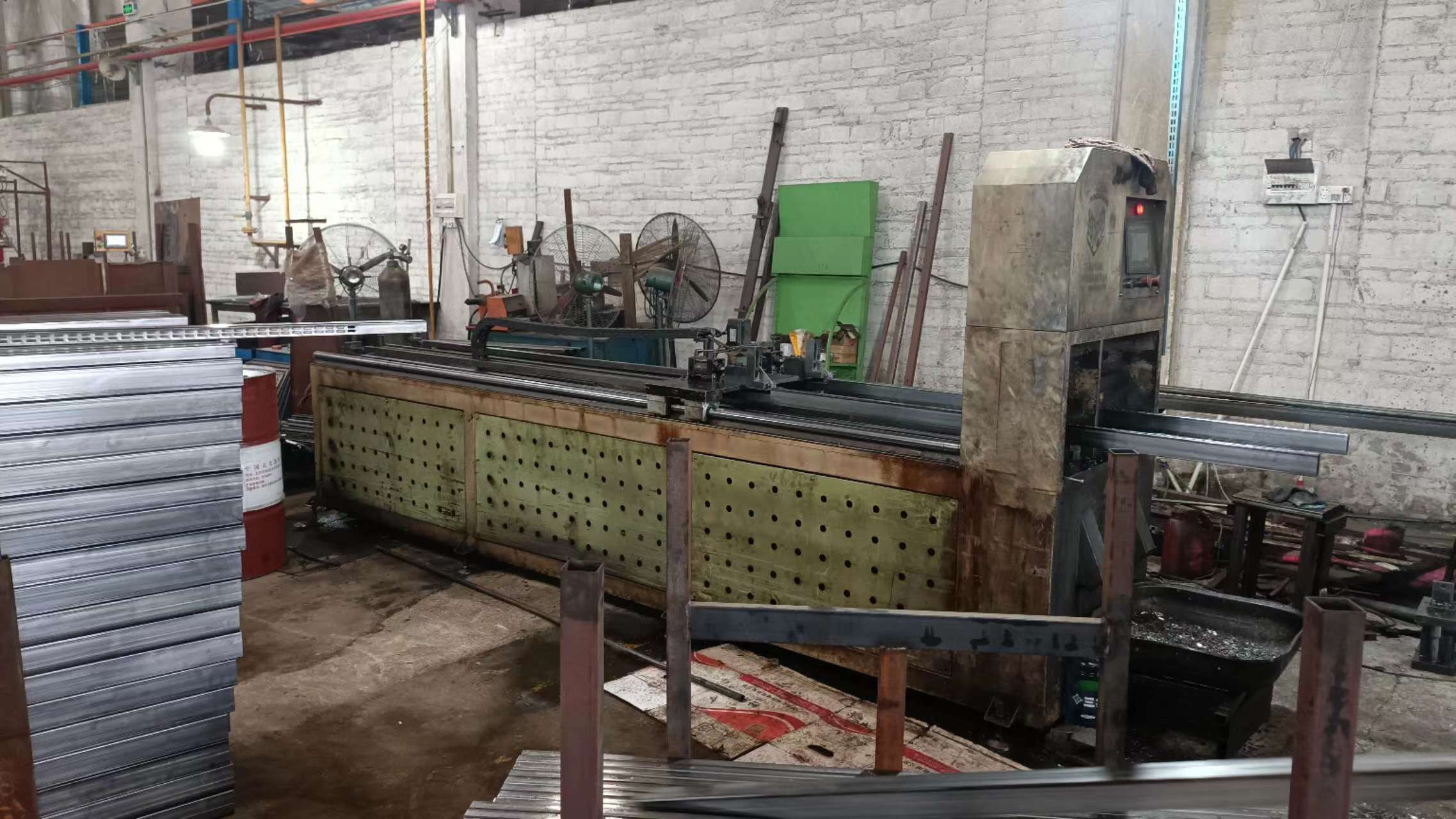
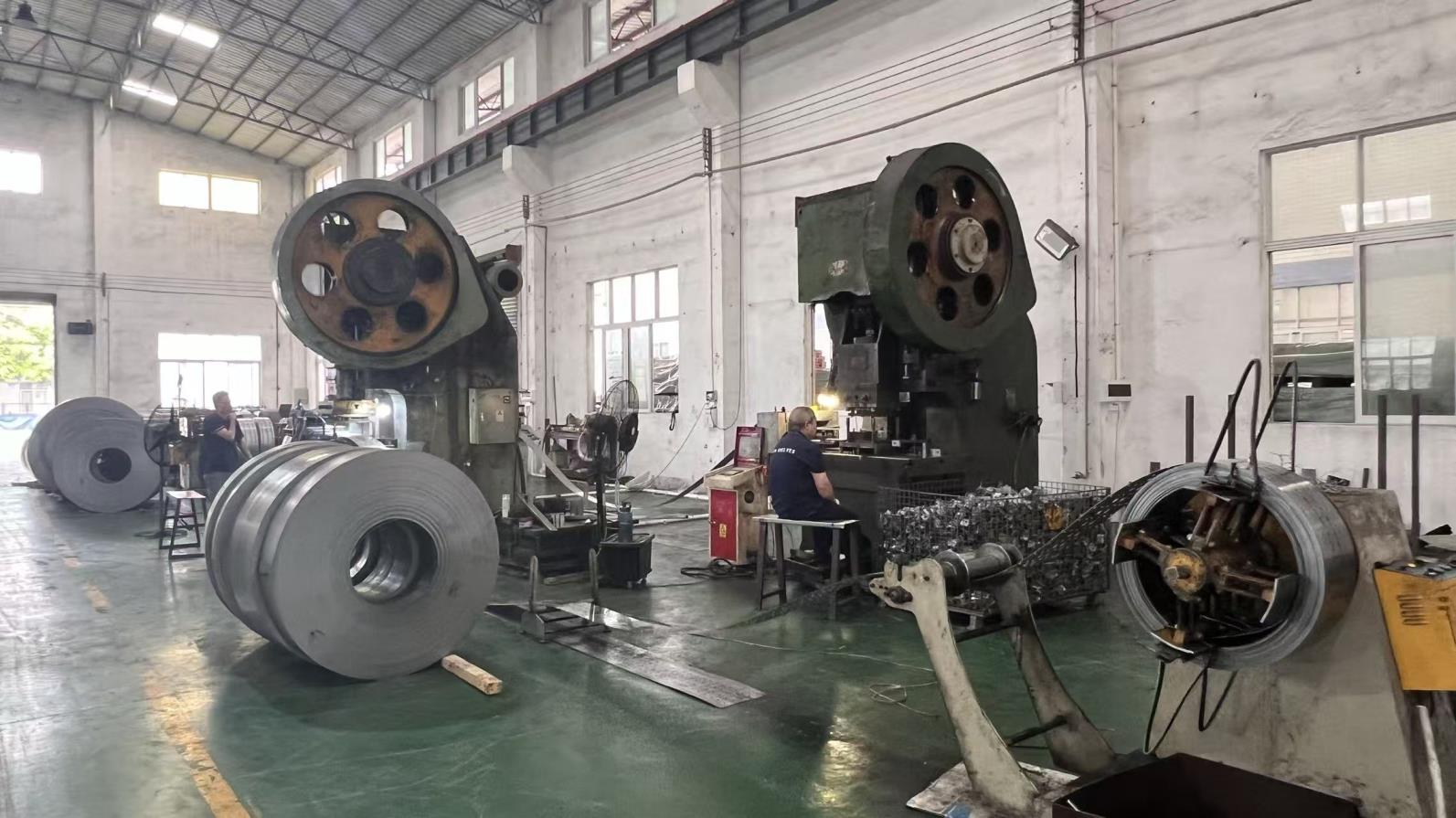
How global enterprises optimize floor space and increase workflow throughput using specialized cantilever configurations.
Standard storage systems fail when applied to heavy, long-span industrial inventory. Structural failures, product bending, and slow material extraction are common symptoms of inadequate storage design. Custom OEM cantilever layouts address these challenges by matching rack dynamics directly to the load characteristics and material handling equipment.
Efficient layout design also relies on compatibility with material handling equipment. Single-sided cantilever racks are designed for perimeter wall positioning, maximizing warehouse borders. Double-sided layouts allow forklifts access to both faces from a central aisle, doubling storage capacity. For narrow aisles, our designs interface seamlessly with multidirectional reach trucks or sideloaders, reducing required aisle widths by up to 40% and reclaiming valuable warehouse floor space.
From static steel frames to automated, sensor-enabled logistics hubs.
Modern logistics requires more than just heavy steel racking; it demands systems that integrate with digital workflows and warehouse automation. As supply chains move toward smart logistics, our R&D division is actively updating the traditional cantilever system to support high-throughput, automated storage solutions.
By connecting automated stacker cranes with custom-engineered cantilever frames, warehouses can store long materials at heights exceeding 20 meters. This setup operates without manual forklift operations, reducing human error and boosting retrieval speeds. Our latest systems feature precise laser alignments and custom arm profiles to support automated pick-and-place cranes.
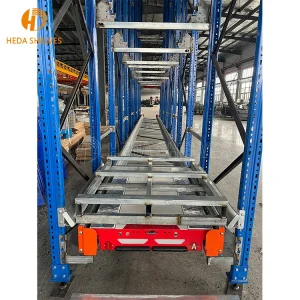
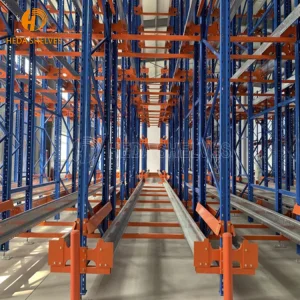
Additionally, the integration of radio shuttle technology (such as the Automatic Warehouse Shuttle Racking System and Pallet Shuttle Racking System) is changing high-density pallet storage. By adapting cantilever designs to support tracking rails, shuttles can move long products along the racking channels. This system minimizes forklift travel distance and maximizes safety in high-density facilities.
To improve structural safety, our future designs include IoT stress-sensor pins installed at critical arm connections. These sensors monitor load changes and structural stress in real-time, sending alerts to warehouse operators through the WMS if overloading or off-center loads occur. This proactive approach prevents structural fatigue and helps maintain a safe working environment.
Ensuring compliance, structural integrity, and efficient delivery for international buyers.
Purchasing heavy structural racking from international manufacturers requires clear compliance with local standards and building regulations. Racking systems are subject to strict structural codes designed to protect personnel and inventory from failure risks, especially in seismic zones.
Our engineering division customizes calculations to match local standards, ensuring smooth local approvals and reliable performance:
To ensure high quality, Durack's QC team of 45 specialists conducts regular non-destructive testing (NDT), ultrasonic testing of critical welds, and loading limit verifications. We also partner with third-party testing agencies (like SGS and TUV) to issue certified test reports for large-scale enterprise projects.
Shipping large, heavy steel racks requires efficient packaging and loading strategies. We package our columns, arms, and bracing kits using custom steel frames to maximize container space and protect the powder-coated finish from scratches during transit. Our components are pre-engineered for straightforward on-site assembly, utilizing high-tensile bolted connections that do not require field welding. For large projects, we provide detailed layout schematics and installation manuals, and can arrange online engineering support to assist local installation crews.
Expert answers to common engineering, layout, and procurement questions.
Select from our heavy-duty warehouse storage systems, modular structural platforms, and adjustable retail store fixtures.
 Durack