Premium structural engineered warehouse storage platforms optimized for industrial load capacities and high-throughput material handling.
Analysing structural dynamics, macroeconomic shifts, and the transition toward modular warehousing.
In the modern landscape of global supply chain management, warehousing is no longer merely a cost center; it is a critical driver of operational agility. As e-commerce penetration scales, third-party logistics (3PL) providers and industrial distributors face severe spatial constraints and rising overhead costs. Traditional bolted storage systems, once the standard for industrial warehouses, are increasingly viewed as rigid and slow to adapt. The industry is witnessing a structural paradigm shift toward custom boltless systems. These designs utilize precision-engineered interlocking components (such as rivet or teardrop connectors) that establish high-capacity joints under gravitational load, eliminating the need for nuts, bolts, and specialized tools during installation.
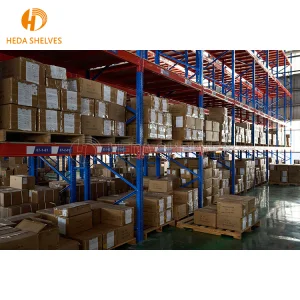
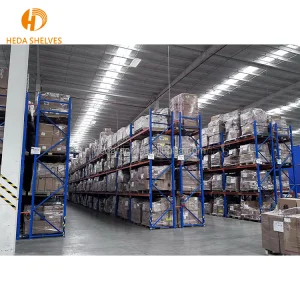
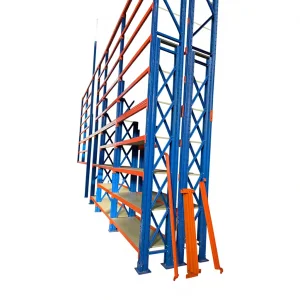
The physical mechanics of boltless systems rely on self-locking taper connections. When load is applied to a shelf beam, the connectors wedge deeper into the upright posts, increasing the overall structural rigidity. This design significantly reduces assembly time—often up to 60% compared to bolted structures—minimizing labor costs during installation and facilitating rapid reconfiguration as inventory profiles change. Globally, the adoption of boltless configurations is surging across automotive parts distribution, pharmaceutical cold storage, high-density retail backrooms, and automated fulfillment networks.
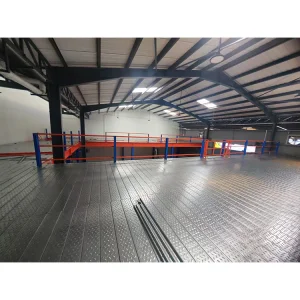
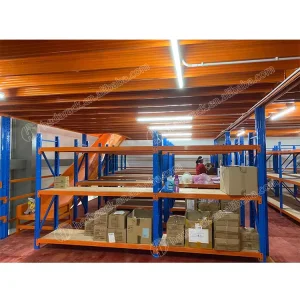
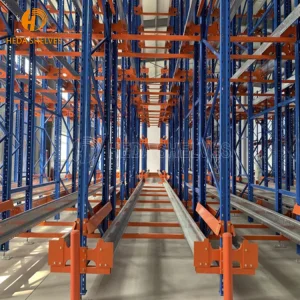
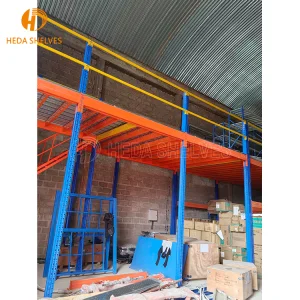
Modern facilities require vertical scalability. Boltless architectures integrate seamlessly with multi-tier mezzanine floors and automatic shuttle networks, allowing companies to double their storage capacity without expanding their building footprint.
Time-to-market is critical for new fulfillment hubs. Boltless racking allows for rapid deployment, permitting logistics centers to become operational in days rather than weeks, directly enhancing ROI during setup phases.
Engineered to meet European FEM and North American RMI standards, boltless structures offer predictable material behavior under stress. This consistency is vital for maintaining workplace safety and compliance with international guidelines.
Operating from a state-of-the-art 35,000 m² manufacturing facility in China, Durack has established itself as an industry leader in customized storage racking systems. Backed by 12 years of specialized engineering experience and 8 years of global export history, we serve an elite client portfolio spanning North America, Europe, and Southeast Asia.
Our quality control infrastructure is supported by a dedicated team of 45 QC specialists who conduct rigorous, multi-stage testing on every batch. Our verification procedures feature full-spectrum ultrasonic testing for weld integrity and dynamic load-bearing stress evaluations. Under the guidance of our active R&D division, consisting of 65 specialized structural engineers, we continuously innovate. We offer comprehensive OEM/ODM customization options—including bespoke beam profiles, structural steel grades (such as Q235B and Q355B), and dynamic layout designs—and launched over 120 new storage products last year alone.
From raw steel coils to high-capacity storage components, explore our vertically integrated production line.
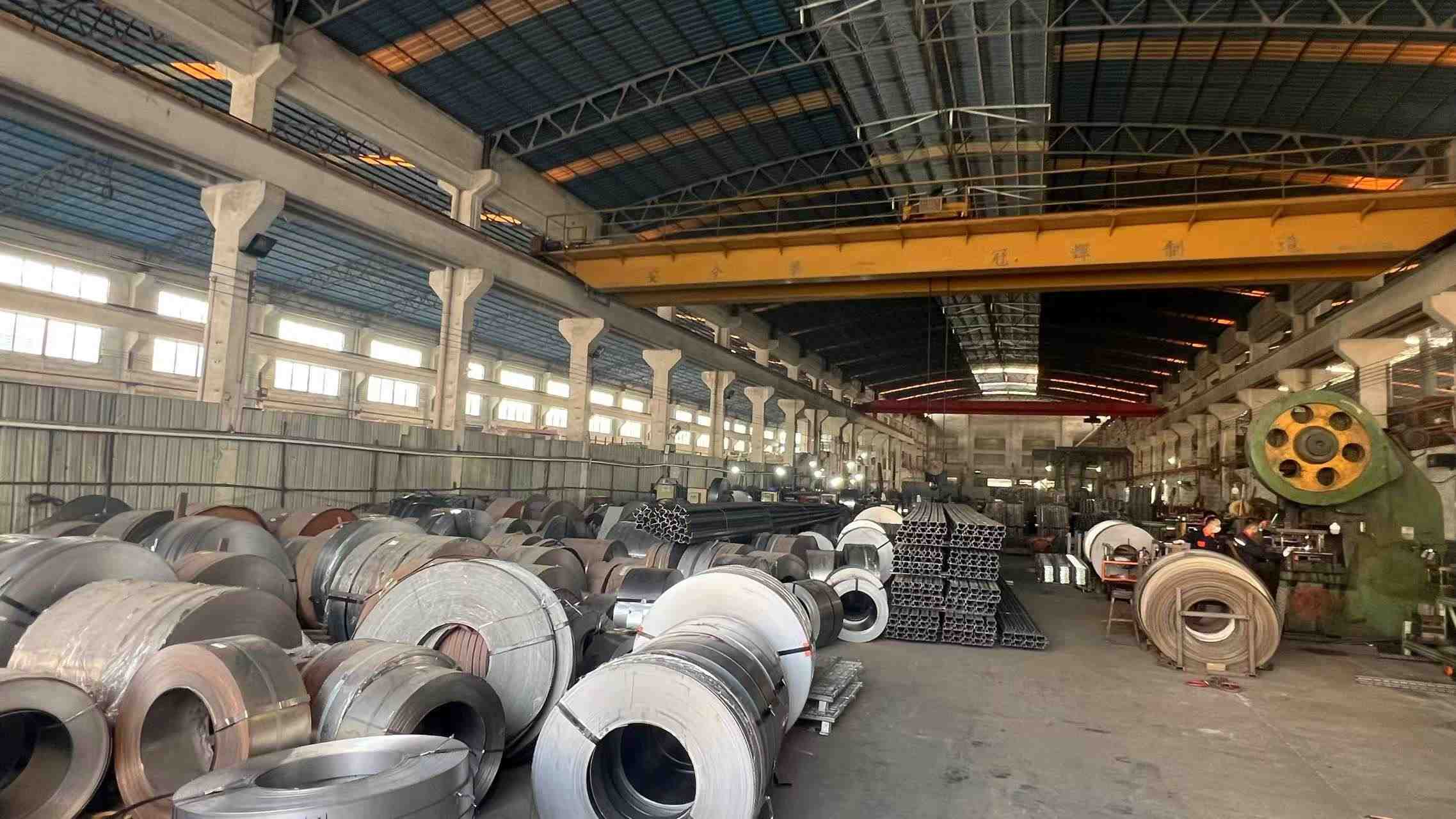
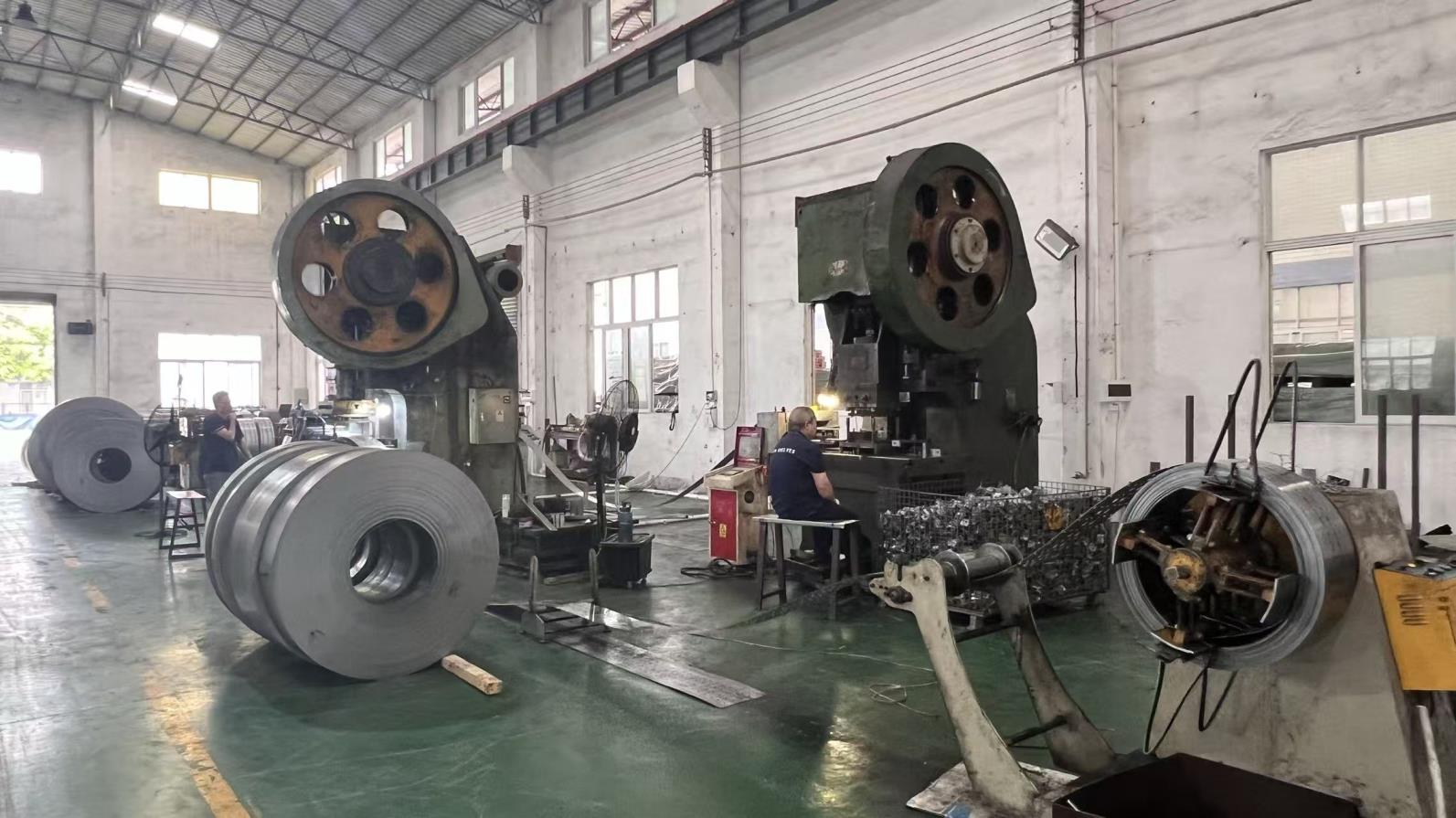
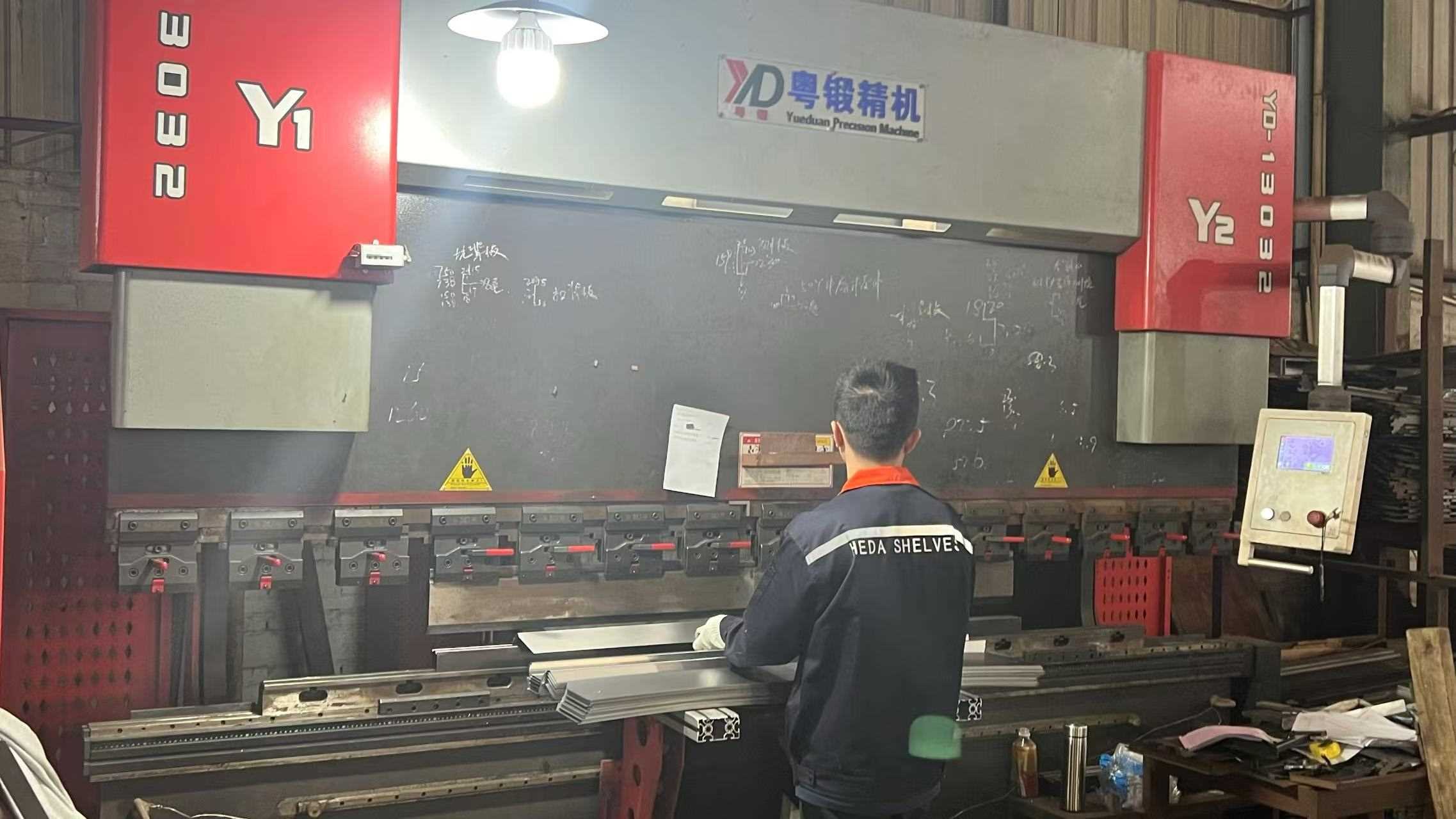
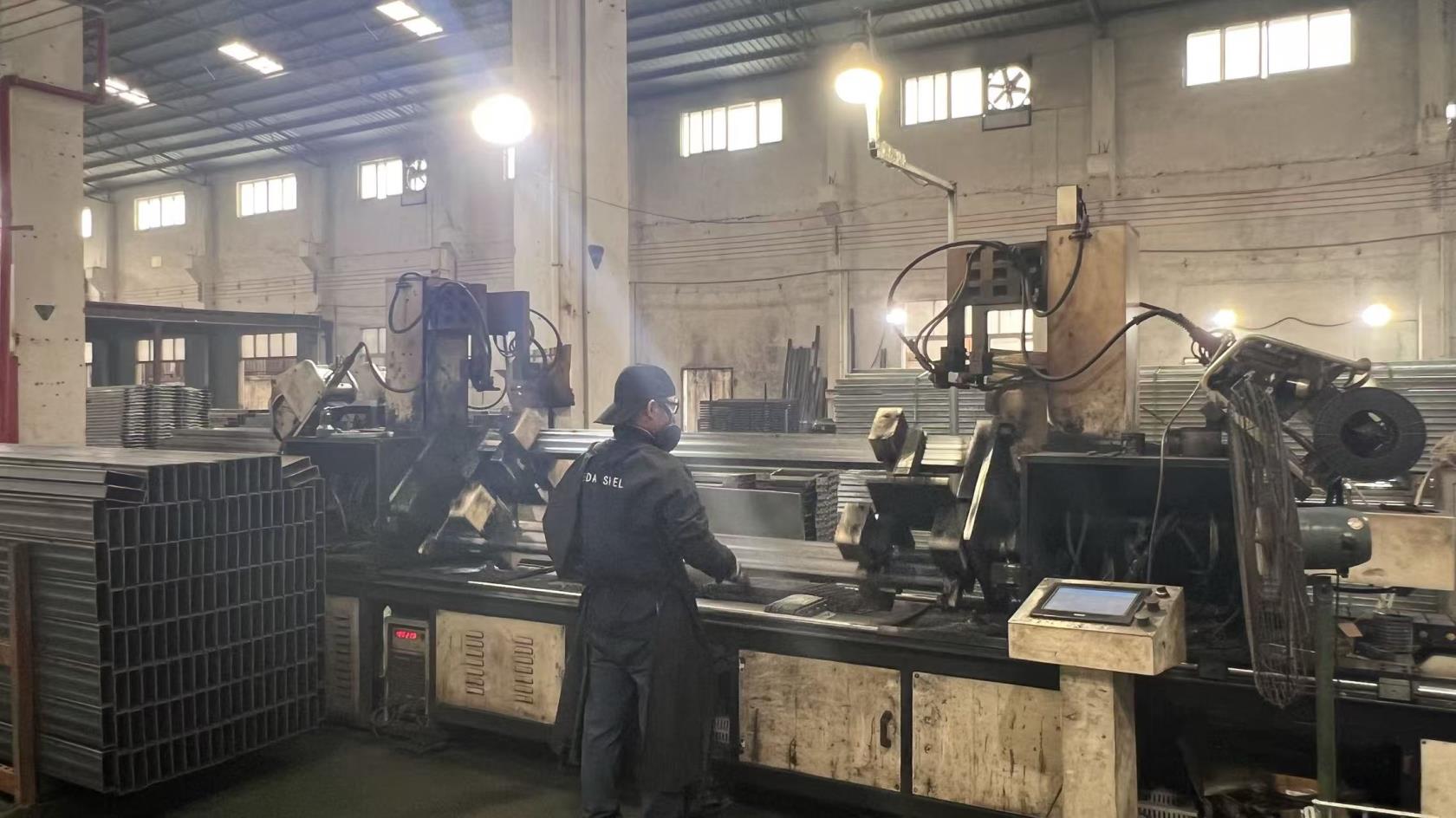
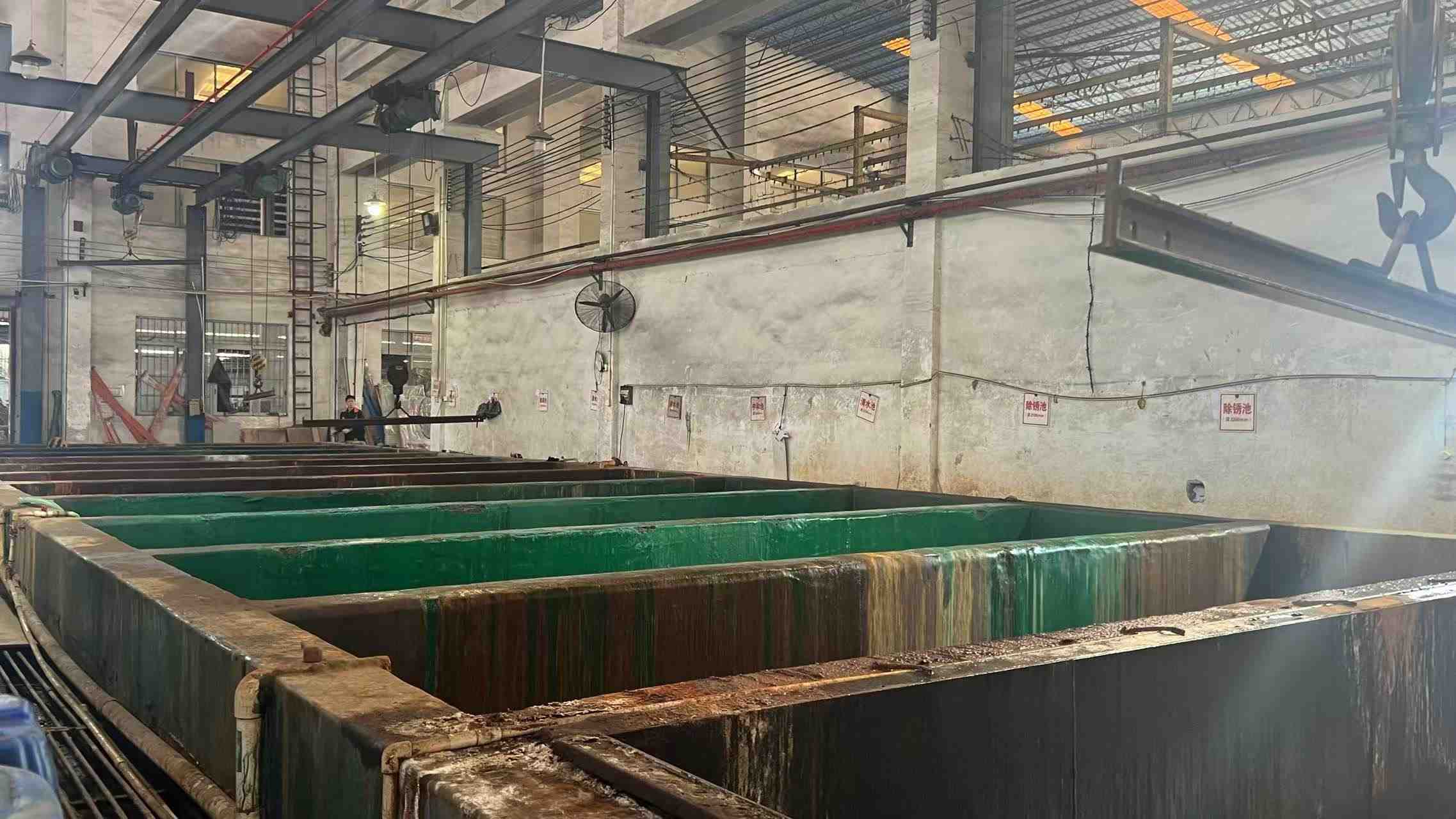
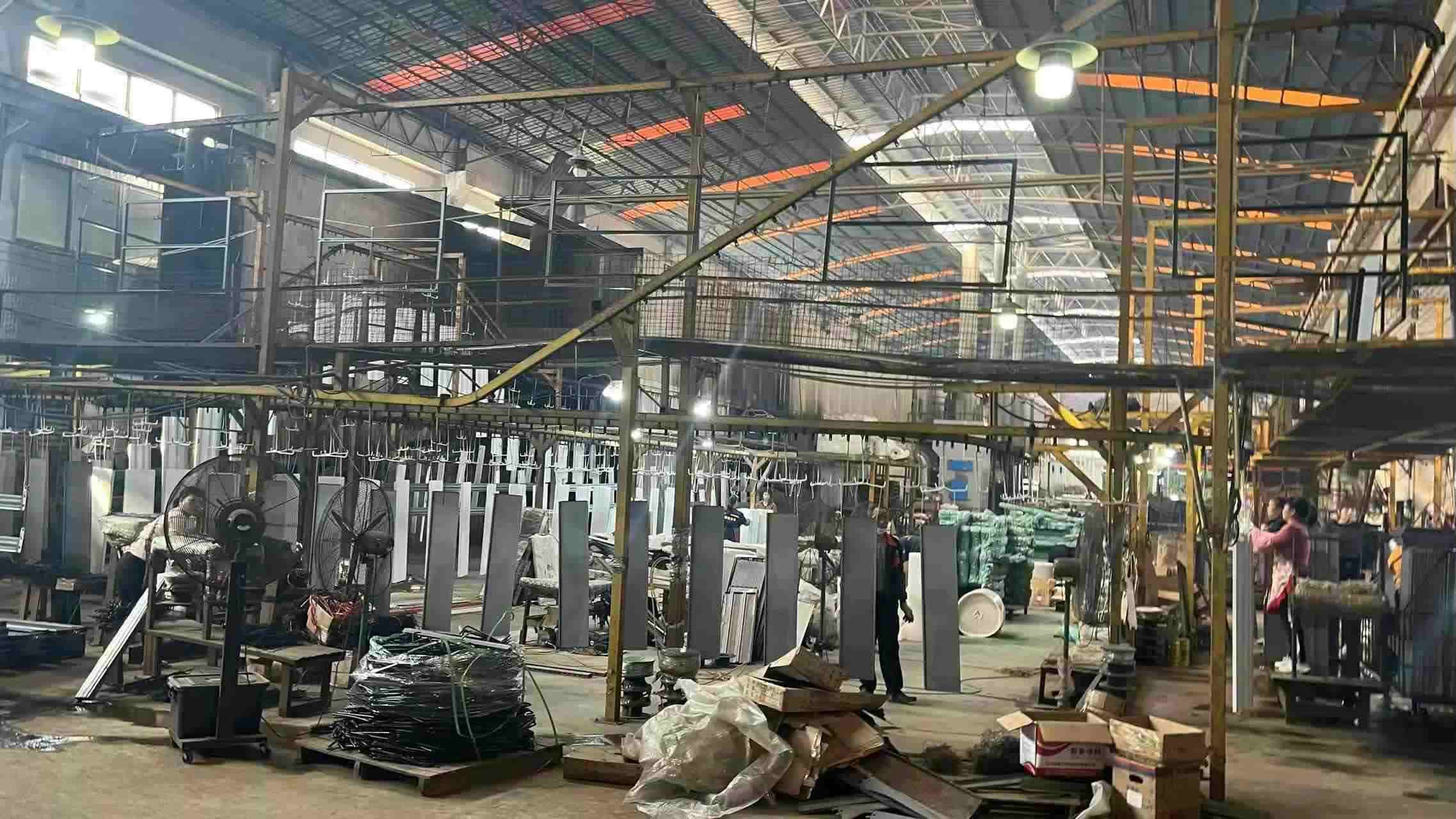
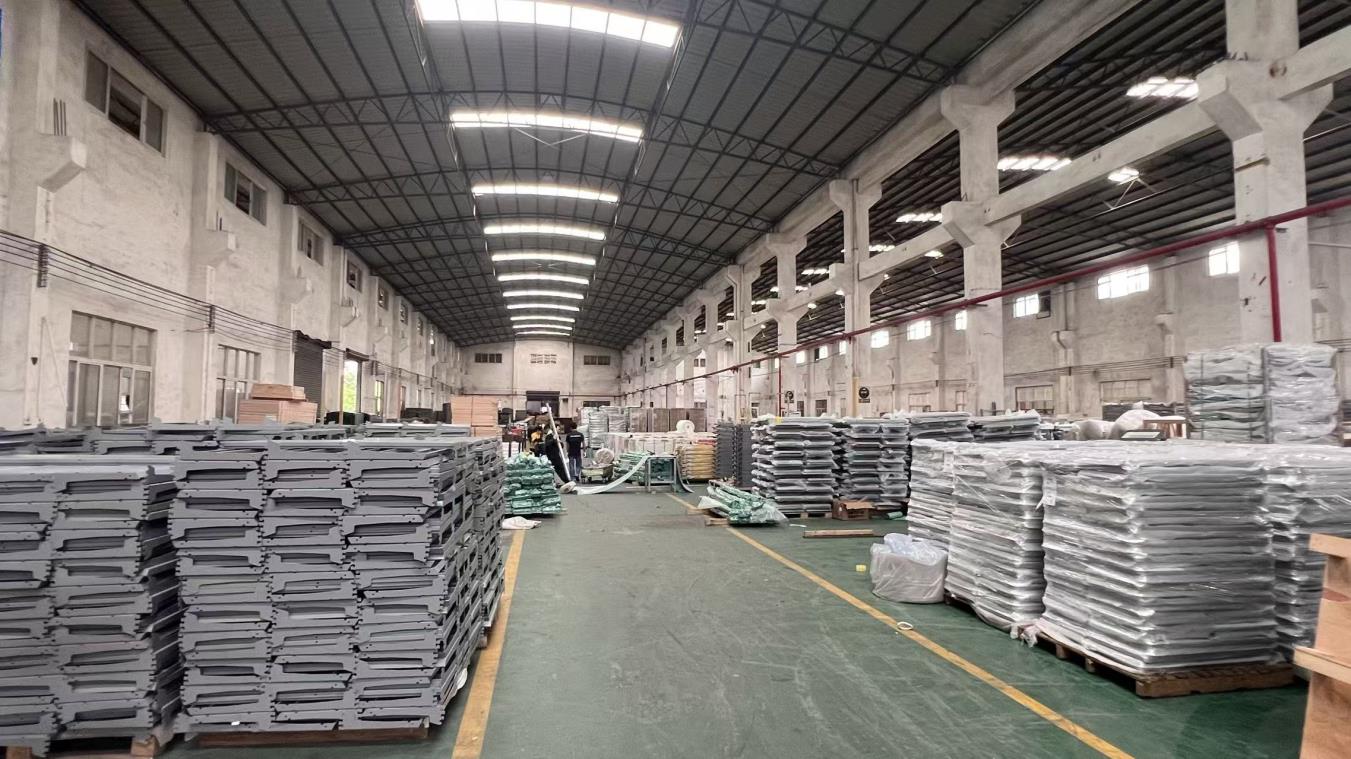
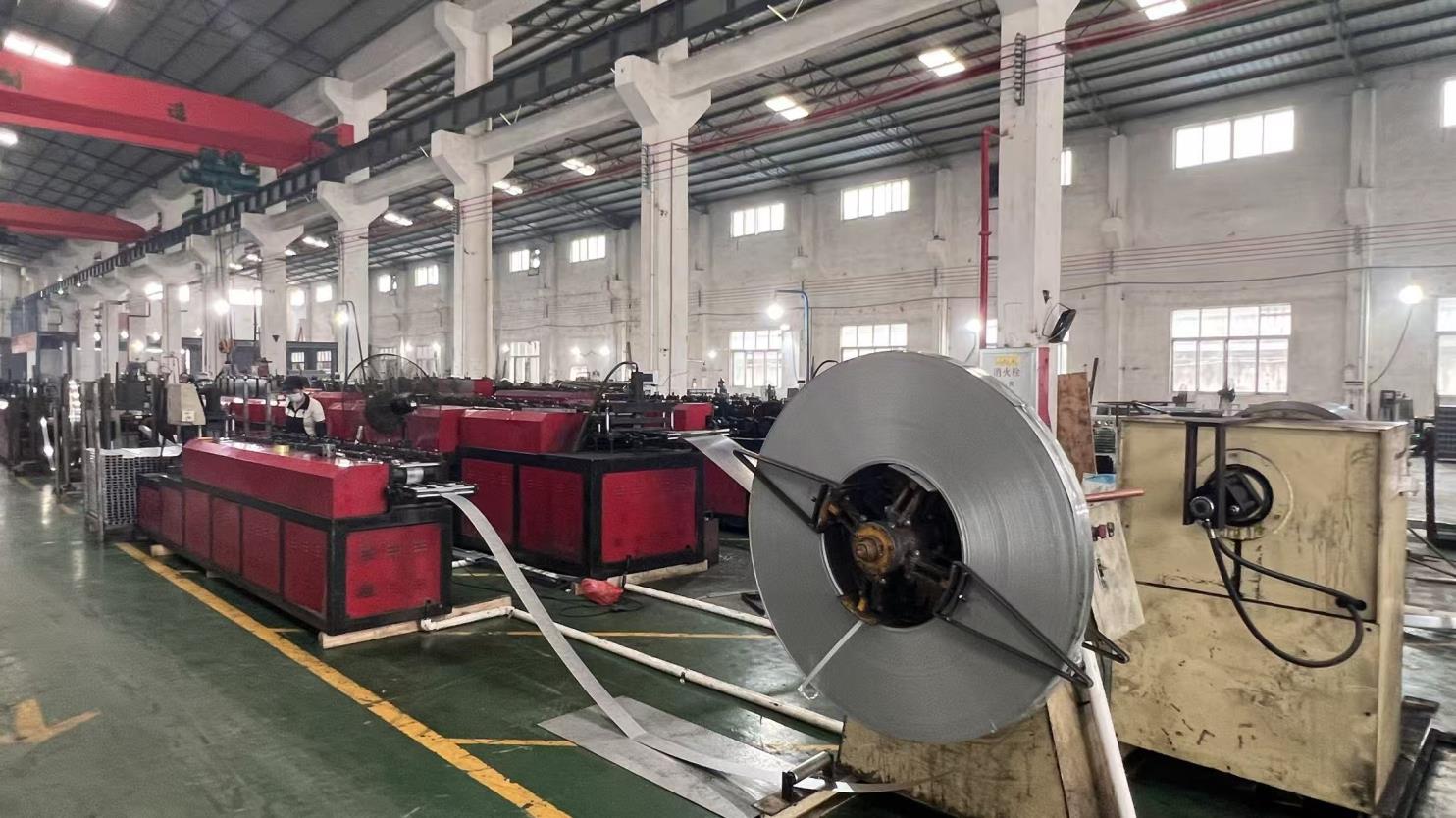
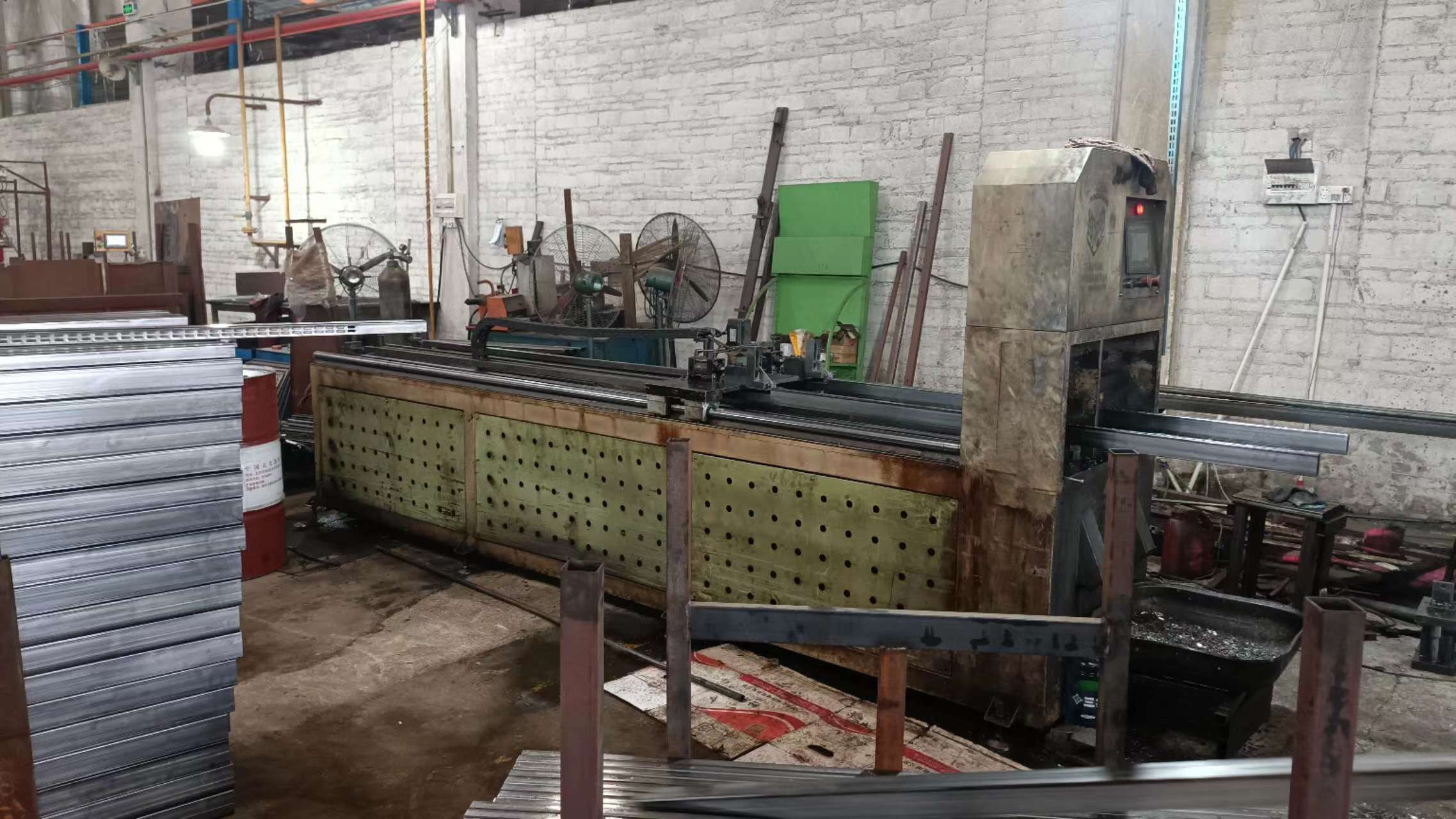
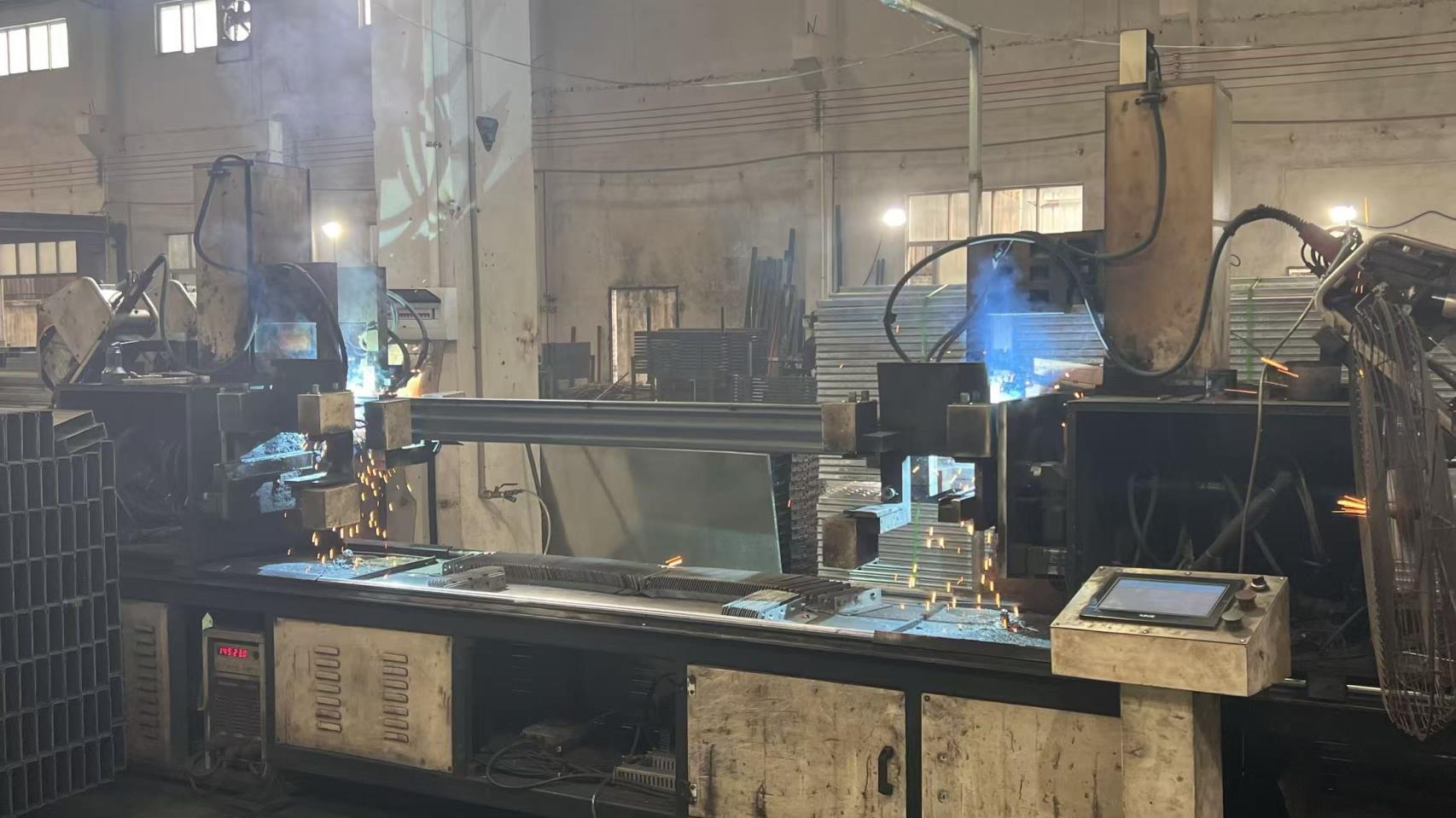
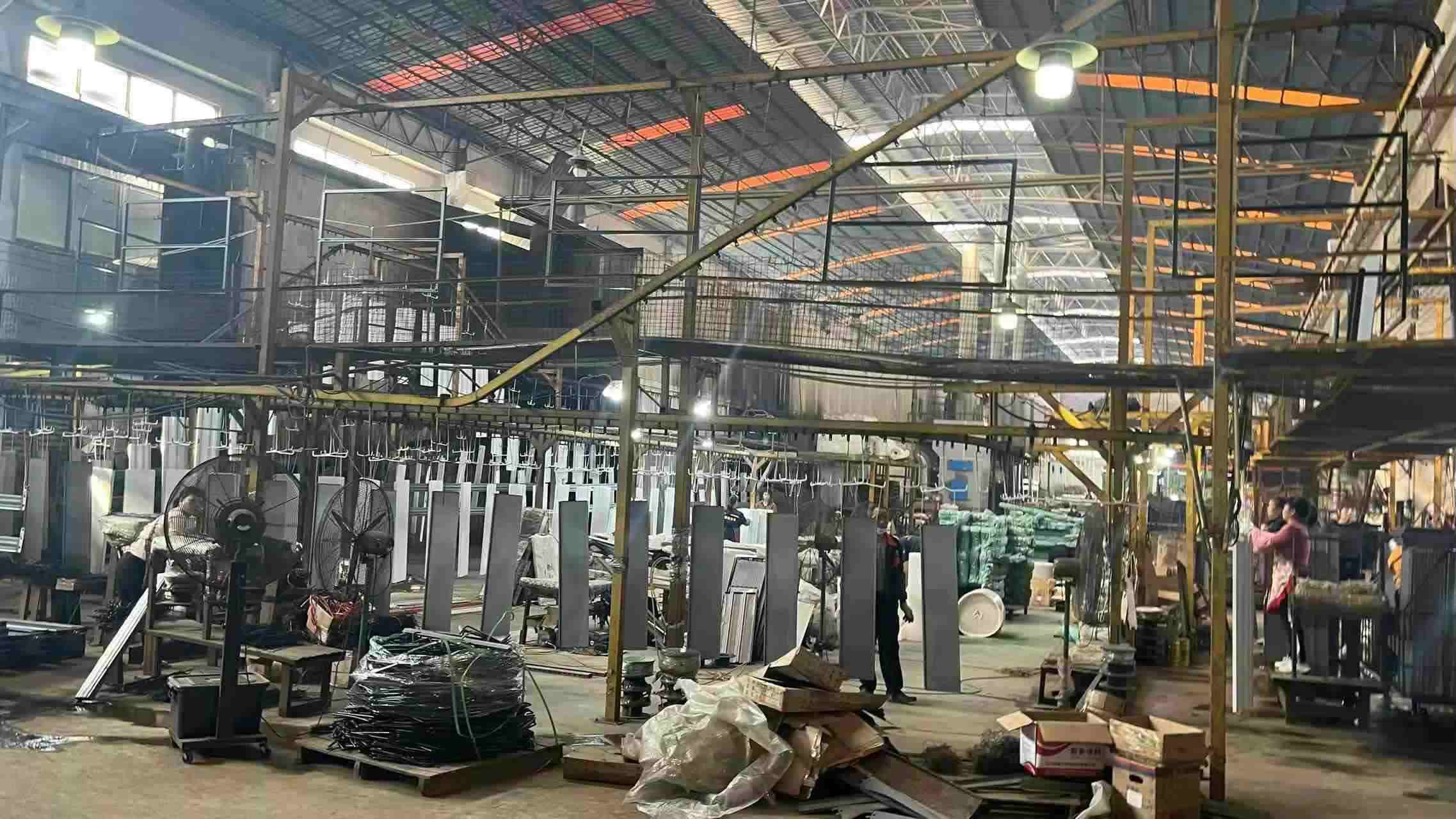
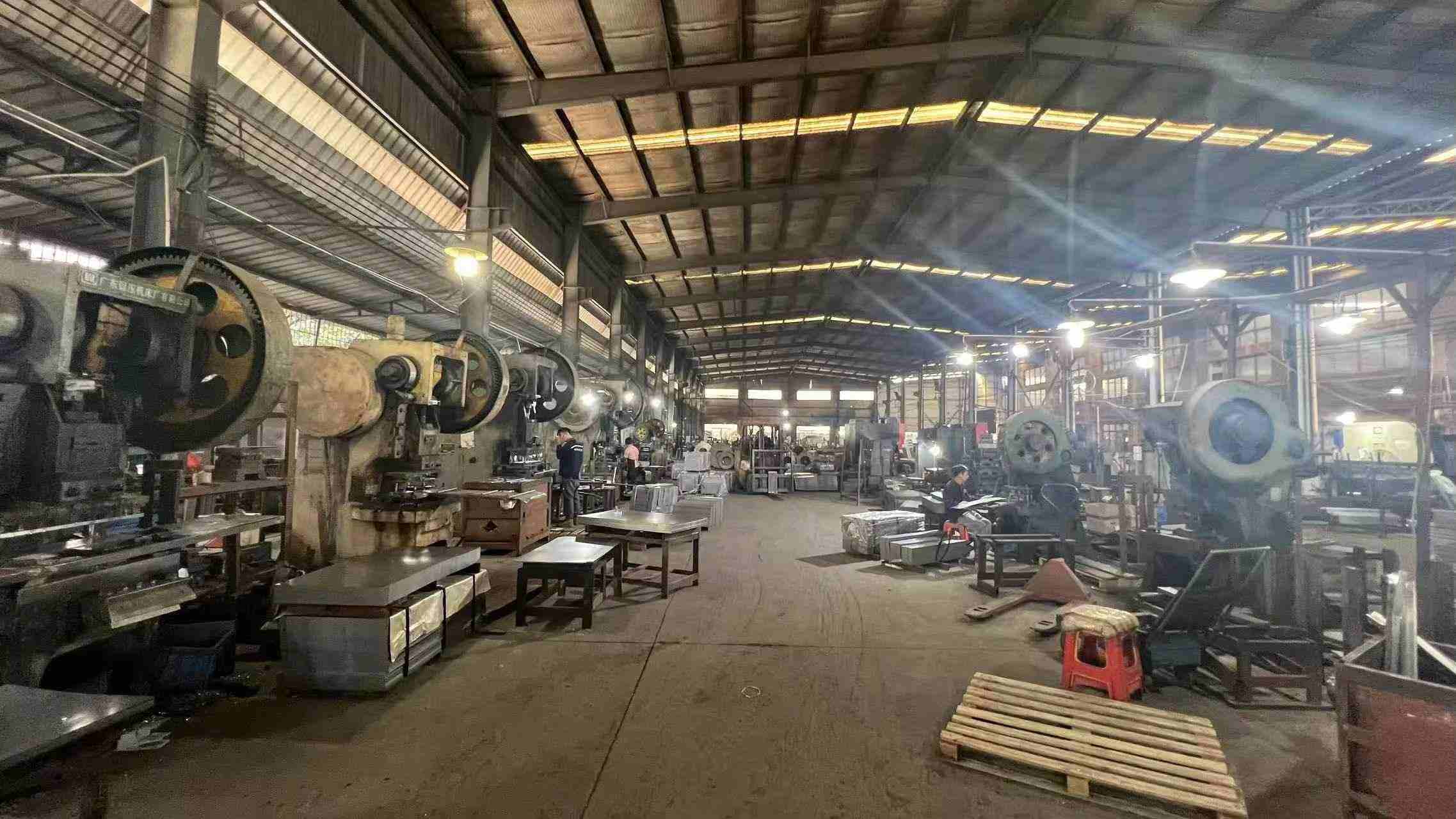
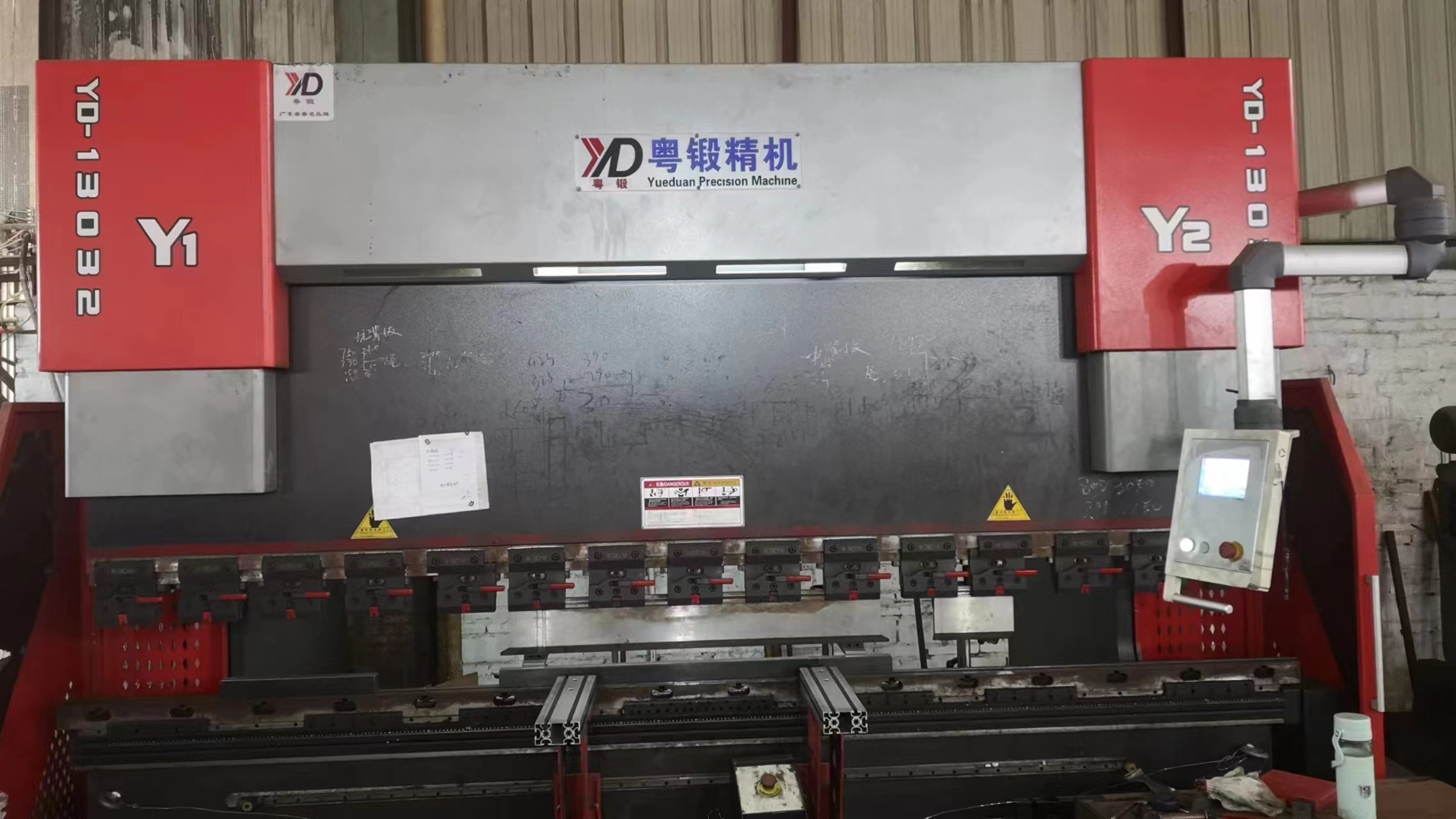
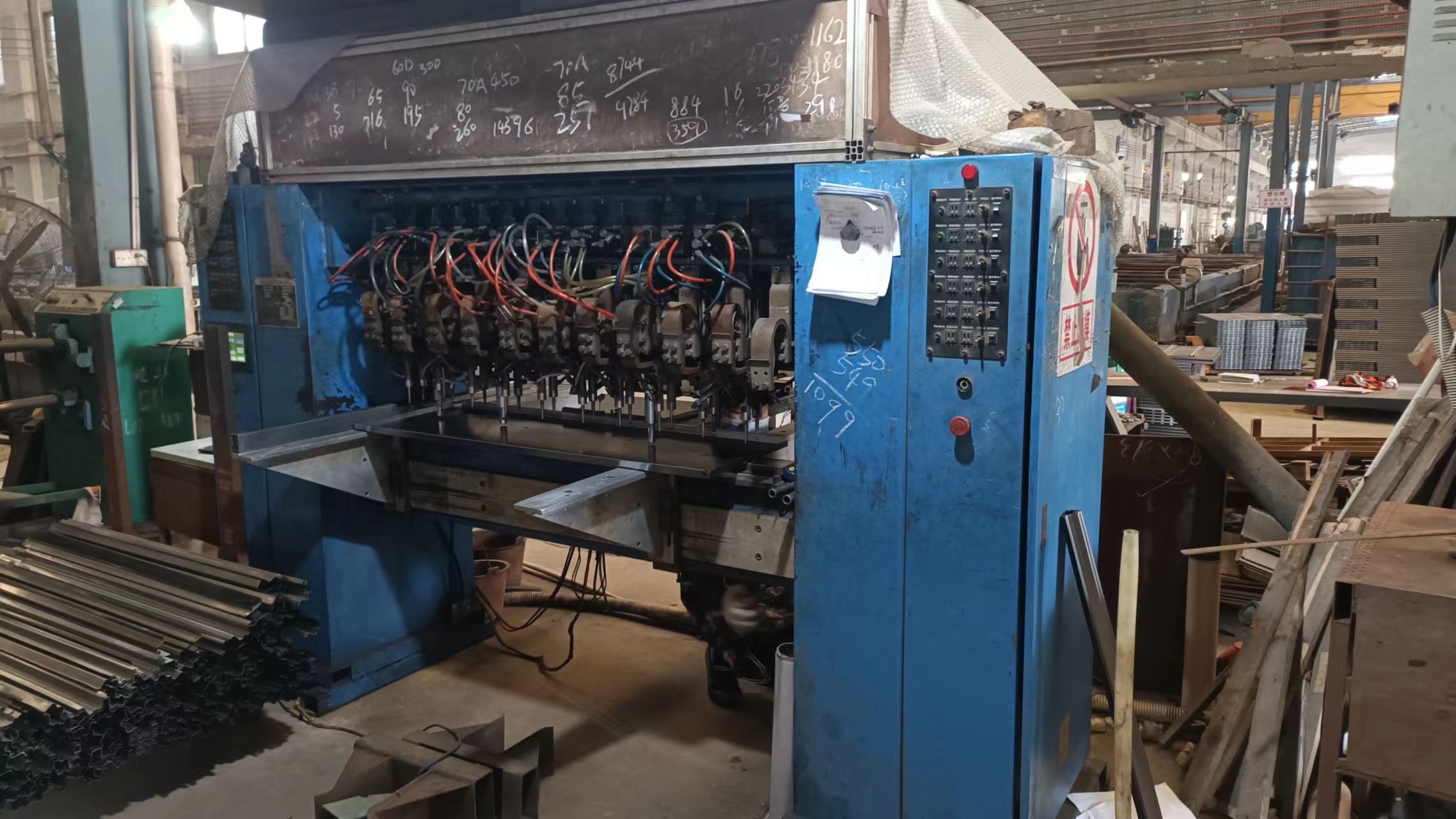
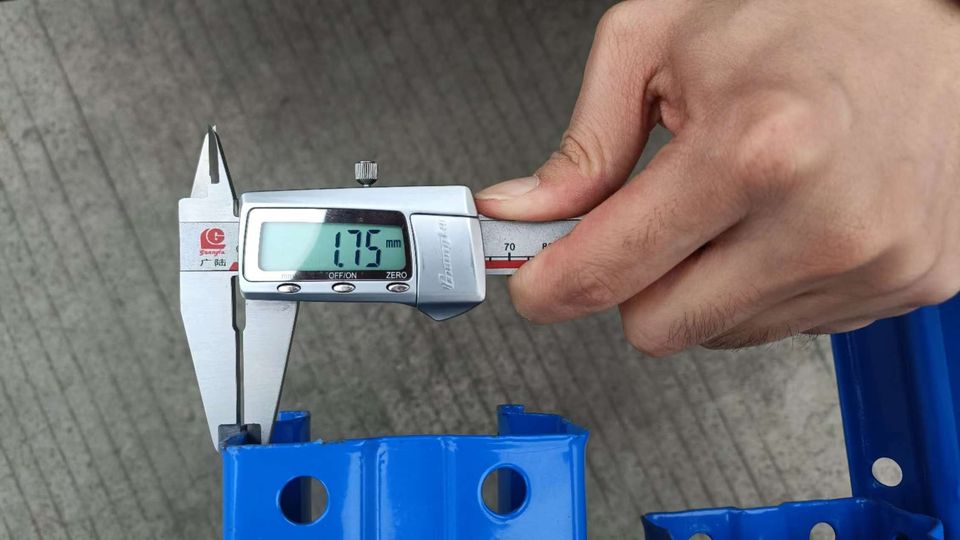
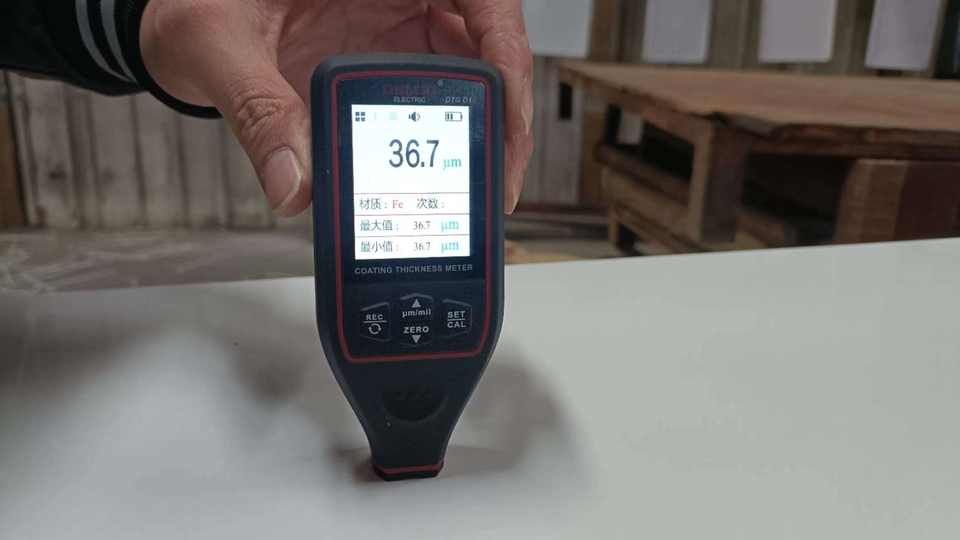
Leveraging advanced manufacturing clusters, automated fabrication lines, and direct steel supply networks.
As a premier Chinese storage racking system manufacturer, Dongguan Durack Logistics Equipment Co., Ltd. leverages the advanced manufacturing ecosystem of the Pearl River Delta. This industrial hub provides access to raw materials, automated processing technologies, and efficient shipping networks. This vertical integration allows us to optimize production while maintaining strict compliance with international structural standards.
We source raw coils directly from primary Chinese steel conglomerates (such as Baosteel and Ansteel). This relationship ensures consistent mechanical chemistry for our Q235B and Q355B structural steel, maintaining uniform yield strength and load carrying capacities.
Our facility houses high-speed, automated rolling mills. These mills shape profiles with precise tolerances of +/-0.1mm, ensuring straight columns and preventing local buckling under maximum compression limits.
Before powder coating, our components undergo an automatic 7-stage acid-washing and Parkerising process. This chemical pre-treatment removes surface oxides and applies a zinc phosphate layer, maximizing powder adhesion and corrosion resistance (ISO 12944 standard).
Our robotic welding lines perform structural joints using high-purity shielding gases. This method eliminates slag and creates clean, uniform welds that undergo regular ultrasonic testing to verify fatigue performance under high-cycle loads.
Tailored engineering configurations designed for diverse global logistics environments.
In high-throughput e-commerce fulfillment environments, speed and flexibility are crucial. Our custom boltless systems allow facilities to adapt to changing stock keeping unit (SKU) dimensions without major shutdowns. Integrations with multi-tier steel attic mezzanine platforms double physical pick areas within existing vertical constraints.
Cold-chain storage requires materials that perform reliably in low temperatures. We manufacture racking using specialized cold-resistant steel grades, paired with thermosetting plastic powder coatings. These systems maintain structural integrity down to -30°C, resisting paint peeling and structural embrittlement in food storage facilities.
For regions prone to seismic activity (such as Japan, parts of North America, and Southeast Asia), we design racking with custom engineered baseplates and heavy-duty frame bracings. These configurations comply with RMI codes, distributing seismic energy to minimize structural deformation and protect personnel.
Key metrics and specifications B2B procurement managers evaluate for large-scale operations.
Enterprise procurement of industrial warehouse equipment requires careful analysis of structural properties, regulatory compliance, and total cost of ownership (TCO). Procurement managers must look beyond unit costs to evaluate the quality and safety standards of their suppliers.
Key procurement variables include: Deflection Limits (under standard FEM guidelines, beam deflection must not exceed L/200, or L/300 for automated configurations); Base Material Grades (verifiable mill test certificates validating yield and tensile strengths); and Seismic Load Designations. Durack addresses these requirements by providing comprehensive engineering calculation packs, 3D CAD modeling, and raw material verification documents with every major order.
Sustainability is also becoming an important procurement criteria. Modern operations increasingly mandate lead-free, non-toxic powder finishes and recyclable steel structures. Our coating processes use eco-friendly polymers that emit zero VOCs during manufacturing, helping partners meet environmental compliance goals.
Direct answers to common engineering, logistics, and customization inquiries from B2B buyers.
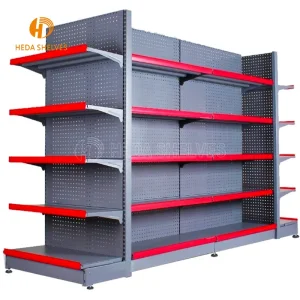
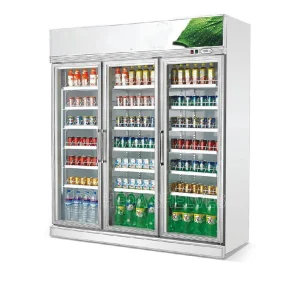
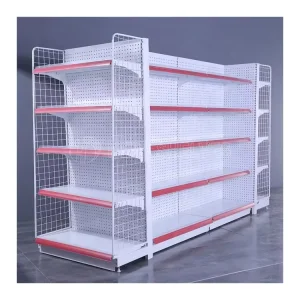
Versatile display and refrigeration systems engineered for modern supermarkets and industrial storage.
 Durack