Premium structural racks, high-capacity utility carts, and precision-engineered shelving lines designed to scale warehousing logistics efficiency.

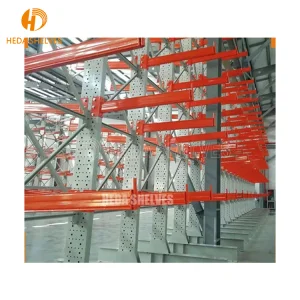
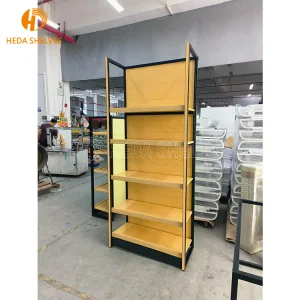
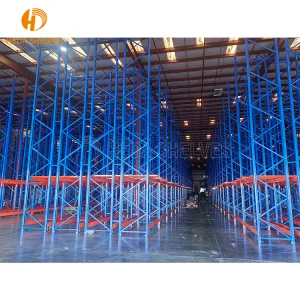
The global logistics landscape is undergoing a significant transformation, driven by high land costs, rapid industrial expansion, and the rise of automated warehouses. Storing flat goods—such as sheet metals, gypsum boards, MDF panels, plywood, plastic sheets, and structural panels—poses unique spatial and safety challenges. Traditional floor-stacking methods not only consume valuable square footage but also expose high-value panel inventories to moisture, bending stress, and accidental forklift impact.
To address these structural issues, modern industrial operations are moving toward heavy-duty cantilever systems, double-deep selective pallet racking, and specialized A-frame racking. These configurations maximize vertical space while maintaining selective accessibility. By distributing load stresses across engineered upright columns and support arms, companies can safeguard material integrity and minimize warehouse footprint.
"Optimizing the vertical cube space for sheet materials and heavy panels reduces operational footprints by up to 60% compared to horizontal floor stacking, providing direct ROI in logistics costs and raw material preservation."
In North America and Europe, stringent warehouse safety regulations (such as RMI standards in the USA and CE compliance in the EU) require rigorous dynamic structural modeling. As a result, global procurement managers are increasingly partnering with certified Chinese manufacturers capable of producing high-grade steel structures that pass ultrasonic weld checks, stress distribution tests, and corrosion resistance evaluations.
How regional demands and engineering trends drive next-generation industrial warehouse storage platforms.
Modern sheet metal and panel storage systems are transitioning from manual forklift loading to Automated Storage and Retrieval Systems (AS/RS). Our high-tolerance beam profiles and dynamic layout structures integrate seamlessly with stacker cranes and conveyor lines, reducing retrieval times and limiting warehouse labor dependencies.
Different geographic regions mandate specific safety regulations. In the North American market, manufacturers must supply racks that conform to RMI standards for load calculations and seismic resistance. In European jurisdictions, CE marking and EN 15512 static calculation methods are essential to clear safety audits.
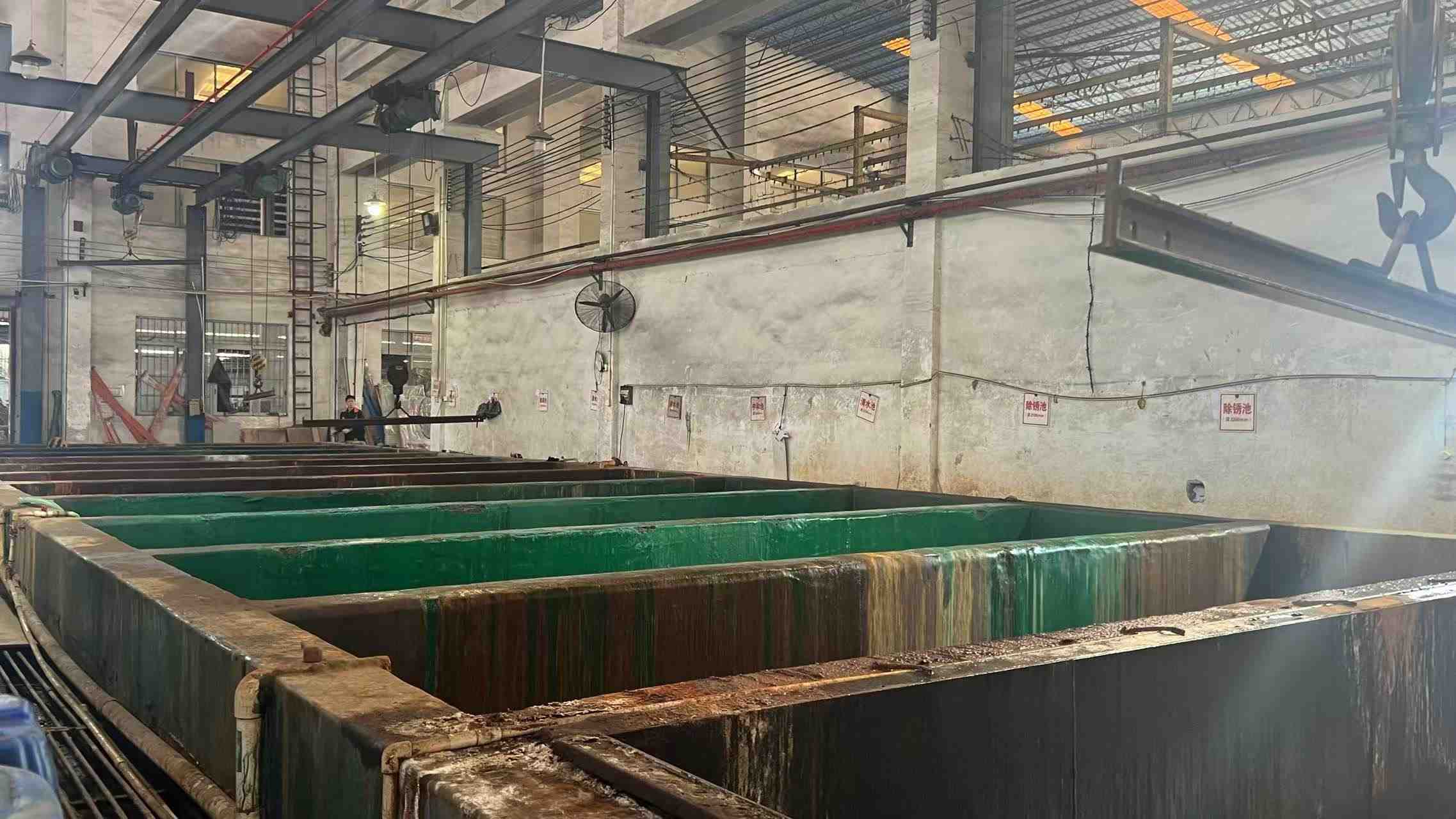
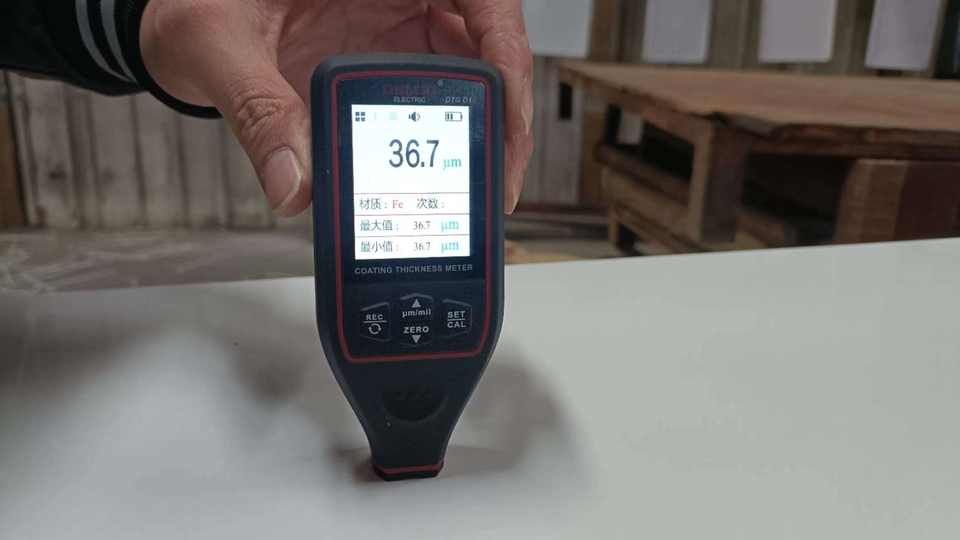
Industrial warehousing environments, particularly in humid coastal manufacturing zones or cold chain food storage sectors, expose racking to rapid oxidation. Employing high-grade epoxy-polyester powder coatings preceded by a 7-stage acid-washing and parkerising pre-treatment process ensures rust protection and extended operational lifespans.
A premier Chinese storage racking system manufacturer operating a 35,000 m² modern fabrication facility.
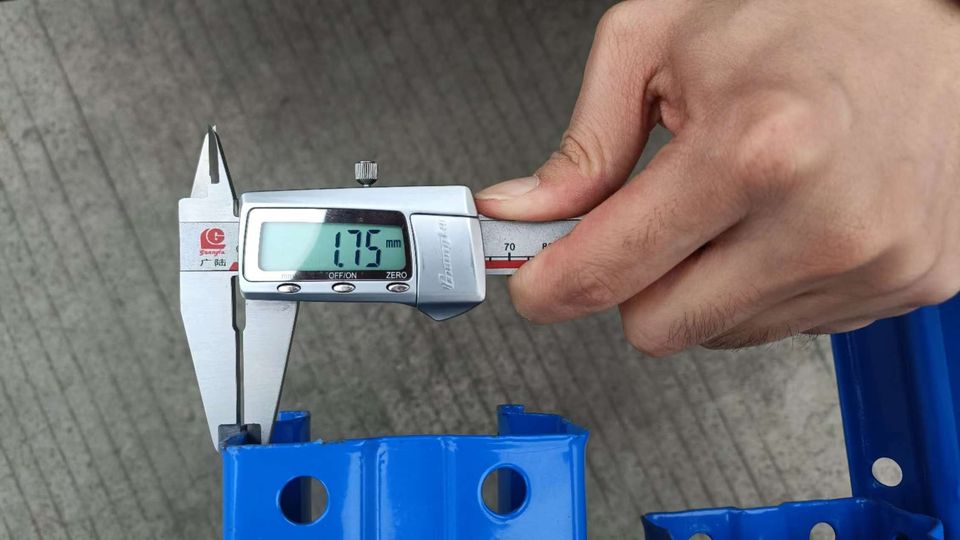
Founded in 2014, Dongguan Durack Logistics Equipment Co., Ltd. is a premier Chinese storage racking system manufacturer operating a 35,000 m² facility. Backed by 12 years of industry experience and 8 years of global export history, the company generates $28 million in annual export revenue. Our operations are supported by a strict quality assurance system using full-spectrum ultrasonic testing and load-bearing stress evaluations, overseen by 45 dedicated QC specialists. Building on a strong international trading background, our core markets span North America, Europe, and Southeast Asia. We maintain a reliable supply chain network of over 850 partners, catering primarily to third-party logistics (3PL) providers, automated warehouses, and large industrial distributors. Driven by an active R&D division with 65 specialized engineers, Durack offers full OEM/ODM customization options—including bespoke beam profiles, structural steel grades, and dynamic layout designs—launching over 120 new storage products last year.
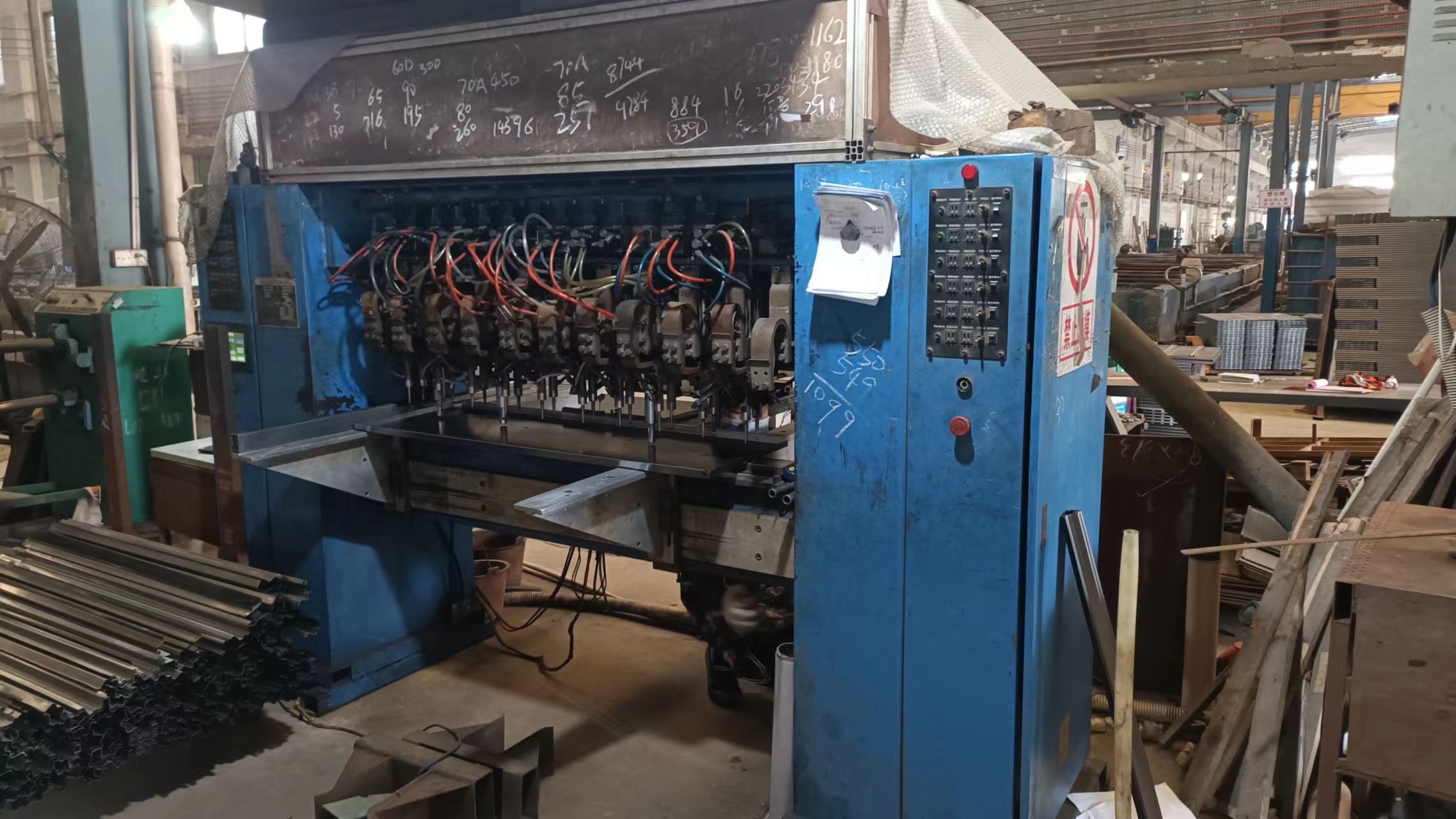
From certified raw structural steel to rigorous quality control testing, we run automated roll-forming and welding processes to guarantee structural load safety.
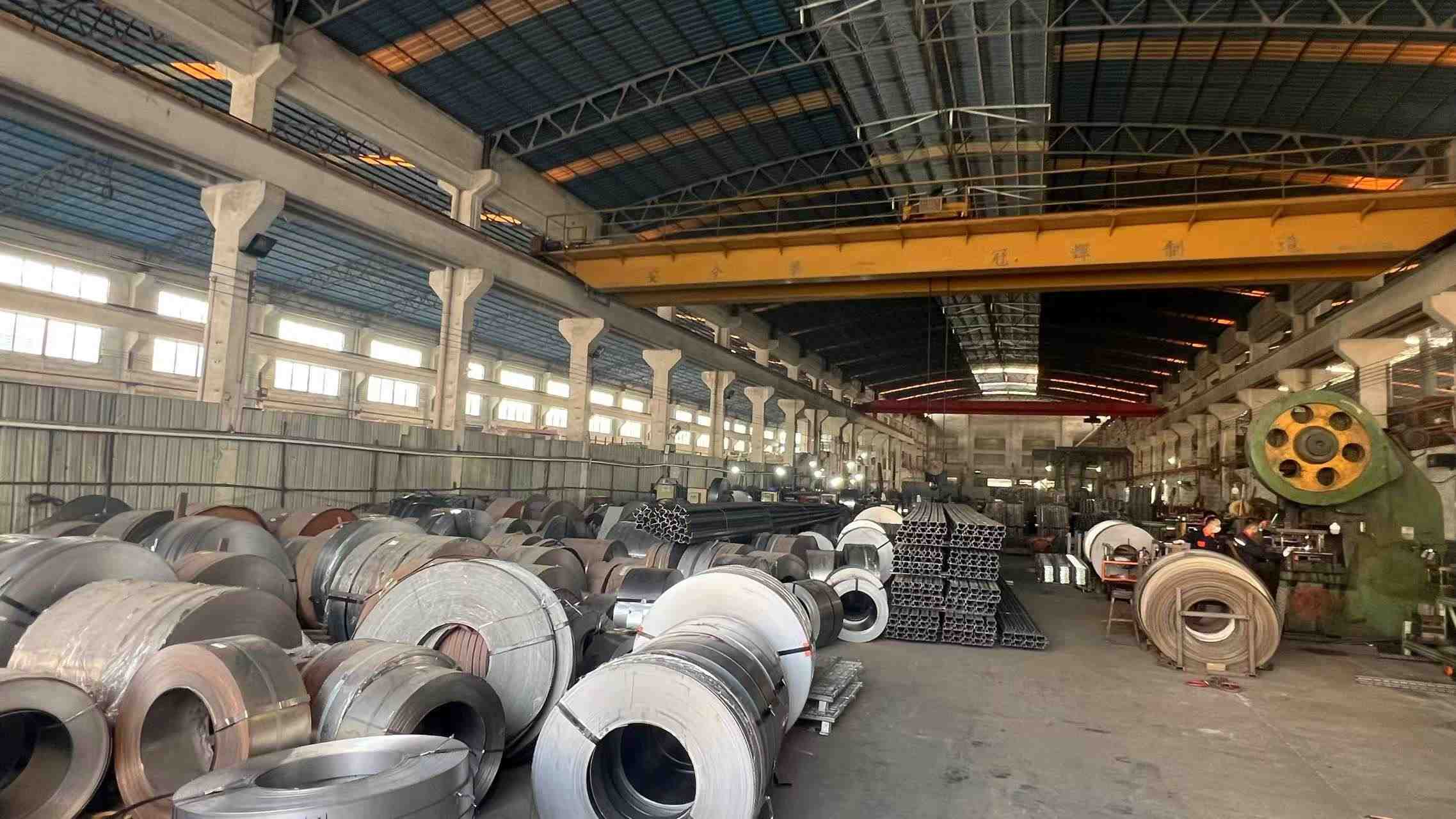
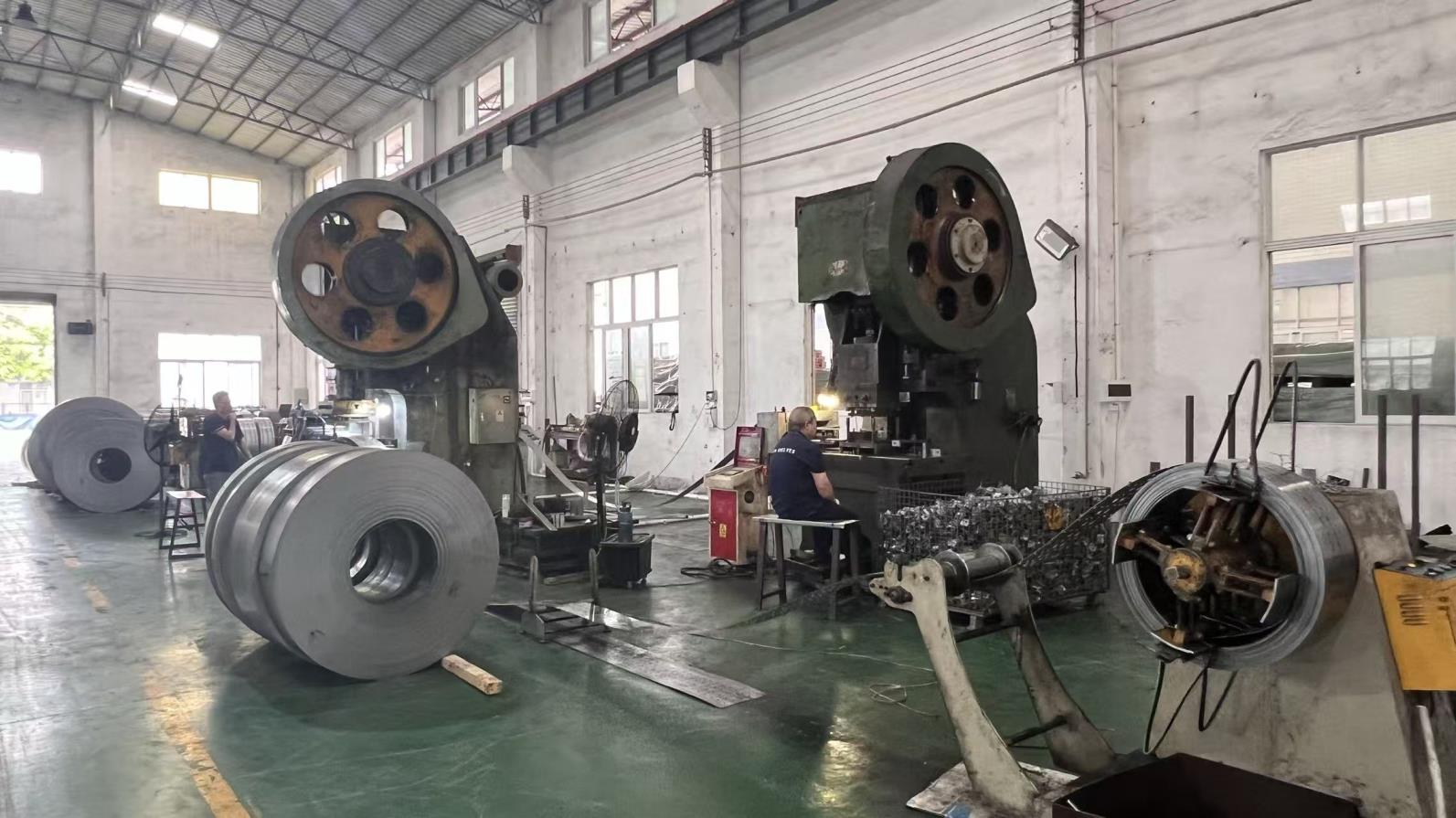
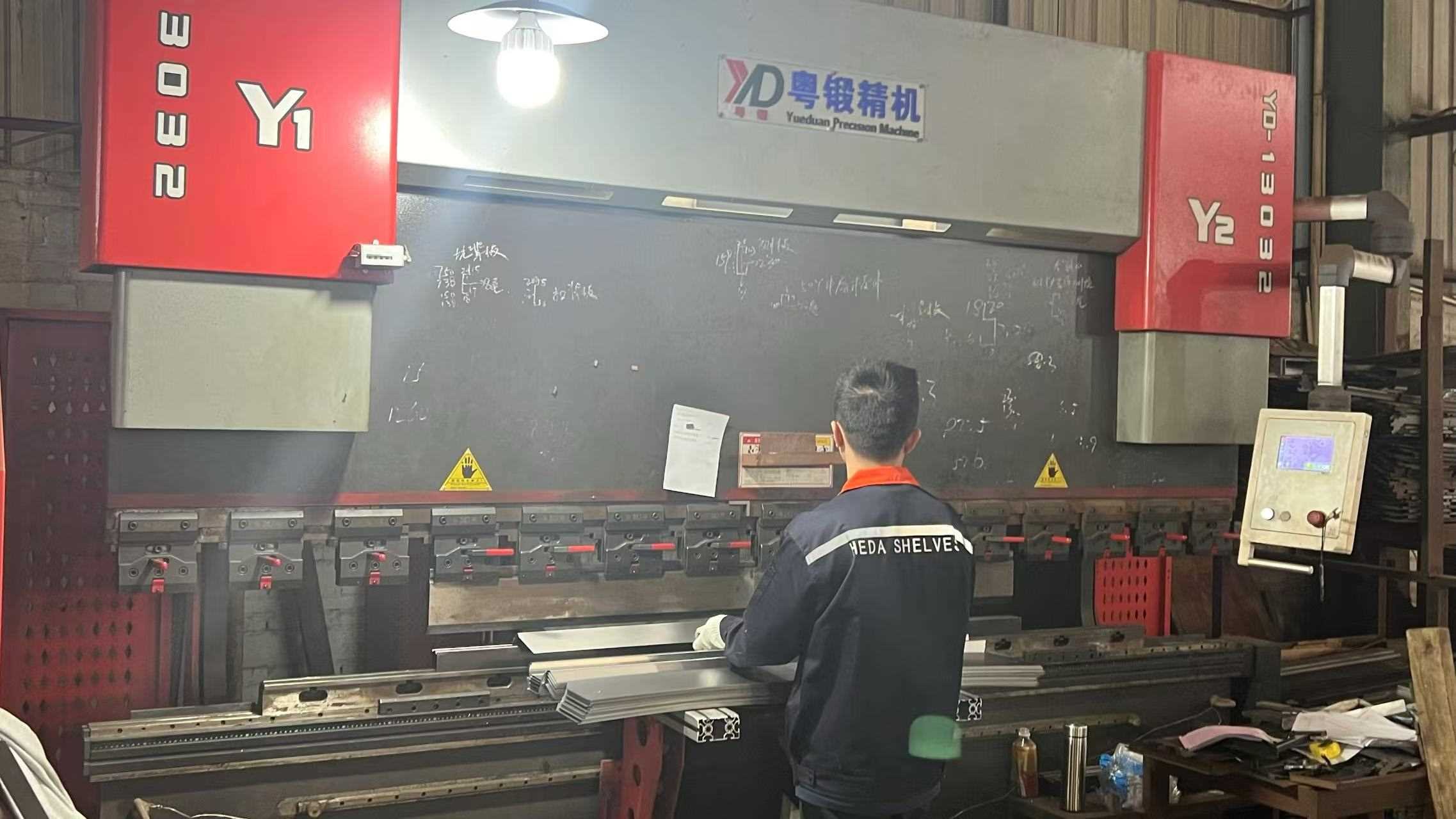
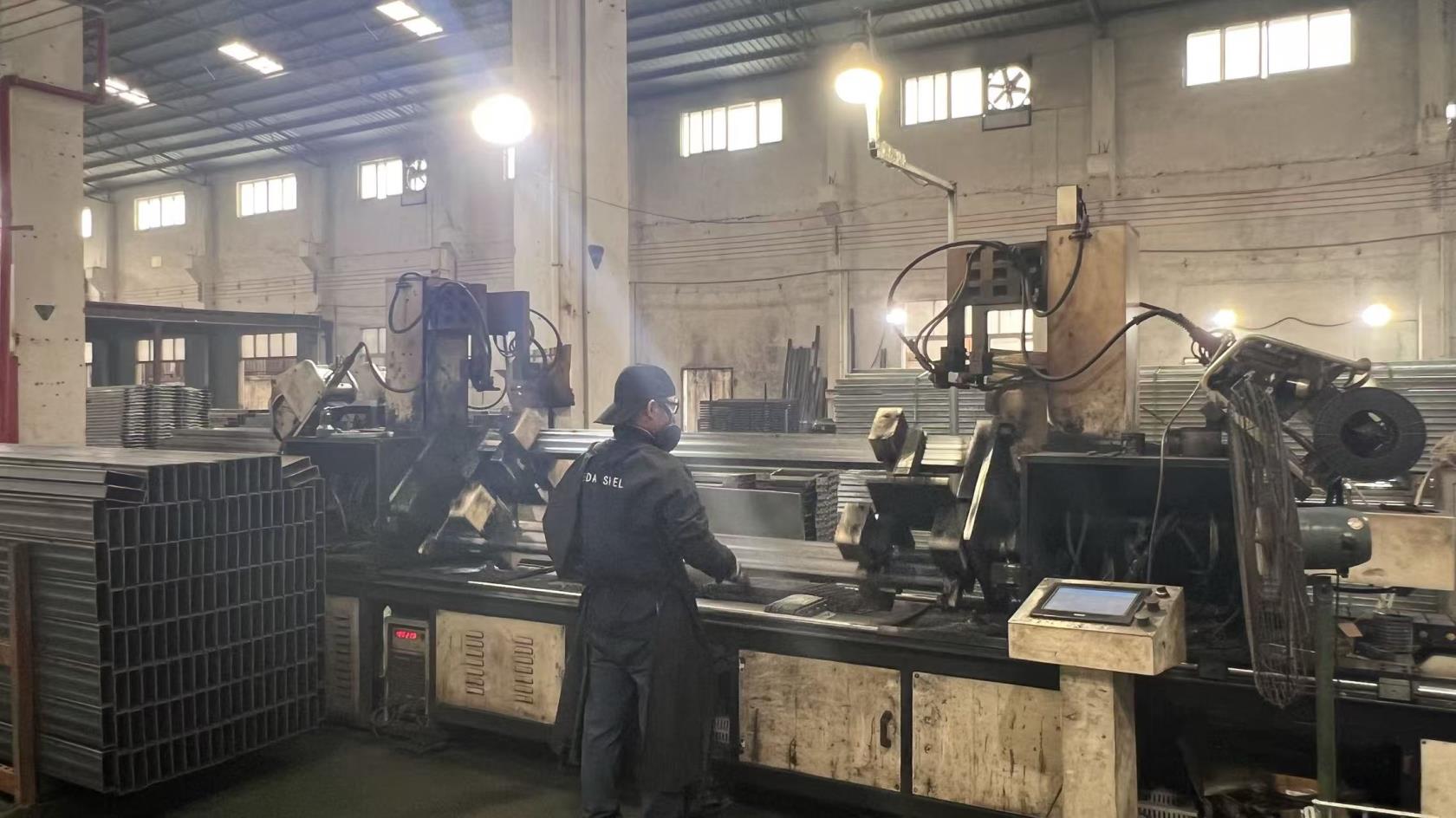
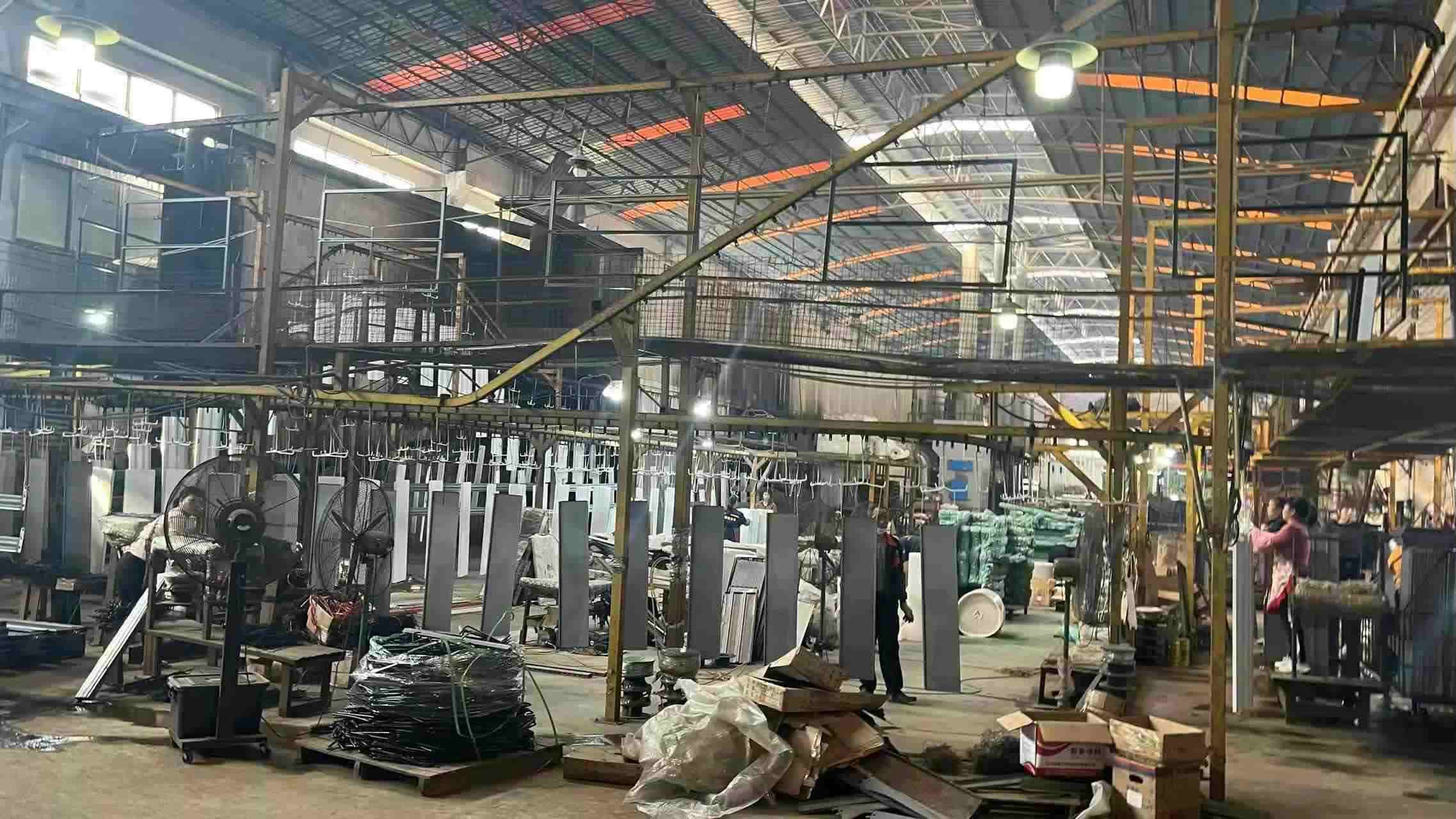
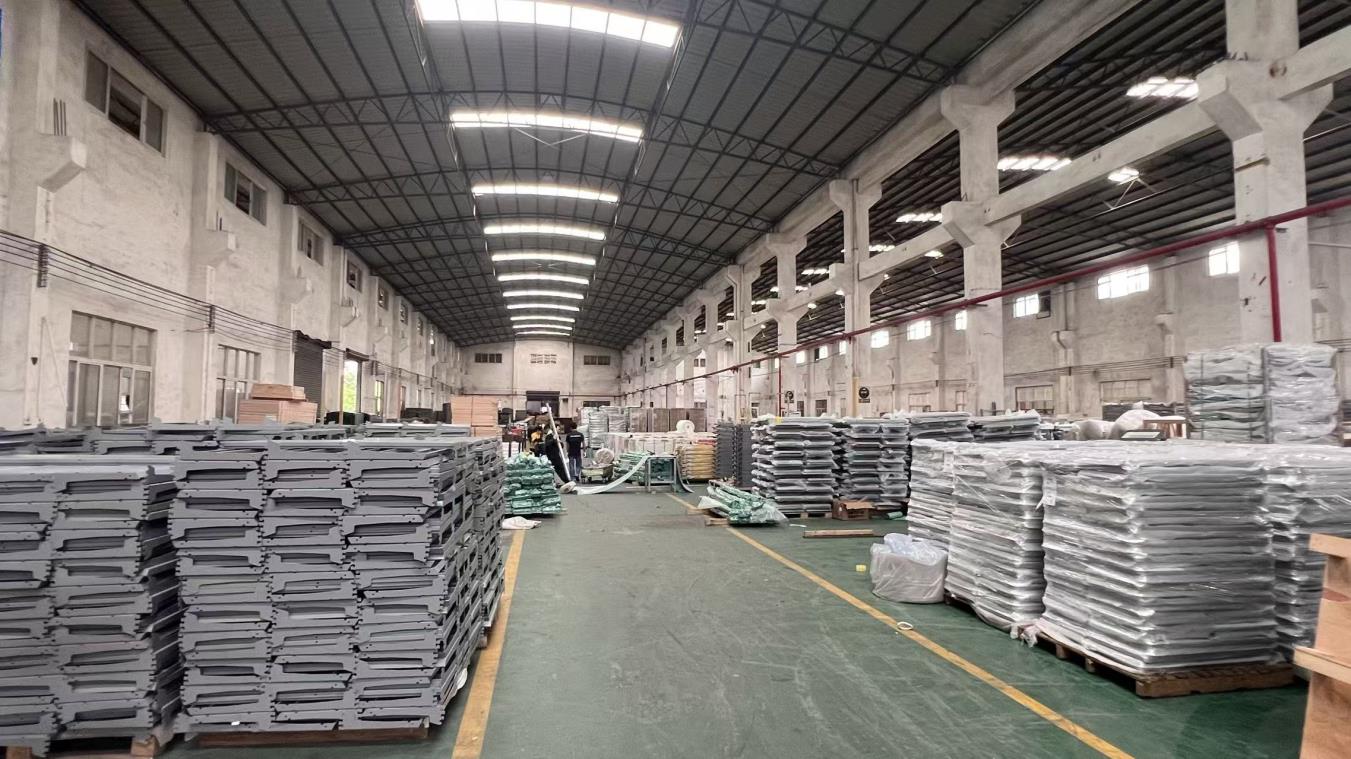
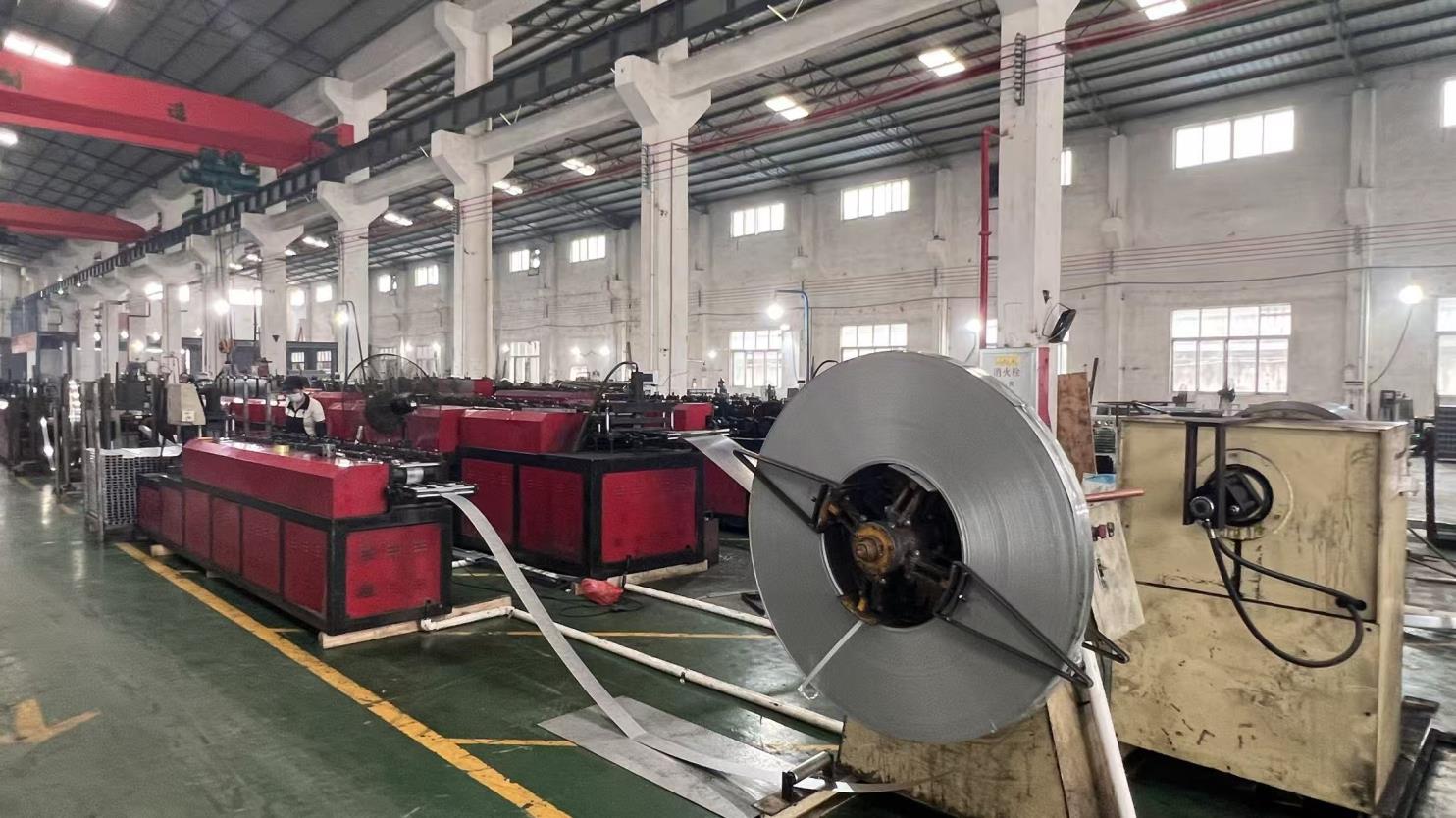
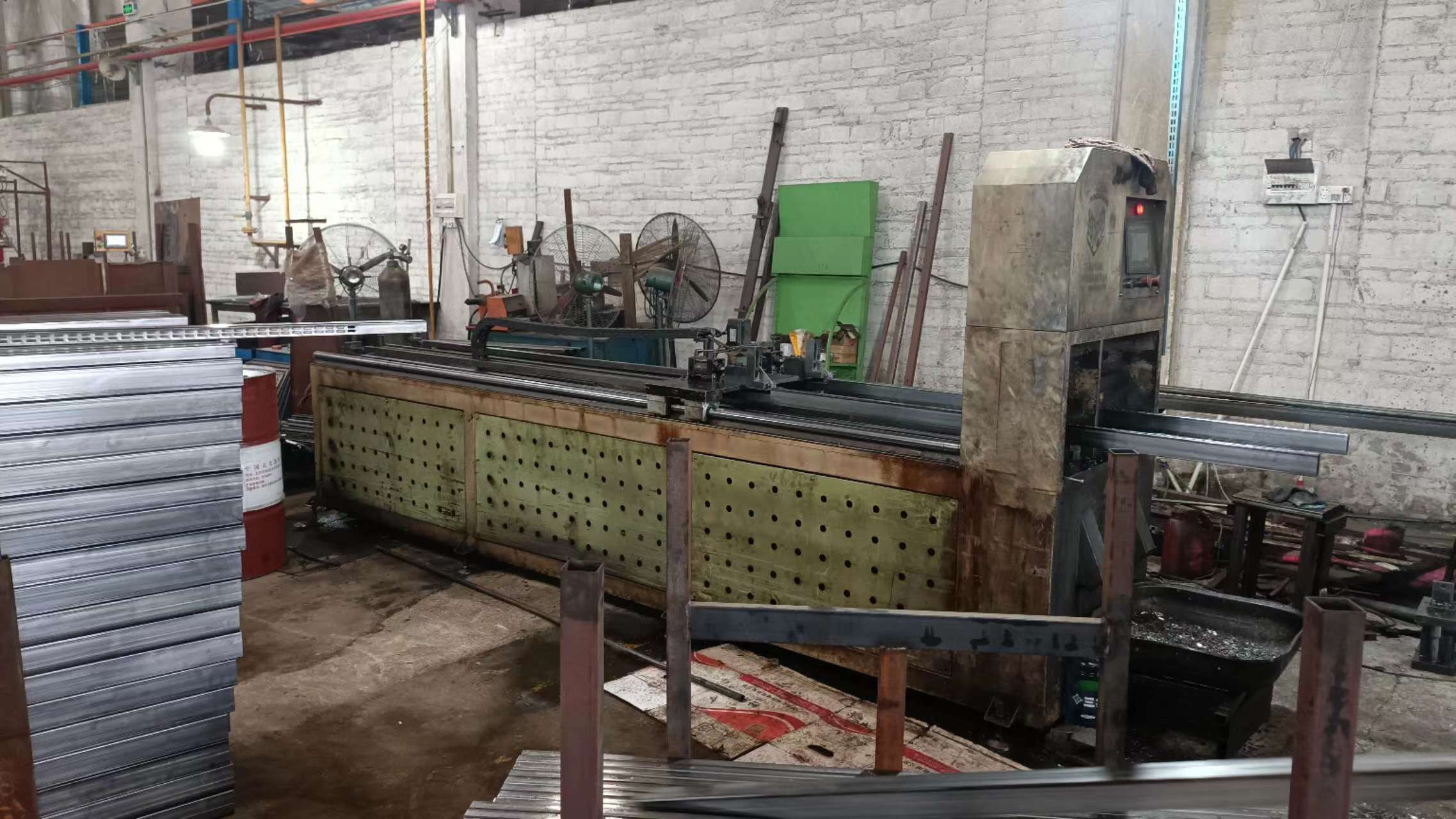
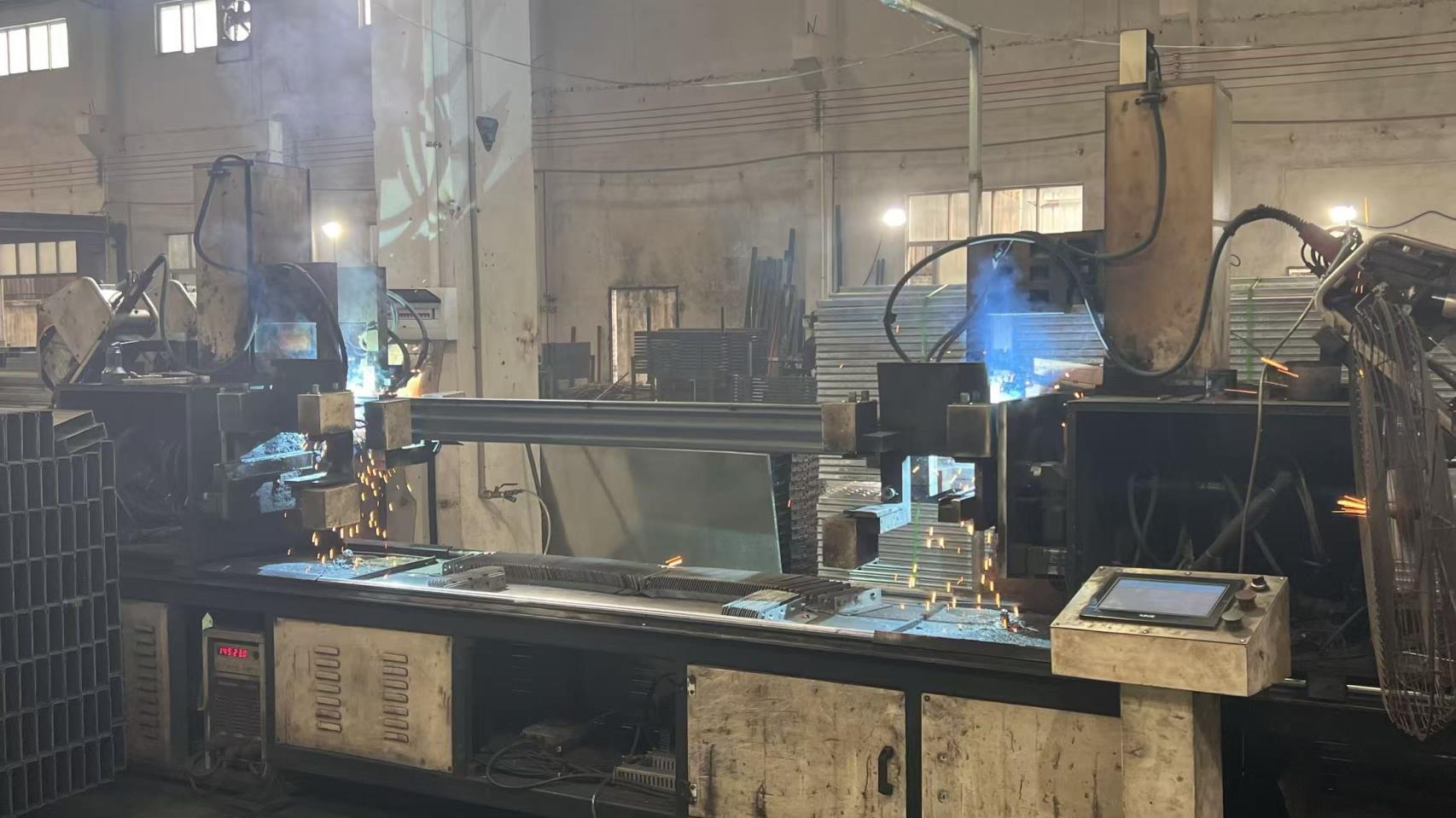
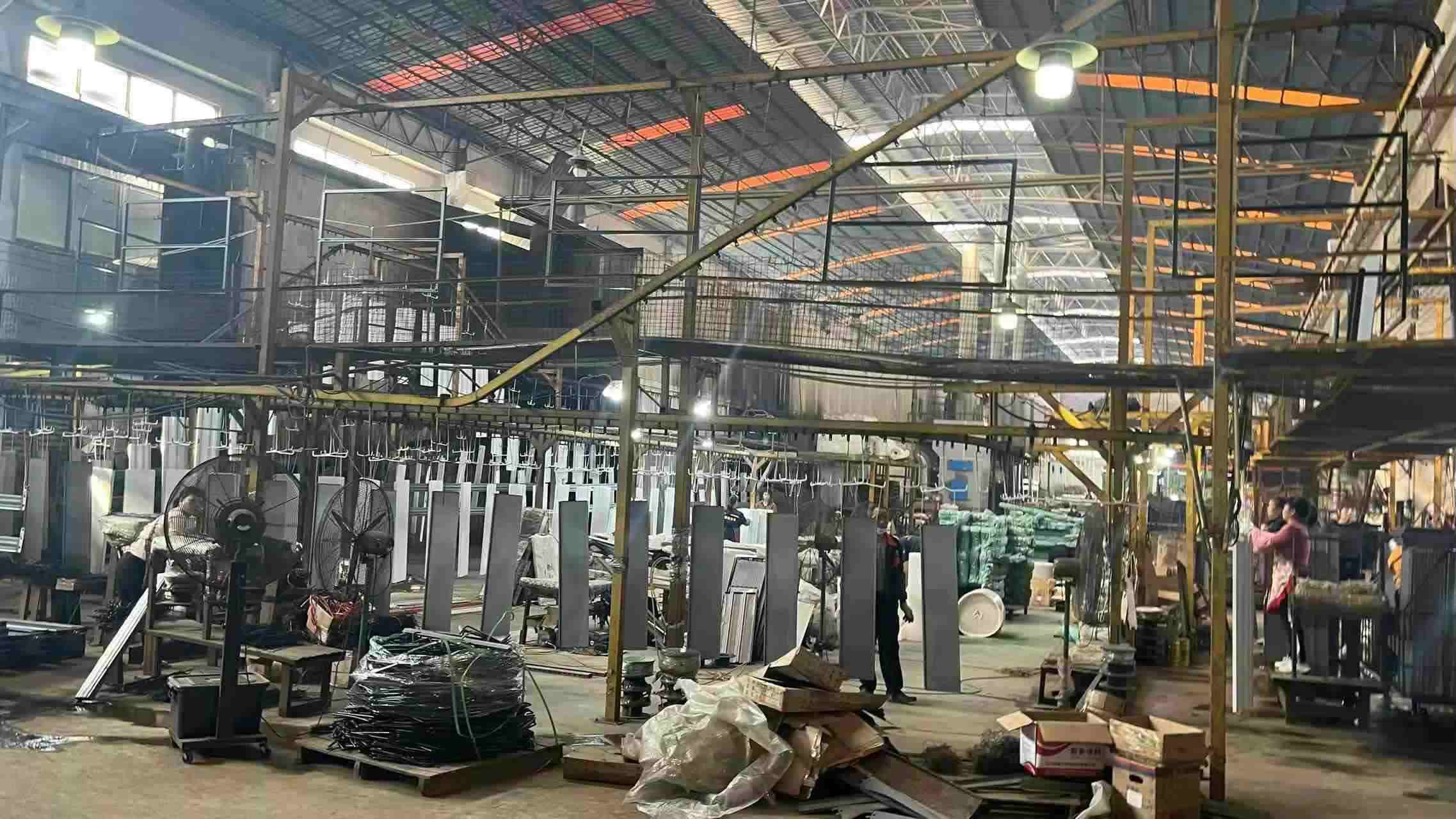
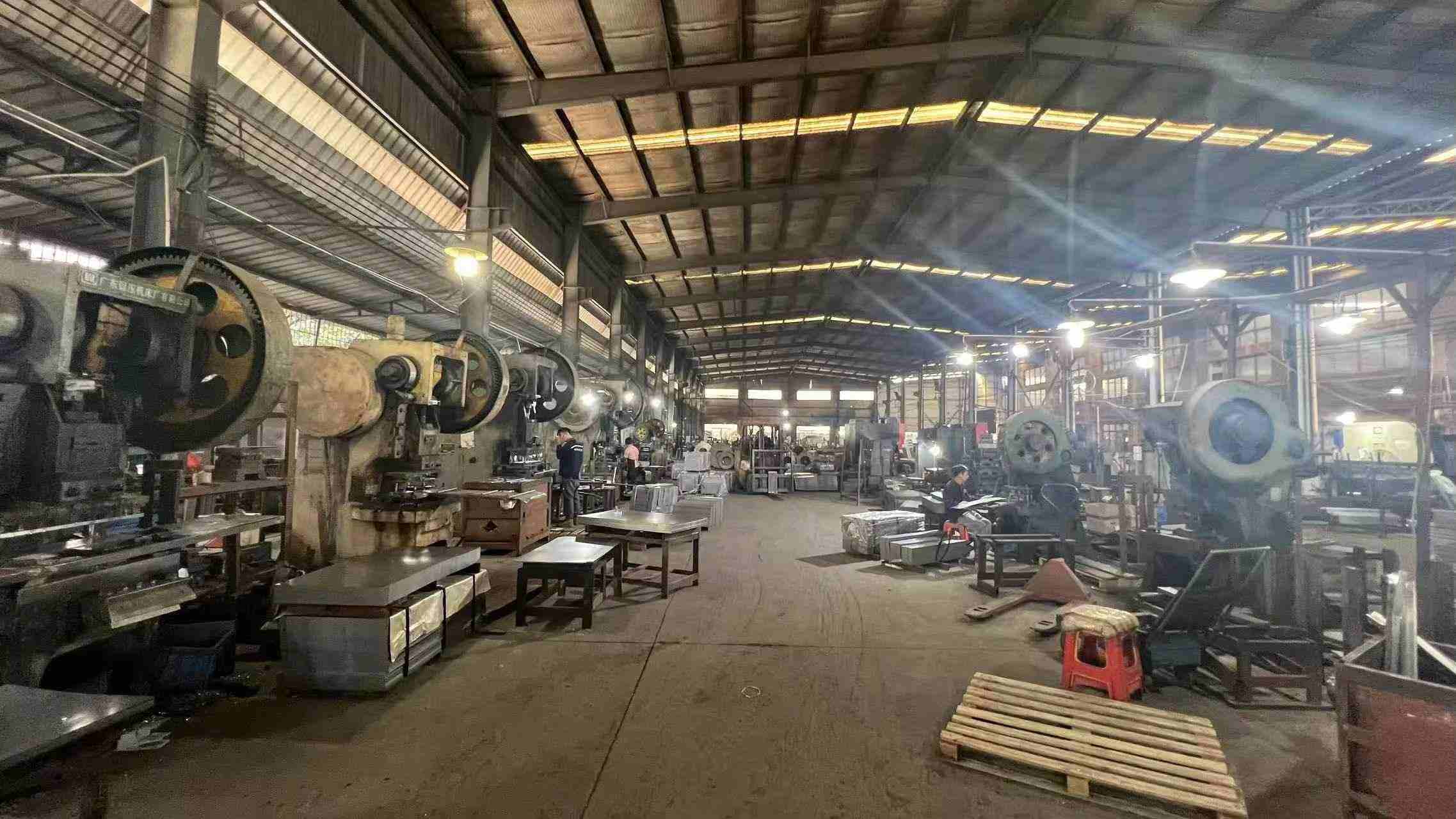
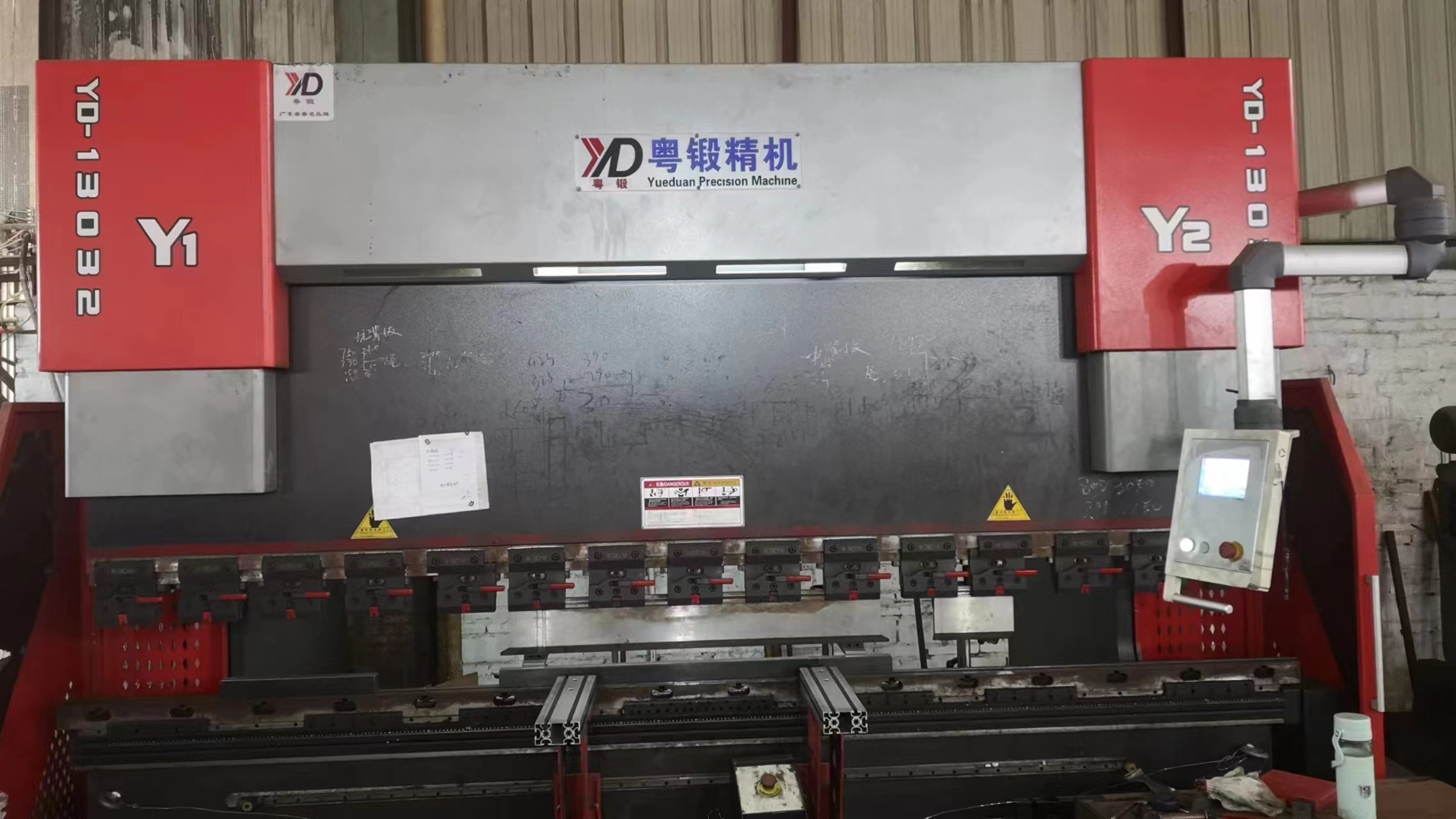
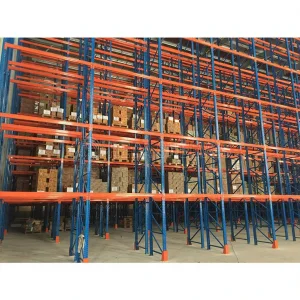
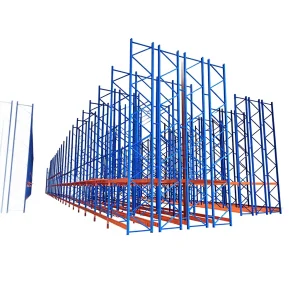
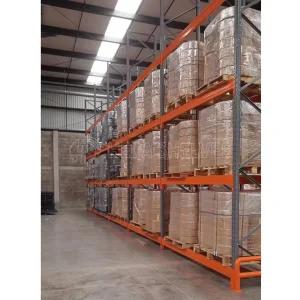
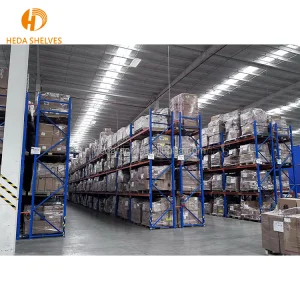
Large-scale warehouse facilities and third-party logistics (3PL) providers require robust, modular storage systems to handle variable loads. High-density, double-deep selective pallet racking, paired with customized cantilever shelving, helps warehouses optimize storage capacity and retrieve flat panels, sheet goods, and industrial pallets efficiently.
When designing macro storage systems, structural engineers calculate the deflection limit of support beams and upright frames. Using finite element analysis (FEA), designers model simulated weight distribution curves to identify potential stress points. This data allows factories to manufacture custom-engineered upright beams with precise punch details that match the environment's load requirements.
The next decade of industrial storage design points toward structural sustainability and smart inventory monitoring. We are actively developing built-in load sensor tags for structural beams to detect overload deflection in real-time. By integrating IoT alerts, warehouse operations can prevent rack failures before they happen, maintaining a safer work environment.
Furthermore, we focus on using low-carbon, recycled Q235B and Q345B steel grades processed with non-volatile powder coatings. This matches the carbon reduction goals of our international corporate buyers without compromising load capacities.
Heavy-duty warehouse racking configurations and specialized container modules designed for heavy logistics networks.
Answers to common structural engineering, logistics, and global sourcing questions about heavy-duty storage racks.
 Durack