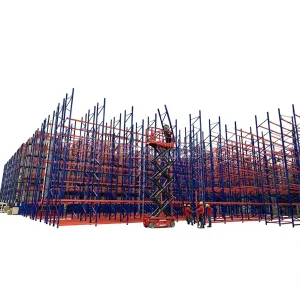
Engineered for durability, spatial optimization, and seamless workflow integration in industrial warehouses and retail formats.
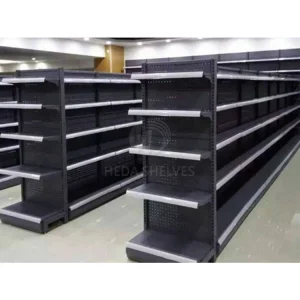
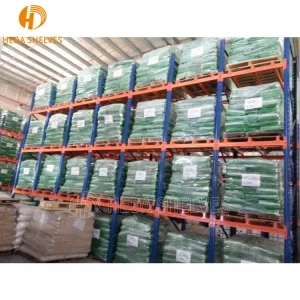
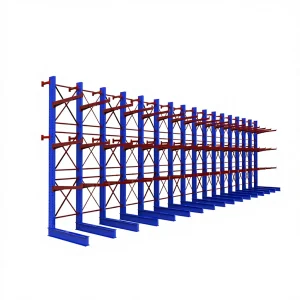
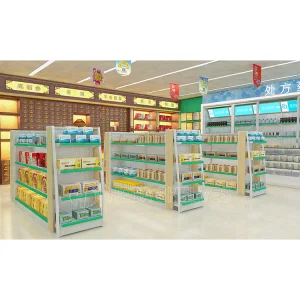
Analyzing market growth, engineering standards, and modular integration requirements across 3PL warehouses and multi-channel fulfillment ecosystems.
The rise of omnichannel distribution networks, hybrid micro-fulfillment operations, and massive third-party logistics (3PL) hubs has altered the fundamentals of space utilization. Traditional warehousing systems designed for uniform pallet shapes are rapidly transitioning to mixed-use racking configurations. Modern mixed-use systems combine high-density pallet storage zones, dynamic pick faces, retail-ready display shelving, and structural cantilever lines under a single architectural layout.
This structural convergence is driven by the need for space optimization in urban logistic sites. For instance, companies are increasingly installing heavy-duty pallet racks in the upper tiers of a system while dedicating lower tiers to picking operations. This structural design maximizes floor space efficiency while reducing overall material handling times by up to 35% compared to isolated configurations.
Choosing appropriate steel grades and structural geometries is essential for safety, seismic compliance, and load-bearing performance. High-quality systems rely on cold-rolled Q235B and Q355 structural steel grades, which provide high yield strength and ductility. These characteristics are critical for warehouse structures that support multiple tons per bay in seismic zones.
In accordance with Europe's FEM standards and North America's RMI guidelines, mixed-use upright frames undergo rigorous structural calculations. This engineering ensures the systems can withstand forklift impacts and dynamic shear forces. Load-bearing stress evaluations must include vertical load limits, wind and seismic ratings, and horizontal shear stability across all storage elevations.
Why leading global distributors and 3PL enterprises partner with Chinese structural steel fabricators like Dongguan Durack.
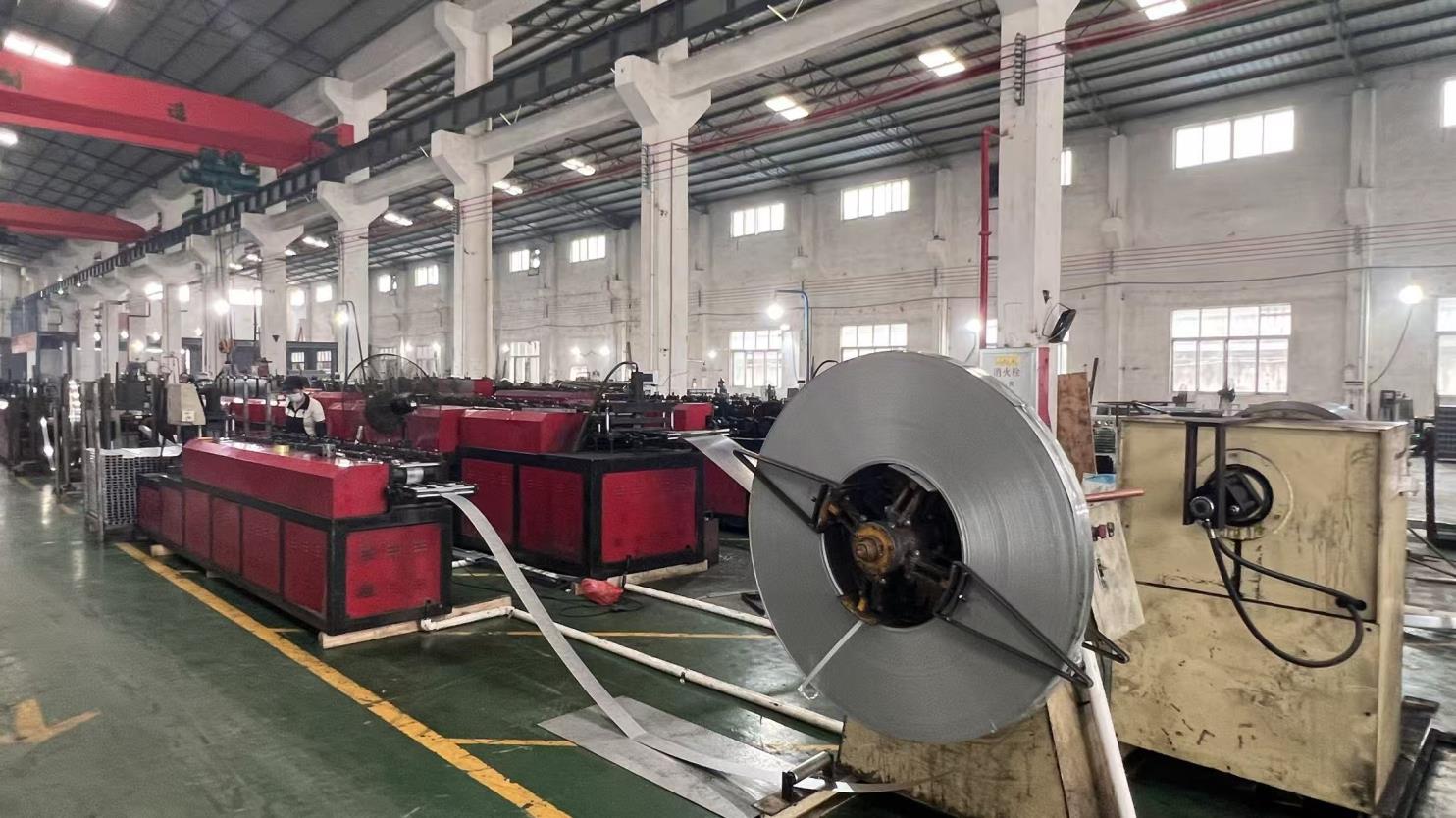
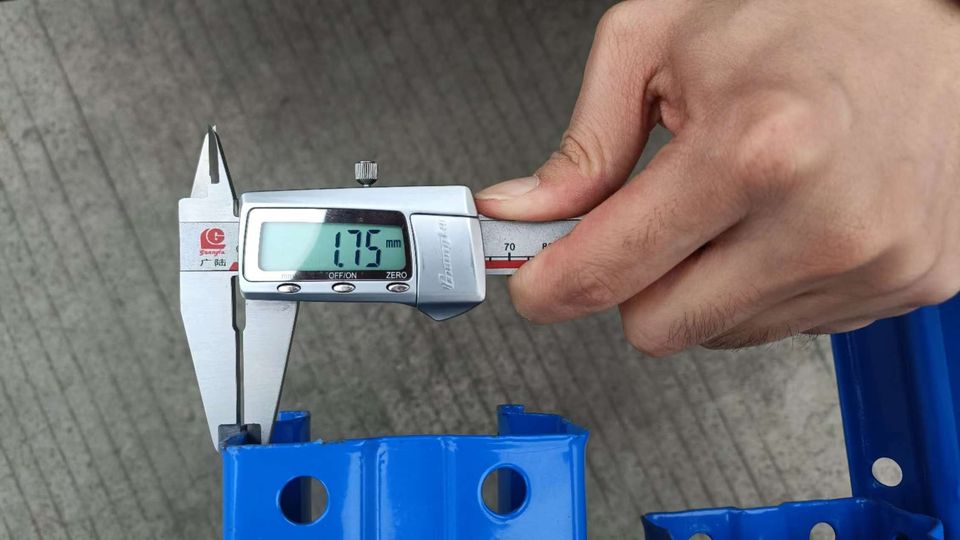
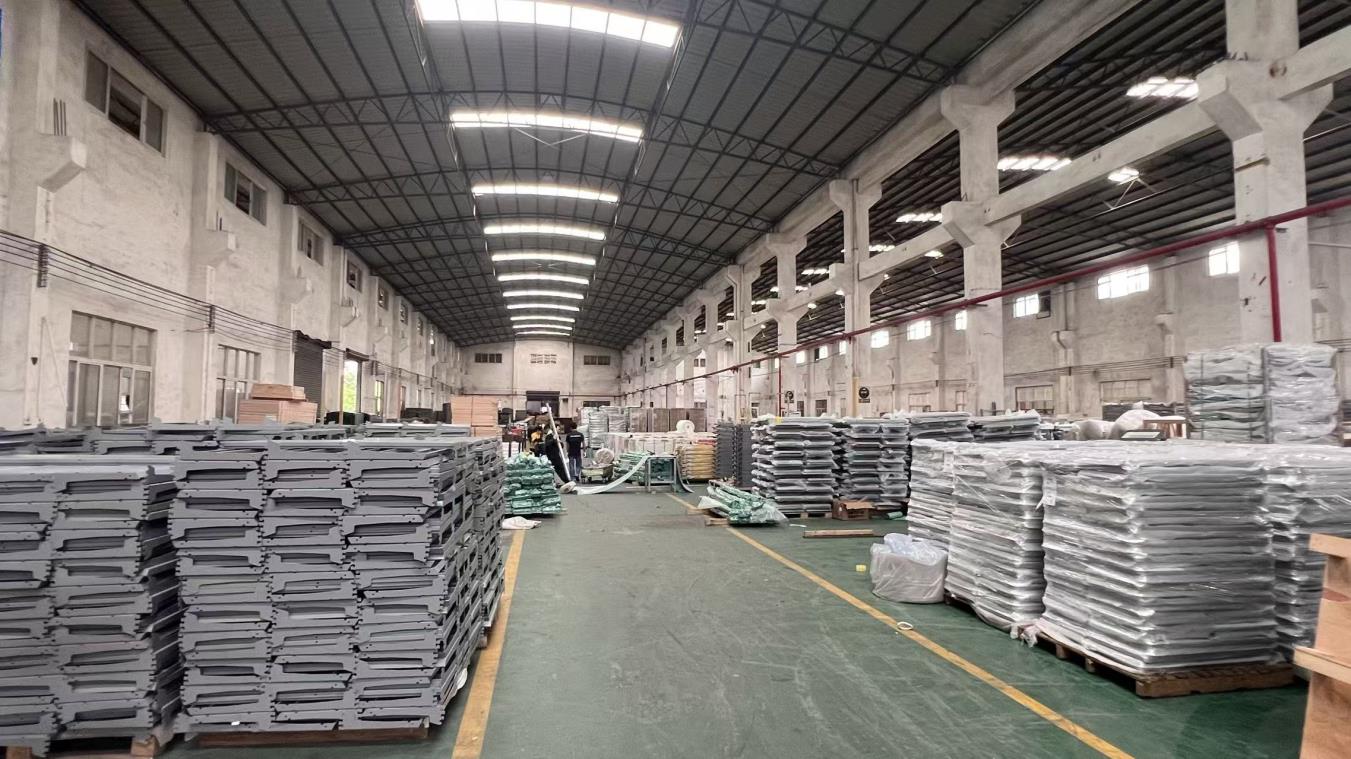
We utilize automated rolling mills and robotic welding systems to ensure consistent accuracy across high-volume production runs. This automated manufacturing helps maintain tolerances within ±0.5mm on structural rack profiles, ensuring predictable beam fit and secure upright connections during field installation.
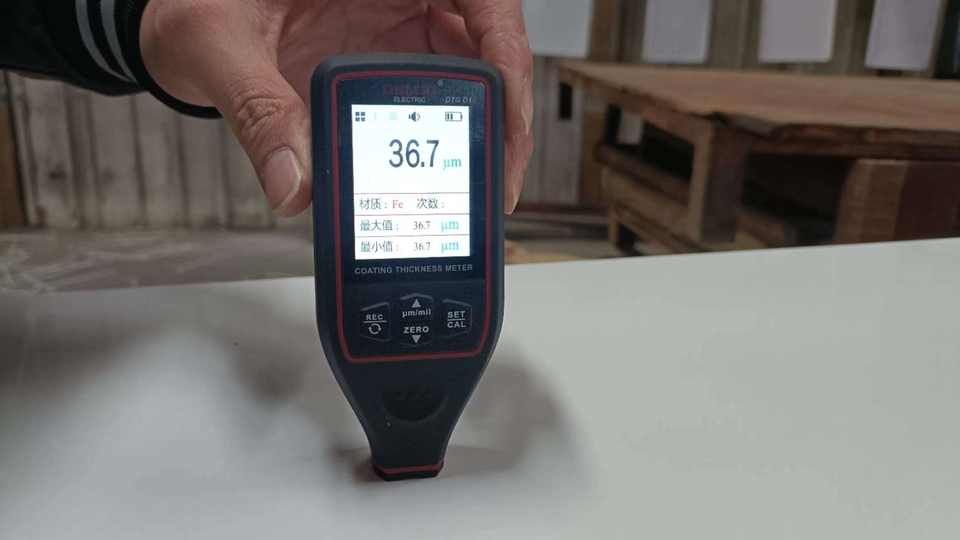
Our quality assurance team uses non-destructive testing (NDT), including ultrasonic weld assessments and coating thickness evaluations. These tests verify the durability and performance of our racking systems under full load ratings before the structures are cleared for export.
Supported by 65 R&D engineers, we develop bespoke beam profiles, structural modifications, and seismic baseplates. This engineering capability allows us to customize racking systems to meet specific loading requirements and local building codes for our global partners.
Founded in 2014, Dongguan Durack Logistics Equipment Co., Ltd. operates a 35,000 m² production facility in Southern China's manufacturing corridor. Backed by 12 years of industry experience and 8 years of global export history, our team supports an active supply chain network of over 850 partners worldwide, generating $28 million in annual export revenue.
Our proximity to major deep-water ports, such as Shenzhen and Guangzhou, allows us to coordinate international ocean freight efficiently. This strategic location helps reduce transport costs and transit times, ensuring reliable delivery schedules for large-scale logistics operations and warehouse installations globally.
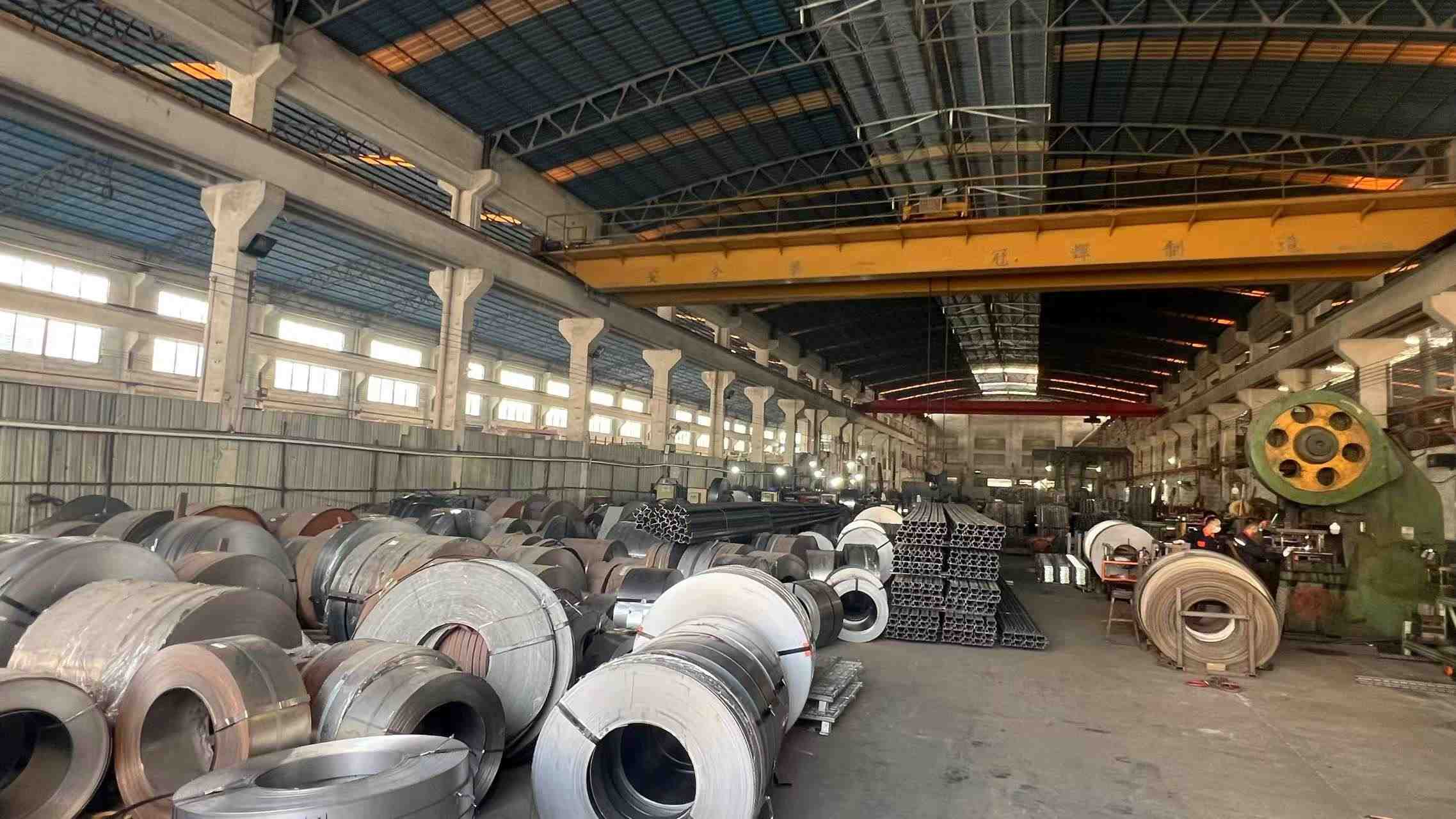
Our systematic manufacturing process ensures structural integrity and high quality in every racking component we produce.
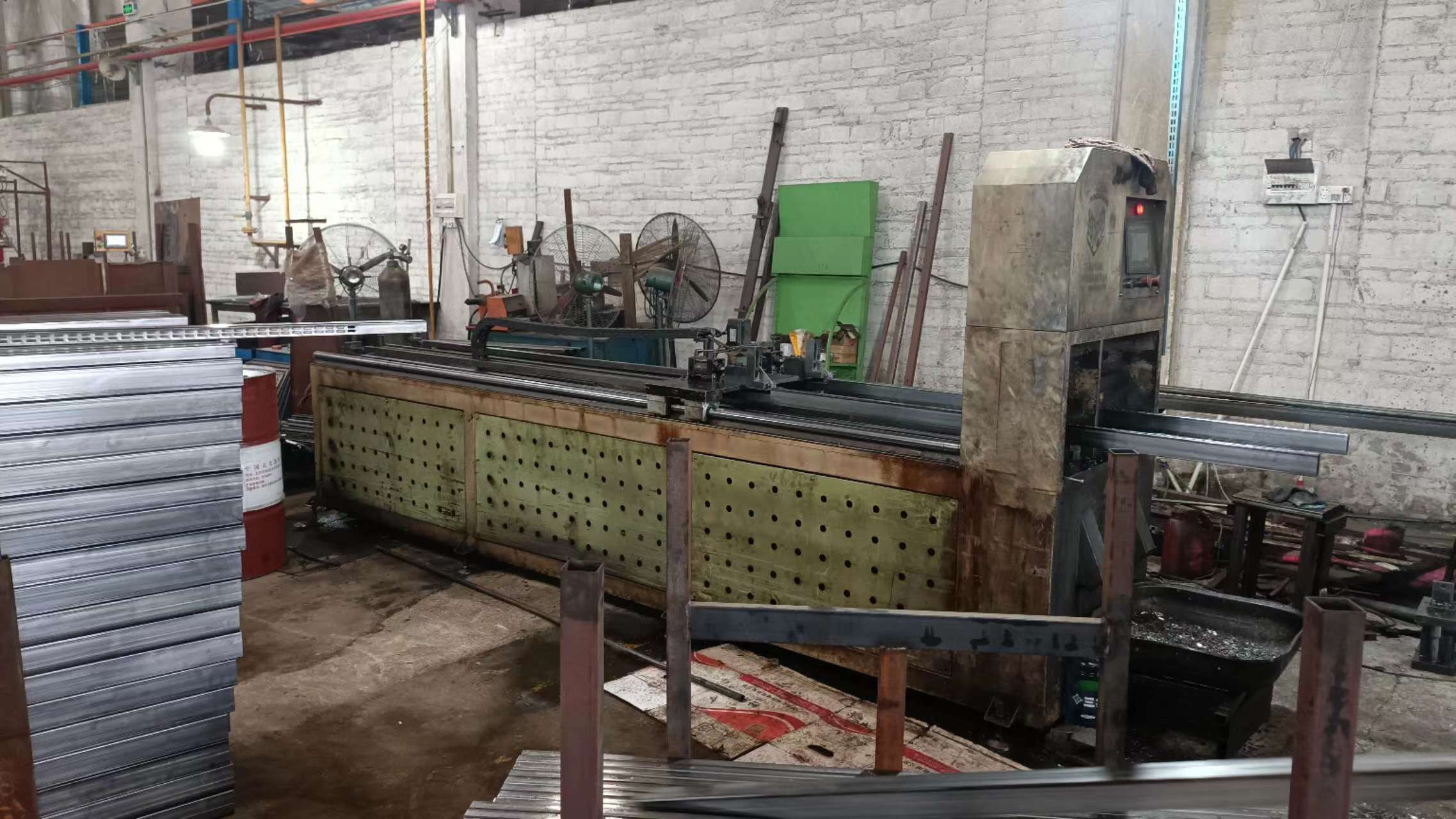
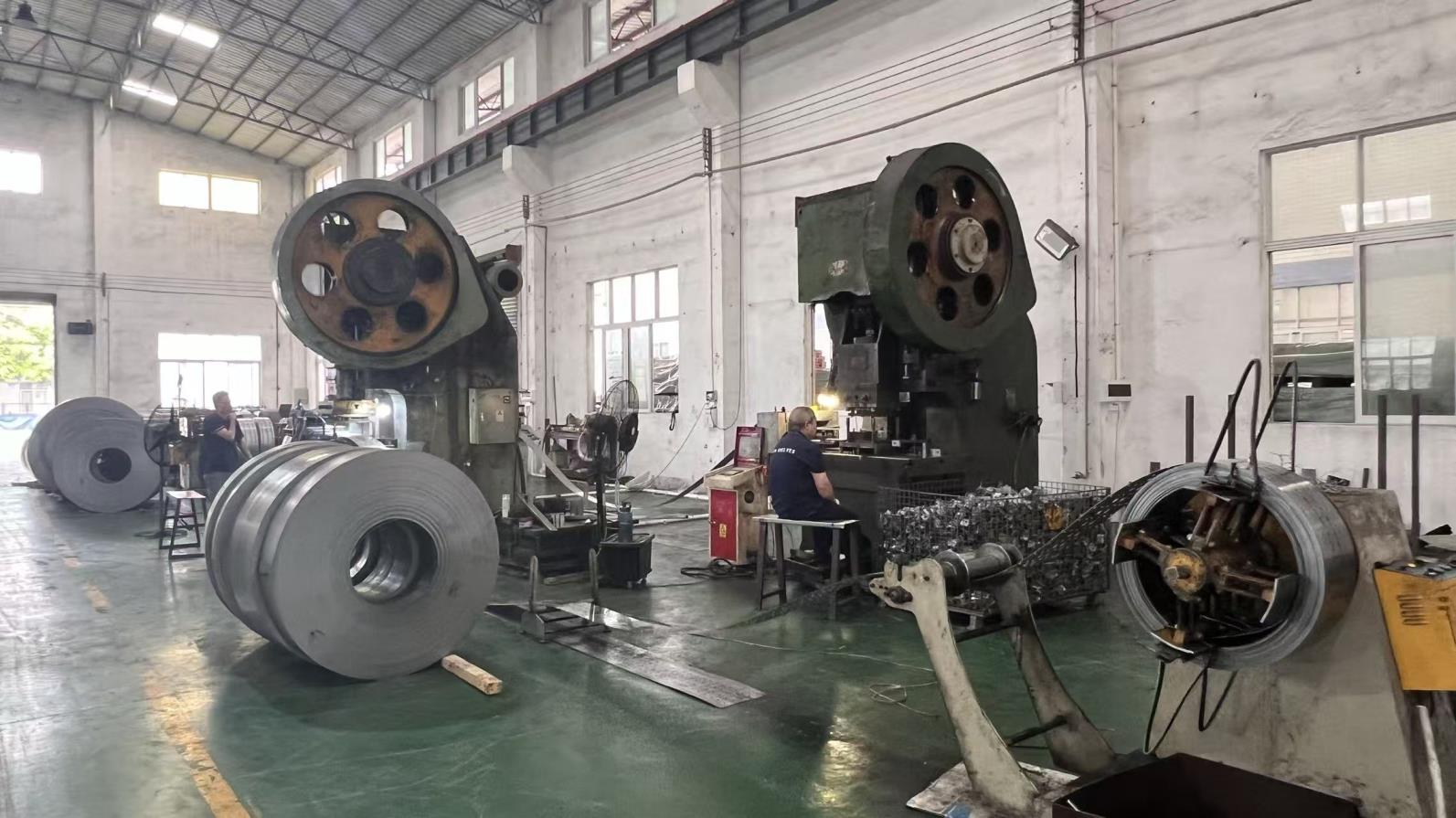
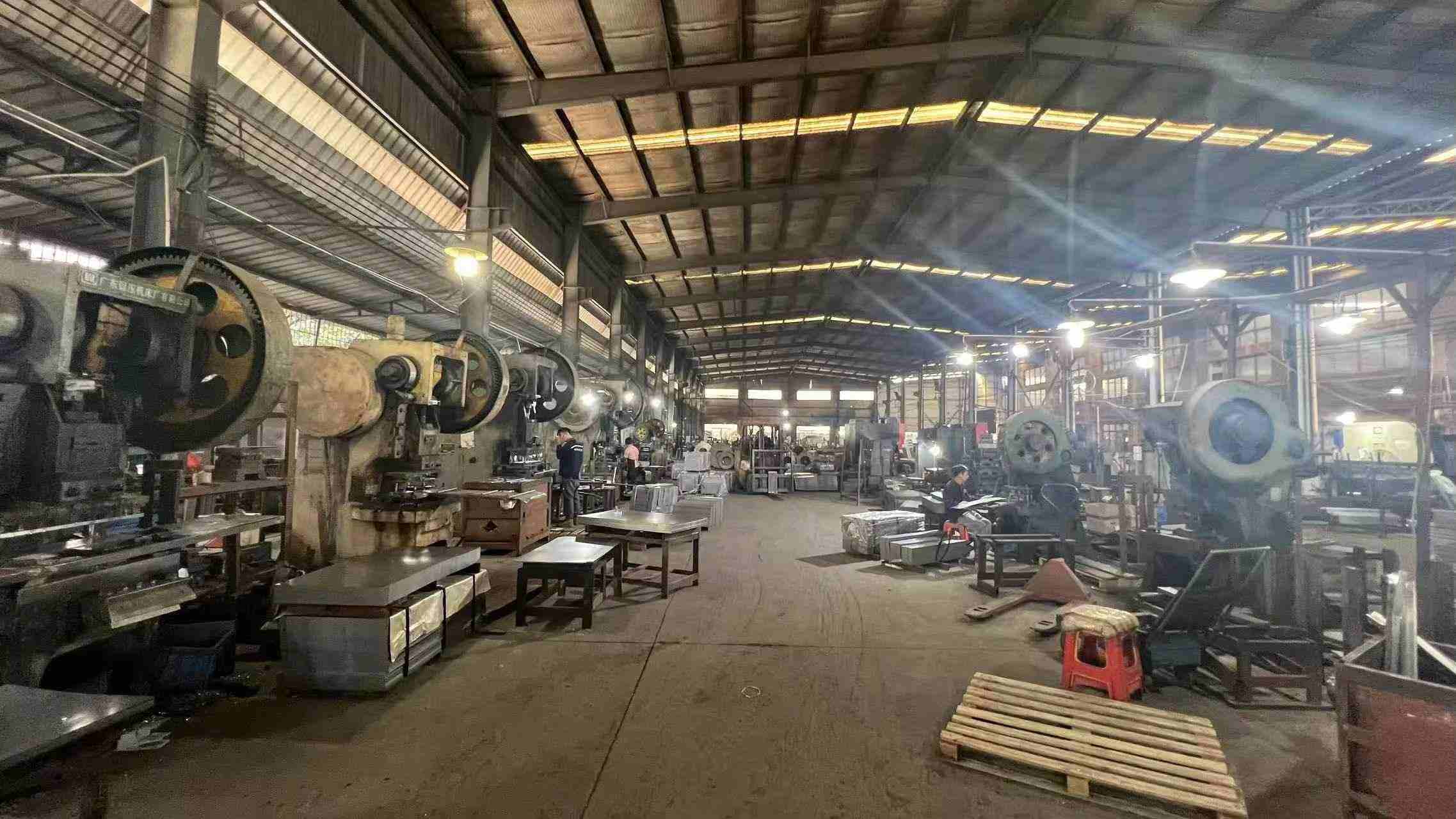
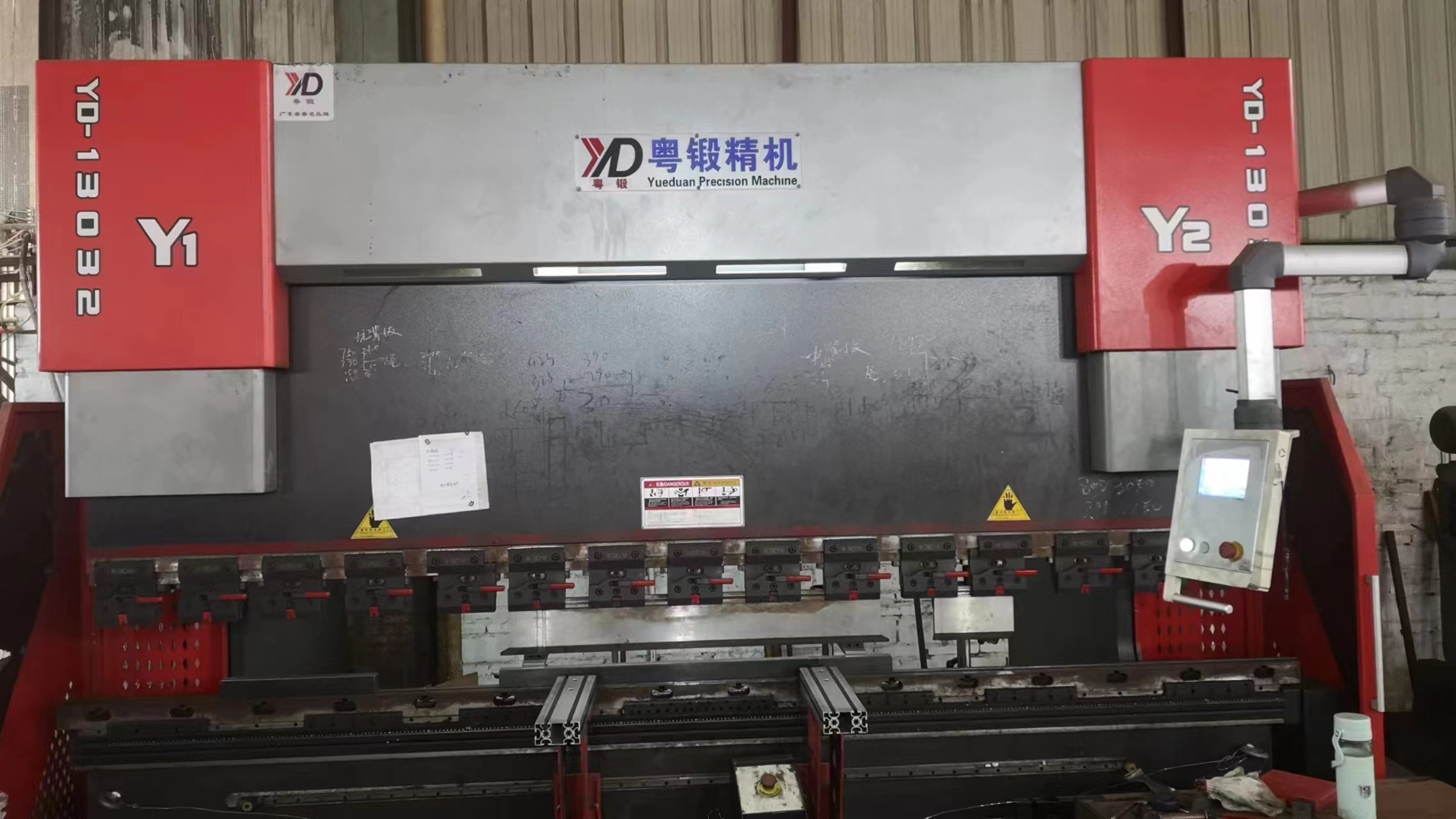
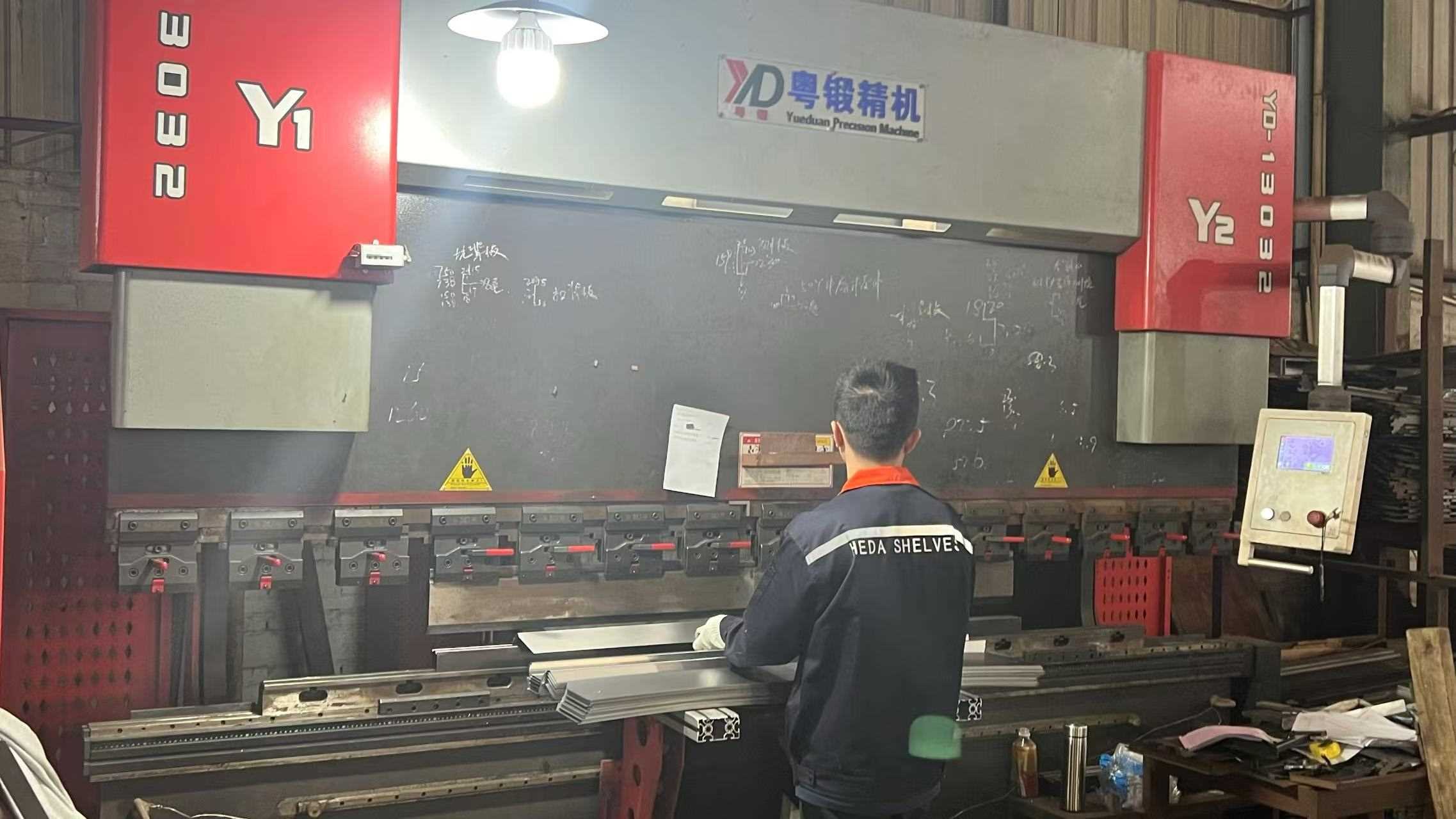
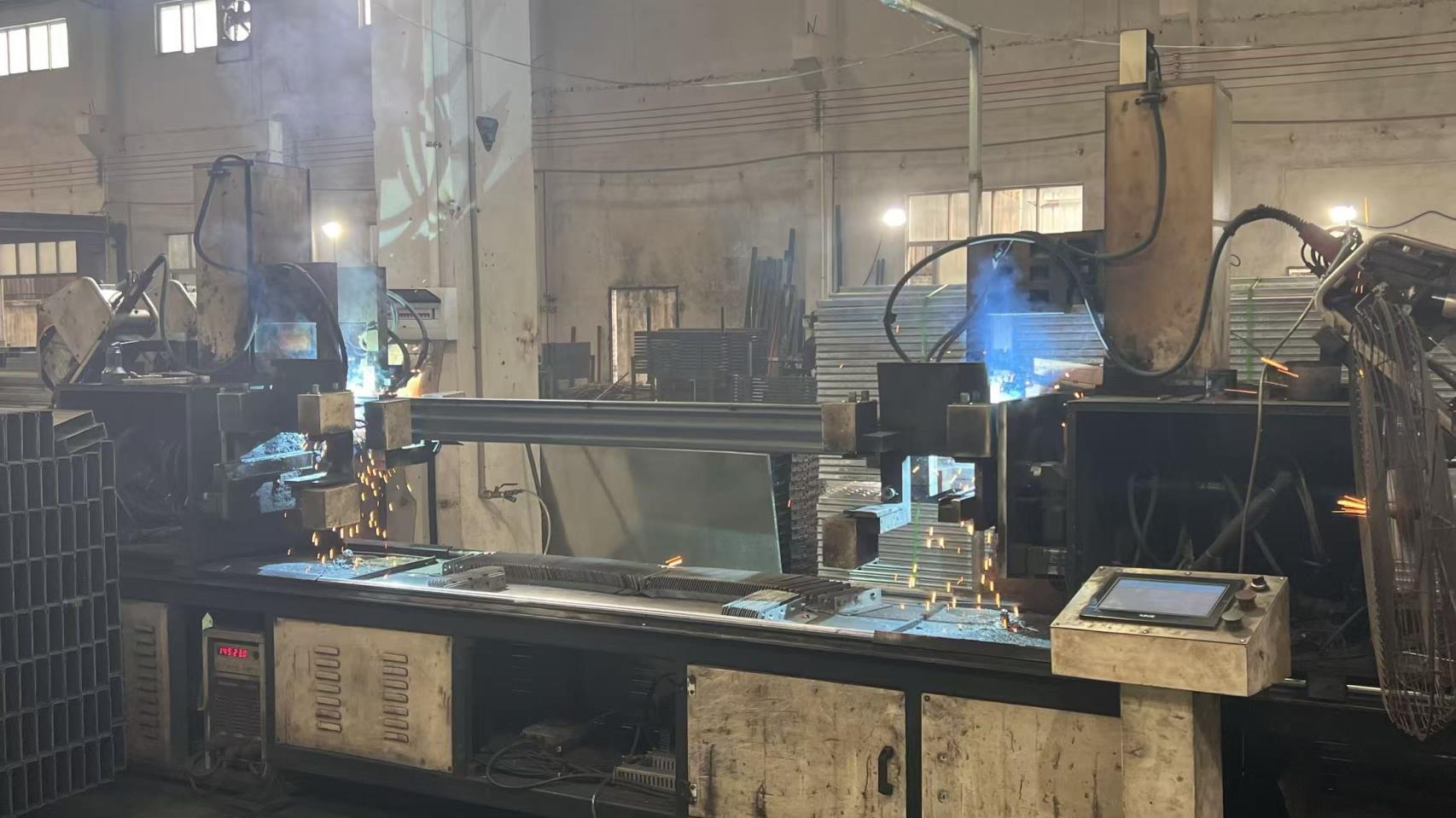
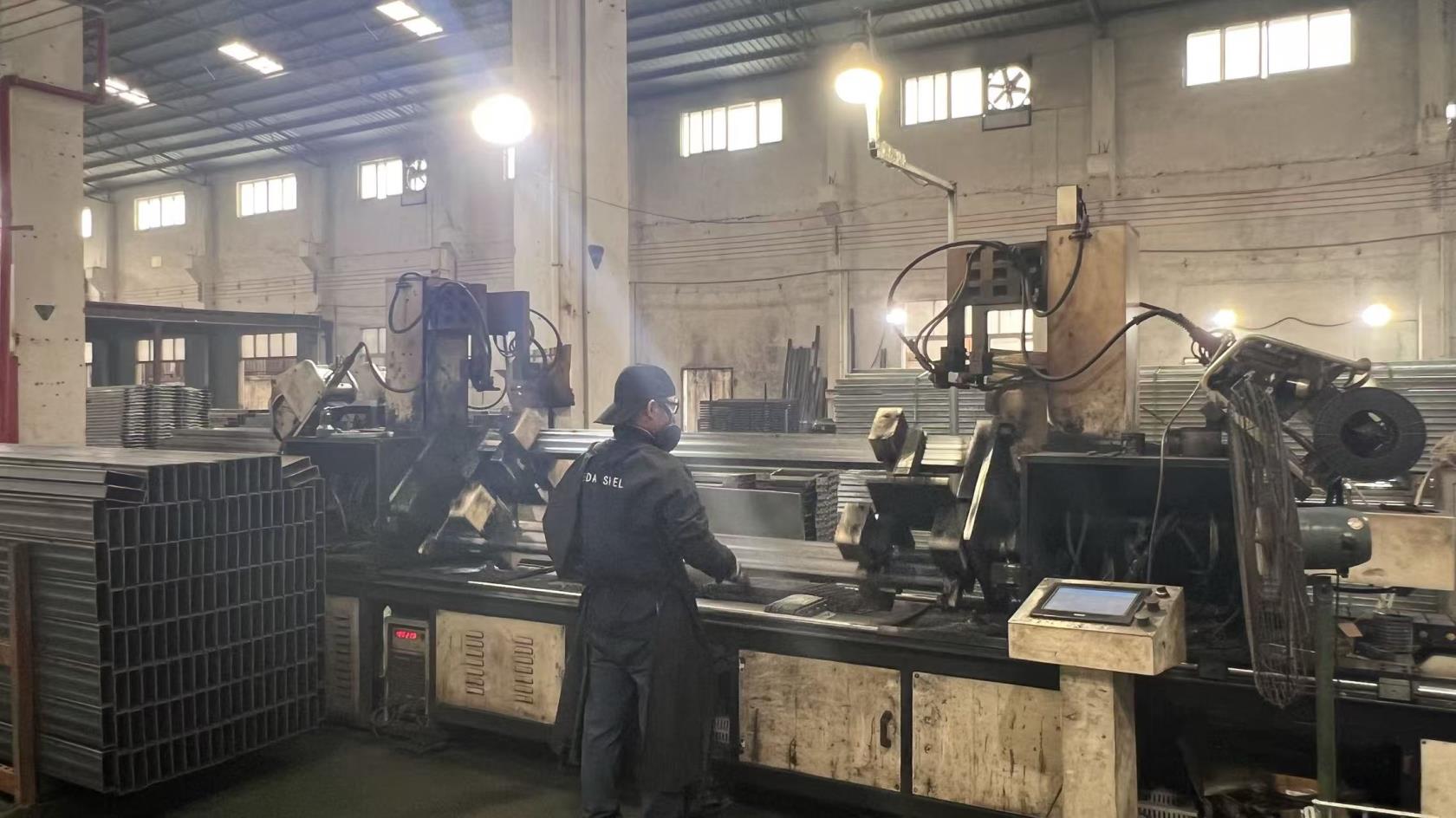
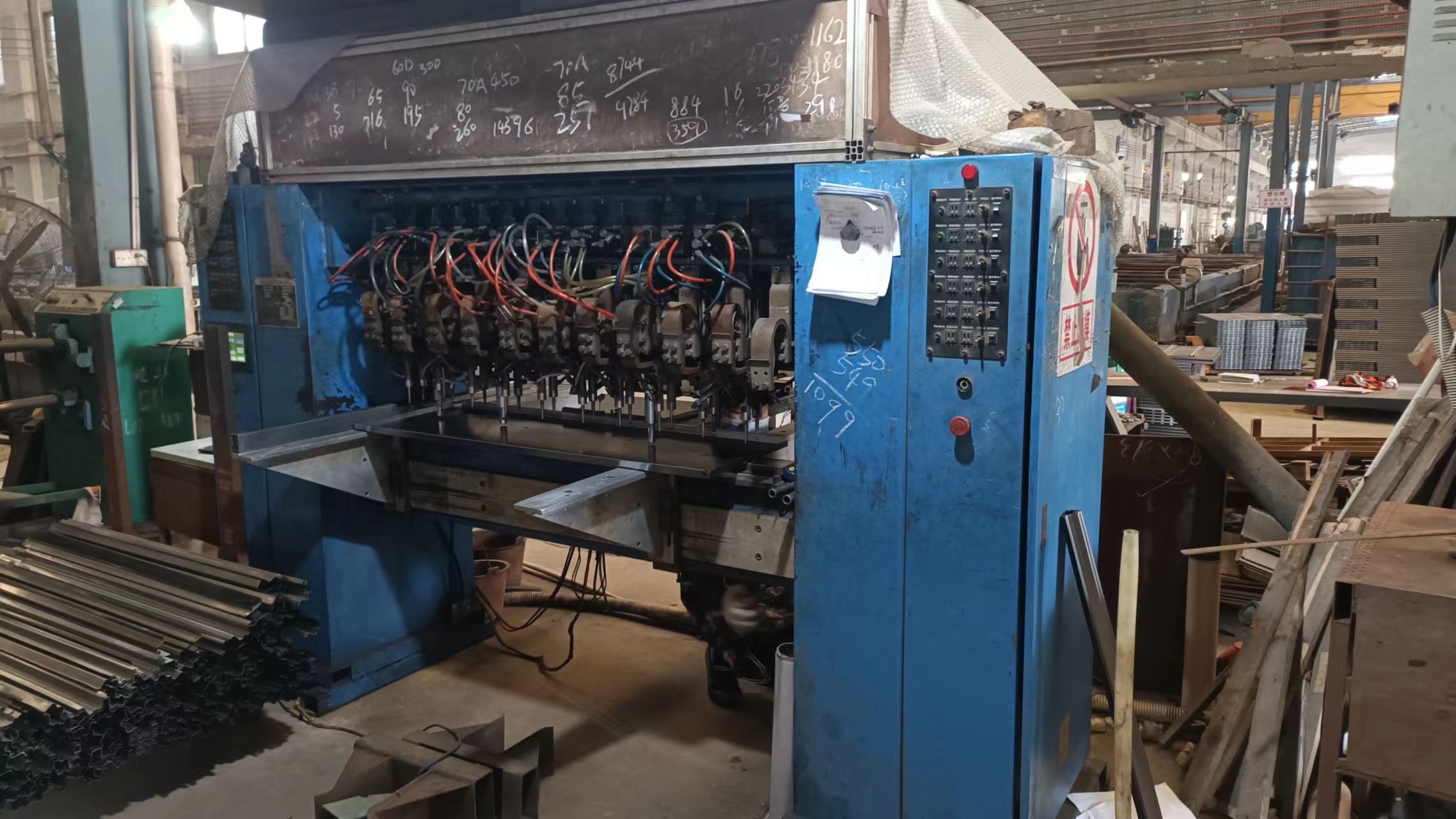
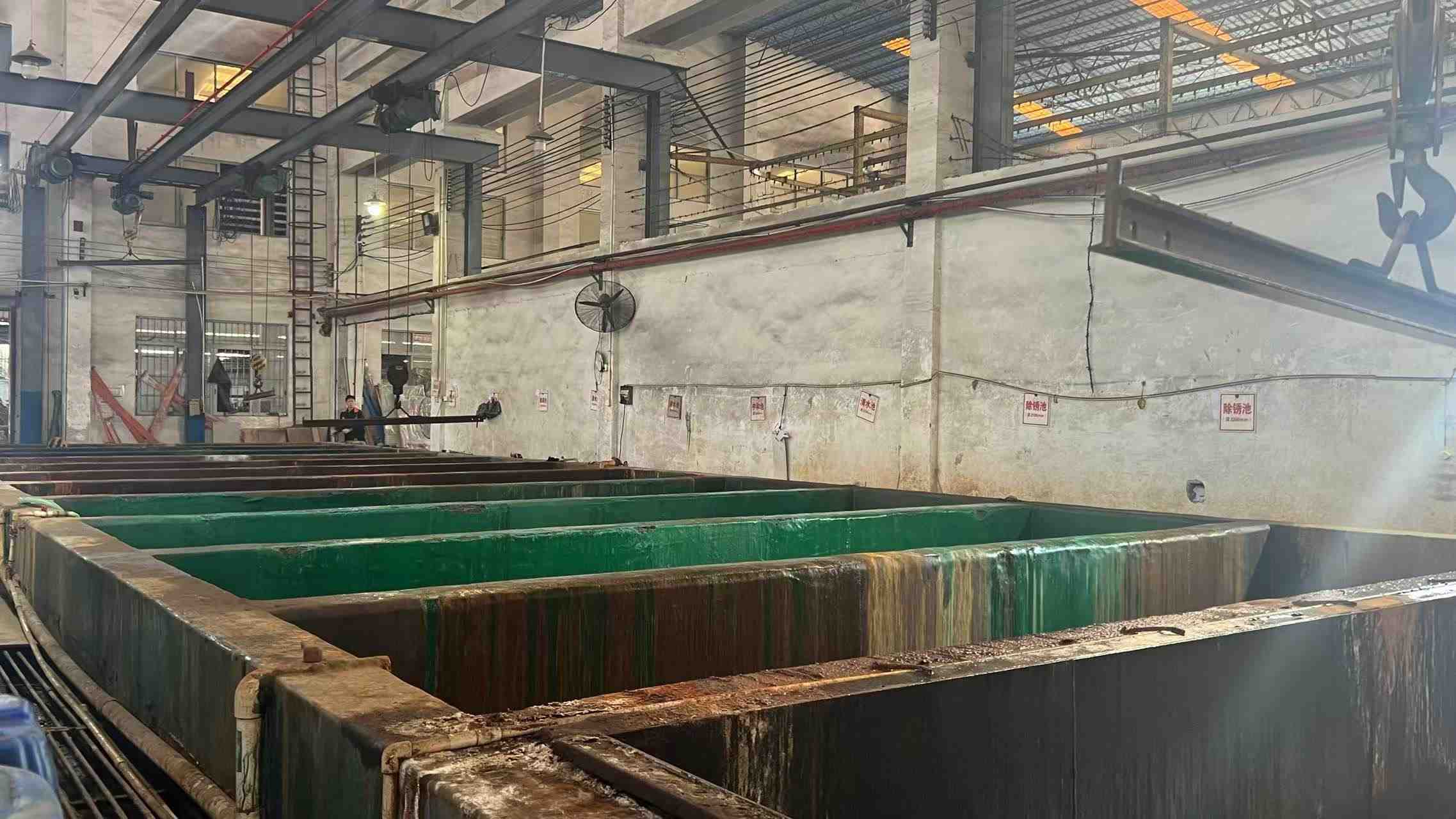
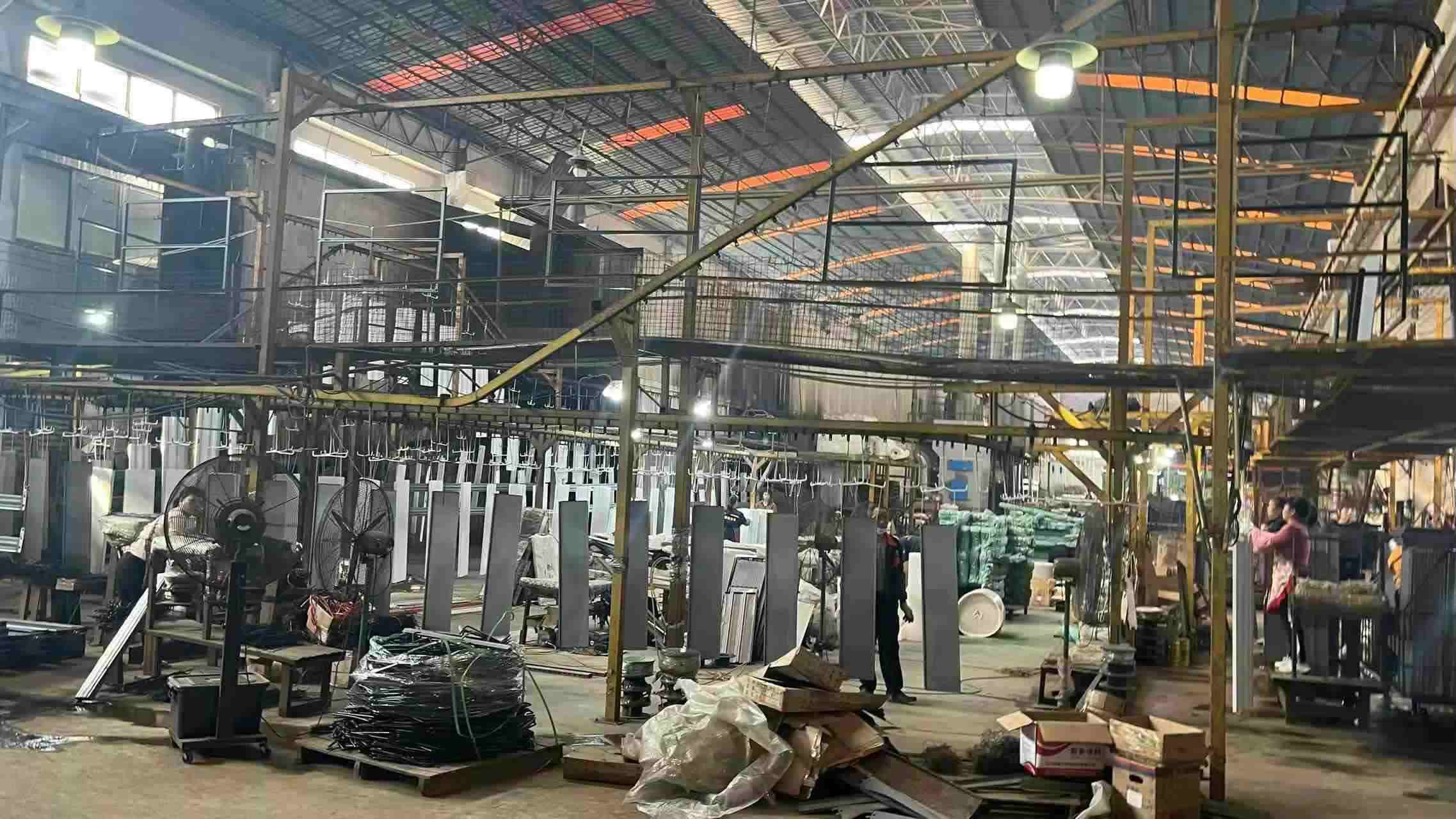
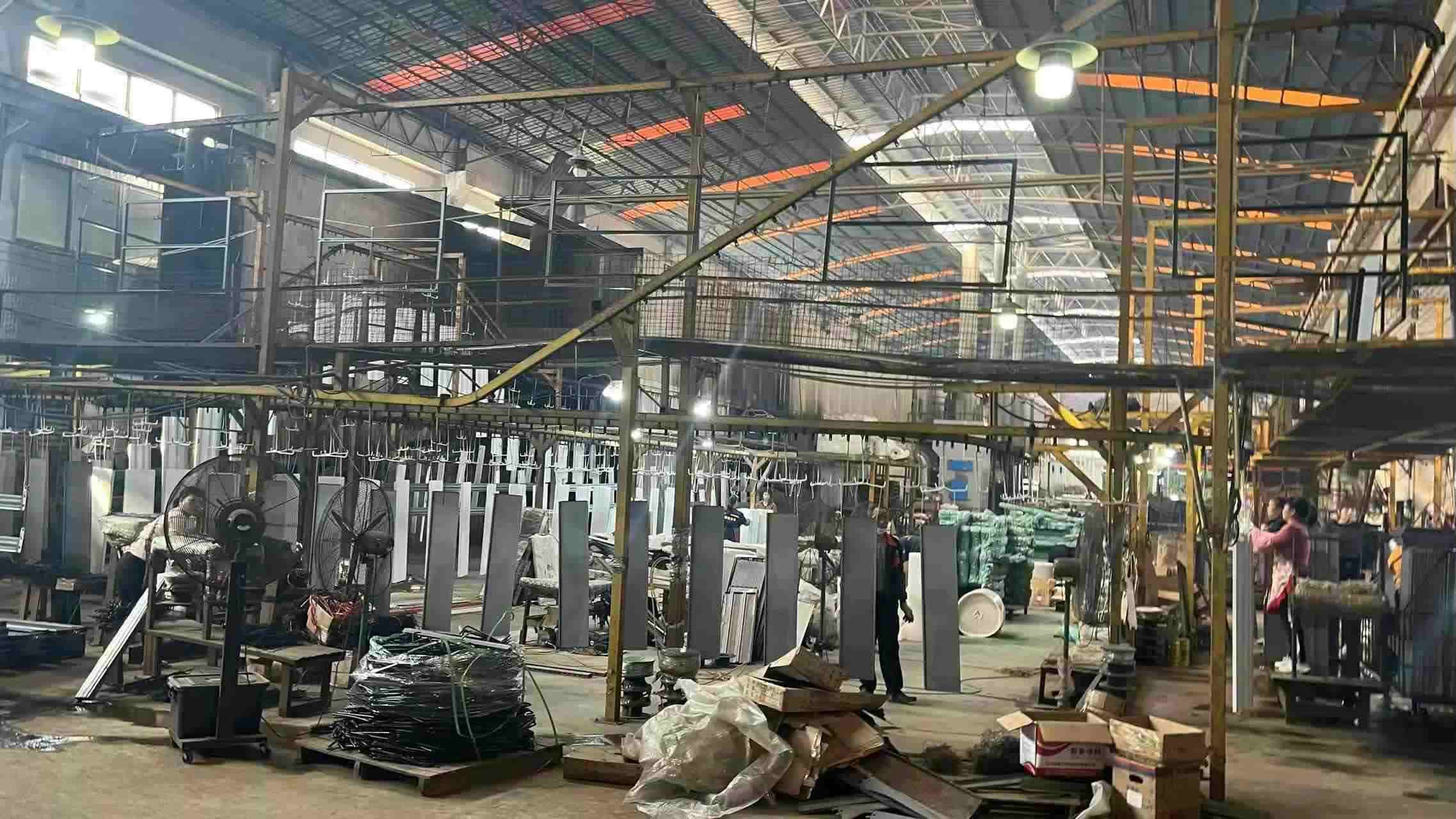
Adapting dynamic racking configurations to match the specific load requirements, environment variables, and inventory profiles of different industries.
3PL operators manage a diverse range of products with unpredictable packaging sizes and variable shelf-life requirements. Implementing a modular mixed-use storage configuration enables operators to adapt their layout to changing inventory profiles. Standard layouts feature heavy-duty base pallet racks integrated with gravity-fed carton flow lanes at ground level, facilitating rapid picking operations.
Using high-strength Q235B uprights allows operators to adjust rack configurations quickly when client inventory profiles change. Splitting columns into separate storage zones helps minimize overall handling times, reducing picking labor costs by up to 25% during peak seasons.
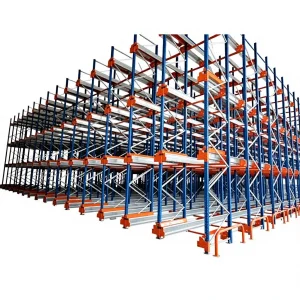
In cold storage and blast freezer facilities, refrigeration energy costs require maximum density in the rack layout. Shuttle racking systems and mobile pallet racks are often combined with heavy-duty structural frames to optimize storage density.
These systems must be manufactured with specialized low-temperature carbon steels, as standard steel can become brittle at sub-zero temperatures. Durable powder coatings are applied to prevent moisture absorption and rust formation, extending the service life of the steel structure in humid environment transitions.
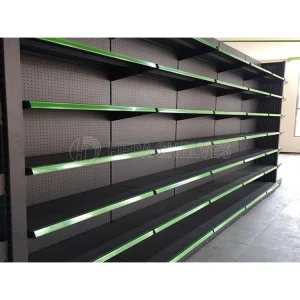
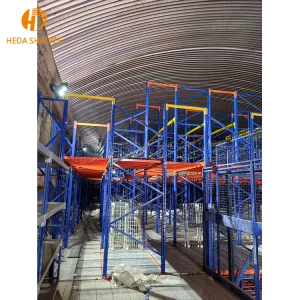
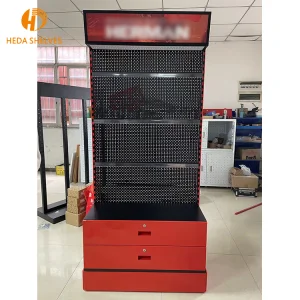
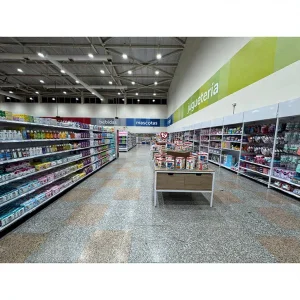
Retail-warehouse hybrid stores require systems that handle heavy industrial loads at height while presenting an aesthetic, customer-friendly display at eye level. These configurations combine heavy-duty pallet racks for overhead storage with retail-ready gondola display shelves below.
Safety features like wire-mesh decking, backstop beams, and steel safety netting are installed in the upper levels to protect shoppers from falling objects. At the base, display shelf bays are finished with durable, non-toxic coatings that meet regulatory requirements for consumer environments.
How new automation standards, IoT integration, and structural engineering designs are shaping the future of global supply chains.
Modern racking designs are increasingly integrated with Automated Storage and Retrieval Systems (AS/RS) and automated radio shuttles. These systems require higher manufacturing tolerances (often within ±0.25mm) to ensure automated machinery can navigate the structures without sensor disruption.
Global procurement policies are shifting toward environmentally responsible manufacturing. We focus on reducing waste by using VOC-free powder coatings and sourcing raw materials from mills that implement energy-efficient recycling processes, helping clients meet their sustainability goals.
To reduce onsite assembly times and labor costs, modern racking systems utilize modular, boltless beam-to-upright connections. These connection designs allow for quick height adjustments without specialized tools, helping facilities adapt their storage layout to shifting seasonal requirements.
A compliance checklist for technical procurement managers evaluating structural steel and racking suppliers.
Procuring racking systems for heavy-duty industrial environments requires verification of several structural standards:
By conducting full-spectrum ultrasonic weld testing and verifying steel chemistry profiles, we ensure our shipments meet these international regulatory requirements.
Frequently asked questions regarding material specifications, customized loading configurations, and shipping logistics.
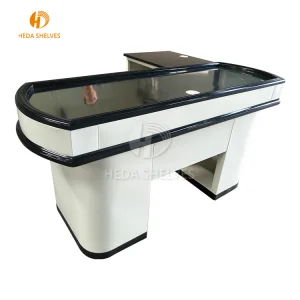
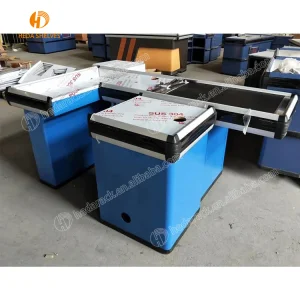
Heavy-duty industrial racking solutions, shuttle storage components, and retail supermarket checkout systems.
 Durack