Engineered to maximize volumetric density, optimize dynamic throughput, and deliver unmatched structural safety margins.
Analyzing key supply-chain challenges, safety standards, and engineering specifications for modern multi-market deployments.
In the modern logistics landscape, global enterprises are transitioning from standard fixed storage solutions to modular, heavy-duty adjustable racking systems. This structural shift is propelled by the need to optimize warehouse floor space (footprint utilization) and maximize vertical clearance height. Procuring through Chinese wholesale adjustable racking factories offers significant advantages, including advanced automation capabilities, economies of scale, and custom structural steel configurations. Industrial procurement managers focus on adaptability; systems must accommodate changing product dimensions, shifting pallet sizes, and dynamic inventory turn cycles without compromising safety margins.
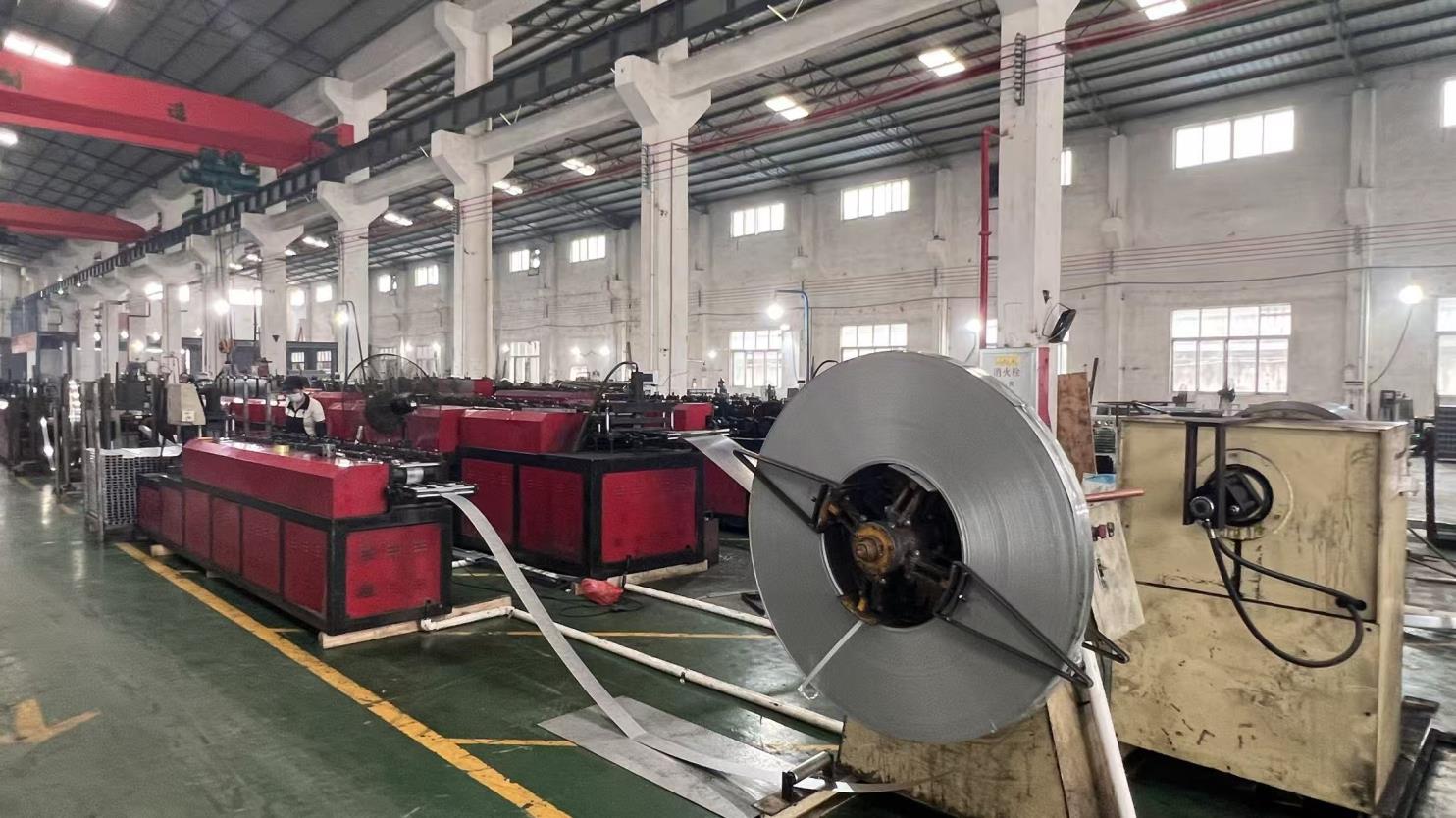
Furthermore, the integration of adjustable racks with automated guided vehicles (AGVs) and stacker cranes demands extremely tight tolerances. Leading Chinese exporters achieve this through high-precision roll-forming machinery and laser-aligned punching systems. These advancements minimize deflection under load, facilitating smooth material handling operations and reduced equipment downtime.
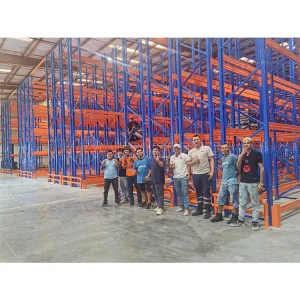
Industrial storage systems are subjected to constant dynamic forces, forklift impacts, and potential seismic movements. Procurement teams in seismic-prone zones—such as Western North America, parts of Southern Europe, and Southeast Asia—must secure racking systems designed to withstand lateral forces. High-quality adjustable racking utilizes high-tensile structural steel (typically Q235B or Q355B grades) coupled with heavy-duty footplates and structural anchoring systems. The capability of a factory to calculate Finite Element Analysis (FEA) and design specific beam-to-column connections is a crucial indicator of manufacturing expertise and structural reliability.
"Structural safety in high-density storage is not merely a compliance check—it is a critical safeguard. A single failure can trigger a catastrophic progressive collapse, risking personnel safety and interrupting operations."
Introducing Dongguan Durack Logistics Equipment Co., Ltd. - A leading force in advanced warehouse racking solutions.
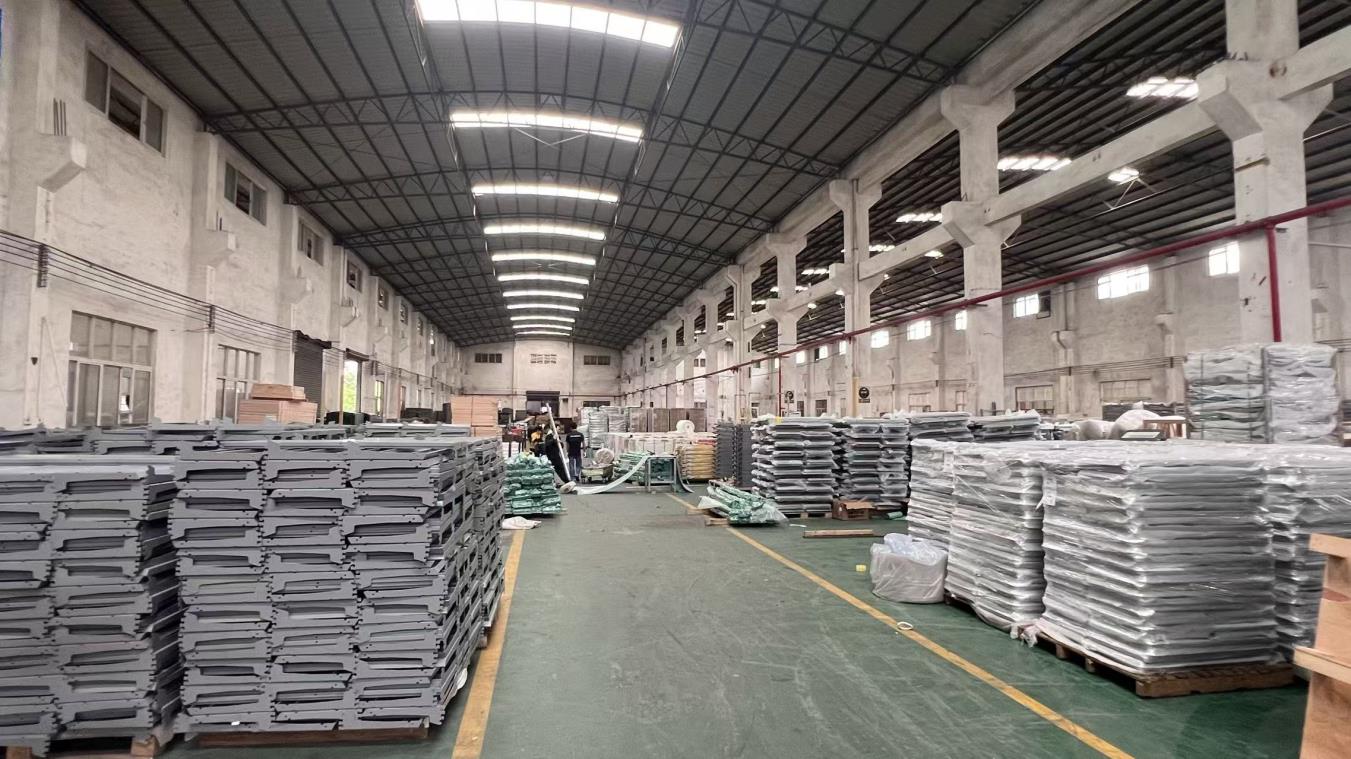
Founded in 2014, Dongguan Durack Logistics Equipment Co., Ltd. is a premier Chinese storage racking system manufacturer operating a 35,000 m² facility. Backed by 12 years of industry experience and 8 years of global export history, the company generates $28 million in annual export revenue. Our operations are supported by a strict quality assurance system using full-spectrum ultrasonic testing and load-bearing stress evaluations, overseen by 45 dedicated QC specialists.
Building on a strong international trading background, our core markets span North America, Europe, and Southeast Asia. We maintain a reliable supply chain network of over 850 partners, catering primarily to third-party logistics (3PL) providers, automated warehouses, and large industrial distributors. Driven by an active R&D division with 65 specialized engineers, Durack offers full OEM/ODM customization options—including bespoke beam profiles, structural steel grades, and dynamic layout designs—launching over 120 new storage products last year.
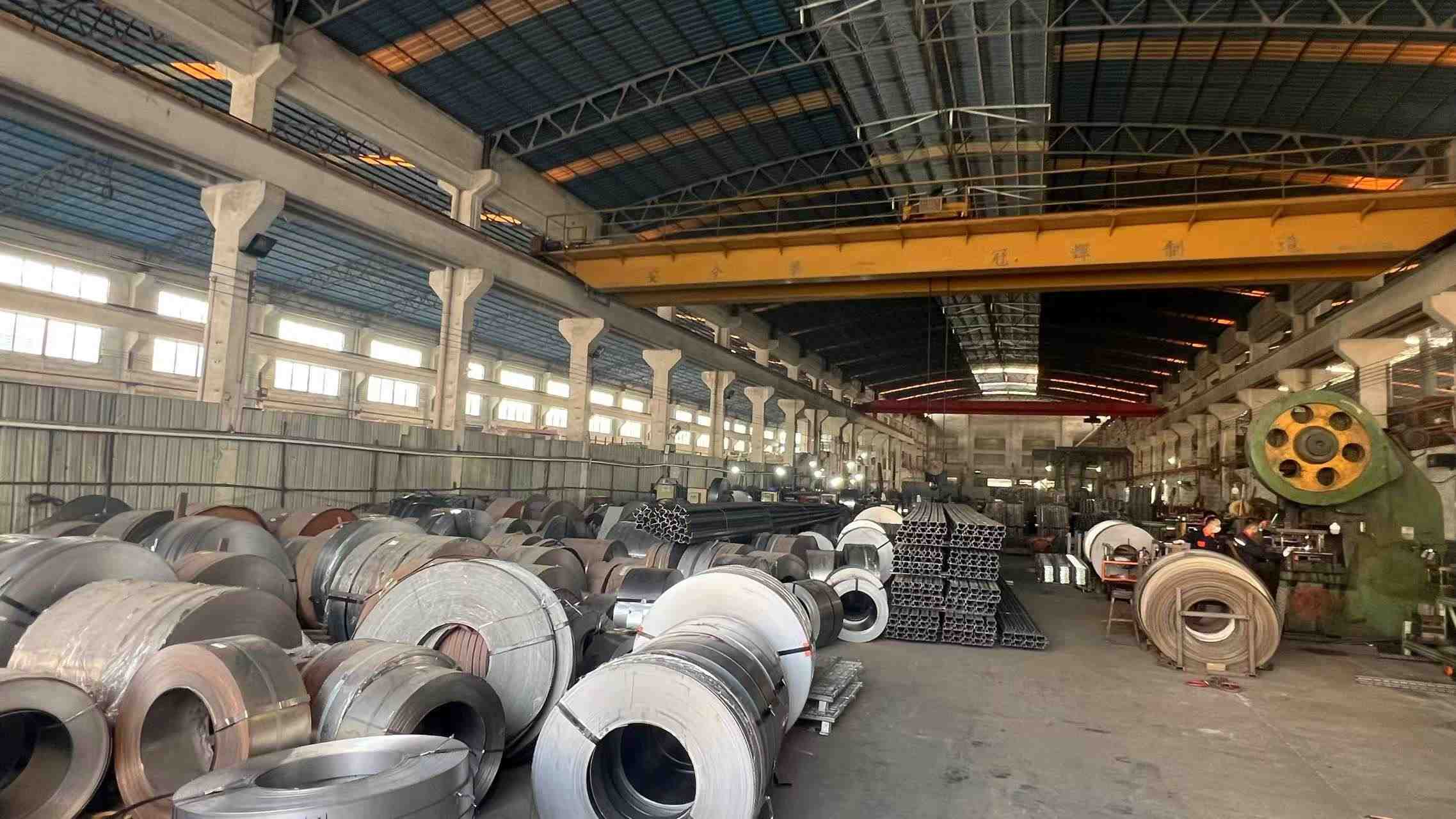
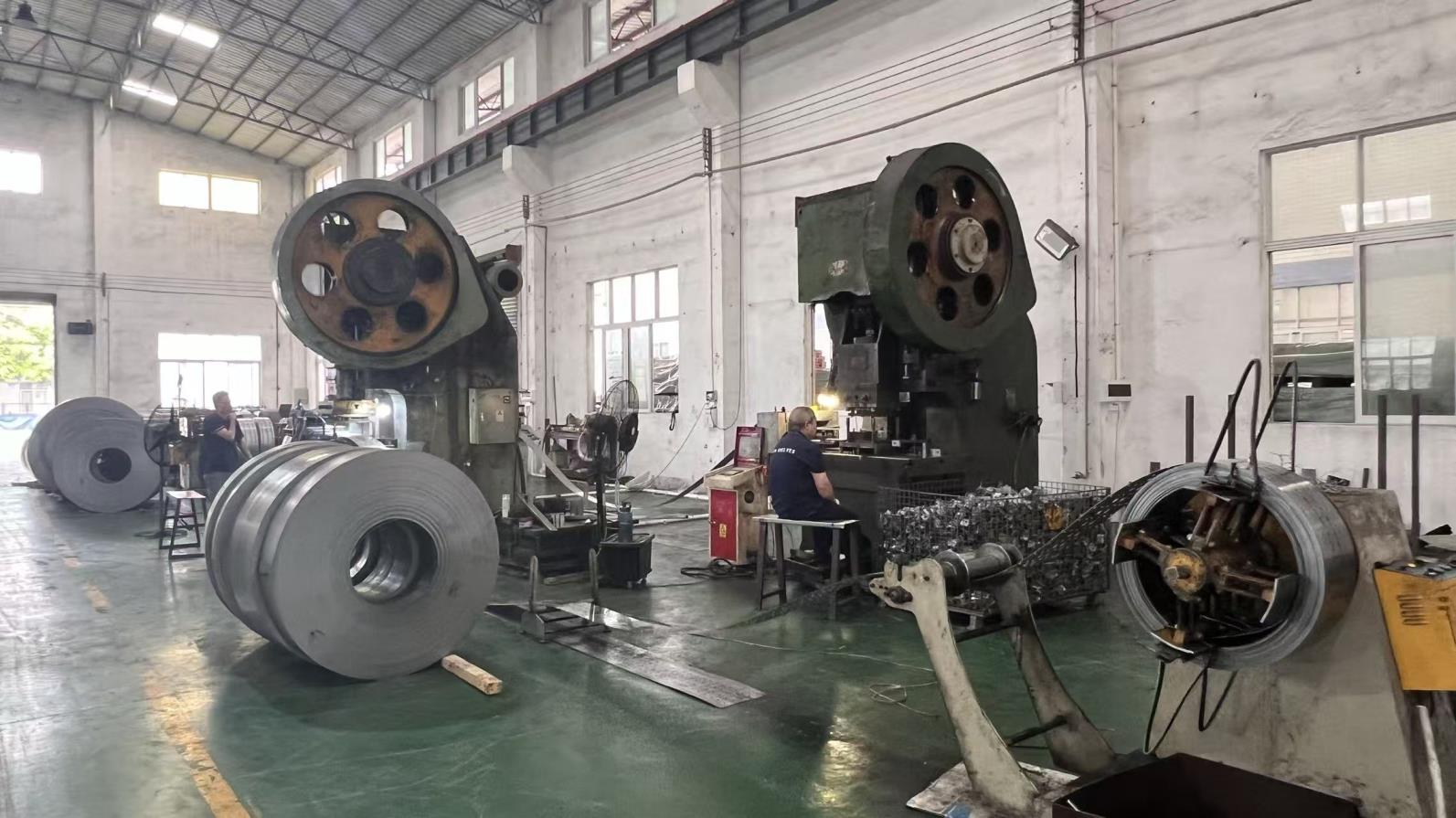
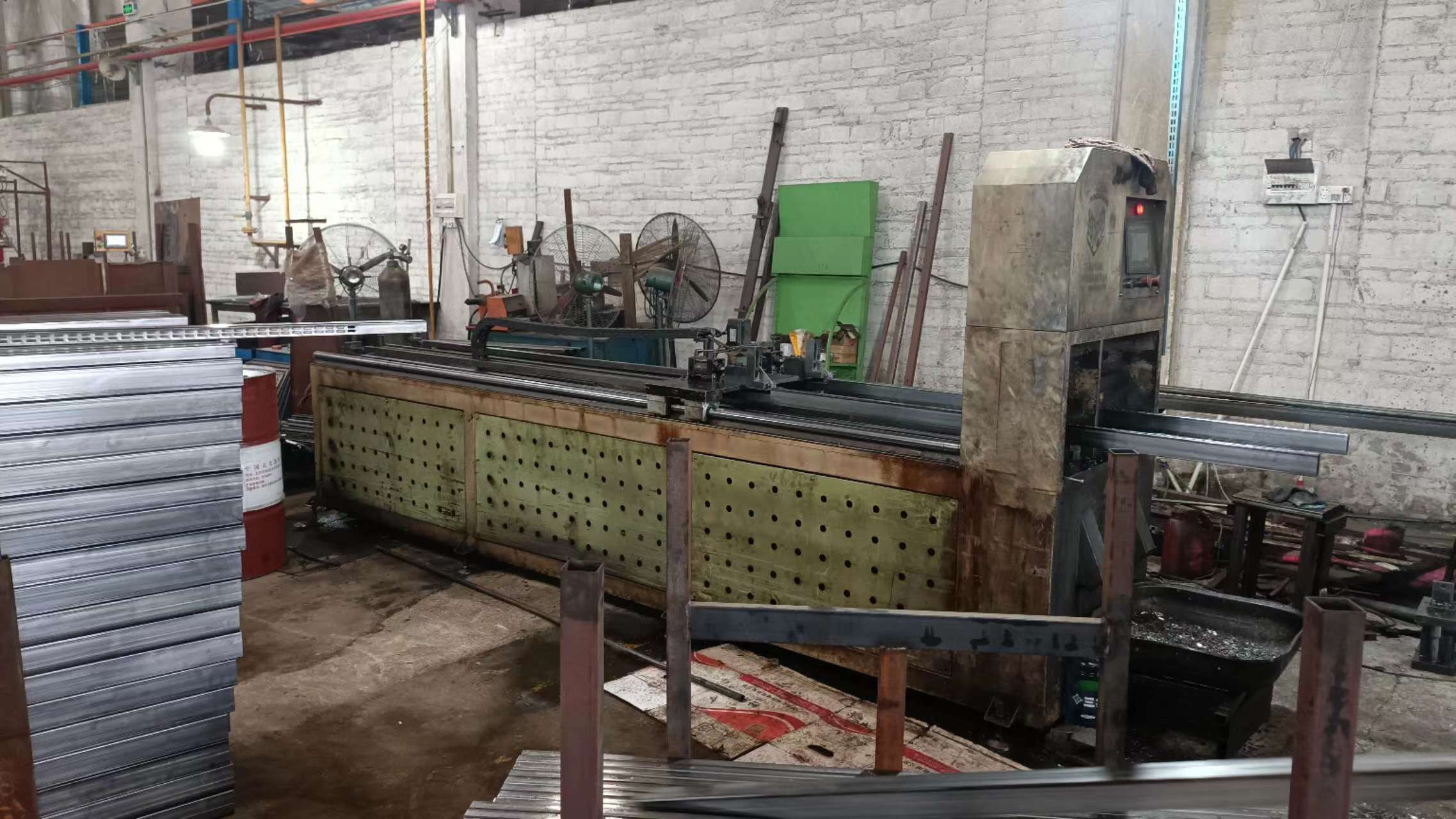
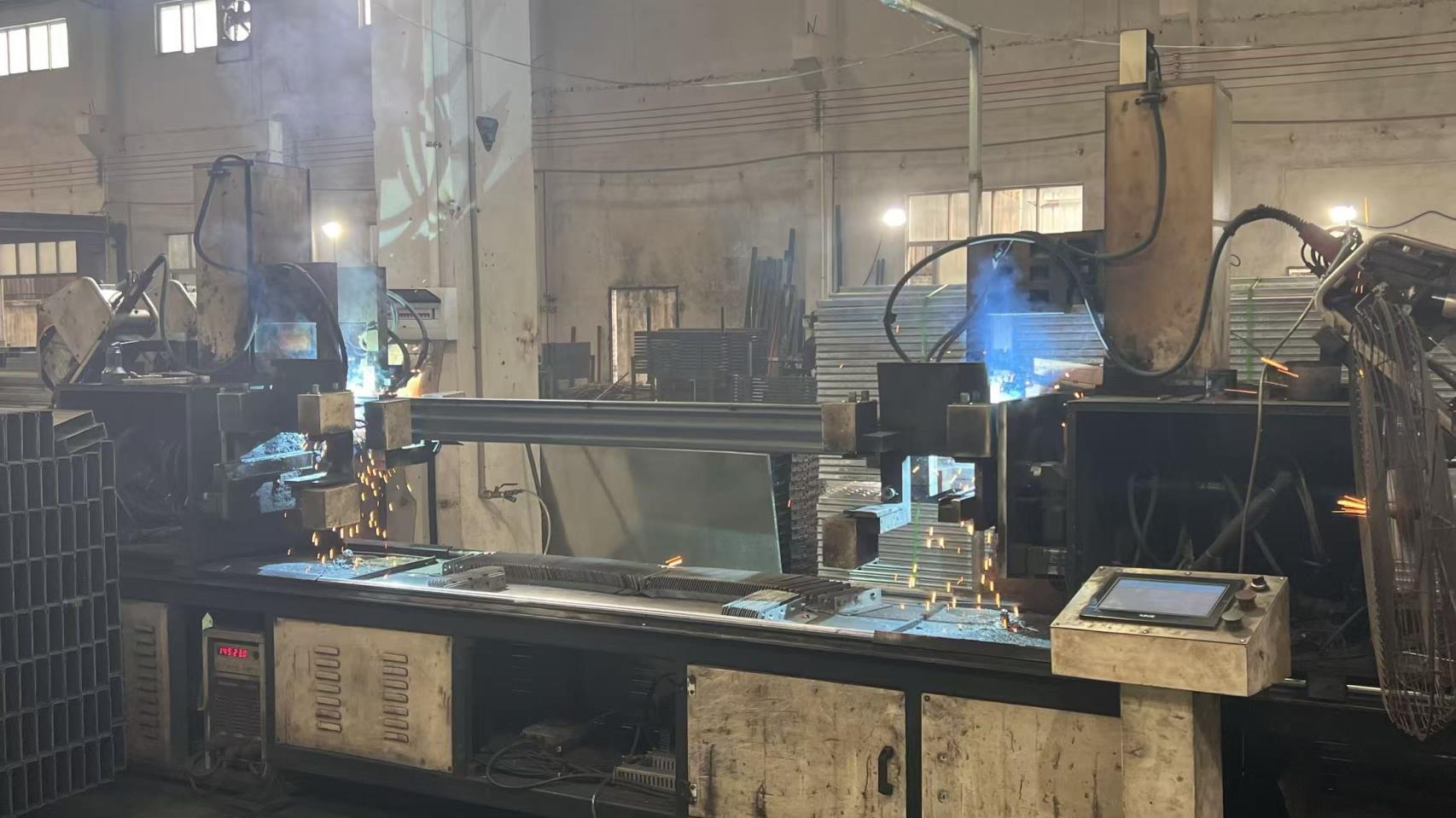
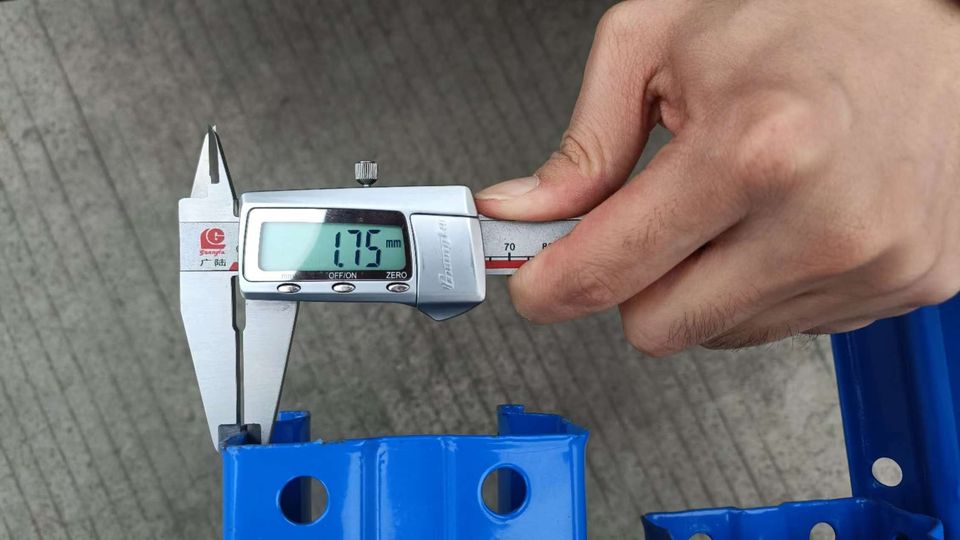
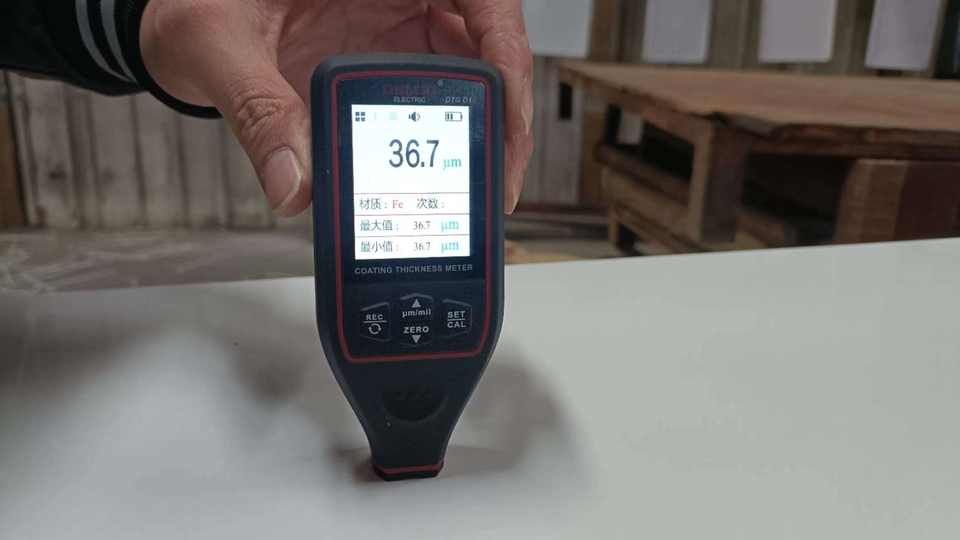
Uncompromising quality control at every phase of production, from raw steel selection to final surface treatment testing.
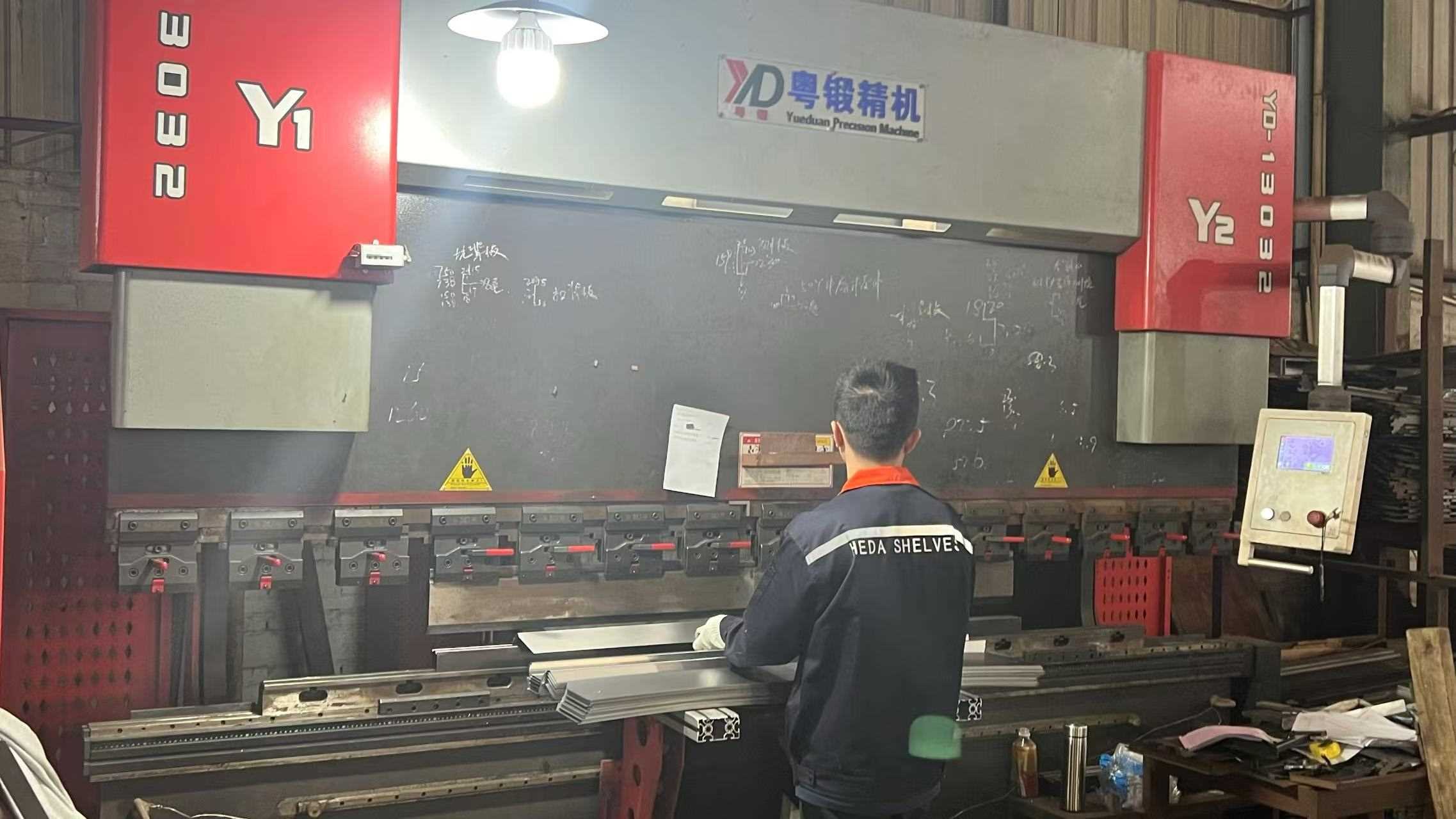
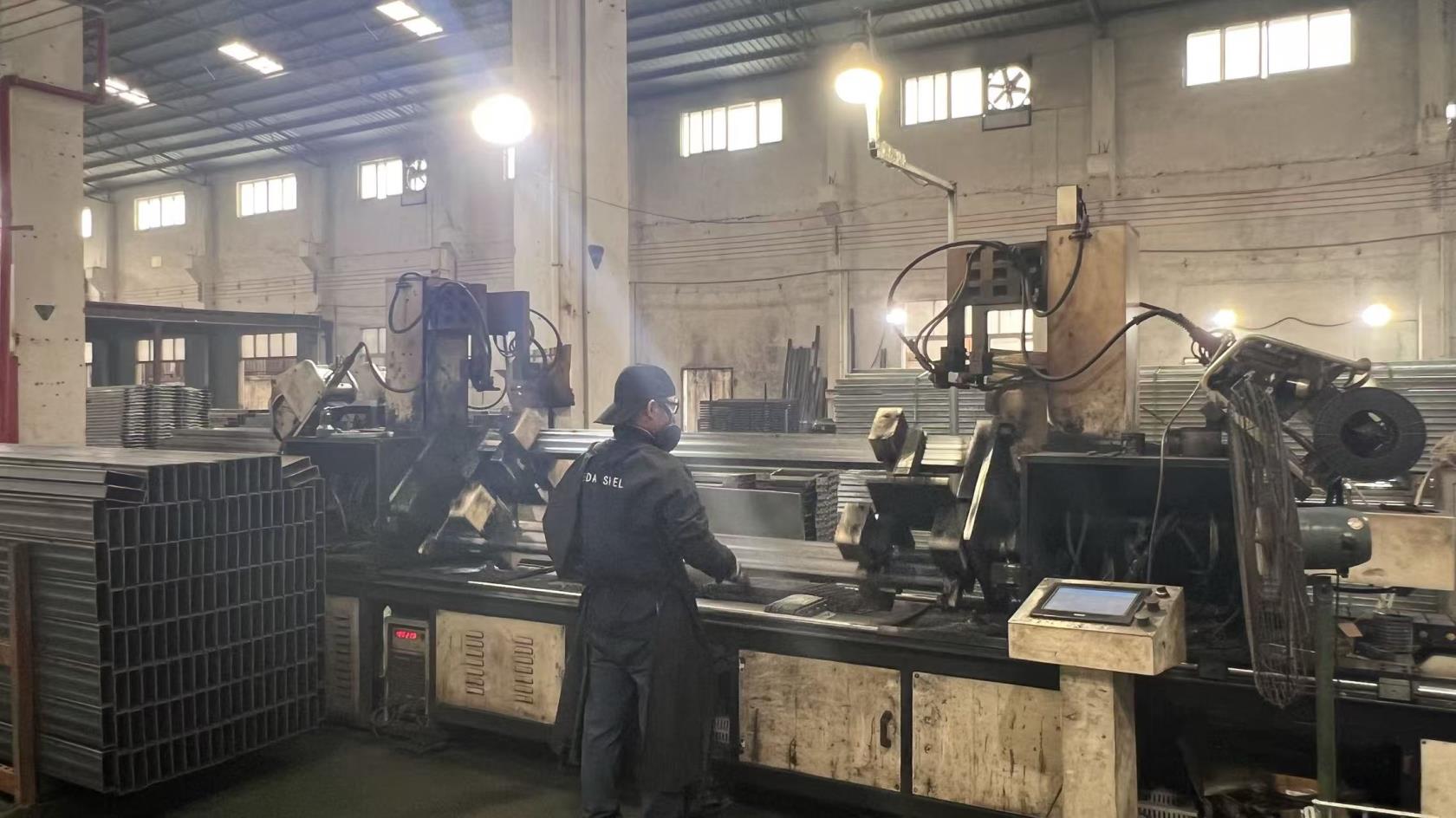
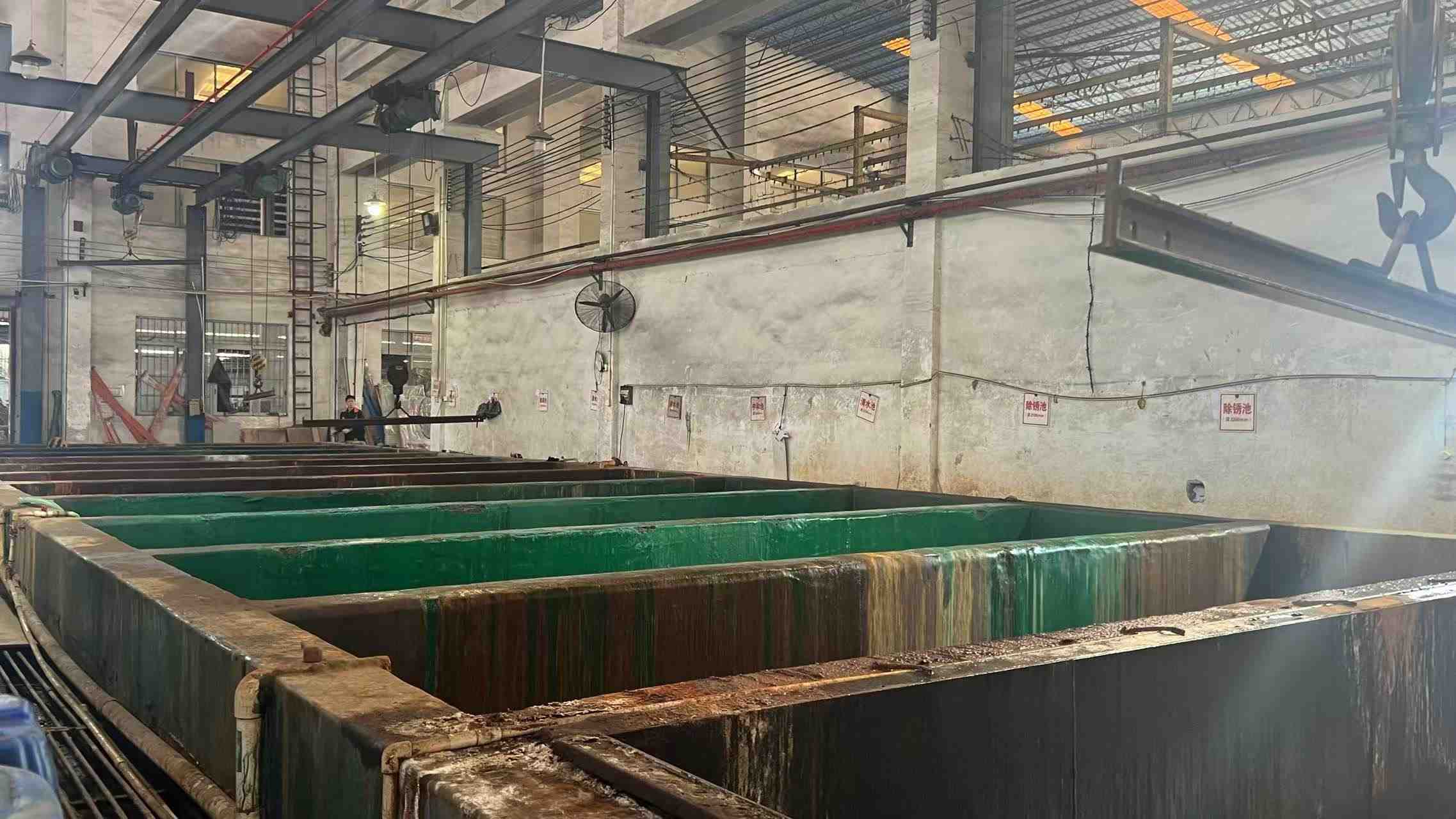
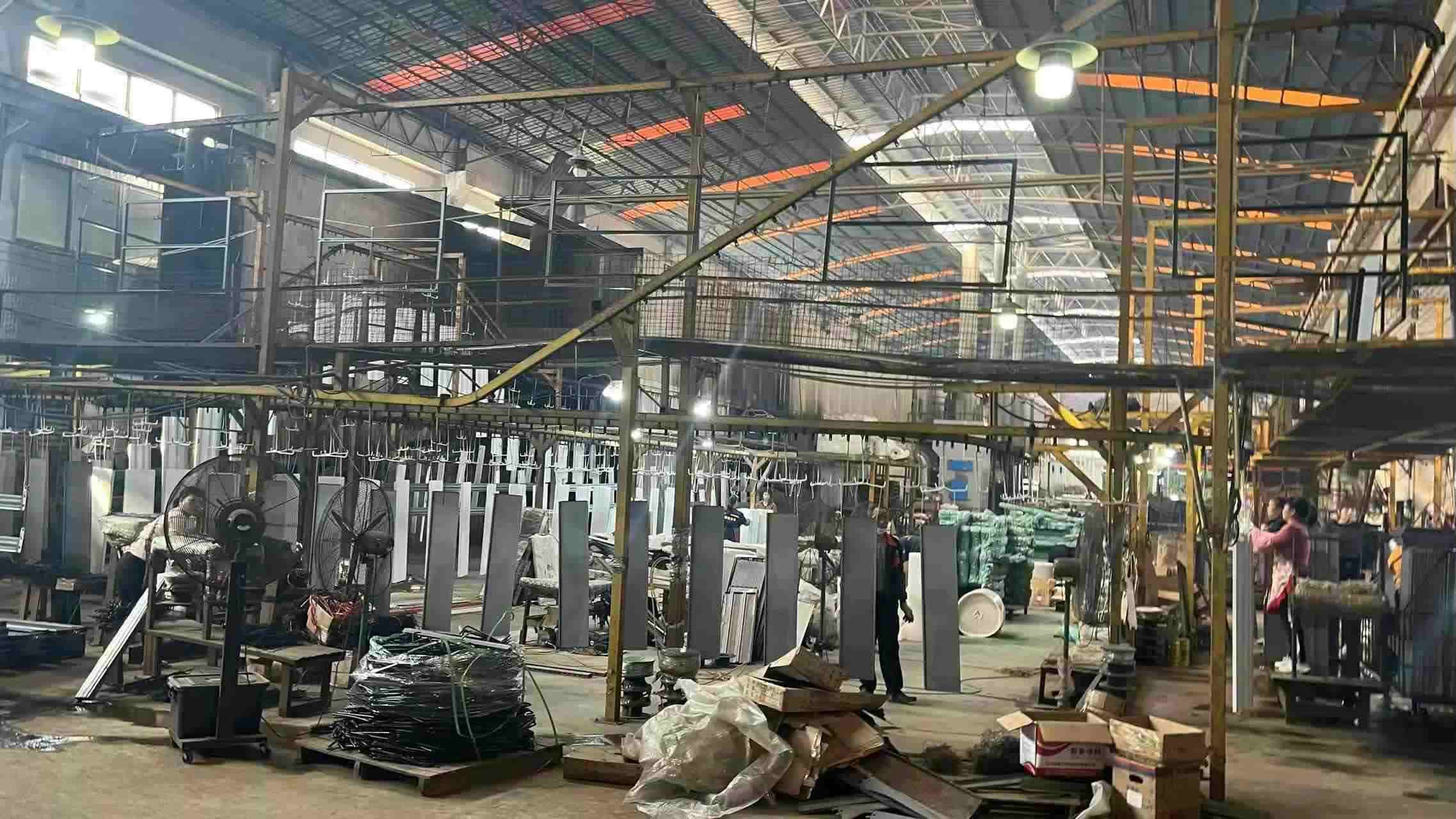
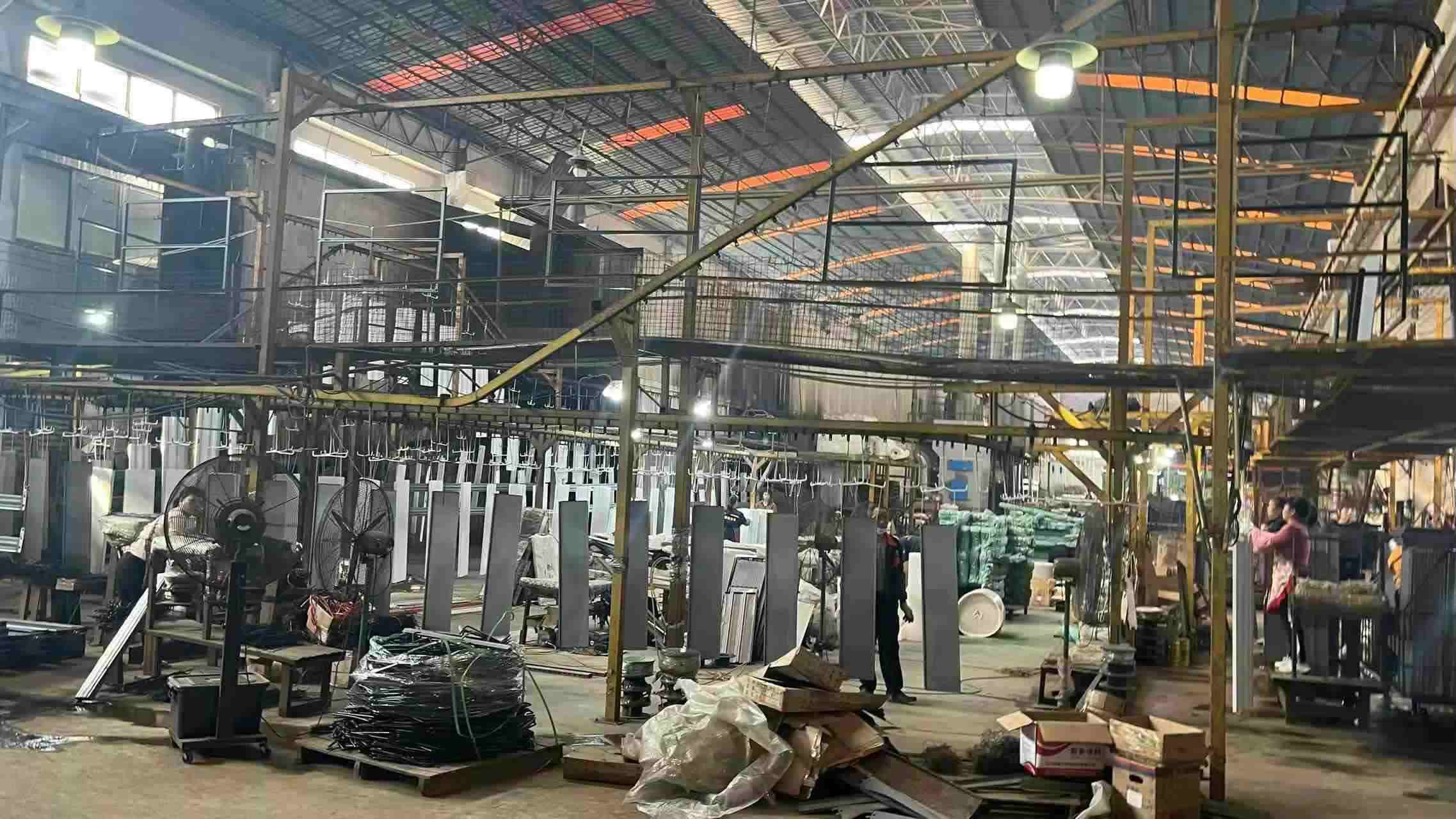
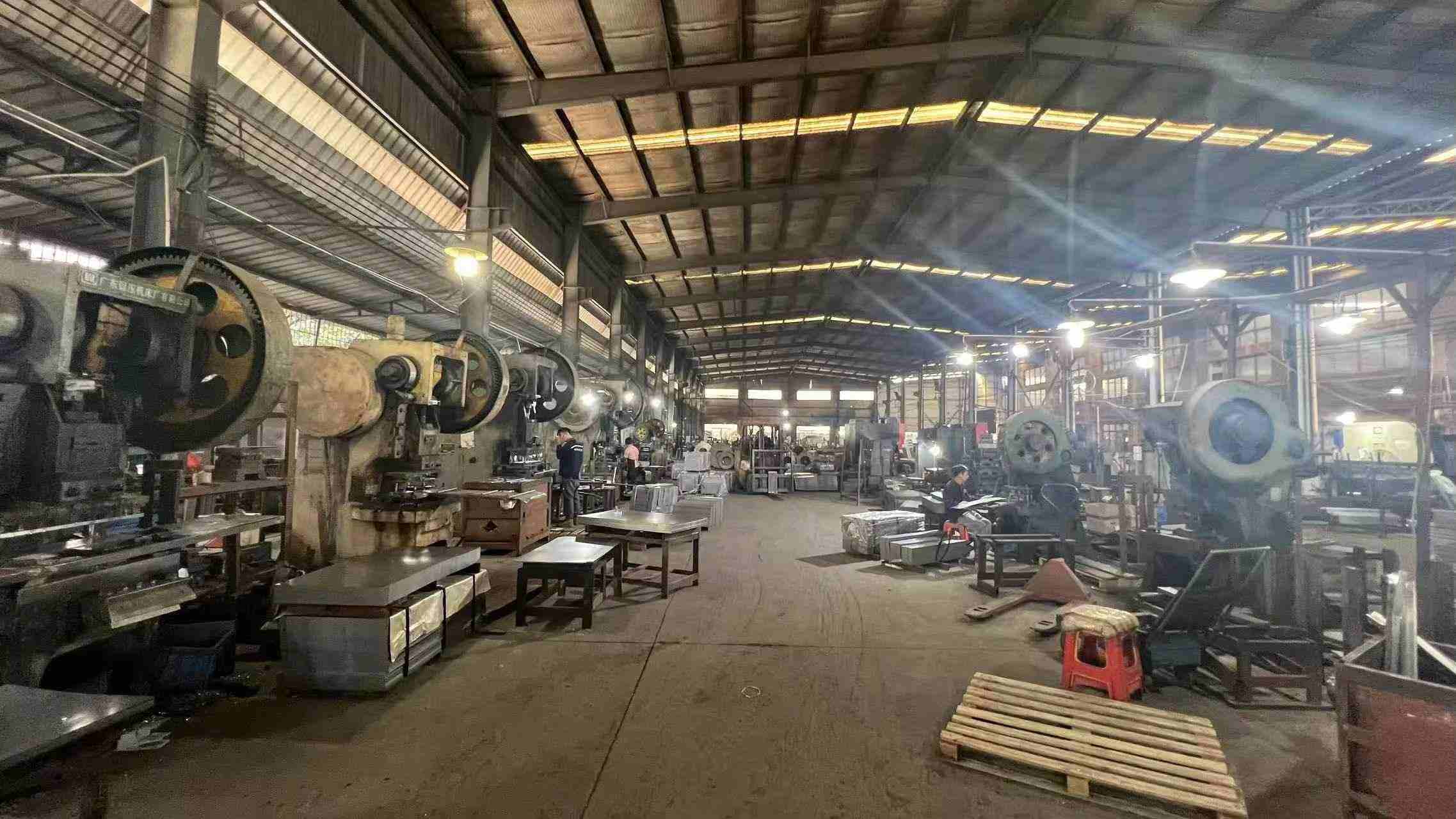
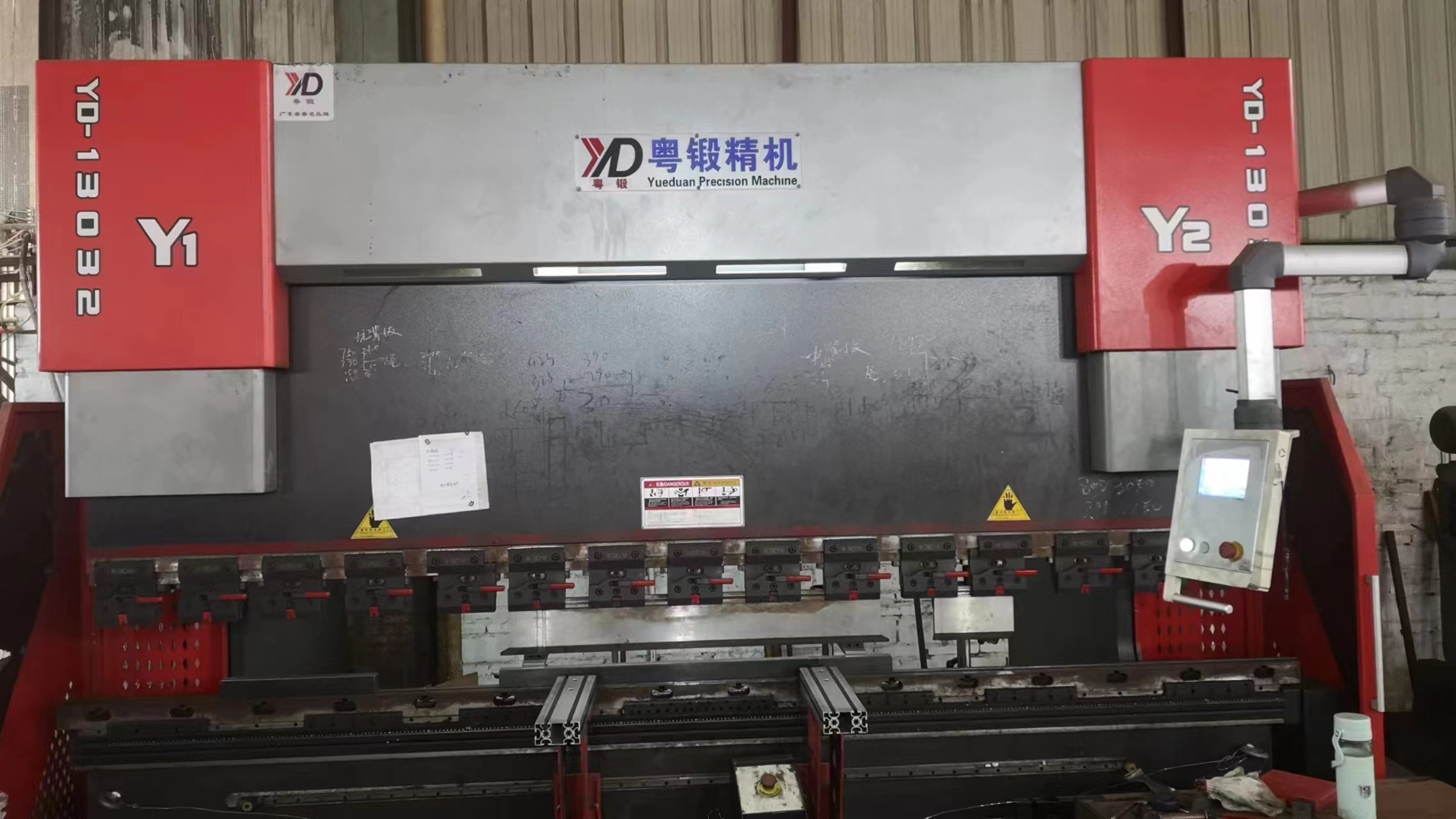
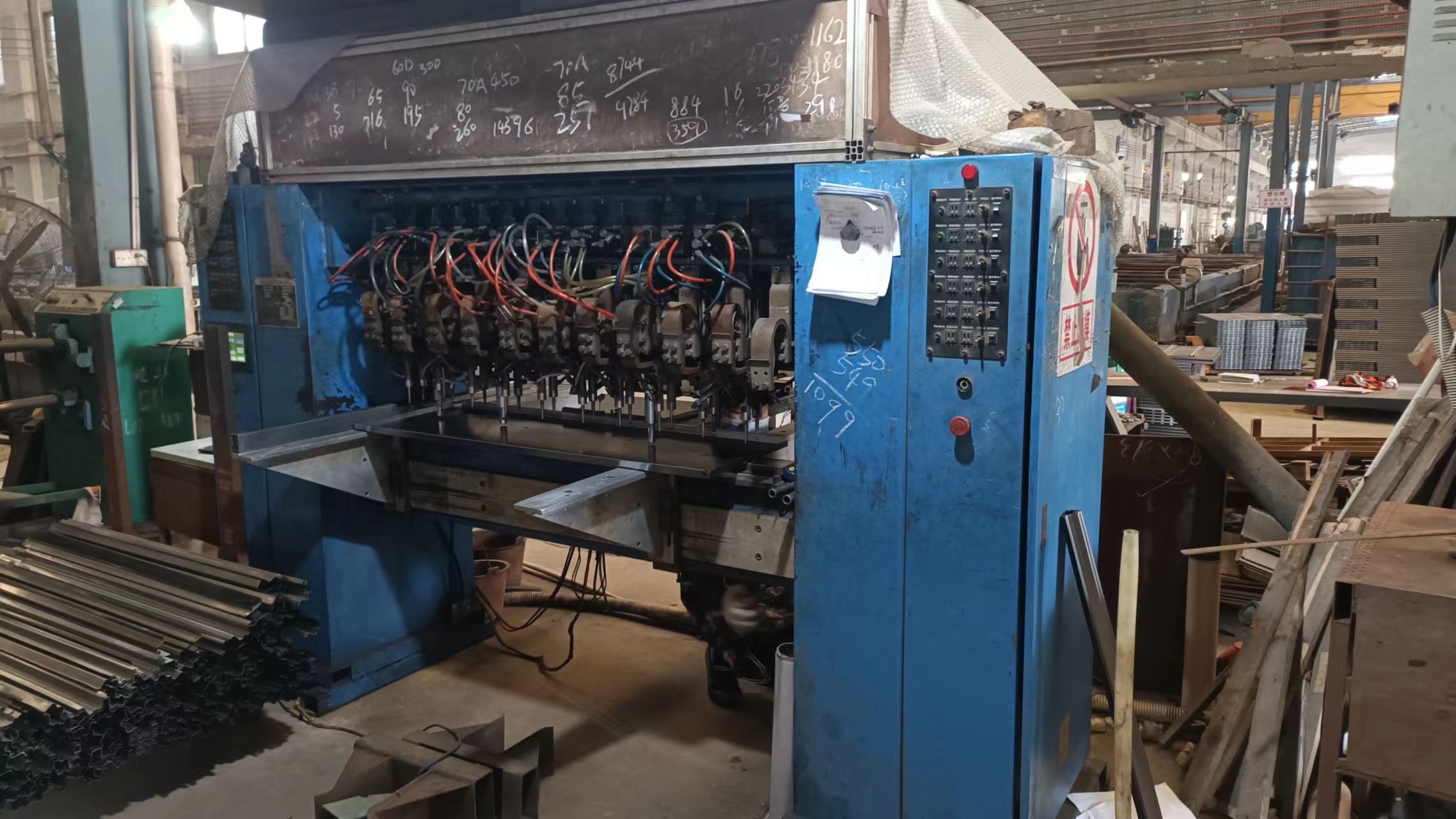
Architecting custom storage systems to address specific inventory dynamics and material handling requirements across major industrial sectors.
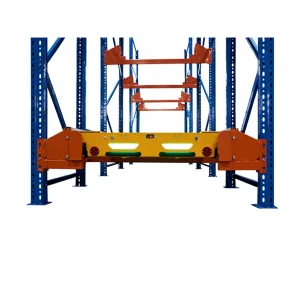
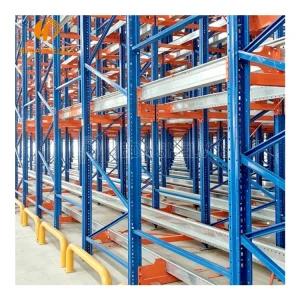
Designed for high-density, low-SKU applications, automated radio shuttle systems utilize robotic carts to transport pallets along deep lanes. Integrating this automation with customizable steel racking increases volumetric efficiency by up to 80% compared to standard selective racking. Ideal for cold storage, food and beverage distribution, and fast-moving consumer goods (FMCG) logistics centers.
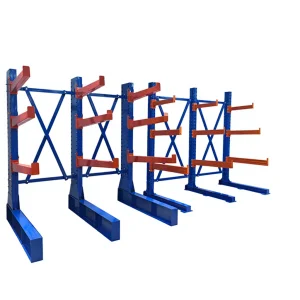
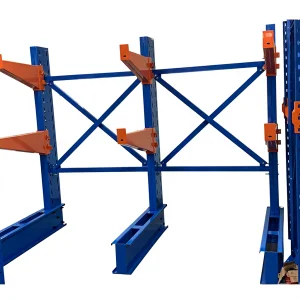
Engineered for storing long, bulky, or irregularly shaped loads such as steel pipes, timber, PVC tubes, and sheet metal. The absence of front upright columns enables unobstructed access for forklifts and side-loaders, improving cycle times. Available in both single and double-sided configurations, featuring adjustable arm heights to accommodate changing inventory profiles.
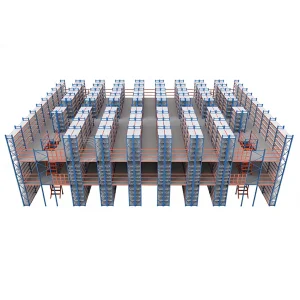
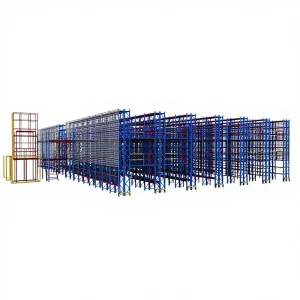
Designed to double or triple usable warehouse area by capitalizing on underutilized vertical space. These systems integrate heavy-duty structural steel support columns, steel decking, and customized staircases. Ideal for e-commerce fulfillment centers, automotive parts distribution, and light manufacturing facilities requiring segregated assembly or packing areas.
Evaluating material chemistry, load capacities, and structural compliance parameters crucial for large-scale operations.
Selecting the appropriate steel grade is critical to ensuring the longevity and structural integrity of industrial racking. Leading manufacturers utilize hot-rolled and cold-formed structural steel coils sourced from premier mills. The standard steel chemistry (Q235B and Q355B) balances high yield strength with good weldability, preventing cracking under high static and dynamic stresses. Under RMI (Rack Manufacturers Institute) and European FEM (Fédération Européenne de la Manutention) guidelines, load-bearing capacities are calculated with a minimum safety factor of 1.5, protecting systems from sudden overloading or accidental vehicle impacts.
| Parameter | Industrial Specification (Standard Grade) | High-Performance Specification (Automated Systems) | Compliance Reference |
|---|---|---|---|
| Yield Strength (Steel) | Q235B (235 MPa) | Q355B / SS400 (355 MPa) | GB/T 700 / ASTM A36 |
| Upright Column Deflection | L / 240 under nominal static load | L / 350 to L / 500 under dynamic loading | FEM 10.2.02 / RMI Spec |
| Finish Coating Thickness | 60 to 80 microns (Single pass) | 80 to 120 microns (Electrostatic/Galvanized) | ISO 2178 / ASTM D1186 |
| Structural Safety Factor | 1.5 (Standard static loads) | 1.65 to 2.0 (High dynamic/seismic zones) | AS 4084 / EN 15512 |
| Welding Quality Control | Manual / CO2 shielded welding | Robotic welding with full ultrasonic testing | AWS D1.1 / EN ISO 15614 |
To maintain structural stability over decades, particularly in humid or cold storage environments, adjustable racking components undergo rigorous surface preparation. The standard cleaning process includes chemical acid-washing followed by parkerising (phosphating), which creates a corrosion-resistant layer. This treatment prepares the steel for electrostatic powder coating, curing at temperatures up to 200°C. For harsh environments, pre-galvanized or hot-dip galvanized steel components are utilized, providing sacrificial zinc protection against moisture, oxidation, and mechanical scratches.
How the integration of IoT, carbon-neutral steel, and adaptive structural designs is reshaping industrial storage.
The next generation of adjustable racking systems features integrated IoT load sensors, strain gauges, and collision detection accelerometers embedded within critical upright columns. These sensor networks transmit real-time deflection data to warehouse management systems (WMS). If a forklift collides with an upright or if a shelf exceeds its safe load capacity, the system triggers an automated alert, allowing safety managers to take immediate action and prevent progressive rack failure. This preventative technology significantly lowers maintenance costs and extends the operational lifespan of the storage facility.
As international corporations align their operations with ESG (Environmental, Social, and Governance) directives, racking manufacturers are adopting sustainable processes. These initiatives involve utilizing recycled structural steel coils, transitioning to low-emission electric arc furnace (EAF) steel production, and implementing VOC-free powder coatings. Procurement professionals prioritize factories that offer detailed carbon-footprint tracing and hold ISO 14001 environmental management certifications. This shift helps reduce scope 3 emissions across global supply chains.
Addressing the complex engineering, compliance, and logistical challenges encountered by procurement officers and structural engineers.
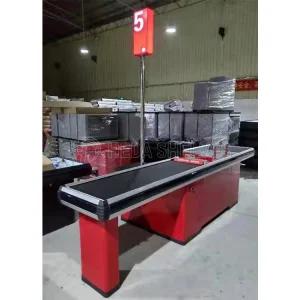
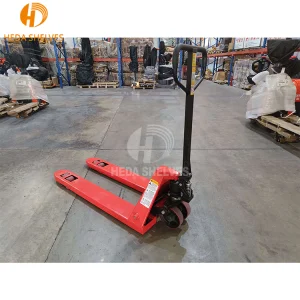
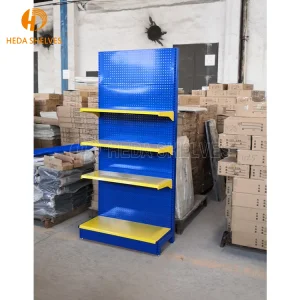
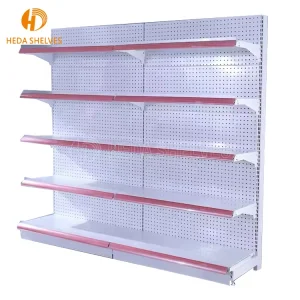
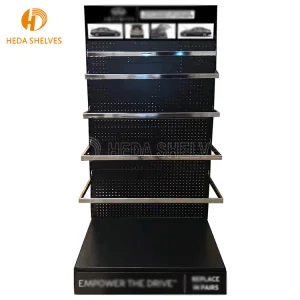
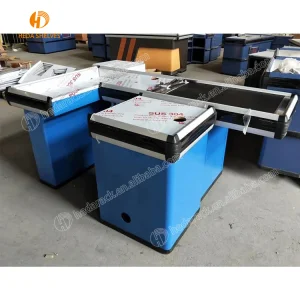
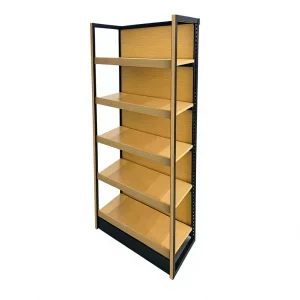
From heavy-duty material handling equipment to retail-grade display shelves, we provide systems tailored for diverse operational needs.
 Durack