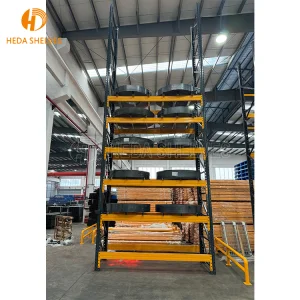
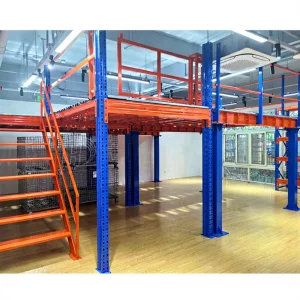
Discover our primary heavy-capacity structural profiles, engineered for severe operational loads, mezzanine lofts, and selective material handling.
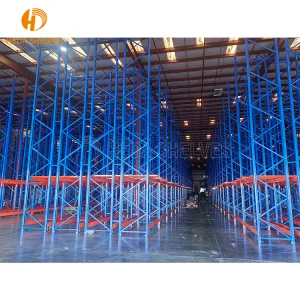
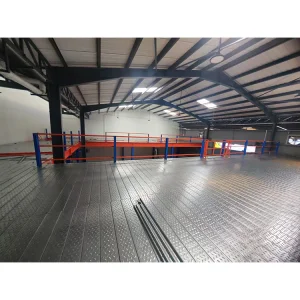
In the era of modern logistics, supply chains are defined by their speed, resilience, and spatial efficiency. As global e-commerce and third-party logistics (3PL) demand surge, the need for advanced warehouse storage systems has moved beyond simple shelving to highly engineered structural frames. Finding the right balance between raw cost efficiency and high quality parameters (such as compliance with seismic safety standards) is critical for supply chain operations.
As a major industrial exporter, China's racking factories have transitioned from basic metal fabrication shops to highly automated smart facilities. These modern sites feature multi-tier structural design calculations, custom metallurgical options, and strict compliance structures. This whitepaper analyzes the engineering capabilities, manufacturing stages, regulatory compliance, and optimization strategies that enable high-capacity warehouse installations to function safely worldwide.
A failure in a warehouse rack system often leads to structural collapses, damaged inventory, and significant liabilities. Choosing the right design standard (such as the American RMI, European FEM, or Australian AS4084) is a critical engineering decision, not just a procurement choice.
Founded in 2014, Dongguan Durack Logistics Equipment Co., Ltd. is a premier Chinese storage racking system manufacturer operating a state-of-the-art 35,000 m² production facility. Backed by 12 years of core industry experience and 8 years of global export history, the company generates $28 million in annual export revenue. Our operations are supported by a strict quality assurance system using full-spectrum ultrasonic testing and load-bearing stress evaluations, overseen by 45 dedicated QC specialists.
Building on a strong international trading background, our core markets span North America, Europe, and Southeast Asia. We maintain a reliable supply chain network of over 850 partners, catering primarily to third-party logistics (3PL) providers, automated warehouses, and large industrial distributors. Driven by an active R&D division with 65 specialized engineers, Durack offers full OEM/ODM customization options—including bespoke beam profiles, structural steel grades, and dynamic layout designs—launching over 120 new storage products last year.
Quality warehouse racking begins with high-grade hot-rolled or cold-rolled structural steel coils (typically Q235B or Q355B grade, equivalent to ASTM A36 and ASTM A572 Grade 50). The material properties determine the ultimate yield point and safety factors of the final upright frames and load beams.
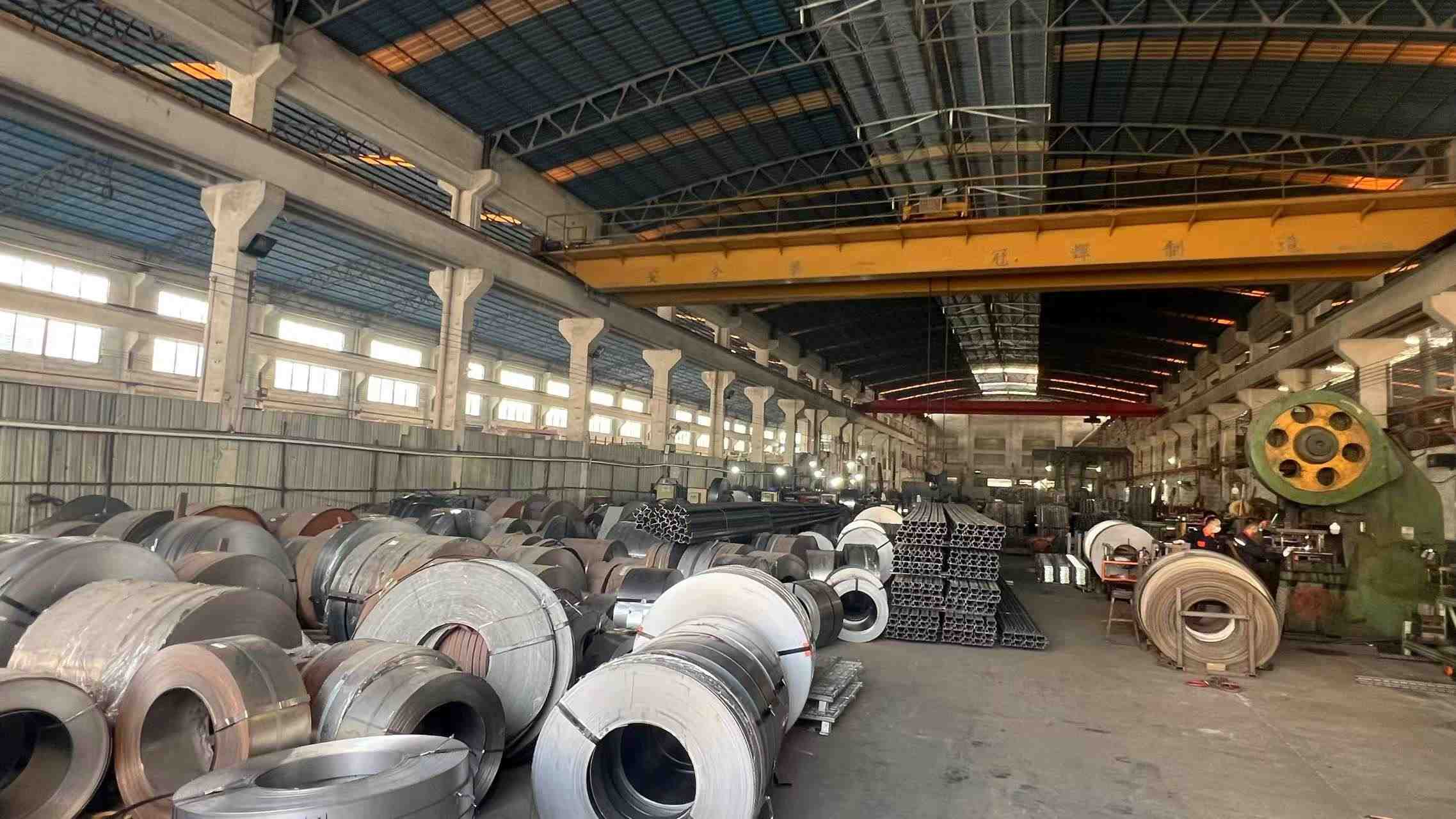
High-tensile structural steel coil sourcing. Tensile testing verifies yield strength before fabrication begins.
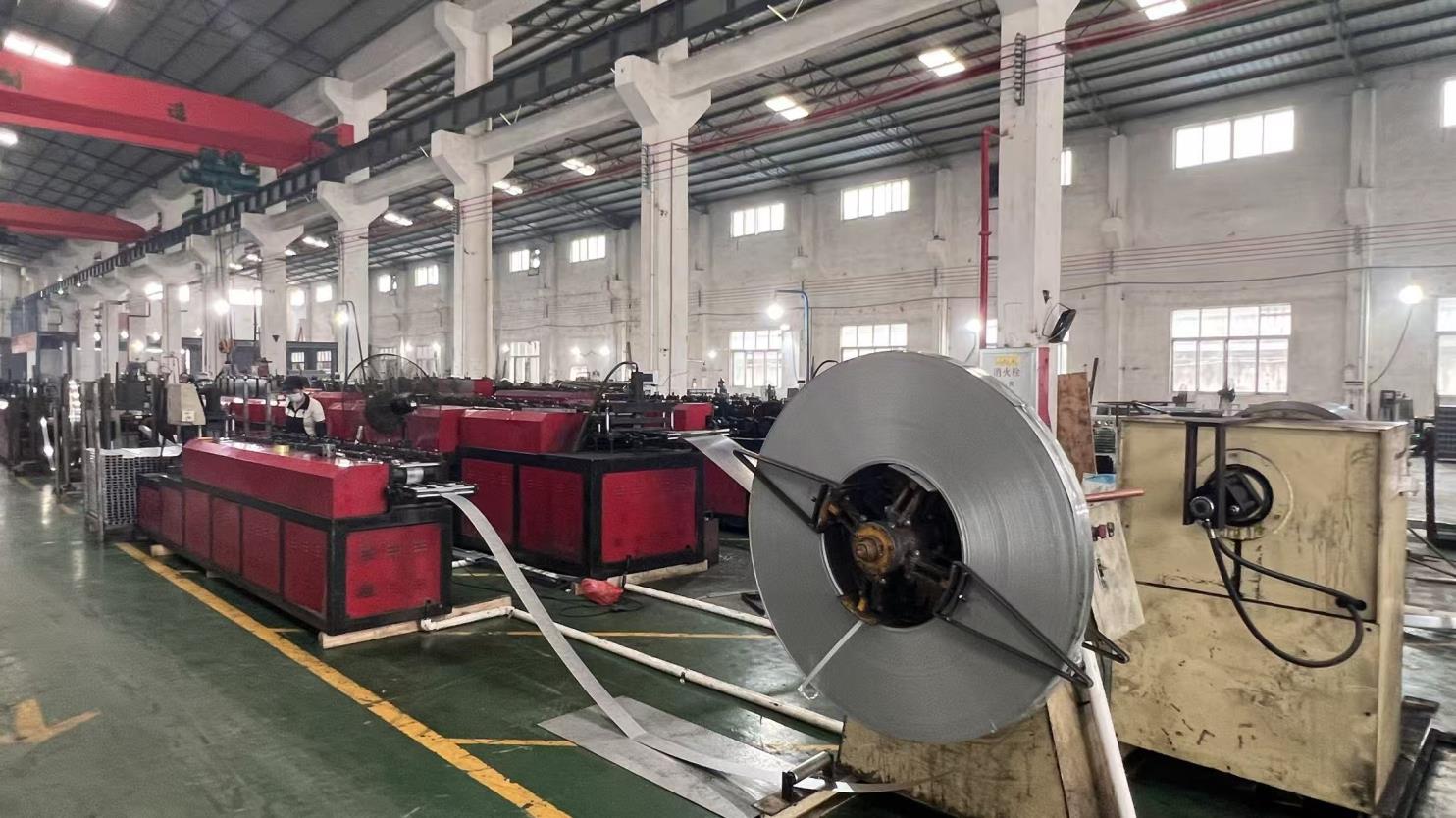
Multi-station cold roll forming shapes the steel profile with high precision and dimensional consistency.
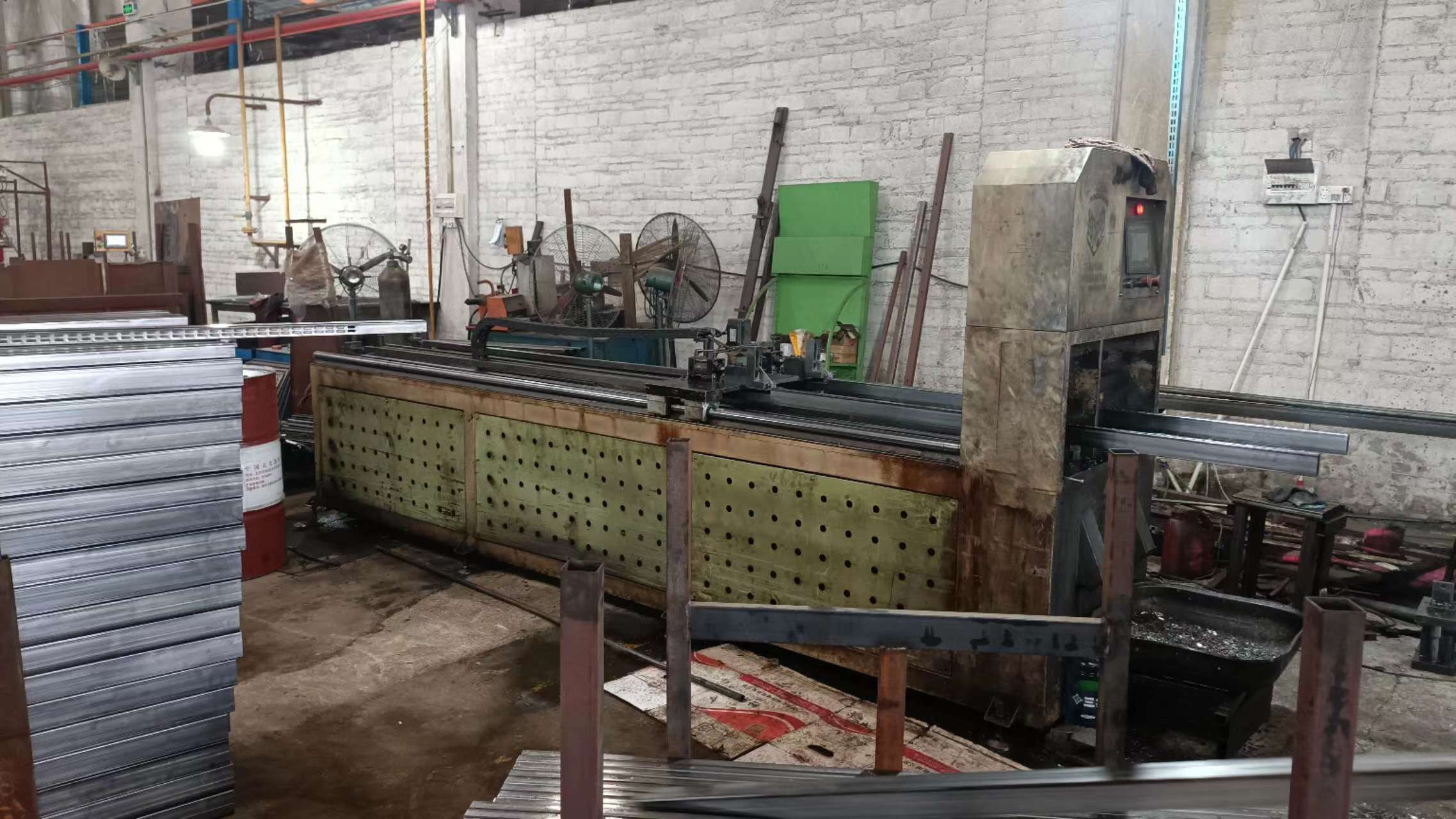
Continuous CNC punching cuts connection pitch holes at precise intervals to ensure correct beam adjustment.
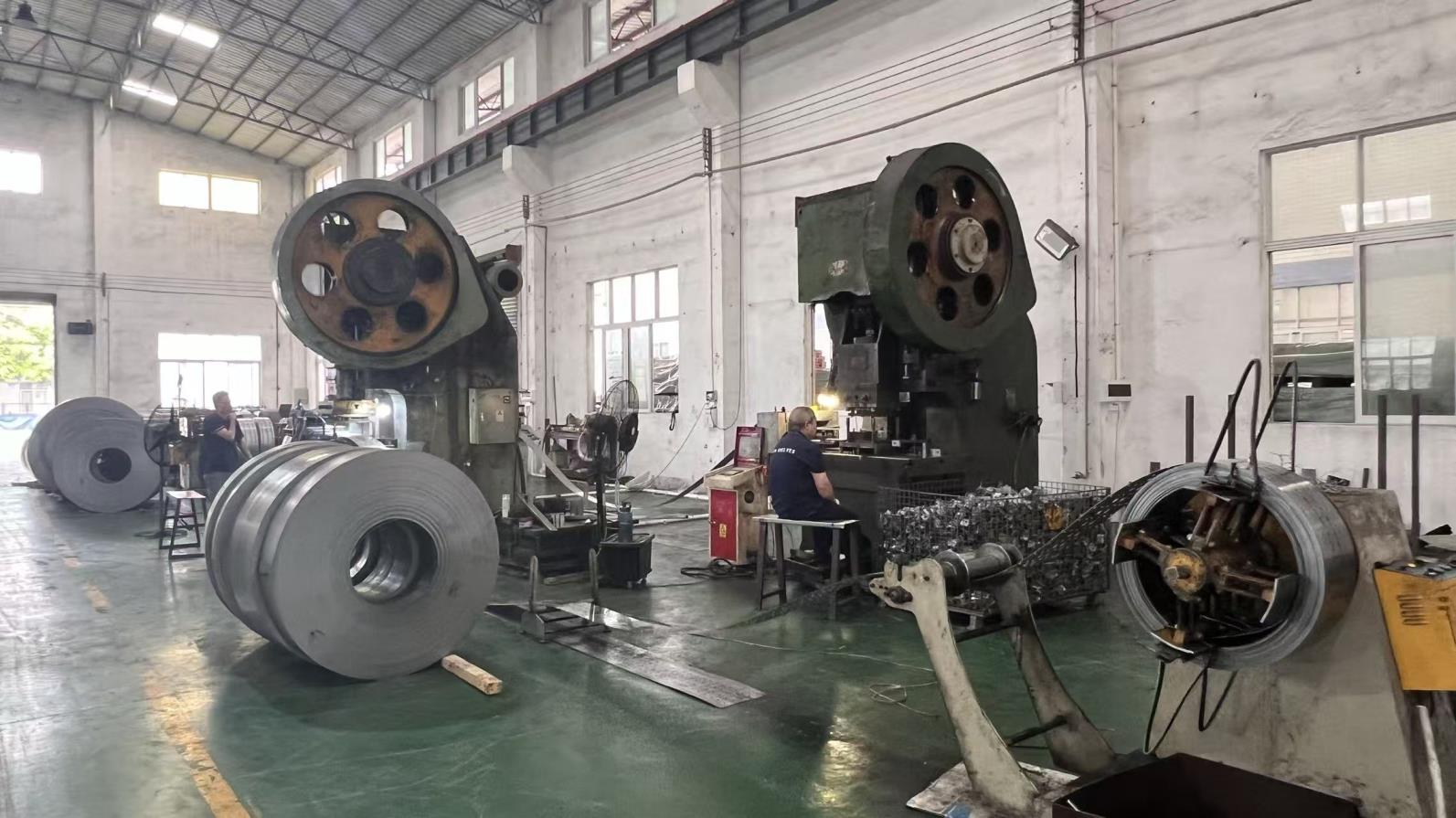
Precision stamping processes shape critical connection accessories, safety locks, and baseplates.
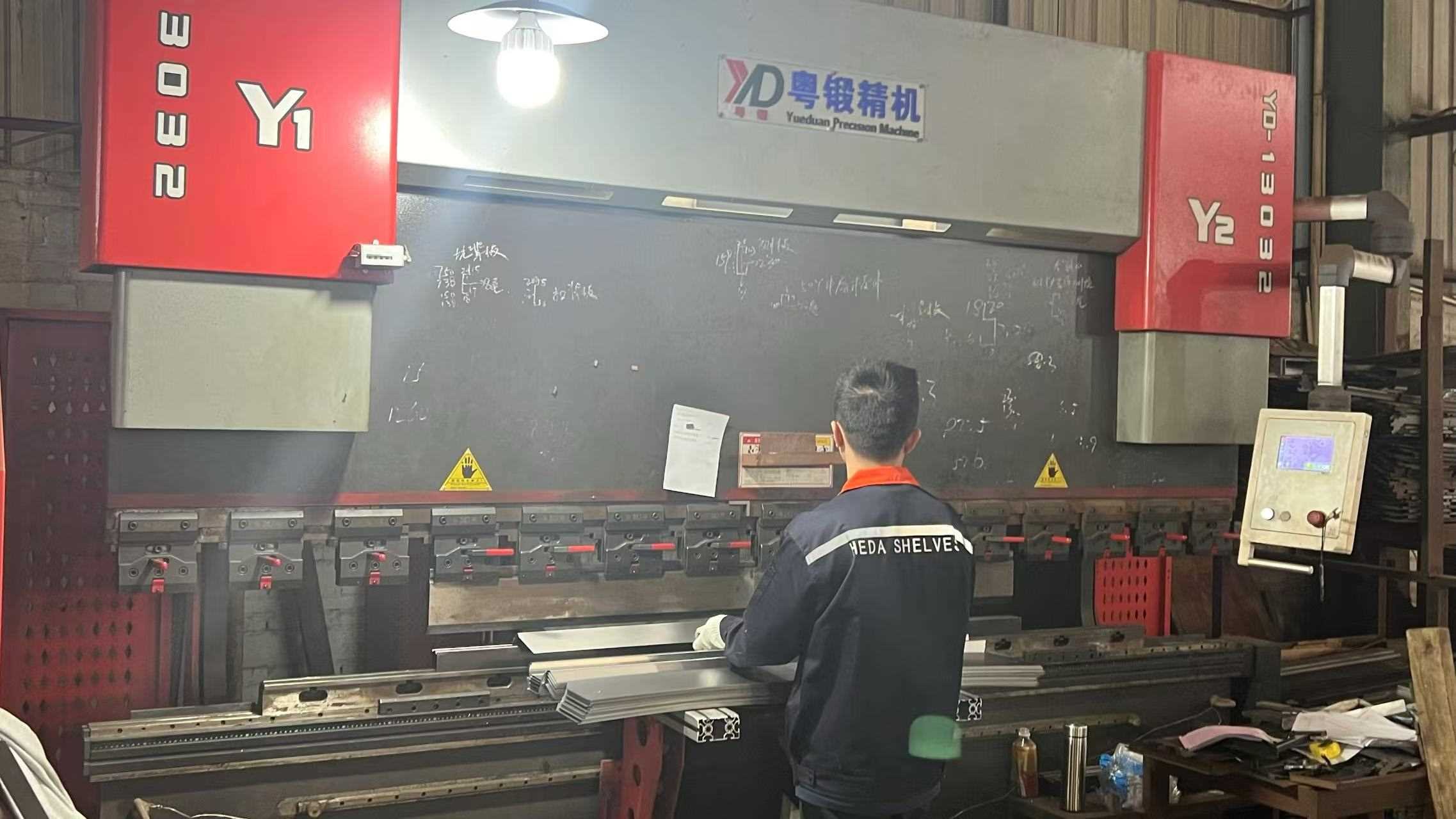
CNC press brakes bend and form sheet metal to build high-capacity shelf panels and column protectors.
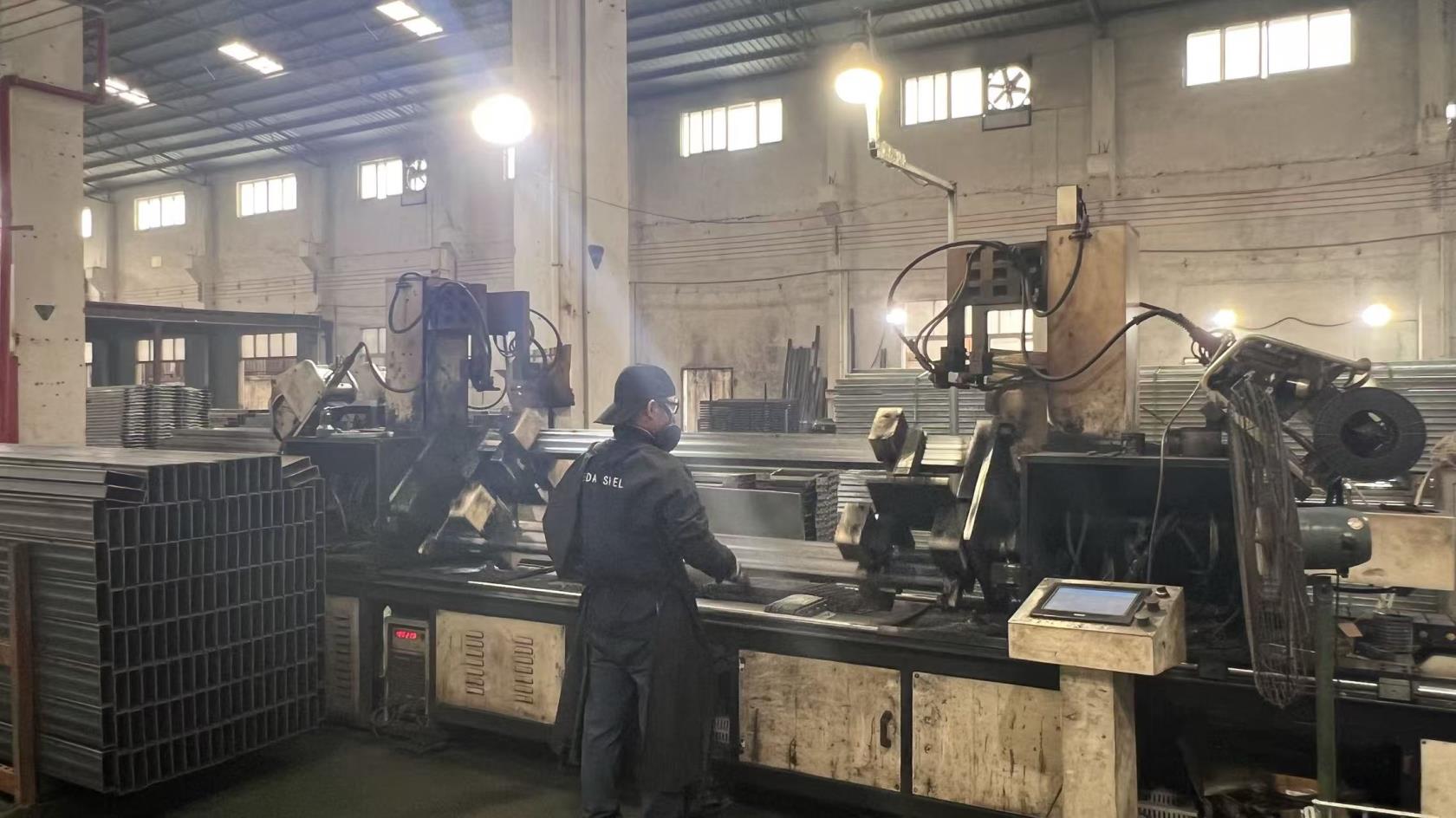
Experienced manual and robotic welding systems assemble beam connectors and baseplates safely.
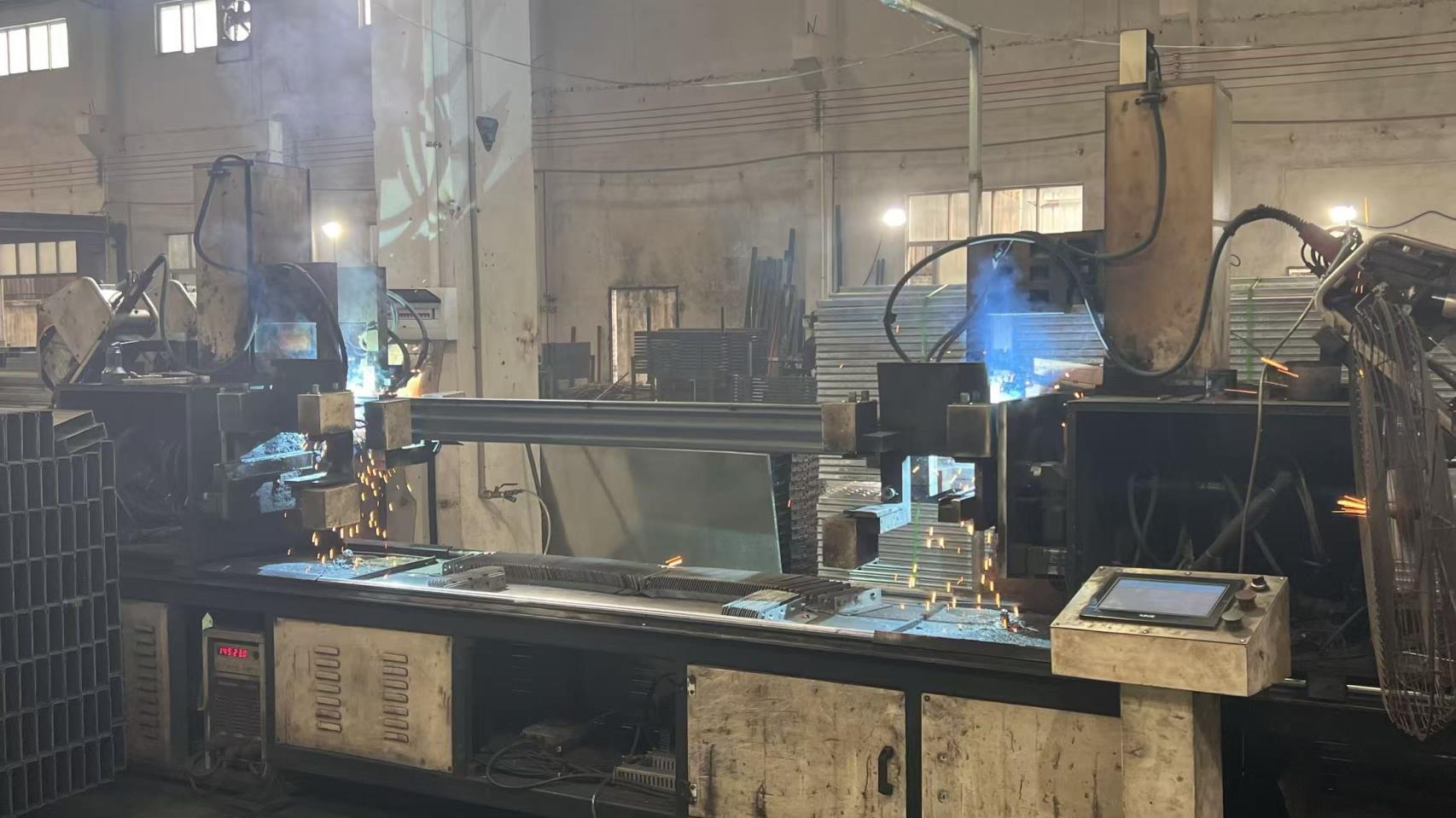
Automated welding heads deliver consistent, high-penetration seam welds on heavy-duty beams.
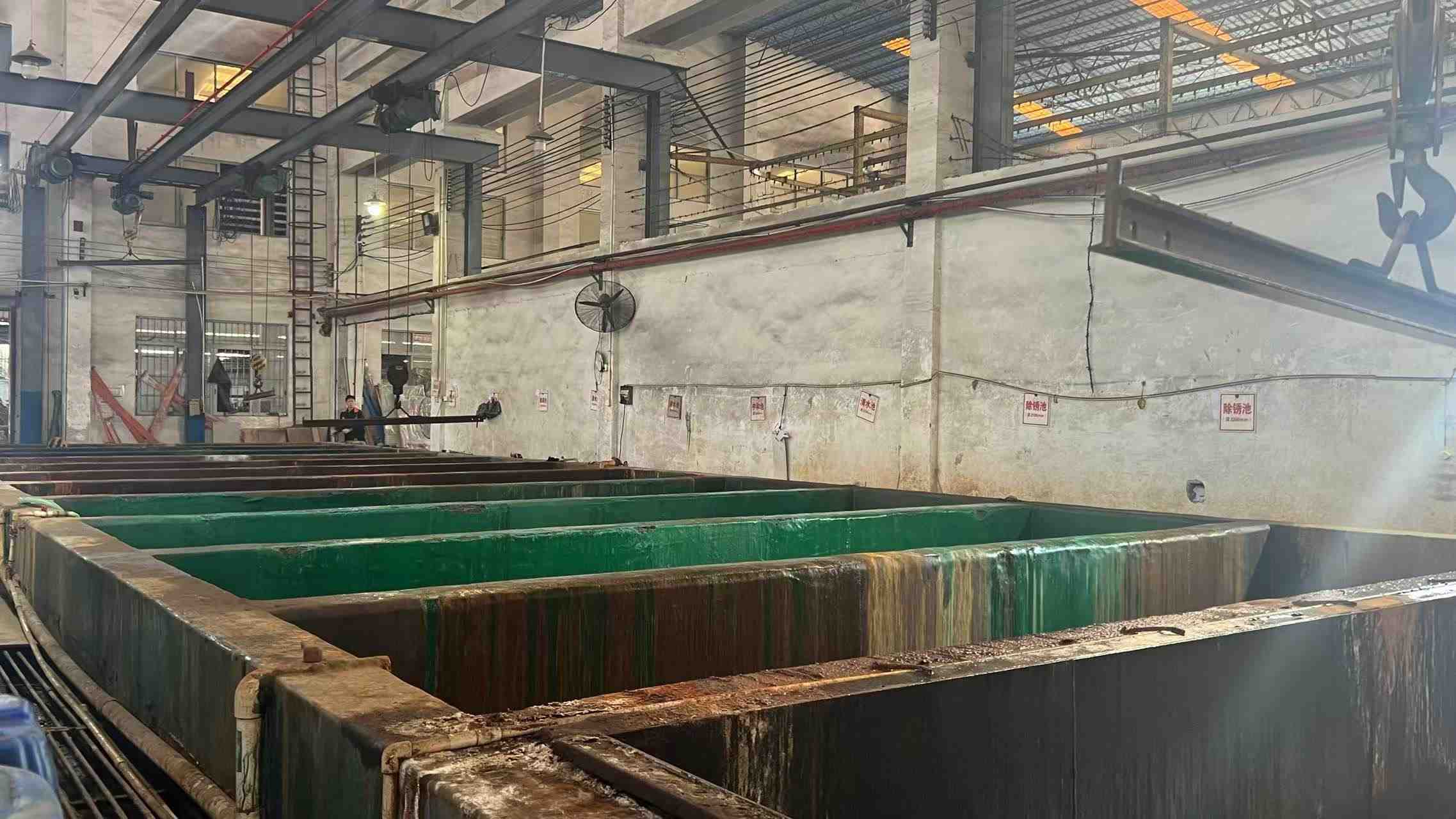
Chemical pickling removes scale and rust. Parkerising adds a conversion layer to protect against corrosion.
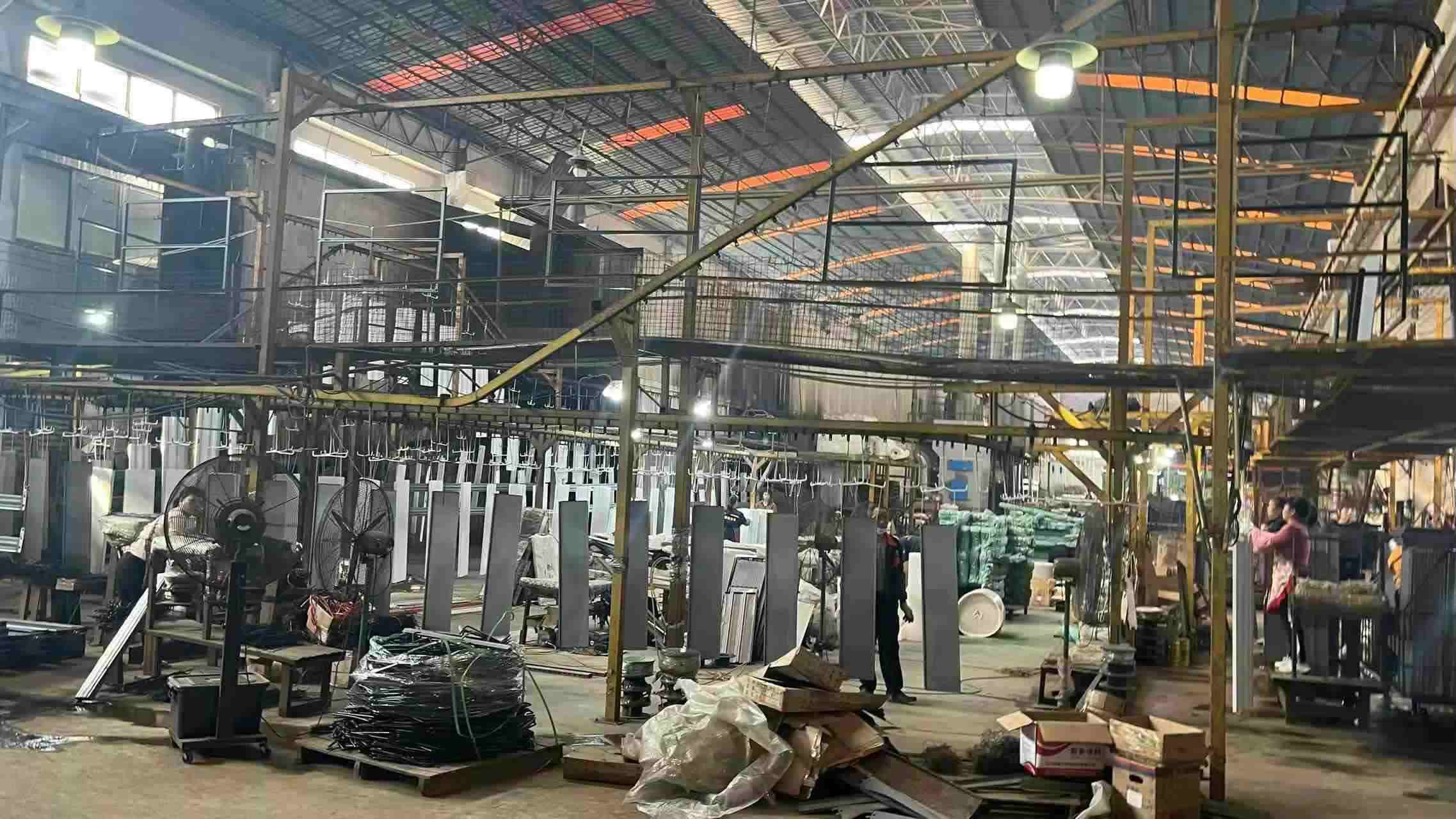
Electrostatic powder spray line applies an even, high-durability finish to protect against impacts and abrasions.
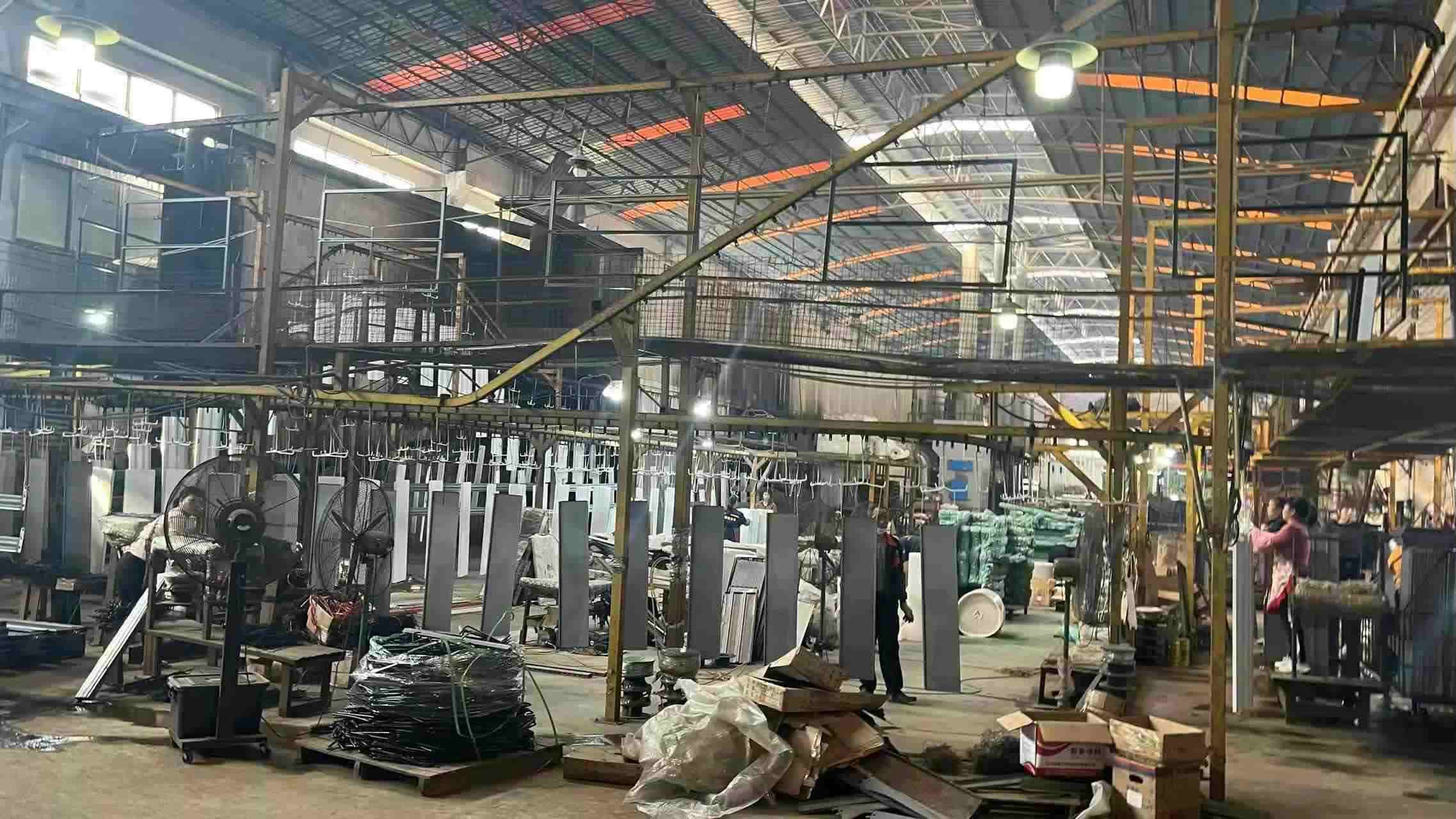
High-temperature ovens cure the powder, creating a strong, durable, scratch-resistant outer surface.
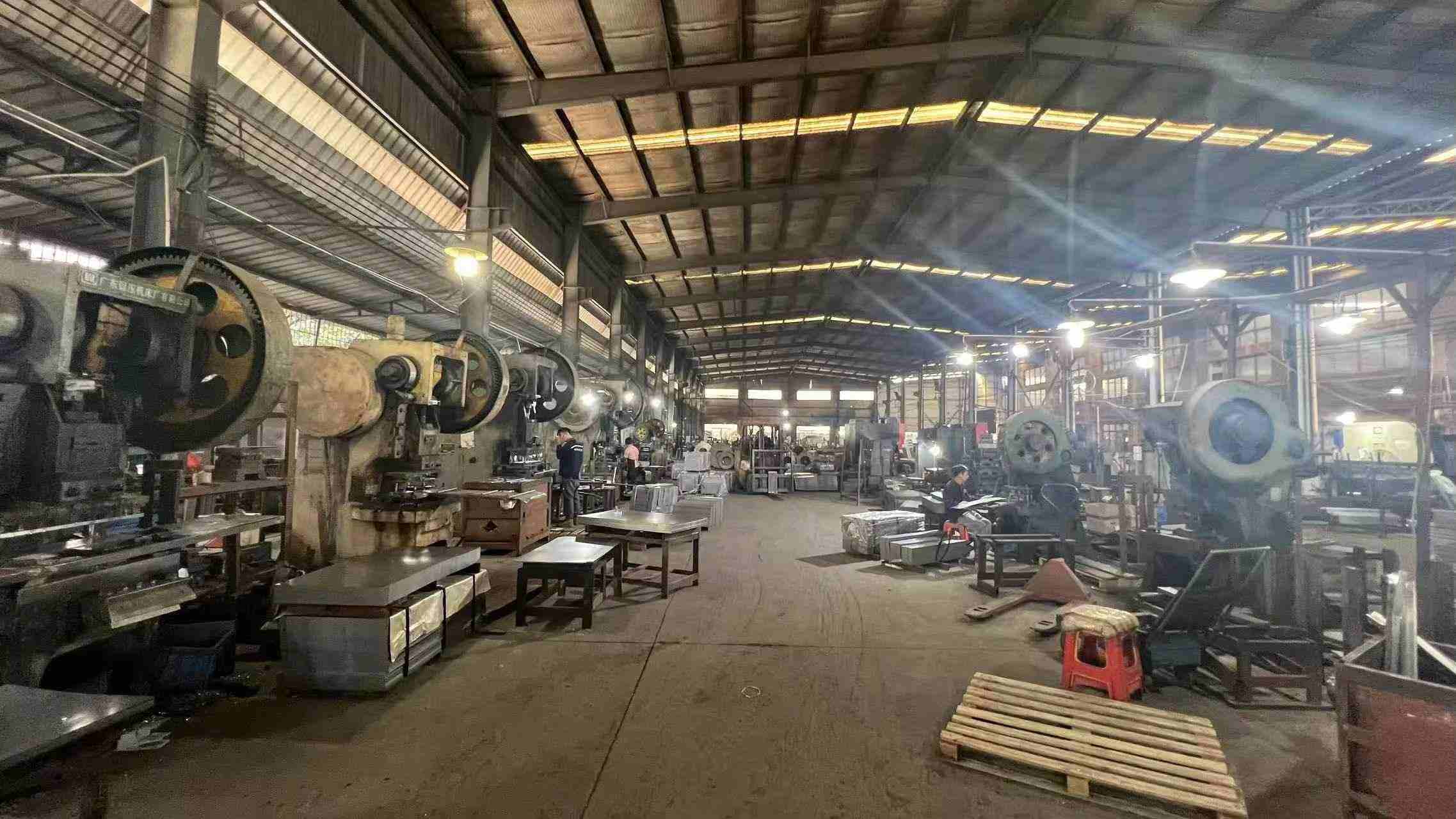
Secondary dynamic hydraulic presses stamp and punch structural brackets with tight tolerances.
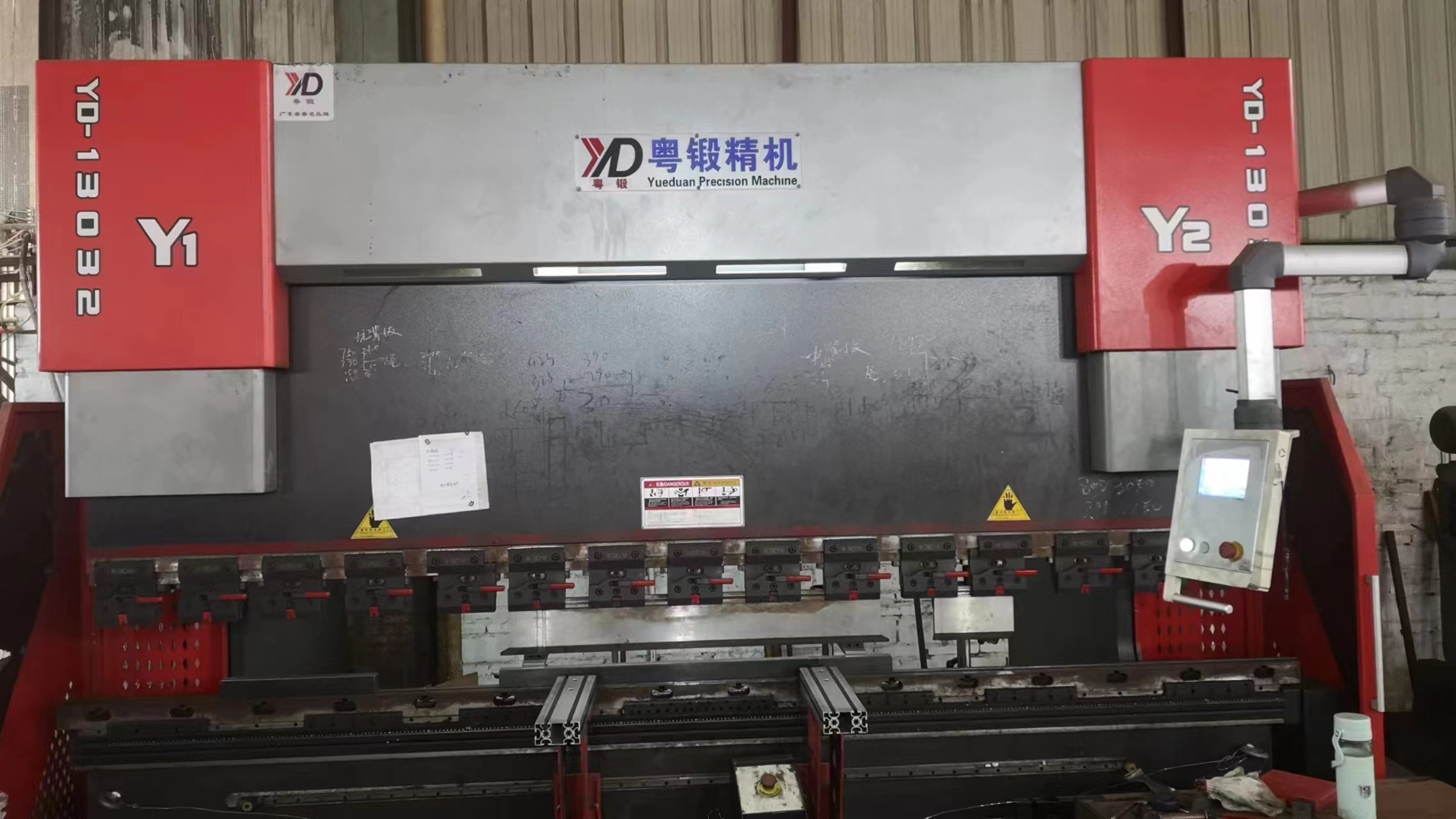
Hydraulic press brakes shape structural brackets and spacer plates to final dimensions.
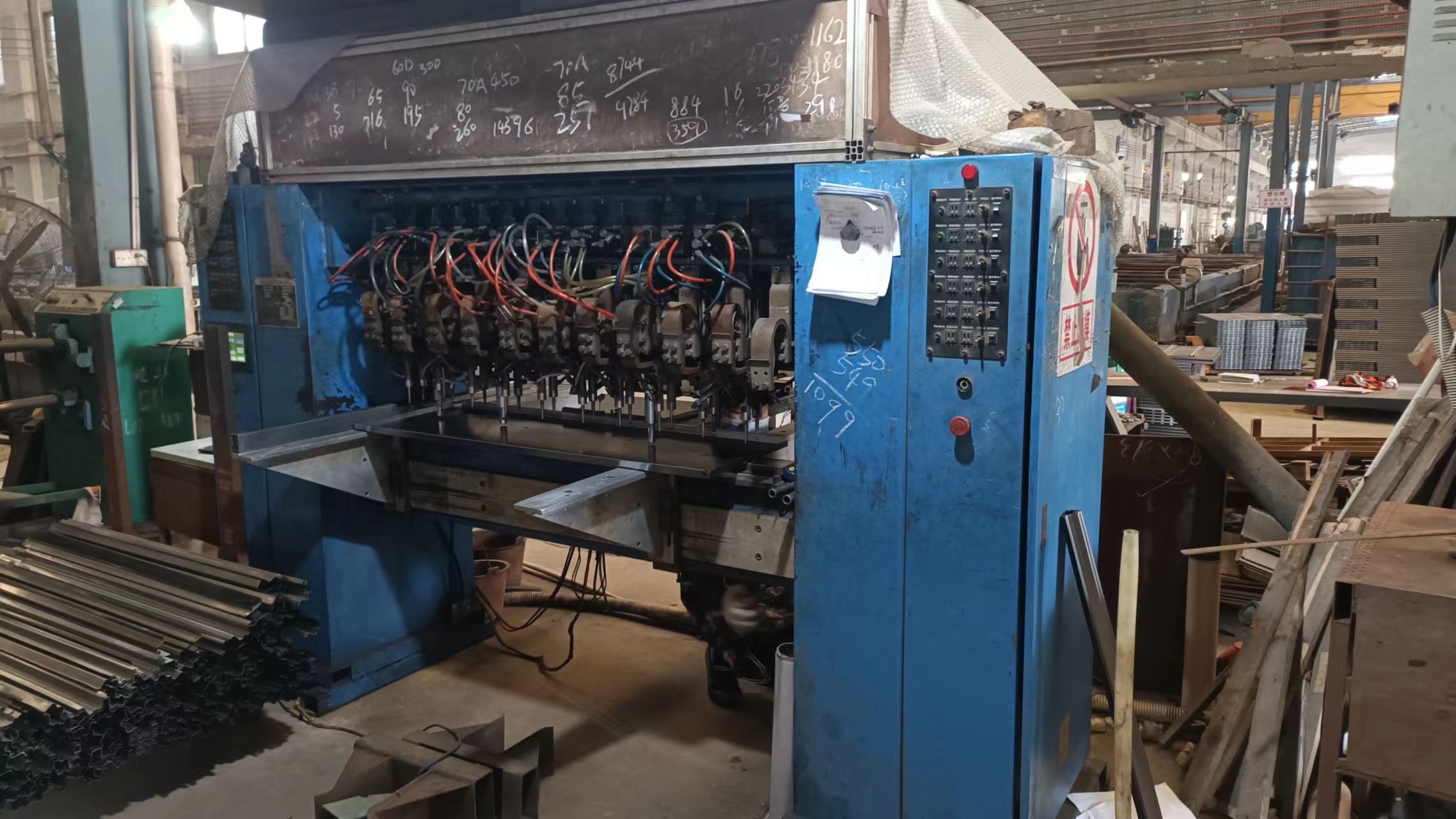
High-current resistance butt welding fuses metal components cleanly to guarantee structural strength.
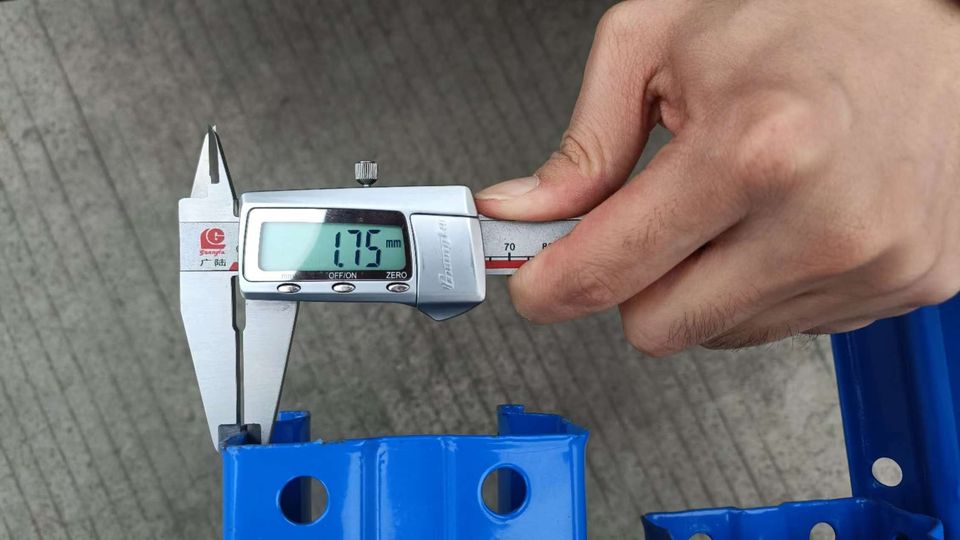
Inspectors check thickness, punch pitch, and bend profiles with digital calipers to keep tolerances tight.
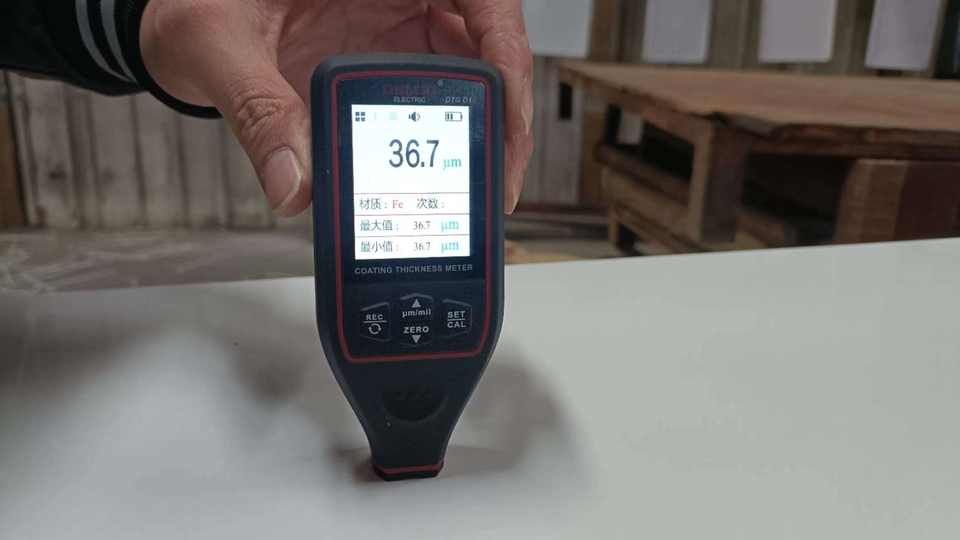
Non-destructive electromagnetic testing monitors dry film thickness to ensure long-term rust protection.
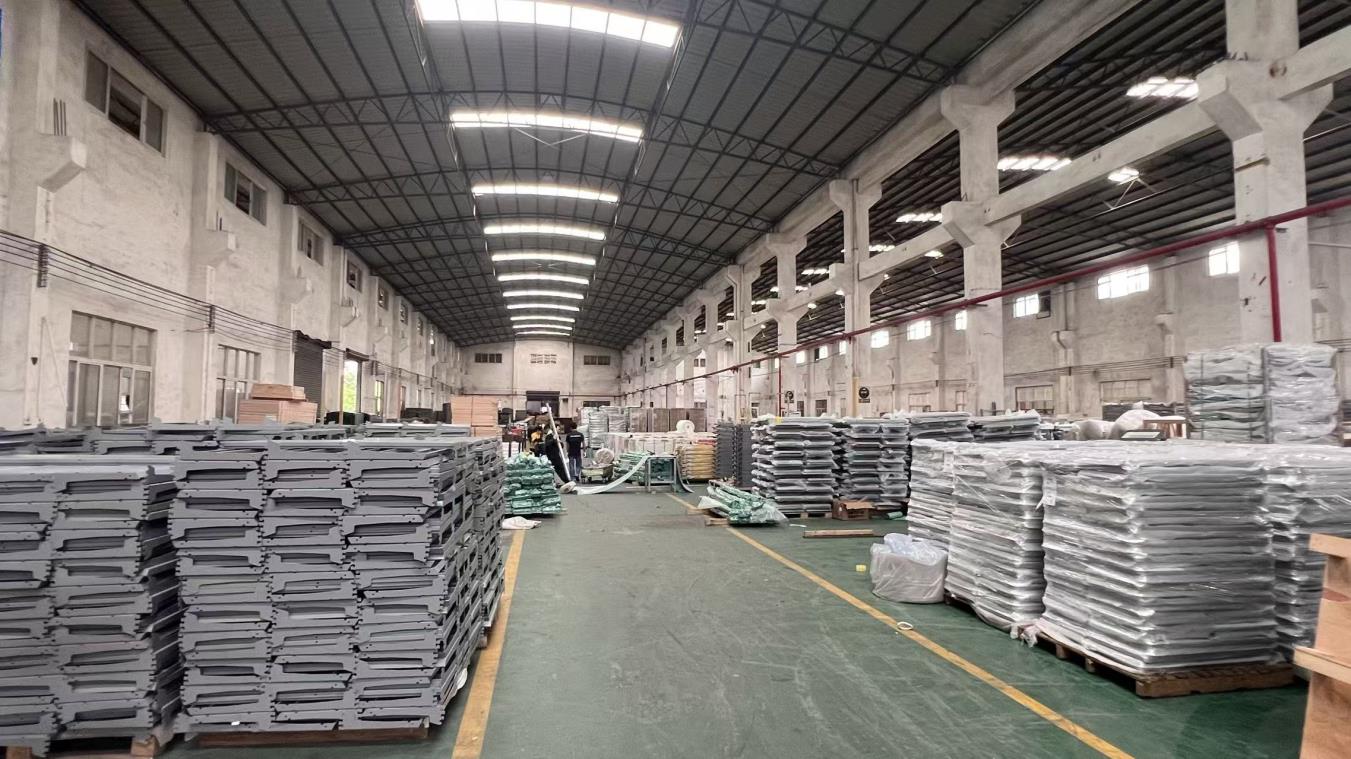
Completed racking components are carefully wrapped in protective film and strapped to heavy timber pallets. This structural packing ensures they remain free from damage during long ocean transit and port handling.
The storage racking industry is shifting from traditional static systems to dynamic, automated, and smart storage environments. Modern warehouses require racking designs that integrate with automation technologies. This changes how engineers calculate load distributions and structural fatigue.
Modern high-density systems are built around Automated Storage and Retrieval Systems (AS/RS) and Autonomous Mobile Robots (AMRs). These setups require tighter assembly tolerances. Upright vertical deviation must be kept below H/1000 (1mm of lean per 1m of height), which is much stricter than the H/500 tolerance allowed for standard manual pallet racks.
By embedding IoT strain sensors directly into critical upright columns and load-supporting beams, smart systems can monitor stress levels in real time. These sensors alert warehouse managers immediately if an overload or impact occurs, helping prevent structural failures before they happen.
Shipping steel structures globally requires compliance with regional building codes and product standards. Each market has its own engineering rules for load calculations, safety factors, and seismic design.
| Target Region | Primary Compliance Standard | Focus Area | Structural Testing Requirement |
|---|---|---|---|
| North America | ANSI MH16.1 / RMI Specification | Seismic loads (USGS maps), weld quality, safety lock resistance | Stub compression testing, beam-to-column connector cyclical test |
| Europe | EN 15512 / FEM 10.2.02 | Limit state design, global frame stability, upright twisting resistance | Frame shear testing, bending tests on baseplates |
| Australia / NZ | AS 4084 : 2012 / AS 4084.1 : 2020 | Flange thickness controls, impact testing, floor anchor shear capacity | Pallet placement impact simulation, full-scale structural testing |
North American Seismic Zones (e.g., California): Racking installed in seismic regions requires structural calculation reports stamped by a professional engineer (PE). Our designs use larger footplates, high-ductility steel, and heavy anchoring bolts to resist seismic forces.
Northern European Cold Stores: Cold storage facilities operate at sub-zero temperatures down to -30°C. In these environments, standard carbon steel can become brittle. We use low-temperature impact resistant steel (such as EN10025-S355JR) and hot-dip galvanized finishes to prevent rust and maintain structural integrity.
Sourcing racking systems directly from a leading Chinese manufacturer like Durack offers advantages that go beyond basic unit pricing. The concentration of steel processing, tooling, and shipping hubs in the Pearl River Delta provides clear logistics and cost efficiencies.
Direct partnerships with major domestic steel mills ensure consistent material access and stable pricing even during global market shifts.
High-speed CNC roll forming and automatic robotic welding lower manufacturing labor costs while keeping tolerances tight.
In-house ultrasonic testing and paint thickness checks reduce the risk of structural defects and surface failures.
Proximity to major international ports (Shenzhen and Guangzhou) simplifies global container shipping and customs processing.
Get answers to the common technical and procurement questions asked by engineering firms, project managers, and logistics consultants.
Our load calculations are performed using Finite Element Analysis (FEA) software. We base our calculations on the yield strength, cross-sectional properties, and column spacing of the steel profiles. This process complies with the ANSI MH16.1 (RMI) ASD or LRFD methods and EN 15512 standards, using a minimum safety factor of 1.4 to 1.5 to prevent failures under full load.
Roll-formed racking uses thin-gauge sheet steel cold-formed into C-shaped profiles, which offers a cost-effective solution for standard pallet storage. Structural racking is made from hot-rolled structural steel channels, providing greater impact resistance. This makes structural steel ideal for food warehouses, drive-in systems, and heavy-duty industrial installations.
All steel parts go through acid cleaning and parkerising (phosphate treatment) to remove rust and improve paint adhesion. The electrostatic powder coating thickness is kept between 60 to 90 microns and verified using digital testers. We also perform regular salt spray testing to check corrosion resistance over time.
Yes. Our engineering division features 65 R&D engineers who can customize upright shapes, beam connections, and paint finishes. We can match your existing warehouse layout or build custom structures to integrate with automated conveyor and AS/RS equipment.
In line with international standards (such as RMI and FEM), the maximum deflection of a beam under load is limited to L/240 of the clear span length (for example, a 2700mm beam can deflect a maximum of 11.25mm). This prevents damage to cargo and helps mechanical pallet handling equipment operate smoothly.
We use custom packaging designed for export. Structural uprights and beams are bundled with steel strapping, padded with cardboard at contact points, and wrapped in clear plastic film. This robust packing prevents metal-to-metal scratching and protects the coating from salt air and moisture during sea shipping.
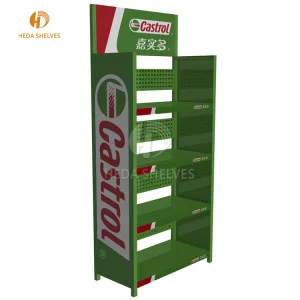
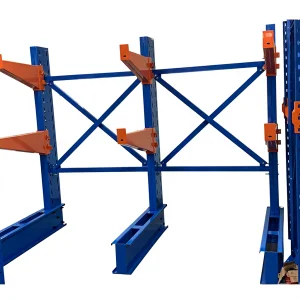
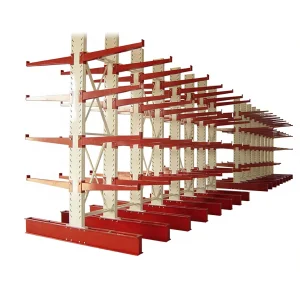
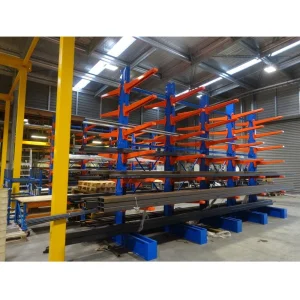
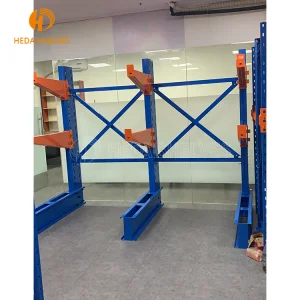
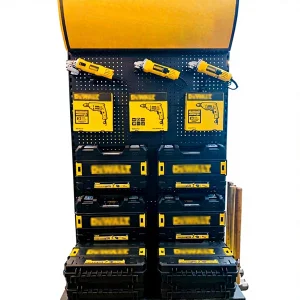
Discover our long-span, cantilever, and custom retail shelving options, built to organize diverse warehouse inventories.

 Durack