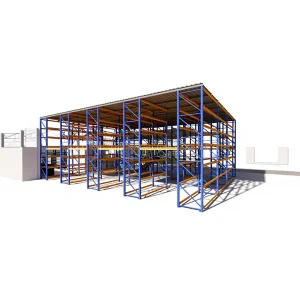
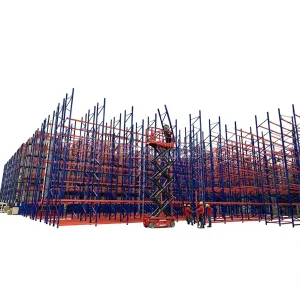
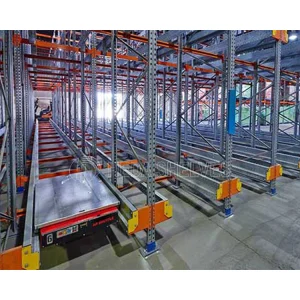
In the modern, high-velocity distribution era, optimization of floor footprints and spatial density represents a primary competitive vector. As industrial land values escalate globally, enterprise supply chain directors must balance storage density with operational throughput. Push-back storage racking systems have emerged as one of the most effective, high-density LIFO (Last-In, First-Out) configurations available. By storing pallets 2 to 6 deep on nested wheeled carts that travel on inclined structural steel rails, these systems capture up to 90% more storage volume compared to selective pallet rack arrangements, without requiring the dedicated lane-entry maneuvers characteristic of Drive-In racking.
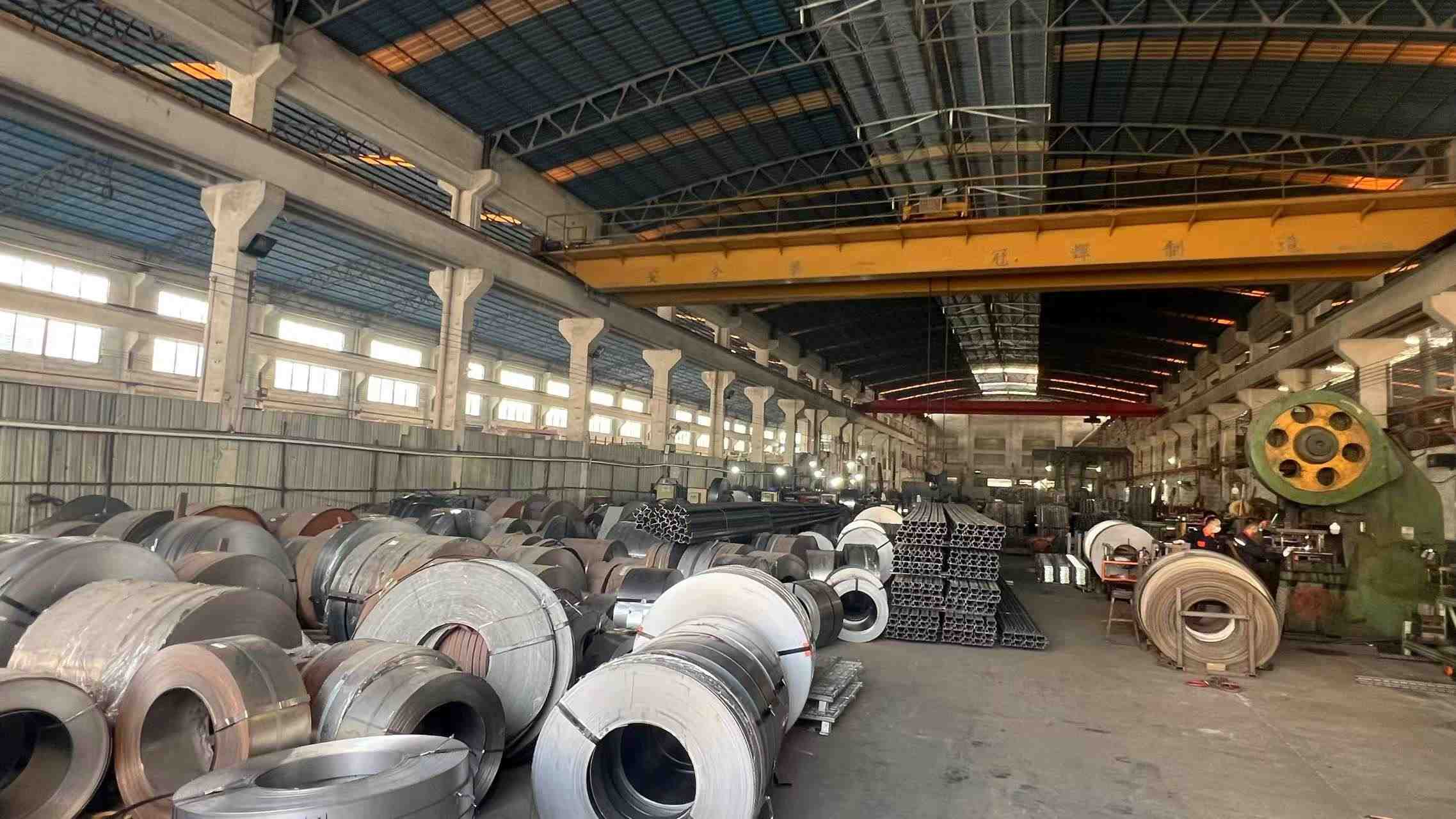
As a premier Chinese logistics equipment manufacturer, Dongguan Durack Logistics Equipment Co., Ltd. addresses these macro-industrial challenges. Operating from a state-of-the-art 35,000 m² production facility, we engineer robust, highly customized structural steel push-back solutions that combine advanced dynamic cart safety features with heavy-duty structural integrity. This ensures reliable operations across large cold storage hubs, 3PL distribution networks, and heavy manufacturing facilities globally.
To truly appreciate the performance gains of a push-back racking configuration, we must analyze its mechanical engineering, load dynamics, and material properties. The primary operating principle of push-back racks relies on gravity and mechanical incline.
At Durack, we construct our uprights, rails, and structural beams primarily from high-tensile hot-rolled Q235B and Q345B steel (equivalent to ASTM A36 and ASTM A572 Grade 50). Q345B provides a minimum yield strength of 345 MPa, which is crucial for handling the massive concentrated loads of multi-deep configurations (often exceeding 1,500 kg per pallet position).
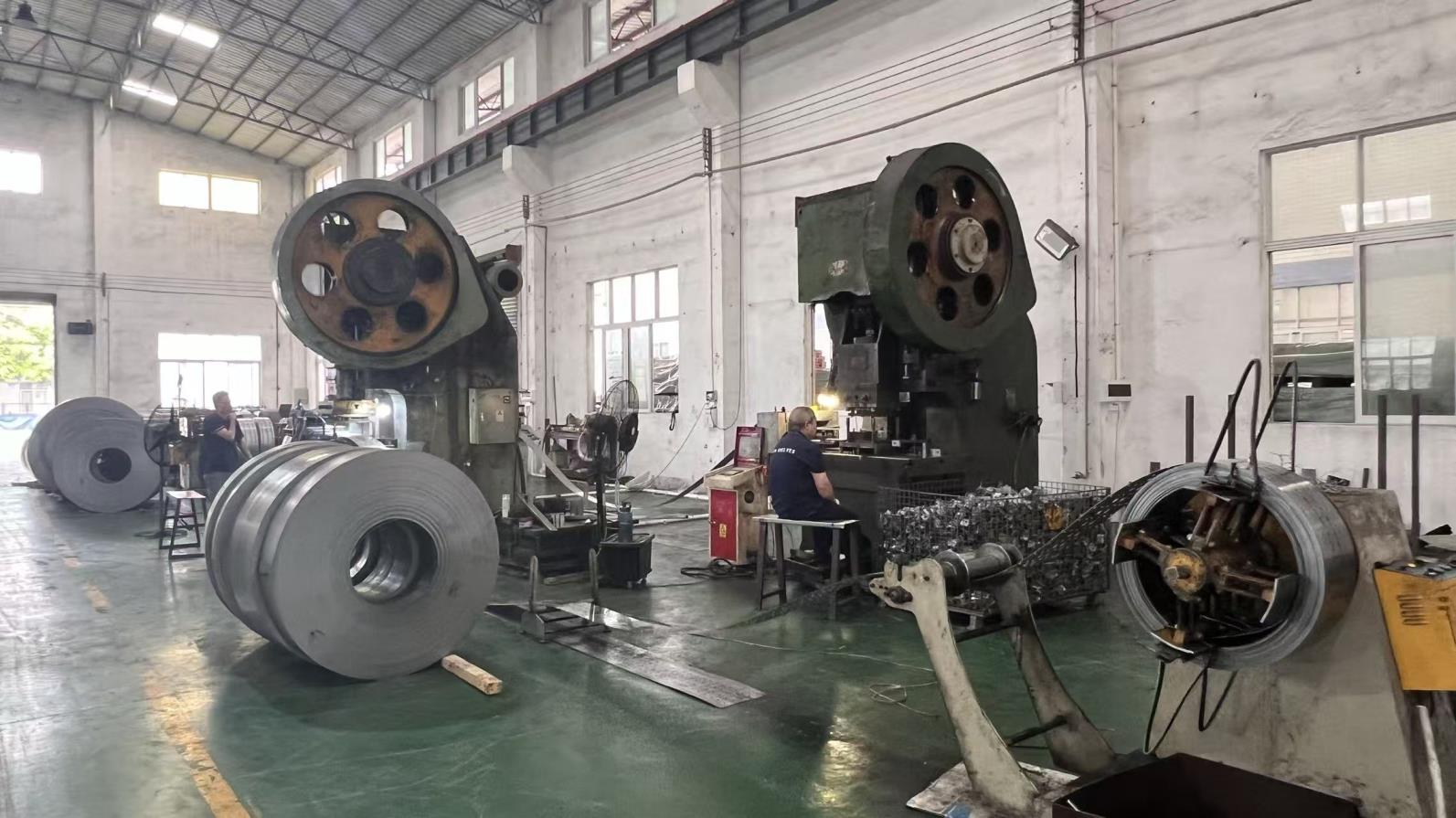
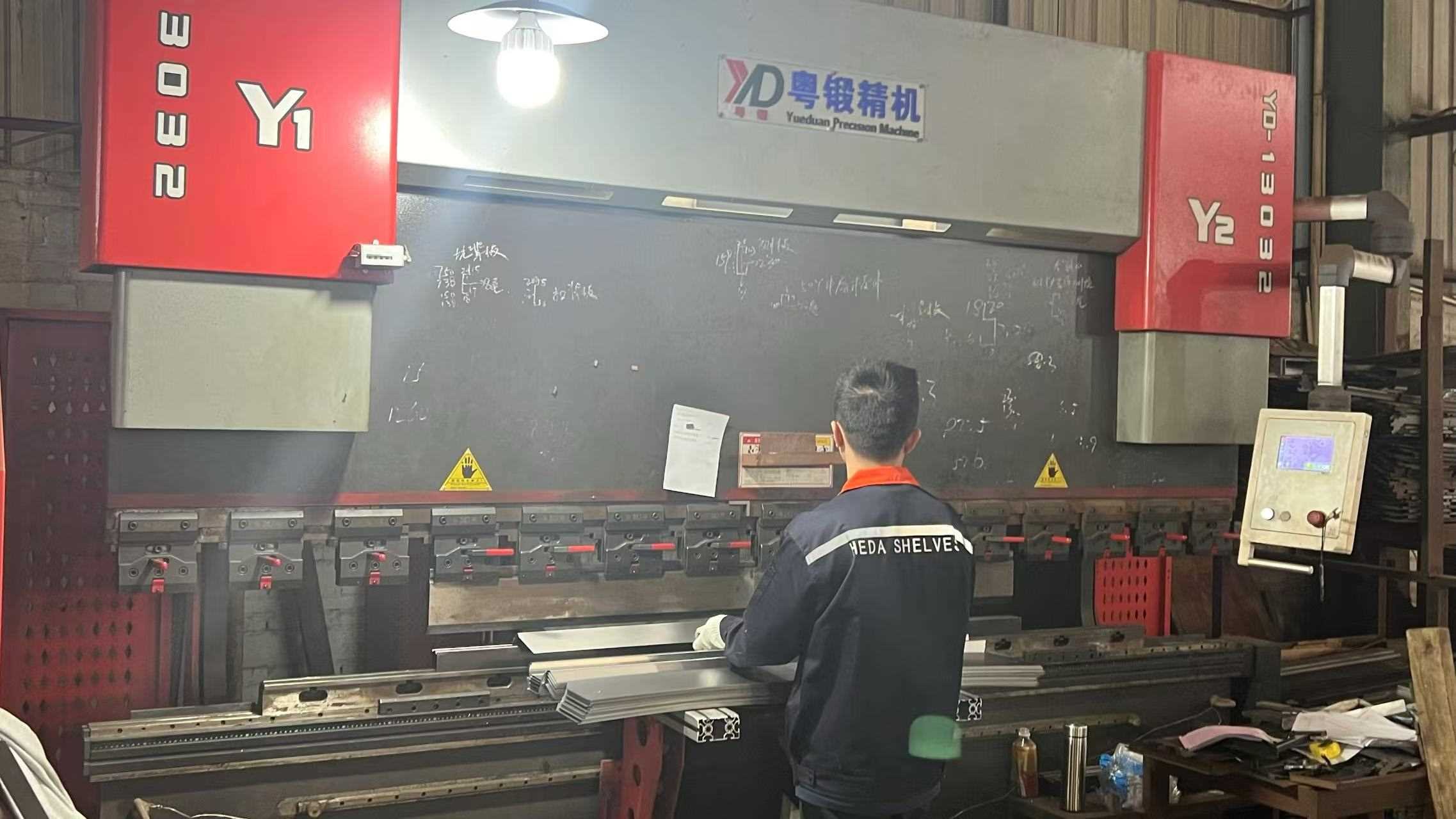
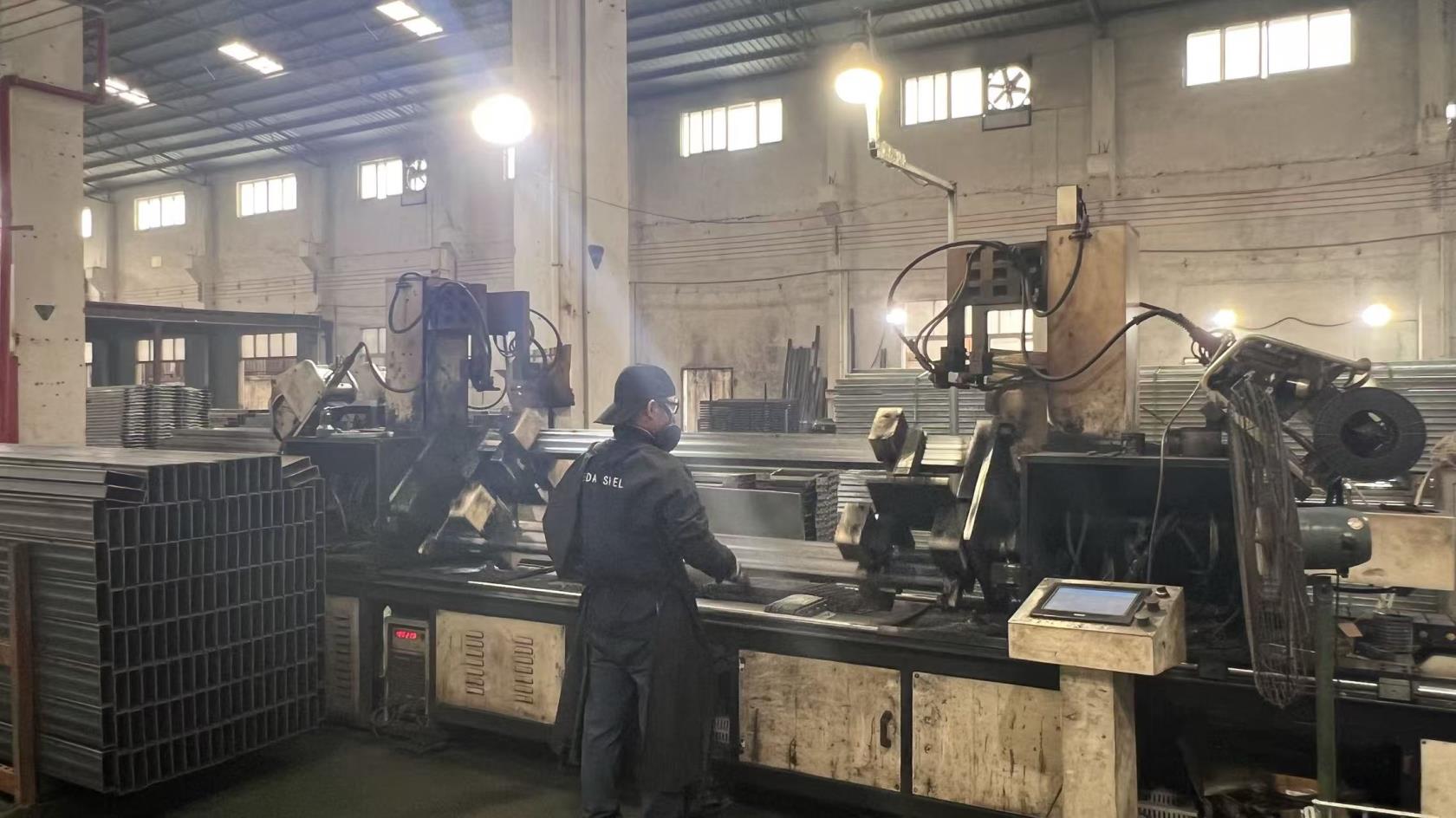
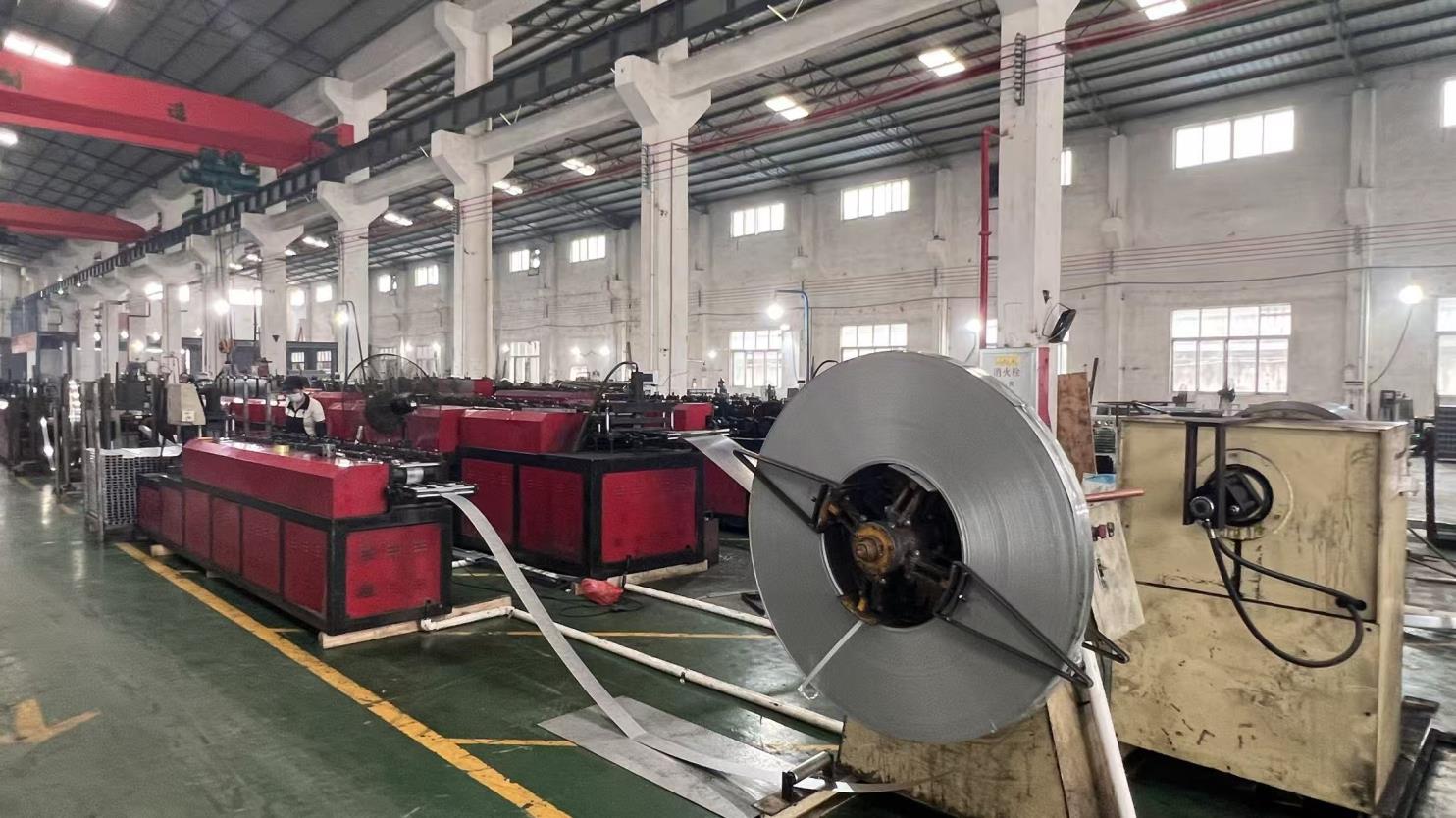
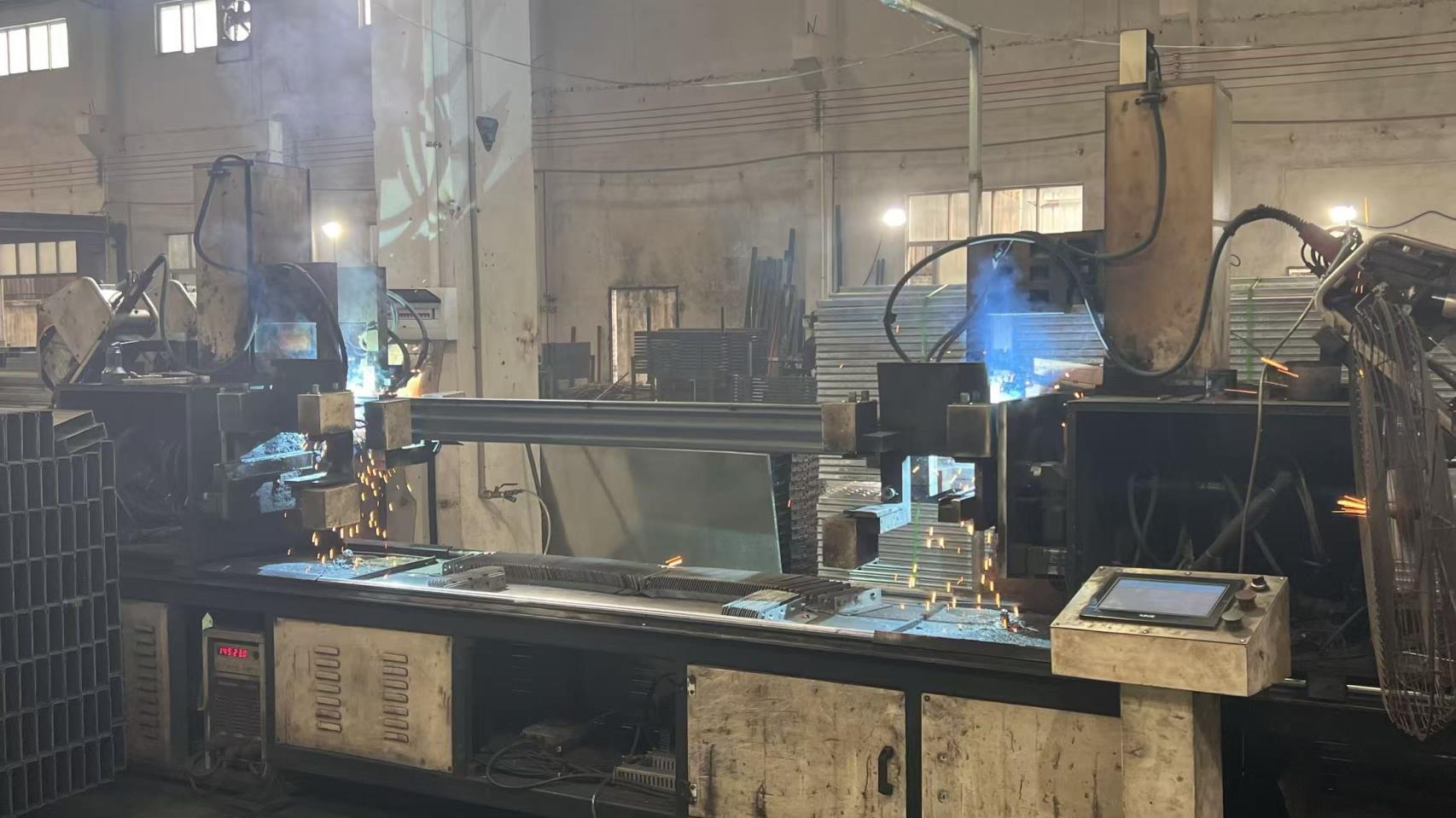
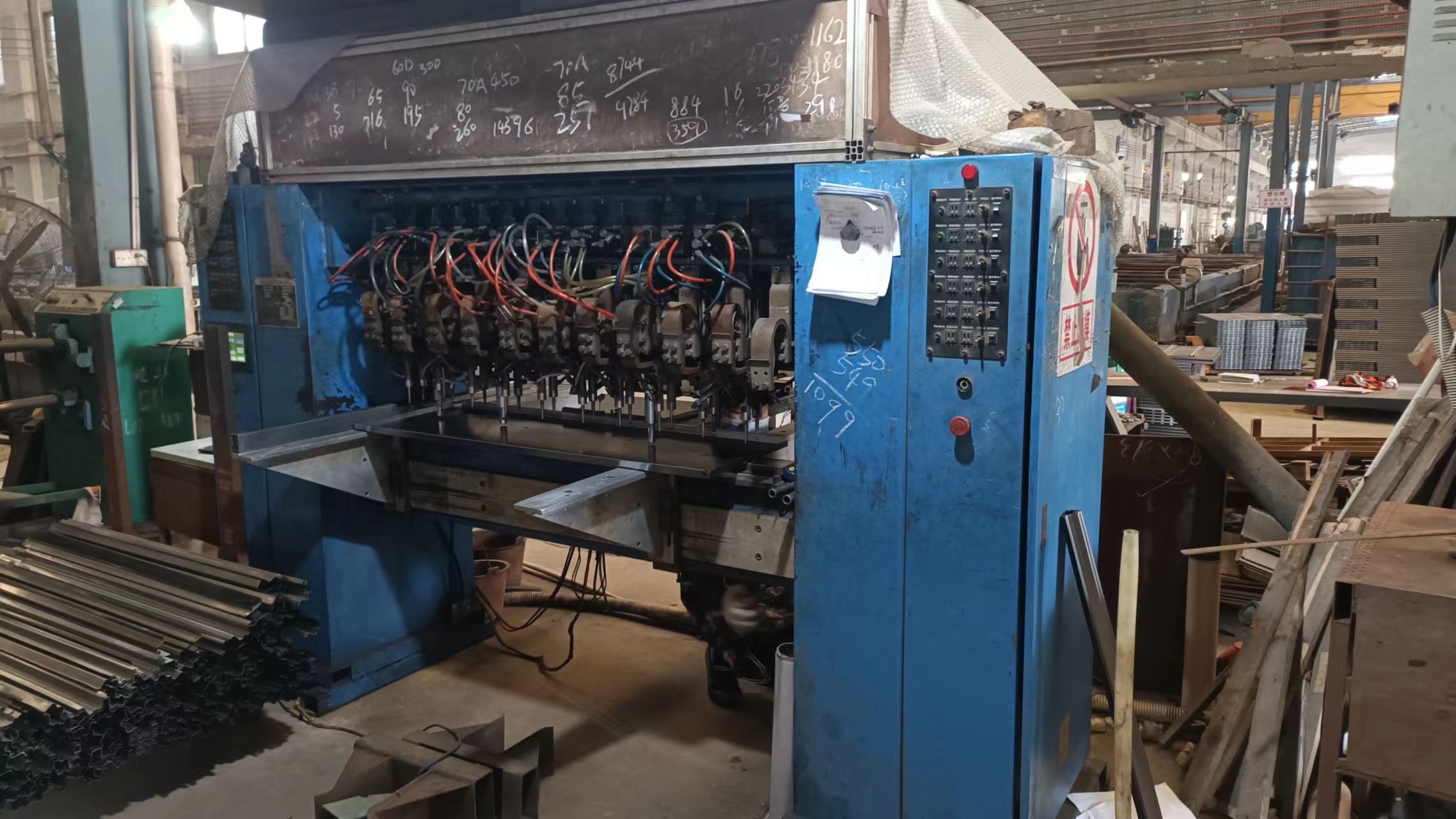
The upright frames are cold-formed on automatic rolling mills into complex multi-bend profiles, maximizing the radius of gyration and resisting torsional buckling under seismic activity. Our cart assemblies feature heavy-gauge structural channel steel, welded on precise automated robotic lines to maintain absolute squareness, preventing rail binding.
| System Component | Material / Structural Specification | Yield Strength / Performance Threshold | Primary Mechanical Function |
|---|---|---|---|
| Upright Frame Columns | Cold-rolled Q345B High-Tensile Steel | Min. 345 MPa Yield Strength | Resists static axial loads and forklift impact |
| Support Beams | Hot-rolled Structural Box Beams | Min. 235-345 MPa Yield Strength | Horizontal stability, load transfer to uprights |
| Incline Rail Assemblies | Reinforced 5.0mm C-Channel Rails | Accurate 2.5% Incline Grade | Guides nested carts smoothly via gravity |
| Wheeled Cart System | Heavy-gauge Plate + Double-sealed Bearings | Up to 1,800 kg per pallet capacity | Carries loads; nests seamlessly for space saving |
| Safety Restraints & Stops | Over-sized Welded Mechanical Stopper plates | High energy absorption (impact resistant) | Prevents run-away pallets at retrieval face |
Procuring storage equipment from China involves looking beyond the basic price-per-position metrics. Global procurement managers must evaluate total cost of ownership (TCO), supply chain reliability, and engineering compliance.
Global systems must adhere to strict regional building codes, such as RMI (US Rack Manufacturers Institute), FEM 10.2.02 (Europe), and AS4084-2012 (Australia).
Proper nesting of carts, protection of frame columns with corrugated cardboard, and heavy-duty steel strapping are essential to prevent transit damage.
Durack supports EPC logistics integrators by providing detailed 2D/3D DWG drawings, localized load labels, and step-by-step installation manuals.
For enterprise procurement, we guarantee that all raw materials are traceable. We supply Mill Test Certificates (MTCs) for every batch of hot-rolled and cold-formed coil processed in our factories. This transparency ensures that our products are fully compliant and ready for inspection at port-of-entry, minimizing customs clearance delays.
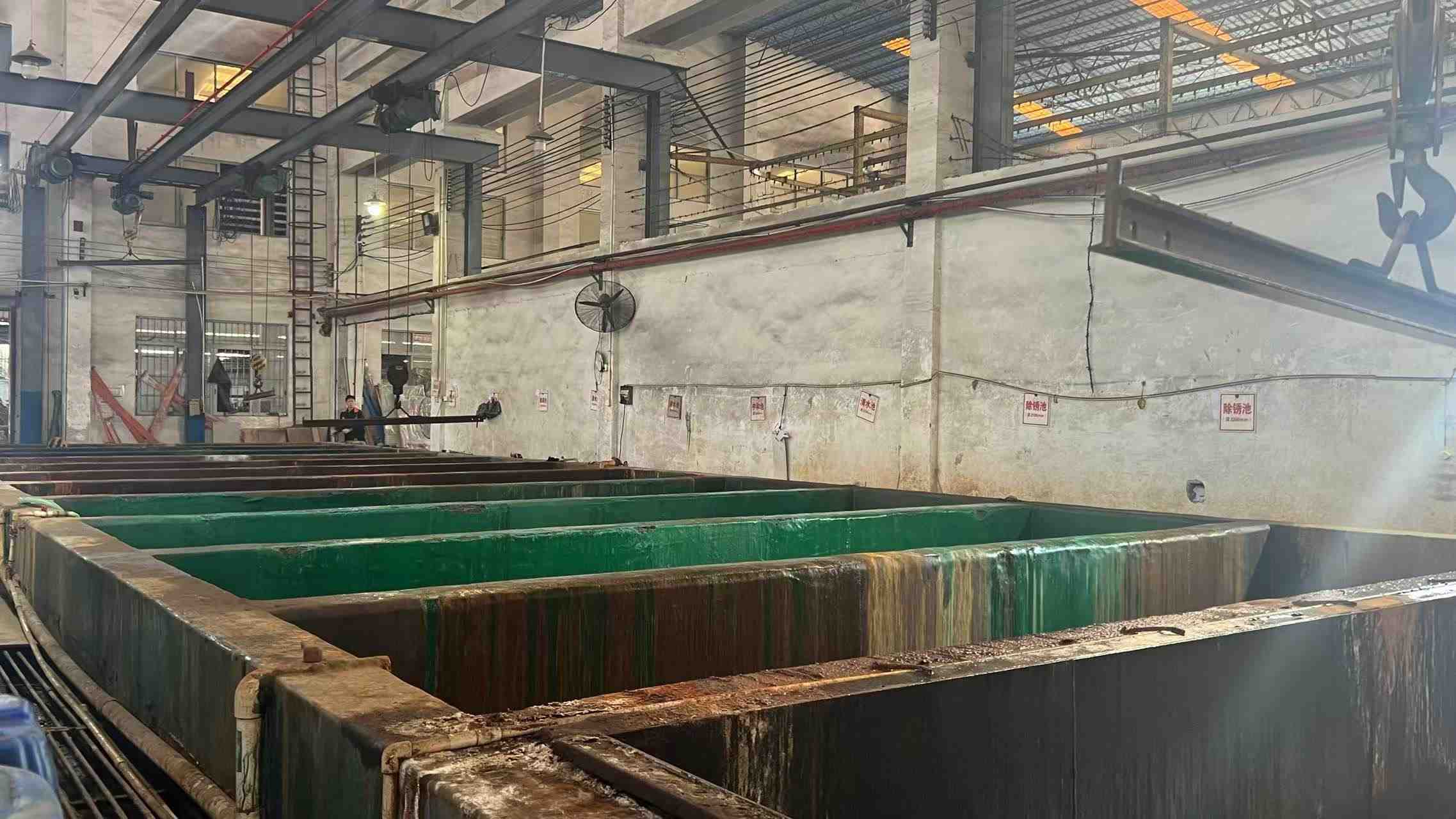
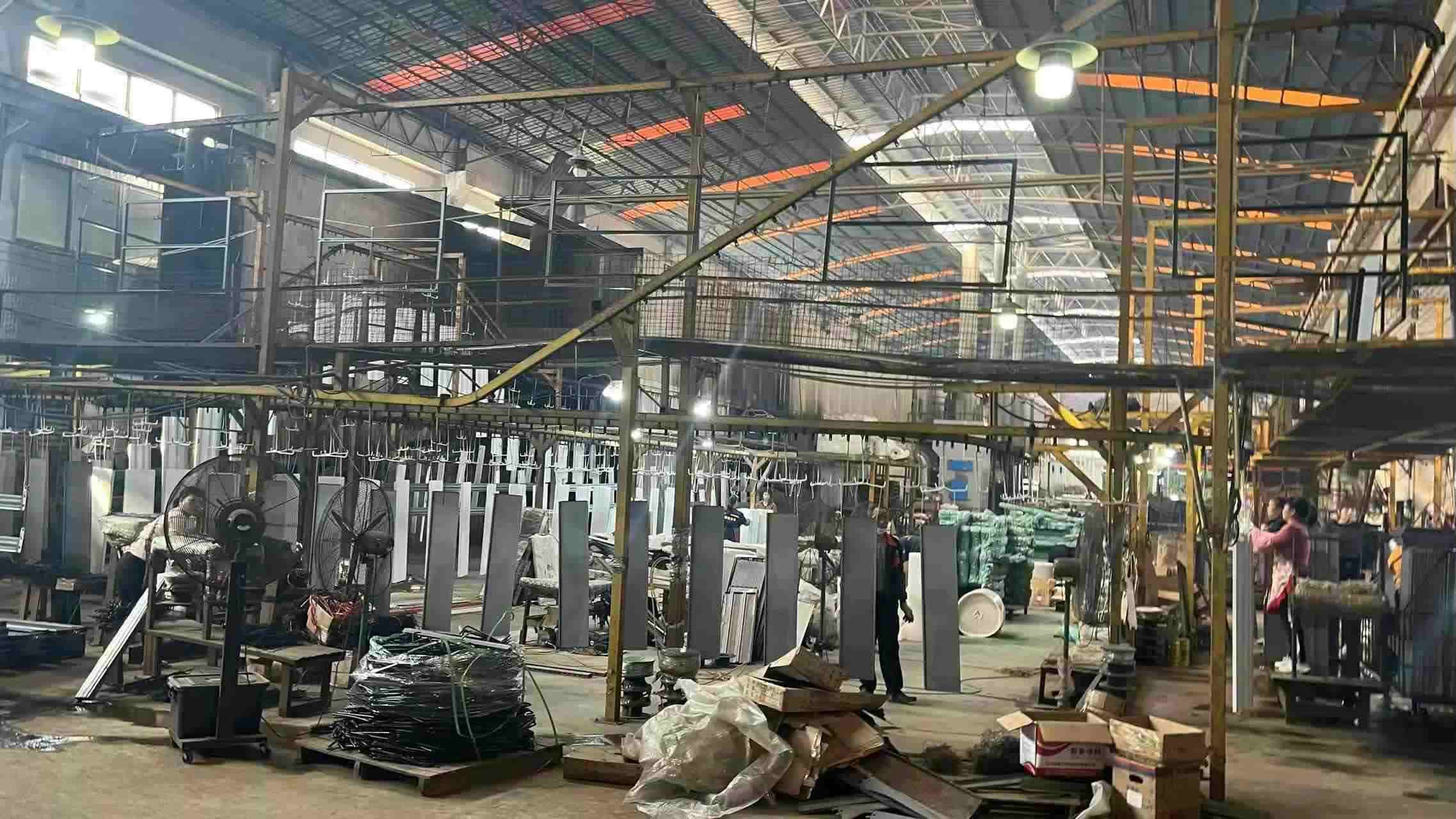
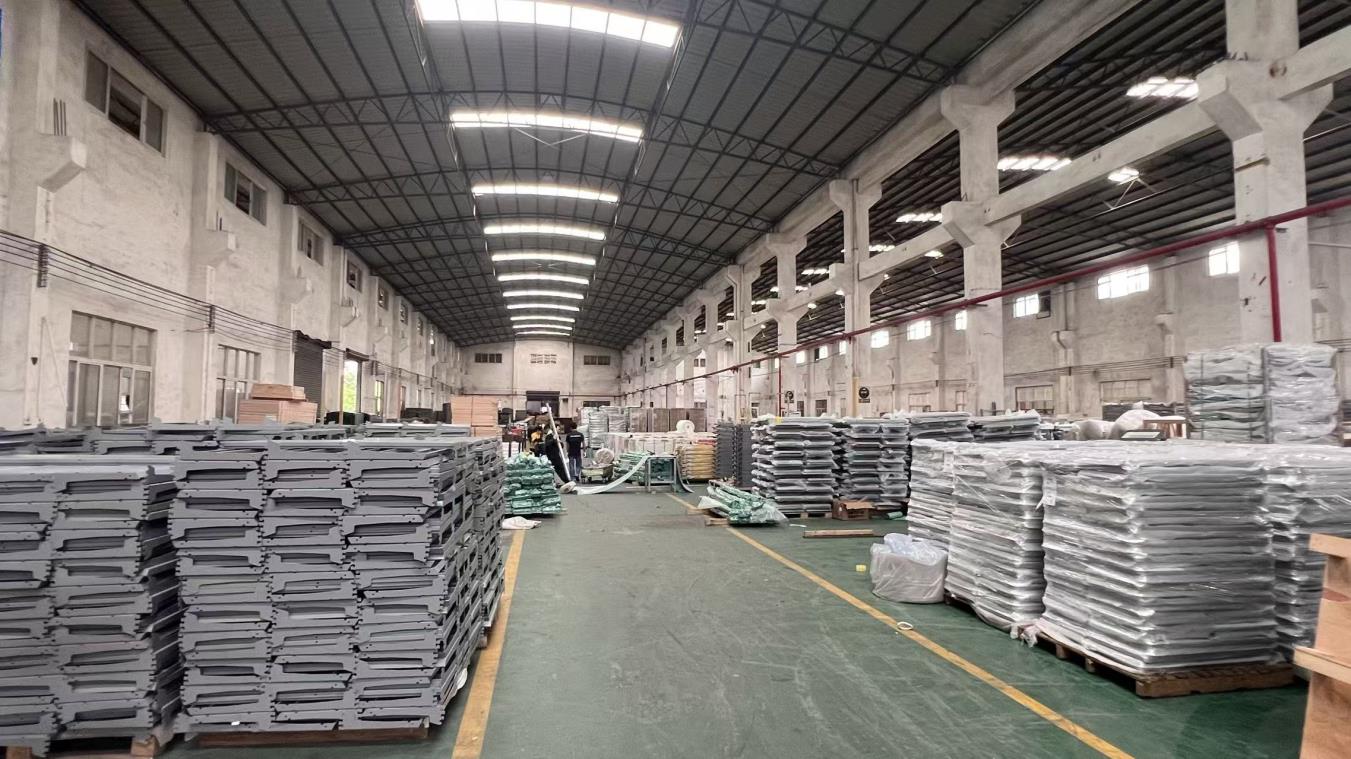
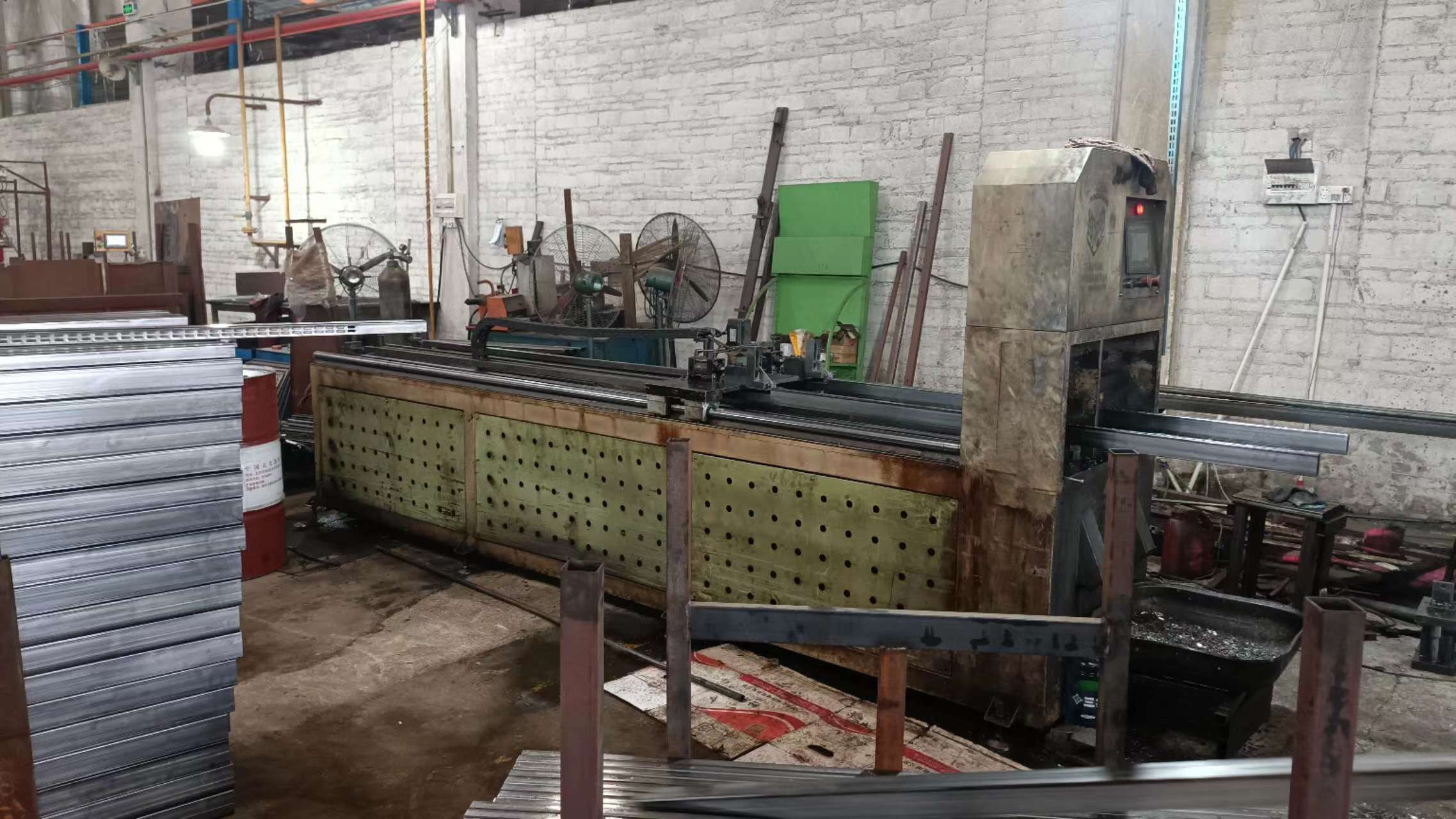
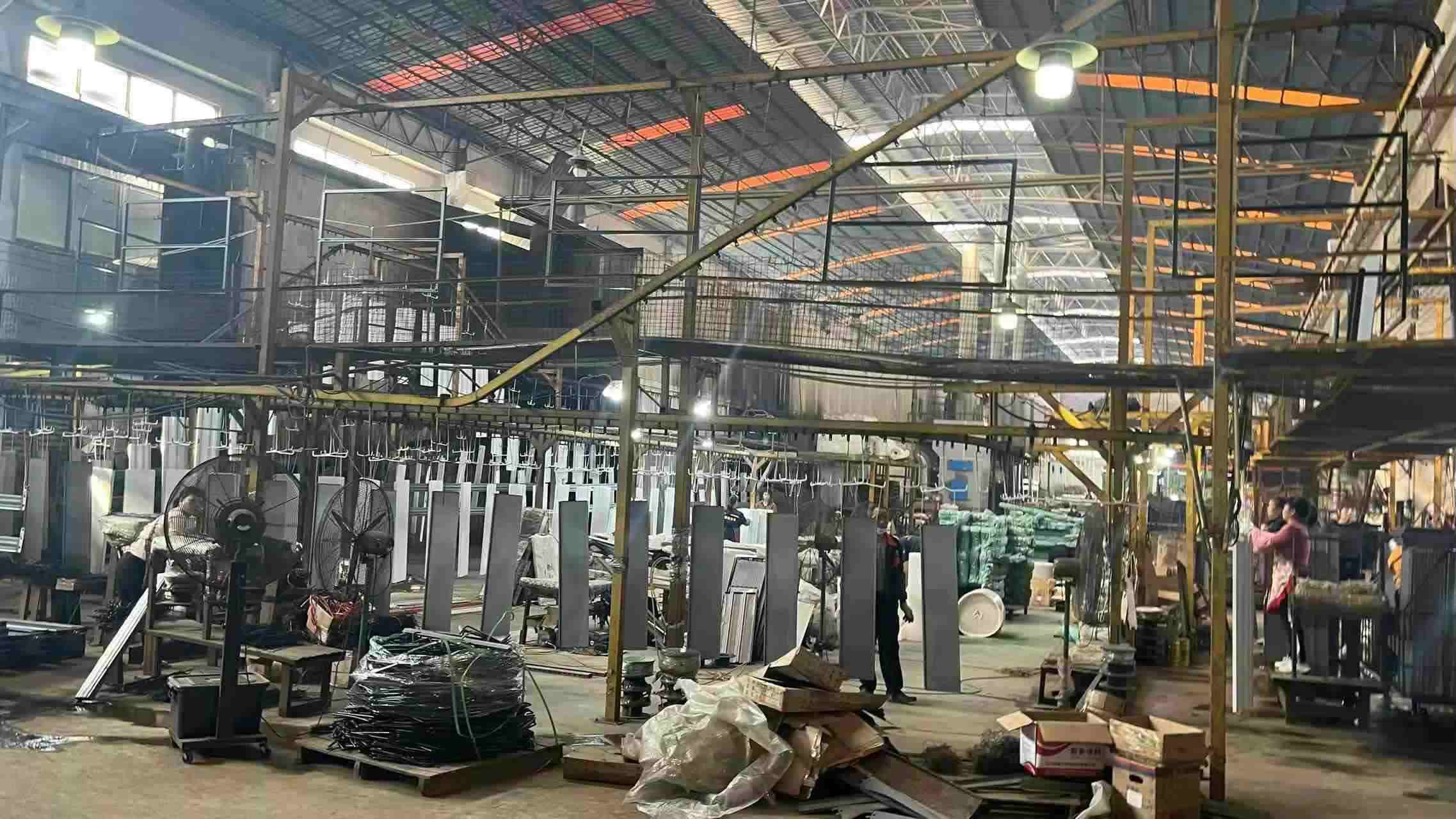
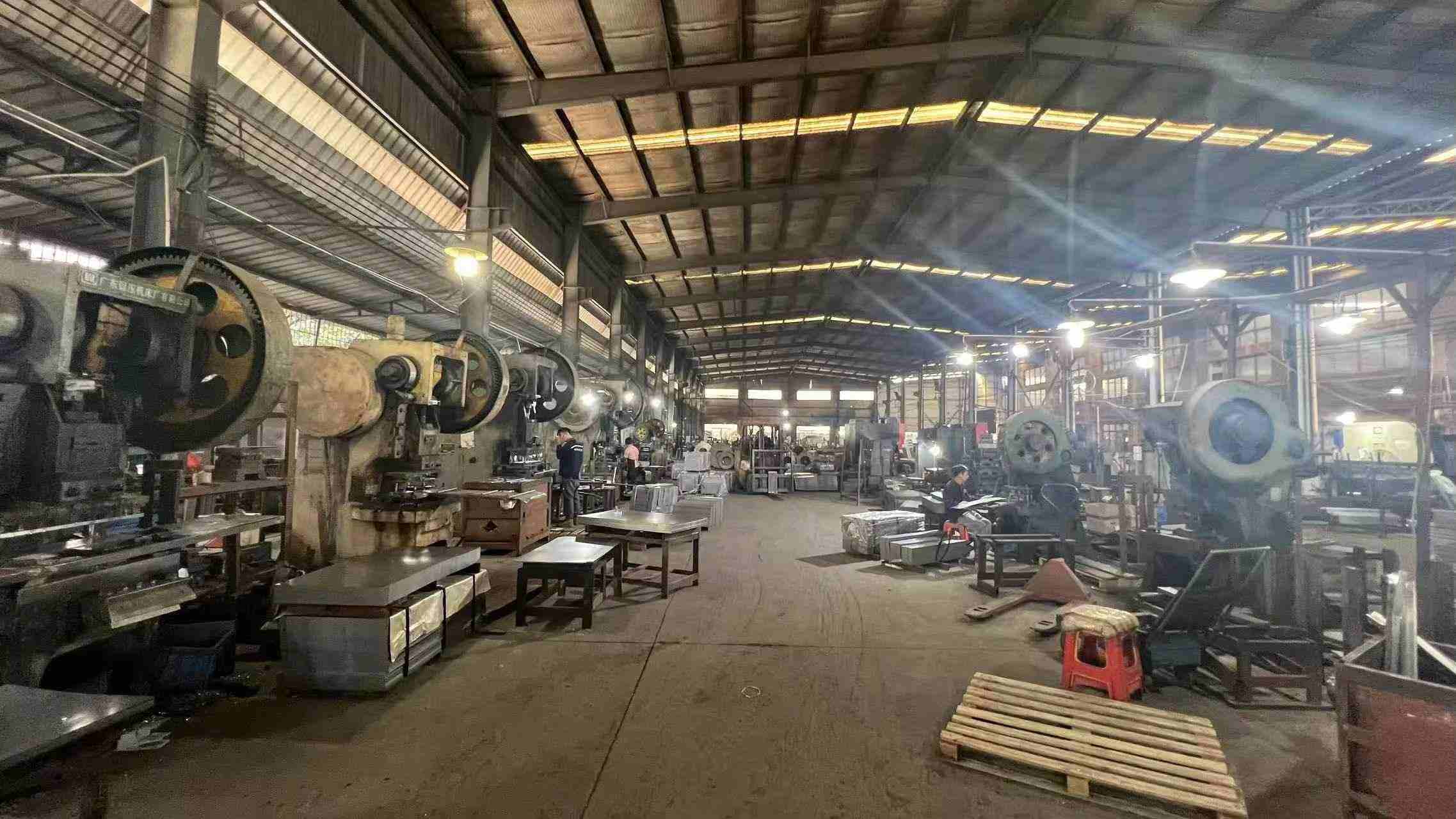
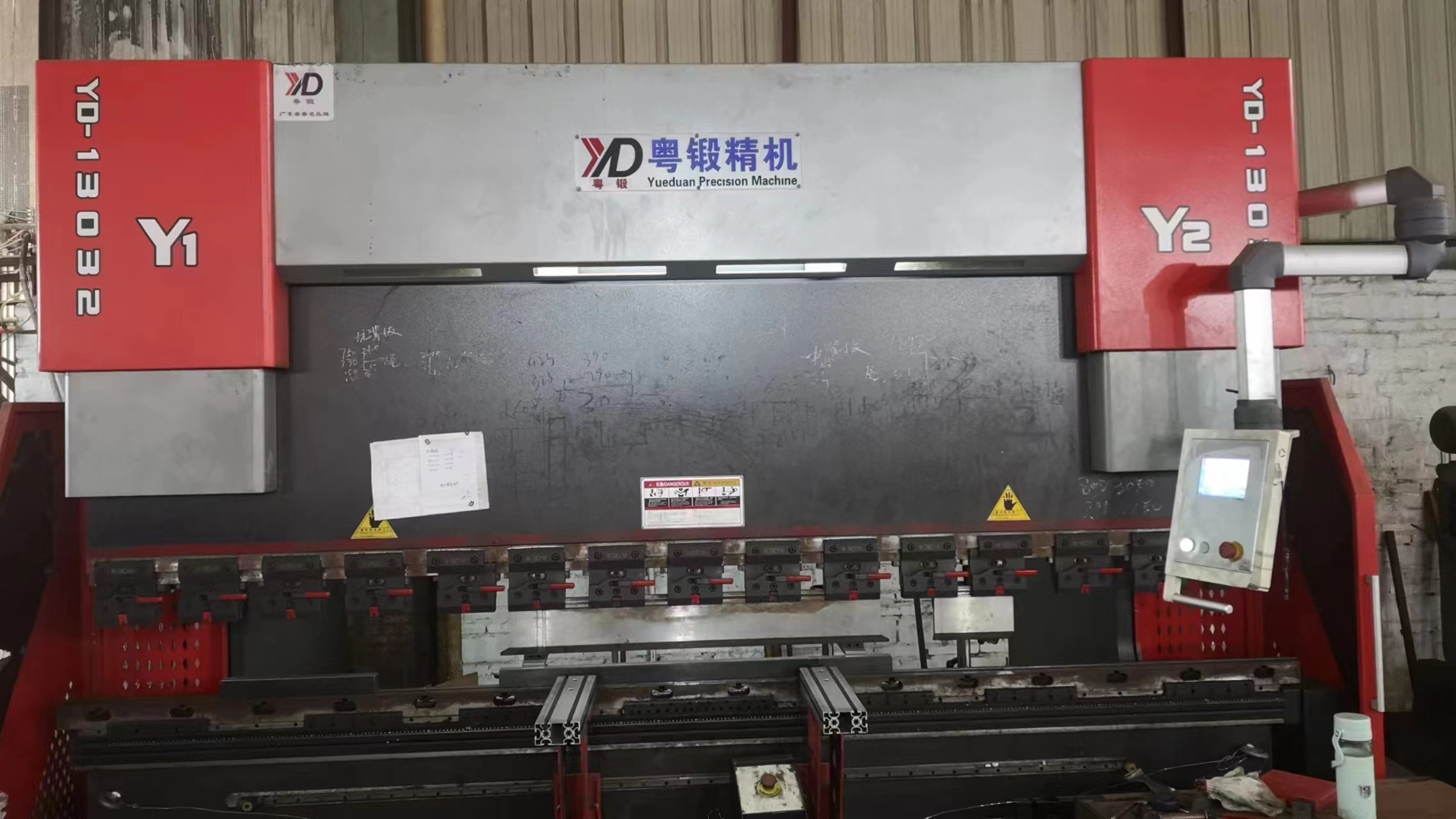
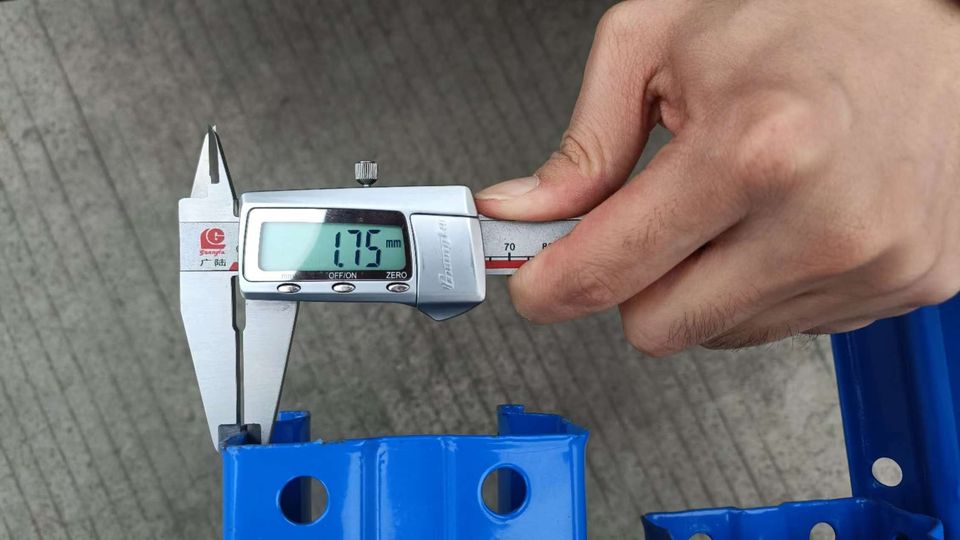
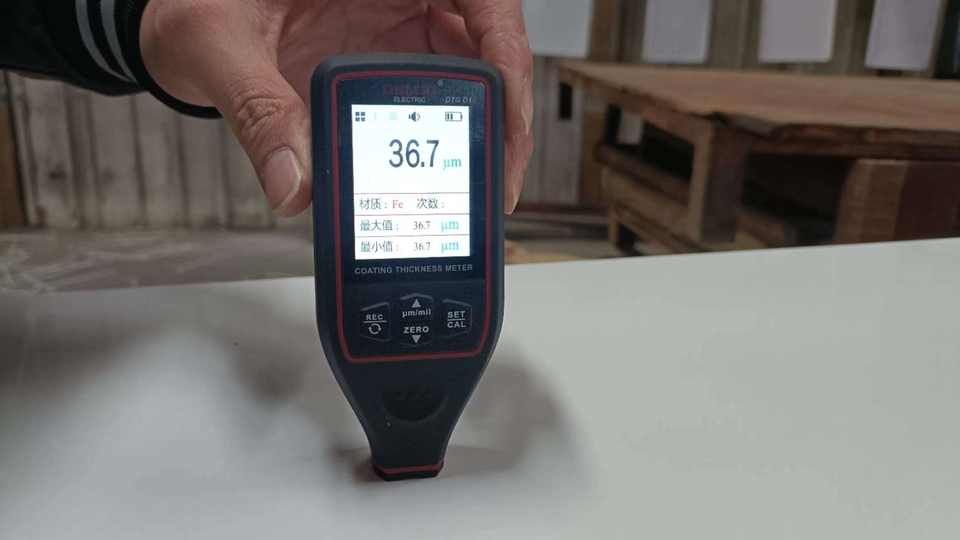
The capability of a racking manufacturer to deliver consistent quality on large projects is directly tied to production automation. Dongguan Durack Logistics Equipment Co., Ltd. operates a highly standardized production line optimized for high-capacity runs. Below is the detailed breakdown of the equipment and processes employed within our 35,000 m² factory footprint.
Implementing a push-back storage system requires an understanding of both the physics of gravity flow and the operational conditions of your warehouse. Selecting the correct incline and safety mechanisms is critical to long-term reliability.
The optimal incline for a push-back racking lane falls between 2% and 3.5%. If the slope is too flat (under 1.5%), dust, debris, or minor flat spots on the cart wheels can stop the cart from returning to the front aisle position. This results in empty space at the picking face and requires dangerous manual intervention.
If the slope is too steep (over 4%), the pressure exerted by the back-loaded pallets on the forklift's mast during removal is too high. This increases forklift motor wear and poses a tip-over hazard if the driver pulls away too quickly.
Unlike gravity flow systems, which require complex centrifugal brakes inside the rollers, push-back racking systems rely on the forklift operator to control the descent speed of the trailing carts. As the driver retrieves the front-most pallet, they must slowly back out, allowing the trailing pallets to roll forward under gravity against the face of the pallet still on the forks. This requires proper operator training and highly reliable wheel bearings to ensure a steady, smooth roll-forward.
Modern material handling is rapidly adopting automated storage and retrieval systems (AS/RS). Our R&D division, comprising over 65 specialized engineers, is developing systems that connect traditional mechanical push-back racking with automated warehouse environments.
Additionally, the industry is shifting toward sustainable materials. Durack is leading this transition by using high-strength low-alloy (HSLA) steel. This reduces the total weight of the structure while maintaining its load-bearing capacity, lowering shipping emissions and supporting global green building certifications like LEED.
 Durack