Explore our high-performance inventory management and retail display equipment designed for robust material handling applications.
An in-depth analysis of drive-in racking mechanics, operational dynamics, cost analysis, and structural deployment.
In modern industrial logistics, space optimization is no longer just about cost-cutting; it is a vital competitive advantage. Drive-In Storage Racking Systems represent one of the most effective solutions for dense product storage, offering up to an 80% increase in cubic capacity compared to standard selective racking systems. By eliminating access aisles, forklifts drive directly into the storage bays, making it the premier choice for high-volume, homogeneous inventory under Last-In, First-Out (LIFO) management schemes.
However, implementing high-density storage requires an acute understanding of engineering loads, steel metallurgy, and safety configurations. Designing these systems demands deep engineering precision to withstand dynamic forklift movement inside the structural rack frames. This whitepaper analyzes how leading Chinese manufacturers, such as Durack, design and manufacture these systems to comply with rigorous international standards, including RMI and EN 15512.
Why global enterprises and 3PL leaders rely on Chinese manufacturing hubs for large-scale warehouse rollouts.
Chinese manufacturers utilize high-grade Q235B and Q355B carbon steel, renowned for its excellent yield strength, ductility, and structural weldability. This material profile ensures the racks remain straight and stable under intense vertical loads, offering consistent structural integrity even in sub-zero cold storage facilities.
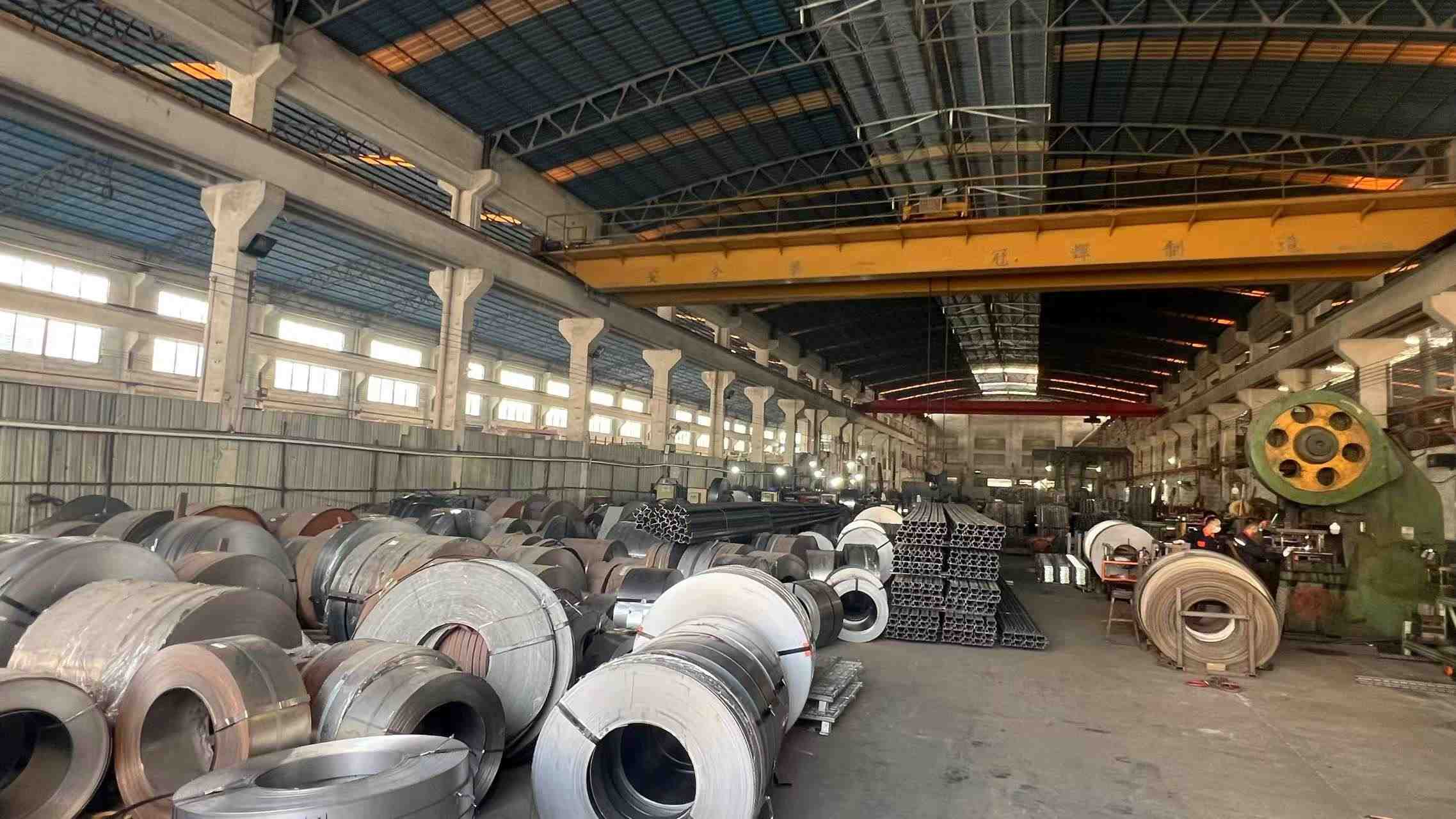
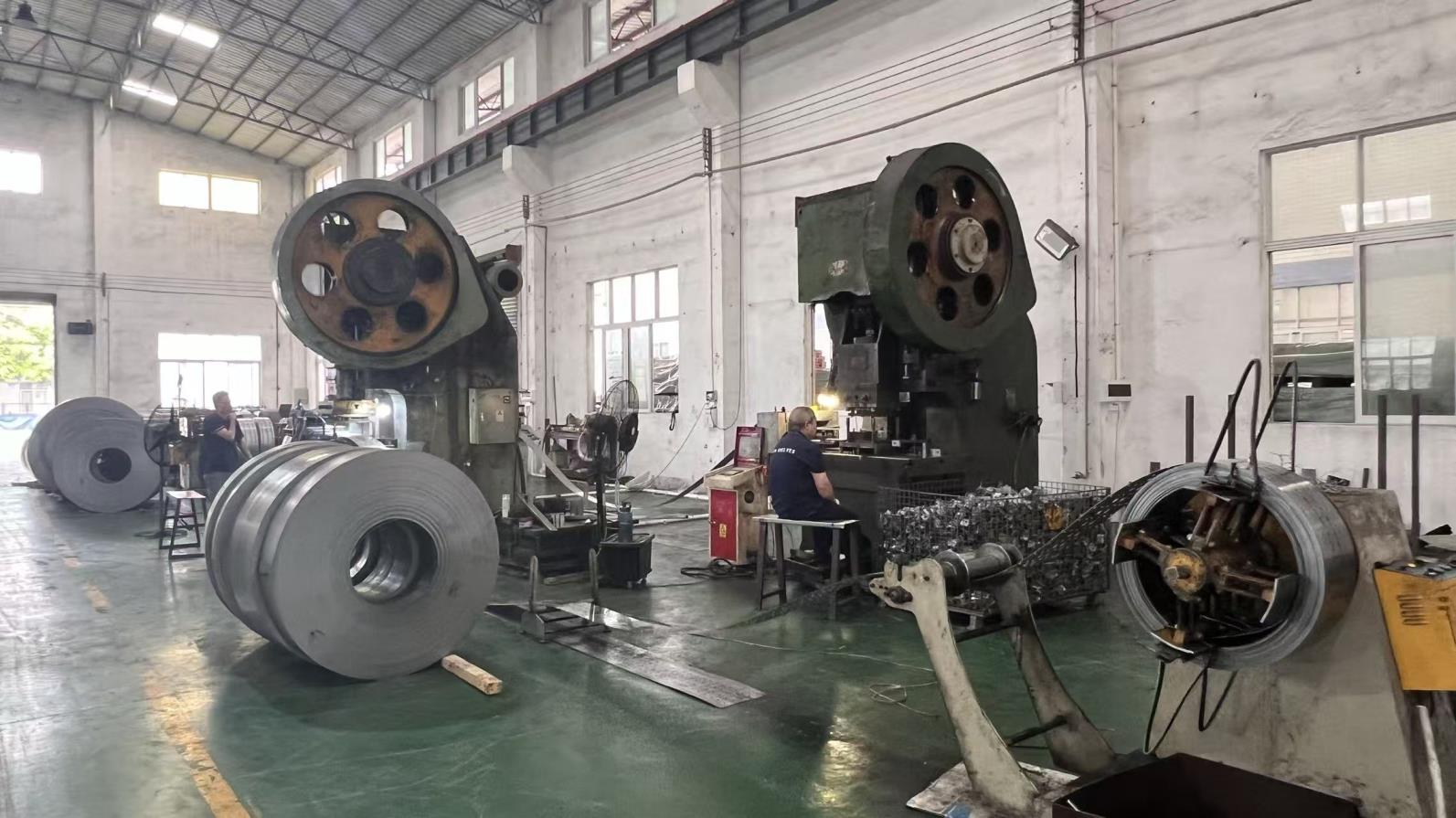
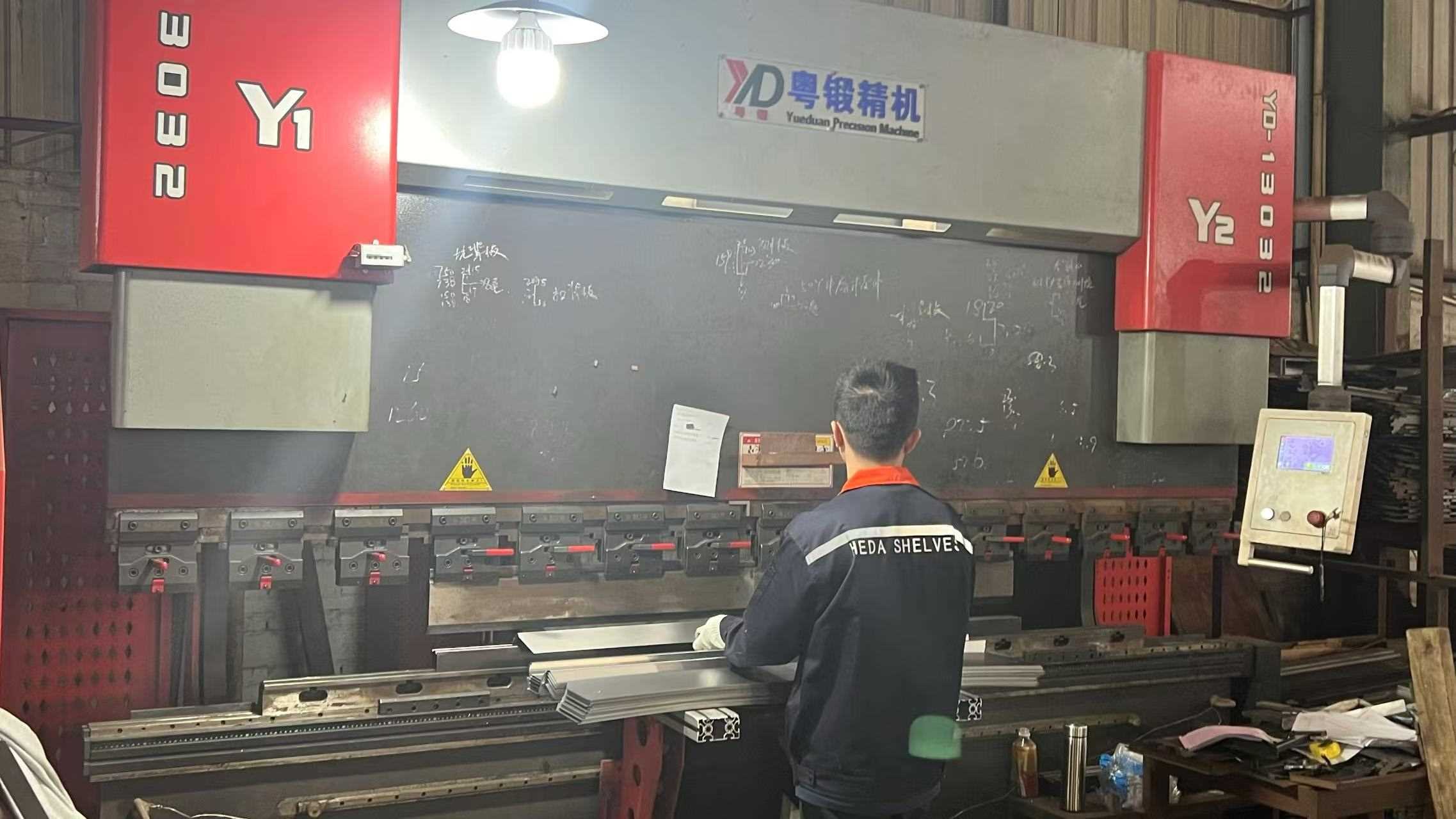
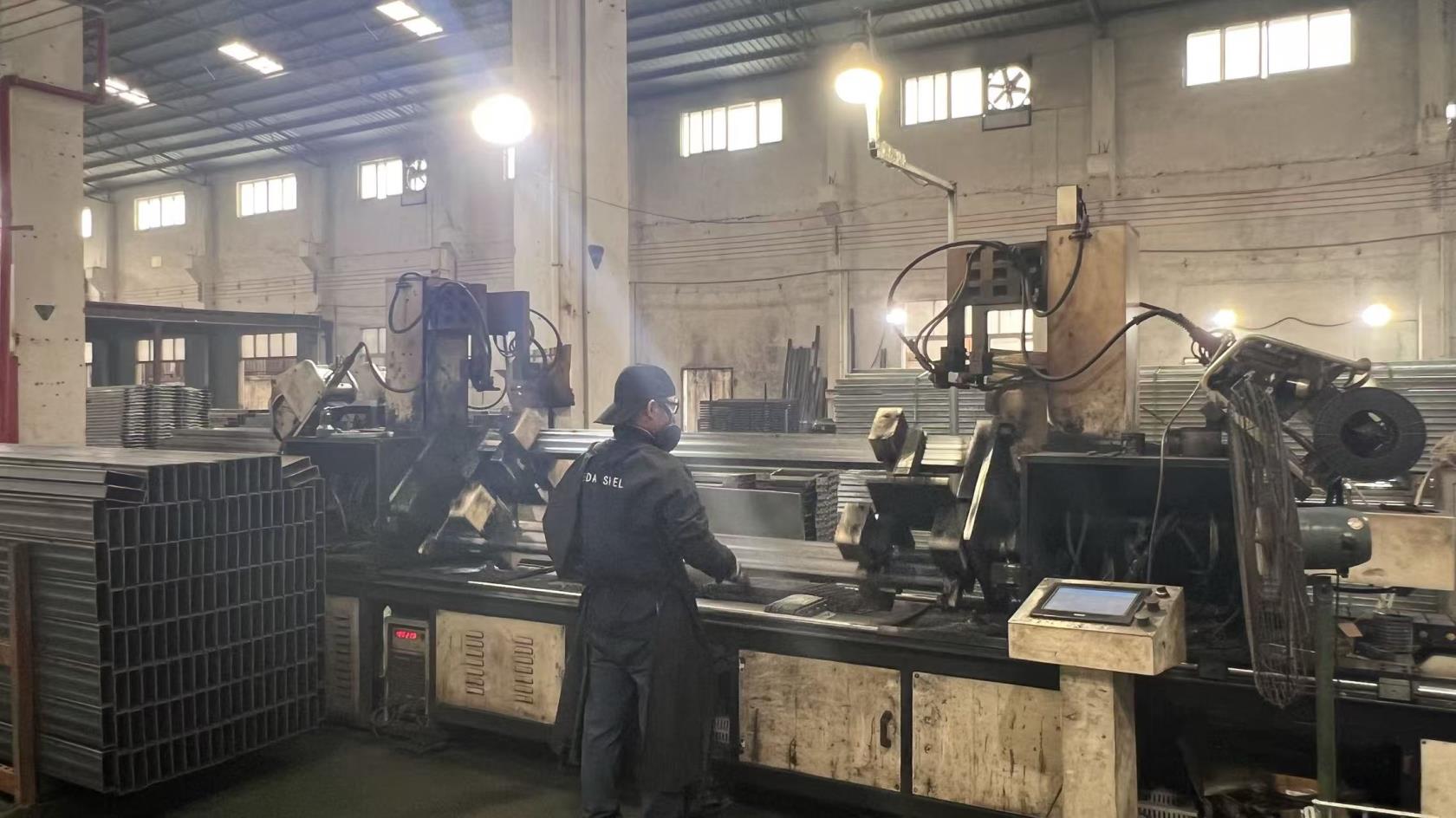
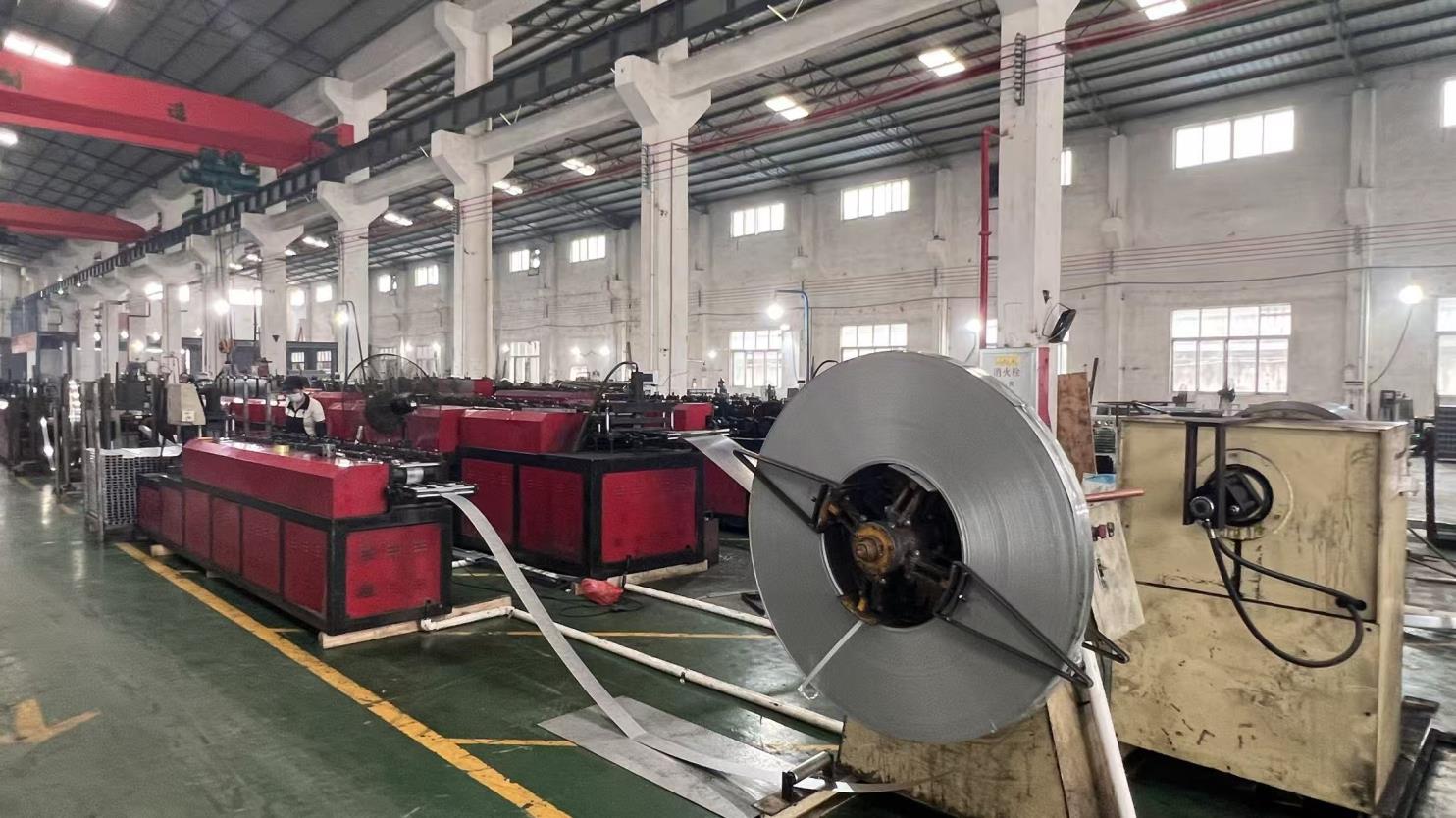
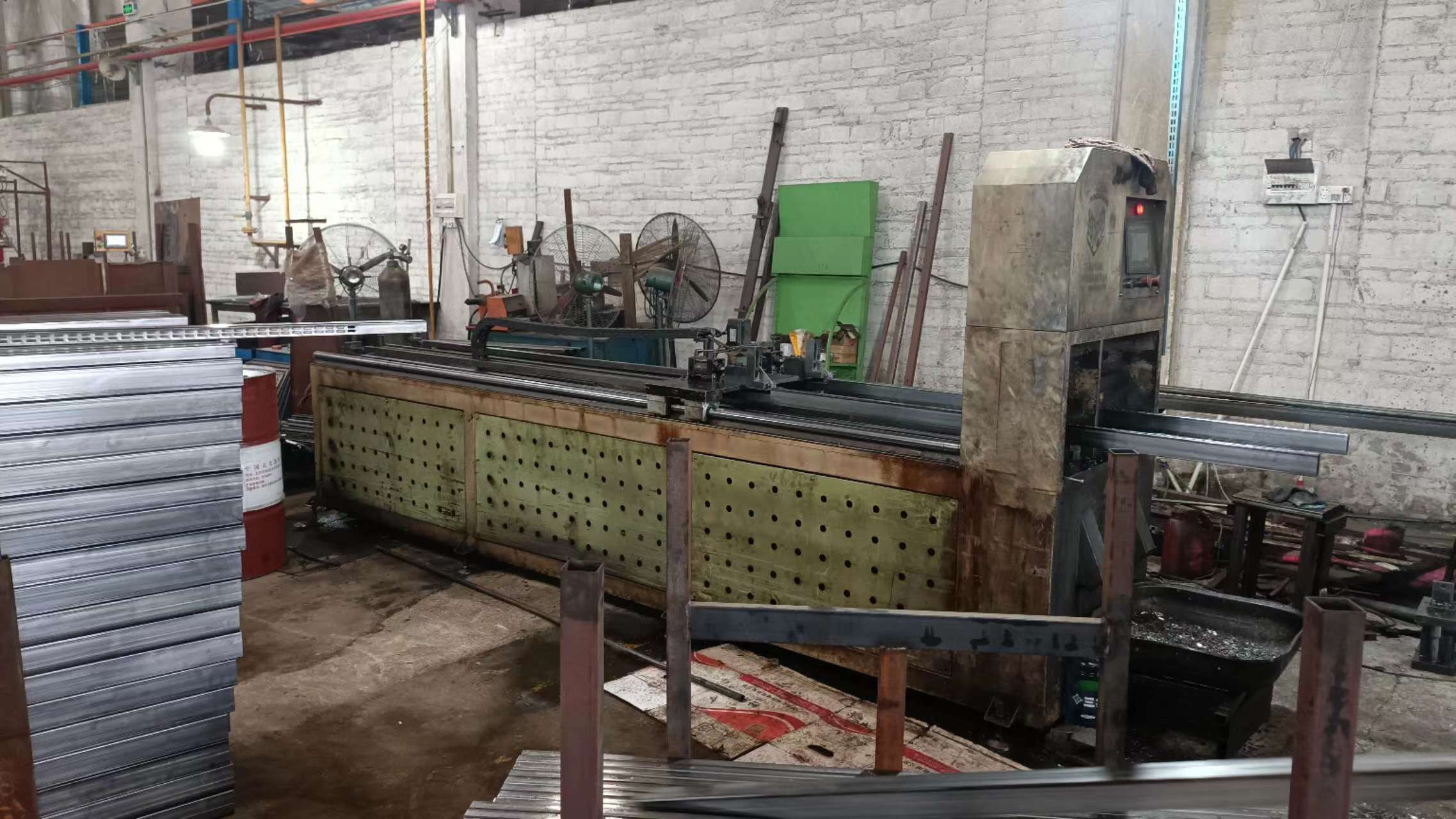
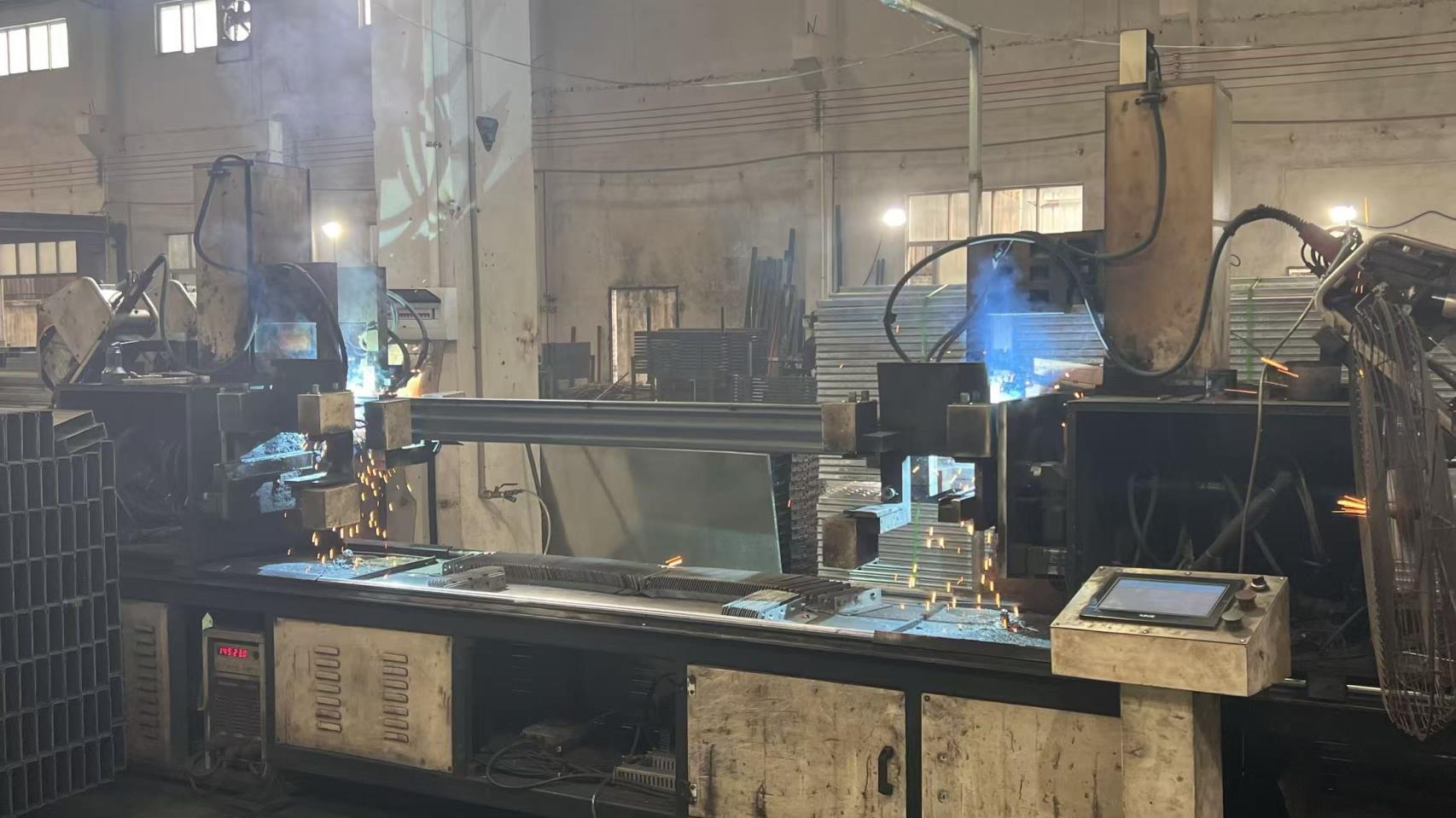
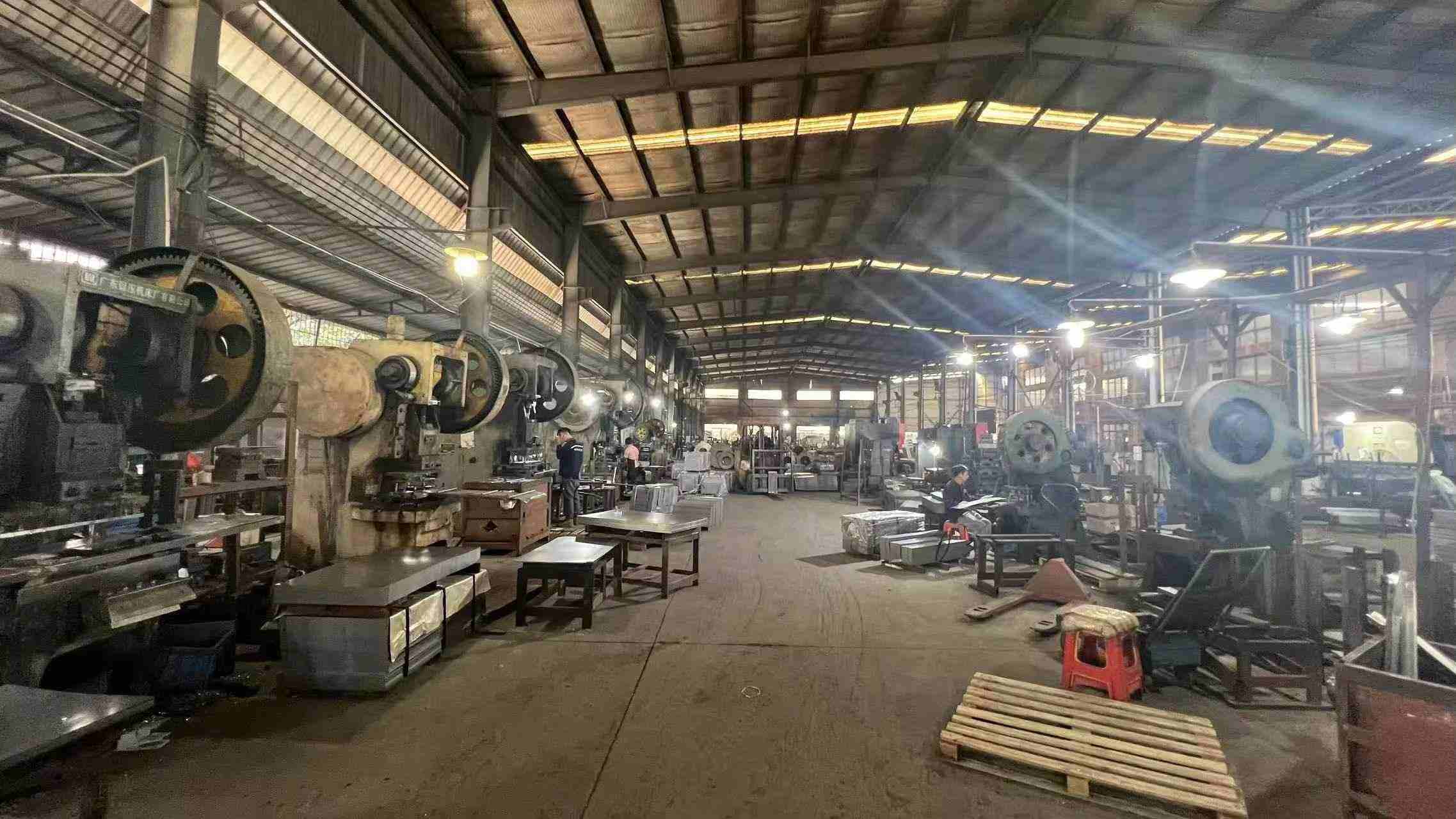
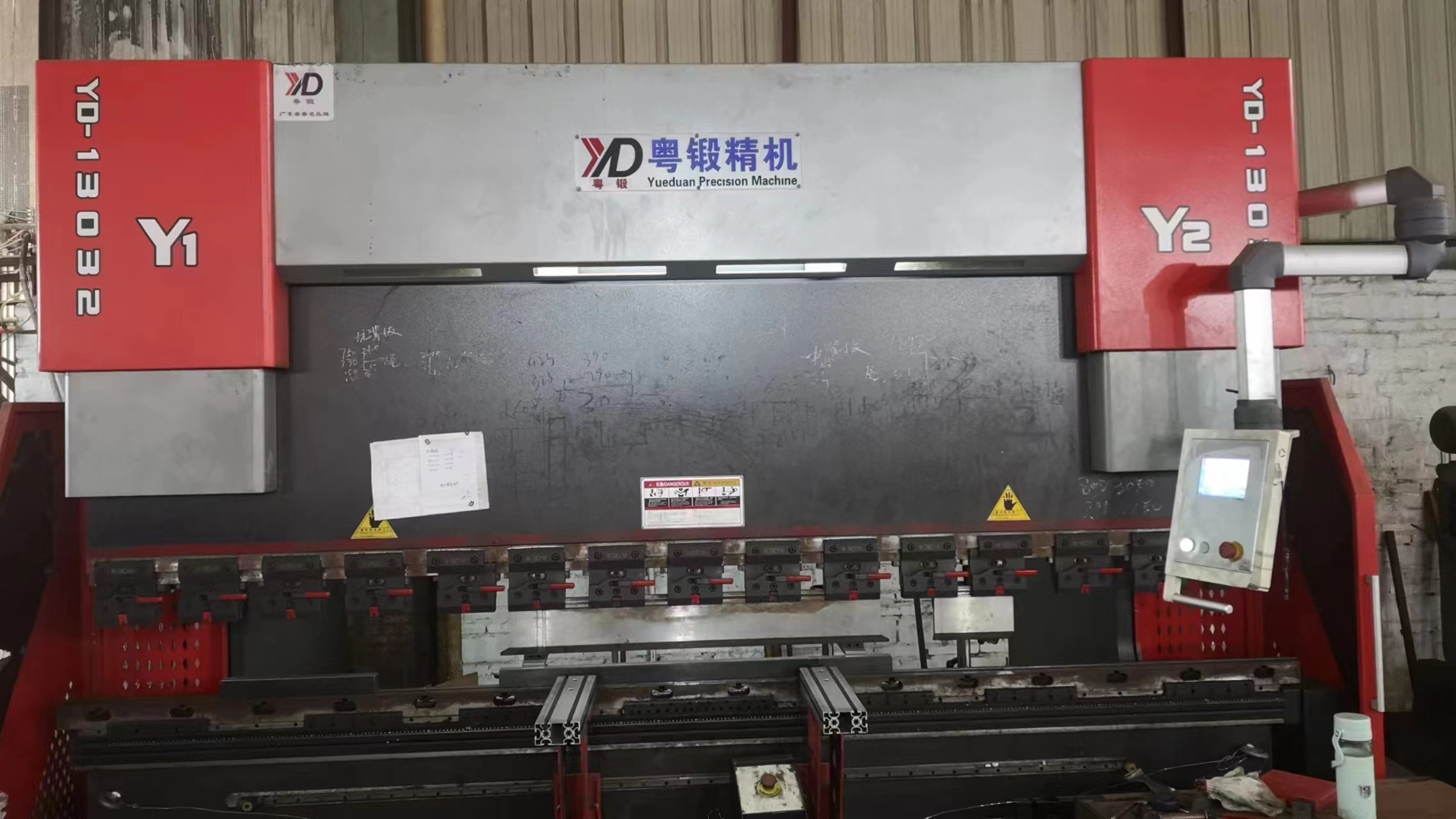
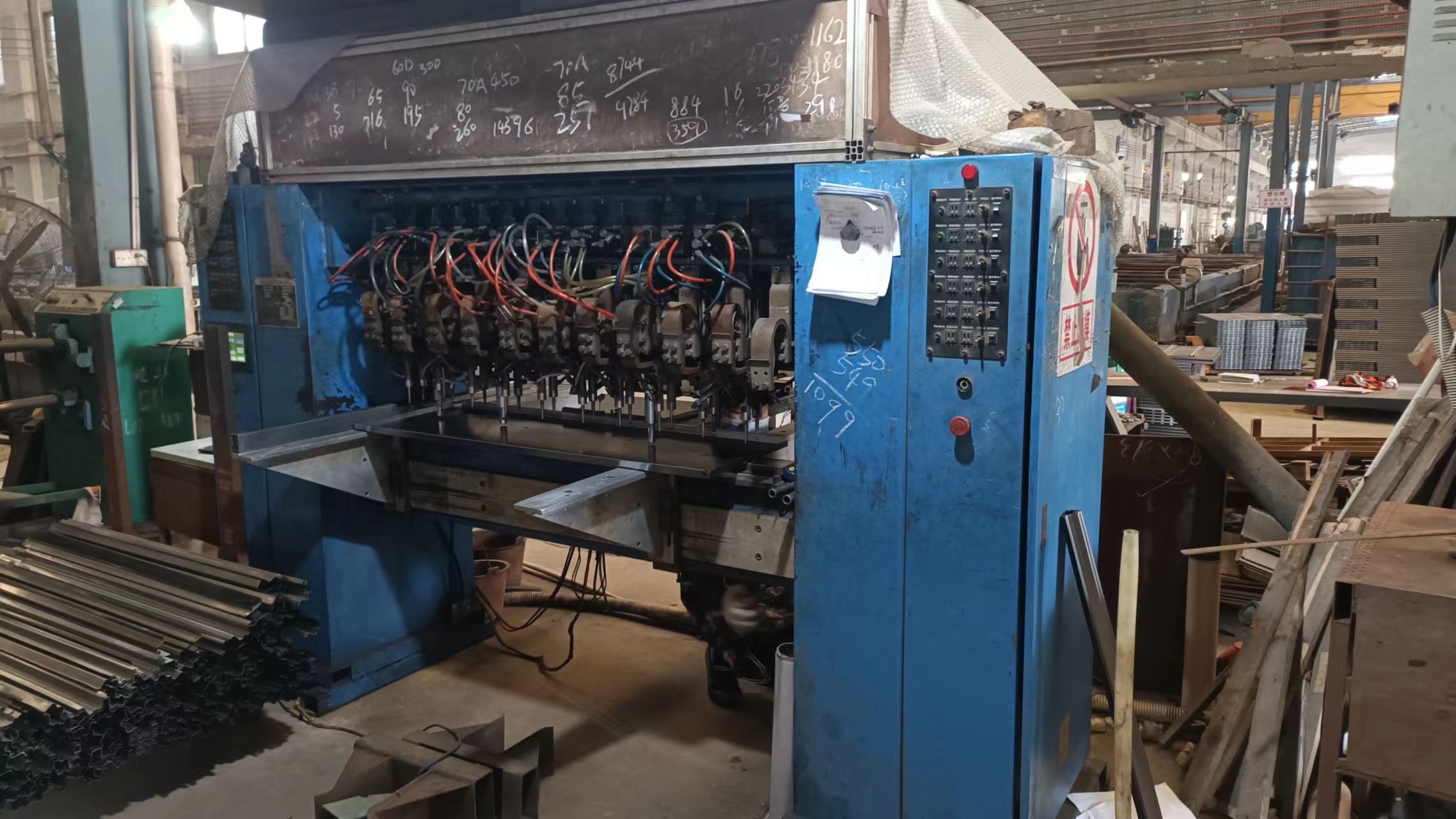
By leveraging CNC multi-station cold-rolling mills and automated punching lines, China's leading factories achieve tolerances within +/- 0.5mm. This extreme precision ensures flawless interlocking connections, structural alignment, and straightforward onsite installation for global crews.
From deep-water shipping lanes to nearby steel mills, the proximity of China's industrial zones significantly lowers material transport fees. This close proximity allows factories to offer high-density drive-in racking at a lower cost-per-pallet position compared to regional manufacturers in the West.
Dongguan Durack Logistics Equipment Co., Ltd. — Delivering engineering excellence in logistics systems since 2014.
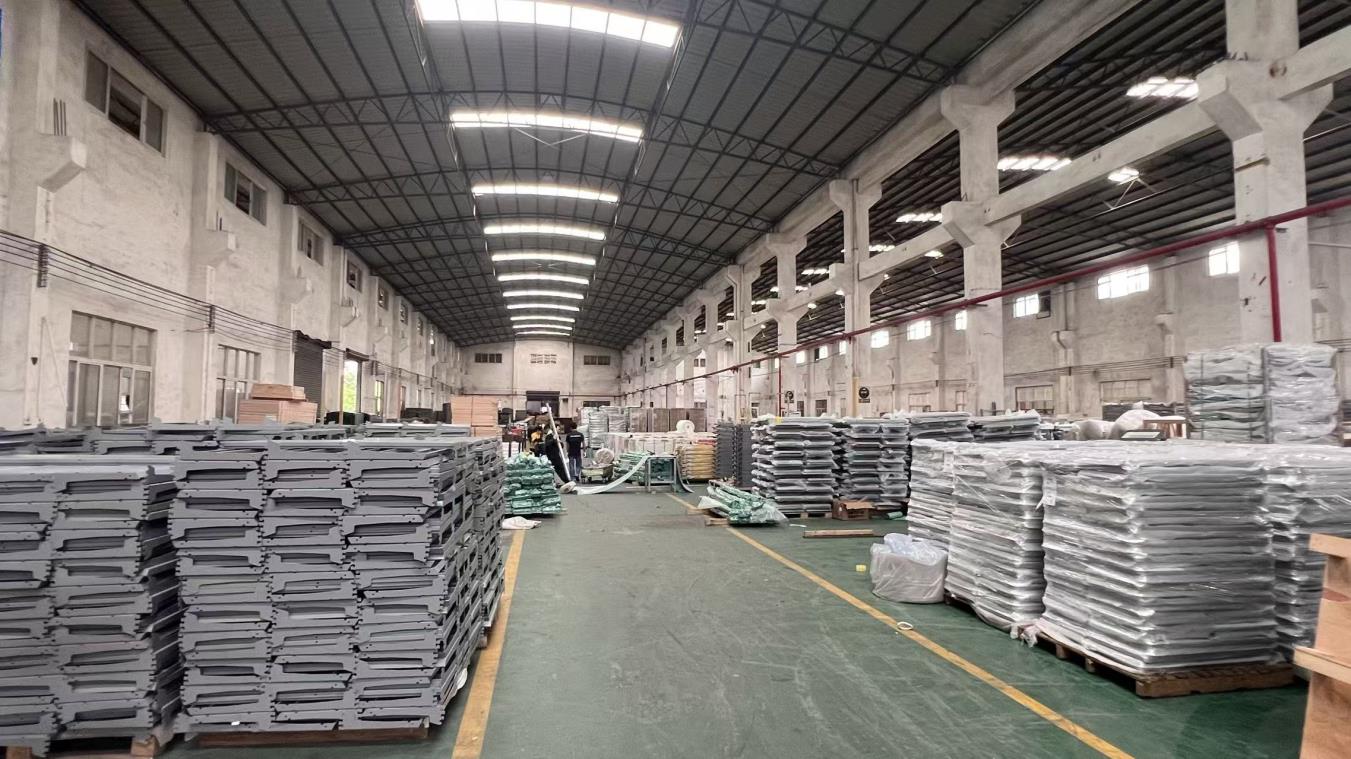
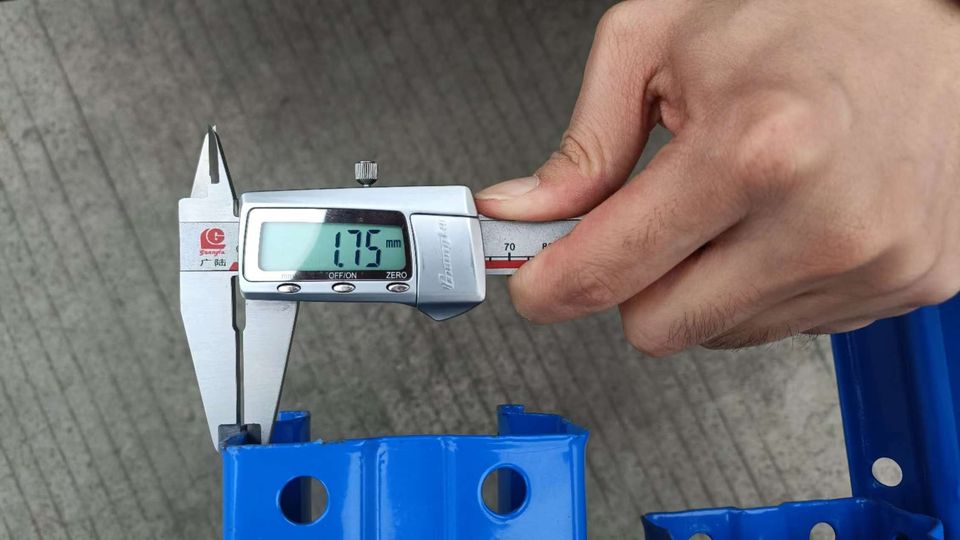
Founded in 2014, Dongguan Durack Logistics Equipment Co., Ltd. is a premier Chinese storage racking system manufacturer operating a 35,000 m² facility. Backed by 12 years of industry experience and 8 years of global export history, the company generates $28 million in annual export revenue. Our operations are supported by a strict quality assurance system using full-spectrum ultrasonic testing and load-bearing stress evaluations, overseen by 45 dedicated QC specialists. Building on a strong international trading background, our core markets span North America, Europe, and Southeast Asia. We maintain a reliable supply chain network of over 850 partners, catering primarily to third-party logistics (3PL) providers, automated warehouses, and large industrial distributors. Driven by an active R&D division with 65 specialized engineers, Durack offers full OEM/ODM customization options—including bespoke beam profiles, structural steel grades, and dynamic layout designs—launching over 120 new storage products last year.
With an active commitment to R&D, Durack utilizes advanced CAD systems and finite element analysis (FEA) software to simulate earthquake stresses and dynamic wind loads. This capability ensures that every drive-in storage configuration is engineered to meet site-specific code requirements, protecting both warehouse personnel and valuable inventory.
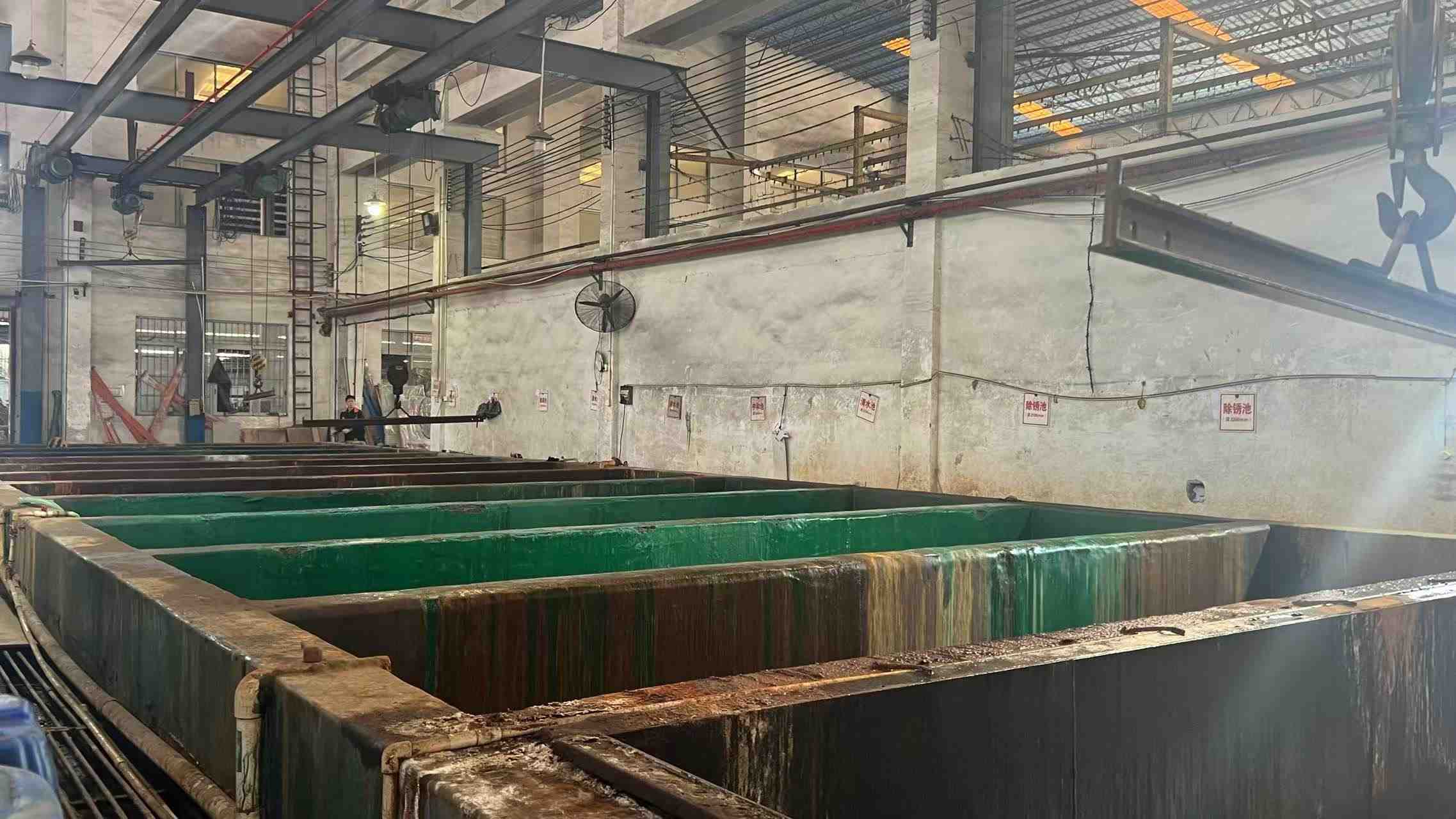
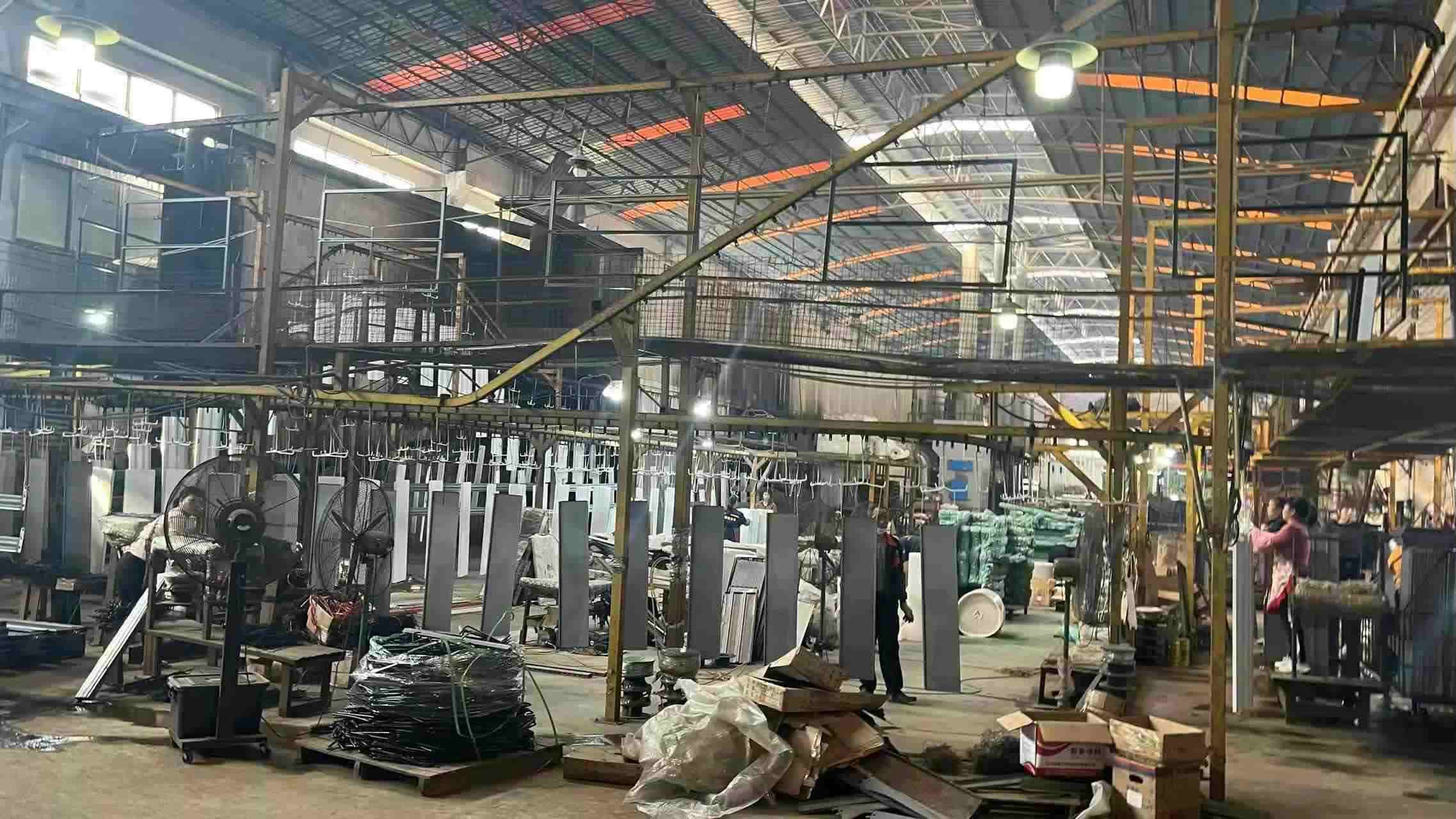
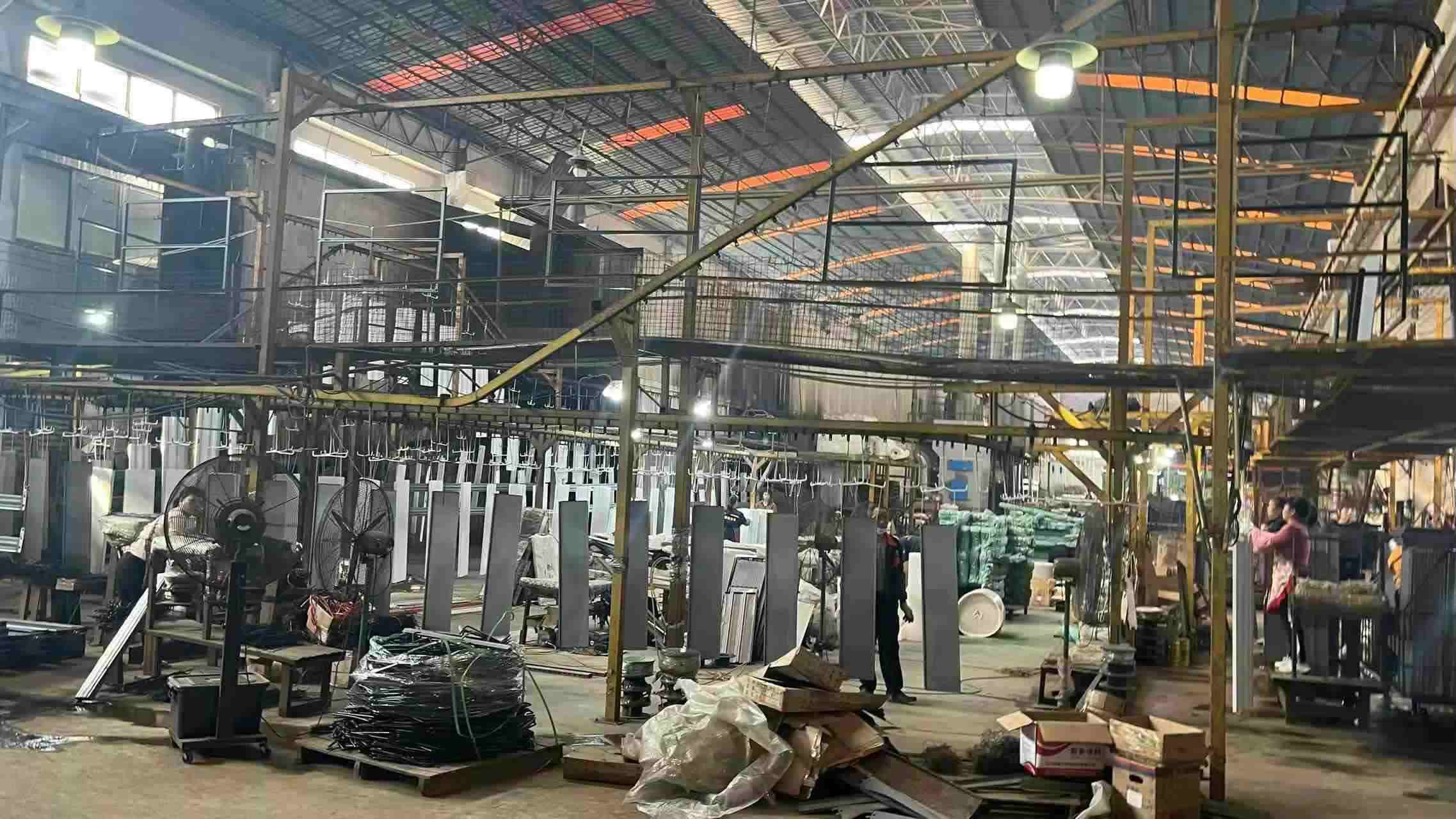
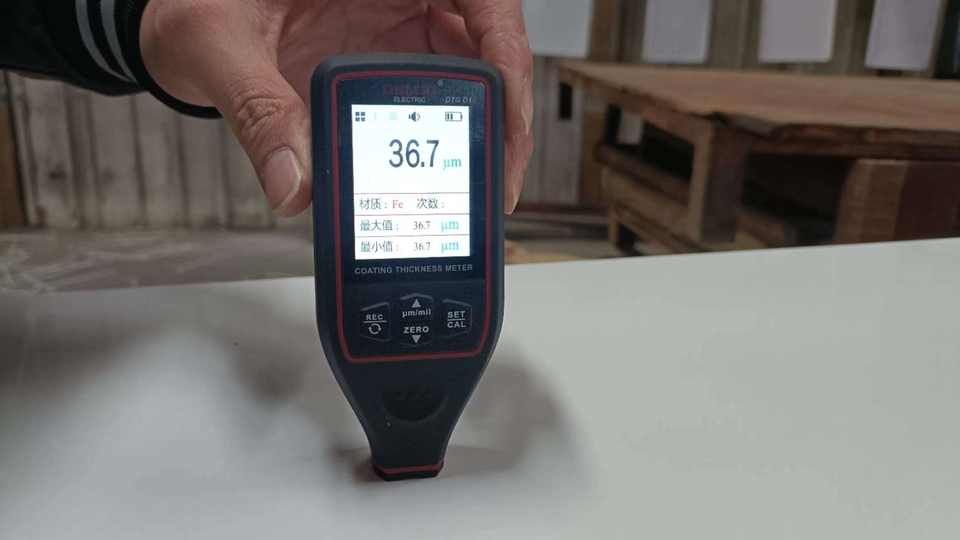
Witness our end-to-end automated manufacturing processes, from raw material selection to structural QC verification.
How different industrial sectors utilize high-density drive-in systems to maximize operational performance.
Cold storage facility space is expensive to build and operate. Drive-In racking maximizes cubic volume, helping to reduce the overall cooling envelope. By storing frozen food pallets deep within the structural frame, energy consumption per pallet is minimized.
FMCG distribution hubs handle massive quantities of high-rotation, uniform items. Setting up drive-in bays for specific SKUs helps eliminate warehouse aisle bottlenecking, streamlining LIFO logistics and quick dispatch workflows.
Pharmaceutical operations rely on batch control systems where items are manufactured and shipped together. Drive-In configurations accommodate single-batch lanes, helping prevent cross-contamination and simplifying batch inspections.
What global procurement officers look for when sourcing heavy-duty logistics infrastructure from China.
Global logistics hubs require strict adherence to international building codes, particularly in seismic zones like North America's West Coast and parts of Southeast Asia. Selecting systems engineered with structural back bracing, robust column feet, and heavy-duty frame anchors is critical to ensuring long-term structural safety under seismic stress.
As logistics operations automate, drive-in structures are increasingly designed to interface with Automated Guided Vehicles (AGVs). This integration requires ultra-tight tolerances in rail levelness and entry clearances, ensuring automated forklifts can navigate lanes without structural contact.
A rack's longevity depends on its surface protection. High-durability finishes require pre-treatment processes like acid washing, phosphating, and automatic electrostatic powder curing. This ensures the steel is protected against humidity and localized abrasion from pallets sliding along the support rails.
Expert engineering insights and technical answers for global procurement and warehouse planning.
Drive-In racking uses a single entry and exit point for forklifts, operating on a Last-In, First-Out (LIFO) material flow. Drive-Through racking features access points at both ends of the lane, allowing First-In, First-Out (FIFO) inventory management, though this configuration requires more floor space for access aisles.
Most reputable Chinese manufacturers utilize Q235B or high-strength Q355B structural steel. Q355B features a higher yield strength (minimum 355 MPa), making it ideal for deep, high-capacity racking structures, seismic zones, and heavy pallet configurations exceeding 1,500 kg per position.
Safety is maintained using ground guide rails to align forklifts inside the lanes, upright column guards to absorb impact energy, column-base anchors, and pallet backstops to prevent over-travel. These accessories protect both operators and the integrity of the rack structure.
Yes. Drive-In storage is highly suited for cold storage due to its dense configuration, which reduces heat loss and maximizes refrigeration efficiency. For sub-zero installations, special low-temperature powder coatings and steel grades are selected to prevent cold-embrittlement.
To prepare an accurate design, factories require the dimensions of the warehouse (including clear height and column grids), concrete floor thickness and capacity, forklift model and turning radius, pallet dimensions (including overhang), load weight per pallet, and any local seismic class requirements.
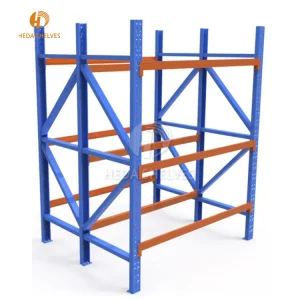
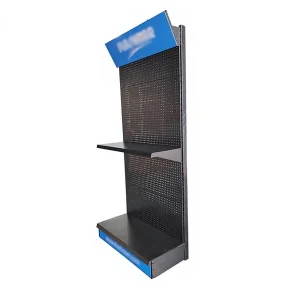
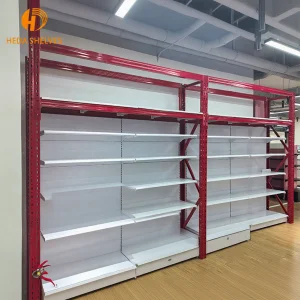
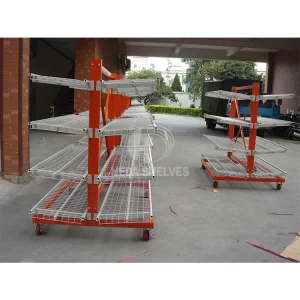
Browse our selection of heavy-duty transport vehicles, retail display shelving, and warehouse organization accessories.
 Durack