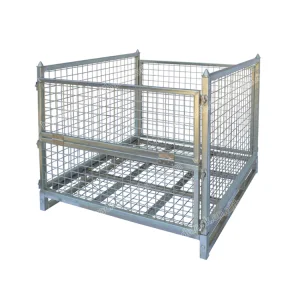
China Top Custom Racks Supplier & Suppliers

Precision Engineering, Seamless Global Logistics Compliance, and Industrial-Scale Capacity for Smart Warehousing & Storage Systems

Dongguan Durack Logistics Equipment Co., Ltd.

Pioneering global supply chain solutions through advanced metalworking and engineering excellence.

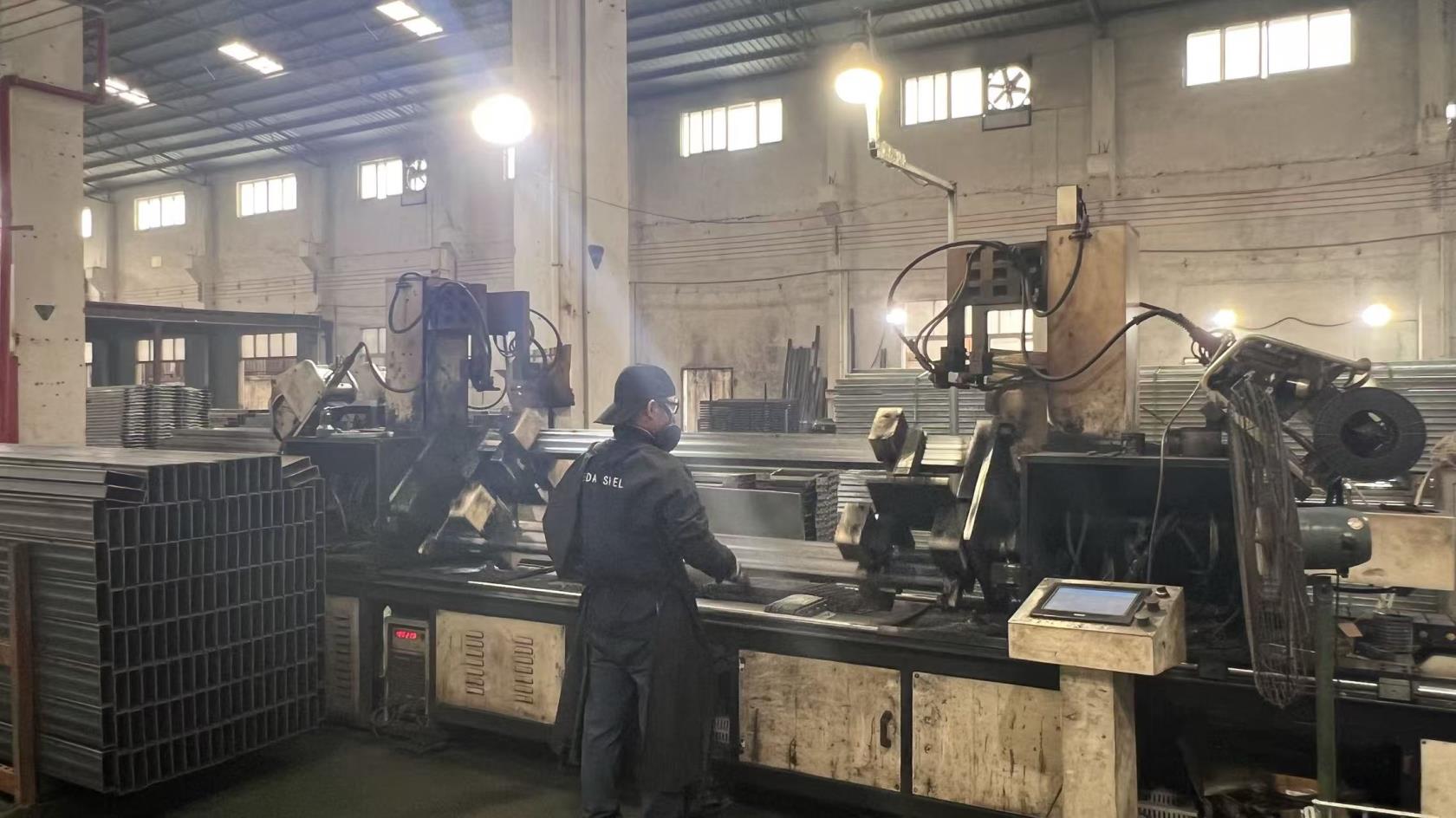
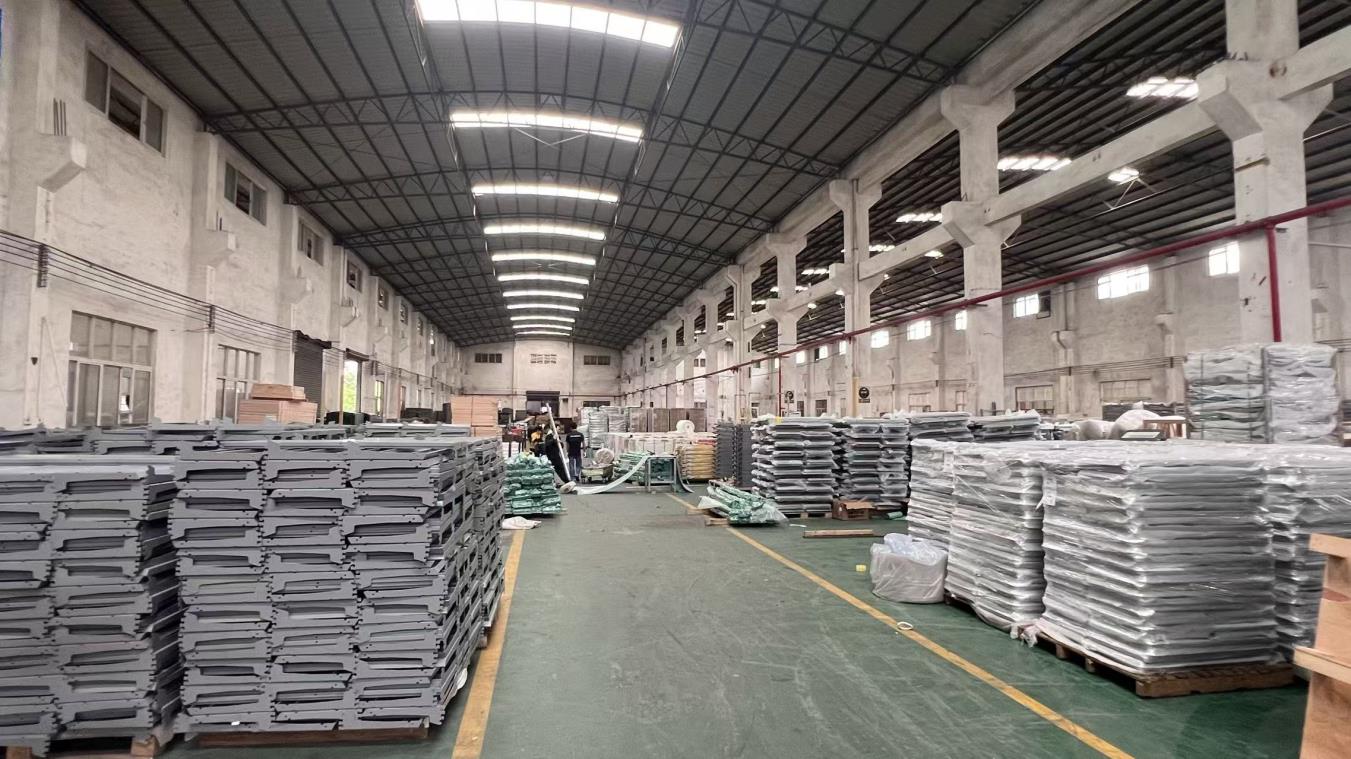
Founded in 2014, Dongguan Durack Logistics Equipment Co., Ltd. is a premier Chinese storage racking system manufacturer operating a state-of-the-art 35,000 m² facility. Backed by 12 years of core industry experience and 8 years of global export history, the company generates $28 million in annual export revenue, making it a critical hub for global logistics infrastructure components.

Our operations are supported by a strict quality assurance system using full-spectrum ultrasonic testing and load-bearing stress evaluations, overseen by 45 dedicated QC specialists. We maintain a reliable supply chain network of over 850 partners, catering primarily to third-party logistics (3PL) providers, automated warehouses, and large industrial distributors across North America, Europe, and Southeast Asia.

Driven by an active R&D division with 65 specialized structural and mechanical engineers, Durack offers full OEM/ODM customization options—including bespoke beam profiles, structural steel grades, and dynamic layout designs—launching over 120 new storage products last year.
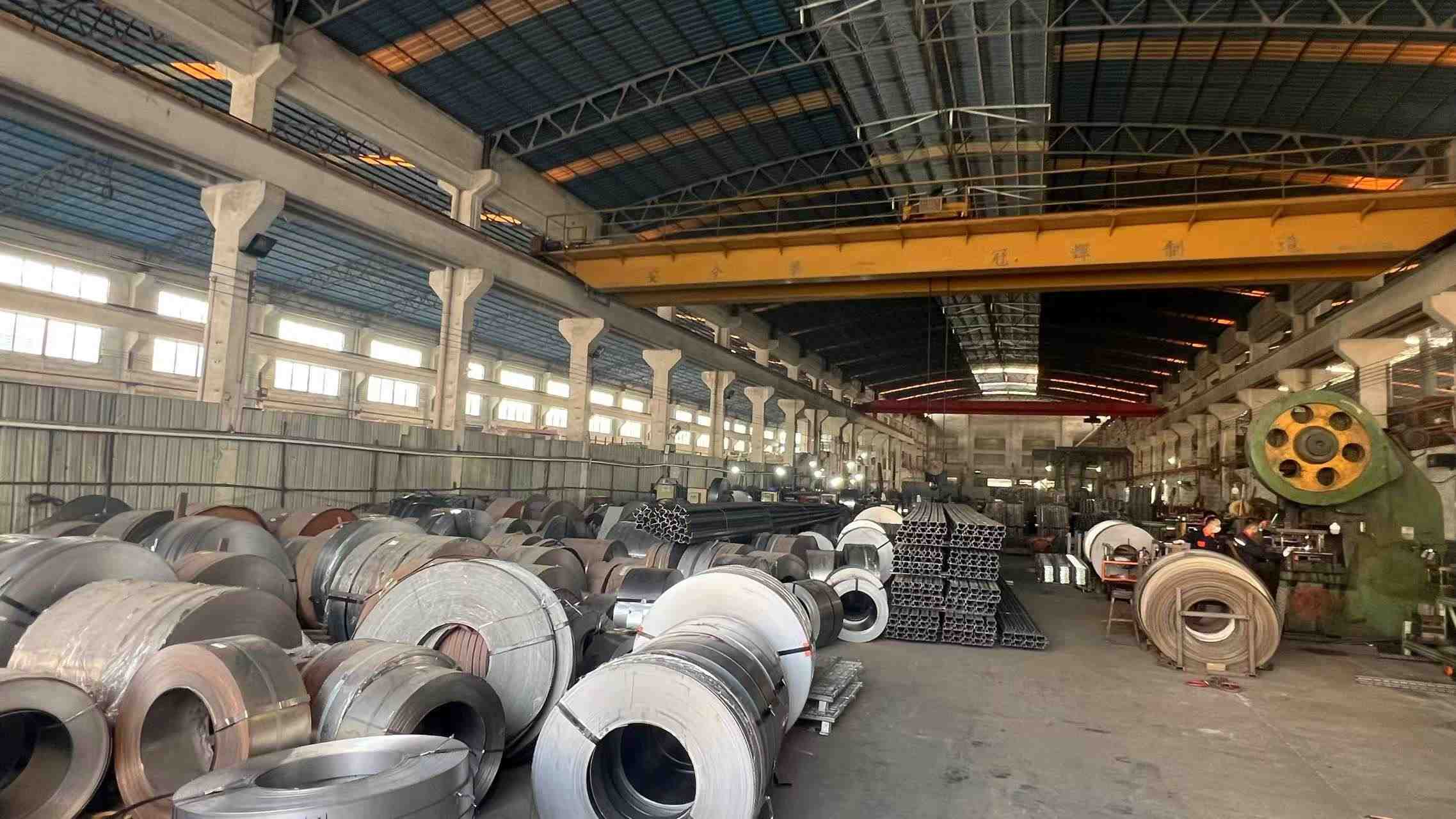
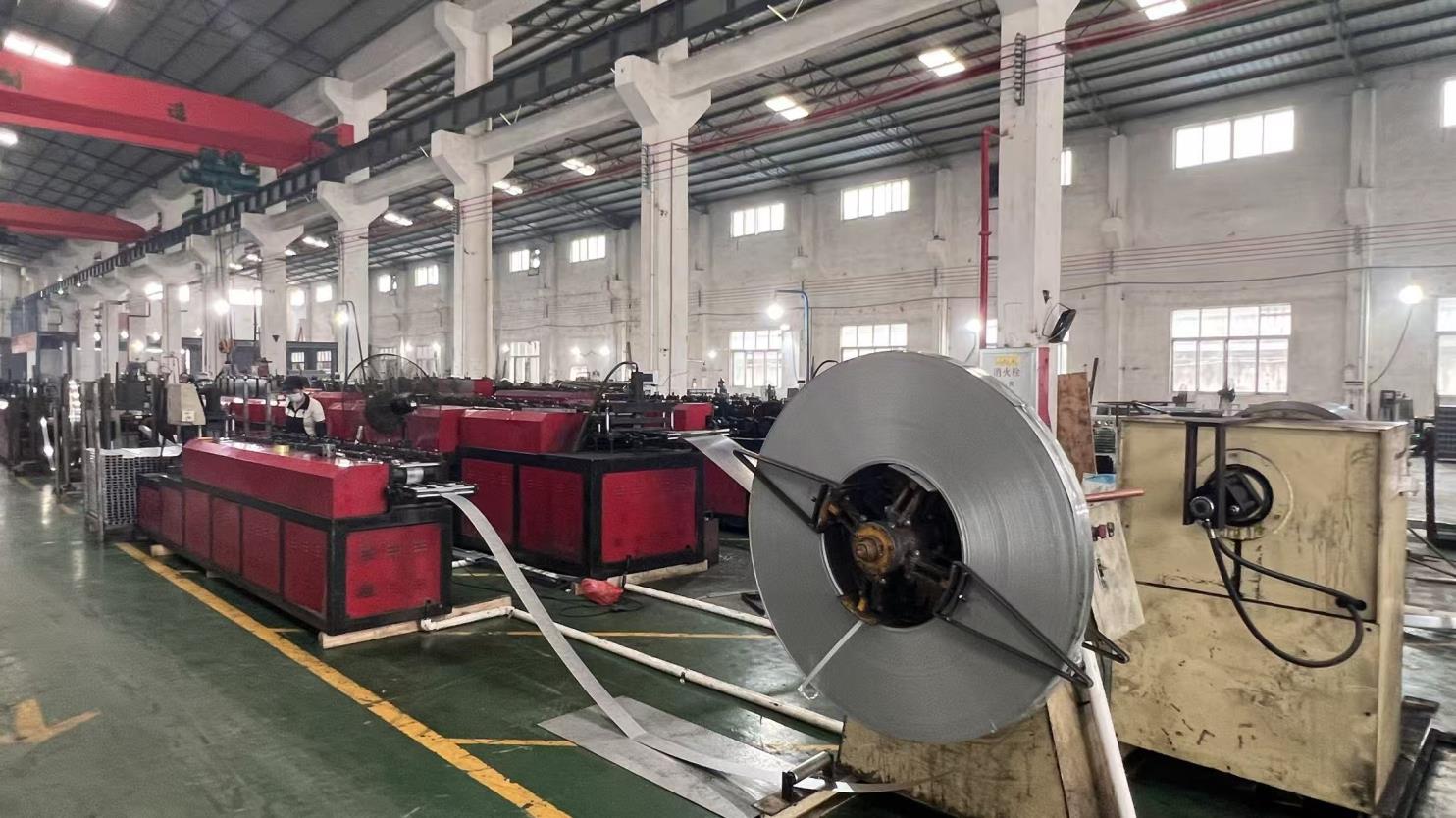
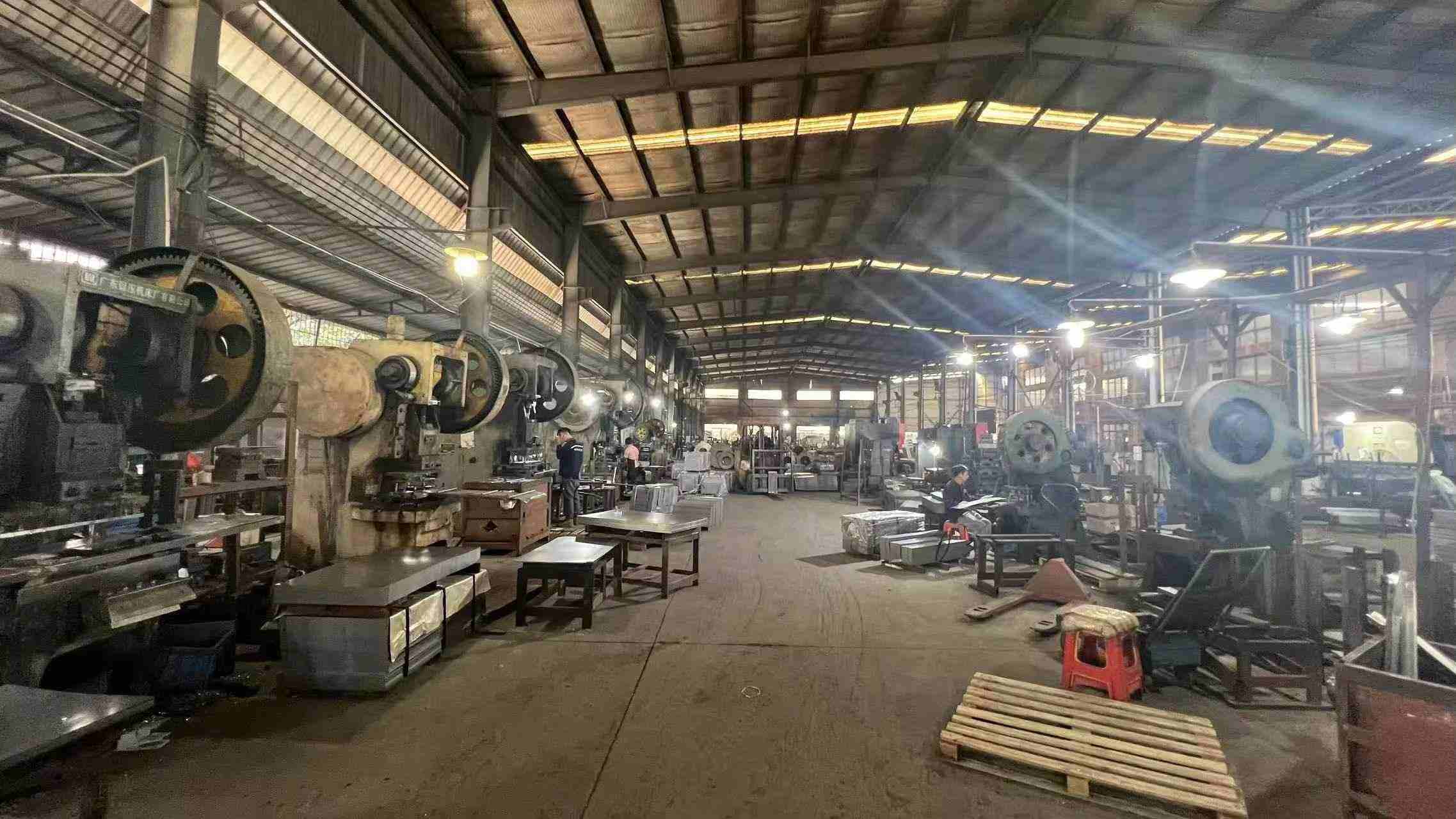
Durack Manufacturing Plant Raw Materials
35,000m²
Production Facility
$28M
Annual Export Value
65
R&D Engineers
45
QC Specialists
12+ Yrs
Industry Experience

Industrial Racking & Storage Solutions Whitepaper

An in-depth engineering guide to custom racks selection, manufacturing standards, and supply chain strategies.

1. Global Enterprise Procurement Challenges & User Intent Mining

Modern procurement directors face a complex array of challenges when sourcing heavy-duty industrial storage racks. Cost is no longer the sole metric. Buyers require answers to critical engineering, safety, and logistical questions:

  • Structural Integrity under Load: Will the upright profiles withstand dynamic loads from automated vehicles?
  • Compliance with Regional Standards: Does the racking comply with the American RMI (Rack Manufacturers Institute) standard, European EN 15512 codes, or Australian AS 4084-2012 specifications?
  • Corrosion Protection: Which coating technology (powder coating vs. hot-dip galvanization) is suited for outdoor or cold-storage facilities?
  • Supply Chain Transparency: Can the supplier provide mill certificates, ultrasonic test results, and clear weld audits?

Information Gain Insight: Selecting the wrong rack profile can result in catastrophic structural failure. High-quality custom manufacturers utilize Q355B (equivalent to ASTM A572 Grade 50) steel for critical upright components to guarantee high yield strength, whereas inferior suppliers often substitute lower-grade steel to cut costs.

2. The Lifecycle of Premium Rack Manufacturing: From Raw Material to Quality Testing

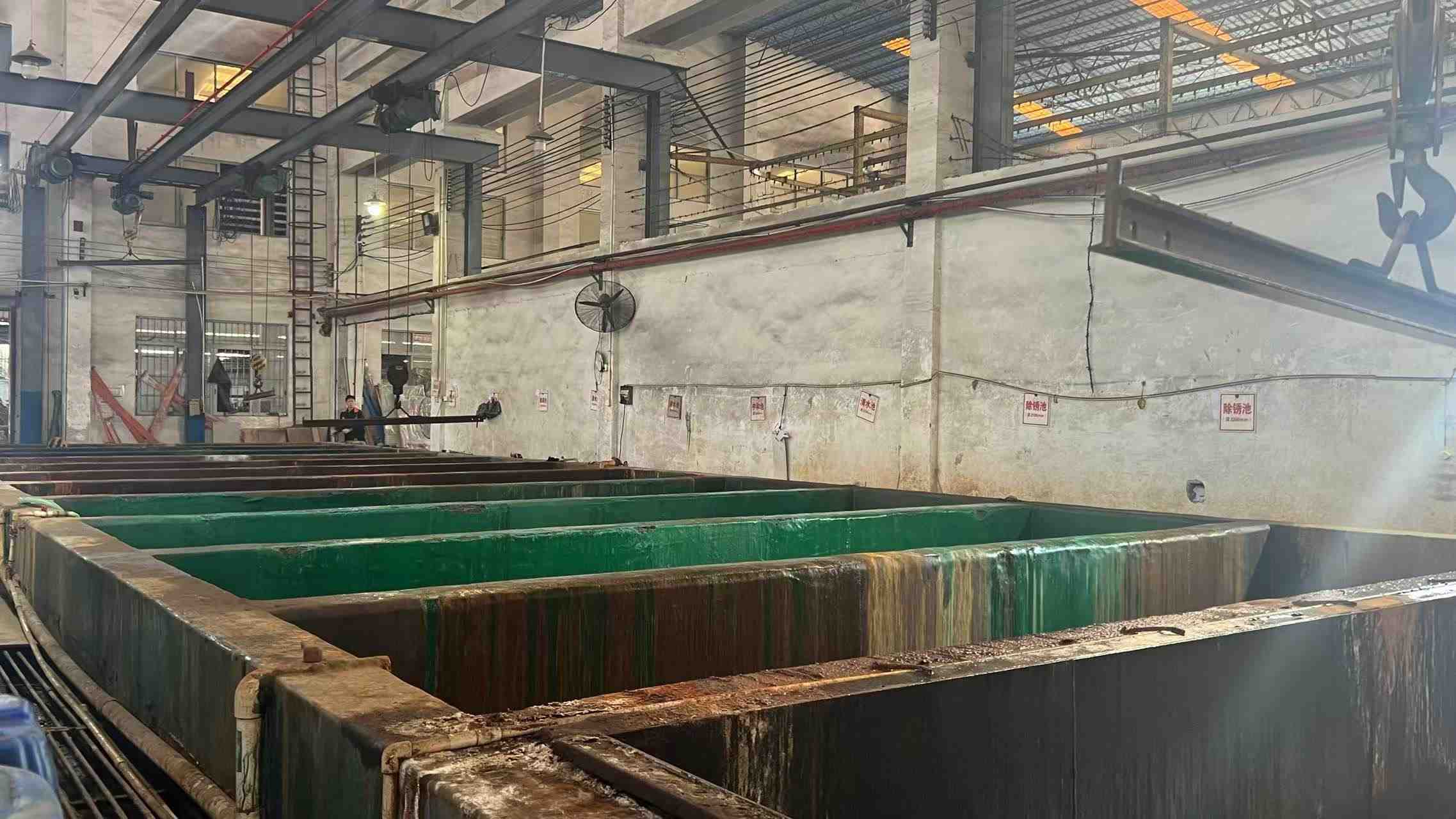
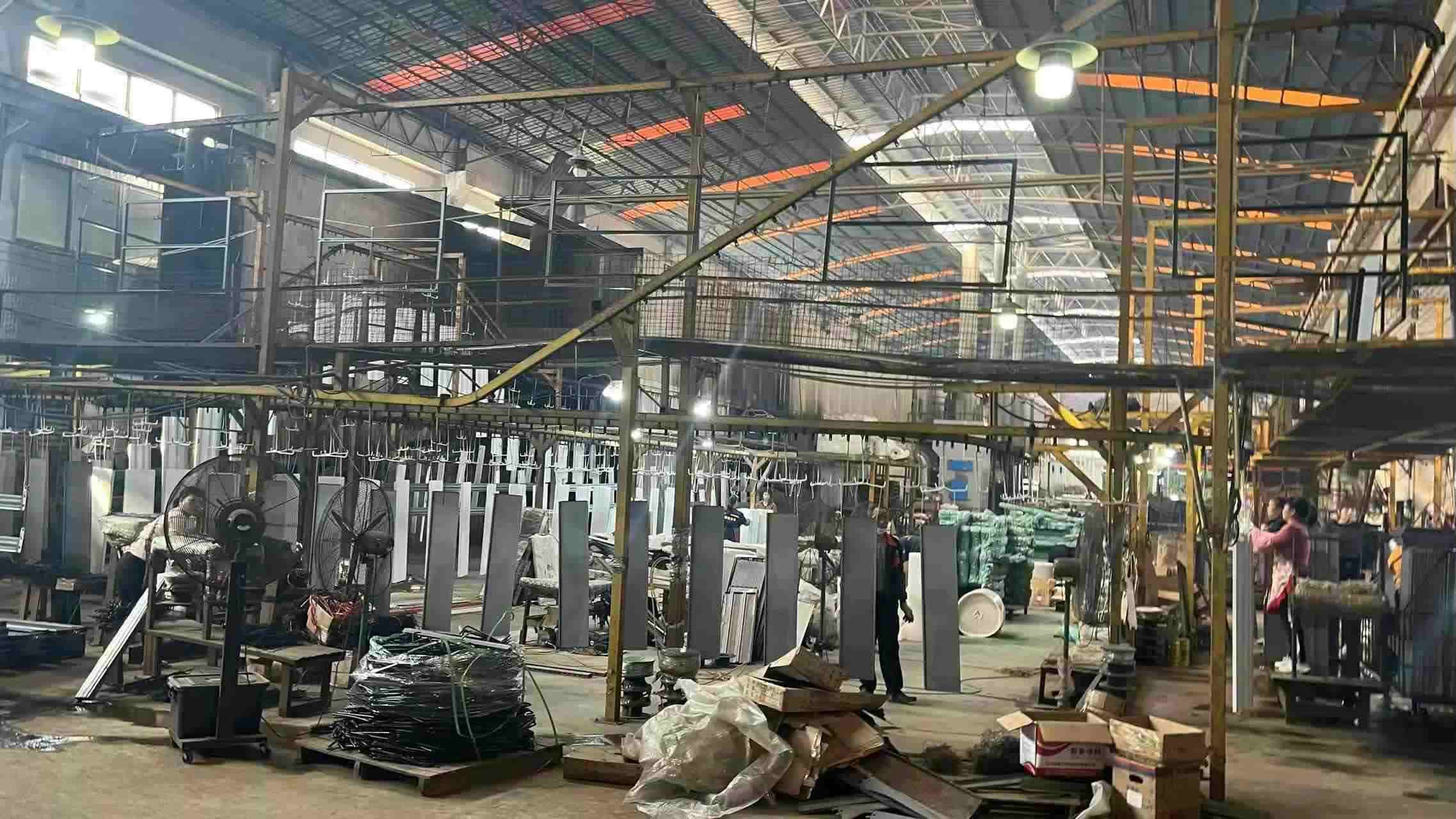
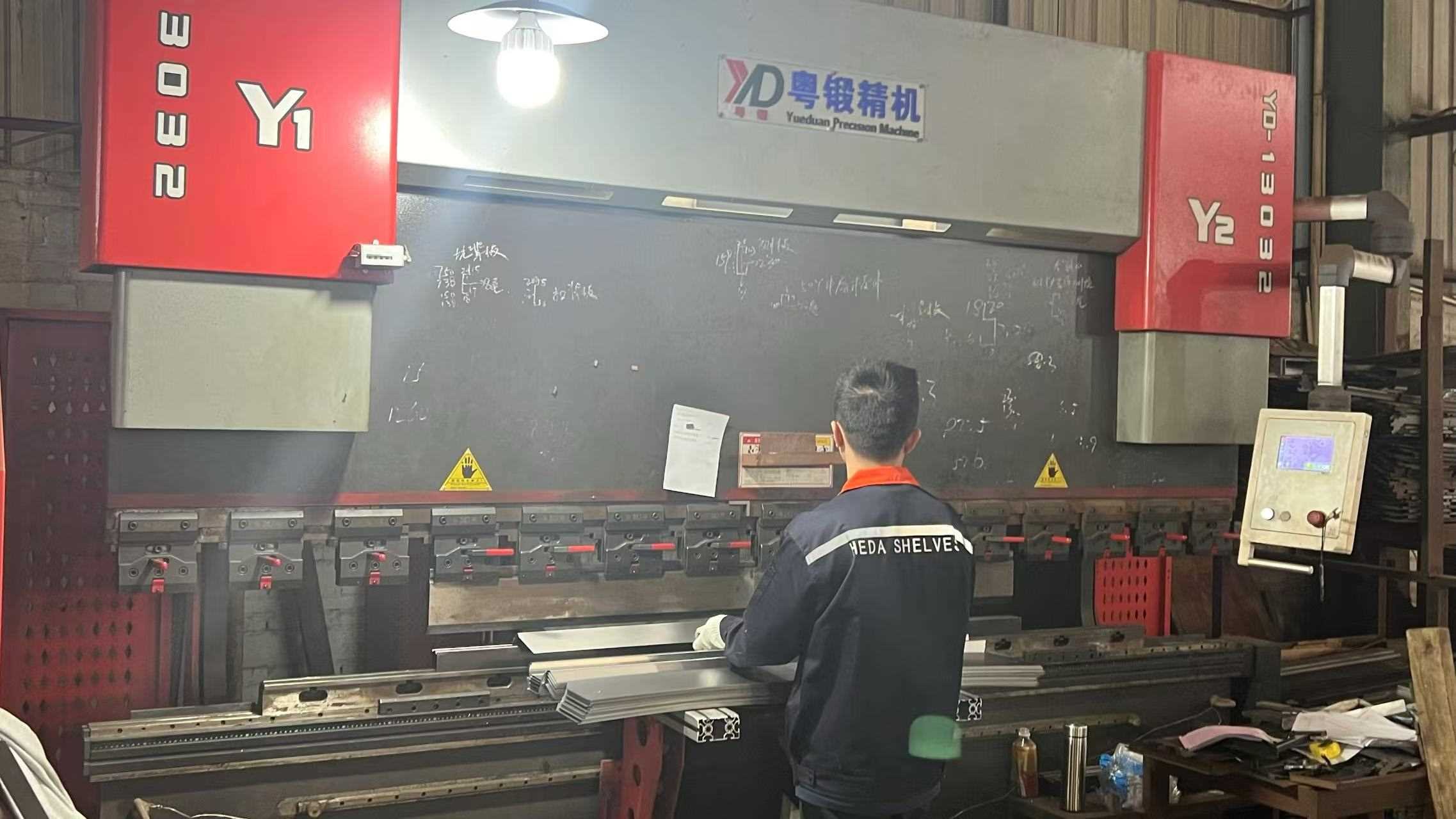
Quality is engineered into every stage of production. The manufacturing flowchart below details the precise procedures followed at our advanced Dongguan facility to ensure structural safety and geometric precision:
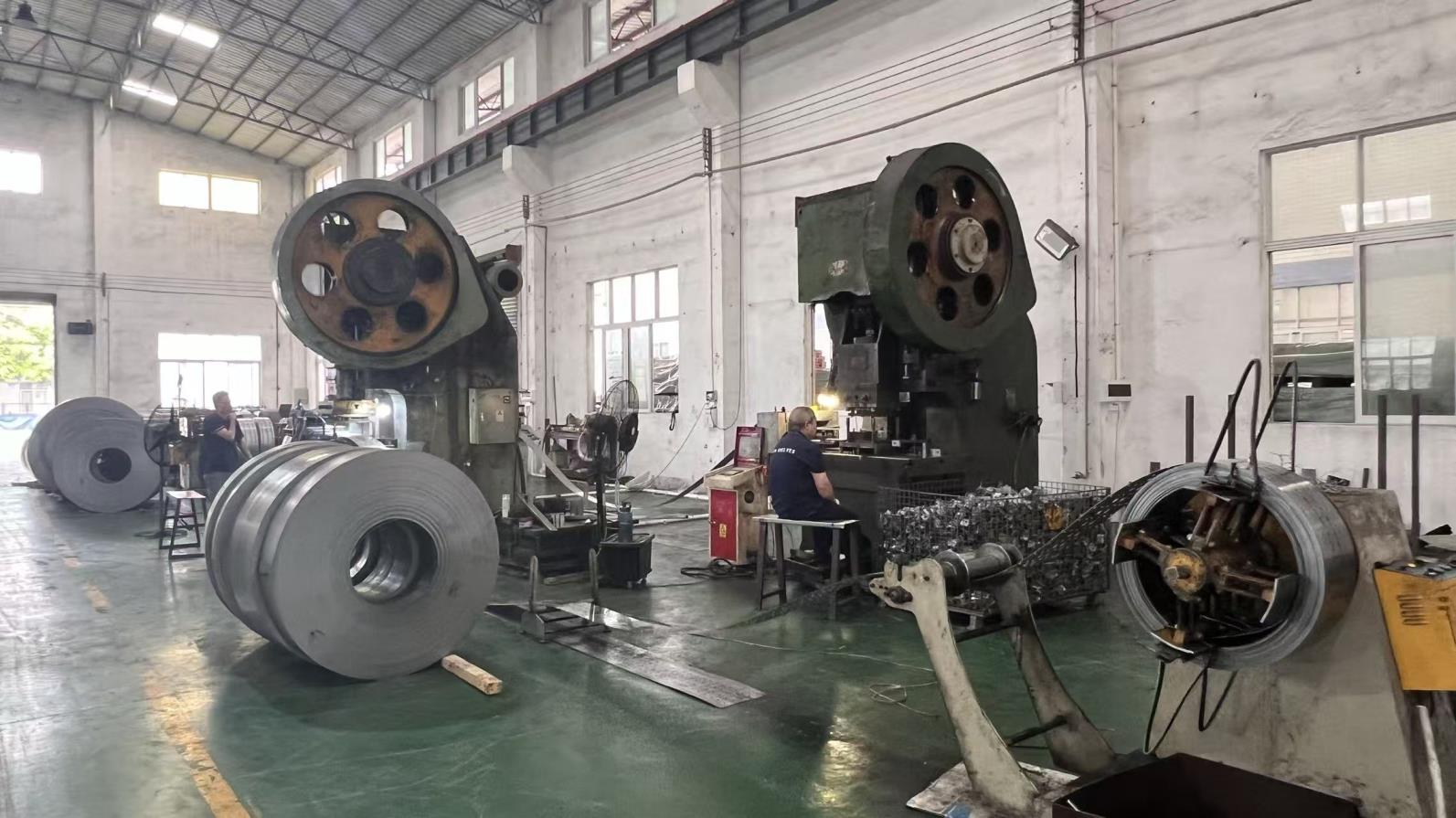
Raw Materials
1. Raw Materials Inspection
Stamping
2. Heavy-Duty Stamping
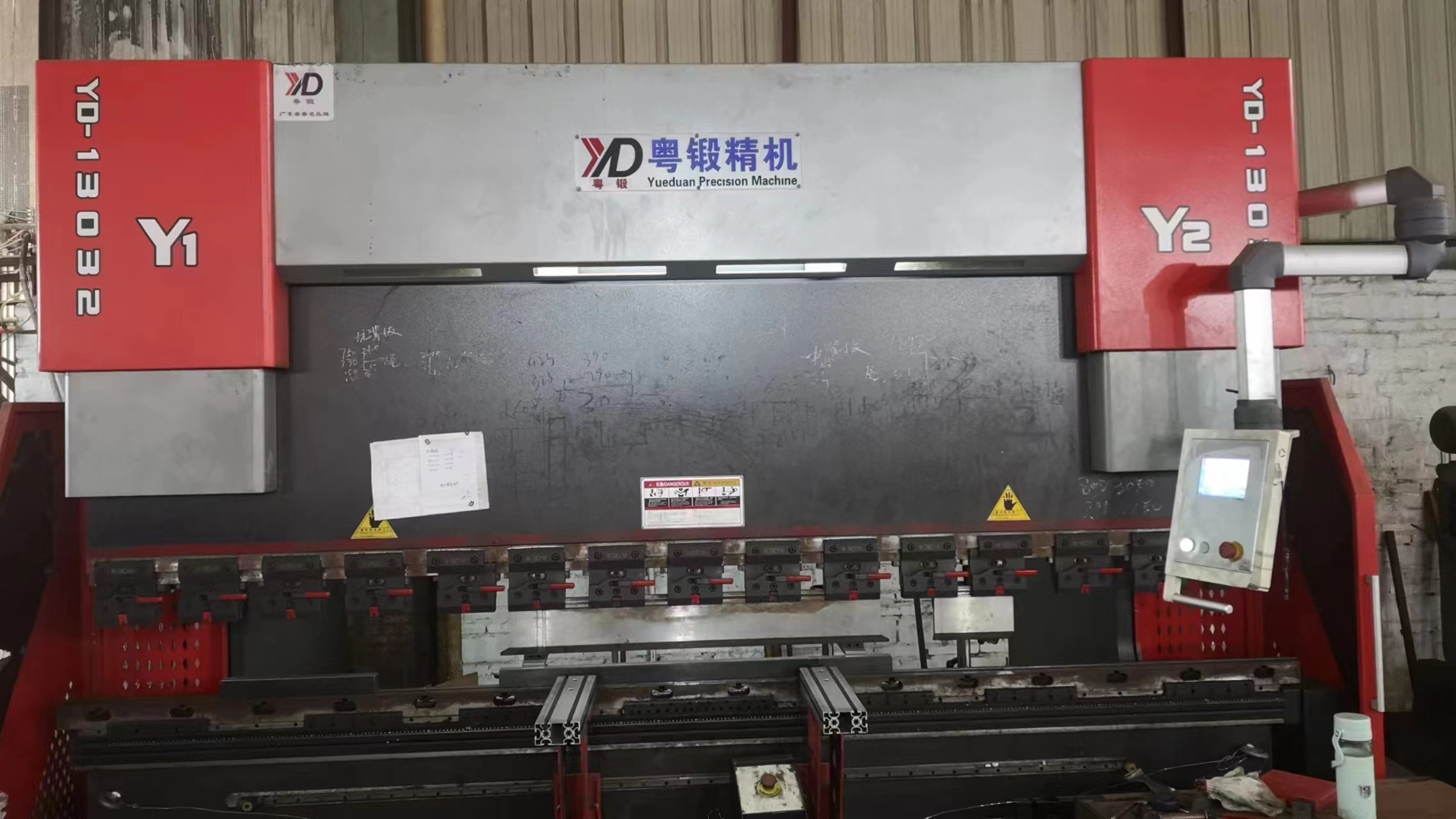
Bending
3. Precision Bending
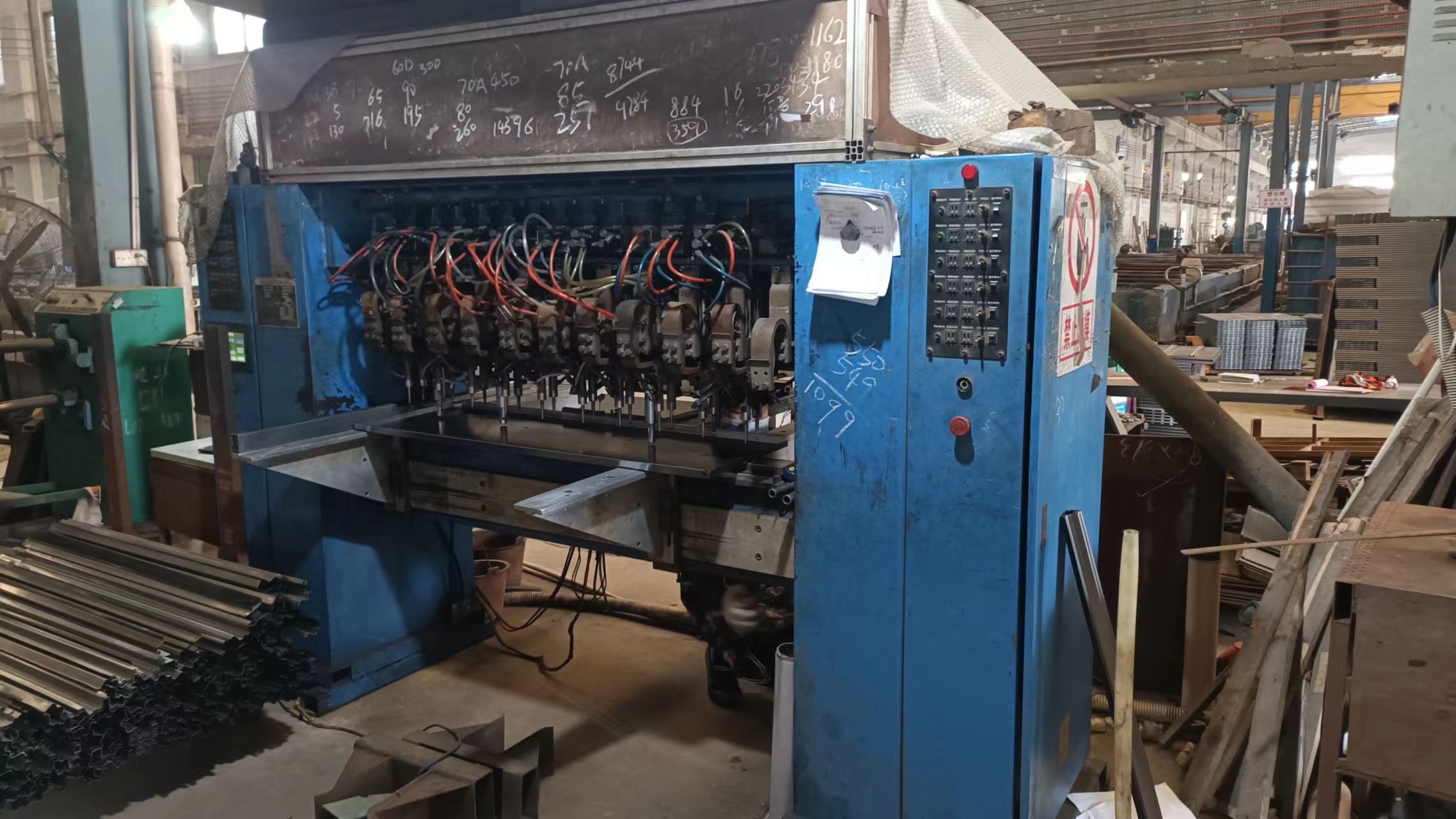
Welding
4. Structural Welding
Acid-washing and Parkerising
5. Acid-washing & Parkerising
Coating
6. Electrostatic Coating
Warehouse
7. Finished Goods Storage
Rolling Mill
8. Profile Rolling Mill
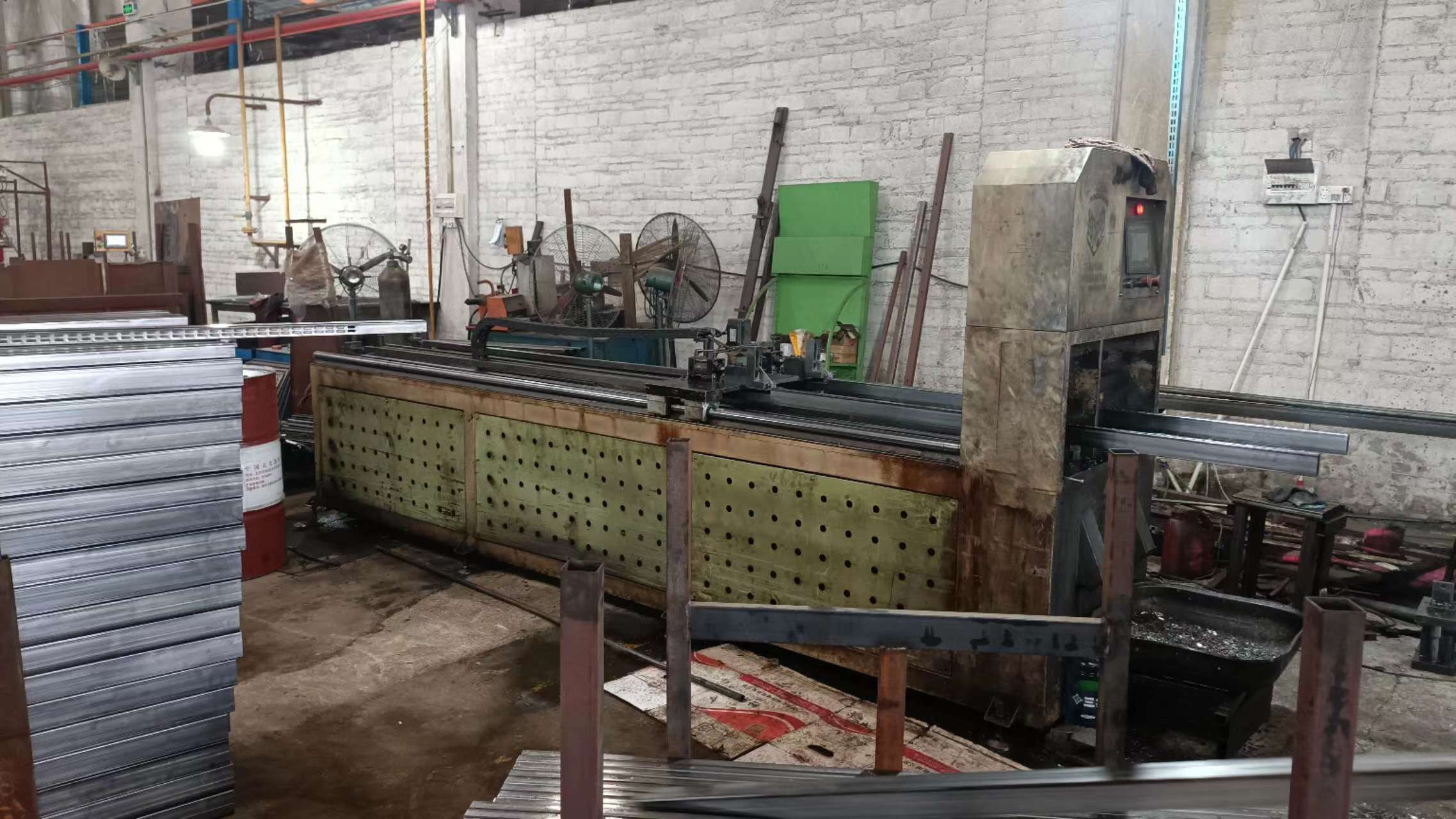
Fully Automatic Punching Machine
9. Auto Punching
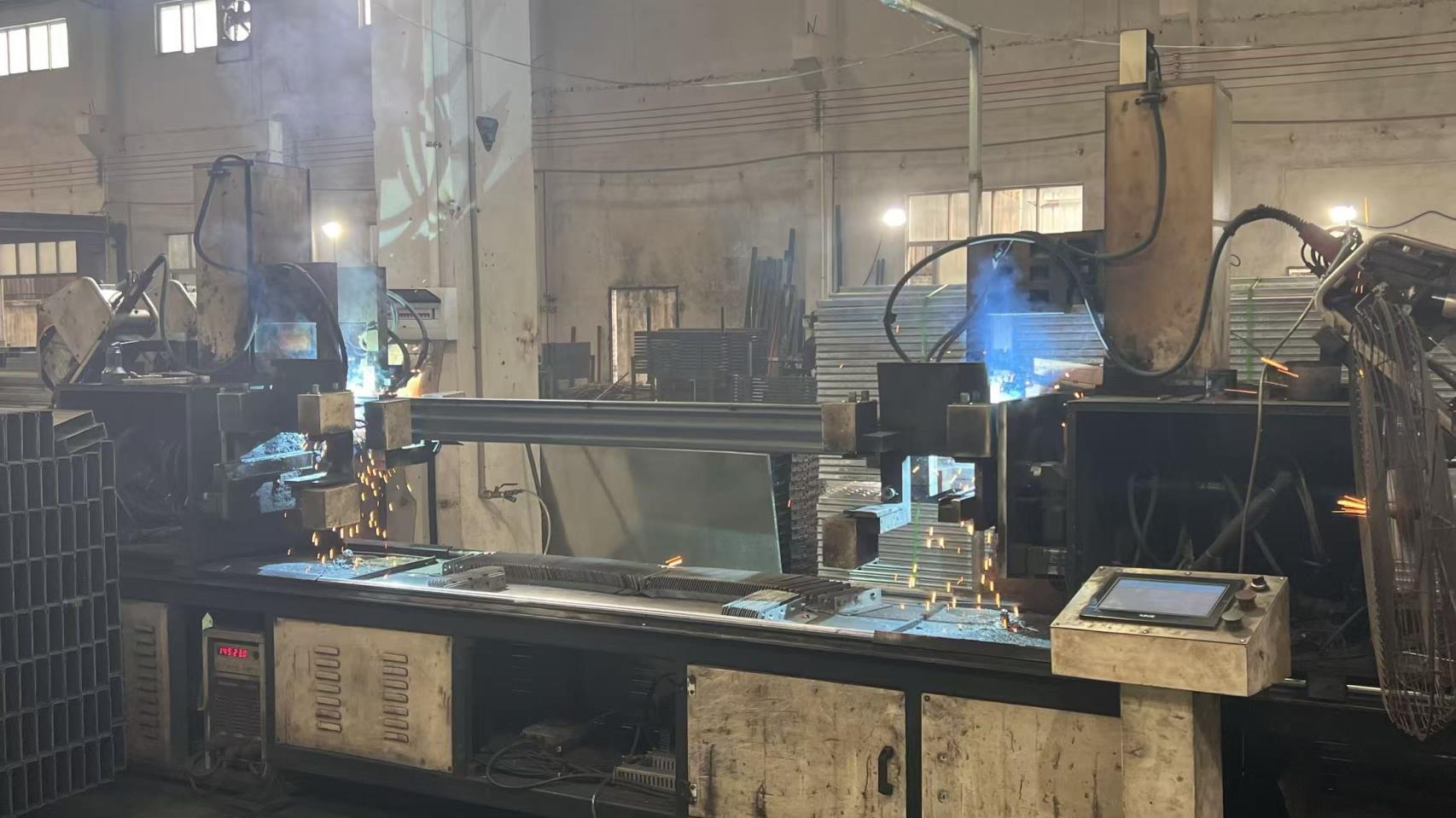
Automatic Welding Machine
10. Robotic Welding Line
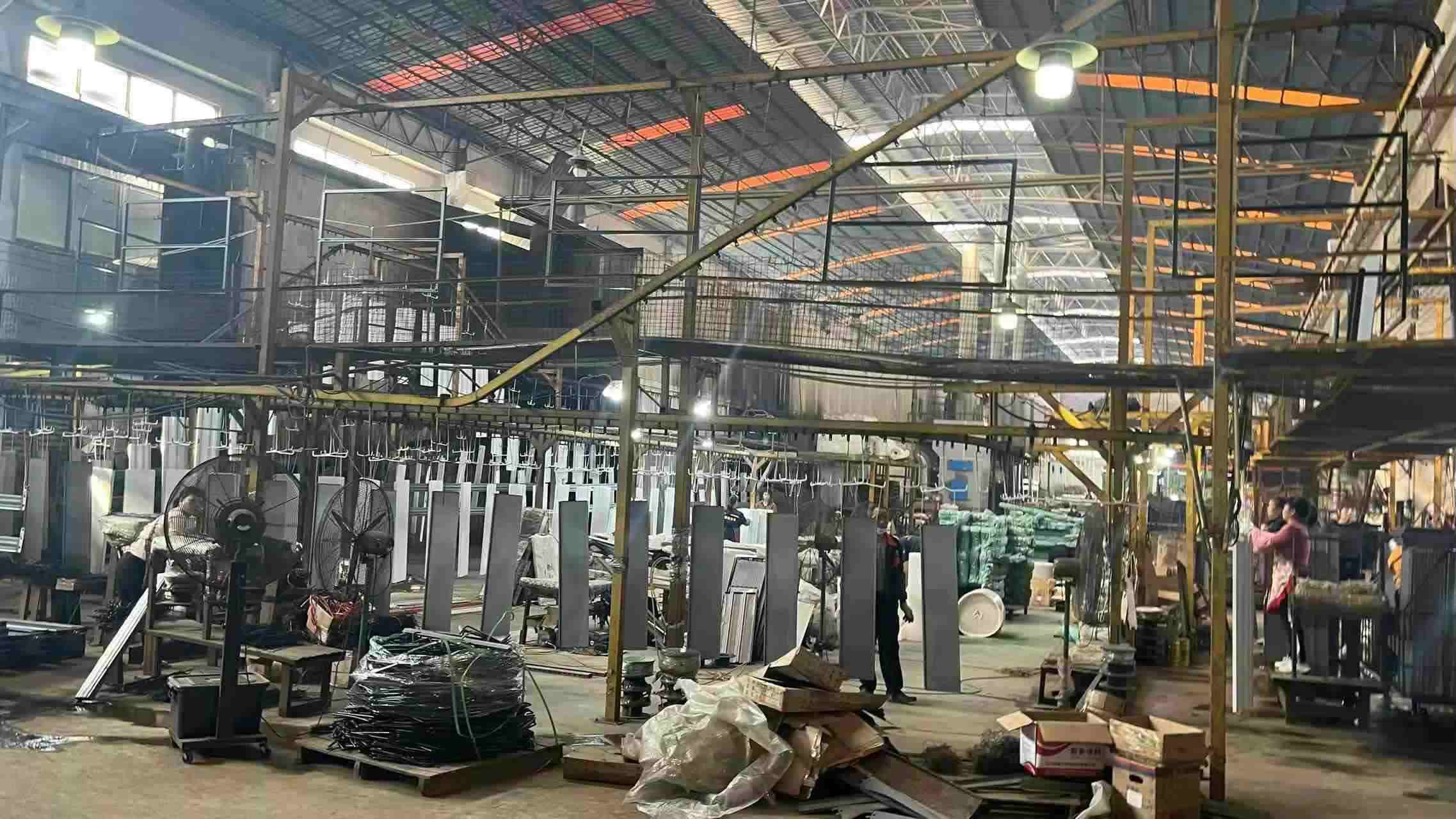
Plastic Powder Coating Line
11. Automated Powder Coating
Punching Machine
12. Heavy Metal Punching
Bending Machine
13. Component Bending
Butt Welding Machine
14. End Connector Butt Welding
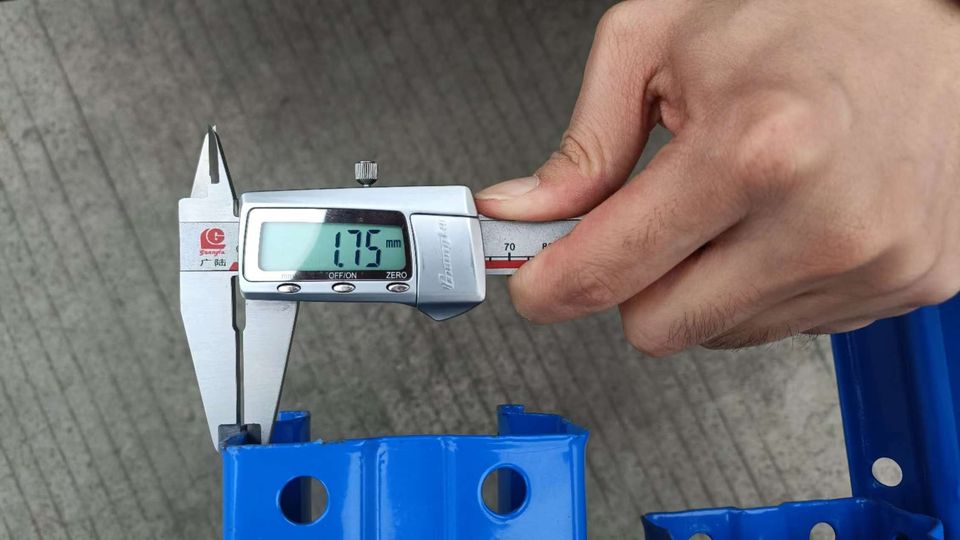
Caliper Quality Control
15. Caliper Pitch Measurement
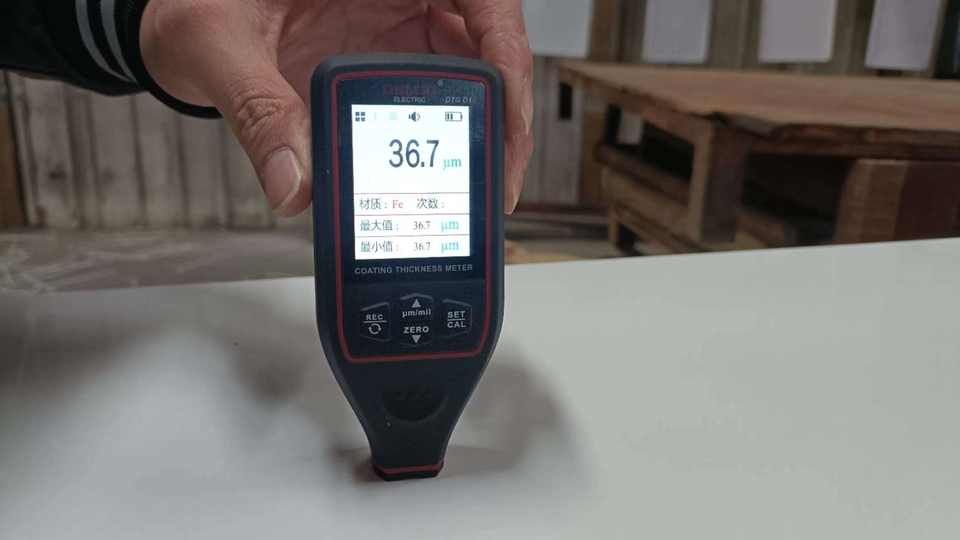
Coating thickness tester
16. Powder Thickness Test

3. Localization Support, Regional Compliance, & Engineering Standards

Deploying warehousing solutions internationally requires meticulous adherence to local laws, seismic constraints, and engineering codes. Our engineering team designs racking systems with customized profiles to support varying international regulatory standards:

  • North America (RMI ANSI MH16.1): We customize designs to meet LRFD (Load and Resistance Factor Design) or ASD (Allowable Strength Design) requirements. Seismic calculations are performed using geographic data from the USGS to withstand localized earth movements.
  • Europe (EN 15512 & FEM 10.2.02): Compliance with strict European Union health and safety directives. Designs account for frame imperfections, beam-to-column connection stiffness, and localized baseplate anchor tests.
  • Australia (AS 4084-2012): Demanding specific tolerances for upright deflection, clearance guidelines for forklifts, and heavy-duty protective guardrails.

4. The Strategic Supply Chain Edge: Why Choose a Chinese Racks Factory?

Sourcing from a leading Chinese racks supplier like Durack provides a combination of cost efficiency, massive manufacturing capacity, and integrated logistics infrastructure:

  • Steel Sourcing Advantages: Direct partnerships with top-tier domestic steel mills (such as Baosteel and Ansteel) allow us to secure raw materials with verified chemical compositions at competitive rates, mitigating market price volatility.
  • Highly Automated Manufacturing: Industrial robotics, continuous cold-roll forming mills, and automatic powder-coating lines minimize manual errors, ensuring consistency across thousands of manufactured units.
  • Integrated Industrial Ecosystem: Located in Dongguan, our factory resides within one of the world's most advanced hardware and logistics clusters, which streamlines shipping, container loading, and ocean transport through Guangzhou and Shenzhen ports.

Localized Applications & Procurement Framework

Matching dynamic storage configurations to modern industrial workflows.

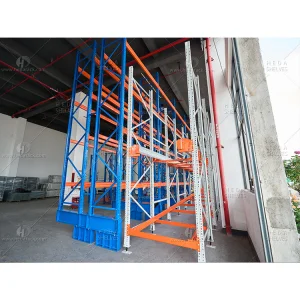
Automated Warehouse Integration

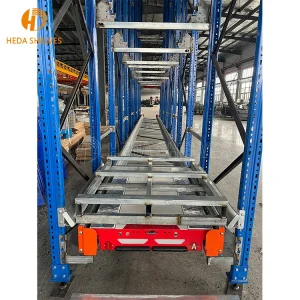
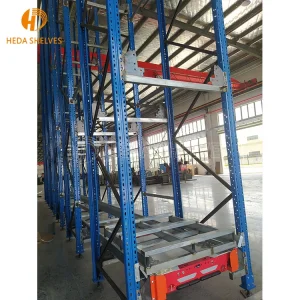
Integrating semi-automatic Radio Shuttles and fully automated AS/RS storage solutions reduces physical footprints by up to 50% while improving retrieval times. These systems rely on tight tolerances and straight profiles, which we test in-house with digital calipers and laser alignment tools.

Commercial Retail & Supermarkets

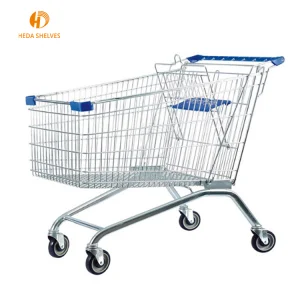
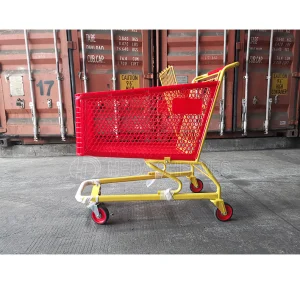
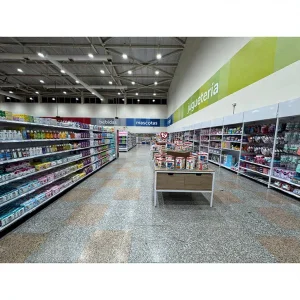
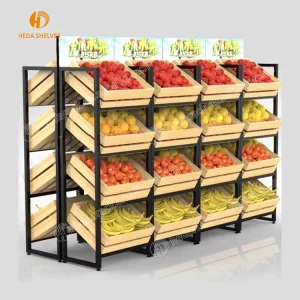
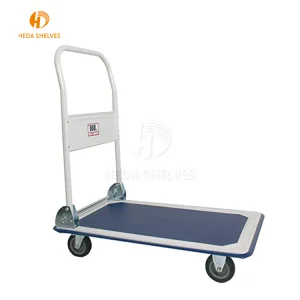
Heavy-duty adjustable shelving, shopping trolleys, and fruit displays must balance high structural stability with aesthetics and wear resistance. Our automatic powder-coating lines apply non-toxic, impact-resistant finishes that withstand high-traffic customer use.

Heavy Industrial Storage

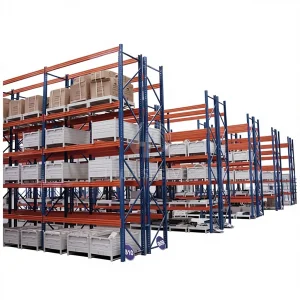
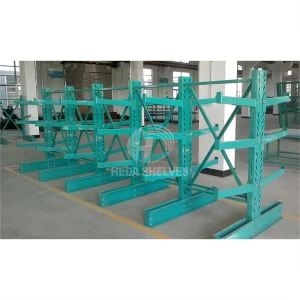
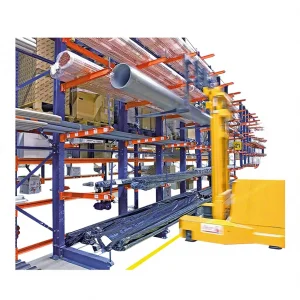
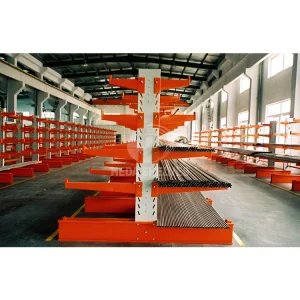
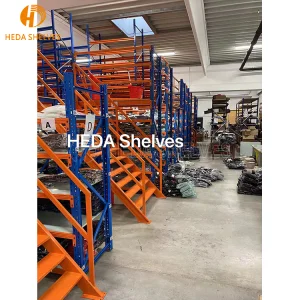
Storing steel tubes, timber, machinery components, and raw metals requires robust structures. Custom-designed single or double-sided cantilever arm racks, heavy-duty pallet racks, and industrial mezzanine platforms organize oversized materials safely.

Technical & Procurement FAQ

Authoritative answers to critical structural engineering, supply chain logistics, and custom design inquiries.

Q1: How do you verify the load-bearing capacity of your custom racking systems?
Every custom rack profile undergoes rigorous Finite Element Analysis (FEA) during the design stage to simulate load limits, wind loads, and seismic forces. Post-manufacturing, we perform physical load tests using hydraulic presses and strain gauges. We also verify the thickness and uniformity of the protective finish using professional coating thickness testers.
Q2: What steel grades do you use, and can you provide mill test certificates?
We primarily use high-grade structural steel Q235B and Q355B (equivalent to S235JR and S355JR under EN standards, or ASTM A36 and ASTM A572 under US standards). Mill test certificates (MTC) detailing chemical composition, yield strength, and tensile strength are provided with every batch of raw materials.
Q3: How do you design racking for high-seismic risk regions?
Our engineering department calculates the seismic design parameters based on localized ZIP codes and soil conditions (using USGS, IBC, or Eurocode 8 parameters). We customize the seismic performance by using thicker upright steels, wider baseplates, dual-anchoring systems, and heavy-duty bracing designs.
Q4: What is the differences between powder coating and hot-dip galvanization for outdoor/cold storage?
Standard indoor warehouses typically utilize electrostatic powder coating for its cost-effectiveness, smooth finish, and impact resistance. However, for humid environments, outdoor storage, or sub-zero cold storage facilities, we recommend hot-dip galvanization (HDG). HDG bonds zinc metallurgically to the steel, providing comprehensive corrosion resistance.
Q5: Can your factory handle OEM/ODM requests for automated shuttle and AS/RS systems?
Yes, we specialize in high-precision structural fabrication for automated warehouses. Automated systems require tight tolerances (often within +/-1.5mm) to prevent robotic shuttles from jamming. We utilize automatic rolling mills and robotic welding stations to meet these dimensional requirements.
Q6: What is the typical lead time for custom containerized orders?
Depending on the project scale, typical manufacturing lead times range from 20 to 35 days from structural design approval. Our close proximity to Dongguan, Shenzhen, and Guangzhou ports allows us to complete container loading and customs clearance within 3-5 days of production completion.