Explore our high-performance structural steel platforms, custom storage racks, and logistics automation equipment designed for efficiency.
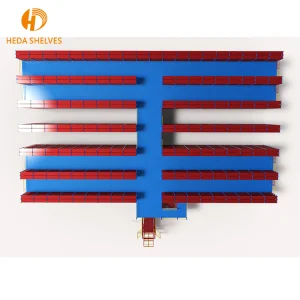
Maximizing volumetric efficiency and dynamic cargo flow control in modern automated fulfillment nodes.
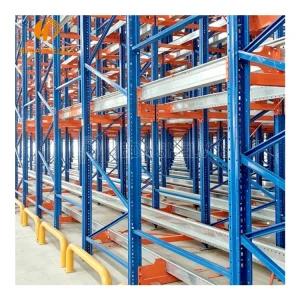
In the high-stakes arena of global logistics, warehousing facilities are no longer evaluated merely by square footage, but by volumetric efficiency. The exponential rise in cross-border e-commerce, global supply chain volatility, and local land constraints has catalyzed a fundamental paradigm shift. Companies are increasingly demanding modular, high-load-capacity industrial storage platforms and mezzanine racking structures to verticalize space utilization. This comprehensive industry whitepaper delineates the technical parameters, structural compliance mandates, and engineering workflows that define top-tier China storage platform manufacturing.
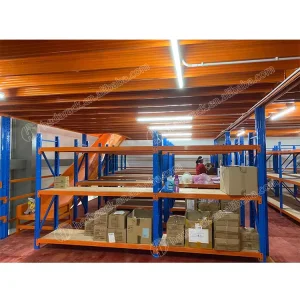
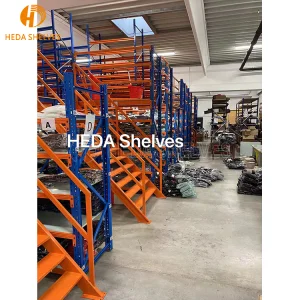
Transforming underutilized vertical air space into functional floor plans. Effectively doubling or tripling storage footprints without physical facility expansion.
Bolted structural connections engineered for scalability. Structures can be dismantled, expanded, or reconfigured to align with shifting warehouse operations.
Engineered load calculations designed to withstand extreme dynamic forces, complying with global standards like RMI, FEM 10.2.02, and AS4084.
When selecting a high-density logistics storage supplier, dynamic engineering calculations must dictate purchase specifications. A basic floor layout is insufficient; structural performance must align with real-world stresses. The following matrix illustrates the minimum baseline engineering protocols required for modern distribution environments:
| Performance Criterion | Technical Parameter Requirement | Regulatory Standard Reference |
|---|---|---|
| Load Capacity Range | 300 kg/m² to 2000 kg/m² (Dynamic & Static loads) | RMI MH16.1 / EN 15512 |
| Steel Grade Specifications | Q235B, Q355B Hot-Rolled or Cold-Formed Steel Coils | GB/T 700 / ASTM A36 / ASTM A1011 |
| Deflection Limit Ratio | L/200 to L/300 (Under maximum point configuration) | BS 5950-1 / AS 4084 |
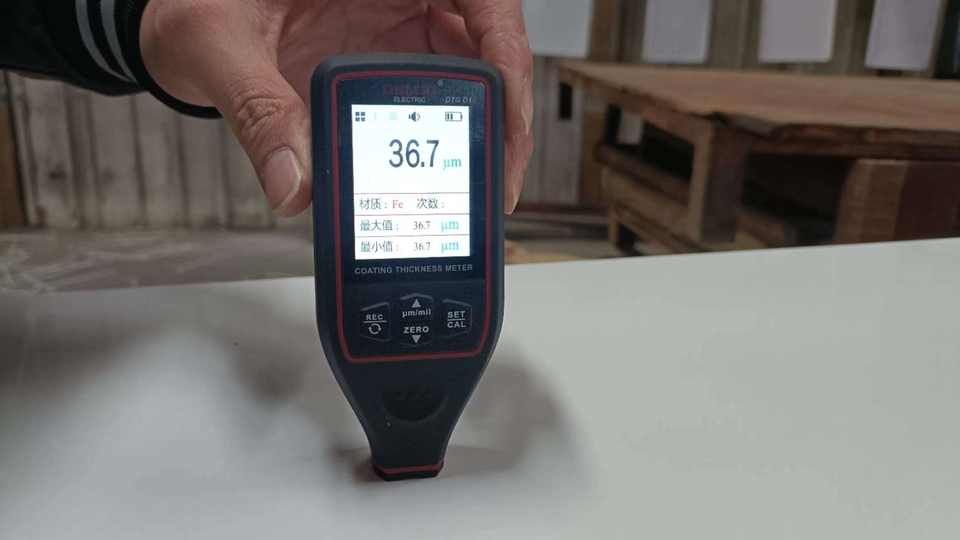
| Coating Thickness & Durability | Minimum 60-80 microns electrostatically applied epoxy-polyester | ISO 12944 (Corrosion Protection Class C3/C4) |
Why leading global integrators choose Chinese manufacturers for large-scale custom structural platforms.
The concentration of advanced raw material processing, automated rolling operations, and complete logistics clusters makes China the global hub for industrial racking and heavy-duty steel mezzanine platforms. Dongguan Durack Logistics Equipment Co., Ltd. sits at the heart of this supply chain network, exemplifying the advantages of end-to-end control.
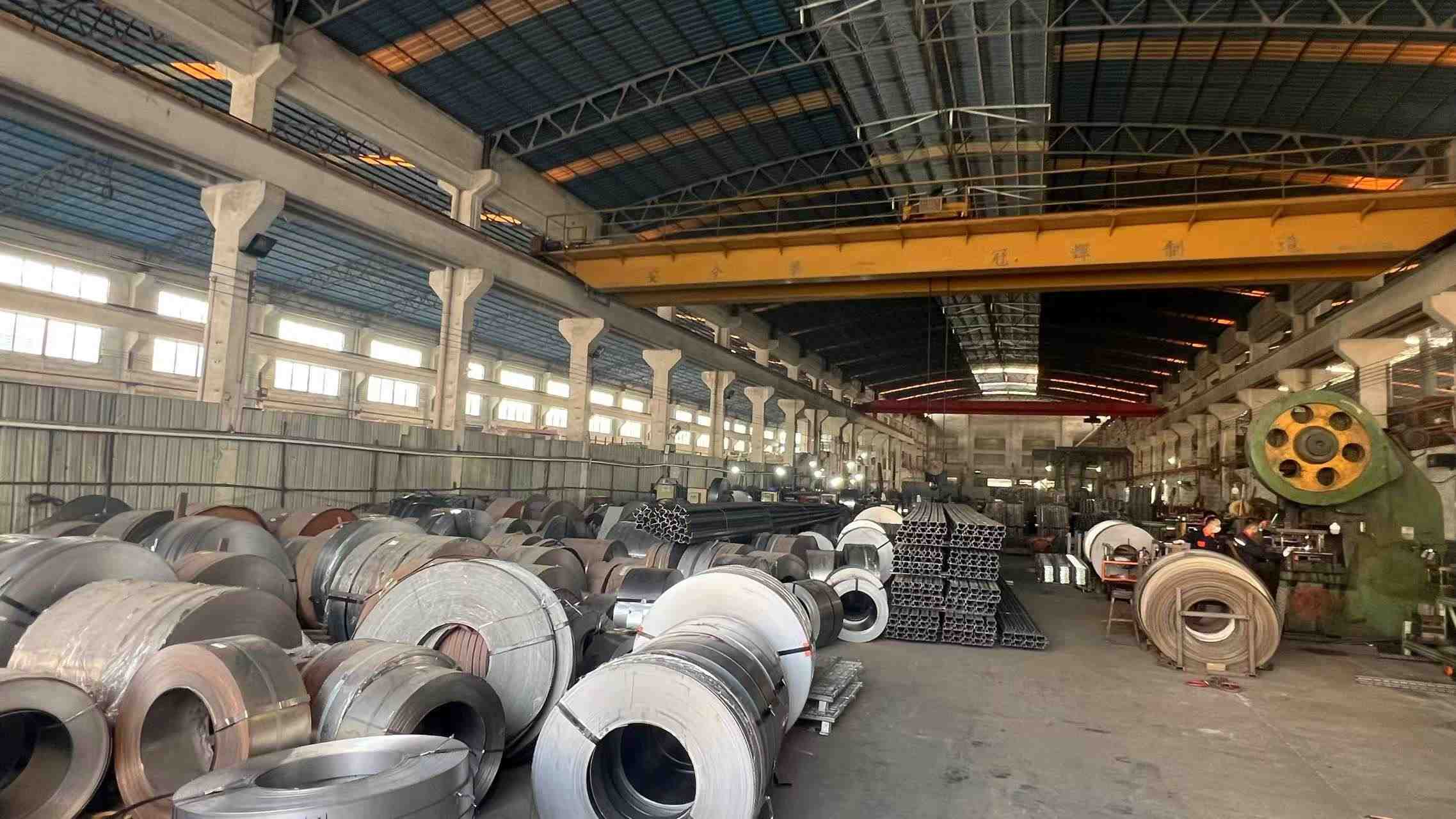
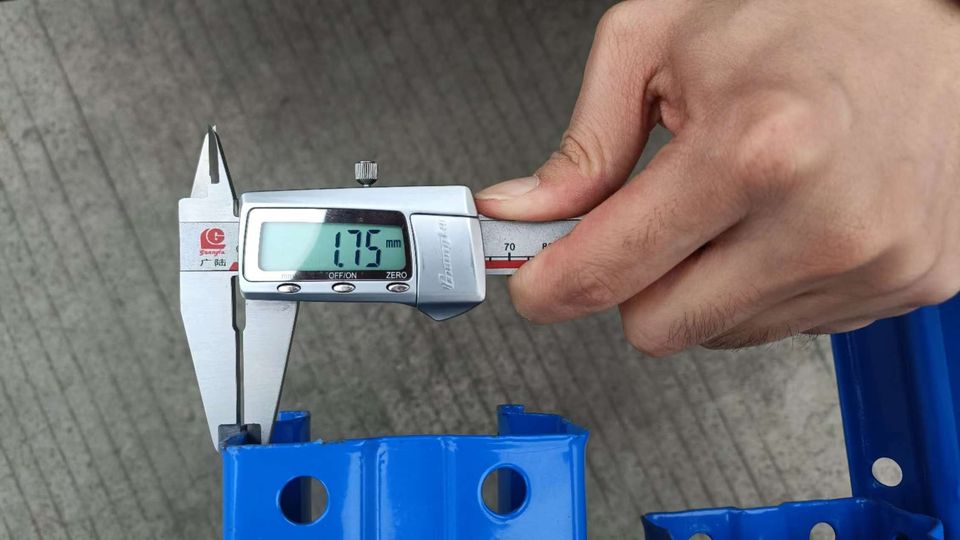
1. Direct Raw Material Integration: Our facility works in close alignment with China's top-tier state steel mills. This proximity ensures access to prime structural grades (Q235B and Q355B) and enables precise metallurgical tracking. The traceability of materials is vital for heavy-duty structural steel platforms, where structural integrity cannot be compromised.
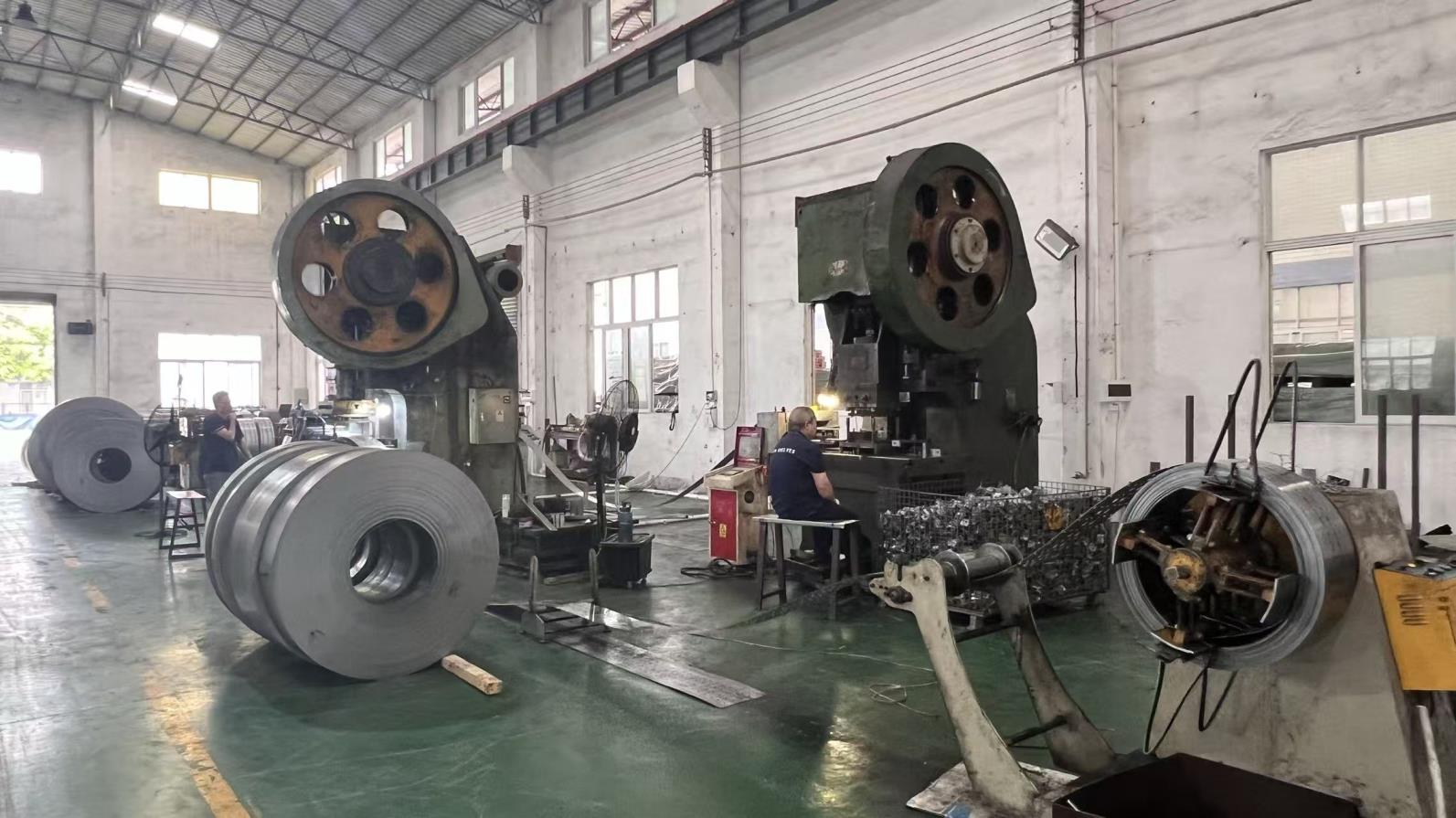
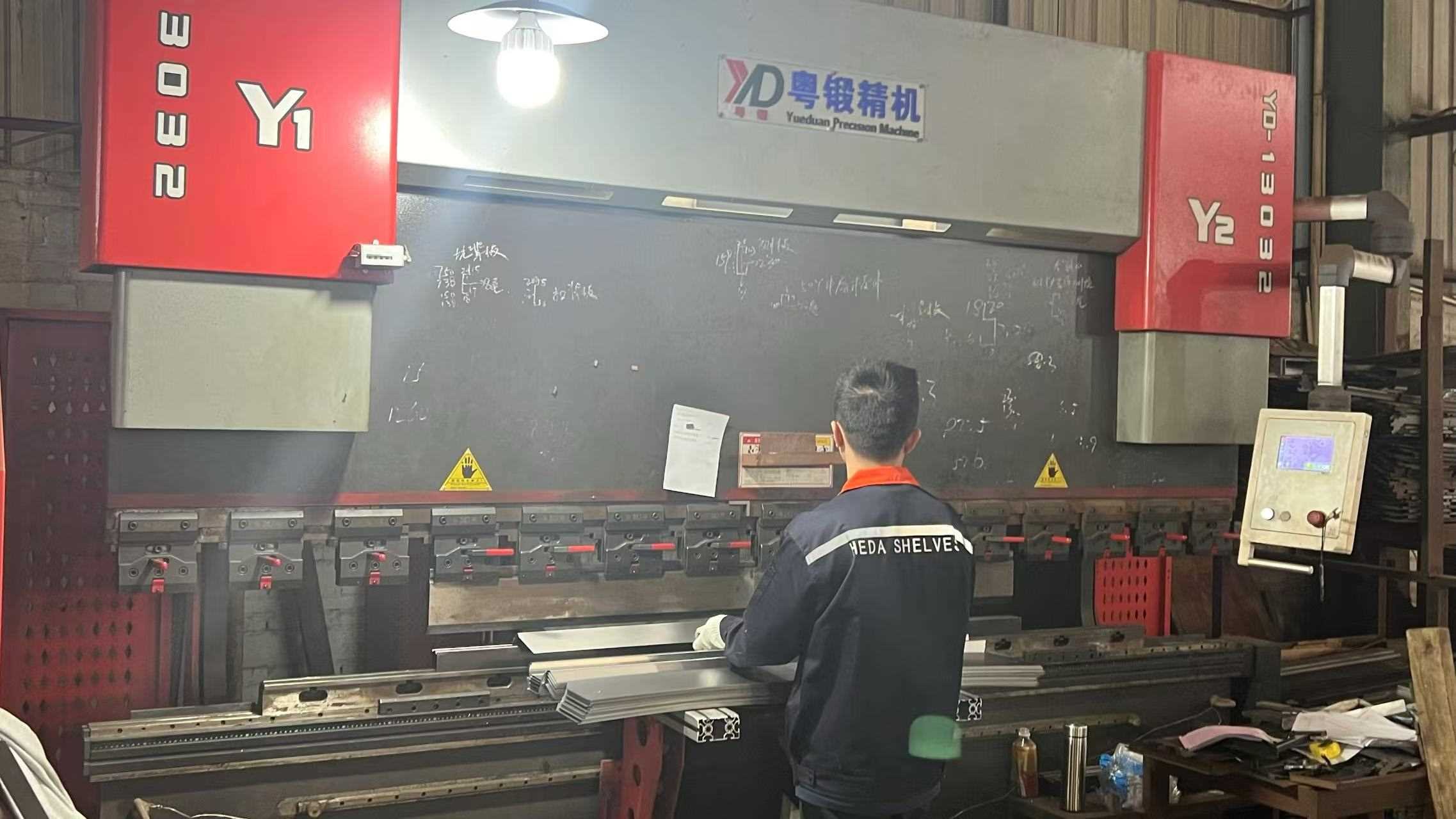
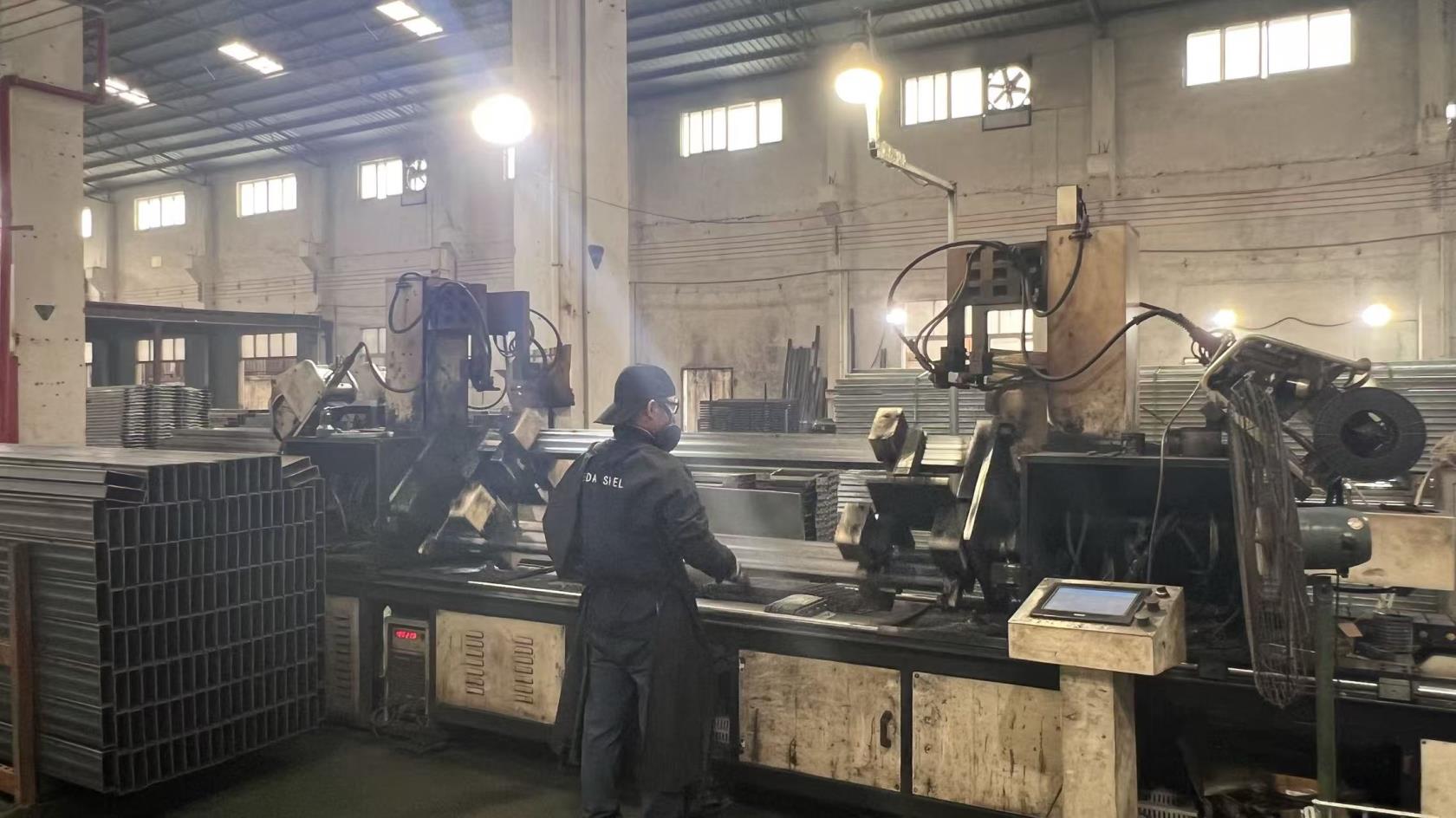
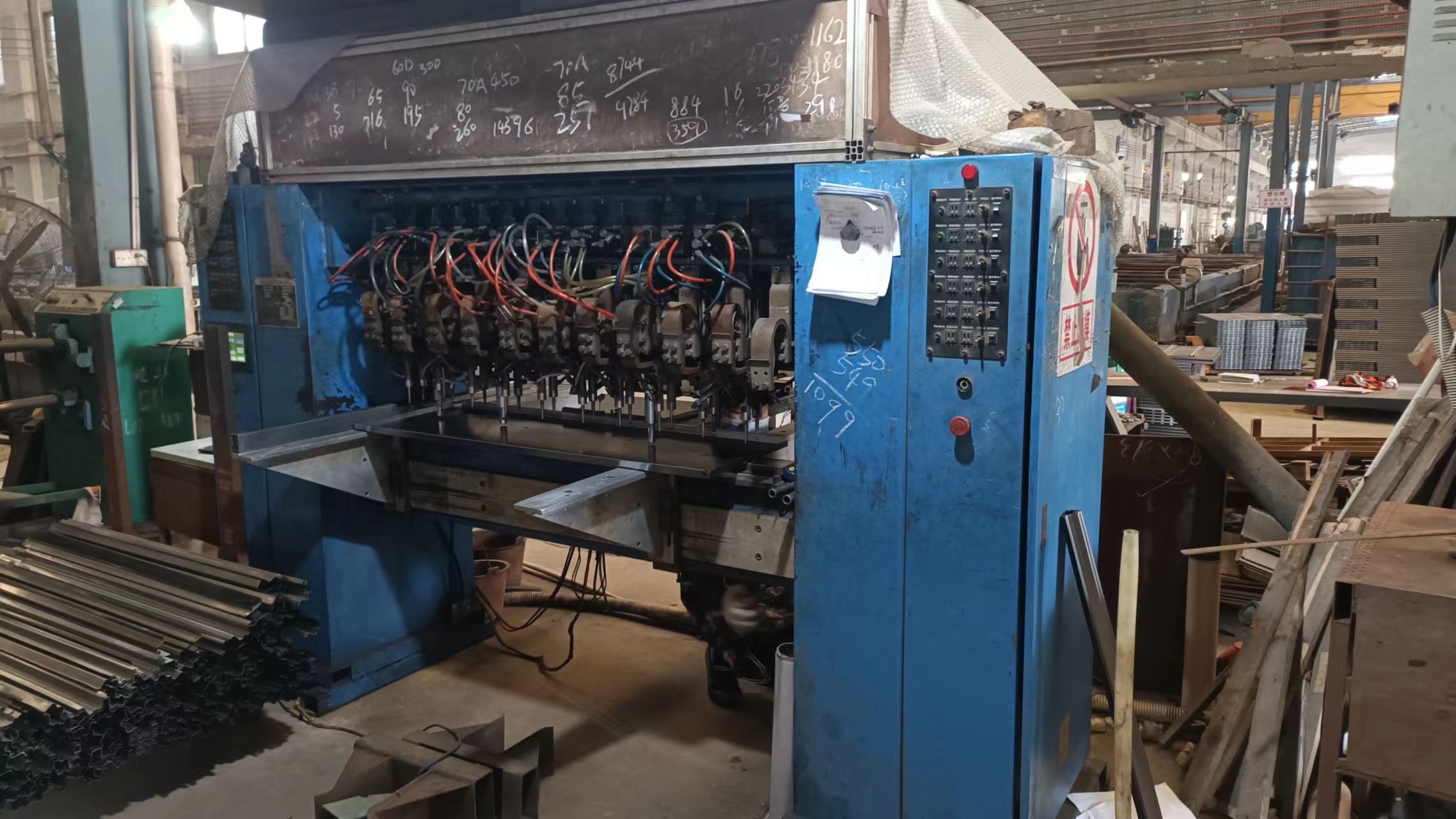
2. Precision Roll-Forming Technology: Modern storage platforms rely heavily on cold-formed profiles with varying thicknesses. With dedicated punching and rolling operations running in synchronized lines, we can execute complex profile requirements. This includes unique beam configurations and optimized column designs that maximize load distribution while minimizing total system weight.
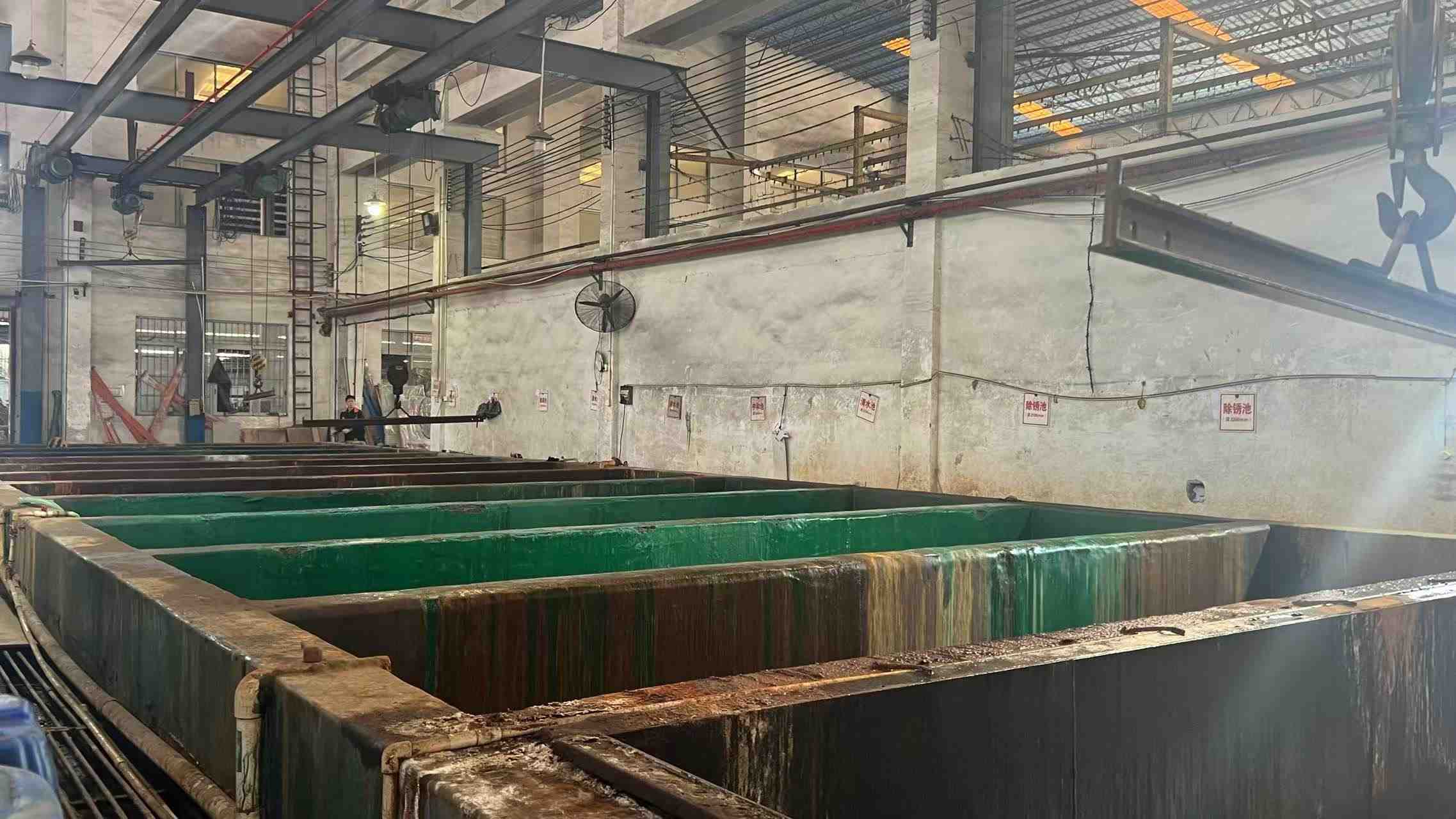
3. Advanced Surface Treatments: Exposure to changing warehouse climates, humidity, and mechanized wear requires robust coating methods. The acid-washing and Parkerising pretreatment stages clean the raw steel surface, establishing a protective oxide layer. This layer is then covered by an electrostatic powder coating cured in automated ovens, creating a finish that resists chipping, rust, and chemical erosion.
A step-by-step look at our engineering and manufacturing processes, ensuring compliance with global logistics specifications.
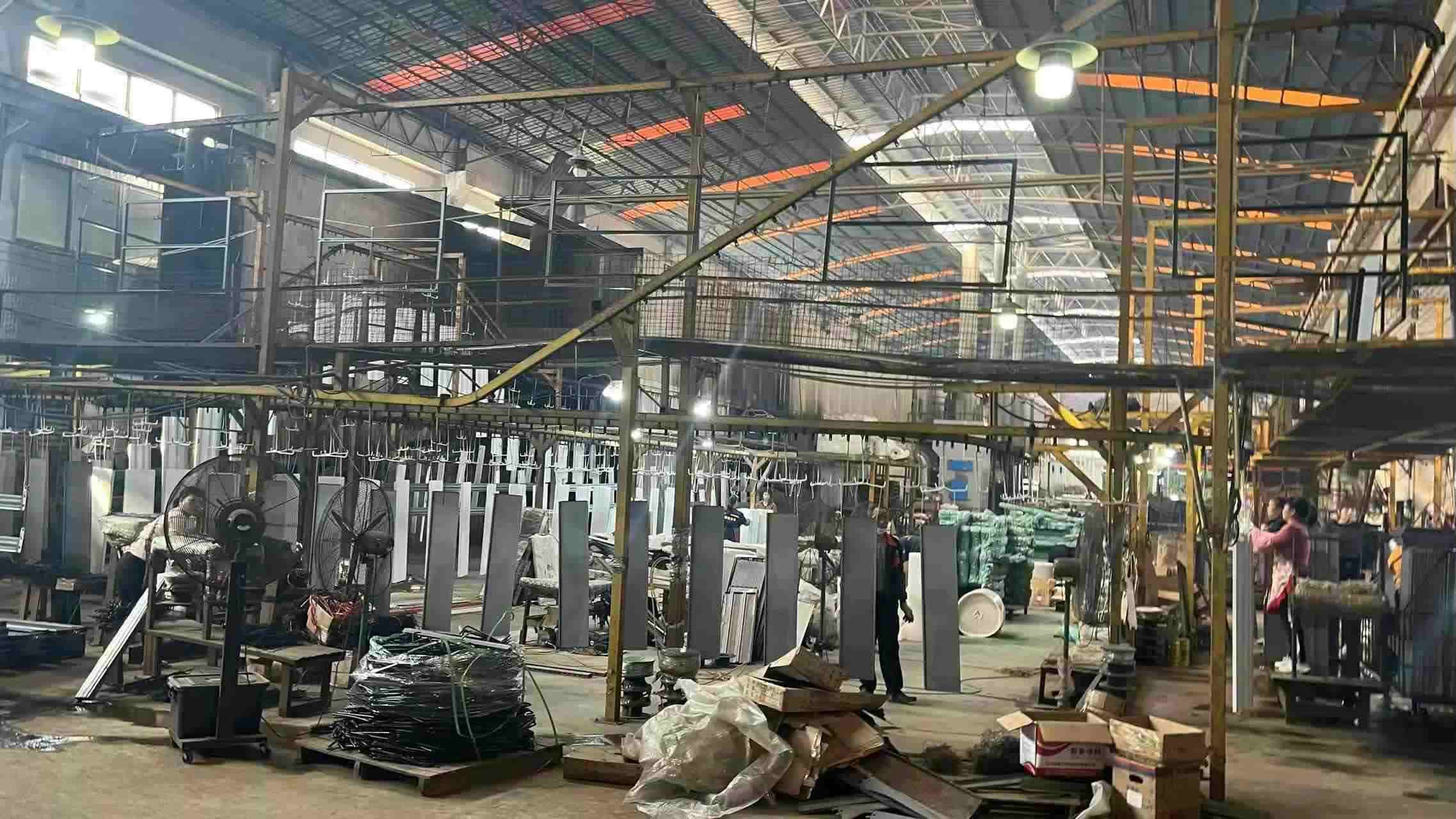
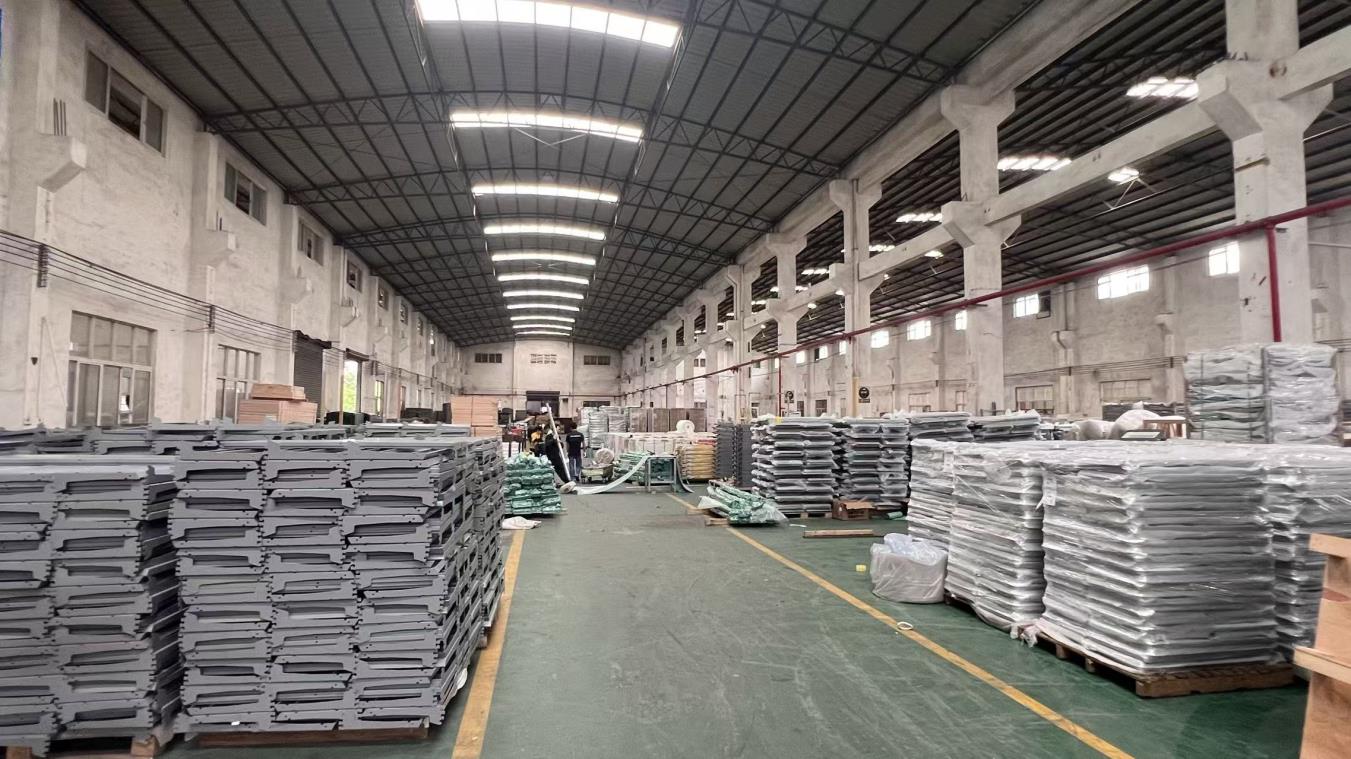
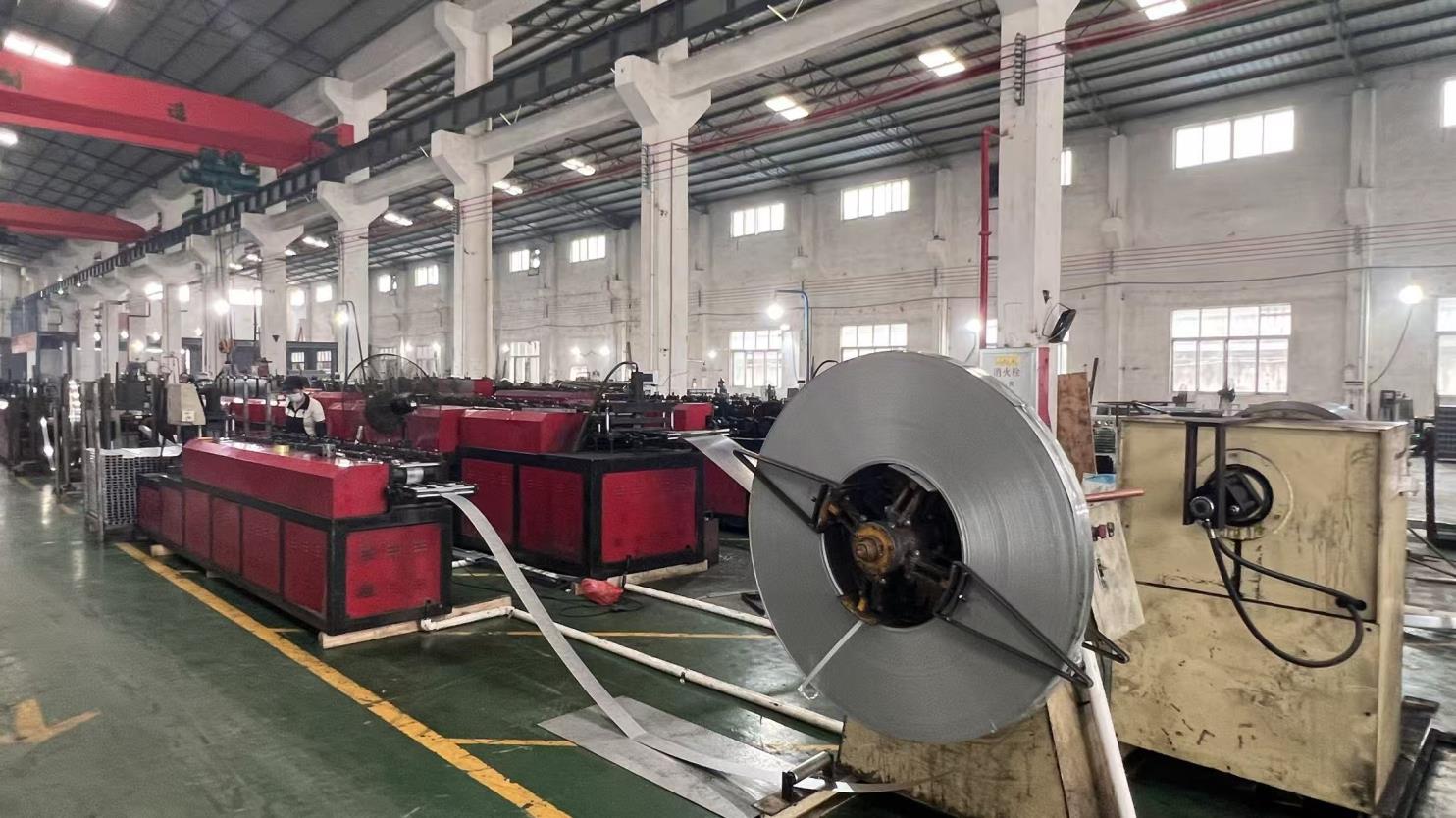
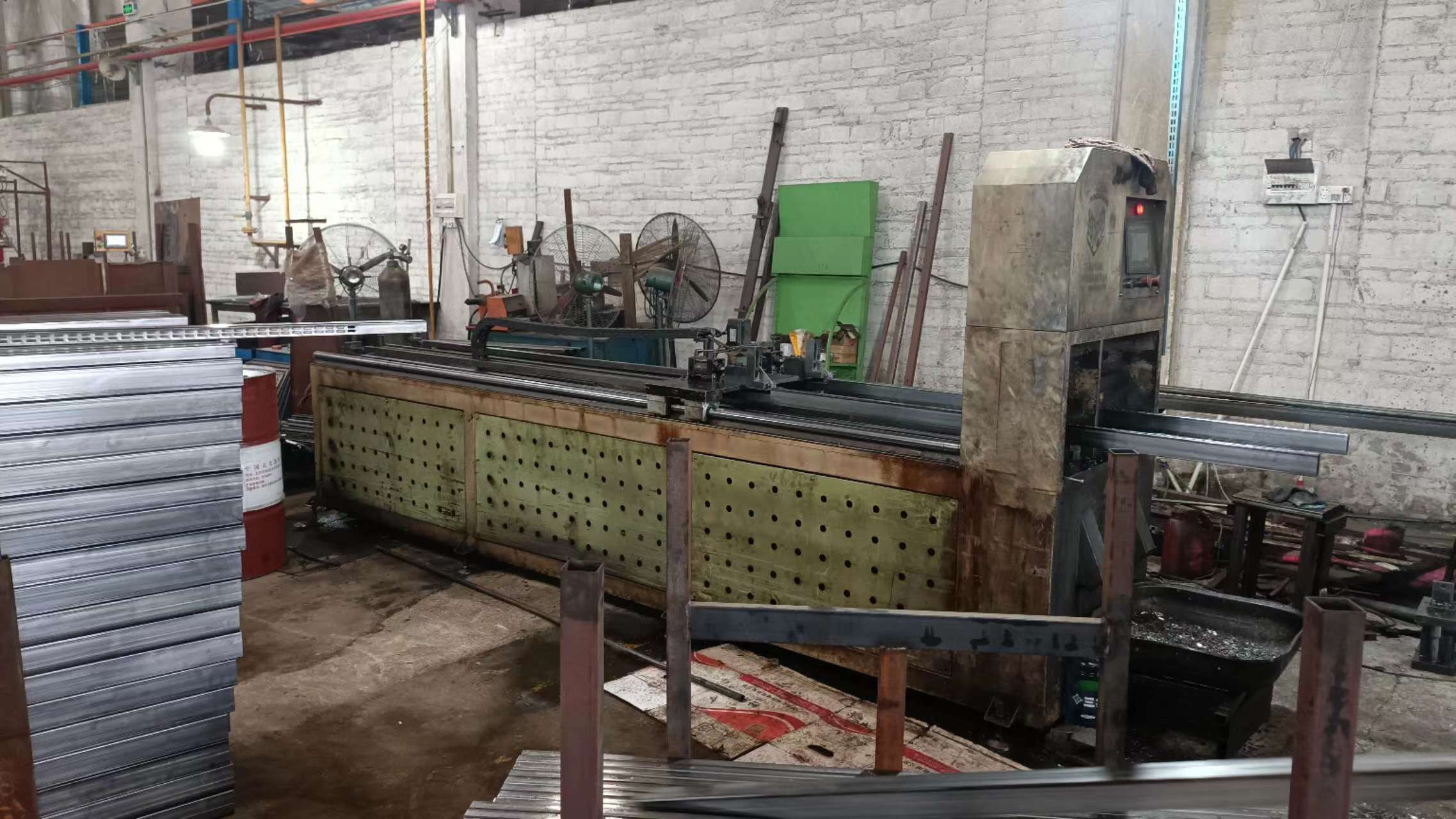
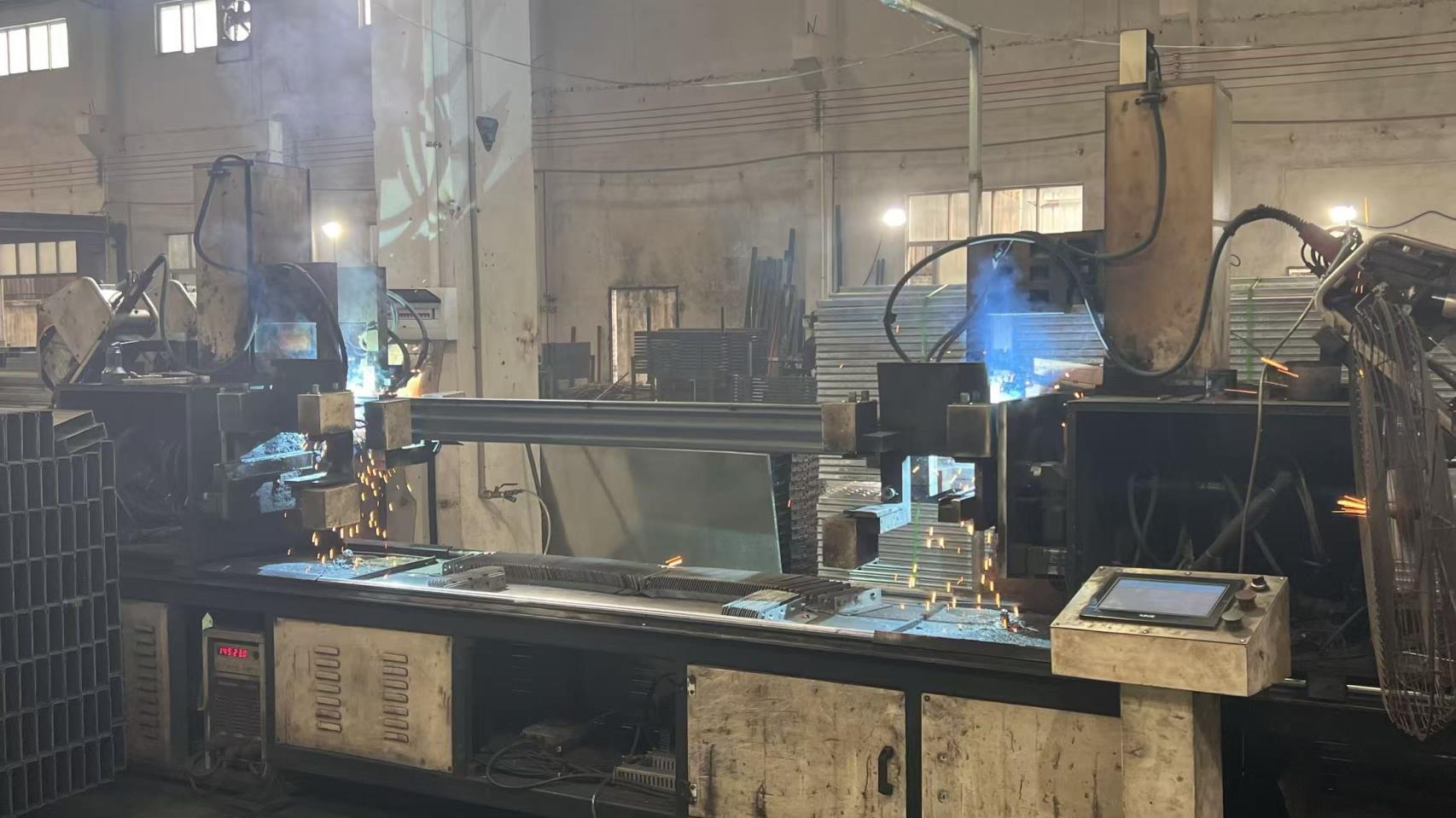
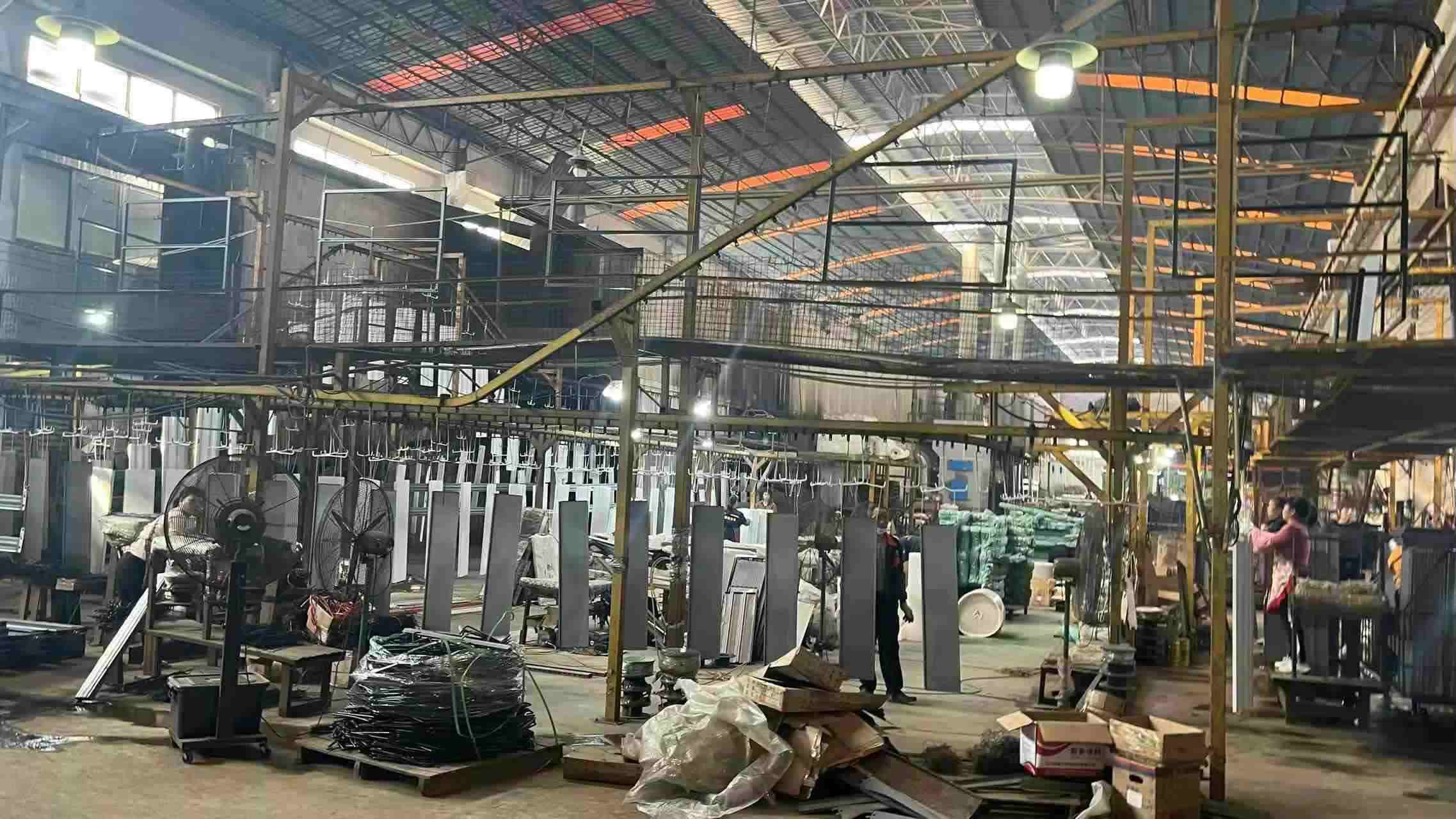
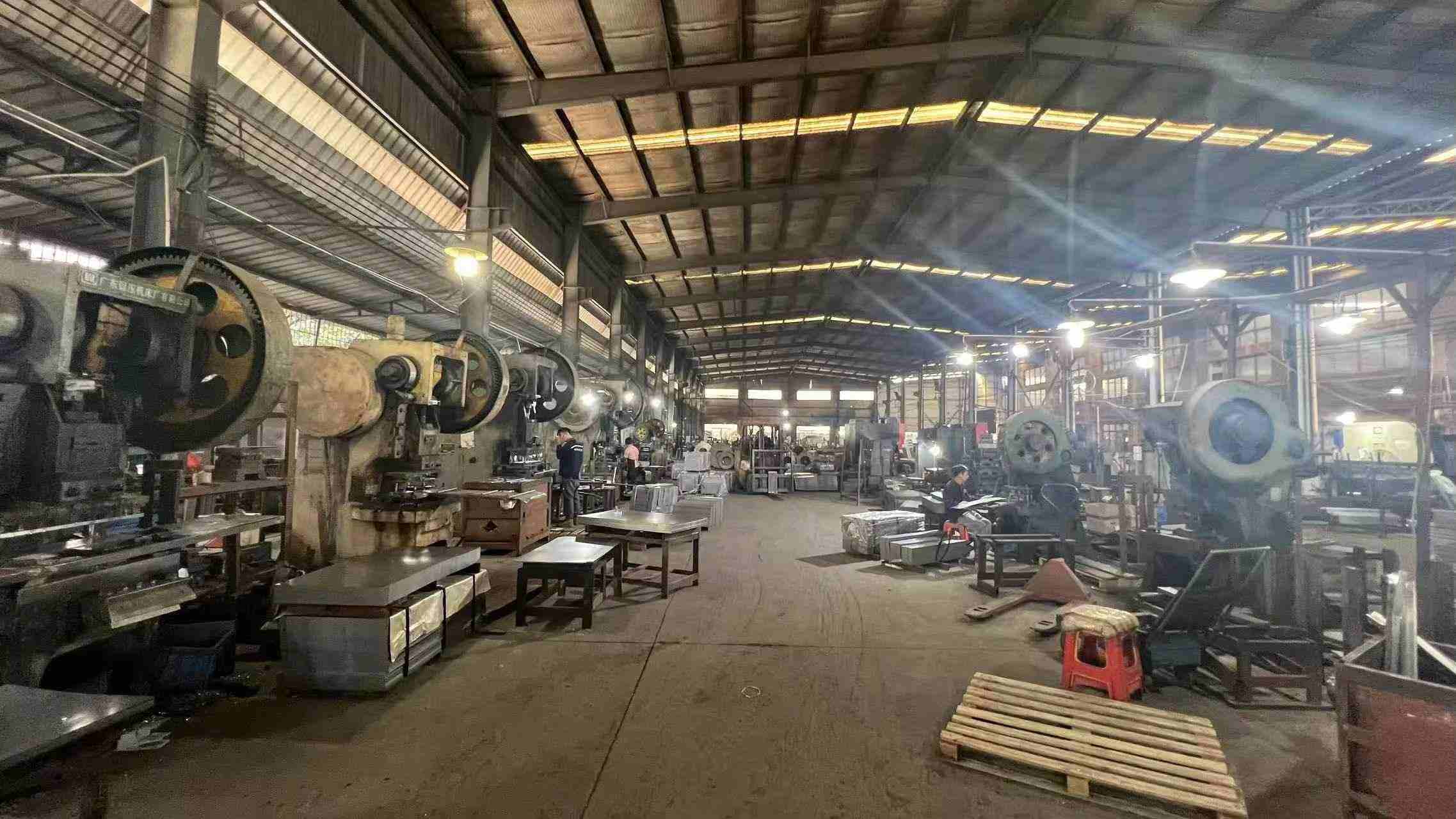
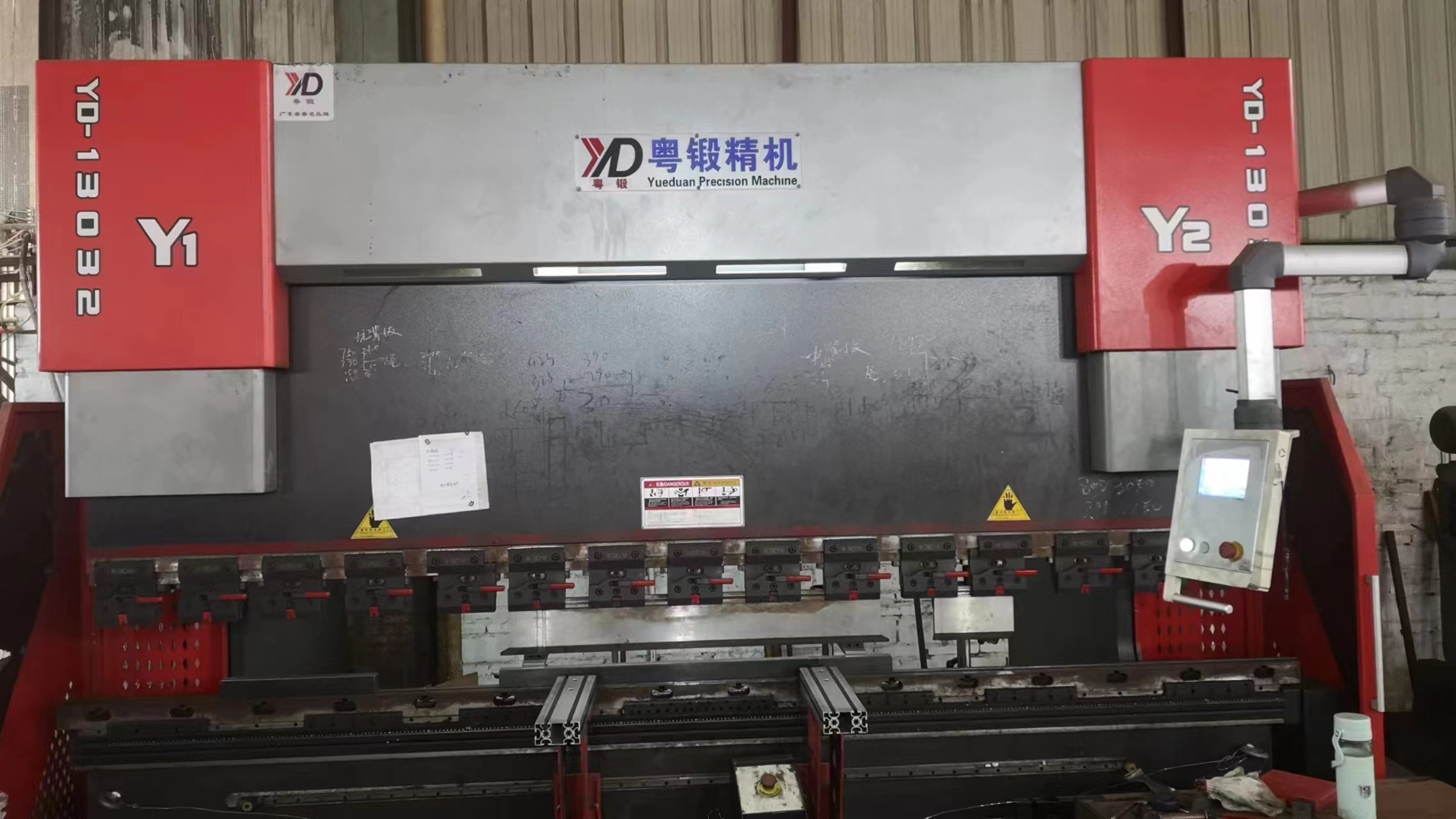
How we align engineered structures with localized building codes and seismic zoning requirements worldwide.
The primary concern for global warehouse managers planning structural modifications is compliance. A rack failure or platform collapse can have severe consequences, making regulatory validation essential when sourcing from overseas suppliers. Operating under strict quality assurance frameworks, we run dynamic load-bearing stress evaluations on all custom projects before shipping.
Depending on the destination port, structural platforms must adhere to specific local design standards. For the North American market, structural layouts are calculated according to the Rack Manufacturers Institute (RMI) Specification MH16.1. In Europe, the FEM 10.2.02 and EN 15512 guidelines regulate how structural connections and dynamic deflection ratios are assessed. In Australia and New Zealand, the AS4084 standard outlines criteria for structural stability under localized conditions. We design and manufacture each platform to meet these individual regional codes, backed by certified engineering paperwork.
Warehouses located in seismic regions require specialized engineering calculations. The design must accommodate horizontal shear forces and prevent harmonic resonance from destabilizing the structure. Our engineering department uses Finite Element Analysis (FEA) to simulate local seismic loads. Based on the site's acceleration coefficients, we optimize column sizing, footplate dimensions, and diagonal bracing configurations. This engineering support ensures our structures integrate safely into localized municipal building plans.
Multi-tier storage platforms modify the facility's overall volume, which impacts fire safety compliance. We design custom solutions that accommodate ceiling sprinklers, integrated piping, and structural smoke clearance. We also design open mesh steel grating options that allow light and fire suppressant spray to reach lower levels, helping clients clear local municipal code reviews.
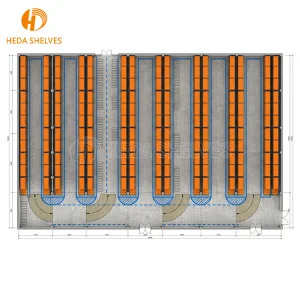
Tailored layout designs designed for rapid SKU access and high throughput across global industries.
Third-party logistics operations require flexible storage space that can handle changing client requirements. Our modular multi-tier mezzanine designs allow operators to rapidly convert open areas into shelving rows or bulk storage decks as needed.
Fulfillment operations using automated guided vehicles (AGVs) and autonomous mobile robots (AMRs) require precise floor leveling and rack tolerances. We manufacture platforms and racks that meet these exact automated system specifications.
Manufacturing facilities need robust buffering systems near assembly lines. Our heavy-duty steel mezzanines are engineered to hold components and tools directly above active assembly stations, keeping production floors clear.
Direct engineering answers to the most common questions asked by global operations managers and procurement directors.
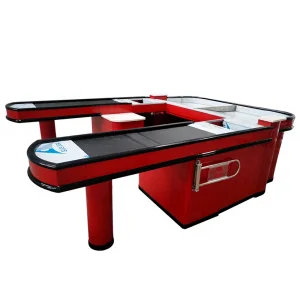
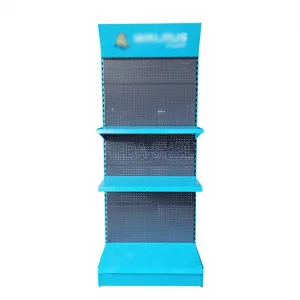
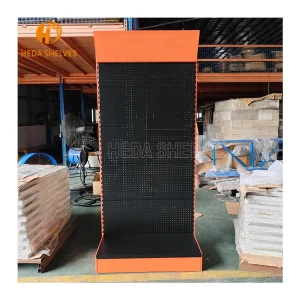
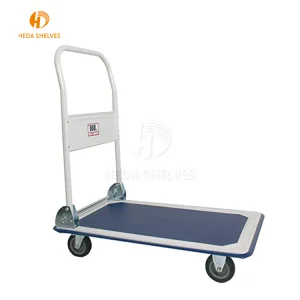
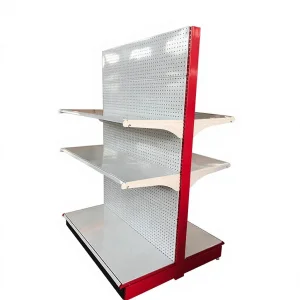
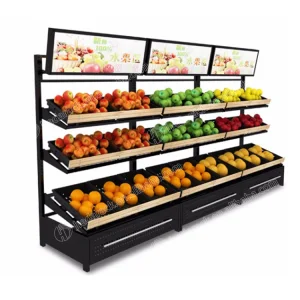
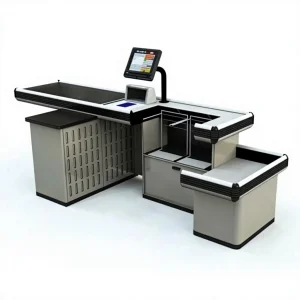
Complete your warehouse optimization with our specialized industrial trolleys, multi-tier platforms, and grocery display shelving.
 Durack