Engineered for high density, seismic durability, and optimal product accessibility.
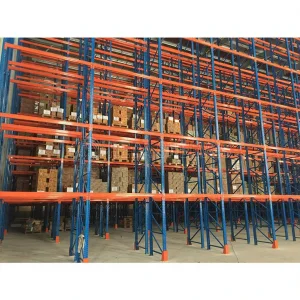
Modern industrial supply chains face unprecedented real estate challenges. Industrial land prices and metropolitan warehouse leasing rates have risen globally by over 35% since 2021. Consequently, spatial optimization is no longer just an operational advantage—it is a critical driver of profitability. Global logistics hubs, cold-chain distribution centers, and third-party logistics (3PL) providers are moving away from horizontal storage layouts to advanced vertical and high-density racking configurations.
As a leading authority in material handling design and logistics engineering, Dongguan Durack Logistics Equipment Co., Ltd. builds next-generation warehouse racking systems. We transform standard floor plans into three-dimensional storage structures. This increases overall capacity, simplifies inventory control, and lowers handling costs per SKU.
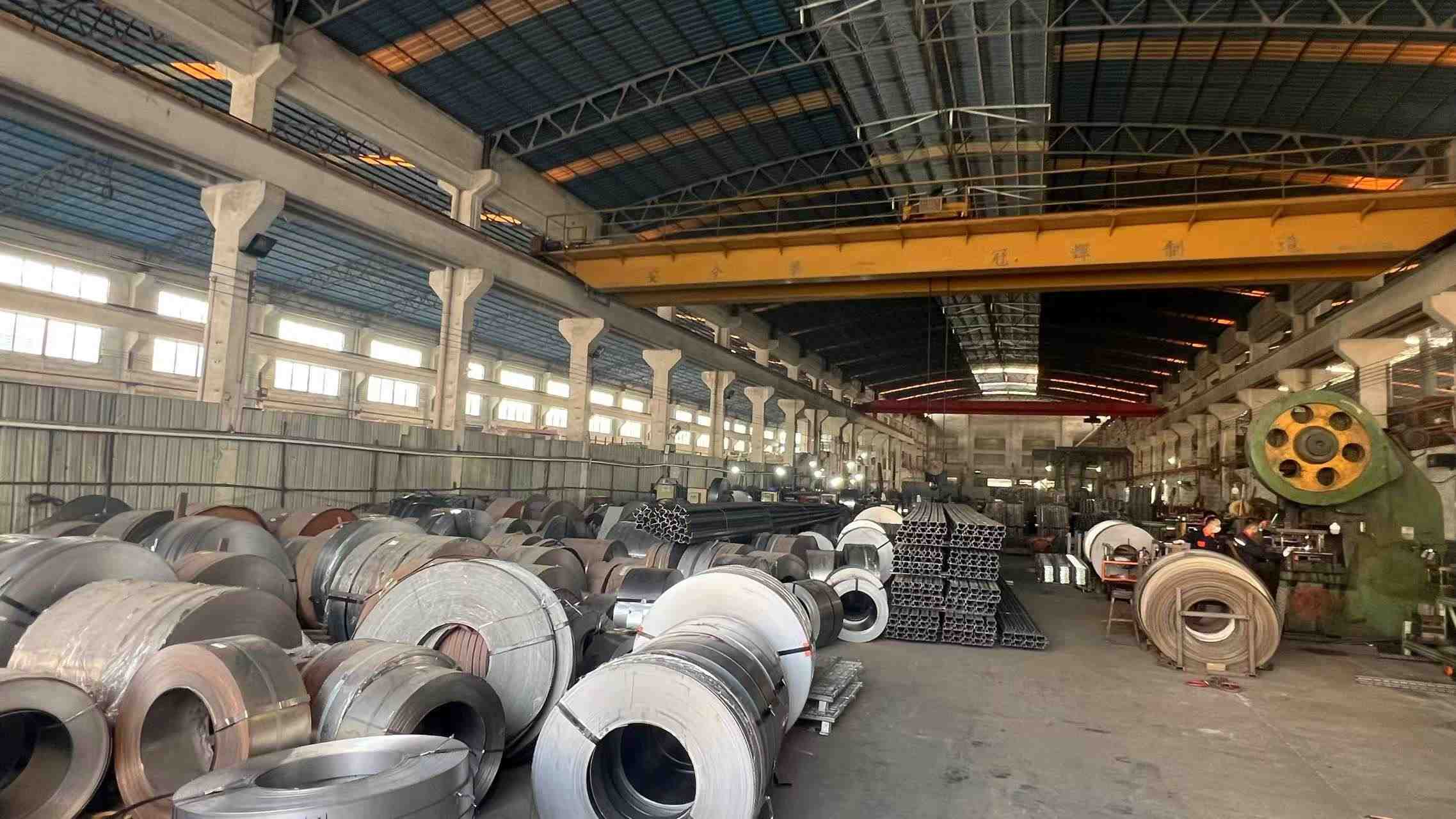
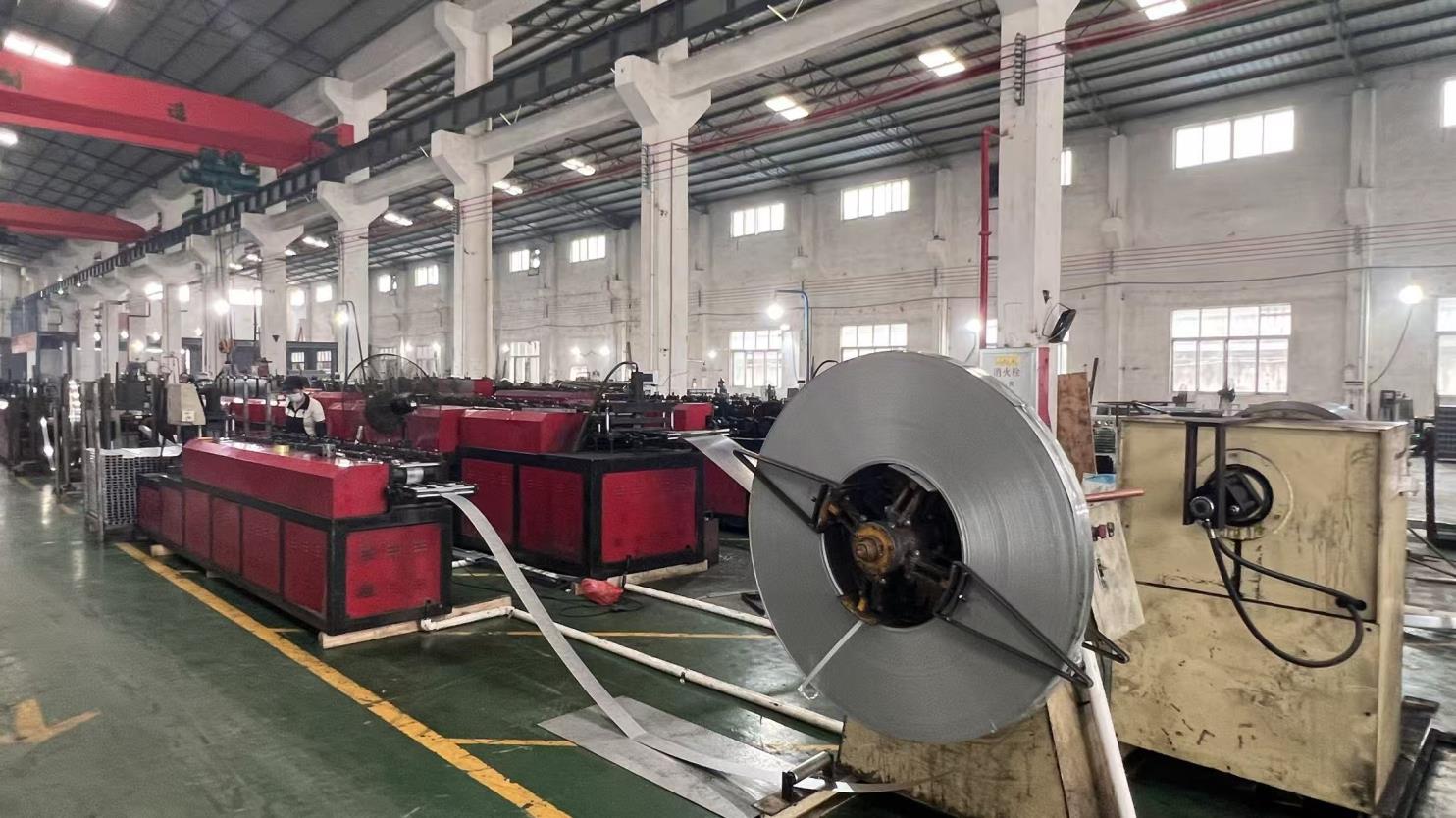
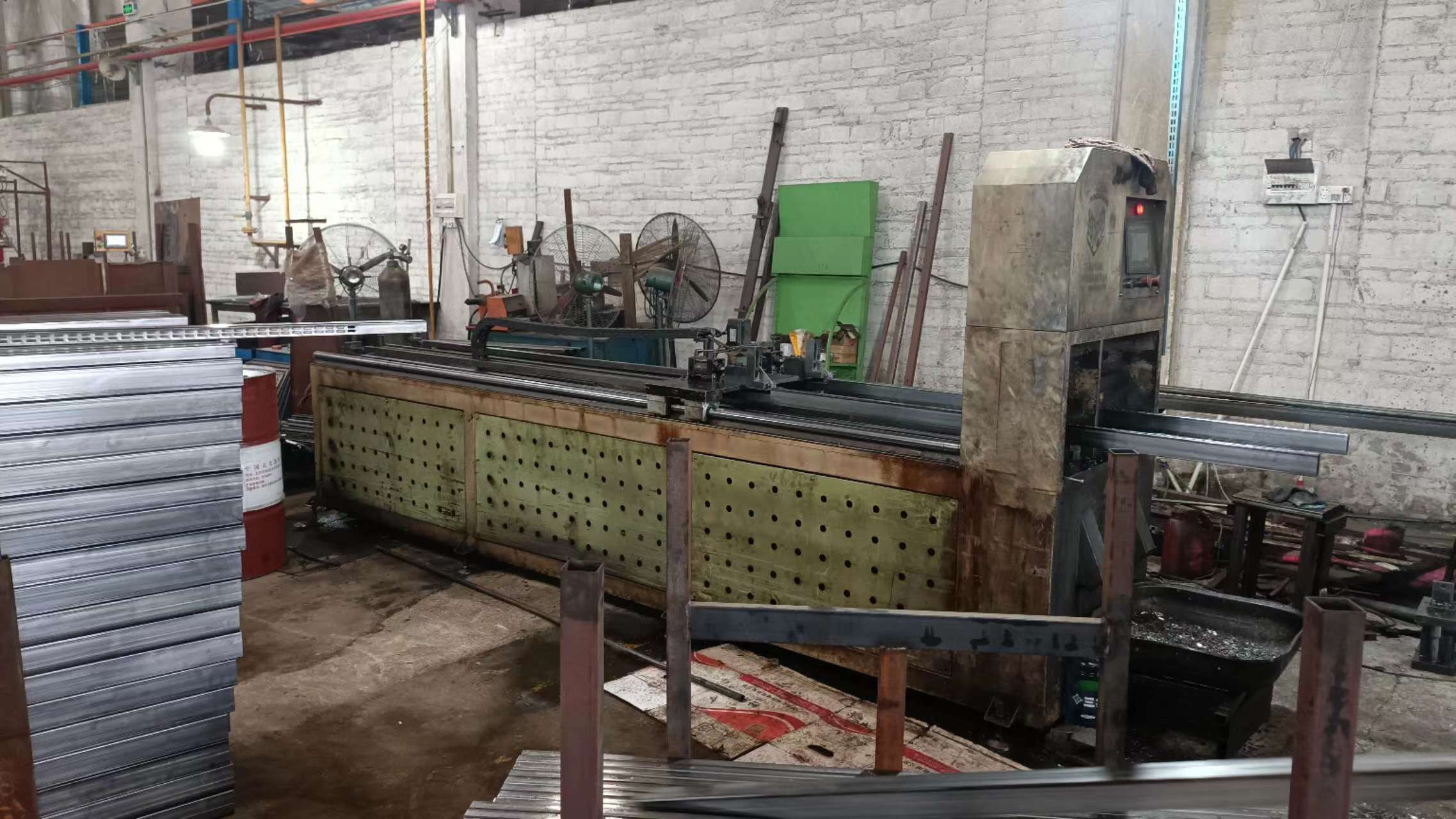
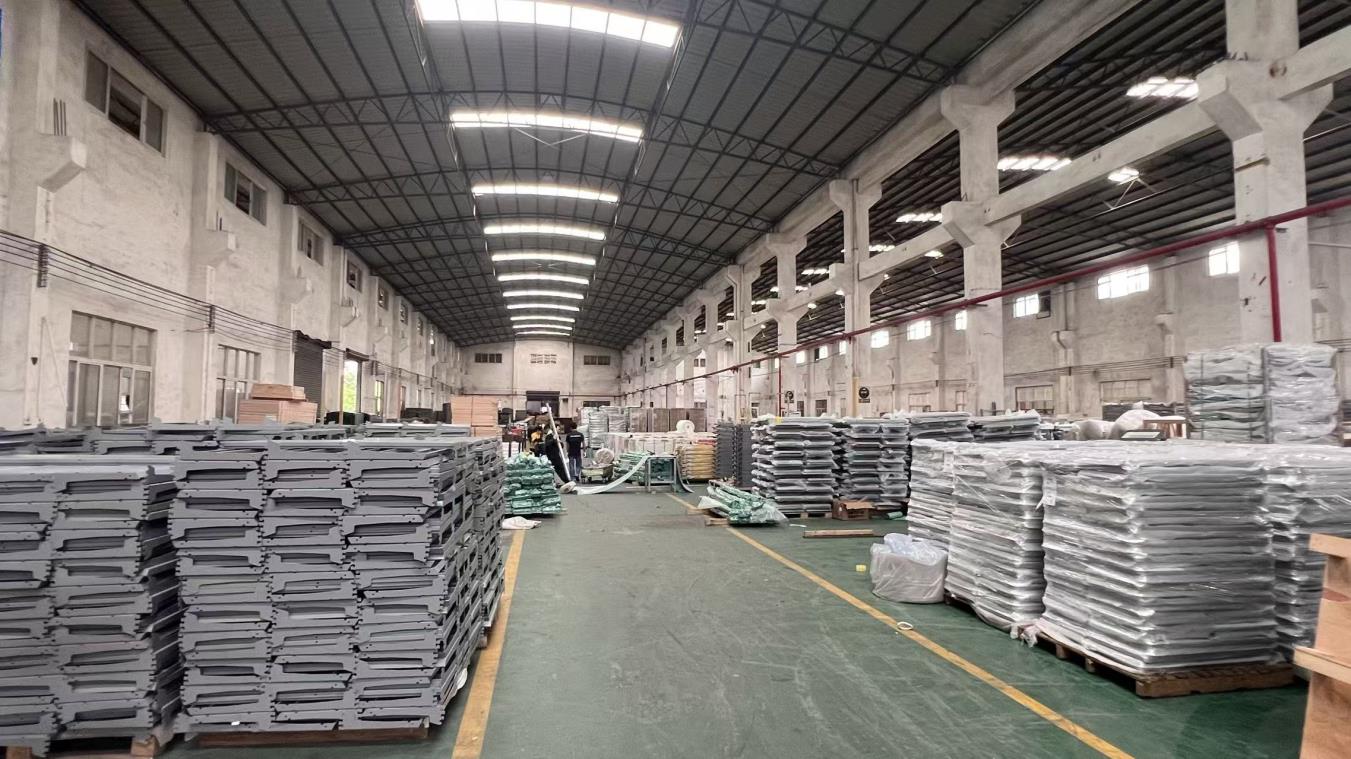
Founded in 2014, Dongguan Durack Logistics Equipment Co., Ltd. is a premier Chinese storage racking system manufacturer. Operating a 35,000 m² state-of-the-art facility, we leverage 12 years of industry engineering experience and 8 years of global export history. Our operations rely on a strict quality assurance system featuring full-spectrum ultrasonic weld testing and load-bearing stress evaluations. This setup is managed by our 45 dedicated QC specialists. We maintain a reliable supply network of over 850 partners, catering primarily to 3PL providers, automated warehouses, and large industrial distributors. Backed by our R&D division of 65 specialized engineers, Durack offers full OEM/ODM customization options. These include bespoke beam profiles, structural steel grades, and dynamic layout designs, leading to the launch of over 120 new storage products last year alone.
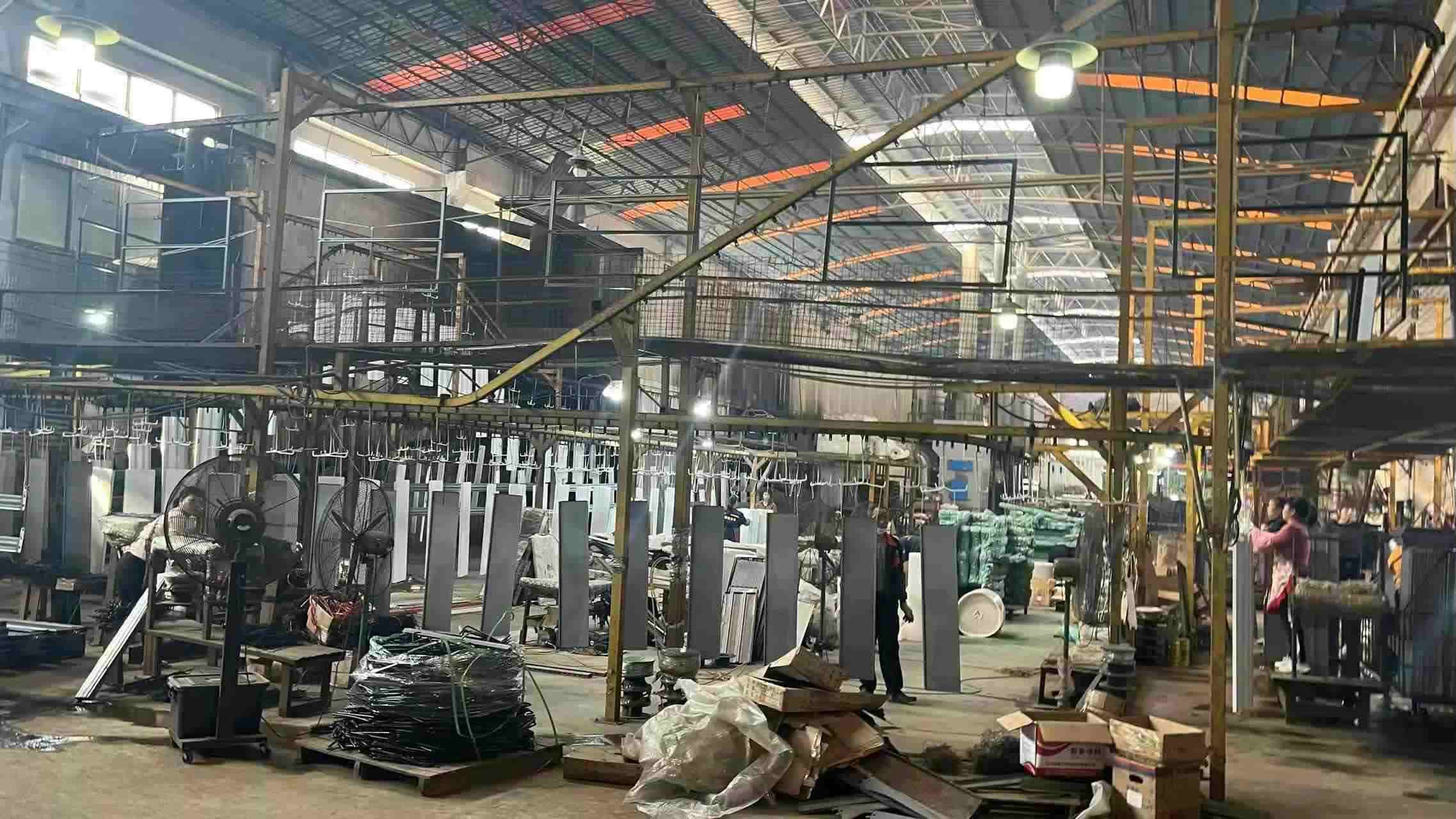
A transparent view into our raw material conversion, automated bending, structural welding, and advanced quality validation protocols.
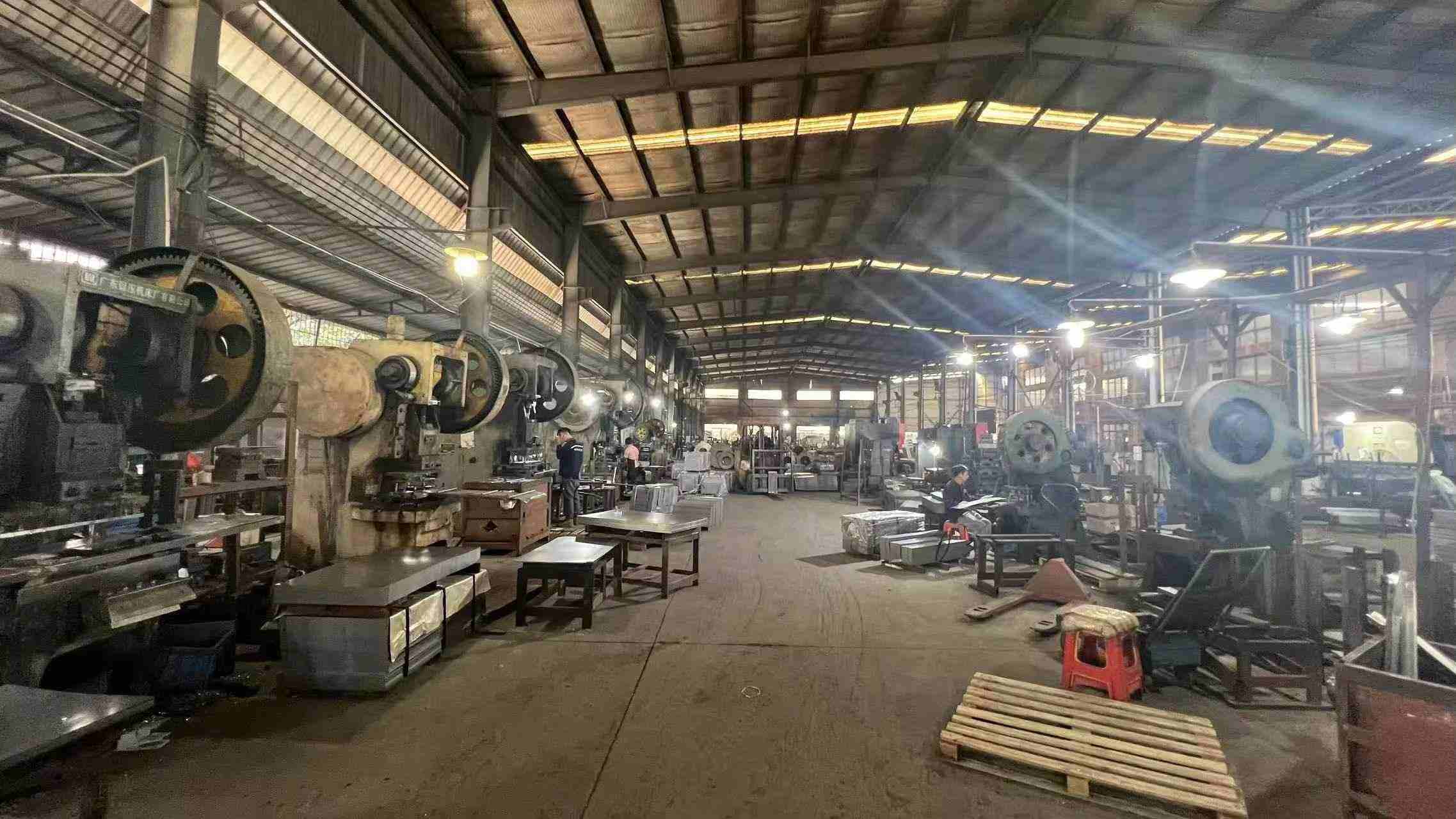
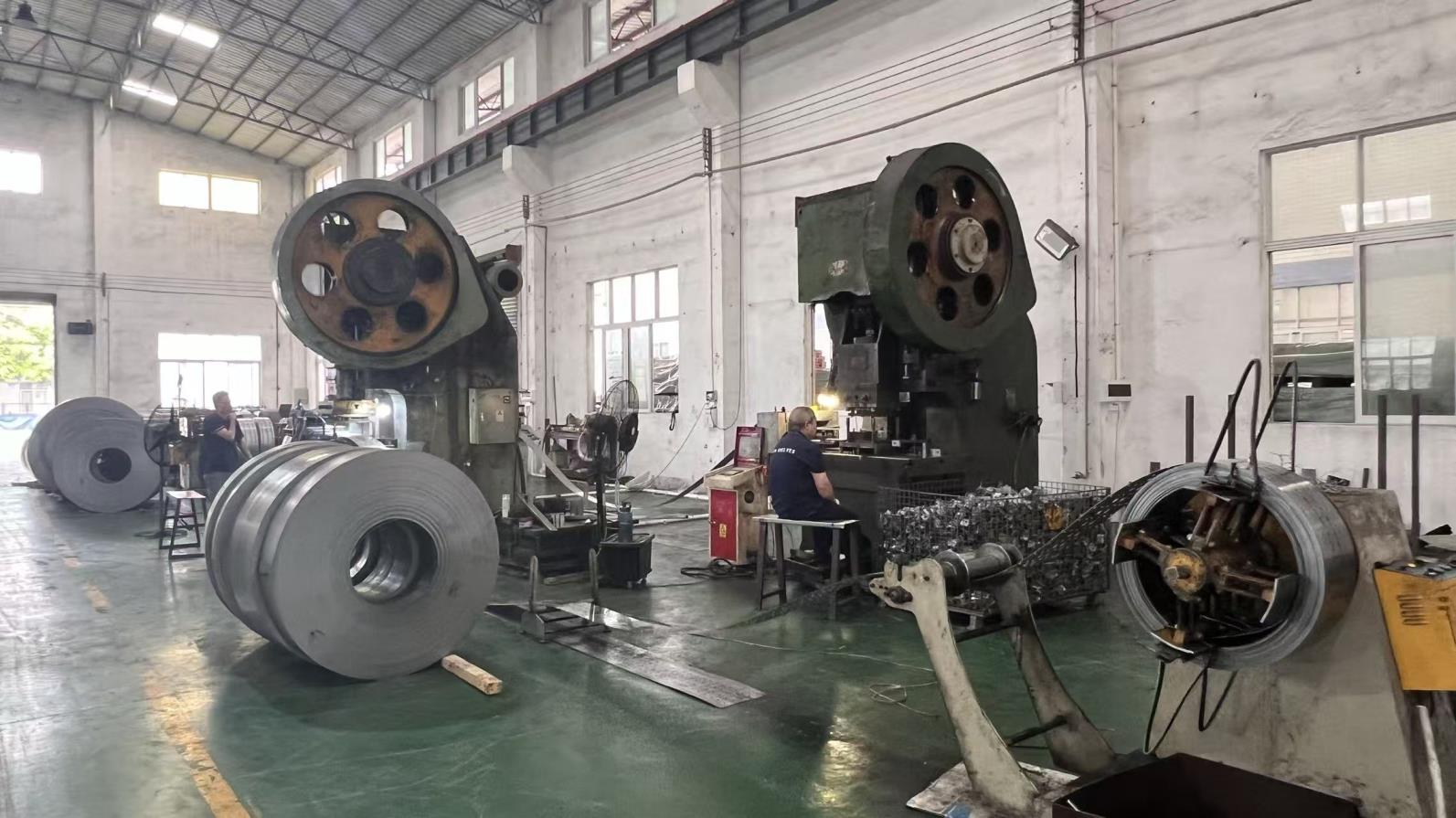
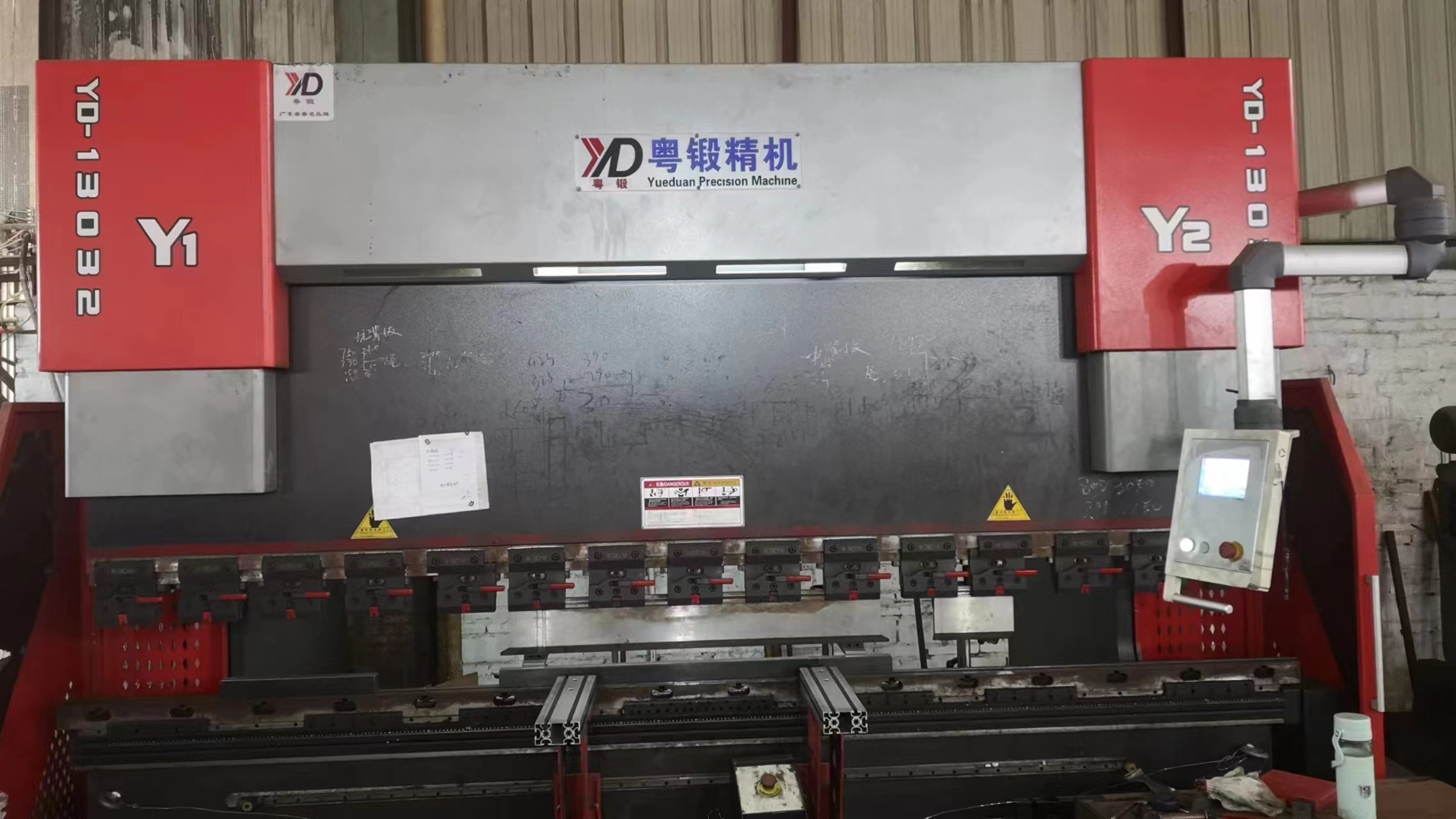
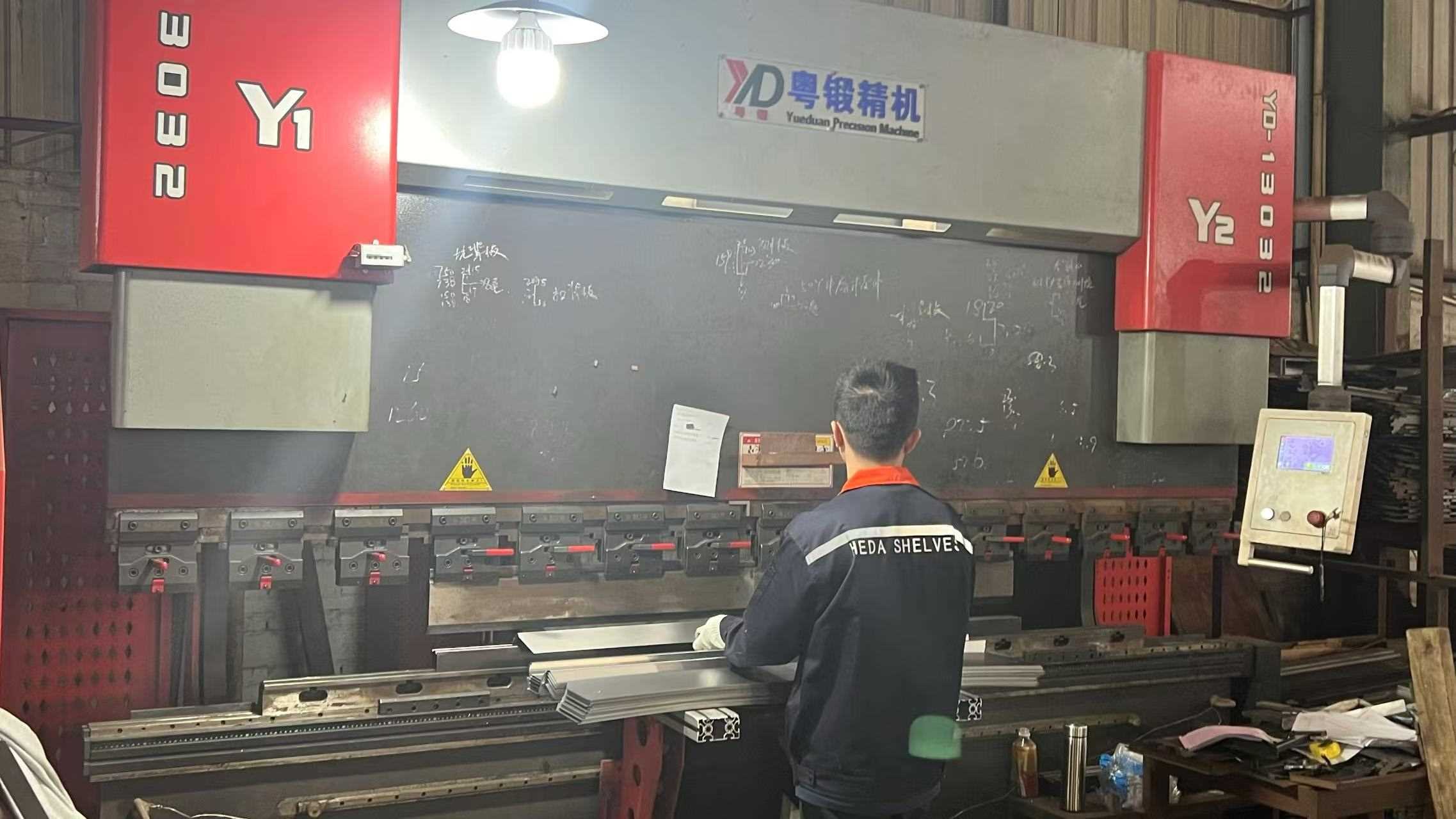
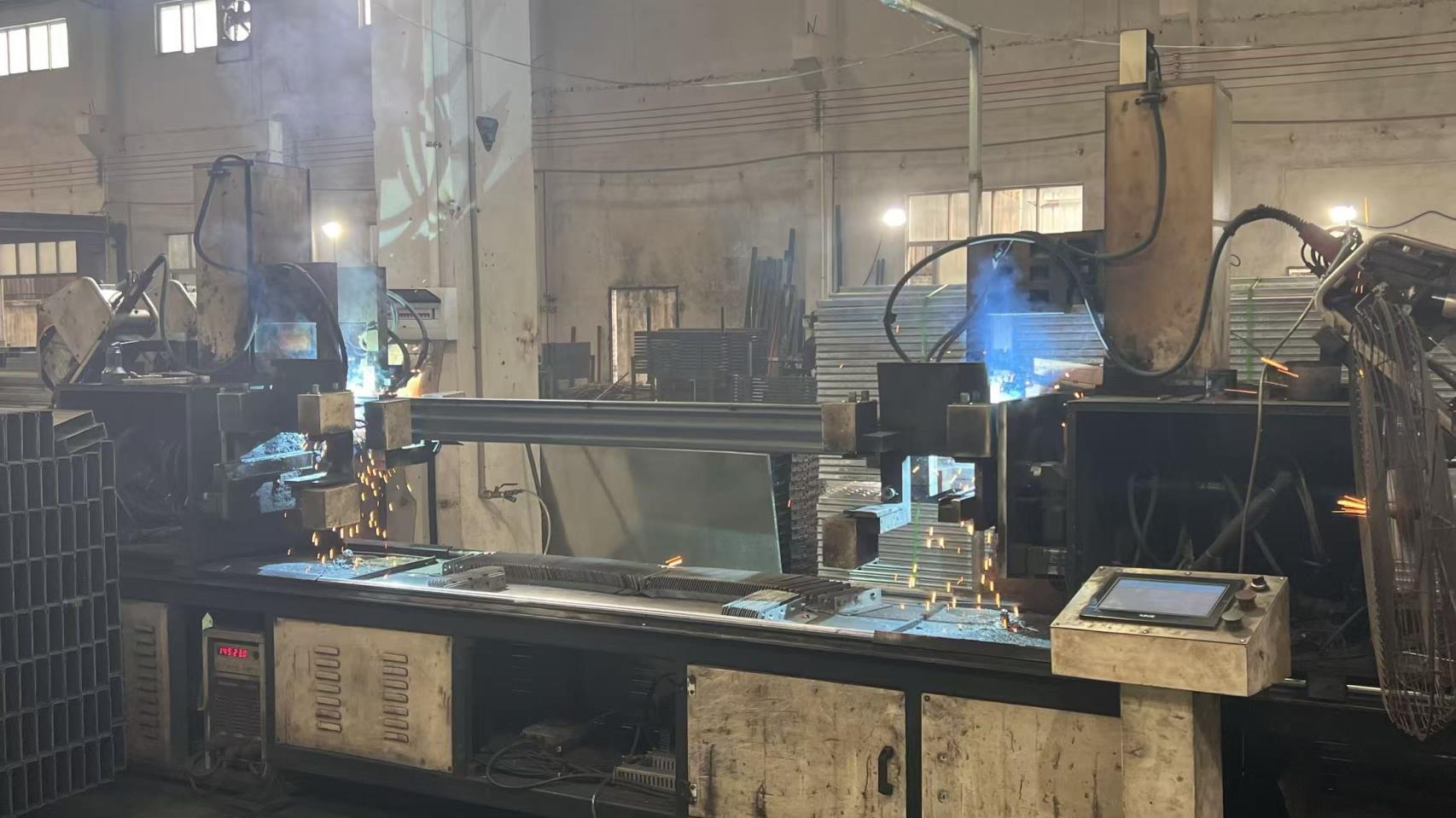
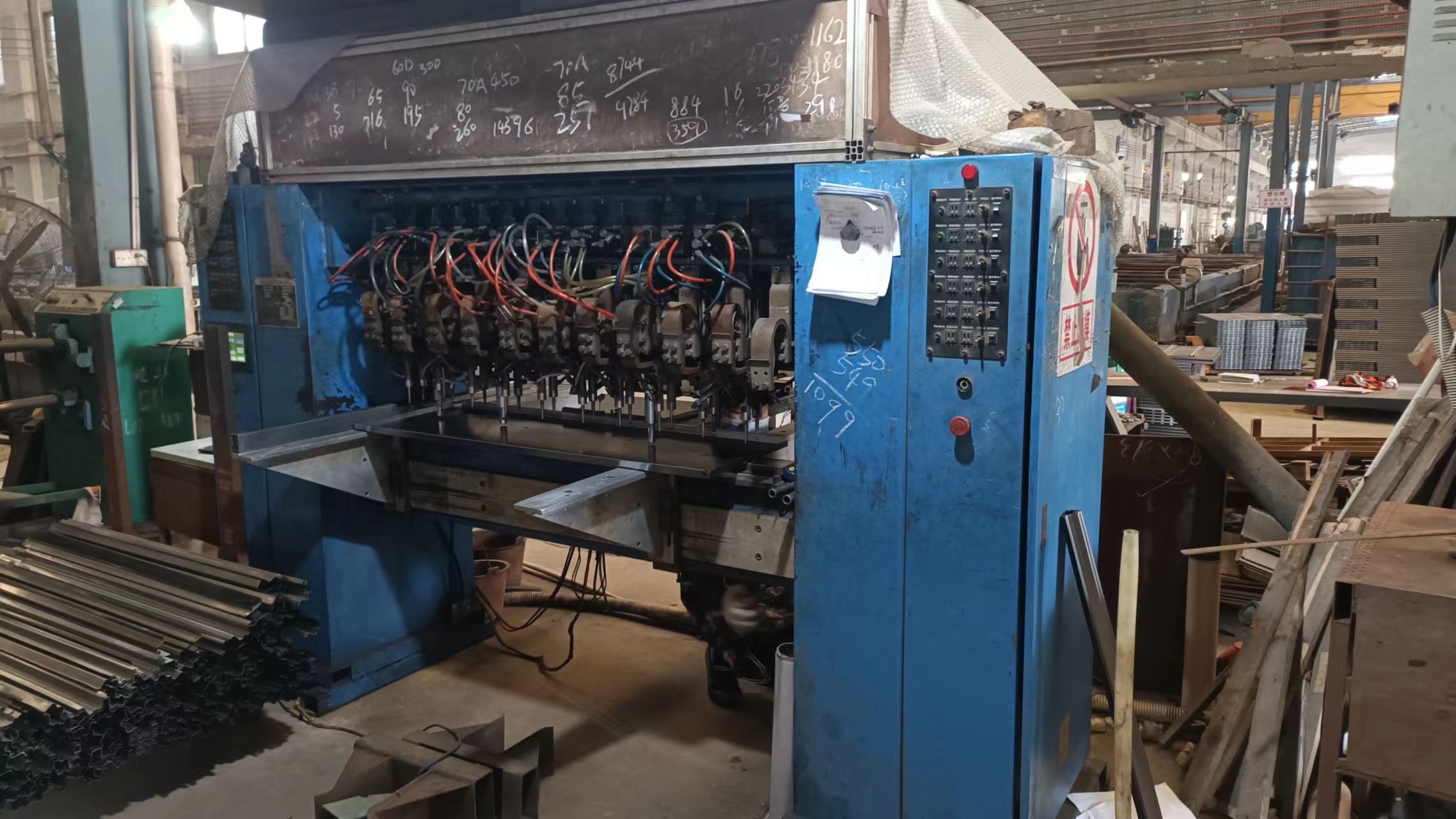
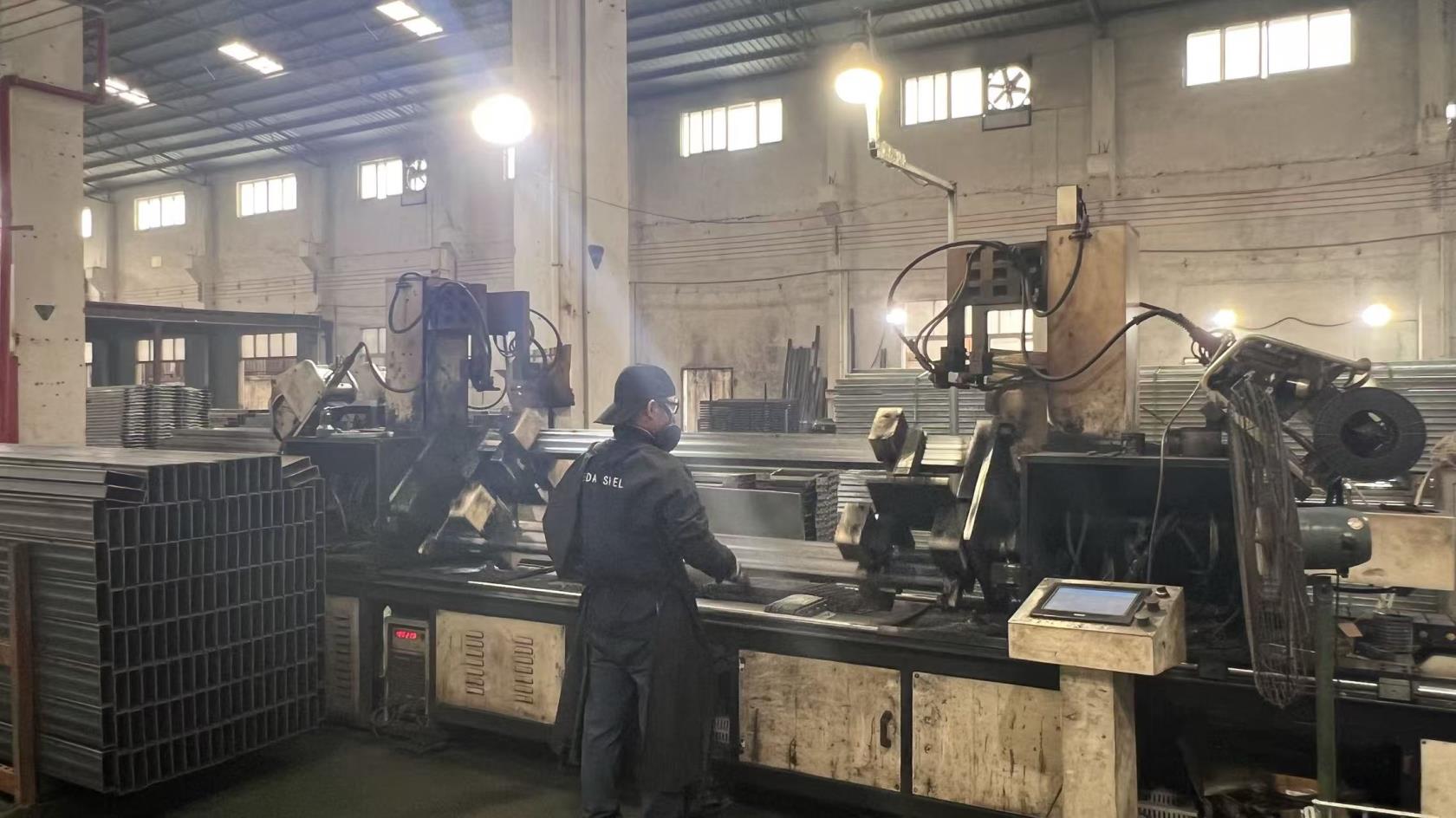
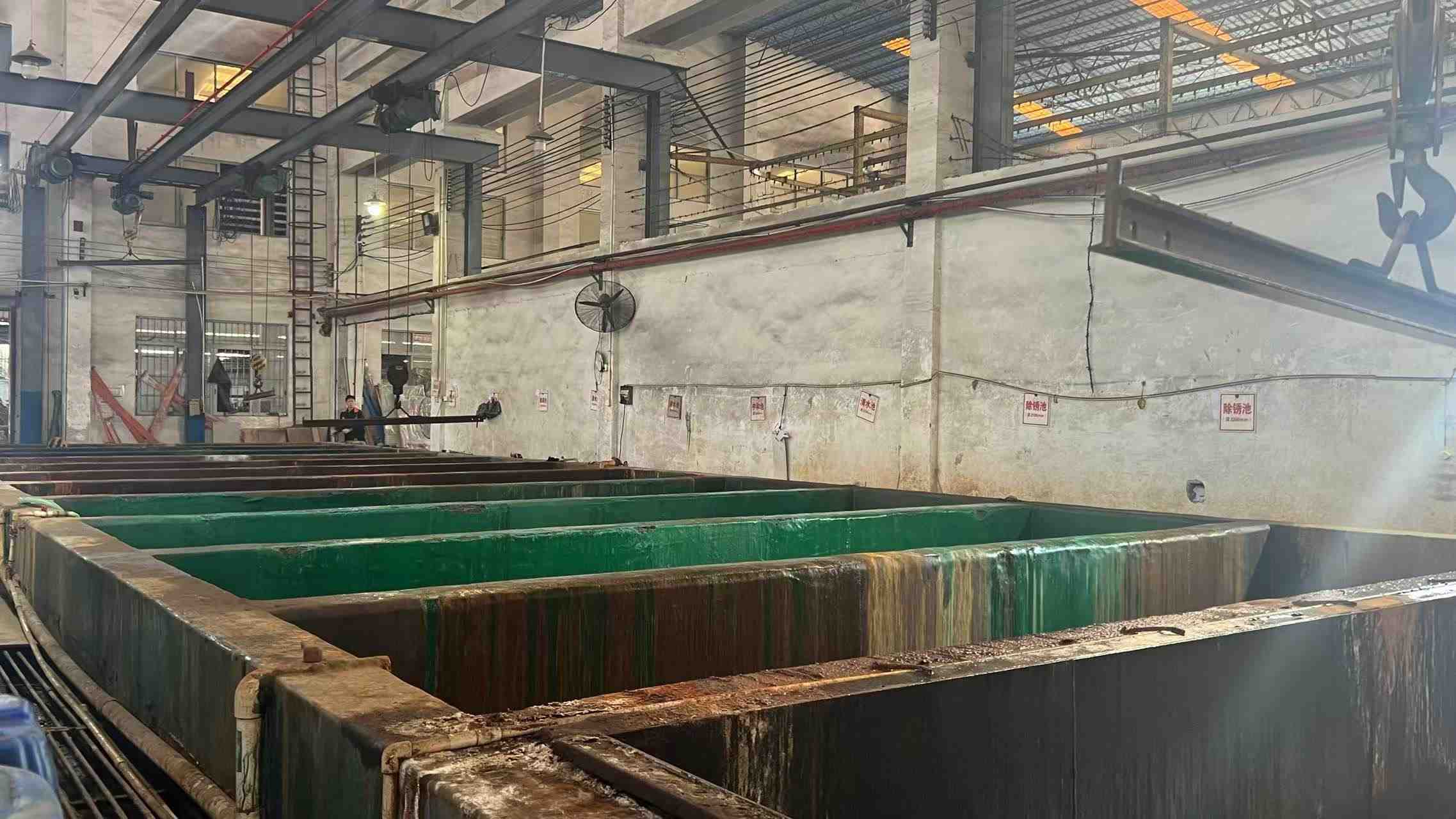
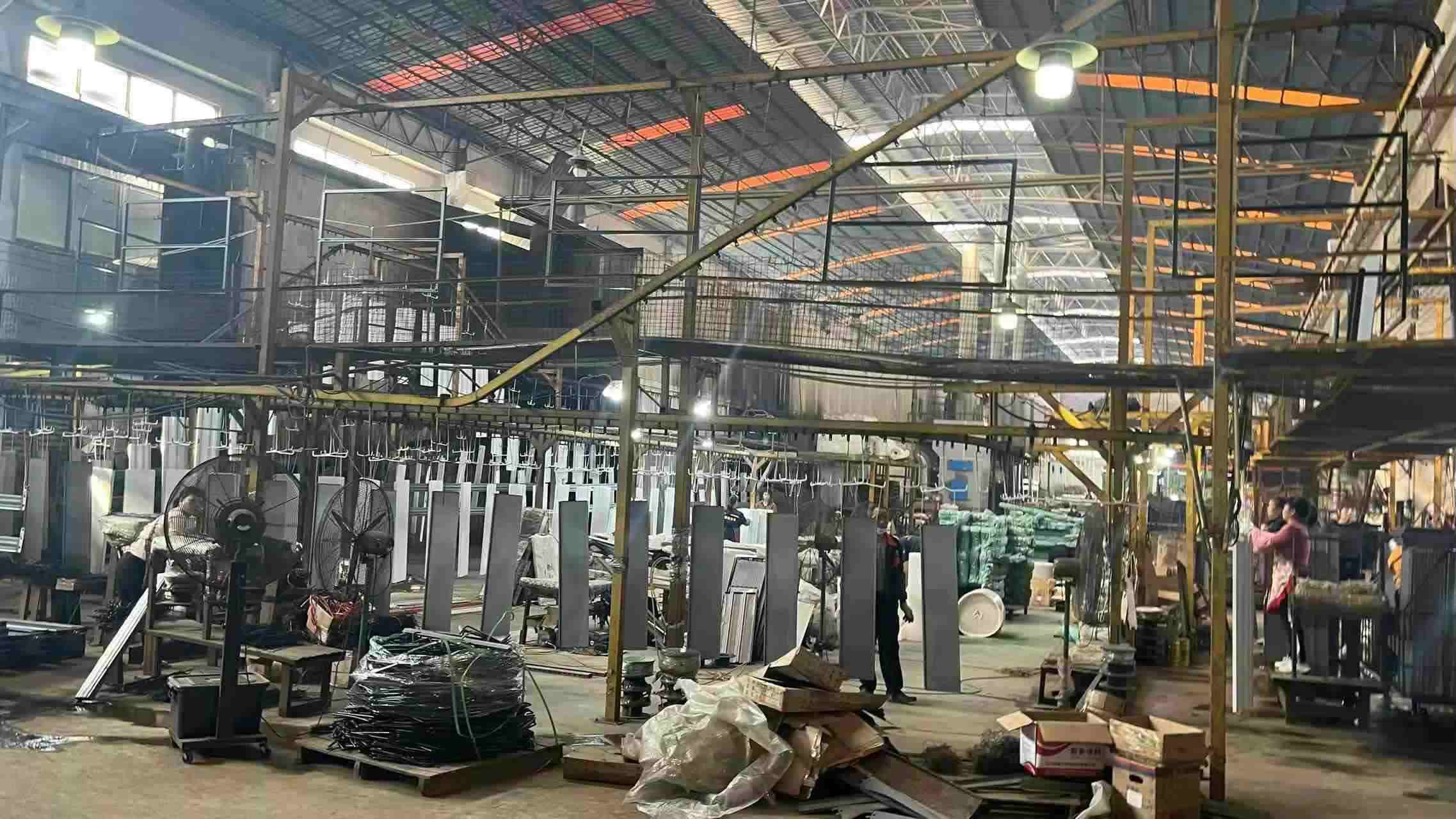
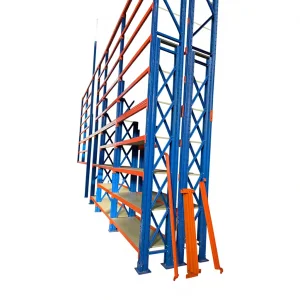
High-density racking systems require careful engineering. Standard shelving is only designed for basic vertical loads, but heavy-duty systems must withstand complex dynamic stresses. These forces include forklift impacts, seismic events, asymmetrical pallet placement, and high-frequency pallet movements.
Before steel coils are cut and punched, Durack’s team of 65 engineers uses advanced Finite Element Analysis (FEA). This software models stress, strain, and displacement across the entire racking frame. By simulating loads up to 2.5 times the rated capacity, we identify potential stress concentration points. This helps us optimize structural strength without adding unnecessary steel weight. Our physical quality assurance also includes testing the ultimate tensile strength of weld seams and running dynamic load tests on key support beams.
We source certified structural steel (grades Q235B and Q355B) to ensure uniform yield strength and reliable welding performance. Durack’s roll-forming mills produce specialized column profiles with multi-bend configurations. These unique shapes improve load capacity and resist twisting forces. In addition, our locking connector pins and heavy-duty floor baseplates are zinc-plated to resist wear and prevent mechanical failure under pressure.
Our multi-stage pre-treatment process includes acid-washing and Parkerising. This removes mill scale and creates a phosphate conversion coating for excellent paint adhesion.
Robotic welding systems apply consistent MIG welds to beam connectors. This eliminates human error and guarantees complete weld penetration.
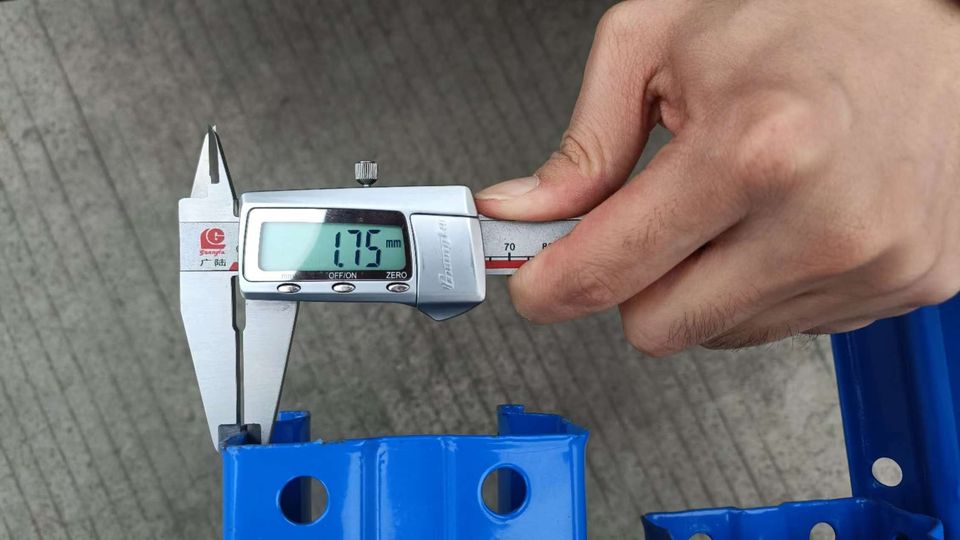
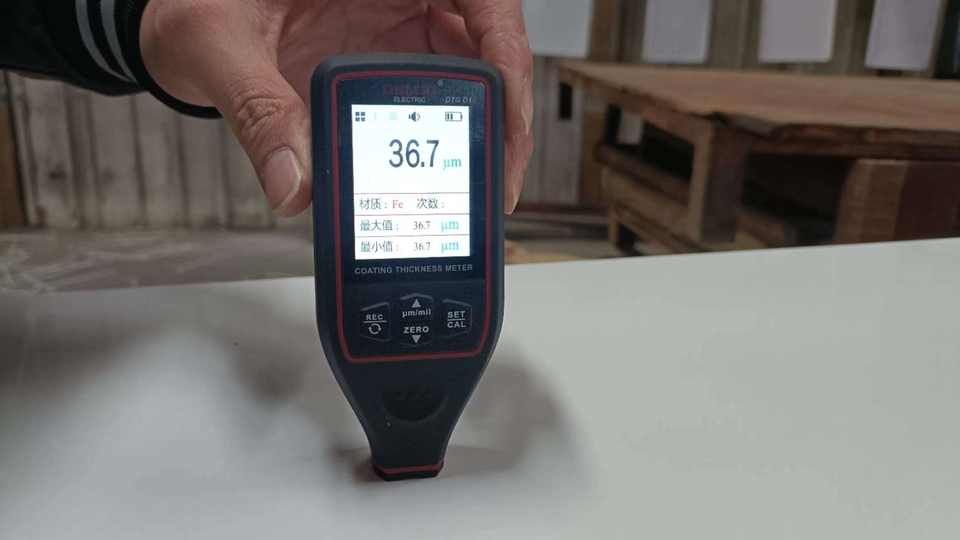
QC technicians use digital calipers and ultrasonic thickness testers to confirm every batch matches the exact technical drawings.
Global procurement teams often source racking and logistics systems from Chinese manufacturers because of the country’s strong supply chain efficiency. China is the world's largest steel producer, which ensures a steady supply of raw materials and reduces cost fluctuations. The Pearl River Delta, where Dongguan Durack is located, provides convenient access to local steel processing plants, specialized hardware suppliers, and advanced powder coating manufacturers.
This geographic cluster helps us reduce raw material lead times to just 3 to 5 days, compared to weeks in other regions. In addition, our proximity to major international ports like Shenzhen and Guangzhou makes global shipping and container logistics efficient and cost-effective. By combining automated production with local raw material sourcing, Chinese exporters can offer high-quality structural racking systems at very competitive prices.
One-size-fits-all designs do not work for industrial warehousing. Different sectors face unique challenges related to temperature, product turn rates, contamination control, and accessibility needs. Below is an overview of how our space-saving solutions are adapted for major global industries.
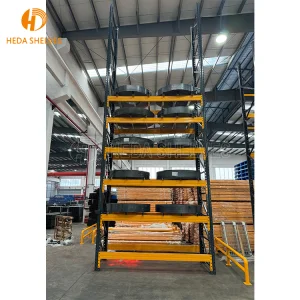
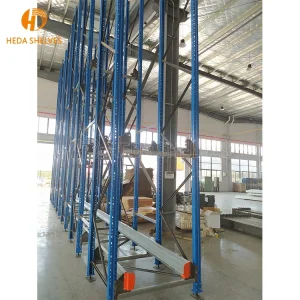
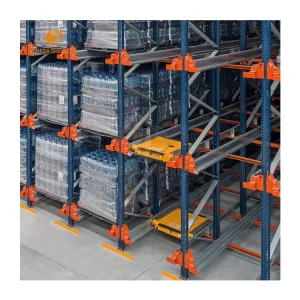
We design radio shuttle systems and high-density pallet racks that integrate with AGVs and stacker cranes. This setup maximizes vertical space, simplifies automated inventory tracking, and reduces pallet retrieval times.
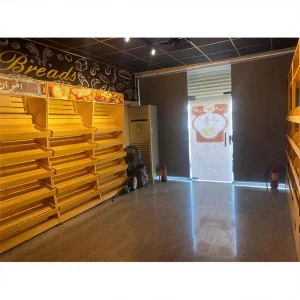
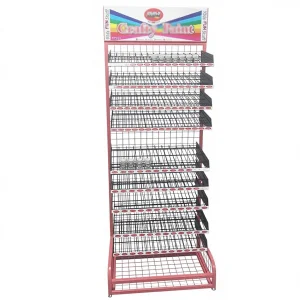
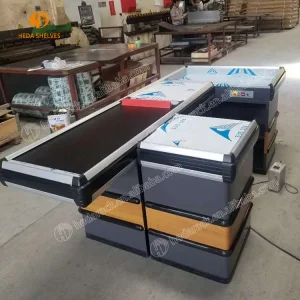
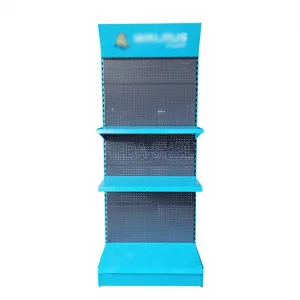
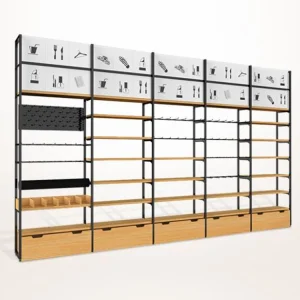
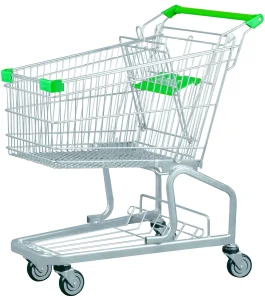
We offer heavy-duty display racking, adjustable pegboards, and modular checkout counters. These systems combine product display needs with back-of-house inventory storage to help retail stores maximize floor space.
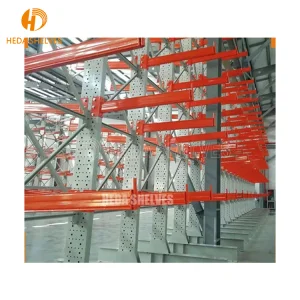
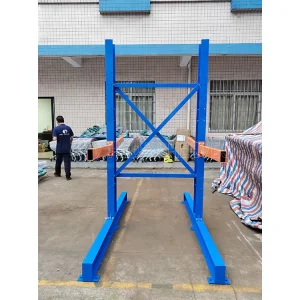
For storing lumber, steel tubes, and heavy machinery parts, our cantilever racking systems feature adjustable arm heights and robust columns. This open-front design allows safe, unobstructed access for heavy loads.
Exporting structural steel products worldwide requires strict compliance with local safety standards. Racking systems are major load-bearing structures, and any design defect can pose significant workplace safety risks. At Dongguan Durack, we ensure our systems meet global standards to simplify local approvals and ensure safe operation:
Clear, technical answers to help you plan warehouse upgrades, select materials, and ensure structural safety.
Durable equipment designed to maximize floor space, simplify material handling, and support high warehouse density.
 Durack