Engineered for durability, high density, and operational optimization across cold-chain, industrial, and commercial fulfillment hubs.
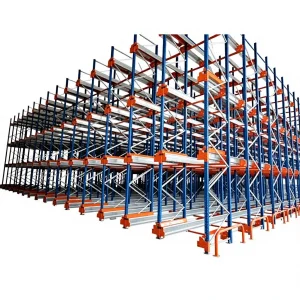
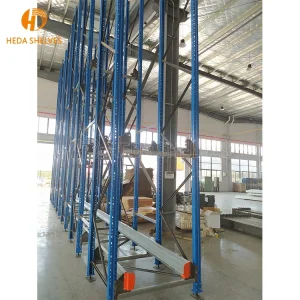
Choosing the right Pallet Flow Storage (Gravity Flow Racking) system is critical to dynamic logistics safety, inventory throughput, and space optimization.
Unlike static racking, pallet flow systems sustain continuous dynamic loads. Multi-roller tracks must withstand static storage weight combined with kinetic forces during deceleration. We utilize finite element analysis (FEA) to model load-displacement curves, ensuring uprights and frame braces tolerate continuous vibrations and cyclic stress profiles without material fatigue.
Uncontrolled gravity flow risks system failure. Speed controller brakes must be strategically placed (typically every 1 to 1.5 meters) to govern flow speeds. Durack systems maintain travel speed within 0.25 to 0.3 meters per second, safeguarding delicate palletized products and preventing catastrophic high-velocity impacts at the discharge face.
Procurement departments must verify testing rigor. Our testing protocol subjects rollers and braking components to over 20,000 cycles under maximum weight load. Real-world simulations verify pitch angles (typically 3% to 4%) across temperatures from -30°C in cold storage up to +50°C in manufacturing zones.
Compare the technical profiles of our heavy-duty gravity flow configurations designed for global distribution networks.
| Performance Parameter | Standard Gravity Flow (Light to Medium) | Heavy-Duty Dynamic Flow (Industrial) | Sub-Zero Cold Chain Storage |
|---|---|---|---|
| Load Capacity | Up to 1,000 kg / pallet | 1,000 kg - 1,800 kg / pallet | Up to 1,500 kg / pallet |
| Steel Grade | Q235B Cold Rolled Steel | Q355B High-Yield Structural Steel | Q355B (Low Temp Impact Tested Grade) |
| Roller Track Pitch | 33 mm, 50 mm, 75 mm spacing | Split-roller & Dual-lane configurations | Corrosion-resistant steel / low-viscosity bearings |
| Slope Range | 3.0% - 3.5% | 3.5% - 4.0% | 4.0% - 4.5% (compensates for cold frost friction) |
| Safety Mechanisms | Dynamic Speed Controller Brakes | Separating Gates & Heavy-Duty End Stops | Self-cleaning rollers & Frozen-Bearing Shields |
Founded in 2014, Dongguan Durack Logistics Equipment Co., Ltd. operates a 35,000 m² smart manufacturing center, delivering $28 million in annual exports.
Our facility runs automated rolling, bending, and punching lines. Backed by 65 specialized R&D engineers, we execute custom beam profiles, bespoke upright columns, and dynamic gravity lane configurations. We introduced over 120 new storage designs last year to optimize warehouse spacing worldwide.
Our quality control program employs 45 dedicated QC specialists. We utilize full-spectrum ultrasonic testing for structural welds and real-time load deflection sensors. This guarantees every beam structure and roller track delivers performance integrity under high dynamic pressure.
Supported by a network of over 850 partners, Durack maintains steady access to premium steel and component manufacturers. This logistics grid ensures short lead times, stable pricing, and uninterrupted production capacity for automated warehouses, 3PL distributors, and large industrial hubs.
From premium structural steel coils to precision welding and surface coating, our processes are optimized for maximum durability.
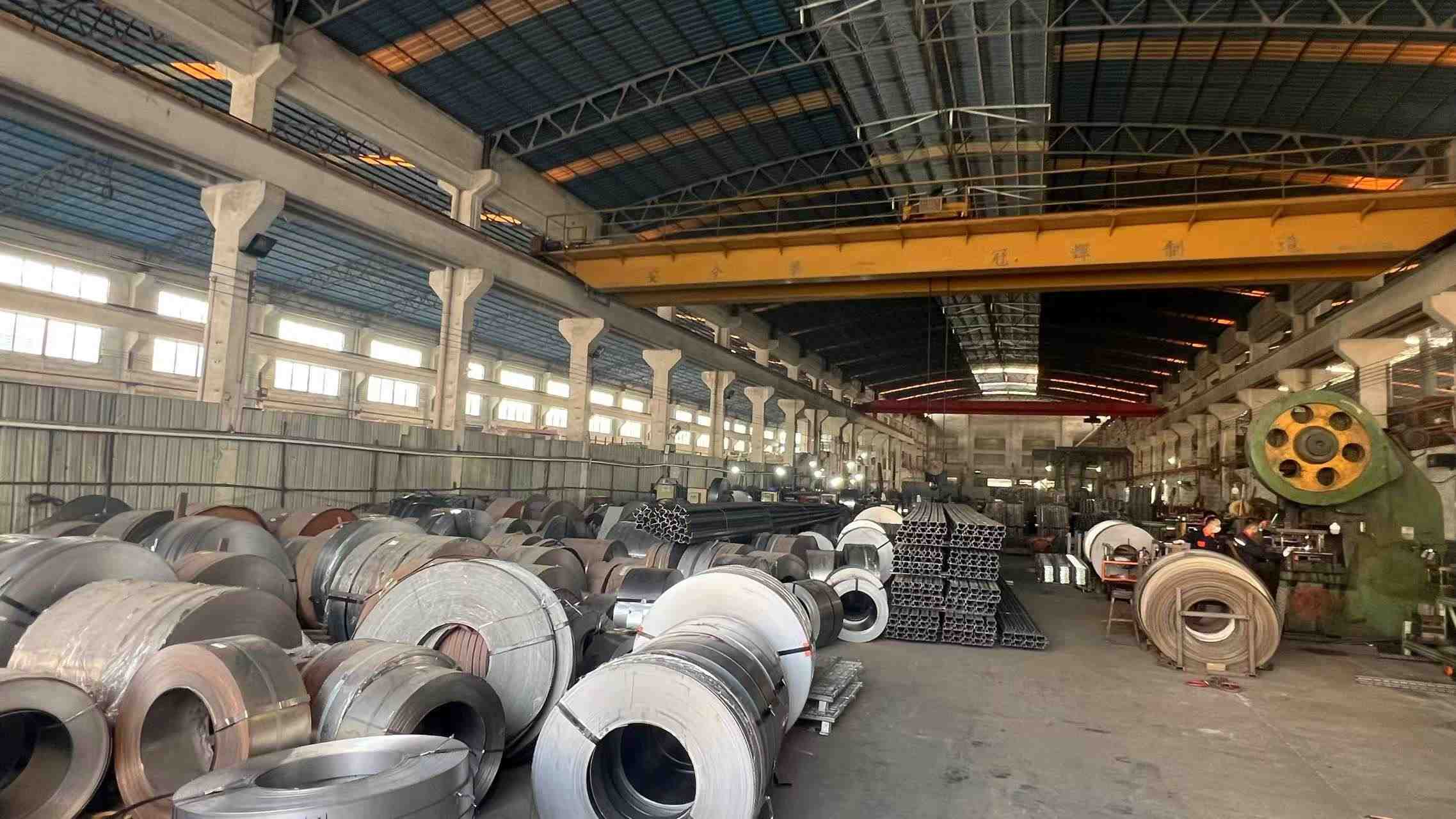
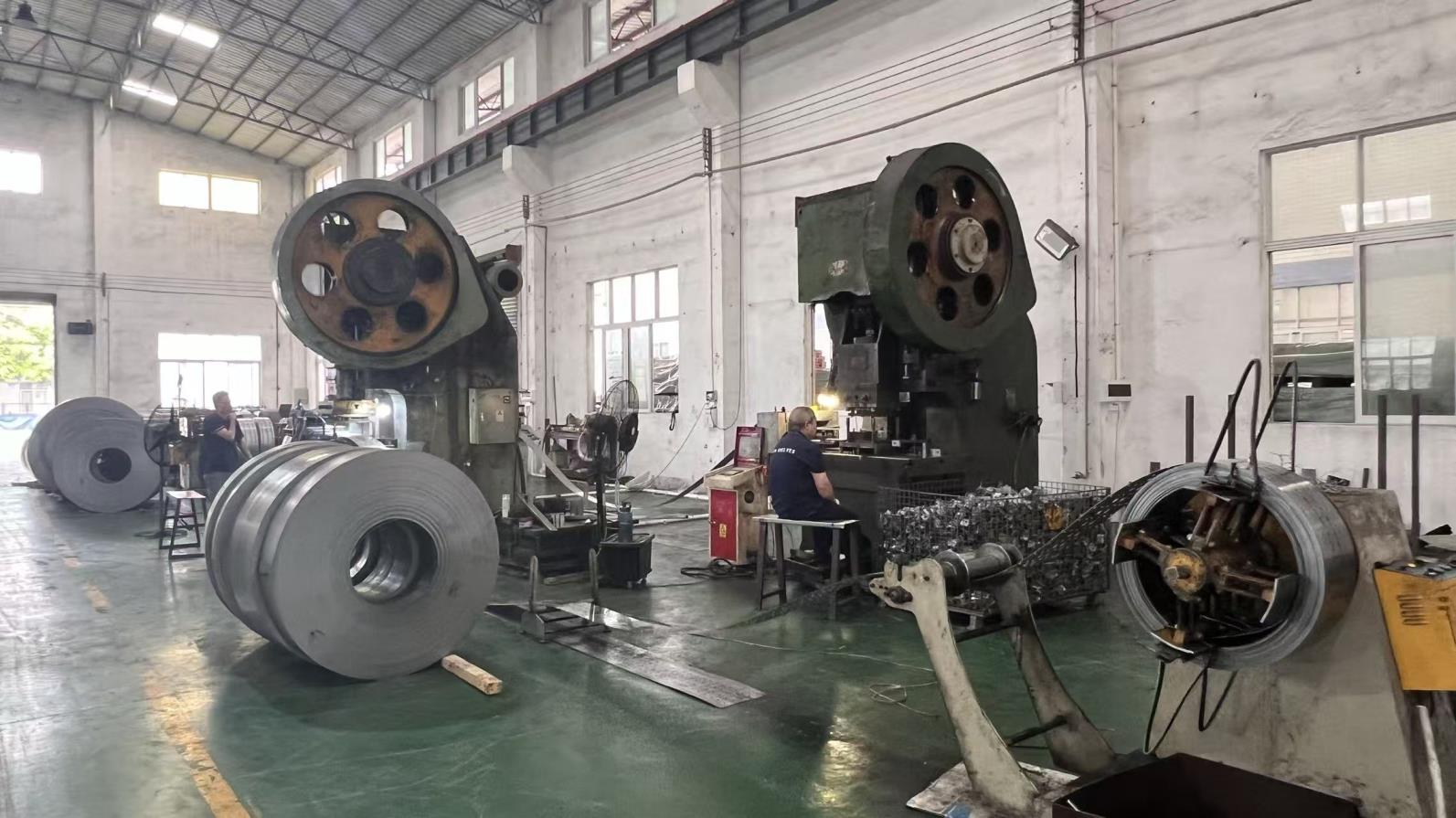
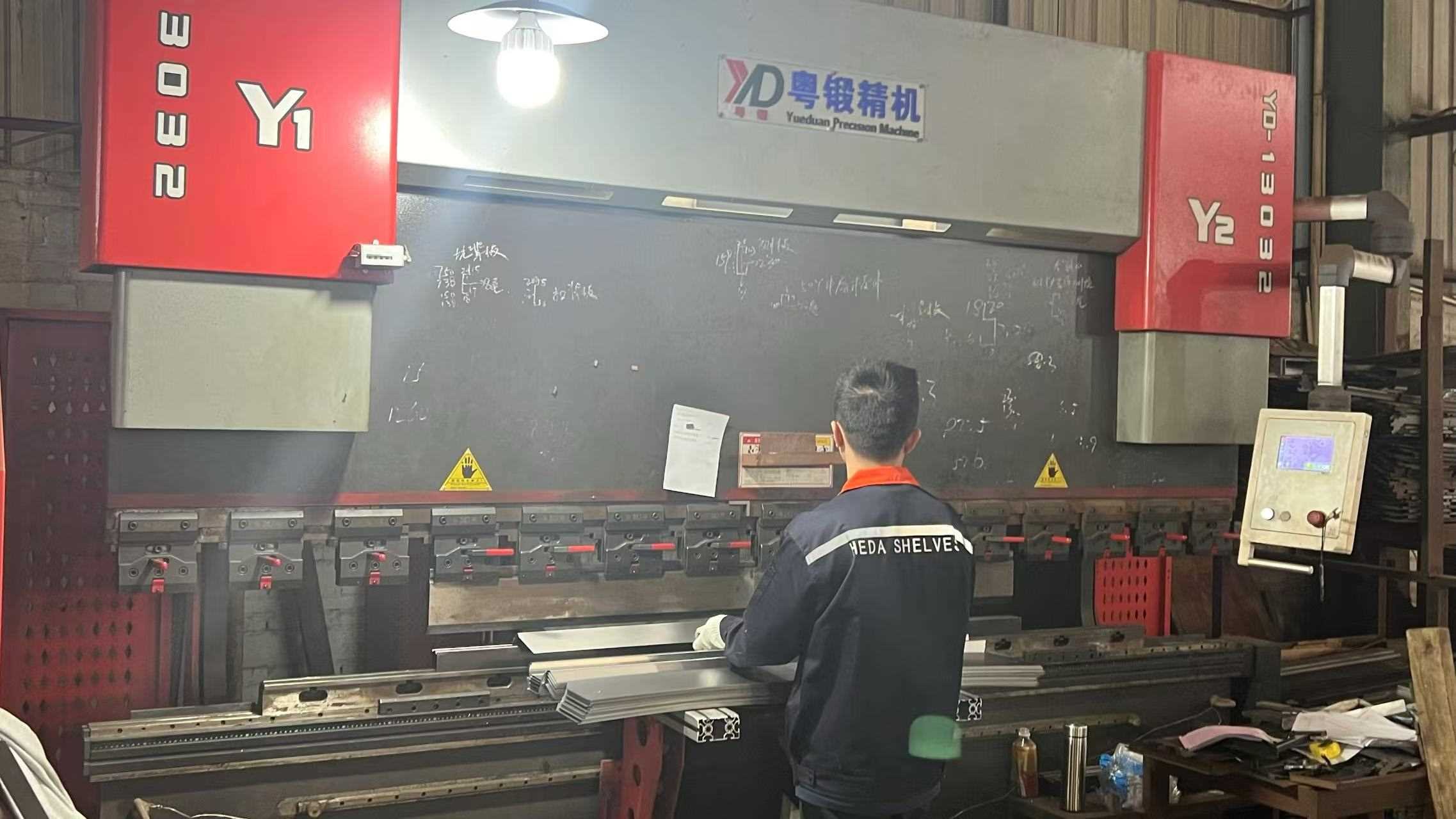
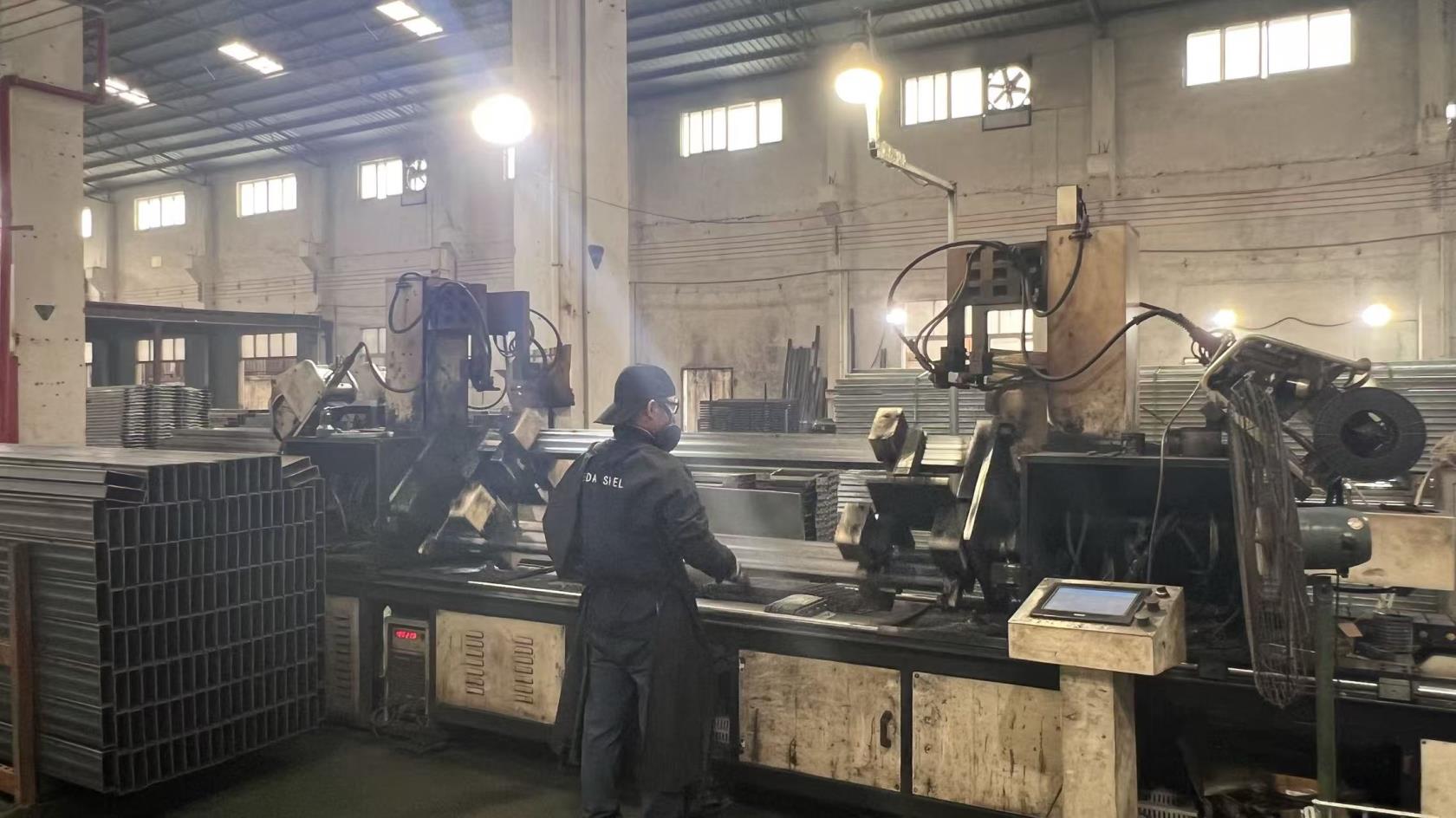
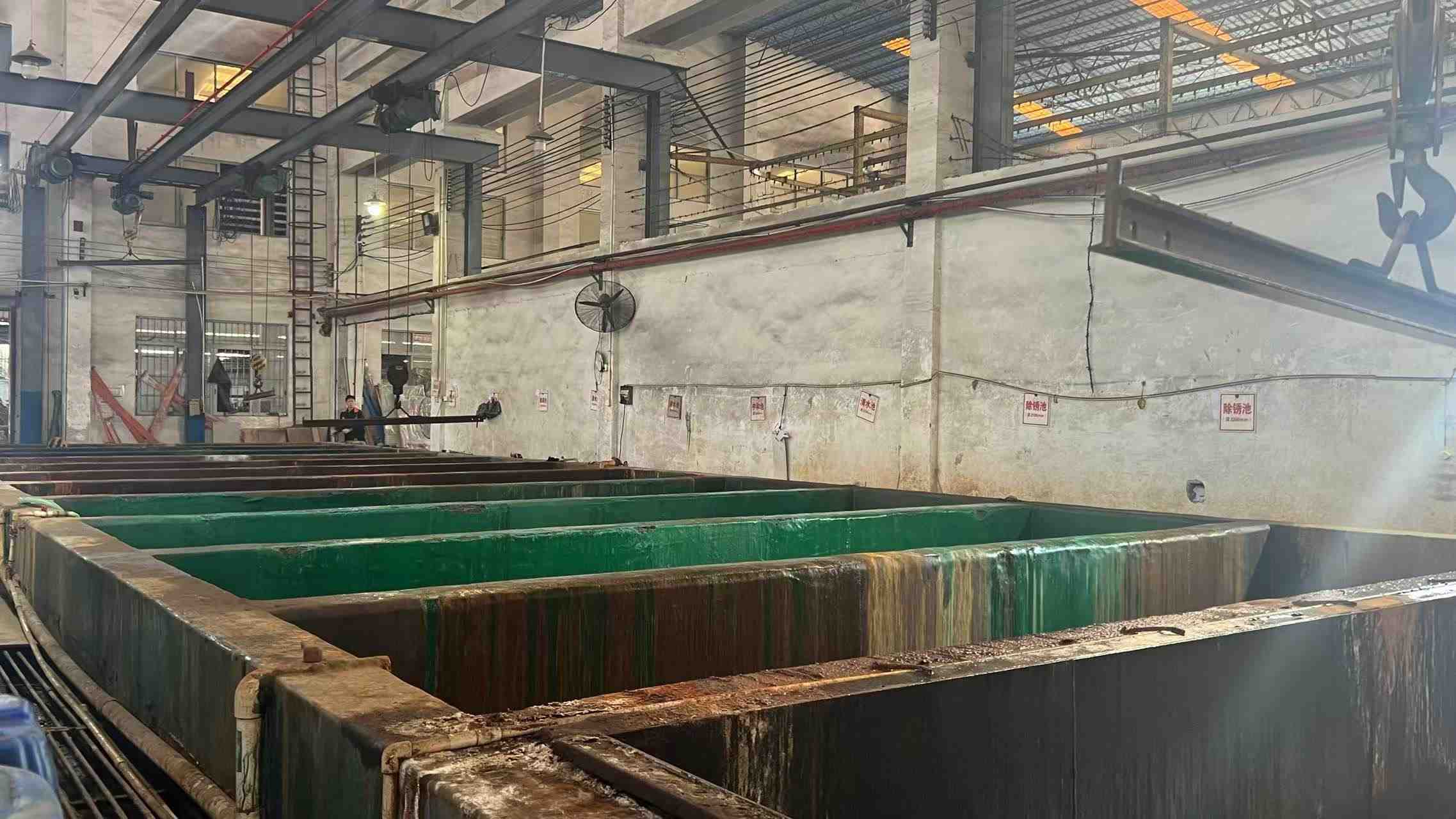
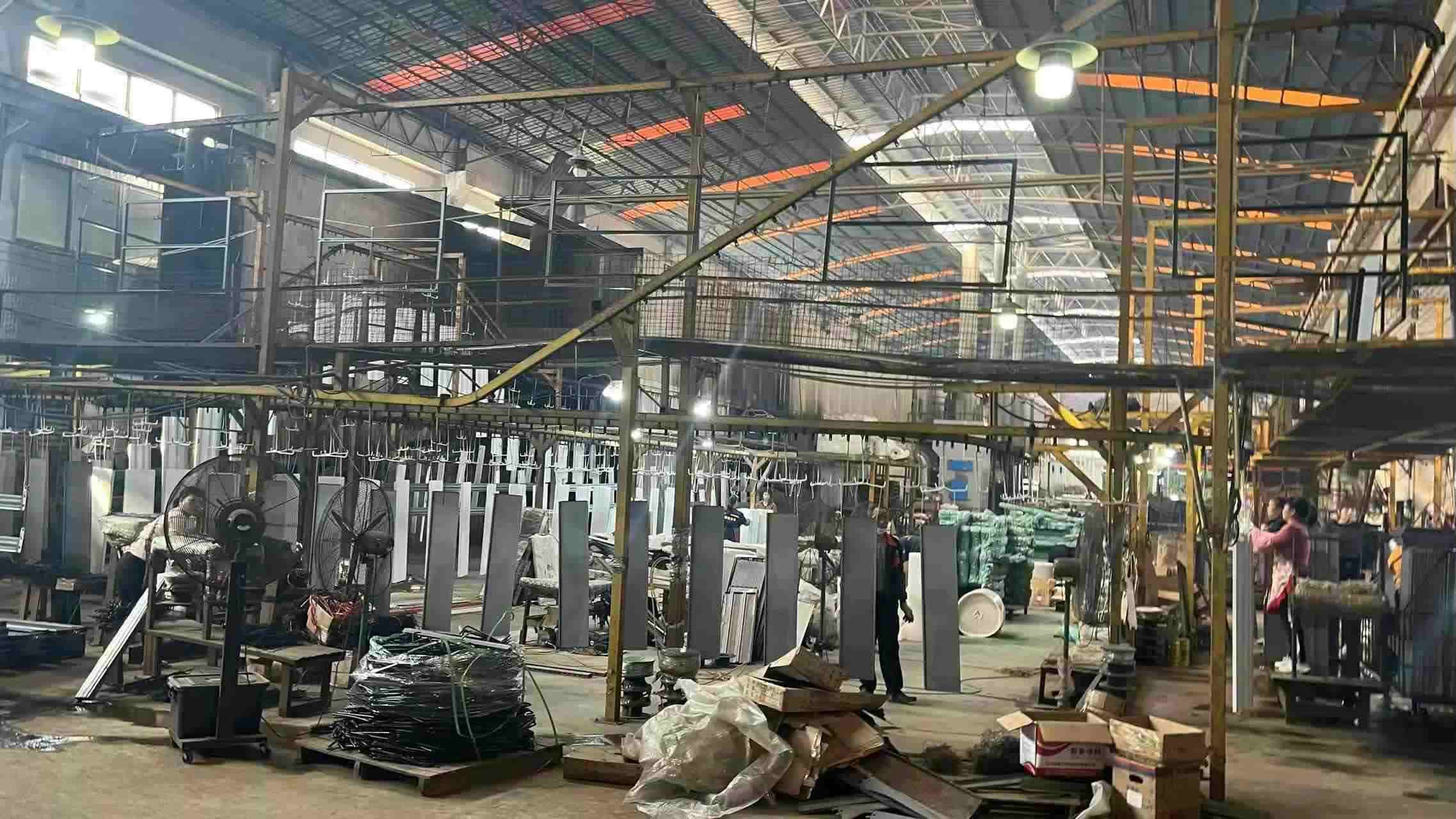
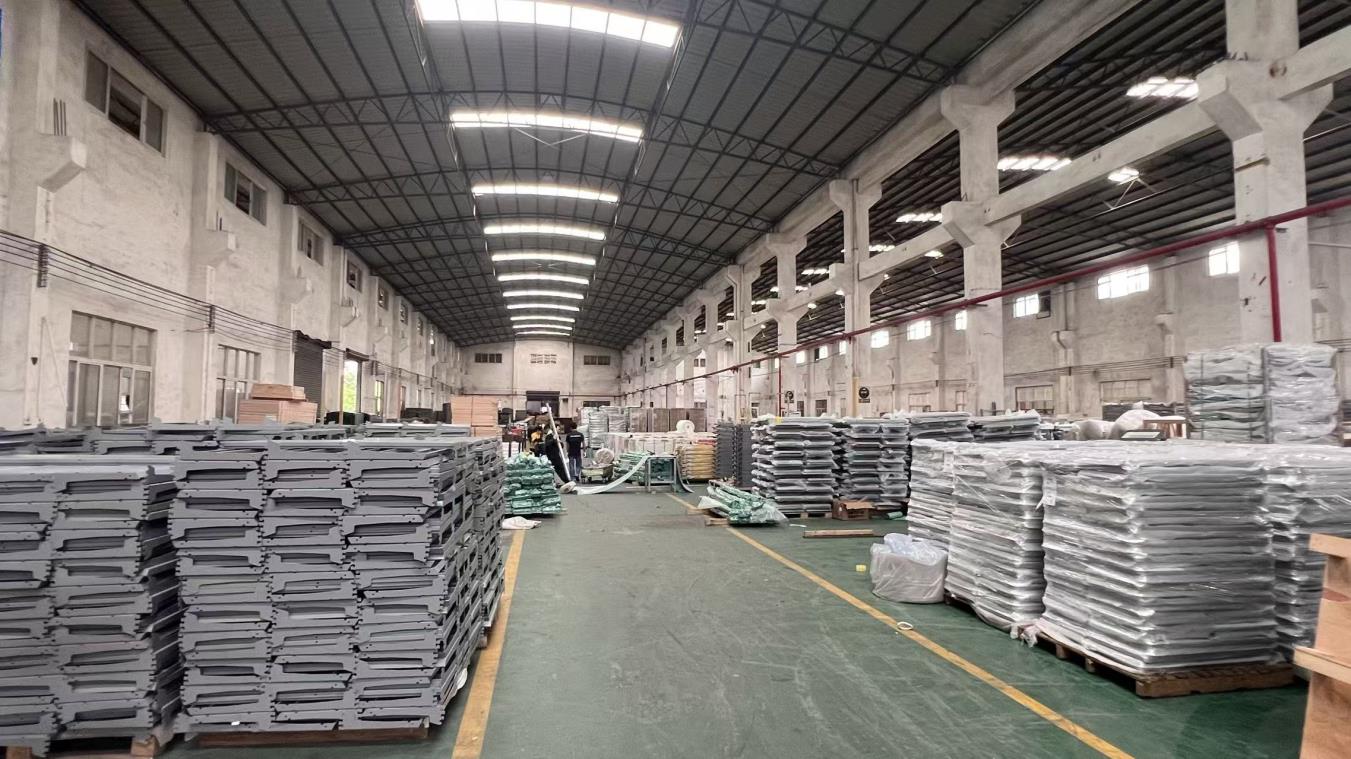
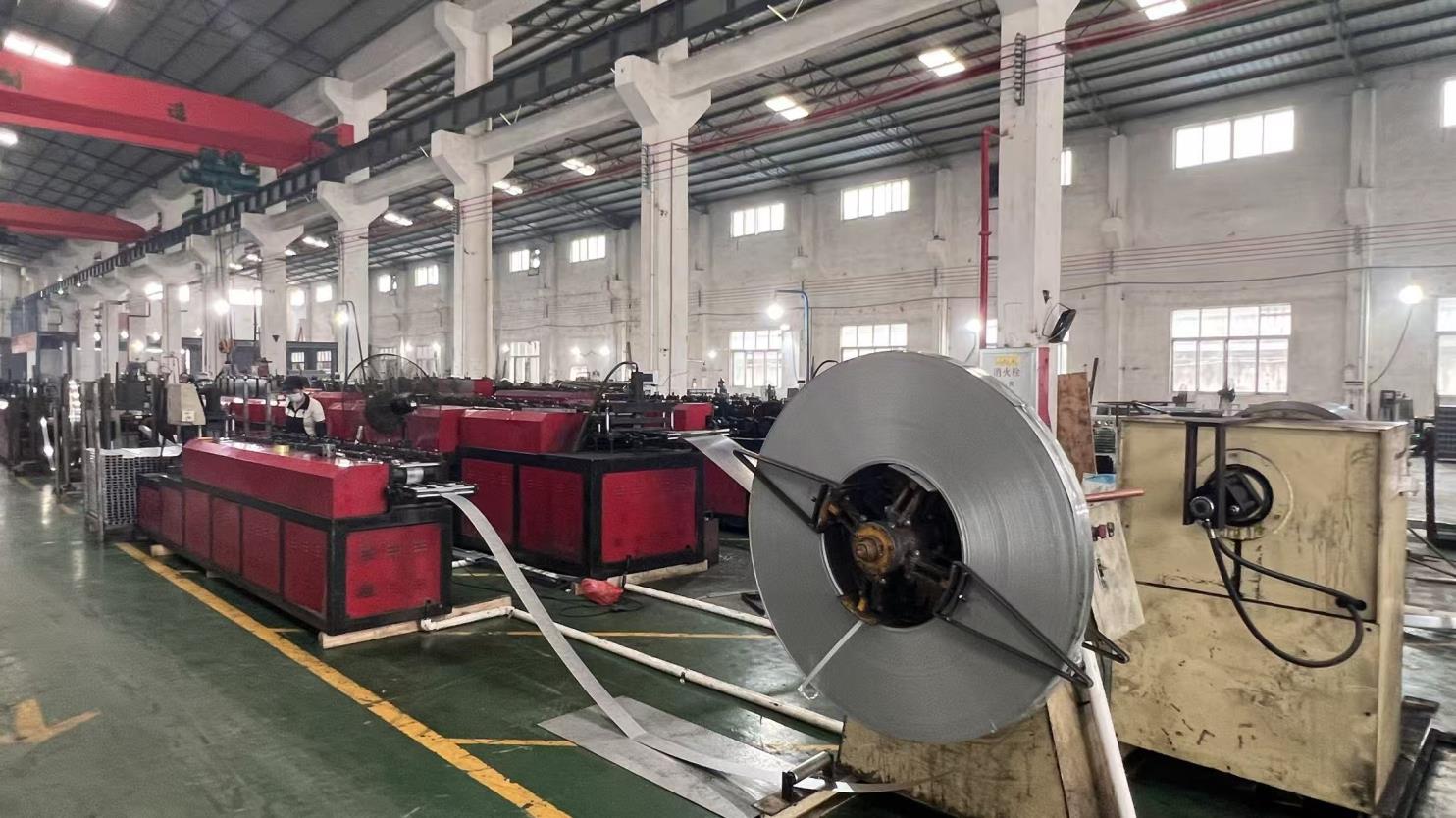
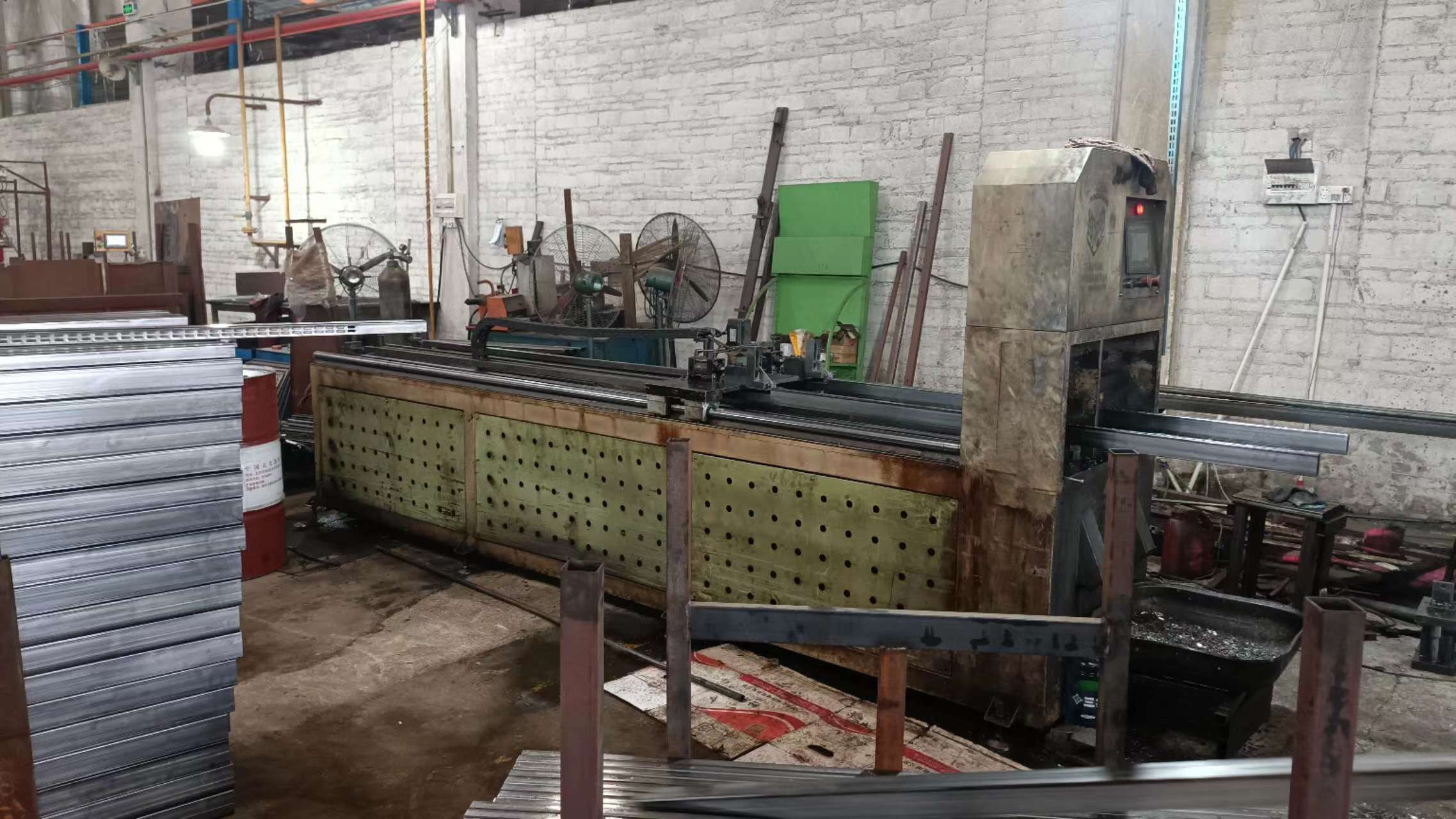
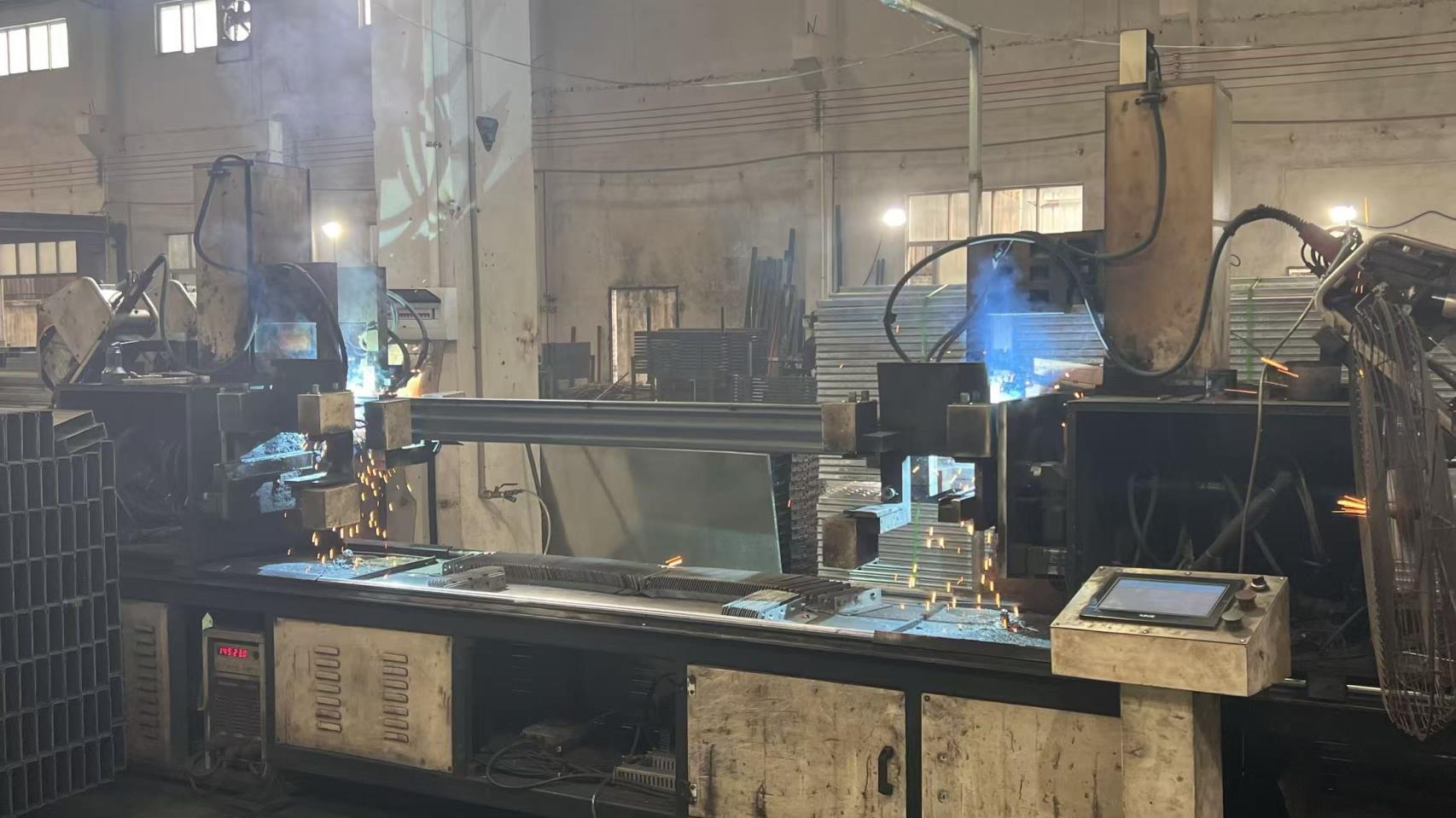
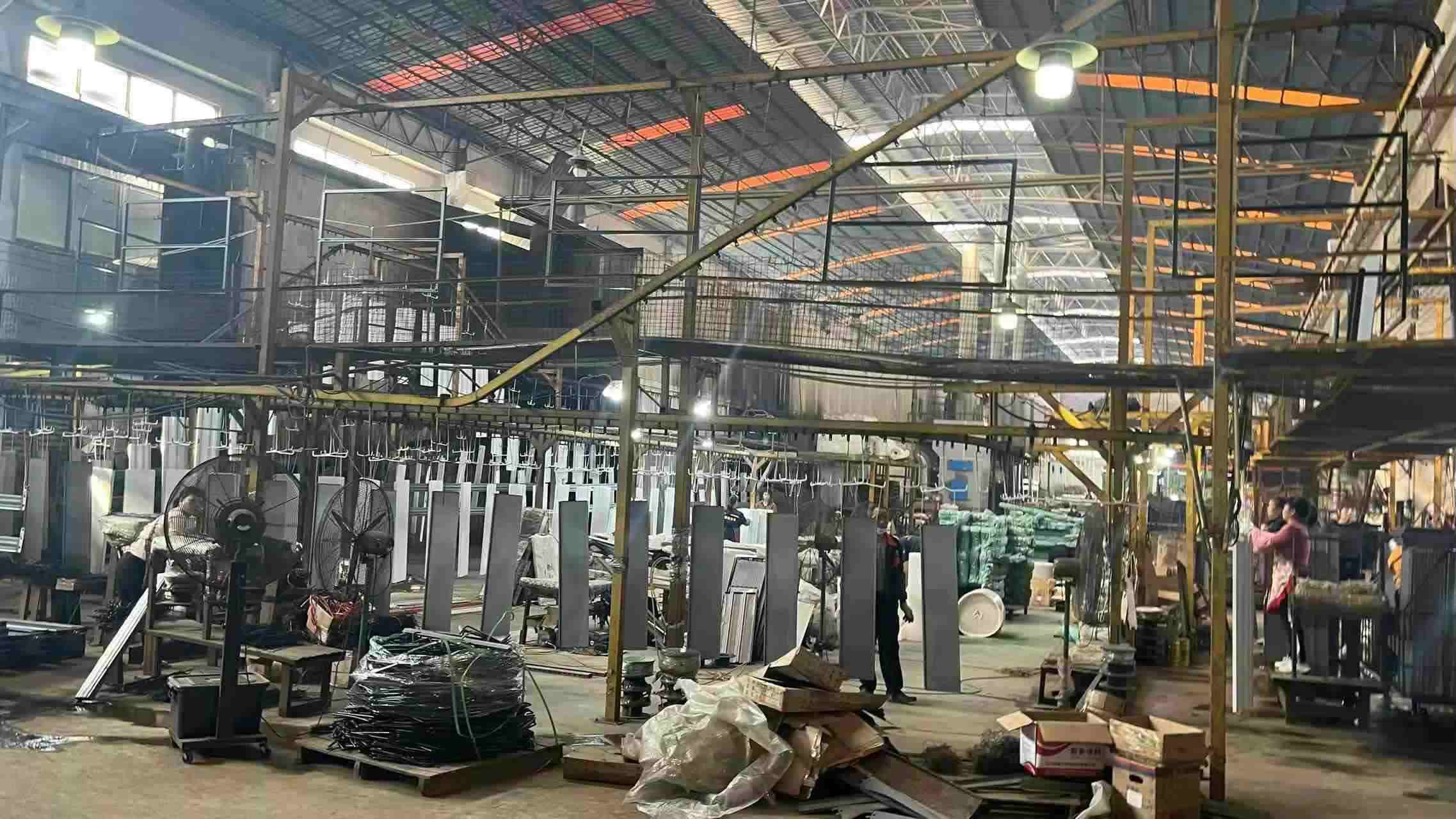
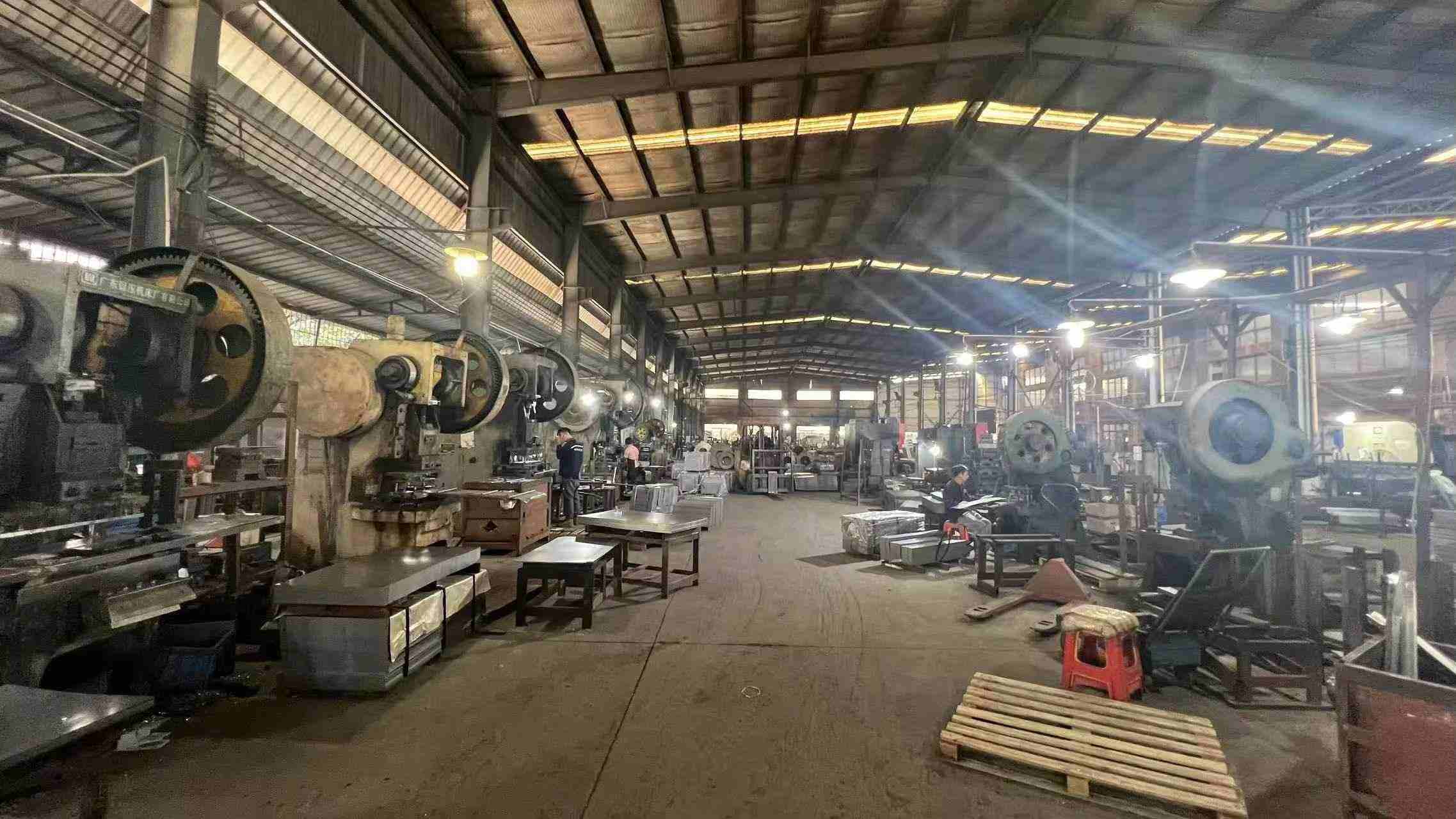
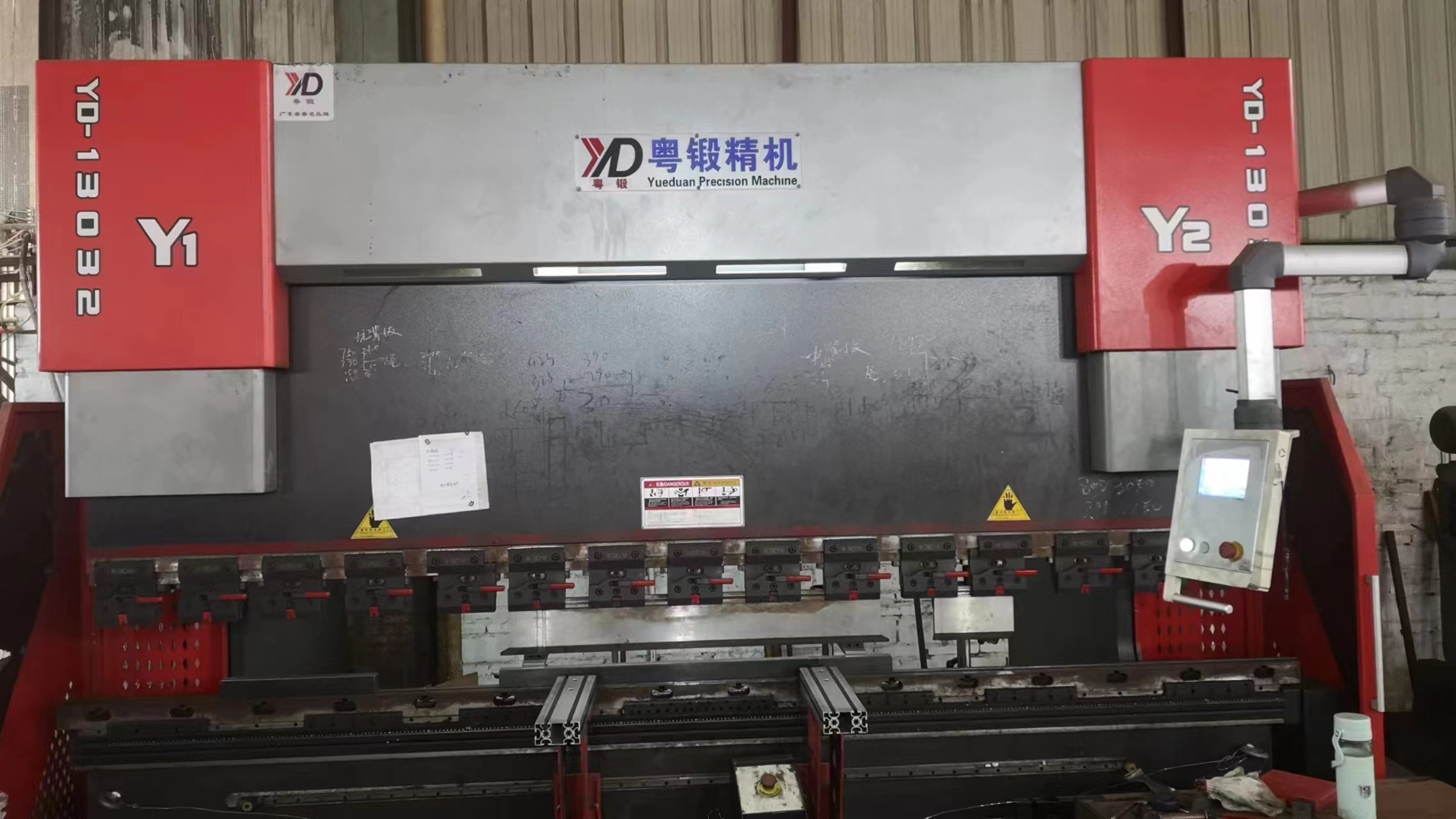
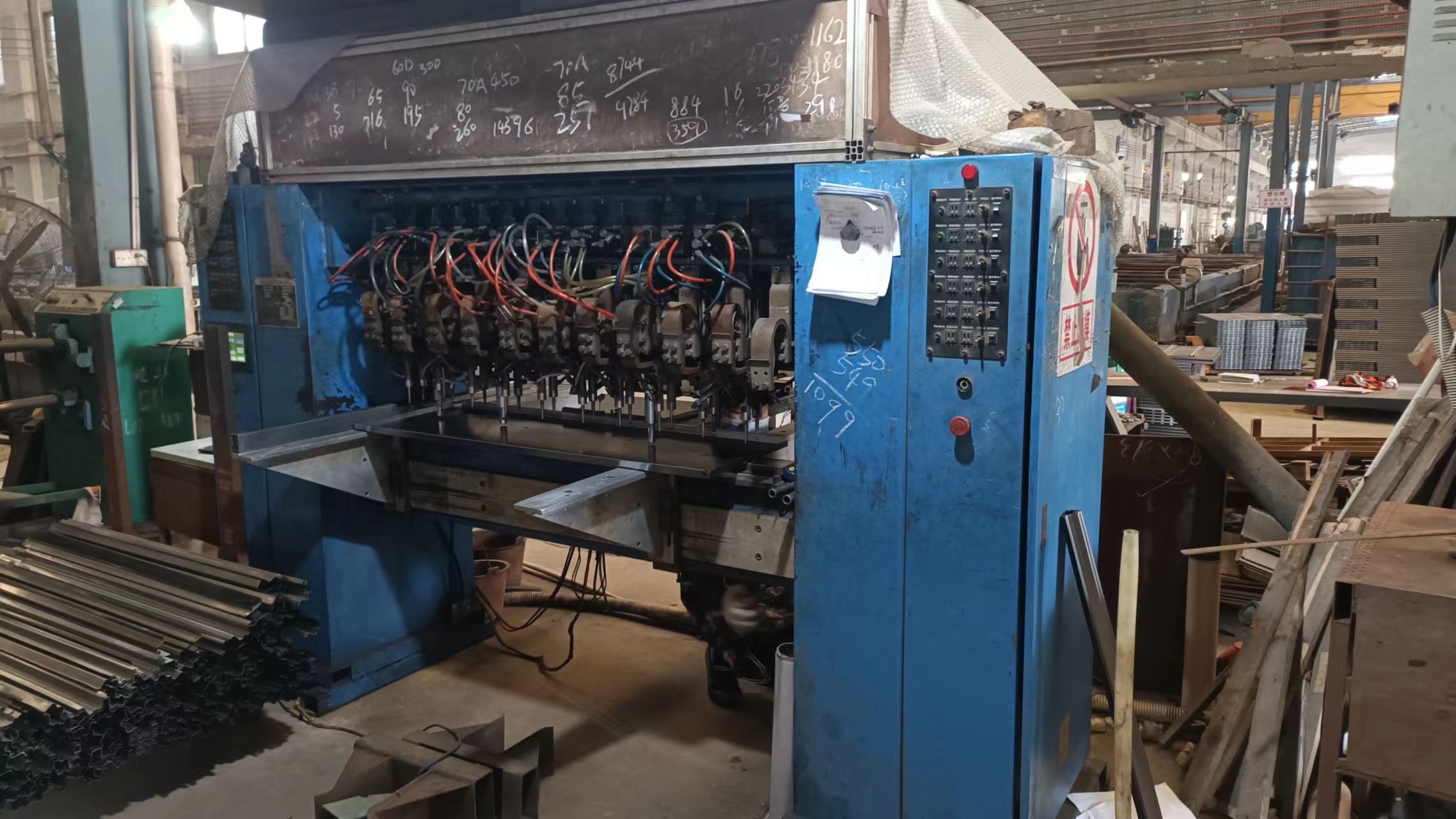
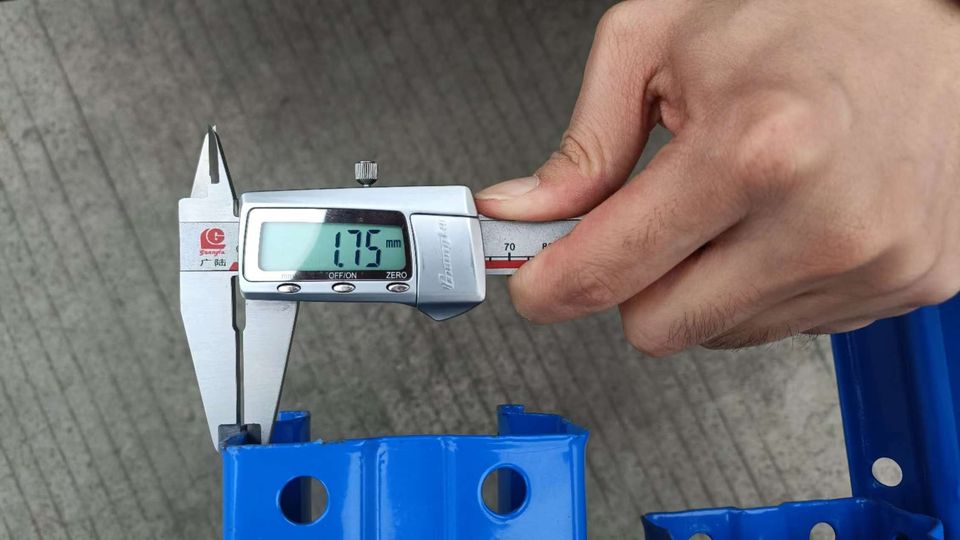
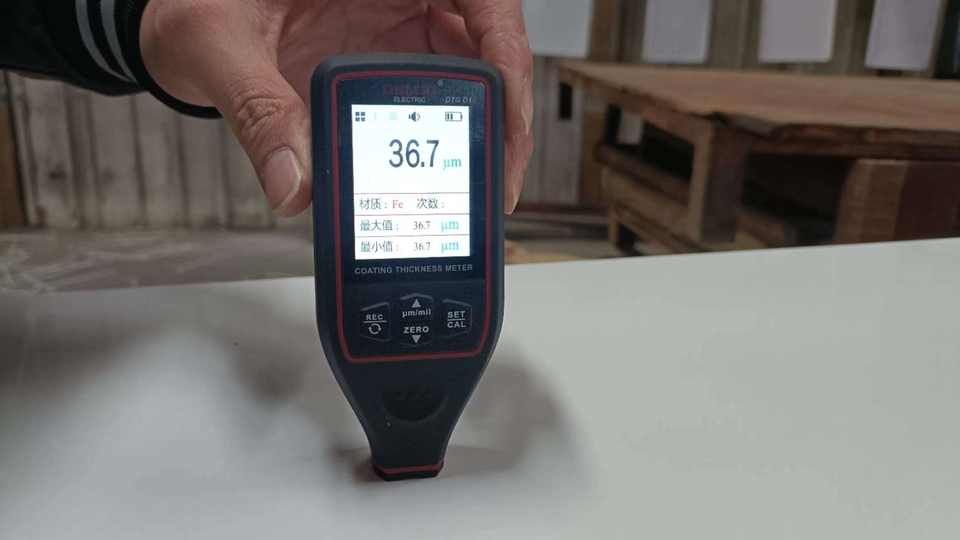
High-density gravity flow systems customized to solve spatial and inventory management challenges across distinct logistics sectors.
Operating in environments down to -30°C increases steel brittleness and friction coefficients. Our cold-chain pallet flow setups utilize structural grade steels tested for low-temperature impact strength, combined with shielded dynamic bearings and specialized lubricants. This configuration prevents dynamic freeze lockouts and ensures consistent gravity flow performance.
Fast-Moving Consumer Goods require strict FIFO rotation. Our deep-lane flow racks (extending over 20 pallets deep) utilize specialized separation gates at the discharge end. This alleviates downstream backpressure, allowing forklift operators to retrieve the primary pallet safely without receiving the structural weight of upstream inventory.
Automotive assembly lines depend on just-in-time component staging. Durack pallet flow channels feature split-roller paths designed for varied container widths, combined with custom guide rails. This design delivers reliable pallet guidance and seamless integration with automated guided vehicles (AGVs).
Integrating smart logistics, predictive sensor technology, and automation with traditional gravity-fed systems.
We are piloting speed controllers equipped with internal sensors that transmit speed metrics via Bluetooth Low Energy (BLE) or LoRaWAN. This allows facility operators to receive real-time notifications on lane travel anomalies, facilitating preventative maintenance and preventing operational downtime.
Future setups combine gravity flow lanes with radio shuttle carts to manage complex variable inventory patterns. This hybrid system maximizes structural density while allowing flexible lane management and high-volume FIFO/LIFO rotations.
In response to green initiatives, we are engineering rollers and framing from recycled plastics and low-carbon steel alloys. These configurations maintain high tensile limits while lowering the carbon footprint of structural warehouse systems.
Meeting international safety codes, local architectural requirements, and structural engineering compliance standards.
Our structures comply with European FEM design standards, ensuring structural steel tolerances, deflection ratios, and structural safety parameters meet regional codes for industrial storage systems.
For North American exports, we follow Rack Manufacturers Institute (RMI) calculations. These guide our column dimensions, seismic bracing, and anchoring configurations to secure approval from building inspectors.
We perform seismic hazard modeling based on local soil and threat factors. This ensures our frames are engineered with expanded baseplates and heavy duty structural bracing to maintain stability during seismic events.
Technical answers to key operational, structural, and procurement inquiries from warehouse engineers.
For most standard operations, we engineer a pitch between 3.0% and 4.0%. Slopes may be increased up to 4.5% in sub-zero applications to compensate for temperature-induced friction. System pitch must undergo testing with the client's actual pallet type and maximum weight loading prior to installation.
The separator gate isolate the front pallet from the combined dynamic pressure of the upstream pallets. When a forklift lifts the front load, the separator keeps the next pallet held back. Once the front pallet clears the face, the operator releases the latch to let the queue advance in a controlled manner.
Yes. Our engineering division provides full OEM and ODM services. We customize connection brackets, beam widths, and frame connectors to integrate with existing structural designs, ensuring seamless compatibility with legacy racking installations.
We space high-performance speed controller rollers every 1.0 to 1.5 meters down the gravity lane. This spacing prevents runaway speed situations and keeps travel speed below 0.3 m/s, maintaining system control regardless of lane depth.
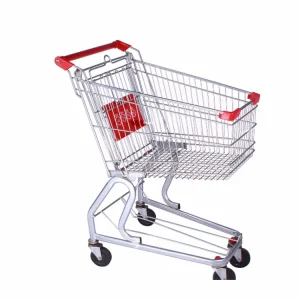
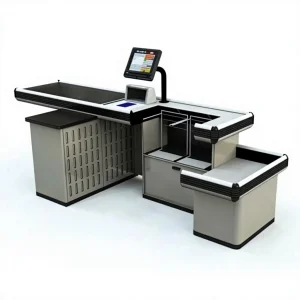
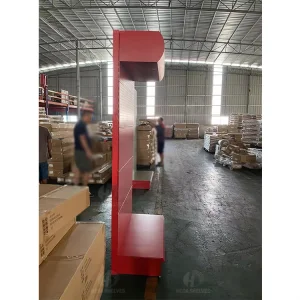
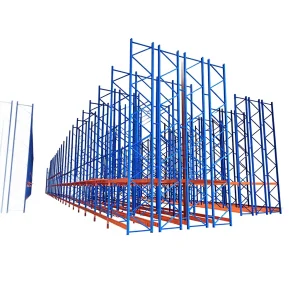
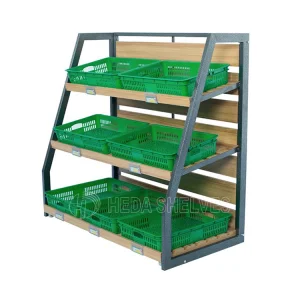
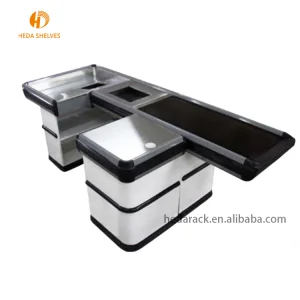
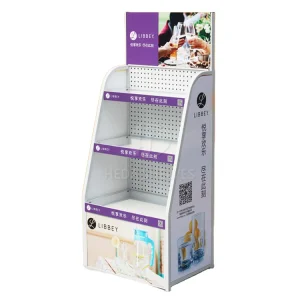
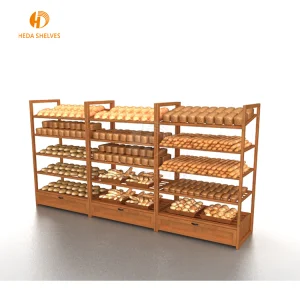
From automatic shuttle integrations to heavy-duty display systems and supermarket checkouts, we supply industrial and retail logistics solutions globally.
 Durack