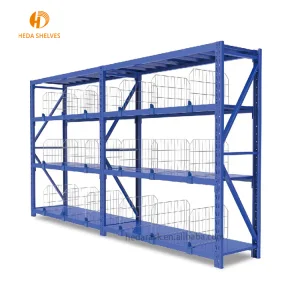
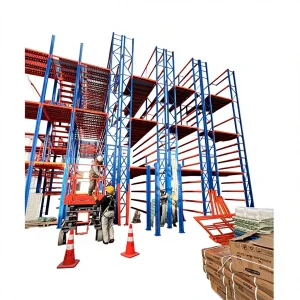
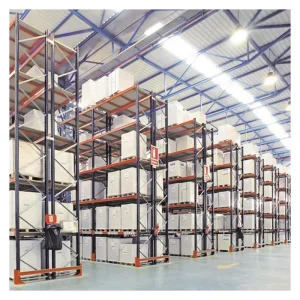
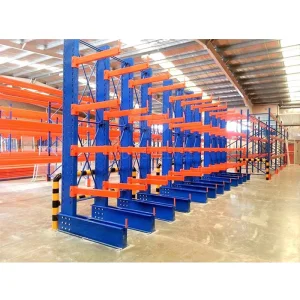
Engineered to maximize vertical efficiency and structural security across industrial warehouses and commercial hubs.
Exploring the macro-economic and logistical shifts steering modern supply chains toward Very Narrow Aisle (VNA) configurations.
In the modern global logistics landscape, industrial space utilization has transformed from a metric of efficiency into a primary component of financial performance. Driven by the explosive growth of e-commerce, third-party logistics (3PL), and just-in-time (JIT) manufacturing, the demand for industrial real estate has driven urban land prices to record highs. Consequently, multinational corporations and logistics operators can no longer afford the large footprints required by traditional wide-aisle storage configurations. This structural shift has created a significant surge in the global demand for Very Narrow Aisle (VNA) storage systems.
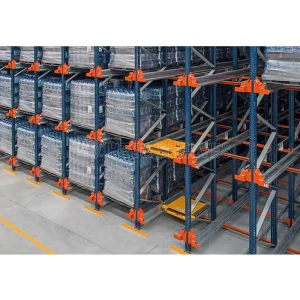
VNA storage systems reduce operating aisle widths from the traditional 3.5–4.5 meters down to 1.5–1.8 meters. By saving up to 50% of aisle space, VNA designs allow warehouses to increase overall storage capacity by 40% to 60% without expanding the physical footprint of the building. This optimization is particularly crucial for temperature-controlled cold chains, high-value consumer goods distribution, and heavy-machinery component depots, where every square meter represents high construction and operating costs.
Reclaim up to 50% of wasted aisle space, converting open travel lanes into productive storage locations without modifying your building envelope.
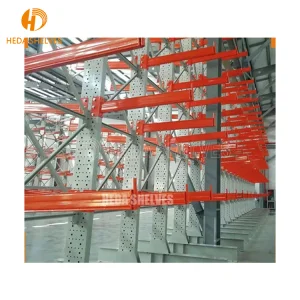
Safely scale racking systems up to 18 meters high, fully utilizing overhead volume while maintaining rigid structural tolerances and load capacities.
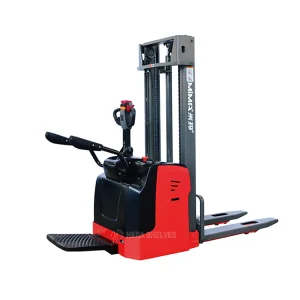
Engineered to integrate with AGVs (Automated Guided Vehicles), stacker cranes, and wire-guided VNA turret trucks for semi-automated workflows.
Dongguan Durack Logistics Equipment Co., Ltd. — Your trusted partner in structural engineering and high-density industrial racking systems.
Founded in 2014, Dongguan Durack Logistics Equipment Co., Ltd. is a premier Chinese storage racking system manufacturer operating a 35,000 m² facility. Backed by 12 years of industry experience and 8 years of global export history, the company generates $28 million in annual export revenue.
Our operations are supported by a strict quality assurance system using full-spectrum ultrasonic testing and load-bearing stress evaluations, overseen by 45 dedicated QC specialists. Building on a strong international trading background, our core markets span North America, Europe, and Southeast Asia. We maintain a reliable supply chain network of over 850 partners, catering primarily to third-party logistics (3PL) providers, automated warehouses, and large industrial distributors. Driven by an active R&D division with 65 specialized engineers, Durack offers full OEM/ODM customization options—including bespoke beam profiles, structural steel grades, and dynamic layout designs—launching over 120 new storage products last year.
A step-by-step look inside Durack’s advanced facility, highlighting the manufacturing stages of our heavy-duty VNA racking systems.
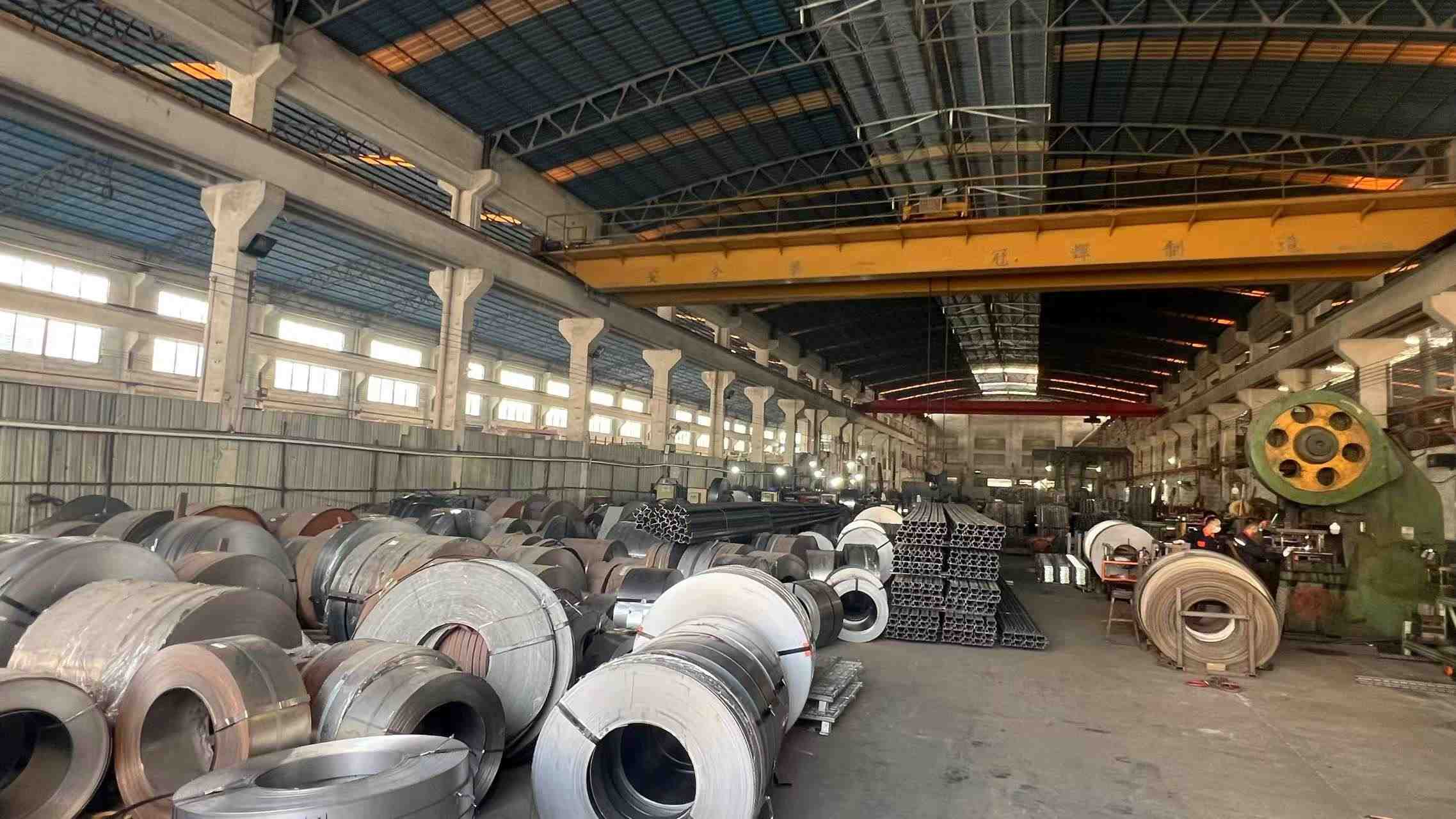
We source structural Q355B steel coils from leading national mills. Heavy-duty VNA uprights require high tensile strength and uniform yield margins to handle tall racking stress loads.
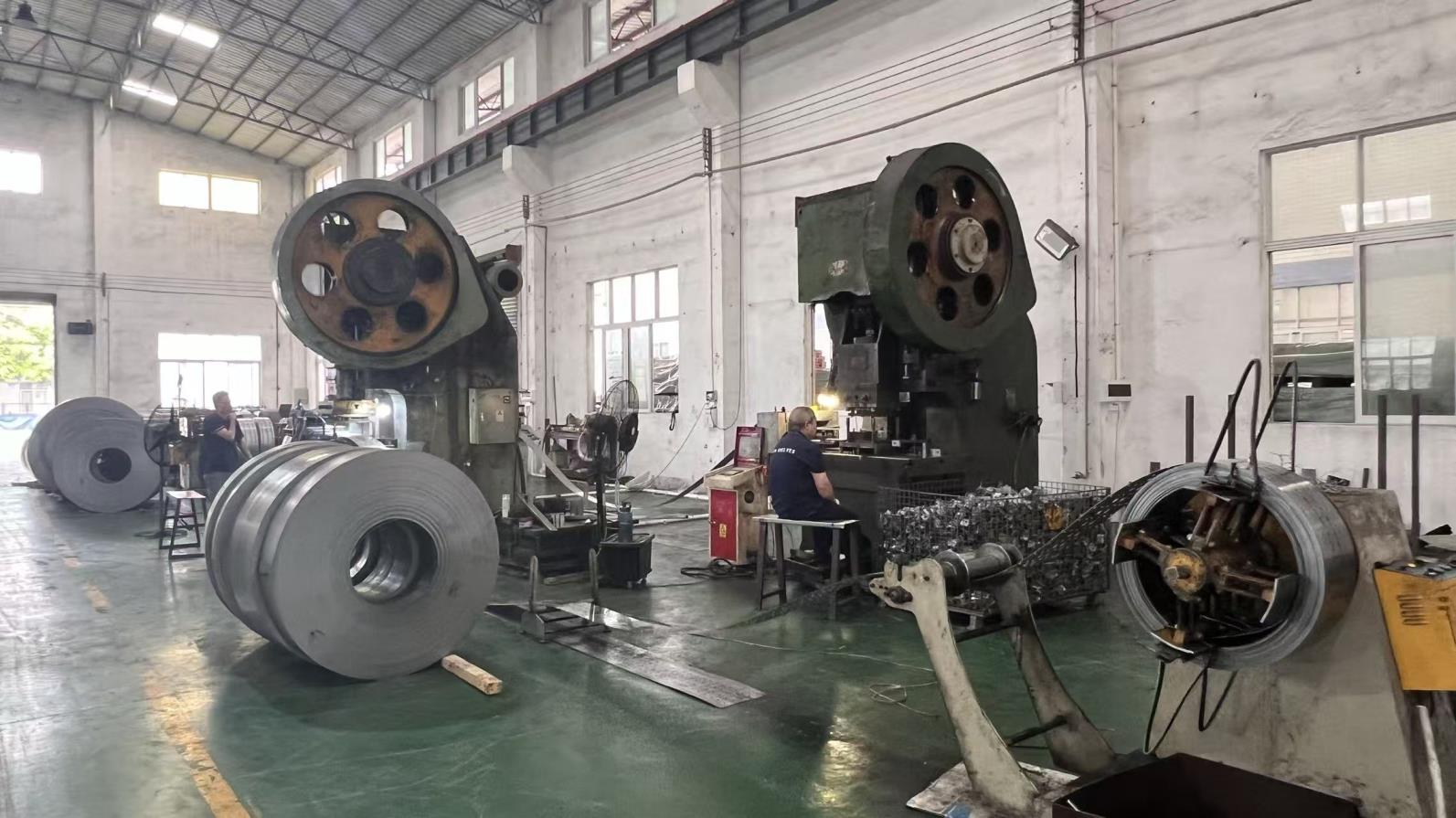
Automated punch matrices stamp connector configurations and alignment slots. These precise cuts allow beams and uprights to lock securely and distribute weight evenly.
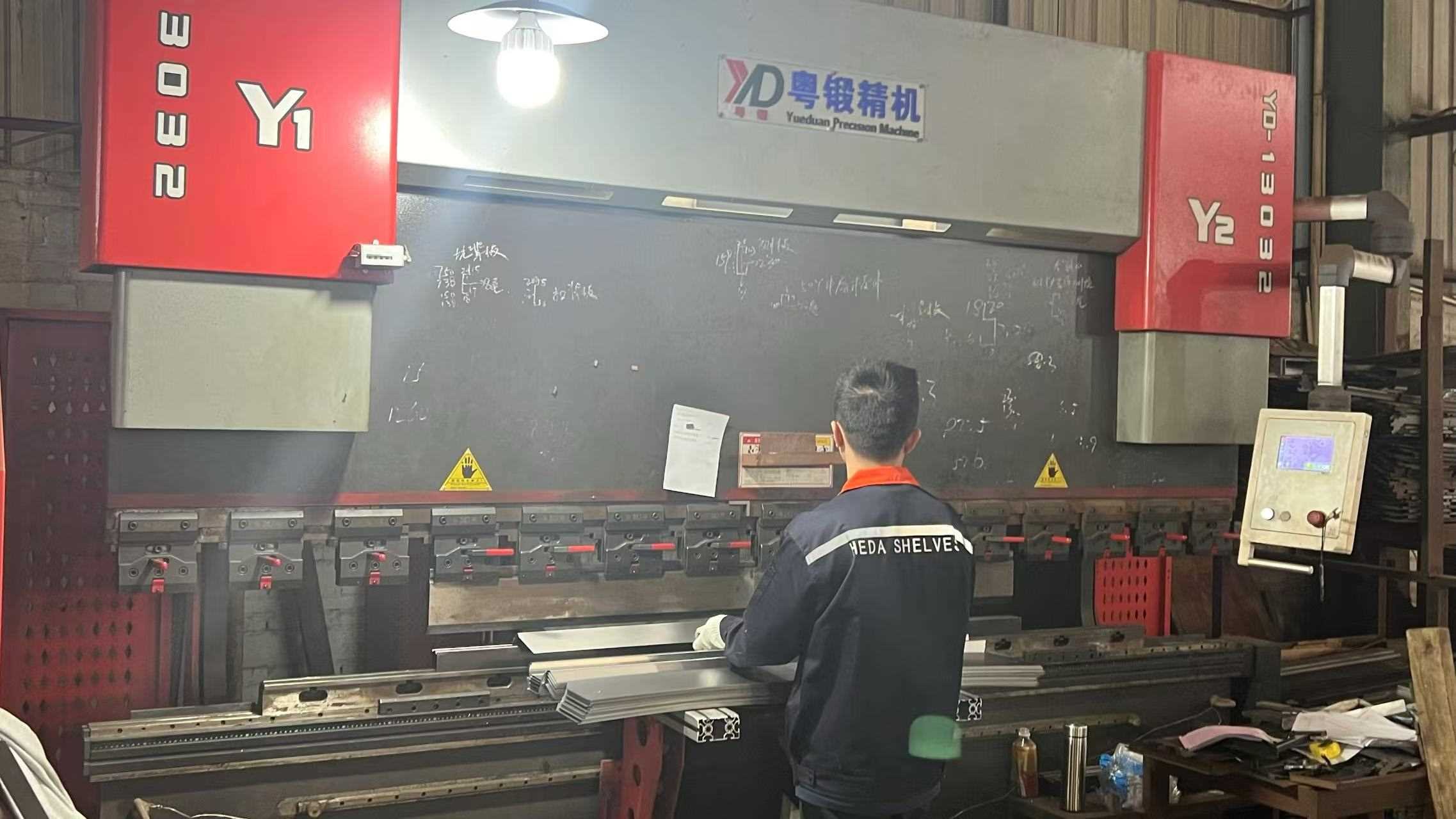
CNC press brakes form structural components and custom angles. Accurate bending prevents localized deformation when frames are placed under heavy vertical loads.
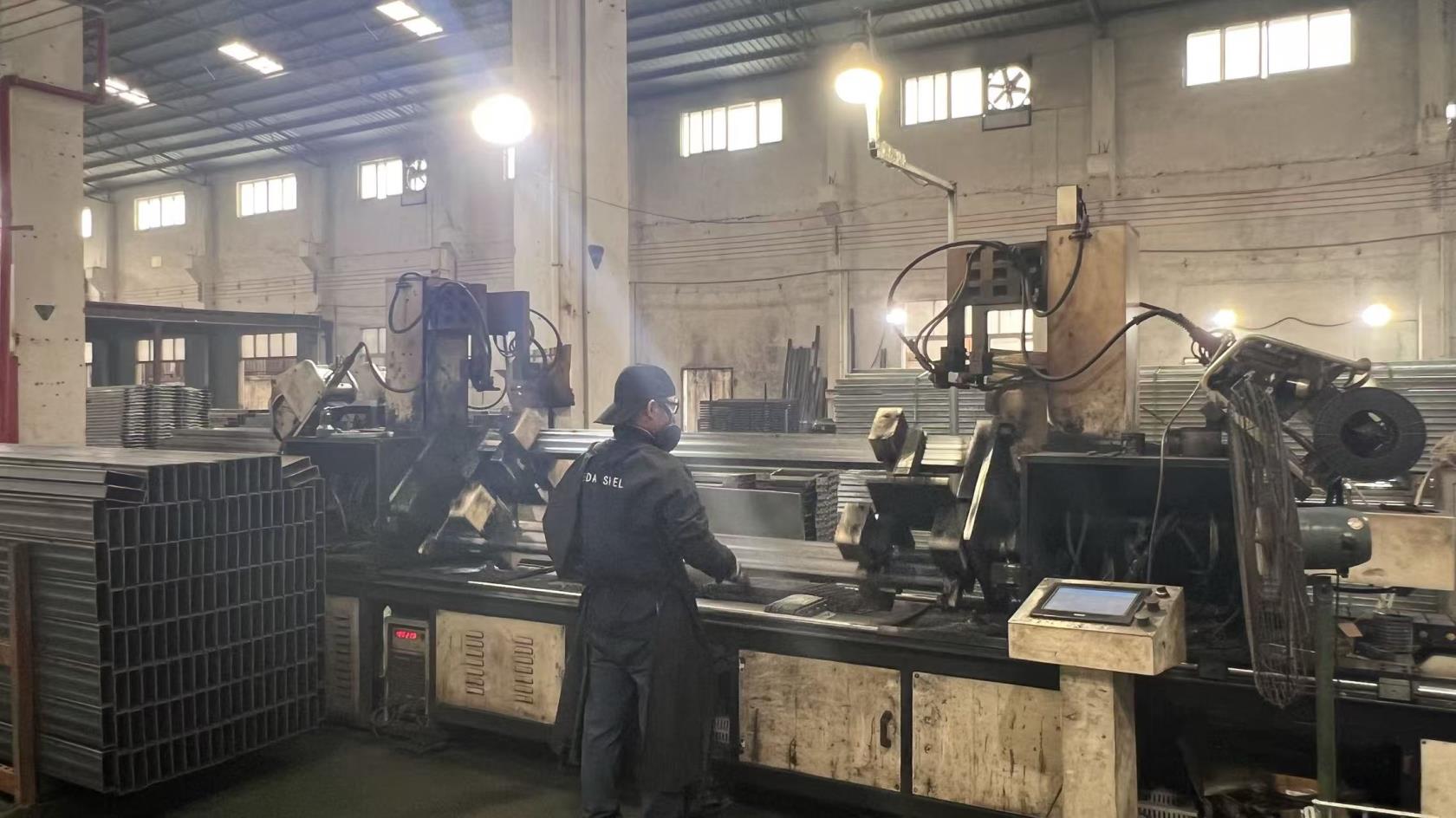
Manual and automated welding steps secure baseplates, diagonal braces, and beam connectors. This creates solid structural joins capable of resisting shear force.
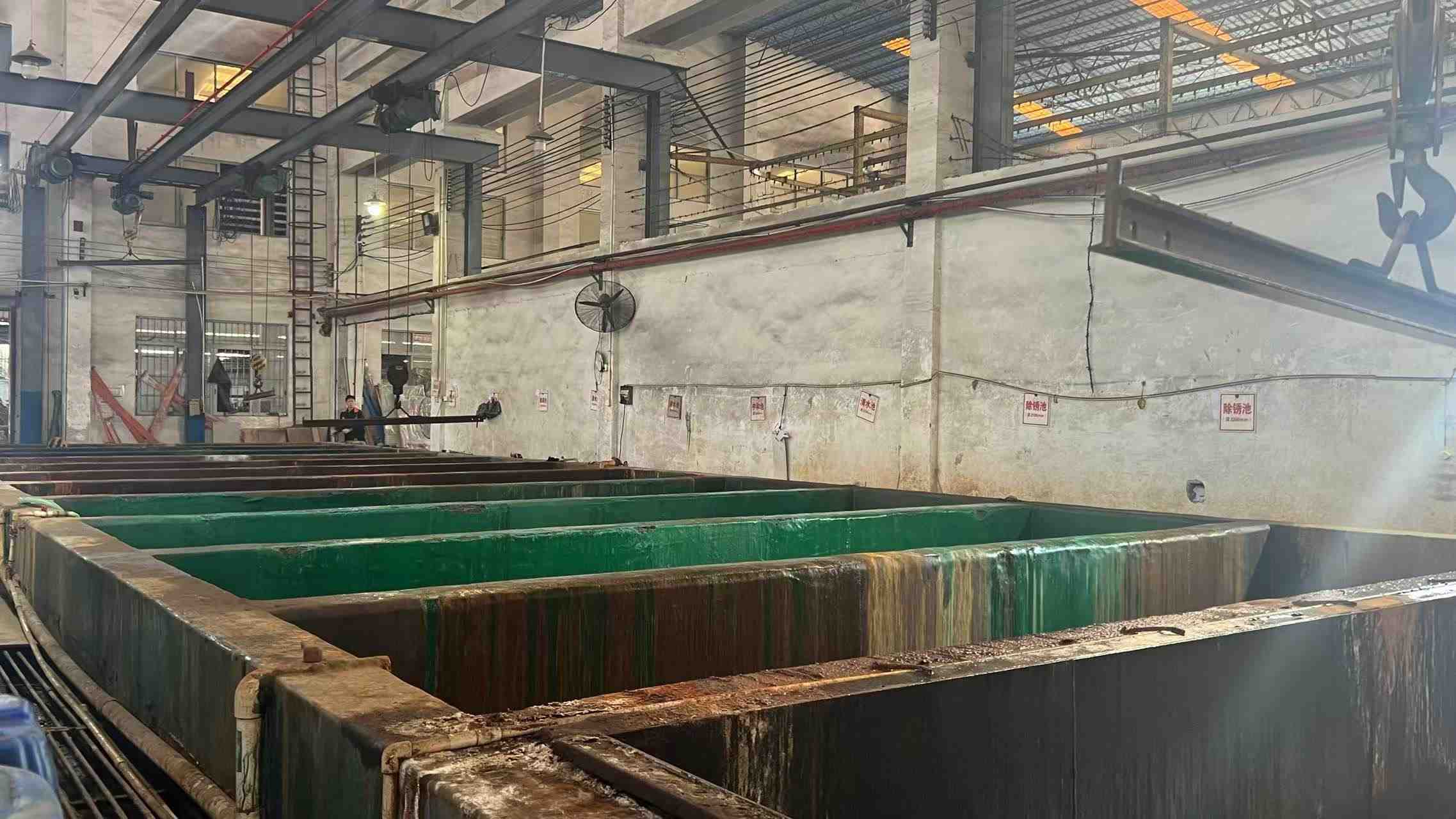
A multi-stage chemical pretreatment bath removes surface mill scale and rust. This creates a corrosion-resistant phosphate layer that prepares the steel for powder coating.
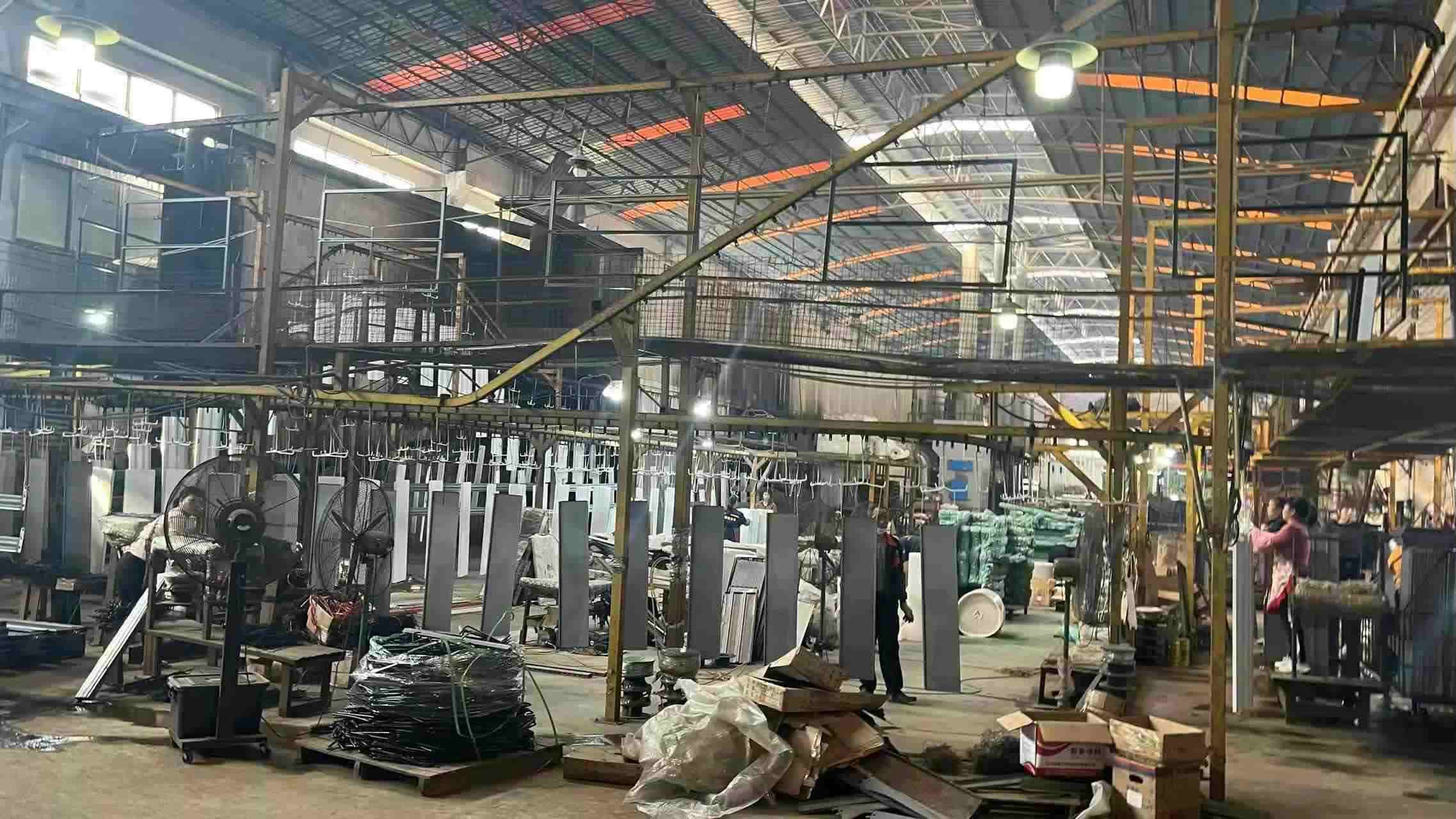
A uniform coat of epoxy-polyester powder is sprayed across all profiles. This durable finish stands up to impact, scratching, and chemical wear in busy warehouses.
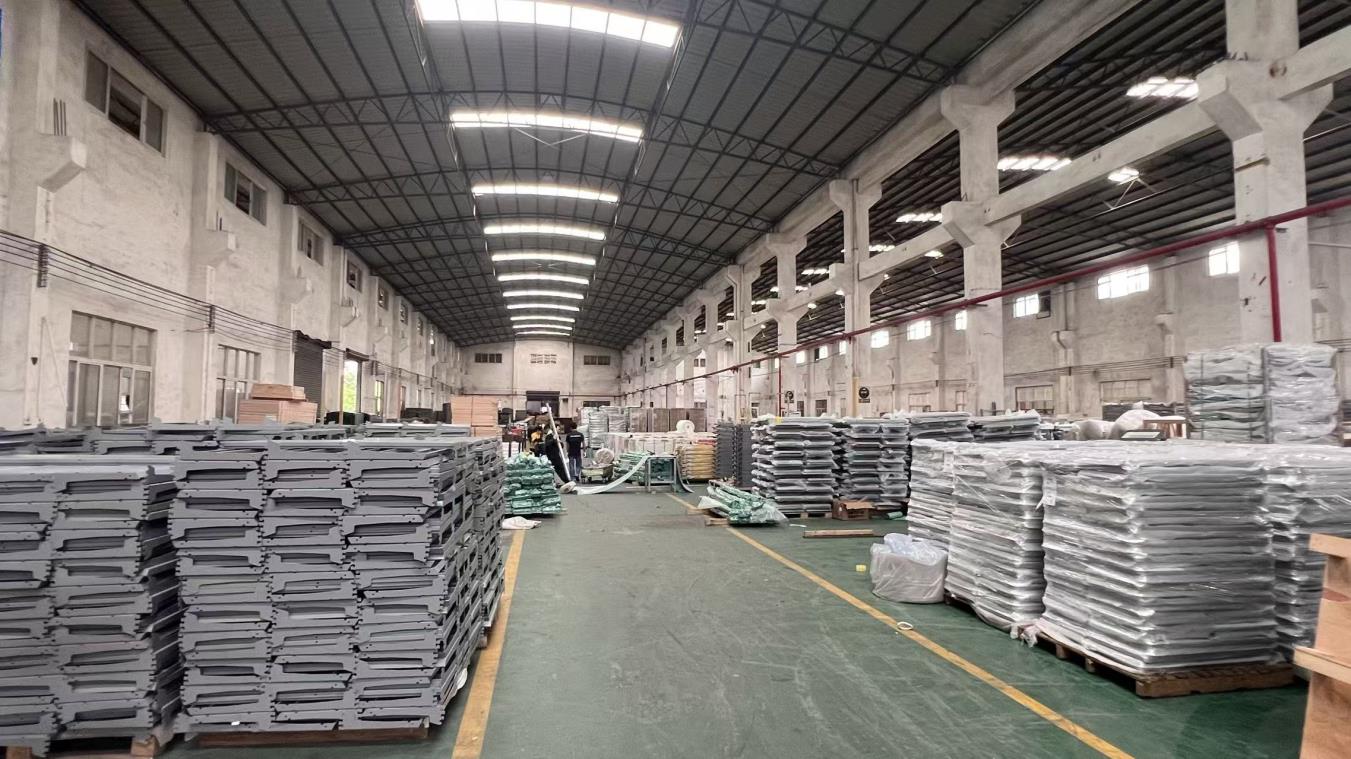
Finished uprights and beams are systematically stored, organized, and packaged. This careful handling protects components during domestic transport and international shipping.
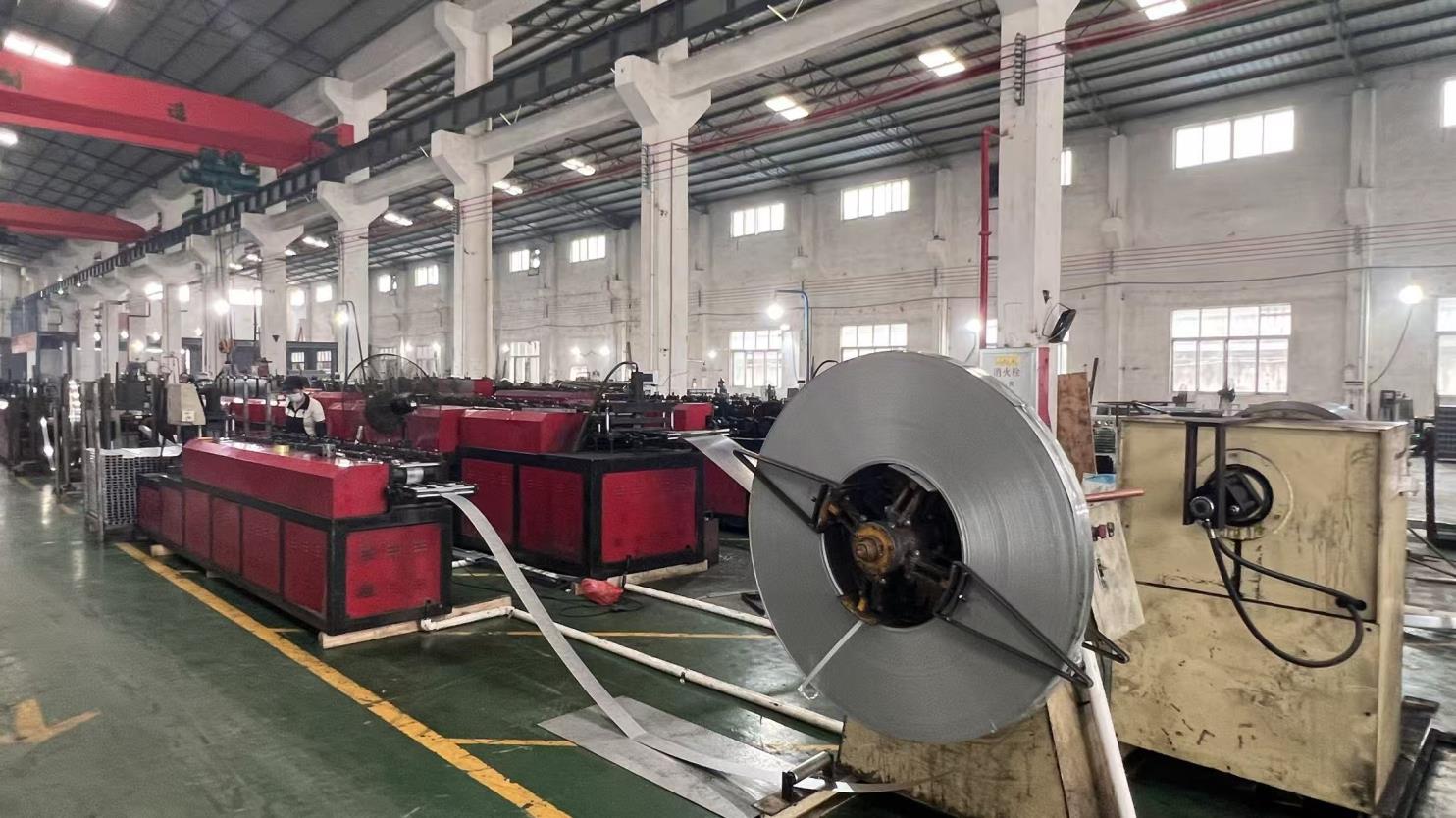
Heavy-duty rolling mills shape steel coils into custom upright profiles. The cold-formed design adds strength, helping keep profiles straight across long upright lengths.
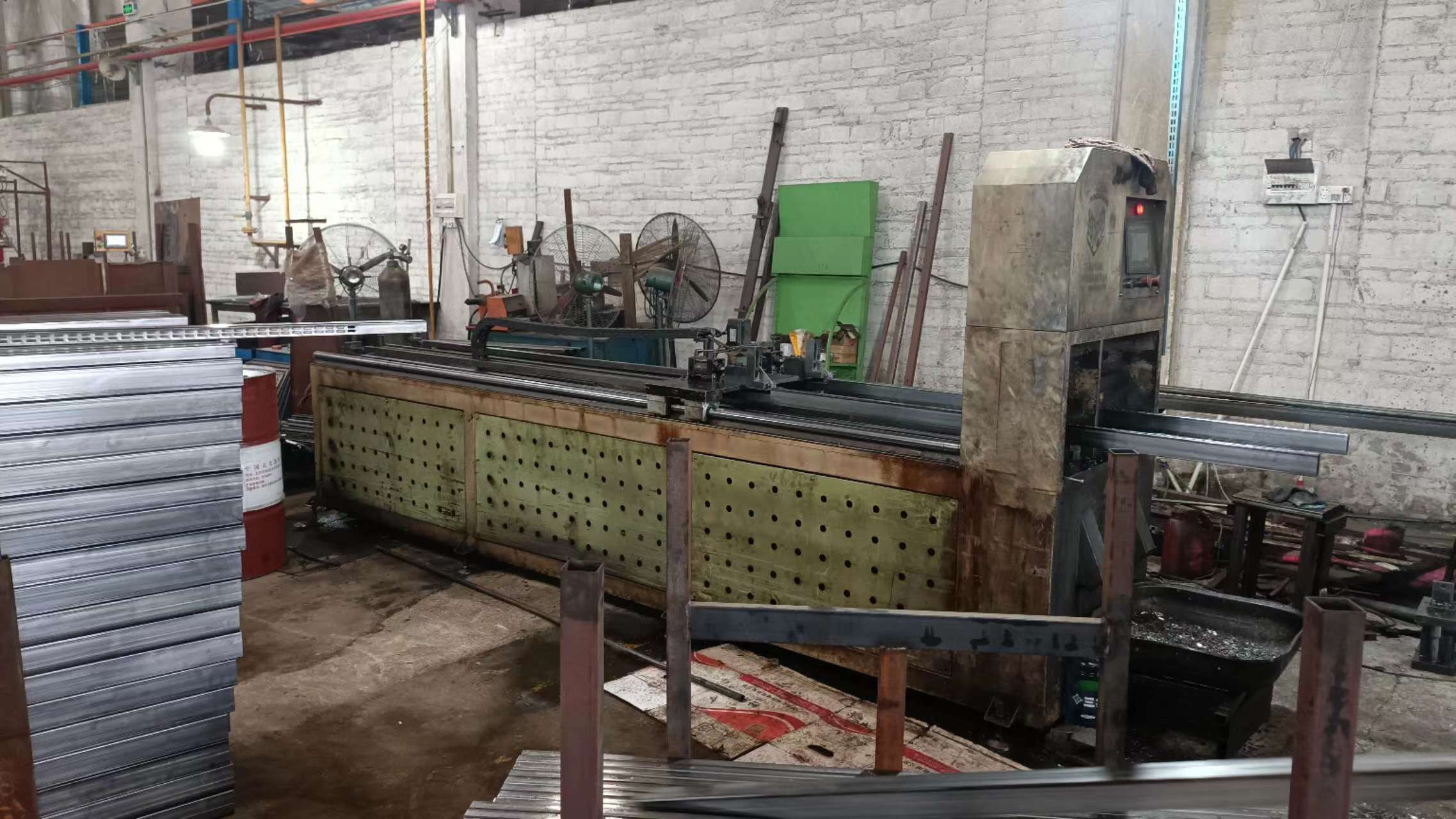
Our high-speed punching systems stamp exact hole patterns along continuous upright profiles, maintaining dimensional consistency across large-volume production runs.
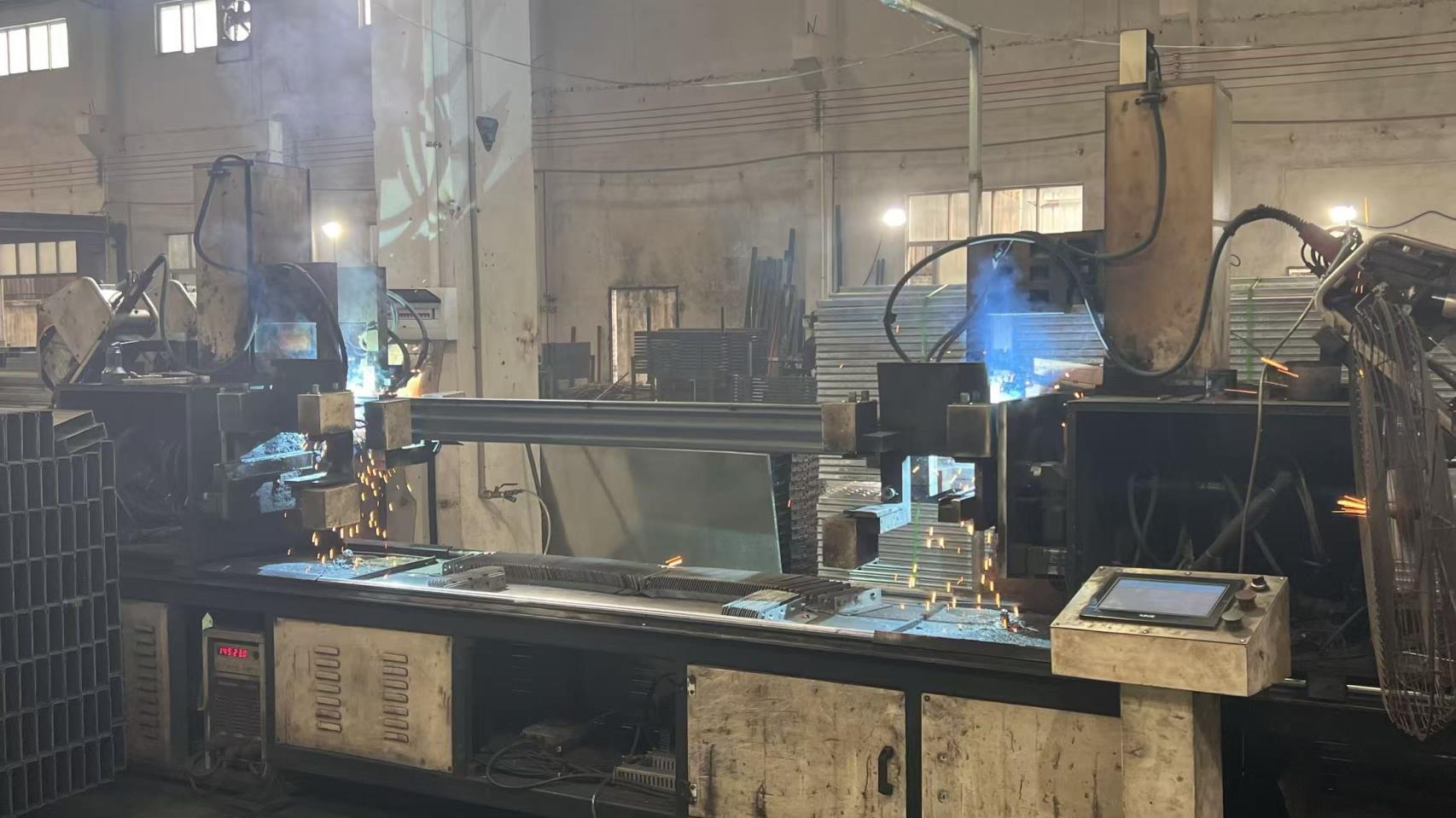
Automated robotic welders run uniform, deep-penetration weld beads on beam connectors. This precision increases structural stability and helps prevent weld failure.
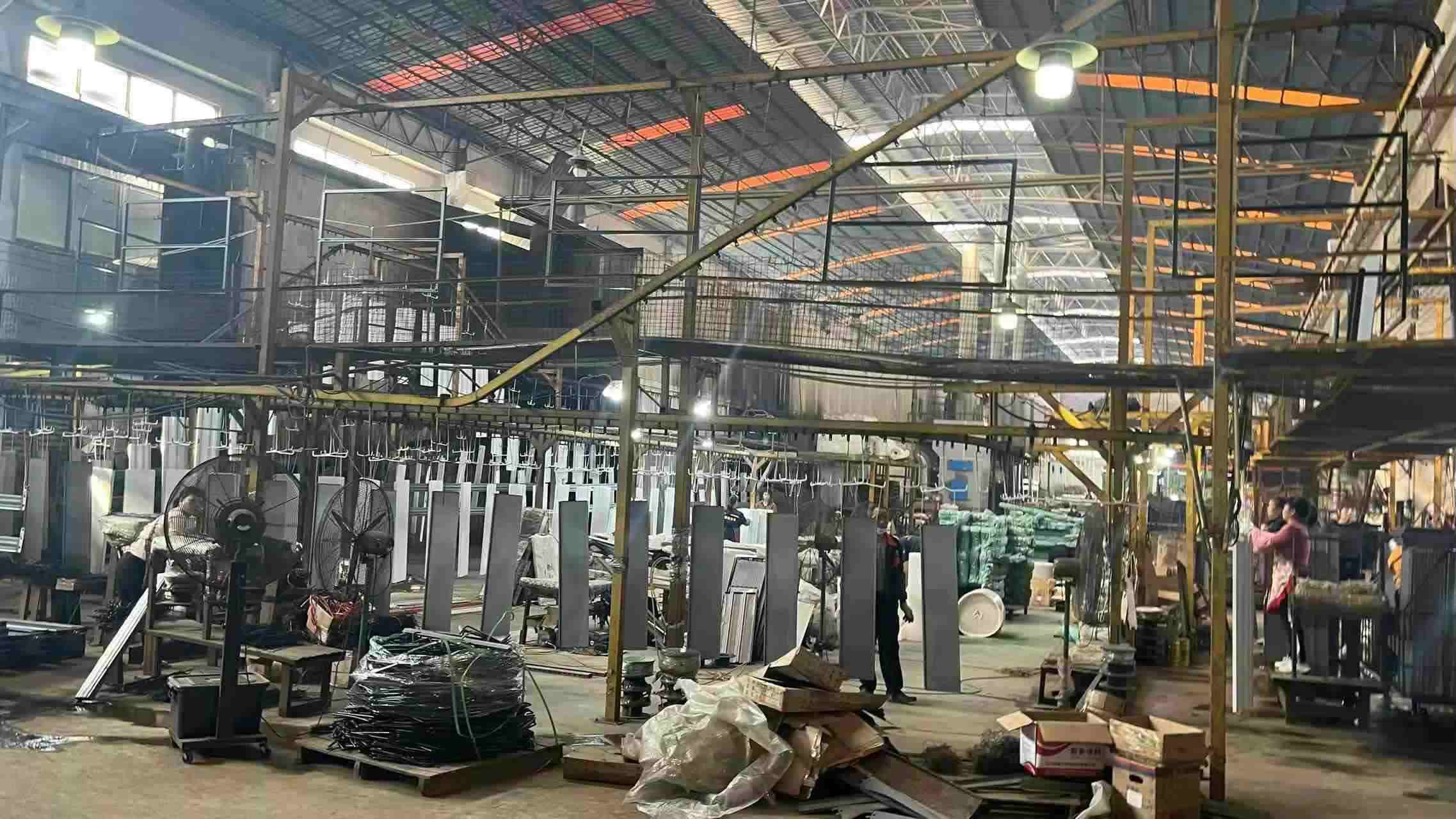
The powder-coated components travel through curing ovens to bake the finish. This process creates a resilient barrier against chipping, peeling, and rust.
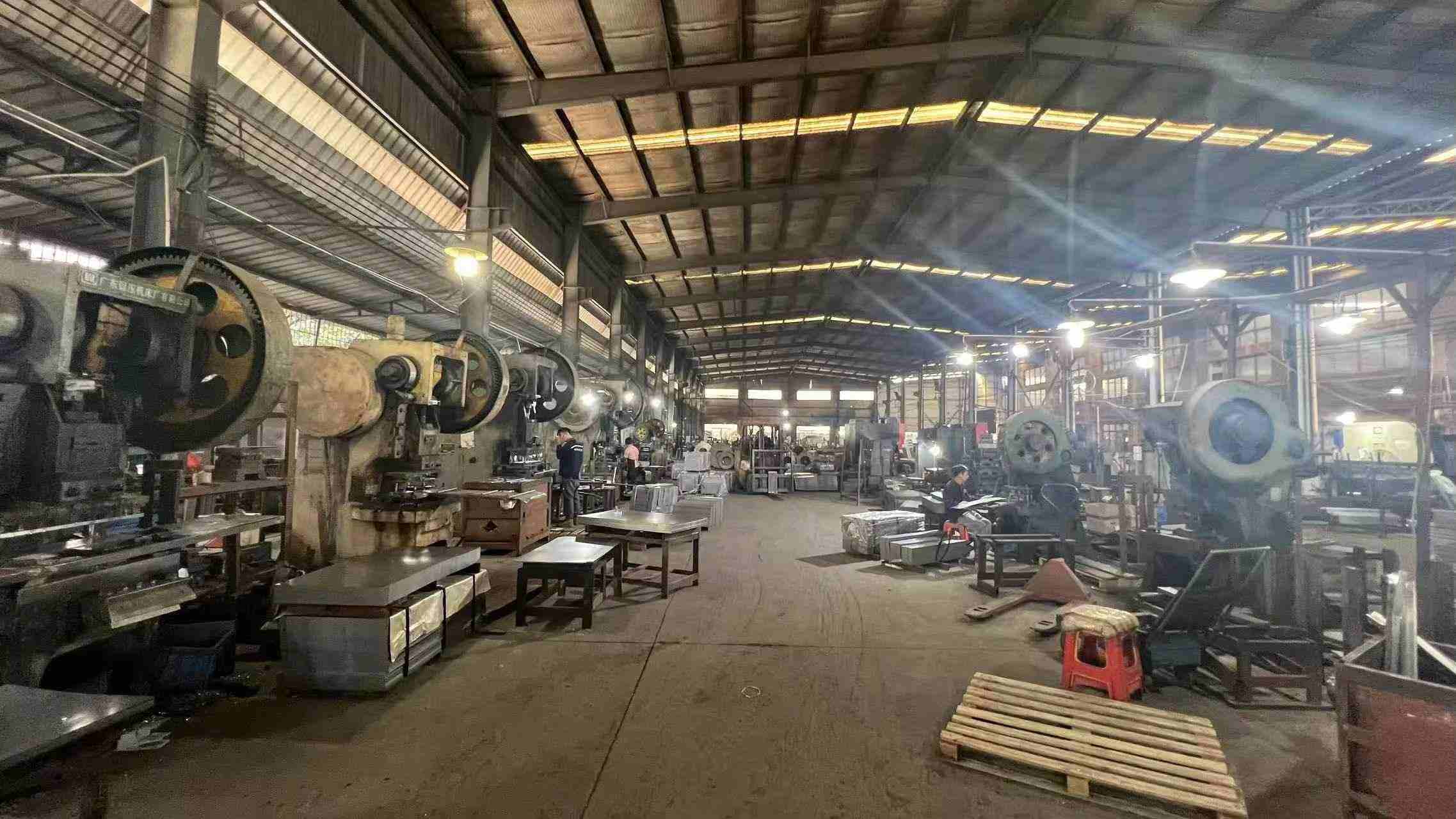
Specialized hydraulic presses stamp heavy plates for base feet and splice plates. These parts anchor racking frames securely to concrete warehouse floors.
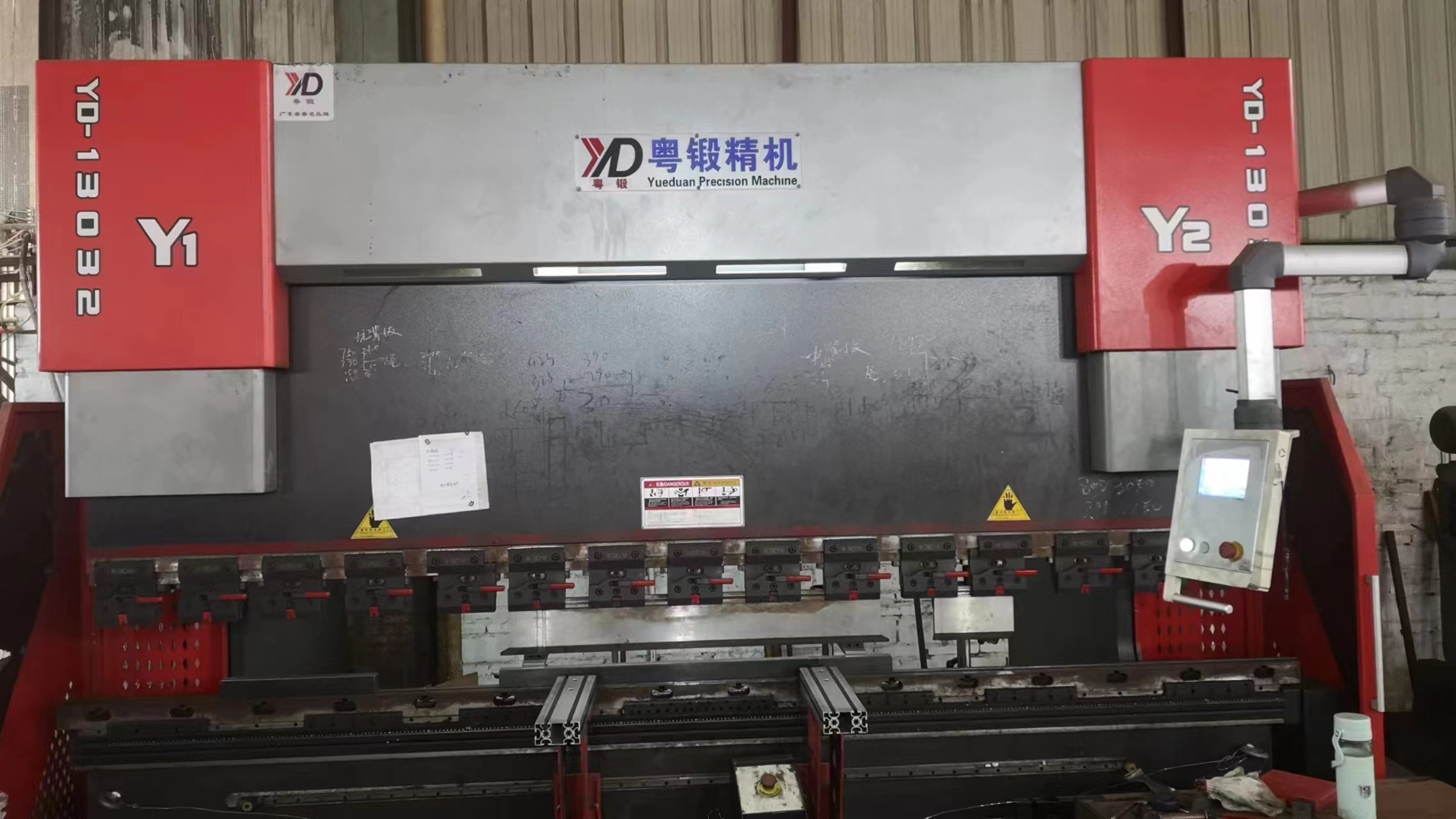
High-tonnage bending equipment processes thick raw steel, creating custom structural brackets, guides, and aisle protectors designed to withstand impact.
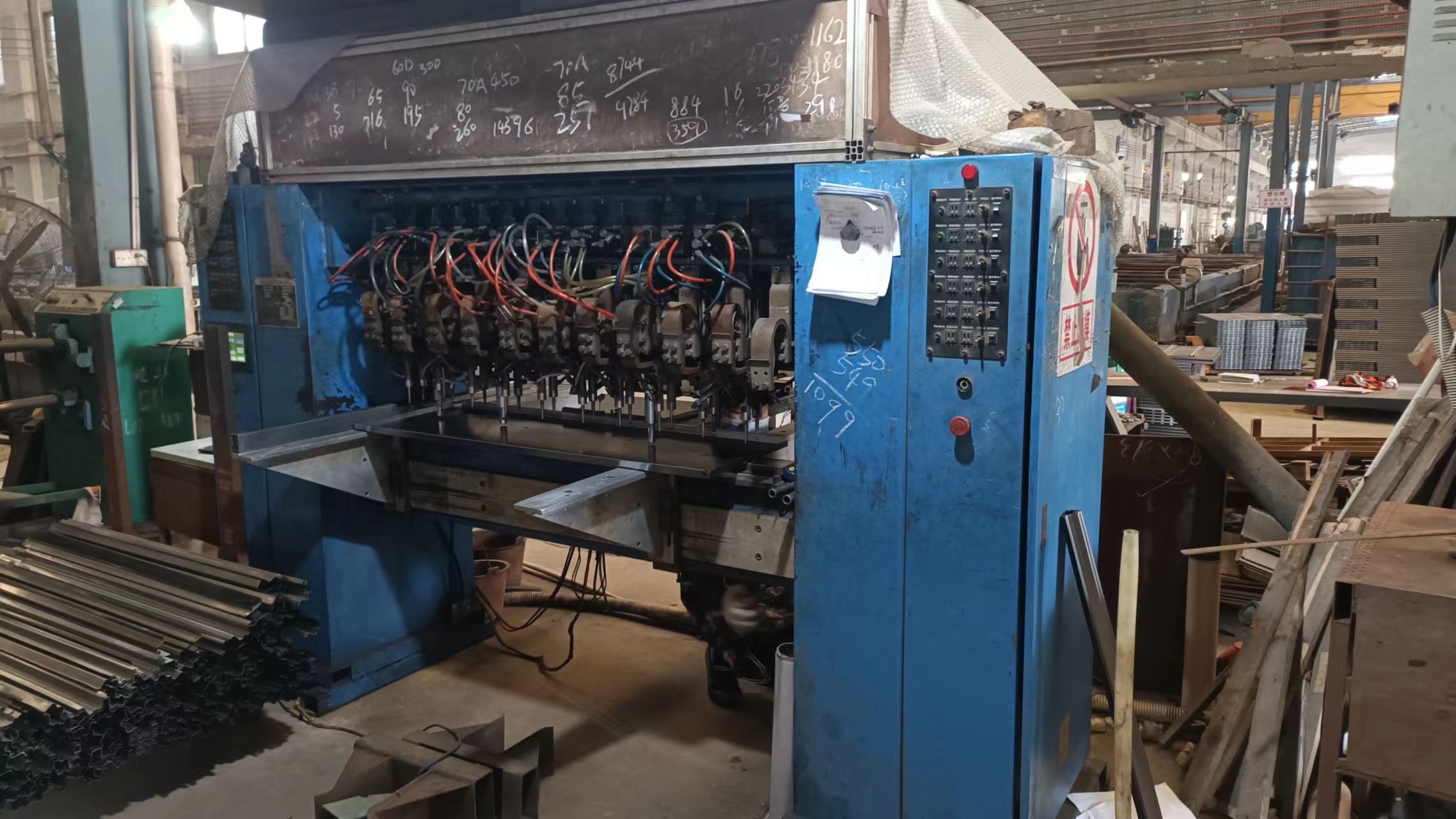
This automated machine joins steel sections end-to-end. By creating deep-fusion welds, it ensures consistent structural strength across long frame sections.
How our team of 45 quality assurance specialists maintains tight dimensional tolerances and coating integrity.
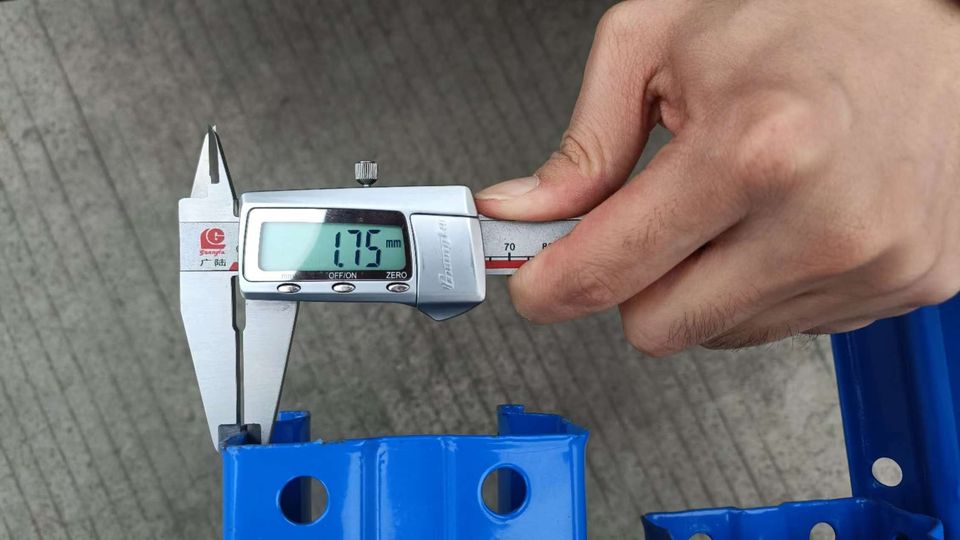
We check structural steel thickness and hole spacing to within +/- 0.05 mm. This accuracy ensures VNA racking fits together reliably and remains straight during assembly.
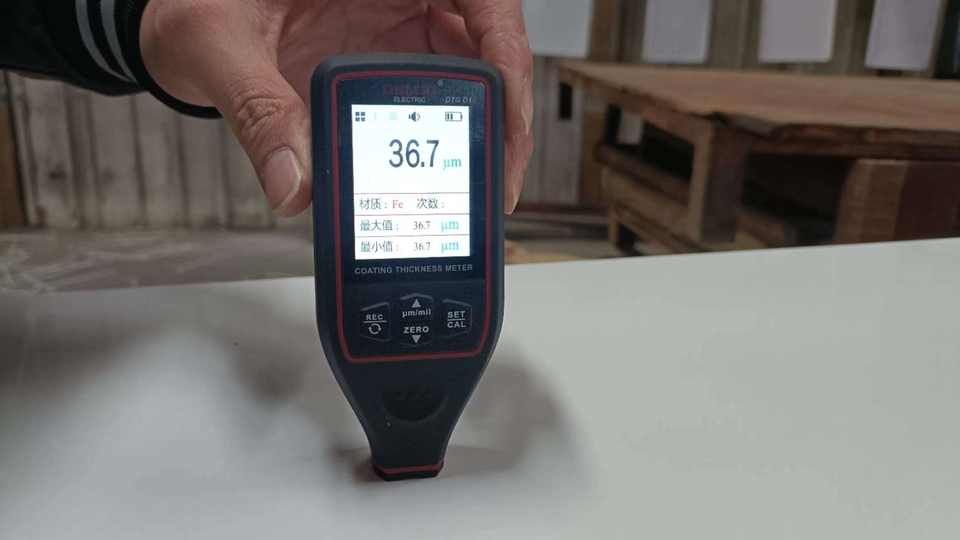
We use digital testers to verify dry film thickness, aiming for a range of 60 to 80 microns. A consistent coat protects the steel structure from rust and moisture, even in cold-storage warehouses.
A procurement guide for international logistics teams, 3PL managers, and supply chain operators sourcing Chinese racking systems.
Purchasing heavy-duty VNA racking systems requires careful coordination around engineering specifications, shipping timelines, and regulatory compliance. International buyers need to look beyond the initial purchase price, evaluating steel chemistry, load-bearing certificates, and how the racking aligns with regional building codes.
As a global supplier, Durack offers complete engineering documentation, including FEA (Finite Element Analysis) stress simulations and material test reports (MTRs) for every production batch. We design and manufacture our products to comply with major regional structural codes, including RMI standards in North America, FEM 10.2.02 guidelines in Europe, and AS4084-2012 specifications in Australia. This thorough design approach simplifies local inspection approvals and ensures a safe, compliant installation.
Our project management teams coordinate shipping details, packing racking parts securely in open-top or standard containers to prevent shifting during transit. We also provide clear assembly drawings, detailed layout instructions, and optional video consultations to help your local installation crew build the system quickly and accurately.
Key technical questions and answers about VNA racking design, installation, and operations.
Explore our full range of versatile store fixtures, wire-mesh components, and heavy-duty industrial shelving units.
 Durack