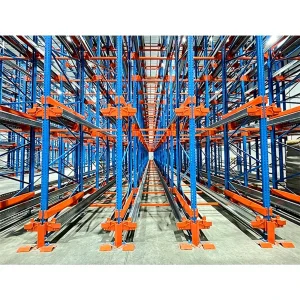
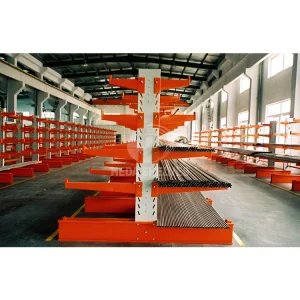
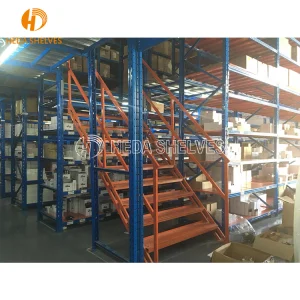
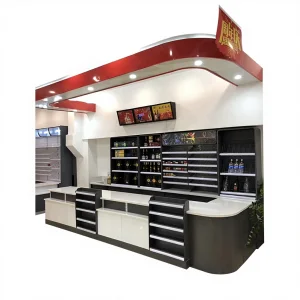
Explore our premium industrial racking products and retail display systems engineered for maximum spatial utilization.
A comprehensive analysis of high-density dynamic storage, global supply chains, and engineering advancements.
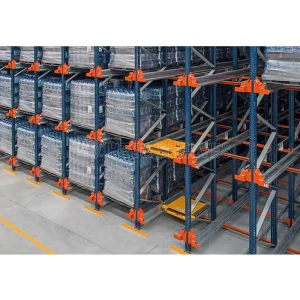
Gravity racks, also known as gravity flow racks or pallet flow systems, represent a pinnacle of dynamic storage engineering. Operating on the First-In, First-Out (FIFO) inventory management principle, these systems utilize tilted wheel tracks or roller lanes set at a precise mathematical incline (typically between 3% and 4%). When a pallet is loaded at the charging (entry) face, gravity drives it down toward the picking (discharge) face. This mechanical simplicity eliminates energy consumption for lateral movement within the lane, drastically lowering operational costs.
In the era of Industry 4.0, the warehouse is no longer just a passive shell for storing goods; it is a critical velocity driver. Gravity flow racking converts wasted aisle space into highly productive, deep-lane storage. By utilizing a single entry and single exit aisle, warehouses can compress their footprint by up to 60% compared to traditional selective racking. Modern advancements have introduced smart magnetic speed controllers and automated pallet separators to guarantee that heavy loads travel safely down the lane without crushing down-lane products or causing structural wear.
Procuring gravity racking on a global scale demands strict adherence to international safety and engineering standards. Because gravity racking is a dynamic system subject to kinetic energy, static calculation models do not suffice. Systems must comply with regulations such as the European FEM 10.2.02 guidelines, the Rack Manufacturers Institute (RMI) specifications in North America, and the Australian AS 4084 standard.
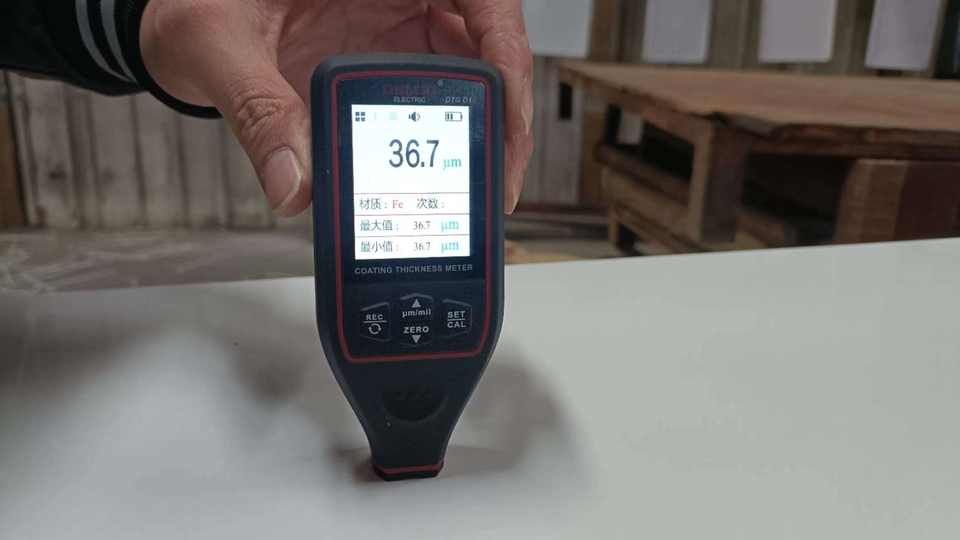
Global procurement teams prioritize metallurgic integrity. The steel used must possess high yield strength, typically structural steel grades like Q235B or Q355B, to withstand constant structural stress. Anti-corrosive treatments—such as advanced hot-dip galvanizing or high-durability electrostatic powder coating—are essential, especially for systems deployed in cold-chain logistics or high-humidity environments.
| Racking Type | Density Level | Selectivity | Operation Mode | Ideal Application |
|---|---|---|---|---|
| Gravity Flow Racking | Very High (Up to 90% space utilization) | FIFO (First-In, First-Out) | Gravity roller lanes, dynamic flow | Perishables, FMCG, cold storage, bulk buffering |
| Selective Pallet Racking | Low (Approx. 40% space utilization) | 100% Selectivity | Direct forklift access | High SKU variability, low volume per SKU |
| Drive-In Racking | High (Up to 75% space utilization) | LIFO (Last-In, First-Out) | Forklift enters racking structure | Uniform goods, non-time-sensitive inventory |
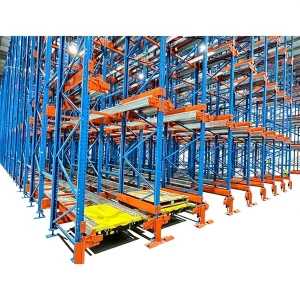
| Radio Shuttle Systems | Very High (Up to 85% space utilization) | Flexible (FIFO / LIFO) | Semi-automated robotic shuttle | High-density automated distribution centers |
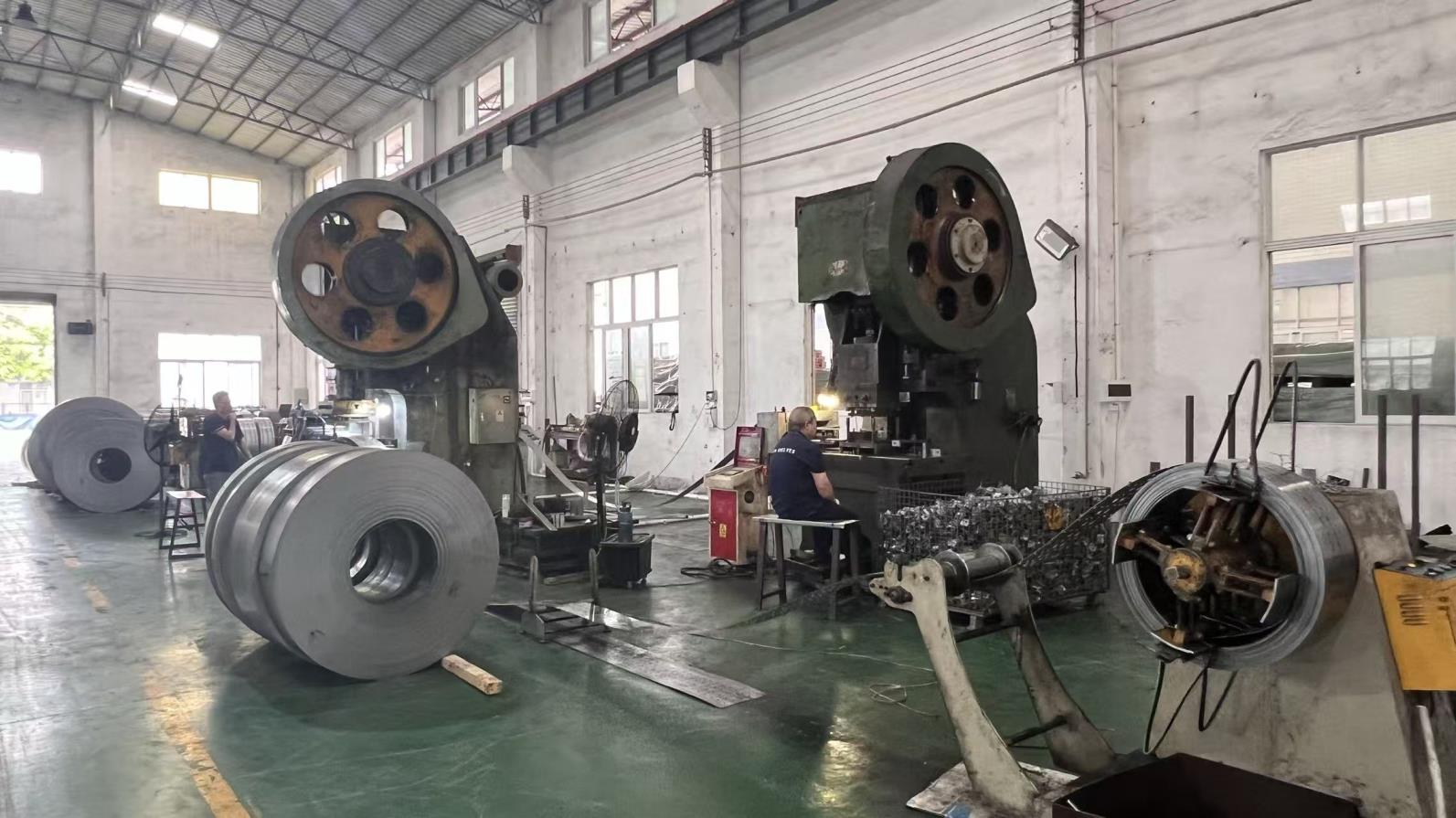
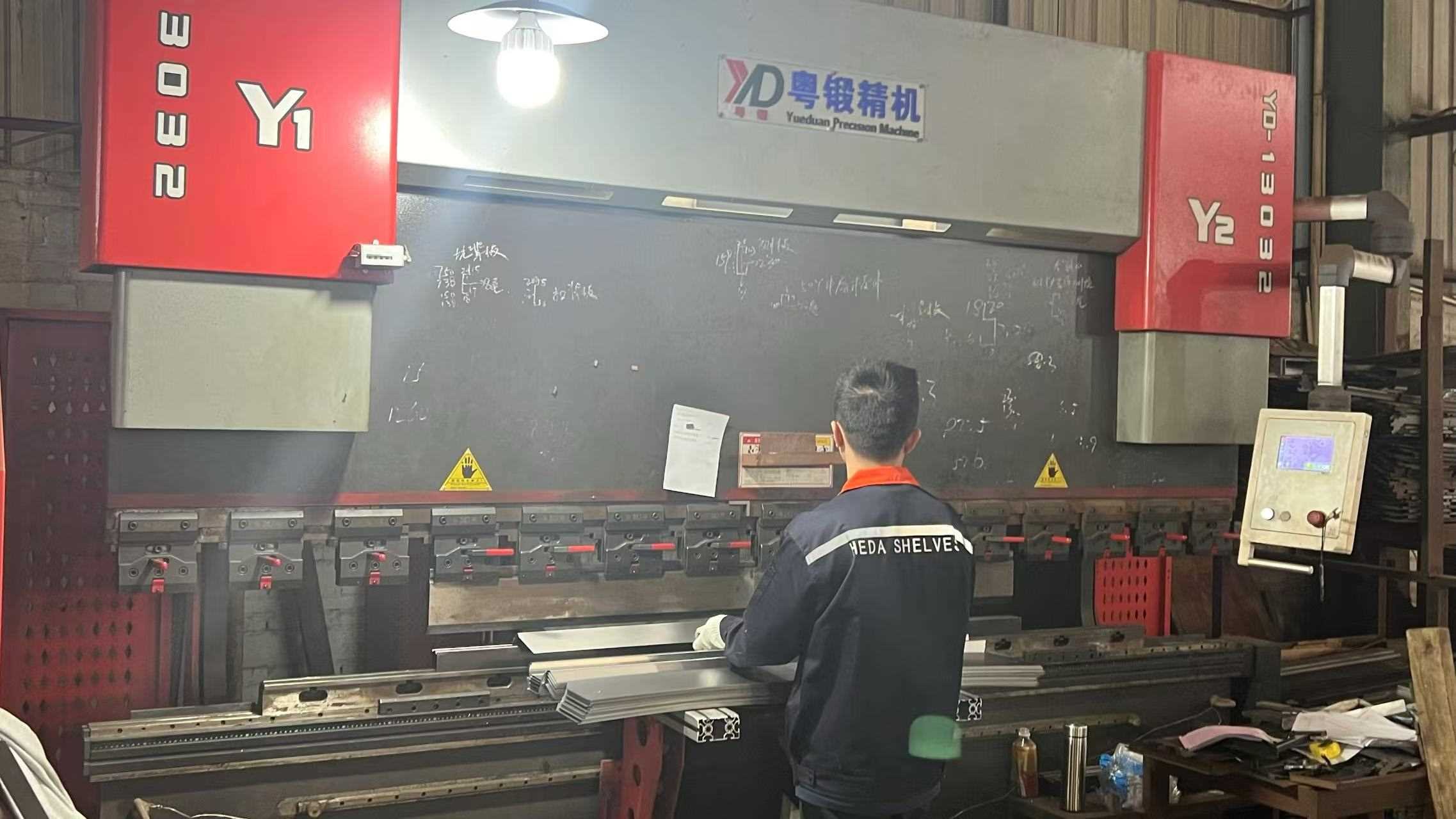
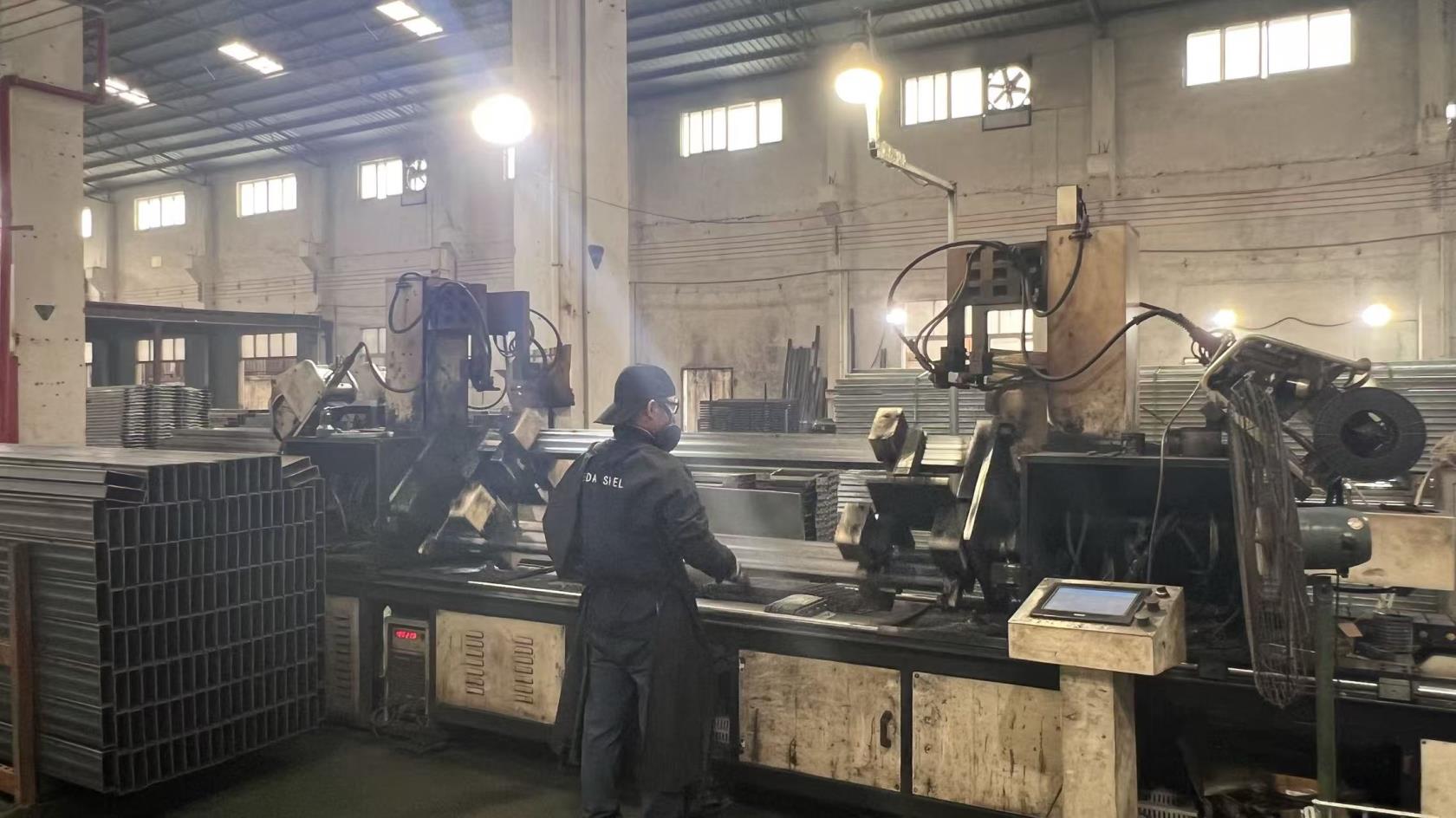
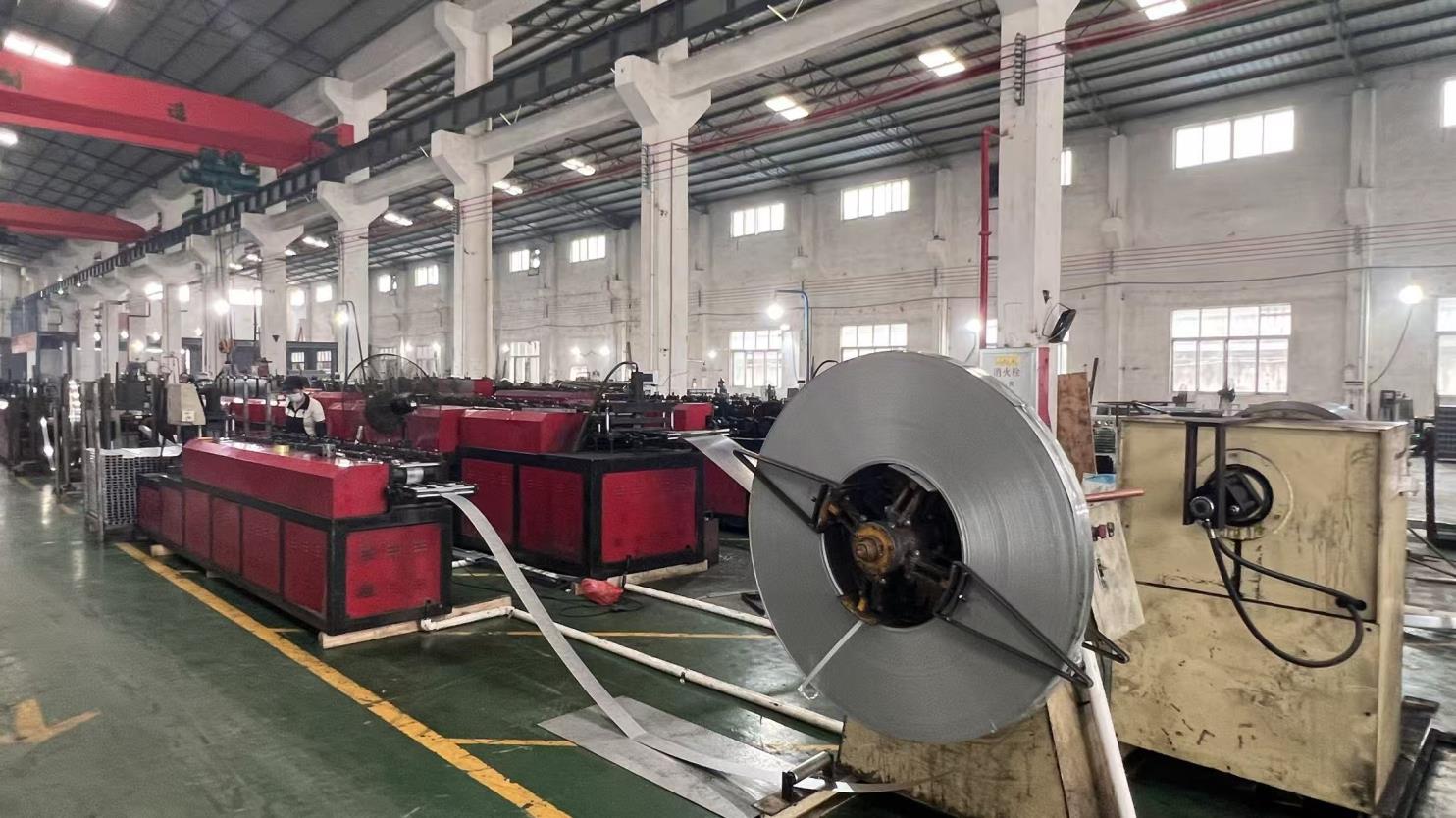
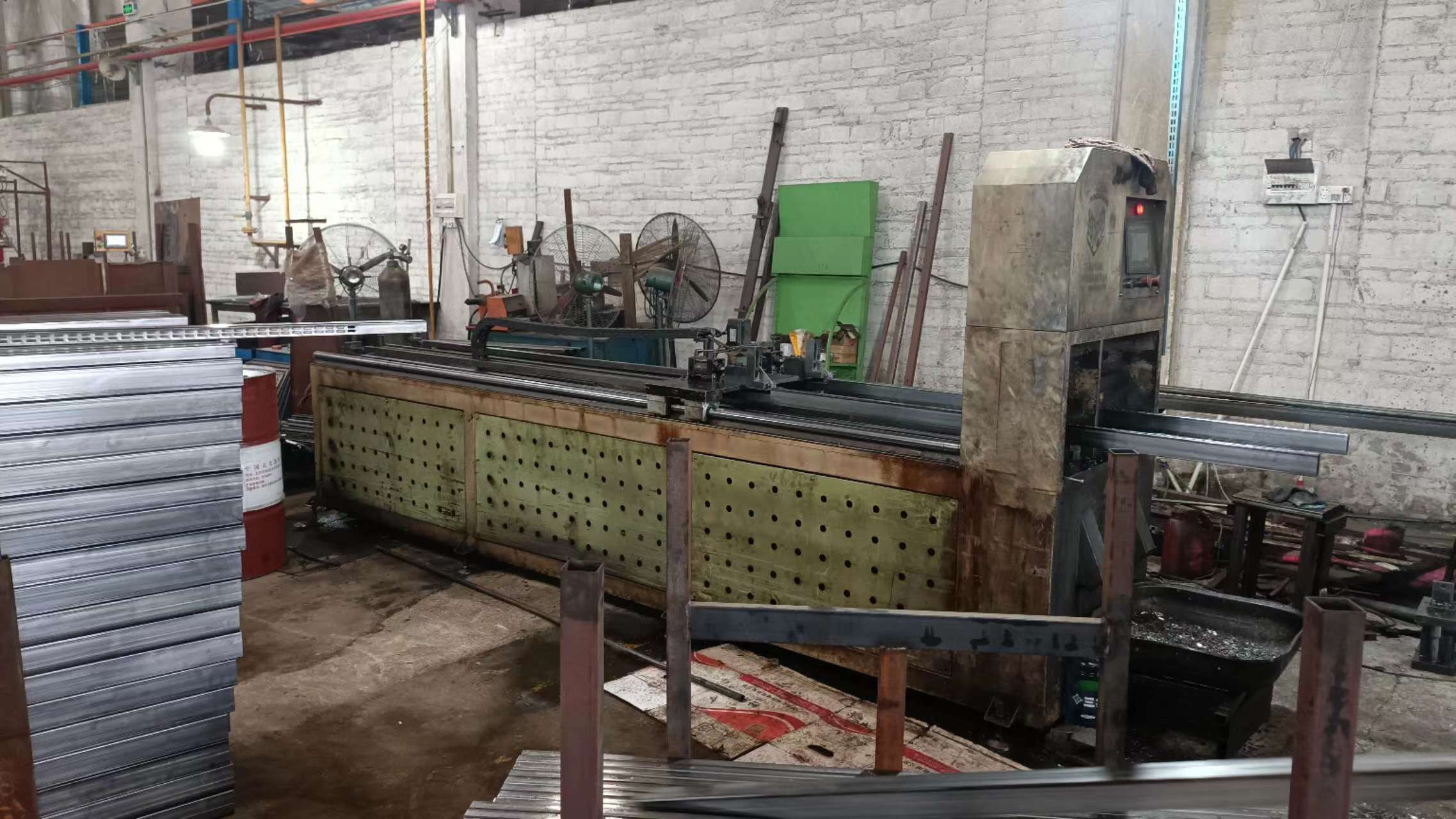
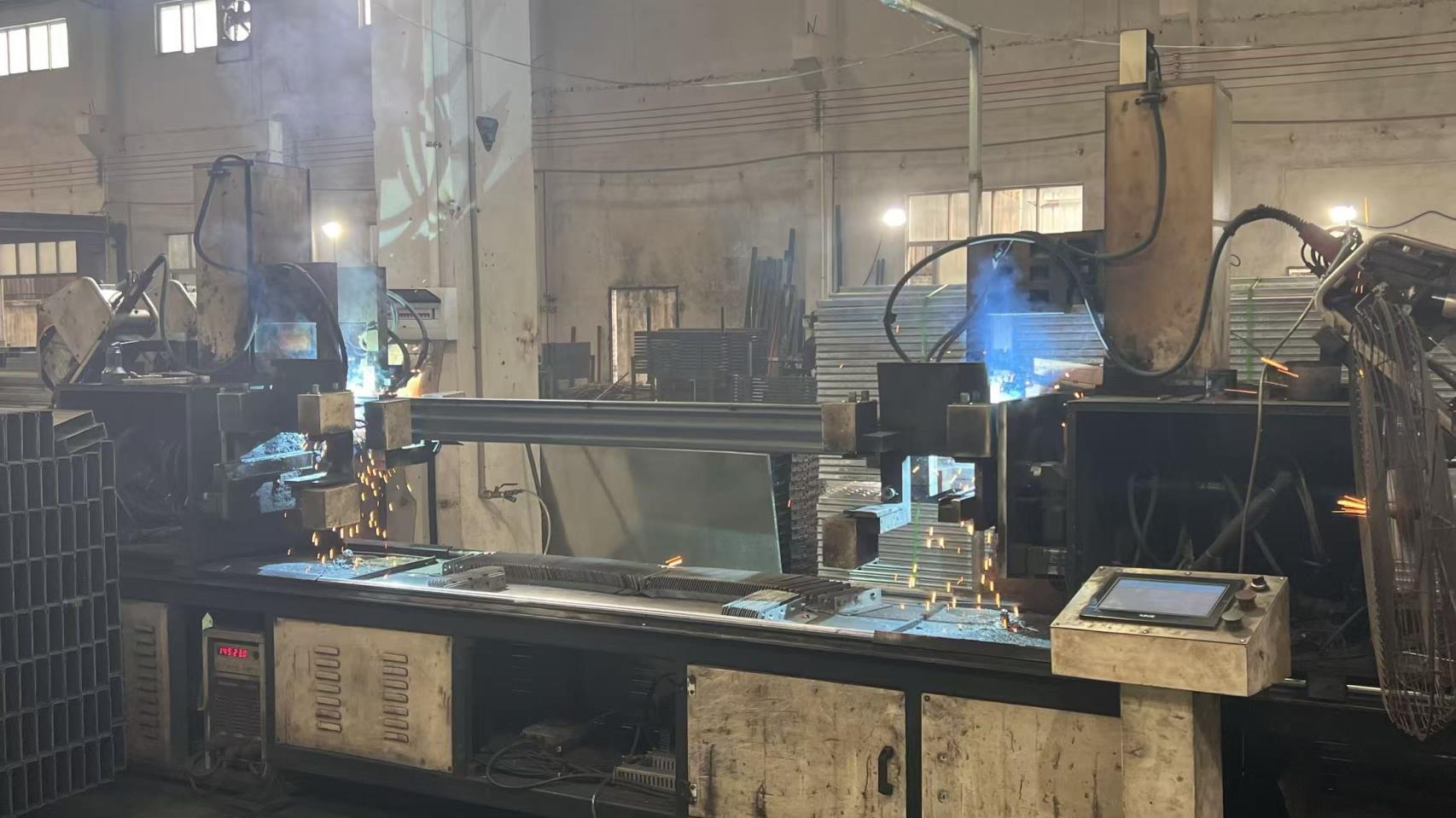
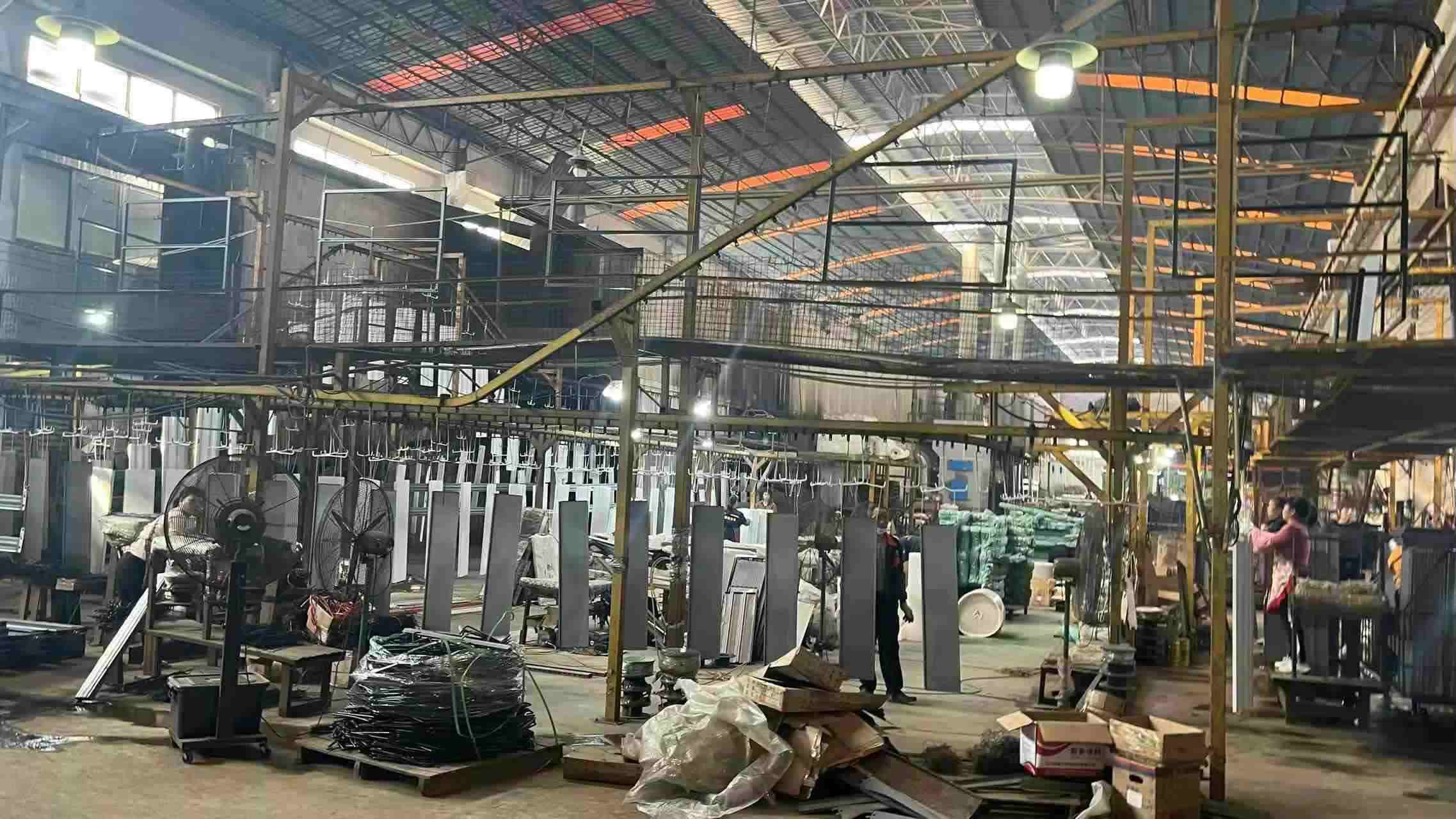
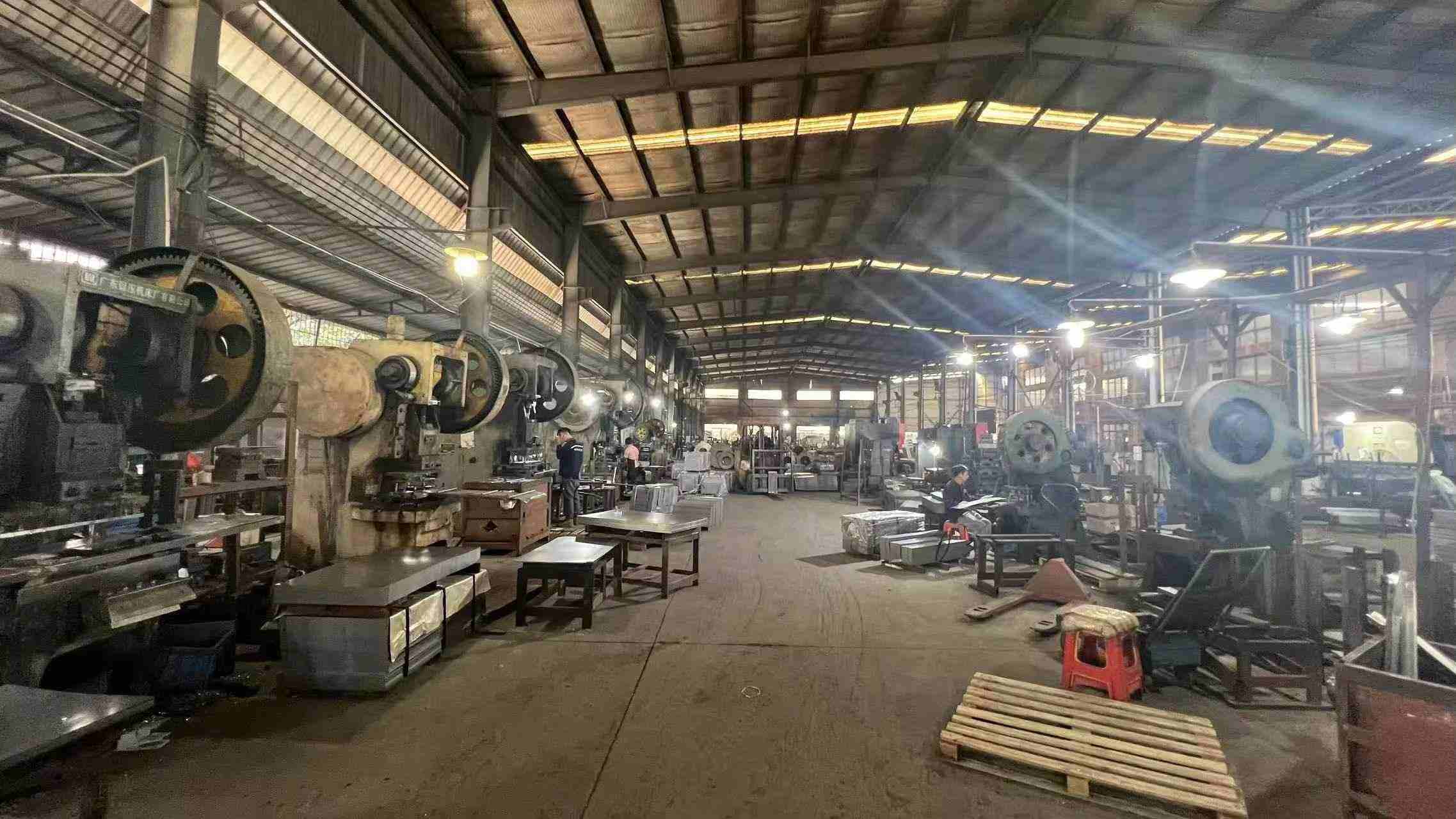
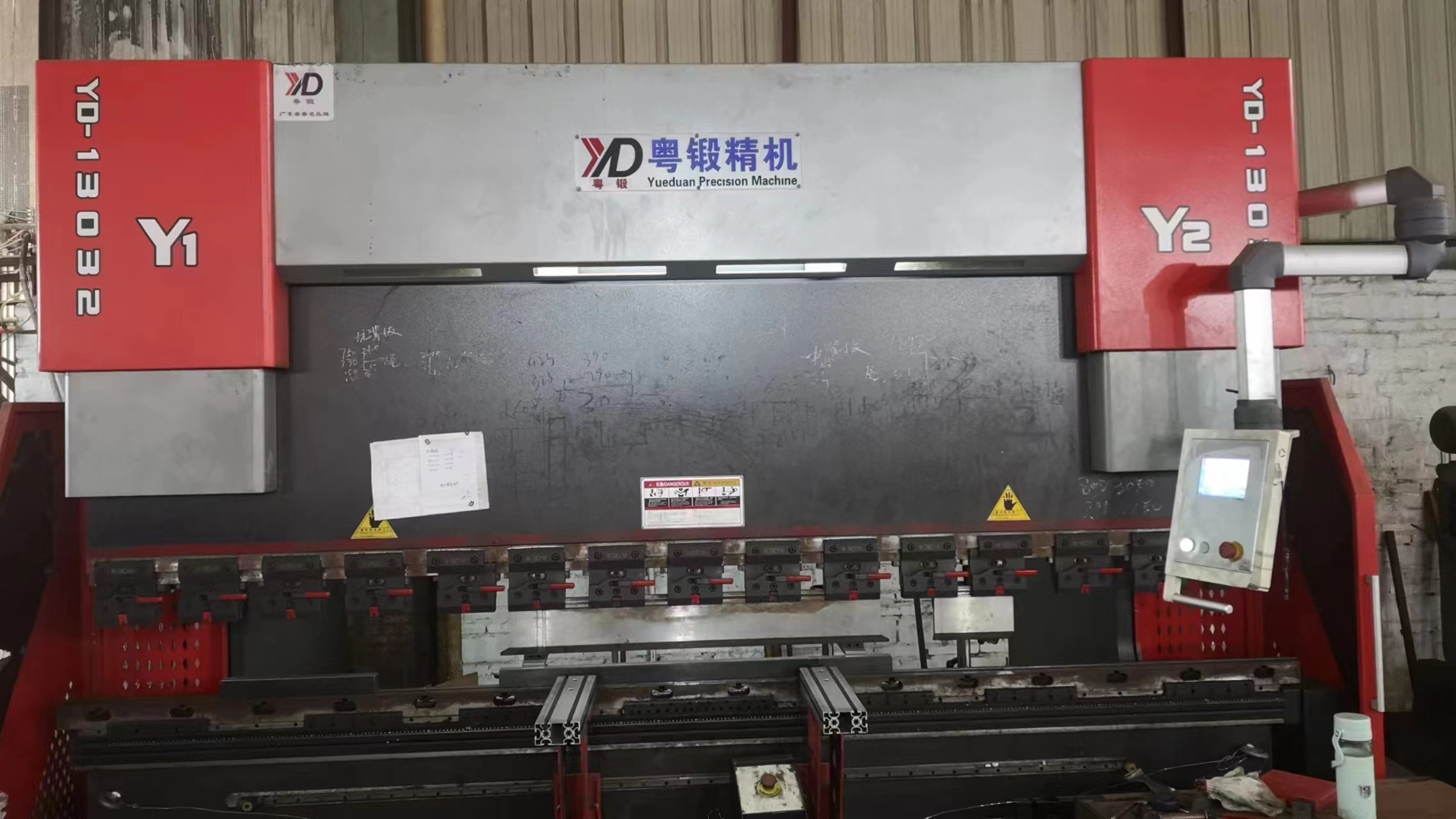
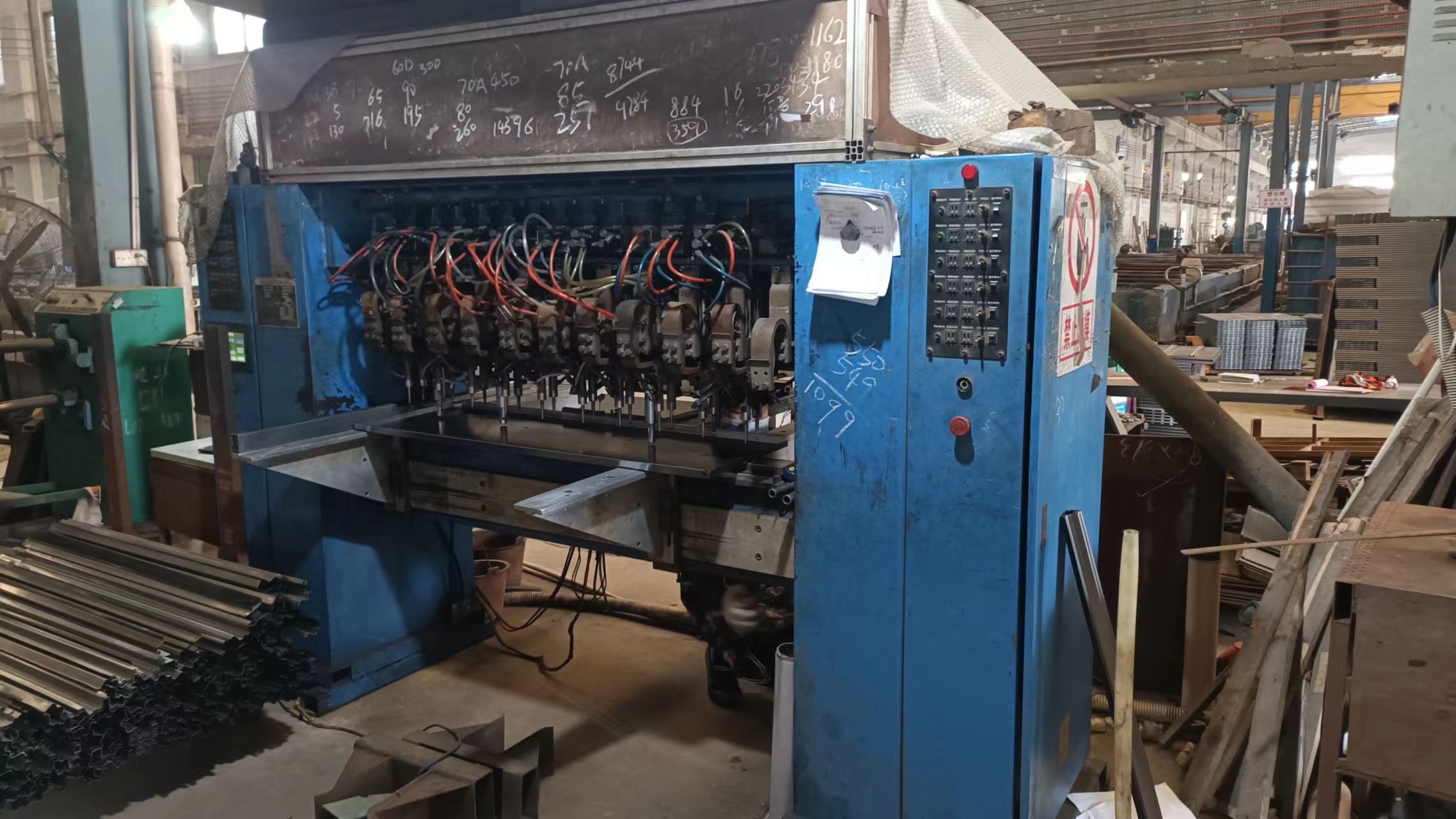
The global dominance of Chinese racking manufacturers is not merely a function of cost control; it is the result of advanced industrial integration. China's logistics manufacturing clusters have evolved into Factory 4.0 hubs. This transition integrates automated roll-forming mills, laser-guided punching machines, robotic welding arrays, and closed-loop powder-coating plants.
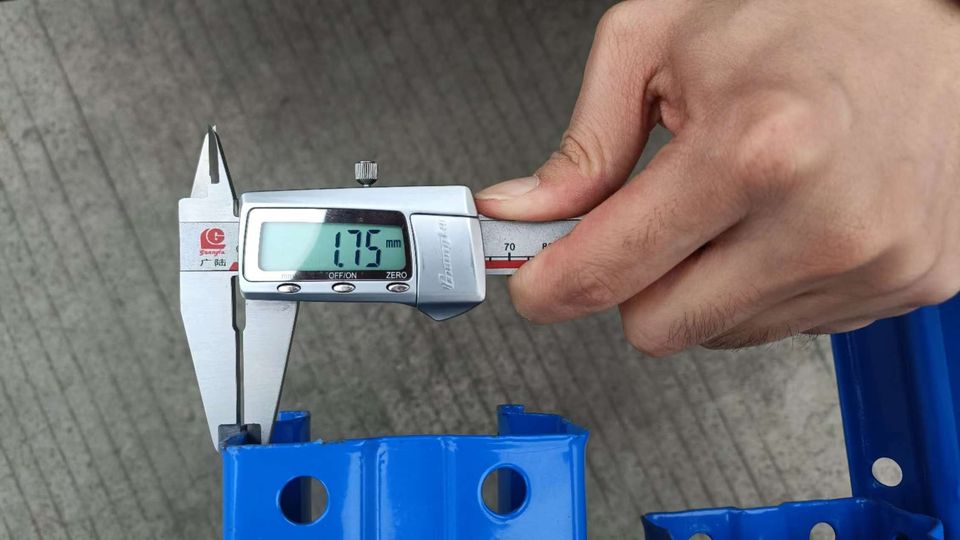
This automated infrastructure guarantees dimensional tolerance levels down to the sub-millimeter level, a vital requirement for dynamic gravity systems where even a minor structural deviation can stall a pallet or cause uneven wear. Supply chain resilience is reinforced by local sourcing of high-grade raw steel, allowing manufacturers to mitigate international market shocks and deliver custom-designed systems with short lead times.
Empowering global enterprises with high-capacity storage structures and state-of-the-art engineering.
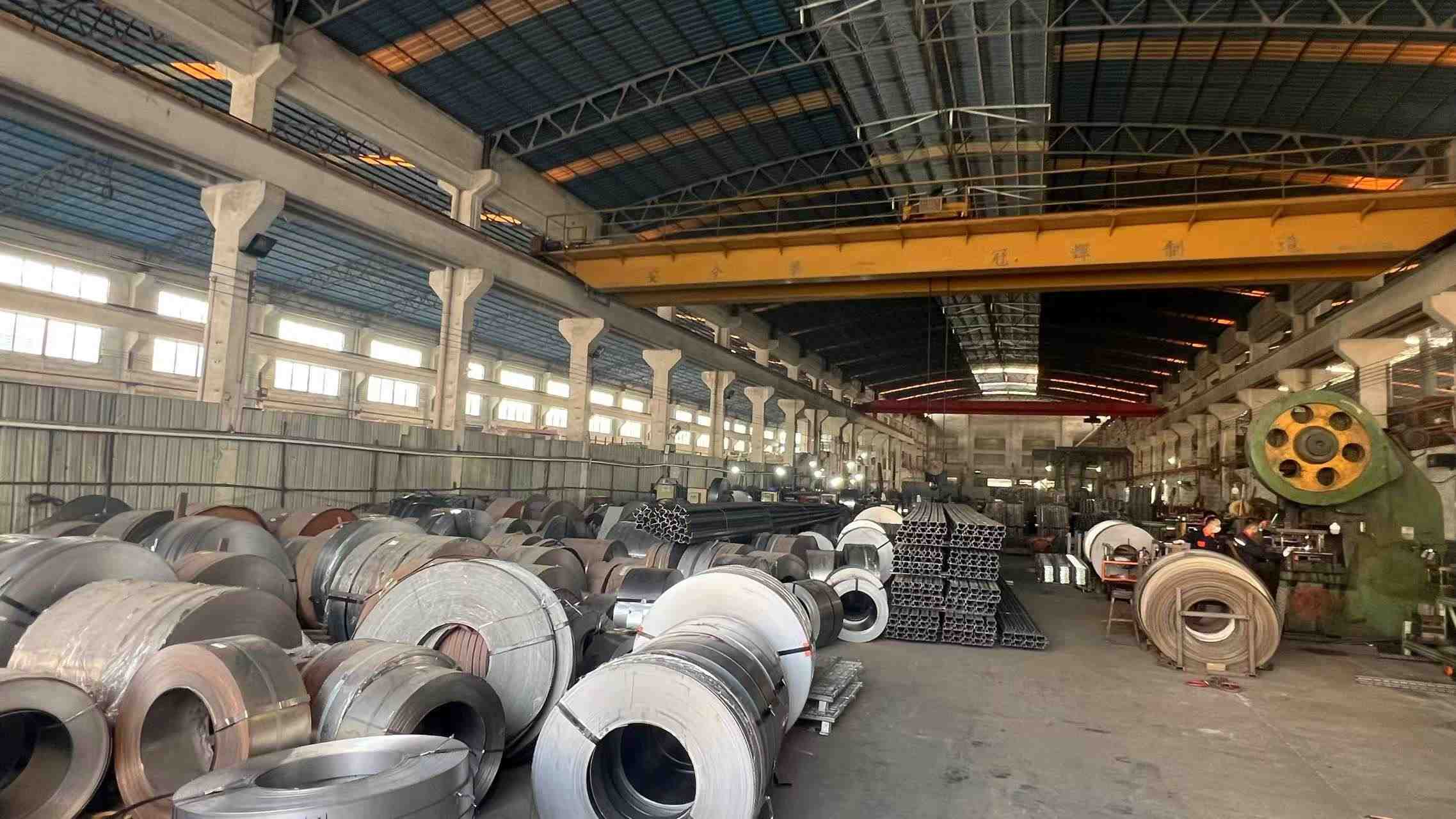
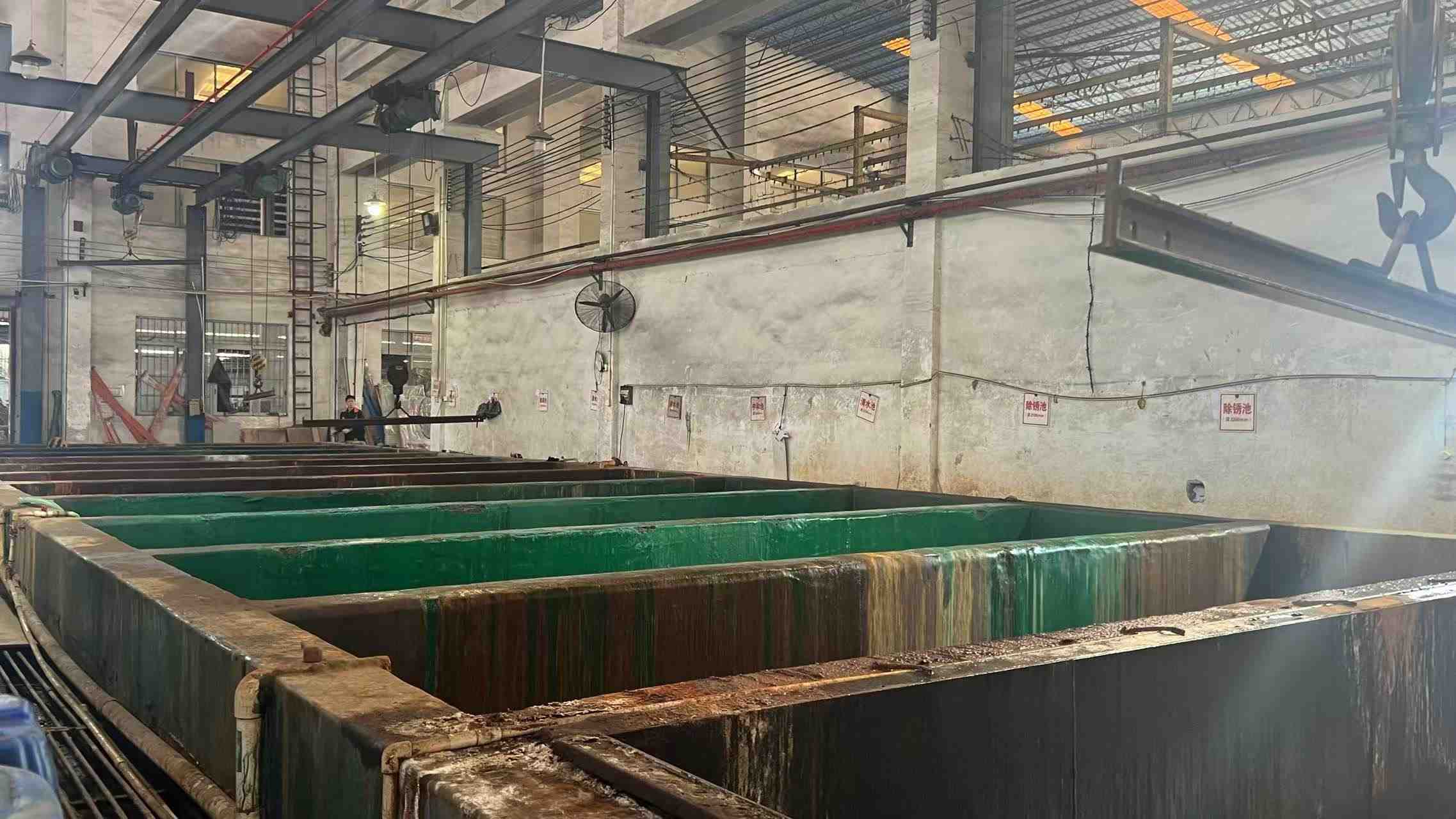
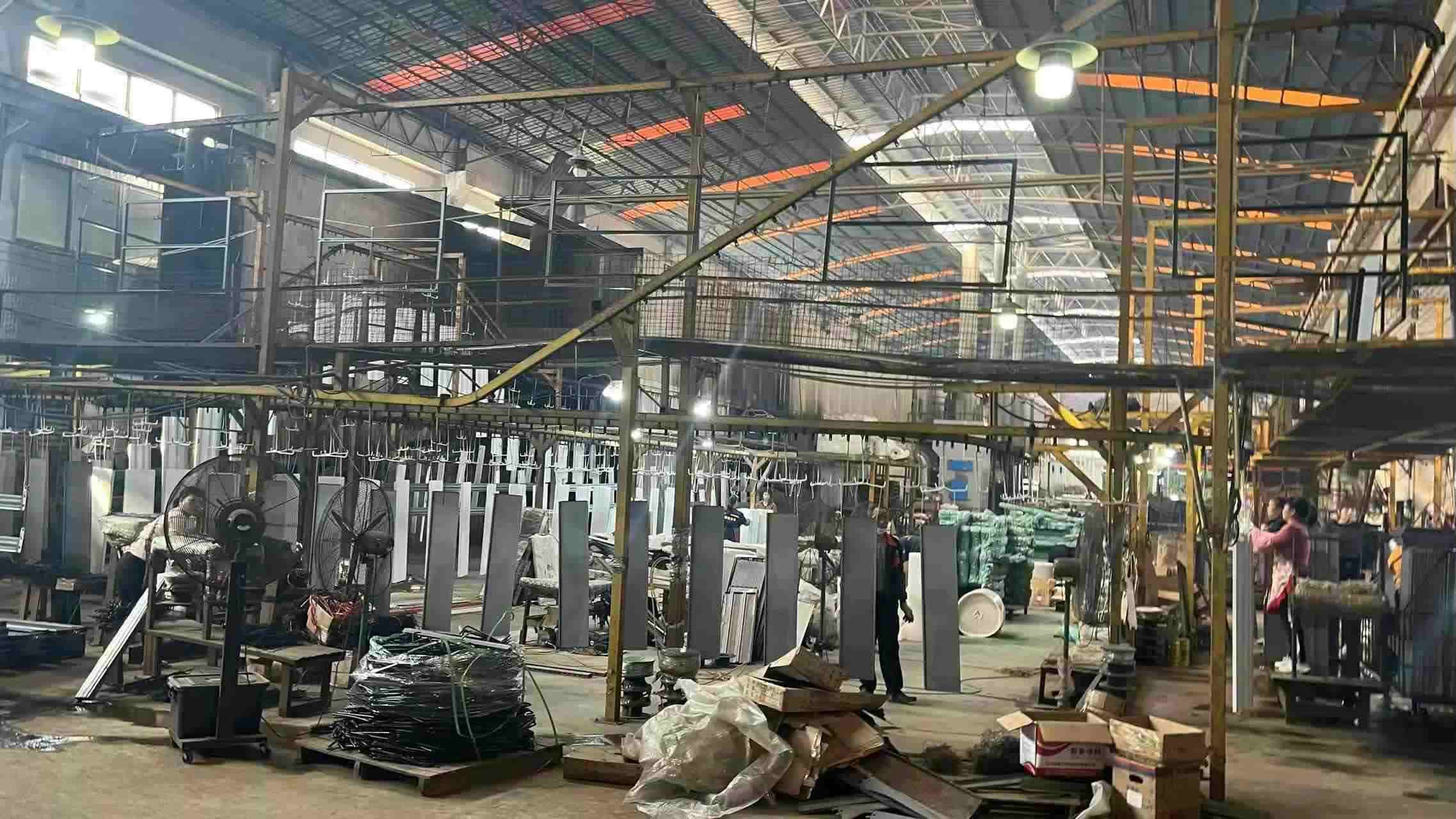
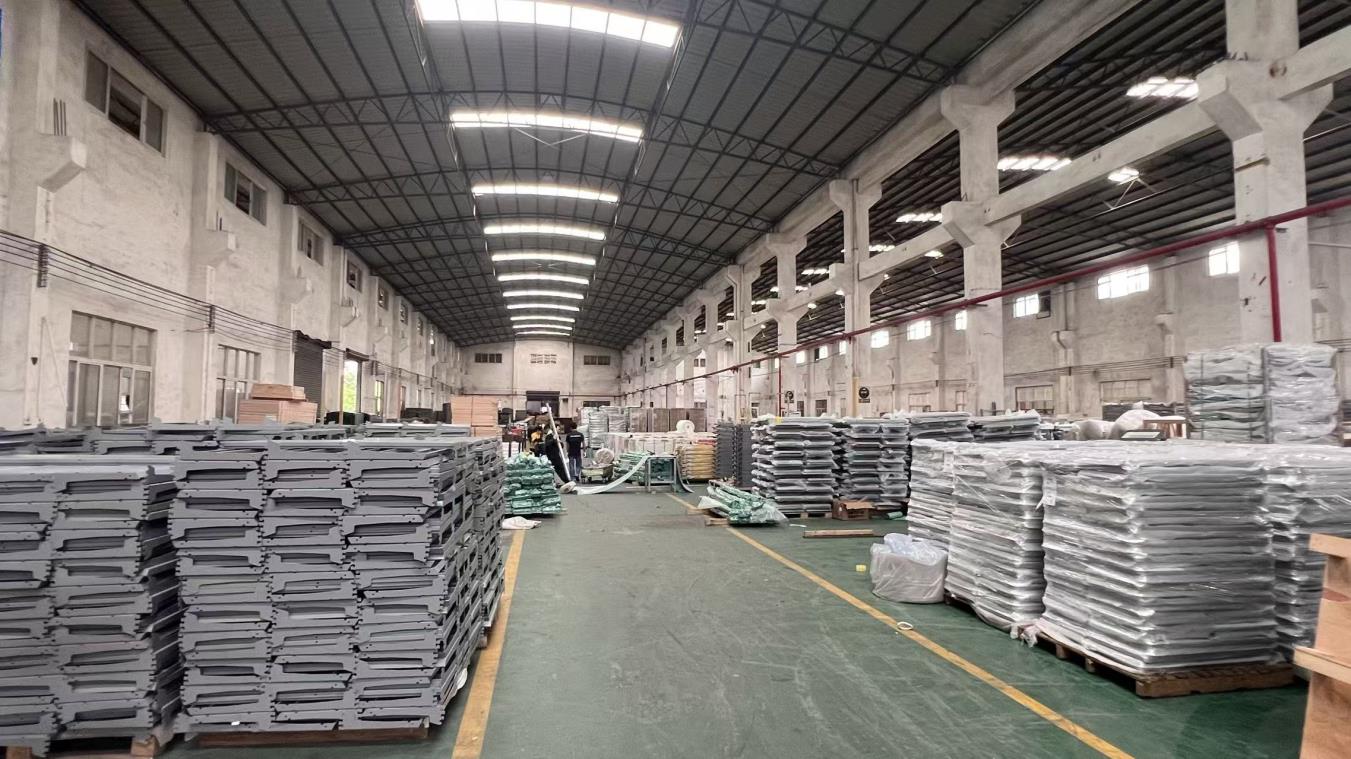
Founded in 2014, Dongguan Durack Logistics Equipment Co., Ltd. is a premier Chinese storage racking system manufacturer operating a 35,000 m² facility. Backed by 12 years of industry experience and 8 years of global export history, the company generates $28 million in annual export revenue.
Our operations are supported by a strict quality assurance system using full-spectrum ultrasonic testing and load-bearing stress evaluations, overseen by 45 dedicated QC specialists. Building on a strong international trading background, our core markets span North America, Europe, and Southeast Asia. We maintain a reliable supply chain network of over 850 partners, catering primarily to third-party logistics (3PL) providers, automated warehouses, and large industrial distributors. Driven by an active R&D division with 65 specialized engineers, Durack offers full OEM/ODM customization options—including bespoke beam profiles, structural steel grades, and dynamic layout designs—launching over 120 new storage products last year.
Take a virtual walkthrough of our production facilities and strict quality assurance testing protocols.
How dynamic gravity flow racking systems resolve storage pain points across key sectors.
Fast-Moving Consumer Goods require systematic turnaround. Our gravity flow installations secure strict FIFO compliance, guaranteeing that older inventory is dispatched first, cutting spoilage costs to absolute zero.
Refrigerated and frozen storage spaces are expensive to power. By minimizing aisles and optimizing dense volume arrays, cold-storage operators reduce the total cubic space that requires active cooling, realizing substantial utility savings.
Modern fulfillment operations depend on continuous stock flow. Integrated dynamic gravity lanes serve as perfect temporary buffers, linking manufacturing lines directly with AGV pick-up points for streamlined handoffs.
Get answers to critical engineering, safety, and operational questions from our technical specialists.
Typically, gravity flow lanes are designed with a slope gradient of 3% to 4%. This gradient provides enough kinetic energy for standard wooden pallets to roll reliably without gaining dangerous velocity. Factors such as pallet weight variance, surface smoothness, and wheel type will influence the precise angle configuration.
Safety in deep lanes (often storing up to 10+ pallets) is maintained through integrated speed controllers and heavy-duty separator locks. The speed controllers utilize internal gear systems and magnetic brakes to control pallet descent speeds to under 0.3 meters per second. Pallet separators at the discharge face relieve back-pressure from the remaining pallets, preventing lane blockages and protecting forklift operators during retrieval.
Yes. While wooden pallets are the standard, gravity flow systems can be customized to support plastic or metal pallets. Since plastic pallets may bend or warp under heavy loads, we modify the layout to include multi-track configurations, wider rollers, or specialized continuous wheels to distribute weight evenly and prevent stalling.
Every batch of structural frames, beams, and dynamic lanes undergoes full-spectrum ultrasonic weld testing, steel chemical composition analysis, and load-bearing stress evaluations. We subject speed controllers and rollers to continuous cycle-fatigue tests under maximum rated capacities (up to 2,000 kg per pallet) to ensure structural integrity in challenging industrial settings.
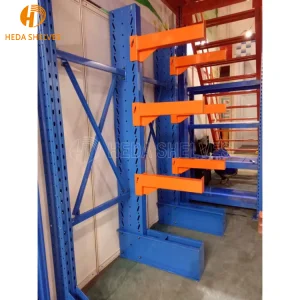
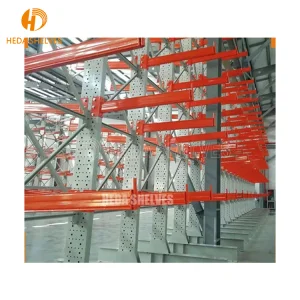
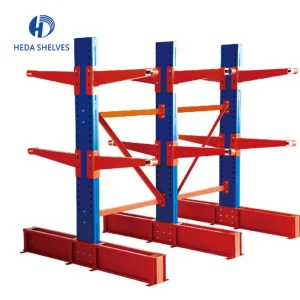
Explore our extensive range of heavy-duty cantilever racks, automated systems, and high-density storage platforms.
 Durack