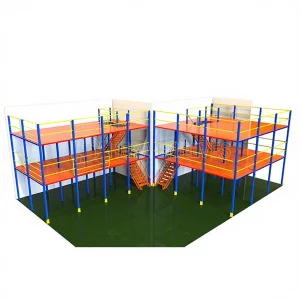
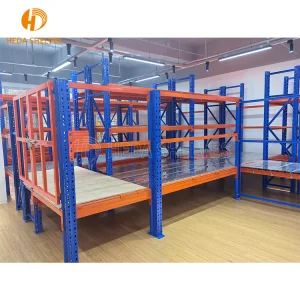
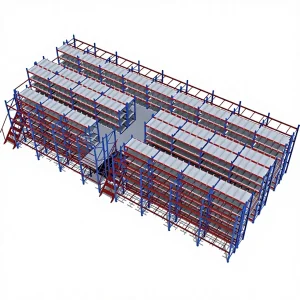
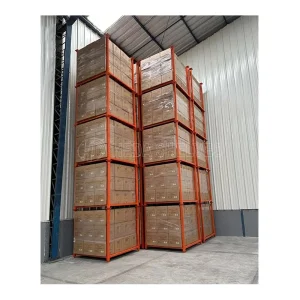
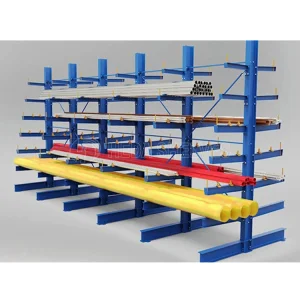
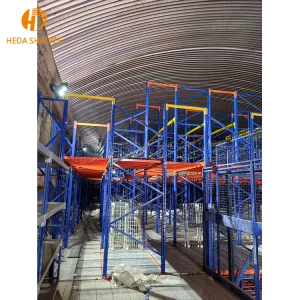
Heavy-duty structural storage configurations built to withstand temperature extremes down to -40°C.
Global logistics infrastructures are seeing unprecedented shifts toward temperature-controlled storage solutions. Cold chain systems are not merely standard warehouses running at lower temperatures; they present extreme environments that demand specialized structural engineering. Within sub-zero spaces, steel undergoes changes in yield strength, notch toughness, and overall ductility. Selecting sub-standard components can lead to structural failures.
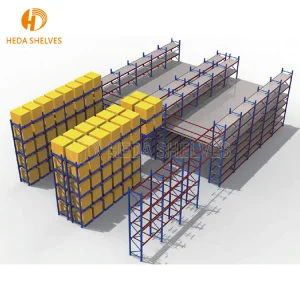
Cold storage facilities cost significantly more to construct and cool than dry warehouses. Maximizing structural volume while maintaining safe airflow channels is paramount. To secure optimal volume utilization without impeding air distribution, operators utilize space-saving configurations like drive-in, pushback, pallet-flow, and semi-automated mobile racking arrays.
Dongguan Durack Logistics Equipment Co., Ltd. resolves these challenges through rigorous architectural engineering. We verify that all racking materials maintain their impact values even at temperatures as low as -40°C, ensuring safety and compliance across global cold-storage operations.
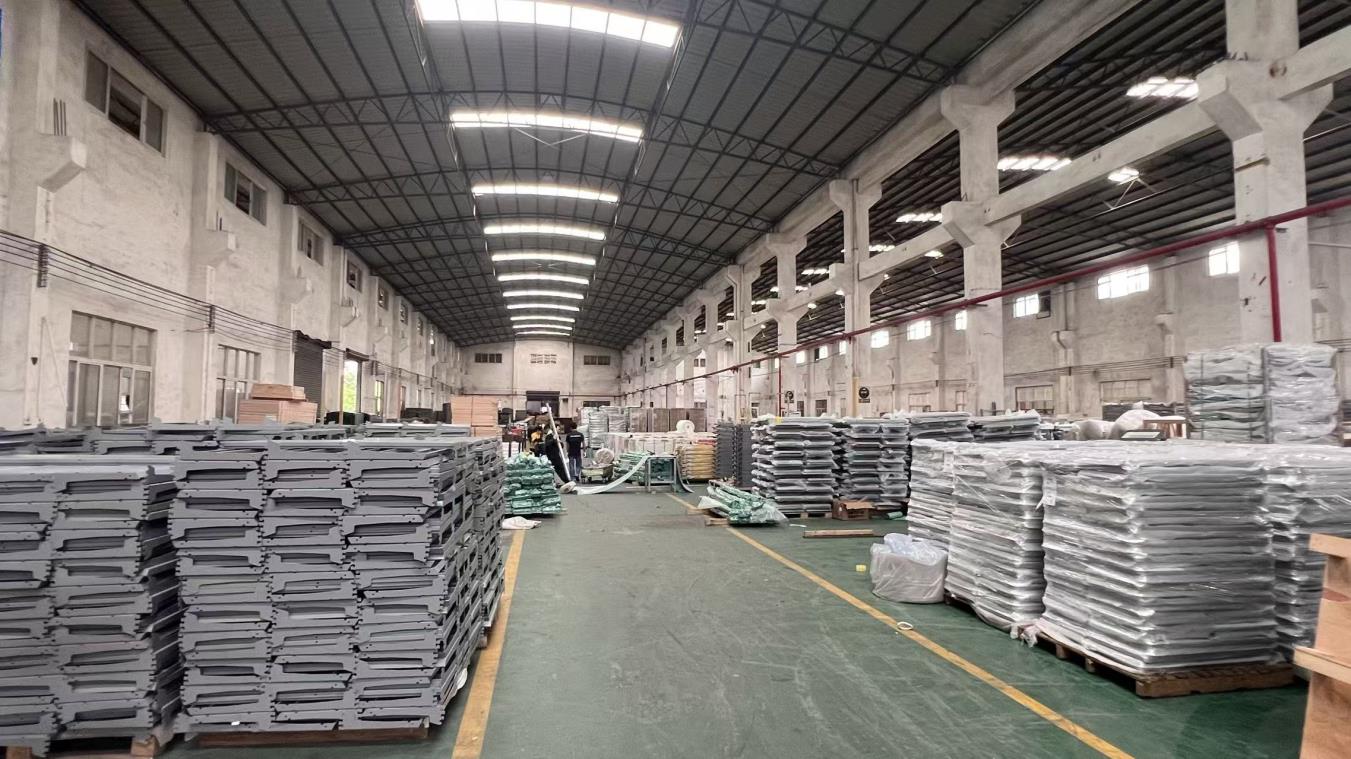
A premier Chinese storage racking manufacturer driving performance in the global supply chain.
Founded in 2014, Dongguan Durack Logistics Equipment Co., Ltd. operates a modern 35,000 m² manufacturing facility in China. Backed by 12 years of industry experience and 8 years of global export history, the company generates $28 million in annual export revenue. Our operations are supported by a strict quality assurance system using full-spectrum ultrasonic testing and load-bearing stress evaluations, overseen by 45 dedicated QC specialists.
Building on a strong international trading background, our core markets span North America, Europe, and Southeast Asia. We maintain a reliable supply chain network of over 850 partners, catering primarily to third-party logistics (3PL) providers, automated warehouses, and large industrial distributors. Driven by an active R&D division with 65 specialized engineers, Durack offers full OEM/ODM customization options—including bespoke beam profiles, structural steel grades, and dynamic layout designs—launching over 120 new storage products last year.
Our vertical fabrication flow ensures mechanical reliability at low temperatures through advanced materials science.
In sub-zero logistics operations, structural steel selection is crucial. Standard structural carbon steels (such as Q235B) can experience low-temperature brittleness under -15°C, reducing impact resistance and load capacity. To mitigate risk, Durack utilizes premium high-strength micro-alloyed steel variants, including Q355B and specialized Q355D grades. These materials undergo Charpy V-Notch impact testing to confirm high structural integrity even in harsh operating environments.
Our manufacturing workflow features automated mechanical processes. Clean raw steel is roll-formed and punched using computer numerical control (CNC) systems. Pre-weld surfaces undergo precise stamping and bending to optimize load capacity. High-grade industrial coatings prevent degradation from moisture condensation during temperature cycling. Our multi-stage surface preparation features intensive acid-washing and Parkerising stages, producing an ideal anchoring profile for our low-temperature epoxy-polyester powder formulations.
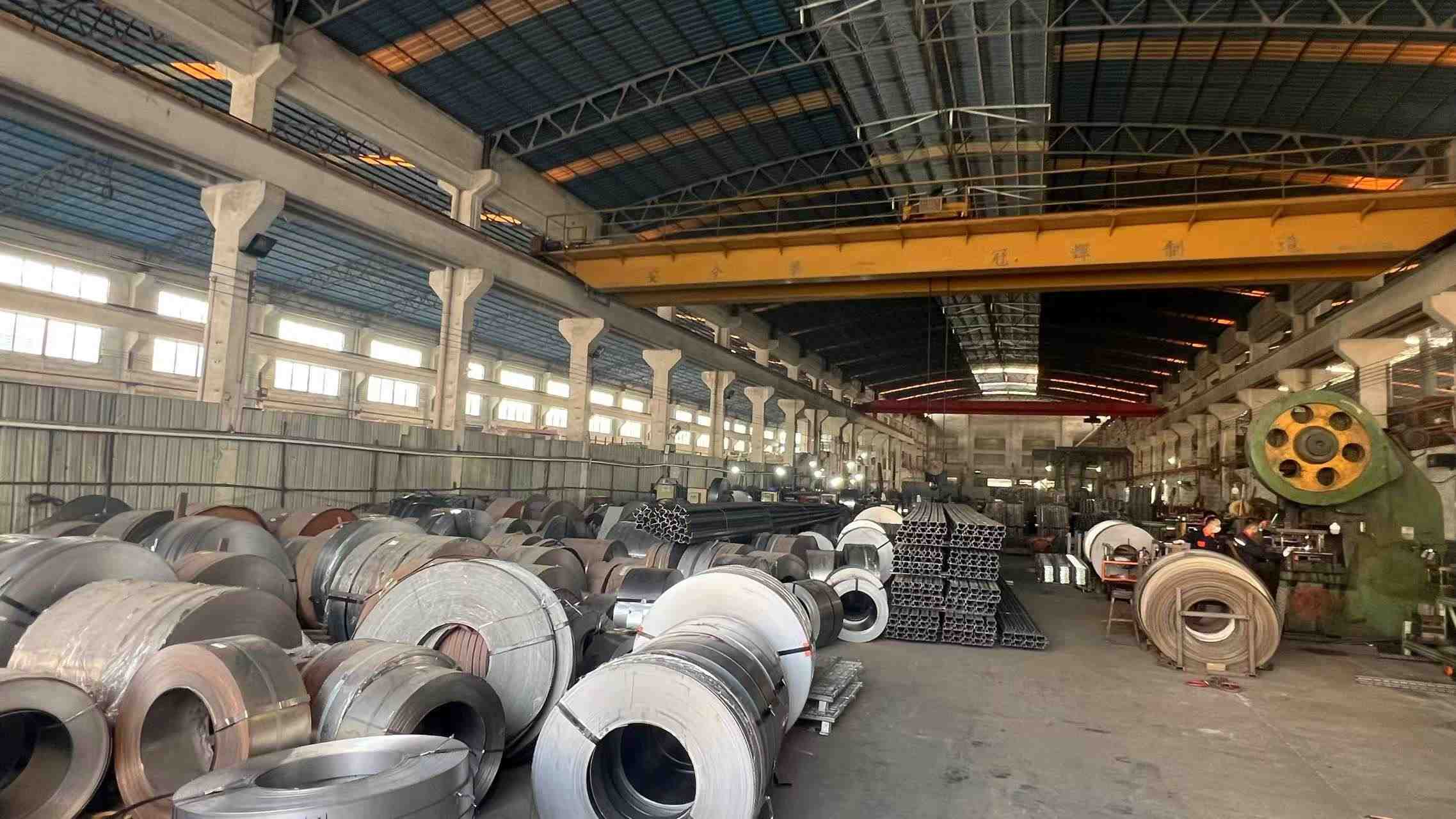
Quality steel sourcing
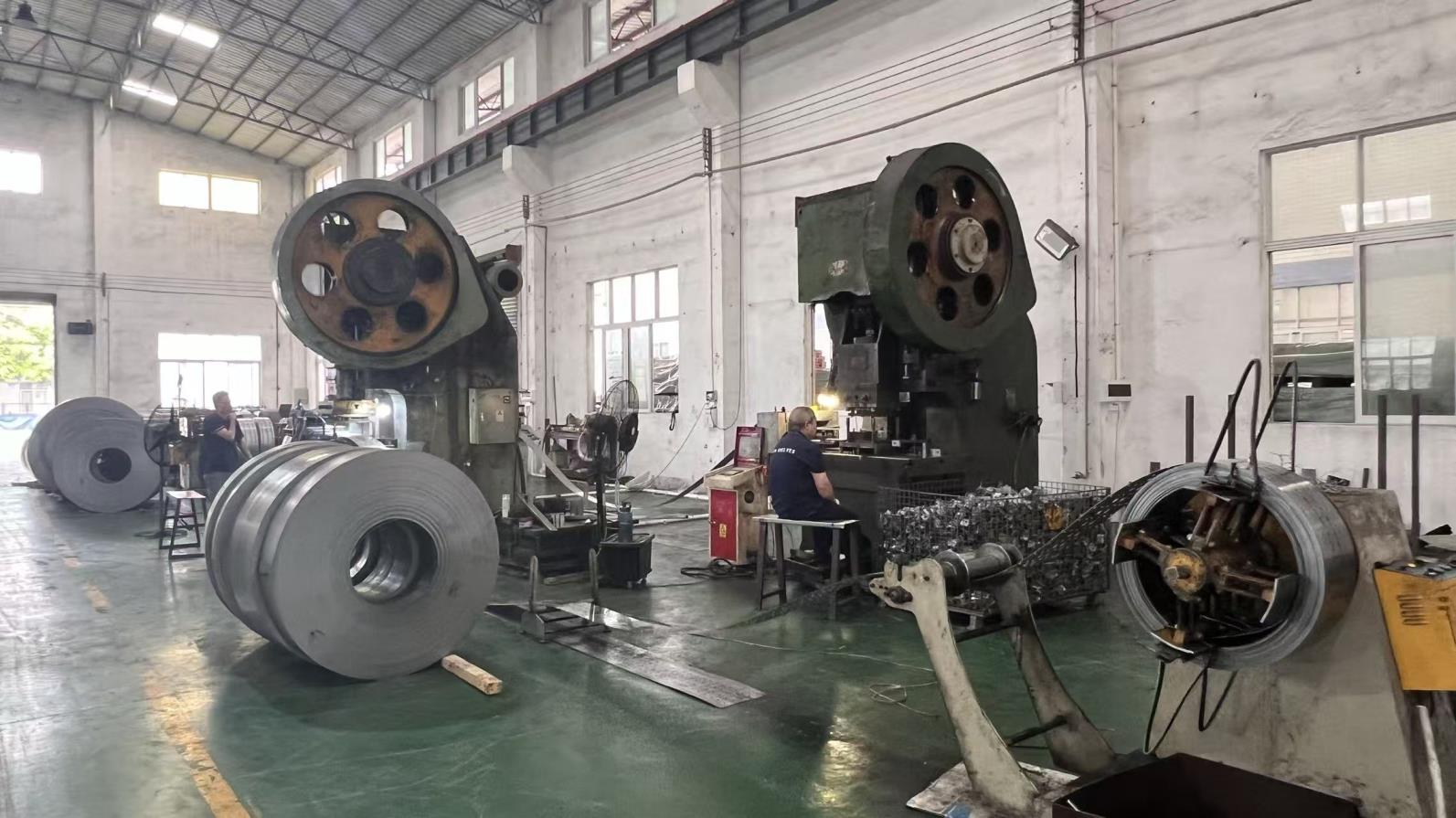
High-precision tooling
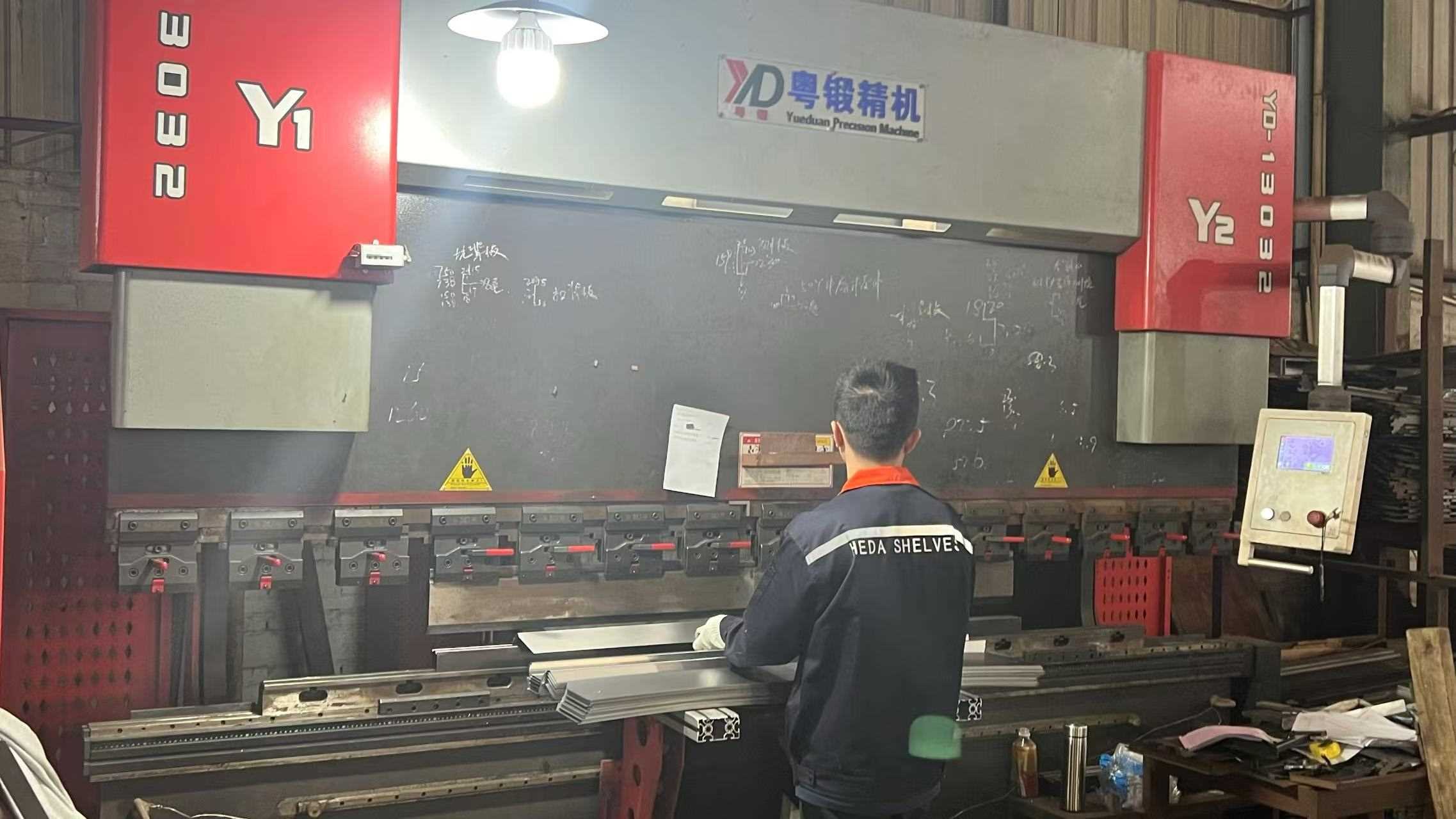
Controlled angle forming
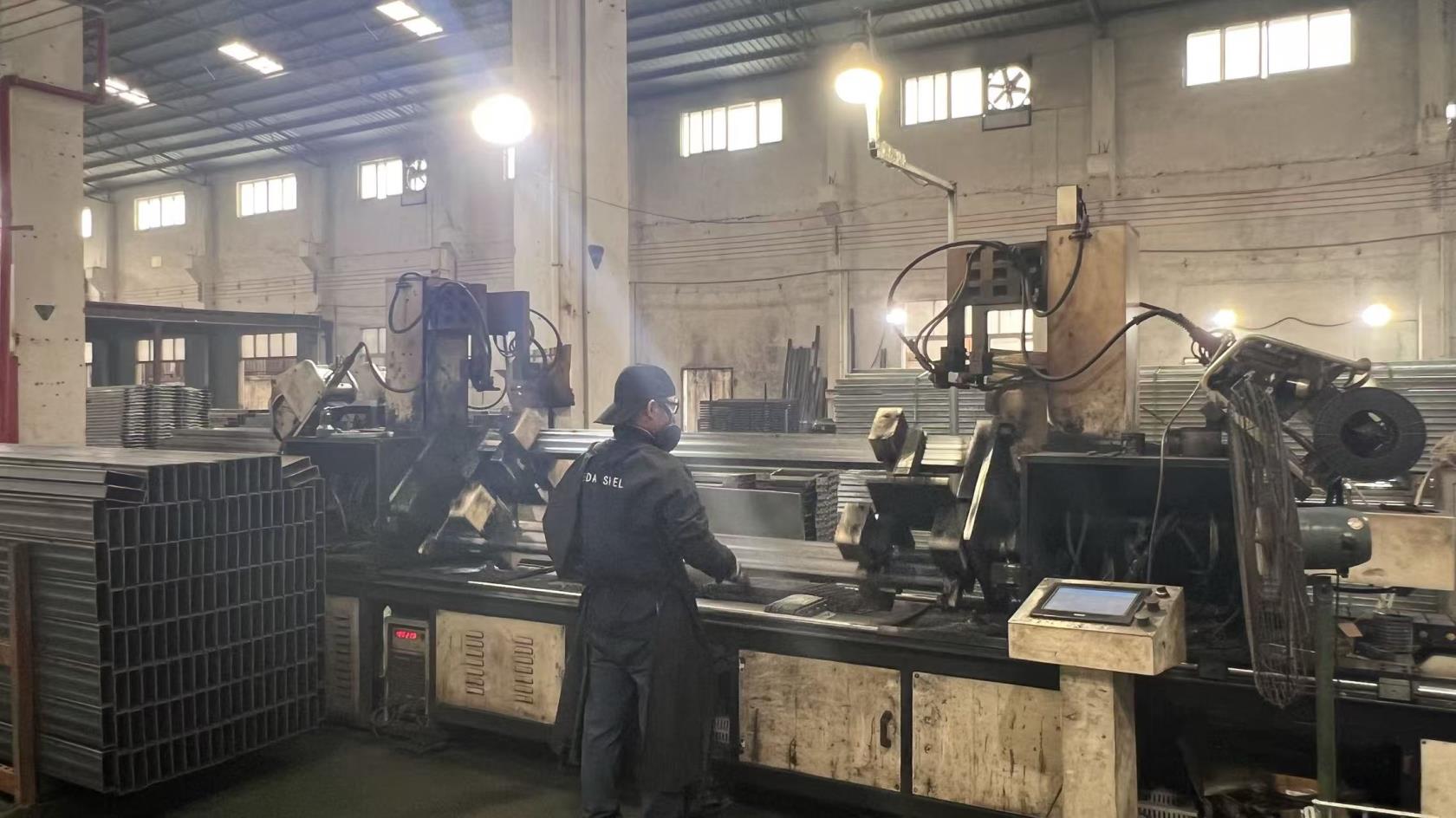
High-strength joints
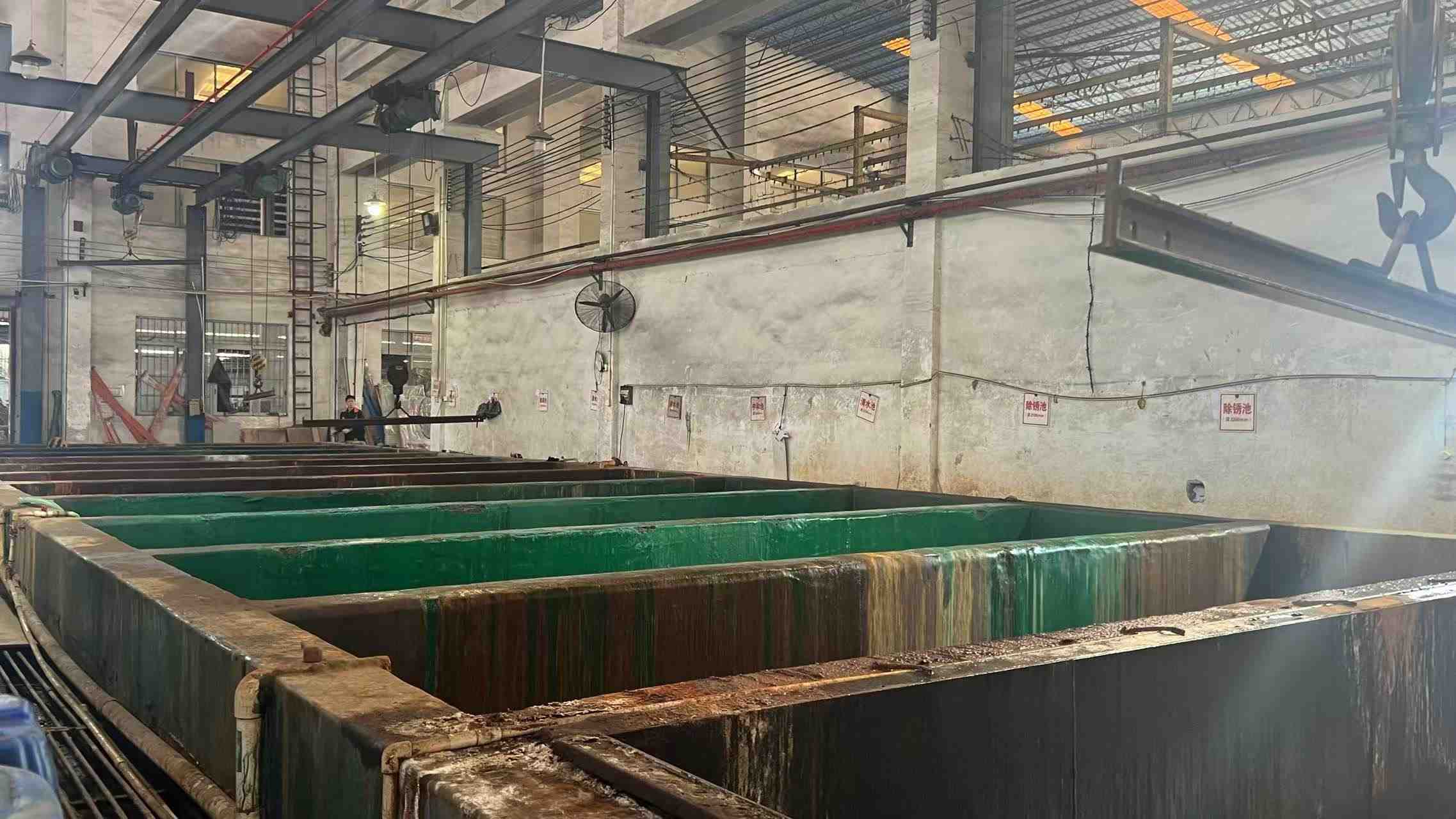
Parkerising pretreatment
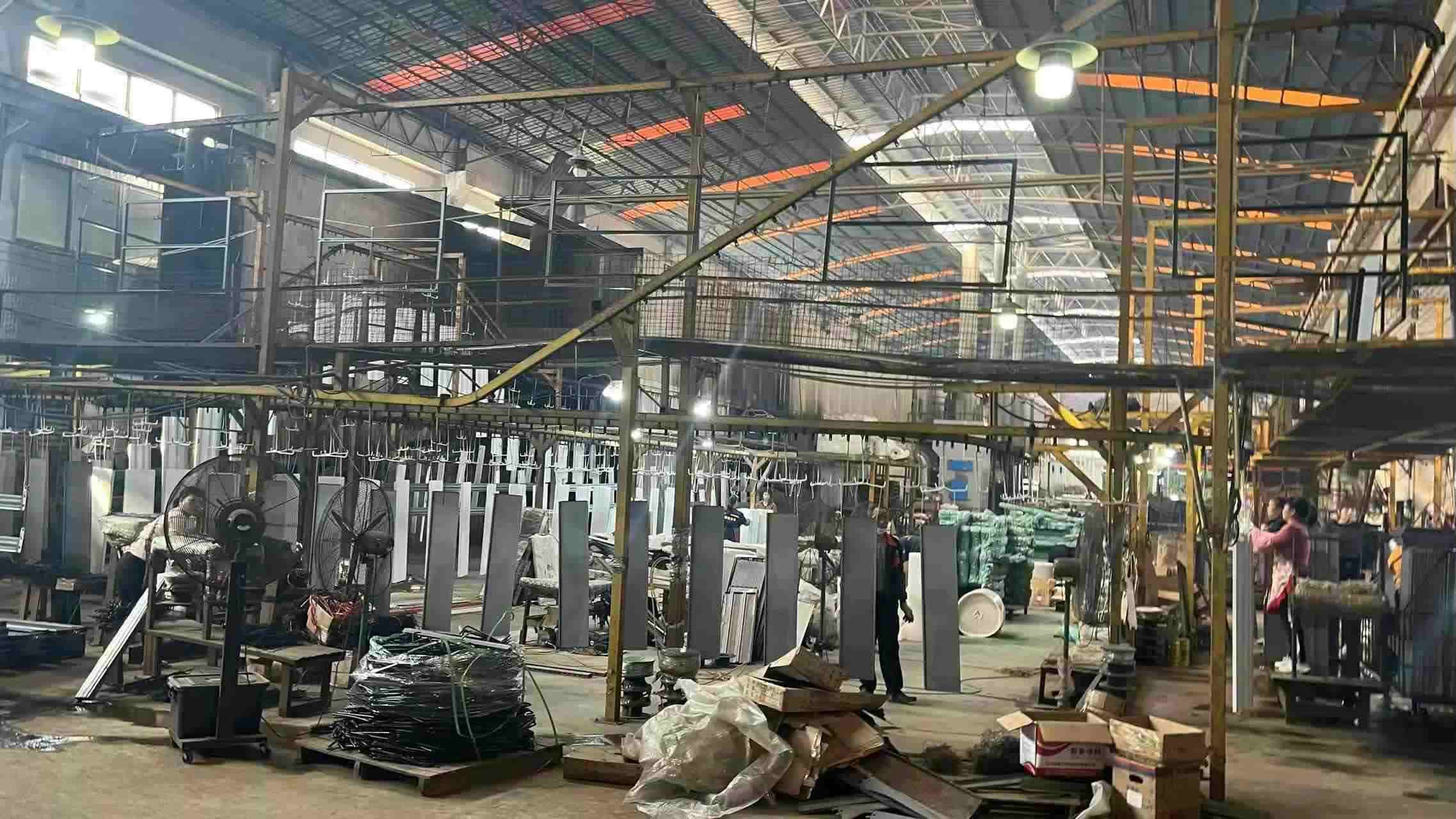
Corrosion-proof finish
Systematic raw staging
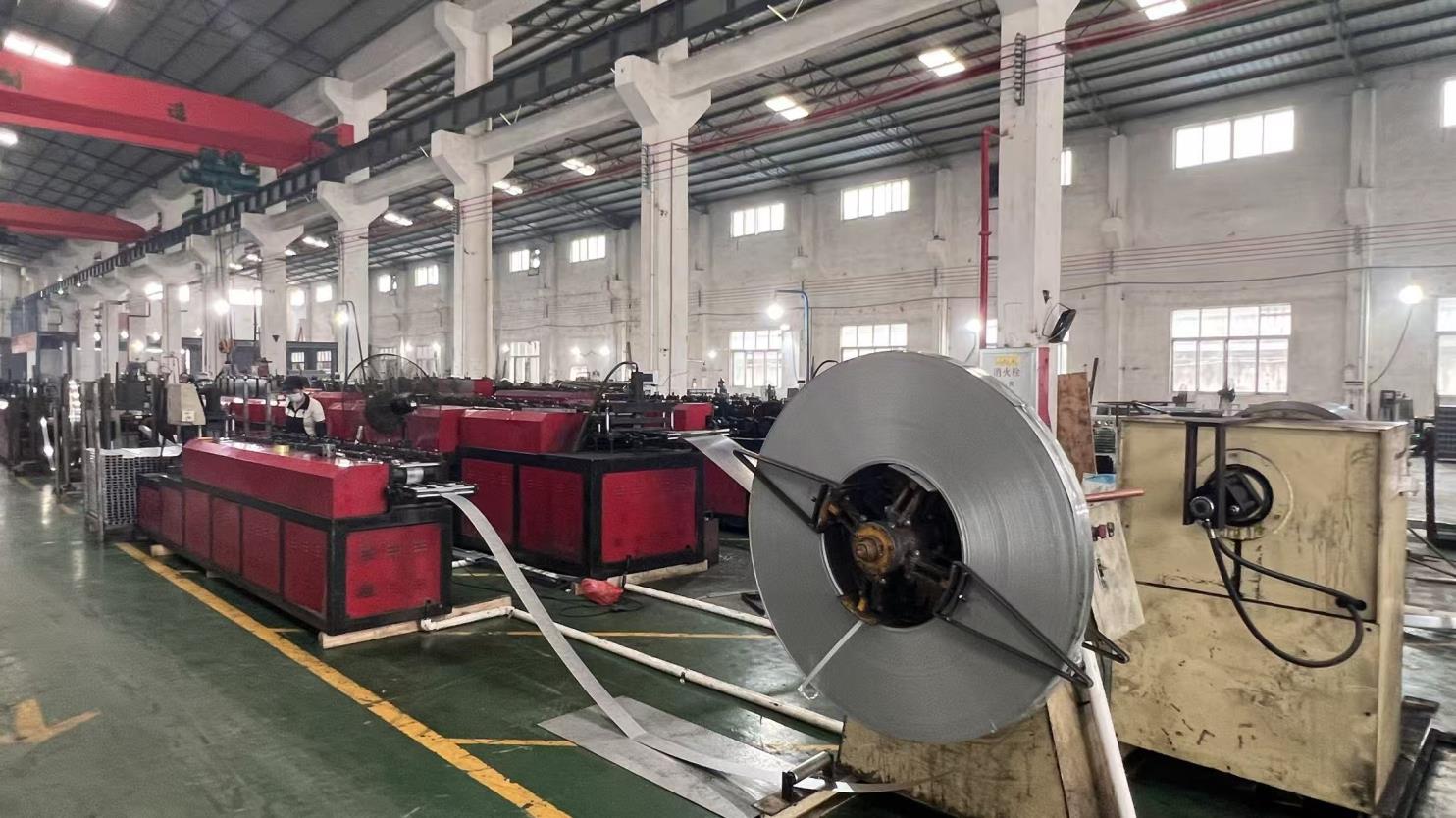
Section roll-forming
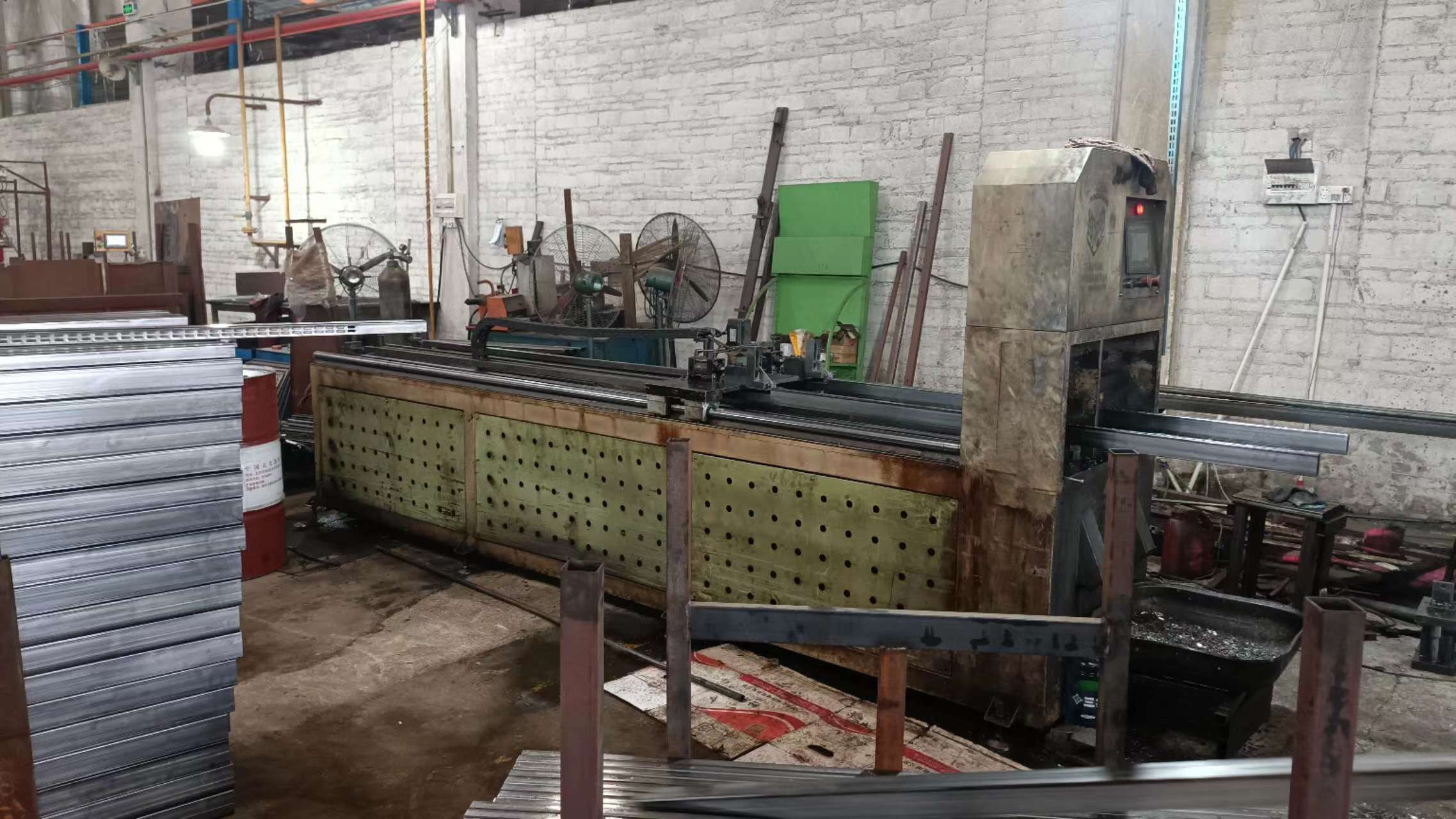
High-speed automatic punching
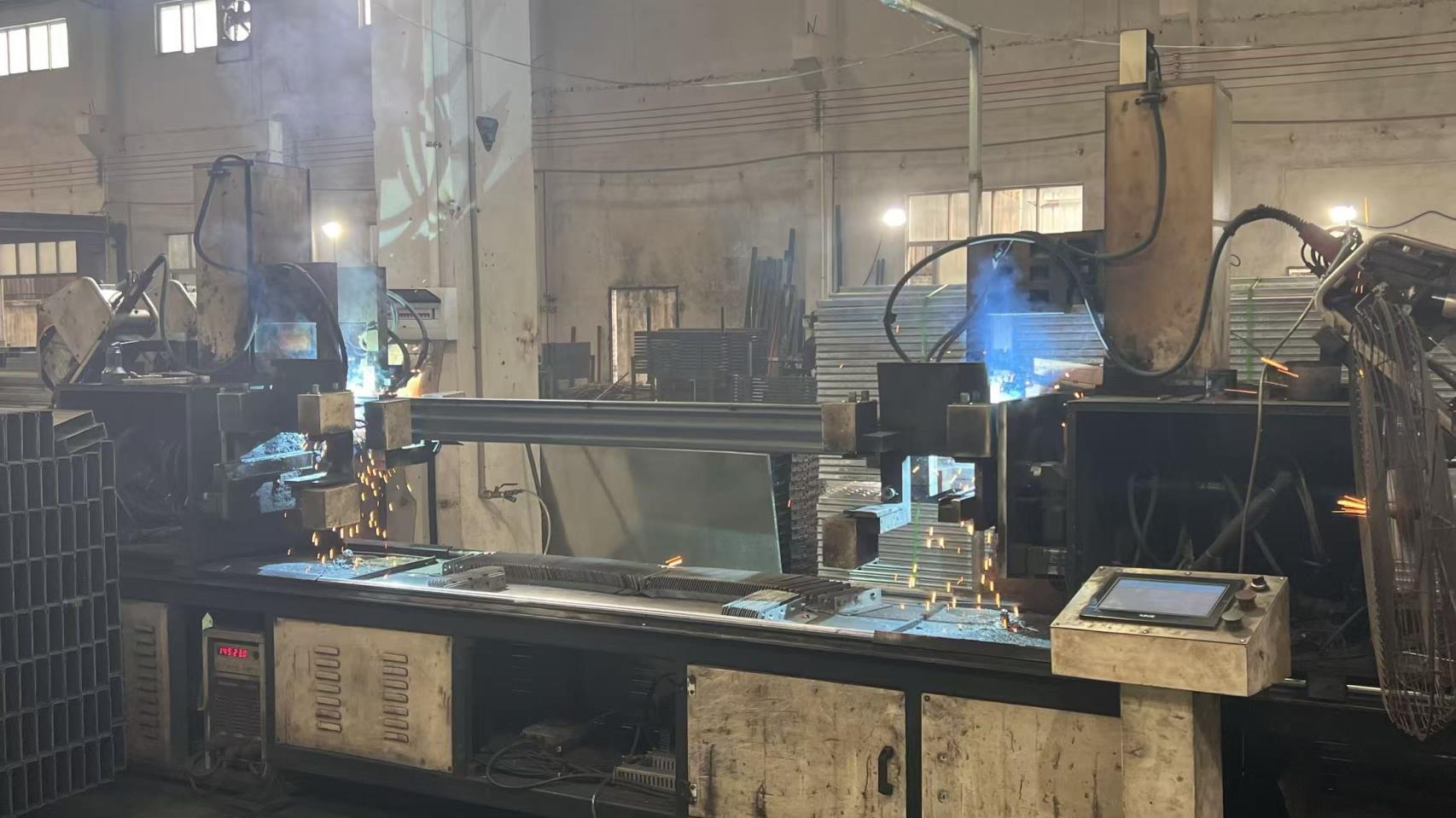
Robot-controlled welding
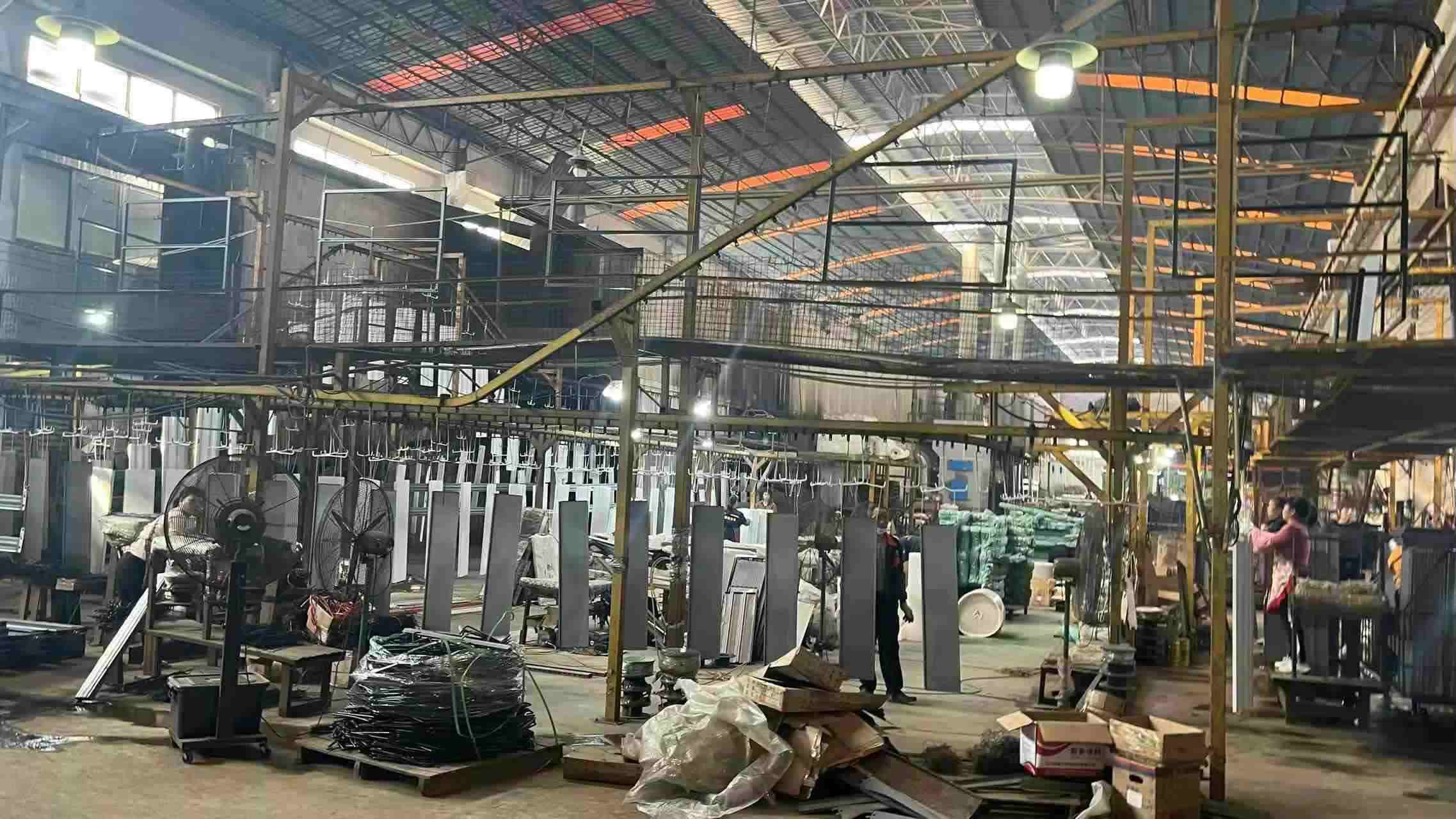
Automated electrostatic line
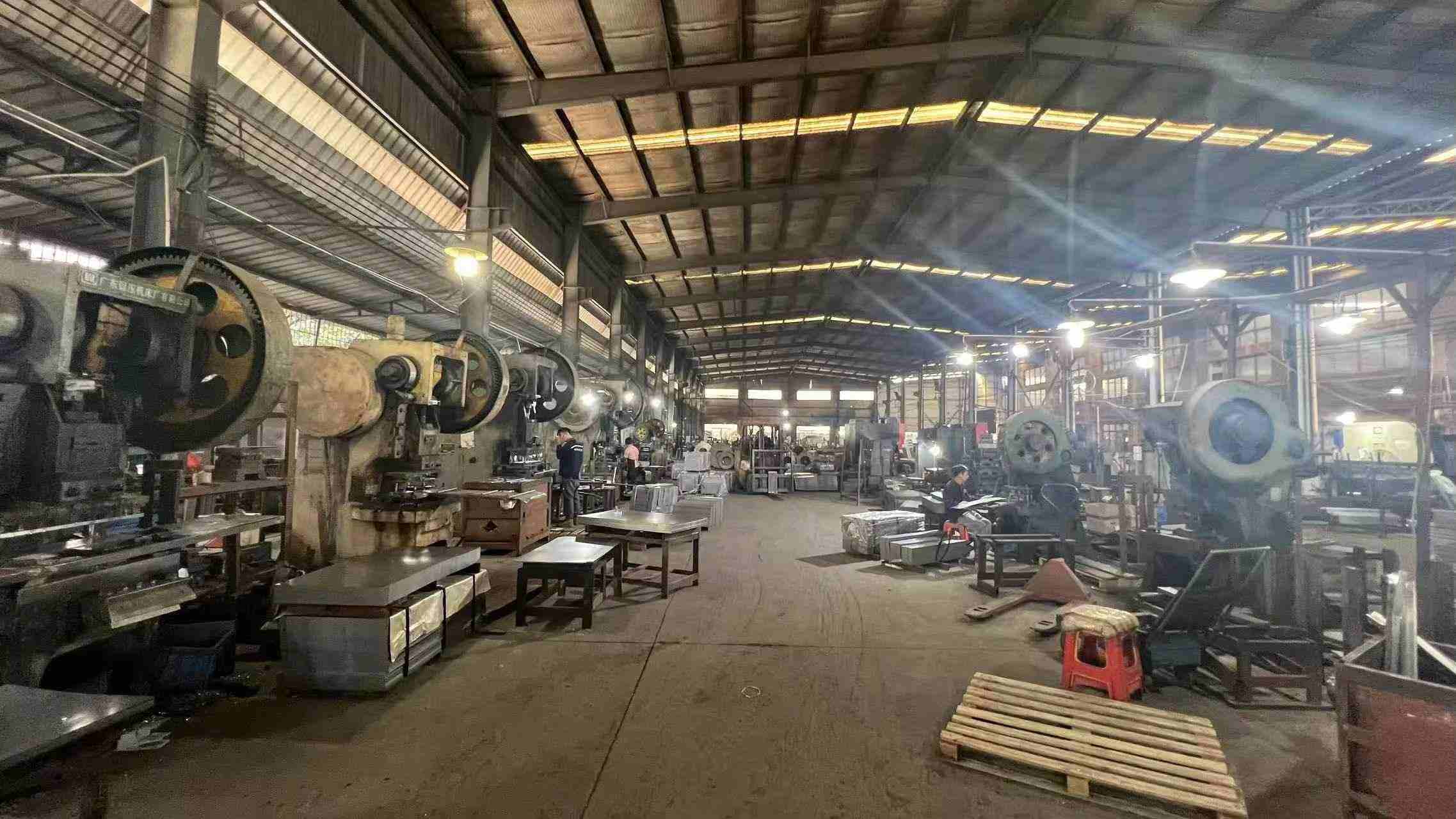
Secondary processing
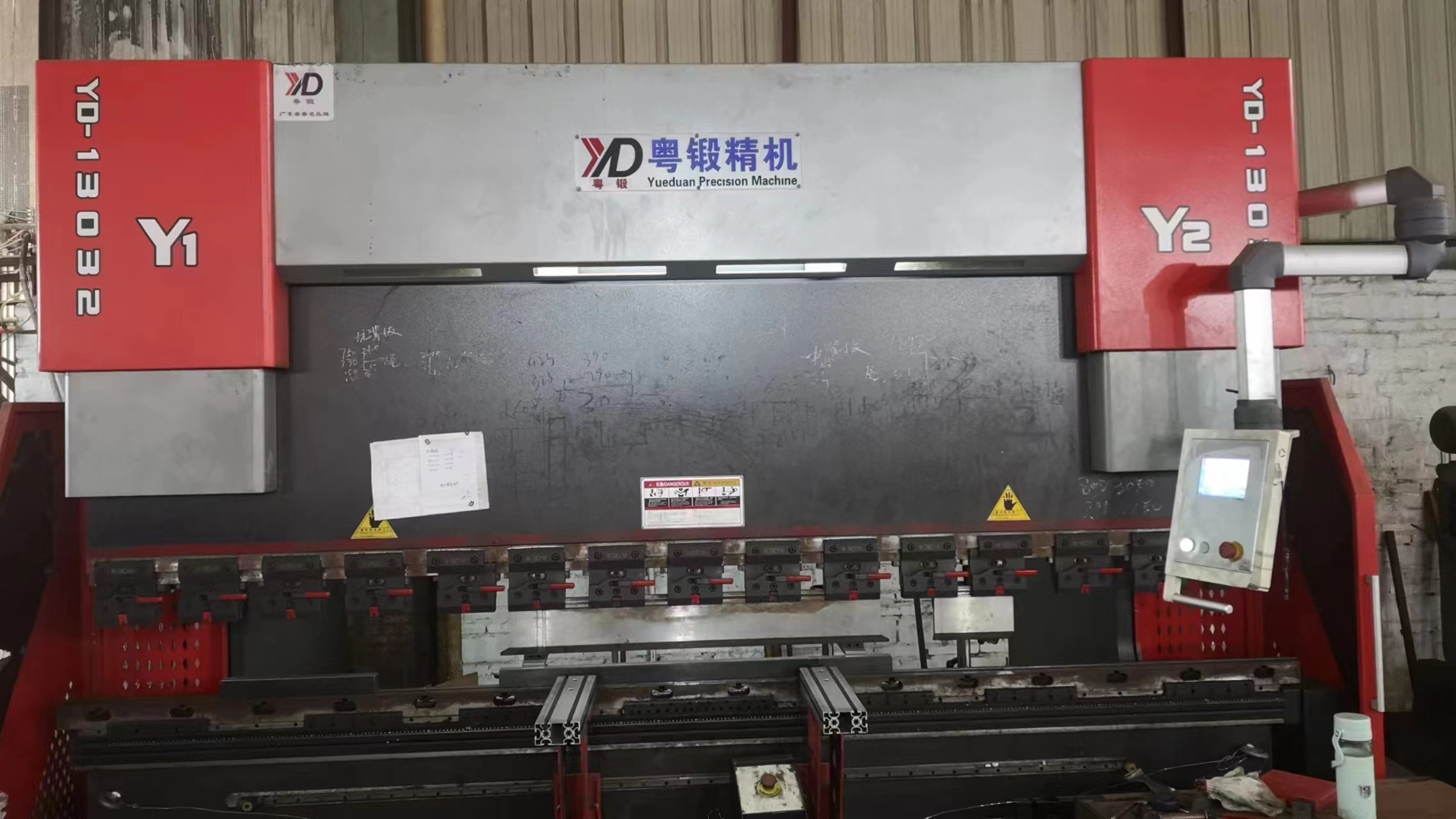
Heavy plate folding
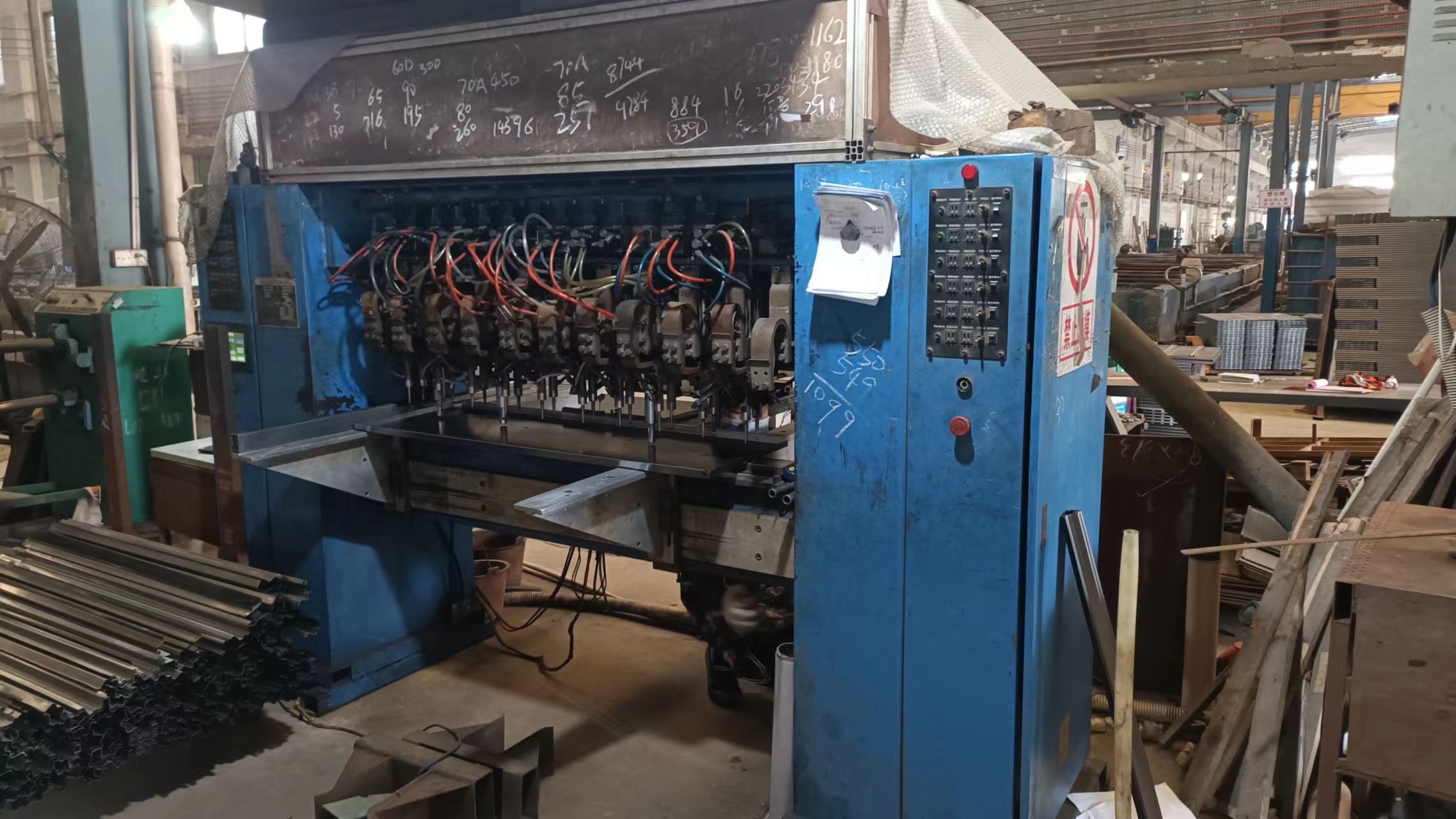
High-strength connection
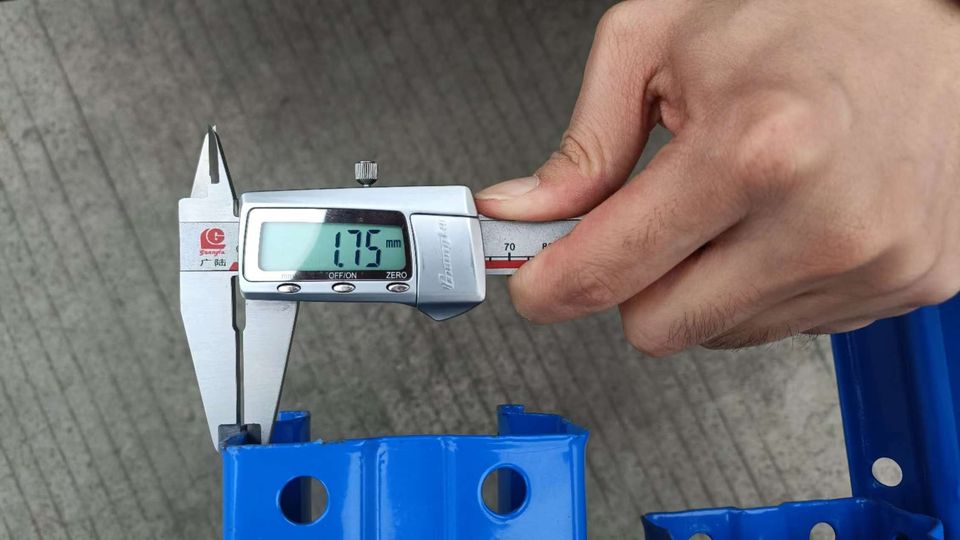
Dimensional checks
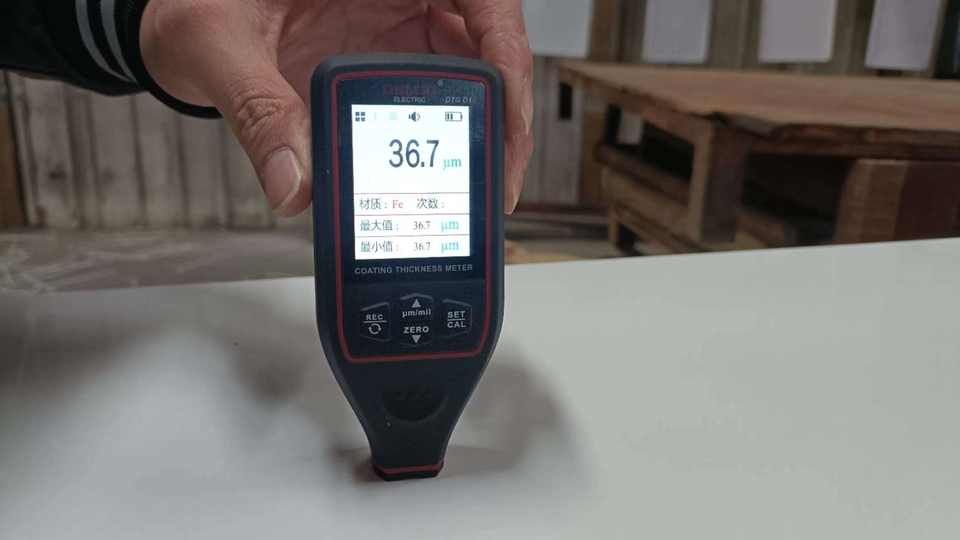
Coating thickness test
Understanding the differences in operational density, material handling, and installation costs.
How automated warehouse systems (AS/RS) and structural steel calculations are driving efficiency.
Combining automated storage and retrieval systems with specialized structural steel frames enables maximum space utilization and minimizes energy consumption in low-temperature warehouses.
Integrating IoT stress sensors onto racking beams allows operators to monitor structural health and deflection levels in sub-zero environments, improving safety.
Developing hybrid powder coatings that resist micro-abrasions and high moisture conditions to prevent steel exposure and oxidation over long operational lifespans.
Designing compact, high-density layouts to optimize energy efficiency, reduce refrigeration volume, and lower operating footprints.
Important engineering considerations for specifying and sourcing low-temperature structural racking.
Standard structural carbon steels experience ductile-to-brittle transition as temperatures drop, increasing the risk of sudden structural failure under load. Specifying high-strength micro-alloyed steel grades with verified Charpy impact values ensures the systems remain safe and reliable at low temperatures.
Durack utilizes a multi-step surface treatment process, including acid-washing and Parkerising, followed by applying specialized low-temperature powder coatings. This method creates a highly cross-linked barrier that prevents moisture infiltration and oxidation from temperature cycles and condensation.
Drive-In racking is a cost-effective, high-density solution but requires forklifts to enter the racking bays, which can increase the risk of accidental damage. Radio Shuttle systems use automated carts to handle pallets inside the structure, reducing forklift movement, improving speed, and enhancing overall safety.
We employ 45 QC specialists to conduct ultrasonic weld testing, load-bearing stress tests, coating thickness measurements, and dimensional accuracy inspections. This comprehensive testing ensures all systems meet or exceed international standards before shipping.
Frequent temperature changes create condensation on cold surfaces, which can pool in structural crevices and lead to rust. Our racking systems feature pre-punched drainage holes and sloped structural surfaces to prevent water pooling and ensure long-term stability.
Yes. Our R&D team of 65 engineers offers complete OEM/ODM options to customize profile dimensions, metal thickness, beam interfaces, and footprint designs to meet specific logistics requirements.
Low temperatures cause structural steel members to contract. Our structural calculations factor in these thermal changes, ensuring clearances and bolt connections are engineered to handle the physical shifts without compromising stability.
All Durack design configurations are engineered to meet global standards, including RMI specifications in North America and FEM guidelines in Europe, ensuring full compliance and structural safety.
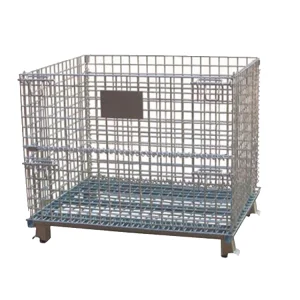
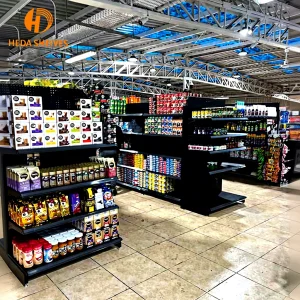
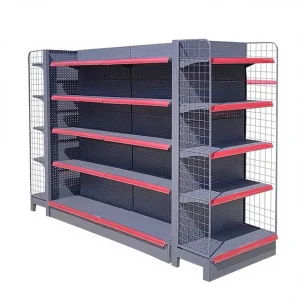
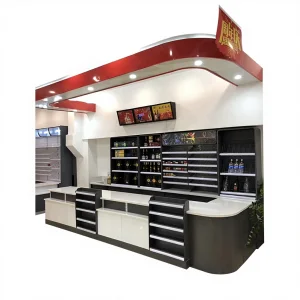
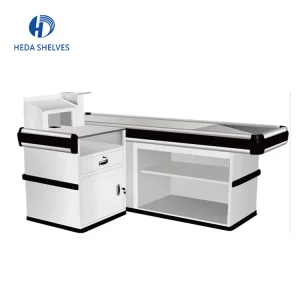
Complementary racking options, specialized displays, and handling cages for diverse industrial facilities.
 Durack