Engineered for high load-bearing efficiency, optimized picking pathways, and structural durability.
The global industrial landscape is undergoing a massive transformation, driven by automation, fast-paced fulfillment demands, and structural safety mandates. Within this environment, standard manual carrying methods have rapidly evolved into high-performance material handling frameworks. B2B buyers no longer look at carts, trolleys, and industrial racks as passive metal components; they are seen as crucial tools for operational productivity and workspace safety.
Modern supply chains require material handling solutions that bridge the gap between static racking structures and dynamic logistics vehicles. Whether managing third-party logistics (3PL) centers, cold-storage warehouses, or retail showrooms, the engineering behind transport and storage platforms affects load-bearing capacity, worker safety, and workflow efficiency. Partnering with a professional China manufacturer who understands these challenges is key to optimizing warehouse space and lowering overall operation costs.
According to modern logistics data, implementing custom-engineered warehouse racking systems alongside specialized manual picking carts can improve product retrieval times by up to 34% and reduce structural damage incidents by 45%.
As logistics operations become more complex, sourcing from manufacturers who offer full customization—from high-grade steel selection to custom physical layouts—has become standard industry practice. This whitepaper analyzes the manufacturing technology, quality protocols, and future trends that define high-capacity industrial storage and material handling equipment today.
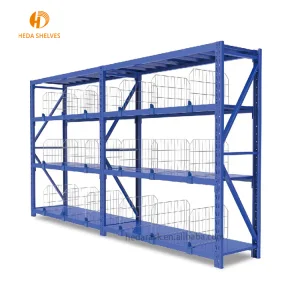
Industrial storage and transportation requirements vary widely across different vertical markets. A single, standard design cannot address the unique load distributions and spatial constraints of different facilities. High-efficiency architectures must be designed for specific industrial applications:
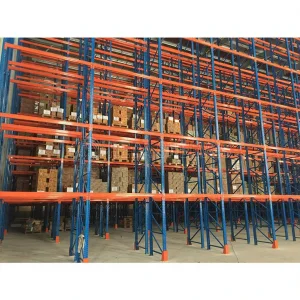
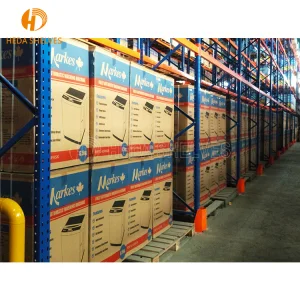
Focusing on selective pallet racking, mezzanine platforms, and automated shuttle systems to maximize vertical storage space and dynamic load capabilities.
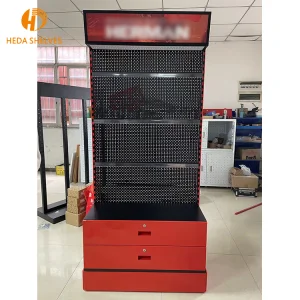
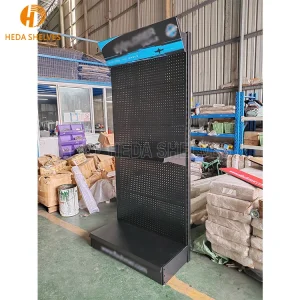
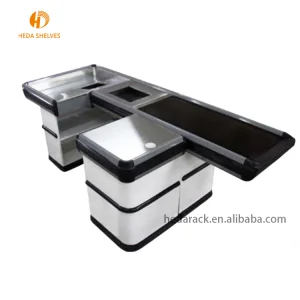
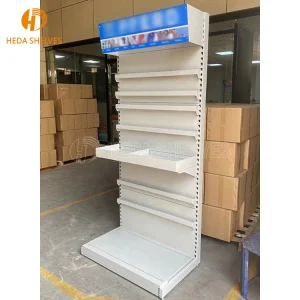
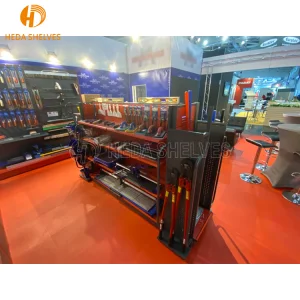
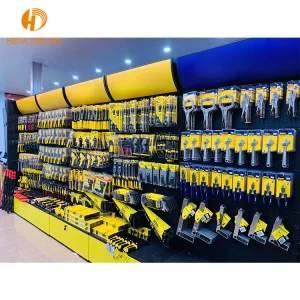
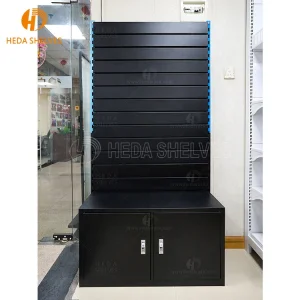
Combining visual appeal with structural integrity using customizable pegboard stands, heavy-duty single-sided gondolas, and checkout counters.
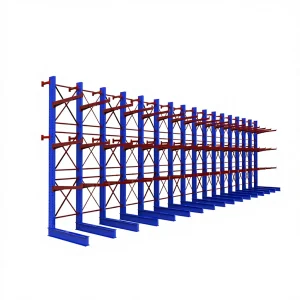
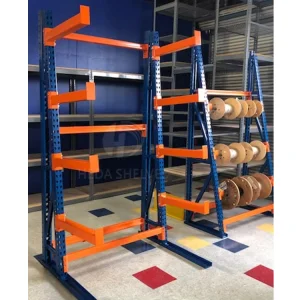
Utilizing heavy-duty cantilever racking for storing long, uneven, or bulky materials like steel piping, sheeting, and lumber safely.
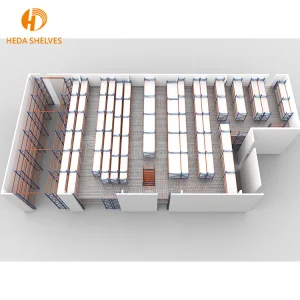
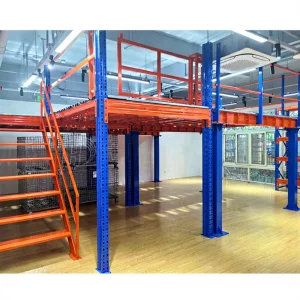
For operations aiming to expand capacity without increasing their building footprint, Industrial Mezzanine Floor Platforms provide a multi-tier solution. By converting overhead space into usable storage areas, companies can double their storage capacity. These platforms are built from structural steel and feature integrated safety handrails, high-load decking, and specialized loading gates. This design allows companies to combine automated conveyor setups, manual picking zones, and dynamic trolley cart paths into a single cohesive facility layout.
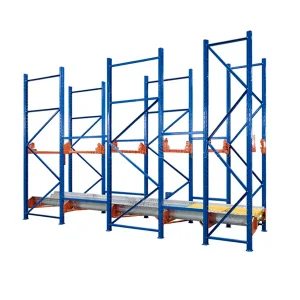
Modern distribution centers are increasingly adopting semi-automated solutions like the Radio Shuttle Racking System. This high-density storage technology uses a robotic shuttle to move pallets through deep storage channels. This drastically reduces the time forklift operators spend driving in aisles, minimizes structural collision damage to the racks, and speeds up product throughput. This makes it an ideal system for cold storage facilities, food and beverage distributors, and high-volume consumer goods warehouses.
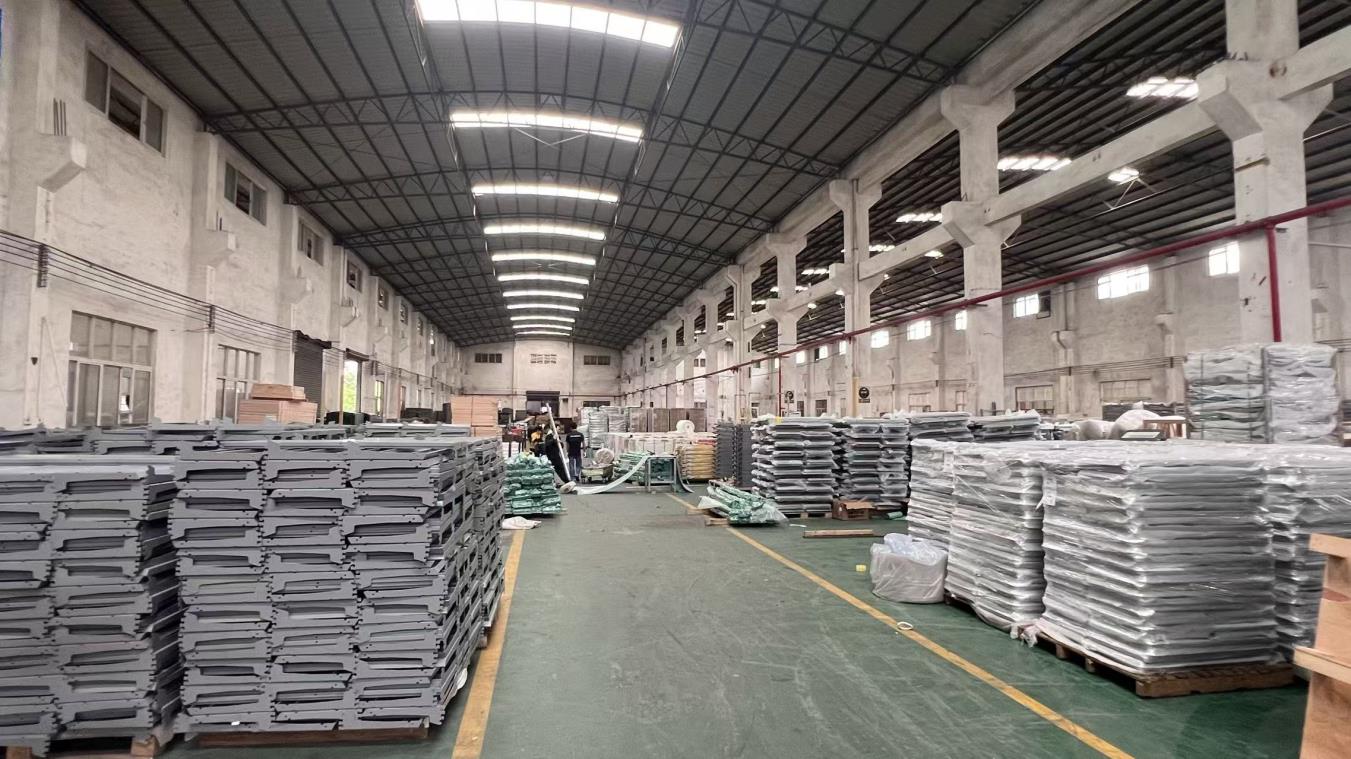
Founded in 2014, Dongguan Durack Logistics Equipment Co., Ltd. is a premier Chinese storage racking system manufacturer operating a 35,000 m² facility. Backed by 12 years of industry experience and 8 years of global export history, the company generates $28 million in annual export revenue. Our operations are supported by a strict quality assurance system using full-spectrum ultrasonic testing and load-bearing stress evaluations, overseen by 45 dedicated QC specialists. Building on a strong international trading background, our core markets span North America, Europe, and Southeast Asia. We maintain a reliable supply chain network of over 850 partners, catering primarily to third-party logistics (3PL) providers, automated warehouses, and large industrial distributors. Driven by an active R&D division with 65 specialized engineers, Durack offers full OEM/ODM customization options—including bespoke beam profiles, structural steel grades, and dynamic layout designs—launching over 120 new storage products last year.
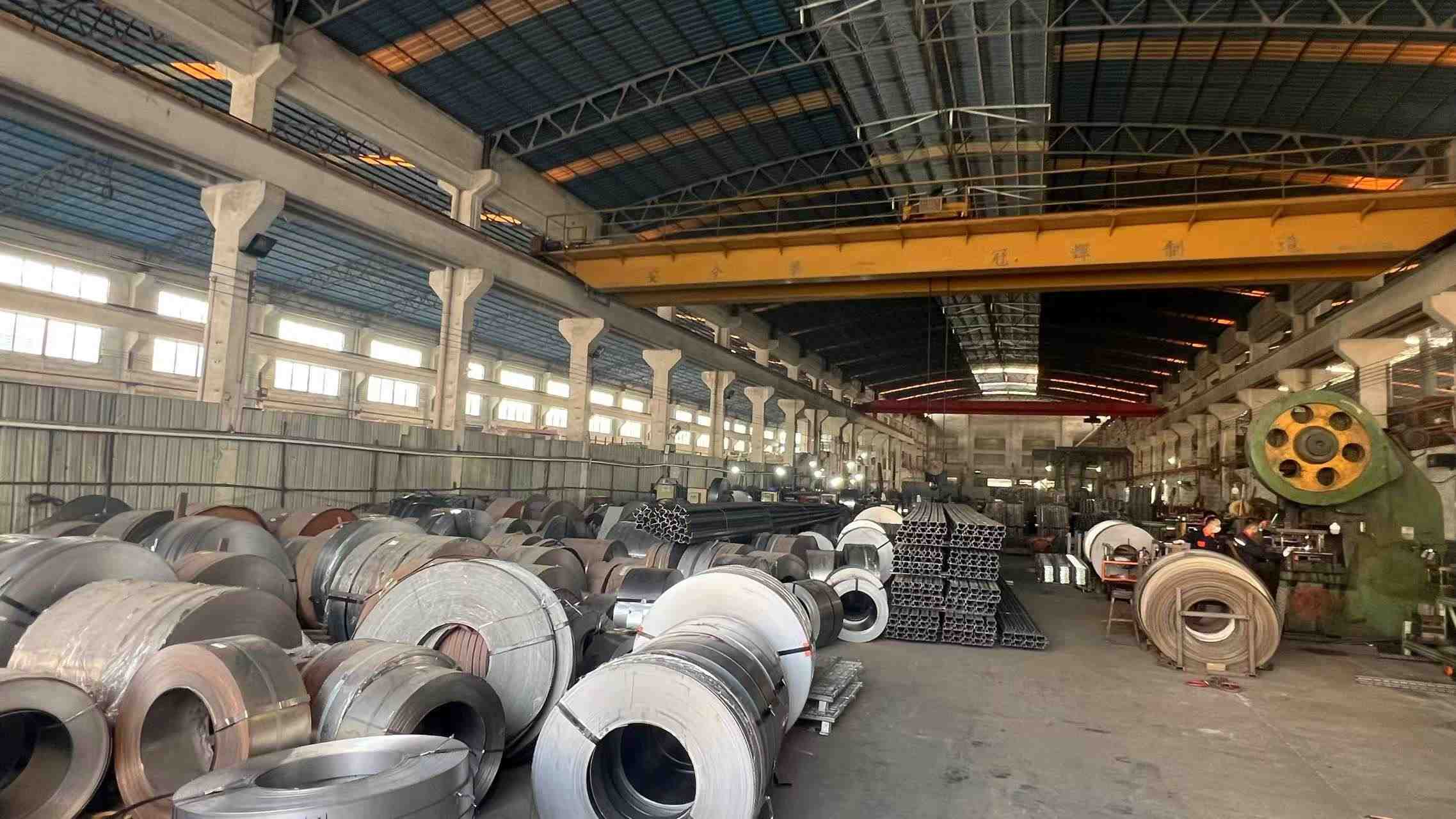
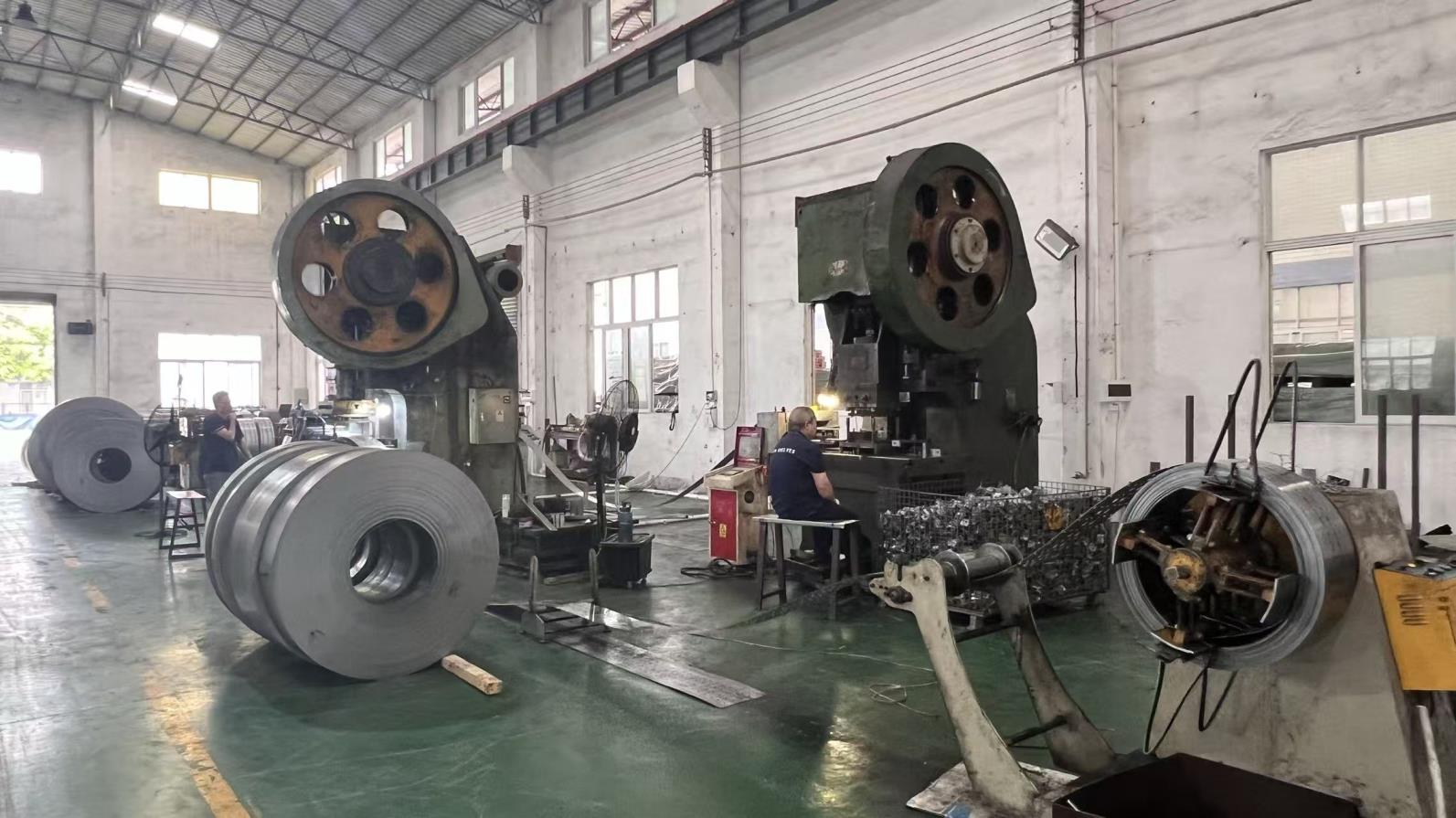
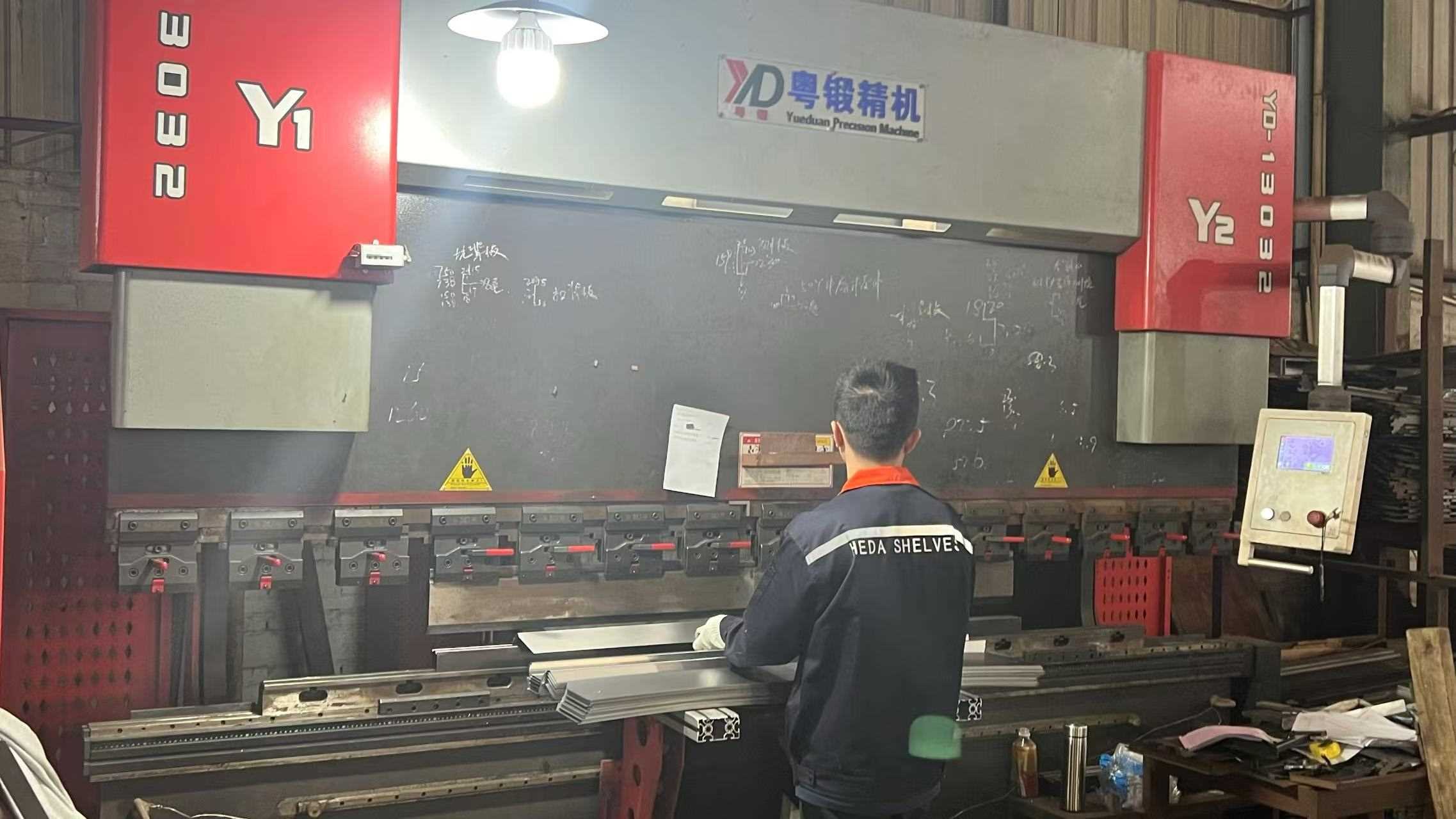
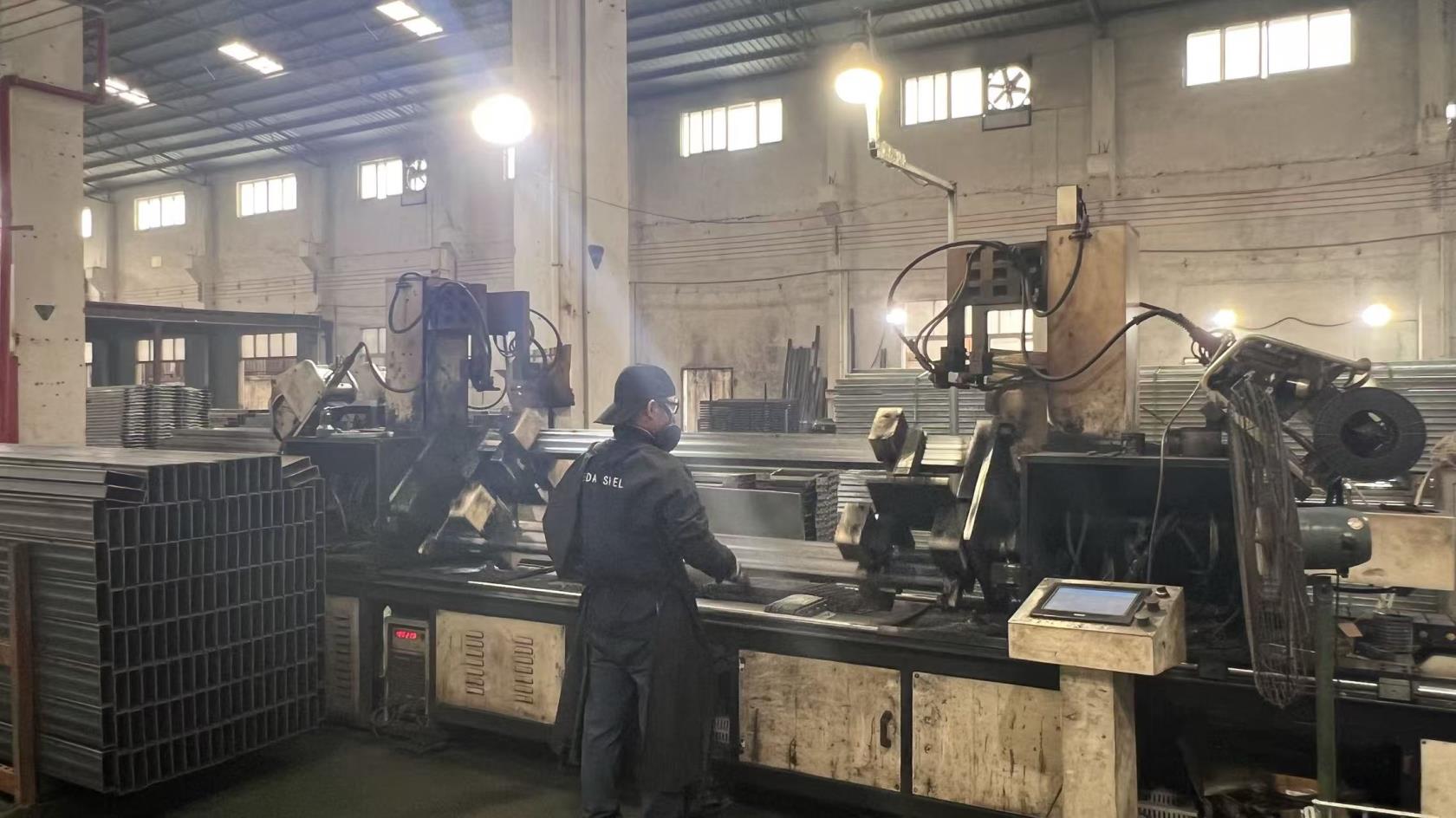
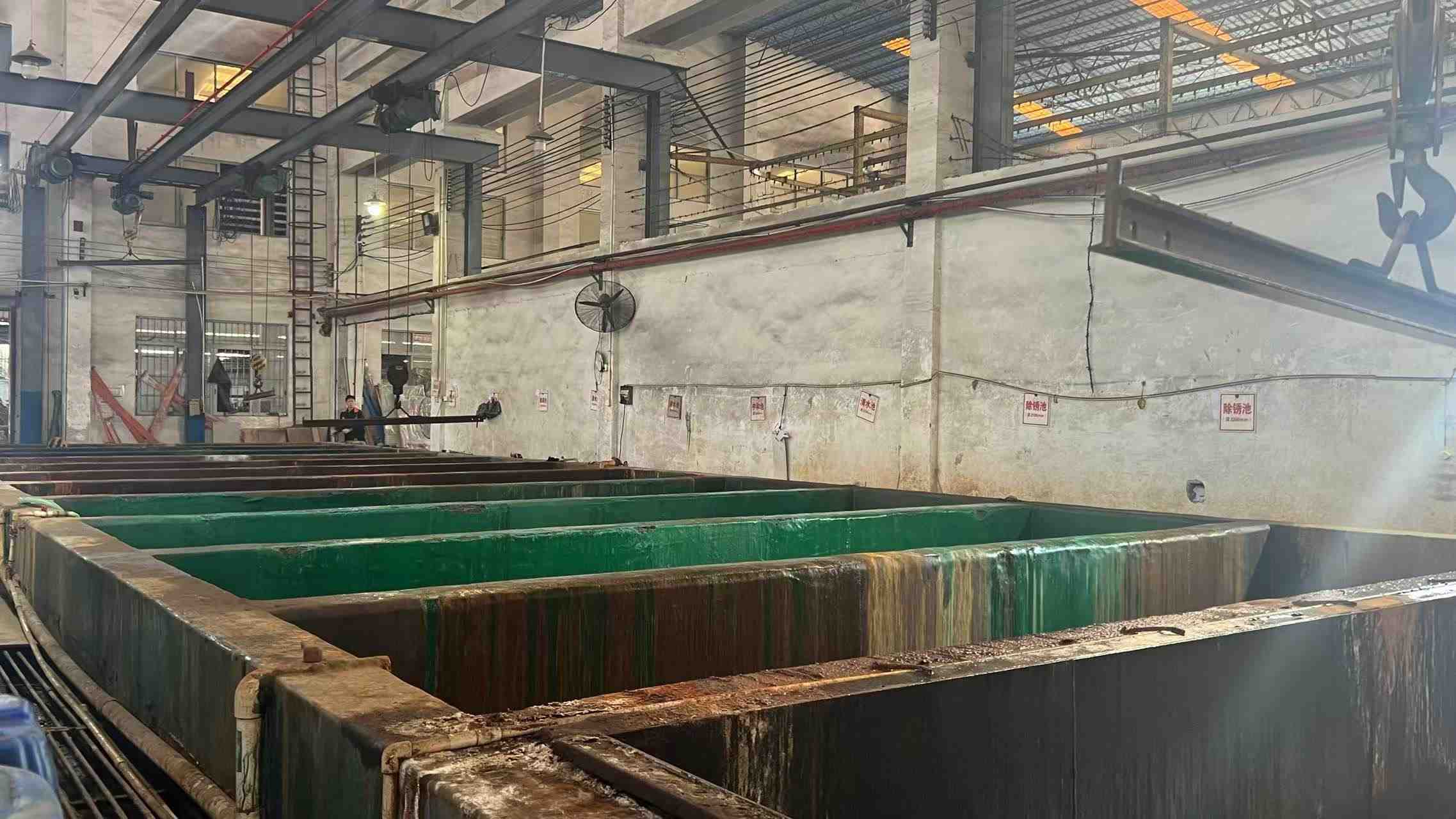
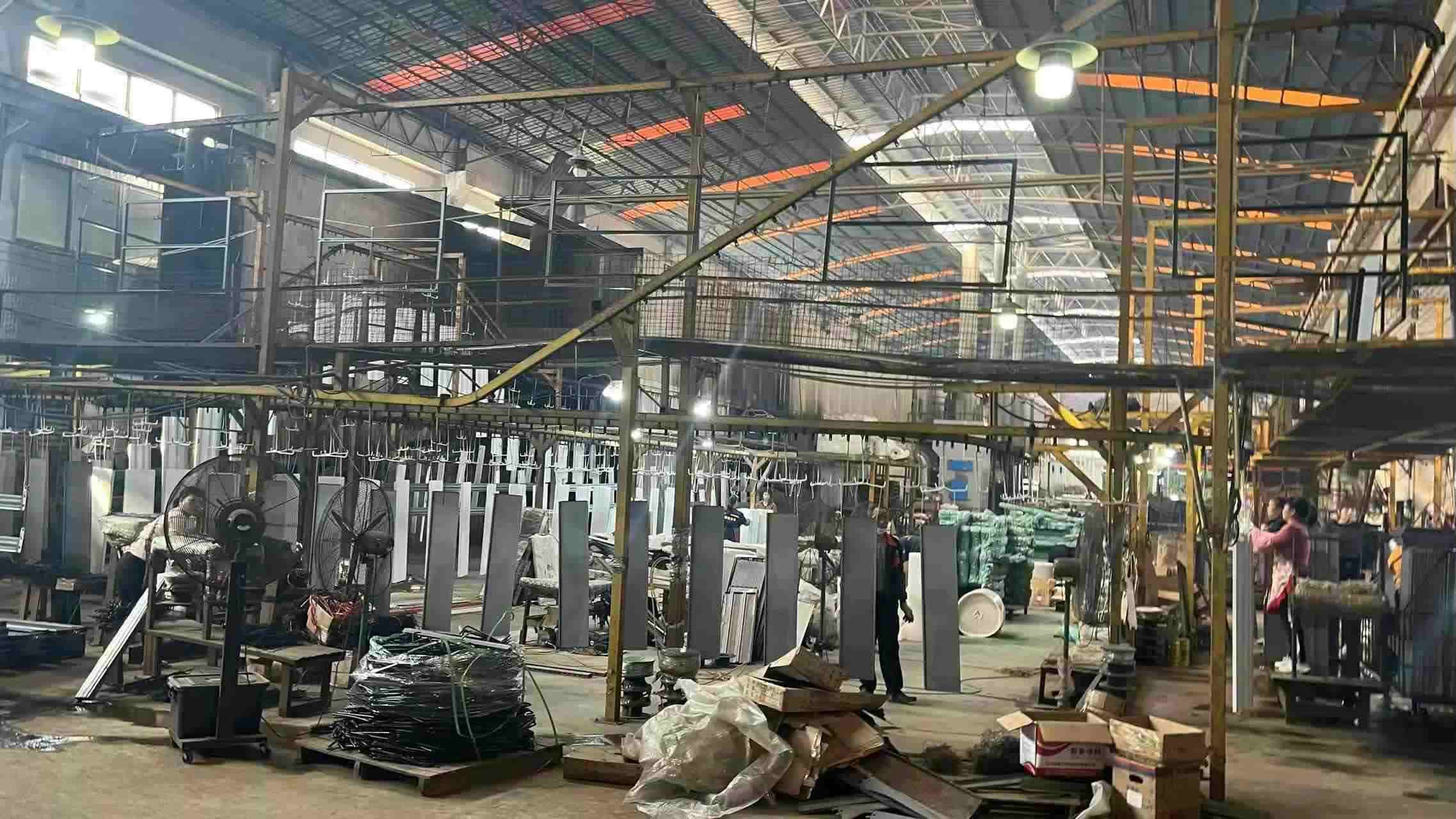
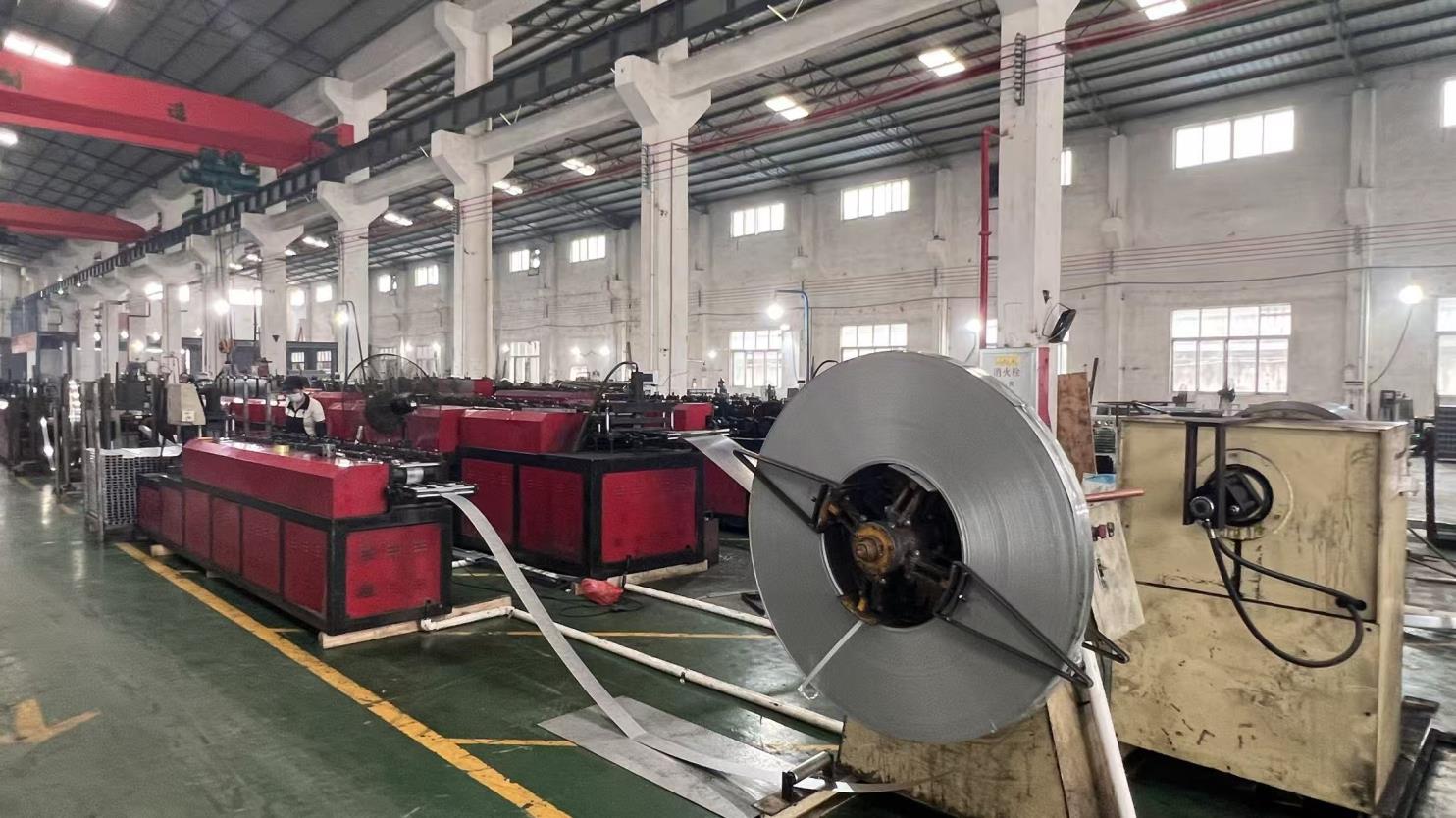
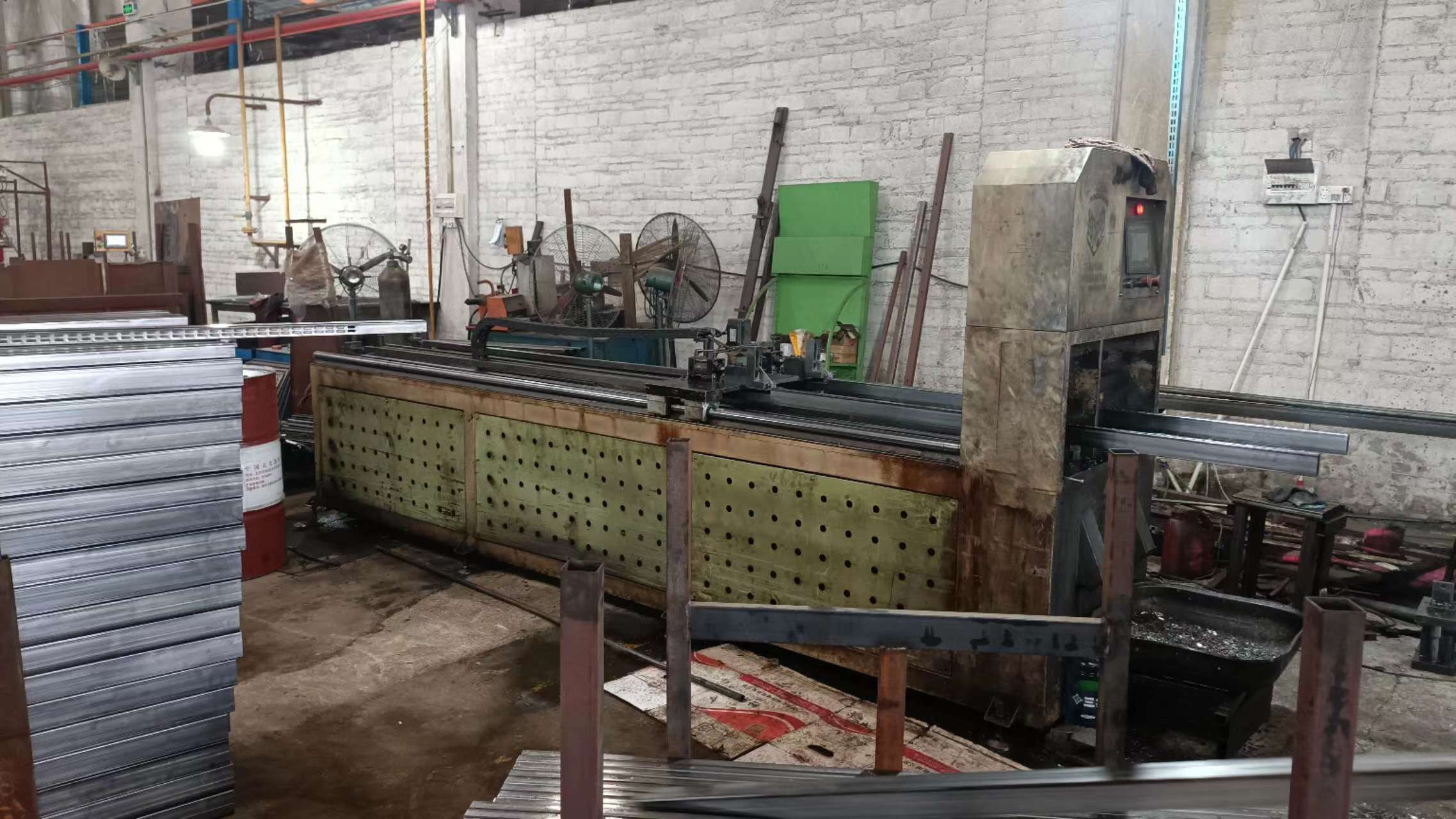
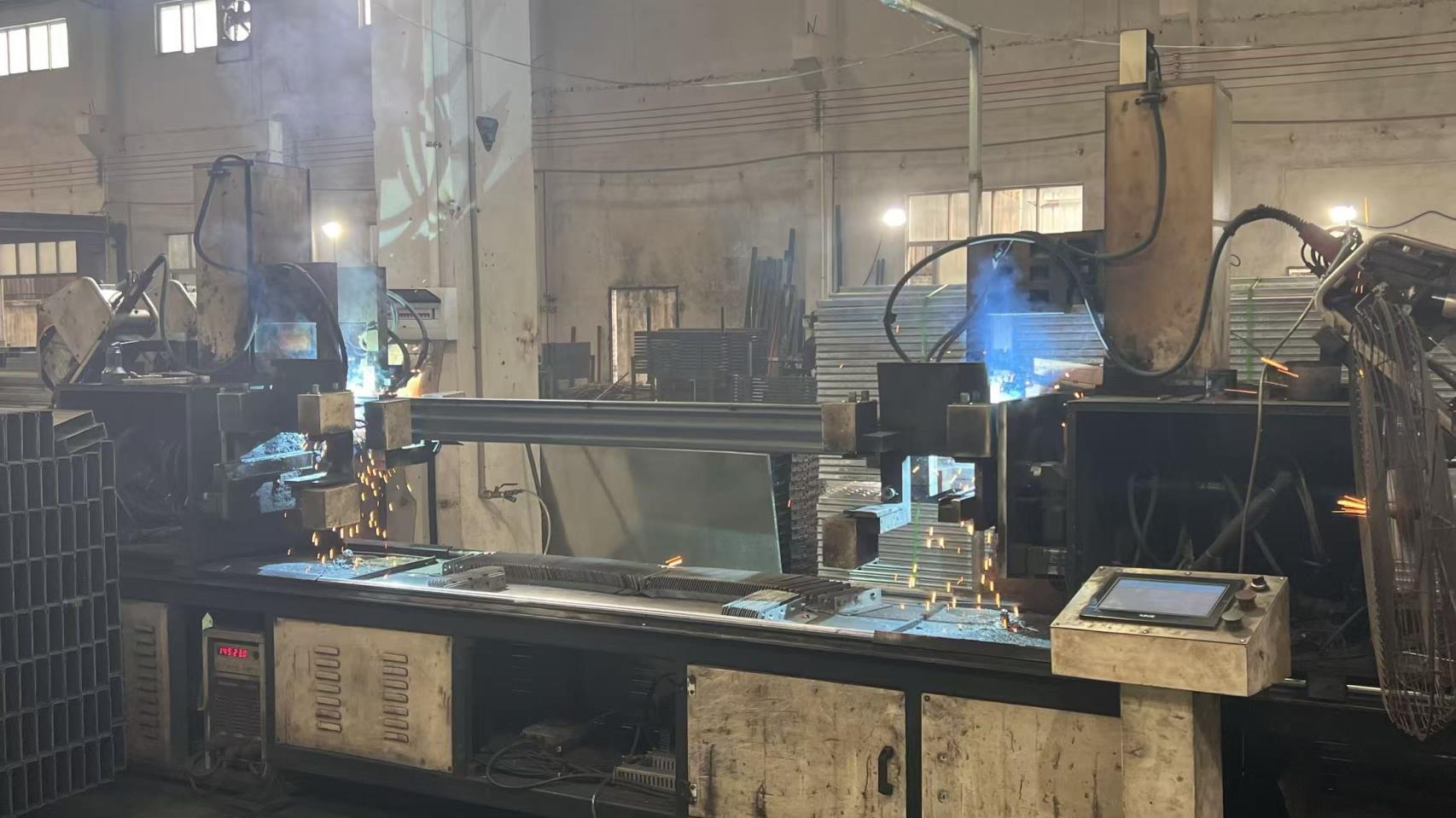
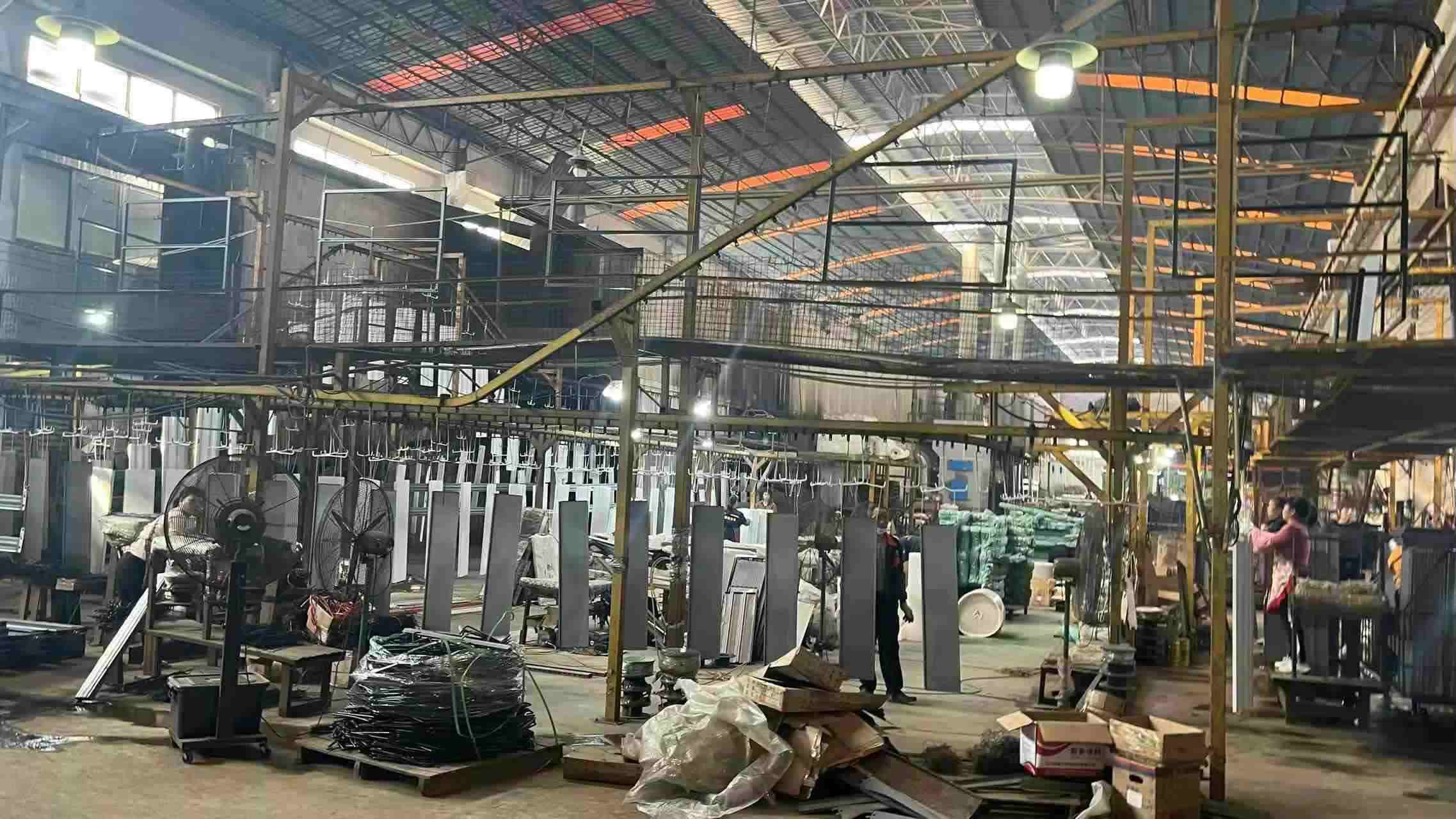
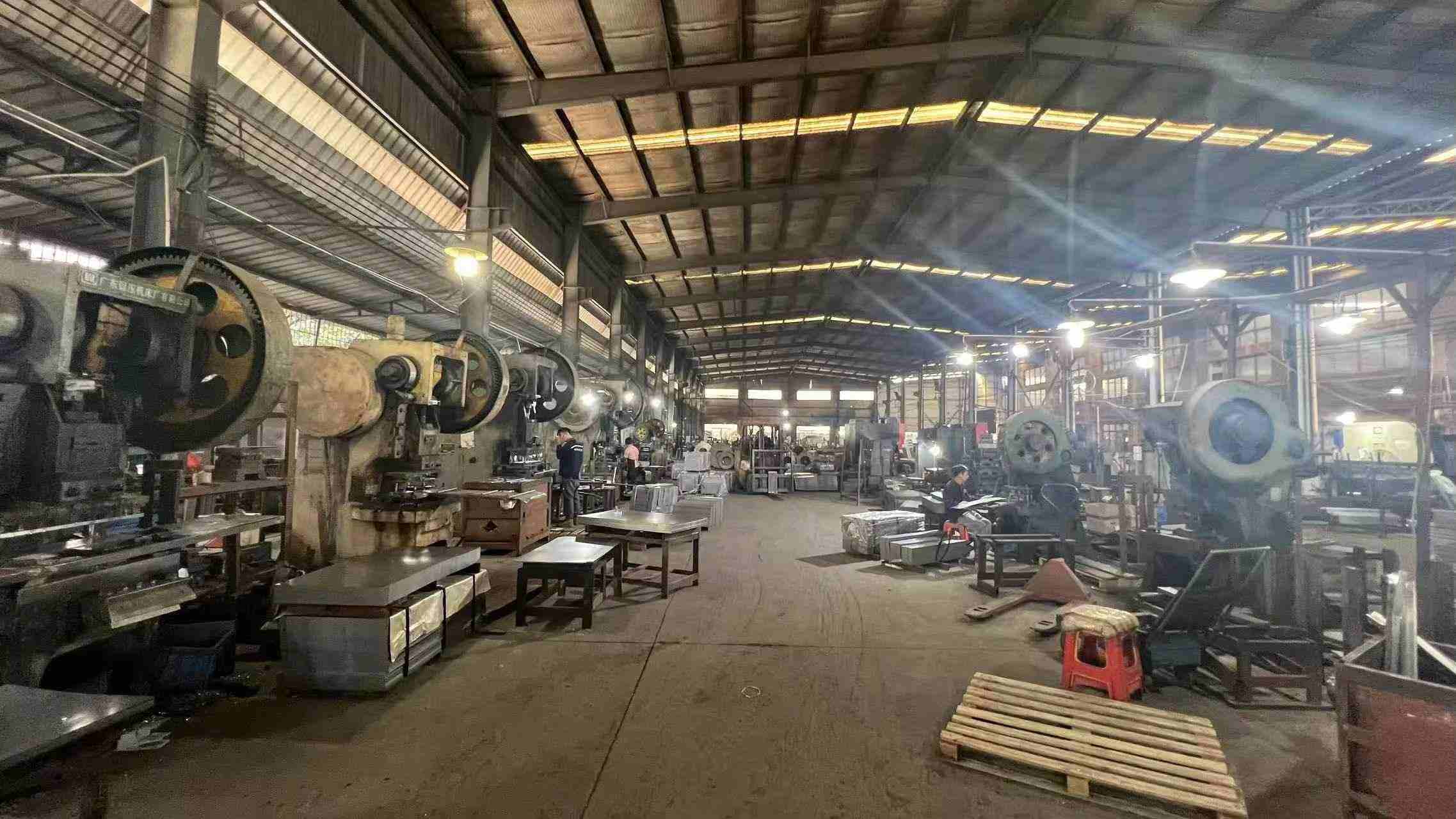
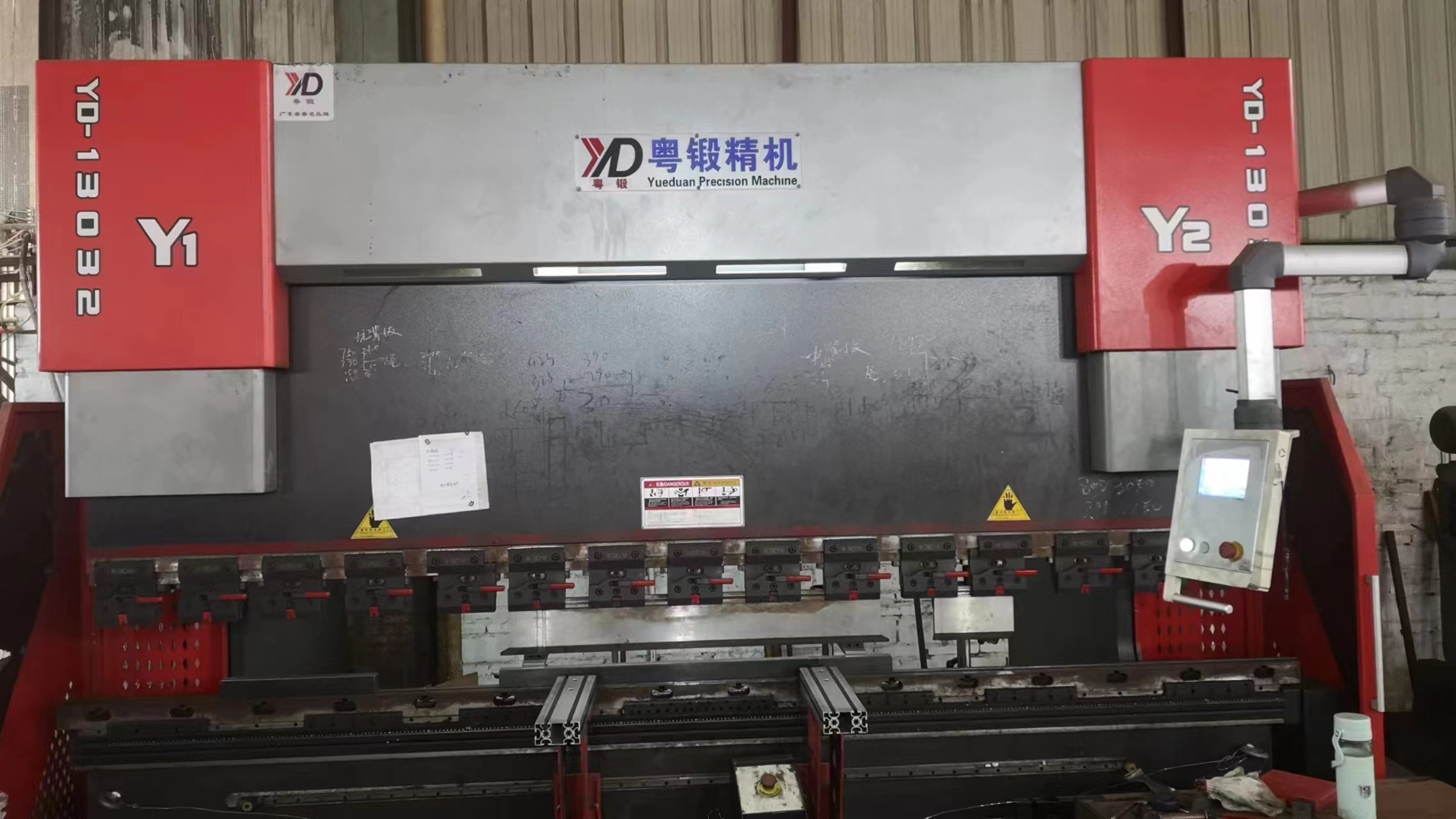
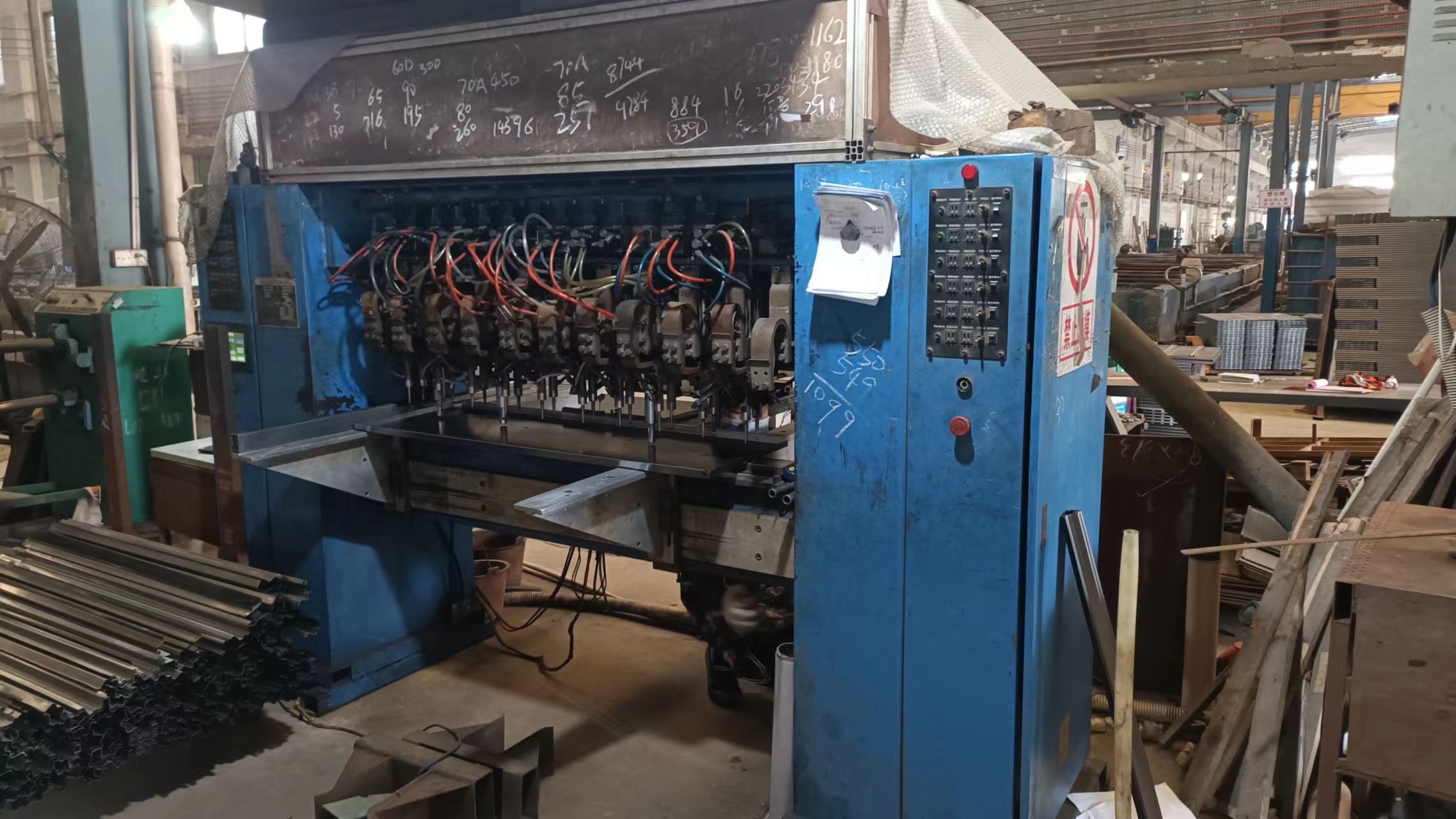
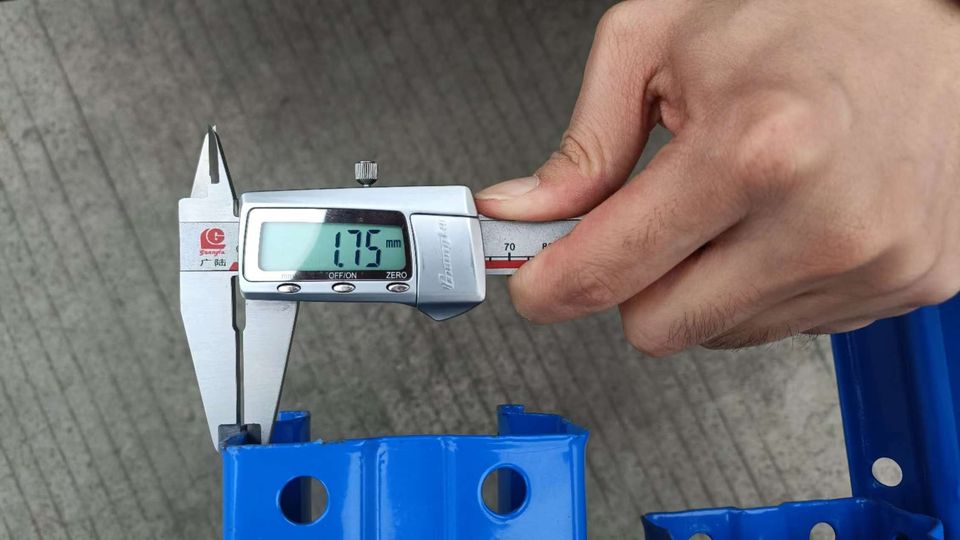
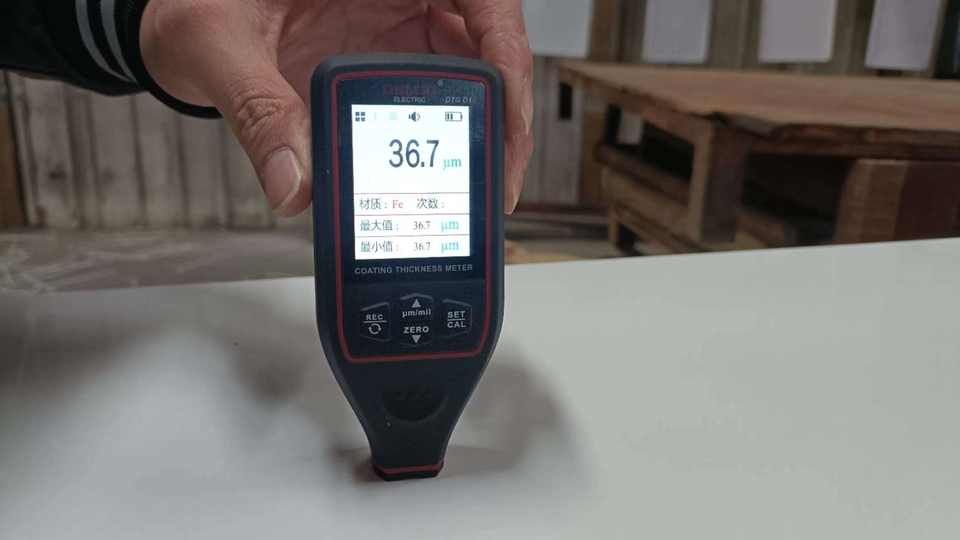
Durack’s manufacturing process relies on advanced CNC machineries, automated welding cells, and robust quality control inspections. Every stage of manufacturing—from raw metal coils to finished, powder-coated racks—is monitored to maintain structural integrity and prevent stress fractures under heavy load conditions.
As B2B buyers look for ways to optimize their facilities, material handling equipment is shifting toward digital, automated, and sustainable designs. The focus has moved from simple, heavy metal frames to smart, integrated systems. Below are the key technological advancements shaping the future of this industry:
Modern industrial picking carts and warehouse racks are increasingly designed to work with Automated Guided Vehicles (AGVs) and Autonomous Mobile Robots (AMRs). Rather than relying on manual labor, next-generation warehousing utilizes robots to hook, lift, and transport picking carts directly through warehouse aisles. This shift requires tighter tolerances in manufacturing, highly standardized base frames, and precision welding to ensure automated equipment can dock and transport carts without manual intervention.
Enterprise logistics operations require real-time visibility over inventory and equipment. Integrated IoT tags, active RFID sensors, and Bluetooth Low Energy (BLE) transmitters are now frequently built directly into heavy-duty utility carts. This allows operations to monitor cart locations, track picking patterns, and analyze bottlenecks across large facility floors.
By shifting to advanced high-strength steel grades like Q355B and incorporating structural grade aluminum alloys, manufacturers are building lighter transport platforms that maintain high structural capacities. This reduces rolling resistance, decreases worker fatigue, and improves energy efficiency when automated shuttle or transport vehicles are used.
Working with global distribution networks requires strict adherence to international safety certifications and testing standards. Durack ensures that every product batch meets the criteria required by major markets worldwide:
Additionally, localized engineering support ensures structural calculations are adapted to regional environmental conditions. This includes factoring in local wind loads for outdoor cantilever setups and calculating seismic acceleration limits for high-risk regions in North America and Southeast Asia.
Answers to common engineering, procurement, and logistical questions from global buyers.
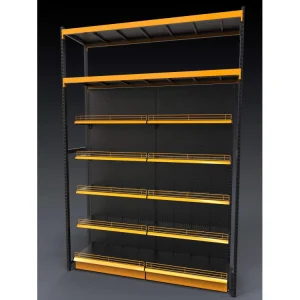
Heavy-duty commercial designs built for high durability, structural strength, and clean spatial layouts.
 Durack