Engineered for extreme payloads, high seismic resilience, and dynamic industrial warehouse configuration.
Unveiling the structural and operational trends shaping the next generation of industrial distribution centers.
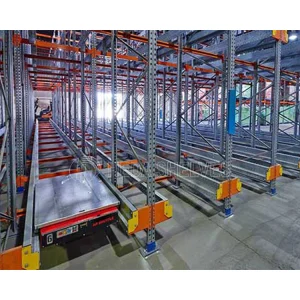
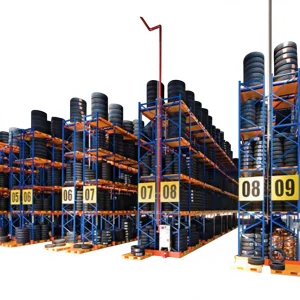
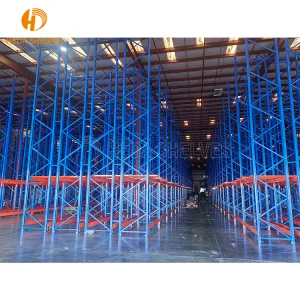
Modern distribution logistics have moved far beyond simple storage. The market is shifting rapidly towards high-density automated systems, including AS/RS and complex multidirectional shuttle corridors. These high-density racking networks demand structural load integrations that eliminate dynamic vibrations while maintaining micro-millimeter alignment tolerances under severe payloads.
Seismic design calculations have transitioned from localized options to global mandates. Industrial racking configurations must now adhere strictly to structural standards such as FEM 10.2.02 in Europe and ANSI/RMI MH16.1 in North America. This ensures structural elasticity under maximum static loads during seismic fluctuations, preventing catastrophic frame buckling.
The incorporation of advanced cold-rolled micro-alloyed steel profiles allows for thinner gauge thickness with vastly elevated yield strengths. By minimizing dead load while maximizing safe working loads (SWL), current heavy-lift racking systems cut freight footprints and raw material waste while offering extreme structural stability and lower carbon footprints.
Deciphering critical structural requirements and compliance vectors that risk managers and engineers demand.
European buyers look past marketing claims and target the CE Mark certification directly linked to structural stability. Complete EN 15512 calculation compliance ensures structural testing under physical compression, bending shear, and frame joint stiffness. This limits spatial deflections to span limits of L/200, guaranteeing compatibility with automated cranes and high-lift forklifts.
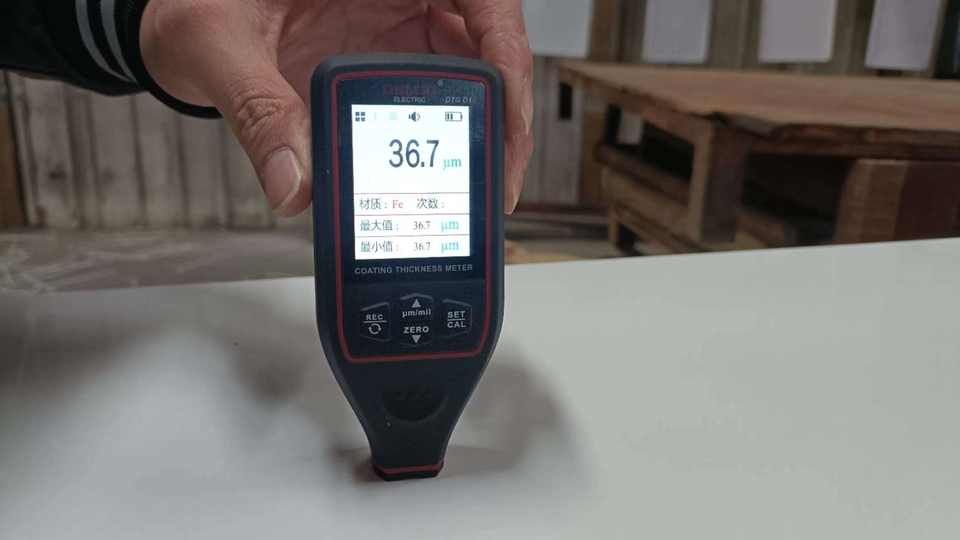
Procuring agencies operating in humid, sub-zero cold storage, or coastal industrial zones mandate structural steel coatings that survive harsh environmental degradation. Standards require a dry-film thickness (DFT) exceeding 60-80 microns of high-adhesion electrostatic thermosetting powder coating, passing the standard ASTM B117 salt spray tests for long-term rust prevention.
Enterprise-scale 3PL service providers demand structural validation via Finite Element Analysis (FEA) alongside verified physical lab crash testing. These certifications ensure frame stability and load calculations are checked and signed off by licensed structural engineers, shielding logistics hubs from regulatory and operational liability.
Fixed-capacity installations are obsolete. Procurement officers prefer structural configurations with beam connection holes pitched at 50mm, 75mm, or 76.2mm intervals. This facilitates swift vertical alterations to support changing inventory matrices, minimizing warehouse downtime during upgrades.
How digital manufacturing, raw-material control, and fully integrated production processes secure reliable global delivery schedules.
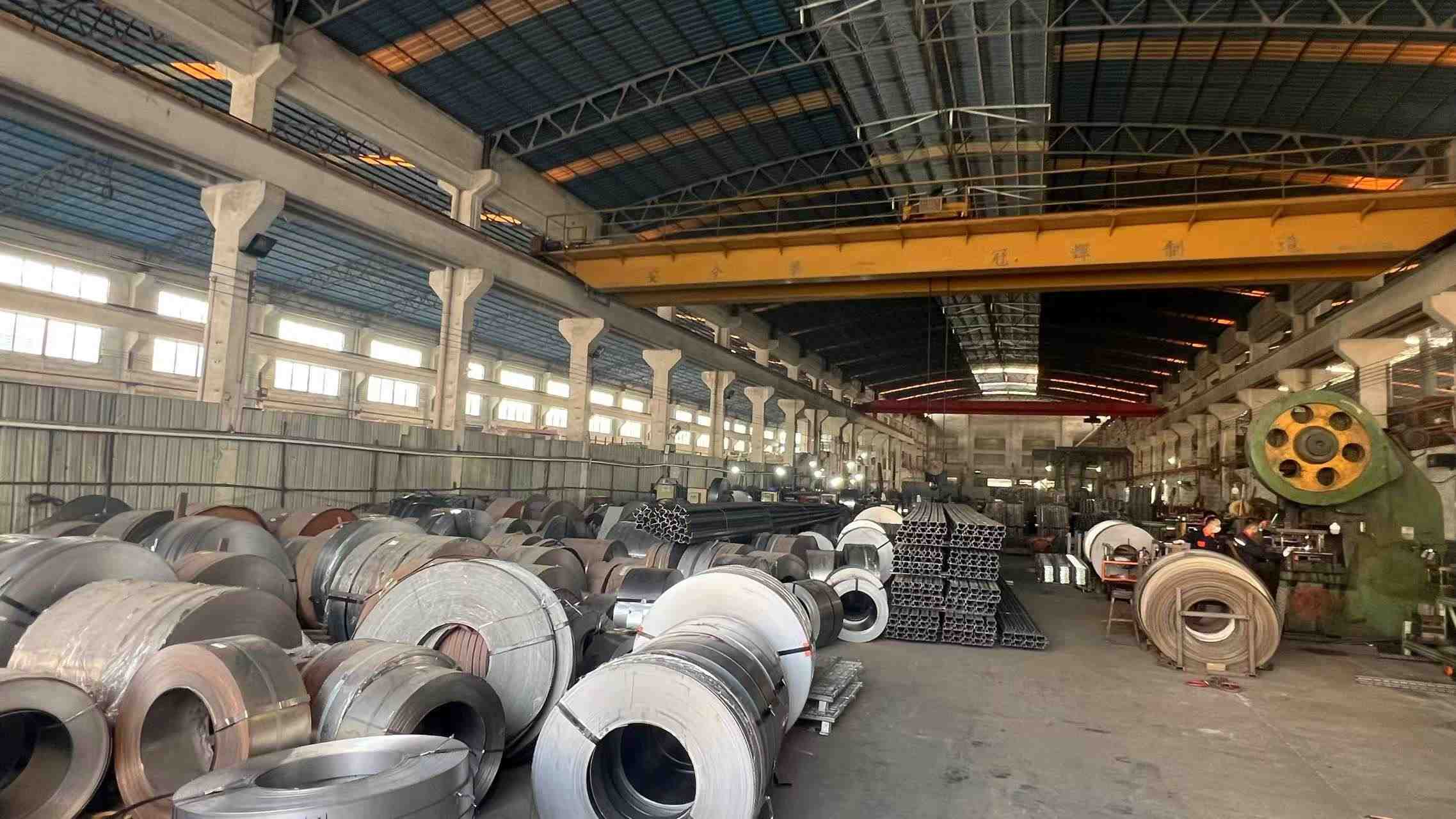
Our raw material pipeline is built directly on strategic agreements with tier-one domestic steel mills like Baosteel and Ansteel. Using certified structural grade Q235B and Q355B (equivalent to European S235JR and S355JR), we trace every hot-rolled steel coil from the blast furnace to the cold-roll mill, guaranteeing chemical homogeneity and yield strength consistency.
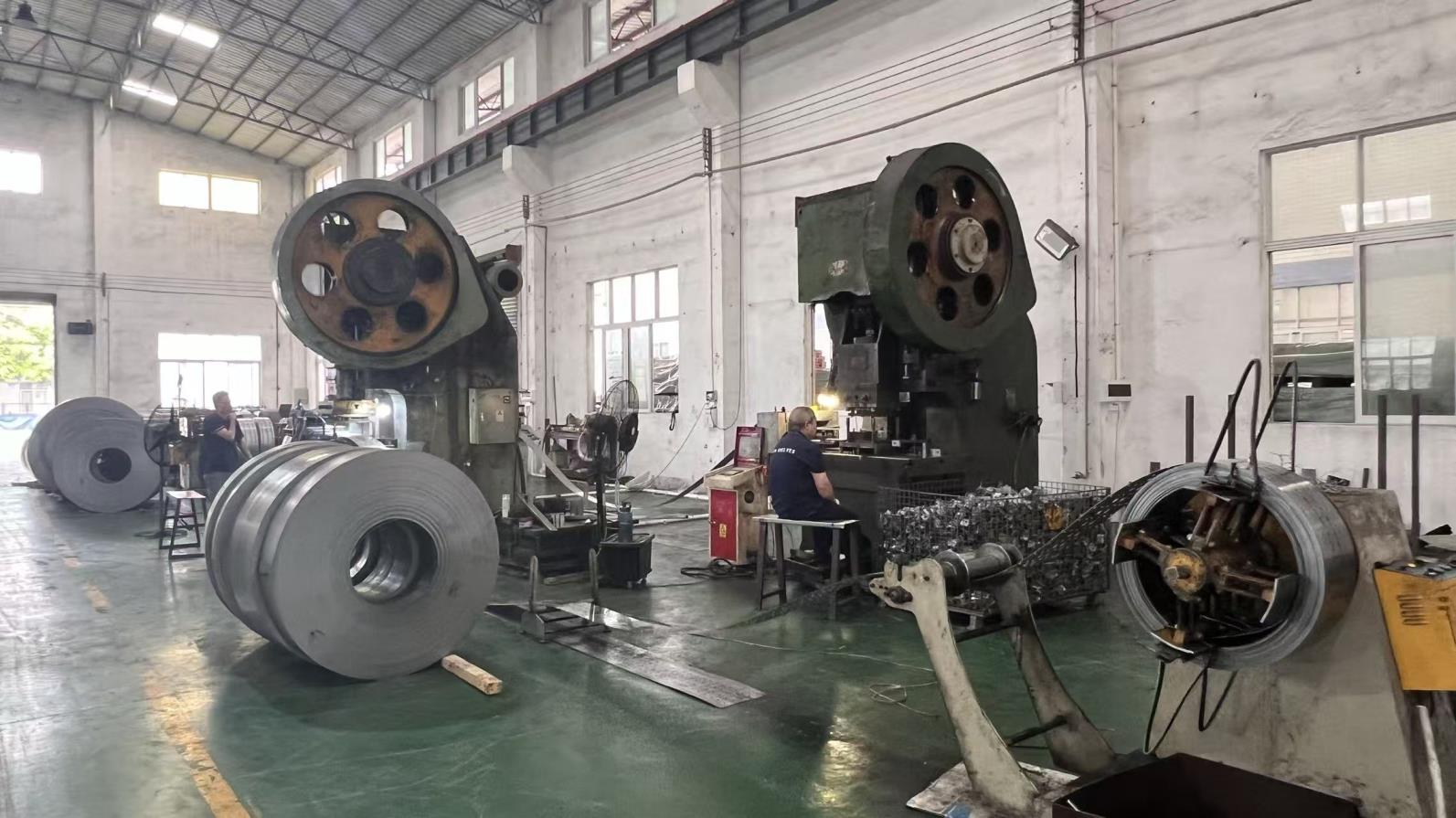
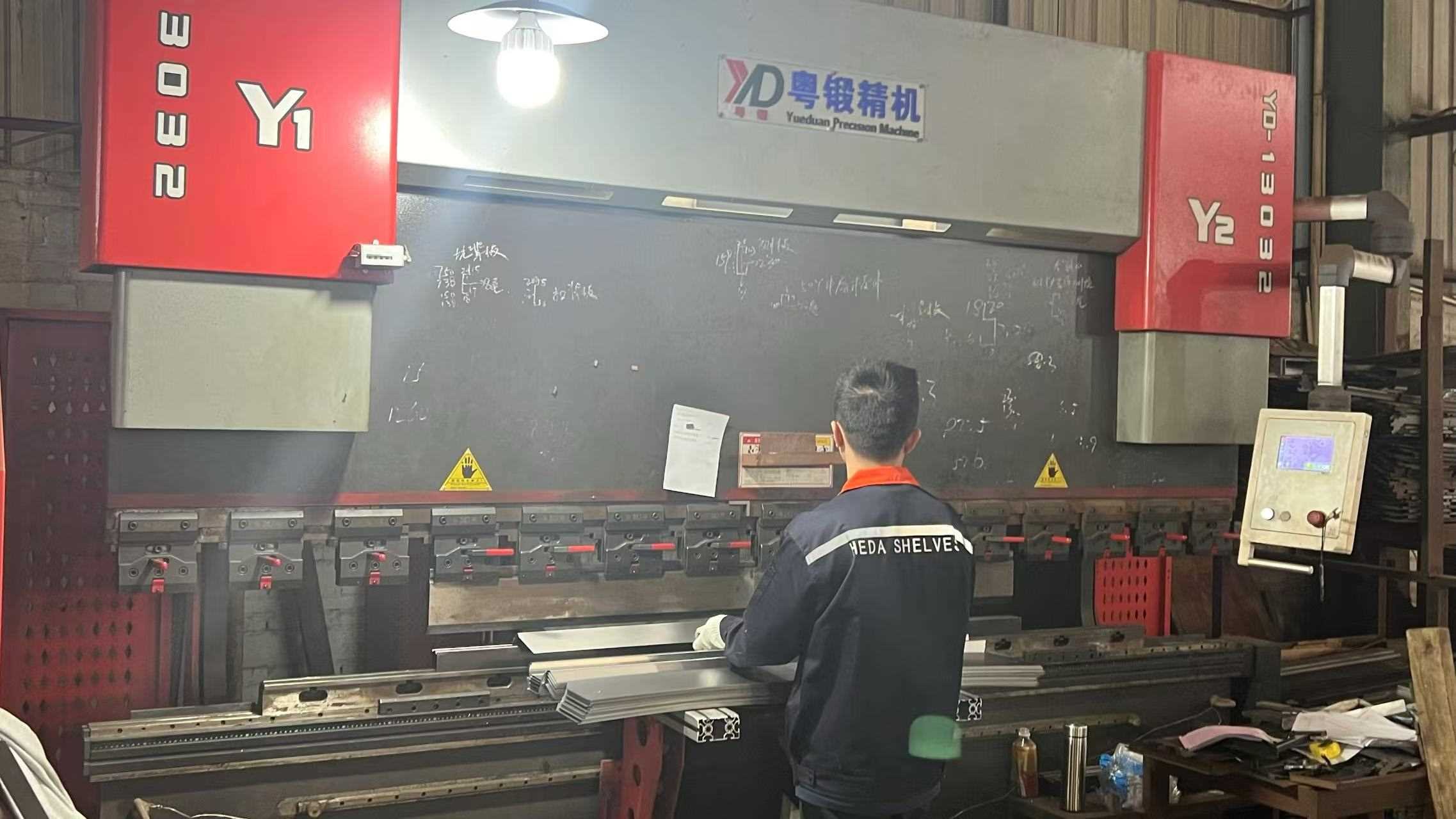
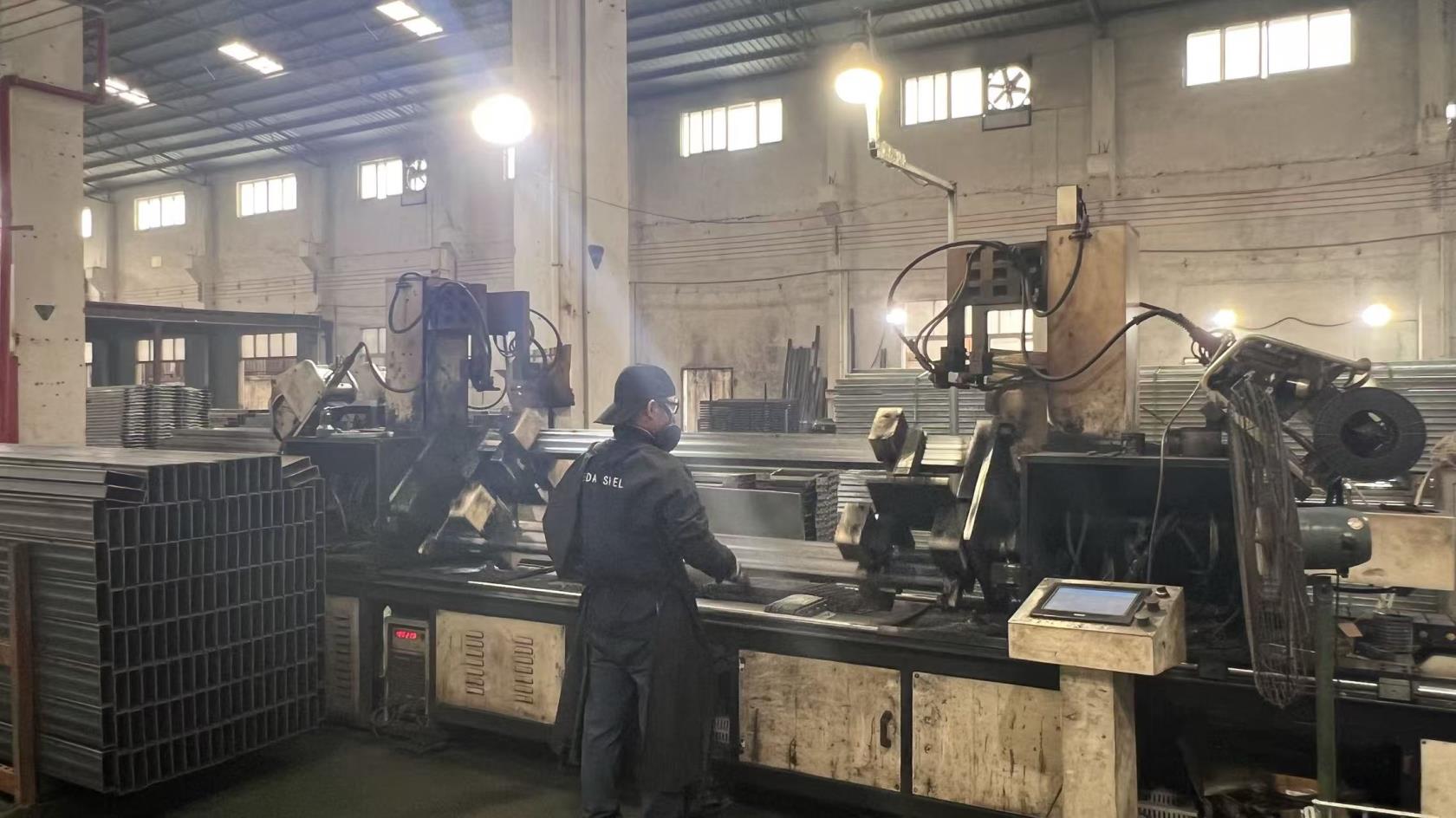
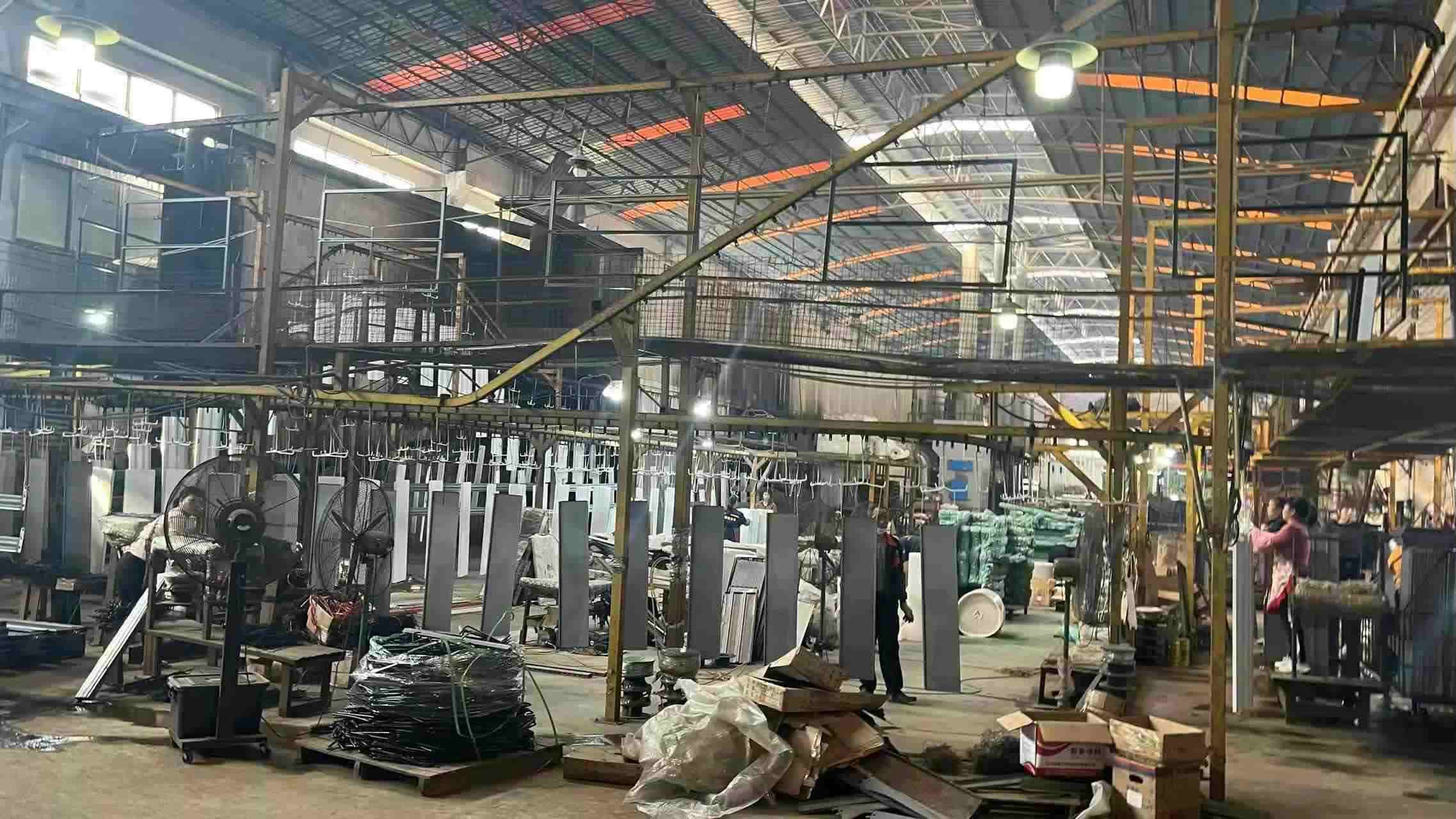
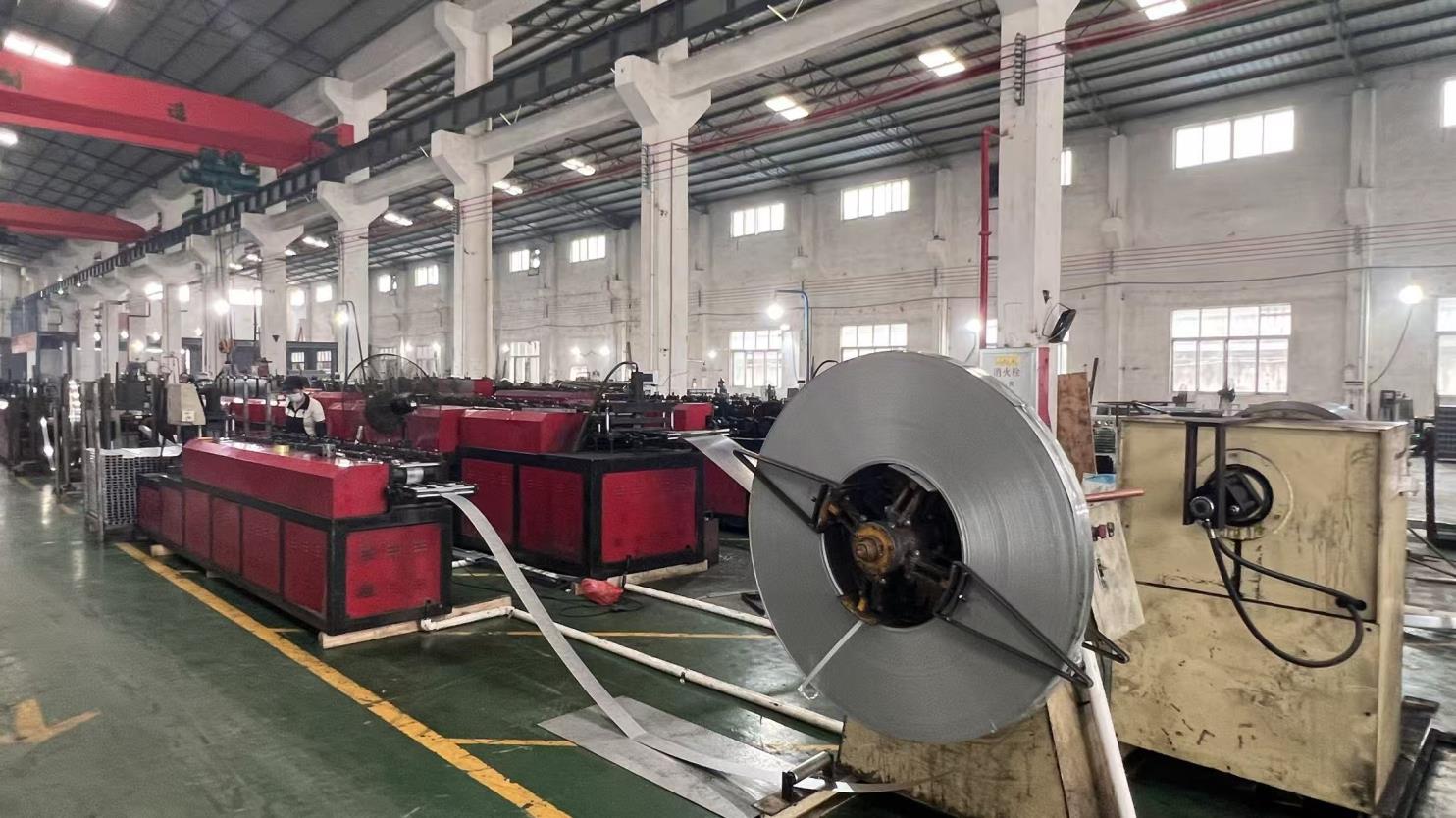
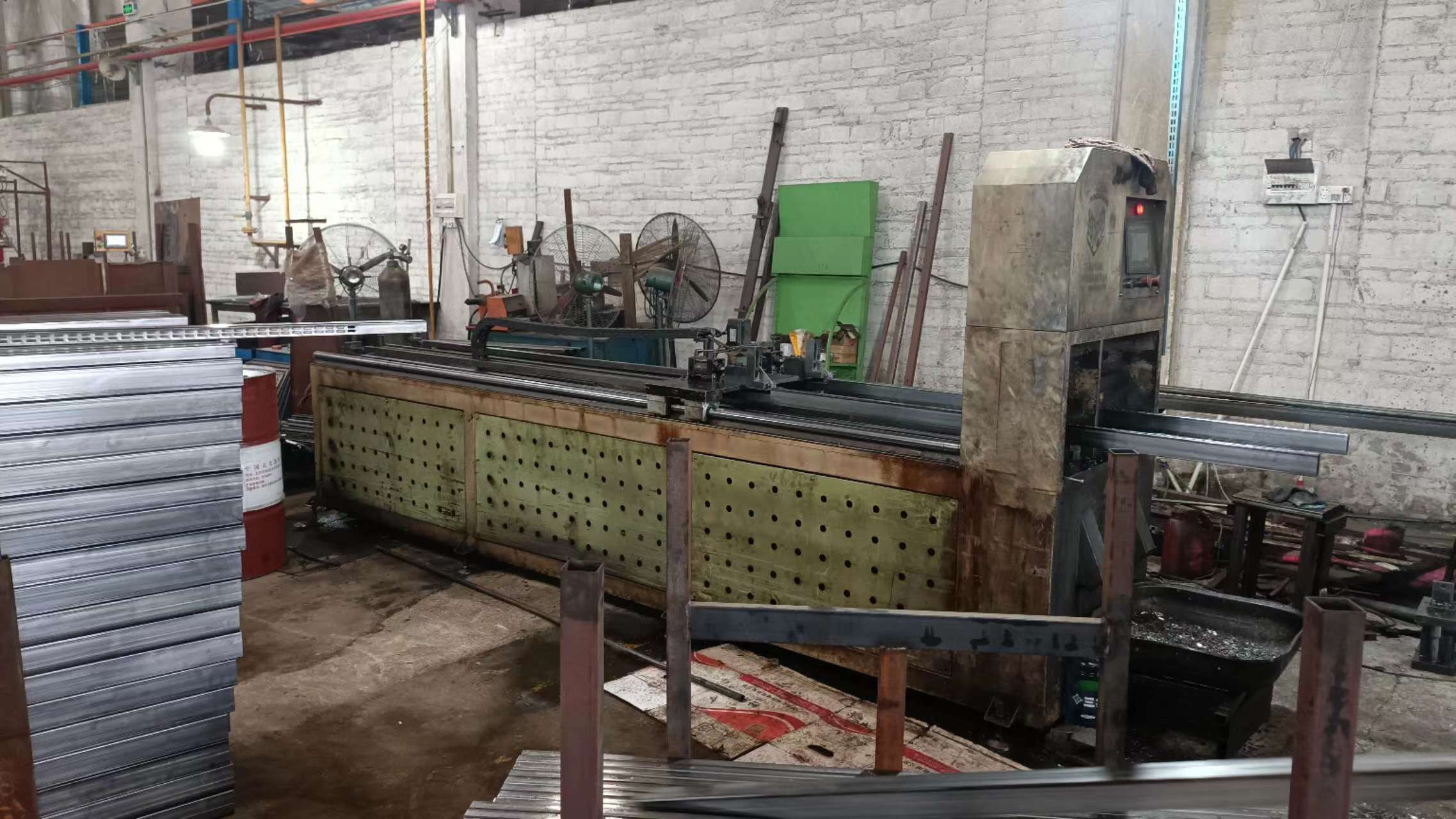
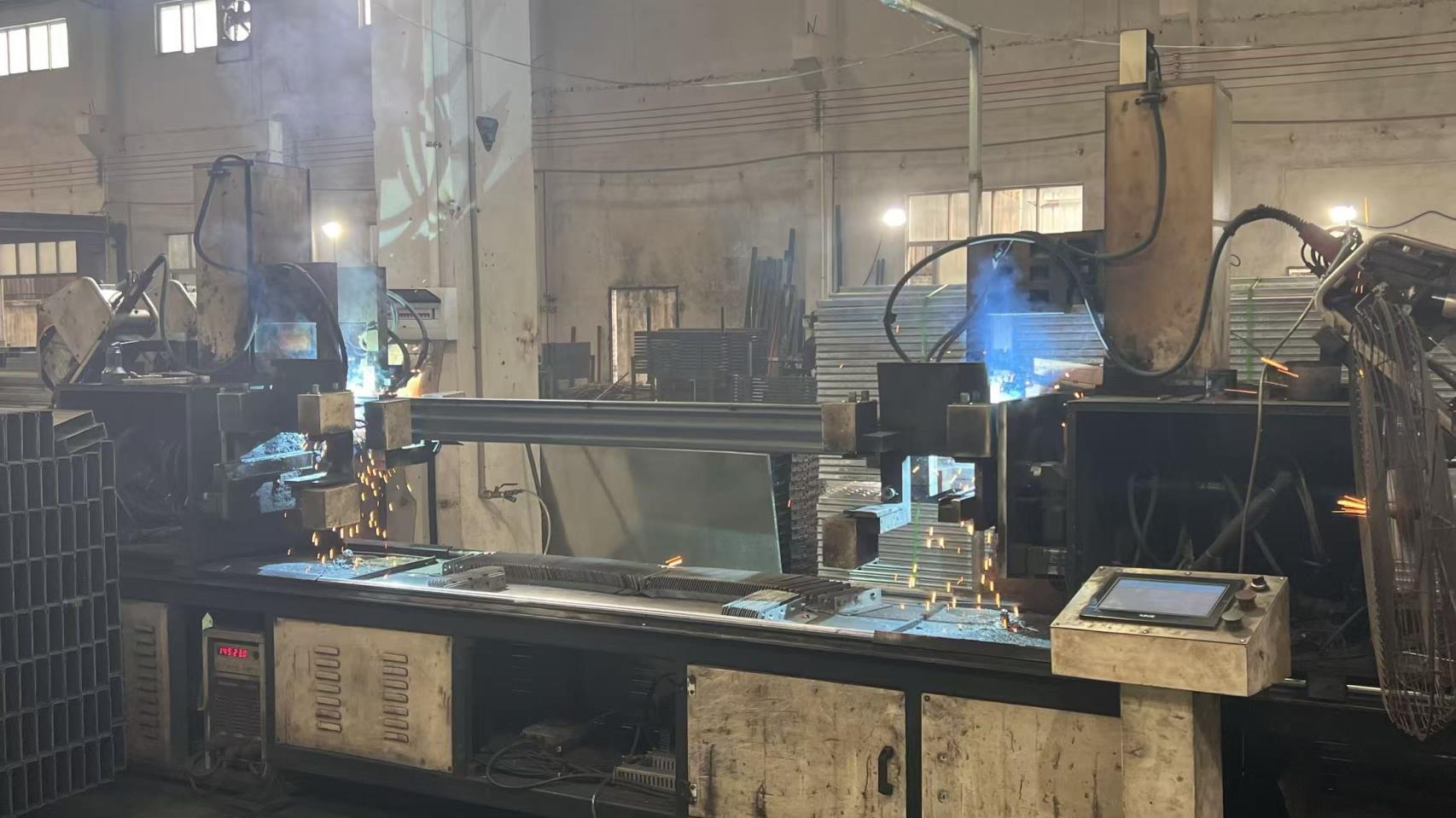
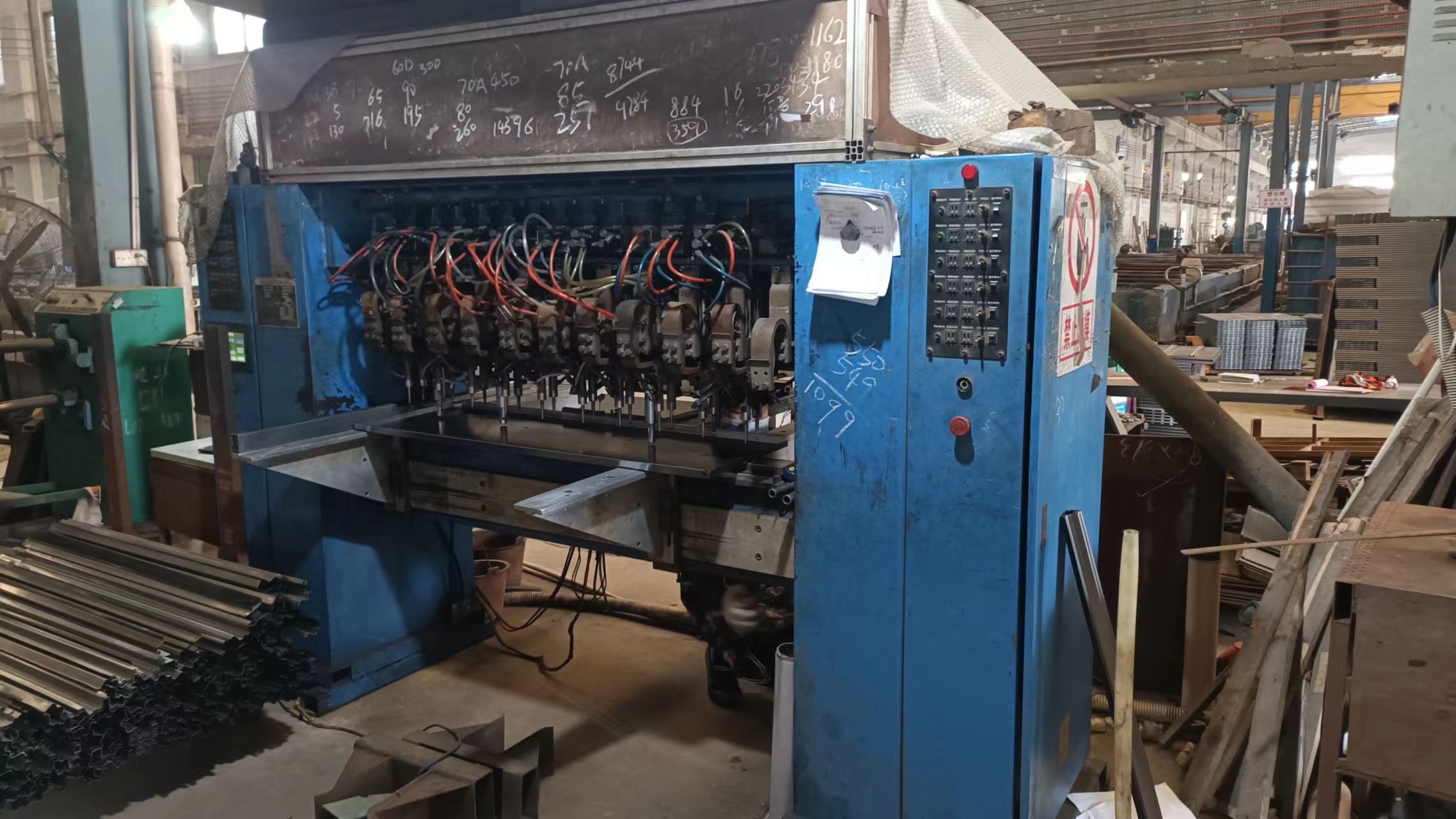
Human welding variations are designed out of the system. Custom multispindle roll-forming machines produce continuous column profiles with consistent thickness and structural straightness. Multi-axis robotic welding lines join beams and connector brackets with deep weld penetration, avoiding thermal stress concentrations.
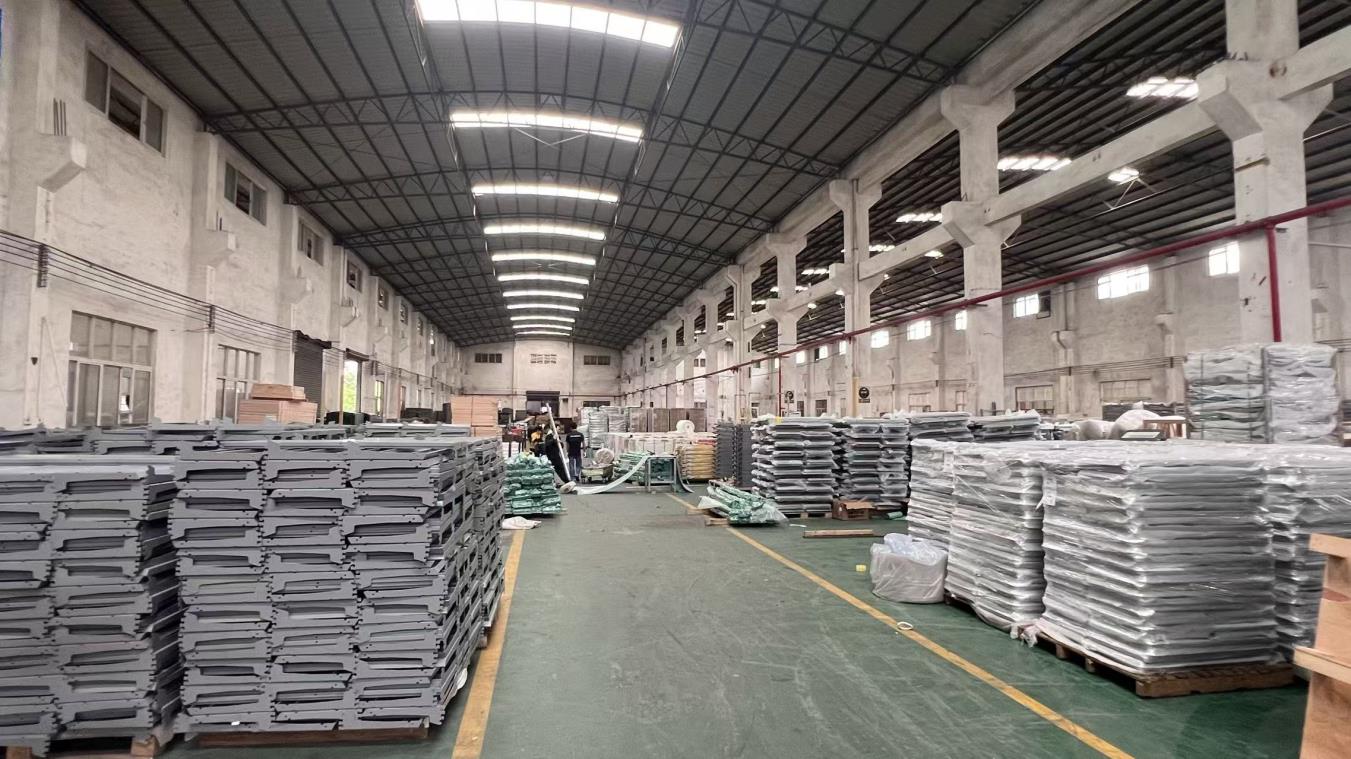
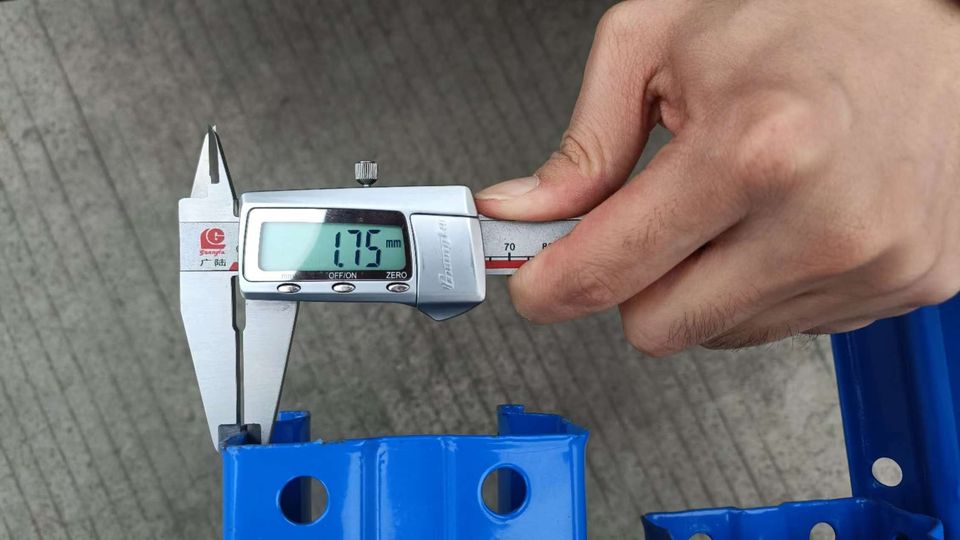
Every component undergoes strict quality checks before shipping. Our QA/QC protocols include ultrasonic testing of welds, mechanical pull tests, caliper verification of dimensions, and electromagnetic coating thickness testing. This ensures zero defects pass from our production line to the container.
Dongguan Durack Logistics Equipment Co., Ltd. — Delivering engineering-grade storage systems globally.
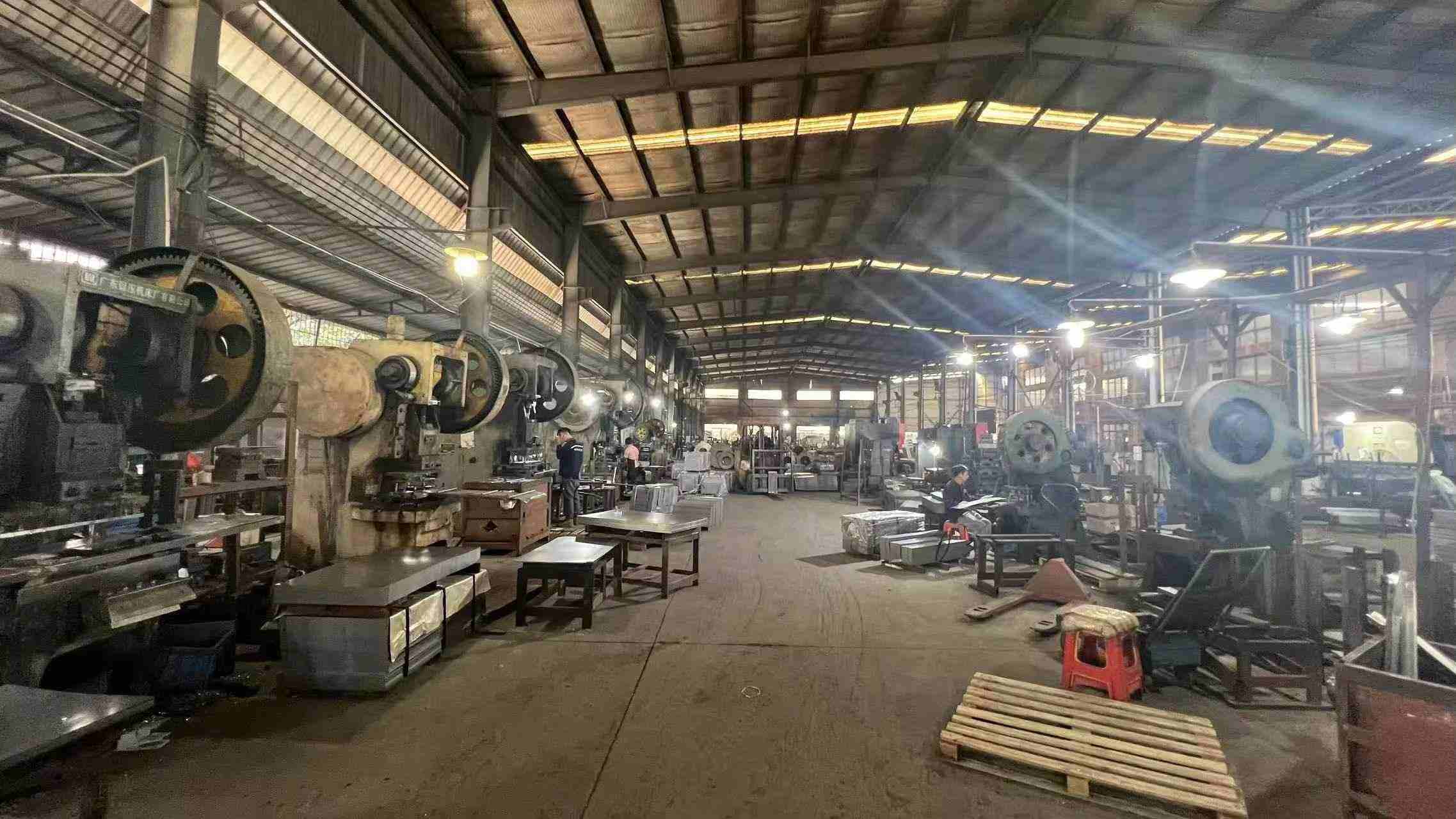
Founded in 2014, Dongguan Durack Logistics Equipment Co., Ltd. is a premier Chinese storage racking system manufacturer operating a 35,000 m² facility. Backed by 12 years of industry experience and 8 years of global export history, the company generates $28 million in annual export revenue. Our operations are supported by a strict quality assurance system using full-spectrum ultrasonic testing and load-bearing stress evaluations, overseen by 45 dedicated QC specialists. Building on a strong international trading background, our core markets span North America, Europe, and Southeast Asia. We maintain a reliable supply chain network of over 850 partners, catering primarily to third-party logistics (3PL) providers, automated warehouses, and large industrial distributors. Driven by an active R&D division with 65 specialized engineers, Durack offers full OEM/ODM customization options—including bespoke beam profiles, structural steel grades, and dynamic layout designs—launching over 120 new storage products last year.
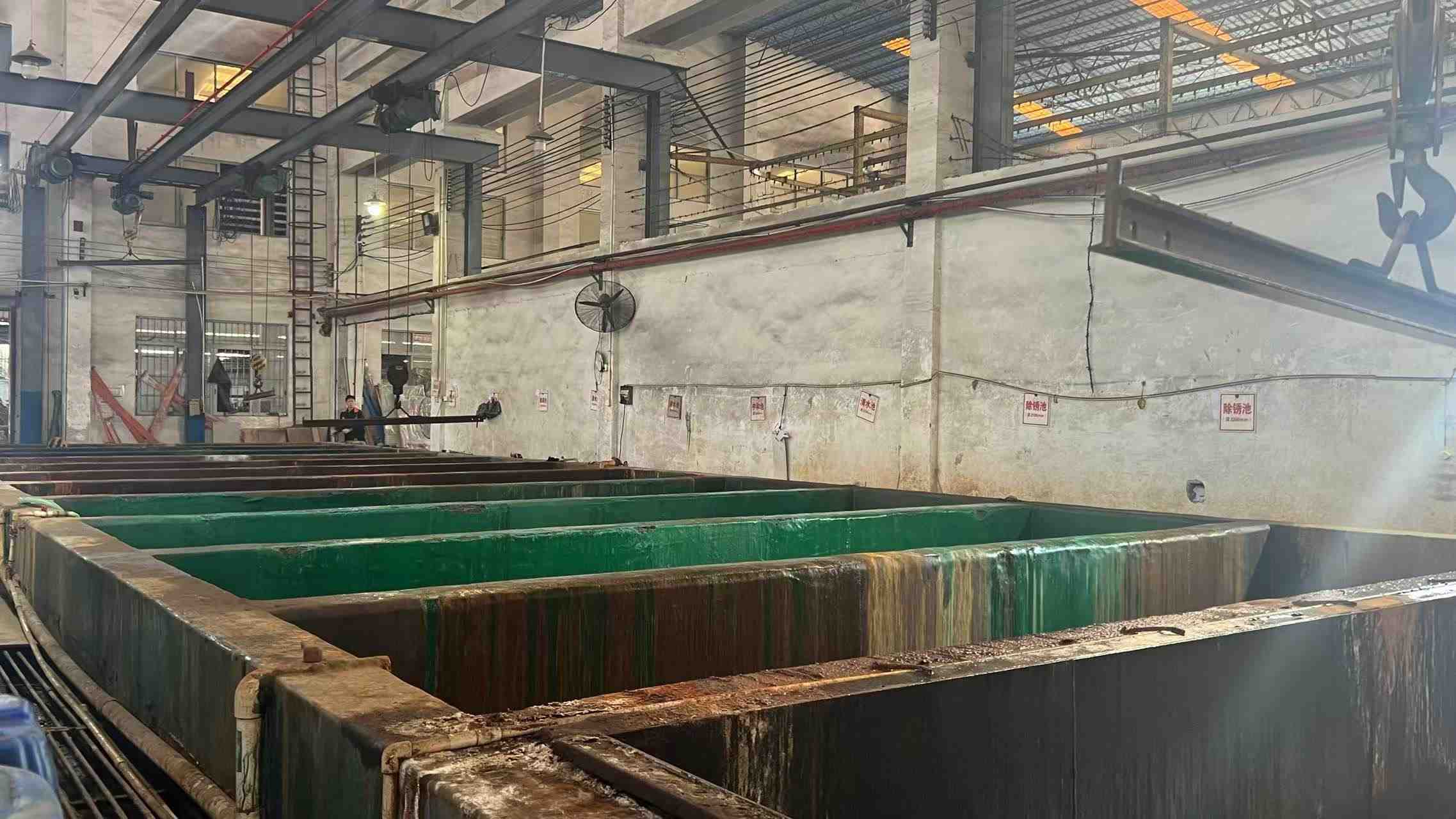
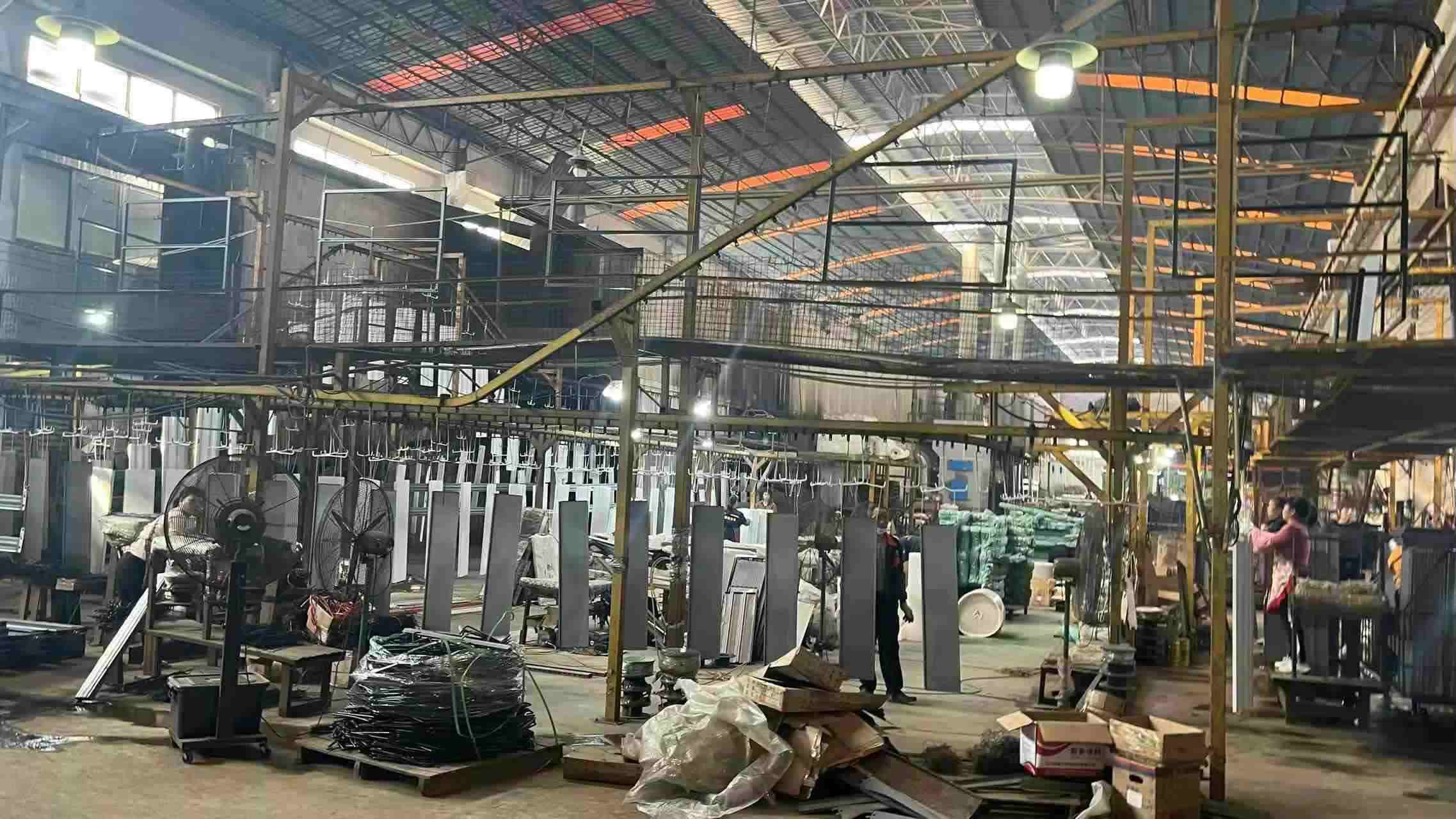
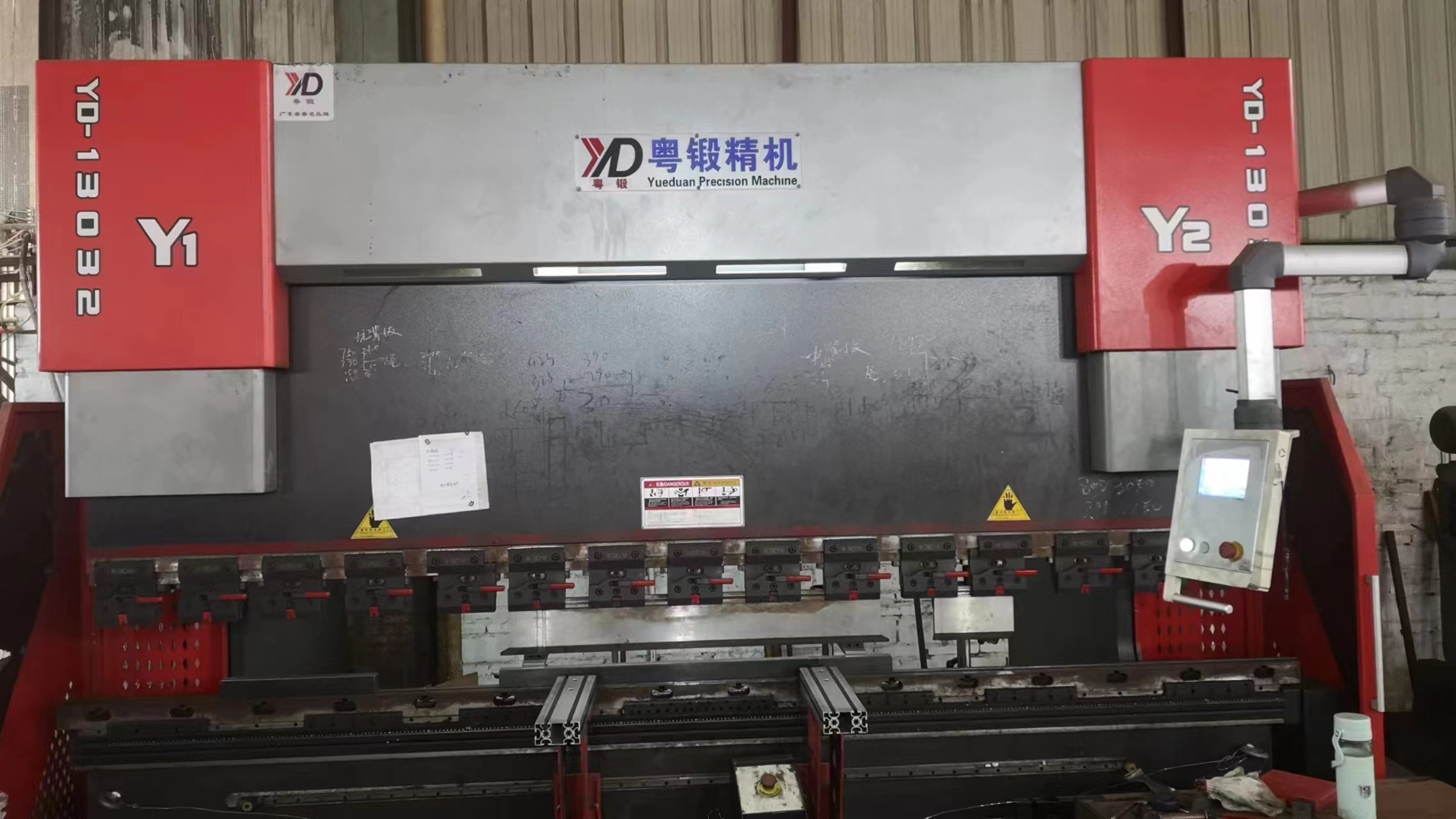
Our production facility is equipped with automated fabrication technology, ensuring high precision across every processing phase.
Every industry possesses distinct material handling dynamics. We tailor structural configurations to fit exact layout variables.
Storing heavy engine assemblies, transmissions, and sheet metal tooling requires structural solutions that address high concentrated point loads. Our heavy-duty pallet racks incorporate dynamic structural bracing to eliminate risk under asymmetrical load patterns.
Sub-zero temperatures demand specialized steel chemistry that prevents low-temperature embrittlement. Combining dynamic shuttle systems with low-temperature powder coatings helps maximize storage density and airflow, minimizing cooling costs.
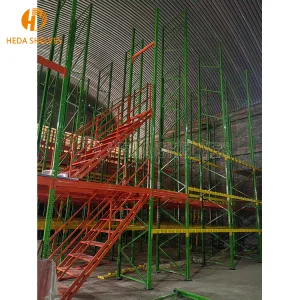
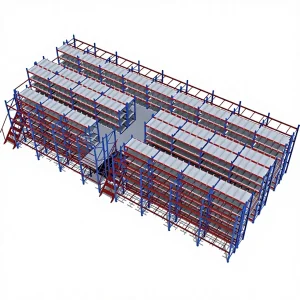
High-throughput fulfillment operations depend on pick efficiency. Multi-tier mezzanine integrations and wide-span shelving configurations combine vertical storage space with safe walking pathways, supporting high picking speeds and safety standards.
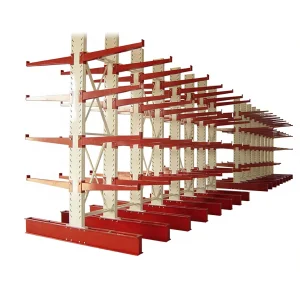
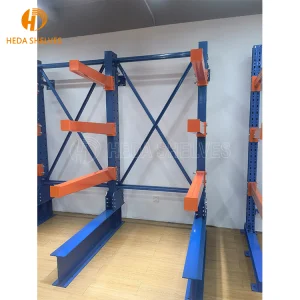
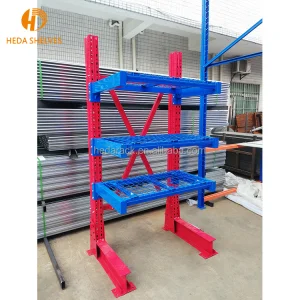
Heavy structural shapes, sheet metal coils, and pipe runs are difficult to handle on standard pallets. Our heavy-duty single and double-sided cantilever systems are configured with customizable stop-pins to prevent long materials from shifting.
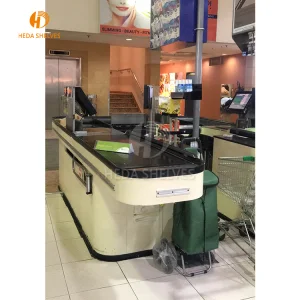
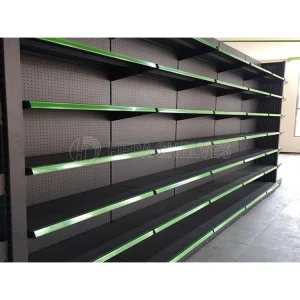
Integrating storage platforms, cantilever structures, and shop fittings into a single industrial logistics supply pipeline.
Professional engineering and purchasing solutions addressed by our senior technical designers.
EN 15512 compliance means the structural configuration is designed using finite element analysis (FEA) verified by actual physical destructive testing. This ensures safety against frame buckling, structural defects, and sudden overloading. The CE marking verifies that the racking matches European health, safety, and environmental protection rules, shielding owners from liability.
Our quality control relies on 45 dedicated QC specialists managing inspections throughout the production cycle. Raw materials are checked for grade verification (like Q355B structural steel). We perform weld inspection (including ultrasonic testing), check bending dimensions, and run electromagnetic film-thickness tests to ensure consistent, defect-free parts.
Yes, our R&D group of 65 engineers specializes in custom structural designs. We develop customized upright column widths, box-beam configurations, and structural steel thicknesses (ranging from Q235B to Q355B grades). This allows us to tailor storage systems for specific pallet weights, forklift clearances, and automated shuttle systems (AS/RS).
We use a multi-stage chemical pretreatment process featuring acid washing, phosphating, and hot-water rinsing, followed by a durable powder coat finish. We apply a high-adhesion electrostatic powder coating that is baked at 180°C to 200°C. For aggressive conditions like cold storage, we can apply hot-dip galvanizing for long-term corrosion resistance.
Q355B (similar to S355JR) provides a higher yield strength of 355 MPa compared to 235 MPa for Q235B (similar to S235JR). This allows us to use thinner profiles to carry similar loads, helping lower shipping weights and cost while maintaining high structural safety margins.
Our standard heavy-duty layouts support payloads ranging from 1,000 kg to over 4,000 kg per level, and total bay capacities exceeding 25,000 kg. Every design is calculated to accommodate specific beam spans, height configurations, dynamic wind loads, and regional seismic safety requirements.
 Durack