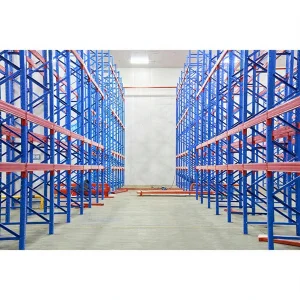
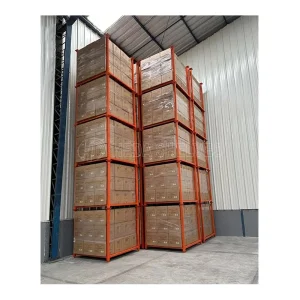
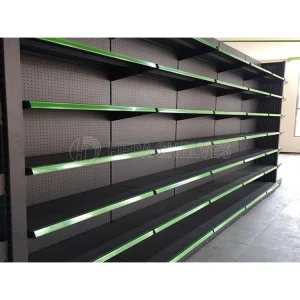
Engineered to comply with strict international structural guidelines, these heavy-duty systems maximize warehouse layout density and volumetric efficiency.
In the globalized logistics and manufacturing sector, structural safety is non-negotiable. Modern overhead hanging rack systems and industrial racking structures fall under strict safety oversight. For European markets and international operations adhering to harmonized global guidelines, CE Certification (EN 15512, EN 15620, Machinery Directive 2006/42/EC) acts as the benchmark for compliance.
Overhead hanging racks must withstand static, dynamic, and seismic forces. CE certification guarantees that the structural steel undergoes finite element analysis (FEA) to define maximum load-bearing limit states without deformation or risk to personnel.
This standard covers the design code for steel static storage systems. Certified factories implement rigid tolerances in cold-rolled steel manufacturing, ensuring vertical uprights and structural beams can support extreme volumetric weights safely.
CE parameters evaluate corrosion resistance via electrostatic powder coatings. This prevents rust, oxidation, and material fatigue in high-humidity manufacturing hubs or cold-chain industrial environments.
Founded in 2014, Dongguan Durack Logistics Equipment Co., Ltd. has emerged as a premier Chinese storage racking system manufacturer. Operating out of a massive 35,000 m² state-of-the-art facility, the company merges over 12 years of core industry engineering experience with a robust 8-year global export profile.
To ensure uncompromised quality, Durack's fabrication operations are governed by a stringent quality assurance protocol involving full-spectrum ultrasonic testing and dynamic load-bearing stress evaluations. This oversight is maintained by 45 dedicated QC specialists. Catering heavily to global 3PL operators, automated smart warehouses, and high-capacity distributors in North America, Europe, and Southeast Asia, Durack released over 120 new storage solutions last year alone, offering customized OEM/ODM structural adaptations.
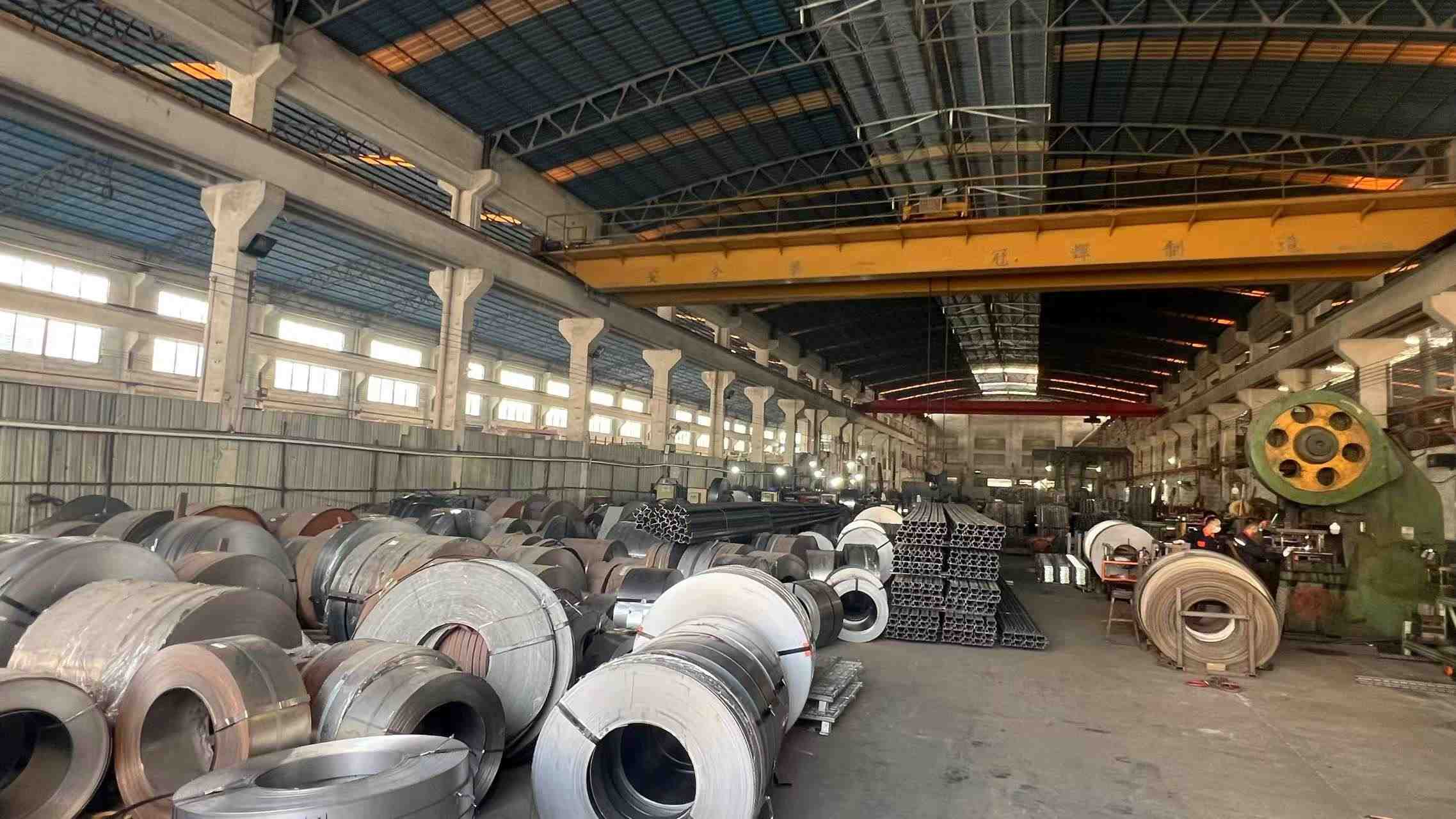
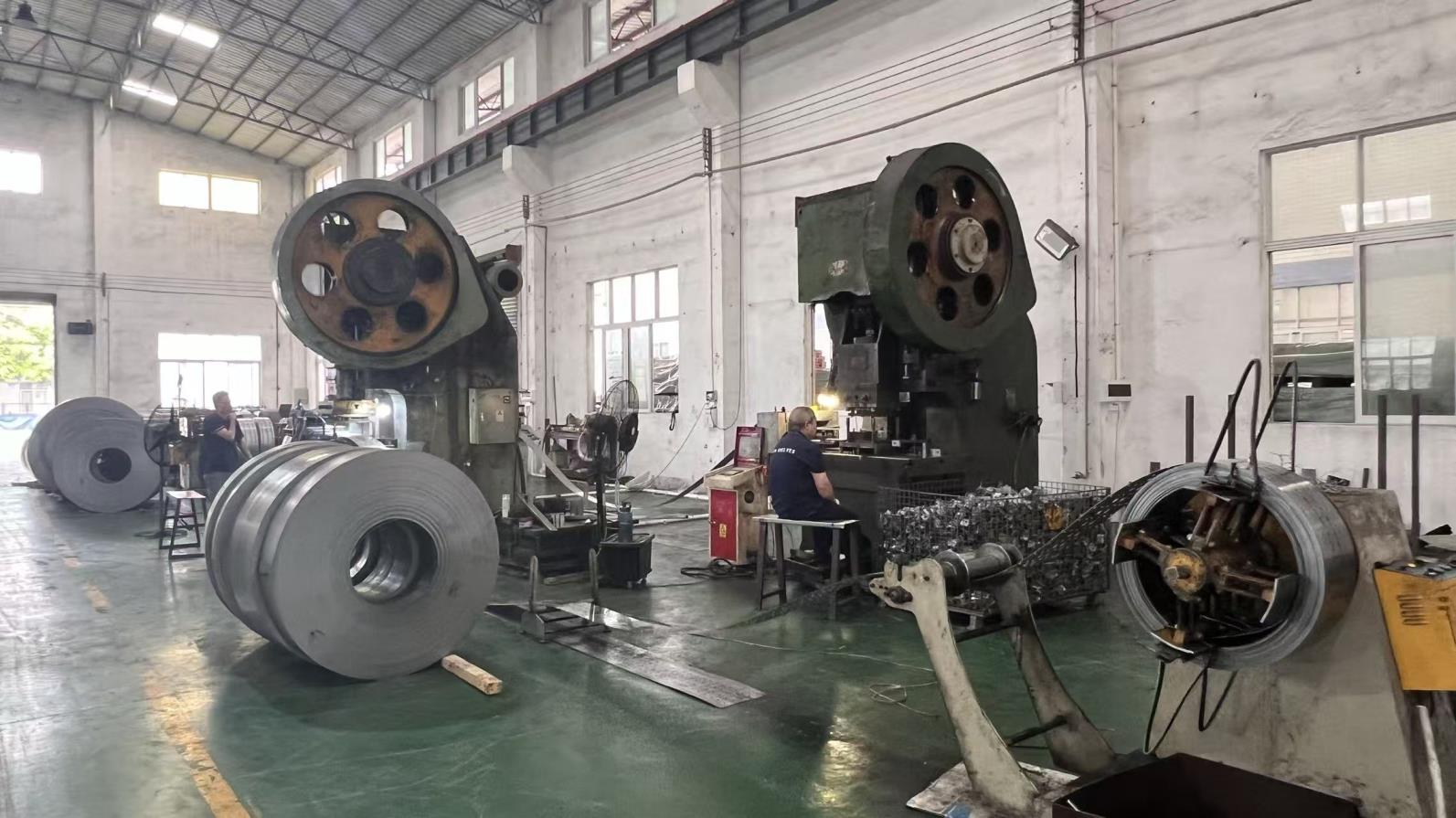
From raw structural profiles to advanced polymer coatings, here is how our state-of-the-art factory turns high-tensile steel into CE-certified industrial racking.
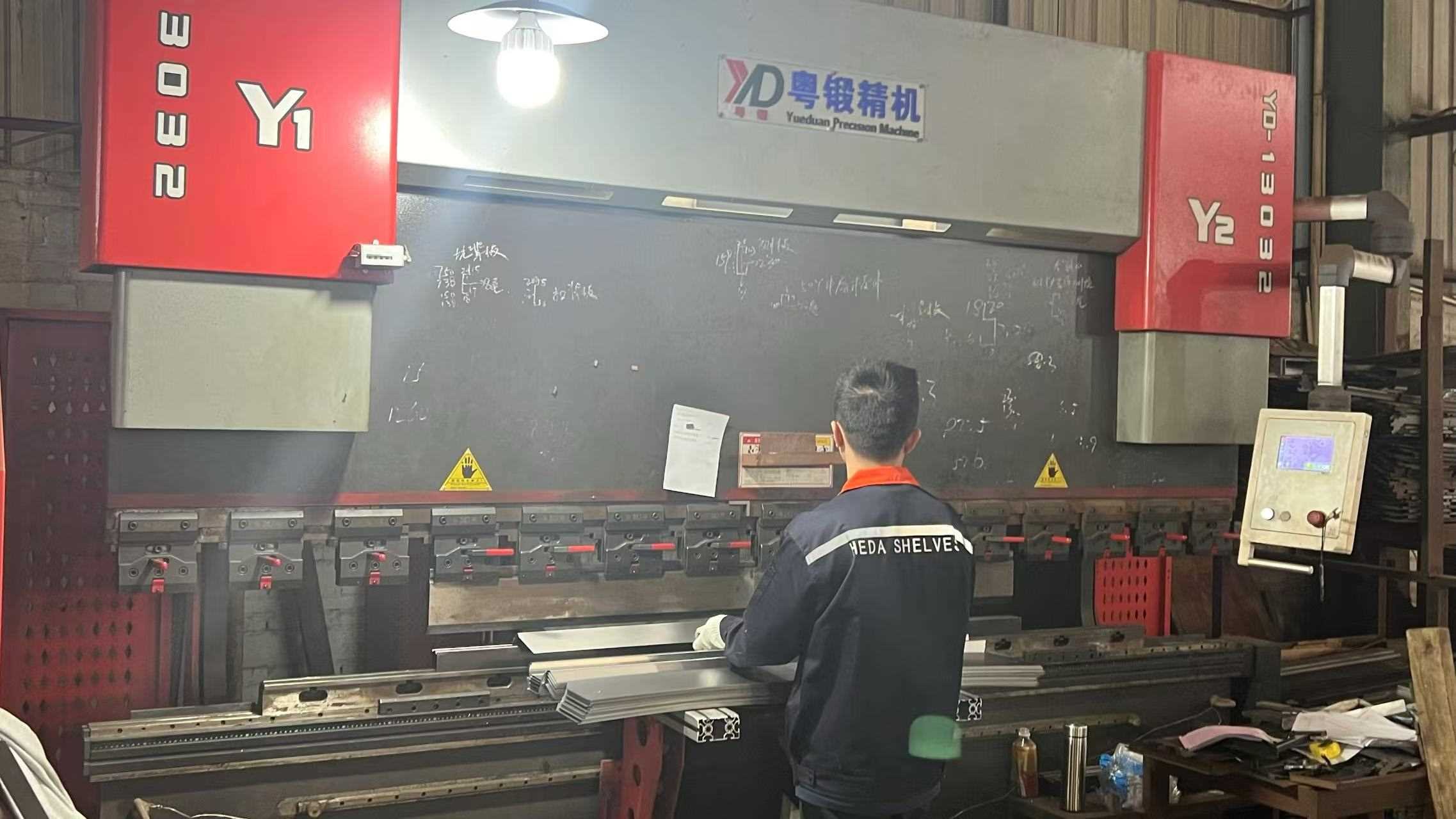
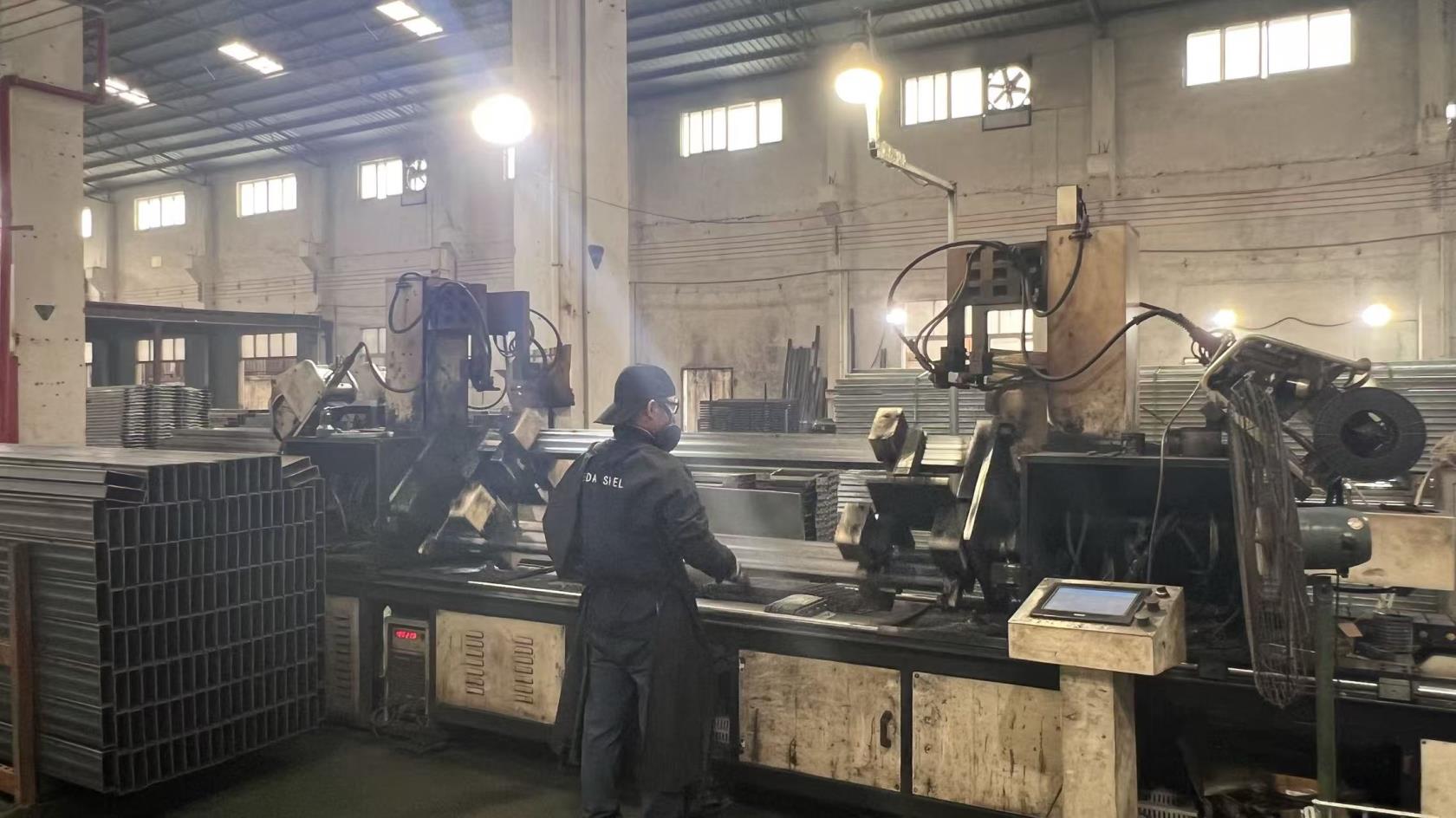
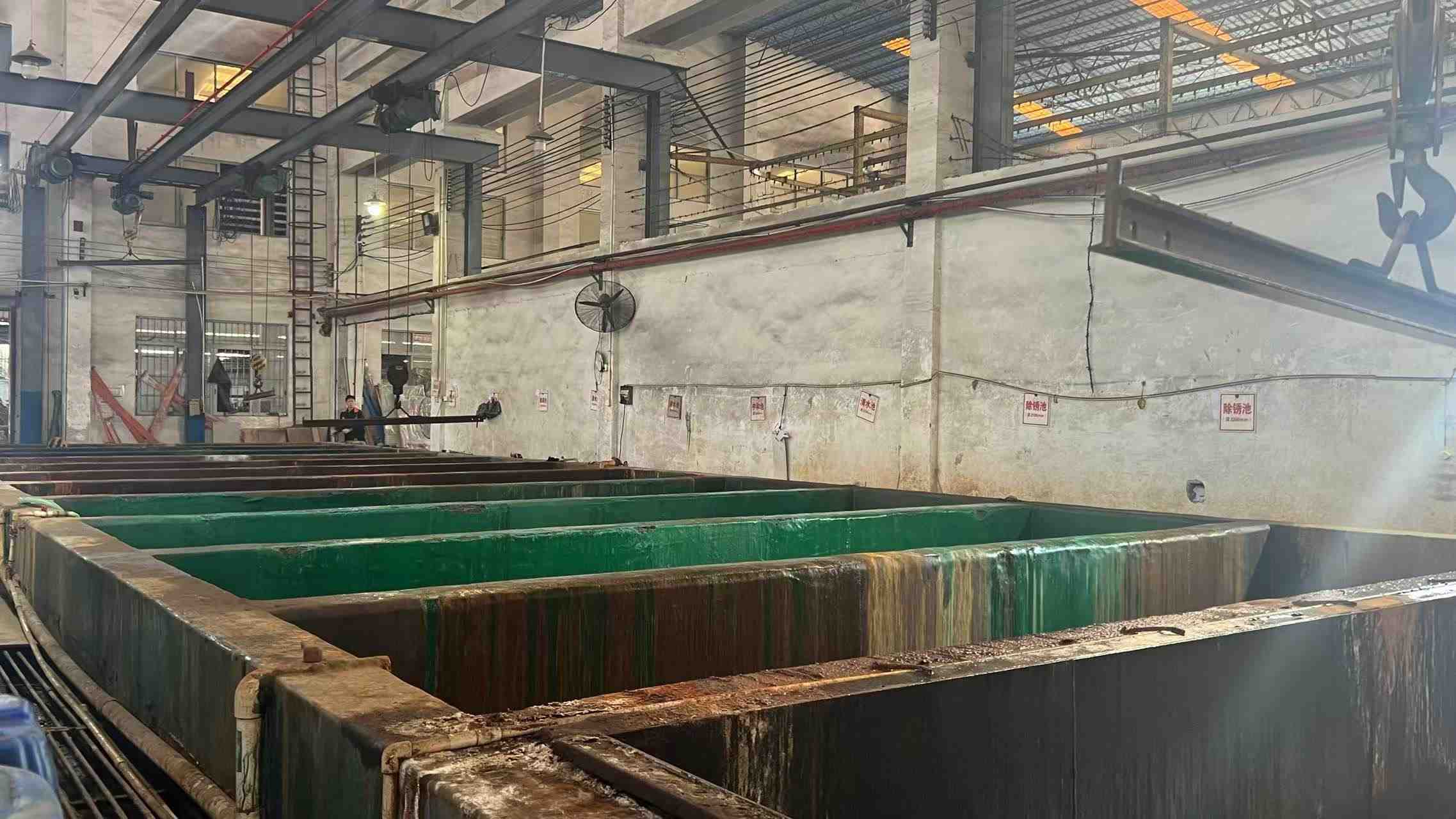
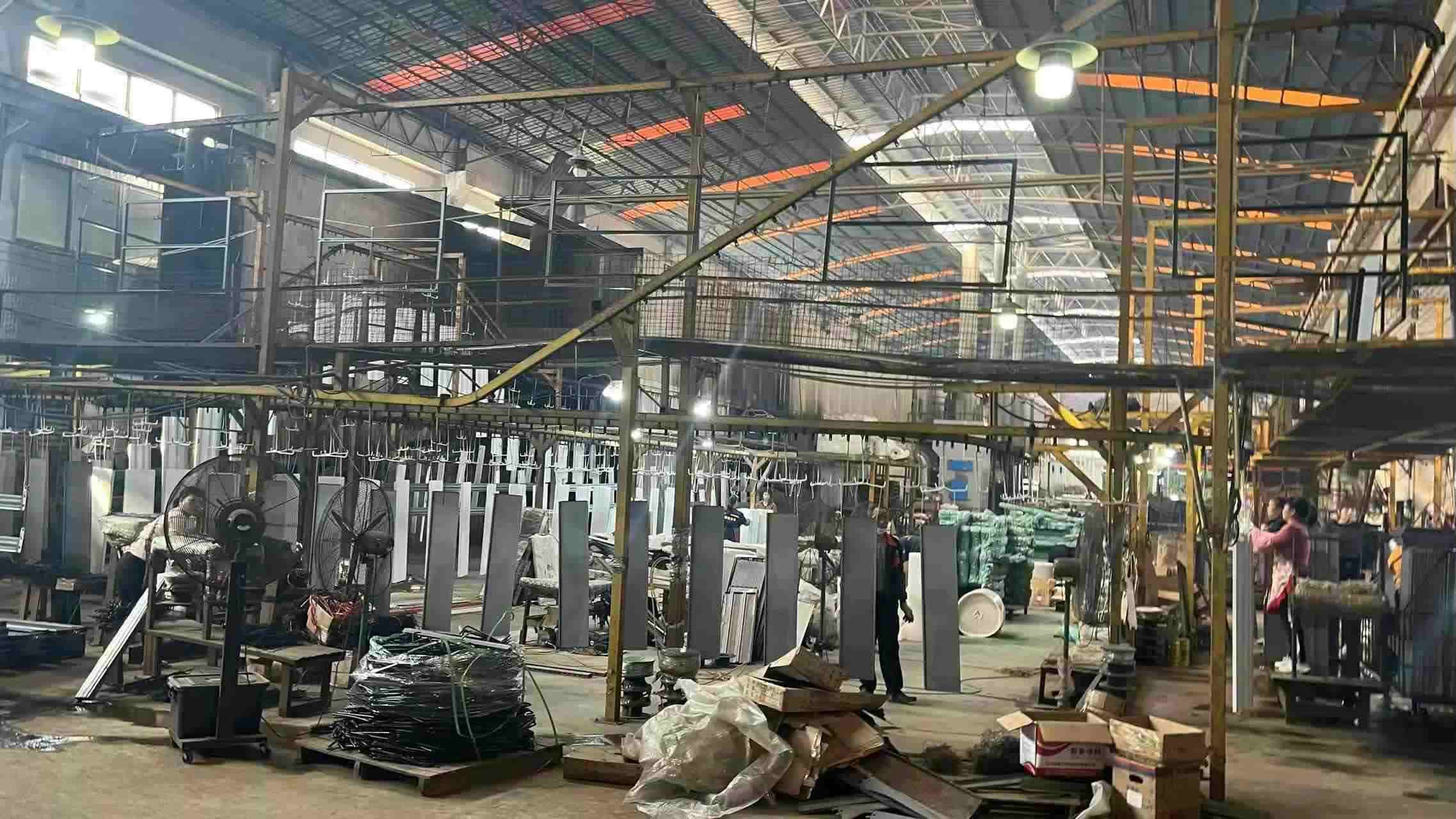
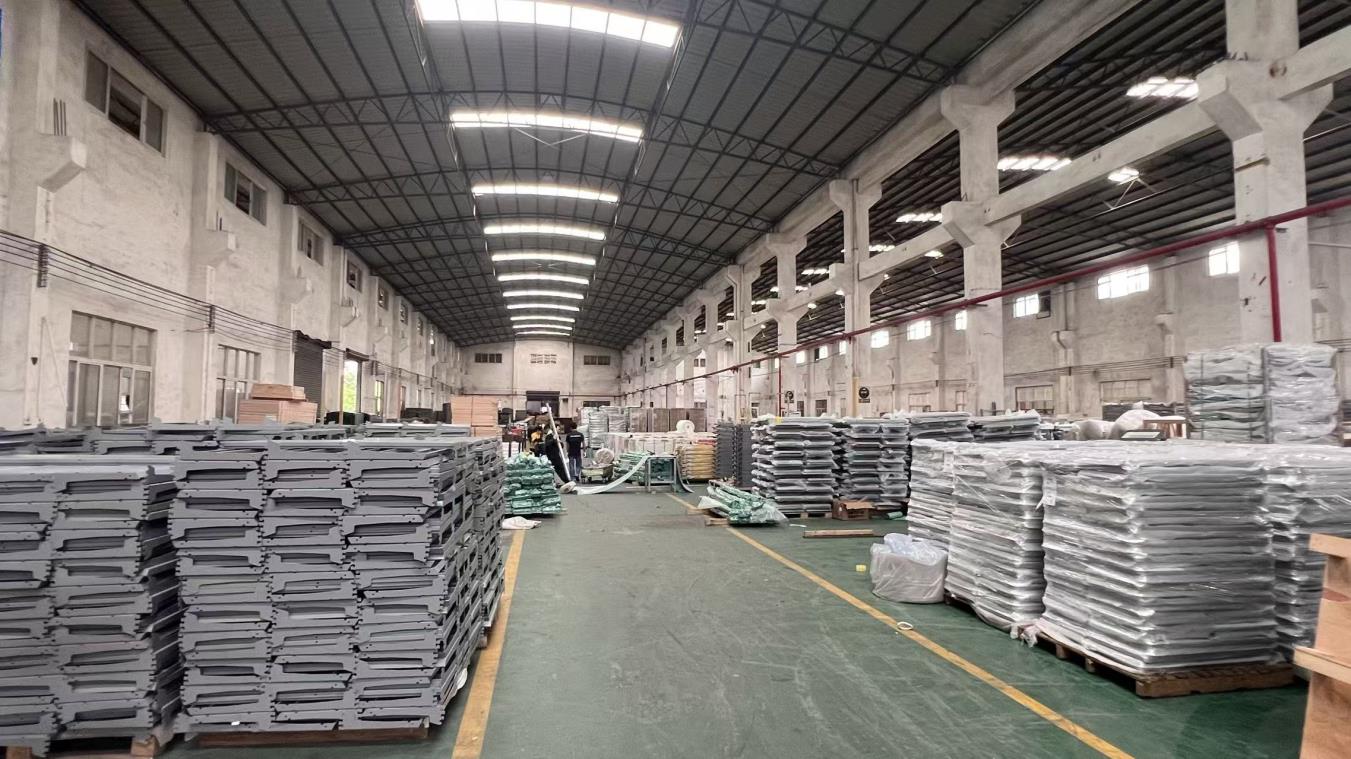
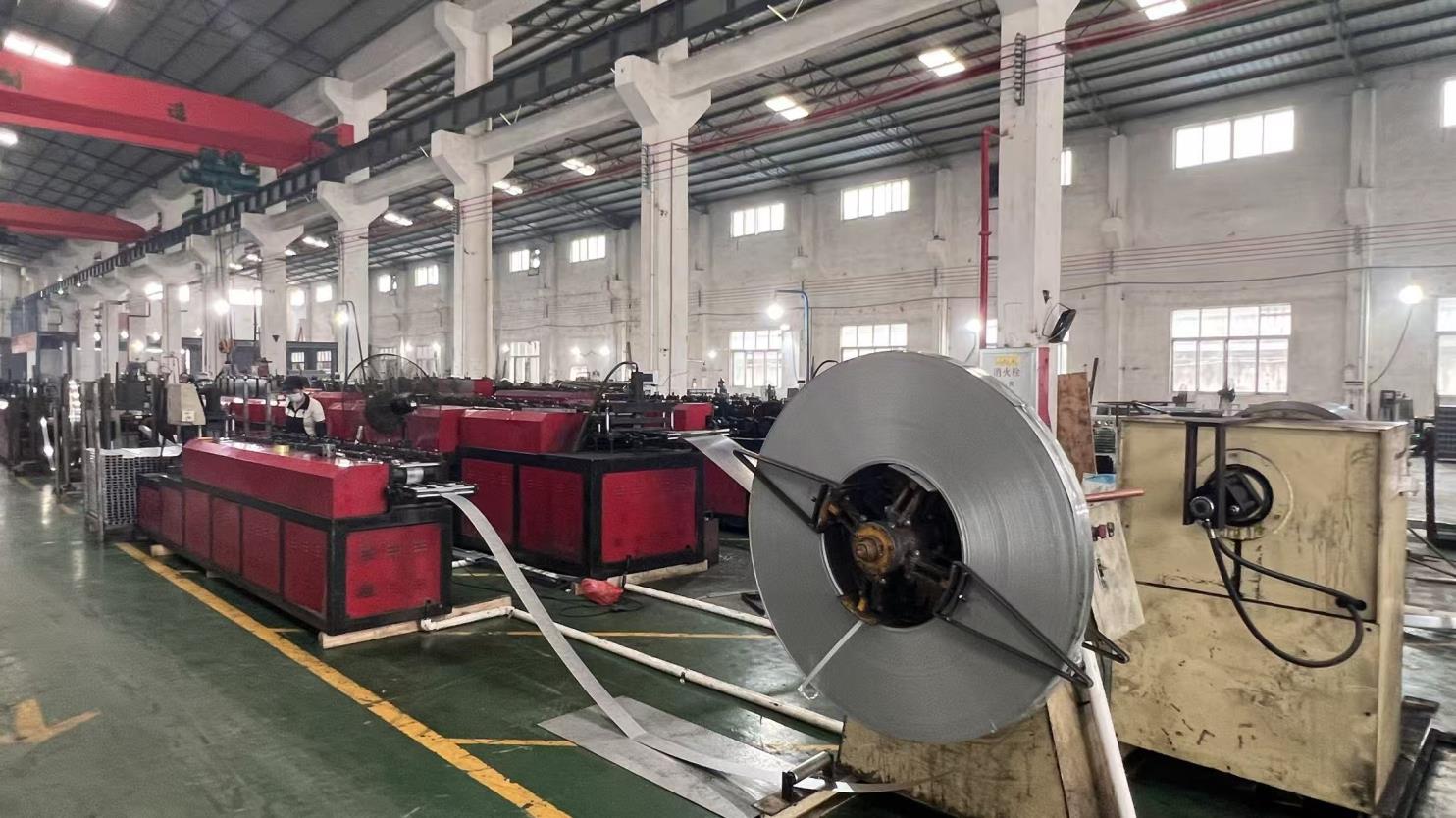
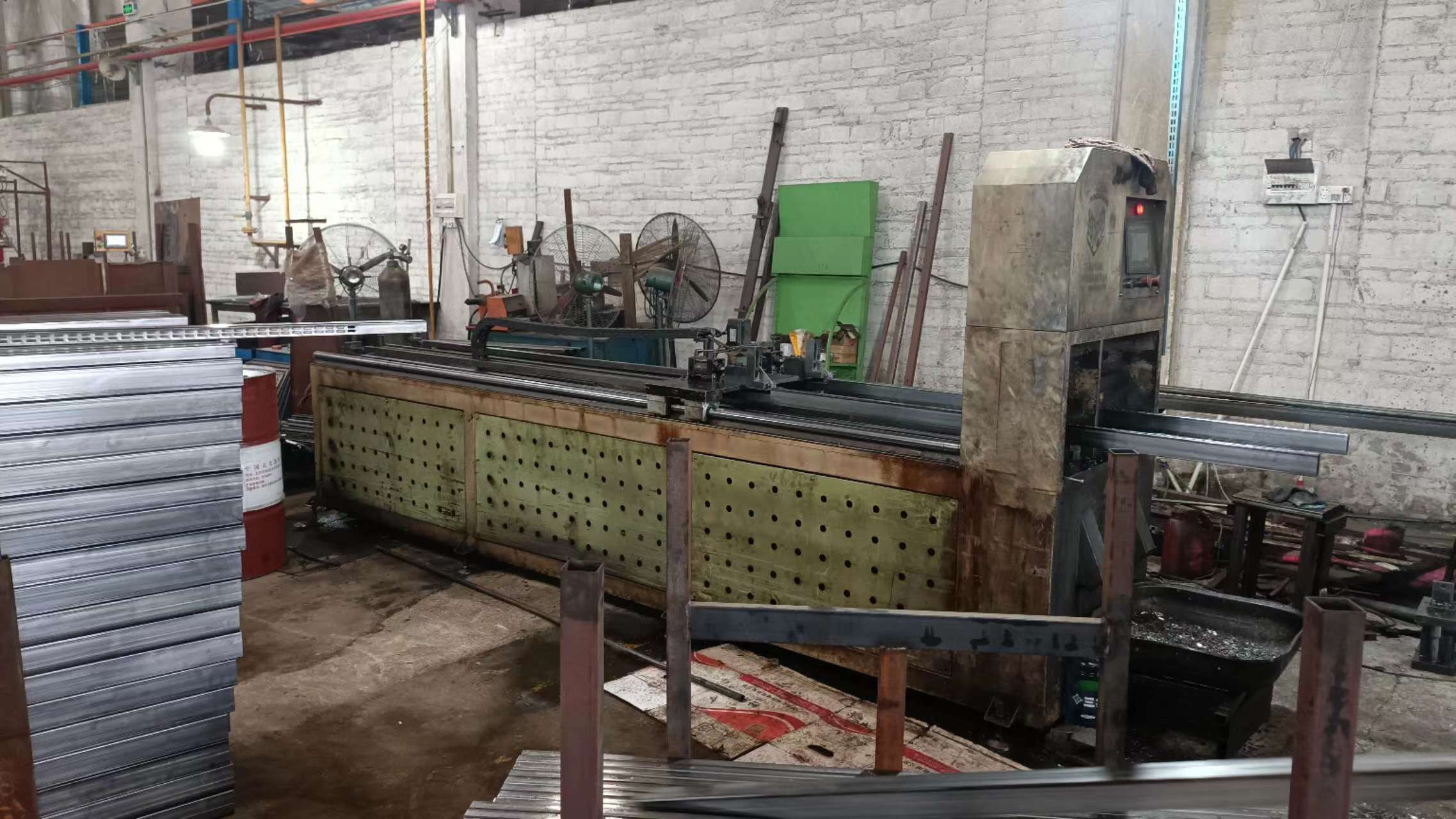
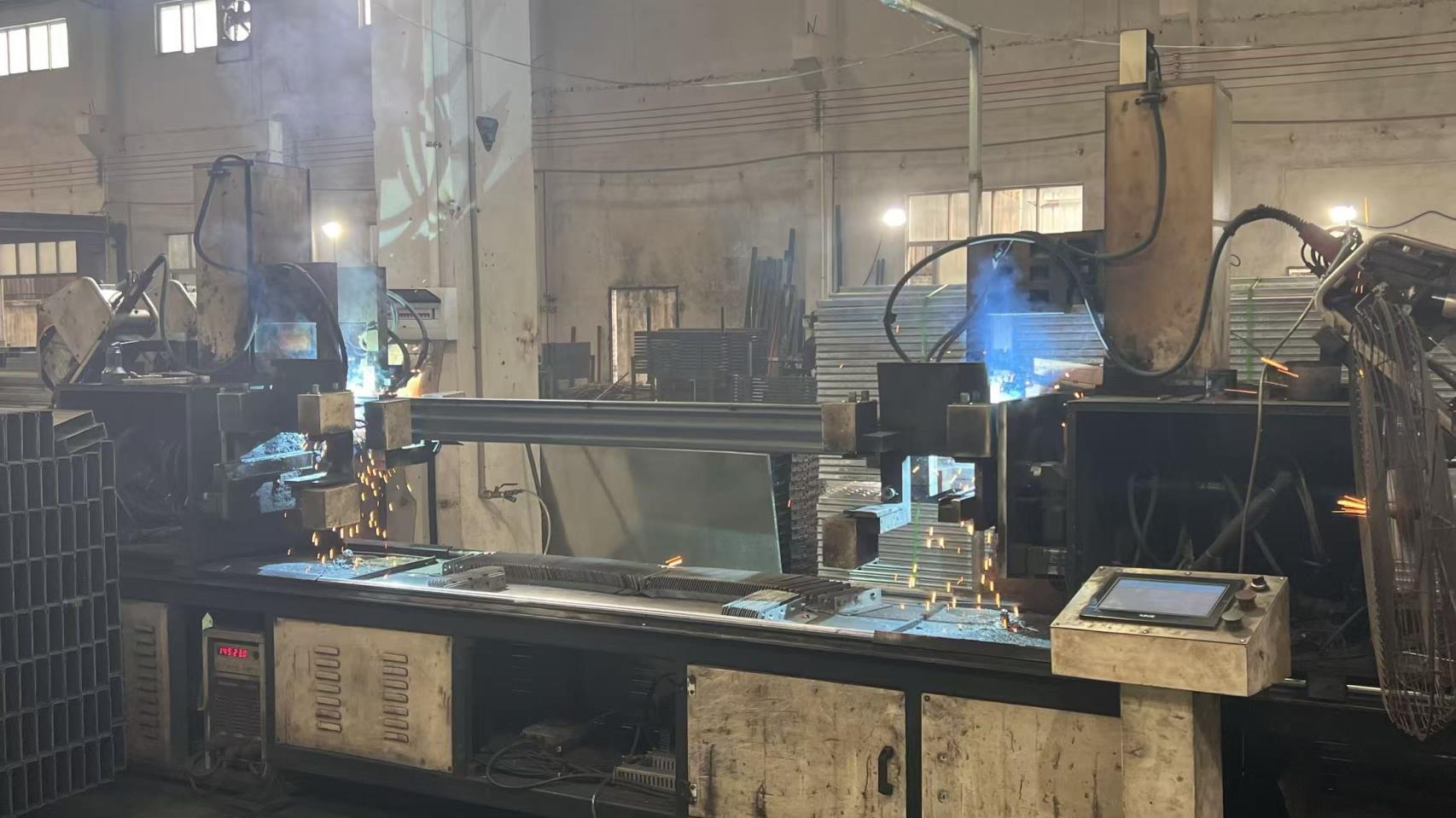
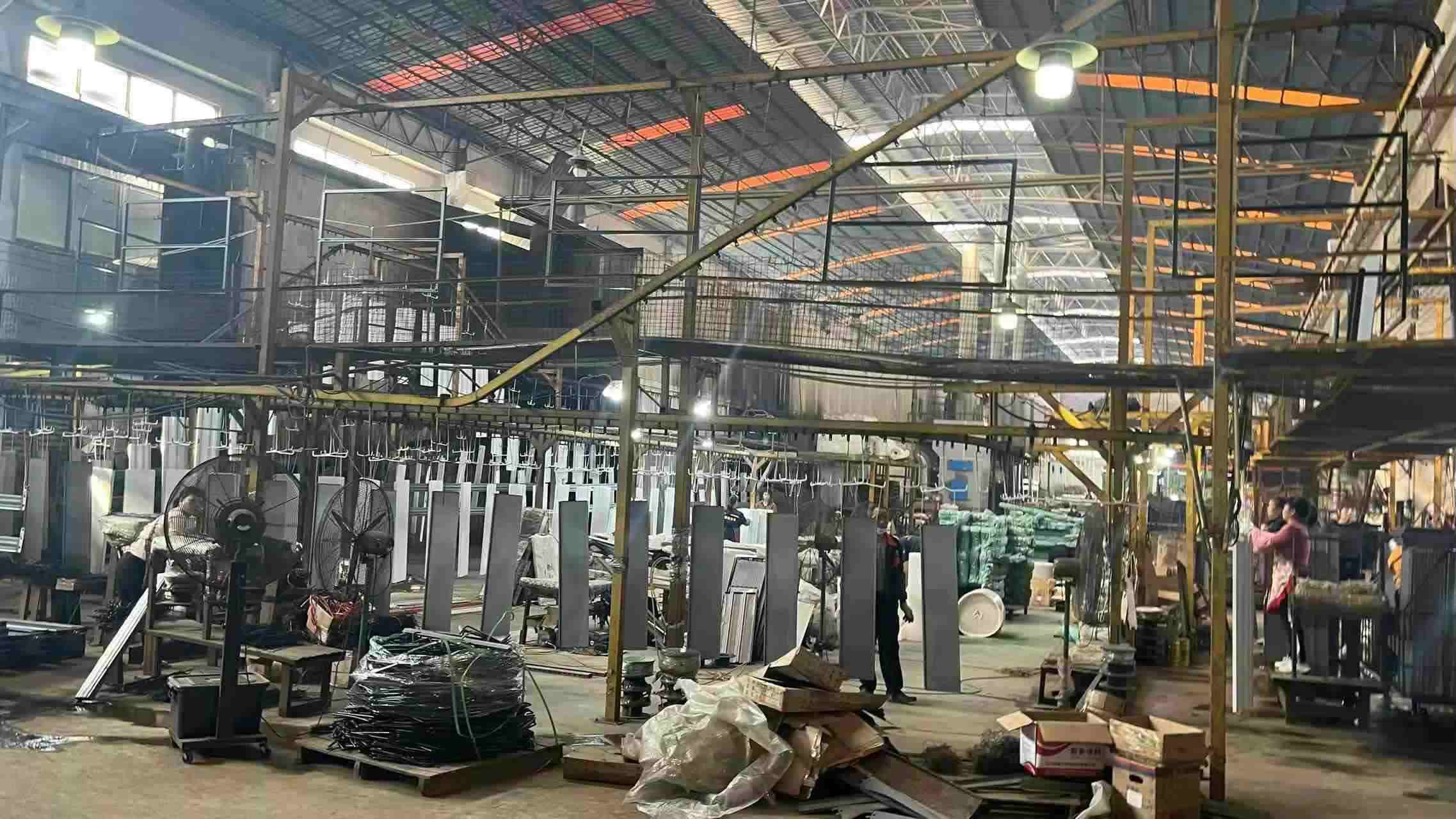
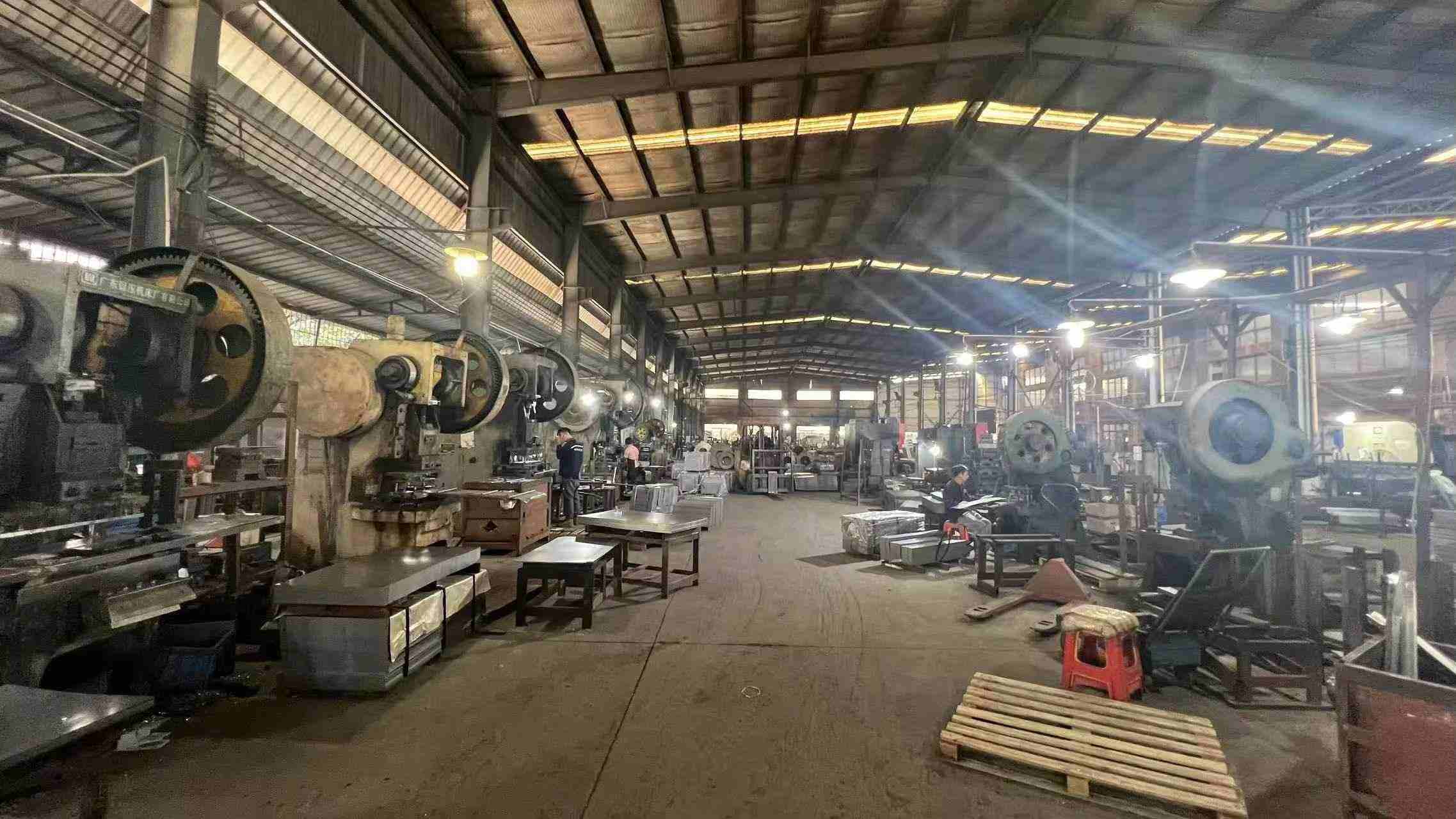
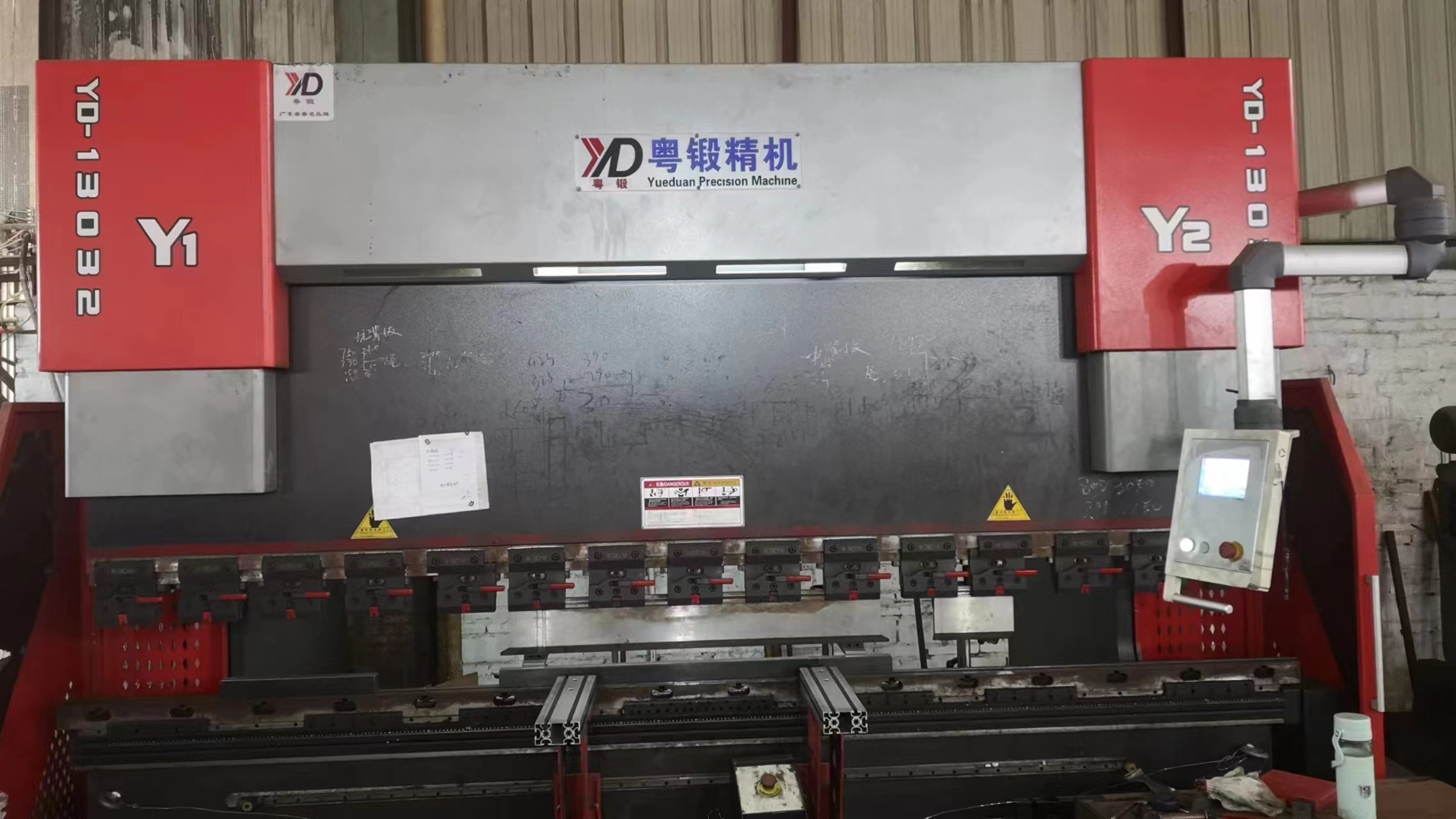
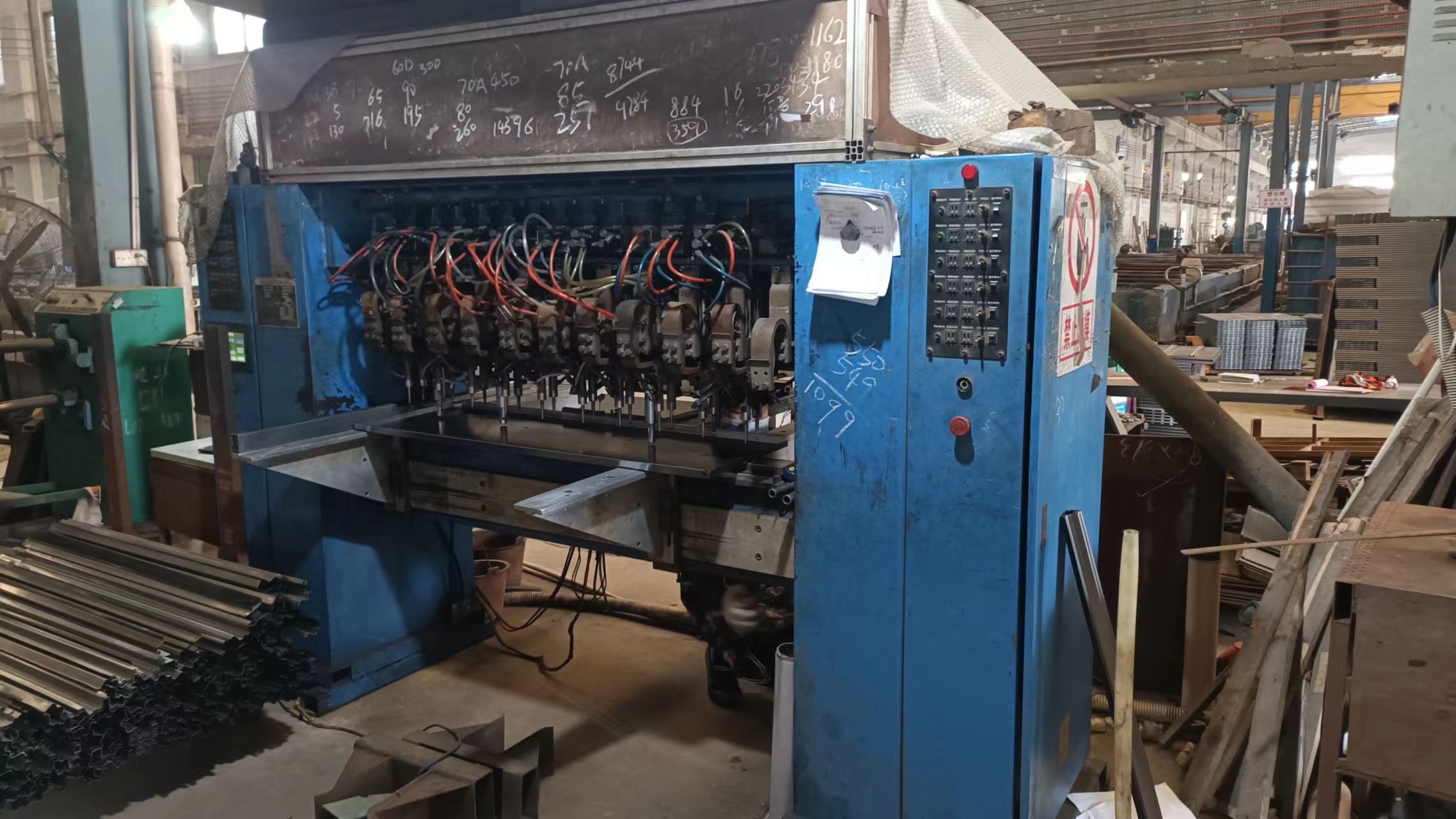
Our zero-failure QA policy is powered by professional industrial inspection metrology. Precision measurement instruments verify steel gauge, uniform coating layer density, and tensile integrity at every stage of the manufacturing cycle.
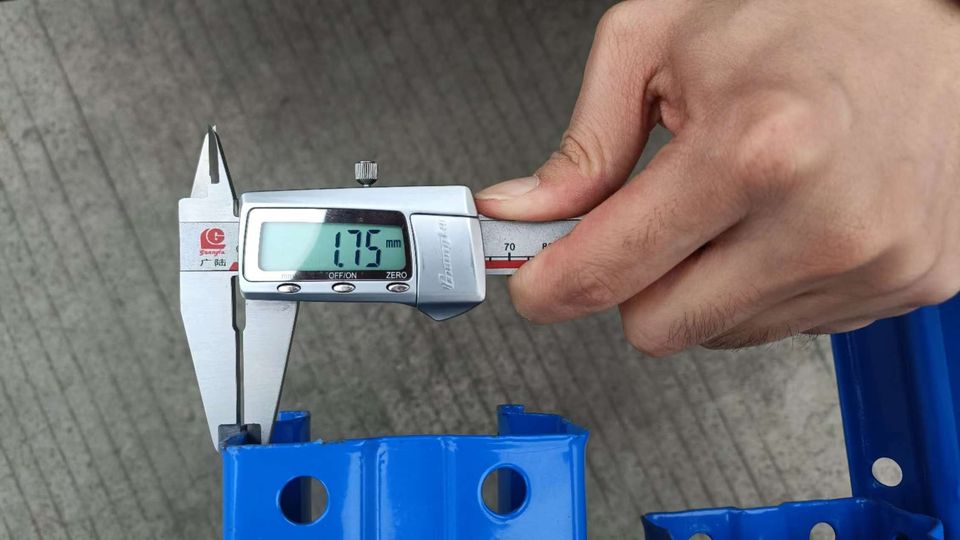
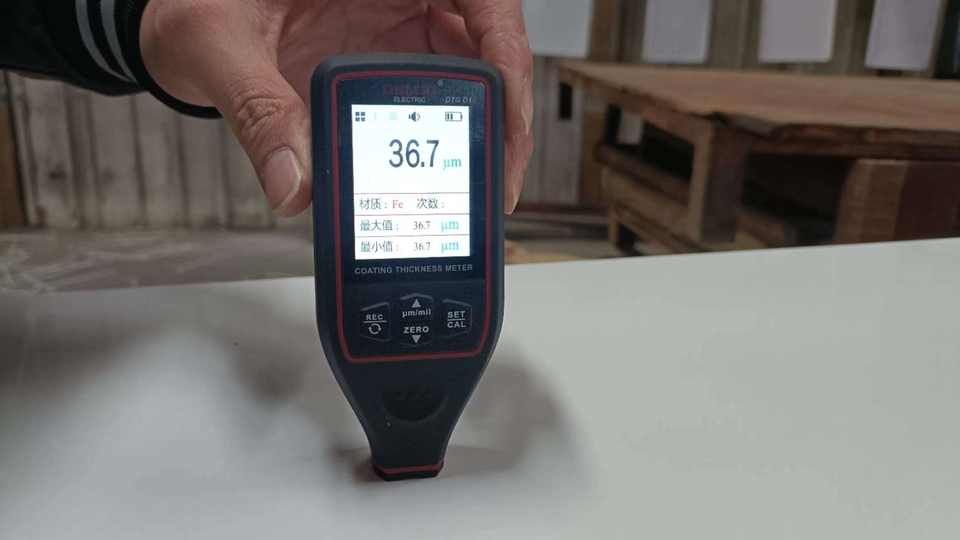
Using digital micro-calipers and electromagnetic thickness sensors, we guarantee dimensional accuracy down to ±0.05 mm and powder coat thickness exceeding 80 microns. This ensures that every racking upright, safety beam lock, and hanging assembly connector matches structural calculations approved under CE standards.
As the epicenter of global steel fabrication, China's advanced logistics hubs—primarily in the Pearl River Delta (Dongguan, Shenzhen, Guangzhou)—provide incomparable macro benefits for B2B procurement managers.
Dongguan's raw material ecosystems allow immediate access to first-grade, high-tensile steel mills. The concentration of advanced toolings, cold-rolling mills, and automated electrostatic powder coating technologies keeps lead times short and pricing competitive.
By leveraging robot-assisted welding platforms and computer-controlled roll formers, Chinese factories produce consistent, defect-free racking components. This high throughput easily scales to meet the volume requirements of major distribution hubs.
Proximity to the Ports of Shenzhen and Guangzhou reduces inland freight charges. It allows streamlined customs clearances, simplified logistics tracking, and direct access to global shipping channels targeting Europe, North America, and beyond.
Modern storage architecture is not one-size-fits-all. Heavy-duty hanging systems and pallet racking systems adapt to the operational demands of specialized industries.
Modern e-commerce requires highly flexible storage densities. Adjustable teardrop racking and multi-tier mezzanine hanging arrays allow operators to dynamically scale spatial capacity in response to changing product lines and seasonal inventory spikes.
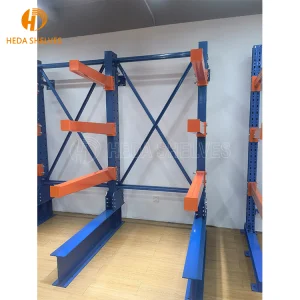
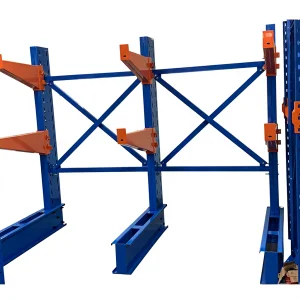
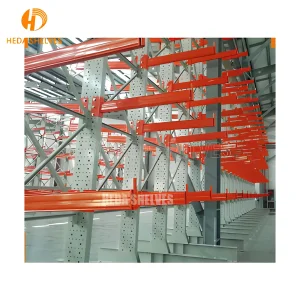
Fabrication plants require designated zones for bulky components, components, and tires. Heavy-duty customized tire stacking structures and single/double-sided cantilever racks support long, non-standard items, minimizing manual handling risks.
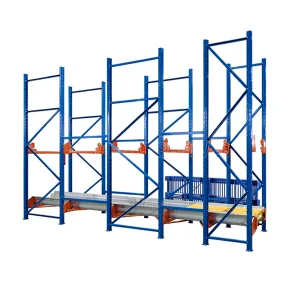
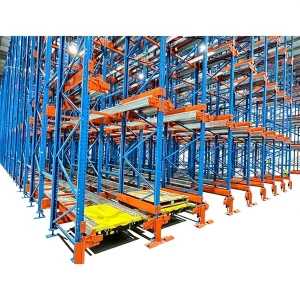
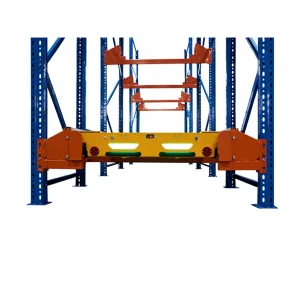
Integrating 4-way radio shuttle mechanisms within pallet racking formats maximizes floor utilization. These automated solutions support high-velocity FIFO (First In, First Out) and LIFO (Last In, First Out) inventory flows with minimal labor overhead.
The storage infrastructure industry is shifting toward smart, green, and resilient designs. Emerging trends are shaping the future of warehouse logistics.
Traditional structural racking used thicker carbon steels to achieve load stability. Advanced cold-rolling techniques now process high-yield materials like Q355B and specialized micro-alloyed steels. This yields lighter structural profiles with equivalent or superior load-bearing capabilities, reducing global shipping weight, steel consumption, and environmental footprint.
For chemical, medical, and food-grade operations, surface coatings must do more than prevent rust. Leading factories apply specialized antimicrobial coatings and chemical-resistant finishes, ensuring compliance with strict public health standards during high-humidity sanitization cycles.
With warehouse structures climbing higher to capture vertical volume, seismic engineering is crucial. Modern hanging systems feature modular, energy-dissipating base plates, sway bracing, and flexible connector joints designed to absorb shock loads and protect warehouse staff during seismic events.
Get authoritative answers to technical, regulatory, and logistics questions about industrial racking systems.
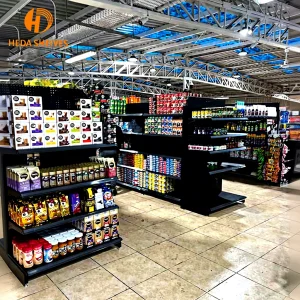
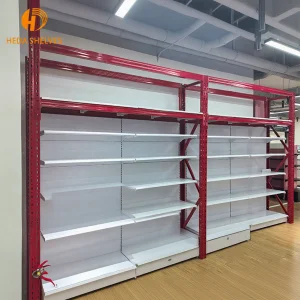
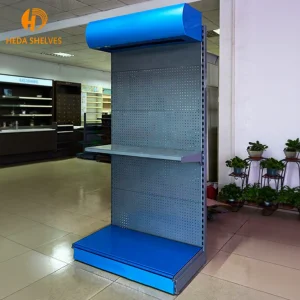
Explore our high-performance solutions for heavy-duty warehousing, commercial supermarkets, and automated logistics systems.
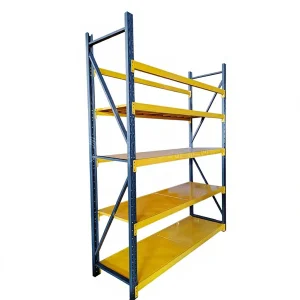
 Durack