What Are the Top Types of Wire Shelving?

Time:2026-11-14 Author:Sophia
0%

Wire Shelving may look simple, but the right design can change how a workspace performs. A stockroom needs quick access to cartons. A commercial kitchen needs airflow and easy cleaning. A garage may need adjustable shelves for bins, tools, and awkwardly shaped equipment. These details matter.

MHI’s 2024 Annual Industry Report examines supply-chain priorities and technology adoption among industry respondents. It is useful context, not a direct study of wire shelving. The distinction matters: broad warehouse trends cannot prove that one shelf type suits every facility. Real decisions still depend on load ratings, dimensions, finish, mobility, and cleaning needs. A shelf that looks sturdy is not automatically safe for every load.

The sections ahead compare common types, including chrome-plated, stainless-steel, epoxy-coated, and mobile wire shelving. Each offers different strengths. Some resist moisture better. Others suit dry storage or frequent reconfiguration. Small details count. Inspect the corners, clips, casters, and stated weight limits before choosing. I cannot responsibly include a named expert’s quotation without a verifiable source; inventing one would weaken this guide. That gap is worth acknowledging. Use the comparisons as a starting point, then confirm specifications with the manufacturer and match them to your actual storage conditions.
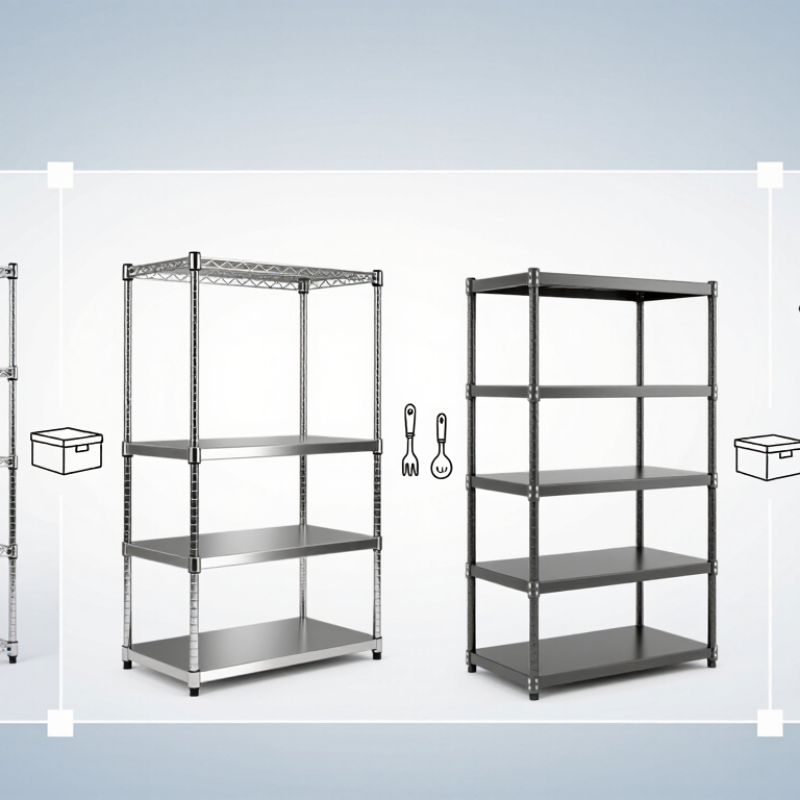
What Are the Top Types of Wire Shelving?

Chrome-Plated Wire Shelving for General-Purpose Storage

Chrome-plated wire shelving is a practical choice for pantries, stockrooms, utility closets, and other dry indoor spaces. Its open steel shelves let air circulate and make stored items easy to see. A quick glance can reveal a nearly empty container or a misplaced tool. Useful, not flashy.

Many units have adjustable shelves, so you can make room for tall bottles, folded linens, or storage bins. Check the product’s stated load limits, and spread weight across each shelf rather than piling it in one spot. Keep the unit level on a firm floor. Small items may slip through the wire gaps, so a fitted shelf liner can help. That matters.

The chrome finish is attractive and usually simple to wipe clean with a soft cloth and mild detergent. Dry it afterward, especially around joints. It is not ideal for persistently damp or corrosive environments, where the finish may deteriorate over time. I would not assume that a shiny surface means maintenance-free storage. Check for loose connections and signs of wear during routine cleaning; a little attention can prevent an unstable shelf from becoming an unpleasant surprise.

Epoxy-Coated Wire Shelving for Damp Environments

Epoxy-coated wire shelving suits laundry rooms, walk-in coolers, and utility areas where condensation is common. Its polymer layer separates steel from routine moisture and makes open shelves easy to inspect. Air moves between the wires, while droplets and dust remain visible. That helps staff spot trouble early. Still, epoxy is not waterproof. Scratches near welds or cut ends can expose steel, so inspect those points during regular cleaning.

Humidity matters, too. The U.S. Environmental Protection Agency advises keeping indoor relative humidity below 60%, ideally between 30% and 50%, to limit moisture problems. In persistently damp spaces, ventilation and leak control should accompany coated shelving. The 2016 NACE International IMPACT study estimated corrosion costs at US$2.5 trillion worldwide, or 3.4% of global GDP. That figure covers many industries, not shelving alone, but it shows why small maintenance steps matter. Wipe shelves dry after spills, use cleaners compatible with the coating, and replace units with deep chips or visible rust. Check the rated load before storing heavy containers; evenly spaced wire can still bend under concentrated weight. A little caution helps. Epoxy coating is a useful barrier, not a substitute for dry conditions.

What Are the Top Types of Wire Shelving? - Epoxy-Coated Wire Shelving for Damp Environments

Shelving type Typical environment Corrosion resistance Key advantages Points to consider
Epoxy-coated steel wire Damp indoor spaces, such as utility rooms, coolers, and some food-storage areas The coating helps protect the steel from moisture; protection depends on coating quality and condition. Useful moisture resistance; open-wire design allows airflow and visibility; often available with shelf liners or antimicrobial coating options. Scratches or chips can expose the underlying steel. Not a substitute for stainless steel in severe chemical, saltwater, or constantly wet conditions.
Chrome-plated steel wire Dry indoor storage, retail displays, and general-purpose rooms Limited in persistently damp settings; the plated surface can corrode if damaged or exposed to moisture over time. Bright finish; easy-to-clean open construction; commonly used for visible storage. Generally better suited to dry interiors than coolers, wash-down areas, or humid rooms.
Zinc-plated steel wire Dry or mildly humid indoor areas, depending on the finish Zinc provides sacrificial corrosion protection, but performance varies with coating thickness and exposure. Practical protective finish for everyday storage; open shelves support airflow. Not usually the first choice for continuous dampness or corrosive environments; inspect for wear and rust.
Stainless-steel wire Wet, humid, or hygiene-sensitive areas; grade selection depends on exposure Generally high; resistance varies by stainless-steel grade and the specific chemicals or salts present. Durable corrosion resistance; suitable for frequent cleaning when selected for the environment. Usually costs more than coated carbon-steel options. Confirm the required grade for marine, chemical, or food-service use.
Polymer-coated steel wire Storage areas where a covered, non-metallic contact surface is useful The polymer layer shields the steel while intact; resistance depends on the coating and operating conditions. Smooth, covered surface; can help protect stored items from direct contact with metal wire. Coating damage may expose the steel. Check temperature limits, cleaning requirements, and load ratings for the specific system.

Selection note: Check the manufacturer's load rating, coating specifications, and cleaning guidance for the intended environment. Keep shelving within its rated capacity and address coating damage promptly.

Stainless Steel Wire Shelving for Sanitary and Corrosive Settings

Stainless steel wire shelving is a practical choice for kitchens, washdown areas, laboratories, and other spaces where moisture or frequent cleaning is expected. Its open-wire design allows air to circulate and helps water drain instead of pooling on a solid shelf. Stainless construction can resist rust and many corrosive conditions, but performance depends on the steel grade, welds, and chemicals used nearby. It is not corrosion-proof in every environment.

Tips: Check the shelf’s load rating before stocking it. Match the steel grade to cleaners and salts in your workspace. Wipe away residue, then let shelves dry. Small habits matter.

For sanitary use, look for sturdy joints and a finish that is easy to inspect and clean. Remove stored items during routine cleaning so dust and spills do not hide beneath containers. Even well-chosen shelving can develop problems if harsh chemicals remain on its surface. That part is easy to overlook. Compare the actual operating conditions with the supplier’s material and care guidance, and inspect the shelves regularly for damage or buildup.

Polymer-Coated Wire Shelving for Added Surface Protection

Polymer-coated wire shelving adds a smooth layer over the metal grid. In a busy pantry, garage, or stockroom, that finish can help limit scratches and reduce direct contact with moisture. It also softens the feel of the shelf edge. Small detail. The coating does not make the shelf waterproof, and it should not replace a suitable load rating. Not a cure-all.

The surface is useful where stored items might scuff or snag on bare wire. Plastic bins can slide across it with less rattling, while bottles and cartons rest on a less abrasive surface. Still, it is easy to overestimate what the finish can withstand. Coatings may chip if shelves are dragged, struck, or scrubbed with harsh tools. Check corners and weld points from time to time, since damage can be easy to overlook.

Choose a shelf sized for its intended load and environment, then follow the care instructions. Wipe spills promptly with mild soap and a soft cloth; abrasive pads can wear the finish. In damp areas, check whether the coating and frame are suitable for that exposure. Dust can still collect on the wires, so routine cleaning remains necessary.

Mobile and Wall-Mounted Wire Shelving for Specialized Layouts

Mobile and wall-mounted wire shelving can solve layout problems that standard fixed racks cannot. Mobile units roll along floor tracks, bringing stored items closer when needed and reducing permanently assigned aisle space. They suit archives, supply rooms, and compact stock areas. The trade-off is real: moving loaded shelves takes effort, and track alignment needs regular attention. Wall-mounted shelves free the floor for carts and cleaning. They work well above packing benches or in narrow utility rooms, provided the wall can support the rated load.

The 2024 MHI Annual Industry Report found that 55% of surveyed supply-chain professionals planned to increase investment in supply-chain technology. That finding does not measure shelving demand directly, but it reflects growing interest in adaptable operations. For specialized layouts, adaptability still depends on details: measure cart turning space, check door swings, and keep frequently used items within comfortable reach. A wall run may look efficient on paper, yet become awkward if it blocks a light switch or creates a hard-to-reach corner.

Tips: Confirm floor and wall capacity before installation. Keep mobile tracks clear of debris, label shelf load limits, and test access with a loaded cart. Small mistakes show up fast.

FAQS

Where does chrome-plated wire shelving work best?

It suits dry indoor spaces, such as pantries, stockrooms, and utility closets. Air moves between the open shelves.

Can I adjust the shelf height?

Many units have adjustable shelves. Make room for tall bottles, folded linens, or storage bins.

How should I distribute weight?

Check the stated load limit. Spread items across each shelf, rather than stacking them in one spot. Keep the unit level.

What can stop small items falling through?

A fitted shelf liner can cover the wire gaps. Handy for small jars.

How do I clean a chrome finish?

Wipe it with a soft cloth and mild detergent. Dry it afterward, especially around the joints.

Is chrome-plated shelving suitable for damp areas?

Not for persistently damp or corrosive spaces. The finish may deteriorate over time, even when it still looks shiny.

What does a polymer coating add?

It can help limit scratches and reduce direct contact with moisture. Plastic bins may slide with less rattling. Not waterproof.

How can I care for polymer-coated shelves?

Wipe spills promptly with mild soap and a soft cloth. Avoid abrasive pads, and check corners for chips. I might overlook them.

Conclusion

Wire Shelving comes in several styles, each suited to different storage needs and environments. Chrome-plated wire shelving is a practical choice for general-purpose storage in clean, dry spaces, offering an open design that makes items easy to see and access. For areas with occasional moisture, epoxy-coated shelving adds a protective finish that can help resist damp conditions. Stainless steel shelving is designed for settings where hygiene, frequent cleaning, or exposure to corrosive substances is a concern.

Other options provide added flexibility or surface protection. Polymer-coated wire shelving has a smooth covering that helps protect stored items and the shelf surface. Mobile units can be moved as storage needs change, while wall-mounted systems make use of vertical space in compact layouts. Choosing among these types depends on the environment, the items being stored, and whether mobility, easy cleaning, or efficient use of space is most important.

Sophia

Sophia

Sophia is a dedicated marketing professional with an exceptional depth of knowledge about her company's products and services. With a keen understanding of market trends and customer needs, she crafts insightful blog posts that not only inform but also engage readers, enriching the company’s online......